Feeds:
Posts
Comments

Posts Tagged ‘genome’

ENCODE data reveals important information from Genome Wide Association Studies relevant to understanding complex genetic diseases

Author: Ritu Saxena, Ph.D.


Introduction

“The depth, quality, and diversity of the ENCODE data are unprecedented” is what was stated by John Stamatoyannopoulos, professor of genomic sciences at the University of Washington and one of the many principle investigators of ENCODE project. ENCODE (Encyclopedia of DNA elements), indeed, was an ambitious project launched as a pilot in 2003 and then expanded in 2007 for the whole genome analysis and identification of all the functional elements of the human genome. The findings were striking as they challenged the definition of “gene” and ‘the central dogma of genetics (Gene-mRNA-protein). Infact, the non-coding part that constitutes about 80% of the genome or the so-called “junk DNA” was found to contain elements crucial for gene regulation. The elements, in large part, include RNA transcripts that are not transcribed into proteins but might have a regulatory role. For detailed reading, refer to the findings published in the issue of Nature, The ENCODE Project Consortium Nature 489, 57–74 (2012) An integrated encyclopedia of DNA elements in the human genome

Key features of the data, as explained in the National Human Genome Research Institute website (National Human Genome Research Institute News feature), include comprehensive mapping of:

  • Protein-coding genes — Proteins are molecules made of amino acids linked together in a specific sequence; the amino acid sequence is encoded by the sequence of DNA subunits called nucleotides that make up genes.
  • Non-coding genes — Stretches of DNA that are read by the cell as if they were genes but do not encode proteins. These appear to help regulate the activity of the genome.
  • Chromatin structure features — Complex physical structures made from a combination of DNA and binding proteins that make up the contents of the nucleus and affects genome function.
  • Histone modifications — Histones are the proteins that make up the chromatin structures that help shape and control the genome. In addition, histone proteins can be physically modified by adding chemical groups, such as a methyl molecule, that further regulates genomic activity.
  • DNA methylation — Just like histones, methyl groups can be added to DNA itself in a process called DNA methylation. Chemically attaching methyl groups to DNA physically changes the ability of enzymes to reach the DNA and thus alters the gene expression pattern in cells. Methylation helps cells “remember what they are doing” or alter levels of gene expression, and it is a crucial part of normal development and cellular differentiation in higher organisms.
  • Transcription factor binding sites — Transcription factors are proteins that bind to specific DNA sequences, controlling the flow (or transcription) of genetic information from DNA to mRNA. Mapping the binding sites can help researchers understand how genomic activity is controlled.

How could ENCODE be helpful in the study of complex human diseases?

Complex diseases and Genome wide association studies (GWAS)

Coronary artery disease, type 2 diabetes and many forms of cancer are complex human diseases that have a significant genetic component. Unlike mendelian disorders that have defined loci, the genetic component of complex disorders lies in the form of genetic variations in the genome making an individual susceptible to these complex diseases.

Researchers have performed Genome-wide association studies (GWAS) of the human genome, leading to the identification of thousands of DNA variants that could be linked with complex traits and diseases. However, identifying the variants, referred to as SNPs (Single Nucleotide Polymorphisms), that actually contribute to the disease, and understanding how they exert influence on a disease has been more of a mystery.

How would ENCODE solve the puzzle?

The puzzle lies in interpreting how the SNPs found in the genome affect a person’s susceptibility to a particular trait or disease and what is the mechanism behind it. As identified in the GWAS, most variants that are associated with the phenotype of the trait or disease lie in the non-coding region of the genome. Infact, in more than 400 studies compiled in the GWAS catalog only a small minority of the trait/disease-associated SNPs occur in protein-coding regions; the large majority (89%) are in noncoding regions. These variants fall in the gene deserts that lie far from protein-coding region, similar to those where cis-regulatory modules (CRMs) are found. CRMs such as promoters and enhancers are a group of binding sites for transcription factors, and the presence of transcription factors bound to these sites is a good indicator of the potential regulatory regions.

The integrative analysis of ENCODE data has give important insights to the results of GWAS studies. Investigators have employed ENCODE data as an initial guide to discover regulatory regions in which genetic variation is affecting a complex trait. Additionally, ENCODE study when examined the SNPs from GWAS that were associated with the phenotype of the trait, found that these regions are enriched in DNase-sensitive regions i.e, lie in the function-associated DNA region of the genome as it could be bound by transcription factors affecting the regulation of gene expression. Thus, the project demonstrates that non-coding regions must be considered when interpreting GWAS results, and it provides a strong motivation for reinterpreting previous GWAS findings.

Using ENCODE Data to Interpret GWAS Results

ENCODE and predisposition to CANCER:

C-Myc, a proto-oncogene, codes for a transcripton factor, when expressed constitutively leads to uninhibited cell proliferation resulting in cancer. It has been observed that common variants within a ~1 Mb region upstream of c-Myc gene have been associated with cancers of the colon, prostate, and breast. Several SNPs have been reported in this region, that although affect the phenotype, lie in the distal cis-region of the MYC gene. Alignment of the ENCODE data in this region with the significant variants from the GWAS also reveals that key variants are found in the transcription factor occupied DNA segments mapped by this consortium. One variant rs698327, lies within a DNase hypersensitive site that is bound by several transcription factors, enhancer-associated protein p300, and contains histone modifications relative to enhancers (high H3K4me1, low H3K4me3). ENCODE data indicates that non-coding regions in the human chromosome 8q24 loci are associated with cancer and as observed in the case of c-myc gene, similar studies on cancer-related genes could help explain predisposition to cancer.

ENCODE and fetal hemoglobin expression:

Another example of the use of ENCODE data is that of gene regulation of fetal hemoglobin. Several regions were predicted via ENCODE that were involved in the regulation of fetal hemoglobin. It was found that these predicted regions are close to the SNPs in the BLC11A gene that is associated with persistent expression of fetal hemoglobin.

Future perspective

As evident from the above examples, the ENCODE data shows that genetic variants do affect regulated expression of a target gene. Recently, several research groups in the UK performed a large-scale GWAS study to determine the genetic predisposition to fracture risk. The collaborative effort, published in a recent issue of the PLoS journal, was made to identify genetic variants associated with cortical bone thickness (CBT) and bone mineral density (BMD) with data from more than 10,000 subjects. http://www.plosgenetics.org/article/info%3Adoi%2F10.1371%2Fjournal.pgen.1002745 The study generated a wealth of data including the result – identification of SNPs in the WNT16 and its adjacent gene, FAM3C were found to be relevant to CBT and BMD. ENCODE data, in this case, could be helpful in interpreting more detailed information including determining additional SNPs, the regulatory information of the genes involved and much more. Thus, it could be concluded that ENCODE data could be immensely useful in interpreting associations between disease and DNA sequences that can vary from person to person.

Sources:

Research articles

An integrated encyclopedia of DNA elements in the human genome

A User’s Guide to the Encyclopedia of DNA Elements (ENCODE)

What does our genome encode?

Genome-wide Epigenetic Data Facilitate Understanding of Disease Susceptibility Association Studies

Genomics: ENCODE explained

ENCODE Project Writes Eulogy For Junk DNA

WNT16 Influences Bone Mineral Density, Cortical Bone Thickness, Bone Strength, and Osteoporotic Fracture Risk

 News articles

ENCODE project: In massive genome analysis new data suggests ‘gene’ redefinition

National Human Genome Research Institute News feature

Related posts

Expanding the Genetic Alphabet and linking the genome to the metabolome

Junk DNA codes for valuable miRNAs: non-coding DNA controls Diabetes

ENCODE Findings as Consortium

Read Full Post »

Expanding the Genetic Alphabet and Linking the Genome to the Metabolome

English: The citric acid cycle, also known as ...

English: The citric acid cycle, also known as the tricarboxylic acid cycle (TCA cycle) or the Krebs cycle. Produced at WikiPathways. (Photo credit: Wikipedia)

Expanding the Genetic Alphabet and Linking the Genome to the Metabolome


Reporter& Curator:  Larry Bernstein, MD, FCAP


Unlocking the diversity of genomic expression within tumorigenesis and “tailoring” of therapeutic options

1. Reshaping the DNA landscape between diseases and within diseases by the linking of DNA to treatments

In the NEW York Times of 9/24,2012 Gina Kolata reports on four types of breast cancer and the reshaping of breast cancer DNA treatment based on the findings of the genetically distinct types, which each have common “cluster” features that are driving many cancers.  The discoveries were published online in the journal Nature on Sunday (9/23).  The study is considered the first comprehensive genetic analysis of breast cancer and called a roadmap to future breast cancer treatments.  I consider that if this is a landmark study in cancer genomics leading to personalized drug management of patients, it is also a fitting of the treatment to measurable “combinatorial feature sets” that tie into population biodiversity with respect to known conditions.   The researchers caution that it will take years to establish transformative treatments, and this is clearly because in the genetic types, there are subsets that have a bearing on treatment “tailoring”.   In addition, there is growing evidence that the Watson-Crick model of the gene is itself being modified by an expansion of the alphabet used to construct the DNA library, which itself will open opportunities to explain some of what has been considered junk DNA, and which may carry essential information with respect to metabolic pathways and pathway regulation.  The breast cancer study is tied to the  “Cancer Genome Atlas” Project, already reported.  It is expected that this work will tie into building maps of genetic changes in common cancers, such as, breast, colon, and lung.  What is not explicit I presume is a closely related concept, that the translational challenge is closely related to the suppression of key proteomic processes tied into manipulating the metabolome.

Saha S. Impact of evolutionary selection on functional regions: The imprint of evolutionary selection on ENCODE regulatory elements is manifested between species and within human populations. 9/12/2012. PharmaceuticalIntelligence.Wordpress.com

Hawrylycz MJ, Lein ES, Guillozet-Bongaarts AL, Shen EH, Ng L, et al. An anatomically comprehensive atlas of the adult human brain transcriptome. Nature  Sept 14-20, 2012

Sarkar A. Prediction of Nucleosome Positioning and Occupancy Using a Statistical Mechanics Model. 9/12/2012. PharmaceuticalIntelligence.WordPress.com

Heijden et al.   Connecting nucleosome positions with free energy landscapes. (Proc Natl Acad Sci U S A. 2012, Aug 20 [Epub ahead of print]).  http://www.ncbi.nlm.nih.gov/pubmed/22908247

2. Fiddling with an expanded genetic alphabet – greater flexibility in design of treatment (pharmaneogenesis?)
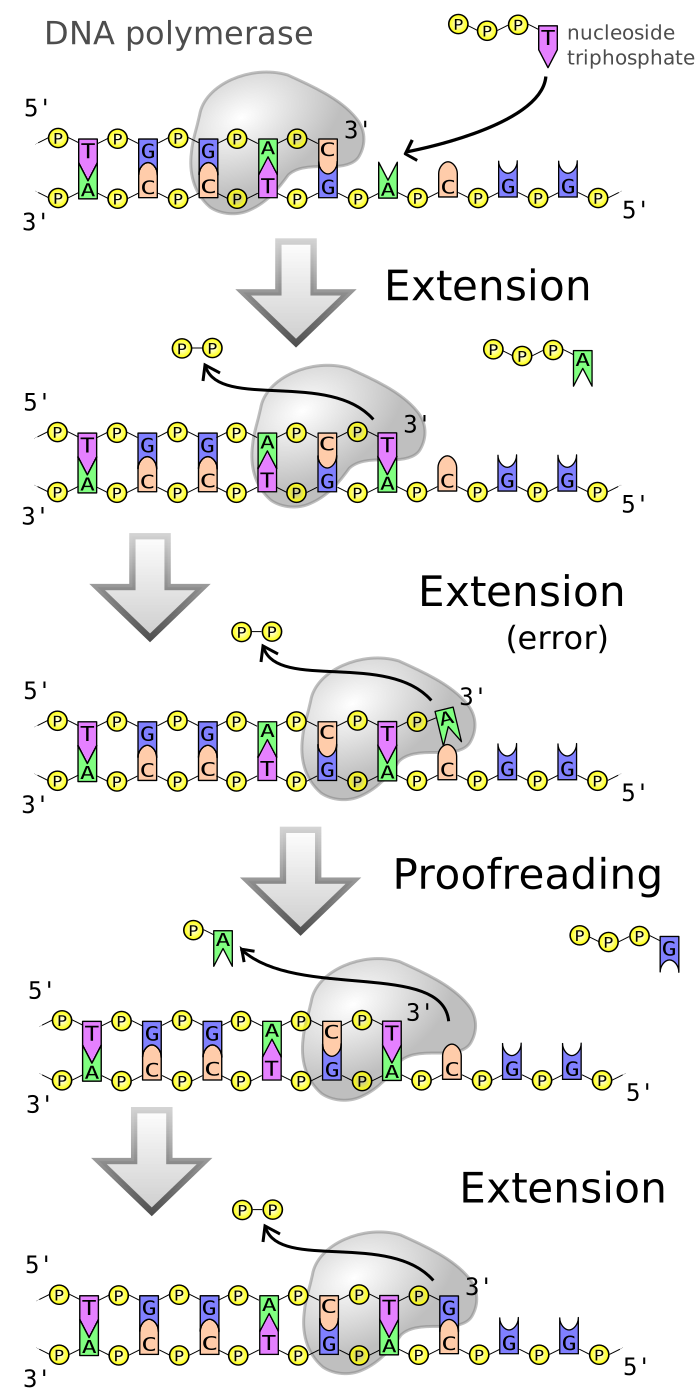
Diagram of DNA polymerase extending a DNA stra...

Diagram of DNA polymerase extending a DNA strand and proof-reading. (Photo credit: Wikipedia)

A clear indication of this emerging remodeling of the genetic alphabet is a new
study led by scientists at The Scripps Research Institute appeared in the
June 3, 2012 issue of Nature Chemical Biology that indicates the genetic code as
we know it may be expanded to include synthetic and unnatural sequence pairing (Study Suggests Expanding the Genetic Alphabet May Be Easier than Previously Thought, Genome). They infer that the genetic instructions for living organisms
that is composed of four bases (C, G, A and T)— is open to unnatural letters. An expanded “DNA alphabet” could carry more information than natural DNA, potentially coding for a much wider range of molecules and enabling a variety of powerful applications. The implications of the application of this would further expand the translation of portions of DNA to new transciptional proteins that are heretofore unknown, but have metabolic relavence and therapeutic potential. The existence of such pairing in nature has been studied in Eukariotes for at least a decade, and may have a role in biodiversity. The investigators show how a previously identified pair of artificial DNA bases can go through the DNA replication process almost as efficiently as the four natural bases.  This could as well be translated into human diversity, and human diseases.

The Romesberg laboratory collaborated on the new study and his lab have been trying to find a way to extend the DNA alphabet since the late 1990s. In 2008, they developed the efficiently replicating bases NaM and 5SICS, which come together as a complementary base pair within the DNA helix, much as, in normal DNA, the base adenine (A) pairs with thymine (T), and cytosine (C) pairs with guanine (G). It had been clear that their chemical structures lack the ability to form the hydrogen bonds that join natural base pairs in DNA. Such bonds had been thought to be an absolute requirement for successful DNA replication, but that is not the case because other bonds can be in play.

The data strongly suggested that NaM and 5SICS do not even approximate the edge-to-edge geometry of natural base pairs—termed the Watson-Crick geometry, after the co-discoverers of the DNA double-helix. Instead, they join in a looser, overlapping, “intercalated” fashion that resembles a ‘mispair.’ In test after test, the NaM-5SICS pair was efficiently replicable even though it appeared that the DNA polymerase didn’t recognize it. Their structural data showed that the NaM-5SICS pair maintain an abnormal, intercalated structure within double-helix DNA—but remarkably adopt the normal, edge-to-edge, “Watson-Crick” positioning when gripped by the polymerase during the crucial moments of DNA replication. NaM and 5SICS, lacking hydrogen bonds, are held together in the DNA double-helix by “hydrophobic” forces, which cause certain molecular structures (like those found in oil) to be repelled by water molecules, and thus to cling together in a watery medium.

The finding suggests that NaM-5SICS and potentially other, hydrophobically bound base pairs could be used to extend the DNA alphabet and that Evolution’s choice of the existing four-letter DNA alphabet—on this planet—may have been developed allowing for life based on other genetic systems.

3.  Studies that consider a DNA triplet model that includes one or more NATURAL nucleosides and looks closely allied to the formation of the disulfide bond and oxidation reduction reaction.

This independent work is being conducted based on a similar concep. John Berger, founder of Triplex DNA has commented on this. He emphasizes Sulfur as the most important element for understanding evolution of metabolic pathways in the human transcriptome. It is a combination of sulfur 34 and sulphur 32 ATMU. S34 is element 16 + flourine, while S32 is element 16 + phosphorous. The cysteine-cystine bond is the bridge and controller between inorganic chemistry (flourine) and organic chemistry (phosphorous). He uses a dual spelling, using  sulfphur to combine the two referring to the master catalyst of oxidation-reduction reactions. Various isotopic alleles (please note the duality principle which is natures most important pattern). Sulfphur is Methionine, S adenosylmethionine, cysteine, cystine, taurine, gluthionine, acetyl Coenzyme A, Biotin, Linoic acid, H2S, H2SO4, HSO3-, cytochromes, thioredoxin, ferredoxins, purple sulfphur anerobic bacteria prokaroytes, hydrocarbons, green sulfphur bacteria, garlic, penicillin and many antibiotics; hundreds of CSN drugs for parasites and fungi antagonists. These are but a few names which come to mind. It is at the heart of the Krebs cycle of oxidative phosphorylation, i.e. ATP. It is also a second pathway to purine metabolism and nucleic acids. It literally is the key enzymes between RNA and DNA, ie, SH thiol bond oxidized to SS (dna) cysteine through thioredoxins, ferredoxins, and nitrogenase. The immune system is founded upon sulfphur compounds and processes. Photosynthesis Fe4S4 to Fe2S3 absorbs the entire electromagnetic spectrum which is filtered by the Allen belt some 75 miles above earth. Look up chromatium vinosum or allochromatium species.  There is reasonable evidence it is the first symbiotic species of sulfphur anerobic bacteria (Fe4S4) with high potential mvolts which drives photosynthesis while making glucose with H2S.
He envisions a sulfphur control map to automate human metabolism with exact timing sequences, at specific three dimensional coordinates on Bravais crystalline lattices. He proposes adding the inosine-xanthosine family to the current 5 nucleotide genetic code. Finally, he adds, the expanded genetic code is populated with “synthetic nucleosides and nucleotides” with all kinds of customized functional side groups, which often reshape nature’s allosteric and physiochemical properties. The inosine family is nature’s natural evolutionary partner with the adenosine and guanosine families in purine synthesis de novo, salvage, and catabolic degradation. Inosine has three major enzymes (IMPDH1,2&3 for purine ring closure, HPGRT for purine salvage, and xanthine oxidase and xanthine dehydrogenase.
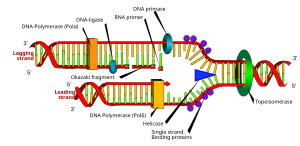
English: DNA replication or DNA synthesis is t...

English: DNA replication or DNA synthesis is the process of copying a double-stranded DNA molecule. This process is paramount to all life as we know it. (Photo credit: Wikipedia)

3. Nutritional regulation of gene expression,  an essential role of sulfur, and metabolic control 

Finally, the research carried out for decades by Yves Ingenbleek and the late Vernon Young warrants mention. According to their work, sulfur is again tagged as essential for health. Sulfur (S) is the seventh most abundant element measurable in human tissues and its provision is mainly insured by the intake of methionine (Met) found in plant and animal proteins. Met is endowed with unique functional properties as it controls the ribosomal initiation of protein syntheses, governs a myriad of major metabolic and catalytic activities and may be subjected to reversible redox processes contributing to safeguard protein integrity.

Consuming diets with inadequate amounts of methionine (Met) are characterized by overt or subclinical protein malnutrition, and it has serious morbid consequences. The result is reduction in size of their lean body mass (LBM), best identified by the serial measurement of plasma transthyretin (TTR), which is seen with unachieved replenishment (chronic malnutrition, strict veganism) or excessive losses (trauma, burns, inflammatory diseases).  This status is accompanied by a rise in homocysteine, and a concomitant fall in methionine.  The ratio of S to N is quite invariant, but dependent on source.  The S:N ratio is typical 1:20 for plant sources and 1:14.5 for animal protein sources.  The key enzyme involved with the control of Met in man is the enzyme cystathionine-b-synthase, which declines with inadequate dietary provision of S, and the loss is not compensated by cobalamine for CH3- transfer.

As a result of the disordered metabolic state from inadequate sulfur intake (the S:N ratio is lower in plants than in animals), the transsulfuration pathway is depressed at cystathionine-β-synthase (CβS) level triggering the upstream sequestration of homocysteine (Hcy) in biological fluids and promoting its conversion to Met. They both stimulate comparable remethylation reactions from homocysteine (Hcy), indicating that Met homeostasis benefits from high metabolic priority. Maintenance of beneficial Met homeostasis is counterpoised by the drop of cysteine (Cys) and glutathione (GSH) values downstream to CβS causing reducing molecules implicated in the regulation of the 3 desulfuration pathways

4. The effect on accretion of LBM of protein malnutrition and/or the inflammatory state: in closer focus

Hepatic synthesis is influenced by nutritional and inflammatory circumstances working concomitantly and liver production of  TTR integrates the dietary and stressful components of any disease spectrum. Thus we have a depletion of visceral transport proteins made by the liver and fat-free weight loss secondary to protein catabolism. This is most accurately reflected by TTR, which is a rapid turnover protein, but it is involved in transport and is essential for thyroid function (thyroxine-binding prealbumin) and tied to retinol-binding protein. Furthermore, protein accretion is dependent on a sulfonation reaction with 2 ATP.  Consequently, Kwashiorkor is associated with thyroid goiter, as the pituitary-thyroid axis is a major sulfonation target. With this in mind, it is not surprising why TTR is the sole plasma protein whose evolutionary patterns closely follow the shape outlined by LBM fluctuations. Serial measurement of TTR therefore provides unequaled information on the alterations affecting overall protein nutritional status. Recent advances in TTR physiopathology emphasize the detecting power and preventive role played by the protein in hyper-homocysteinemic states.

Individuals submitted to N-restricted regimens are basically able to maintain N homeostasis until very late in the starvation processes. But the N balance study only provides an overall estimate of N gains and losses but fails to identify the tissue sites and specific interorgan fluxes involved. Using vastly improved methods the LBM has been measured in its components. The LBM of the reference man contains 98% of total body potassium (TBK) and the bulk of total body sulfur (TBS). TBK and TBS reach equal intracellular amounts (140 g each) and share distribution patterns (half in SM and half in the rest of cell mass). The body content of K and S largely exceeds that of magnesium (19 g), iron (4.2 g) and zinc (2.3 g).

TBN and TBK are highly correlated in healthy subjects and both parameters manifest an age-dependent curvilinear decline with an accelerated decrease after 65 years. Sulfur Methylation (SM) undergoes a 15% reduction in size per decade, an involutive process. The trend toward sarcopenia is more marked and rapid in elderly men than in elderly women decreasing strength and functional capacity. The downward SM slope may be somewhat prevented by physical training or accelerated by supranormal cytokine status as reported in apparently healthy aged persons suffering low-grade inflammation or in critically ill patients whose muscle mass undergoes proteolysis.

5.  The results of the events described are:

  • Declining generation of hydrogen sulfide (H2S) from enzymatic sources and in the non-enzymatic reduction of elemental S to H2S.
  • The biogenesis of H2S via non-enzymatic reduction is further inhibited in areas where earth’s crust is depleted in elemental sulfur (S8) and sulfate oxyanions.
  • Elemental S operates as co-factor of several (apo)enzymes critically involved in the control of oxidative processes.

Combination of protein and sulfur dietary deficiencies constitute a novel clinical entity threatening plant-eating population groups. They have a defective production of Cys, GSH and H2S reductants, explaining persistence of an oxidative burden.

6. The clinical entity increases the risk of developing:

  • cardiovascular diseases (CVD) and
  • stroke

in plant-eating populations regardless of Framingham criteria and vitamin-B status.
Met molecules supplied by dietary proteins are submitted to transmethylation processes resulting in the release of Hcy which:

  • either undergoes Hcy — Met RM pathways or
  • is committed to transsulfuration decay.

Impairment of CβS activity, as described in protein malnutrition, entails supranormal accumulation of Hcy in body fluids, stimulation of activity and maintenance of Met homeostasis. The data show that combined protein- and S-deficiencies work in concert to deplete Cys, GSH and H2S from their body reserves, hence impeding these reducing molecules to properly face the oxidative stress imposed by hyperhomocysteinemia.

Although unrecognized up to now, the nutritional disorder is one of the commonest worldwide, reaching top prevalence in populated regions of Southeastern Asia. Increased risk of hyperhomocysteinemia and oxidative stress may also affect individuals suffering from intestinal malabsorption or westernized communities having adopted vegan dietary lifestyles.

Ingenbleek Y. Hyperhomocysteinemia is a biomarker of sulfur-deficiency in human morbidities. Open Clin. Chem. J. 2009 ; 2 : 49-60.

7. The dysfunctional metabolism in transitional cell transformation

A third development is also important and possibly related. The transition a cell goes through in becoming cancerous tends to be driven by changes to the cell’s DNA. But that is not the whole story. Large-scale techniques to the study of metabolic processes going on in cancer cells is being carried out at Oxford, UK in collaboration with Japanese workers. This thread will extend our insight into the metabolome. Otto Warburg, the pioneer in respiration studies, pointed out in the early 1900s that most cancer cells get the energy they need predominantly through a high utilization of glucose with lower respiration (the metabolic process that breaks down glucose to release energy). It helps the cancer cells deal with the low oxygen levels that tend to be present in a tumor. The tissue reverts to a metabolic profile of anaerobiosis.  Studies of the genetic basis of cancer and dysfunctional metabolism in cancer cells are complementary. Tomoyoshi Soga’s large lab in Japan has been at the forefront of developing the technology for metabolomics research over the past couple of decades (metabolomics being the ugly-sounding term used to describe research that studies all metabolic processes at once, like genomics is the study of the entire genome).

Their results have led to the idea that some metabolic compounds, or metabolites, when they accumulate in cells, can cause changes to metabolic processes and set cells off on a path towards cancer. The collaborators have published a perspective article in the journal Frontiers in Molecular and Cellular Oncology that proposes fumarate as such an ‘oncometabolite’. Fumarate is a standard compound involved in cellular metabolism. The researchers summarize that shows how accumulation of fumarate when an enzyme goes wrong affects various biological pathways in the cell. It shifts the balance of metabolic processes and disrupts the cell in ways that could favor development of cancer.  This is of particular interest because “fumarate” is the intermediate in the TCA cycle that is converted to malate.
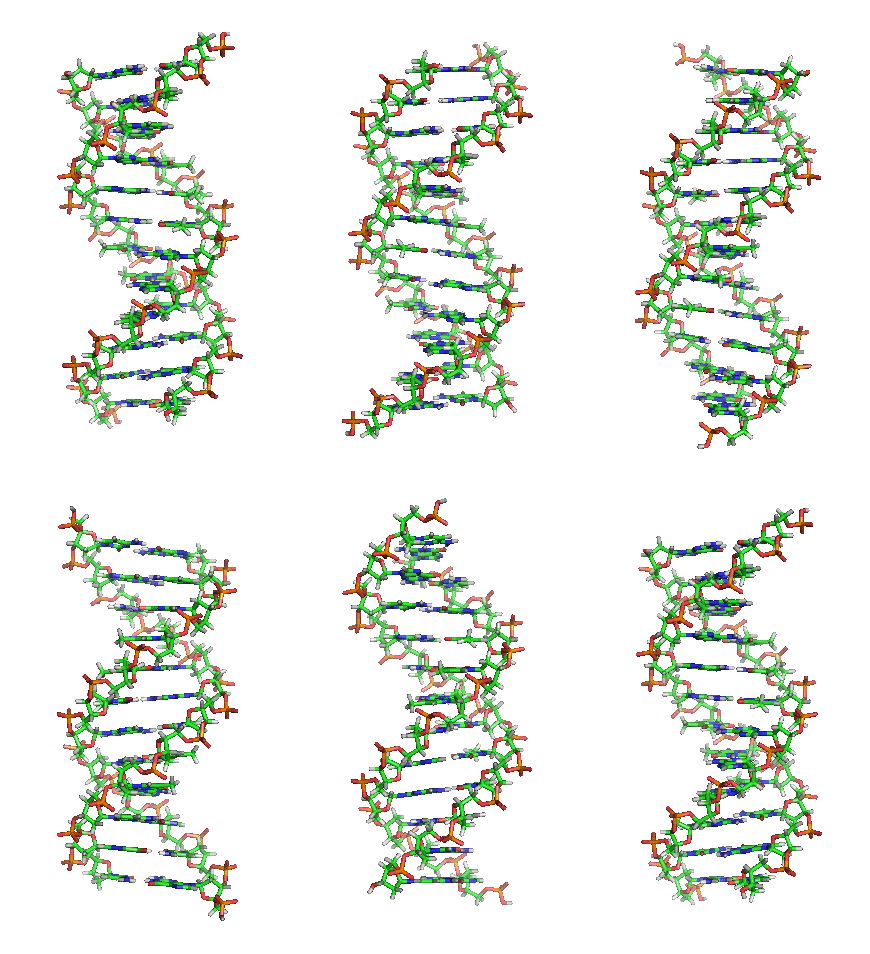
Animation of the structure of a section of DNA...

Animation of the structure of a section of DNA. The bases lie horizontally between the two spiraling strands. (Photo credit: Wikipedia)

The Keio group is able to label glucose or glutamine, basic biological sources of fuel for cells, and track the pathways cells use to burn up the fuel.  As these studies proceed, they could profile the metabolites in a cohort of tumor samples and matched normal tissue. This would produce a dataset of the concentrations of hundreds of different metabolites in each group. Statistical approaches could suggest which metabolic pathways were abnormal. These would then be the subject of experiments targeting the pathways to confirm the relationship between changed metabolism and uncontrolled growth of the cancer cells.

Related articles

Read Full Post »

Author and Curator: Dror Nir, PhD


As an entrepreneur who is promoting innovations in medical imaging I often find myself confronted with this question. Usually the issue is raised by a project’s potential financier by the way of the following remarks:

  • The Genome Project opens the road to “Star Track” kind of medicine. No one will need imaging.
  • What about development of new disease-specific markers? Would that put imaging out of business?
  • Soon we will have a way to “fix” bad cells’ DNA.  and so we will have no use for screening

In these situations I always find myself struggling to come up with answers rather than simply saying, ‘Well, it will take more time for these applications to be available than for you to reach your exit….’. I always try to find a quantitative citation to show how much time and money still needs to be invested before patients will be able to profit from that kind of futuristic “sci-fi medicine”.

Last week, a very recent source for such information was brought to my attention.  As a contributor to Leaders in Pharmaceutical Business Intelligence I was asked to review and comment on a recent report published in Nature regarding the progress made in the ENCODE project [1]. I was also asked to assess the influence of the progress in understanding the human genome on imaging-based cancer patients’ management, my field of expertise.

This short report is nicely written and is clear to layman’s (which is what I consider myself in this field) reading. My attention was drawn to some important facts:

  • It took 10 years and $288 Million to realise that 80% of 3 Billion DNA bases comprising the human genome serves a purpose.
  • So far a very small percentage (3% to 4%) of this potential was uncovered in the scope of this project.
  • Already now it is clear that much of the “knowledge” regarding the human genome’s functionality will need to be re-written.
  • Researchers anticipate that future studies using advanced technologies will contribute to better estimation of the knowledge gap.
  • Good news: these studies are leading to better understanding of diseases’ pathological characteristics and to more accurate reporting of disease sources. This gives hope to future development of disease specific drug development.

So, back to the subject of this post: it seems to me that we are quite a few decades and many billions of dollars away from “Star-Trek medicine”. In the foreseeable  future, i.e. at least during my life time (and I hope to live a while longer…), the daily routine of cancer patients’ management will have to rely on workflows constituted of screening, diagnosis, a treatment choice that includes a trial and error type of drugs’ choice, and a long-term post treatment follow-up. Smart imaging promises to increase cost efficiency and medical efficacy of these workflows. And I do hope that our children will benefit from the investment our generation is making in understanding the way the human genome is functioning.

  1. Science 7 September 2012: Vol. 337 no. 6099 pp. 1159-1161
    DOI: 10.1126/science.337.6099.1159 http://www.sciencemag.org/content/337/6099/1159.summary?sid=835cf304-a61f-45d5-8d77-ad44b454e448

Written by Dror Nir

Read Full Post »

Reporter and Curator: Dr. Sudipta Saha, Ph.D.

Gametogenesis is a biological process by which precursor cells undergo cell division and differentiation to form mature haploid gametes. Human gametogenesis occurs by mitotic division of gametogonia, followed by meiotic division of gametocytes into various gametes. During this process, the gamete genome experiences both programmed and spontaneous changes, among which meiotic recombination shuffles the two haploid somatic genomes to create a unique hybrid haploid genome for each gamete cell, while accumulated replication errors contribute point mutations that may affect the gametes’ functionality. This results in an enormous variety of new genomes being created in the gametes, thereby enabling one’s children to add to the genetic diversity of the human race in a more complex manner than by simply mixing and matching entire parental chromosomes. The genome-wide recombination activity and de novo mutation rate have been directly characterized in many model organisms. However, it has been unclear how an individual human’s genome is edited during gametogenesis. Despite the advances in personal genomics, gamete genome variation within individuals, especially fine-scale personal recombination activity and germline mutation rates, has been as yet generally inaccessible.

An important feature of single molecule multiple displacement amplification (MDA) is its repetitive usage of the originating genuine template molecule. Even if an amplification error happens in the initial stage, there will still be a large fraction of products preserving the correct base information from the original template, and the power of statistics from multiple coverage discriminates these errors from true genomic variation. Using this microfluidic MDA approach, for the first genome-wide single-cell analysis of human sperm was reported. A personal recombination map was created for an individual to measure the rate of de novo mutations in this individual’s germline. The advantage of sampling a large set of meioses from a single individual for fine-scale analysis allowed to uncover individual specific features potentially buried under population data. It was proposed that this partially overlapping feature is also the general pattern in individuals. While some hot spots are dying in some people, new recombination activities evolve to refill the hot spot pool. Support for this theory comes from single-cell analysis. Recombination data from 91 single sperm cells presented a comprehensive landscape of personal recombination activity. Genome-wide meiotic drive and gene conversion were also directly tested. Single-cell whole-genome sequencing further revealed primary information about human sperm genome instability and mutation rate. In this study, microfluidics to single-cell whole genome amplification was applied. This technique not only enabled great parallelization, but also improved amplification performance. MDA is sensitive to environmental contamination, and extensive sample purification is required for traditional bench-top whole genome amplifications.

The data from this study suggested that the germline mutation rate can vary greatly among different individuals, but not among different cells from the same individual. This may explain why the male mutation rate is not always higher than the female. DNA methylation also affects genome instability and C/T point mutation levels but in opposite ways. A fine tuned methylation level is therefore required for high-quality sperm genome. The ability to study a large number of single sperm cells has offered several new insights in meiosis. Studying the germline genome is but one application of single-cell genomics, and it is expected that the method will find applications in many other fields, including cancer, aging, immunology, and developmental biology.

Source References:

Genome-wide Single-Cell Analysis of Recombination Activity and De Novo Mutation Rates in Human Sperm.

(http://www.ncbi.nlm.nih.gov/pubmed?term=Genome-wide%20Single-Cell%20Analysis%20of%20Recombination%20Activity%20and%20De%20Novo%20Mutation%20Rates%20in%20Human%20Sperm)

Personal Recombination Map from Individual’s Sperm Cell and its Importance

(http://pharmaceuticalintelligence.com/2012/07/23/personal-recombination-map-from-individuals-sperm-cell-and-its-importance/).

Read Full Post »

Reporter and Curator: Dr. Sudipta Saha, Ph.D.

Researchers have mapped out the entire genomes of 91 separate sperm cells donated by a 40 year old man. The results will allow scientists a closer view of the recombination process. Following single cell amplification of DNA in the sperm cells, the researchers genotyped each with the Illumina Omni1S Bead Array. Amplified DNA from eight more individual sperm cells was sequenced using the Illumina GAII or HiSeq 2000 to look at de novo mutation rates. At the genome level, recombination patterns in the sperm cells matched those predicted previously from Caucasian population and pedigrees and studies using cytology-based sperm testing, researchers reported, with each sperm cell showing almost 23 recombination events, on average. Likewise, recombination at the chromosome level, it was found that patterns similar to those described in the past, including an over-representation of recombination sites in telomeric chromosome regions and a dearth of recombination around chromosome centromeres. On the genome stability side, 7 percent of the sperm cells tested showed some signs of genome instability, including some sperm cells that were missing complete or partial chromosomes. Recombination is important because it means children develop completely new genetic codes and add to the diversity of the human race, which would not be the case if they inherited entire chromosomes from their parents. But problems in the process can result in sperm missing certain portions of genetic code or even entire chromosomes, potentially leading to infertility. Until now, such issues have been hard to diagnose. According to Prof Stephen Quake, who led the study published in the Cell journal, people have difficulty conceiving children due to reproductive disorders, and this will provide a very effective way to analyse when there are problems with their sperm. Examining individual sperm cells can reveal how often the blending of DNA has happened in each cell, and how the rate of recombination differs between people. Previous studies have only been able to estimate the rate of recombination at the level of whole populations, and could not reveal how often the process occurs in individuals. For the first time, it was possible to generate an individual recombination map and mutation rate for each of several sperm from one person. It may now be possible to look at a particular individual’s cells and comment about what they would likely contribute genetically to an embryo and perhaps even diagnose or detect potential problems. Further technological advances could allow the technique to be used to routinely screen men for reproductive problems, and to improve the success rate of fertility treatments. It is very interesting that what happens in one person’s body mirrors the population average. A futuristic idea would be to associate and correlate many such features to harmlessly identify healthy sperm for use in IVF. The DNA is the raw material that ultimately defines a sperm’s potential. The current sequencing technique involves the destruction of the sperm, but catching the cells just as they divide from one another could allow healthy cells to be identified without being killed. Researchers would then sequence the genome of one cell – destroying it in the process – but the results would enable them to determine the exact genetic properties of its “mirror” cell while allowing it to remain intact.

Resources that may be reviewed:

Stanford-led Team Produces Personal Recombination Map from Individual’s Sperm Cells

http://www.genomeweb.com//node/1108291?hq_e=el&hq_m=1311723&hq_l=2&hq_v=e1df6f3681

Entire Genetic Sequence of Individual Human Sperm Determined

http://www.sciencedaily.com/releases/2012/07/120719132855.htm

We Are All Mutants: First Direct Whole-Genome Measure of Human Mutation Predicts 60 New Mutations in Each of Us

http://www.sciencedaily.com/releases/2011/06/110613012758.htm

First Whole Genome Sequencing of Family of Four Reveals New Genetic Power

http://www.sciencedaily.com/releases/2010/03/100310185541.htm

Sequencing Genome of Entire Family Reveals Parents Give Kids Fewer Gene Mutations Than Was Thought

http://www.sciencedaily.com/releases/2010/03/100310175141.htm

Epigenetics May Be The Underlying Cause For Male Infertility

http://www.sciencedaily.com/releases/2007/12/071212202006.htm

Genetic Alteration Linked With Human Male Infertility

http://www.sciencedaily.com/releases/2010/09/100930142713.htm

Read Full Post »

HBV and HCV-associated Liver Cancer: Important Insights from the Genome

Author: Ritu Saxena, PhD

UPDATED on 7/21/2022

HBV drug shifts to next-gen approaches

“While we respect Assembly’s decision to discontinue clinical development of VBR, we believe that it is premature to make any conclusions about any results in this triple combination clinical trial,” Arbutus CEO William Collier said in a separate release, referring to the study that involved his company’s drug. “We intend, in collaboration with Assembly, to continue the clinical trial in order to fully and accurately assess the results.”

So as Assembly shuts the door to future trials and wraps

Study 203 — a Phase II study testing VBR plus NrtI (nucleoside analogue reverse transcriptase inhibitor) plus interferon —

Study 204 will go on, with primary endpoints being safety and tolerability.

Patients are given either

  1. VBR, NrtI and Arbutus’ AB-729,
  2. VBR plus NrtI, or
  3. NrtI plus AB-729.

The RNAi drug is designed to reduce all HBV viral proteins and antigens.

For Assembly Bio, the focus now shifts to two next-generation core inhibitors that it hopes could prove potent treatments for HBV. At the same time, it’s also working on earlier-stage research programs, including

  • a hepatitis D virus entry inhibitor,
  • a liver-focused interferon-α receptor agonist and
  • new antivirals to be introduced later.

With CMO Luisa Stamm and CFO Michael Samar set to leave in the next few weeks, McHutchison — a former Gilead CSO — will now lead a remaining team of 70.

Meanwhile, Michele Anderson, SVP of development operations, is being promoted to chief development officer; and COO Jason Okazaki will add president to his title and finance to his slate of duties. The company now expects to have a cash runway into the first half of 2024.

SOURCE

https://endpts.com/john-mchutchison-throws-in-the-towel-on-hbv-drug-triggering-layoffs-as-assembly-shifts-to-next-gen-approaches/


Updated on July 5, 2013

(research article published in New England Journal of Medicine regarding the role of SALL4 gene in aggressive hepatocellular carcinoma)

Hepatocellular carcinoma (HCC) is one of the most common malignant tumors in the world. The incidence of HCC varies considerably with the geographic area because of differences in the major causative factors. Chronic hepatitis B and C, mostly in the cirrhotic stage, are responsible for the great majority of cases of HCC worldwide.

Hepatitis B and C viruses (HBV/HCV) can be implicated in the development of HCC in an indirect way, through induction of chronic inflammation, or directly by means of viral proteins or, in the case of HBV, by creation of mutations by integration into the genome of the hepatocyte.http://www.wjso.com/content/3/1/27

With the advent of genome sequencing methodologies, it was about time that the scientists look clues within the genome of HCC tumor cells that would provide clues for disease progression via virus integration into the liver cells.

Two studies published in the recent issue of Nature Genetics (May 2012) explored the genome of HCC cells for genetic mutations that might be related to HBV and HCV highlighting the types of genetic mutations that underlie the liver cancer hepatocellular carcinoma, including forms of the disease related to hepatitis B and hepatitis C virus infection.

In the first study, Sung et al performed an extensive whole genome analysis using a large sample size of 88 Chinese individuals with HCC http://www.ncbi.nlm.nih.gov/pubmed?term=Genome-wide%20survey%20of%20recurrent%20HBV This was in the fact first unbiased, genome-wide, HBV-integration map in HCC leading to new recurrent integration sites and molecular mechanisms.

Although integration of viral DNA sequence within HCC genome has been reported in several studies, however, fewer cases of recurring mutations within genes during these integrations have been studied. The reason might be limited sample size in these studies. Tumor and non-tumor adjacent liver cells were surveyed in 81 HBV positive and 7 HBV negative HCC tumor samples. After the survey of whole genome of the 88 patients, several viral integration sites were discovered referred to as breakpoints. The breakpoints were found to be much more common in tumor than normal samples. Although the observed breakpoints were randomly distributed across the genome, a handful or frequently occurring sites referred to as ‘hotspots’ were discovered. The frequency of integration revealed that there were five genes with recurring integrations in HBV tumors- TERT, MLL4, CCNE5, SENP1, and ROCK1.

Apart from genome analysis, expression levels of the 5 genes implicated in the study were determined. In other words, the levels of proteins formed from the genes were compared and it was observed that samples with HBV integration had significantly higher level of protein expression of TERT, MLL4 and CCNE5 than the samples harboring no HBV integration sites. Although not statistically significant, overexpression of SENP1 and ROCK1 genes was also observed in HBV integration samples. This lead to an important conclusion from the study that the five genes that harbor recurrent HBV integrations might be implicated in HCC tumor development and that overexpression of these proteins is a probable molecular mechanism of tumorigenesis.

Interestingly, analysis of the HBV analysis revealed that almost 40% of the HBV genomes were cleaved at approximately 1,800 bp and then integrated into the human genome. The cleaved HBV sites had the necessary machinery (enhancers and ORF replication sites) for protein formation.

The study also confirmed the popular belief that HBV integrations might worsen the prognosis of HCC patients revealing a significant correlation between the number of HBV integrations and the survival of patients.An interesting observation from the study that had not been reported before was that HBV integration was associated with the occurrence of HCC at a younger age.

The study presented convincing evidence that chromosomal instability of HCC genome may originate from HBV integration.

A parallel study published in the same issue of Nature Genetics explored the genome of HCC tumors to gain insights into HBV and HCV-related genomic alterations. The research team sequenced whole-exon (protein forming genomic regions) of 27 liver tumors from 25 patients and compared with the corresponding genome sequences from matched white blood cell samples.

The study involved both HBV-related and HCV-related tumors along with two samples of tumors from individuals without HBV or HCV infection. The genome wide sequencing of HCC tumor cells revealed several mutations that included deletions and mutations of genes with predicted functional consequences. “Considering the high complexity and heterogeneity of [hepatocellular carcinomas] of both etiological and genetic aspects,” they concluded, “further molecular classification is required for appropriate diagnosis and therapy in personalized medicine.” Additionally, recurrent alterations were observed in the four genes – ARID1ARPS6KA3NFE2L2 and IRF2 that had not been previously described in HCC. The comprehensive mutation pattern observed in the study might be indicative of specific mutagenesis mechanisms occurring in tumor cells.

Authors said “Although no common somatic mutations were identified in the multicentric tumor pairs,” further stating “their whole-genome substitution patterns were similar, suggesting that these tumors developed from independent mutations, although their shared etiological backgrounds may have strongly influenced their somatic mutation patterns.”The researchers suggested a major role of chromatin remodeling complexes and involvement of both interferon and oxidative stress pathways in hepatocellular malignant proliferation and transformation based on the genes showing recurrent mutations in the observed genes.

http://www.genomeweb.com/sequencing/studies-explore-genetics-behind-hepatitis-b-and-c-virus-associated-liver-cancers

http://www.ncbi.nlm.nih.gov/pubmed?term=Genome-wide%20survey%20of%20recurrent%20HBV

Thus, in both the studies new genes recurrently altered in HCC were identified along with uncovering some important clues relating to the molecular mechanism of virus-associated HCC.

Role of SALL4 in HCC

The oncofetal gene SALL4 is a marker of a subtype of HCC with progenitor-like features and is associated with a poor prognosis. Investigators at Cancer Science Institute of Singapore, National University of Singapore studied the role of oncofetal gene, SALL4 in HCC and the results were published were in a recent issue of New England Journal of Medicine ((Yong KJ, et al, Oncofetal Gene SALL4 in Aggressive Hepatocellular Carcinoma. http://www.ncbi.nlm.nih.gov/pubmed/23758232). Yong and colleagues (2013) screened specimens from patients with primary HCC for the expression of SALL4 and carried out a clinicopathological analysis. Loss-of-function studies were then performed to evaluate the role of SALL4 in hepatocarcinogenesis and its potential as a molecular target for therapy. Furthermore, in vitro functional and in vivo xenograft assays were performed to assess the therapeutic effects of a peptide that targets SALL4.

According to the results, SALL4 is an oncofetal protein that is expressed in the human fetal liver and silenced in the adult liver, but it is reexpressed in a subgroup of patients who have HCC and an unfavorable prognosis. Gene-expression analysis showed the enrichment of progenitor-like gene signatures with overexpression of proliferative and metastatic genes in SALL4-positive HCC. Loss-of-function studies confirmed the critical role of SALL4 in cell survival and tumorigenicity. The peptide targeting SALL4 blocked ­SALL4-corepressor interactions that released suppression of PTEN and inhibited tumor formation in xenograft assays in vivo. In conclusion, the results from the study indicate that SALL4 is a marker for a progenitor subclass of HCC with an aggressive phenotype. The absence of SALL4 expression in the healthy adult liver enhances the potential of SALL4 as a treatment target in HCC.

Read Full Post »

Reporter: Prabodh Kandala, PhD

A study led by Manel Esteller, director of the Epigenetics and Cancer Biology Program at the Bellvitge Biomedical Research Institute (IDIBELL), professor of genetics at the University of Barcelona and ICREA researcher has completed the first epigenome in Europe.

The finding is published in the journalEpigenetics.

The genome of all cells in the human body is the same for all of them, regardless their aspect and functions. Therefore, genome cannot fully explain the activity of tissues and organs and their disorders in complex diseases like cancer. It takes a further explanation. Part of this explanation is provided by epigenetics, a field of biology that studies the heredity activity of DNA that does not involve changes in its sequence. That is, if genetics is the alphabet, epigenetics is the spelling that guides the activity of our cells.

Methylation

Epigenetics refers to chemical changes in our genetic material and proteins that regulate it. The best-known epigenetic mark is the methylation, the addition of a methyl chemical group (-CH3) in our DNA. The epigenome consists of all the epigenetic marks of a living being. The authors of the study have completed the epigenomes for all brands of methylation of DNA from white blood cells of two girls: a healthy one and a patient suffering from a rare genetic disease called Immunodeficiency, Centromere instability and Facial anomalies syndrome (ICF). This disease is caused by a mutation in a gene that causes the addition of a methyl chemical group in its DNA.

The analysis performed by the researchers reveals that the patient has an epigenomic defect that causes fragility of chromosomes, which thus can easily be broken. In addition, the study shows that the patient has a wrong epigenetic control of many genes related to the response against infection, which causes a severe immune deficiency. The study coordinator, Manel Esteller, emphasizes that due to this study, “we now know what happens in this type of rare diseases and we can start thinking about strategies for new treatments based on this knowledge.”

Dr. Esteller’s work has been crucial to show that all human tumours have in common a specific chemical alteration: the hypermethylation of tumour suppressor genes.

Ref:

http://www.sciencedaily.com/releases/2012/05/120530133722.htm

Heyn H, Vidal E, Sayols S, Sanchez-Mut Jv, Moran S, Medina I, Sandoval J, Simó-Riudalbas L, Szczesna K, Huertas D, Gatto S, Matarazzo Mr, Dopazo J, Esteller M.Whole-genome bisulfite DNA sequencing of a DNMT3B mutant patientEpigenetics, 2012

Read Full Post »

Reporter: Venkat Karra, Ph.D,

Recently studies on structural abnormalities of chromosomes (Mosaicism) were conducted by two consortia, one led by scientists at the National Cancer Institute (NCI), and one by Gene Environment Association Studies (GENEVA). This study was sponsored by the National Human Genome Research Institute (NHGRI).  These studies have found that mosaicism can be detected in a small fraction of people without a prior history of cancer. Mosaicism results from a DNA alteration that is present in some of the body’s cells but not in others. A person with mosaicism has a mixture of normal and mutated cells. “These two studies provide large population-based evidence that genetic mosaicism increases with age and could be a risk factor for cancer” which may mean that detection of genetic mosaicism could be an early marker for detecting cancer, or perhaps other chronic diseases,” said Stephen Chanock, M.D., co-author and chief, Laboratory of Translational Genomics, Division of Cancer Epidemiology and Genetics, NCI.

Scientists began observing an unexpected frequency of structural abnormalities in chromosomes during quality control checks of data from genome-wide association studies (GWAS) conducted in the GENEVA consortium and similar programs at NCI. These studies involve comparing hundreds of thousands of common differences across individual patients’ DNA to see if any of those variants are associated with a known trait, such as cancer. At first, these abnormalities were thought to be errors or outcomes of laboratory procedures. But they were found consistently at a low frequency, so the scientists wondered with what frequency these structural abnormalities occurred in the general population.

The NCI-led study observed that genetic mosaic abnormalities were more frequent in individuals with solid tumors (0.97 percent vs. 0.74 percent in cancer-free individuals). The NCI study also observed mosaic chromosomal abnormalities in slightly less than 1 percent of the study participants, but noted that the frequency of detectable genetic mosaicism increased with age. This was consistent with GENEVA results that found genetic mosaicism increased in those over the age of 50.

In both studies, scientists observed an increase in the detection of genetic mosaicism in patients with hematological cancers (leukemia, lymphoma and myeloma), for which DNA was collected at least one year prior to diagnosis, compared to cancer-free individuals. Results from the NCI study showed that risk of leukemia was also substantially higher among people with these chromosomal alterations while the GENEVA study showed that the risk of acquiring a hematological cancer diagnosis was 10 times higher for people who had mosaic chromosomal abnormalities. The results of both studies suggest that mosaicism, observed in older people, may be an asymptomatic condition — not often causing overt illness — that may predispose them to hematological cancer. However, GENEVA and NCI scientists stress that the event numbers analyzed are small, and additional studies are needed across a broader diversity of populations to establish the clinical significance of these findings.

NIH scientists say these findings will have important implications for the design and analysis of molecular studies of cancer, as well as ongoing studies looking at the characterization of cancer genomes, such as NIH’s The Cancer Genome Atlas and the International Cancer Genome Consortium.

NIH scientists recommended that additional analyses be conducted in groups of currently healthy people so that investigators may follow them over time for health outcomes.

The results of the studies were published online May 6, 2012, in Nature Genetics.

Read more….

Source:

http://www.genome.gov/27548594

Read Full Post »

« Newer Posts