Feeds:
Posts
Comments

Archive for the ‘Regenerative Biology and Medicine’ Category

Mindful Discoveries

Larry H. Bernstein, MD, FCAP, Curator

LPBI

Schizophrenia and the Synapse

Genetic evidence suggests that overactive synaptic pruning drives development of schizophrenia.

By Ruth Williams | January 27, 2016 … more follows)

http://www.the-scientist.com/?articles.view/articleNo/45189/title/Schizophrenia-and-the-Synapse/

3.2.4

3.2.4   Mindful Discoveries, Volume 2 (Volume Two: Latest in Genomics Methodologies for Therapeutics: Gene Editing, NGS and BioInformatics, Simulations and the Genome Ontology), Part 2: CRISPR for Gene Editing and DNA Repair

http://www.the-scientist.com/images/News/January2016/Schizophrenia.jpg

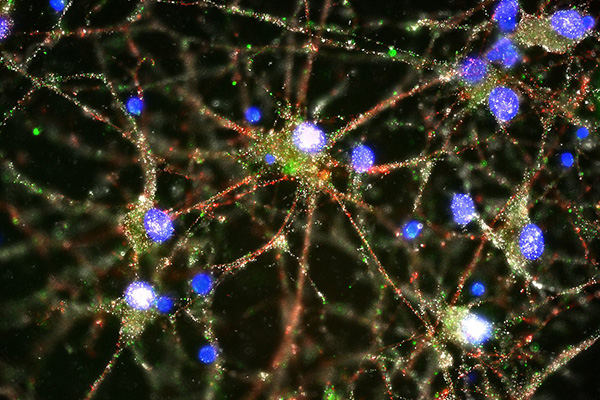
C4 (green) at synapses of human neurons

Compared to the brains of healthy individuals, those of people with schizophrenia have higher expression of a gene called C4, according to a paper published inNature today (January 27). The gene encodes an immune protein that moonlights in the brain as an eradicator of unwanted neural connections (synapses). The findings, which suggest increased synaptic pruning is a feature of the disease, are a direct extension of genome-wide association studies (GWASs) that pointed to the major histocompatibility (MHC) locus as a key region associated with schizophrenia risk.

“The MHC [locus] is the first and the strongest genetic association for schizophrenia, but many people have said this finding is not useful,” said psychiatric geneticist Patrick Sullivan of the University of North Carolina School of Medicine who was not involved in the study. “The value of [the present study is] to show that not only is it useful, but it opens up new and extremely interesting ideas about the biology and therapeutics of schizophrenia.”

Schizophrenia has a strong genetic component—it runs in families—yet, because of the complex nature of the condition, no specific genes or mutations have been identified. The pathological processes driving the disease remain a mystery.

Researchers have turned to GWASs in the hope of finding specific genetic variations associated with schizophrenia, but even these have not provided clear candidates.

“There are some instances where genome-wide association will literally hit one base [in the DNA],” explained Sullivan. While a 2014 schizophrenia GWAS highlighted the MHC locus on chromosome 6 as a strong risk area, the association spanned hundreds of possible genes and did not reveal specific nucleotide changes. In short, any hope of pinpointing the MHC association was going to be “really challenging,” said geneticist Steve McCarroll of Harvard who led the new study.

Nevertheless, McCarroll and colleagues zeroed in on the particular region of the MHC with the highest GWAS score—the C4 gene—and set about examining how the area’s structural architecture varied in patients and healthy people.

The C4gene can exist in multiple copies (from one to four) on each copy of chromosome 6, and has four different forms: C4A-short, C4B-short, C4A-long, and C4B-long. The researchers first examined the “structural alleles” of the C4 locus—that is, the combinations and copy numbers of the different C4 forms—in healthy individuals. They then examined how these structural alleles related to expression of both C4Aand C4B messenger RNAs (mRNAs) in postmortem brain tissues.From this the researchers had a clear picture of how the architecture of the C4 locus affected expression ofC4A and C4B. Next, they compared DNA from roughly 30,000 schizophrenia patients with that from 35,000 healthy controls, and a correlation emerged: the alleles most strongly associated with schizophrenia were also those that were associated with the highest C4A expression. Measuring C4A mRNA levels in the brains of 35 schizophrenia patients and 70 controls then revealed that, on average, C4A levels in the patients’ brains were 1.4-fold higher.C4 is an immune system “complement” factor—a small secreted protein that assists immune cells in the targeting and removal of pathogens. The discovery of C4’s association to schizophrenia, said McCarroll, “would have seemed random and puzzling if it wasn’t for work . . . showing that other complement components regulate brain wiring.” Indeed, complement protein C3 locates at synapses that are going to be eliminated in the brain, explained McCarroll, “and C4 was known to interact with C3 . . . so we thought well, actually, this might make sense.”McCarroll’s team went on to perform studies in mice that revealed C4 is necessary for C3 to be deposited at synapses. They also showed that the more copies of the C4 gene present in a mouse, the more the animal’s neurons were pruned.Synaptic pruning is a normal part of development and is thought to reflect the process of learning, where the brain strengthens some connections and eradicates others. Interestingly, the brains of deceased schizophrenia patients exhibit reduced neuron density. The new results, therefore, “make a lot of sense,” said Cardiff University’s Andrew Pocklington who did not participate in the work. They also make sense “in terms of the time period when synaptic pruning is occurring, which sort of overlaps with the period of onset for schizophrenia: around adolescence and early adulthood,” he added.

“[C4] has not been on anybody’s radar for having anything to do with schizophrenia, and now it is and there’s a whole bunch of really neat stuff that could happen,” said Sullivan. For one, he suggested, “this molecule could be something that is amenable to therapeutics.”

A. Sekar et al., “Schizophrenia risk from complexvariation of complement component 4,”Nature,   http://dx.doi.com:/10.1038/nature16549, 2016.     

Tags schizophrenia, neuroscience, gwas, genetics & genomics, disease/medicine and cell & molecular biology

Schizophrenia: From genetics to physiology at last

Ryan S. Dhindsa& David B. Goldstein

Nature (2016)  http://dx.doi.org://10.1038/nature16874

The identification of a set of genetic variations that are strongly associated with the risk of developing schizophrenia provides insights into the neurobiology of this destructive disease.

http://www.nytimes.com/2016/01/28/health/schizophrenia-cause-synaptic-pruning-brain-psychiatry.html

Genetic study provides first-ever insight into biological origin of schizophrenia

Suspect gene may trigger runaway synaptic pruning during adolescence — NIH-funded study

NIH/NATIONAL INSTITUTE OF MENTAL HEALTH

IMAGE

http://media.eurekalert.org/multimedia_prod/pub/web/107629_web.jpg

The site in Chromosome 6 harboring the gene C4 towers far above other risk-associated areas on schizophrenia’s genomic “skyline,” marking its strongest known genetic influence. The new study is the first to explain how specific gene versions work biologically to confer schizophrenia risk.  CREDIT  Psychiatric Genomics Consortium

Versions of a gene linked to schizophrenia may trigger runaway pruning of the teenage brain’s still-maturing communications infrastructure, NIH-funded researchers have discovered. People with the illness show fewer such connections between neurons, or synapses. The gene switched on more in people with the suspect versions, who faced a higher risk of developing the disorder, characterized by hallucinations, delusions and impaired thinking and emotions.

“Normally, pruning gets rid of excess connections we no longer need, streamlining our brain for optimal performance, but too much pruning can impair mental function,” explained Thomas Lehner, Ph.D., director of the Office of Genomics Research Coordination of the NIH’s National Institute of Mental Health (NIMH), which co-funded the study along with the Stanley Center for Psychiatric Research at the Broad Institute and other NIH components. “It could help explain schizophrenia’s delayed age-of-onset of symptoms in late adolescence/early adulthood and shrinkage of the brain’s working tissue. Interventions that put the brakes on this pruning process-gone-awry could prove transformative.”

The gene, called C4 (complement component 4), sits in by far the tallest tower on schizophrenia’s genomic “skyline” (see graph below) of more than 100 chromosomal sites harboring known genetic risk for the disorder. Affecting about 1 percent of the population, schizophrenia is known to be as much as 90 percent heritable, yet discovering how specific genes work to confer risk has proven elusive, until now.

A team of scientists led by Steve McCarroll, Ph.D., of the Broad Institute and Harvard Medical School, Boston, leveraged the statistical power conferred by analyzing the genomes of 65,000 people, 700 postmortem brains, and the precision of mouse genetic engineering to discover the secrets of schizophrenia’s strongest known genetic risk. C4’s role represents the most compelling evidence, to date, linking specific gene versions to a biological process that could cause at least some cases of the illness.

“Since schizophrenia was first described over a century ago, its underlying biology has been a black box, in part because it has been virtually impossible to model the disorder in cells or animals,” said McCarroll. “The human genome is providing a powerful new way in to this disease. Understanding these genetic effects on risk is a way of prying open that block box, peering inside and starting to see actual biological mechanisms.”

McCarroll’s team, including Harvard colleagues Beth Stevens, Ph.D., Michael Carroll, Ph.D., and Aswin Sekar, report on their findings online Jan. 27, 2016 in the journal Nature.

A swath of chromosome 6 encompassing several genes known to be involved in immune function emerged as the strongest signal associated with schizophrenia risk in genome-wide analyses by the NIMH-funded Psychiatric Genomics Consortium over the past several years. Yet conventional genetics failed to turn up any specific gene versions there linked to schizophrenia.

To discover how the immune-related site confers risk for the mental disorder, McCarroll’s team mounted a search for “cryptic genetic influences” that might generate “unconventional signals.” C4, a gene with known roles in immunity, emerged as a prime suspect because it is unusually variable across individuals. It is not unusual for people to have different numbers of copies of the gene and distinct DNA sequences that result in the gene working differently.

The researchers dug deeply into the complexities of how such structural variation relates to the gene’s level of expression and how that, in turn, might relate to schizophrenia. They discovered structurally distinct versions that affect expression of two main forms of the gene in the brain. The more a version resulted in expression of one of the forms, called C4A, the more it was associated with schizophrenia. The more a person had the suspect versions, the more C4 switched on and the higher their risk of developing schizophrenia. Moreover, in the human brain, the C4 protein turned out to be most prevalent in the cellular machinery that supports connections between neurons.

Adapting mouse molecular genetics techniques for studying synaptic pruning and C4’s role in immune function, the researchers also discovered a previously unknown role for C4 in brain development. During critical periods of postnatal brain maturation, C4 tags a synapse for pruning by depositing a sister protein in it called C3. Again, the more C4 got switched on, the more synapses got eliminated.

In humans, such streamlining/pruning occurs as the brain develops to full maturity in the late teens/early adulthood – conspicuously corresponding to the age-of-onset of schizophrenia symptoms.

Future treatments designed to suppress excessive levels of pruning by counteracting runaway C4 in at risk individuals might nip in the bud a process that could otherwise develop into psychotic illness, suggest the researchers. And thanks to the head start gained in understanding the role of such complement proteins in immune function, such agents are already in development, they note.

“This study marks a crucial turning point in the fight against mental illness. It changes the game,” added acting NIMH director Bruce Cuthbert, Ph.D. “Thanks to this genetic breakthrough, we can finally see the potential for clinical tests, early detection, new treatments and even prevention.”

###

VIDEO: Opening Schizophrenia’s Black Box https://youtu.be/s0y4equOTLg

Reference: Sekar A, Biala AR, de Rivera H, Davis A, Hammond TR, Kamitaki N, Tooley K Presumey J Baum M, Van Doren V, Genovese G, Rose SA, Handsaker RE, Schizophrenia Working Group of the Psychiatric Genomics Consortium, Daly MJ, Carroll MC, Stevens B, McCarroll SA. Schizophrenia risk from complex variation of complement component 4.Nature. Jan 27, 2016. DOI: 10.1038/nature16549.

Schizophrenia risk from complex variation of complement component 4

Aswin SekarAllison R. BialasHeather de RiveraAvery DavisTimothy R. Hammond, …., Michael C. CarrollBeth Stevens Steven A. McCarroll

Nature(2016)   http://dx.doi.org:/10.1038/nature16549

Schizophrenia is a heritable brain illness with unknown pathogenic mechanisms. Schizophrenia’s strongest genetic association at a population level involves variation in the major histocompatibility complex (MHC) locus, but the genes and molecular mechanisms accounting for this have been challenging to identify. Here we show that this association arises in part from many structurally diverse alleles of the complement component 4 (C4) genes. We found that these alleles generated widely varying levels of C4A and C4B expression in the brain, with each common C4 allele associating with schizophrenia in proportion to its tendency to generate greater expression of C4A. Human C4 protein localized to neuronal synapses, dendrites, axons, and cell bodies. In mice, C4 mediated synapse elimination during postnatal development. These results implicate excessive complement activity in the development of schizophrenia and may help explain the reduced numbers of synapses in the brains of individuals with schizophrenia.

Figure 1: Structural variation of the complement component 4 (C4) gene.

http://www.nature.com/nature/journal/vaop/ncurrent/carousel/nature16549-f1.jpg

a, Location of the C4 genes within the major histocompatibility complex (MHC) locus on human chromosome 6. b, Human C4 exists as two paralogous genes (isotypes), C4A and C4B; the encoded proteins are distinguished at a key site

http://www.nature.com/nature/journal/vaop/ncurrent/carousel/nature16549-f3.jpg

http://www.nature.com/nature/journal/vaop/ncurrent/carousel/nature16549-sf8.jpg

Gene Study Points Toward Therapies for Common Brain Disorders

University of Edinburgh    http://www.dddmag.com/news/2016/01/gene-study-points-toward-therapies-common-brain-disorders

Scientists have pinpointed the cells that are likely to trigger common brain disorders, including Alzheimer’s disease, Multiple Sclerosis and intellectual disabilities.

It is the first time researchers have been able to identify the particular cell types that malfunction in a wide range of brain diseases.

Scientists say the findings offer a roadmap for the development of new therapies to target the conditions.

The researchers from the University of Edinburgh’s Centre for Clinical Brain Sciences used advanced gene analysis techniques to investigate which genes were switched on in specific types of brain cells.

They then compared this information with genes that are known to be linked to each of the most common brain conditions — Alzheimer’s disease, anxiety disorders, autism, intellectual disability, multiple sclerosis, schizophrenia and epilepsy.

Their findings reveal that for some conditions, the support cells rather than the neurons that transmit messages in the brain are most likely to be the first affected.

Alzheimer’s disease, for example, is characterised by damage to the neurons. Previous efforts to treat the condition have focused on trying to repair this damage.

The study found that a different cell type — called microglial cells — are responsible for triggering Alzheimer’s and that damage to the neurons is a secondary symptom of disease progression.

Researchers say that developing medicines that target microglial cells could offer hope for treating the illness.

The approach could also be used to find new treatment targets for other diseases that have a genetic basis, the researchers say.

Dr Nathan Skene, who carried out the study with Professor Seth Grant, said: “The brain is the most complex organ made up from a tangle of many cell types and sorting out which of these cells go wrong in disease is of critical importance to developing new medicines.”

Professor Seth Grant said: “We are in the midst of scientific revolution where advanced molecular methods are disentangling the Gordian Knot of the brain and completely unexpected new pathways to solving diseases are emerging. There is a pressing need to exploit the remarkable insights from the study.”

Quantitative multimodal multiparametric imaging in Alzheimer’s disease

Qian Zhao, Xueqi Chen, Yun Zhou      Brain Informatics  http://link.springer.com/article/10.1007/s40708-015-0028-9

Alzheimer’s disease (AD) is a progressive neurodegenerative disorder, causing changes in memory, thinking, and other dysfunction of brain functions. More and more people are suffering from the disease. Early neuroimaging techniques of AD are needed to develop. This review provides a preliminary summary of the various neuroimaging techniques that have been explored for in vivo imaging of AD. Recent advances in magnetic resonance (MR) techniques, such as functional MR imaging (fMRI) and diffusion MRI, give opportunities to display not only anatomy and atrophy of the medial temporal lobe, but also at microstructural alterations or perfusion disturbance within the AD lesions. Positron emission tomography (PET) imaging has become the subject of intense research for the diagnosis and facilitation of drug development of AD in both animal models and human trials due to its non-invasive and translational characteristic. Fluorodeoxyglucose (FDG) PET and amyloid PET are applied in clinics and research departments. Amyloid beta (Aβ) imaging using PET has been recognized as one of the most important methods for the early diagnosis of AD, and numerous candidate compounds have been tested for Aβ imaging. Besides in vivo imaging method, a lot of ex vivo modalities are being used in the AD researches. Multiphoton laser scanning microscopy, neuroimaging of metals, and several metal bioimaging methods are also mentioned here. More and more multimodality and multiparametric neuroimaging techniques should improve our understanding of brain function and open new insights into the pathophysiology of AD. We expect exciting results will emerge from new neuroimaging applications that will provide scientific and medical benefits.

Keywords –   Alzheimer’s disease Neuroimaging PET MRI Amyloid beta Multimodal

Alzheimer’s disease (AD) is a progressive neurodegenerative disorder that gradually destroys brain cells, causing changes in memory, thinking, and other dysfunction of brain functions [1]. AD is considered to a prolonged preclinical stage where neuropathological changes precede the clinical symptoms [2]. An estimation of 35 million people worldwide is living with this disease. If effective treatments are not discovered in a timely fashion, the number of AD cases is anticipated to rise to 113 million by 2050 [3].

Amyloid beta (Aβ) and tau are two of the major biomarkers of AD, and have important and different roles in association with the progression of AD pathophysiology. Jack et al. established hypothetical models of the major biomarkers of AD. By renewing and modifying the models, they found that the two major proteinopathies underlying AD biomarker changes, Aβ and tau, may be initiated independently in late onset AD where they hypothesize that an incident Aβ pathophysiology can accelerate an antecedent limbic and brainstem tauopathy [4]. MRI technique was used in the article, which revealed that the level of Aβ load was associated with a shorter time-to-progression of AD [5]. This warrants an urgent need to develop early neuroimaging techniques of AD neuropathology that can detect and predict the disease before the onset of dementia, monitor therapeutic efficacy in halting and slowing down progression in the earlier stage of the disease.

There have been various reports on the imaging assessments of AD. Some measurements reflect the pathology of AD directly, including positron emission tomography (PET) amyloid imaging and cerebrospinal fluid (CSF) beta-amyloid 42 (Aβ42), while others reflect neuronal injury associated with AD indirectly, including CSF tau (total and phosphorylated tau), fluorodeoxy-d-glucose (FDG)-PET, and MRI. AD Neuroimaging Initiative (ADNI) has been to establish the optimal panel of clinical assessments, MRI and PET imaging measures, as well as other biomarkers from blood and CSF, to inform clinical trial design for AD therapeutic development. At the same time, it has been highly productive in generating a wealth of data for elucidating disease mechanisms occurring during early stages of preclinical and prodromal AD [6].

Single neuroimaging often reflects limit information of AD. As a result, multimodal neuroimaging is widely used in neuroscience researches, as it overcomes the limitations of individual modalities. Multimodal multiparametric imaging mean the combination of different imaging techniques, such as PET, MRI, simultaneously or separately. The multimodal multiparametric imaging enables the visualization and quantitative analysis of the alterations in brain structure and function, such as PET/CT, and PET/MRI. [7]. In this review article, we summarize and discuss the main applications, findings, perspectives as well as advantages and challenges of different neuroimaging in AD, especially MRI and PET imaging.

2 Magnetic resonance imaging

MRI demonstrates specific volume loss or cortical atrophy patterns with disease progression in AD patients [810]. There are several MRI techniques and analysis methods used in clinical and scientific research of AD. Recent advances in MR techniques, such as functional MRI (fMRI) and diffusion MRI, depict not only anatomy and atrophy of the medial temporal lobe (MTL), but also microstructural alterations or perfusion disturbance within this region.

2.1 Functional MRI

Because of the cognitive reserve (CR), the relationship between severity of AD patients’ brain damage and corresponding clinical symptoms is not always paralleled [11, 12]. Recently, resting-state fMRI (RS-fMRI) is popular for its ability to map brain functional connectivity non-invasively [13]. By using RS-fMRI, Bozzali et al. reported that the CR played a role in modulating the effect of AD pathology on default mode network functional connectivity, which account for the variable clinical symptoms of AD [14]. Moreover, AD patients with higher educated experience were able to recruit compensatory neural mechanisms, which can be measured using RS-fMRI. Arterial spin-labeled (ASL) MRI is another functional brain imaging modality, which measures cerebral blood flow (CBF) by magnetically labeled arterial blood water following through the carotid and vertebral arteries as an endogenous contrast medium. Several studies have concluded the characteristics of CBF changes in AD patients using ASL-MRI [1517].

At some point in time, sufficient brain damage accumulates to result in cognitive symptoms and impairment. Mild cognitive impairment (MCI) is a condition in which subjects are usually only mildly impaired in memory with relative preservation of other cognitive domains and functional activities and do not meet the criteria for dementia [18], or as the prodromal state AD [19]. MCI patients are at a higher risk of developing AD and up to 15 % convert to AD per year [18]. Binnewijzend et al. have reported the pseudocontinuous ASL could distinguish both MCI and AD from healthy controls, and be used in the early diagnosis of AD [20]. In their continuous study, they used quantitative whole brain pseudocontinuous ASL to compare regional CBF (rCBF) distribution patterns in different types of dementia, and concluded that ASL-MRI could be a non-invasive and easily accessible alternative to FDG-PET imaging in the assessment of CBF of AD patients [21].

2.2 Structure MRI

Structural MRI (sMRI) has already been a reliable imaging method in the clinical diagnosis of AD, characterized as gray matter reduction and ventricular enlargement in standard T1-weighted sequences [9]. Locus coeruleus (LC) and substantia nigra (SN) degeneration was seen in AD. By using new quantitative calculating method, Chen et al. presented a new quantitative neuromelanin MRI approach for simultaneous measurement of locus LC and SN of brainstem in living human subjects [22]. The approach they used demonstrated advantages in image acquisition, pre-processing, and quantitative analysis. Numerous transgenic animal models of amyloidosis are available, which can manipulate a lot of neuropathological features of AD progression from the deposition of β-amyloid [23]. Braakman et al. demonstrated the dynamics of amyloid plaque formation and development in a serial MRI study in a transgenic mouse model [24]. Increased iron accumulation in gray matter is frequently observed in AD. Because of the paramagnetic nature of iron, MRI shows nice potential in the investigating iron levels in AD [25]. Quantitative MRI was shown high sensitivity and specificity in mapping cerebral iron deposition, and helped in the research on AD diagnosis [26].

The imaging patterns are always associated with the pathologic changes, such as specific protein markers. Spencer et al. manifested the relationship between quantitative T1 and T2 relaxation time changes and three immunohistochemical markers: β-amyloid, neuron-specific nuclear protein (a marker of neuronal cell load), and myelin basic protein (a marker of myelin load) in AD transgenic mice [27].

High-field MRI has been successfully applied to imaging plaques in transgenic mice for over a decade without contrast agents [24, 2830]. Sillerud et al. devised a method using blood–brain barrier penetrating, amyloid-targeted, superparamagnetic iron oxide nanoparticles (SPIONs) for better imaging of amyloid plaque [31]. Then, they successfully used this SPION-MRI to assess the drug efficacy on the 3D distribution of Aβ plaques in transgenic AD mouse [32].

2.3 Diffusion MRI

Diffusion-weighted imaging (DWI) is a sensitive tool that allows quantifying of physiologic alterations in water diffusion, which result from microscopic structural changes.

Diffusion tensor imaging (DTI) is a well-established and commonly employed diffusion MRI technique in clinical and research on neuroimaging studies, which is based on a Gaussian model of diffusion processes [33]. In general, AD is associated with widespread reduced fractional anisotropy (FA) and increased mean diffusivity (MD) in several regions, most prominently in the frontal and temporal lobes, and along the cingulum, corpus callosum, uncinate fasciculus, superior longitudinal fasciculus, and MTL-associated tracts than healthy controls [3437]. Acosta-Cabronero et al. reported increased axial diffusivity and MD in the splenium, which were the earliest abnormalities in AD [38]. FA and radial diffusivity (DR) differences in the corpus callosum, cingulum, and fornix were found to separate individuals with MCI who converted to AD from non-converters [39]. DTI was also found to be a better predictor of AD-specific MTL atrophy when compared to CSF biomarkers [40]. These findings suggested the potential clinical utility of DTI as early biomarkers of AD and its progression. However, an increase in MD and DR and a decrease in FA with advancing age in selective brain regions have been previously reported [41, 42]. Diffusion MRI can be also used in the classifying of various stages of AD. Multimodal classification method, which combined fMRI and DTI, separated more MCI from healthy controls than single approaches [43].

In recent years, tau has emerged as a potential target for therapeutic intervention. Tau plays a critical role in the neurodegenerative process forming neurofibrillary tangles, which is a major hallmark of AD and correlates with clinical disease progression. Wells et al. applied multiparametric MRI, containing high-resolution structure MRI (sMRI), a novel chemical exchange saturation transfer (CEST) MRI, DTI, and ASL, and glucose CEST to measure changes of tau pathology in AD transgenic mouse [44].

Besides DWI MRI, perfusion-weighted imaging (PWI) is another advanced MR technique, which could measure the cerebral hemodynamics at the capillary level. Zimny et al. evaluated the correlation of MTL with both DWI and PWI in AD and MCI patients [45].

3 Positron emission tomography

PET is a specific imaging technique applying in researches of brain function and neurochemistry of small animals, medium-sized animals, and human subjects [4648]. As a particular brain imaging technique, PET imaging has become the subject of intense research for the diagnosis and facilitation of drug development of AD in both animal models and human trials due to its non-invasive and translational characteristic. PET with various radiotracers is considered as a standard non-invasive quantitative imaging technique to measure CBF, glucose metabolism, and β-amyloid and tau deposition.

3.1 FDG-PET

To date, 18F-FDG is one of the best and widely used neuroimaging tracers of PET, which employed for research and clinical assessment of AD [49]. Typical lower FDG metabolism was shown in the precuneus, posterior cingulate, and temporal and parietal cortex with progression to whole brain reductions with increasing disease progress in AD brains [50, 51]. FDG-PET imaging reflects the cerebral glucose metabolism, neuronal injury, which provides indirect evidence on cognitive function and progression that cannot be provided by amyloid PET imaging.

Schraml et al. [52] identified a significant association between hypometabolic convergence index and phenotypes using ADNI data. Some researchers also used 18F-FDG-PET to analyze genetic information with multiple biomarkers to classify AD status, predicting cognitive decline or MCI to AD conversion [5355]. Trzepacz et al. [56] reported multimodal AD neuroimaging study, using MRI, 11C-PiB PET, and 18F-FDG-PET imaging to predict MCI conversion to AD along with APOE genotype. Zhang et al. [57] compared the genetic modality single-nucleotide polymorphism (SNP) with sMRI, 18F-FDG-PET, and CSF biomarkers, which were used to differentiate healthy control, MCI, and AD. They found FDG-PET is the best modality in terms of accuracy.

3.2 Amyloid beta PET

Aβ, the primary constituent of senile plaques, and tau tangles are hypothesized to play a primary role in the pathogenesis of AD, but it is still hard to identify the fundamental mechanisms [5860]. Aβ plaque in brain is one of the pathological hallmarks of AD [61,62]. Accumulation of Aβ peptide in the cerebral cortex is considered one cause of dementia in AD [63]. Numerous studies have involved in vivo PET imaging assessing cortical β-amyloid burden [6466].

Aβ imaging using PET has been recognized as one of the most important methods for the early diagnosis of AD [67]. Numerous candidate compounds have been tested for Aβ imaging, such as 11C-PiB [68], 18F-FDDNP [69], 11C-SB-13 [70], 18F-BAY94-9172 [71], 18F-AV-45 [72], 18F-flutemetamol [73, 74], 11C-AZD2184 [75], and 18F-ADZ4694 [76], 11C-BF227 and 18F-FACT [77].

Several amyloid PET studies examined genotypes, phenotypes, or gene–gene interactions. Ramanan et al. [78] reported the GWAS results with 18F-AV-45 reflecting the cerebral amyloid metabolism in AD for the first time. Swaminathan et al. [79] revealed the association between plasma Aβ from peripheral blood and cortical amyloid deposition on 11C-PiB. Hohman et al. [80] reported the relationship between SNPs involved in amyloid and tau pathophysiology with 18F-AV-45 PET.

Among the PET tracers, 11C-PiB, which has a high affinity for fibrillar Aβ, is a reliable biomarker of underlying AD pathology [68, 81]. It shows cortical uptake well paralleled with AD pathology [82, 83], has recently been approved for use by the Food and Drug Administration (FDA, April 2012) and the European Medicines Agency (January 2013). 18F-GE-067 (flutemetamol) and 18F-BAY94-9172 (florbetaben) have also been approved by the US FDA in the last 2 years [84, 85].

18F-Florbetapir (also known as 18F-AV-45) exhibits high affinity specific binding to amyloid plaques. 18F-AV-45 labels Aβ plaques in sections from patients with pathologically confirmed AD [72].

It was reported in several research groups that 18F-AV-45 PET imaging showed a reliability of both qualitative and quantitative assessments in AD patients, and Aβ+ increased with diagnostic category (healthy control < MCI < AD) [82, 86, 87]. Johnson et al. used 18F-AV-45 PET imaging to evaluate the amyloid deposition in both MCI and AD patients qualitatively and quantitatively, and found that amyloid burden increased with diagnostic category (MCI < AD), age, and APOEε4 carrier status [88]. Payoux et al. reported the equivocal amyloid PET scans using 18F-AV-45 associated with a specific pattern of clinical signs in a large population of non-demented older adults more than 70 years old [89].

More and more researchers consider combination and comparison of multiple PET tracers targeting amyloid plaque imaging together. Bruck et al. compared the prognostic ability of 11C-PiB PET, 18F-FDG-PET, and quantitative hippocampal volumes measured with MR imaging in predicting MCI to AD conversion. They found that the FDG-PET and 11C-PiB PET imaging are better in predicting MCI to AD conversion [90]. Hatashita et al. used 11C-PiB and FDG-PET imaging to identify MCI due to AD, 11C-PiB showed a higher sensitivity of 96.6 %, and FDG-PET added diagnostic value in predicting AD over a short period [91].

Besides, new Aβ imaging agents were radiosynthesized. Yousefi et al. radiosynthesized a new Aβ imaging agent 18F-FIBT, and compared the three different Aβ-targeted radiopharmaceuticals for PET imaging, including 18F-FIBT, 18F-florbetaben, and 11C-PiB [92]. 11C-AZD2184 is another new PET tracer developed for amyloid senile plaque imaging, and the kinetic behavior of 11C-AZD2184 is suitable for quantitative analysis and can be used in clinical examination without input function [75,93, 94].

4 Multimodality imaging: PET/MRI

Several diagnostic techniques, including MRI and PET, are employed for the diagnosis and monitoring of AD [95]. Multimodal imaging could provide more information in the formation and key molecular event of AD than single method. It drives the progression of neuroimaging research due to the recognition of the clinical benefits of multimodal data [96], and the better access to hybrid devices, such as PET/MRI [97].

Maier et al. evaluated the dynamics of 11C-PiB PET, 15O-H2O-PET, and ASL-MRI in transgenic AD mice and concluded that the AD-related decline of rCBF was caused by the cerebral Aβ angiopathy [98]. Edison et al. systematically compared 11C-PiB PET and MRI in AD, MCI patients, and controls. They thought that 11C-PiB PET was adequate for clinical diagnostic purpose, while MRI remained more appropriate for clinical research [99]. Zhou et al. investigated the interactions between multimodal PET/MRI in elder patients with MCI, AD, and healthy controls, and confirmed the invaluable application of amyloid PET and MRI in early diagnosis of AD [100]. Kim et al. reported that Aβ-weighted cortical thickness, which incorporates data from both MRI and amyloid PET imaging, is a consistent and objective imaging biomarker in AD [101].

5 Other imaging modalities

Multiphoton non-linear optical microscope imaging systems using ultrafast lasers have powerful advantages such as label-free detection, deep penetration of thick samples, high sensitivity, subcellular spatial resolution, 3D optical sectioning, chemical specificity, and minimum sample destruction [102, 103]. Coherent anti-Stokes–Raman scattering (CARS), two-photon excited fluorescence (TPEF), and second-harmonic generation (SHG) microscopy are the most widely used biomedical imaging techniques [104106].

Quantitative electroencephalographic and neuropsychological investigation of an alternative measure of frontal lobe executive functions: the Figure Trail Making Test

 Paul S. Foster, Valeria Drago, Brad J. Ferguson, Patti Kelly Harrison,David W. Harrison 

Brain Informatis    http://dx.doi.org:/10.1007/s40708-015-0025-z    http://link.springer.com/article/10.1007/s40708-015-0025-z/fulltext.html

The most frequently used measures of executive functioning are either sensitive to left frontal lobe functioning or bilateral frontal functioning. Relatively little is known about right frontal lobe contributions to executive functioning given the paucity of measures sensitive to right frontal functioning. The present investigation reports the development and initial validation of a new measure designed to be sensitive to right frontal lobe functioning, the Figure Trail Making Test (FTMT). The FTMT, the classic Trial Making Test, and the Ruff Figural Fluency Test (RFFT) were administered to 42 right-handed men. The results indicated a significant relationship between the FTMT and both the TMT and the RFFT. Performance on the FTMT was also related to high beta EEG over the right frontal lobe. Thus, the FTMT appears to be an equivalent measure of executive functioning that may be sensitive to right frontal lobe functioning. Applications for use in frontotemporal dementia, Alzheimer’s disease, and other patient populations are discussed.

Keywords – Frontal lobes, Executive functioning, Trail making test, Sequencing, Behavioral speed, Designs, Nonverbal, Neuropsychological assessment, Regulatory control, Effortful control

A recent survey indicated that the vast majority of neuropsychologists frequently assess executive functioning as part of their neuropsychological evaluations [1]. Surveys of neuropsychologists have indicated that the Trail Making Test (TMT), Controlled Oral Word Association Test (COWAT), Wisconsin Card Sorting Test (WCST), and the Stroop Color-Word Test (SCWT) are among the most commonly used instruments [1,2]. Further, the Rabin et al. [1] survey indicated that these same tests are among the most frequently used by neuropsychologists when specifically assessing executive or frontal lobe functioning. The frequent use of the TMT, WCST, and the SCWT, as well as the assumption that they are measures of executive functioning, led Demakis (2003–2004) to conduct a series of meta-analyses to determine the sensitivity of these test to detect frontal lobe dysfunction, particularly lateralized frontal lobe dysfunction. The findings indicated that the SCWT and Part A of the TMT [3], as well as the WCST [4], were all sensitive to frontal lobe dysfunction. However, only the SCWT differentiated between left and right frontal lobe dysfunction, with the worst performance among those with left frontal lobe dysfunction [3].

The finding of the Demakis [4] meta-analysis, that the WCST was not sensitive to lateralized frontal lobe dysfunction, is not surprising given the equivocal findings that have been reported. Whereas performance on the WCST is sensitive to frontal lobe dysfunction [5, 6], demonstration of lateralized frontal dysfunction has been quite problematic. Unilateral left or right dorsolateral frontal dysfunction has been associated with impaired performance on the WCST [6]. Fallgatter and Strik [7] found bilateral frontal lobe activation during performance of the WCST. However, other imaging studies have found right lateralized frontal lobe activation [8] and left lateralized frontal activation [9] in response to performance on the WCST. Further, left frontal lobe alpha power is negatively correlated with performance on the WCST [10]. Finally, patients with left frontal lobe tumors exhibit more impaired performance on the WCST than those with right frontal tumors [11].

Unlike the data for the WCST, more consistent findings have been reported regarding lateralized frontal lobe functioning for the other commonly used measures of executive functioning. For instance, as with the Demakis [3] study, many investigations have found the SCWT to be sensitive to left frontal lobe functioning, although the precise localization within the left frontal lobe has varied. Impaired performance on the SCWT results from left frontal lesions [12] and specifically from lesions localized to the left dorsolateral frontal lobe [13, 14], though bilateral frontal lesions have also yielded impaired performance [13, 14]. Further, studies using neuroimaging to investigate the neural basis of performance on the SCWT have indicated involvement of the left anterior cingulated cortex [15], left lateral prefrontal cortex [16], left inferior precentral sulcus [17], and the left dorsolateral frontal lobe [18].

Wide agreement exists among investigations of the frontal lateralization of verbal or lexical fluency to confrontation. Specifically, patients with left frontal lobe lesions are known to exhibit impaired performance on lexical fluency to confrontation tasks, relative to either patients with right frontal lesions [12, 19, 20] or controls [21]. A recent meta-analysis also indicated that the largest deficits in performance on measures of lexical fluency are associated with left frontal lobe lesions [22]. Troster et al. [23] found that, relative to patients with right pallidotomy, patients with left pallidotomy exhibited more impaired lexical fluency. Several neuroimaging investigations have further supported the role of the left frontal lobe in lexical fluency tasks [15, 2427]. Performance on lexical fluency tasks also varies as a function of lateral frontal lobe asymmetry, as assessed by electroencephalography [28].

The Trail Making Test is certainly among the most widely used tests [1] and perhaps the most widely researched. Various norms exist for the TMT (see [29]), with Tombaugh [30] providing the most recent comprehensive set of normative data. Different methods of analyzing and interpreting the data have also been proposed and used, including error analysis [13, 14, 3133], subtraction scores [13, 14, 34], and ratio scores [13, 14, 35].

Several different language versions of the test have been developed and reported, including Arabic [36], Chinese [37, 38], Greek [39], and Hebrew [40]. Numerous alternative versions of the TMT have been developed to address perceived shortcomings of the original TMT. For instance, the Symbol Trail Making Test [41] was developed to reduce the cultural confounds associated with the use of the Arabic numeral system and English alphabet in the original TMT. The Color Trails Test (CTT; [42]) was also developed to control for cultural confounds, although mixed results have been reported regarding whether the CTT is indeed analogous to the TMT [4345]. A version of the TMT for preschool children, the TRAILS-P, has also been reported [46].

Additionally, the Comprehensive Trail Making Test [47] was developed to control for perceived psychometric shortcomings of the original TMT (for a review see [48] and the Oral Trail Making Test (OTMT; [49]) was developed to reduce confounds associated with motor speed and visual search abilities, with research supporting the OTMT as an equivalent measure [50, 51]. Alternate forms of the TMT have also been developed to permit successive administrations [32, 52] and to assess the relative contributions of the requisite cognitive skills [53].

Delis et al. [54] stated that the continued development of new instrumentation for improving diagnosis and treatment is a critical undertaking in all health-related fields. Further, in their view, the field of neuropsychology has recognized the importance of continually striving to develop new clinical measures. Delis and colleagues developed the extensive Delis-Kaplan Executive Functioning System (D-KEFS; [55]) in the spirit of advancing the instrumentation of neuropsychology. The D-KEFS includes a Trail Making Test consisting of five separate conditions. The Number-Letter Switching condition involves a sequencing procedure similar to that of the classic TMT. The other four conditions are designed to assess the component processes involved in completing the Number-Letter Switching condition so that a precise analysis of the nature of any underlying dysfunction may be accomplished. Specifically, these additional components include Visual Scanning, Number Sequencing, Letter Sequencing, and Motor Speed.

Given that the TMT comprises numbers and letters and is a measure of executive functioning, it may preferentially involve the left frontal lobe. Although the literature is somewhat controversial, neuropsychological and neuroimaging studies seem to provide support for the sensitivity of the TMT to detect left frontal dysfunction [56]. Recent clinically oriented studies investigating frontal lobe involvement of the TMT using transcranial magnetic stimulation (TMS) and near-infrared spectroscopy (NIRS) also support this localization [57]. Performance on Part B of the TMT improved following repetitive TMS applied to the left dorsolateral frontal lobe [57].

With 9–13-year-old boys performing TMT Part B, Weber et al. [58] found a left lateralized increase in the prefrontal cortex in deoxygenated hemoglobin, an indicator of increased oxygen consumption. Moll et al. [59] demonstrated increased activation specific to the prefrontal cortex, especially the left prefrontal region, in healthy controls performing Part B of the TMT. Foster et al. [60] found a significant positive correlation between performance on Part A of the TMT and low beta (13–21 Hz) magnitude (μV) at the left lateral frontal lobe, but not at the right lateral frontal lobe. Finally, Stuss et al. [13, 14] found that patients with left dorsolateral frontal dysfunction evidenced more errors than patients with lesions in other areas of the frontal lobes and those patients with left frontal lesions were the slowest to complete the test.

Taken together, the possibility exists that the aforementioned tests are largely associated with left frontal lobe activity and the TMT, in particular, provides information concerning mental processing speed as well as cognitive flexibility and set-shifting. While some studies have found that deficits in visuomotor set-shifting are specific to the frontal lobe damage [61], others investigators have reported such impairment in patients with posterior brain lesions and widespread cerebral dysfunctions, including cerebellar damage [62] and Alzheimer disease [63]. Thus, it remains unclear whether impairments in visuomotor set-shifting are specific to frontal lobe dysfunction or whether they are non-specific and can result from more posterior or widespread brain dysfunction.

Compared to the collective knowledge we have regarding the cognitive roles of the left frontal lobe, relatively little is known about right frontal lobe contributions to executive functioning. This is likely a result of the dearth of tests that are associated with right frontal activity. The Ruff Figural Fluency Test (RFFT; [64]) is among the few standardized tests of right frontal lobe functioning and was listed as the 14th most commonly used instrument to assess executive functioning in the Rabin et al. [1] survey. The RFFT is known to be sensitive to right frontal lobe functioning [65, 66]; see also [67] pp. 297–298), as is a measure based on the RFFT [19].

The present investigation, with the same intent and spirit as that reported by Delis et al. [54], sought to develop and initially validate a measure of right frontal lobe functioning in an effort to attain a greater understanding of right frontal contributions to executive functioning and to advance the instrumentation of neuropsychology. To meet this objective, a version of the Trail Making Test comprising figures, as opposed to numbers and letters, was developed. The TMT was used as a model for the new test, referred to as the Figure Trail Making Test (FTMT), due to the high frequency of use, the volume of research conducted, and the ease of administration of the TMT. Given that the TMT and the FTMT are both measuring executive functioning, we felt that a moderate correlation would exist between these two measures. Specifically, we hypothesized that performance on the FTMT would be positively correlated with performance on the TMT, in terms of the total time required to complete each part of the tests, an additive and subtractive score, and a ratio score. The total time required to complete each part of the FTMT was also hypothesized to be negatively correlated with the total number of unique designs produced on the RFFT and positively correlated with the number of perseverative errors committed on the RFFT and the perseverative error ratio. We also sought to determine whether the TMT and the FTMT were measuring different constructs by conducting a factor analysis, anticipating that the two tests would load on separate factors.

Additionally, we sought to obtain neurophysiological evidence that the FTMT is sensitive to right frontal lobe functioning. Specifically, we used quantitative electroencephalography (QEEG) to measure electrical activity over the left and right frontal lobes. A previous investigation we conducted found that performance on Part A of the TMT was related to left frontal lobe (F7) low beta magnitude [60]. For the present investigation, we predicted that significant negative correlations would exist between performance on Parts A and B of the TMT and both low and high beta magnitude at the F7 electrode site. We further predicted that significant negative correlations would exist between performance on Parts C and D of the FTMT and both low and high beta magnitude at the F8 electrode site.

3 Discussion

The need for additional measures of executive functions and especially instruments which may provide implications relevant to cerebral laterality is clear. There remains especially a void for neuropsychological instruments using a TMT format, which may provide information pertaining to the functional integrity of the right frontal region. Consistent with the hypotheses forwarded, significant correlations were found between performance on the TMT and the FTMT, in terms of the raw time required to complete each respective part of the tests as well as the additive and subtraction scores. The fact that the ratio scores were not significantly correlated is not surprising given that research has generally indicated a lack of clinical utility for this score [13, 14, 35]. Given the present findings, the TMT and the FTMT appear to be equivalent measures of executive functioning. Further, the present findings not only suggest that the FTMT may be a measure of executive functioning but also extend the realm of executive functioning to the sequencing and set-shifting of nonverbal stimuli.

However, the finding of significant correlations between the TMT and the FTMT represents somewhat of a caveat in that the TMT has been found to be sensitive to left frontal lobe functioning [13, 14, 57, 59]. This would seem to suggest the possibility that the FTMT is also sensitive to left frontal lobe functioning. The possibility that FTMT is related to left frontal lobe functioning is tempered, though, by the fact that the many of the hypothesized correlations between performance on the RFFT and the FTMT were also significant. Performance on the RFFT is related to right frontal lobe functioning [65,66]. Thus, the significant correlations between the RFFT and the FTMT suggest that the FTMT may also be sensitive to right frontal lobe functioning. Additionally, it should also be noted that the TMT was not significantly correlated with performance on the RFFT, with the exception of the significant correlation between performance on the TMT Part A and the total number of unique designs produced on the RFFT. Taken together, the results suggest that the FTMT may be a measure of right frontal executive functioning.

Additional support for the sensitivity of the FTMT to right frontal lobe functioning is provided by the finding of a significant negative correlation between performance on Part D of the FTMT and high beta magnitude. We have previously used QEEG to provide neurophysiological validation of the RFFT [65] and the Rey Auditory Verbal Learning Test [70] and the present findings provide further support for the use of QEEG in validating neuropsychological tests. The lack of significant correlations between the TMT and either low or high beta magnitude may be related to a restricted range of scores on the TMT. As a whole, performance on the FTMT was more variable than performance on the TMT and this relatively restricted range for the TMT may have impacted the obtained correlations. Given the present findings, together with those of the Foster et al. [65, 70] investigations, further support is also provided for the use of EEG in establishing neurophysiological validation for neuropsychological tests.

The results from the factor analysis provide support for the contention that the FMT may be a measure of right frontal lobe activity and also provide initial discriminant validity for the FTMT. Specifically, Parts C and D of the FTMT were found to load on the same factor as the number of designs generated on the RFFT, although the time required to complete Part A of the TMT is also included. Additionally, the number of errors committed on Parts C and D of the FTMT comprises a single factor, separate from either the TMT or the RFFT. Although these results support the FTMT as a measure of nonverbal executive functioning, it would be helpful to conduct an additional factor analysis including additional measures of right frontal functioning, and perhaps other measures of right hemisphere functioning as marker variables.

We sought to develop a measure sensitive to right frontal lobe functioning due to the paucity of such tests and the potentially important uses that right frontal lobe tests may have clinically. Tests of right frontal lobe functioning may, for instance, be useful in identifying and distinguishing left versus right frontotemporal dementia (FTD). Research has indicated that FTD is associated with cerebral atrophy at the right dorsolateral frontal and left premotor cortices [71]. Fukui and Kertesz [72] found right frontal lobe volume reduction in FTD relative to Alzheimer’s disease and progressive nonfluent aphasia. Some have suggested that FTD should not be considered as a unitary disorder and that neuropsychological testing may aid in differentially diagnosing left versus right FTD [73].

Whereas right FTD has been associated with more errors and perseverative responses on the Wisconsin Card Sorting Test (WCST), left FTD has been associated with significantly worse performance on the Boston Naming Test (BNT) and the Stroop Color-Word test [73]. Razani et al. [74] also distinguished between left and right FTD in finding that left FTD performed worse on the BNT and the right FTD patients performed worse on the WCST. However, as noted earlier, the WCST has been associated with left frontal activity [9], right frontal activation [8], and bilateral frontal activation [7]. Further, patients with left frontal tumors perform worse than those with right frontal tumors [11].

Patients with FTD that predominantly involves the right frontotemporal region have behavioral and emotional abnormalities and those with predominantly left frontotemporal region damage have a loss of lexical semantic knowledge. Patients, in whom neural degeneration begins on the left side, often present to the clinicians at an early stage of the disease due to the presence of language abnormalities, but maintain their emotion processing abilities, being preserved the right anterior temporal lobe. However, as this disease advances, the disease may progress to the right frontotemporal regions. Tests sensitive to right frontal lobe functioning may be useful tools to identify in advance the course of the disease, providing immediate and specific treatments and informing the caregivers on the possible prospective frame of the disease.

A potentially more important use of tests sensitive to right frontal lobe functioning, though, may be in predicting dementia patients that will develop significant and disruptive behavioral deficits. Research has found that approximately 92 % of right-sided FTD patients exhibit socially undesirable behaviors as their initial symptom, as compared to only 11 % of left-sided FTD patients [75]. Behavioral deficits in FTD are associated with gray matter loss at the dorsomedial frontal region, particularly on the right [76].

Alzheimer’s disease (AD) is also often associated with significant behavioral disturbances. Even AD patients with mild dementia are noted to exhibit behavioral deficits such as delusions, hallucinations, agitation, dysphoria, anxiety, apathy, and irritability [77]. Indeed, Shimabukuro et al. [77] found that regardless of dementia severity, over half of all AD patients exhibited apathy, delusions, irritability, dysphoria, and anxiety. Delusions in AD patients are associated with relative right frontal hypoperfusion as indicated by SPECT imaging [78, 79]. Further, positron emission tomography (PET) has indicated that AD patients exhibiting delusions exhibit hypometabolism at the right superior dorsolateral frontal and right inferior frontal pole [80].

Although research clearly implicates right frontal lobe dysfunction in the expression of behavioral deficits, data from neuropsychological testing are not as clear. Negative symptoms in patients with AD and FTD have been related to measures of nonverbal and verbal executive functioning as well as verbal memory [81]. Positive symptoms, in contrast, were related to constructional skills and attention. However, Staff et al. [78] failed to dissociate patients with delusions from those without delusions based on neuropsychological test performance, despite significant differences existing in right frontal and limbic functioning as revealed by functional imaging. The inclusion of other measures of right frontal lobe functioning may result in improved neuropsychological differentiation of dementia patients with and without significant behavioral disturbances. Further, it may be possible to predict early in the disease process those patients that will ultimately develop behavioral disturbances with improved measures of right frontal functioning. Predicting those that may develop behavioral problems will permit earlier treatment and will provide the family with more time to prepare for the potential emergence of such difficulties. Certainly, future research needs to be conducted that incorporates measures of right and left frontal lobe functioning in regression analyses to determine the plausibility of such prediction.

Tests sensitive to right frontal lobe functioning may also be useful in identifying more subtle right frontal lobe dysfunction and the cognitive and behavioral changes that follow. The right frontal lobe mediates language melody or prosody and forms a cohesive discourse, interprets abstract communication in spoken and written languages, and interprets the inferred relationships involved in communications. Subtle difficulties in interpreting abstract meaning in communication, comprehending metaphors, and even understanding jokes that are often seen in right frontal lobe stroke patients may not be detected by the family and may also be under diagnosed by clinicians [82]. Further, patients with right frontal lobe lesions are generally more euphoric and unconcerned, often minimizing their symptoms [82] or denying the illness, which may delay referral to a clinician and diagnosis.

Attention deficit hyperactivity disorder (ADHD) is a neurological disease characterized by motor inhibition deficit, problems with cognitive flexibility, social disruption, and emotional disinhibition [83, 84]. Functional MRI studies reveal reduced right prefrontal activation during “frontal tasks,” such as go/no go [85], Stroop [86], and attention task performance [87]. The right frontal lobe deficit hypothesis is further supported by structural studies [88, 89]. Tests of right frontal lobe functioning may be useful in further characterizing the nature of this deficit and in specifying the likely hemispheric locus of dysfunction.

To summarize, we feel that right frontal lobe functioning has been relatively neglected in neuropsychological assessment and that many uses for such tests exist. Our intent was to develop a test purportedly sensitive to right frontal functioning that would be easy and quick to administer in a clinical setting. However, we are certainly not meaning to assert that our FTMT would be applicable in all the aforementioned conditions. Additional research should be conducted to determine the precise clinical utility of the FTMT.

Further validation of the FTMT should also be undertaken. Establishing convergent validation may involve correlating tests measuring the same domain, such as executive functioning. This was initially accomplished in the present investigation through the significant correlations between the TMT and the FTMT. Additionally, convergent validation may also involve correlating tests that purportedly measure the same region of the brain. This was also initially accomplished in the present investigation through the significant correlations between the FTMT and the RFFT. However, additional convergent validation certainly needs to be obtained, as well as validation using patient populations and neurophysiological validation.

We are currently collecting data that hopefully will provide neurophysiological validation of the FTMT. Certainly, though, it is hoped that the present investigation will not only stimulate further research seeking to validate the FTMT and provide more comprehensive normative data, but also stimulate research investigating whether the FTMT or other measures of right frontal lobe functioning may be used to predict patients that will develop behavioral disturbances.

World’s Greatest Literature Reveals Multifractals, Cascades of Consciousness

http://www.scientificcomputing.com/news/2016/01/worlds-greatest-literature-reveals-multifractals-cascades-consciousness

http://www.scientificcomputing.com/sites/scientificcomputing.com/files/Worlds_Greatest_Literature_Reveals_Multifractals_Cascades_of_Consciousness_440.jpg

Multifractal analysis of Finnegan’s Wake by James Joyce. The ideal shape of the graph is virtually indistinguishable from the results for purely mathematical multifractals. The horizontal axis represents the degree of singularity, and the vertical axis shows the spectrum of singularity. Courtesy of IFJ PAN

Arthur Conan Doyle, Charles Dickens, James Joyce, William Shakespeare and JRR Tolkien. Regardless of the language they were working in, some of the world’s greatest writers appear to be, in some respects, constructing fractals. Statistical analysis, however, revealed something even more intriguing. The composition of works from within a particular genre was characterized by the exceptional dynamics of a cascading (avalanche) narrative structure. This type of narrative turns out to be multifractal. That is, fractals of fractals are created.

As far as many bookworms are concerned, advanced equations and graphs are the last things which would hold their interest, but there’s no escape from the math. Physicists from the Institute of Nuclear Physics of the Polish Academy of Sciences (IFJ) in Cracow, Poland, performed a detailed statistical analysis of more than one hundred famous works of world literature, written in several languages and representing various literary genres. The books, tested for revealing correlations in variations of sentence length, proved to be governed by the dynamics of a cascade. This means that the construction of these books is, in fact, a fractal. In the case of several works, their mathematical complexity proved to be exceptional, comparable to the structure of complex mathematical objects considered to be multifractal. Interestingly, in the analyzed pool of all the works, one genre turned out to be exceptionally multifractal in nature.

Fractals are self-similar mathematical objects: when we begin to expand one fragment or another, what eventually emerges is a structure that resembles the original object. Typical fractals, especially those widely known as the Sierpinski triangle and the Mandelbrot set, are monofractals, meaning that the pace of enlargement in any place of a fractal is the same, linear: if they at some point were rescaled x number of times to reveal a structure similar to the original, the same increase in another place would also reveal a similar structure.

Multifractals are more highly advanced mathematical structures: fractals of fractals. They arise from fractals ‘interwoven’ with each other in an appropriate manner and in appropriate proportions. Multifractals are not simply the sum of fractals and cannot be divided to return back to their original components, because the way they weave is fractal in nature. The result is that, in order to see a structure similar to the original, different portions of a multifractal need to expand at different rates. A multifractal is, therefore, non-linear in nature.

“Analyses on multiple scales, carried out using fractals, allow us to neatly grasp information on correlations among data at various levels of complexity of tested systems. As a result, they point to the hierarchical organization of phenomena and structures found in nature. So, we can expect natural language, which represents a major evolutionary leap of the natural world, to show such correlations as well. Their existence in literary works, however, had not yet been convincingly documented. Meanwhile, it turned out that, when you look at these works from the proper perspective, these correlations appear to be not only common, but in some works they take on a particularly sophisticated mathematical complexity,” says Professor Stanislaw Drozdz, IFJ PAN, Cracow University of Technology.

The study involved 113 literary works written in English, French, German, Italian, Polish, Russian and Spanish by such famous figures as Honore de Balzac, Arthur Conan Doyle, Julio Cortazar, Charles Dickens, Fyodor Dostoevsky, Alexandre Dumas, Umberto Eco, George Elliot, Victor Hugo, James Joyce, Thomas Mann, Marcel Proust, Wladyslaw Reymont, William Shakespeare, Henryk Sienkiewicz, JRR Tolkien, Leo Tolstoy and Virginia Woolf, among others. The selected works were no less than 5,000 sentences long, in order to ensure statistical reliability.

To convert the texts to numerical sequences, sentence length was measured by the number of words (an alternative method of counting characters in the sentence turned out to have no major impact on the conclusions). The dependences were then searched for in the data — beginning with the simplest, i.e. linear. This is the posited question: if a sentence of a given length is x times longer than the sentences of different lengths, is the same aspect ratio preserved when looking at sentences respectively longer or shorter?

“All of the examined works showed self-similarity in terms of organization of the lengths of sentences. Some were more expressive — here The Ambassadors by Henry James stood out — while others to far less of an extreme, as in the case of the French seventeenth-century romance Artamene ou le Grand Cyrus. However, correlations were evident and, therefore, these texts were the construction of a fractal,” comments Dr. Pawel Oswiecimka (IFJ PAN), who also noted that fractality of a literary text will, in practice, never be as perfect as in the world of mathematics. It is possible to magnify mathematical fractals up to infinity, while the number of sentences in each book is finite and, at a certain stage of scaling, there will always be a cut-off in the form of the end of the dataset.

Things took a particularly interesting turn when physicists from IFJ PAN began tracking non-linear dependence, which in most of the studied works was present to a slight or moderate degree. However, more than a dozen works revealed a very clear multifractal structure, and almost all of these proved to be representative of one genre, that of stream of consciousness. The only exception was the Bible, specifically the Old Testament, which has, so far, never been associated with this literary genre.

“The absolute record in terms of multifractality turned out to be Finnegan’s Wakeby James Joyce. The results of our analysis of this text are virtually indistinguishable from ideal, purely mathematical multifractals,” says Drozdz.

The most multifractal works also included A Heartbreaking Work of Staggering Genius by Dave Eggers, Rayuela by Julio Cortazar, The US Trilogy by John Dos Passos, The Waves by Virginia Woolf, 2666 by Roberto Bolano, and Joyce’sUlysses. At the same time, a lot of works usually regarded as stream of consciousness turned out to show little correlation to multifractality, as it was hardly noticeable in books such as Atlas Shrugged by Ayn Rand and A la recherche du temps perdu by Marcel Proust.

“It is not entirely clear whether stream of consciousness writing actually reveals the deeper qualities of our consciousness, or rather the imagination of the writers. It is hardly surprising that ascribing a work to a particular genre is, for whatever reason, sometimes subjective. We see, moreover, the possibility of an interesting application of our methodology: it may someday help in a more objective assignment of books to one genre or another,” notes Drozdz.

Multifractal analyses of literary texts carried out by the IFJ PAN have been published in Information Sciences, the journal of computer science. The publication has undergone rigorous verification: given the interdisciplinary nature of the subject, editors immediately appointed up to six reviewers.

Citation: “Quantifying origin and character of long-range correlations in narrative texts” S. Drożdż, P. Oświęcimka, A. Kulig, J. Kwapień, K. Bazarnik, I. Grabska-Gradzińska, J. Rybicki, M. Stanuszek; Information Sciences, vol. 331, 32–44, 20 February 2016; DOI: 10.1016/j.ins.2015.10.023

New Quantum Approach to Big Data could make Impossibly Complex Problems Solvable

David L. Chandler, MIT

http://www.scientificcomputing.com/news/2016/01/new-quantum-approach-big-data-could-make-impossibly-complex-problems-solvable

http://www.scientificcomputing.com/sites/scientificcomputing.com/files/New_Quantum_Approach_to_Big_Data_could_make_Impossibly_Complex_Problems_Solvable_440.jpg

This diagram demonstrates the simplified results that can be obtained by using quantum analysis on enormous, complex sets of data. Shown here are the connections between different regions of the brain in a control subject (left) and a subject under the influence of the psychedelic compound psilocybin (right). This demonstrates a dramatic increase in connectivity, which explains some of the drug’s effects (such as “hearing” colors or “seeing” smells). Such an analysis, involving billions of brain cells, would be too complex for conventional techniques, but could be handled easily by the new quantum approach, the researchers say. Courtesy of the researchers

From gene mapping to space exploration, humanity continues to generate ever-larger sets of data — far more information than people can actually process, manage or understand.

Machine learning systems can help researchers deal with this ever-growing flood of information. Some of the most powerful of these analytical tools are based on a strange branch of geometry called topology, which deals with properties that stay the same even when something is bent and stretched every which way.

Such topological systems are especially useful for analyzing the connections in complex networks, such as the internal wiring of the brain, the U.S. power grid, or the global interconnections of the Internet. But even with the most powerful modern supercomputers, such problems remain daunting and impractical to solve. Now, a new approach that would use quantum computers to streamline these problems has been developed by researchers at MIT, the University of Waterloo, and the University of Southern California.

The team describes their theoretical proposal this week in the journal Nature Communications. Seth Lloyd, the paper’s lead author and the Nam P. Suh Professor of Mechanical Engineering, explains that algebraic topology is key to the new method. This approach, he says, helps to reduce the impact of the inevitable distortions that arise every time someone collects data about the real world.

In a topological description, basic features of the data (How many holes does it have? How are the different parts connected?) are considered the same no matter how much they are stretched, compressed, or distorted. Lloyd explains that it is often these fundamental topological attributes “that are important in trying to reconstruct the underlying patterns in the real world that the data are supposed to represent.”

It doesn’t matter what kind of dataset is being analyzed, he says. The topological approach to looking for connections and holes “works whether it’s an actual physical hole, or the data represents a logical argument and there’s a hole in the argument. This will find both kinds of holes.”

Using conventional computers, that approach is too demanding for all but the simplest situations. Topological analysis “represents a crucial way of getting at the significant features of the data, but it’s computationally very expensive,” Lloyd says. “This is where quantum mechanics kicks in.” The new quantum-based approach, he says, could exponentially speed up such calculations.

Lloyd offers an example to illustrate that potential speedup: If you have a dataset with 300 points, a conventional approach to analyzing all the topological features in that system would require “a computer the size of the universe,” he says. That is, it would take 2300 (two to the 300th power) processing units — approximately the number of all the particles in the universe. In other words, the problem is simply not solvable in that way.

“That’s where our algorithm kicks in,” he says. Solving the same problem with the new system, using a quantum computer, would require just 300 quantum bits — and a device this size may be achieved in the next few years, according to Lloyd.

“Our algorithm shows that you don’t need a big quantum computer to kick some serious topological butt,” he says.

There are many important kinds of huge datasets where the quantum-topological approach could be useful, Lloyd says, for example understanding interconnections in the brain. “By applying topological analysis to datasets gleaned by electroencephalography or functional MRI, you can reveal the complex connectivity and topology of the sequences of firing neurons that underlie our thought processes,” he says.

The same approach could be used for analyzing many other kinds of information. “You could apply it to the world’s economy, or to social networks, or almost any system that involves long-range transport of goods or information,” Lloyd says. But the limits of classical computation have prevented such approaches from being applied before.

While this work is theoretical, “experimentalists have already contacted us about trying prototypes,” he says. “You could find the topology of simple structures on a very simple quantum computer. People are trying proof-of-concept experiments.”

Ignacio Cirac, a professor at the Max Planck Institute of Quantum Optics in Munich, Germany, who was not involved in this research, calls it “a very original idea, and I think that it has a great potential.” He adds “I guess that it has to be further developed and adapted to particular problems. In any case, I think that this is top-quality research.”

The team also included Silvano Garnerone of the University of Waterloo in Ontario, Canada, and Paolo Zanardi of the Center for Quantum Information Science and Technology at the University of Southern California. The work was supported by the Army Research Office, Air Force Office of Scientific Research, Defense Advanced Research Projects Agency, Multidisciplinary University Research Initiative of the Office of Naval Research, and the National Science Foundation.

Beyond Chess: Computer Beats Human in Ancient Chinese Game

http://www.rdmag.com/news/2016/01/beyond-chess-computer-beats-human-ancient-chinese-game

http://www.rdmag.com/sites/rdmag.com/files/rd1601_chess.jpg

A player places a black stone while his opponent waits to place a white one as they play Go, a game of strategy, in the Seattle Go Center, Tuesday, April 30, 2002. The game, which originated in China more than 2,500 years ago, involves two players who take turns putting markers on a grid. The object is to surround more area on the board with the markers than one’s opponent, as well as capturing the opponent’s pieces by surrounding them. A paper released Wednesday, Jan. 27, 2016 describes how a computer program has beaten a human master at the complex board game, marking significant advance for development of artificial intelligence. (AP Photo/Cheryl Hatch)

A computer program has beaten a human champion at the ancient Chinese board game Go, marking a significant advance for development of artificial intelligence.

The program had taught itself how to win, and its developers say its learning strategy may someday let computers help solve real-world problems like making medical diagnoses and pursuing scientific research.

The program and its victory are described in a paper released Wednesday by the journal Nature.

Computers previously have surpassed humans for other games, including chess, checkers and backgammon. But among classic games, Go has long been viewed as the most challenging for artificial intelligence to master.

Go, which originated in China more than 2,500 years ago, involves two players who take turns putting markers on a checkerboard-like grid. The object is to surround more area on the board with the markers than one’s opponent, as well as capturing the opponent’s pieces by surrounding them.

While the rules are simple, playing it well is not. It’s “probably the most complex game ever devised by humans,” Dennis Hassabis of Google DeepMind in London, one of the study authors, told reporters Tuesday.

The new program, AlphaGo, defeated the European champion in all five games of a match in October, the Nature paper reports.

In March, AlphaGo will face legendary player Lee Sedol in Seoul, South Korea, for a $1 million prize, Hassabis said.

Martin Mueller, a computing science professor at the University of Alberta in Canada who has worked on Go programs for 30 years but didn’t participate in AlphaGo, said the new program “is really a big step up from everything else we’ve seen…. It’s a very, very impressive piece of work.”

Biological Origin of Schizophrenia

Excessive ‘pruning’ of connections between neurons in brain predisposes to disease

http://hms.harvard.edu/sites/default/files/uploads/news/McCarroll_C4_600x400.jpg

Imaging studies showed C4 (in green) located at the synapses of primary human neurons. Image: Heather de Rivera, McCarroll lab

 PAUL GOLDSMITH    http://hms.harvard.edu/news/biological-origin-schizophrenia

The risk of schizophrenia increases if a person inherits specific variants in a gene related to “synaptic pruning”—the elimination of connections between neurons—according to a study from Harvard Medical School, the Broad Institute and Boston Children’s Hospital. The findings were based on genetic analysis of nearly 65,000 people.

The study represents the first time that the origin of this psychiatric disease has been causally linked to specific gene variants and a biological process.

Get more HMS news here

It also helps explain two decades-old observations: synaptic pruning is particularly active during adolescence, which is the typical period of onset for symptoms of schizophrenia, and the brains of schizophrenic patients tend to show fewer connections between neurons.

The gene, complement component 4 (C4), plays a well-known role in the immune system. It has now been shown to also play a key role in brain development and schizophrenia risk. The insight may allow future therapeutic strategies to be directed at the disorder’s roots, rather than just its symptoms.

The study, which appears online Jan. 27 in Nature, was led by HMS researchers at the Broad Institute’s Stanley Center for Psychiatric Research and Boston Children’s. They include senior author Steven McCarroll, HMS associate professor of genetics and director of genetics for the Stanley Center; Beth Stevens, HMS assistant professor of neurology at Boston Children’s and institute member at the Broad; Michael Carroll, HMS professor of pediatrics at Boston Children’s; and first author Aswin Sekar, an MD-PhD student at HMS.

The study has the potential to reinvigorate translational research on a debilitating disease. Schizophrenia afflicts approximately 1 percent people worldwide and is characterized by hallucinations, emotional withdrawal and a decline in cognitive function. These symptoms most frequently begin in patients when they are teenagers or young adults.

“These results show that it is possible to go from genetic data to a new way of thinking about how a disease develops—something that has been greatly needed.”

First described more than 130 years ago, schizophrenia lacks highly effective treatments and has seen few biological or medical breakthroughs over the past half-century.

In the summer of 2014, an international consortium led by researchers at the Stanley Center identified more than 100 regions in the human genome that carry risk factors for schizophrenia.

The newly published study now reports the discovery of the specific gene underlying the strongest of these risk factors and links it to a specific biological process in the brain.

“Since schizophrenia was first described over a century ago, its underlying biology has been a black box, in part because it has been virtually impossible to model the disorder in cells or animals,” said McCarroll. “The human genome is providing a powerful new way in to this disease. Understanding these genetic effects on risk is a way of prying open that black box, peering inside and starting to see actual biological mechanisms.”

“This study marks a crucial turning point in the fight against mental illness,” said Bruce Cuthbert, acting director of the National Institute of Mental Health. “Because the molecular origins of psychiatric diseases are little-understood, efforts by pharmaceutical companies to pursue new therapeutics are few and far between. This study changes the game. Thanks to this genetic breakthrough we can finally see the potential for clinical tests, early detection, new treatments and even prevention.”

The path to discovery

The discovery involved the collection of DNA from more than 100,000 people, detailed analysis of complex genetic variation in more than 65,000 human genomes, development of an innovative analytical strategy, examination of postmortem brain samples from hundreds of people and the use of animal models to show that a protein from the immune system also plays a previously unsuspected role in the brain.

Over the past five years, Stanley Center geneticists and collaborators around the world collected more than 100,000 human DNA samples from 30 different countries to locate regions of the human genome harboring genetic variants that increase the risk of schizophrenia. The strongest signal by far was on chromosome 6, in a region of DNA long associated with infectious disease. This caused some observers to suggest that schizophrenia might be triggered by an infectious agent. But researchers had no idea which of the hundreds of genes in the region was actually responsible or how it acted.

Based on analyses of the genetic data, McCarroll and Sekar focused on a region containing the C4 gene. Unlike most genes, C4 has a high degree of structural variability. Different people have different numbers of copies and different types of the gene.

McCarroll and Sekar developed a new molecular technique to characterize the C4 gene structure in human DNA samples. They also measured C4 gene activity in nearly 700 post-mortem brain samples.

They found that the C4 gene structure (DNA) could predict the C4 gene activity (RNA) in each person’s brain. They then used this information to infer C4 gene activity from genome data from 65,000 people with and without schizophrenia.

These data revealed a striking correlation. People who had particular structural forms of the C4 gene showed higher expression of that gene and, in turn, had a higher risk of developing schizophrenia.

Connecting cause and effect through neuroscience

But how exactly does C4—a protein known to mark infectious microbes for destruction by immune cells—affect the risk of schizophrenia?

Answering this question required synthesizing genetics and neurobiology.

Stevens, a recent recipient of a MacArthur Foundation “genius grant,” had found that other complement proteins in the immune system also played a role in brain development. These results came from studying an experimental model of synaptic pruning in the mouse visual system.

“This discovery enriches our understanding of the complement system in brain development and in disease, and we could not have made that leap without the genetics.”

Carroll had long studied C4 for its role in immune disease, and developed mice with different numbers of copies of C4.

The three labs set out to study the role of C4 in the brain.

They found that C4 played a key role in pruning synapses during maturation of the brain. In particular, they found that C4 was necessary for another protein—a complement component called C3—to be deposited onto synapses as a signal that the synapses should be pruned. The data also suggested that the more C4 activity an animal had, the more synapses were eliminated in its brain at a key time in development.

The findings may help explain the longstanding mystery of why the brains of people with schizophrenia tend to have a thinner cerebral cortex (the brain’s outer layer, responsible for many aspects of cognition) with fewer synapses than do brains of unaffected individuals. The work may also help explain why the onset of schizophrenia symptoms tends to occur in late adolescence.

The human brain normally undergoes widespread synapse pruning during adolescence, especially in the cerebral cortex. Excessive synaptic pruning during adolescence and early adulthood, due to increased complement (C4) activity, could lead to the cognitive symptoms seen in schizophrenia.

“Once we had the genetic findings in front of us we started thinking about the possibility that complement molecules are excessively tagging synapses in the developing brain,” Stevens said.

“This discovery enriches our understanding of the complement system in brain development and in disease, and we could not have made that leap without the genetics,” she said. “We’re far from having a treatment based on this, but it’s exciting to think that one day we might be able to turn down the pruning process in some individuals and decrease their risk.”

Opening a path toward early detection and potential therapies

Beyond providing the first insights into the biological origins of schizophrenia, the work raises the possibility that therapies might someday be developed that could turn down the level of synaptic pruning in people who show early symptoms of schizophrenia.

This would be a dramatically different approach from current medical therapies, which address only a specific symptom of schizophrenia—psychosis—rather than the disorder’s root causes, and which do not stop cognitive decline or other symptoms of the illness.

The researchers emphasize that therapies based on these findings are still years down the road. Still, the fact that much is already known about the role of complement proteins in the immune system means that researchers can tap into a wealth of existing knowledge to identify possible therapeutic approaches. For example, anticomplement drugs are already under development for treating other diseases.

“In this area of science, our dream has been to find disease mechanisms that lead to new kinds of treatments,” said McCarroll. “These results show that it is possible to go from genetic data to a new way of thinking about how a disease develops—something that has been greatly needed.”

This work was supported by the Broad Institute’s Stanley Center for Psychiatric Research and by the National Institutes of Health (grants U01MH105641, R01MH077139 and T32GM007753).

Adapted from a Broad Institute news release.


Scientists open the ‘black box’ of schizophrenia with dramatic genetic discovery

Amy Ellis Nutt    https://www.washingtonpost.com/news/speaking-of-science/wp/2016/01/27/scientists-open-the-black-box-of-schizophrenia-with-dramatic-genetic-finding/

Scientists Prune Away Schizophrenia’s Hidden Genetic Mechanisms

http://www.genengnews.com/gen-news-highlights/scientists-prune-away-schizophrenia-s-hidden-genetic-mechanisms/81252297/

https://youtu.be/s0y4equOTLg

A landmark study has revealed that a person’s risk of schizophrenia is increased if they inherit specific variants in a gene related to “synaptic pruning”—the elimination of connections between neurons. The findings represent the first time that the origin of this devastating psychiatric disease has been causally linked to specific gene variants and a biological process.

http://www.genengnews.com/Media/images/GENHighlight/thumb_107629_web2209513618.jpg

The site in Chromosome 6 harboring the gene C4 towers far above other risk-associated areas on schizophrenia’s genomic “skyline,” marking its strongest known genetic influence. The new study is the first to explain how specific gene versions work biologically to confer schizophrenia risk. [Psychiatric Genomics Consortium]

  • A new study by researchers at the Broad Institute’s Stanley Center for Psychiatric Research, Harvard Medical School, and Boston Children’s Hospital genetically analyzed nearly 65,000 people and revealed that an individual’s risk of schizophrenia is increased if they inherited distinct variants in a gene related to “synaptic pruning”—the elimination of connections between neurons. This new data represents the first time that the origin of this psychiatric disease has been causally linked to particular gene variants and a biological process.

The investigators discovered that versions of a gene commonly thought to be involved in immune function might trigger a runaway pruning of an adolescent brain’s still-maturing communications infrastructure. The researchers described a scenario where patients with schizophrenia show fewer such connections between neurons or synapses.

“Normally, pruning gets rid of excess connections we no longer need, streamlining our brain for optimal performance, but too much pruning can impair mental function,” explained Thomas Lehner, Ph.D., director of the Office of Genomics Research Coordination at the NIH’s National Institute of Mental Health (NIMH), which co-funded the study along with the Stanley Center for Psychiatric Research at the Broad Institute and other NIH components. “It could help explain schizophrenia’s delayed age-of-onset of symptoms in late adolescence and early adulthood and shrinkage of the brain’s working tissue. Interventions that put the brakes on this pruning process-gone-awry could prove transformative.”

The gene the research team called into question, dubbed C4 (complement component 4), was associated with the largest risk for the disorder. C4’s role represents some of the most compelling evidence, to date, linking specific gene versions to a biological process that could cause at least some cases of the illness.

The findings from this study were published recently in Nature through an article entitled “Schizophrenia risk from complex variation of complement component 4.”

“Since schizophrenia was first described over a century ago, its underlying biology has been a black box, in part because it has been virtually impossible to model the disorder in cells or animals,” noted senior study author Steven McCarroll, Ph.D., director of genetics for the Stanley Center and an associate professor of genetics at Harvard Medical School. “The human genome is providing a powerful new way into this disease. Understanding these genetic effects on risk is a way of prying open that block box, peering inside and starting to see actual biological mechanisms.”

Dr. McCarroll and his colleagues found that a stretch of chromosome 6 encompassing several genes known to be involved in immune function emerged as the strongest signal associated with schizophrenia risk in genome-wide analyses. Yet conventional genetics failed to turn up any specific gene versions there that were linked to schizophrenia.

In order to uncover how the immune-related site confers risk for the mental disorder, the scientists mounted a search for cryptic genetic influences that might generate unconventional signals. C4, a gene with known roles in immunity, emerged as a prime suspect because it is unusually variable across individuals.

Upon further investigation into the complexities of how such structural variation relates to the gene’s level of expression and how that, in turn, might link to schizophrenia, the team discovered structurally distinct versions that affect expression of two main forms of the gene within the brain. The more a version resulted in expression of one of the forms, called C4A, the more it was associated with schizophrenia. The greater number of copies an individual had of the suspect versions, the more C4 switched on and the higher their risk of developing schizophrenia. Furthermore, the C4 protein turned out to be most prevalent within the cellular machinery that supports connections between neurons.

“Once we had the genetic findings in front of us we started thinking about the possibility that complement molecules are excessively tagging synapses in the developing brain,” remarked co-author Beth Stevens, Ph.D. a neuroscientist and assistant professor of neurology at Boston Children’s Hospital and institute member at the Broad. “This discovery enriches our understanding of the complement system in brain development and disease, and we could not have made that leap without the genetics. We’re far from having a treatment based on this, but it’s exciting to think that one day we might be able to turn down the pruning process in some individuals and decrease their risk.”

“This study marks a crucial turning point in the fight against mental illness. It changes the game,” added acting NIMH director Bruce Cuthbert, Ph.D. “Because the molecular origins of psychiatric diseases are little-understood, efforts by pharmaceutical companies to pursue new therapeutics are few and far between. This study changes the game. Thanks to this genetic breakthrough, we can finally see the potential for clinical tests, early detection, new treatments, and even prevention.”

Connecting cause and effect through neuroscience

But how exactly does C4—a protein known to mark infectious microbes for destruction by immune cells—affect the risk of schizophrenia?

Answering this question required synthesizing genetics and neurobiology.

Stevens, a recent recipient of a MacArthur Foundation “genius grant,” had found that other complement proteins in the immune system also played a role in brain development. These results came from studying an experimental model of synaptic pruning in the mouse visual system.

“This discovery enriches our understanding of the complement system in brain development and in disease, and we could not have made that leap without the genetics.”

Carroll had long studied C4 for its role in immune disease, and developed mice with different numbers of copies of C4.

The three labs set out to study the role of C4 in the brain.

They found that C4 played a key role in pruning synapses during maturation of the brain. In particular, they found that C4 was necessary for another protein—a complement component called C3—to be deposited onto synapses as a signal that the synapses should be pruned. The data also suggested that the more C4 activity an animal had, the more synapses were eliminated in its brain at a key time in development.

The findings may help explain the longstanding mystery of why the brains of people with schizophrenia tend to have a thinner cerebral cortex (the brain’s outer layer, responsible for many aspects of cognition) with fewer synapses than do brains of unaffected individuals. The work may also help explain why the onset of schizophrenia symptoms tends to occur in late adolescence.

The human brain normally undergoes widespread synapse pruning during adolescence, especially in the cerebral cortex. Excessive synaptic pruning during adolescence and early adulthood, due to increased complement (C4) activity, could lead to the cognitive symptoms seen in schizophrenia.

“Once we had the genetic findings in front of us we started thinking about the possibility that complement molecules are excessively tagging synapses in the developing brain,” Stevens said.

“This discovery enriches our understanding of the complement system in brain development and in disease, and we could not have made that leap without the genetics,” she said. “We’re far from having a treatment based on this, but it’s exciting to think that one day we might be able to turn down the pruning process in some individuals and decrease their risk.”

Opening a path toward early detection and potential therapies

Beyond providing the first insights into the biological origins of schizophrenia, the work raises the possibility that therapies might someday be developed that could turn down the level of synaptic pruning in people who show early symptoms of schizophrenia.

This would be a dramatically different approach from current medical therapies, which address only a specific symptom of schizophrenia—psychosis—rather than the disorder’s root causes, and which do not stop cognitive decline or other symptoms of the illness.

The researchers emphasize that therapies based on these findings are still years down the road. Still, the fact that much is already known about the role of complement proteins in the immune system means that researchers can tap into a wealth of existing knowledge to identify possible therapeutic approaches. For example, anticomplement drugs are already under development for treating other diseases.

“In this area of science, our dream has been to find disease mechanisms that lead to new kinds of treatments,” said McCarroll. “These results show that it is possible to go from genetic data to a new way of thinking about how a disease develops—something that has been greatly needed.”

This work was supported by the Broad Institute’s Stanley Center for Psychiatric Research and by the National Institutes of Health (grants U01MH105641, R01MH077139 and T32GM007753).

Adapted from a Broad Institute news release.


https://img.washingtonpost.com/wp-apps/imrs.php?src=https://img.washingtonpost.com/rf/image_908w/2010-2019/WashingtonPost/2011/09/27/Production/Sunday/SunBiz/Images/mental2b.jpg&w=1484

This post has been updated.

For the first time, scientists have pinned down a molecular process in the brain that helps to trigger schizophrenia. The researchers involved in the landmark study, which was published Wednesday in the journal Nature, say the discovery of this new genetic pathway probably reveals what goes wrong neurologically in a young person diagnosed with the devastating disorder.

The study marks a watershed moment, with the potential for early detection and new treatments that were unthinkable just a year ago, according to Steven Hyman, director of the Stanley Center for Psychiatric Research at the Broad Institute at MIT. Hyman, a former director of the National Institute of Mental Health, calls it “the most significant mechanistic study about schizophrenia ever.”

“I’m a crusty, old, curmudgeonly skeptic,” he said. “But I’m almost giddy about these findings.”

The researchers, chiefly from the Broad Institute, Harvard Medical School and Boston Children’s Hospital, found that a person’s risk of schizophrenia is dramatically increased if they inherit variants of a gene important to “synaptic pruning” — the healthy reduction during adolescence of brain cell connections that are no longer needed.

[Schizophrenic patients have different oral bacteria than non-mentally ill individuals]

In patients with schizophrenia, a variation in a single position in the DNA sequence marks too many synapses for removal and that pruning goes out of control. The result is an abnormal loss of gray matter.

The genes involved coat the neurons with “eat-me signals,” said study co-author Beth Stevens, a neuroscientist at Children’s Hospital and Broad. “They are tagging too many synapses. And they’re gobbled up.

The Institute’s founding director, Eric Lander, believes the research represents an astonishing breakthrough. “It’s taking what has been a black box…and letting us peek inside for the first time. And that is amazingly consequential,” he said.

The timeline for this discovery has been relatively fast. In July 2014, Broad researchers published the results of the largest genomic study on the disorder and found more than 100 genetic locations linked to schizophrenia. Based on that research, Harvard and Broad geneticist Steven McCarroll analyzed data from about 29,000 schizophrenia cases, 36,000 controls and 700 post mortem brains. The information was drawn from dozens of studies performed in 22 countries, all of which contribute to the worldwide database called the Psychiatric Genomics Consortium.

[Influential government-appointed panel recommends depression screening for everyone]

One area in particular, when graphed, showed the strongest association. It was dubbed the “Manhattan plot” for its resemblance to New York City’s towering buildings. The highest peak was on chromosome 6, where McCarroll’s team discovered the gene variant. C4 was “a dark corner of the human genome,” he said, an area difficult to decipher because of its “astonishing level” of diversity.

C4 and numerous other genes reside in a region of chromosome 6 involved in the immune system, which clears out pathogens and similar cellular debris from the brain. The study’s researchers found that one of C4’s variants, C4A, was most associated with a risk for schizophrenia.

More than 25 million people around the globe are affected by schizophrenia, according to the World Health Organization, including 2 million to 3 million Americans. Highly hereditable, it is one of the most severe mental illnesses, with an annual economic burden in this country of tens of billions of dollars.

“This paper is really exciting,” said Jacqueline Feldman, associate medical director of the National Alliance on Mental Illness. “We as scientists and physicians have to temper our enthusiasm because we’ve gone down this path before. But this is profoundly interesting.”

There have been hundreds of theories about schizophrenia over the years, but one of the enduring mysteries has been how three prominent findings related to each other: the apparent involvement of immune molecules, the disorder’s typical onset in late adolescence and early adulthood, and the thinning of gray matter seen in autopsies of patients.

[A low-tech way to help treat young schizophrenic patients]

“The thing about this result,” said McCarroll, the lead author, ” it makes a lot of other things understandable. To have a result to connect to these observations and to have a molecule and strong level of genetic evidence from tens of thousands of research participants, I think that combination sets [this study] apart.”

The authors stressed that their findings, which combine basic science with large-scale analysis of genetic studies, depended on an unusual level of cooperation among experts in genetics, molecular biology, developmental neurobiology and immunology.

“This could not have been done five years ago,” said Hyman. “This required the ability to reference a very large dataset . …When I was [NIMH] director, people really resisted collaborating. They were still in the Pharaoh era. They wanted to be buried with their data.”

The study offers a new approach to schizophrenia research, which has been largely stagnant for decades.  Most psychiatric drugs seek to interrupt psychotic thinking, but experts agree that psychosis is just a single symptom — and a late-occurring one at that. One of the chief difficulties for psychiatric researchers, setting them apart from most other medical investigators, is that they can’t cut schizophrenia out of the brain and look at it under a microscope. Nor are there any good animal models.

All that now has changed, according to Stevens. “We now have a strong molecular handle, a pathway and a gene, to develop better models,” he said.

Which isn’t to say a cure is right around the corner.

“This is the first exciting  clue, maybe even the most important we’ll ever have, but it will be decades” before a true cure is found,” Hyman said. “Hope is a wonderful thing. False promise is not.”

Insight Pharma Report

Three neurodegenerative disorders that are heavily focused on in this report include: Alzheimer’s Disease/Mild Cognitive Impairment, Parkinson’s Disease, and Amyotrophic Lateral Sclerosis. Part II of the report will include all three of these disorders, highlighting specifics including background, history, and development of the disease. Deeper into the chapters, the report will unfold biomarkers under investigation, genetic targets, and an analysis of multiple studies investigating these elements.

Experts interviewed in these chapters include:

  • Dr. Jens Wendland, Head of Neuroscience Genetics, Precision Medicine, Clinical Research, Pfizer Worldwide R&D
  • Dr. Howard J. Federoff, Executive Vice President for Health Sciences, Georgetown University
  • Dr. Andrew West, Associate Professor of Neurology and Neurobiology and Co-Director, Center for Neurodegeneration and Experimental Therapeutics
  • Dr. Merit Ester Cudkowicz, Chief of Neurology at Massachusetts General Hospital

Part III of the report makes a shift from neurobiomarkers to neurodiagnostics. This section highlights several diagnostics in play and in the making from a number of companies, identifying company strategies, research underway, hypotheses, and institution goals. Elite researchers and companies highlighted in this part include:

  • Dr. Xuemei Huang, Professor and Vice Chair, Department of Neurology; Professor of Neurosurgery, Radiology,  Pharmacology, and Kinesiology Director; Hershey Brain Analysis Research Laboratory for Neurodegenerative Disorders, Penn State University-Milton, S. Hershey Medical Center Department of Neurology
  • Dr. Andreas Jeromin, CSO and President of Atlantic Biomarkers
  • Julien Bradley, Senior Director, Sales & Marketing, Quanterix
  • Dr. Scott Marshall, Head of Bioanalytics, and Dr. Jared Kohler, Head of Biomarker Statistics, BioStat Solutions, Inc.

Further analysis appears in Part IV. This section includes a survey exclusively conducted for this report. With over 30 figures and graphics and an in depth analysis, this part features insight into targets under investigation, challenges, advantages, and desired features of future diagnostic applications. Furthermore, the survey covers more than just the featured neurodegenerative disorders in this report, expanding to Multiple Sclerosis and Huntington’s Disease.

Finally, Insight Pharma Reports concludes this report with clinical trial and pipeline data featuring targets and products from over 300 companies working in Alzheimer’s Disease, Parkinson’s Disease and Amyotrophic Lateral Sclerosis.

Epigenome Tapped to Understand Rise of Subtype of Brain Medulloblastoma

http://www.genengnews.com/gen-news-highlights/epigenome-tapped-to-understand-rise-of-subtype-of-brain-medulloblastoma/81252294/

Scientists have identified the cells that likely give rise to the brain tumor subtype Group 4 medulloblastoma. [V. Yakobchuk/ Fotolia]

http://www.genengnews.com/Media/images/GENHighlight/thumb_Jan_28_2016_Fotolia_6761569_ColorfulBrain_4412824411.jpg

An international team of scientists say they have identified the cells that likely give rise to the brain tumor subtype Group 4 medulloblastoma. The believe their study (“Active medulloblastoma enhancers reveal subgroup-specific cellular origins”), published in Nature, removes a barrier to developing more effective targeted therapies against the brain tumor’s most common subtype.

Medulloblastoma occurs in infants, children, and adults, but it is the most common malignant pediatric brain tumor. The disease includes four biologically and clinically distinct subtypes, of which Group 4 is the most common. In children, about half of medulloblastoma patients are of the Group 4 subtype. Efforts to improve patient outcomes, particularly for those with high-risk Group 4 medulloblastoma, have been hampered by the lack of accurate animal models.

Evidence from this study suggests Group 4 tumors begin in neural stem cells that are born in a region of the developing cerebellum called the upper rhomic lip (uRL), according to the researchers.

“Pinpointing the cell(s) of origin for Group 4 medulloblastoma will help us to better understand normal cerebellar development and dramatically improve our chances of developing genetically faithful preclinical mouse models. These models are desperately needed for learning more about Group 4 medulloblastoma biology and evaluating rational, molecularly targeted therapies to improve patient outcomes,” said Paul Northcott, Ph.D., an assistant member of the St. Jude department of developmental neurobiology. Dr. Northcott, Stefan Pfister, M.D., of the German Cancer Research Center (DKFZ), and James Bradner, M.D., of Dana-Farber Cancer Institute, are the corresponding authors.

The discovery and other findings about the missteps fueling tumor growth came from studying the epigenome. Researchers used the analytic tool ChiP-seq to identify and track medulloblastoma subtype differences based on the activity of epigenetic regulators, which included proteins known as master regulator transcription factors. They bind to DNA enhancers and super-enhancers. The master regulator transcription factors and super-enhancers work together to regulate the expression of critical genes, such as those responsible for cell identity.

Those and other tools helped investigators identify more than 3,000 super-enhancers in 28 medulloblastoma tumors as well as evidence that the activity of super-enhancers varied by subtype. The super-enhancers switched on known cancer genes, including genes like ALK, MYC, SMO, and OTX2 that are associated with medulloblastoma, the researchers reported.

Knowledge of the subtype super-enhancers led to identification of the transcription factors that regulate their activity. Using computational methods, researchers applied that information to reconstruct the transcription factor networks responsible for medulloblastoma subtype diversity and identity, providing previously unknown insights into the regulatory landscape and transcriptional output of the different medulloblastoma subtypes.

The approach helped to discover and nominate Lmx1A as a master regulator transcription factor of Group 4 tumors, which led to the identification of the likely Group 4 tumor cells of origin. Lmx1A was known to play an important role in normal development of cells in the uRL and cerebellum. Additional studies performed in mice with and without Lmx1A in this study supported uRL cells as the likely source of Group 4 tumors.

“By studying the epigenome, we also identified new pathways and molecular dependencies not apparent in previous gene expression and mutational studies,” explained Dr. Northcott. “The findings open new therapeutic avenues, particularly for the Group 3 and 4 subtypes where patient outcomes are inferior for the majority of affected children.”

For example, researchers identified increased enhancer activity targeting the TGFbeta pathway. The finding adds to evidence that the pathway may drive Group 3 medulloblastoma, currently the subtype with the worst prognosis. The pathway regulates cell growth, cell death, and other functions that are often disrupted in cancer, but it’s role in medulloblastoma is poorly understood.

The analysis included samples from 28 medulloblastoma tumors representing the four subtypes. Researchers believe it is the largest epigenetic study yet for any single cancer type and, importantly, the first to use a large cohort of primary patient tumor tissues instead of cell lines grown in the laboratory. Previous studies have suggested that cell lines may be of limited use for studying the tumor epigenome. The three Group 3 medulloblastoma cell lines used in this study reinforced the observation, highlighting significant differences in epigenetic regulators at work in medulloblastoma cell lines versus tumor samples.

Read Full Post »

Adipocyte Differentiation: The Effects of Hormones and Differentiation Factors

Reporters: Irina Robu, PhD and Aviva Lev-Ari, PhD, RN


Hormones and Differentiation Factors influencing Adipocyte Differentiation


Agent

Effect

Comment

References

Insulin

+

Accelerates lipid accumulation 43, 57, 106, 154, 160
IGF-1

+

Stimulates adipocyte differentiation 132, 154, 170
Glucocorticoids

+

Stimulates adipocyte differentiation 49, 57, 106, 160, 179
Growth hormone

+/-

Induces adipogenesis in preadipose cell lines 46, 60, 170, 171
Inhibits adipogenesis in primary cultures
Retinoic acid

+/-

Concentration dependent 143, 144
Thyroid hormone

+/no effect

Inducing effect on adipogenesis restricted to a

Preadipose cell line

57, 146, 148, 160

175

Prostaglandins

+/-

Varied effects depending on model system 103, 110, 136, 167
EGF, TGF-alpha

Inhibit adipocyte differentiation 58, 98, 146, 167
TGF-beta

Potent inhibitor of adipogenesis 127, 149, 155, 167
aFGF, bFGF

+/-

Conflicting results 58, 79, 146, 148, 167
IL-1, interferon-gamma, TNF-alpha

Inhibit adipocyte differentiation 50, 119, 126
PDGF

+/-

Conflicting results 58, 61, 146
cAMP

+

Induces adipocyte diffferentiation 137, 175, 180
Vatimin D

+/-

Conflicting results 10, 80, 88, 169
Oestrogen, progesterone

+/no effect

56, 139

Abbreviations: IGF-1, insulin-like growth factor 1; EGF, epidermal growth factor; TGF, transforming growth factor; FGF, fibroblast growth factor; IL-1, interleukin-1; TNF-α, tumor necrosis factor-α; PDGF, platelet- derived growth factor; cAMP, cyclic adenosine monophosphate.

TABLE SOURCE

Table 1. on Page 9 in Adipose Tissue and Adipocyte Differentiation: Molecular and Cellular Aspects and Tissue Engineering Applications

  1. Niemelä*, S. Miettinen, J.R. Sarkanen and N. Ashammakhi

http://www.oulu.fi/spareparts/ebook_topics_in_t_e_vol4/abstracts/niemela.pdf

Topics in Tissue Engineering, Vol. 4. Eds. N Ashammakhi, R Reis, & F Chiellini © 2008.

Niemelä et al. Adipose tissue factor 1- and sterol regulatory element-binding protein-responsive gene. J Biol Chem

1997; 272: 7298-7305.


Wosnitza et al. (2007) have shown that both preadipocytes and endothelial cells share a common progenitor cell type demonstrating endothelial and adipogenic maturation potential. Furthermore their result reveals that even some mature cells of mesenchymal origin have a remarkable potency to perform transdifferentiation between endothelium and adipose tissue.177 Boquest et al. (2006), have, however, shown that despite limited upregulation of endothelium related marker surface proteins CD31 and CD144 expression after endothelial differentiation stimulation, adipose tissue derived stem cells have a limited commitment to the endothelial lineage in vitro.14

Conclusions

Resent advances in bioengineering and cell biology of fat tissue have led to innovative and new therapeutic potentials for regenerative medicine. Autologous human adipose tissue- derived stem cells could have clinical applicability for cell-based therapies and tissue engineering purposes. Promising results suggest that adipose tissue will be a useful tool in biotechnology.


REFERENCES

  1. Adams M, Montague CT, Prins JB, Holder JC, Smith SA, Sanders L, Digby JE, Sewter CP, Lazar MA, Chatterjee VK & O’Rahilly S. Activators of peroxisome proliferator- activated receptor gamma have depot-specific effects on human preadipocyte differentiation. J Clin Invest 1997; 100: 3149-3153.
  2. Antras J, Hilliou F, Redziniak G & Pairault J. Decreased biosynthesis of actin and cellular fibronectin during adipose conversion of 3T3-F442A cells. Reorganization of the cytoarchitecture and extracellular matrix fibronectin. Biol Cell 1989; 66: 247-254.
  3. Anwar A, McTernan PG, Anderson LA, Askaa J, Moody CG, Barnett AH, Eggo MC & Kumar S. Site-specific regulation of oestrogen receptor-alpha and –beta by oestradiol in human adipose tissue. Diabetes Obes Metab 2001; 3: 338-349.
  4. Aratani Y & Kitagawa Y. Enhanced synthesis and secretion of type IV collagen and entactin during adipose conversion of 3T3-L1 cells and production of unorthodox laminin complex. J Biol Chem 1988; 263: 16163-16169.
  5. Ashammakhi N, Ndreu A, Piras A, Nikkola L, Sindelar T, Ylikauppila H, Harlin A, Chiellini E, Hasirci V & Redl H. Biodegradable nanomats produced by electrospinning: expanding multifunctionality and potential for tissue engineering. J Nanosci Nanotechnol. 2006; 6(9-10):2693-711.
  6. Ashammakhi N, Ndreu A, Yang Y, Ylikauppila H, Nikkola L & Hasirci V. Tissue engineering: a new take-off using nanofiber-based scaffolds. J Craniofac Surg 2007; 18(1):3-17.
  7. Ashjian PH, Elbarbary AS, Edmonds B, DeUgarte D, Zhu M, Zuk PA, Lorenz HP, Benhaim P & Hedrick MH. In vitro differentiation of human processed lipoaspirate cells into early neural progenitors. Plast Reconstr Surg 2003; 111: 1922-31.
  8. Awad HA, Wickham MQ, Leddy HA, Gimble JM & Guilak F. Chondrogenic differentiation of adipose-derived adult stem cells in agarose, alginate, and gelatin scaffolds. Biomaterials. 2004; 25(16):3211-22.
  9. Bartness TJ & Bamshad M. Innervation of mammalian white adipose tissue: implications for the regulation of total body fat. Am J Physiol 1998; 275(5 Pt 2): R1399-411.
  10. Bellows CG, Wang YH, Heersche JN & Aubin JE. 1,25-dihydroxyvitamin D3 stimulates adipocyte differentiation in cultures of fetal rat calvaria cells: comparison with the effects of dexamethasone. Endocrinology 1994; 134: 2221-2229.
  11. Bernlohr DA, Angus CW, Lane MD, Bolanowski MA & Kelly TJ Jr. Expression of specific mRNAs during adipose differentiation: identification of an mRNA encoding a homologue of myelin P2 protein. Proc Natl Acad Sci U S A 1984; 81(17): 5468-72.
  12. Bianco P, Riminucci M, Kuznetsov S & Robey PG. Multipotential cells in the bone marrow stroma: regulation in the context of organ physiology. Crit Rev Eukaryot Gene Expr 1999; 9(2): 159-73.
  13. Bjorge T, Tretli S & Engeland A. Relation of height and body mass index to renal cell carcinoma in two million Norwegian men and women. Am J Epidemiol 2004; 160(12): 1168-76.
  14. Boquest AC, Noer A, Sørensen AL, Vekterud K & Collas P. CpG methylation profiles of endothelial cell-specific gene promoter regions in adipose tissue stem cells suggest limited differentiation potential toward the endothelial cell lineage. Stem Cells. 2007; 25(4):852-61. Epub 2006 Dec 14.
  15. Butterwith SC. Molecular events in adipocyte development. Pharmacol Ther 1994; 61(3): 399-411.
  1. Cao Z, Umek RM & McKnight SL. Regulated expression of three C/EBP isoforms during adipose conversion of 3T3-L1 cells. Genes Dev 1991; 5(9): 1538-52.
  2. Charriere G, Cousin B, Arnaud E, Andre M, Bacou F, Penicaud L & Casteilla L. Preadipocyte conversion to macrophage. Evidence of plasticity. J Biol Chem 2003; 278(11): 9850-5.
  3. Cho SW, Kim SS, Rhie JW, Cho HM, Choi CY & Kim BS. Engineering of volume- stable adipose tissues. Biomaterials. 2005; 26(17):3577-85.
  4. Cho SW, Kim I, Kim SH, Rhie JW, Choi CY & Kim BS. Enhancement of adipose tissue formation by implantation of adipogenic-differentiated preadipocytes. Biochem Biophys Res Commun. 2006; 345(2):588-94.
  5. Choi YS, Park SN & Suh H. Adipose tissue engineering using mesenchymal stem cells attached to injectable PLGA spheres. Biomaterials. 2005; 26(29):5855-63.
  6. Clavijo-Alvarez JA, Rubin JP, Bennett J, Nguyen VT, Dudas J, Underwood C & Marra KG. A novel perfluoroelastomer seeded with adipose-derived stem cells for soft-tissue repair. Plast Reconstr Surg. 2006; 118(5):1132-42.
  7. Coe NR & Bernlohr DA. Physiological properties and functions of intracellular fatty acid-binding proteins. Biochim Biophys Acta 1998; 1391(3): 287-306.
  8. Cooper SC & Roncari DA. 17-beta-estradiol increases mitogenic activity of medium from cultured preadipocytes of massively obese persons. J Clin Invest 1989; 83(6): 1925-9.
  9. Cousin B, Andre M, Arnaud E, Penicaud L & Casteilla L. Reconstitution of lethally irradiated mice by cells isolated from adipose tissue. Biochem Biophys Res Commun 2003; 301(4): 1016-22.
  10. Crandall DL, Hausman GJ & Kral JG. A review of the microcirculation of adipose tissue: anatomic, metabolic, and angiogenic perspectives. Microcirculation 1997; 4(2): 211-32.
  11. Dani C, Doglio A, Amri EZ, Bardon S, Fort P, Bertrand B, Grimaldi P & Ailhaud G. Cloning and regulation of a mRNA specifically expressed in the preadipose state. J Biol Chem 1989; 264(17): 10119-25.
  12. Deslex S, Negrel R, Vannier C, Etienne J & Ailhaud G. Differentiation of human adipocyte precursors in a chemically defined serum-free medium. Int J Obes 1987; 11(1): 19-27.
  13. Deslypere J P, Verdonck L & Vermeulen A. Fat tissue: a steroid reservoir and site of steroid metabolism. J Clin Endocrinol Metab 1985; 61(3): 564-70.
  14. DeUgarte DA, Morizono K, Elbarbary A, Alfonso Z, Zuk PA Zhu M, Dragoo JL, Ashjian P, Thomas B, Benhaim P, Chen I, Fraser J & Hedrick MH. Comparison of multi-lineage cells from human adipose tissue and bone marrow. Cells Tissues Organs 2003;174(3):101-9.
  15. Dolderer JH, Abberton KM, Thompson EW, Slavin JL, Stevens GW, Penington AJ & Morrison WA. Spontaneous large volume adipose tissue generation from a vascularized pedicled fat flap inside a chamber space. Tissue Eng. 2007; 13(4):673-81.
  16. Engeland A, Tretli S & Bjorge T. Height, body mass index, and ovarian cancer: a follow-up of 1.1 million Norwegian women. J Natl Cancer Inst 2003; 95(16): 1244-8.
  17. Entenmann G & Hauner H. Relationship between replication and differentiation in cultured human adipocyte precursor cells. Am J Physiol 1996; 270(4 Pt 1): C1011-6.
  18. Erickson GR, Gimble JM, Franklin DM, Rice HE, Awad H & Guilak F. Chondrogenic potential of adipose tissue-derived stromal cells in vitro and in vivo. Biochem Biophys Res Commun 2002; 290: 763-769.
  19. Ericsson J, Jackson SM, Kim JB, Spiegelman BM & Edwards PA. Identification of glycerol-3-phosphate acyl-transferase as an adipocyte determination and differentiation
  1. Fajas L. Adipogenesis: a cross-talk between cell proliferation and cell differentiation. 
Ann Med 2003; 35(2): 79-85.
  2. Fajas L, Fruchart JC & Auwerx J. Transcriptional control of adipogenesis. Curr Opin 
Cell Biol 1998; 10(2): 165-173.
  3. Fischbach C, Seufert J, Staiger H, Hacker M, Neubauer M, Göpferich A & Blunk T. 
Three-dimensional in vitro model of adipogenesis: comparison of culture conditions. 1: 
Tissue Eng. 2004; 10(1-2):215-29.
  4. Fischbach C, Spruss T, Weiser B, Neubauer M, Becker C, Hacker M, Göpferich A & 
Blunk T. Generation of mature fat pads in vitro and in vivo utilizing 3-D long-term 
culture of 3T3-L1 preadipocytes. Exp Cell Res. 2004; 300(1):54-64
  5. Flier JS. Clinical review 94: What’s in a name? In search of leptin’s physiologic role. J 
Clin Endocrinol Metab 1998; 83(5): 1407-13.
  6. Fliers E, Kreier F, Voshol PJ, Havekes LM, Sauerwein HP, Kalsbeek A, Buijs RM & 
Romijn JA. White adipose tissue: getting nervous. J Neuroendocrinol 2003; 15(11): 
1005-10.
  7. Flynn L, Semple JL & Woodhouse KA. Decellularized placental matrices for adipose 
tissue engineering. J Biomed Mater Res A. 2006; 79(2):359-69.
  8. Fukai F, Iso T, Sekiguchi K, Miyatake N, Tsugita A & Katayama T. An amino-terminal 
fibronectin fragment stimulates the differentiation of ST-13 preadipocytes. 
Biochemistry 1993; 32(22): 5746-51.
  9. Girard J, Perdereau D, Foufelle F, Prip-Buus C & Ferre P. Regulation of lipogenic 
enzyme gene expression by nutrients and hormones. Faseb J 1994; 8(1): 36-42.
  10. Goldberg IJ. Lipoprotein lipase and lipolysis: central roles in lipoprotein metabolism 
and atherogenesis. J Lipid Res 1996; 37(4): 693-707.
  11. Green H & Meuth M. An established pre-adipose cell line and its differentiation in 
culture. Cell 1974; 3(2): 127-33.
  12. Green H, Morikawa M & Nixon T. A dual effector theory of growth-hormone action. 
Differentiation 1985; 29: 195-198.
  13. Gregoire FM. Adipocyte differentiation: from fibroblast to endocrine cell. Exp Biol 
Med 2001; 226: 997-1002.
  14. Gregoire F, Todoroff G, Hauser N & Remacle C. The stroma-vascular fraction of rat 
inguinal and epididymal adipose tissue and the adipoconversion of fat cell precursors in 
primary culture. Biol Cell 1990; 69(3): 215-22.
  15. Gregoire F, Genart C, Hauser N & Remacle C. Glucocorticoids induce a drastic 
inhibition of proliferation and stimulate differentiation of adult rat fat cell precursors. 
Exp Cell Res 1991; 196: 270-278.
  16. Gregoire F, De Broux N, Hauser N, Heremans H, Van Damme J & Remacle C. 
Interferon-gamma and interleukin-1 beta inhibit adipoconversion in cultured rodent 
preadipocytes. J Cell Physiol 1992; 151: 300-309.
  17. Gregoire FM, Smas CM & Sul HS. Understanding adipocyte differentiation. Physiol 
Rev 1998; 78(3): 783-809.
  18. Halberstadt C, Austin C, Rowley J, Culberson C, Loebsack A, Wyatt S, Coleman S, 
Blacksten L, Burg K, Mooney D & Holder W. A hydrogel material for plastic and reconstructive applications injected into the subcutaneous space of a sheep. Tissue Eng. 2002; 8(2):309-19.
  19. Halbleib M, Skurk T, de Luca C, von Heimburg D & Hauner H. Tissue engineering of white adipose tissue using hyaluronic acid-based scaffolds. I: in vitro differentiation of human adipocyte precursor cells on scaffolds. Biomaterials. 2003; 24(18):3125-32.
  1. Halvorsen YD, Franklin D, Bond AL, Hitt DC, Auchter C, Boskey AL, Paschalis EP, W. Wilkison WO & Gimble JM. Extracellular matrix mineralization and osteoblast gene expression by human adipose tissue-derived stromal cells. Tissue Eng 2001; 7(6): 729-41.
  2. Hansen HO, Andreasen PH, Mandrup S, Kristiansen K & Knudsen J. Induction of acyl- CoA-binding protein and its mRNA in 3T3-L1 cells by insulin during preadipocyte-to- adipocyte differentiation. Biochem J 1991; 277 ( Pt 2): 341-4.
  3. Hauner H & Loffler G. Adipose tissue development: the role of precursor cells and adipogenic factors. Part I: Adipose tissue development and the role of precursor cells. Klin Wochenschr 1987; 65(17): 803-11.
  4. Hauner H, Entenmann G, Wabitsch M, Gaillard D, Ailhaud G, Negrel R & Pfeiffer EF. Promoting effect of glucocorticoids on the differentiation of human adipocyte precursor cells cultured in a chemically defined medium. J Clin Invest 1989; 84(5): 1663-70.
  5. Hauner H, Rohrig K & Petruschke T. Effects of epidermal growth factor (EGF), platelet-derived growth factor (PDGF) and fibroblast growth factor (FGF) on human adipocyte development and function. Eur J Clin Invest 1995; 25: 90-96.
  6. Hausman GJ. Responsiveness to adipogenic agents in stromal-vascular cultures derived from lean and preobese pig fetuses: an ontogeny study. J Anim Sci 1992; 70(1): 106-14.
  7. Hausman GJ & Martin RJ. The influence of human growth hormone on preadipocyte 
development in serum-supplemented and serum-free cultures of stromal-vascular cells 
from pig adipose tissue. Domest Anim Endocrinol 1989; 6: 331-337.
  8. Hayashi I, Nixon T, Morikawa M & Green H. Adipogenic and anti-adipogenic factors 
in the pituitary and other organs. Proc Natl Acad Sci USA 1981; 78: 3969-3972.
  9. von Heimburg D, G. Serov, T. Oepen and N. Pallua. Chapter 8: Fat Tissue Engineering. In: Topics in Tissue Engineering, vol. 2. Eds. N Ashammakhi and R Reis. 
http://www.oulu.fi/spareparts/ebook_topics_in_t_e/abstracts/heimburg_01.pdf 
Accessed on 25 June 2007.
  10. Hemmrich K, von Heimburg D, Rendchen R, Di Bartolo C, Milella E & Pallua N. 
Implantation of preadipocyte-loaded hyaluronic acid-based scaffolds into nude mice to evaluate potential for soft tissue engineering. Biomaterials 2005; 26(34):7025- 37.
  11. Hemmrich K, Meersch M, Wiesemann U, Salber J, Klee D, Gries T & Pallua N. Polyesteramide-derived nonwovens as innovative degradable matrices support preadipocyte adhesion, proliferation, and differentiation. Tissue Eng. 2006; 12(12):3557-65
  12. Hemmrich K, Van de Sijpe K, Rhodes NP, Hunt JA, Di Bartolo C, Pallua N, Blondeel P & von Heimburg D. Autologous In Vivo Adipose Tissue Engineering in Hyaluronan- Based Gels-a Pilot Study. J Surg Res. 2007 (In press).
  13. Hiraoka Y, Yamashiro H, Yasuda K, Kimura Y, Inamoto T & Tabata Y. In situ regeneration of adipose tissue in rat fat pad by combining a collagen scaffold with gelatin microspheres containing basic fibroblast growth factor. Tissue Eng. 2006; 12(6):1475-87.
  14. Hollenberg AN, Susulic VS, Madura JP, Zhang B, Moller DE, Tontonoz P, Sarraf P, Spiegelman BM & Lowell BB. Functional antagonism between CCAAT/Enhancer binding protein-alpha and peroxisome proliferator-activated receptor-gamma on the leptin promoter. J Biol Chem 1997; 272(8): 5283-90.
  15. Hong L, Peptan I, Clark P & Mao JJ. Ex vivo adipose tissue engineering by human marrow stromal cell seeded gelatin sponge. Ann Biomed Eng. 2005; 33(4):511-7.
  16. Hong L, Peptan IA, Colpan A & Daw JL. Adipose tissue engineering by human adipose-derived stromal cells. Cells Tissues Organs. 2006; 183(3):133-40.
  1. Huang JI, Zuk PA, Jones NF, Zhu M, Lorenz HP, Hedrick MH & Benhaim P. Chondrogenic potential of multipotential cells from human adipose tissue. Plast Reconstr Surg 2004; 113(2): 585-94.
  2. Ibrahimi A, Bonino F, Bardon S, Ailhaud G & Dani C. Essential role of collagens for terminal differentiation of preadipocytes. Biochem Biophys Res Commun 1992; 187(3): 1314-22.
  3. Iwasaki M, Nakata K, Nakahara H, Nakase T, Kimura T, Kimata K, Caplan AI & Ono K. Transforming growth factor-beta 1 stimulates chondrogenesis and inhibits osteogenesis in high density culture of periosteum-derived cells. Endocrinology 1993; 132(4): 1603-8.
  4. Jones BH, Standridge MK & Moustaid N. Angiotensin II increases lipogenesis in 3T3- L1 and human adipose cells. Endocrinology 1997; 138(4): 1512-9.
  5. Jonsson F, Wolk A, Pedersen NL, Lichtenstein P, Terry P, Ahlbom A & Feychting M. Obesity and hormone-dependent tumors: cohort and co-twin control studies based on the Swedish Twin Registry. Int J Cancer 2003; 106(4): 594-9.
  6. Kang X, Xie Y & Kniss DA. Adipose tissue model using three-dimensional cultivation of preadipocytes seeded onto fibrous polymer scaffolds. Tissue Eng. 2005;11(3-4):458- 68.
  7. Katz AJ. Mesenchymal cell culture: adipose tissue. Atala A & Lanza R, editors. Methods of Tissue Engineering. Academic Press 2002; 277-286.
  8. Katz AJ, Llull R, Hedrick MH & Futrell JW. Emerging approaches to the tissue engineering of fat. Clin Plast Surg 1999; 26(4): 587-603, viii.
  9. Katz AJ, Tholpady A, Tholpady SS, Shang H & Ogle RC. Cell surface and transcriptional characterization of human adipose-derived adherent stromal (hADAS) cells. Stem cells 2005; 23(3): 412-423.
  10. Kawaguchi N, Toriyama K, Nicodemou-Lena E, Inou K, Torii S & Kitagawa Y. De novo adipogenesis in mice at the site of injection of basement membrane and basic fibroblast growth factor. Proc Natl Acad Sci USA 1998; 95(3): 1062-1066.
  11. Kelly KA & Gimble JM. 1,25-Dihydroxy vitamin D3 inhibits adipocyte differentiation and gene expression in murine bone marrow stromal cell clones and primary cultures. Endocrinology 1998; 139: 2622-2628.
  12. Kelly JL, Findlay MW, Knight KR, Penington A, Thompson EW, Messina A & Morrison WA. Contact with existing adipose tissue is inductive for adipogenesis in matrigel. Tissue Eng. 2006; 12(7):2041-7.
  13. Kim JB & Spiegelman BM. ADD1/SREBP1 promotes adipocyte differentiation and gene expression linked to fatty acid metabolism. Genes Dev 1996; 10: 1096-1107.
  14. Kim S & Moustaid-Moussa N. Secretory, endocrine and autocrine/paracrine function of 
the adipocyte. J Nutr 2000; 130(12): 3110S-3115S.
  15. Kimura Y, Ozeki M, Inamoto T & Tabata Y. Time course of de novo adipogenesis in 
matrigel by gelatin microspheres incorporating basic fibroblast growth factor. 
Tissue Eng. 2002; 8(4):603-13.
  16. Kimura Y, Ozeki M, Inamoto T & Tabata Y. Adipose tissue engineering based on 
human preadipocytes combined with gelatin microspheres containing basic fibroblast 
growth factor. Biomaterials. 2003; 24(14):2513-21.
  17. Kirkland JL, Hollenberg CH & Gillon WS. Age, anatomic site, and the replication and 
differentiation of adipocyte precursors. Am J Physiol 1990; 258(2 Pt 1): C206-10.
  18. Kley HK, Deselaers T, Peerenboom H & Kruskemper HL. Enhanced conversion of androstenedione to estrogens in obese males. J Clin Endocrinol Metab 1980; 51(5): 
1128-32.
  1. Kong J & Li YC. Molecular mechanism of 1,25-dihydroxyvitamin D3 inhibition of adipogenesis in 3T3-L1 cells. Am J Physiol Endocrinol Metab 2006; 290: E916-E924.
  2. Konieczny SF & Emerson CP, Jr. 5-Azacytidine induction of stable mesodermal stem cell lineages from 10T1/2 cells: evidence for regulatory genes controlling determination. Cell 1984; 38(3): 791-800.
  3. Kuri-Harcuch W, Arguello C & Marsch-Moreno M. Extracellular matrix production by mouse 3T3-F442A cells during adipose differentiation in culture. Differentiation 1984; 28(2): 173-8.
  4. Lacasa D, Garcia E, Agli B & Giudicelli Y. Control of rat preadipocyte adipose conversion by ovarian status: regional specificity and possible involvement of the mitogen-activated protein kinase-dependent and c-fos signaling pathways. Endocrinology 1997; 138(7): 2729-34.
  5. Laharrague P, Larrouy D, Fontanilles AM, Truel N, Campfield A, Tenenbaum R, Galitzky J, Corberand JX, Penicaud L & Casteilla L. High expression of leptin by human bone marrow adipocytes in primary culture. Faseb J 1998; 12(9): 747-52.
  6. Lee JA, Parrett BM, Conejero JA, Laser J, Chen J, Kogon AJ, Nanda D, Grant RT & Breitbart AS. Biological alchemy: engineering bone and fat from fat-derived stem cells. Ann Plast Surg 2003; 50(6):610-7.
  7. Lefebvre AM, Laville M, Vega N, Riou JP, van Gaal L, Auwerx J & Vidal H. Depot- specific differences in adipose tissue gene expression in lean and obese subjects. Diabetes 1998; 47(1): 98-103.
  8. Levy MM, Joyner CJ, Virdi AS, Reed A, Triffitt JT, Simpson AH, Kenwright J, Stein H & M. Francis J. Osteoprogenitor cells of mature human skeletal muscle tissue: an in vitro study. Bone 2001; 29(4): 317-22.
  9. Lin FT & Lane MD. Antisense CCAAT/enhancer-binding protein RNA suppresses coordinate gene expression and triglyceride accumulation during differentiation of 3T3- L1 preadipocytes. Genes Dev 1992; 6(4): 533-44.
  10. Louet JF, Coste A, Amazit L, Tannour-Louet M, Wu RC, Tsai SY, Tsai MJ, Auwerx J & O’Malley BW. Oncogenic steroid receptor coactivator-3 is a key regulator of the white adipogenic program. Proc Natl Acad Sci U.S.A. 2006; Nov 21;103(47):17868-73. Epub 2006 Nov 10.
  11. Luetteke NC, Lee DC, Palmiter RD, Brinster RL & Sandgren EP. Regulation of fat and muscle development by transforming growth factor alpha in transgenic mice and in cultured cells. Cell Growth Differ 1993; 4: 203-213.
  12. MacDougald OA & Lane MD. Transcriptional regulation of gene expression during adipocyte differentiation. Annu Rev Biochem 1995; 64: 345-73.
  13. Mandrup S & Lane MD. Regulating adipogenesis. J Biol Chem 1997; 272(9): 5367-70.
  14. Mandrup S, Sorensen RV, Helledie T, Nohr J, Baldursson T, Gram C, Knudsen J & Kristiansen K. Inhibition of 3T3-L1 adipocyte differentiation by expression of acyl- 
CoA-binding protein antisense RNA. J Biol Chem 1998; 273(37): 23897-903.
  15. Miller WH Jr., Faust IM & Hirsch J. Demonstration of de novo production of adipocytes in adult rats by biochemical and radioautographic techniques. J Lipid Res 
1984; 25(4): 336-47.
  16. Miller CW, Casimir DA & Ntambi JM. The mechanism of inhibition of 3T3-L1 
preadipocyte differentiation by prostaglandin F2alpha. Endocrinology 1996; 137: 5641- 
5650.
  17. Mizuno H, Zuk PA, Zhu M, Lorenz HP, Benhaim P & Hedrick MH. Myogenic 
differentiation by human processed lipoaspirate cells. Plast Reconstr Surg 2002; 109(1): 199-209; discussion 210-1.
  1. Moller DE & Flier JS. Insulin resistance–mechanisms, syndromes, and implications. N Engl J Med 1991; 325(13): 938-48.
  2. Moustaid N, Lasnier F, Hainque B, Quignard-Boulange A & Pairault J. Analysis of gene expression during adipogenesis in 3T3-F442A preadipocytes: insulin and dexamethasone control. J Cell Biochem 1990; 42: 243-254.
  3. Nakajima I, Muroya S, Tanabe R & Chikuni K. Extracellular matrix development during differentiation into adipocytes with a unique increase in type V and VI collagen. Biol Cell 2002; 94(3): 197-203.
  4. Nakase T, Nakahara H, Iwasaki M, Kimura T, Kimata K, Watanabe K, Caplan AI & Ono K. Clonal analysis for developmental potential of chick periosteum-derived cells: agar gel culture system. Biochem Biophys Res Commun 1993; 195(3): 1422-8.
  5. Napolitano LM. Observations on the fine structure of adipose cells. Ann N Y Acad Sci 1965; 131(1): 34-42.
  6. Negrel R, Gaillard D & Ailhaud G. Prostacyclin as a potent effector of adipose-cell differentiation. Biochem J 1989; 257: 399-405.
  7. Nguyen A, Pasyk KA, Bouvier TN, Hassett CA & Argenta LC. Comparative study of survival of autologous adipose tissue taken and transplanted by different techniques. Plast Reconstr Surg 1990; 85(3): 378-86; discussion 387-9.
  8. Niehof M, Manns MP & Trautwein C. CREB controls LAP/C/EBP beta transcription. Mol Cell Biol 1997; 17(7):3600-13.
  9. Niemelä S, Miettinen S, Konttinen Y, Waris T, Kellomäki M, Ashammakhi N & Ylikomi T. Fat Tissue: Views on reconstruction and exploitation. J Craniofac Surg 2007; 18(2): 325.335.
  10. Nimrod A & Ryan KJ. Aromatization of androgens by human abdominal and breast fat tissue. J Clin Endocrinol Metab 1975; 40(3): 367-72.
  11. Nishimura K, Solchaga LA, Caplan AI, Yoo JU, Goldberg VM & Johnstone B. Chondroprogenitor cells of synovial tissue. Arthritis Rheum 1999; 42(12): 2631-7.
  12. Nougues J, Reyne Y & Dulor JP. Differentiation of rabbit adipocyte precursors in 
primary culture. Int J Obes 1988; 12(4): 321-33.
  13. Ntambi JM & Young-Cheul K. Adipocyte differentiation and gene expression. J Nutr 
2000; 130(12): 3122S-3126S.
  14. Ogawa R, Mizuno H, Watanabe A, Migita M, Shimada T & Hyakusoku H. Osteogenic 
and chondrogenic differentiation by adipose-derived stem cells harvested from GFP 
transgenic mice. Biochem Biophys Res Commun. 2004; 313(4):871-7.
  15. Ohsumi J, Miyadai K, Kawashima I, Ishikawa-Ohsumi H, Sakakibara S, Mita-Honjo K & Takiguchi Y. Adipogenesis inhibitory factor. A novel inhibitory regulator of adipose 
conversion in bone marrow. Proc Natl Acad Sci USA 1991; 88: 3912-3916.
  16. Ono M, Aratani Y, Kitagawa I & Kitagawa Y. Ascorbic acid phosphate stimulates type IV collagen synthesis and accelerates adipose conversion of 3T3-L1 cells. Exp Cell Res 
1990; 187(2): 309-14.
  17. Patrick CW Jr. Tissue engineering strategies for adipose tissue repair. Anat Rec 2001; 
263(4): 361-6.
  18. Patrick CW Jr., Chauvin PB, Hobley J & Reece GP. Preadipocyte seeded PLGA 
scaffolds for adipose tissue engineering. Tissue Eng 1999; 5(2): 139-51.
  19. Patrick CW, Zheng B, Johnston C & Reece GP. Long-term implantation of 
preadipocyte-seeded PLGA scaffolds. Tissue Eng. 2002; 8(2):283-93.
  20. Paulauskis JD & Sul HS. Cloning and expression of mouse fatty acid synthase and other specific mRNAs. Developmental and hormonal regulation in 3T3-L1 cells. J Biol Chem 
1988; 263(15): 7049-54.
  1. Pedersen SB, Bruun JM, Hube F, Kristensen K, Hauner H & Richelsen B. Demonstration of estrogen receptor subtypes alpha and beta in human adipose tissue: influences of adipose cell differentiation and fat depot localization. Mol Cell Endocrinol 2001; 182(1): 27-37.
  2. Petruschke T & Hauner H. Tumor necrosis factor-alpha prevents the differentiation of human adipocyte precursor cells and causes delipidation of newly developed fat cells. J Clin Endocrinol Metab 1993; 76: 742-747.
  3. Petruschke T, Rohrig K & Hauner H. Transforming growth factor beta (TGF-beta) inhibits the differentiation of human adipocyte precursor cells in primary culture. Int J Obesity Related Metab Disorders 1994; 18: 532-536.
  4. Planat-Benard V, Silvestre JS, Cousin B, Andre M, Nibbelink M, Tamarat R, Clergue M, Manneville C, Saillan-Barreau C, Duriez M, Tedgui A, Levy B, Penicaud L & Casteilla L. Plasticity of human adipose lineage cells toward endothelial cells: physiological and therapeutic perspectives. Circulation 2004; 109(5): 656-63.
  5. Poznanski WJ, Waheed I & Van R. Human fat cell precursors. Morphologic and metabolic differentiation in culture. Lab Invest 1973; 29(5): 570-6.
  6. Prins JB, Niesler CU, Winterford CM, Bright NA, Siddle K, O’Rahilly S, Walker NI & Cameron DP. Tumor necrosis factor-alpha induces apoptosis of human adipose cells. Diabetes 1997; 46(12): 1939-44.
  7. Prins JB & O’Rahilly S. Regulation of adipose cell number in man. Clin Sci (Lond) 1997; 92(1): 3-11.
  8. Ramsay TG, White ME & Wolverton CK. Insulin-like growth factor 1 induction of differentiation of porcine preadipocytes. J Anim Sci 1989; 67: 2452-2459.
  9. Rangappa S, Fen C, Lee EH, Bongso A & Sim EK. Transformation of adult mesenchymal stem cells isolated from the fatty tissue into cardiomyocytes. Ann Thorac Surg 2003; 75(3): 775-9.
  10. Rayner DV. The sympathetic nervous system in white adipose tissue regulation. Proc Nutr Soc 2001; 60(3): 357-64.
  11. Reese-Wagoner A, Thompson J & Banaszak L. Structural properties of the adipocyte lipid binding protein. Biochim Biophys Acta 1999; 1441(2-3): 106-16.
  12. Reginato MJ, Krakow SL, Bailey ST & Lazar MA. Prostaglandins promote and block adipogenesis through opposing effects on peroxisome proliferator-activated receptor γ. J Biol Chem 1998; 273: 1855-1858.
  13. Reusch JE, Colton LA & Klemm DJ. CREB activation induces adipogenesis in 3T3-L1 cells. Mol Cell Biol 2000; 20(3): 1008-20.
  14. Romijn JA & Fliers E. Sympathetic and parasympathetic innervation of adipose tissue: metabolic implications. Curr Opin Clin Nutr Metab Care 2005; 8(4): 440-4.
  15. Rondinone CM, Baker ME & Rodbard D. Progestins stimulate the differentiation of 3T3-L1 preadipocytes. J Steroid Biochem Mol Biol 1992; 42(8): 795-802.
  16. Rosen ED & Spiegelman BM. Molecular regulation of adipogenesis. Annu Rev Cell Dev Biol 2000; 16: 145-71.
  17. Ross M, Kaye G & Pawlina W. Histology, a text and atlas, Lippincott Williams & Wilkins, 2003.
  18. Safford KM, Hicok KC, Safford SD, Halvorsen YD, Wilkison WO, Gimble JM & Rice HE. Neurogenic differentiation of murine and human adipose-derived stromal cells. Biochem Biophys Res Commun 2002; 294(2): 371-9.
  19. Safonova I, Darimont C, Amri EZ, Grimaldi P, Ailhaud G, Reichert U & Shroot B. Retinoids are positive effectors of adipose cell differentiation. Mol Cell Endocrinol 1994; 104: 201-211.
  1. Safonova I, Reichert U, Shroot B, Ailhaud G & Grimaldi P. Fatty acids and retinoids act synergistically on adipose cell differentiation. Biochem Biophys Res Commun 1994; 204: 498-504.
  2. Saladin R, Fajas L, Dana S, Halvorsen YD, Auwerx J & Briggs M. Differential regulation of peroxisome proliferator activated receptor g1 (PPARg1) and PPARg2 mRNA expression in early stages of adipogenesis. Cell Growth Differ 1999; 10: 43-48.
  3. Schmidt W, Poll-Jordan G & Loffler G. Adipose conversion of 3T3-L1 cells in a serum-free culture systme depends on epidermal growth factor, insulin-like growth factor 1, corticosterone, and cyclic AMP. J Biol Chem 1990; 265: 15489-15495.
  4. Sen A, Lea-Currie YR, Sujkowska D, Franklin DM, Wilkison WO, Halvorsen YD & Gimble JM. Adipogenic potential of human adipose derived stromal cells from multiple donors is heterogenous. J Cell Biochem 2001; 81(2): 312-319.
  5. Serrero G & Mills D. Differentiation of newborn rat adipocyte precursors in defined serum-free medium. In Vitro Cell Dev Biol 1987; 23: 63-66.
  6. Serrero G & Mills D. Decrease in transforming growth factor beta 1 binding during differentiation of rat adipocyte precursors in primary culture. Cell Growth Differ 1991; 2: 173-178.
  7. Shi H, Norman AW, Okamura WH, Sen A & Zemel MB. 1alpha,25-Dihydroxyvitamin D3 modulates human adipocyte metabolism via nongenomic action. Faseb J 2001; 15(14): 2751-3.
  8. Sierra-Honigmann MR, Nath AK, Murakami C, Garcia-Cardena G, Papapetropoulos A, Sessa WC, Madge LA, Schechner JS, Schwabb MB, Polverini PJ & Flores-Riveros JR. Biological action of leptin as an angiogenic factor. Science 1998; 281(5383): 1683-6.
  9. Smas CM & Sul HS. Pref-1, a protein containing EGF-like repeats, inhibits adipocyte differentiation. Cell 1993; 73(4): 725-34.
  10. Smas CM, Chen L, Zhao L, Latasa MJ & Sul HS. Transcriptional repression of pref-1 by glucocorticoids promotes 3T3-L1 adipocyte differentiation. J Biol Chem 1999; 274(18): 12632-41.
  11. Smith PJ, Wise LS, Berkowitz R, Wan C & Rubin CS. Insulin-like growth factor-I is an essential regulator of the differentiation of 3T3-L1 adipocytes. J Biol Chem 1988; 263(19): 9402-8.
  12. Sparks RL, Allen BJ & Strauss EE. TGF-beta blocks early but not late differentiation- specific gene expression and morphologic differentiation of 3T3 T proadipocytes. J Cell Physiol 1992; 150: 568-577.
  13. Spiegelman BM & Ginty CA. Fibronectin modulation of cell shape and lipogenic gene expression in 3T3-adipocytes. Cell 1983; 35(3 Pt 2): 657-66.
  14. Spiegelman BM, Choy L, Hotamisligil GS, Graves RA & Tontonoz P. Regulation of adipocyte gene expression in differentiation and syndromes of obesity/diabetes. J Biol Chem 1993; 268(10): 6823-6.
  15. Stillaert F, P. Blondeel, M. Hamdi, K. Abberton, R. Thompson and W. Morrison. Chapter 3: Adipose Tissue Induction in a Well-Defined In Vivo Microenvironment. In: Topics in Tissue Engineering, vol. 2. Eds. N Ashammakhi and R Reis. http://www.oulu.fi/spareparts/ebook_topics_in_t_e_vol2/abstracts/stillaert_0102.pdf Accessed on 25 June 2007.
  16. Stosich MS & Mao JJ. Adipose tissue engineering from human adult stem cells: clinical implications in plastic and reconstructive surgery. Plast Reconstr Surg. 2007; 119(1):71-83.
  17. Suryawan A, Swanson LV & Hu CY. Insulin and hydrocortisone, but not triiodothyronine, are required for the differentiation of pig preadipocytes in primary culture. J Anim Sci 1997; 75: 105-111.
  1. Tabata Y, Miyao M, Inamoto T, Ishii T, Hirano Y, Yamaoki Y & Ikada Y. De novo formation of adipose tissue by controlled release of basic fibroblast growth factor. Tissue Eng 2000; 6(3): 279-89.
  2. Tamakoshi K, Wakai K, Kojima M, Watanabe Y, Hayakawa N, Toyoshima H, Yatsuya H, Kondo T, Tokudome S, Hashimoto S, Suzuki K, Ito Y & Tamakoshi A. A prospective study of body size and colon cancer mortality in Japan: The JACC Study. Int J Obes Relat Metab Disord 2004; 28(4): 551-8.
  3. Torio-Padron N, Baerlecken N, Momeni A, Stark GB & Borges J. Engineering of Adipose Tissue by Injection of Human Preadipocytes in Fibrin. Aesthetic Plast Surg. 2007; 31(3):285-293.
  4. Van RL & Roncari DA. Complete differentiation of adipocyte precursors. A culture system for studying the cellular nature of adipose tissue. Cell Tissue Res 1978; 195(2): 317-29.
  5. Van RL & Roncari DA. Complete differentiation in vivo of implanted cultured adipocyte precursors from adult rats. Cell Tissue Res 1982; 225(3): 557-66.
  6. Vashi AV, Abberton KM, Thomas GP, Morrison WA, O’Connor AJ, Cooper-White JJ & Thompson EW. Adipose tissue engineering based on the controlled release of fibroblast growth factor-2 in a collagen matrix. Tissue Eng. 2006; 12(11):3035-43.
  7. Vassaux G, Negrel R, Ailhaud G & Gaillard D. Proliferation and differentiation of rat adipose precursor cells in chemically defined medium: differential action of anti- adipogenic agents. J Cell Physiol 1994; 161: 249-256.
  8. Vermette M, Trottier V, Ménard V, Saint-Pierre L, Roy A & Fradette J. Production of a new tissue-engineered adipose substitute from human adipose-derived stromal cells. Biomaterials 2007; 28(18):2850-60.
  9. Vu D, Ong JM, Clemens TL & Kern PA. 1,25-dihydroxyvitamin D induces lipoprotein lipase expression in 3T3-L1 cells in association with adipocyte differentiation. Endocrinology 1996; 137: 1540-1544.
  10. Wabitsch M, Hauner H, Heinze E & Teller WM. The role of growth hormone/insulin- like growth factors in adipocyte differentiation. Metabolism 1995; 44: 45-49.
  11. Wabitsch M, Heinze E, Hauner H, Shymko RM, Teller WM, De Meyts P & Ilondo MM. Biological effects of human growth hormone in rat adipocyte precursor cells and newly differentiated adipocytes in primary culture. Metabolism 1996; 45: 34-42.
  12. Walton RL, Beahm EK & Wu L. De novo adipose formation in a vascularized engineered construct. Microsurgery. 2004; 24(5):378-84.
  13. Wang Y, Kim KA, Kim JH & Sul HS. Pref-1, a preadipocyte secreted factor that inhibits adipogenesis. J Nutr 2006;136(12):2953-6.
  14. Weiner FR, Shah A, Smith PJ, Rubin CS & Zern MA. Regulation of collagen gene expression in 3T3-L1 cells. Effects of adipocyte differentiation and tumor necrosis factor alpha. Biochemistry 1989; 28(9): 4094-9.
  15. Wiederer O & Loffler G. Hormonal regulation of the differentiation of rat adipocyte precursor cells in primary culture. J Lipid Res 1987; 28: 649-658.
  16. Winter A, Breit S, Parsch D, Benz K, Steck E, Hauner H, Weber RM, Ewerbeck V & Richter W. Cartilage-like gene expression in differentiated human stem cell spheroids: a comparison of bone marrow-derived and adipose tissue-derived stromal cells. Arthritis Rheum. 2003; 48(2):418-29.
  17. Wosnitza M, Hemmrich K, Groger A, Gräber S & Pallua N. Plasticity of human adipose stem cells to perform adipogenic and endothelial differentiation. Differentiation 2007; 75(1):12-23.
  1. Wu X, Black L, Santacana-Laffitte G & Patrick CW. Preparation and assessment of glutaraldehyde-crosslinked collagen-chitosan hydrogels for adipose tissue engineering. J Biomed Mater Res A. 2007; 81(1):59-65.
  2. Wu Z, Bucher NL & Farmer SR. Induction of peroxisome proliferator-activated receptor gamma during the conversion of 3T3 fibroblasts into adipocytes is mediated by C/EBPbeta, C/EBPdelta, and glucocorticoids. Mol Cell Biol 1996; 16(8): 4128-36.
  3. Yarwood SJ, Anderson NG & Kilgour E. Cyclic AMP modulates adipogenesis in 3T3- F442A cells. Biochem Soc Trans 1995; 23, Suppl: 175S.
  4. Zhu Y, Qi C, Korenberg JR, Chen XN, Noya D, Rao MS & Reddy JK. Structural organization of mouse peroxisome proliferator-activated receptor gamma (mPPAR gamma) gene: alternative promoter use and different splicing yield two mPPAR gamma isoforms. Proc Natl Acad Sci U S A 1995; 92(17): 7921-5.
  5. Zuk PA, Zhu M, Mizuno H, Huang J, Futrell JW, Katz AJ, Benhaim P, Lorenz HP & Hedrick MH. Multilineage cells from human adipose tissue: implications for cell-based therapies. Tissue Eng 2001; 7(2): 211-228.
  6. Zuk PA, Zhu M, Ashjian P, De Ugarte DA, Huang JI, Mizuno H, Alfonso ZC, Fraser JK, Benhaim P & Hedrick MH. Human adipose tissue is a source of multipotent stem cells. Mol Biol Cell 2002; 13(12): 4279-95.


SOURCE

Adipose Tissue and Adipocyte Differentiation: Molecular and Cellular Aspects and Tissue Engineering Applications

  1. Niemelä*, S. Miettinen, J.R. Sarkanen and N. Ashammakhi

http://www.oulu.fi/spareparts/ebook_topics_in_t_e_vol4/abstracts/niemela.pdf


Read Full Post »

Platform Technologies for Directly Reconstructing 3D Living Biomaterials

Reporter: Irina Robu, PhD

The techniques of electrospraying and electrospinning have existed for at least a century. These techniques employs a high voltage applied to a needle accommodating the flow of media, placed above a counter electrode which could either be grounded or have an opposite charge to the needle—thus introducing the charged media to an electric field.

These endeavors have demonstrated the wider applicability of these technologies and hence in the last 20 years or so have been used for the direct handling of a wide range of materials, including bio-inspired materials. These investigations have generated interest in areas such as the development of fine monolayered surfaces, fabrication of scaffolds which could be used for many laboratory-based fundamental biological studies.

In 2005, Jayasinghe et al. began investigations into both electrospraying and electrospinning of immortalized cell lines. Even though the high voltages involved, these cells were  found to be viable post-electrospraying/electrospinning. Additional work has extended these studies to different cell types, both murine and human, immortalized or primary, stem cells, and even whole fertilized embryos from model organisms. Established protocols (such as flow cytometry, genetic/genomic interrogation, and microarray analysis) proved that cells processed using either electrospraying or electrospinning were indistinguishable from controls. Hence bio-electrospraying (BES) and cell electrospinning (CE) have become platform technologies for the biological and life science and are the leading technologies for the direct handling of cells—both for distribution of cells with pinpoint precision as cell-bearing droplets, and for the formation of truly 3D living scaffolds.

Previous studies have been carried out with processed cells suspended in matrices generated from animal/tumor-derived materials which contain largely uncharacterized growth factors and bioactive signals. This makes them very undesirable for clinical assays. While not applicable to humans, they can be used  with advanced biopolymers, which could be directly translated to humans, and have the potential for creating artificial constructs which could be used for a variety of applications in the regenerative medicine field. The present study describes the in vivo application of such biopolymers, using murine macrophages to interrogate biocompatibility and cellular behavior post-transfer.

Source

http://onlinelibrary.wiley.com/doi/10.1002/adma.201503001/full

Read Full Post »

FDA – What is the Status of the Technologies of “Precision Medicine”?

Reporter: Aviva Lev-Ari, PhD, RN


Session 2: FDA – What is the status of the technologies of “precision medicine”?

VIEW VIDEO

http://www.youtube.com/watch?v=tCP91nvbgI4

Read Full Post »

Essential for Rehabilitation

Larry H. Bernstein, MD, FCAP, Curator

LPBI


Cellular Rehab

Physical therapy and exercise are critical to the success of cell therapies approaching the clinic.

By Elie Dolgin |  Scientist  Magazine Dec 1, 2015     http://www.the-scientist.com/?articles.view/articleNo/44605/title/Cellular-Rehab/

http://www.the-scientist.com/Dec2015/feature1.jpg

Ron Strang lay on his back and bent his left leg. “I could feel the difference right away,” recalls the 31-year-old ex-Marine.

The day before, Strang had undergone an experimental surgery to help repair a deep gouge in his quadriceps. He’d been injured in April 2010 while on foot patrol in Afghanistan’s Helmand Province, when a crude roadside bomb sent shrapnel tearing through his upper thigh. Ten soldiers were wounded in the blast, Strang the most grievously. A year later, even after numerous surgeries and skin grafts, he still couldn’t walk without his knee buckling. So he signed up to receive an experimental regenerative therapy.

In July 2011, Stephen Badylak, a tissue-engineering specialist at the University of Pittsburgh, transplanted a thin sheet of extracellular matrix (ECM) derived from pig bladders into Strang’s leg. The fibrous material was intended not only to provide structural support for the muscle, but also, by releasing signaling proteins, to recruit and coax stem cells in the body to differentiate into new tissue.

Physical forces

Researchers have long recognized the influence of physical forces on molecular and cellular function. Nearly 40 years ago, Judah Folkman, a cancer biologist at Harvard Medical School, and his undergraduate assistant Anne Moscona, now an infectious-disease researcher at Weill Cornell Medicine in New York City, grew cells in petri dishes and found that as cells stretched out and flattened more and more on the plate, their rate of DNA synthesis and cell division increased.4 This revelation led to an explosion of interest in how squeezes, tugs, pushes, and pulls mold the architecture of the cell and, in turn, influence molecular processes within, such as gene expression.

For the most part, however, the field of mechanobiology has been stuck in the laboratory, with few physicians thinking about how physical stresses at the cellular level might affect clinical outcomes, and even fewer physical therapists considering the molecular milieu. As Christopher Evans, director of the Rehabilitation Medicine Research Center at the Mayo Clinic in Rochester, Minnesota, puts it: “The people doing the stem cell work have been largely ignorant of rehabilitation, and the rehabilitation medicine community hasn’t been thinking in terms of cell and molecular biology.”

With stem cell therapies and tissue engineering nearing medical prime time, that’s starting to change. A growing number of scientists, clinicians, and physical therapists are now taking an interdisciplinary approach to rehabilitation, pairing exercise with technologies that regenerate bone, muscle, cartilage, ligaments, nerves, and other tissues. They call it regenerative rehabilitation.

“This is a new future,” says Carmen Perez-Terzic, a cardiovascular disease researcher at the Mayo Clinic. “This is an area that’s going to explode in the next 5 or 10 years.”

Fusion approach

The first public call for stem cell biologists and physical therapists to integrate regenerative medicine and rehabilitation science came in a 2010 editorial by Fabrisia Ambrosio, director of the University of Pittsburgh’s Cellular Rehabilitation Laboratory, and Alan Russell, then director of Pitt’s McGowan Institute for Regenerative Medicine.5“Regenerative rehabilitation is difficult but inevitable,” Ambrosio and Russell wrote, “and now is the time to prepare specific, science-based protocols.”

Ambrosio trained as a physical therapist before earning her PhD with rehabilitation medicine specialist Michael Boninger at Pitt, where she studied how wheelchair design affects strength in people with spinal cord injuries and degenerative conditions such as multiple sclerosis. When Ambrosio started her own research group at Pitt in 2005, she began to investigate how mechanical and electrical stimulation might promote healing following stem cell transplantation.


http://www.the-scientist.com/Dec2015/feature1_2.jpg

NEW NEURONS: In the dentate gyrus of the hippocampus, mice injected with stretched muscle stem cells show an approximately threefold greater increase in immature neurons (black, left) than mice injected with untreated stem cells (right), likely as a result of growth and neurotrophic factors released into the bloodstream by the stretched cells. JENNIFER MERRITT


She transplanted muscle-derived stem cells into bruised hind limbs of mice, then ran the animals on treadmills every weekday for five weeks. The active mice developed more new muscle cells than sedentary controls.6 Ambrosio’s team later demonstrated that applying low-level electrical pulses to muscles injected with stem cells improved strength and reduced fatigue in mice that experienced progressive muscle degeneration characteristic of Duchenne muscular dystrophy.7 “Using very noninvasive, clinically relevant protocols, we can actually dictate the behavior of stem cells,” she says. And that got her thinking: “All of this should lay the groundwork for how we see regenerative medicine therapies being applied in the clinic.”

Starting in 2011, Ambrosio and Boninger launched an annual Symposium on Regenerative Rehabilitation; they held the fourth conference in September at the Mayo Clinic in Minnesota. Last year, the duo also started the International Consortium for Regenerative Rehabilitation, a coalition of eight participating institutions from the U.S., Japan, and Italy that is now developing a strategic agenda for the field. And a few months ago, they secured funding to create the Alliance for Regenerative Rehabilitation Research & Training, which includes four US universities and hospitals (Pitt, Stanford University, Mayo, and the University of California, San Francisco) and will support webinars, minisabbaticals, seed grants, and more.

“This is about getting more people doing this work, understanding this work, and translating this field,” says Boninger, who is leading the alliance together with Stanford stem-cell biologist Thomas Rando. Just adding exercise to a stem cell therapy is “easy,” Boninger notes. “Doing the basic science to evaluate that is a little more challenging.”

The science may still be in its infancy, but Ambrosio says her efforts in community building are beginning to pay off. “I can see such a difference in the way people receive some of these ideas of regenerative rehab,” she says. “It was really kind of novel as recently as 2010, whereas now it’s actually part of our vernacular.”

(Re)Generating interest

Rehabilitation regimens are now being integrated into the preclinical development of regenerative treatments for heart disease, bone fractures, and even brain injuries. In Japan, for example, researchers at Hiroshima University have shown that running directs neural stem cells to properly differentiate when transplanted into mice with experimentally induced brain damage.8 “Combining cell therapy and rehabilitation is needed to correct the neural network and achieve a functional recovery,” says study author Takeshi Imura, who presented the research at Japan’s first-ever Workshop on Regenerative Rehabilitation in Kyoto last March. And earlier this year, muscle biologist Marni Boppart and her colleagues at the University of Illinois at Urbana-Champaign reported that stem cells only enhance muscle repair and growth in mice when coupled with weight-training exercise.9

In addition to exercising recipients of cell therapies, scientists are also looking to give the cells themselves a workout, by stretching stem cells in a dish ahead of transplantation. “In effect, we’re exercising the stem cells without exercising the animal,” says Boppart. In unpublished work, Boppart’s team found that old mice injected with muscle stem cells taken from young mice and stretched before injection exhibited improved blood flow, stronger muscles, and more new neurons in the brain’s hippocampus, thanks to the release of growth, neurotrophic, and immunomodulatory factors brought on by the mechanical stimulus. Stem cells not given the laboratory workout provided no such benefits.

At the Mayo Clinic, Perez-Terzic is also applying physical pressure in vitro to improve the differentiation of stem cells. Her goal is to develop new regenerative treatments for heart disease, and she is hoping to find more-efficient ways of coaxing embryonic stem cells to become heart muscle cells for transplantation. The results are preliminary, Perez-Terzic says, but so far it looks like “if you put some pressure into the system, the differentiation is much better.”

Boppart is hopeful that translating such therapies to the clinic will help patients who are unable to exercise, such as some elderly individuals or those with extreme muscle weakness. “This type of alternative stem cell therapy may provide the boost in strength necessary for someone to transition from disability to regain of function,” she says.

Richard Shields, an applied physiologist at the University of Iowa’s Carver College of Medicine, has another solution, one that doesn’t require any sort of cellular calisthenics in the laboratory. He has invented a device that can deliver different kinds of mechanical loads directly to the lower leg, even for patients confined to a wheelchair. A compression system covers the knee, while the foot rests on a vibrating platform. A doctor or physical therapist can then deliver therapeutic loads in a safe and quantifiable manner. (See illustration below.)

After testing the device on eight people with complete paralysis,10 Shields and his colleagues wondered whether delivering a controlled dose of vibration would improve bone architecture in spinal cord injury patients, many of whom eventually develop severe osteoporosis. After 12 months of regular vibration therapy, however, bone health continued to decline in all six study participants.11 “This means that people with long-term paralysis are very resistant to change [in bone density] or that the dose was not high enough,” says Shields, who is now working to refine the training regimen for better results.

Once he and his colleagues work out the kinks, Shields says he hopes that the setup will be useful to more patients than just those who are incapable of exercise. The limb-loading system offers greater control of the degree and target of stimulation than that afforded by running or weight lifting, he says—precision that could have utility for all manner of regenerative cellular treatments. “How you dose these mechanical loads is not just all or none,” he says. “The stresses have to be applied in opportune doses.”

Stretch goals

http://www.the-scientist.com/Dec2015/NovDolginThumb_310px.jpg

CELLULAR WORKOUT: Regenerative rehabilitation promises to enhance the potential of cell- and gene-based techniques by incorporating principles of physical therapy.
See full infographic here: WEB | PDF
© KIMBERLY BATTISTA


Martin Childers, who is collaborating with San Francisco–based Audentes Therapeutics, says he hopes it could also improve outcomes following a gene therapy in children with a rare and fatal muscle weakness disorder called X-linked myotubular myopathy.

The disorder is caused by mutations in the MTM1gene that encodes an enzyme needed for the development and maintenance of muscle cells. Children with the condition suffer from extreme muscle weakness, generally lacking the strength needed to move air in and out of their lungs without mechanical assistance. Audentes’s therapy will deliver a good copy of the MTM1 gene into the blood and hopefully help affected individuals respire without assistance. But after treatment, “you can’t just turn the ventilator off,” Childers says. “There’s going to have to be some rehabilitation therapies.”

Specifically, Childers plans to couple the gene therapy with breathing training. In addition to helping patients wean themselves off the ventilator, pulmonary exercise might enhance the expression of the introduced gene, he says. For now, this is only a hunch. But Audentes is preparing for the launch of a Phase 1 trial next year, and Childers is studying human tissue samples in the lab to answer this question.

Other gene therapy trials already incorporate physical therapy into their recovery protocols. At Nationwide Children’s Hospital in Columbus, Ohio, for example, Jerry Mendell and his colleagues are testing a gene-correction treatment on six- to nine-month-old babies with a severe form of spinal muscular atrophy, a genetic disease that involves the degeneration of motor neurons. The infants are born with tight joints; their legs are often fixed in a splayed, frog-like position. Mendell’s team strongly encourages parents to massage their children’s stiffened limbs on a daily basis after the gene transfer—a necessity, Mendell says, for the gene-corrected motor neurons to interface properly with the weakened muscles. Without it, “you’re not going to be able to improve function,” he says.

Mendell is also incorporating bicycle training into a small gene-therapy trial for children with Duchenne muscular dystrophy. Although mutations in the gene that codes for a muscle-associated protein called dystrophin are responsible for this disorder, Mendell is not delivering a working copy of that particular gene back into patients. Instead, he is using a gene therapy product he developed in collaboration with Cleveland-based Milo Biotechnology that includes the gene for follistatin, a protein that helps release the brakes on muscle growth and could thus prove beneficial for a variety of muscle diseases.

In an earlier trial that tested the same gene therapy on six adults with Becker muscular dystrophy, a milder condition also caused by mutations in the gene for dystrophin, Mendell noticed that the participant who had the most active lifestyle—on account of his job at a garden center—exhibited the most dramatic improvement in how far he could walk.12 “He was one of the highest responders to the follistatin gene therapy,” Mendell says. Hoping to re-create the success, Mendell is now having the kids in his ongoing Duchenne muscular dystrophy trial ride stationary bikes for 15-minute sessions three times per week.

One umbrella

http://www.the-scientist.com/Dec2015/feature1_3.jpg

WHEELCHAIR CALISTHENICS: The University of Iowa’s Richard Shields developed a system to assess the effects of mechanical loading, vibration, and electrical stimulation on bone, muscle, nerve, and cell signaling on the lower leg. The goal is to apply optimal combinations of the three forces to enhance regenerative medicine treatments. COURTESY OF RICHARD SHIELDS

“In the end,” says Boninger, regenerative rehabilitation “is about improving function in patients. So, being able to look someone in the eye and say, ‘This is why we’re doing this exercise program, and this will add to your recovery and function when you’re done’ is where I really want to get to.”

To help make that happen, several academic institutions have been shuffling departmental structures to bring stem cell scientists and rehabilitation doctors under the same administrative umbrella. These include the University of Pittsburgh and the Mayo Clinic, both leaders in the nascent hybrid discipline, though the first place to do so was Columbia University Medical Center in New York City, where the hospital renamed its rehab division the Department of Rehabilitation and Regenerative Medicine in 2010.

Five years on, however, efforts to bridge the two disciplines “remain to some degree aspirational,” admits Joel Stein, a rehabilitation specialist who chairs the Columbia department. Regenerative rehabilitation “is becoming more popular within the field as a vision for the future,” he says. “But has it translated into good, hard science that’s led to definitive new therapies? No, not yet, and it might take a while.”

“We need to be dedicating more efforts to thinking about dosing, intensity, and protocols,” Ambrosio agrees. “That means we have a lot of work ahead for us.”

In the meantime, proponents of regenerative rehabilitation continue to look to success stories like Strang’s for inspiration. At one point, Strang was unsure that he’d ever be able to walk normally again. Now a police officer at the Veterans Affairs hospital in Pittsburgh, Strang is on his feet constantly, moving about easily and pain-free. Just last month, in fact, he married his longtime girlfriend at a church outside Pittsburgh—and he walked down the aisle with no problems.

Elie Dolgin is a news editor at STAT in Boston.

References

  1. V.J. Mase, Jr., et al., “Clinical application of an acellular biologic scaffold for surgical repair of a large, traumatic quadriceps femoris muscle defect,” Orthopedics, 33:511, doi:10.3928/01477447-20100526-24, 2010.
  2. N.E. Gentile et al., “Targeted rehabilitation after extracellular matrix scaffold transplantation for the treatment of volumetric muscle loss,” Am J Phys Med Rehabil, 93:S79-S87, 2014.
  3. B.M. Sicari et al., “An acellular biologic scaffold promotes skeletal muscle formation in mice and humans with volumetric muscle loss,” Sci Transl Med, 6:234ra58, 2014.
  4. J. Folkman, A. Moscona, “Role of cell shape in growth control,” Nature, 273:345-49, 1978.
  5. F. Ambrosio, A. Russell, “Regenerative rehabilitation: a call to action,” J Rehabil Res Dev, 47:xi-xv, 2010.
  6. F. Ambrosio et al., “The synergistic effect of treadmill running on stem-cell transplantation to heal injured skeletal muscle,” Tissue Eng Part A, 16:839-49, 2010.
  7. G. Distefano et al., “Neuromuscular electrical stimulation as a method to maximize the beneficial effects of muscle stem cells transplanted into dystrophic skeletal muscle,” PLOS ONE, 8:e54922, 2013.
  8. T. Imura et al., “Interactive effects of cell therapy and rehabilitation realize the full potential of neurogenesis in brain injury model,” Neurosci Lett, 555:73-78, 2013.
  9. K. Zou et al., “Mesenchymal stem cells augment the adaptive response to eccentric exercise,” Med Sci Sports Exerc, 47:315-25, 2015.
  10. C.L. McHenry et al., “Potential regenerative rehabilitation technology: Implications of mechanical stimuli to tissue health,” BMC Res Notes, 7:334, 2014.
  11. S. Dudley-Javoroski et al., “Bone architecture adaptations after spinal cord injury: impact of long-term vibration of a constrained lower limb,” Osteoporos Int, doi:10.1007/s00198-015-3326-4, 2015.
  12. J.R. Mendell et al., “A phase 1/2a follistatin gene therapy trial for Becker muscular dystrophy,” Mol Ther, 23:192-201, 2015.

Read Full Post »

Muscular dystrophy has deficient stem cell dystrophin

Larry H. Bernstein, MD, FCAP, Curator

LPBI

Article ID #198: Muscular dystrophy has deficient stem cell dystrophin. Published on 11/21/2015

WordCloud Image Produced by Adam Tubman

Dystrophin Deficient Stem Cell Pathology

Muscular Dystrophy is a Stem Cell-Based Disease

Because DMD results from mutations in the dystrophin gene, the vast majority of muscular dystrophy research was based on a simple model in which the Dystrophin protein played a structural role in the structural integrity of muscle fibers. Abnormal versions of the Dystrophin protein caused the muscle fibers to become damaged and die as a result of contraction.  Dystrophin anchors the cytoskeleton of the muscle fibers, which are essential for muscle contraction, to the muscle cell membrane, and then to the extracellular matrix outside the cell that serves as a foundation upon which the muscle cells are built.

gb-2001-2-4-reviews3006-3

However in this current study, Rudnicki and his team discovered that muscle stem cells also express the dystrophin protein. This is a revelation because Dystrophin was thought to be protein that ONLY appeared in mature muscle. However, in this study, it became exceedingly clear that in the absence of Dystrophin, muscle stem cells generated ten-fold fewer muscle precursor cells, and, consequently, far fewer functional muscle fibers. Dystrophin is also a component of a signal transduction pathway that allows muscle stem cells to properly ascertain if they need to replace dead or dying muscle.  Muscle stem cells repair the muscle in response to injury or exercise by dividing to generate precursor cells that differentiate into muscle fibers.

Even though Rudnicki used mice as a model system in these experiments, the Dystrophin protein is highly conserved in most vertebrate animals. Therefore, it is highly likely that these results will also apply to human muscle stem cells.

Gene therapy experiments and trials are in progress and even show some promise, but Rudnicki’s work tells us that gene therapy approaches must target muscle stem cells as well as muscle fibers if they are to work properly.

“We’re already looking at approaches to correct this problem in muscle stem cells,” said Dr. Rudnicki.

This paper has received high praise from the likes of Ronald Worton, who was one of the co-discovers of the dystrophin gene with Louis Kunkel in 1987.

Early pathogenesis of Duchenne muscular dystrophy modelled in patient-derived human induced pluripotent stem cells

Emi Shoji, Hidetoshi Sakurai, Tokiko Nishino, Tatsutoshi Nakahata, Toshio Heike, Tomonari Awaya, Nobuharu Fujii, Yasuko Manabe, Masafumi Matsuo & Atsuko Sehara-Fujisawa

Scientific Reports 5, Article number: 12831 (2015)   http://dx.doi.org:/10.1038/srep12831

Duchenne muscular dystrophy (DMD) is a progressive and fatal muscle degenerating disease caused by a dystrophin deficiency. Effective suppression of the primary pathology observed in DMD is critical for treatment. Patient-derived human induced pluripotent stem cells (hiPSCs) are a promising tool for drug discovery. Here, we report an in vitro evaluation system for a DMD therapy using hiPSCs that recapitulate the primary pathology and can be used for DMD drug screening. Skeletal myotubes generated from hiPSCs are intact, which allows them to be used to model the initial pathology of DMD in vitro. Induced control and DMD myotubes were morphologically and physiologically comparable. However, electric stimulation of these myotubes for in vitro contraction caused pronounced calcium ion (Ca2+) influx only in DMD myocytes. Restoration of dystrophin by the exon-skipping technique suppressed this Ca2+ overflow and reduced the secretion of creatine kinase (CK) in DMD myotubes. These results suggest that the early pathogenesis of DMD can be effectively modelled in skeletal myotubes induced from patient-derived iPSCs, thereby enabling the development and evaluation of novel drugs.

Duchenne muscular dystrophy (DMD) is characterised by progressive muscle atrophy and weakness that eventually leads to ambulatory and respiratory deficiency from early childhood1. It is an X-linked recessive inherited disease with a relatively high frequency of 1 in 3500 males1,2.DMD, which is responsible for DMD, encodes 79 exons and produces dystrophin, which is one of the largest known cytoskeletal structural proteins3. Most DMD patients have various types of deletions or mutations in DMD that create premature terminations, resulting in a loss of protein expression4. Several promising approaches could be used to treat this devastating disease, such as mutation-specific drug exon-skipping5,6, cell therapy7, and gene therapy1,2.

Myoblasts from patients are the most common cell sources for assessing the disease phenotypes of DMD11,12. …Previous reports have shown that muscle cell differentiation from DMD patient myoblasts is delayed and that these cells have poor proliferation capacity compared to those of healthy individuals11,12. Our study revealed that control and DMD myoblasts obtained by activating tetracycline-dependent MyoD transfected into iPS cells (iPStet-MyoD cells) have comparable growth and differentiation potential and can produce a large number of intact and homogeneous myotubes repeatedly.

The pathogenesis of DMD is initiated and progresses with muscle contraction. The degree of muscle cell damage at the early stage of DMD can be evaluated by measuring the leakage of creatine kinase (CK) into the extracellular space15. Excess calcium ion (Ca2+) influx into skeletal muscle cells, together with increased susceptibility to plasma membrane injury, is regarded as the initial trigger of muscle damage in DMD19,20,21,22,23,24. Targeting these early pathogenic events is considered essential for developing therapeutics for DMD.

In this study, we established a novel evaluation system to analyse the cellular basis of early DMD pathogenesis by comparing DMD myotubes with the same clone but with truncated dystrophin-expressing DMD myotubes, using the exon-skipping technique. We demonstrated through in vitro contraction that excessive Ca2+ influx is one of the earliest events to occur in intact dystrophin-deficient muscle leading to extracellular leakage of CK in DMD myotubes.

Generation of tetracycline-inducible MyoD-transfected DMD patient-derived iPSCs (iPStet-MyoD cells)

Figure 1: Generation and characterization of control and DMD patient-derived Tet-MyoD-transfected hiPS cells.   Full size image

Morphologically and physiologically comparable intact myotubes differentiated from control and DMD-derived hiPSCs

Figure 2: Morphologically and physiologically comparable skeletal muscle cells differentiated from Control-iPStet-MyoD and DMD-iPStet-MyoD.   Full size image

Exon-skipping with AO88 restored expression of Dystrophin in DMD myotubes differentiated from DMD-iPStet-MyoD cells


Figure 3: Restoration of dystrophin protein expression by AO88.   Full size image

 
Restored dystrophin expression attenuates Ca2+ overflow in DMD-Myocytes


Figure 4: Restored expression of dystrophin diminishes Ca2+ influx in DMD muscle in response to electric stimulation.   Full size image


Ca2+ influx provokes skeletal muscle cellular damage in DMD muscle


Figure 5: Ca2+ influx induces prominent skeletal muscle cellular damage in DMD-Myocytes.   Full size image


Skeletal muscle differentiation in myoblasts from DMD patients is generally delayed compared to that in healthy individuals11,36,37.  Our differentiation system successfully induced the formation of myotubes from DMD patients, and the myotubes displayed analogous morphology and maturity compared with control myotubes (Fig. 2a–c).  Comparing myotubes generated from patient-derived iPS cells with those derived from the same DMD clones but expressing dystrophin by application of the exon-skipping technique enabled us to demonstrate the primary cellular phenotypes in skeletal muscle solely resulting from the loss of the dystrophin protein (Fig. 4b).  Our results demonstrate that truncated but functional dystrophin protein expression improved the cellular phenotype of DMD myotubes.

In DMD, the lack of dystrophin induces an excess influx of Ca2+ , leading to pathological dystrophic changes22. We consistently observed excess Ca2+ influx in DMD-Myocytes compared to Control-Myocytes (Supplementary Figure S3a and S3b) in response to electric stimulation. TRP channels, which are mechanical stimuli-activated Ca2+ channels40that are expressed in skeletal muscle cells41, can account for this pathogenic Ca2+ influx…

In conclusion, our study revealed that the absence of dystrophin protein induces skeletal muscle damage by allowing excess Ca2+ influx in DMD myotubes. Our experimental system recapitulated the early phase of DMD pathology as demonstrated by visualisation and quantification of Ca2+ influx using intact myotubes differentiated from hiPS cells.  This evaluation system significantly expands prospective applications with regard to assessing the effectiveness of exon-skipping drugs and also enables the discovery of drugs that regulate the initial events in DMD.

Duchenne muscular dystrophy affects stem cells, University of Ottawa study finds  

New treatments could one day be available for the most common form of muscular dystrophy after a study suggests the debilitating genetic disease affects the stem cells that produce healthy muscle fibres.

The findings are based on research from the University of Ottawa and The Ottawa Hospital, published Monday in the journal Nature Medicine.

For nearly two decades, doctors had thought the muscular weakness that is the hallmark of the disease was due to problems with human muscle fibers, said Dr. Michael Rudnicki, the study’s senior author.

The new research shows the specific protein characterized by its absence in Duchenne muscular dystrophy normally exists in stem cells.

Dystrophin protein found in stem cells

“The prevailing notion was that the protein that’s missing in Duchenne muscular dystrophy — a protein called dystrophin — was not involved at all in the function of the stem cells.”

http://soundcloud.com/cbcottawa1

When the genetic mutations caused by Duchenne muscular dystrophy inhibit the production of dystrophin in stem cells, those stem cells produce significantly fewer precursor cells — and thus fewer properly functioning muscle fibres.  Further, stem cells need dystrophin to sense their environment to figure out if they need to divide to produce more stem cells or perform muscle repair work.

Genetic repair might treat Duchenne muscular dystrophy

July 25, 2011|By Thomas H. Maugh II, Los Angeles Times
 

A genetic technique that allows the body to work around a crucial mutation that causes Duchenne muscular dystrophy increased the mass and function of muscles in a small group of patients with the devastating disease, paving the way for larger clinical trials of the drug. The study in a handful of boys age 5 to 15 showed that patients receiving the highest level of the drug, called AVI-4658 or eteplirsen, had a significant increase in production of a missing protein and increases in muscle fibers. The study demonstrated that the drug is safe in the short term. Results were reported Sunday in the journal Lancet.

Duchenne muscular dystrophy affects about one in every 3,500 males worldwide. It is caused by any one of several different mutations that affect production of a protein called dystrophin, which is important for the production and maintenance of muscle fibers. Affected patients become unable to walk and must use a wheelchair by age 8 to 12. Deterioration continues through their teens and 20s, and the condition typically proves fatal as muscle failure impairs their ability to breathe.

This study is designed to assess the efficacy, safety, tolerability, and pharmacokinetics (PK) of AVI-4658 (eteplirsen) in both 50.0 mg/kg and 30.0 mg/kg doses administered over 24 weeks in subjects diagnosed with Duchenne muscular dystrophy (DMD).


Condition Intervention Phase
Duchenne Muscular Dystrophy Drug: AVI-4658 (Eteplirsen)
Other: Placebo
Phase 2
Study Type:Interventional
Study Design:Allocation: Randomized
Endpoint Classification: Safety/Efficacy Study
Intervention Model: Parallel Assignment
Masking: Double Blind (Subject, Caregiver, Investigator, Outcomes Assessor)
Primary Purpose: Treatment
Official Title:A Randomized, Double-Blind, Placebo-Controlled, Multiple Dose Efficacy, Safety, Tolerability and Pharmacokinetics Study of AVI-4658(Eteplirsen),in the Treatment of Ambulant Subjects With Duchenne Muscular Dystrophy
 
 
Resource links provided by NLM:
 
 
Dystrophin expression in muscle stem cells regulates their polarity and asymmetric division

Nature Medicine(2015)   http://dx.doi.org:/10.1038/nm.3990

Dystrophin is expressed in differentiated myofibers, in which it is required for sarcolemmal integrity, and loss-of-function mutations in the gene that encodes it result in Duchenne muscular dystrophy (DMD), a disease characterized by progressive and severe skeletal muscle degeneration. Here we found that dystrophin is also highly expressed in activated muscle stem cells (also known as satellite cells), in which it associates with the serine-threonine kinase Mark2 (also known as Par1b), an important regulator of cell polarity. In the absence of dystrophin, expression of Mark2 protein is downregulated, resulting in the inability to localize the cell polarity regulator Pard3 to the opposite side of the cell. Consequently, the number of asymmetric divisions is strikingly reduced in dystrophin-deficient satellite cells, which also display a loss of polarity, abnormal division patterns (including centrosome amplification), impaired mitotic spindle orientation and prolonged cell divisions. Altogether, these intrinsic defects strongly reduce the generation of myogenic progenitors that are needed for proper muscle regeneration. Therefore, we conclude that dystrophin has an essential role in the regulation of satellite cell polarity and asymmetric division. Our findings indicate that muscle wasting in DMD not only is caused by myofiber fragility, but also is exacerbated by impaired regeneration owing to intrinsic satellite cell dysfunction.

Read Full Post »

Previously unseen immune reaction identified for stem cell transplants.

Reporter: Stephen J. Williams, Ph.D.

Reposted from at http://health-innovations.org/2014/11/21/previously-unseen-immune-reaction-identified-in-stem-cell-transplants/


Mouse cells and tissues created through nuclear transfer can be rejected by the body because of a previously unknown immune response to the cell’s mitochondria, according to an international study in mice by researchers at the Stanford University, MIT and colleagues in Germany and England.  The findings reveal a likely, but surmountable, hurdle if such therapies are ever used in humans, the researchers said.  The opensource study is published in Cell Stem Cell.

Stem cell therapies hold vast potential for repairing organs and treating disease. The greatest hope rests on the potential of pluripotent stem cells, which can become nearly any kind of cell in the body. One method of creating pluripotent stem cells is called somatic cell nuclear transfer, and involves taking the nucleus of an adult cell and injecting it into an egg cell from which the nucleus has been removed.

The promise of the SCNT method is that the nucleus of a patient’s skin cell, for example, could be used to create pluripotent cells that might be able to repair a part of that patient’s body.  One attraction of SCNT has always been that the genetic identity of the new pluripotent cell would be the same as the patient’s, since the transplanted nucleus carries the patient’s DNA.

The hope has been that this would eliminate the problem of the patient’s immune system attacking the pluripotent cells as foreign tissue, which is a problem with most organs and tissues when they are transplanted from one patient to another.

Stanford University have raised the possibility in the past that the immune system of a patient who received SCNT-derived cells might still react against the cells’ mitochondria, which act as the energy factories for the cell and have their own DNA. This reaction could occur because cells created through SCNT contain mitochondria from the egg donor and not from the patient, and therefore could still look like foreign tissue to the recipient’s immune system.

That hypothesis was never tested until the team took up the challenge.  There was a thought that because the mitochondria were on the inside of the cell, they would not be exposed to the host’s immune system.  The current study found that this was not the case.

The team used cells that were created by transferring the nuclei of adult mouse cells into enucleated eggs cells from genetically different mice. When transplanted back into the nucleus donor strain, the cells were rejected although there were only two single nucleotide substitutions in the mitochondrial DNA of these SCNT-derived cells compared to that of the nucleus donor.  The team were surprised to find that just two small differences in the mitochondrial DNA was enough to cause an immune reaction.

Until recently, researchers were able to perform SCNT in many species, but not in humans. When scientists at the Oregon Health and Science University announced success in performing SCNT with human cells last year, it reignited interest in eventually using the technique for human therapies. Although many stem cell researchers are focused on a different method of creating pluripotent stem cells, called induced pluripotent stem cells, there may be some applications for which SCNT-derived pluripotent cells are better suited.

The immunological reactions reported in the new paper will be a consideration if clinicians ever use SCNT-derived stem cells in human therapy, but such reactions should not prevent their use.   This research informs the medical community of the margin of safety that would be required if, in the distant future, researchers need to use SCNT to create pluripotent cells to treat someone.  In that case, clinicians would likely be able to handle the immunological reaction using the immunosuppression methods that are currently available.

In the future, scientists might also lessen the immune reaction by using eggs from someone who is genetically similar to the recipient, such as a mother or sister.

Source:  Stanford University School of Medicine

The generation of pluripotent stem cells by somatic cell nuclear transfer (SCNT) has recently been achieved in human cells and sparked new interest in this technology. The authors reporting this methodical breakthrough speculated that SCNT would allow the creation of patient-matched embryonic stem cells, even in patients with hereditary mitochondrial diseases. However, herein we show that mismatched mitochondria in nuclear-transfer-derived embryonic stem cells (NT-ESCs) possess alloantigenicity and are subject to immune rejection. In a murine transplantation setup, we demonstrate that allogeneic mitochondria in NT-ESCs, which are nucleus-identical to the recipient, may trigger an adaptive alloimmune response that impairs the survival of NT-ESC grafts. The immune response is adaptive, directed against mitochondrial content, and amenable for tolerance induction. Mitochondrial alloantigenicity should therefore be considered when developing therapeutic SCNT-based strategies.  SCNT-Derived ESCs with Mismatched Mitochondria Trigger an Immune Response in Allogeneic Hosts.  Schrepfer et al 2014.

The generation of pluripotent stem cells by somatic cell nuclear transfer (SCNT) has recently been achieved in human cells and sparked new interest in this technology. The authors reporting this methodical breakthrough speculated that SCNT would allow the creation of patient-matched embryonic stem cells, even in patients with hereditary mitochondrial diseases. However, herein we show that mismatched mitochondria in nuclear-transfer-derived embryonic stem cells (NT-ESCs) possess alloantigenicity and are subject to immune rejection. In a murine transplantation setup, we demonstrate that allogeneic mitochondria in NT-ESCs, which are nucleus-identical to the recipient, may trigger an adaptive alloimmune response that impairs the survival of NT-ESC grafts. The immune response is adaptive, directed against mitochondrial content, and amenable for tolerance induction. Mitochondrial alloantigenicity should therefore be considered when developing therapeutic SCNT-based strategies. SCNT-Derived ESCs with Mismatched Mitochondria Trigger an Immune Response in Allogeneic Hosts. Schrepfer et al 2014.

SCNT (somatic cell nuclear transfer)

scnt

Possible ways to generate immune-compatible derivatives of pluripotent cells. From Nature Reviews

From the following article: Derive and conquer: sourcing and differentiating stem cells for therapeutic applications

In genetics and developmental biology, somatic cell nuclear transfer (SCNT) is a laboratory technique for creating an ovum with a donor nucleus. It can be used in embryonic stem cell research, or in regenerative medicine where it is sometimes referred to as “therapeutic cloning.”

Read Full Post »

Stem Cell derived kidneys

Larry H. Bernstein, MD, FCAP, Curator

LPBI


HUMAN STEM CELL-DERIVED KIDNEYS CONNECT TO BLOOD VESSELS WHEN TRANSPLANTED INTO MICE

http://health-innovations.org/2015/11/20/human-stem-cell-derived-kidneys-connect-to-blood-vessels-when-transplanted-into-mice/


ft Stem cell-derived kidneys connect to blood vessels when transplanted into mice - healthinnovations

https://michellepetersen76.files.wordpress.com/2015/11/ft-stem-cell-derived-kidneys-connect-to-blood-vessels-when-transplanted-into-mice-healthinnovations.png

The kidney tissues derived from human iPS cells
A.The kidney tissue generated in vitro, which shows green fluorescence in each glomerulus.
B.Vascularized glomerulus formed upon transplantation into the mouse. Many red blood cells (arrowhead) are observed, and the substance exists in the lumen (*), suggesting the possible filtration.
C.Mouse vascular endothelial cells (green) are incorporated into the glomerulus that consists of podocytes (magenta).
D.The slit diaphragm (arrow) formed between the cellular processes of the podocytes. Credit: The Institute of Molecular Embryology and Genetics (IMEG).

In the field of iPS cell-based regenerative medicine, advanced research with clinical applications for many organs and tissues, such as the retina, has steadily progressed. However, growing a kidney from scratch has been extremely difficult.  Although the number of renal failure patients on dialysis is increasing, opportunities for renal transplant have been limited with great attention given to the growth of kidneys to stem the shortage.

Now, a study from researchers at Kumamoto University shows mouse kidney capillaries successfully connecting to kidney tissue derived from human iPS cells. The team state that this achievement shows that human kidney glomeruli made in vitro can connect to blood vessels after transplantation and grow to maturity, a big step forward in gain-of-function for a urine-producing kidney.  The opensource study is published in the Journal of the American Society of Nephrology.

Earlier studies from the lab led to the development of an in vitro three-dimensional kidney structure from human iPS cells.  However, it was unclear how similar the kidney tissue made in vitro was to that formed in a living body. Additionally, the original kidney tissue was not connected to any blood vessels, even though the primary function of the organ is to filter waste products and excess fluid from the blood.  In many kidney diseases, the pathology is with the glomeruli that filter urine from the blood. Filtration in the glomerulus is performed by cells called podocytes that are in direct contact with the blood vessels. Through the special filtration membrane of the podocytes, proteins don’t leak into the urine and allows moisture to pass through.  Therefore, the group focused on analyzing the podocyte of the glomeruli in detail.  They achieved this by genetically modifying the iPS cells and growing human kidney tissue in vitro with green fluorescence then visualizing how human glomeruli became established.

The current study continued this analysis by taking out only the podocytes of the human glomeruli using the green fluorescence, and revealed that glomerular podocytes made in vitro express the same genes important for normal biological function.  Data findings show that after transplanting the human iPS cell-based kidney tissue into a mouse body, glomeruli connecting to mouse kidney capillaries formed. Results show that human glomerular podocytes further matured around adjacent blood vessels as in a living body and formed a characteristic filtration membrane structure.  The group state that to their knowledge the successful connection of capillaries with the podocytes of iPS cell-manufactured human glomeruli resulting in a distinct filtration membrane is the first of its kind in the world.

The team surmise that their findings should advance research into the manufactured kidney’s function to produce and excrete urine.  They go on to add that by using iPS cells from patients, development of new drugs and clarification of the causes of kidney disease are also expected.  For the future, the researchers state that they are now working to develop a discharge path for the kidney and combine it with findings on glomerular cells.

Source: The Institute of Molecular Embryology and Genetics (IMEG)


Human Induced Pluripotent Stem Cell–Derived Podocytes Mature into Vascularized Glomeruli upon Experimental Transplantation

Sazia Sharmin*Atsuhiro Taguchi*Yusuke Kaku*Yasuhiro Yoshimura*Tomoko Ohmori*Tetsushi Sakuma, et al.

JASN Nov 19; 2015 ASN.2015010096      http://dx.doi.org:/10.1681/ASN.2015010096    http://jasn.asnjournals.org/content/early/2015/11/18/ASN.2015010096.full

Glomerular podocytes express proteins, such as nephrin, that constitute the slit diaphragm, thereby contributing to the filtration process in the kidney. Glomerular development has been analyzed mainly in mice, whereas analysis of human kidney development has been minimal because of limited access to embryonic kidneys. We previously reported the induction of three-dimensional primordial glomeruli from human induced pluripotent stem (iPS) cells. Here, using transcription activator–like effector nuclease-mediated homologous recombination, we generated human iPS cell lines that express green fluorescent protein (GFP) in the NPHS1 locus, which encodes nephrin, and we show that GFP expression facilitated accurate visualization of nephrin-positive podocyte formation in vitro. These induced human podocytes exhibited apicobasal polarity, with nephrin proteins accumulated close to the basal domain, and possessed primary processes that were connected with slit diaphragm–like structures. Microarray analysis of sorted iPS cell–derived podocytes identified well conserved marker gene expression previously shown in mouse and human podocytes in vivo. Furthermore, we developed a novel transplantation method using spacers that release the tension of host kidney capsules, thereby allowing the effective formation of glomeruli from human iPS cell–derived nephron progenitors. The human glomeruli were vascularized with the host mouse endothelial cells, and iPS cell–derived podocytes with numerous cell processes accumulated around the fenestrated endothelial cells. Therefore, the podocytes generated from iPS cells retain the podocyte-specific molecular and structural features, which will be useful for dissecting human glomerular development and diseases.


The glomerulus is the filtering apparatus of the kidney and contains three types of cells: podocytes, vascular endothelial cells, and mesangial cells. Podocytes cover the basal domains of the endothelial cells via the basement membrane and play a major role in the filtration process.1,2 Podocytes possess multiple cytoplasmic protrusions. The primary processes are complicated by the further stemming of smaller protrusions (secondary processes or foot processes), which interdigitate with those from neighboring podocytes. The gaps between these foot processes are connected with the slit diaphragm, which is detectable only by electron microscopy. The molecular nature of the slit diaphragm was initially revealed by identification of NPHS1 as the gene responsible for Finnish-type congenital nephrotic syndrome.3 The nephrin protein encoded by NPHS1intercalates with those from neighboring cells, thus forming a molecular mesh that hinders serum proteins of high molecular weight from leaking into the urine.4,5 To date, many slit diaphragm–associated proteins have been identified, including NPHS2 (encoding podocin) and NEPH1, mutations that cause proteinuria in humans and/or mice.6,7

Podocytes are derived from nephron progenitors that reside in the embryonic kidney and express transcription factor Six2.8 Upon Wnt stimulation, the nephron progenitors undergo mesenchymal-to-epithelial transition and form a tubule.9 This tubule changes its shape; one end forms the glomerulus with podocytes inside, which is surrounded by a Bowman’s capsule. Meanwhile, vascular endothelial cells and mesangial cells migrate into the developing glomeruli, thus connecting the glomeruli with circulation.2 In these processes, several transcription factors, including Wt1, regulate expression of nephrin in podocytes.10 Apical junctions are initially formed between the presumptive podocytes, but the apical domain loses its direct contact with that of the neighboring cells, thus forming the characteristic podocyte shape. Nephrin is eventually localized to the site close to the basal domain and contributes to the formation of the slit diaphragm.2 The molecular mechanisms underlying podocyte development have been extensively studied in mice. However, because of limited access to human embryos, relatively little is known regarding transcription profiles of podocytes and glomerulogenesis in humans.4,11,12

We have recently induced the nephron progenitors from mouse embryonic stem (ES) cells and human induced pluripotent stem (iPS) cells by redefining the in vivo origin of the nephron progenitors.13 The induced progenitor aggregates readily form three-dimensional primordial glomeruli and renal tubules upon Wnt stimulation in vitro. To analyze the detailed structures and transcription profiles of the induced podocytes, we have here inserted the GFP gene into the NPHS1 locus of human iPS cells via homologous recombination using transcription activator–like effector nucleases (TALENs)14 and generated glomeruli with green fluorescent protein (GFP)-tagged podocytes.


Fluorescent Visualization of Human Glomerular Podocytes Generated fromNPHS1-GFP iPS Cells

To visualize developing human podocytes in vitro, we inserted a gene encoding GFP into the NPHS1 locus of human iPS cells by homologous recombination (Figure 1A). We first constructed a pair of plasmids expressing TALENs targeted in close proximity to the NPHS1 start codon. When tested in HEK 293 cells, these plasmids efficiently deleted the NPHS1 gene (Supplemental Figure 1A). We then introduced these TALEN plasmids, along with a targeting vector containing the GFP gene and the homology arms, into human iPS cells. This resulted in efficient homologous recombination and isolation of heterozygous GFP knock-in (NPHS1-GFP) clones (Figure 1B, Supplemental Figure 1, B and C).

Figure 1.

Successful generation ofNPHS1-GFP iPS cells by homologous recombination. (A) Strategy for targeting the human NPHS1 locus. TheGFP cassette was inserted upstream of the NPHS1 start codon. The puromycin-resistance cassette (PURO) is flanked by loxP sites. Positions for primers and probes for screening are indicated. E, EcoRV; N, NheI. (B) Southern blot of control (+/+) and NPHS1-GFP (GFP/+) clones. Genomic DNA was digested and hybridized with the indicated probes.

We differentiated these NPHS1-GFP iPS clones toward the nephron progenitors and subsequently combined them with murine embryonic spinal cord, which is a potent inducer of tubulogenesis, as we previously reported.13 Four days after recombination, spotty GFP signals could be observed, and the number and intensity of GFP signals increased thereafter until day 9 (Figure 2A,Supplemental Figure 2A). We observed GFP signals in all the examined samples from seven independent experiments (a total of 50 samples). Some of the signals started in a crescent shape and gradually changed into round structures (Figure 2A, lower panels), which suggests that human glomerular formation in vitro may be visualized. Therefore, we examined glomerulogenesis using sections of the explants. At day 3, only tubular structures were observed and GFP-positive cells were undetectable (Figure 2B). At day 4, structures that resembled S-shaped bodies were observed, in which proximo-distal specification occurred toward the presumptive distal (E-cadherin+) and proximal (cadherin-6+) renal tubules and glomerular podocytes (WT1+) (Figure 2C). At day 6, various forms of primordial glomeruli were observed, and most of the GFP signals overlapped with those of WT1 (Figure 2B). We ordered these glomeruli according to GFP intensity, which is likely to reflect the chronologic order of development. Weakly GFP-positive (and WT1-positive) limbs appeared at one end of the tubules, which elongated to surround the renal tubules. GFP intensity increased when the podocyte layers were convoluted. At day 9, strongly GFP-positive round glomeruli were formed. These histologic changes are consistent with the previous observations of human glomeruli in aborted fetuses.15 Thus, we succeeded in visualizing human podocyte development and glomerulogenesis in vitro. Interestingly, some, but not all, of the Bowman’s capsule cells were positive for GFP and nephrin (Supplemental Figure 2B), suggesting that these cells are not completely specified yet. Indeed, transient nephrin expression in some capsule cells was reported in vivo.16

Figure 2.

Fluorescent visualization of human glomerular podocytes generated fromNPHS1-GFP iPS cells. (A) Morphologic changes of GFP-positive glomeruli during differentiation in vitro. The nephron progenitors induced fromNPHS1-GFP iPS cells were combined with murine embryonic spinal cord and cultured for the indicated time. Lower panels: higher magnification of the areas marked by rectangles in the upper panels. Note the shape changes of the glomerulus (arrowheads). Scale bars: 500 μm. (B) Histologic sections of glomeruli developing in vitro. Tissues at day 3, 6, and 9 after recombination with the spinal cord were analyzed. Top panels: Hematoxylin-eosin (HE) staining. Middle panels: GFP (green) staining. Bottom panels: dual staining with GFP and WT1. Nuclei were stained with 4′,6-diamidino-2-phenylindole (DAPI: blue). Scale bars: 20 μm. (C) Presumptive S-shaped bodies observed at day 4 (left two panels) and day 6 (right two panels). Serial sections were stained with E-cadherin (Ecad: magenta)/cadherin-6 (cad6: green) and E-cadherin (magenta)/WT1 (green). Arrowheads: WT1-positive presumptive glomerular regions. Scale bars: 20 μm.

Induced Podocytes Exhibit Apicobasal Polarity and Basally Localized Nephrin

We analyzed day 9 sections at higher resolution to examine the apicobasal polarity of the induced podocytes. GFP was detected in the nuclei and cytoplasm of most cells in the round glomeruli (Figure 3A) because we did not attach any localization signal to GFP when generating NPHS1-GFP iPS cells. Nephrin proteins were distributed in a linear fashion in the iPS cell–derived glomeruli and at one end of the WT1-positive podocyte layer (Figure 3, A and B). These expression patterns significantly overlapped with those of type IV collagen, which was accumulated on the basal side of the podocytes (Figure 3C). In contrast, podocalyxin, an apical marker, was expressed in a manner mutually exclusive of nephrin (Figure 3D). Therefore, the induced podocytes exhibited a well established apicobasal polarity and nephrin proteins were properly localized at the basal side, where the presumptive slit diaphragm should be formed. We also observed nephrin-positive dots on the lateral side of the podocytes (Figure 3A, arrowheads), as reported in human developing podocytes in vivo.15 We found that these dots actually represent the filamentous structures encompassing the basal to the lateral side of the podocytes (Figure 3, B and C, arrowheads). Although further investigation is required, this may reflect the transit state of nephrin proteins shifting from the apical to the basal domain of the induced podocytes.

Figure 3.

Induced podocytes exhibit apicobasal polarity and basally localized nephrin. (A) Nephrin (magenta) and GFP (green) staining of the induced glomerulus at day 9. (B) Nephrin (magenta) and WT1 (green) staining. (C) Nephrin (magenta) and type IV collagen (COL: green) staining. (D) Nephrin (magenta) and podocalyxin (PODXL: green) staining. The left columns are at lower magnification to show a whole glomerulus. The right two columns are singly stained, while the left two columns represent merged images. Arrows: nephrin proteins localized to the basal domain; arrowheads: nephrin-positive dot-like or filamentous structures. Scale bars: 10 μm.

Induced Podocytes Possess Primary Processes with the Slit Diaphragm–Like Structures

We further analyzed the morphology of the induced glomeruli by electron microscopy. Both scanning and transmission electron microscopy showed well organized glomeruli surrounded by Bowman’s capsules (Figure 4, A and B). Interestingly, numerous microvilli were detected in the apical domain of the induced podocytes (Figure 4, C and D). Similar microvilli were reported in developing in vivo podocytes in humans.17,18 The podocytes were attached to each other at sites close to the basal region (Figure 4D). Inspection of the basal side of the induced podocytes by scanning microscopy identified multiple protrusions (Figure 4E), which were confirmed by transmission microscopy (Figure 4F). Higher magnification clearly showed bridging structures between the protrusions, which may represent an immature form of the slit diaphragm (Figure 4, G and H, Supplemental Figure 3, A–C). Thus, this is the first in vitrogeneration of mammalian podocytes with slit diaphragm–like structures from pluripotent stem cells. However, because typical interdigitation of the protrusions is lacking, they are likely to represent primary processes but not secondary processes (foot processes).

Figure 4.

Induced podocytes possess primary processes with the immature slit diaphragm–like structures. (A and B) Induced glomerulus covered with a Bowman’s capsule shown by (A) scanning and (B) transmission electron microscopy. (C) Induced podocytes observed by scanning electron microscopy. Multiple microvilli are observed on the apical surface (arrowheads). (D) Aligned podocytes, which attach to each other at sites close to the basal region, shown by transmission electron microscopy. Multiple microvilli are observed on the apical surface (arrowheads). (E) Primary processes shown by scanning electron microscopy (asterisks). Podocytes from the basal side are shown. (F) Primary processes shown by transmission electron microscopy (asterisks). (G) Slit diaphragm–like structures between the primary processes (arrows), shown by scanning electron microscopy. (H) Primary processes with slit diaphragm–like structures (arrows), shown by transmission electron microscopy. Scale bars: A and B: 10μm; C–F: 2 μm; G and H: 0.2 μm.

Induction of Podocytes from Human NPHS1-GFP iPS Cells Enables Their Efficient Isolation

We next tried to purify the GFP-positive podocytes at day 9 by FACS. Of the induced cells, 7.45%±0.72% (mean±SEM from five independent induction experiments) were positive for GFP (Figure 5A, left panel). We also found that the monoclonal antibody against the extracellular domain of nephrin (48E11),19in combination with the anti-podocalyxin antibody, was useful for sorting developing podocytes. Of the GFP-positive cells, 94.0% were positive for both nephrin and podocalyxin (Figure 5A, middle panel), while most of the GFP-negative cells (97.5%) were negative for both markers (Figure 5A, right panel). Thus, GFP faithfully mimics nephrin expression and podocytes were enriched in the GFP-positive population. Quantitative RT-PCR analysis of sorted cells confirmed the differential expression of several podocyte markers, such asNPHS2 (encoding podocin) and synaptopodin (Figure 5B). When the sorted GFP-positive cells were cultured for 3 days, the cells expressed WT1 in nuclei and podocalyxin on the cell surface (Figure 5C). Nephrin and GFP were detected on the cell surface membrane and in the cytoplasm, respectively, at day 7 of culture, although expression levels were lower than before the start of the culture. These results indicate that induction from NPHS1-GFP iPS cells enables efficient isolation of developing human podocytes.

Figure 5.

Induction of podocytes from human NPHS1-GFP iPS cells enables their efficient isolation. (A) FACS analysis of induced tissues at day 9. Almost 8% of cells are positive for GFP in this representative experiment (left panel). Nephrin and podocalyxin (PODXL) expression in the GFP-positive or -negative fraction (middle and right panel, respectively). (B) Quantitative RT-PCR analysis of GFP-positive and -negative fractions. Average and SEM from three independent experiments are shown. β-ACT, β-actin; SYNPO, synaptopodin. (C) Immunostaining of podocytes cultured for the indicated times after sorting GFP-positive cells. Scale bars: 5 μm. (D) Venn diagram of the transcription profiles of podocytes. Microarray data of GFP-positive podocytes are compared with those of human adult glomeruli and murine podocytes.

GFP-Positive–Induced Podocytes Show Transcriptional Profiles That Overlap with Those of Mouse and Human Podocytes In Vivo

To obtain comprehensive transcription profiles of the iPS cell–derived podocytes, we performed microarray analysis at day 9. We detected 2985 probes that were enriched in GFP-positive podocytes compared with GFP-negative cells. Of these, the top 300 genes were used for unbiased cluster analysis against microarray data from a wide variety of human tissues (Supplemental Figure 4, A and C).20 Genes enriched in the GFP-positive podocytes had variable tissue specificity. For example, NPHS2 was selectively expressed in the kidney or fetal kidney tissues. However, synaptopodin andFOXC2 were sorted into the ubiquitously expressing cluster. Dendrin was assigned to a cluster enriched in the neuronal tissues. These results suggest a single molecule is not sufficient to confirm the identity of podocytes. Therefore, we compared our gene list of GFP-positive human podocytes with the published microarray analyses of adult human glomeruli and adult podocytes from Mafb-GFP transgenic mice.11,21 Overall, 190 probes were overlapping among the three gene sets (Figure 5D, Supplemental Table 1, Table 1). These included typical slit diaphragm–related genes, such as NPHS1, NPHS2,CD2AP,22 chloride intracellular channel protein 5 (CLIC5),23 and dendrin,24,25and basolateral adhesion molecules such as claudin 5 and integrinα3.26,27Phospholipase ε1 and nonmuscle myosin heavy chain 9 (Myh9), causative genes for hereditary kidney diseases,2830 were also included. Transcription factors that have important roles in podocyte development, including WT1, MAFB, FOXD1, and TCF21, as well as vascular attractants such as VEGFA and semaphorin, were also expressed.1,2,31 Interestingly, when these selected overlapping genes were used for the cluster analysis against the microarray data from various organs described above, kidney and fetal kidney were segregated as separate clusters, suggesting the kidney-biased features of the overlapping gene set (Supplemental Figure 4B).

Table 1.

Genes common to iPS cell–derived podocytes in vitro, human glomeruli, and mouse podocytes in vivo

We also identified genes common to GFP-positive podocytes and adult human glomeruli (Figure 5D, Supplemental Table 2), and genes common to GFP-positive podocytes and mouse adult podocytes (Figure 5D, Supplemental Table 3). The former includes BMP7,32 while the latter includes NEPH1 (KIRREL),FOXC2, ROBO2, and EPHRIN-B1.7,3336 These results indicated that the typical transcriptional profiles are well conserved among our podocytes generated in vitro as well as mouse and human podocytes in vivo. In addition, extracellular matrix components characteristic of glomeruli at the capillary loop stage,lamininα5/β2/γ1 isoforms (corresponding to laminin 521) and type IV collagenα4/α5,37 were detected, the latter of which is the causative gene for Alport syndrome. These data indicate that the transition to these mature forms from immature laminin 111 and collagen α1/α2 has already occurred in vitro.

Taken together, our podocytes induced in vitro possessed the typical features of those in vivo, not only in morphology but also in transcription profiles, further supporting the authenticity of our human iPS cell induction protocol. In addition, genes exclusively expressed in the GFP-positive podocytes are worthy of further investigation because they may include genes specific to developing human podocytes, a possibility that has not been addressed to date (Figure 5D,Supplemental Table 4).


Transplanted iPS Cell–Derived Nephron Progenitors Form Vascularized Glomeruli

We next examined whether glomeruli generated from iPS cells integrated with the vascular endothelial cells. The iPS cell–derived nephron progenitor spheres were induced by spinal cord for 1 day in vitro to initiate tubulogenesis and were then transplanted beneath the kidney capsule of immunodeficient mice. We also cotransplanted mixed aggregates of human umbilical vein endothelial cells (HUVECs) and mesenchymal stem cells (MSCs) because these cells are useful for the generation of vascularized organ buds in vitro.38,39 When these aggregates were transplanted using a conventional method that we used for the transplantation of mouse ES cell–derived nephron progenitors,13 minimal nephron differentiation was observed at 10 days after transplantation (n=4) (Figure 6A). Because human iPS cell–derived aggregates were larger (approximately 1000 µm in diameter) than those from mouse ES cells (approximately 600 µm) and were instantly flattened upon transplantation (Supplemental Figure 5A), we hypothesized that mechanical tension of the capsule may have hampered nephron differentiation. Therefore, we inserted two agarose rods of 1100 µm diameter in a V-shaped position to release tension and secure a space for the transplanted aggregates (Figure 6B). We also soaked the rods with VEGF to enhance vasculogenesis.31 As a result, we observed immature glomerular formation at day 10 in the transplants, accompanied by blood vessels integrating into these glomeruli (n=5) (Figure 6, C and D). The vessels were preferentially clustered in the glomeruli among the grafted tissue (Figure 6D), suggesting that the iPS cell–derived podocytes possess the potential to attract vasculature. This is also consistent with microarray data showing VEGFA expression in our induced podocytes.

Figure 6.

Transplanted iPS cell–derived nephron progenitors form vascularized glomeruli. (A) Hematoxylin-eosin sections of tissues at 10 days after transplantation using a conventional method. Right panel: magnified image of the square in the right panel. kid, kidney of the host mouse. (B) Method for transplantation using solid agarose rods. Right panel: macroscopic view of transplanted tissue under the kidney capsule. Ag, agarose rods. (C) Hematoxylin-eosin sections of the transplanted tissue at day 10 in the presence of the rods. Right panel: magnified images of the square. (D) Vascularized glomeruli at day 10. Staining of WT1 and CD31. Right panel: magnified image of the square in the left panel. (E) Hematoxylin-eosin section of the transplanted tissue at day 20. Middle and right panel: magnified images of the squares in the panels on their left, respectively. *Stromal cells. kid, kidney of the host mouse. (F) Vascularized glomeruli formed upon transplantation at day 20. Left panel: magnified images of panel E. Right panel: magnified image of the square in the left panel. Note the enlarged Bowman’s space. (G) The endothelial cells are of mouse origin. Staining of WT1 (magenta) and MECA-32, a marker for mouse-specific endothelial cells (green). (H) Hematoxylin-eosin staining showing red blood cells in the induced glomeruli. (I) Hematoxylin-eosin staining showing the eosin-positive precipitates in the Bowman’s space. (J) Staining of nephrin (magenta) and CD31 (green). Right panel shows the basal localization of nephrin. Scale bars: A, C–F, I: 100 μm; B: 1 mm; G, H, J: 10 μm.

At day 20 after transplantation, we observed enlarged transplanted tissues beneath the capsule (Supplemental Figure 5B). Histologic examination revealed excessive growth of stromal cells of human origin, which were presumably derived from nonrenal tissues that were coinduced with nephron progenitors from iPS cells (n=4) (Figure 6E, Supplemental Figure 5C). Nonetheless, glomeruli were formed and the blood vessels were well integrated into the glomeruli (Figure 6, F and G). Moreover, 90% (135 of 150) of the glomeruli contained red blood cells (Figure 6H). Indeed, some of the glomeruli showed an enlarged Bowman’s space and contained eosin-positive precipitation (Figure 6I), which might imply a small amount of urine production. Interestingly, endothelial cells in the induced glomeruli were of mouse origin (Figure 6G,Supplemental Figure 5D). HUVEC-derived endothelial cells were not integrated into the iPS cell–derived glomeruli but were located separately from the sites of nephron formation (Supplemental Figure 5E). Therefore, HUVEC may not be competent to interact with human podocytes.

The anti-human specific podocalyxin antibody stained the apical domains of the iPS cell–derived podocytes, but not those of the host mouse podocytes (Supplemental Figure 5F). Nephrin protein in induced podocytes was localized at the basal side that faced the vascular endothelial cells (Figure 6J), suggesting the emergence of filtering apparatus. Electron microscopic analyses of two additional samples at day 20 showed that iPS cell–derived podocytes accumulated around, and were closely associated with, endothelial cells (Figure 7A). The induced podocytes developed numerous complex cell processes, as well as a linear basement membrane, at interfaces with endothelial cells (Figure 7B). The distances between the cell processes of some podocytes were enlarged, and slit diaphragm–like structures were formed between the processes located above the basement membrane (Figure 7C). Each of these diaphragms appeared as an electron-dense line (approximately 35 nm wide, 10 nm thick) bridging adjacent cell processes of the iPS cell–derived podocytes (Figure 7D). This feature was also observed in vivo and differed from the immature ladder-like structure that was seen between adjacent podocytes cultured exclusively in vitro without transplantation (Figure 4). Endothelial cells also produced basement membrane, but it was not fused to that of the podocytes in most cases, thus forming double-layered structures (Figure 7E). Interestingly, endothelial cells were fenestrated with residual diaphragm, a characteristic feature of embryonic glomerular endothelial cells (Figure 7F).40Furthermore, an electron-dense substance was detected in the Bowman’s space (Figure 7C), as in Figure 6I, implying the possible presence of filtration. Taken together, glomeruli generated from human iPS cells were vascularized and had many morphologic features present in glomeruli in vivo.

Figure 7.

iPS cell–derived glomeruli in the transplants exhibited many morphologic features of those in vivo. (A) Induced podocytes surrounding the vascular endothelial cells and extending many cell processes, shown by transmission electron microcopy. (B) Complex cell processes of podocytes formed between the cells and above the basement membrane. (C and D) Formation of slit diaphragm–like structures (arrows) between the cell processes of induced podocytes. Note the electron-dense substance in the Bowman’s capsule (asterisk). (E) Formation of double-layered basement membranes, each derived from endothelial cells (white arrowheads) and induced podocytes. (F) Fenestrated endothelial cells with diaphragms (black arrowheads). bm, basement membrane derived from induced podocytes; en, endothelial cells. Scale bars: A: 1 μm; B, E: 0.5 μm; C, D, F: 0.2 μm.

Discussion

We have inserted GFP into the NPHS1 locus of human iPS cells and successfully differentiated them toward three-dimensional glomeruli. The GFP-positive–induced podocytes possessed apicobasal polarity and were equipped with primary processes and slit diaphragm–like structures. Furthermore, sorted podocytes exhibited typical transcription profiles that overlap with those in vivo. These findings underscore the authenticity of our induction protocol.NPHS1 promoter–driven GFP expression is a good indicator of glomerulus formation. Several groups have reported the induction of kidney tissues in vitro,13,4143 and our iPS cell lines will be useful for assessing the induction efficiency of glomeruli by each protocol. In addition, we successfully sorted human podocytes using a combination of anti-nephrin and anti-podocalyxin antibodies. These reagents will make genetic GFP integration unnecessary for the purification of podocytes from patient-derived iPS cells, and possibly from more complex in vivo tissues.

It is surprising that well organized glomeruli are formed without the other two components of glomeruli: mesangial and vascular endothelial cells. These two cell types are not derived from nephron progenitors, as shown by cell lineage analysis in mice,8,44,45 and indeed we did not detect these lineages in the induced glomeruli (Supplemental Figure 3D). Thus, glomeruli can self-organize their structures solely from the podocytes derived from nephron progenitors, without any inductive signals from mesangial cells or the vasculature. However, further maturation will be required to reproduce hereditary glomerular diseases. We developed a new transplantation technique using agarose rods to secure a space against the tension evoked by kidney capsules. This technical improvement led to the successful generation, for the first time, of vascularized glomeruli derived from human iPS cells. The induced podocytes exhibited complex cell processes with slit diaphragm–like structures, and linear basement membrane that ran along that of the endothelial cells was formed. Furthermore, endothelial cells were fenestrated, which is a characteristic feature of glomerular endothelial cells. Most experiments used agarose rods soaked with VEGF to potentially accelerate vasculogenesis; however, the absence of VEGF in the rods also caused the formation of vascularized glomeruli (Supplemental Figure 5G). Thus, we can at least conclude that the human iPS cell–derived podocytes expressed sufficient attractants, including VEGF, to recruit endothelial cells.

It is noteworthy that the integrated endothelial cells were of mouse origin from the host animals but were not derived from HUVECs, although both vascular sources were initially located in proximity to the iPS cell–derived transplants. Therefore, human podocytes recruited mouse endothelial cells despite species differences, while HUVECs may not be competent to interact with human podocytes. Even when we performed transplantation without HUVECs or MSCs, we observed vascularized glomeruli, suggesting that paracrine effects of these cells may also be minimal (Supplemental Figure 5H). The presence of double-layered basement membrane might be caused by the incomplete fusion between those derived from human podocytes and mouse endothelial cells, as observed when mouse embryonic kidney was transplanted onto a quail chorioallantoic membrane.46 Therefore, the identification of optimal sources for human endothelial cells is necessary.

While it is difficult to estimate the gestational age on the basis of the morphology of the individual glomeruli,47,48 waiting for a longer period after transplantation may help further maturation of induced podocytes. However, we observed an excessive growth of stromal, presumably nonrenal, cells in the transplants. Thus, it will be essential to develop methods to purify nephron progenitors for transplantation. At the same time, it is necessary to induce genuine stromal cells because both interstitial cells and mesangial cells are derived from renal stromal progenitors.45 At present, we have no evidence that proper mesangial cells exist in our vascularized glomeruli. Ideally, human endothelial and mesangial cells that correspond to those in the developing kidney should be combined. Although further induction studies, as well as imaging techniques to visualize the slit diaphragm with a higher resolution,49are needed to achieve this goal, our results will accelerate the understanding of human podocyte biology both in developmental and diseased states.


Read Full Post »

Blocking Differentiation to Produce Stem Cells

Larry H. Bernstein, MD, FCAP, Curator

LPBI


Blocking Differentiation is Enough to Turn Mature Cells into Stem Cells


ID3 inhibitor of DNA binding 3, dominant negative helix-loop-helix protein [ Homo sapiens (human) ]

Gene ID: 3399, updated on 15-Nov-2015

http://www.ncbi.nlm.nih.gov/gene?Db=gene


Official Symbol ID3 provided by HGNC 

Official Full Name inhibitor of DNA binding 3, dominant negative helix-loop-helix protein provided by HGNC

Primary source HGNC:HGNC:5362 See related Ensembl:ENSG00000117318; HPRD:02608; MIM:600277; Vega:OTTHUMG00000003229

Gene type protein coding

RefSeq status REVIEWED

OrganismHomo sapiens

LineageEukaryota; Metazoa; Chordata; Craniata; Vertebrata; Euteleostomi; Mammalia; Eutheria; Euarchontoglires; Primates; Haplorrhini; Catarrhini; Hominidae; Homo

Also known as HEIR-1; bHLHb25

Summary The protein encoded by this gene is a helix-loop-helix (HLH) protein that can form heterodimers with other HLH proteins. However, the encoded protein lacks a basic DNA-binding domain and therefore inhibits the DNA binding of any HLH protein with which it interacts. [provided by RefSeq, Aug 2011]

Orthologs mouse all


Location:
1p36.13-p36.12
Exon count:
3
Annotation release Status Assembly Chr Location
107 current GRCh38.p2 (GCF_000001405.28) 1 NC_000001.11 (23557930..23559794, complement)
105 previous assembly GRCh37.p13 (GCF_000001405.25) 1 NC_000001.10 (23884421..23886285, complement)

Chromosome 1 – NC_000001.11Genomic Context describing neighboring genes

Related articles in PubMed


Induced Developmental Arrest of Early Hematopoietic Progenitors Leads to the Generation of Leukocyte Stem Cells

Tomokatsu Ikawa, Kyoko Masuda, Mirelle J.A.J. Huijskens, Rumi Satoh, Kiyokazu Kakugawa, Yasutoshi Agata, Tomohiro Miyai, Wilfred T.V. Germeraad, Yoshimoto Katsura, Hiroshi Kawamoto
Stem Cell Reports Nov 10, 2015; Volume 5, Issue 5, 716–727.   DOI: http://dx.doi.org/10.1016/j.stemcr.2015.09.012
Highlights
  • Overexpression of ID3 endows hematopoietic progenitors with self-renewal activity
  • A simple block of cell differentiation is sufficient to induce stem cells
  • Induced leukocyte stem (iLS) cells exhibit robust multi-lineage reconstitution
  • Equivalent progenitors were produced from human cord blood hematopoietic stem cells

Self-renewal potential and multipotency are hallmarks of a stem cell. It is generally accepted that acquisition of such stemness requires rejuvenation of somatic cells through reprogramming of their genetic and epigenetic status. We show here that a simple block of cell differentiation is sufficient to induce and maintain stem cells. By overexpression of the transcriptional inhibitor ID3 in murine hematopoietic progenitor cells and cultivation under B cell induction conditions, the cells undergo developmental arrest and enter a self-renewal cycle. These cells can be maintained in vitro almost indefinitely, and the long-term cultured cells exhibit robust multi-lineage reconstitution when transferred into irradiated mice. These cells can be cloned and re-expanded with 50% plating efficiency, indicating that virtually all cells are self-renewing. Equivalent progenitors were produced from human cord blood stem cells, and these will ultimately be useful as a source of cells for immune cell therapy.

Figure thumbnail fx1

http://www.cell.com/cms/attachment/2040173852/2053709392/fx1.jpg


Somatic tissues with high turnover rates, such as skin, intestinal epithelium, and hematopoietic cells, are maintained by the activity of self-renewing stem cells, which are present in only limited numbers in each organ (Barker et al., 2012,Copley et al., 2012, Fuchs and Chen, 2013). For example, the frequency of hematopoietic stem cells (HSCs) in the mouse is about 1 in 105 of total bone marrow (BM) cells (Spangrude et al., 1988). Once HSCs begin the differentiation process, their progeny cells have hardly any self-renewal capacity, indicating that self-renewal is a special feature endowed only to stem cells.

Cells such as embryonic stem (ES) cells that retain self-renewal potential and multipotency only in vitro can also be included in the category of stem cells. Such stemness of ES cells is thought to be maintained by formation of a core transcriptional network and an epigenetic status unique to ES cells (Lund et al., 2012, Meissner, 2010, Ng and Surani, 2011). A stem cell equivalent to ES cells, called induced pluripotent stem (iPS) cells, can be produced from somatic cells by overexpression of only a few specific transcription factors (OCT3/4, SOX2, KLF4, and C-MYC), which are thought to be the essential components in forming the core network of transcriptional factors that define the status of ES cells (Takahashi et al., 2007, Takahashi and Yamanaka, 2006, Yamanaka, 2012). It is thus generally conceived that acquisition of such a network for a somatic cell depends on the reprogramming of the epigenetic status of that cell.

On the other hand, it could be envisioned that the self-renewing status of cells represents a state in which their further differentiation is inhibited. It is known, for example, that to maintain ES/iPS cells, factors such as leukemia inhibitory factor and basic fibroblast growth factor, for mouse and human cultures, respectively (Williams et al., 1988, Xu et al., 2005), are required, and these factors are thought to block further differentiation of the cells. In this context, it has previously been shown that systemic disruption of transcription factors essential for the B cell lineage, such as PAX5, E2A, and EBF1, leads to the emergence of self-renewing multipotent hematopoietic progenitors, which can be maintained under specific culture conditions (Ikawa et al., 2004a, Nutt et al., 1999, Pongubala et al., 2008). It has recently been shown that the suppression of lymphoid lineage priming promotes the expansion of both mouse and human hematopoietic progenitors (Mercer et al., 2011, van Galen et al., 2014). Therefore, it would seem theoretically possible to make a stem cell by inducing inactivation of these factors at particular developmental stages. Conditional depletion of PAX5 in B cell lineage committed progenitors, as well as mature B cells, resulted in the generation of T cells from the B lineage cells (Cobaleda et al., 2007, Nutt et al., 1999, Rolink et al., 1999). These studies, however, were mainly focused on the occurrence of cell-fate conversion by de-differentiation of target cells. Therefore, the minimal requirement for the acquisition of self-renewal potential remains undetermined.

Our ultimate goal is to obtain sufficient number of stem cells by expansion to overcome the limitation of cell numbers for immune therapies. We hypothesize that stem cells can be produced by simply blocking differentiation. As mentioned earlier, self-renewing multipotent progenitors (MPPs) can be produced by culturing E2A-deficient hematopoietic progenitors in B cell-inducing conditions (Ikawa et al., 2004a). Because it remains unclear at which developmental stage the acquisition of self-renewing potential has occurred in the case of such a systemic deletion, we thought to develop a method in which E2A function could be inactivated and reactivated in an inducible manner. We decided to use the ID3 protein for this purpose, because it is known that ID proteins serve as dominant-negative inhibitors of E proteins (Norton et al., 1998, Sayegh et al., 2003). Here we show that the overexpression of ID3 into HSCs or hematopoietic progenitor cells (HPCs) in both mouse and human induces the stemness of the progenitors and that the cells acquire the self-renewal activity. The ID3-expressing cells can be maintained in vitro as MPPs with T, B, and myeloid lineage potentials.


Results

Jump to Section
Introduction
Results
  Generation of ID3-Transduced Hematopoietic Progenitors
  IdHP Cells Are Multipotent, Maintaining T, B, and Myeloid Lineage Potentials
  IdHP Cells Are Multipotent at a Clonal Level
  Generation of IdHP Cells from Mouse BM
  Generation of Inducible IdHP Cells Using ID3-ER Retrovirus
  Generation of IdHP Cells from Human Cord Blood Hematopoietic Progenitors
Discussion
Experimental Procedures
  Mice
  Antibodies
  Growth Factors
  Isolation of Hematopoietic Progenitors
  Retroviral Constructs, Viral Supernatants, and Transduction
  In Vitro Differentiation Culture System
  Cloning of mIdHP Cells
  Colony-Forming Unit in Culture Assay
  Cell Cycle Assay
  Adoptive Transfer of mIdHP and hIdHP Cells
  PCR Analysis of Igh Gene Rearrangement
  RNA Extraction and qRT-PCR
  Microarray Analysis
Author Contributions
Supplemental Information
References

Generation of ID3-Transduced Hematopoietic Progenitors

IdHP Cells Are Multipotent, Maintaining T, B, and Myeloid Lineage Potentials

IdHP Cells Are Multipotent at a Clonal Level

Generation of IdHP Cells from Mouse BM

Generation of Inducible IdHP Cells Using ID3-ER Retrovirus

Generation of IdHP Cells from Human Cord Blood Hematopoietic Progenitors

Thumbnail image of Figure 1. Opens large image

http://www.cell.com/cms/attachment/2040173852/2053709390/gr1.jpg


Identification of cellular and molecular events regulating self-renewal or differentiation of the cells is a fundamental issue in the stem cell biology or developmental biology field. In the present study, we revealed that the simple inhibition of differentiation in HSCs or HPCs by overexpressing ID proteins and culturing them in suitable conditions induced the self-renewal of hematopoietic progenitors and allowed the extensive expansion of the multipotent cells. The reduction of ID proteins in MPPs resulted in the differentiation of the cells into lymphoid and myeloid lineage cells. Thus, it is possible to manipulate the cell fate by regulating E-protein or ID-protein activities. This inducible system will be a useful tool to figure out the genetic and epigenetic program controlling the self-renewal activity of multipotent stem cells.

Previous studies have shown that hematopoietic progenitors deficient for E2A, EBF1, and PAX5 maintain multilineage differentiation potential without losing their self-renewing capacity (Ikawa et al., 2004a, Nutt et al., 1999, Pongubala et al., 2008), indicating that the inhibition of the differentiation pathway at certain developmental stages leads to the expansion of multipotent stem cells. However, the MPPs were not able to differentiate into B cells because they lacked the activities of transcription factors essential for the initiation of the B lineage program. In addition, a restriction point regulating the lineage-specific patterns of gene expression during B cell specification remained to be determined because of the lack of an inducible system that regulates B cell differentiation. Here we have established the multipotent iLS cells using ID3-ER retrovirus, which can be maintained and differentiated into B cells in an inducible manner by simply adding or withdrawing 4-OHT. The data indicated the essential role of E2A for initiation of the B cell program that restricts other lineage potentials, because the depletion of 4-OHT from the culture immediately leads to the activation of E proteins, such as E2A, HEB, and E2-2, that promote B cell differentiation. This strategy is useful in understanding the cues regulating the self-renewal or differentiation of uncommitted progenitors to the B cell pathway. Analysis of genome-wide gene expression patterns and histone modifications will determine the exact mechanisms that underlie the B cell commitment process.

The iLS cells can also be generated from human CB hematopoietic progenitors. Human iLS cells exhibited differentiation potential and self-renewal activity similar to those of murine iLS cells, suggesting a similar developmental program during human B cell fate specification. Our data are consistent with a study demonstrating the critical role of the activity of ID and E proteins for controlling the status of human HSCs and progenitors (van Galen et al., 2014). This study reported that the overexpression of ID2 in human CB HSCs enhanced the myeloid and stem cell program at the expense of lymphoid commitment. Specifically, ID2 overexpression resulted in a 10-fold expansion of HSCs, suggesting that the inhibition of E-protein activities promotes the self-renewal of HSCs by antagonizing the differentiation. This raises a question about the functional differences between ID2 and ID3. Id3 seems to suppress the B cell program and promote the myeloid program more efficiently than does ID2, because the ID2-expressing HPCs appear to retain more B cell potential than ID3-expressing iLS cells (Mercer et al., 2011, van Galen et al., 2014). The self-renewal activity and differentiation potential of ID2-HPCs derived from murine HSCs in the BM seemed to be limited both in vivo and in vitro analysis (Mercer et al., 2011). In our study, the iLS cells retained more myeloid potential and self-renewal capacity during the culture. Strikingly, the multipotent iLS cells enormously proliferated (>103-fold in 1 month) as long as the cells were cultured in undifferentiated conditions. This could be due to the functional differences among Id family genes. Alternatively, combination with additional environmental signals, such as cytokines or chemokines, may affect the functional differences of ID proteins, although any ID proteins can repress the activation of the E2A targets, such as Ebf1 and Foxo1, that are essential for B cell differentiation. ID1 and ID3, but not ID2, are demonstrated to be negative regulators of the generation of hematopoietic progenitors from human pluripotent stem cells (Hong et al., 2011). Further analysis is required to determine the physiological role of ID proteins in regulating hematopoietic cell fate. It also remains to be determined whether the ID3-ER system can be applied to human progenitors. It would be informative to compare the regulatory networks that control B cell differentiation in mouse and human.

Immune cell therapy has become a major field of interest in the last two decades. However, the required high cell numbers restrain the application and success of immune reconstitution or anti-cancer treatment. For example, DCs are already being used in cell therapy against tumors. One of the major limitations of DC vaccine therapy is the difficulty in obtaining sufficient cell numbers, because DCs do not proliferate in the currently used systems. The method of making iLS cells could be applied to such cell therapies. Taken together, the simplicity of this method and the high expansion rate and retention of multilineage potential of the cells make this cell source appealing for regenerative medicine or immune cell therapy.

In summary, we showed that an artificially induced block of differentiation in uncommitted progenitors is sufficient to produce multipotent stem cells that retain self-renewal activity. Once the differentiation block is released, the cells start differentiating into mature cells both in vivo and in vitro. Thus, this method could be applicable for establishing somatic stem cells from other organs in a similar manner, which would be quite useful for regenerative medicine. The relative ease of making stem cells leads us to conceive that a block in differentiation is essential not only in other types of artificially engineered stem cells, such as ES cells and iPS cells, but also in any type of physiological somatic stem cell. In this context, it is tempting to speculate that it could have been easy for a multicellular organism to establish somatic stem cells by this mechanism during evolution.

Read Full Post »

Functional Human Cardiac Progenitor Cells

Larry H. Bernstein, MD, FCAP, Curator

LPBI


Generation of Functional Human Cardiac Progenitor Cells by High-Efficiency Protein Transduction


The reprogramming of fibroblasts to induced pluripotent stem cells raises the possibility that somatic cells could be directly reprogrammed to cardiac progenitor cells (CPCs). The present study aimed to assess highly efficient protein-based approaches to reduce or eliminate the genetic manipulations to generate CPCs for cardiac regeneration therapy. A combination of QQ-reagent-modified Gata4, Hand2, Mef2c, and Tbx5 and three cytokines rapidly and efficiently reprogrammed human dermal fibroblasts (HDFs) into CPCs. This reprogramming process enriched trimethylated histone H3 lysine 4, monoacetylated histone H3 lysine 9, and Baf60c at the Nkx2.5 cardiac enhancer region by the chromatin immunoprecipitation quantitative polymerase chain reaction assay. Protein-induced CPCs transplanted into rat hearts after myocardial infarction improved cardiac function, and this was related to differentiation into cardiomyocyte-like cells. These findings demonstrate that the highly efficient protein-transduction method can directly reprogram HDFs into CPCs. This protein reprogramming strategy lays the foundation for future refinements both in vitro and in vivo and might provide a source of CPCs for regenerative approaches.

Significance

The findings from the present study have demonstrated an efficient protein-transduction method of directly reprogramming fibroblasts into cardiac progenitor cells. These results have great potential in cell-based therapy for cardiovascular diseases.


Read Full Post »

« Newer Posts - Older Posts »