Feeds:
Posts
Comments

Archive for the ‘CANCER BIOLOGY & Innovations in Cancer Therapy’ Category

Nanotech Therapy for Breast Cancer

Author/ Curator ; Tilda Barliya PhD

Breast cancer is the second most common cancer worldwide after lung cancer, the fifth most common cause of cancer death, and the leading cause of cancer death in women. The global burden of breast cancer exceeds all other cancers and the incidence rates of breast cancer are increasing (Jemel. A CA cancer J Clin 2010:60; 277-300). (Nature Reviews Clinical Oncology to coincide with the 2010 San Antonio Breast Cancer Symposiumhttp://www.nature.com/nrclinonc/focus/breast-cancer/index.html).

The heterogeneity of breast cancers makes them both a fascinating and challenging solid tumor to diagnose and treat. Triple-negative breast cancers in particular are difficult to define—this tumor subgroup lacks expression of HER2, the estrogen receptor and progesterone receptor and do not respond to hormonal therapies or HER2-targeted therapies (owing to the lack of expression of these targets)—and these tumors are associated with a poor prognosis; thus, new systemic therapies are desperately needed. Luca Gianni and coauthors review the evidence for the biology of this subtype, which shares genetic and morphologic similarities with the basal-like breast cancer subtype but also represents a biologically distinct subtype that is heterogeneous. They also discuss potential treatment options, including poly(ADP ribose) polymerase (PARP) inhibitors, which have shown promising efficacy and safety profiles in phase I and II clinical trials in patients with triple-negative breast cancer.

Breast cancers with a BRCA mutation leave the cell susceptible such that PARP inhibition combined with this genetic defect cannot repair DNA breaks resulting in cell death—an effect not observed in normal cells because the BRCA function compensates for PARP inhibition. Importantly, BRCA deficiency and sensitivity to PARP inhibition does not seem to be restricted to a particular histology but rather the BRCA genotype.

One of the greatest issues in oncology is tumor heterogeneity as well as the detection and validation of biomarkers that can aid in treatment decisions. As breast cancers represent a multitude of different diseases with intratumoral and intertumoral genetic and epigenetic alterations, the next challenge will be to understand how these defects arise during disease progression and learn more about the development of mechanisms of resistance to therapies. (Nature Reviews Clinical Oncology to coincide with the 2010 San Antonio Breast Cancer Symposiumhttp://www.nature.com/nrclinonc/focus/breast-cancer/index.html).

Generally, breast tumors are categorized into four different stages based upon their size, location, and evidence of metastasis (www.cancer.org).  Treatment options are also determined by the stage, hormone  (ER/PR), human epidermal growth factor receptor 2 (HER-2/neu) and gene (BRCA1) Status of breast tumors.

Many different types of nano-delivery systems with different materials and physio-chemical properties have been developed for application in breast cancer. We previously discussed in depth the application of liposomal doxorubicin, albumin-bound paclitaxel (Abraxane) and I’d like to shift the discussion to a completely different player in breast cancer progression TNF alpha.

TNF-α

Tumor necrosis factor-α (TNF-α) is an important pro-inflammatory cytokine in the development and progress in human cancer and was shown to induce mammary tumors through through the activation of p42/p44 MAPK, JNK, PI3-K/Akt pathways (http://www.ncbi.nlm.nih.gov/pubmed/18061162), (http://www.ncbi.nlm.nih.gov/pubmed/21476000). Among its roles, TNF-α  is thought to be pro-angiogenic. Paradoxically, it is also a potent anti-vascular cytokine at higher doses (it was named for its anti-tumor activity) and can be used clinically to destroy tumor vasculature. More so TNF-alpha is able to initiate cellular apoptosis and it is possible that these apoptotic pathways are deactivated in tumor cells (http://jbiol.com/content/8/9/85)

Unfortunately, TNF-α has powerful and toxic systemic side effects and has only limited uses at present. Much work is under way to devise ways of targeting TNF-α specifically to tumors.

A nanoparticle delivery system, consisting of PEG coated gold nanoparticle loaded with TNF-α, was constructed to maximize the tumor damage and minimize the systemic toxicity of TNF-α (Visaria et al 2006; Visaria RK, Griffi n RJ, Williams BW, et al. 2006. Enhancement of tumor thermal therapy using gold nanoparticle-assisted tumor necrosis factoralpha delivery. Mol Cancer Ther, 5:1014–20). Combination of local heating and nanoparticle-based delivery of TNF-α resulted in enhanced therapeutic effi cacy than either treatment alone.

Thermally-induced tumor growth delay was enhanced by pretreatment with the nanoparticle, when given intravenously at the proper dosage and timing. Tumor blood fl ow suppression, as well as tumor perfusion defects, suggested vascular damage-mediated tumor cell killing. Surprisingly, following intravenous administration, little to no accumulation in the RES (eg, liver and spleen) or other healthy organs of the animals was observed (Paciotti et al 2004).

Phase I clinical trials of this conjugate, subsequently termed “CYT-6091” also known as Aurmine (CytImmune Scientific Inc)(http://www.cytimmune.com/go.cfm?do=page.view&pid=26) are currently ongoing to evaluate its safety, pharmacokinetics, and clinical efficacy.(Visaria et al 2007; Visaria R, Bischof JC, Loren M, et al. 2007. Nanotherapeutics for enhancing thermal therapy of cancer. Int J Hyperthermia, 23:501–11.), (www.cytimmune.com/download/posters/ASCO_Poster.pdf)

Both TNF-a and thiolated polyethylene glycol (PEG-Thiol) are independently bound to the surface of 27 nm colloidal gold particles.

Clinical Trial Protocol:

Aim: CYT-6091 was tested in a phase I open label trial in solid tumor, advanced stage patients.

Patients (n = 3/dose), admitted to the NIH Clinical Center ICU, received two IV injections of CYT-6091 on day 0 and 14. Dosing started at 50 µg/m2 of TNF, up to 600 µg/m2. Vital signs were monitored and blood samples were drawn over 48 h.

  • The primary endpoint of the study was to determine the MTD for CYT-6091.
  • Secondary endpoints included PK, disease response (staged 45 days post treatment by RECIST), and the detection of gold nanoparticles in tumors and in adjacent healthy tissue.

Results:

  • Twenty-nine patients were treated. Even at the lowest dose (50 µg/m2), patients exhibited a febrile response, which was mitigated by acetaminophen and indomethacin pretreatment. None of the 29 patients treated with doses of 50-600 µg/m2 showed a DLT hypotensive response, and in fact, no DLT was seen.
  • T1/2 estimates for TNF, administered as CYT-6091, are 120, 131, 127, 146, 112, 113, 266, 371, and 160 minutes for 50, 100, 150, 200, 250, 300, 400, 500, 600 µg/m2, respectively (published T1/2 for native TNF is ~27 minutes).
  • In the 28 patients eligible for response assessment, there was 1 PR (100 µg/m2 dose, 7 months duration) and 3 SD (2, 2, and 3 months duration). Electron micrographs show gold nanoparticles in tumor biopsies

Conclusions:

CYT-6091 is well tolerated at doses up to 600 µg/m2 of TNF, levels 3-times greater than the published MTD for native TNF. CYT-6091 targets tumors in humans. Efficacy studies in combination with chemotherapy are planned.

In summary, the phase I clinical trial used solid tumor patients to evaluate the safety of its use, breast cancer oncologists however, set their eyes on the target.

Ref:

1. Jemel. A CA cancer J Clin 2010:60; 277-300

2. Nature Reviews Clinical Oncology to coincide with the 2010 San Antonio Breast Cancer Symposiumhttp://www.nature.com/nrclinonc/focus/breast-cancer/index.html

3. Visaria RK, Griffi n RJ, Williams BW, et al. 2006. Enhancement of tumor thermal therapy using gold nanoparticle-assisted tumor necrosis factoralpha delivery. Mol Cancer Ther, 5:1014–20

4. Visaria R, Bischof JC, Loren M, et al. 2007. Nanotherapeutics for enhancing thermal therapy of cancer. Int J Hyperthermia, 23:501–11.

5. http://nano.gov/sites/default/files/nanomedicine_-_tamarkin.pdf

Read Full Post »

Reporter: Prabodh Kandala PhD

Researchers at Moffitt Cancer Center and Duke University Medical Center have conducted a phase I trial of dasatinib, an oral SRC-family tyrosine kinase inhibitor, to determine the maximum tolerated dose when combined with paclitaxel and carboplatin to treat patients with advanced or recurrent ovarian cancer. They found that 150 mg daily in combination with the two other drugs was optimum.

The study appears in the October issue of Clinical Cancer Research, a publication of the American Association for Cancer Research.

Dasatinib has promising potential in treating advanced ovarian cancer because the SRC pathways play a role in the increased activation of cell migration, proliferation, survival, invasion and angiogenesis (tumor blood vessel growth). The SRC pathways have been found to be frequently disregulated in solid tumors and can increase chemotherapy resistance.

Previous laboratory studies have shown that SRC inhibition enhanced the cytotoxic efficacy of both paclitaxel and cisplatin in ovarian cancer cell lines. In vivo studies found that SRC inhibition resulted in decreased tumor growth.

“This is the first study to define the proper dose of dasatinib that, in combination with paclitaxel and carboplatin, can be moved forward into phase II or III studies,” said study co-author Robert M. Wenham, M.D., M.S., F.A.C.O.G., F.A.C.S., member of the Center for Women’s Oncology and Experimental Therapeutics Program at Moffitt. “Those additional trials may better help us understand not only the tolerability of the combination, but the efficacy in treating cancers.”

The study found that administration of dasatinib with paclitaxel did not alter the effects of either drug and that dasatinib may be better used in combination with chemotherapy agents for a synergistic effect.

“It may also be better to combine dasatinib with only one cytotoxic therapy to improve tolerability,” Wenham added.

The researchers concluded that finding biomarkers to direct the use of targeted therapies is of the utmost importance. Although SRC gene expression was not correlated with response, the research team found several differentially regulated genes between responders and those with stable disease.

“Unfortunately, a biomarker was unable to be identified to demonstrate which women are most likely to benefit from dasatinib,” said study contributor Johnathan M. Lancaster, M.D., Ph.D., chair of Moffitt’s Department of Women’s Oncology, member of the Experimental Therapeutics Program and president of the Moffitt Medical Group. “Further study should explore relevant biomarkers and identify a patient population most likely to benefit from the addition of dasatinib.”

 Abstract:

Purpose: We conducted a phase I study of dasatinib, an oral SRC-family tyrosine kinase inhibitor, in combination with paclitaxel and carboplatin in the treatment of advanced and recurrent epithelial ovarian cancer.

Experimental Design: The primary objective was to determine the maximum tolerated dose (MTD). Secondary objectives included defining toxicity, response rate (RR), pharmacokinetics, and pharmacodynamics. Using a “3+3” design, cohorts of three to six patients received paclitaxel (175 mg/m2) and carboplatin (AUC 6) every 3 weeks with escalating doses of dasatinib (100, 120, and 150 mg daily), followed by an eight-patient expansion cohort.

Results: Twenty patients were enrolled between June 2007 and December 2009. The median age was 61 years (range: 42–82) with a median of 2 prior regimens (range: 0–6), and 71% had platinum-sensitive disease. There were three to six patients in each cohort, and eight in the expansion cohort. Pharmacokinetics were observed over the first two cycles of therapy. One DLT was observed in the 100 mg dasatinib cohort (grade 3 myalgia). Other toxicities in all cycles included neutropenia (95% grade 3–4; 91% in the 150 mg dosing cohort), thrombocytopenia (35% grade 3–4), and fatigue (10% grade 3). The RR was 40% [three complete responses, (15%); five partial responses, (25%)],10 patients (50%) had stable disease, and two were not evaluable. The PFS6-month actuarial estimate was 86%. The median PFS and OS were 7.8 and 16.2 months, respectively.

Conclusions: Due to the high incidence of myelosuppression with subsequent cycles, the recommended phase II dose of dasatinib is 150 mg daily in combination with paclitaxel and carboplatin. The combination was safe with evidence of clinical activity

Ref:

1. Moffitt Cancer Center (2012, November 14). Researchers investigate dasatinib in combination with other drugs for advanced, recurrent ovarian cancer. ScienceDaily. Retrieved December 8, 2012, from http://www.sciencedaily.com­

2. http://clincancerres.aacrjournals.org/content/18/19/5489


Read Full Post »

Screen Shot 2021-07-19 at 7.15.40 PM

Word Cloud By Danielle Smolyar

Reporter/curator: Prabodh Kandala, PhD

New Georgia Tech research shows that cell stiffness could be a valuable clue for doctors as they search for and treat cancerous cells before they’re able to spread. The findings, which are published in the journal PLoS One, found that highly metastatic ovarian cancer cells are several times softer than less metastatic ovarian cancer cells.

This study used atomic force microscopy (AFM) to study the mechanical properties of various ovarian cell lines. A soft mechanical probe “tapped” healthy, malignant and metastatic ovarian cells to measure their stiffness. In order to spread, metastatic cells must push themselves into the bloodstream. As a result, they must be highly deformable and softer. This study results indicate that cell stiffness may be a useful biomarker to evaluate the relative metastatic potential of ovarian and perhaps other types of cancer cells.

ust as previous studies on other types of epithelial cancers have indicated, Sulchek also found that cancerous ovarian cells are generally softer and display lower intrinsic variability in cell stiffnesss than non-malignant cells.

Sulchek’s lab partnered with the molecular cancer lab of Biology Professor John McDonald, who is also director of Georgia Tech’s newly established Integrated Cancer Research Center.

“This is a good example of the kinds of discoveries that only come about by integrating skills and knowledge from traditionally diverse fields such as molecular biology and bioengineering,” said McDonald. “Although there are a number of developing methodologies to identify circulating cancer cells in the blood and other body fluids, this technology offers the added potential to rapidly determine if these cells are highly metastatic or relatively benign.”

Sulchek and McDonald believe that, when further developed, this technology could offer a huge advantage to clinicians in the design of optimal chemotherapies, not only for ovarian cancer patients but also for patients of other types of cancer.

Abstract of the study:

The metastatic potential of cells is an important parameter in the design of optimal strategies for the personalized treatment of cancer. Using atomic force microscopy (AFM), we show, consistent with previous studies conducted in other types of epithelial cancer, that ovarian cancer cells are generally softer and display lower intrinsic variability in cell stiffness than non-malignant ovarian epithelial cells. A detailed examination of highly invasive ovarian cancer cells (HEY A8) relative to their less invasive parental cells (HEY), demonstrates that deformability is also an accurate biomarker of metastatic potential. Comparative gene expression analyses indicate that the reduced stiffness of highly metastatic HEY A8 cells is associated with actin cytoskeleton remodeling and microscopic examination of actin fiber structure in these cell lines is consistent with this prediction. Our results indicate that cell stiffness may be a useful biomarker to evaluate the relative metastatic potential of ovarian and perhaps other types of cancer cells.

Ref:

1. Georgia Institute of Technology (2012, October 10). Squeezing ovarian cancer cells to predict metastatic potential: Cell stiffness as possible biomarker. ScienceDaily. Retrieved December 8, 2012, from http://www.sciencedaily.com­/releases/2012/10/121010131556.htm

2. http://www.plosone.org/article/info%3Adoi%2F10.1371%2Fjournal.pone.0046609

Read Full Post »

English: ATP producing pathways of glucose met...

English: ATP producing pathways of glucose metabolism in aerobic respiration (Photo credit: Wikipedia)

Author: Larry H. Bernstein, MD, FCAP,  

Writer, Author, Responder Clinical Pathologist, Biochemist, and Transfusion Physician _____________________________________________________________________________________________________________________________________________

Heterogeneity The heterogeneity is a problem that will take at least another decade to unravel because of the number of signaling pathways and the crosstalk that is specifically at issue. I must refer back to the work of Frank Dixon, Herschel Sidransky, and others, who did much to develop a concept of neoplasia occurring in several stages – minimal deviation and fast growing. These have differences in growth rates, anaplasia, and biochemical. This resembles the multiple “hit” theory that is described in “systemic inflammatory” disease leading to a final stage, as in sepsis and septic shock.

Tumor heterogeneity is problematic because of differences among the metabolic variety among types of gastrointestinal (GI) cancers, confounding treatment response and prognosis. A group of investigators from Sunnybrook Health Sciences Centre, University of Toronto, Ontario, Canada who evaluated the feasibility and safety of magnetic resonance (MR) imaging–controlled transurethral ultrasound therapy for prostate cancer in humans. Their study’s objective was to prove that using real-time MRI guidance of HIFU treatment is possible and it guarantees that the location of ablated tissue indeed corresponds to the locations planned for treatment.  The real-time MRI guidance is an improvement in imaging technology.

The ability to allow resection with removal of the tumor, and adjacent tissue at risk is unproved, and is related to the length of remission.

See comment written for :

Knowing the tumor’s size and location, could we target treatment to THE ROI by applying…..

http://pharmaceuticalintelligence.com/2012/10/16/knowing-the-tumors-size-and-location-could-we-target-treatment-to-the-roi-by-applying-imaging-guided-intervention/


The Response vs. Recurrence Free Interval Conundrum

There is a difference between expected response to esophageal or gastric neoplasms both biologically and in expected response, even given variability within a class. The expected time to recurrence is usually longer in the latter case, but the confounders are –

  1. age at time of discovery,
  2. biological time of detection,
  3. presence of lymph node and/or
  4. distant metastasis, microscopic vascular invasion.

There is a long latent period in abdominal cancers before discovery, unless a lesion is found incidentally in surgery for another reason. The undeniable reality is that it is not difficult to identify the main lesion, but it is difficult to identify adjacent epithelium that is at risk (transitional or pretransitional). Pathologists have a very good idea about precancerous cervical neoplasia.

The heterogeneity rests within each tumor and between the primary and metastatic sites, which is expected to be improved by targeted therapy directed by tumor-specific testing. Despite rapid advances in our understanding of targeted therapy for GI cancers, the impact on cancer survival has been marginal. Brücher BLDM, Bilchik A, Nissan A, Avital I & Stojadinovic A. Can tumor response to therapy be predicted, thereby improving the selection of patients for cancer treatment?  Future Oncology 2012; 8(8): 903-906 , DOI 10.2217/fon.12.78 (doi:10.2217/fon.12.78)   The heterogeneity is a problem that will take at least another decade to unravel because of the number of signaling pathways and the crosstalk that is specifically at issue.

Anaerobic Glycolysis and Respiratory Impairment  In 1920, Otto Warburg received the Nobel Prize for his work on respiration. He postulated that cancer cells become anaerobic compared with their normal counterpart that uses aerobic respiration to meet most energy needs. He attributed this to “mitochondrial dysfunction. In fact, we now think that in response to oxidative stress, the mitochondrion relies on the Lynen Cycle to make more cells and the major source of energy becomes glycolytic, which is at the expense of the lean body mass (muscle), which produces gluconeogenic precursors from muscle proteolysis (cancer cachexia).

There is a loss of about 26 ATP ~Ps in the transition. The mitochondrial gene expression system includes the mitochondrial genome, mitochondrial ribosomes, and the transcription and translation machinery needed to regulate and conduct gene expression as well as mtDNA replication and repair. Machinery involved in energetics includes the enzymes of the Kreb’s citric acid or TCA (tricarboxylic acid) cycle, some of the enzymes involved in fatty acid catabolism (β-oxidation), and the proteins needed to help regulate these systems. The inner membrane is central to mitochondrial physiology and, as such, contains multiple protein systems of interest. These include the protein complexes involved in the electron transport component of oxidative phosphorylation and proteins involved in substrate and ion transport. ________________________________________________________________________________________________________________________________________________________________________________ Mitochondrial Roles in Cellular Homeostasis Mitochondrial roles in, and effects on, cellular homeostasis extend far beyond the production of ATP, but the transformation of energy is central to most mitochondrial functions. Reducing equivalents are also used for anabolic reactions. The energy produced by mitochondria is most commonly thought of to come from the pyruvate that results from glycolysis, but it is important to keep in mind that the chemical energy contained in both fats and amino acids can also be converted into NADH and FADH2 through mitochondrial pathways.

The major mechanism for harvesting energy from fats is β-oxidation; the major mechanism for harvesting energy from amino acids and pyruvate is the TCA cycle. Once the chemical energy has been transformed into NADH and FADH2 (also discovered by Warburg and the basis for a second Nobel nomination in 1934), these compounds are fed into the mitochondrial respiratory chain. The hydroxyl free radical is extremely reactive. It will react with most, if not all, compounds found in the living cell (including DNA, proteins, lipids and a host of small molecules).

The hydroxyl free radical is so aggressive that it will react within 5 (or so) molecular diameters from its site of production. The damage caused by it, therefore, is very site specific. The reactions of the hydroxyl free radical can be classified as hydrogen abstraction, electron transfer, and addition. The formation of the hydroxyl free radical can be disastrous for living organisms. Unlike superoxide and hydrogen peroxide, which are mainly controlled enzymatically, the hydroxyl free radical is far too reactive to be restricted in such a way – it will even attack antioxidant enzymes. Instead, biological defenses have evolved that reduce the chance that the hydroxyl free radical will be produced and, as nothing is perfect, to repair damage. ________________________________________________________________________________________________________________________________________________________________________________ Oxidative Stress and Mitochondrial Impairment Currently, some endogenous markers are being proposed as useful measures of total “oxidative stress” e.g., 8-hydroxy-2’deoxyguanosine in urine. The ideal scavenger must be non-toxic, have limited or no biological activity, readily reach the site of hydroxyl free radical production (i.e., pass through barriers such as the blood-brain barrier), react rapidly with the free radical, be specific for this radical, and neither the scavenger nor its product(s) should undergo further metabolism. Nitric oxide has a single unpaired electron in its π*2p antibonding orbital and is therefore paramagnetic. This unpaired electron also weakens the overall bonding seen in diatomic nitrogen molecules so that the nitrogen and oxygen atoms are joined by only 2.5 bonds. The structure of nitric oxide is a resonance hybrid of two forms. In living organisms nitric oxide is produced enzymatically. Microbes can generate nitric oxide by the reduction of nitrite or oxidation of ammonia.

In mammals nitric oxide is produced by stepwise oxidation of L-arginine catalyzed by nitric oxide synthase (NOS). Nitric oxide is formed from the guanidino nitrogen of the L-arginine in a reaction that consumes five electrons and requires flavin adenine dinucleotide (FAD), flavin mononucleotide (FMN) tetrahydrobiopterin (BH4), and iron protoporphyrin IX as cofactors. The primary product of NOS activity may be the nitroxyl anion that is then converted to nitric oxide by electron acceptors. The thiol-disulfide redox couple is very important to oxidative metabolism. GSH is a reducing cofactor for glutathione peroxidase, an antioxidant enzyme responsible for the destruction of hydrogen peroxide.

Thiols and disulfides can readily undergo exchange reactions, forming mixed disulfides. Thiol-disulfide exchange is biologically very important. For example, GSH can react with protein cystine groups and influence the correct folding of proteins, and it GSH may play a direct role in cellular signaling through thiol-disulfide exchange reactions with membrane bound receptor proteins (e.g., the insulin receptor complex), transcription factors (e.g., nuclear factor κB), and regulatory proteins in cells. Conditions that alter the redox status of the cell can have important consequences on cellular function.  So the complexity of life is not yet unravelled.

_________________________________________________________________________________________________________________________________________________________________________________

Warburgh Effect

Cells seem to be well-adjusted to glycolysis. While Otto Warburg first proposed that cancer cells show increased levels of glucose consumption and lactate fermentation even in the presence of ample oxygen (known as “Warburg Effect”), which requires oxidative phosphorylation to switch to glycolysis promoting the proliferation of cancer cells., many studies have demonstrated glycolysis as the main metabolic pathway in cancer cells. It is now accepted that glycolysis provides cancer cells with the most abundant extracellular nutrient, glucose, to make ample ATP metabolic intermediates, such as ribose sugars, glycerol and citrate, nonessential amino acids, and the oxidative pentose phosphate pathway, which serve as building blocks for cancer cells.

_________________________________________________________________________________________________________________________________________________________________________________

Dampened Mitochondrial Respiration
Since, cancer cells have increased rates of aerobic glycolysis, investigators argue over the function of mitochondria in cancer cells. Mitochondrion, a one of the smaller organelles, produces most of the energy in the form of ATP to supply the body. In Warburg’s theory, the function of cellular mitochondrial respiration is dampened and mitochondria are not fully functional. There are many studies backing this theory. A recent review on hypoxia nicely summarizes some current studies and speculates that the “Warburg Effect” provides a benefit to the tumor not by increasing glycolysis but by decreasing mitochondrial activity.

________________________________________________________________________________________________________________________________________________________________________________

Glycolysis
Glycolysis is enhanced and beneficial to cancer cells. The mammalian target of rapamycin (mTOR) has been well discussed in its role to promote glycolysis; recent literature has revealed some new mechanisms of how glycolysis is promoted during skin cancer development.

On the other hand, Akt is not only involved in the regulation of mitochondrial metabolism in skin cancer but also of glycolysis. Activation of Akt has been found to phosphorylate FoxO3a, a downstream transcription factor of Akt, which promotes glycolysis by inhibiting apoptosis in melanoma. In addition, activated Akt is also associated with stabilized c-Myc and activation of mTOR, which both increase glycolysis for cancer cells.
Nevertheless, ras mutational activation prevails in skin cancer. Oncogenic ras induces glycolysis. In human squamous cell carcinoma, the c-Jun NH(2)-terminal Kinase (JNK) is activated as a mediator of ras signaling, and is essential for ras-induced glycolysis, since pharmacological inhibitors if JNK suppress glycolysis. CD147/basigin, a member of the immunoglobulin superfamily, is high expressed in melanoma and other cancers.
Glyoxalase I (GLO1) is a ubiquitous cellular defense enzyme involved in the detoxification of methylglyoxal, a cytotoxic byproduct of glycolysis. In human melanoma tissue, GLO1 is upregulated at both the mRNA and protein levels.
Knockdown of GLO1 sensitizes A375 and G361 human metastatic melanoma cells to apoptosis.
The transcription factor HIF-1 upregulates a number of genes in low oxygen conditions including glycolytic enzymes, which promotes ATP synthesis in an oxygen independent manner. Studies have demonstrated that hypoxia induces HIF-1 overexpression and its transcriptional activity increases in parallel with the progression of many tumor types. A recent study demonstrated that in malignant melanoma cells, HIF-1 is upregulated, leading to elevated expression of Pyruvate Dehydrogenase Kinase 1 (PDK1), and downregulated mitochondrial oxygen consumption.
The M2 isoform of Pyruvate Kinase (PKM2), which is required for catalyzing the final step of aerobic glycolysis, is highly expressed in cancer cells; whereas the M1 isoform (PKM1) is expressed in normal cells. Studies using the skin cell promotion model (JB6 cells) demonstrated that PKM2 is activated whereas PKM1 is inactivated upon tumor promoter treatment. Acute increases in ROS inhibited PKM2 through oxidation of Cys358 in human lung cancer cells. The levels of ROS and stage of tumor development may be pivotal for the role of PKM2.

_________________________________________________________________________________________________________________________________________________________________________________

Dampening Mitochondrial Both Cause and Effect 

Warburg effect is both, a cause and effect of cancer…Review article mentioned in link below explains how different factors can contribute to metabolic reprogramming and Warburg effect….The Supply-based model and Traditional model clearly explains how the cancer cells will progress during different availability of growth factors and nutrients…And recent studies including my project (under process of getting published) will also suggest that growth factors can drive cancer cells to undergo Warburg effect regardless of the presence of oxygen…

Otto Warburg proposed that “EVEN IN THE PRESENCE OF OXYGEN, cancer cells can reprogram their glucose metabolism, and thus their energy production, by limiting their energy metabolism largely to glycolysis” . http://www.ncbi.nlm.nih.gov/pubmed

Metabolic reprogramming: a cancer hallmark even warburg did not anticipate (Ward & Thompson) Posted by Nirav Patel

_______________________________________________________________________________________________________________________________________________________________________________

The autophagic tumor stroma model of cancer metabolism.
Cancer cells induce oxidative stress in adjacent cancer-associated fibroblasts (CAFs). This activates reactive oxygen species (ROS) production and autophagy. ROS production in CAFs, via the bystander eff ect, serves to induce random mutagenesis in epithelial cancer cells, leading to double-strand DNA breaks and aneuploidy. Cancer cells mount an anti-oxidant defense and upregulate molecules that protect them against ROS and autophagy, preventing them from undergoing apoptosis. So, stromal fibroblasts conveniently feed and mutagenize cancer cells, while protecting them against death. See the text for more details. A+, autophagy positive; A-, autophagy negative; AR, autophagy resistant.

1. Recycled Nutrients
2. Random Mutagenesis
3. Protection Against Apoptosis

____________________________________________________________________________________________________________________________________________________________________________

The reverse Warburg effect.
Via oxidative stress, cancer cells activate two major transcription factors in adjacent stromal fibroblasts (hypoxia-inducible factor (HIF)1α and NFκB).
This leads to the onset of both autophagy and mitophagy, as well as aerobic glycolysis, which then produces recycled nutrients (such as lactate, ketones, and glutamine).
These high-energy chemical building blocks can then be transferred and used as fuel in the tricarboxylic acid cycle (TCA) in adjacent cancer cells.
The outcome is high ATP production in cancer cells, and protection against cell death. ROS, reactive oxygen species.

_______________________________________________________________________________________________________________________________________________________________________________

The choline dependent methylation of PP2A is the brake, the “antidote”, which limits “the poison” resulting from an excess of insulin signaling. Moreover, it seems that choline deficiency is involved in the L to M2 transition of PK isoenzymes. The negative regulation of Ras/MAP kinase signals mediated by PP2A phosphatase seems to be complex.

The serine-threonine phosphatase does more than simply counteracting kinases; it binds to the intermediate Shc protein on the signaling cascade, which is inhibited. The targeting of PP2A towards proteins of the signaling pathway depends of the assembly of the different holoenzymes.

The relative decrease of methylated PP2A in the cytosol, not only cancels the brake over the signaling kinases, but also favors the inactivation of PK and PDH, which remain phosphorylated, contributing to the metabolic anomaly of tumor cells. In order to prevent tumors, one should then favor the methylation route rather than the phosphorylation route for choline metabolism.

_________________________________________________________________________________________________________________________________________________________________________________

Martin Canazales observes….

(http://www.cellsignal.com/reference/pathway/warburg_effect.html), is responsible of overactivation of the PI3K…

the produced peroxide via free radicals over activate the cyclooxigenase and consequently the PI3K pathway, thereby activating  the most important protein-kinase.  This brakes the Warburg effect, and stops the PI3K activation.

(http://www.cellsignal.com/reference/pathway/Akt_PKB.html)

Then all the cancer protein related with the generation of tumor (pAKT,pP70S6K, Cyclin D1, HIF1, VEGF, EGFrc, GSK, Myc, etc, etc, etc)  get down regulated. That is what happens when one knocks down the new protein-kinase in pancreatic cancer cell lines.  These pancreatic cancer cell lines divide very-very-very slowly.

_________________________________________________________________________________________________________________________________________________________________________________

I now transition from what is understood about the metabolic signatures of cancer that tend to behave more alike than the cell of origin, but not initially.  This is perhaps a key to therapeutics.  >>>

Time of intervention>>> and right intervention.

_________________________________________________________________________________________________________________________________________________________________________________

Can tumor response to therapy be predicted, thereby improving the selection of patients for cancer treatment? The goal is not just complete response. Histopathological response seems to be related post-treatment histopathological assessment but it is not free from the challenge of accurately determining treatment response, as this method cannot delineate whether or not there are residual cancer cells. Functional imaging to assess metabolic response by 18-fluorodeoxyglucose PET also has its limits, as the results are impacted significantly by several variables:

  1. tumor type
  2. sizing
  3. doubling time
  4. anaplasia?
  5. extent of tumor necrosis
  6. presence of tumor at the margin of biopsy
  7. lymph node and/or distant metastasis
  8. vascular involvement
  9. type of antitumor therapy and the time when response was determined.

The new modality should be based on individualized histopathology as well as tumor molecular, genetic and functional characteristics, and individual patients’ characteristics, a greater challenge in an era of ‘minimally invasive treatment’. This has been pointed out by Brücher et al. if the International Consortium on Cancer with respect to the shortcoming of MIS as follows: Minimally Invasive Surgery (MIS) vs. conventional surgery dissection applied to cancer tissue with the known pathophysiology of recurrence and remission cycles has its short term advantages.

  1. in many cases MIS is not the right surgical decision
  2. predicting the uncertain future behavior of the tumor with respect to its response to therapeutics bears uncertain outcomes.

An increase in the desirable outcomes of MIS as a modality of treatment, will be assisted in the future, when anticipated progress is made in the field of

  • Cancer Research,
  • Translational Medicine and
  • Personalized Medicine,

when each of the cancer types, above,  will already have a Genetic Marker allowing the Clinical Team to use the marker(s) for:

  • prediction of Patient’s reaction to Drug induction
  • design of Clinical Trials to validate drug efficacy on small subset of patients predicted to react favorable to drug regimen, increasing validity and reliability
  • Genetical identification of patients at no need to have a drug administered if non sensitivity to the drug has been predicted by the genetic marker.

See listing of cancers provided by Dr. Aviva Lev-Ari.

Lev-Ari A. Personalized Medicine: Cancer Cell Biology and Minimally Invasive Surgery (MIS). ________________________________________________________________________________________________________________________________________________________________________________ See comment: 

Judging the ‘Tumor response’-there is more food for thought 


That is an optimistic order to effectively carry out in the face of the statistical/mathematical challenge imposed for any real success.

Brücher BLDM, Bilchik A, Nissan A, Avital I & Stojadinovic A. Can tumor response to therapy be predicted, thereby improving the selection of patients for cancer treatment?  Future Oncology 2012; 8(8): 903-906 , DOI 10.2217/fon.12.78 (doi:10.2217/fon.12.78) _________________________________________________________________________________________________________________________________________________________________________________ A Model Based on Kullback Entropy and Identifying and Classifying Anomalies This listing suggests that for every cancer the following data has to be collected (except doubling time). If there are 8 variables, the classification based on these alone would calculate to be very sizable based on Eugene Rypka’s feature extraction and classification. But looking forward,

Treatment for cure is not the endpoint, but the best that can be done is to extend the time of survival to a realistic long term goal and retain a quality of life. Brücher BLDM, Piso P, Verwaal V et al. Peritoneal carcinomatosis: overview and basics. Cancer Invest.30(3),209–224 (2012). Brücher BLDM, Swisher S, Königsrainer A et al. Response to preoperative therapy in upper gastrointestinal cancers. Ann. Surg. Oncol.16(4),878–886 (2009). Miller AB, Hoogstraten B, Staquet M, Winkler A. Reporting results of cancer treatment. Cancer47(1),207–214 (1981). Therasse P, Arbuck SG, Eisenhauer EA et al. New guidelines to evaluate the response to treatment in solid tumors. European Organization for Research and Treatment of Cancer, National Cancer Institute of the United States, National Cancer Institute of Canada. J. Natl Cancer Inst.92(3),205–216 (2000). Brücher BLDM, Becker K, Lordick F et al. The clinical impact of histopathological response assessment by residual tumor cell quantification in esophageal squamous cell carcinomas. Cancer106(10),2119–2127 (2006). _________________________________________________________________________________________________________________________________________________________________________________

The critical question encountered by the pathologist is that key histological stains have been used for some time, such as Her2, and a number of others to establish tumor cell type, and differences with cell types.  The number will grow as the genomic identifiers are explored and put to use.  It doesn’t appear that the pathologist will be displaced any time soon.  This is separate from older observations of nuclear polymorphism, anaplastic changes related to cell adhesion, etc.  These do not displace the information gained from staging criteria.  Clearly, there is much information that is used for individual decisions about therapeutic approach, which will undergo further refinement even before the end of this decade.

_________________________________________________________________________________________________________________________________________________________________________________ Melanoma Example A marker for increased glycolysis in melanoma is the elevated levels of Lactate Dehydrogenase (LDH) in the blood of patients with melanoma, which has proven to be an accurate predictor of prognosis and response to treatments. LDH converts pyruvate, the final product of glycolysis, to lactate when oxygen is absent. High concentrations of lactate, in turn, negatively regulate LDH. Therefore, targeting acid excretion may provide a feasible and effective therapeutic approach for melanoma. For instance, JugloSne, a main active component in walnut, has been used in traditional medicines.

Studies have shown that Juglone causes cell membrane damage and increased LDH levels in a concentration-dependent manner in cultured melanoma cells. As one of the rate-limiting enzyme of glycolysis, 6-phosphofructo-2-kinase/fructose-2,6-bisphosphatase isozyme 3 (PFKFB3) is activated in neoplastic cells. Studies have confirmed that an inhibitor of PFKFB3, 3-(3-pyridinyl)-1-(4-pyridinyl)-2-propen-1-one (3PO), suppresses glycolysis in neoplastic cells. In melanoma cell lines, the concentrations of Fru-2, 6-BP, lactate, ATP, NAD+, and NADH are diminished by 3PO. Therefore, targeting PFKFB3 using 3PO and other PFKFB3 specific inhibitors could be effective in melanoma chemotherapy.

This is only one example of the encouraging results from targeted therapy. An unexplored idea was provided to me that is interesting and be highly conditional, by loading with high concentrations of ketones to offset the glycolytic pathway redirected bypass of mitochondrial pathways.  There is an inherent problem with muscle proteolysis raising the glucose level from gluconeogenesis. The effect is uncertain with respect to TCA cycle intermediates. It seems plausible that cure is not necessarily attainable due to inability to identify portions of proximate local tumor, modification and drug resistance. The reliable extension of disease free survival and maintaining a patient acceptable quality of life is improvable. __________________________________________________________________________________________________________________________________________________________________________________

Ward PS, Thompson CB. Metabolic Reprogramming: A Cancer Hallmark Even Warburg Did Not Anticipate. Cancer Cell. 2012; 21(3):297-308.

  1. Quiescent versus Proliferating Cells: Both Use Mitochondria, but to Different Ends
  2. Altered Metabolism Is a Direct Response to Growth-Factor Signaling
  3. PI3K/Akt/mTORC1 Activation: Driving Anabolic Metabolism and Tumorigenesis by Reprogramming Mitochondria

Full-size image (51 K) Bhowmick NA. Metastatic Ability: Adapting to a Tissue Site Unseen.  Cancer Cell  2012; 22(5): 563-564. _____________________________________________________________________________________________________________________________________________________________________________ Therapeutic strategies that target glycolysis and biosynthetic pathways in cancer cells are currently the main focus of research in the field of cancer metabolism. In this issue of Cancer Cell, Hitosugi and colleagues show that targeting PGAM1 could be a way of “killing two birds with one stone”. Chaneton B, Gottlieb E. PGAMgnam Style: A Glycolytic Switch Controls Biosynthesis. Cancer Cell 2012; 22(5): 565-566. ______________________________________________________________________________________________________________________________________________________________________________ The Polycomb epigenetic silencing protein EZH2 is affected by gain-of-function somatic mutations in B cell lymphomas. Two recent reports describe the development of highly selective EZH2 inhibitors and reveal mutant EZH2 as playing an essential role in maintaining lymphoma proliferation. EZH2 inhibitors are thus a promising new targeted therapy for lymphoma. Melnick A. Epigenetic Therapy Leaps Ahead with Specific Targeting of EZH2. Cancer Cell 22(5): 569-570. _______________________________________________________________________________________________________________________________________________________________________________ The microenvironment of the primary as well as the metastatic tumor sites can determine the ability for a disseminated tumor to progress. In this issue of Cancer Cell, Calon and colleagues find that systemic TGF-β can facilitate colon cancer metastatic engraftment and expansion. Calon A, Espinet E, Palomo-Ponce S, Tauriello DVF, et al.  Dependency of Colorectal Cancer on a TGF-β-Driven Program in Stromal Cells for Metastasis Initiation.  Cancer Cell 2012;22(5): 571-584. image

_______________________________________________________________________________________________________________________________________________________________________________ An analysis of what is possible, but who knows how far into the accelerating future? Tumor response criteria: are they appropriate? The International Consortium is centered at the Billroth Institute, in Munich. Interesting it is that Billroth was the father of abdominal surgery and performed the first esophagectomy and the firat gastrectomy. He also pioneered in keeping a record of treatments and outcomes in the 19th century, which Halsted studied. I need not repeat what has been stated in the post. The pathologist’s role is still important, as the editorial in Future Oncology gets at.  This also requires necessary and sufficient features to extract differentiating classifiers.  I don’t think we shall see pathologists the likes of many who were masters until the 1990′s. The surgical pathologist today cannot have complete command of the large knowledge base, but the tumor registry and the cancer committee has evolved to a better stage than in the 1960′s. Surgical grand rounds have been used for teaching and evaluating the practice since at least the 1960′s. What is asked is that we go beyond that.

See comment written for:

Knowing the tumor’s size and location, could we target treatment to THE ROI by applying…..

http://pharmaceuticalintelligence.com/2012/10/16/knowing-the-tumors-size-and-location-could-we-target-treatment-to-the-roi-by-applying-imaging-guided-intervention/

________________________________________________________________________________________________________________________________________________________________________________ Evidence-based medicine Evidence-based medicine is substantially flawed because of reliance on meta-analysis to arrive at conclusions from underpowered and inconsistent studies, discarding more than half of the studies examined that don’t meet the inclusion criteria.

  1. – There can be no movement forward without the systematic collection of data into a functionally well designed repository.
  2. – The current construct of the EMR probably has to be “remodeled” if not “remade”.
  3. – The studies will have to use real data, not aggregates of studies with “missing information”.
  4. – Bioinformatics is an emerging field that is only supported in the top two tiers of academic medical centers, which would include the well known cancer centers in Boston, Houston, and New York.

I don’t place much hope in “Watson” coming to the rescue, because you have to collect both a lot of information and “sufficient” information.

  1. -”Sufficient” information has been precluded by years of cost-elimination without paying attention to the real impact of “technologies” on costs, and an inherent competition between labor and “capital” investment.
  2. – Despite the progress in genomics, the heterogeneity of these solid tumors is a natural adaptation that occurs in carcinogenesis.
  3. The heterogeneity traced over a time-span should have information about stage in carcinogenesis.
  4. The pathologist can see and interpret histologic grades in the evolution that may have a better relationship to the evolutionary studies of genomics and signaling pathways than to stage of disease, but by combining the best available evidence, you move to a better classification. Without good classification, I don’t see how you can arrive at “science based” personalized medicine.

there is still a Rubicon to cross in going from genomics to translational medicine, which extends to diet and lifestyle.

Search Results for ‘cancer’ on this web site

Cancer Genomics – Leading the Way by Cancer Genomics Program at UC Santa Cruz Closing the gap towards real-time, imaging-guided treatment of cancer patients. Lipid Profile, Saturated Fats, Raman Spectrosopy, Cancer Cytology

mRNA interference with cancer expression

Pancreatic cancer genomes: Axon guidance pathway genes – aberrations revealed Biomarker tool development for Early Diagnosis of Pancreatic Cancer: Van Andel Institute and Emory University

Is the Warburg Effect the cause or the effect of cancer: A 21st Century View?

Crucial role of Nitric Oxide in Cancer Targeting Glucose Deprived Network Along with Targeted Cancer Therapy Can be a Possible Method of Treatment
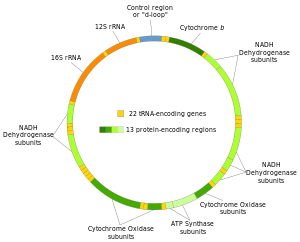
Structure of the human mitochondrial genome.

Structure of the human mitochondrial genome. (Photo credit: Wikipedia)

English: ATP production in aerobic respiration

English: ATP production in aerobic respiration (Photo credit: Wikipedia)


Read Full Post »

MONOAMINE, NEUROTROPHIC FACTOR, & PHARMACOKINTIC HYPOTHESES OF DEPRESSION, OLD AND NEWER TREATMENTS

Curator: Zohi Sternberg, PhD

Department of Neurology, University of Buffalo, Baird MS Center, Buffalo, NY.

Depression is the second leading cause of disability worldwide, which struck 20% of women and 15% of men at least one episode in their lifetime. Depression is characterized by two or more weeks of depressed mood or diminished interest, associated with symptoms such as disturbed sleep, decrease in appetite and libido, psychomotor changes, reduced concentration, excessive guilt and suicidal thoughts or attempts.

A variety of genetic, environmental and neurobiological factors are implicated in depression. The genetic contribution to the manifestation of depression has been estimated as 40-50%. However, combinations of multiple genetic factors may be involved in the development of disease, because a defect in a single gene usually fails to induce the expression of multifaceted symptoms of depression. In addition, non-genetic factors such cellular abnormalities and stress, interact with genetic factors, contributing to the prevalence of depression.

Monoamine hypothesis of depression

Monoamine reuptake inhibitors

Among cellular abnormalities contributing to depression is the dysfunction in the monoamine system. The deficiency or imbalances in the monoamine neurotransmitters, such as serotonin, dopamine and norepinephrine has been known to be the cause of depression. Typical antidepressants, such as 5-hydroxytryptamine (5-HT) selective reuptake inhibitors (SSRIs), exert clinical effects by blocking monoamine reuptake by the 5-HT transporter (Fig 1). However, these antidepressants are effective in less than 50% of patients and show a wide spectrum of undesired side effects. In addition, the chronic use of antidepressants is required to observe clinical benefits.

Neurotrophic hypothesis of depression

Although neurotrophic factors are critical signaling molecules for nervous system development, they continue to play an important role in the survival, function and adaptive plasticity of neurons in the adult brain. Of the different families of neurotrophic and/or growth factors expressed in the brain, the most extensively studied in depression is the nerve growth factor (NGF) family, which includes NGF, brain-derived neurotrophic factor (BDNF), and neurotrophin 3 and 4 (NT3 and NT4). Most notable of these has been BDNF and its receptor, tropomyosin-related kinase B (TrkB), a transmembrane receptor with an intracellular tyrosine kinase domain. BDNF–TrkB downstream signaling includes activation of phosphatidyl inositol-3 kinase (PI3K)-Akt (serine threonine kinase or protein kinase B), Ras–mitogen-activated protein kinase (MAPK) and the phospholipaseCg (PLCg)–Ca2+ pathways (Fig 2)

Early studies demonstrated that stress decreases the level of BDNF in the hippocampus.  These results, coupled with brain-imaging studies, which reported a decreased volume of limbic brain regions in depressive patients, have led to a neurotrophic hypothesis of depression. Studies show that BDNF has the potential to produce an antidepressant response in behavioral models of depression, and that genetic deletion or blockade of BDNF blocks the effects of antidepressant treatments. However, it is it noteworthy that BDNF has various function depending on the site it is expressed. For example, BDNF in the mesolimbic dopamine system produces prodepressive effects and increases susceptibility to social defeat, effects that could oppose the antidepressant actions of BDNF in the Prefrontal cortex and hippocampus. Interestingly, BDNF administration by routes that would affect multiple brain regions (intracerebroventricular or systemic) produce antidepressant responses.

Furthermore, the deletion or mutation of BDNF results in a state of increased susceptibility to other factors, such as stress. This type of gene-environment interaction is supported by studies demonstrating that BDNF heterozygous deletion mutant mice display depressive behavior only when exposed to mild stress that has no effect in wild-type mice.  A chronic treatment with antidepressant is required to induce an increase in BDNF mRNA expression levels. However, it is a matter of debate to whether BDNF underlies the deleterious effects of stress and depression and, conversely, whether induction of BDNF mediates the beneficial effects of antidepressants. Nevertheless, a single nucleotide polymorphism (SNP) of BDNF, Val66Met, provides supporting evidence from human, as well as rodent studies, for a role of BDNF in depressive behavior.

Figure 1. Signaling pathways regulated by chronic antidepressant treatments. Typical antidepressants, such as 5-hydroxytryptamine (5-HT) selective reuptake inhibitors (SSRIs), block monoamine reuptake by the 5-HT transporter (SERT). This leads to regulation of postsynaptic G protein-coupled receptors, which couple to a variety of second messenger systems, including the cAMP–protein kinase A (PKA)–cAMP response element-binding (CREB) pathway [4,6] These effects require chronic SSRI treatment, owing to the requirement for desensitization of 5-HT autoreceptors, and because 5-HT is a neuromodulator that produces slow neuronal responses. By contrast, glutamate produces fast excitation of neurons via stimulation of ionotropic receptors, including AMPA and NMDA receptors, resulting in depolarization and rapid intracellular signaling, such as induction of Ca2+-calmodulin-dependent protein kinase (CAMK). Glutamate and 5-HT signaling lead to regulation of multiple physiological responses, including regulation of synaptic plasticity, as well as gene expression. One target of antidepressant treatment and CREB signaling is brain-derived neurotrophic factor (BDNF). BDNF transcripts may remain in the soma or are targeted for transport to dendrites, where they are subject to activity-dependent translation and release. A common BDNF polymorphism, Val66Met, which is encoded by G196A, blocks the trafficking of BDNF to dendrites. The induction of BDNF and other neurotrophic factors contributes to the actions of antidepressant treatments, including neuroprotection, neuroplasticity and neurogenesis. Abbreviation: SNP, single nucleotide polymorphism

Newer treatments of depression

NMDA receptor antagonists

Typical antidepressants do not increase BDNF release, which could further contribute to the delayed response, as well as limited efficacy of these agents. Furthermore, in patients with severe depression, who are resistant to typical antidepressants, a novel class of antidepressants, the NMDA receptor antagonists, such as ketamine, are being evaluated. This class of antidepressants produces a rapid antidepressant action, an effect not seen with the typical antidepressants. The mechanism of action of NMDA receptor antagonists involves increased glutamate transmission and induction of synaptogenesis, involving the upregulation of BDNF and other neurotrophic factors. The comparison of typical antidepressants with novel, rapid-acting NMDA antagonists also highlights the difference between agents that act on neuromodulatory systems (i.e.monoamines) compared with those that act on the major excitatory neurotransmitter system (i.e.glutamate).

GABA receptor antagonists

Furthermore, gamma amino butyric acid (GABA)-ergic system is known to play a role in mood disorders.  GABA system is the prominent inhibitory neurotransmitter in the brain, and a link between GABA(A) receptors and anxiety has been established. However, the role of these receptors in depression has not been validated. GABA(B) receptors, have been also postulated to be involved in the etiology of depression. Studies of GABA(B) receptor antagonists and GABA(B) receptor knockout mice suggest that the blockade, or loss of function of GABA(B) receptors causes an antidepressant-like phenotype.  The antidepressant effect of GABA(B) blockade has speculated to be via interacting with the serotonergic system and BDNF. GABA(B) receptor antagonists may represent a new class of antidepressant compounds

Figure 2. Brain-derived neurotrophic factor (BDNF)–tropomyosin-related kinase B (TrkB) signaling pathways. BDNF binding to the extracellular domain of TrkB induces dimerization and activation of the intracellular tyrosine kinase domain. This results in autophosphorylation of tyrosine residues that then serve as sites for interaction with adaptor proteins and activation of intracellular signaling cascades, including the Ras–microtubule-associated protein kinase (MAPK), phosphatidyl inositol-3 kinase (PI3K)/serine threonine kinase (Akt) and phospholipase C (PLC)-g pathways. Phosphorylation of tyrosine 515 of TrkB leads to recruitment of the Src homology 2 domaincontaining (Shc) adaptor protein, followed by recruitment of growth factor receptor-bound protein 2 (Grb2) and son of sevenless (SOS) and activation of the Ras–MAPK pathway (right). Shc–Grb2 can also lead to recruitment of Grb2-associated binder-1 (GAB1) and activation of the PI3K–Akt pathway (left). Phosphorylation of the TrkB tyrosine residue 816 results in recruitment of PLCg, which leads to the formation of inositol triphosphate (IP3) and regulation of intracellular Ca2+ and diacylglycerol (DAG), which activates CAMK and protein kinase C (PKC). These pathways control many different aspects of cellular function, including synaptic plasticity, survival and growth and/or differentiation. Basic and clinical studies demonstrate that BDNF and components of the Ras–MAPK and PI3K–Akt pathways are decreased by stress and depression, and increased by antidepressant treatments. Abbreviations: ERK, extracellular signal regulated kinase; MEK, MAP/ERK kinase; MKP1, MAP kinase phosphatase 1; PDK1, 3-phosphoinositide-dependent protein kinase 1; PTEN, phosphatase and tensin homolog.

Sphingomyelinase /ceramide inhibitors

The lysosomal lipid metabolizing enzyme, acid sphingomyelinase (ASM), cleaves sphingomyelin into ceramide and phosphorylcholine. In a pilot study, the activity of this enzyme was increased in peripheral blood cells of patients with major depressive disorder, making the ASM an interesting molecular target of antidepressant drugs.

It is postulated that the accumulation of the enzyme in the lyzozome may play a role in depressive disorders (pharmacokinetic hypothesis), and its inhibition by cationic amphiphilic substances, which traverse the BBB, and which cause the detachment of the enzyme from the inner lysosomal membranes, and its consecutive inactivation, could improve depressive disorders. In addition, ASM inhibitors could exert antidepressant effects by modulating monoamine receptor and transporter, since ASM inhibitors are known to inhibit interferon-alpha-induced 5-HT uptake.

In addition, ceramide and its metabolite sphingosine-1-phosphate have been shown to also antagonistically regulate apoptosis, cellular differentiation, proliferation and cell migration. Therefore, inhibitors of ASM or ceramide hold promise for a number of new clinical therapies for Alzheimer’s disease and cancer.

Deep brain stimulation

Another new promising method of treating depression, as well as other clinical pathologies such as obsessive-compulsive disorders, Tourette’s syndrome, substance abuse, dementia and anxiety is deep brain stimulation (DBS).  These pathologies are classified as the dysfunctions of networks which process motivational and affective stimuli. DBS permits the selective and basically reversible modulation of such networks, with marginal or non adverse effects. In the field of treatment-resistant depressive disorders, uncontrolled studies have been published with initial satisfactory and concordant indications of the therapeutic effect of DBS in a variety of target areas of the brain.

Key words: Depression, Monoamines, NMDA receptor, GABA, Deep brain stimulation, Ceramide, Sphingomyelinase, Cancer, Alzheimer;s diseases

 References

1.      Albert PR. The neurobiology of depression, revisiting the serotonin hypothesis. I. Cellular and molecular mechanisms. Phil. Trans. R. Soc. B. 2012

2.      Lee S. Jeong J. Kwak Y. Park SK. Depression research: where are we now?.[Review]  Molecular Brain. 3:8, 2010.

3.      Ronald S. Duman and Bhavya Voleti. Signaling pathways underlying the pathophysiology and treatment of depression: novel mechanisms for rapid-acting agents. Trends in Neurosciences January 2012, Vol. 35, No. 1

4.      Cryan JF. Slattery DA. GABAB receptors and depression. Current status. [Review] Advances in Pharmacology. 58:427-51, 2010.

5. Schlapfer TE. Kayser S. The development of deep brain stimulation as a putative treatment for resistant psychiatric disorders]. [Review] Nervenarzt. 81(6):696-701, 2010 Jun.

6. Su HC. Ma CT. Lin CF. Wu HT. Chuang YH. Chen LJ. Tsao CW. The acid sphingomyelinase inhibitors block interferon-alpha-induced serotonin uptake via a COX-2/Akt/ERK/STAT-dependent pathway in T cells. International Immunopharmacology. 11(11):1823-31, 2011 Nov.

7. Kornhuber J. Tripal P. Reichel M. Muhle C. Rhein C. Muehlbacher M. Groemer TW. Gulbins E Functional Inhibitors of Acid Sphingomyelinase (FIASMAs): a novel pharmacological group of drugs with broad clinical applications. [Review] Cellular Physiology & Biochemistry. 26(1):9-20, 2010.

8. Kornhuber J. Muehlbacher M. Trapp S. Pechmann S. Friedl A. Reichel M. Muhle C. Terfloth L. Groemer TW. Spitzer GM. Liedl KR. Gulbins E. Tripal P. Identification of novel functional inhibitors of acid sphingomyelinase. PLoS ONE [Electronic Resource]. 6(8):e23852, 2011.

Read Full Post »

Reporter: Ritu Saxena, Ph.D.

On December 4, 2012, molecular diagnostic firm Invivoscribe Technologies launched a personalized medicine company. Genection is offering both routine and esoteric genetic tests, exome and whole-genome sequencing, cancer somatic mutation testing, and pharmacogenomics.

Image

Because the Genection model is not payor-driven, it said, it can provide doctors access to genetic tests that are currently unavailable, overlooked, or inaccessible through their patients’ health plans and healthcare institutions.

The privately held company added that it has agreements in place with several CLIA- and CAP-certified laboratories, including ARUP Laboratories, Foundation Medicine, Cypher Genomics, Invivoscribe’s wholly owned subsidiary the Laboratory for Personalized Molecular Medicine and LPMM’s laboratory in Martinsried, Germany. It also has relationships with Illumina and Ambry Genetics and agreements with “a consortium” of genetic counselors.

“In order to make personalized molecular medicine a clinical reality, new platforms need to be developed for the delivery of healthcare. Genection’s mission seeks to accelerate this adoption process,” Genection Chief Medical Officer Bradley Patay said in a statement. “The combination of CLIA-validated genetic testing, whole-exome or whole-genome sequencing, and broad targeted assays, along with critical bioinformatics, analytic tools, and interpretative guidelines will contribute to timely definitive diagnoses for patients with rare, unexplained diseases or complex diseases; in essence, this integration will speed delivery of genomic test results and improve patient care.”

The company profile states that because the cost of genomic sequencing has declined steeply, utilizing deep sequencing of tumors, doctors can now offer targeted treatments to the specific type of cancer for each patient. This personalized approach may offer better treatment options that are tailored for each individual versus conventional approaches.  For example, The Cancer Genome Atlas Research Network found a potential therapeutic target in most squamous cell lung cancers. Genetic testing would also be able to provide insight on drug’s effectiveness and help a physician tailor the dosage and/or select another drug if it’s determined that you have a genetic variant that could affect the drug’s efficacy.

Source:

http://www.genomeweb.com//node/1159221?hq_e=el&hq_m=1425051&hq_l=3&hq_v=e618131fd2

Invivoscribe Technologies: http://www.invivoscribe.com/

Genection: http://www.genection.com/

Read Full Post »

BRCA1 a tumour suppressor in breast and ovarian cancer – functions in transcription, ubiquitination and DNA repair

Reporter and Curator: Dr. Sudipta Saha, Ph.D.

Screen Shot 2021-07-19 at 7.21.24 PM

Word Cloud By Danielle Smolyar

Interest in BRCA1 stems from its role as a tumour suppressor in breast and ovarian cancer. Intensive research in BRCA1 has revealed little about its specific role in cancer; rather, this protein has been implicated in a multitude of important cellular processes.

The diverse biochemical activities of BRCA1 combine to protect the genome from damage.

New data reveal that BRCA1

BRCA1 functions in several processes, but it is unclear how these relate to the BRCA1 requirement in all cell types. Similar to the p53 tumour suppressor, BRCA1 activates genes encoding the DNA-repair response. Unlike p53, BRCA1 also has a direct role in the repair process.

According to the earlier suggested model, BRCA1–BARD1 functions in genome surveillance by scanning active genes in association with the holo-pol, and when the elongating transcription complex encounters DNA lesions, BRCA1 initiates a repair response. It is interesting to note that a BRCA1-binding cofactor, COBRA1, which regulates BRCA1 function in a chromatin decompression assay, has been found to be a required subunit of a complex that regulates transcription elongation.

When damage is encountered on the DNA template, the lesion could be corrected by transcription-coupled repair (step 1), a known BRCA1 function. Alternatively, some types of damage might require that the polymerase be removed to effect repair. Since the polymerase synthesizing mRNA on a DNA template is quite stably bound, it has been hypothesized that BRCA1 would then ubiquitinate the polymerase signaling its degradation (step 2).

Although current evidence does not implicate BRCA1 in this process, the polymerase is ubiquitinated and degraded following DNA damage. The residual BRCA1 complex might remain bound to the DNA lesion.

BRCA1 has been found to bind DNA cruciforms and three-way junctions, such as might occur at damage sites (step 3). This bound BRCA1 would then recruit repair factors, such as the RAD50-containing complex, which would then mend the lesion (steps 4 and 5).

One might infer from the recruitment of the H2AX kinase to sites in which BRCA1 is bound to DNA that this surveillance of the template by transcription results in BRCA1-dependent degradation of the transcription apparatus and recruitment of the H2AX kinase to nucleate the assembly of a repair focus.

Although there is no yeast homolog for BRCA1, perhaps a analogous pathway is conserved in this organism, mediated by a transcription elongation factor that is genetically linked in this pathway to holo-pol components.

The key cellular functions assigned to BRCA1 are numerous. BRCA1 can interact with many cellular proteins and pathways, but how these many interactions address the key questions of required ubiquitous function and tumour suppressing breast and ovarian cell function are unclear. These diverse activities of BRCA1 may be linked in a single pathway, or BRCA1 might function in multiple nuclear processes.

Source References:

http://www.ncbi.nlm.nih.gov/pubmed?term=The%20multiple%20nuclear%20functions%20of%20BRCA1%3A%20transcription%2C%20ubiquitination%20and%20DNA%20repair

Read Full Post »

Reporter: Ritu Saxena, Ph.D.

With the number of cancer cases plummeting every year, there is a dire need for finding a cure to wipe the disease out. A number of therapeutic drugs are currently in use, however, due to heterogeneity of the disease targeted therapy is required. An important criteria that needs to be addressed in this context is the –‘tumor response’ and how it could be predicted, thereby improving the selection of patients for cancer treatment. The issue of tumor response has been addressed in a recent editorial titled “Tumor response criteria: are they appropriate?” published recently in Future Oncology.

The article talks about how the early tumor treatment response methods came into practice and how we need to redefine and reassess the tumor response.

Defining ‘tumor response’ has always been a challenge

WHO defines a response to anticancer therapy as 50% or more reduction in the tumor size measured in two perpendicular diameters. It is based on the results of experiments performed by Moertel and Hanley in 1976 and later published by Miller et al in 1981. Twenty years later, in the year 2000, the US National Cancer Institute, with the European Association for Research and Treatment of Cancer, proposed ‘new response criteria’ for solid tumors; a replacement of 2D measurement with measurement of one dimen­sion was made. Tumor response was defined as a decrease in the largest tumor diameter by 30%, which would translate into a 50% decrease for a spherical lesion. However, response criteria have not been updated after that and there a structured standardization of treatment response is still required especially when several studies have revealed that the response of tumors to a therapy via imaging results from conventional approaches such as endoscopy, CT scan, is not reliable. The reason is that evaluating the size of tumor is just one part of the story and to get the complete picture inves­tigating and evaluating the tissue is essential to differentiate between treatment-related scar, fibrosis or micro­scopic residual tumor.

In clinical practice, treatment response is determined on the basis of well-established parameters obtained from diagnostic imaging, both cross-sectional and functional. In general, the response is classified as:

  • Complete remission: If a tumor disappears after a particular therapy,
  • Partial remission: there is residual tumor after therapy.

For a doctor examining the morphology of the tumor, complete remission might seem like good news, however, mission might not be complete yet! For example, in some cases, with regard to prognosis, patients with 0% residual tumor (complete tumor response) had the same prognosis com­pared with those patients with 1–10% residual tumor (subtotal response).

Another example is that in patients demonstrating complete remission of tumor response as observed with clinical, sonographic, functional (PET) and histopathological analysis experience recur­rence within the first 2 years of resection.

Adding complexity to the situation is the fact that the appropriate, clinically relevant timing of assess­ment of tumor response to treatment remains undefined. An example mentioned in the editorial is – for gastrointestinal (GI) malignancies, the assessment timing varies considerably from 3 to 6 weeks after initia­tion of neoadjuvant external beam radiation. Further, time could vary depending upon the type of radiation administered, i.e., if it is external beam, accelerated hyperfractionation, or brachytherapy.

Abovementioned examples remind us of the intricacy and enigma of tumor biol­ogy and subsequent tumor response.

Conclusion

Owing to the extraordinary het­erogeneity of cancers between patients, and pri­mary and metastatic tumors in the same patients, it is important to consider several factors while determining the response of tumors to different therapie in clinical trials. Authors exclaim, “We must change the tools we use to assess tumor response. The new modality should be based on individualized histopathology as well as tumor molecular, genetic and functional characteristics, and individual patients’ charac­teristics.”

Future perspective

Editorial points out that the oncologists, radiotherapists, and immunologists all might have a different opinion and observation as far as tumor response is considered. For example, surgical oncologists might determine a treatment to be effective if the local tumor control is much better after multimodal treatment, and that patients post-therapeutically also reveal an increase of the rate of microscopic and macroscopic R0-resection. Immunologists, on the other hand, might just declare a response if immune-competent cells have been decreased and, possibly, without clinical signs of decrease of tumor size.

What might be the answer to the complexity to reading tumor response is stated in the editorial – “an interdisciplinary initiative with all key stake­holders and disciplines represented is imperative to make predictive and prognostic individualized tumor response assessment a modern-day reality. The integrated multidisciplinary panel of international experts need to define how to leverage existing data, tissue and testing platforms in order to predict individual patient treatment response and prog­nosis.”

Sources:

Editorial : Björn LDM Brücher et al Tumor response criteria: are they appropriate? Future Oncology August 2012, Vol. 8, No. 8, 903-906.

Miller AB, Hoogstraten B, Staquet M, Winkler A. Reporting results of cancer treatment. Cancer 1981, 47(1),207–214.

Related articles to this subject on this Open Access Online Scientific Journal:

See comment written for :

Knowing the tumor’s size and location, could we target treatment to THE ROI by applying

http://pharmaceuticalintelligence.com/2012/10/16/knowing-the-tumors-size-and-location-could-we-target-treatment-to-the-roi-by-applying-imaging-guided-intervention/imaging-guided intervention?

Personalized Medicine: Cancer Cell Biology and Minimally Invasive Surgery (MIS)

http://pharmaceuticalintelligence.com/2012/12/01/personalized-medicine-cancer-cell-biology-and-minimally-invasive-surgery-mis/

Read Full Post »

Diagnosing Lung Cancer in Exhaled Breath using Gold Nanoparticles

Reporter-curator: Tilda Barliya PhD

Authors: Gang Peng, Ulrike Tisch, Orna Adams1, Meggie Hakim, Nisrean Shehada, Yoav Y. Broza, Salem Billan, Roxolyana Abdah-Bortnyak, Abraham Kuten & Hossam Haick. (NATURE NANOTECHNOLOGY | VOL 4 | OCTOBER 2009 |)

Abstract:

Conventional diagnostic methods for lung cancer1,2 are unsuitable for widespread screening, because they are expensive and occasionally miss tumours. Gas chromatography/mass spectrometry studies have shown that several volatile organic compounds, which normally appear at levels of 1–20 ppb in healthy human breath, are elevated to levels between 10 and 100 ppb in lung cancer patients. Here we show that an array of sensors based on gold nanoparticles can rapidly distinguish the breath of lung cancer patients from the breath of healthy individuals in an atmosphere of high humidity. In combination with solidphase microextraction, gas chromatography/mass spectrometry was used to identify 42 volatile organic compounds that represent lung cancer biomarkers. Four of these were used to train and optimize the sensors, demonstrating good agreement between patient and simulated breath samples. Our results show that sensors based on gold nanoparticles could form the basis of an inexpensive and non-invasive diagnostic tool for lung cancer. (http://www.nature.com/nnano/journal/v4/n10/abs/nnano.2009.235.html) (lnbd.technion.ac.il/NanoChemistry/SendFile.asp?DBID=1…1…) Nanosensors Detect Cancer Breath

Introduction:

Lung cancer accounts for 28% of cancer-related deaths. Approximately 1.3 million people die worldwide every year. Breath testing is a fast, non-invasive diagnostic method that links specific volatile organic compounds (VOCs) in exhaled breath to medical conditions. Gas chromatography/mass spectrometry (GC-MS), ion flow tube mass spectrometry10, laser absorption spectrometry,infrared spectroscopy, polymer-coated surface acoustic wave sensors and coated quartz crystal microbalance sensors have been used for this purpose. However, these techniques are expensive, slow, require complex instruments and, furthermore, require pre-concentration of the biomarkers (that is, treating the biomarkers by a process to increase the relative concentration of the biomarkers to a level that can be detected by the specific technique) to improve detection.

Here, we report a simple, inexpensive, portable sensing technology to distinguish the breath of lung cancer patients from healthy subjects without the need to pre-treat the exhaled breath in any way (see also refs 14–16 for the diagnosis of lung cancer by sensing technology that is based on arrays of polymer/carbon black sensors). Our study consisted of four phases and included volunteers aged 28–60 years. Samples were collected from 56 healthy controls and 40 lung cancer patients after clinical diagnosis using conventional methods and before chemotherapy or other treatment.

In the first phase, we collected exhaled alveolar breath of lung cancer patients and healthy subjects using an ‘offline’ method. This method was designed to avoid potential errors arising from the failure to distinguish endogenous compounds from exogenous ones in the breath and to exclude nasal entrainment of the gas. Exogenous VOCs can be either directly absorbed through the lung via the inhaled breath or indirectly through the blood or skin. Endogenous VOCs are generated by cellular biochemical processes in the body and may provide insight into the body’s function

In the second phase, we identified the VOCs that can serve as biomarkers for lung cancer in the breath samples and determined their relative compositions, using GC-MS in combination with solidphase microextraction (SPME). GC-MS analysis identified over 300–400 different VOCs per breath sample, with .87% reproducibility for a specific volunteer examined multiple times over a period of six months. Forward stepwise discriminant analysis identified 33 common VOCs that appear in at least 83% of the patients but in fewer than 83% of the healthy subjects

The compounds that were observed in both healthy breath and lung cancer breath were presented not only at different concentrations but also in distinctively different mixture compositions.

Further forward stepwise discriminant analysis revealed nine uncommon VOCs that appear in at least 83% of the patients but not in the majority (83%) of healthy subjects. This additional class of VOCs has not been recognized in earlier GC-MS studies.

In spite of these advances in the GC-MS analysis, these data certainly do not account for all the VOCs present in the exhaled breath samples, because the pre-concentration technique can be thought of as a solid phase that extracts only part of the analytes present in the examined phase and, subsequently, releases only part of the extracted analytes.

So, it is likely that the actual mixture of VOCs to which, for example, an array of gold nanoparticle sensors would be responding  is different from that obtained by GC-MS.

In the third phase of this study we designed an array of nine crossreactive chemiresistors, in which each sensor was widely responsive to a variety of odorants for the detection of lung cancer by means of breath testing. We used chemiresistors based on assemblies of 5-nm gold nanoparticles  with different organic functionalities (dodecanethiol, decanethiol, 1-butanethiol, 2-ethylhexanethiol, hexanethiol, tert-dodecanethiol, 4-methoxy-toluenethiol, 2-mercaptobenzoxazole and 11-mercapto-1-undecanol).Diagnosing lung cancer in exhaled breath

Chemiresistors based on functionalized gold nanoparticles combine the advantages of organic specificity with the robustness and processability of inorganic materials.

The response of the nine-sensor array to both healthy and lung cancer breath samples was analysed using principal component analysis . It can be seen that there is no overlap of the lung cancer and healthy patterns.

The PCA of the healthy control group revealed that the set of gold nanoparticles sensors was not influenced by characteristics such as gender, age or smoking habits, thus strengthening the ability of the sensors to discriminate between healthy and cancerous breath. Experiments with a wider population of volunteers to thoroughly probe the influence of diet, alcohol consumption,metabolic state and genetics are under way and will be published elsewhere.

Summary:

To summarize, we have demonstrated that an array of chemiresistors based on functionalized gold nanoparticles in combination with pattern recognition methods can distinguish between the breath of lung cancer patients and healthy controls, without the need for dehumidification or pre-concentration of the lung cancer biomarkers. Our results show great promise for fast, easy and cost-effective diagnosis and screening of lung cancer. The developed devices are expected to be relatively inexpensive, portable and amenable to use in widespread screening, making them potentially valuable in saving millions of lives every year. Given the impact of the rising incidence of cancer on health budgets worldwide, the proposed technology will be a significant saving for both private and public health expenditures. The potential exists for using the proposed technology to diagnose other conditions and diseases, which could mean additional cost reductions and enhanced opportunities to save lives.

Ref:

1. Gang Peng, Ulrike Tisch, Orna Adams, Meggie Hakim, Nisrean Shehada, Yoav Y. Broza, Salem Billan, Roxolyana Abdah-Bortnyak, Abraham Kuten& Hossam Haick. Diagnosing lung cancer in exhaled breath using gold nanoparticles. Nature Nanotechnology 4, 669 – 673 (2009) http://www.nature.com/nnano/journal/v4/n10/abs/nnano.2009.235.html

2. http://lungcancer.about.com/od/diagnosisoflungcancer/a/diagnosislungca.htm

3. http://metabolomx.com/2011/12/15/metabolomx-test-detects-lung-cancer-from-breath/

4. http://www.chestnet.org/accp/pccsu/medical-applications-exhaled-breath-analysis-and-testing?page=0,3


Read Full Post »

Personalized Medicine: Cancer Cell Biology and Minimally Invasive Surgery (MIS)

Curator: Aviva Lev-Ari, PhD, RN

In the field of Cancer Research, Translational Medicine  will become Personalized Medicine when each of the cancer type, below will have a Genetic Marker allowing the Clinical Team to use the marker for:

  • prediction of Patient’s reaction to Drug induction
  • design of Clinical Trials to validate drug efficacy on small subset of patients predicted to react favorable to drug regimen, increasing validity and reliability
  • Genetical identification of patients at no need to have a drug administered if non sensitivity to the drug has been predicted

Current urgent need exists for Identification of Genetic Markers to predict Patient’s reaction to Drugs Induction for the following types of Cancer:


The executive task of the clinician remains to assess the differentiation in Tumor Response to Treatment.

Review of limitations for the current existing Tools used by clinicians in to be found in:

Brücher BLDM, Bilchik A, Nissan A, Avital I & Stojadinovic A. Can tumor response to therapy be predicted, thereby improving the selection of patients for cancer treatment?  Future Oncology 2012; 8(8): 903-906 , DOI 10.2217/fon.12.78 (doi:10.2217/fon.12.78)   The heterogeneity is a problem that will take at least another decade to unravel because of the number of signaling pathways and the crosstalk that is specifically at issue.

Future Oncology August 2012, Vol. 8, No. 8, Pages 903-906 ,

It is suggested that the new modality should be based on individualized histopathology as well as tumor molecular, genetic and functional characteristics, and individual patients’ characteristics. The new modality should be based on empirical evidence that translates into relevant and meaningful clinical outcome data.

Cancer is in particular a difficult to treat tissue type pathology. In “Tumor response criteria: are they appropriate?” that concern is addressed as follows:

“This becomes a conundrum of sorts in an era of ‘minimally invasive treatment’. One frequently encountered example is that of a patient with chronic gastric reflux and an ultrasound-staged T3N1 distal esophageal adenocarcinoma, who had complete sonographic tumor response to neoadjuvant chemoradiation. The physician may declare that, the tumor having disappeared, the patient requires no further treatment. The surgical oncologist recommends resection, recognizing the fact that up to 20% or more of these complete responders will have identifiable nests of tumor beyond the mucosal scar within the specimen – in other words: residual tumor. In other cases, patients with clinical, sonographic, functional (PET) and histopathological ‘complete’ tumor response to induction therapy experience recurrence within the first 2 years of resection, reminding us of the intricacy and enigma of tumor biology. We have yet to develop the tools needed to consistently delineate the response of a tumor to multimodality therapy.”

This described reality in the Oncology Operating Room is coupled with new trends in invasive treatment of tumor resection.

Minimally Invasive Surgery (MIS) vs. conventional surgery dissection applied to cancer tissue with the known pathophysiology of recurrence and remission cycles has its short term advantages. However, in many cases MIS is not the right surgical decision, yet, it is applied for a corollary of patient-centered care considerations. At present, facing the unknown of the future behavior of the tumor as its response to therapeutics bearing uncertainty related to therapy outcomes.

An increase in the desirable outcomes of MIS as a modality of treatment, will be strongly assisted in the future, with anticipated progress to be made in the field of Cancer Research, Translational Medicine and Personalized Medicine, when each of the cancer types, above,  will already have a Genetic Marker allowing the Clinical Team to use the marker(s) for:

  • prediction of Patient’s reaction to Drug induction
  • design of Clinical Trials to validate drug efficacy on small subset of patients predicted to react favorable to drug regimen, increasing validity and reliability
  • Genetical identification of patients at no need to have a drug administered if non sensitivity to the drug has been predicted by the genetic marker.

REFERENCES

Tumor response criteria: are they appropriate?

Björn LDM Brücher*1,2, Anton Bilchik2,3, Aviram Nissan2,4, Itzhak Avital2,5 & Alexander Stojadinovic2,6

 
Treatment for cure is not the endpoint, but the best that can be done is to extend the time of survival to a realistic long term goal and retain a quality of life.
 
Brücher BLDM, Piso P, Verwaal V et al. Peritoneal carcinomatosis: overview and basics. Cancer Invest.30(3),209–224 (2012).
 
Brücher BLDM, Swisher S, Königsrainer A et al. Response to preoperative therapy in upper gastrointestinal cancers. Ann. Surg. Oncol.16(4),878–886 (2009).
 
Miller AB, Hoogstraten B, Staquet M, Winkler A. Reporting results of cancer treatment. Cancer47(1),207–214 (1981).


Other research papers on Cancer and Cancer Therapeutics were published on this Scientific Web site as follows:

What can we expect of tumor therapeutic response?

PIK3CA mutation in Colorectal Cancer may serve as a Predictive Molecular Biomarker for adjuvant Aspirin therapy

Nanotechnology Tackles Brain Cancer

Response to Multiple Cancer Drugs through Regulation of TGF-β Receptor Signaling: a MED12 Control

Personalized medicine-based cure for cancer might not be far away

GSK for Personalized Medicine using Cancer Drugs needs Alacris systems biology model to determine the in silico effect of the inhibitor in its “virtual clinical trial”

Lung Cancer (NSCLC), drug administration and nanotechnology

Non-small Cell Lung Cancer drugs – where does the Future lie?

Cancer Innovations from across the Web

arrayMap: Genomic Feature Mining of Cancer Entities of Copy Number Abnormalities (CNAs) Data

How mobile elements in “Junk” DNA promote cancer. Part 1: Transposon-mediated tumorigenesis.

Cancer Genomics – Leading the Way by Cancer Genomics Program at UC Santa Cruz

Closing the gap towards real-time, imaging-guided treatment of cancer patients.

Closing the gap towards real-time, imaging-guided treatment of cancer patients.

mRNA interference with cancer expression

Search Results for ‘cancer’ on this web site

Cancer Genomics – Leading the Way by Cancer Genomics Program at UC Santa Cruz

Closing the gap towards real-time, imaging-guided treatment of cancer patients.

Lipid Profile, Saturated Fats, Raman Spectrosopy, Cancer Cytology

mRNA interference with cancer expression

Pancreatic cancer genomes: Axon guidance pathway genes – aberrations revealed

Biomarker tool development for Early Diagnosis of Pancreatic Cancer: Van Andel Institute and Emory University

Is the Warburg Effect the cause or the effect of cancer: A 21st Century View?

Crucial role of Nitric Oxide in Cancer

Targeting Glucose Deprived Network Along with Targeted Cancer Therapy Can be a Possible Method of Treatment


See comment written for:

Knowing the tumor’s size and location, could we target treatment to THE ROI by applying…..

http://pharmaceuticalintelligence.com/2012/10/16/knowing-the-tumors-size-and-location-could-we-target-treatment-to-the-roi-by-applying-imaging-guided-intervention/

24 Responses

  1. GREAT work.

    I’ll read and comment later on

  2. Highlights of The 2012 Johns Hopkins Prostate Disorders White Paper include:

    A promising new treatment for men with frequent nighttime urination.
    Answers to 8 common questions about sacral nerve stimulation for lower urinary tract symptoms.
    Surprising research on the link between smoking and prostate cancer recurrence.
    How men who drink 6 cups of coffee a day or more may reduce their risk of aggressive prostate cancer.
    Should you have a PSA screening test? Answers to important questions on the controversial USPSTF recommendation.
    Watchful waiting or radical prostatectomy for men with early-stage prostate cancer? What the research suggests.
    A look at state-of-the-art surveillance strategies for men on active surveillance for prostate cancer.
    Locally advanced prostate cancer: Will you benefit from radiation and hormones?
    New drug offers hope for men with metastatic castrate-resistant prostate cancer.
    Behavioral therapy for incontinence: Why it might be worth a try.

    You’ll also get the latest news on benign prostatic enlargement (BPE), also known as benign prostatic hyperplasia (BPH) and prostatitis:
    What’s your Prostate Symptom Score? Here’s a quick quiz you can take right now to determine if you should seek treatment for your enlarged prostate.
    Your surgical choices: a close look at simple prostatectomy, transurethral prostatectomy and open prostatectomy.
    New warnings about 5-alpha-reductase inhibitors and aggressive prostate cancer.

  3. Promising technique.

    INCORE pointed out in detail about the general problem judging response and the stil missing quality in standardization:

    http://www.futuremedicine.com/doi/abs/10.2217/fon.12.78?url_ver=Z39.88-2003&rfr_id=ori:rid:crossref.org&rfr_dat=cr_pub%3dwww.ncbi.nlm.nih.gov

    I did research in response evaluation and prediction for about 15y now and being honest: neither the clinical, nor the molecular biological data proved significant benefit in changing a strategy in patient diagnosis and / or treatment. I would state: this brings us back on the ground and not upon the sky. Additionally it means: we have to ´work harder on that and the WHO has to take responsibility: clinicians use a reponse classification without knowing, that this is just related to “ONE” experiment from the 70′s and that this experiment never had been rescrutinized (please read the Editorial I provided – we use a clinical response classification since more than 30 years worldwide (Miller et al. Cancer 1981) but it is useless !

  4. Dr. BB

    Thank you for your comment.
    Dr. Nir will reply to your comment.
    Regarding the Response Classification in use, it seems that the College of Oncology should champion a task force to revisit the Best Practice in use in this domain and issue a revised version or a new effort for a a new classification system for Clinical Response to treatment in Cancer.

  5. I’m sorry that I was looking for this paper again earlier and didn’t find it. I answered my view on your article earlier.

    This is a method demonstration, but not a proof of concept by any means. It adds to the cacophany of approaches, and in a much larger study would prove to be beneficial in treatment, but not a cure for serious prostate cancer because it is unlikely that it can get beyond the margin, and also because there is overtreatment at the cutoff of PSA at 4.0. There is now a proved prediction model that went to press some 4 months ago. I think that the pathologist has to see the tissue, and the standard in pathology now is for any result that is cancer, two pathologist or a group sitting together should see it. It’s not an easy diagnosis.

    Björn LDM Brücher, Anton Bilchik, Aviram Nissan, Itzhak Avital, & Alexander Stojadinovic. Tumor response criteria: are they appropriate? Future Oncol. (2012) 8(8), 903–906. 10.2217/FON.12.78. ISSN 1479-6694.

    ..Tumor heterogeneity is a ubiquitous phemomenon. In particular, there are important differences among the various types of gastrointestinal (GI) cancers in terms of tumor biology, treatment response and prognosis.

    ..This forms the principal basis for targeted therapy directed by tumor-specific testing at either the gene or protein level. Despite rapid advances in our understanding of targeted therapy for GI cancers, the impact on cancer survival has been marginal.

    ..Can tumor response to therapy be predicted, thereby improving the selection of patients for cancer treatment?

    ..In 2000 theNCI with the European Association for Research and Treatment of Cancer, proposed a replacement of 2D measurement with a decrease in the largest tumor diameter by 30% in one dimension. Tumor response as defined would translate into a 50% decrease for a spherical lesion

    ..We must rethink how we may better determine treatment response in a reliable, reproducible way that is aimed at individualizing the therapy of cancer patients.

    ..we must change the tools we use to assess tumor response. The new modality should be based on empirical evidence that translates into relevant and meaningful clinical outcome data.

    ..This becomes a conundrum of sorts in an era of ‘minimally invasive treatment’.

    ..integrated multidisciplinary panel of international experts – not sure that that will do it

    Several years ago i heard Stamey present the totality of his work at Stanford, with great disappointment over hsPSA that they pioneered in. The outcomes were disappointing.

    I had published a review of all of our cases reviewed for 1 year with Marguerite Pinto.
    There’s a reason that the physicians line up outside of her office for her opinion.
    The review showed that a PSA over 24 ng/ml is predictive of bone metastasis. Any result over 10 was as likely to be prostatitis, BPH or cancer.

    I did an ordinal regression in the next study with Gustave Davis using a bivariate ordinal regression to predict lymph node metastasis using the PSA and the Gleason score. It was better than any univariate model, but there was no followup.

    I reviewed a paper for Clin Biochemistry (Elsevier) on a new method for PSA, very different than what we are familiar with. It was the most elegant paper I have seen in the treatment of the data. The model could predict post procedural time to recurrence to 8 years.

    • I hope we are in agreement on the fact that imaging guided interventions are needed for better treatment outcome. The point I’m trying to make in this post is that people are investing in developing imaging guided intervention and it is making progress.

      Over diagnosis and over treatment is another issue altogether. I think that many of my other posts are dealing with that.

  6. Tumor response criteria: are they appropriate?
    Future Oncology 2012; 8(8): 903-906 , DOI 10.2217/fon.12.78 (doi:10.2217/fon.12.78)
    Björn LDM Brücher, Anton Bilchik, Aviram Nissan, Itzhak Avital & Alexander Stojadinovic
    Tumor heterogeneity is a problematic because of differences among the metabolic variety among types of gastrointestinal (GI) cancers, confounding treatment response and prognosis.
    This is in response to … a group of investigators from Sunnybrook Health Sciences Centre, University of Toronto, Ontario, Canada who evaluate the feasibility and safety of magnetic resonance (MR) imaging–controlled transurethral ultrasound therapy for prostate cancer in humans. Their study’s objective was to prove that using real-time MRI guidance of HIFU treatment is possible and it guarantees that the location of ablated tissue indeed corresponds to the locations planned for treatment.
    1. There is a difference between expected response to esophageal or gastric neoplasms both biologically and in expected response, even given variability within a class. The expected time to recurrence is usually longer in the latter case, but the confounders are – age at time of discovery, biological time of detection, presence of lymph node and/or distant metastasis, microscopic vascular invasion.
    2. There is a long latent period in abdominal cancers before discovery, unless a lesion is found incidentally in surgery for another reason.
    3. The undeniable reality is that it is not difficult to identify the main lesion, but it is difficult to identify adjacent epithelium that is at risk (transitional or pretransitional). Pathologists have a very good idea about precancerous cervical neoplasia.

    The heterogeneity rests within each tumor and between the primary and metastatic sites, which is expected to be improved by targeted therapy directed by tumor-specific testing. Despite rapid advances in our understanding of targeted therapy for GI cancers, the impact on cancer survival has been marginal.

    The heterogeneity is a problem that will take at least another decade to unravel because of the number of signaling pathways and the crosstalk that is specifically at issue.

    I must refer back to the work of Frank Dixon, Herschel Sidransky, and others, who did much to develop a concept of neoplasia occurring in several stages – minimal deviation and fast growing. These have differences in growth rates, anaplasia, and biochemical. This resembles the multiple “hit” theory that is described in “systemic inflammatory” disease leading to a final stage, as in sepsis and septic shock.
    In 1920, Otto Warburg received the Nobel Prize for his work on respiration. He postulated that cancer cells become anaerobic compared with their normal counterpart that uses aerobic respiration to meet most energy needs. He attributed this to “mitochondrial dysfunction. In fact, we now think that in response to oxidative stress, the mitochondrion relies on the Lynen Cycle to make more cells and the major source of energy becomes glycolytic, which is at the expense of the lean body mass (muscle), which produces gluconeogenic precursors from muscle proteolysis (cancer cachexia). There is a loss of about 26 ATP ~Ps in the transition.
    The mitochondrial gene expression system includes the mitochondrial genome, mitochondrial ribosomes, and the transcription and translation machinery needed to regulate and conduct gene expression as well as mtDNA replication and repair. Machinery involved in energetics includes the enzymes of the Kreb’s citric acid or TCA (tricarboxylic acid) cycle, some of the enzymes involved in fatty acid catabolism (β-oxidation), and the proteins needed to help regulate these systems. The inner membrane is central to mitochondrial physiology and, as such, contains multiple protein systems of interest. These include the protein complexes involved in the electron transport component of oxidative phosphorylation and proteins involved in substrate and ion transport.
    Mitochondrial roles in, and effects on, cellular homeostasis extend far beyond the production of ATP, but the transformation of energy is central to most mitochondrial functions. Reducing equivalents are also used for anabolic reactions. The energy produced by mitochondria is most commonly thought of to come from the pyruvate that results from glycolysis, but it is important to keep in mind that the chemical energy contained in both fats and amino acids can also be converted into NADH and FADH2 through mitochondrial pathways. The major mechanism for harvesting energy from fats is β-oxidation; the major mechanism for harvesting energy from amino acids and pyruvate is the TCA cycle. Once the chemical energy has been transformed into NADH and FADH2 (also discovered by Warburg and the basis for a second Nobel nomination in 1934), these compounds are fed into the mitochondrial respiratory chain.
    The hydroxyl free radical is extremely reactive. It will react with most, if not all, compounds found in the living cell (including DNA, proteins, lipids and a host of small molecules). The hydroxyl free radical is so aggressive that it will react within 5 (or so) molecular diameters from its site of production. The damage caused by it, therefore, is very site specific. The reactions of the hydroxyl free radical can be classified as hydrogen abstraction, electron transfer, and addition.
    The formation of the hydroxyl free radical can be disastrous for living organisms. Unlike superoxide and hydrogen peroxide, which are mainly controlled enzymatically, the hydroxyl free radical is far too reactive to be restricted in such a way – it will even attack antioxidant enzymes. Instead, biological defenses have evolved that reduce the chance that the hydroxyl free radical will be produced and, as nothing is perfect, to repair damage.
    Currently, some endogenous markers are being proposed as useful measures of total “oxidative stress” e.g., 8-hydroxy-2’deoxyguanosine in urine. The ideal scavenger must be non-toxic, have limited or no biological activity, readily reach the site of hydroxyl free radical production (i.e., pass through barriers such as the blood-brain barrier), react rapidly with the free radical, be specific for this radical, and neither the scavenger nor its product(s) should undergo further metabolism.
    Nitric oxide has a single unpaired electron in its π*2p antibonding orbital and is therefore paramagnetic. This unpaired electron also weakens the overall bonding seen in diatomic nitrogen molecules so that the nitrogen and oxygen atoms are joined by only 2.5 bonds. The structure of nitric oxide is a resonance hybrid of two forms.
    In living organisms nitric oxide is produced enzymatically. Microbes can generate nitric oxide by the reduction of nitrite or oxidation of ammonia. In mammals nitric oxide is produced by stepwise oxidation of L-arginine catalyzed by nitric oxide synthase (NOS). Nitric oxide is formed from the guanidino nitrogen of the L-arginine in a reaction that consumes five electrons and requires flavin adenine dinucleotide (FAD), flavin mononucleotide (FMN) tetrahydrobiopterin (BH4), and iron protoporphyrin IX as cofactors. The primary product of NOS activity may be the nitroxyl anion that is then converted to nitric oxide by electron acceptors.
    The thiol-disulfide redox couple is very important to oxidative metabolism. GSH is a reducing cofactor for glutathione peroxidase, an antioxidant enzyme responsible for the destruction of hydrogen peroxide. Thiols and disulfides can readily undergo exchange reactions, forming mixed disulfides. Thiol-disulfide exchange is biologically very important. For example, GSH can react with protein cystine groups and influence the correct folding of proteins, and it GSH may play a direct role in cellular signaling through thiol-disulfide exchange reactions with membrane bound receptor proteins (e.g., the insulin receptor complex), transcription factors (e.g., nuclear factor κB), and regulatory proteins in cells. Conditions that alter the redox status of the cell can have important consequences on cellular function.
    So the complexity of life is not yet unraveled.

    Can tumor response to therapy be predicted, thereby improving the selection of patients for cancer treatment?
    The goal is not just complete response. Histopathological response seems to be related post-treatment histopathological assessment but it is not free from the challenge of accurately determining treatment response, as this method cannot delineate whether or not there are residual cancer cells. Functional imaging to assess metabolic response by 18-fluorodeoxyglucose PET also has its limits, as the results are impacted significantly by several variables:

    • tumor type
    • sizing
    • doubling time
    • anaplasia?
    • extent of tumor necrosis
    • type of antitumor therapy and the time when response was determined.
    The new modality should be based on individualized histopathology as well as tumor molecular, genetic and functional characteristics, and individual patients’ characteristics, a greater challenge in an era of ‘minimally invasive treatment’.
    This listing suggests that for every cancer the following data has to be collected (except doubling time). If there are five variables, the classification based on these alone would calculate to be very sizable based on Eugene Rypka’s feature extraction and classification. But looking forward, time to remission and disease free survival are additionally important. Treatment for cure is not the endpoint, but the best that can be done is to extend the time of survival to a realistic long term goal and retain a quality of life.

    Brücher BLDM, Piso P, Verwaal V et al. Peritoneal carcinomatosis: overview and basics. Cancer Invest.30(3),209–224 (2012).
    Brücher BLDM, Swisher S, Königsrainer A et al. Response to preoperative therapy in upper gastrointestinal cancers. Ann. Surg. Oncol.16(4),878–886 (2009).
    Miller AB, Hoogstraten B, Staquet M, Winkler A. Reporting results of cancer treatment. Cancer47(1),207–214 (1981).
    Therasse P, Arbuck SG, Eisenhauer EA et al. New guidelines to evaluate the response to treatment in solid tumors. European Organization for Research and Treatment of Cancer, National Cancer Institute of the United States, National Cancer Institute of Canada. J. Natl Cancer Inst.92(3),205–216 (2000).
    Brücher BLDM, Becker K, Lordick F et al. The clinical impact of histopathological response assessment by residual tumor cell quantification in esophageal squamous cell carcinomas. Cancer106(10),2119–2127 (2006).

    • Dr. Larry,

      Thank you for this comment.

      Please carry it as a stand alone post, Dr. Ritu will refer to it and reference it in her FORTHCOMING pst on Tumor Response which will integrate multiple sources.

      Please execute my instruction

      Thank you

    • Thank you Larry for this educating comment. It explains very well why the Canadian investigators did not try to measure therapy response!

      What they have demonstrated is the technological feasibility of coupling a treatment device to an imaging device and use that in order to guide the treatment to the right place.

      the issue of “choice of treatment” to which you are referring is not in the scope of this publication.
      The point is: if one treatment modality can be guided, other can as well! This should encourage others, to try and develop imaging-based treatment guidance systems.

  7. The crux of the matter in terms of capability is that the cancer tissue, adjacent tissue, and the fibrous matrix are all in transition to the cancerous state. It is taught to resect leaving “free margin”, which is better aesthetically, and has had success in breast surgery. The dilemma is that the patient may return, but how soon?

    • Correct. The philosophy behind lumpectomy is preserving quality of life. It was Prof. Veronesi (IEO) who introduced this method 30 years ago noticing that in the majority of cases, the patient will die from something else before presenting recurrence of breast cancer..

      It is well established that when the resection margins are declared by a pathologist (as good as he/she could be) as “free of cancer”, the probability of recurrence is much lower than otherwise.

  8. Dr. Larry,

    To assist Dr. Ritu, PLEASE carry ALL your comments above into a stand alone post and ADD to it your comment on my post on MIS

    Thank you

  9. Great post! Dr. Nir, can the ultrasound be used in conjunction with PET scanning as well to determine a spatial and functional map of the tumor. With a disease like serous ovarian cancer we typically see an intraperitoneal carcimatosis and it appears that clinicians are wanting to use fluorogenic probes and fiberoptics to visualize the numerous nodules located within the cavity Also is the technique being used mainy for surgery or image guided radiotherapy or can you use this for detecting response to various chemotherapeutics including immunotherapy.

    • Ultrasound can and is actually used in conjunction with PET scanning in many cases. The choice of using ultrasound is always left to the practitioner! Being a non-invasive, low cost procedure makes the use of ultrasound a non-issue. The down-side is that because it is so easy to access and operate, nobody bothers to develop rigorous guidelines about using it and the benefits remains the property of individuals.

      In regards to the possibility of screening for ovarian cancer and characterising pelvic masses using ultrasound I can refer you to scientific work in which I was involved:

      1. VAES (E.), MANCHANDA (R), AUTIER, NIR (R), NIR (D.), BLEIBERG (H.), ROBERT (A.), MENON (U.). Differential diagnosis of adnexal masses: Sequential use of the Risk of Malignancy Index and a novel computer aided diagnostic tool. Published in Ultrasound in Obstetrics & Gynecology. Issue 1 (January). Vol. 39. Page(s): 91-98.

      2. VAES (E.), MANCHANDA (R), NIR (R), NIR (D.), BLEIBERG (H.), AUTIER (P.), MENON (U.), ROBERT (A.). Mathematical models to discriminate between benign and malignant adnexal masses: potential diagnostic improvement using Ovarian HistoScanning. Published in International Journal of Gynecologic Cancer (IJGC). Issue 1. Vol. 21. Page(s): 35-43.

      3. LUCIDARME (0.), AKAKPO (J.-P.), GRANBERG (S.), SIDERI (M.), LEVAVI (H.), SCHNEIDER (A.), AUTIER (P.), NIR (D.), BLEIBERG (H.). A new computer aided diagnostic tool for non-invasive characterisation of malignant ovarian masses: Results of a multicentre validation study. Published in European Radiology. Issue 8. Vol. 20. Page(s): 1822-1830.

      Dror Nir, PhD
      Managing partner

      BE: +32 (0) 473 981896
      UK: +44 (0) 2032392424

      web: http://www.radbee.com/
      blogs: http://radbee.wordpress.com/ ; http://www.MedDevOnIce.com

  10. totally true and i am very thankfull for these briliant comments.

    Remember: 10years ago: every cancer researcher stated: “look at the tumor cells only – forget the stroma”. The era of laser-captured tumor-cell dissection started. Now , everyone knows: it is a system we are looking at and viewing and analyzing tumor cells only is really not enough.

    So if we would be honest, we would have to declare, that all data, which had been produced 13-8years ago, dealing with laser capture microdissection, that al these data would need a re-scrutinization, cause the influence of the stroma was “forgotten”. I ‘d better not try thinking about the waisted millions of dollars.

    If we keep on being honest: the surgeon looks at the “free margin” in a kind of reductionable model, the pathologist is more the control instance. I personally see the pathologist as “the control instance” of surgical quality. Therefore, not the wish of the surgeon is important, the objective way of looking into problems or challenges. Can a pathologist always state, if a R0-resection had been performed ?

    The use of the Resectability Classification:
    There had been many many surrogate marker analysis – nothing new. BUT never a real substantial well tought through structured analysis had been done: mm by mm by mm by mm and afterwards analyzing that by a ROC analysis. BUt against which goldstandard ? If you perform statistically a ROC analysis – you need a golstandard to compare to. Therefore what is the real R0-resectiòn? It had been not proven. It just had been stated in this or that tumor entity that this or that margin with this margin free mm distance or that mm distance is enough and it had been declared as “the real R0-classification”. In some organs it is very very difficult and we all (surgeons, pathologists, clinicians) that we always get to the limit, if we try interpretating the R-classification within the 3rd dimension. Often it is just declared and stated.

    Otherwise: if lymph nodes are negative it does not mean, lymph nodes are really negative, cause up to 38% for example in upper GI cancers have histological negative lymph nodes, but immunohistochemical positive lymph nodes. And this had been also shown by Stojadinovic at el analyzing the ultrastaging in colorectal cancer. So the 4th dimension of cancer – the lymph nodes / the lymphatic vessel invasion are much more important than just a TNM classification, which unfortunately does often not reflect real tumor biology.

    AS we see: cancer has multifactorial reasons and it is necessary taking the challenge performing high sophisticated research by a multifactorial and multidisciplinary manner.

    Again my deep and heartly thanks for that productive and excellent discussion !

    • Dr. BB,

      Thank you for your comment.

      Multidisciplinary perspectives have illuminated the discussion on the pages of this Journal.

      Eager to review Dr. Ritu’s forthcoming paper – the topic has a life of its own and is embodied in your statement:

      “the 4th dimension of cancer – the lymph nodes / the lymphatic vessel invasion are much more important than just a TNM classification, which unfortunately does often not reflect real tumor biology.”

    • Thank you BB for your comment. You have touched the core limitation of healthcare professionals: how do we know that we know!

      Do we have a reference to each of the test we perform?

      Do we have objective and standardise quality measures?

      Do we see what is out-there or are we imagining?

      The good news: Everyday we can “think” that we learned something new. We should be happy with that, even if it is means that we learned that yesterday’s truth is not true any-more and even if we are likely to be wrong again…:)

      But still, in the last decades, lots of progress was made….

  11. Dr. Nir,
    I thoroughly enjoyed reading your post as well as the comments that your post has attracted. There were different points of view and each one has been supported with relevant examples in the literature. Here are my two cents on the discussion:
    The paper that you have discussed had the objective of finding out whether real-time MRI guidance of treatment was even possible and if yes, and also if the treatment could be performed in accurate location of the ROI? The data reveals they were pretty successful in accomplishing their objective and of course that gives hope to the imaging-based targeted therapies.
    Whether the ROI is defined properly and if it accounts for the real tumor cure, is a different question. Role of pathologists and the histological analysis they bring about to the table cannot be ruled out, and the absence of a defined line between the tumor and the stromal region in the vicinity is well documented. However, that cannot rule out the value and scope of imaging-based detection and targeted therapy. After all, it is seminal in guiding minimally invasive surgery. As another arm of personalized medicine-based cure for cancer, molecular biologists at MD Anderson have suggested molecular and genetic profiling of the tumor to determine genetic aberrations on the basis of which matched-therapy could be recommended to patients. When phase I trial was conducted, the results were obtained were encouraging and the survival rate was better in matched-therapy patients compared to unmatched patients. Therefore, everytime there is more to consider when treating a cancer patient and who knows a combination of views of oncologists, pathologists, molecular biologists, geneticists, surgeons would device improvised protocols for diagnosis and treatment. It is always going to be complicated and generalizations would never give an answer. Smart interpretations of therapies – imaging-based or others would always be required!

    Ritu

    • Dr. Nir,
      One of your earlier comments, mentioned the non invasiveness of ultrasound, thus, it’s prevalence in use for diagnosis.

      This may be true for other or all areas with the exception of Mammography screening. In this field, an ultrasound is performed only if a suspected area of calcification or a lump has been detected in the routine or patient-initiated request for ad hoc mammography secondery to patient complain of pain or patient report of suspected lump.

      Ultrasound in this field repserents ascalation and two radiologists review.

      It in routine use for Breast biopsy.

    • Thanks Ritu for this supporting comment. The worst enemy of finding solutions is doing nothing while using the excuse of looking for the “ultimate solution” . Personally, I believe in combining methods and improving clinical assessment based on information fusion. Being able to predict, and then timely track the response to treatment is a major issue that affects survival and costs!

Judging the ‘Tumor response’-there is more food for thought

http://pharmaceuticalintelligence.com/2012/12/04/judging-the-tumor-response-there-is-more-food-for-thought/

13 Responses

  1. Dr. Sanexa
    you have brought up an interesting and very clinically relevant point: what is the best measurement of response and 2) how perspectives among oncologists and other professionals differ on this issues given their expertise in their respective subspecialties (immunologist versus oncologist. The advent of functional measurements of tumors (PET etc.) seems extremely important in the therapeutic use AND in the development of these types of compounds since usually a response presents (in cases of solid tumors) as either a lack of growth of the tumor or tumor shrinkage. Did the authors include an in-depth discussion of the rapidity of onset of resistance with these types of compounds?
    Thanks for the posting.

  2. Dr. Williams,
    Thanks for your comment on the post. The editorial brings to attention a view that although PET and other imaging methods provide vital information on tumor growth, shrinkage in response to a therapy, however, there are more aspects to consider including genetic and molecular characteristics of tumor.
    It was an editorial review and the authors did not include any in-depth discussion on the rapidity of onset of resistance with these types of compounds as the focus was primarily on interpreting tumor response.
    I am glad you found the contents of the write-up informative.
    Thanks again!
    Ritu

  3. Thank you for your wonderful comment and interpretation. Dr.Sanexa made a brilliant comment.

    May I allow myself putting my finger deeper into this wound ? Cancer patients deserve it.

    It had been already pointed out by international experts from Munich, Tokyo, Hong-Kong and Houston, dealing with upper GI cancer, that the actual response criteria are not appropriate and moreover: the clinical response criteria in use seem rather to function as an alibi, than helping to differentiate and / or discriminate tumor biology (Ann Surg Oncol 2009):

    http://www.ncbi.nlm.nih.gov/pubmed/19194759

    The response data in a phase-II-trial (one tumor entity, one histology, one treatment, one group) revealed: clinical response evaluation according to the WHO-criteria is not appropriate to determine response:

    http://www.ncbi.nlm.nih.gov/pubmed/15498642

    Of course, there was a time, when it seemed to be useful and this also has to be respected.

    There is another challenge: using statistically a ROC and resulting in thresholds. This was, is and always be “a clinical decision only” and not the decision of the statistician. The clinician tells the statistician, what decision, he wants to make – the responsibility is enormous. Getting back to the roots:
    After the main results of the Munich-group had been published 2001 (Ann Surg) and 2004 (J Clin Oncol):

    http://www.ncbi.nlm.nih.gov/pubmed/11224616

    http://www.ncbi.nlm.nih.gov/pubmed/14990646

    the first reaction in the community was: to difficult, can’t be, not re-evaluated, etc.. However, all evaluated cut-offs / thresholds had been later proven to be the real and best ones by the MD Anderson Cancer Center in Houston, Texas. Jaffer Ajani – a great and critical oncologist – pushed that together with Steve Swisher and they found the same results. Than the upper GI stakeholders went an uncommon way in science: they re-scrutinized their findings. Meanwhile the Goldstandard using histopathology as the basis-criterion had been published in Cancer 2006.

    http://www.ncbi.nlm.nih.gov/pubmed/16607651

    Not every author, who was at the authorlist in 2001 and 2004 wanted to be a part of this analysis and publication ! Why ? Everyone should judge that by himself.

    The data of this analysis had been submitted to the New England Journal of Medicine. In the 2nd review stage process, the manuscript was rejected. The Ann Surg Oncol accepted the publication: the re-scrutinized data resulted in another interesting finding: in the future maybe “one PET-scan” might be appropriate predicting the patient’s response.

    Where are we now ?

    The level of evidence using the response criteria is very low: Miller’s (Cancer 1981) publication belonged to ”one single” experiment from Moertel (Cancer 1976). During that time, there was no definition of “experiences” rather than “oncologists”. These terms had not been in use during that time.

    Additionally they resulted in a (scientifically weak) change of the classification, published by Therasse (J Natl Cancer Inst 2000). Targeted therapy did not result in a change so far. In 2009, the international upper GI experts sent their publication of the Ann Surg Oncol 2009 to the WHO but without any kind of reaction.

    Using molecular biological predictive markers within the last 10years all seem to have potential.

    http://www.ncbi.nlm.nih.gov/pubmed/20012971

    http://www.ncbi.nlm.nih.gov/pubmed/18704459

    http://www.ncbi.nlm.nih.gov/pubmed/17940507

    http://www.ncbi.nlm.nih.gov/pubmed/17354029

    But, experts are aware: the real step breaking barriers had not been performed so far. Additionally, it is very important in trying to evaluate and / predict response, that not different tumor entities with different survival and tumor biology are mixed together. Those data are from my perspective not helpful, but maybe that is my own Bias (!) of my view.

    INCORE, the International Consortium of Research Excellence of the Theodor-Billroth-Academy, was invited publishing the Editorial in Future Oncology 2012. The consortium pointed out, that living within an area of ‘prove of principle’ and also trying to work out level of evidence in medicine, it is “the duty and responsibility” of every clinician, but also of the societies and institutions, also of the WHO.

    Complete remission is not the only goal, as experts dealing with ‘response-research’ are aware. It is so frustrating for patients and clinicians: there is a rate of those patients with complete remission, who develop early recurrence ! This reflects, that complete remission cannot function as the only criterion describing response !

    Again, my heartly thanks, that Dr.Sanexa discussed this issue in detail.
    I hope, I found the way explaining the way of development and evaluating response criteria properly and in a differentiated way of view. From the perspective of INCORE:

    “an interdisciplinary initiative with all key stake¬holders and disciplines represented is imperative to make predictive and prognostic individualized tumor response assessment a modern-day reality. The integrated multidisciplinary panel of international experts need to define how to leverage existing data, tissue and testing platforms in order to predict individual patient treatment response and prognosis.”

  4. Dr. Brucher,

    First of all thanks for expressing your views on the ‘tumor response’ in a comprehensive way. You are the first author of the editorial review one of the prominent people who has taken part in the process of defining tumor response and I am glad that you decided to write a comment on the writeup.
    The topic has been explained well in an immaculate manner and that it further clarifies the need for the perfect markers that would be able to evaluate and predict tumor response. There are, as you mentioned, some molecular markers available including VEGF, cyclins, that have been brought to focus in the context of squamous cell carcinoma.

    It would be great if you could be the guest author for our blog and we could publish your opinion (comment on this blog post) as a separate post. Please let us know if it is OK with you.

    Thanks again for your comment
    Ritu

  5. Thank you all to the compelling discussions, above.

    Please review the two sources on the topic I placed at the bottom of the post, above as post on this Scientific Journal,

    All comments made to both entries are part of thisvdiscussion, I am referring to Dr. Nir’s post on size of tumor, to BB comment to Nir’s post, to Larry’ Pathologist view on Tumors and my post on remission and minimally invasive surgery (MIS).

    Great comments by Dr. Williams, BB and wonderful topic exposition by Dr. Ritu.

  6. Aviva,
    Thats a great idea. I will combine all sources referred by you, the post on tumor imaging by Dr. Nir and the comments made on the these posts including Dr. Brucher’s comments in a new posts.
    Thanks
    Ritu

    • Great idea, ask Larry, he has written two very long important comments on this topic, one on Nir’s post and another one, ask him where, if it is not on MIS post. GREAT work, Ritu, integration is very important. Dr, Williams is one of our Gems.

    • Assessing tumour response it is not an easy task!Because tumours don’t change,but happilly our knowlege(about them) does really change,is everchanging(thans god!).In the past we had the Recist Criteria,then the Modified Recist Criteria,becausa of Gist and other tumors.At this very moment,these are clearly insuficient.We do need more ,new validated facing the reality of nowadays.A great,enormoust post Dr Ritu!Congratulations!


Read Full Post »

« Newer Posts - Older Posts »