Feeds:
Posts
Comments

Archive for the ‘Translational Effectiveness’ Category

Larry H. Bernstein, MD, FCAP, Reporter and Curator

http://pharmaceuticalintelligence.com/2013-12-15/larryhbern/Stem cells at a closer view/

There are two bloggers who have brought a clear vision to the growing importance of Pleuripotential stem cell research, applications, and noted risks.  They are M Buratov and David O’Connell.
I repost  some work that needs more attention.  The technology has improved, and there are a number of successful applications.  The treatment of the cells, and the ability to put them on a stable and nontoxic resorbable matrix is a bioengineering advance.

Growing Skeletal Muscle in the Laboratory

Skeletal muscle – that type of voluntary muscle that allows movement – has proven difficult to grow in the laboratory. While particular cells can be differentiated into skeletal muscle cells, forming a coherent, structurally sound skeletal muscle is a tough nut to crack from a research perspective. Another problem dogging muscle research is the difficulty growing new muscle in patients with muscle diseases such as muscular dystrophy or other types of disorders that weaken and degrade skeletal muscle. Now research groups at the Boston Children’s Hospital Stem Cell Program have reported that they can boost the muscle mass and even reverse the disease of mice that suffer from a type of murine muscular dystrophy. To do this, this group use a combination of three different compounds that were identified in a rapid culture system.
This ingenious rapid culture system uses
  • the cells of zebrafish (Danio rerio) embryos to screen for these muscle-inducing compounds.
These single cells are placed into the well of a 96-well plate, and then treated with various compounds to determine if those chemical induce the muscle formation. To facilitate this process,
  • the zebrafish embryo cells express a very special marker that consists of the myosin light polypeptide 2 gene fused to a red-colored protein called “cherry.”
When cells become muscle, they express the myosin light polypeptide 2 gene at high levels. Therefore, any embryo cell that differentiates into muscle should glow a red color.
zebrafish-embryos-glow-red  myosin light polypeptide 2 gene
Zebrafish embryos myosin light polypeptide 2 gene fused to a red-colored protein called “cherry.”
(A) myf5-GFP;mylz2-mCherry double-transgenic expression recapitulates expression of the endogenous genes. myf5-GFP is first detected at the 11-somite stage. mylz2-mCherry expression is not observed until 32 hpf. Scale bars represent 200 mm.
(B) myf5-GFP;mylz2-mCherry embryos were dissociated at the oblong stage and cultured in zESC medium. Images were taken 48 hr after plating. Scale bars represent 250 mm.
Once a cocktail of muscle-inducing chemicals were identified in this assay, those same chemicals were used to treat induced pluripotent stem cells made from cells taken from patients with muscular dystrophy.  Those iPSCs were treated with the combination of chemicals identified in the zebrafish embryo screen as muscle inducing agents.
zebrafish-embryo-culture-system
Zebrafish embryo culture system
The results were outstanding.  Leonard Zon from the Division of Hematology/Oncology, Children’s Hospital Boston and Dana-Farber Cancer Institute and his colleagues showed that
a combination of basic Fibroblast Growth Factor, an  adenylyl cyclase activator called forskolin, and the GSK3β inhibitor BIO
  • induced skeletal muscle differentiation in human induced pluripotent stem cells (iPSCs).
Furthermore, these muscle cells produced
  • engraftable myogenic progenitors that contributed to muscle repair
    • when implanted into mice with a rodent form of muscular dystrophy.
 Representative hematoxylin and eosin staining (H&E) images and immunostaining on TA sections of preinjured NSG mice injected with 1 3 105 iPSCs at day 14 of differentiation. Muscles injected with BJ, 00409, or 05400 iPSC-derived cells stain positively for human d-Sarcoglycan protein (red). Fibers were counterstained with Laminin (green). No staining is observed in PBS-injected mice or when 00409 fibroblast cells were transplanted. Because the area of human cell engraftment could not be specifically distinguished on H&E stained sections, which must be processed differently from sections for immunostaining, the H&E images shown do not represent the same muscle region as that shown in immunofluorescence images. Scale bars represent 100 mm, n = 3 per sample.
 cultured-muscle-engraftment
Zon hopes that clinical trials can being soon in order to translate these remarkable results into patients with muscle loss within the next several years.  Zon and his co-workers are also screening compounds to address other types of disorders beyond muscular dystrophy.
This paper represents the application of shear and utter genius.  However, there is one caveat.  The mice into which the muscles were injected were immunodeficient mice who immune systems are unable to reject transplanted tissues.  In human patients with muscular dystrophy,
  • an immune response against dystrophin, the defective protein, has been an enduring problem (for a review of this, see T. Okada and S. Takeda, Pharmaceuticals (Basel). 2013 Jun 27;6(7):813-836).
While there have been some technological developments that might circumvent this problem,
  • transplanting large quantities of muscle cells might be beyond the pale.
Muscular dystrophy results from disruption of an important junction between the muscle and substratum to which the muscle is secured.  This connection is mediated by
  • the “dystrophin-glycoprotein complex.”
Structural disruptions of this complex (shown below) lead to
  • unanchored muscle that cannot contract properly, and
    • eventually atrophies and degrades.

pharmaceuticals-06-00813-g001  Dystrophin-glycoprotein complex

Dystrophin-glycoprotein complex. Molecular structure of the dystrophin-glycoprotein complex and related proteins superimposed on the sarcolemma and subsarcolemmal actin network (redrawn from Yoshida et al. [5], with modifications). cc, coiled-coil motif on dystrophin (Dys) and dystrobrevin (DB); SGC, sarcoglycan complex;SSPN, sarcospan; Syn, syntrophin; Cav3, caveolin-3; N and C, the N and C termini, respectively; G, G-domain of laminin; asterisk indicates the actin-binding site on the dystrophin rod domain; WW, WW domain.
This is a remarkable advance, but until the host immune response issue is satisfactorily addressed, it will remain a problem.

Whole Bone Marrow Transplantations into the Heart: Hope or Hype?

Bone marrow, that squishy material that resides inside your bones, especially your long bones, is a treasure-trove of stem cells. Bone marrow has blood-making stem cells called
  • “hematopoietic stem cells” or HSCs, and

a small subset of bone marrow stem cells can make blood vessels.  These blood vessel-making stem cells are called

  • “endothelial progenitor cells,” or EPCs.
HSCs are the main stem cells in bone marrow that allows bone marrow transplants to reconstitute the blood cell formation system.  People who have cancers of the blood system and have had their own bone marrow
  • completely destroyed by ionizing radiation or drugs like busulphan or cyclophosphamide
  • require bone marrow transplants to refurbish their own decimated bone marrow.
When a leukemia or lymphoma patient receives a bone marrow transplant, the stem cells in the bone marrow proliferate and reconstitute the patient’s blood-making and immune capacity (See R. Haas, et al. High-dose therapy and autologous peripheral blood stem cell transplantation in patients with multiple myeloma. Recent Results in Cancer Research 2011;183:207-38; and Ronjon Chakraverty and Stephen Mackinnon, Allogeneic Transplantation for Lymphoma. Journal of Clinical Oncology2011;29(14):1855-63). Bone marrow also has a supportive tissue called “stroma.”
caroline20bertram20bone20marrow20stromal20cells20on20porous20matrix20crop
Bone marrow stroma growing on plates coated with spider silk protein.
Stromal cells do not make blood, but it plays an essential supportive role in blood making. The main component of the stroma are the mesenchymal stem cells,: or MSCs. MSCs can readily differentiate into fat, bone, or muscle,but a wide variety of experiments have shown that MSCs can also become heart muscle, blood vessels, glial cells, neurons, and several other cell types. There are other types of stem cells as well that include
  • marrow-isolated adult multilineage-inducible (MIAMI) stem cells,
  • multipotent adult progenitor cells (MAPCs),
  • very-small embryonic-like (VSEL) stem cells,
  • mesodermal progenitor cells (MPCs), and
  • side population (SP) cells.
 F1. Delivery and potential effects of MSC therapy in cardiac disease.
Figure 5. Adipogenic and osteogenic differentiation of gene modified ADSC
Given the ability of bone marrow to reconstruct another patient’s bone marrow, could it heal another tissue? This question was given a very strange answer when women who had bone marrow transplants from male donors were found to have heart cells that contained a Y chromosome.  Since human females have cells with two X chromosomes,
  • the only source of these cells was the bone marrow transplant (see Arjun Deb, et al. Bone marrow-derived cardiomyocytes are present in adult human heart: A study of gender-mismatched bone marrow transplantation patients. Circulation 2003;107(9):1247-9).  This finding suggested that bone marrow could be used to heal the hearts of patients who had suffered a heart attack.
 Such notions were tested in mice.  The experimental strategy was rather simple in principle;  experimentally induce a heart attack in laboratory mice and then transplant human bone marrow stem cells into the hearts to see if these cells could help heal these hearts.  The initial experiments in mice were astounding.  Not only did the implanted bone marrow cells regenerate over half of the heart,
  • the implanted bone marrow cells expressed a bevy of heart-specific genes and
  • the hearts of the bone marrow recipient mice worked extremely well (Donald Orlic, et al. Transplanted adult bone marrow cells repair myocardial infarcts in mice. Annals of the New York Academy of Sciences2001;938:221-9; discussion 229-3).
Unfortunately, no one else could recapitulate Orlic’s remarkable studies, and when bone marrow cells were transplanted into mouse hearts in other labs, they helped heart function, but
  • they did not become anything like heart muscle cells (Leora Balsam, et al. Haematopoietic stem cells adopt mature haematopoietic fates in ischemic myocardium. Nature. 2004;428(6983):668-73).
In all cases the transplanted bone marrow cells helped improve the function of the hearts of mice that had recently experienced a heart attack, but there were hanging questions as to how they helped the heart.
Despite these uncertainties, several clinical trials examined the ability of a patient’s own bone marrow to heal their damaged heart.  These trials took patients who had suffered a heart attack and
  • extracted their own bone marrow and
  • then transplanted into the heart of the heart attack patient.
A very noninvasive way to transplant the bone marrow that use catheter technologies that are used to perform angioplasty and apply stents (for an EXCELLENT video on this technology, see this link).  The catheter
  • was used to introduce bone marrow stem cells into the heart by means of a catheter.
This precluded the need to crack the patient’s chest, and was quite safe, since it has already been used in angioplasty. Early Phase I studies just examined the safety of applying stem cells from bone marrow to the heart.  While these early Phase I studies were small and nonrandomized, they universally found that procedure was safe.  See the following references:
    Birgit Assmus, et al. Transplantation of progenitor cells and regeneration enhancement in acute myocardial infarction (TOPCARE -AMI). Circulation 2002;106:3009-17.  59 patients were treated with intracoronary bone marrow cells, the percent of the blood in the ventricle that was pumped per heartbeat (ejection fraction or EF; it is a major indicator of how well the heart is performing) increased; the tendency for the heart to enlarge decreased, the size of the heart scar decreased and the amount of blood flowing to the heart increased.  One patient died during the course of the experiment, but no further cardiovascular events, including ventricular arrhythmias or syncope, occurred during one-year follow-up.
    Bodo E. Strauer, et al. Repair of myocardium by autologous intracoronary mononuclear bone marrow transplantation in humans. Circulation 2002;106:1913-18. Results – Ten patients, were injected with intracoronary bone marrow cells 6-10 days after experiencing a heart attack.  All in all, the amount of blood pumped per beat (stroke volume), increased, the myocardial scar shrunk, and blood supply to the rest of the heart increased.
    Francisco Fernández=Avilés, et al. Experimental and clinical capability of human bone marrow cells after myocardial infarction. Circulation Research 2004;95:742-8.  20 recent heart attack patients who had suffered a heart attack ~13 days earlier received intracoronary bone marrow cells and, on the average, the EF increased, the volume that remains in the chambers after pumping (end-systolic volume or ESV) decreased (means the heart is beat more effectively), and the motion of the surfaces of the heart increased as well.  There were no major adverse events.
    Volker Schächinger, et al. Transplantation of progenitor cells and regeneration enhancement in acute myocardial infarction: Final one-year results of the TOPCARE-AMI Trial. Journal of the American College of Cardiology 2004;44(8): 1690-1699.  See the other TOPCARE-AMI summary above.
    J. Bartunek, et al. Intracoronary injection of CD133-positive enriched bone marrow progenitor cells promotes cardiac recovery after recent myocardial infarction: feasibility and safety. Circulation. 2005;112(9 Suppl):I178-83.  19 recent heart attack patients received intracoronary bone marrow cells 10-13 days after suffering a heart attack and on the average, patients showed an increase in ejection fraction, increase in circulation throughout the heart and fewer dead cells in the heart.  No major adverse effects.
These studies established the safety of the procedure, but they were small, and they were not tested against a placebo.  Therefore, randomized studies were conducted to test the efficacy of bone marrow transplants in the heart to treat heart attack patients.  Remember, drug treatments slow the heart down and delay further cardiac deterioration, but they do not address the problem of dead heart tissue.
  • Only regenerative treatments can potentially replace the dead heat tissue with new, living tissue.
Phase II studies and other studies that were combined Phase I/II studies examined just over 900 patients in almost 20 clinical trials and
  • the result overwhelmingly show that bone marrow transplants
    • significantly improve the function of the hearts of heart attack patients.
A few studies are negative, that is there are no statistically significant differences between the placebo and the experimental patients.  However, the vast majority of the studies are positive, and those studies that are negative seem to have a viable explanation as to why they are so.  These studies are listed below:
        Shao-liang Chen, et al. Effect on left ventricular function of intracoronary transplantation of autologous bone marrow mesenchymal stem cell in patients with acute myocardial infarction. American Journal of Cardiology 2004;94(1): 92-95.  In this study, 69 patients participated, but only 34 received the intracoronary bone marrow-derived mesenchymal stem cells approximately 18 days after experiencing a heart attack.  Patients who had received the stem cells showed a significant increase in ejection fraction versus those patients that had received the placebo.  There were no adverse reactions.
        Junbo Ge, et al. Efficacy of emergent transcatheter transplantation of stem cells for treatment of acute myocardial infarction (TCT-Stami). Heart 2006;92(12):1764-7.  20 patients were treated, the moment they received angioplasty less than a day after they has experience a heart attack.  1o received the placebo and 10 received the bone marrow cells.  Those who received the bone marrow cells showed enhanced ejection fraction, better heart circulation, and showed no signs of enlargement of the heart relative to the placebo group, which showed a decrease in EF, signs of heart enlargement and decreased heart circulation.  There were no adverse reactions.
        Wen Ruan, et al. Assessment of left ventricular segmental function after autologous bone marrow stem cells transplantation in patients with acute myocardial infarction by tissue tracking and strain imaging. Chinese Medical Journal 2005;118(14):1175-81.  Less than one day after a heart attack, twenty patients were randomly treated with intracoronary injections of bone-marrow cells (N= 9) or diluted serum (n = 11).  Echocardiograms at 1 week, 3 weeks and 3 and 6 months after treatment were used to assess the status of the patient’s hearts, and various means were used to assess left ventricular ejection fraction (LVEF), end-diastolic volume (EDV) and end-systolic volume (ESV).  They found that bone marrow stem cells helped improve global and regional contractility and attenuate post-infarction left ventricular remodeling. There were clear increases in EF, and clear decreases in EDV and ESV.  There were no adverse reactions.
        Huang RC, et al. Long term follow-up on emergent intracoronary autologous bone marrow mononuclear cell transplantation for acute inferior-wall myocardial infarction. Long term follow-up on emergent intracoronary autologous bone marrow mononuclear cell transplantation for acute inferior-wall myocardial infarction. Zhonghua Yi Xue Za Zhi 2006; 86(16):1107-10.  This article is only in Chinese, which I do not read.  Therefore this is a summary of the abstract, which is in English.  Forty patients who had just experience a heart attack were treated with angioplasty and intracoronary transplantation of autologous bone marrow cells (n = 20) or normal saline and heparin (n = 20) less than one day after the heart attack.  After six months, the treated group had higher EFs and greater decrease in the size of the heart scar.
        Kang Yao, et al. Administration of intracoronary bone marrow mononuclear cells on chronic myocardial infarction improves diastolic function. Heart 2008;94:1147-53.  47 patients who had just experienced a heart attack received either intracoronary infusion of bone marrow cells (24 of them), or a saline infusion (23 of them) 5-21 days after experiencing the heart attack.  Bone marrow treatments did not lead to significant improvement of cardiac systolic function, infarct size or myocardial perfusion, but did lead to improvement in diastolic function.
        Martin Penicka, et al. Intracoronary injection of autologous bone marrow-derived mononuclear cells in patients with large anterior acute myocardial infarction. Journal of the American College of Cardiology. 2007 49(24):2373-4.  This study was a bit of a mess.  It was prematurely terminated, and four patients died or had severely worsened heart failure during the study.  The authors do not provide details on how they isolated and prepared their bone marrow stem cells, which turns out to be quite important.  27 patients were treated nine days after a heart attack with either intracoronary bone marrow cells (n = 17) or just angioplasty (n = 10).  There were no significant differences between the two groups.  Given the problems with this paper, the results do not inspire much confidence.
        The BOOST study.  Three papers – (1) Arnd Schaefer, et al. Impact of intracoronary bone marrow cell transfer on diastolic function in patients after acute myocardial infarction: results from the BOOST trial. European Heart Journal 2006;27(8):929-35.  (2) Kai C. Wollert, et al. Intracoronary autologous bone-marrow cell transfer after myocardial infarction: the BOOST randomised controlled clinical trial. The Lancet 2004;364(9429):141-8. (3) Gerd P. Meyer, et al. Intracoronary Bone Marrow Cell Transfer After Myocardial Infarction: Eighteen Months’ Follow-Up Data From the Randomized, Controlled BOOST (BOne marrOw transfer to enhance ST-elevation infarct regeneration) Trial. Circulation 2006;113:1287-94.  This study examined 60 heart attack patients and treated 30 of them with intracoronary bone marrow stem cells and other 30 with just angioplasty 4-8 days after the heart attack.  At six-months there was a significant increase in ejection fraction in the bone marrow-recipient group, but those differences between the bone marrow group and the control disappeared after six months and during the 18 month follow-up, no differences could be detected.  At the five-year follow-up, no differences could be detected between the two groups.  Therefore these authors suggested that early recovery is accelerated by bone marrow stem cells, but that these effects are not long-term.  See Arnd Scharfer, et al. Long-term effects of intracoronary bone marrow cell transfer on diastolic function in patients after acute myocardial infarction: 5-year results from the randomized-controlled BOOST trial—an echocardiographic study. European Journal of Echocardiology 2010;11(2):165-71.  No adverse effects were seen in this study.
        Stefan Janssens, et al. Autologous bone marrow-derived stem-cell transfer in patients with ST-segment elevation myocardial infarction: double-blind, randomised controlled trial. The Lancet 2006;267(9505):113-121.  This study treated 67 patients less than one day after experiencing a heart attack, and broke the patients into two groups, half of whom were treated with intracoronary bone marrow stem cells (n = 33), and the other half were treated just with angioplasty (n = 34).  While there was no significant increase in ejection fraction in the treated group in comparison to the control group after four months, the bone marrow-treated patients showed increased shrinkage of the heart scar and increased regional heart contraction abilities.  A follow-up study published in 2009 confirmed these improvements.  See Lieven Herbots, et al. Improved regional function after autologous bone marrow-derived stem cell transfer in patients with acute myocardial infarction: a randomized, double-blind strain rate imaging study. European Heart Journal 2009;30(6):662-70.
        REPAIR-AMI – Several papers:  (1) Sandra Erbs, et al. Restoration of Microvascular Function in the Infarct-Related Artery by Intracoronary Transplantation of Bone Marrow Progenitor Cells in Patients With Acute Myocardial Infarction: The Doppler Substudy of the Reinfusion of Enriched Progenitor Cells and Infarct Remodeling in Acute Myocardial Infarction (REPAIR-AMI) Trial. Circulation 2007;116:366-74.  (2) Throsten Dill, et al. Intracoronary administration of bone marrow-derived progenitor cells improves left ventricular function in patients at risk for adverse remodeling after acute ST-segment elevation myocardial infarction: Results of the Reinfusion of Enriched Progenitor cells And Infarct Remodeling in Acute Myocardial Infarction study (REPAIR-AMI) cardiac Magnetic Resonance Imaging substudy. American Heart Journal 2009;157(3):541-7.  (3) Volker Schächinger, et al. Intracoronary infusion of bone marrow-derived mononuclear cells abrogates adverse left ventricular remodelling post-acute myocardial infarction: insights from the reinfusion of enriched progenitor cells and infarct remodelling in acute myocardial infarction (REPAIR-AMI) trial. European Journal of Heart Failure 2009;11(10):973-9.  (4) Birgit Assmus, et al. Clinical outcome 2 years after intracoronary administration of bone marrow-derived progenitor cells in acute myocardial infarction. Circulation Heart Failure 2010;3(1):89-96.   This large study used 204 patients and treated 102 of them with bone marrow cells and the others with just angioplasty and the infusion of a placebo 3-7 days after suffering a heart attack.  This study definitively showed a significant increase in the ejection fraction in comparison to the placebo group.  Likewise, the combined end point death and recurrence of heart attacks and rehospitalization for heart failure was significantly reduced in the bone marrow-treated group.  A two-year follow-up also showed that these improvements still presisted after two years.  No major adverse side effects were observed.
        Jaroslav Meluzin, et al. Autologous transplantation of mononuclear bone marrow cells in patients with acute myocardial infarction: The effect of the dose of transplanted cells on myocardial function. American Heart Journal 2006;152(5):975(e9-15).  Also see Roman Panovsky, et al. Cell Therapy in Patients with Left Ventricular Dysfunction Due to Myocardial Infarction. Echocardiography 2008;25(8): 888–897.  This study is one of the few to address the dosage of bone marrow cells.  These workers randomized 66 patients, and placed them into three groups:  22 of them received the placebo, 22 received a low dose of bone marrow cells (10,000,000 cells), and 22 received a high dose of bone marrow cells (100,000,000 cells).  These treatments were given seven days after experiencing a heart attack.  At 3 months after the treatment, the ejection fraction was significantly higher in the patients who had received the high dose of bone marrow cells and not the low dose patients.  Again, these treatments were by means of intracoronary delivery, and no major adverse effects were observed.
        The ASTAMI Study – Another fairly large study.  (1) Ketil Lunde, et al. Exercise capacity and quality of life after intracoronary injection of autologous mononuclear bone marrow cells in acute myocardial infarction: Results from the Autologous Stem cell Transplantation in Acute Myocardial Infarction (ASTAMI) randomized controlled trial. American Heart Journal 2007;154(4):710.e1-8.  (2) Jan Otto Beitnes, et al. Left ventricular systolic and diastolic function improve after acute myocardial infarction treated with acute percutaneous coronary intervention, but are not influenced by intracoronary injection of autologous mononuclear bone marrow cells: a 3 year serial echocardiographic sub-study of the randomized-controlled ASTAMI study. European Journal of Echocardiology 2011;12(2):98-106.  (3) Ketil Lunde, et al. Autologous stem cell transplantation in acute myocardial infarction: The ASTAMI randomized controlled trial. Intracoronary transplantation of autologous mononuclear bone marrow cells, study design and safety aspects. Scandinavian Cardiovascular Journal 2005;39(3):150-8. (4) Jan Otto Beitnes, et al. Long-term results after intracoronary injection of autologous mononuclear bone marrow cells in acute myocardial infarction: the ASTAMI randomised, controlled study. Heart 2009;95:1983-9.  (5)  Einar Hopp, et al. Regional myocardial function after intracoronary bone marrow cell injection in reperfused anterior wall infarction – a cardiovascular magnetic resonance tagging study. Journal of Cardiovascular Magnetic Resonance 2011, 13:22This study examined 100 recent heart attack patients and treated 50 of them with intracoronary bone marrow cells and the remaining patients with just angioplasty, 5-7 days after a heart attack.  Measurements of heart function at 3, 6, and 12 months, and 3 years after the procedure found no significant differences between the two groups, with the exception of a slightly increased exercise tolerance in the group that received the bone marrow cells.  Both the control and the treated group showed the same low numbers of adverse reactions; none of which could be attributed directly to the treatment protocol.  This study was negative and it is often brought up by proponents of embryonic stem cells as an example of the failure of bone marrow cells to heal a heart.  However, the protocol that was used by the ASTAMI study to isolate and store the bone marrow cells was different from that used by the successful REPAIR-AMI group.  Florian Seeger at the University of Frankfurt evaluated the two protocols and found that the ASTAMI bone marrow isolation protocol produced cells that showed poor viability and poor response to chemical factors that are made in the heart after a heart attack that summons stem cells to it and holds them there (See FH Seeger, et al. Cell isolation procedures matter: a comparison of different isolation protocols of bone marrow mononuclear cells used for cell therapy in patients with acute myocardial infarction. 2007;28(6):766-72).  The ASTAMI research group has refused to accept that their bone marrow isolation protocol affected the efficacy of their bone marrow stem cells, but Seeger’s work was corroborated by the work of van Beem (see R.T. van Beem, et al. Recovery and functional activity of mononuclear bone marrow and peripheral blood cells after different cell isolation protocols used in clinical trials for cell therapy after acute myocardial infarction. Eurointervention 2008;4(1):133-8).  Therefore, the ASTAMI clinical trial used poor quality bone marrow preparations that were destined to fail, and this clinical trial is no indication of the efficacy or lack of efficacy of bone marrow stem cells to treat failing hearts.
        José Suárez de Lezo, et al. Regenerative Therapy in Patients With a Revascularized Acute Anterior Myocardial Infarction and Depressed Ventricular Function. Revista Espaňola de Cardiologia 2007;60(4):357-65.  A small study treated 30 patients with either angioplasty (n = 10), a drug called G-CSF, which tends to bring bone marrow stem cells from the bone marrow and into the circulating blood (n = 10), or intracoronary bone marrow cell treatments (n = 10).  The bone marrow=treat group showed a 20% increase in ejection fraction whereas the control and G-CSF-treated group only saw 6% and 4% increases, respectively.  Patients received their treatments 5-9 days after their heart attacks.
        The FINCELL Trial – Heikki V. Huikuri, et al. Effects of intracoronary injection of mononuclear bone marrow cells on left ventricular function, arrhythmia risk profile, and restenosis after thrombolytic therapy of acute myocardial infarction. European Heart Journal 2008;29(22):2723-2732.  2-6 days after experiencing a heart attack, 80 patients were randomly assigned to receive intracoronary either bone marrow cells (n = 40) or placebo (n = 40) during angioplasty.  After 6 months, the bone marrow-treated group showed clear increases in ejection fraction in comparison to the control group.  Also, several safety issues, such as “restenosis” or the narrowing of coronary arteries that surround the heart as a result of bone marrow treatments were addressed by this study, since some researchers suspected that bone marrow treatments increased the risk of restenosis.  In this study, no increased incidence of restenosis was observed in the bone marrow-treated group.
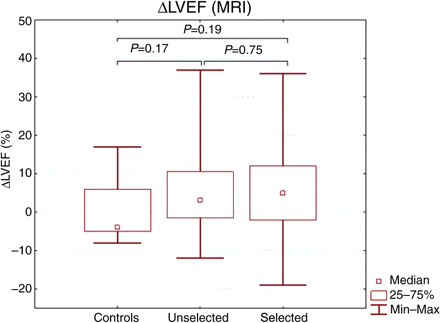
        REGENT Study – Michał Tendera, et al. Intracoronary infusion of bone marrow-derived selected CD34+CXCR4+ cells and non-selected mononuclear cells in patients with acute STEMI and reduced left ventricular ejection fraction: results of randomized, multicentre Myocardial Regeneration by Intracoronary Infusion of Selected Population of Stem Cells in Acute Myocardial Infarction (REGENT) Trial. European Heart Journal 2009;30(11):1313-21.  This study examined 200 patients who had experienced a heart attack, and seven days after the heart attack, they treated these patients with either unselected bone marrow cells (n = 80), selected bone marrow cells (n = 80), or a placebo (n = 40).  This large study did not find statistically significant differences between the three groups, but the control group did not show an increase in the ejection fraction, but the unselected and selected bone marrow-treated patients did.
The figure shown below is from the Tendera et al., paper that shows the compiled changes in ejection fraction between the three groups:
changes in ejection fraction between the three groups f3_medium1
As you can see, the control group patients experienced a decrease in their ejection fractions, but the two bone marrow-treated groups experienced an increase, even if it was slight.  The figure below shows the data for the sickest patients.
        As can be seen, for those patients with the sickest hearts there was a significant difference in the increase in the injection fraction and other heart-associated factors.  For this reason, this study does not seem definitive.  There were three deaths (one in each group), no strokes, four heart attacks (two in the controls and one in each experimental group), and a low rate of re-narrowing of the heart blood vessels.  Since this is from 200 total patients, this is a very low rate of adverse events.
15.     Jay H. Tendera, et al. Results of a phase 1, randomized, double-blind, placebo-controlled trial of bone marrow mononuclear stem cell administration in patients following ST-elevation myocardial infarction. American Heart Journal 2010;160:428-34.  In this study forty patients were treated with either intracoronary bone marrow cells or a placebo.  The two groups showed no significant differences in ejection fraction after six months, but the bone marrow-treated group showed no enlargement of the heart in response to the heart attack, whereas the control group did.  No adverse heart events occurred.
This summarizes the clinical trials that used bone marrow to treat patients who had experienced recent heart attacks (acute myocardial infarctions).  The preponderance of the data clearly shows that this procedure is safe, and effective to treat heart attacks.  Secondly, several analyses that take the data from these trials and group them together into one gigantic study (meta-analysis) have been published, and these studies also show that bone marrow treatments for recent heart attacks are safe and effective (for example, see Meng Jiang, et al. Randomized controlled trials on the therapeutic effects of adult progenitor cells for myocardial infarction: meta-analysis. Expert Opinion on Biological Therapy 2010;10(5):667-80).

A new take on efficient delivery in regenerative medicine

Nov 14, 2013 · by David O’Connell http://transbiotex.wordpress.com/
delivery in regenerative medicine image102
Related articles
    StemCells, Inc. Launches Alzheimer’s Disease Program Supported by California Institute for Regenerative Medicine (pharmaceuticalintelligence.com)
    Introduction to Regenerative Therapy: How It Works (pharmaceuticalintelligence.com)
    How nanotechnology can advance regenerative medicine (transbiotex.wordpress.com)
    The Global Revolution in Biotechnology and the Impact of Regenerative Medicine (transbiotex.wordpress.com)
    New Company Applies Regenerative Medicine to Corneal Transplants (transbiotex.wordpress.com)
    Institute for Regenerative Medicine to Lead National Effort to Aid Wounded Warriors (transbiotex.wordpress.com)
    The Alliance for Regenerative Medicine Gains Bipartisan Support for Gao Assessment of Federal Regenerative Medicine Activities (transbiotex.wordpress.com)

Joint development of the world’s first regenerative medicine/cell therapy business based on iPS cell technology

Dec 2, 2013 · by David O’Connell http://transbiotex.wordpress.com/
Healios & Dainippon Sumitomo Pharma in $50.6M Deal to form an alliance in regenerative medicine and cell therapy

Startup to Strengthen Synthetic Biology and Regenerative Medicine Industries with Cutting Edge Cell Products

Nov 28, 2013 · by David O’Connell  http://transbiotex.wordpress.com/ 
synthetic biology for regenerative medicine  image205
Dr. Jon Rowley and Dr. Uplaksh Kumar, Co-Founders of RoosterBio, Inc., a newly formed biotech startup located in Frederick, are paving the way for even more innovation in the rapidly growing fields of Synthetic Biology and Regenerative Medicine
Dr. Jon Rowley and Dr. Uplaksh Kumar, Co-Founders of RoosterBio, Inc., a newly formed biotech startup located in Frederick, are paving the way for even more innovation in the rapidly growing fields of Synthetic Biology and Regenerative Medicine. Synthetic Biology combines engineering principles with basic science to build biological products, including regenerative medicines and cellular therapies. Regenerative medicine is a broad definition for innovative medical therapies that will enable the body to repair, replace, restore and regenerate damaged or diseased cells, tissues and organs. Regenerative therapies that are in clinical trials today may enable repair of damaged heart muscle following heart attack, replacement of skin for burn victims, restoration of movement after spinal cord injury, regeneration of pancreatic tissue for insulin production in diabetics and provide new treatments for Parkinson’s and Alzheimer’s diseases, to name just a few applications.
While the potential of the field is promising, the pace of development has been slow. One main reason for this is that the living cells required for these therapies are cost-prohibitive and not supplied at volumes that support many research and product development efforts. RoosterBio will manufacture large quantities of standardized primary cells at high quality and low cost, which will quicken the pace of scientific discovery and translation to the clinic. “Our goal is to accelerate the development of products that incorporate living cells by providing abundant, affordable and high quality materials to researchers that are developing and commercializing these regenerative technologies” says Dr. Rowley.
RoosterBio’s current focus is to supply high volume research-grade cells manufactured with processes consistent with current Good Manufacturing Practices (cGMP). These cells will be used for tissue engineering research and cell-based product development. This will position RoosterBio to quickly move on to producing clinical-grade cells to be used in translational R&D and clinical studies.
“We have spent almost 20 years as cell and tissue technologists and have lived with the pain of needing to generate large amounts of cells for experiments this whole time. RoosterBio was founded to address this problem for cell and tissue engineers, saving them time and money, and accelerating their path to the clinic,” says Dr. Rowley. RoosterBio will supply cells, starting with adult human bone marrow-derived stem cells, at volumes that will allow for a more rapid pace of experimentation in the lab.
“We will also offer paired media that has been engineered to quickly and efficiently expand the supplied cells to hundreds of millions or billions of cells within 1-2 weeks, something that would take 4-8 weeks using cell and media systems currently on the market,” adds Dr. Kumar. “We aim to usher in a new era of productivity to the field, and we believe that our products will at least triple the efficiency of the average laboratory”.
RoosterBio, Inc. is located in the Frederick Innovative Technology Center on Metropolitan Court in Frederick. Dr. Rowley entered into the incubation program in October of this year, and already gained four full time employees, and has several academic and industrial collaborators lined up. This team has made remarkable progress and are already poised for their official product launch for their human bone marrow-derived Mesenchymal Stem Cells (hBM-MSC), anticipated in March 2014.
RoosterBio’s product formats have been extraordinarily well received by the market, and RoosterBio has already secured customers who are anxiously awaiting their product launch. “I am excited to see that someone is taking on the challenge of providing a sufficient number of MSCs to immediately start experiments upon their receipt. This saves us several weeks of time upfront waiting for cells to expand to volumes that allow us to begin experiments,” says Todd McDevitt, Director of the Stem Cell Engineering Center at the Georgia Institute of Technology. “For tissue engineering folks like myself, this means we can focus our time on high priority research questions and not spend the majority of our time performing routine cell culture.”
The Tissue Engineering and Regenerative Medicine industry is one of the fastest growing in the life science sector with the total expenditure in 2011 at $17.1 billion. This number is expected to increase in 2020 to $40.5 billion. The sales of stem cell products accounted for $1.38 billion in 2010 and is expected to reach $3.9 billion by the year 2014 and $8 billion in annual revenues by 2020.

About RoosterBio

RoosterBio is focused on building a robust and sustainable Regenerative Medicine industry. Our products are affordable and standardized primary cells and media, manufactured and delivered with highest quality and in formats that simplify product development efforts. RoosterBio products will accelerate the translation of cell therapy and tissue engineering technologies into the clinic.
Related articles in Pharmaceutical Intelligence:

Reprogramming Induced Pleuripotent Stem Cells

http://pharmaceuticalintelligence.com/2013/12/08/reprogramming-induced-pleuripotent-stem-cells/

Growing Skeletal Muscle in the Laboratory

http://pharmaceuticalintelligence.com/2013/12/08/growing-skeletal-muscle-in-the-laboratory/

Understanding the Beginnings of Embryonic Stem Cells Helps Predict the Future

http://pharmaceuticalintelligence.com/2013/12/07/understanding-the-beginnings-of-embryonic-stem-cells-helps-predict-the-future/

Human Stem Cells Elucidate the Mechanisms of Beta-Cell Failure in Diabetes

http://pharmaceuticalintelligence.com/2013/12/05/human-stem-cells-elucidate-the-mechanisms-of-beta-cell-failure-in-diabetes/

Brown Fat Stem Cells for Treating Diabetes and Obesity

http://pharmaceuticalintelligence.com/2013/12/02/brown-fat-stem-cells-for-treating-diabetes-and-obesity/

Stem Cells Build “Biobridges” to Aid Brain Repair

http://pharmaceuticalintelligence.com/2013/11/30/stem-cells-build-biobridges-to-aid-brain-repair/

Brain stem cells in the dentate gyrus make new memories and help keep old ones

http://pharmaceuticalintelligence.com/2013/11/30/brain-stem-cells-in-the-dentate-gyrus-make-new-memories-and-help-keep-old-ones/

Human neural stem cells could meet the clinical problem of critical limb ischemia – Science Codex

http://pharmaceuticalintelligence.com/2013/11/29/human-neural-stem-cells-could-meet-the-clinical-problem-of-critical-limb-ischemia-science-codex/

Reprogramming Cell in Tissue Repair

http://pharmaceuticalintelligence.com/2013/11/28/reprogramming-cell-in-tissue-repair/

Startup to Strengthen Synthetic Biology and Regenerative Medicine Industries with Cutting Edge Cell Products

http://pharmaceuticalintelligence.com/2013/11/28/startup-to-strengthen-synthetic-biology-and-regenerative-medicine-industries-with-cutting-edge-cell-products/

A protocol for direct reprogramming of fibroblasts into motor neurons

http://pharmaceuticalintelligence.com/2013/11/26/a-protocol-for-direct-reprogramming-of-fibroblasts-into-motor-neurons/

Regenerative medicine certification system eyed

http://pharmaceuticalintelligence.com/2013/11/24/regenerative-medicine-certification-system-eyed/

Regenerative medicine safety to be ensured by law – Japan

http://pharmaceuticalintelligence.com/2013/11/23/regenerative-medicine-safety-to-be-ensured-by-law-japan/

Regenerative Medicine: Engineering Its Continued Success

http://pharmaceuticalintelligence.com/2013/11/20/regenerative-medicine-engineering-its-continued-success/

Investigational Bioengineered Blood Vessel: Humacyte Presents Interim First-in-Human Data at the American Heart Association (AHA) Scientific Sessions 2013

http://pharmaceuticalintelligence.com/2013/11/20/investigational-bioengineered-blood-vessel-humacyte-presents-interim-first-in-human-data-at-the-american-heart-association-aha-scientific-sessions-2013/

Stem Cells and Society, charting a course for the future

http://pharmaceuticalintelligence.com/2013/11/20/stem-cells-and-society-charting-a-course-for-the-future/

A new take on efficient delivery in regenerative medicine

http://pharmaceuticalintelligence.com/2013/11/15/a-new-take-on-efficient-delivery-in-regenerative-medicine/

Stem cell treatment may become option to treat nonhealing bone fractures

http://pharmaceuticalintelligence.com/2013/11/15/stem-cell-treatment-may-become-option-to-treat-nonhealing-bone-fractures/

Humacyte, Inc., presented the Results of Foundational U.S. Preclinical Studies of its Investigational Bioengineered blood vessel at the American Society of Nephrology’s ‘Kidney Week 2013’ Annual Meeting in Atlanta, GA.

http://pharmaceuticalintelligence.com/2013/11/13/humacyte-inc-presented-the-results-of-foundational-u-s-preclinical-studies-of-its-investigational-bioengineered-blood-vessel-at-the-american-society-of-nephrologys-kidney-week-20/

Healing the Heart

http://greglw.com/2007/02/01/healing-the-heart/

http://pharmaceuticalintelligence.com/2013/11/13/healing-the-heart/

StemCells, Inc. Launches Alzheimer’s Disease Program Supported by California Institute for Regenerative Medicine

http://pharmaceuticalintelligence.com/2013/11/13/stemcells-inc-launches-alzheimers-disease-program-supported-by-california-institute-for-regenerative-medicine/

Tackling diabetes treatment from a different angle

http://pharmaceuticalintelligence.com/2013/11/13/tackling-diabetes-treatment-from-a-different-angle/

Introduction to Regenerative Therapy: How It Works

http://pharmaceuticalintelligence.com/2013/11/12/introduction-to-regenerative-therapy-how-it-works/

STEM CELLS IN RADIATION SICKNESS TREATMENTS

http://pharmaceuticalintelligence.com/2013/11/11/stem-cells-in-radiation-sickness-treatments/

How best to deliver stem cells to the heart?

http://pharmaceuticalintelligence.com/2013/11/10/how-best-to-deliver-stem-cells-to-the-heart/

Transplantation of modified human adipose derived stromal cells expressing VEGF165

http://pharmaceuticalintelligence.com/2013/11/03/transplantation-of-modified-human-adipose-derived-stromal-cells-expressing-vegf165/

Intracoronary Transplantation of Progenitor Cells after Acute MI

http://pharmaceuticalintelligence.com/2013/11/02/progenitor-cells-coronary-graft-after-ami/

Three-Dimensional Fibroblast Matrix Improves Left Ventricular Function Post MI

http://pharmaceuticalintelligence.com/2013/11/02/three-dimensional-fibroblast-matrix-improves-left-ventricular-function/

Stem Cell Therapy for Coronary Artery Disease (CAD)

http://pharmaceuticalintelligence.com/2013/11/02/stem-cell-therapy-for-coronary-heart-disease/


Read Full Post »

Erythropoietin (EPO) and Intravenous Iron (Fe) as Therapeutics for Anemia in Severe and Resistant CHF: The Elevated N-terminal proBNP Biomarker


Co-Author of the FIRST Article: Larry H. Bernstein, MD, FCAP

Reviewer and Curator of the SECOND and of the THIRD Articles: Larry H. Bernstein, MD, FCAP

and

Article Architecture Curator: Aviva Lev-Ari, PhD, RN

This article presents Advances in the Treatment using Subcutaneous Erythropoietin (EPO) and Intravenous Iron (Fe) for IMPROVEMENT of Severe and Resistant Congestive Heart Failure and its resultant Anemia.  The Leading Biomarker for Congestive Heart Failure is an Independent Predictor identified as an Elevated N-terminal proBNP.

NT-proBNP schematic diagram-Copy.pdf_page_1

FIRST ARTICLE

Anemia as an Independent Predictor of Elevated N-terminal proBNP

Salman A. Haq, MD1, Mohammad E. Alam2, Larry Bernstein, MD, FCAP3,  LB Banko 1, Leonard Y. Lee, MD, FACS4, Barry I. Saul, MD, FACC5, Terrence J. Sacchi, MD, FACC6,  John F. Heitner, MD, FACC7
1Cardiology Fellow,  2  Clinical Chemistry Laboratories, 3 Program Director, Cardiothoracic Surgery, 4 Division of Cardiology,  Department of Medicine, New York Methodist Hospital-Weill Cornell, Brooklyn, NY

(Unpublished manuscript)  Poster Presentation

SECOND ARTICLE

The effect of correction of mild anemia in severe, resistant congestive heart failure using subcutaneous erythropoietin and intravenous iron: a randomized controlled study

Donald S Silverberg, MDa; Dov Wexler, MDa; David Sheps, MDa; Miriam Blum, MDa; Gad Keren, MDa; Ron Baruch, MDa; Doron Schwartz, MDa; Tatyana Yachnin, MDa; Shoshana Steinbruch, RNa; Itzhak Shapira, MDa; Shlomo Laniado, MDa; Adrian Iaina, MDa

J Am Coll Cardiol. 2001;37(7):1775-1780. doi:10.1016/S0735-1097(01)01248-7

http://content.onlinejacc.org/article.aspx?articleid=1127229

THIRD ARTICLE

The use of subcutaneous erythropoietin and intravenous iron for the treatment of the anemia of severe, resistant congestive heart failure improves cardiac and renal function and functional cardiac class, and markedly reduces hospitalizations

Donald S Silverberg, MDa; Dov Wexler, MDa; Miriam Blum, MDa; Gad Keren, MDa; David Sheps, MDa; Eyal Leibovitch, MDa; David Brosh, MDa; Shlomo Laniado, MDa; Doron Schwartz, MDa; Tatyana Yachnin, MDa; Itzhak Shapira, MDa; Dov Gavish, MDa; Ron Baruch, MDa; Bella Koifman, MDa; Carl Kaplan, MDa; Shoshana Steinbruch, RNa; Adrian Iaina, MDa

J Am Coll Cardiol. 2000;35(7):1737-1744. doi:10.1016/S0735-1097(00)00613-6

http://content.onlinejacc.org/article.aspx?articleid=1126474

Perspective

This THREE article sequence is related by investigations occurring by me, a very skilled cardiologist and his resident, and my premedical student at New York Methodist Hospital-Weill Cornell, in Brooklyn, NY, while a study had earlier been done applying the concordant discovery, which the team in Israel had though was knowledge neglected.  There certainly was no interest in the problem of the effect of anemia on the patient with severe congestive heart failure, even though erythropoietin was used widely in patients with end-stage renal disease requiring dialysis, and also for patients with myelofibrosis.  The high cost of EPO was only one factor, the other being a guideline to maintain the Hb concentration at or near 11 g/dl – not higher.  In the first article, the authors sought to determine whether the amino terminal pro– brain type natriuretic peptide (NT-pro BNP) is affected by anemia, and to determine that they excluded all patients who had renal insufficiency and/or CHF, since these were associated with elevated NT-proBNP.  It was already well established that this pro-peptide is secreted by the heart with the action as a urinary sodium retention hormone on the kidney nephron, the result being an increase in blood volume.  Perhaps the adaptation would lead to increased stroke volume from increased venous return, but that is not conjectured.  However, at equilibrium, one would expect there to be increased red cell production to maintain the cell to plasma volume ratio, thereby, resulting in adequate oxygen exchange to the tissues.  Whether that is always possible is uncertain because any reduction in the number of functioning nephrons would make the kidney not fully responsive at the Na+ exchange level, and the NT-pro BNP would rise.  This introduces complexity into the investigation, requiring a removal of confounders to establish the effect of anemia.

The other two articles are related studies by the same group in Israel.  They surmised that there was evidence that was being ignored as to the effect of anemia, and the treatment of anemia was essential in addition to other treatments.  They carried out a randomized trial to determine just that, a benefit to treating the anemia.  But they also conjectured that an anemia with a Hb concentration below 12 g/dl has an deleterious effect on the targeted population.  Treatment by intermittent transfusions could potentially provide the added oxygen-carrying capacity, but the fractionation of blood, the potential for transfusion-transmitted disease and transfusion-reactions, combined with the need for the blood for traumatic blood loss made EPO a more favorable alternative to packed RBCs.  The proof-of-concept is told below.  Patients randomized to receive EPO at a lower than standard dose + iron did better.


Introduction

In this article, Erythropoietin (EPO) and Intravenous Iron (Fe) as Therapeutics for Anemia in Severe and Resistant CHF: The Elevated N-terminal proBNP Biomarker we provides a summary of three articles on the topic and we shading new light on the role that Anemia Hb < 12 g%  plays as a Biomarker for CHF and for

  • prediction of elevated BNP, known as an indicator for the following Clinical Uses:
Clinical Use
  • Rule out congestive heart failure (CHF) in symptomatic individuals
  • Determine prognosis in individuals with CHF or other cardiac disease
  • Maximize therapy in individuals with heart failure by the use of Subcutaneous Erythropoietin (EPO) and Intravenous Iron (Fe)
Evaluation of BNP and NT-proBNP Clinical Performance
Study Sensitivity(%) Specificity(%) PPV(%) NPV(%)
Diagnose impaired LVEF3
BNP 73 77 70 79
NT-proBNP 70 73 61 80
Diagnose LV systolic dysfunction after MI2
BNP 68 69 56 79
NT-proBNP 71 69 56 80
Diagnose LV systolic dysfunction after MI12
BNP 94 40 NG 96
NT-proBNP 94 37 NG 96
Prognosis in newly diagnosed heart failure patients: prediction of mortality/survival1
BNP 98 22 42 94
NT-proBNP 95 37 47 93
Prognosis post myocardial infarction: prediction of mortality2
BNP 86 72 39 96
NT-proBNP 91 72 39 97
Prognosis post myocardial infarction: prediction of heart failure2
BNP 85 73 54 93
NT-proBNP 82 69 50 91
PPV, positive predictive value; NPV, negative predictive value; LVEF, left ventricular ejection fraction; NG, not given.
Reference Range
BNP: < 100 pg/mL13
proBNP, N-terminal: 300 pg/mL
The NT-proBNP reference range is based on EDTA plasma. Other sample types will produce higher values.
Interpretive Information
Symptomatic patients who present with a BNP or NT-proBNP level within the normal reference range are highly unlikely to have CHF. Conversely, an elevated baseline level indicates the need for further cardiac assessment and indicates the patient is at increased risk for future heart failure and mortality.BNP levels increase with age in the general population, with the highest concentrations seen in those greater than 75 years of age.14 Heart failure is unlikely in individuals with a BNP level <100 pg/mL and proBNP level ≤300 pg/mL. Heart failure is very likely in individuals with a BNP level >500 pg/mL and proBNP level ≥450 pg/mL who are <50 years of age, or ≥900 pg/mL for patients ≥50 years of age. Patients in between are either hypertensive or have mild ischemic or valvular disease and should be observed closely.15BNP is increased in CHF, left ventricular hypertrophy, acute myocardial infarction, atrial fibrillation, cardiac amyloidosis, and essential hypertension. Elevations are also observed in right ventricular dysfunction, pulmonary hypertension, acute lung injury, subarachnoid hemorrhage, hypervolemic states, chronic renal failure, and cirrhosis.NT-proBNP levels are increased in CHF, left ventricular dysfunction, myocardial infarction, valvular disease, hypertensive pregnancy, and renal failure, even after hemodialysis.Although levels of BNP and NT-proBNP are similar in normal individuals, NT-proBNP levels are substantially greater than BNP levels in patients with cardiac disease due to increased stability (half-life) of NT-proBNP in circulation. Thus, results from the two tests are not interchangeable.
References
  1. Cowie MR and Mendez GF. BNP and congestive heart failure. Prog Cardiovasc Dis. 2002;44:293-321.
  2. Richards AM, Nicholls MG, Yandle TG, et al. Plasma N-terminal pro-brain natriuretic peptide and adrenomedullin. New neurohormonal predictors of left ventricular function and prognosis after myocardial infarction. Circulation. 1998:97:1921-1929.
  3. Hammerer-Lercher A, Neubauer E, Muller S, et al. Head-to-head comparison of N-terminal pro-brain natriuretic peptide, brain natriuretic peptide and N-terminal pro-atrial natriuretic peptide in diagnosing left ventricular dysfunction. Clin Chim Acta. 2001;310:193-197.
  4. McDonagh TA, Robb SD, Murdoch DR, et al. Biochemical detection of left-ventricular systolic dysfunction. Lancet. 1998;351:9-13.
  5. Mukoyama Y, Nakao K, Hosoda K, et al. Brain natriuretic peptide as a novel cardiac hormone in humans: Evidence for an exquisite dual natriuretic peptide system, ANP and BNP. J Clin Invest. 1991;87:1402-1412.
  6. Hunt PJ, Richards AM, Nicholls MG, et al. Immunoreactive amino-terminal pro-brain natriuretic peptide (NT-PROBNP): a new marker of cardiac impairment. Clin Endocrinol. 1997;47:287-296.
  7. Davis M, Espiner E, Richards G, et al. Plasma brain natriuretic peptide in assessment of acute dyspnoea. Lancet. 1994;343:440-444.
  8. Kohno M, Horio T, Yokokawa K, et al. Brain natriuretic peptide as a cardiac hormone in essential hypertension. Am J Med. 1992;92:29-34.
  9. Bettencourt P, Ferreira A, Pardal-Oliveira N, et al. Clinical significance of brain natriuretic peptide in patients with postmyocardial infarction. Clin Cardiol. 2000;23:921-927.
  10. Jernberg T, Stridsberg M, Venge P, et al. N-terminal pro brain natriuretic peptide on admission for early risk stratification of patients with chest pain and no ST-segment elevation. J Am Coll Cardiol. 2002;40:437-445.
  11. Richards AM, Troughton RW. Use of natriuretic peptides to guide and monitor heart failure therapy. Clin Chem. 2012;58:62-71.
  12. Pfister R, Scholz M, Wielckens K, et al. The value of natriuretic peptides NT-pro-BNP and BNP for the assessment of left-ventricular volume and function. A prospective study of 150 patients.Dtsch Med Wochenschr. 2002;127:2605-2609.
  13. Siemens ADVIA Centaur® BNP directional insert; 2003.
  14. Redfield MM, Rodeheffer RJ, Jacobsen SJ, et al. Plasma brain natriuretic peptide concentration: impact of age and gender. J Am Coll Cardiol. 2002;40:976-982.
  15. Weber M, Hamm C. Role of B-type natriuretic peptid (BNP) and NT-proBNP in clinical routine.Heart. 2006;92:843-849.

SOURCE

B-type Natriuretic Peptide and proBNP, N-terminal

http://www.questdiagnostics.com/testcenter/testguide.action?dc=TS_BNP_proBNP

FIRST ARTICLE

Anemia as an Independent Predictor of Elevated N-terminal proBNP

Salman A. Haq, MD1, Mohammad E. Alam2, Larry Bernstein, MD, FCAP3,  LB Banko 1, Leonard Y. Lee, MD, FACS4, Barry I. Saul, MD, FACC5, Terrence J. Sacchi, MD, FACC6,  John F. Heitner, MD, FACC7
1Cardiology Fellow,  2  Clinical Chemistry Laboratories, 3 Program Director, Cardiothoracic Surgery, 4 Division of Cardiology,  Department of Medicine, New York Methodist Hospital-Weill Cornell, Brooklyn, NY

(Unpublished manuscript)  Poster Presentation:

Anemia as an Independent Predictor of Elevated N-Terminal proBNP Levels in
Patients without Evidence of Heart Failure and Normal Renal Function.

Haq SA, Alam ME, Bernstein L, Banko LB, Saul BI, Lee LY, Sacchi TJ, Heitner JF.

Table 1.  Patient Characteristics

Variable No Anemia(n=138) Anemia(n=80)
Median Age (years) 63 76
Men (%) 35 33
Creatinine (mg/dl) 0.96 1.04
Hemoglobin (g/dl) 13.7 10.2
LVEF (%) 67 63
Median NT-proBNP (pg/ml) 321.6 1896.0

Poster-ProBNP_final[1]

A series of slide showing the determination of the representation of normal NT-proBNP range
after removal of patient confounders.

Slide1

Slide10

Slide5

Slide8

ABSTRACT

Introduction

N-terminal proBNP (NT-proBNP) has emerged as a primary tool for diagnosing congestive heart failure (CHF). Studies have shown that the level of

  • NT-proBNP is affected by renal insufficiency (RI) and age, independent of the diagnosis of CHF.

There is some suggestion from recent studies that

  • anemia may also independently affect NT-proBNP levels.

Objective

To assess the affect of anemia on NT-proBNP independent of CHF, RI, and age.

Methods

We evaluated 746 consecutive patients presenting to the Emergency Department (ED) with shortness of breath and underwent evaluation with serum NT-proBNP.

All patients underwent a trans-thoracic echocardiogram (TTE) and clinical evaluation for CHF. Patients were included in this study if they had a normal TTE (normal systolic function, mitral inflow pattern and left ventricular (LV) wall thickness) and no evidence of CHF based on clinical evaluation. Patients were excluded if they had RI (creatinine > 2 mg/dl) or a diagnosis of sepsis. Anemia was defined using the World Health Organization (W.H.O.) definition of

  • hemoglobin (hgb) < 13 g/dl for males and hgb < 12 g/dl for females.

Results

Of the 746 consecutive patients, 218 patients (138 anemia, 80 no anemia) met the inclusion criteria. There was a markedly significant difference between

  • NT- proBNP levels based on the W.H.O. diagnosis of anemia.

Patients with anemia had a

  • mean NT- proBNP of 4,735 pg/ml compared to 1,230 pg/ml in patients without anemia (p=0.0001).

There was a markedly

  • significant difference in patients who had a hgb > 12 (median 295 pg/ml) when compared to
  • both patients with an hgb of 10.0 to 11.9 (median 2,102 pg/ml; p = 0.0001) and
  • those with a hgb < 10 (median 2,131 pg/ml; p = 0.001).

Linear regression analysis comparing hgb with log NT-proBNP was statistically significant (r = 0.395; p = 0.0001). MANOVA demonstrated that

  • elevated NT- proBNP levels in patients with anemia was independent of age.

Conclusion

This study shows that NT-proBNP is associated with anemia independent of CHF, renal insufficiency, sepsis or age.

INTRODUCTION

B-type natriuretic peptide (BNP) is secreted from the myocardium in response to myocyte stretch. 1-2 BNP is released from the myocytes as a 76 aminoacid N-terminal fragment (NT-proBNP) and a 32-amino acid active hormone (BNP). 3 These peptides have emerged as a primary non-invasive modality for the diagnosis of congestive heart failure (CHF). 4- 7 In addition, these peptides have demonstrated prognostic significance in patients with invasive modality for the diagnosis of

  • congestive heart failure (CHF). 4- 7
  • heart failure 8-9,
  • stable coronary artery disease 10, and
  • in patients with acute coronary syndromes. 11-14

Studies have shown that the level of NT- proBNP is affected by

  • age and renal insufficiency (RI) independent of the diagnosis of CHF. 15,16

There is some suggestion from the literature that

  • anemia may also independently affect NT-proBNP levels. 17-20

Willis et al. demonstrated in a cohort of 209 patients without heart failure that anemia was associated with an elevated NT- proBNP. 17 Similarly, in 217 patients undergoing cardiac catheterization, blood samples were drawn from the descending aorta prior to contrast ventriculography for BNP measurements and

  • anemia was found to be an independent predictor of plasma BNP levels. 18

The objective of this study is to assess the effect of anemia on NT-proBNP independent of CHF, sepsis, age or renal insufficiency.

METHODS

Patient population

The study population consisted of 746 consecutive patients presenting to the emergency room who underwent NT-proBNP evaluation for the evaluation of dyspnea. Transthoracic echocardiogram (TTE) was available on 595 patients. Patients were included in this study if they had a normal TTE, which was defined as normal systolic function (left ventricular ejection fraction [LVEF] > 45%), normal mitral inflow pattern and normal LV wall thickness. CHF was excluded based on thorough clinical evaluation by the emergency department attending and the attending medical physician. Patients with disease states that may affect the NT- proBNP levels were also excluded:

  1. left ventricular systolic dysfunction (LVEF < 45%),
  2. renal insufficiency defined as a creatinine > 2 mg/dl and
  3. sepsis (defined as positive blood cultures with two or more of the following systemic inflammatory response syndrome (SIRS) criteria: heart rate > 90 beats per minute;
  4. body temperature < 36 (96.8 °F) or > 38 °C (100.4 °F);
  5. hyperventilation (high respiratory rate) > 20 breaths per minute or, on blood gas, a PaCO2 less than 32 mm Hg;
  6. white blood cell count < 4000 cells/mm3 or > 12000 cells/mm³ (< 4 x 10⁹ or > 12 x 109 cells/L), or greater than 10% band forms (immature white blood cells). 21

The study population was then divided into two groups, anemic and non- anemic. Anemia was defined using the world health organization (W.H.O.) definition of hemoglobin (hgb) < 13 g/dl for males and < 12 g/dl for females.The data was also analyzed by dividing the patients into three groups based on hgb levels i.e. hgb > 12, hgb 10 to 11.9 and hgb < 10.

Baseline patient data

Patient’s baseline data including age, gender, ethnicity, hemoglobin (hgb), hematocrit (hct), creatinine, NT- proBNP were recorded from the electronic medical record system in our institution. Chemistry results were performed on the Roche Modular System (Indianapolis, IN), with the NT- proBNP done by chemiluminescence assay. The hemogram was performed on the Beckman Coulter GenS. All TTE’s were performed on Sonos 5500 machine. TTE data collected included LVEF, mitral inflow pattern and LV wall thickness assessment.

Statistical analysis

The results are reported in the means with p < 0.05 as the measure of significance for difference between means. Independent Student’s t-tests were done comparing NT proBNP and anemia. Univariate ANOVAs and multivariate ANOVA (MANOVA) with post hoc tests using the Bonferroni method were used to compare NT- proBNP levels with varying ranges of hgb and age using SPSS 13.0 (SPSS, Chicago, IL). A linear regression analysis was performed using SYSTAT. Calculations included Wilks’Lamda, Pillai trace and Hotelling-Lawley trace. A GOLDMineR® plot was constructed to estimate the effects of age and anemia on NT- proBNP levels. The GOLDMineR® effects plot displays the odds-ratios for predicted NT-proBNP elevation versus the predictor values. Unlike the logistic regression, the ordinal regression, which the plot is derived from, can have polychotomous as well as dichotomous values, as is the case for NT-proBNP.

RESULTS

Of the 746 consecutive patients, 218 patients met the inclusion criteria (fig 1). Baseline characteristics of patients are listed in table 1. The median age for anemic patients was 76 years and 63 years for patients without anemia. One third of patients in both groups were men. The mean hemoglobin for

  • anemic patients was 10.2 g/dl as compared to 13.7 g/dl for non-anemic patients.
  • The mean LVEF of patients with anemia was 64% as compared to 67% for non-anemic patients.

Based on the WHO definition of anemia, 138 patients were determined to be anemic while 80 patients were diagnosed as non-anemic. There was a markedly  significant difference between NT-proBNP levels based on the WHO diagnosis of anemia.

Patients with anemia had a

  • mean NT-proBNP of 4,735 pg/ml compared to 1,230 pg/ml in patients without anemia (p = 0.0001).

Of the 218 patients in the study, 55 patients had a hgb of < 10 g/dl. Analysis using

  • hgb < 10 g/dl for anemia demonstrated a statistically significant difference in the NT-proBNP values.

Patients with a hgb < 10 g/dl had a mean NT- proBNP of 5,130 pg/ml

  • compared to 2,882 pg/ml in patients with a hgb of > 10 g/dl (p = 0.01)

The groups were also divided into three separate categories of hgb for subset analysis:

  • hgb > 12 g/dl,
  • hgb 10 to 11.9 g/dl and
  • hgb < 10 g/dl.

There was a markedly significant difference in

  •  the NT- ProBNP levels of patients who had a hgb > 12 g/dl (median 295 pg/ml) when
  • compared to those with a hgb range of 10.0 g/dl to 11.9 g/dl (median 2,102 pg/ml) (p = 0.0001),

and also a significant difference in

  • NT- proBNP levels of patients with a hgb > 12 g/dl (median 295 pg/ml) when
  • compared to a hgb of < 10 g/dl (median 2,131 pg/ml) (p = 0.001).

However, there was no statistically significant difference in NT-proBNP levels of patients with hgb 10 g/dl to 11.9 g/dl

  • when compared to those with a hgb of < 10 g/dl (p = 1.0).

A scatter plot comparing hgb with log NT-proBNP and fitting of a line to the data by ordinary least squares regression was significant (p = 0.0001) and demonstrated

  • a correlation between anemia and NT-proBNP levels (r = 0.395) (fig. 2).

MANOVA demonstrated that elevated NT- proBNP levels in patients with anemia was independent of age (Wilks’ Lambda [p = 0.0001]). In addition, using GOLDMineR® plots (figure 3a and 3b) with a combination of age and hb scaled as predictors of elevated NT-proBNP,

  • both age and hgb were required as independent predictors.

What about the effect of anemia? The GOLDminer analysis of ordinal regression was carried out in a database from which renal insufficiency and CHF were removed. The anemia would appear to have an independent effect on renal insufficiency. Figure 4 is a boxplot comparison of NT – proBNP, the age normalized function NKLog (NT- proBNP)/eGFR formed from taking 1000*Log(NT- proBNP) divided by the MDRD at eGFR exceeding 60 ml/min/m2 and exceeding 30 ml/min/m2. The transformed variable substantially makes the test independent of age and renal function. The boxplot shows the medians, 97.5, 75, 25 and 2.5 percentiles. There appears to be no significance in the NKLog(NT pro-BNP)/MDRD plot. Table II compares the NT-proBNP by WHO criteria at eGFR 45, 60 and 75 ml/mln/m2 using the t-test with unequal variance assumed, and the Kolmogorov-Smirnov test for nonparametric measures of significance. The significance at 60 ml/min/m2 is marginal and nonexistent at 75 ml/min/m2. This suggests that the contribution from renal function at above 60 ml/min2 can be ignored. This is consistent with the findings using the smaller, trimmed database, but there is an interaction between

  •  anemia, and
  •  eGFR at levels below 60 ml/min/m2

DISCUSSION

The findings in this study indicate that

  • anemia was associated with elevated NT-proBNP levels independent of CHF, renal insufficiency, sepsis or age.

These findings have been demonstrated with NT-proBNP in only one previous study. Wallis et al. demonstrated that after adjusting for age, sex, BMI, GFR, LVH and valvular disease;

  1. only age,
  2. valvular disease and
  3. low hemoglobin

were significantly associated with increased NT-proBNP. 18.

In our study, CHF was excluded based on both a normal TTE and a thorough clinical evaluation. In the only other study directly looking at NT- proBNP levels in anemic patients without heart failure

  • only 25% of patients had TTEs, with one patient having an LVEF of 40%. 17

BNP, the active molecule released after cleavage along with NT- proBNP, has also been studied in relation to blood hemoglobin levels. 18 In 263 patients undergoing cardiac catheterization  blood samples were drawn from the descending aorta prior to contrast ventriculography to determine the value of BNP. Anemia was present in 217 patients. Multivariate linear regression model adjusting for

  1.  age,
  2.  gender,
  3.  body mass index,
  4.  history of myocardial infarction,
  5.  estimated creatinine clearance, and
  6.  LVEF
  • found hgb to be an independent predictor of BNP levels.

In our study, patients with anemia were slightly older than those without anemia. However, both MANOVA and GOLDMineR® plot demonstrated that

  • elevated NT-proBNP levels in patients with anemia was independent of age.

Other studies have found that BNP is dependent on renal insufficiency and age. Raymond et al. randomly selected patients to complete questionnaires regarding CHF and

  1. then underwent pulse and blood pressure measurements,
  2.  electrocardiogram (ECG),
  3.  echocardiography and
  4.  blood sampling. 15

A total of 672 subjects were screened and 130 were determined to be normal, defined as

  • no CHF or ischemic heart disease,
  • normal LVEF,
  • no hypertension,
  • diabetes mellitus,
  • lung disease, and
  • not on any cardiovascular drugs.

They found

  1. older age,
  2. increasing dyspnea,
  3. high plasma creatinine and a
  4. LVEF < 45%

to be independently associated with an elevated NT-proBNP plasma level by multiple linear regression analysis. In another study, McCullough et al. evaluated the patients from the Breathing Not Properly Multinational Study

  • looking at the relationship between BNP and renal function in CHF. 16

Patients were excluded if they were on hemodialysis or had a estimated glomerular filteration rate (eGFR) of < 15 ml/min. They found that the BNP levels correlated significantly with the eGFR, especially in patients without CHF, suggesting

  1. chronic increased blood volume and
  2. increased left ventricular wall tension as a possible cause. 16

Our study was designed to exclude patients with known diseases such as CHF and renal insufficiency in order to demonstrate

  • the independent effect of anemia on elevated NT-proBNP levels.

The mechanism for elevated NT-proBNP levels in patients with anemia is unknown. Some possible mechanisms that have been reported in the literature include

  • hemodilution secondary to fluid retention in patients with CHF 18,
  • decreased oxygen carrying capacity with accompanying tissue hypoxia which
  • stimulates the cardio-renal compensatory mechanism leading to increased release of NT-proBNP. 17

The findings from our study suggest that

  •  NT-proBNP values should not be interpreted in isolation of hemoglobin levels and
  • should be integrated with other important clinical findings for the diagnosis of CHF.

Further studies are warranted

  1.  to assess the relationship between anemia and plasma natriuretic peptides, and
  2. possibly modify the NT-proBNP cutoff points for diagnosing acutely decompensated CHF in patients with anemia.

CONCLUSION

This study shows that elevated NT-proBNP levels are associated with anemia independent of

  •   CHF,
  •  renal insufficiency,
  •  sepsis and
  •  age.

NT-proBNP levels should be interpreted with caution in patients who have anemia.

 REFERENCES

1. Brunea BG, Piazza LA, de Bold AJ. BNP gene expression is specifically modulated by stretch and ET-1 in a new model of isolated rat atria.Am J Physiol  1997; 273:H2678-86.

2. Wiese S, Breyer T, Dragu A, et al. Gene expression of brain natriuretic peptide  in isolated atrial and ventricular human myocardium: influence of angiotensin II and diastolic fiber length. Circ 2000; 102:3074-79.

3. de Lemos JA, McGuire DK, Drazner MH. B-type natriuretic peptide in cardiovascular disease. Lancet 2003; 362:316-22.

4.   Dao Q, Krishnaswamy P, Kazanegra R, et al. Utility of B-type natriuretic  peptide in the diagnosis of congestive heart failure in an urgent care setting. J Am  Coll Cardiol 2001; 37:379-85.

5. Morrison LK, Harrison A, Krishnaswamy P, Kazanegra R, Clopton P, Maisel A. Utility of rapid natriuretic peptide assay in differentiating congestive heart failure from lung  disease in patients presenting with dyspnea.
J Am Coll Cardiol  2003; 39:202-09.

6.  Maisel AS, Krishnaswamy P, Nowak RM, et al.  Rapid measurement of B-type natriuretic peptide in the emergency diagnosis of heart failure. N Engl J Med 2002; 347:161-67.

7. Januzzi JL, Camargo CA, Anwaruddin S, et al. The N-terminal Pro-BNP investigation of dyspnea in the emergency department (PRIDE) study. Am J  Cardiol 2005; 95:948-954.

8.  Tsutamoto T, Wada A, Meada K, et al.   Attenuation of compensation of  endogenous cardiac natriuretic peptide system  in chronic heart failure: prognostic role  of plasma  brain natriuretic peptide concentration in patients with chronic  symptomatic  left ventricular dysfunction.
Circulation 1997; 96(2): 509-16.

9.  Anand IS, Fisher LD, Chiang YT, et al. Changes in brain natriuretic peptide and norepinephrine over time and mortality and morbidity in the Valsartan Heart Failure Trial (Val-HEFT). Circulation 2003; 107:1278-1283.

10. Omland T, Richards AM, Wergeland R and Vik-Mo H. B-type natriuretic peptide and long term survival in patients with stable coronary artery disease.
Am J Cardiol 2005; 95:24-28.

11. Omland T, Aakvaag A, Bonarjee VV. et al. Plasma brain natriuretic peptide as an indicator of left ventricular systolic dysfunction and long term prognosis after acute myocardial infarction. Comparison with plasma atrial natriuretic peptide and N-terminal proatrial natriuretic peptide.
Circulation 1996; 93:1963-1969.

12. de Lemos JA, Morrow DA, Bently JH, et al. The prognostic value of B-type natriuretic peptide in patients with acute coronary syndromes. N Engl J Med 2001; 345:1014-1021.

13. Richards AM, Nicholls MG, Espiner EA, et al. B-type natriuretic peptides and  ejection fraction for prognosis after myocardial infarction. Circulation 2003; 107:2786-2792.

14. Sabatine MS, Morrow DA, de Lemos JA, et al.  Multimarker approach to risk  stratification in non-ST elevation acute coronary syndromes: simultaneous  assessment of troponin I, C-reactive protein and B-type natriuretic peptide.
Circulation 2002; 105:1760-1763.

15. Raymond I, Groenning BA, Hildebrandt PR, Nilsson JC, Baumann M, Trawinski   J, Pedersen F.  The influence of age, sex andother variables on the plasma level of N-terminal pro brain natriureticpeptide in a large sample of the general  population. Heart 2003; 89:745-751.

16. McCollough PA, Duc P, Omland T, McCord J, Nowak RM, Hollander JE, et al. B-type natriuretic peptide and renal function in the diagnosis of heartfailure:  an analysis from the  Breathing Not Properly Multinational Study.
Am J Kidney Dis 2003; 41:571-579.

17. Willis MS, Lee ES, Grenache DG. Effect of anemia on plasma concentrations of  NT-proBNP.
Clinica Chim Acta 2005; 358:175-181.

18. Wold Knudsen C, Vik-Mo H, Omland T. Blood hemoglobin is an independent  predictor of B-type natriuretic peptide.
Clin Sci 2005; 109:69-74.

19. Tsuji H, Nishino N, Kimura Y, Yamada K, Nukui M, et al. Haemoglobin level influences plasma brain natriuretic peptide concentration. Acta Cardiol 2004;59:527-31.

20. Wu AH, Omland T, Wold KC, McCord J, Nowak RM, et al. Relationship  of B-type natriuretic peptide and anemia  in patients withand without heart failure:  A substudy from the Breathing Not Properly(BNP) Multinational Study.
Am J  Hematol 2005; 80:174-80.

22. Bone RC, Balk RA, Cerra FB, Dellinger RP, Fein AM, et al.  Definitions for sepsis and organ failure and guidelines for theuse of innovative therapies in sepsis.  The ACCP/SCCM Consensus Conference Committee. Chest. 1992;101(6):1644-55.

Table Legends

Table I. Clinical characteristics of the study population

Table II. Comparison of NT- proBNP means under WHO criteria at different GFR

Table I
Variable No Anemia(n=80) Anemia(n=138)
Median age (years) 63 76
Gender
    Men (%) 27 (34) 47 (34)
    Women (%) 53 (66) 91 (66)
Weight (kg) 82.9 80.1
Chest Pain 21 (26) 3 (2)
Hemoglobin (g/dl) 13.7 10.2
Hematocrit (%) 40.5 30.5
Mean Corpuscular Volume 97 87
Creatinine (mg/dl) 0.99 1.07
Median NT-proBNP (pg/ml) 321 1896
Medical History
    HTN (%) 12 (15) 51 (37)
    Prior MI (%) 11 (14) 5 (4)
    ACS (%) 16 (20) 3 (2)
    CAD (%) 2 (1) 3 (2)
     DM (%) 18 (22) 11 (8)
Medication
   Clopidogrel 58 (72) 15 (11)
   Beta Blockers 68 (85) 27 (20)
   Ace Inhibitors 45 (56) 18 (13)
   Statins 57 (71) 17 (12)
   Calcium Channel Blocker 17 (21) 8 (6)
LVEF (%) 67 64

HTN: Hypertension CAD: Coronary Artery Disease
MI: Myocardial Infarction DM: Diabetes Mellitus
ACS: Acute Coronary Syndrome LVEF: Left Ventricular Ejection Fraction

Table II
GFR WHO Mean P (F) N NPar
> 45 0 3267 0.022 (4.33) 661
1 4681
> 60* 0 2593 0.031 (5.11) 456 0.018
1 4145
> 60r 0 786 0.203 (3.63) 303 0.08
1 3880
> 75 0 2773 > 0.80 320 0.043
1 3048

*AF, valve disease and elevated troponin T included
r AF, valve disease and elevated troponin T removed

FIGURE LEGENDS

FIGURE 1. Study population flow chart. (see poster)
FIGURE 2. Relationship between proBNP and hemoglobin. (see above)
FIGURE 3. NT-proBNP levels in relation to anemia (see above)

Supplementary Material

Table based on LatentGOLD Statistical Innovations, Inc., Belmont, MA., 2000: Jeroen Vermunt & Jay Magidson)

4-Cluster Model

Number of cases                                   408
Number of parameters (Npar)             24

Chi-squared Statistics
Degrees of freedom (df)                          71                     p-value
L-squared (L²)                                    80.2033                    0.21
X-squared                                            80.8313                     0.20
Cressie-Read                                        76.6761                     0.30
BIC (based on L²)                          -346.5966
AIC3 (based on L²)                        -132.7967
CAIC (based on L²)                       -417.5966

Model for Clusters
 Intercept                Cluster1      Cluster2     Cluster3     Cluster4     Wald     p-value
————–           0.1544           0.1434        0.0115        -0.3093     1.1981     0.75
Cluster Size           0.2870          0.2838       0.2487          0.1805
(across)

LogNTpr
< 1.5                       0.0843           0.2457       0.0006          0.0084
1.6-2.5                   0.6179            0.6458       0.0709          0.2809
2.5-3.5                  0.2848           0.1067         0.5319          0.5883
> 3.5                      0.0130           0.0018         0.3966         0.1224
MDRD
> 90                     0.1341             0.7919         0.0063         0.6106
61-90                  0.6019            0.2040          0.1633         0.3713
41-60                  0.2099            0.0041          0.3317         0.0175
< 41                     0.0542            0.0001         0.4987        0.0006
age
under 51           0.0668           0.5646          0.0568        0.0954
51-70                 0.3462            0.3602          0.3271         0.3880
over 70             0.5870            0.0752          0.6161         0.5166
WHO
No anemia      0.7518             0.6556          0.2041         0.0998
Anemia            0.2482             0.3444          0.7959         0.9002

———          Cluster1          Cluster2      Cluster3      Cluster4
Overall           0.2870            0.2838         0.2487        0.1805
(down)

LogNTpro
< 1.5                0.2492              0.7379           0.0013         0.0116
1.6-2.5            0.4163               0.4243           0.0427        0.1167
2.6-3.5           0.2296               0.0887          0.3723        0.3095
> 3.5              0.0328                0.0023          0.7982        0.1666
MDRD
> 90              0.1001                0.5998           0.0043        0.2958
61-90           0.5198                 0.1716           0.1136         0.1950
41-60           0.3860                 0.0055          0.5847         0.0238
< 41             0.1205                  0.0002          0.8785         0.0008
 age
< 51            0.0720                 0.7458           0.0910          0.0912
51-70         0.3036                 0.3084           0.2013          0.1867
over 70     0.3773                  0.0409          0.3633           0.2186
 WHO
No anemia 0.4589              0.3957           0.1076           0.0378
Anemia     0.1342                 0.1844            0.3742           0.3073

Hemoglobin on NT proBNP 3

SECOND ARTICLE

The effect of correction of mild anemia in severe, resistant congestive heart failure using subcutaneous erythropoietin and intravenous iron: a randomized controlled study

Donald S Silverberg, MDa; Dov Wexler, MDa; David Sheps, MDa; Miriam Blum, MDa; Gad Keren, MDa; Ron Baruch, MDa; Doron Schwartz, MDa; Tatyana Yachnin, MDa; Shoshana Steinbruch, RNa; Itzhak Shapira, MDa; Shlomo Laniado, MDa; Adrian Iaina, MDa

J Am Coll Cardiol. 2001;37(7):1775-1780. doi:10.1016/S0735-1097(01)01248-7

http://content.onlinejacc.org/article.aspx?articleid=1127229

OBJECTIVES

This is a randomized controlled study of anemic patients with severe congestive heart failure (CHF) to assess the effect of correction of the anemia on cardiac and renal function and hospitalization.

BACKGROUND

Although mild anemia occurs frequently in patients with CHF, there is very little information about the effect of correcting it with erythropoietin (EPO) and intravenous iron.

METHODS

Thirty-two patients with moderate to severe CHF (New York Heart Association [NYHA] class III to IV)
who had a left ventricular ejection fraction (LVEF) of 40% despite maximally tolerated doses of CHF medications and
  • whose hemoglobin (Hb) levels were persistently between 10.0 and 11.5 g% were randomized into two groups.
Group A (16 patients) received subcutaneous EPO and IV iron to increase the level of Hb to at least 12.5 g%. In Group B (16 patients) the anemia was not treated. The doses of all the CHF medications were maintained at the maximally tolerated levels except for oral and intravenous (IV) furosemide, whose doses were increased or decreased according to the clinical need.

RESULTS

Over a mean of 8.2 +/- 2.6 months,
  • four patients in Group B and none in Group A died of CHF-related illnesses.
  • The mean NYHA class improved by 42.1% in A and worsened by 11.4% in B.
  • The LVEF increased by 5.5% in A and decreased by 5.4% in B.
  • The serum creatinine did not change in A and increased by 28.6% in B.
  • The need for oral and IV furosemide decreased by 51.3% and 91.3% respectively in A and increased by 28.5% and 28.0% respectively in B.
  • The number of days spent in hospital compared with the same period of time before entering the study decreased by 79.0% in A and increased by 57.6% in B.

CONCLUSIONS

When anemia in CHF is treated with EPO and IV iron, a marked improvement in cardiac and patient function is seen,
  • associated with less hospitalization and renal impairment and less need for diuretics. (J Am Coll Cardiol 2001;37:1775– 80)

Anemia of any cause is known to be capable of causing congestive heart failure (CHF) (1). In patients hospitalized with CHF the 

  • mean hemoglobin (Hb) is about 12 g% (2,3),

which is considered the lower limit of normal in adults (4). Thus, anemia appears to be

common in CHF. Recently, in 142 patients in our special CHF outpatient clinic, we found that

  • as the CHF worsened, the mean Hb concentration decreased, from 13.7 g% in mild CHF (New York Heart Association [NYHA] class I) to 10.9 g% in severe CHF (NYHA 4), and
  • the prevalence of a Hb 12 g% increased from 9.1% in patients with NYHA 1 to 79.1% in those with NYHA 4 (5).
The Framingham Study has shown that anemia is an
  • independent risk factor for the production of CHF (6).
Despite this association of CHF with anemia,
  • its role is not mentioned in the 1999 U.S. guidelines for the diagnosis and treatment of CHF (7), and
  • many studies consider anemia to be only a rare contributing cause of hospitalization for CHF (8,9).
Recently, we performed a study in which the anemia of severe CHF that was resistant to maximally tolerated doses of standard medications
  • was corrected with a combination of subcutaneous (sc) erythropoietin (EPO) and intravenous iron (IV Fe) (5).
We have found this combination to be safe, effective and additive
  • in the correction of the anemia of chronic renal failure (CRF) in both
  • the predialysis period (10) and the dialysis period (11).
The IV Fe appears to be more effective than oral iron (12,13). In our previous study of CHF patients (5), the treatment resulted in
  • improved cardiac function,
  • improved NYHA functional class,
  • increased glomerular filtration rate,
  • a marked reduction in the need for diuretics and
  • a 92% reduction in the hospitalization rate
compared with a similar time period before the intervention. In the light of these positive results, a prospective randomized study was undertaken
  • to determine the effects of the correction of anemia in severe symptomatic CHF resistant to maximally tolerated CHF medication.

Abbreviations and Acronyms

CABG coronary artery bypass graft
CHF congestive heart failure
CRF chronic renal failure
EPO erythropoietin
%Fe Sat percent iron saturation
GFR glomerular filtration rate
Hb hemoglobin
Hct hematocrit
IU international units
IV intravenous
LVEF left ventricular ejection fraction
NYHA New York Heart Association
PA pulmonary artery
sc subcutaneous
SOLVD Studies Of Left Ventricular Dysfunction

MATERIALS AND METHODS

Patients.Thirty-two patients with CHF were studied. Before the study, the patients were treated for least six months in the CHF clinic with

  • maximally tolerated doses of angiotensin-converting enzyme inhibitors, the beta-blockers bisoprolol or carvedilol, aldospirone, long-acting nitrates, digoxin and oral and intravenous (IV) furosemide.

In some patients these agents could not be given because of contraindications and in others they had to be stopped because of side effects. Despite this maximal treatment

  • the patients still had severe CHF  (NYHA classIII), with  fatigue and/or shortness of breath  on even mild exertion or at rest.  All had levels of
  • Hb in the range of 10 to 11.5 g%  on at least three consecutive visits over a three-week period.
  • All had a LVEF of 40%.

Secondary causes of anemia including hypothyroidism, and folic acid and vitamin B12 deficiency were ruled out and

  • there was no clinical evidence of gastrointestinal bleeding.

The patients were randomized consecutively into two groups:

  • Group A, 16 patients, was treated with sc EPO and IV Fe to achieve a target Hb of at least 12.5 g%.
  • Group B, 16 patients, did not receive the EPO and IV Fe.

Treatment protocol for correction of anemia.

All patients in Group A received the combination of sc EPO and IV Fe. The EPO was given once a week at a starting dose of 4,000 international units (IU) per week  and
the dose was increased  to two  or  three  times a week or decreased to once every few weeks as  necessary

  • to achieve and maintain a target Hb of 12.5 g%.

The IV Fe (Venofer-Vifor International, Switzerland), a ferric sucrose product, was given in a dose of 200 mg IV in 150 ml saline over 60 min every two weeks

  • until the serum ferritin reached 400 g/l or
  • the %Fe saturation (%Fe Sat is serum iron/total iron binding capacity 100) reached 40% or
  • the Hb reached 12.5g%. 

The IV Fe was then given at longer intervals as needed to maintain these levels.

Investigations. 

Visits to the clinic were at two- to three week intervals depending on the patient’s status. This was the same frequency of visits to the CHF clinic as before then,

  • potassium and ferritin and %Fe Sat were performed on every visit.
  • blood pressure was measured by an electronic device on every visit.
  • LVEF was measured initially and at four- to six-month intervals by MUGA radioisotope ventriculography.

This technique measures

  • the amount of blood in the ventricle at the end of systole and at the end of diastole, thus giving
  • a very accurate assessment of the ejection fraction.

It has been shown to be an accurate and reproducible method of measuring the ejection fraction (14).  Hospital records were reviewed at the end of the intervention period to compare

  • the number of days hospitalized during the study with 
  • the number of days hospitalized during a similar period 
    • when the patients were treated in the CHF clinic before the initial randomization and entry into the study.

Clinic records were reviewed to evaluate the types and doses of CHF medications used before and during the study. The mean follow-up for patients was 8.2 +/-  2.7 months (range 5 to 12 months).  The study was done with the approval of the local ethics committee.Statistical analysis.

An analysis of variance with repeated measures (over time) was performed to compare the two study groups (control vs. treatment) and

  • to assess time trend and the interactions between the two factors.
  • A separate analysis was carried out for each of the outcome parameters.
  • The Mann-Whitney test was used to compare the change in NYHA class between two groups.

All the statistical analysis was performed by SPSS (version 10).

RESULTS

The mean age in Group A (EPO and Fe) was 75.3 +/-  14.6 years and in group B was 72.2 +/-  9.9 years. There were 11 and 12 men in Groups A and B, respectively.
Before the study the two groups were similar in
  1. cardiac function,
  2. comorbidities,
  3. laboratory investigations and
  4. medications
  • (Tables 1, 2 and 3), except for IV furosemide (Table 3),
which was higher in the treatment group. The mean NYHA class of Group A before the study was 3.8  0.4 and was 3.5  0.5 in Group B. The contributing factors to CHF in Groups A and B, respectively, are seen in Table 1 and were similar.
Table 1. Medical Conditions and Contributing Factors to Congestive Heart Failure in the 16 Patients Treated for the Anemia and in the 16 Controls

Table 1 medical conditions heart failure anemia

Table 2. The Effect of Correction of Anemia by Intravenous Iron and Erythropoietin Therapy on Various Parameters in 16 Patients in the Treatment (A) and 16 in the Control (B) Group

Table 2 medications to treat heart failure anemia

p values are given for analysis of variance with repeated measures and for independent t tests for comparison of baseline levels between the two groups.
BP  blood pressure; Fe Sat  iron saturation; Hb  hemoglobin; IV  intravenous; NS  not stated; Std Dev.  standard deviation.

The main contributing factors to CHF were considered to be

  • ischemic heart disease (IHD) in 11 and 10 patients respectively,
  • hypertension in two and two patients,
  • valvular heart disease in twoand two patients, and
  • idiopathic cardiomyopathy in one and two patients, respectively.

A significant change after treatment was observed in the two groups in the following parameters:

  • IV furosemide,
  • days in hospital,
  • Hb,
  • ejection fraction,
  • serum creatinine and
  • serum ferritin.
In addition, the interaction between the study group and time trend was significant in all measurements except for blood pressure and %Fe Sat. This interaction indicates that
  • the change over time was significantly different in the two groups.
Table 3. The Effect of Correction of Anemia by Intravenous Iron and Erythropoietin Therapy on Various Parameters in 16 Patients in the Treatment (A) and 16 in the Control (B) Group

Table 3  CHF aneia EPO

p values are given for analysis of variance with repeated measures and for independent t tests for comparison of baseline levels between the two groups.
BP  blood pressure; Fe Sat  iron saturation; Hb  hemoglobin; IV  intravenous; NS  not stated; Std Dev.  standard deviation.

We find in the comparisons of Tables 2 and 3:

  1. before treatment the level of oral furosemide was higher in the control group (136.2 mg/day) compared with the treatment group (132.2 mg/day).
  2. after treatment, while the dose of oral furosemide of the treated patients was reduced  to 64.4 mg/day
  • the dose of the nontreated patients was increased to 175 mg/day.

The same results of improvement in the treated group and deterioration in the control group are expressed in the following parameters:

  1. IV furosemide, days in hospital,
  2. Hb,
  3. ejection fraction and
  4. serum creatinine.

The NYHA class was

  • 3.8 +/- 0.4 before treatment and 2.2 +/- 0.7 after treatment in Group A  (delta mean = – 1.6) and
  • 3.5 +/-  0.7 before treatment and 3.9 +/- 0.3 after treatment in Group B. (delta mean = 0.4)

The improvement in NYHA class was significantly higher (p < 0.0001) in the treatment group compared with the control group (Table 4).

Table 4. Changes from Baseline to Final New York Heart Association (NYHA) Class
Initial minus final

Table 4  changes from NYHA baseline  CHF anemia

The improvement in NYHA class was statistically higher (p <  0.0001) in the treatment group compared with control.

There were no deaths in Group A and four deaths in Group B.

Case 1: A 71-year-old woman with severe mitral insufficiency and severe pulmonary hypertension  (a pulmonary artery [PA] pressure of 75 mm Hg) had persistent NYHA 4 CHF  and died during mitral valve surgery  seven months after onset of the study. She was hospitalized for 21 days  in the seven months before randomization and for 28 days  during the seven months after randomization.

Case 2:

A 62-year-old man with a longstanding history of hypertension complicated by IHD, coronary artery bypass graft (CABG) and atrial fibrillation had persistent NYHA 4 CHF  and a PA pressure of 35 mm Hg,  and died from pneumonia and septic shock eight months after onset of the study. He was hospitalized for seven days in the eight months before randomization and for 21 days during the eight months  after
randomization.

Case 3:
A 74-year old man with IHD, CABG, chronic obstructive pulmonary disease, a history of heavy smoking and diabetes had persistent NYHA 4 CHF and a PA pressure of  28 mm Hg, and died of pulmonary  edema and cardiogenic shock nine months after onset of the study. He was hospitalized for 14 days in the nine months before  randomization and for 41 days during the nine months after randomization.

Case 4:
A 74-year-old man with a history of IHD, CABG, diabetes, dyslipidemia, hypertension and atrial fibrillation, had persistent NYHA 4 CHF and a PA pressure of 30 mm Hg,  and died of pneumonia and septic shock   six months after onset of the study. He was hospitalized for five days in the six months before randomization and for 16 days during the nine months after randomization.

DISCUSSION

 Main findings.

The main finding of the present study is that the correction of

  • even mild anemia in patients with symptoms of very severe CHF despite being on maximally tolerated drug therapy
  • resulted in a significant improvement in their cardiac function and NYHA functional class.

There  was also a large

  • reduction in the number of days of  hospitalization compared with a similar period before the  intervention.
  • all this was achieved despite a marked reduction in the dose of oral and IV furosemide.

In the group in whom the anemia was not treated, four  patients died during the study. In all four cases

  • the CHF was unremitting and contributed to the deaths. 

In addition,  for the group as a whole, 

  • the LVEF, the NYHA class and  the renal function worsened.

There was also need for

  • increased oral and IV furosemide as well as increased  hospitalization.

Study limitations.

The major limitations of this study are

  1. the smallness of the sample size and
  2. the fact that randomization and treatment were not done in a blinded fashion.

Nevertheless, the two groups were almost identical in

  1. cardiac, renal and anemia status;
  2. in the types and doses of medication they were taking before and during the intervention and
  3. in the number of hospitalization days before the intervention.

Although the results of this study, like those of  our previous uncontrolled study (5), suggest that

  • anemia may play an important role in the mortality and morbidity of  CHF,
  • a far larger double-blinded controlled study should be carried out to verify our findings.

Anemia as a risk factor for hospitalization and death in CHF.

Our results are consistent with a recent analysis of 91,316 patients hospitalized with CHF (15). Anemia was found to be a stronger predictor of

  • the need for early rehospitalization than  was hypertension,  IHD or the presence of a previous CABG.  

A recent analysis of the Studies Of Left Ventricular Dysfunction (SOLVD) (16) showed that

  • the level of hematocrit (Hct) was an independent risk factor for mortality.

During a mean follow-up of 33 months the mortality was

  • 22%, 27% and 34% for those with a Hct of 40, 35 to 40 and 35 respectively.

The striking response of our patients to

  • correction of mild anemia suggests that the failing heart may be very susceptible to anemia.

It has, in fact, been found in both animal (17) and human studies (17–19) that

  • the damaged heart is more vulnerable to anemia and/or ischemia than is the normal heart.

These stimuli may result in a more marked reduction in cardiac function than occurs in the normal heart and may explain why,  in our study,

  • the patients were so resistant to high doses of CHF medications and
  • responded so well when the anemia was treated.

Our findings about the importance of anemia in CHF are not surprising when one considers that, in dialysis patients,

  • anemia has been shown to be associated with an increased prevalence and incidence of CHF (20) and that
  • correction of anemia in these patients is associated with improved
    • cardiac function (21,22),
    • less mortality (23,24) and
    • fewer hospitalizations (23,25).

Effect of improvement of CHF on CRF.

Congestive heart failure can cause progressive renal failure (26,27). Renal ischemia is found very early on

  • in patients with cardiac dysfunction (28,29), and
  • chronic ischemia may cause progression of renal failure (30). Indeed, the development of
  • CHF in patients with essential hypertension has been found to be one of the most powerful predictors of
  • the eventual development of end-stage renal disease (31).

Patients who develop CHF after a myocardial infarction experience a

  • fall in the glomerular filtration rate (GFR) of about 1 ml/min/month if the CHF is not treated (32).

In another recent analysis of the SOLVD study, treating the CHF with

  • both angiotensin-converting enzyme inhibitors and beta-blockers resulted in better preservation of the renal function than did
  • angiotensin-converting enzyme inhibitors alone (26),
suggesting that the more aggressive the treatment of the CHF, the better the renal function is preserved. In the present study, as in our previous one (5), we found that the deterioration of GFR was prevented with
  • successful treatment of the CHF, including correction of the anemia, whereas
  • the renal function worsened when the CHF remained severe

All these findings suggest that early detection and treatment of CHF and systolic and/or diastolic dysfunction from whatever cause could prevent

  • the deterioration not only of the cardiac function
  • but of the renal function as well.

This finding has very broad implications in the prevention of CRFbecause most patients with advanced CRF have

  • either clinical evidence of CHF or at least some degree of systolic dysfunction (33).

Systolic and/or diastolic dysfunction can occur early on in many  conditions, such as

  • essential hypertension (34),
  • renal disease of any cause (35,36) or
  • IHD, especially after a myocardial infarction (37).

The early detection and adequate treatment of this cardiac dysfunction, including correction of the anemia, could prevent this cardiorenal insufficiency. To detect cardiac dysfunction early on, one would need  at least an echocardiogram and MUGA radio-nucleotide ventriculography. These tests should probably be done not only in patients with signs and symptoms of CHF,   but in all patients where CHF or systolic  and/or diastolic dysfunction are suspected, such as those with a history of heart disease or suggestive changes of ischemia or hypertrophy on the electrocardiogram, or in patients with hypertension or renal disease.

Other positive cardiovascular effects of EPO treatment.

Another possible explanation for the improved cardiac function in this study may be the direct effect that EPO itself has on improving cardiac muscle function (38,39) and myocardial cell growth (39,40) unrelated to its  effect of the anemia. In fact EPO may be  crucial in the formation of the heart muscle in utero (40). It may also improve  endothelial function (41).  Erythropoietin may be superior to blood transfusions  not only  because adverse reactions to EPO are infrequent, but also because

  • EPO causes the production and release of young cells from the bone marrow into the blood.

These cells have an oxygen dissociation curve that is shifted to the right of the normal curve, causing the release of

  • much greater amounts of oxygen into the tissues than occurs normally (42).

On the other hand, transfused blood consists of older red cells with an oxygen dissociation curve that is

  • shifted to the left, causing the release of much less oxygen into the tissues than occurs normally (42).

The combination of IV Fe and EPO. The use of IV Fe along with EPO has been found to have an additive effect, 

  • increasing the Hb even more than would occur with EPO alone while at the same time
  • allowing the dose of EPO to be reduced (10 –13).
  • The lower dose of EPO will be cost-saving and also reduce the chances of hypertension developing (43).
 We used iron sucrose (Venofer) as our IV Fe medication because, in our experience, it is extremely well tolerated (10,11) and  
  • has not been  associated  with any serious side effects in more than 1,200 patients over six years.

Implications of treatment of anemia in CHF. The correction of anemia is not a substitute for the well-documented effective therapy of CHF but seems to be  an important, if not vital,  addition to the therapy. It is surprising, therefore,  that judging from  the  literature  on CHF,

  • such an obvious treatment for improving CHF is so rarely considered.

We believe that correction of the anemia will have an important role to play in

  • the amelioration of cardiorenal insufficiency, and that this improvement will have
  • significant economic  implications as well.

Acknowledgments

The authors thank Rina Issaky, Miriam Epstein, Hava Ehrenfeld and Hava Rapaport for their secretarial assistance.
Reprint requests and correspondence: Dr. D. S. Silverberg, Department of Nephrology, Tel Aviv Medical Center, Weizman 6, Tel Aviv, 64239, Israel.

 THIRD ARTICLE

The use of subcutaneous erythropoietin and intravenous iron for the treatment of the anemia of severe, resistant congestive heart failure improves cardiac and renal function and functional cardiac class, and markedly reduces hospitalizations

Donald S Silverberg, MDa; Dov Wexler, MDa; Miriam Blum, MDa; Gad Keren, MDa; David Sheps, MDa; Eyal Leibovitch, MDa; David Brosh, MDa; Shlomo Laniado, MDa; Doron Schwartz, MDa; Tatyana Yachnin, MDa; Itzhak Shapira, MDa; Dov Gavish, MDa; Ron Baruch, MDa; Bella Koifman, MDa; Carl Kaplan, MDa; Shoshana Steinbruch, RNa; Adrian Iaina, MDa

J Am Coll Cardiol. 2000;35(7):1737-1744. doi:10.1016/S0735-1097(00)00613-6

http://content.onlinejacc.org/article.aspx?articleid=1126474

OBJECTIVES

This study evaluated the prevalence and severity of anemia in patients with congestive heart failure (CHF) and

  • the effect of its correction on cardiac and renal function and hospitalization.

BACKGROUND

The prevalence and significance of mild anemia in patients with CHF is uncertain, and the role of erythropoietin with intravenous iron supplementation in treating this anemia is unknown.

METHODS

In a retrospective study, the records of the 142 patients in our CHF clinic were reviewed to find
  • the prevalence and severity of anemia (hemoglobin [Hb]12 g).
In an intervention study, 26 of these patients, despite maximally tolerated therapy of CHF for at least six months, still had had severe CHF and were also anemic. They were treated with
  • subcutaneous erythropoietin and intravenous iron sufficient to increase the Hb to 12 g%.
The doses of the CHF medications, except for diuretics, were not changed during the intervention period.

RESULTS

The prevalence of anemia in the 142 patients increased with the severity of CHF,
  • reaching 79.1% in those with New York Heart Association class IV.
In the intervention study, the anemia of the 26 patients was treated for a mean of 7.2 5.5 months.
  • The mean Hb level and mean left ventricular ejection fraction increased significantly.
  • The mean number of hospitalizations fell by 91.9% compared with a similar period before the study.
  • The New York Heart Association class fell significantly,
  • as did the doses of oral and intravenous furosemide.
  • The rate of fall of the glomerular filtration rate slowed with the treatment.

CONCLUSIONS

Anemia is very common in CHF and its successful treatment is associated with a significant improvement in
  • cardiac function,
  • functional class,
  • renal function and
  • in a marked fall in the need for diuretics and hospitalization.
Abbreviations and Acronyms
ACE Angiotensin-converting enzyme
CHF congestive heart failure
COPD chronic obstructive pulmonary disease
CRF chronic renal failure
CVA cerebrovascular accident
EPO erythropoietin
Fe iron
g% grams Hb /100 ml blood
GFR glomerular filtration rate
Hb hemoglobin
Hct hematocrit
IV intravenous
LVEF left ventricular ejection fraction
LVH left ventriculr hypertrophy
NYHA New York Heart Association
%Fe Sat percent iron saturation
sc subcutaneous
TNF tumor becrosis factor
ACE Angiotensin-converting enzyme
CHF congestive heart failure
COPD chronic obstructive pulmonary disease
CRF chronic renal failure
CVA cerebrovascular accident
EPO erythropoietin
Fe iron
g% grams Hb /100 ml blood
GFR glomerular filtration rate
Hb hemoglobin
Hct hematocrit
IV intravenous
LVEF left ventricular ejection fraction
LVH left ventriculr hypertrophy
NYHA New York Heart Association
%Fe Sat percent iron saturation
sc subcutaneous
TNF tumor becrosis factor

The mean hemoglobin (Hb) in patients with congestive heart failure (CHF) is about 12 g Hb per 100 ml blood (g%) (1–3), which is considered to be the lower limit of normal in adult men and postmenopausal women (4). Thus, many patients with CHF are anemic, and

  • this anemia has been shown to worsen as the severity of the CHF progresses (5,6).
Severe anemia of any cause can produce CHF, and treatment of the anemia can improve it (7). In patients with chronic renal failure (CRF) who are anemic,
  • treatment of the anemia with erythropoietin (EPO) has improved many of the abnormalities seen in CHF,
  • reducing left ventricular hypertrophy (LVH) (8 –10),
  • preventing left ventricular dilation (11) and,
    • in those with reduced cardiac function, increasing the left ventricular ejection fraction (LVEF)(8 –10),
    • the stroke volume (12) and
    • the cardiac output (12).
In view of the high prevalence of anemia in CHF, it is surprising that we could find no studies in which EPO was used in the treatment of the anemia of CHF, and the use of EPO is not included in U.S. Public Health Service guide-lines of treatment of the anemia of CHF (13). In fact, anemia has been considered
  • only a rare contributing factor to the worsening of CHF, estimated as contributing to
  • no more than 0% to 1.5% of all cases (14 –16).
Perhaps for this reason, recent guidelines for the prevention and treatment of CHF do not mention treatment of anemia at all (17). If successful treatment of anemia could improve cardiac function and patient function in CHF,
  • this would have profound implications, because,
  • despite all the advances made in the treatment of CHF, it is still a major and steadily increasing cause of hospitalizations, morbidity and mortality (18 –20).
The purpose of this study is to examine
  • the prevalence of anemia (Hb 12 g%) in patients with different levels of severity of CHF and
  • to assess the effect of correction of this anemia in severe CHF patients
  • resistant to maximally tolerated doses of CHF medication.
A combination of subcutaneous (SC) EPO and intravenous (IV) iron (Fe) was used. We have found this combination to be additive in improving the anemia of CRF (21,22).

METHODS 

Patients.

The medical records of the 142 CHF patients being treated in our special outpatient clinic devoted to CHF were reviewed to determine the prevalence and severity of anemia and CRF in these patients. These patients were referred to the clinic either from general practice or from the various wards in the hospital.

Intervention study.

Despite at least six months of treatment in the CHF clinic,
  • 26 of the above patients had persistent, severe CHF (New York Heart Association [NYHA] class III),
  • had a Hb level of 12 g% and were on
    • angiotensin-converting enzyme [ACE] inhibitors, the 
    • alpha-beta-blocker carvedilol,
    • long-acting nitrates,
    • digoxin, 
    • aldactone and
    • oral and IV furosemide.

These 26 patients participated in an intervention study. The mean age was 71.76  8.12 years. There were 21 men and 5 women. They  all had a

  • LVEF below 35%,
  • persistent fatigue and
  • shortness

    of breath on mild to moderate exertion and often at rest, and had

  • required hospitalizations at least once during their follow-up in the CHF clinic for pulmonary edema.
In 18 of the 26 patients, the CHF was associated with ischemic heart disease either
  • alone in four patients, or
  • with hypertension in six,
  • diabetes in four,
  • the two together in three, or with
  • valvular heart disease in one.
Of the remaining eight patients,
  • four had valvular heart disease alone and
  • four had essential hypertension alone.
Secondary causes of anemia including
  • gastrointestinal blood loss (as assessed by history and by three negative stool occult blood examinations),
  • folic acid and vitamin B12 deficiency and
  • hypothyroidism were ruled out.
Routine gastrointestinal endoscopy was not carried out. The study passed an ethics committee.
Table 1. Initial Characteristics of the 142 Patients With CHF Seen in the CHF Clinic
Age, yearsMale/female,  %Associated conditionsDiabetesHypertensionDyslipidemiaSmoking

Main cardiac diagnosis
Ischemic heart disease

Dilated CMP

Valvular heart disease

Hypertension

LVEF,  %

Left atrial area (n 15 cm2)

Pulmonary artery pressure  (15 mm Hg)

Previous hospitalizations/year

Serum Na, mEq/liter

Serum creatinine, mg%

Hemoglobin, g%

70.1 +/- 11.1

79/21

28%

64%

72%

40%

74%

15%

6%

5%

32.5 +/- 12.2

31.3  +/- 10.3

43.1  +/-14.9

3.2  +/- 1.5

139.8  +/- 4.0

1.6   +/-  1.1

11.9   +/- 1.5

CMP  cardiomyopathy; LVEF  left ventricular ejection fraction; NYHA  New York Heart Association class.

Correction of the anemia.

All patients received the combination of SC EPO and IV Fe. The EPO was given once a week at a starting dose of 2,000 IU per week subcutaneously, and the dose was increased or decreased as necessary to achieve and maintain a target Hb of 12 g%. The IV Fe (Venofer-Vifor International, St. Gallen, Switzerland), a ferric sucrose product, was given in a dose of 200 mg IV in 150 ml saline over 60 min every week until the serum ferritin reached 400  g/liter or the percent Fe saturation (%Fe Sat: serum iron/total iron binding capacity   100) reached 40% or until the Hb reached 12 g%. The IV Fe was then given at longer intervals as needed to maintain these levels.

Medication dose.

Except for oral and IV furosemide therapy, the doses of all the other CHF medications, which were used in the maximum tolerated doses before the intervention, were kept unchanged during the intervention period.

Duration of the study.

The study lasted for a mean of 7.2  5.5 months (range four to 15 months).

Investigations.

Visits were at weekly intervals initially and then at two- to three-week intervals depending on the patient’s status. This was the same frequency of visits to the CHF clinic as before the intervention study.
  • A complete blood count, serum creatinine, serum ferritin and % Fe Sat were performed on every visit.
  •  An electronic device measured the blood pressure on every visit.
  • The LVEF was measured by a multiple gated ventricular angiography heart scan initially and at four- to six-month intervals.
Hospital records were reviewed to compare the number of hospitalizations during the time the patients were treated for the anemia with the number of hospitalizations
  • during a similar period of time that they were treated in the CHF clinic 
    before the anemia was treated.
Clinic records were reviewed to evaluate the types and doses of CHF medications used 
before and during the study.

Period of time that they were treated in the CHF clinic before the anemia was treated.

Clinic records were reviewed to evaluate the types and doses of CHF medications used before and during the study.  The glomerular filtration rate (GFR) was calculated from the serum creatinine by the formula: 1/serum creatinine in mg% x 100 GFR in ml/min. The rate of change of the GFR before and during the intervention period was calculated by comparing the change in GFR per month in the year before the intervention with that during the intervention.

Statistical analysis.

Mean standard deviation was calculated. One-way analysis of variance (ANOVA) was performed to compare parameter levels between the four NYHA groups. Hochberg’s method of multiple comparisons (23) was used for pair-wise comparison between two groups. A p value of less than 0.05 was considered statistically significant. In the intervention study, the significance of the difference between the initial values and those at the end of the study for the individual parameters in the 26 treated patients was assessed by paired student’s t test; p < 0.05 was considered statistically significant. All the statistical analysis was performed by the SPSS program (Version 9, Chicago, Illinois).

 RESULTS

CHF: the whole study group.

The clinical, biochemical and hematological characteristics of the 142 patients seen in the clinic are shown in Tables 1 and 2.

  • Sixty-seven patients (47%) had severe CHF as judged by a NYHA class of IV (Table 2).
  • Seventy- nine of the 142 patients (55.6%) were anemic (Hb  12 g%).

The mean Hb level fell progressively from 13.73 +/- 0.83 g% in class I NYHA to 10.90 +/- 1.70 g% in class IV NYHA (p  0.01). The percentage of patients with Hb  12 g% increased from 9.1% in class I to 79.1% in class IV.
Fifty eight patients (40.8%) had CRF as defined as a serum creatinine  1.5 mg%. The mean serum creatinine increased from 1.18 +/_  0.38 mg% in class I NYHA, to 2.0 +/-    1.89 mg% in class IV NYHA, p  0.001. The percentage of patients with an elevated serum creatinine ( 1.5 mg%)      increased from 18.2% in class I to 58.2% in class IV.

The mean ejection fraction fell from 37.67 +/-  15.74% in class I to 27.72 +/-  9.68% (p  0.005) in class IV.

Table 2. LVEF and Biochemical and Hematological Parameters by NYHA Class in 142 Patients With CHF 
NYHA Class I II III IV  Significantly Different Pairs*

 *p  0.05 at least between the two groups by pair-wise comparison between groups.

†p  0.05 at least between the groups by ANOVA.

No. of patients

11

26  

38

67

(total 142) (%)

    (7.7)    (18.3)    (26.8)    (47.2)

Hb, g%†

13.73 (0.83)

13.38 (1.26)

11.95 (1.48)

10.90 (1.70) 

1–3, 1–4, 2–3, 2–4

Serum creatinine,

1.18

1.22

1.32

2.00

1–2, 1–3, 1–4

mg%†

    (0.38)     (0.29)      (0.38)     (1.89)

LVEF, %†

37.67 (15.74)

32.88 (12.41)

32.02 (10.99)

27.72 (9.68)

1–4, 2–4

Hb 12 g%,  (%)

1
(9.1)

5 (19.2) 

20 (52.6) 

53 (79.1)

Serum creatinine

    2      5     12     39

1.5 mg%,  (%) 

 (18.2)

(19.2)

(31.6)

 (58.2)

The intervention study: medications.

The percentage of patients receiving each CHF medication before and after the intervention period and the reasons for not receiving  them are seen in Table 3.

Table 3. Number (%) of the 26 Patients Taking Each Type of Medication Before and During the Intervention Period and the Reason Why the Medication Was Not Used

Medication    No. of Patients  (%)         Reason for Not Receiving the Medications (No. of Patients)
BP  blood pressure; CRF  chronic renal failure; IV  intravenous.

The main reason for not receiving:

  • 1) ACE inhibitors was the presence of reduced renal function;
  • 2) carvedilol was the presence of chronic obstructive pulmonary disease (COPD);
  • 3) nitrates was low blood pressure and aortic stenosis and
  • 4) aldactone was hyperkalemia.
Table 4. Mean Dose of Each Medication Initially and at the End of the Intervention Period in the 26 Patients

                                       No. of Patients                                 Initial Dose ^                 Final Dose^
Carvedilol (mg/day)                      20                                                        26.9 15.5                                   28.8 14.5
Captopril (mg/day)                          7                                                        69.6 40.0                                 70.7 40.4
Enalapril (mg/day)                        13                                                        25.7 12.5                                   26.9 12.6
Digoxin (mg/day)                          25                                                       0.10 0.07                                    0.10 0.07
Aldactone (mg/day)                       19                                                        61.2 49.2                                   59.9 47.1
Long-acting nitrates                      23                                                        53.2 13.2                                   54.1 14.4
Oral furosemide (mg/day)           26                                                      200.9 120.4                                78.3 41.3*
IV furosemide (mg/month)         26                                                      164.7 178.9                                  19.8 47.0*
*p  0.05 at least vs. before by paired Student’s t test.
^  +/-

The mean doses of the medications are shown in Table 4. 

The mean dose of oral furosemide was 200.9 +/-  120.4 mg/day before and 78.3 +/-  41.3 mg/day after the intervention (p   0.05). The dose of IV furosemide was 164.7 +/-  19.8,  178.9 mg/month before and  7.0 mg/month after the intervention (p  0.05).  

The doses of the other CHF medications were almost identical in the two periods.

Clinical results.

DEATHS.
There were three deaths during the intervention period. An 83-year-old man died after eight months of respiratory failure after many years of COPD, a 65-year-old man at eight months of a CVA with subsequent pneumonia and septic shock and a 70-year-old man at four months of septicemia related to an empyema that developed after aortic valve replacement.
HEMODIALYSIS.
Three patients, a 76-year-old man, an 85-year-old woman and a 72-year-old man, required chronic hemodialysis after six, 16 and 18 months, respectively. The serum creatinines of these three patients at onset of the anemia treatment were 4.2, 3.5 and 3.6 mg%, respectively. All three had improvement in their NYHA status but
  • their uremia worsened as the renal function deteriorated, demanding the initiation of dialysis.

In no cases, however, was pulmonary congestion an indication for starting dialysis.

Functional results (Table 5).

During the treatment period, the NYHA class fell from a mean of 3.66 +/- 0.47 to 2.66 +/- 0.70 (p 0.05), and
  • 24 had some improvement in their functional class.
The mean LVEF increased from 27.7 +/- 4.8 to 35.4  +/- 7.6% (p 0.001), an increase of 27.8%.
Compared with a similar period of time before the onset of the anemia treatment, the mean number of hospitalizations fell from 2.72 +/-  1.21 to 0.22 +/-  0.65 per patient (p   0.05)a decrease of 91.9%.
No significant changes were found in the mean systolic/diastolic blood pressure.

Hematological results (Table 5).

  • The mean hematocrit (Hct) increased from 30.14 +/- 3.12%) to 35.9  +/- 4.22% (p < 0.001).
  • The mean Hb increased from 10.16 +/- 0.95 g%) to 12.10 +/-  1.21 g% (p <  0.001).
  • The mean serum ferritin increased from 177.07 +/-  113.80  g/liter to 346.73 +/- 207.40 g/liter (p  0.005).
  • The mean serum Fe increased from 60.4 +/- 19.0 g% to 74 +/- .80  20.7 g% (p  0.005). 
  • The mean %Fe Sat increased from 20.05   6.04% to 26.14 =/- 5.23% (p  0.005).
  • The mean dose of EPO used throughout the treatment period was 5,227  +/- 455 IU per week, and
  • the mean dose of IV Fe used was 185.1 +/- 57.1 mg per month.
In four of the patients, the target Hb of 12 g% was maintained despite stopping the EPO for at least four months.

Renal results (Table 5).

The changes in serum creatinine were not significant. The estimated creatinine clearance fell at a rate of 0.95 + 1.31 ml/min/month before the onset of treatment of the anemia and increased at a rate of 0.85 + 2.77 ml/min/month during the treatment period.
Table 5. The Hematological and Clinical Data of the 26 CHF Patients at Onset and at the End of the Intervention Period

————–                                         Initial ^                                    Final^
Hematocrit, vol%                              30.14 3.12                            35.90 4.22*
Hemoglobin, g%                                10.16 0.95                              2.10 1.21*
Serum ferritin, g/liter                    177.07 113.80                       346.73  207.40*
Serum iron, g%                                  60.4 19.0                               74.8  20.7*
% iron saturation                              20.5 6.04                               26.14 5.23*
Serum creatinine, mg%                   2.59 0.77                                 2.73 1.55
LVEF, %                                              27.7 4.8                                   35.4  7.6*
No. hospitalizations/patient          2.72 1.21                                 0.22   0.65*
Systolic BP, mm Hg                       127.1 19.4                                128.9  26.4
Diastolic BP, mm Hg                       73.9 9.9                                   74.0   12.7
NYHA (0–4)                                     3.66 0.47                                2.66 0.70*
*p  0.05 at least vs before by paired Student’s t test.     ^ +/-
BP  blood pressure; LVEF  left ventricular ejection fraction; NYHA  New York Heart Association.

DISCUSSION

The main findings in the present study are that anemia is common in CHF patients and becomes progressively more prevalent and severe as CHF progresses. In addition, for patients with resistant CHF, the treatment of the associated anemia causes a marked improvement in their

  1. functional status,
  2. ejection fraction and
  3. GFR.
        • All these changes were associated with a markedly
            • reduced need for hospitalization and
            • for oral and IV furosemide.

The effect of anemia on the ischemic myocardium.

We used the IV Fe together with EPO to avoid the Fe deficiency caused by the use of EPO alone (38,39).
The Fe deficiency will cause

  • a resistance to EPO therapy and
  • increase the need for higher and higher doses to maintain the Hb level (39,40).

These high doses will not only be expensive but may increase the blood pressure excessively (41). The IV Fe reduces the dose of EPO needed to correct the anemia, because

  • the combination of SC EPO and IV Fe has been shown to have an additive effect on correction of the anemia of CRF (21,22,39,42).

Oral Fe, however, has no such additive effect (39,42). The relatively low dose of EPO needed to control the anemia in our study may explain why

  • the blood pressure did not increase significantly in any patient.

We used Venofer, an Fe sucrose product, as our IV Fe supplement because, in our experience (21,22,43), it has very few side effects and, indeed, no side effects with its use were encountered in this study.

The Effect of Anemia Correction on Renal Function.

Congestive heart failure is often associated with some degree of CRF (1–3,27–29), and

  • this is most likely due to renal vasoconstriction and ischemia (28,29).

When the anemia is treated and the cardiac function improves,

  • an increase in renal blood flow and glomerular filtration is seen (7,28).

In the present study, renal function decreased as the CHF functional class worsened (Table 2). The rate of deterioration of renal function was slower during the intervention period. Treatment of anemia in CRF has been associated with

  • a rate of progression of the CRF that is either unchanged (30) or is slowed (31–33).

It is possible, therefore, that adequate treatment of the anemia in CHF may, in the long term, help slow down the progression of CRF.

Possible Adverse Effects of Correction of the Anemia.

There has been concern, in view of the recent Amgen study (34), that correction of the Hct to a mean 42% in hemodialysis patients might increase cardiovascular events in those receiving EPO compared with those maintained at a Hct of 30%. Although there is much uncertainty about how to interpret this study (35), there is a substantial body of evidence that shows

  • correction of the anemia up to a Hb of 12 g% (Hct 36%) in CRF on dialysis is safe and desirable (35–38), and
  • results in a reduction in mortality, morbidity and in the number and length of hospitalizations.

The same likely holds true for the anemia of CHF with or without associated CRF. Certainly, our patients’ symptoms were strikingly improved, as was their cardiac function (LVEF) and need for hospitalization and diuretics. It remains to be established

  • if correction of the anemia up to a normal Hb level of 14 g% might be necessary in order to further improve the patient’s clinical state.

The Role of Fe Deficiency and its Treatment in the Anemia of CHF.

We used the IV Fe together with EPO to avoid the Fe deficiency caused by the use of EPO alone (38,39). The Fe deficiency will cause

  • a resistance to EPO therapy and increase the need for higher and higher doses to maintain the Hb level (39,40).

These high doses will not only be expensive but may

  • increase the blood pressure excessively (41).

The IV Fe reduces the dose of EPO needed to correct the anemia, because the combination of SC EPO and IV Fe has been shown to have an additive effect on correction of the anemia of CRF (21,22,39,42). Oral Fe,  however, has no such additive effect (39,42). The relatively low dose of EPO needed to control the anemia in our study may explain

  • why the blood pressure did not increase significantly in any patient.

We used Venofer, an Fe sucrose product, as our IV Fe supplement because, in our experience (21,22,43), it has very few side effects and, indeed, no side effects with its use were encountered in this study.

Read Full Post »

Silencing Cancers with Synthetic siRNAs

Larry H. Bernstein, MD, FCAP, Reviewer and Curator

Article ID #91: Silencing Cancers with Synthetic siRNAs. Published on 12/9/2013

WordCloud Image Produced by Adam Tubman

http://pharmaceuticalinnovation.com/2012-12-09/larryhbern/Silencing Cancers with Synthetic siRNAs

The challenge of cancer drug development has been marker by less than a century of development of major insights into the know of biochemical pathways and the changes in those pathways in a dramatic shift in enrgy utilization and organ development, and the changes in those pathways with the development of malignant neoplasia.  The first notable change is the Warburg Effect (attributed to the 1860 obsevation by Pasteur that yeast cells use glycolysis under anaerobic conditions).  Warburg also referred to earlier work by Meyerhoff, in a ratio of CO2 release to O2 consumption, a Meyerhoff ratio.  Much more was elucidated after the discovery of the pyridine nucleotides, which gave understanding of glycolysis and lactate production with a key two enzyme separation at the forward LDH reaction and the back reentry to the TCA cycle.  But the TCA cycle could be used for oxidative energy utilization in the mitochondria by oxidative phosphorylation elucidated by Peter Mitchell, or it can alternatively be used for syntheses, like proteins and lipid membrane structures.

A brilliant student in Leloir’s laboratory in Brazil undertook a study of isoenzyme structure in 1971, at a time that I was working under Nathan O. Kaplan on the mechanism of inhibition of mitochondrial malate dehydrogenase. In his descripton, taking into account the effect of substrates upon protein stability (FEBS) could be, in a prebiotic system, the form required in order to select protein and RNA in parallel or in tandem in a way that generates the genetic code (3 bases for one amino acid). Later, other proteins like reverse transcriptase, could transcribe it into the more stable DNA. Leloir had just finished ( a few years before 1971 but, not published by these days yet) a somehow similar reasoning about metabolic regions rich in A or in C or .. G or T.  He later spent time in London to study the early events in the transition of growing cells linked to ion fluxes, which he was attracted to by the idea that life is so strongly associated with the K (potassium) and Na (sodium) asymmetry.   Moreover, he notes that while DNA is the same no matter the cell is dead or alive,  and therefore,  it is a huge mistake to call DNA the molecule of life. In all life forms, you will find K reach inside and Na rich outside its membrane. On his return to Brazil, he accepted a request to collaborate with the Surgery department in energetic metabolism of tissues submitted to ischemia and reperfusion. This led me back to Pasteur and Warburg effects and like in Leloir´s time, he worked with a dimorphic yeast/mold that was considered a morphogenetic presentation of the Pasteur Effect.  His findings were as follows. In absence of glucose, a condition that prevents the yeast like cell morphology, which led to the study of an enzyme “half reaction”. The reaction that on the half, “seen in our experimental conditions did not followed classical thermodynamics” (According to Collowick & Kaplan (of your personal knowledge) vol. I See Utter and Kurahashi in it). This somehow contributed to a way of seeing biochemistry with modesty. The second and more strongly related to the Pasteur Effect was the use an entirely designed and produced in our Medical School Coulometer spirometer that measures oxygen consumption in a condition of constant oxygen supply. At variance with Warburg apparatus and Clark´s electrode, this oxymeters uses decrease in partial oxygen pressure and decrease electrical signal of oxygen polarography to measure it (Leite, J.V.P. Research in Physiol. Kao, Koissumi, Vassali eds Aulo Gaggi Bologna, 673-80-1971). “With this, I was able to measure the same mycelium in low and high “cell density” inside the same culture media. The result shows, high density one stops mitochondrial function while low density continues to consume oxygen (the internal increase or decrease in glycogen levels shows which one does or does not do it). Translation for today: The same genome in the same chemical environment behave differently mostly likely by its interaction differences. This previous experience fits well with what  I have to read by that time of my work with surgeons.  Submitted to total ischemia tissues mitochondrial function is stopped when they already have enough oxyhemoglobin (1) Epstein, Balaban and Ross Am J Physiol.243, F356-63 (1982) 2) Bashford , C. L, Biological membranes a practical approach Oxford Was. P 219-239 (1987).”

Of course, the world of medical and pharmaceutical engagement with this problem, though changed in focus, has benefitted hugely from “The Human Genome Project”, and the events since the millenium, because of technology advances in instrumental analysis, and in bioinformatics and computational biology.  This has lead to recent advances in regenerative biology with stem cell “models”, to advances in resorbable matrices, and so on.  We proceed to an interesting work that applies synthetic work with nucleic acid signaling to pharmacotherapy of cancer.

Synthetic RNAs Designed to Fight Cancer

Fri, 12/06/2013 Biosci Technology
Xiaowei Wang and his colleagues have designed synthetic molecules that combine the advantages of two experimental RNA therapies against cancer. (Source: WUSTL/Robert J. Boston)In search of better cancer treatments, researchers at Washington University School of Medicine in St. Louis have designed synthetic molecules that combine the advantages of two experimental RNA therapies.  The study appears in the December issue of the journal RNA.
 RNAs play an important role in how genes are turned on and off in the body. Both siRNAs and microRNAs are snippets of RNA known to modulate a gene’s signal or shut it down entirely. Separately, siRNA and microRNA treatment strategies are in early clinical trials against cancer, but few groups have attempted to marry the two.   “These are preliminary findings, but we have shown that the concept is worth pursuing,” said Xiaowei Wang, assistant professor of radiation oncology at the School of Medicine and a member of the Siteman Cancer Center. “We are trying to merge two largely separate fields of RNA research and harness the advantages of both.”
 “We designed an artificial RNA that is a combination of siRNA and microRNA, The showed that the artificial RNA combines the functions of the two separate molecules, simultaneously inhibiting both cell migration and proliferation. They designed and assembled small interfering” RNAs, or siRNAs,  made to shut down– or interfere with– a single specific gene that drives cancer.  The siRNA molecules work extremely well at silencing a gene target because the siRNA sequence is made to perfectly complement the target sequence, thereby
  • silencing a gene’s expression.
Though siRNAs are great at turning off the gene target, they also have potentially dangerous side effects:
  • siRNAs inadvertently can shut down other genes that need to be expressed to carry out tasks that keep the body healthy.
 According to Wang and his colleagues, siRNAs interfere with off-target genes that closely complement their “seed region,” a short but important
  • section of the siRNA sequence that governs binding to a gene target.
 “We can never predict all of the toxic side effects that we might see with a particular siRNA,” said Wang. “In the past, we tried to block the seed region in an attempt to reduce the side effects. Until now,
  • we never tried to replace the seed region completely.”
 Wang and his colleagues asked whether
  • they could replace the siRNA’s seed region with the seed region from microRNA.
Unlike siRNA, microRNA is a natural part of the body’s gene expression. And it can also shut down genes. As such, the microRNA seed region (with its natural targets) might reduce
  • the toxic side effects caused by the artificial siRNA seed region. Plus,
  • the microRNA seed region would add a new tool to shut down other genes that also may be driving cancer.
 Wang’s group started with a bioinformatics approach, using a computer algorithm to design
  • siRNA sequences against a common driver of cancer,
  • a gene called AKT1 that encourages uncontrolled cell division.
They used the program to select siRNAs against AKT1 that also had a seed region highly similar to the seed region of a microRNA known to inhibit a cell’s ability to move, thus
  • potentially reducing the cancer’s ability to spread.
In theory, replacing the siRNA seed region with the microRNA seed region also would combine their functions
  • reducing cell division and
  • movement with a single RNA molecule.
 Of more than 1,000 siRNAs that can target AKT1,
  • they found only three that each had a seed region remarkably similar to the seed region of the microRNA that reduces cell movement.
 They then took the microRNA seed region and
  • used it to replace the seed region in the three siRNAs that target AKT1.
The close similarity between the two seed regions is required because
  • changing the original siRNA sequence too much would make it less effective at shutting down AKT1.
 They dubbed the resulting combination RNA molecule “artificial interfering” RNA, or aiRNA. Once they arrived at these three sequences using computer models,
  1. they assembled the aiRNAs and
  2. tested them in cancer cells.
 One of the three artificial RNAs that they built in the lab
  • combined the advantages of the original siRNA and the microRNA seed region that was transplanted into it.
This aiRNA greatly reduced both
  1. cell division (like the siRNA) and
  2. movement (like the microRNA).
And to further show proof-of-concept, they also did the reverse, designing an aiRNA that
  1. both resists chemotherapy and
  2. promotes movement of the cancer cells.
 “Obviously, we would not increase cell survival and movement for cancer therapy, but we wanted to show how flexible this technology can be, potentially expanding it to treat diseases other than cancer,” Wang said.
Source: WUSTL

Read Full Post »

Larry H Bernstein, MD, FCAP, Reviewer and Curator

http://pharmaceuticalintelligence.com/2013-12-08/larryhbern/Developments-in-the-Genomics-and-Proteomics-of-Type-2-Diabetes-Mellitus-and-Treatment-Targets

Researchers Solve a Mystery about Type 2 Diabetes Drug

AB SCIEX TripleTOF® and QTRAP® technologies support breakthrough medical study.
Published: Friday, November 22, 2013
Researchers from St. Vincent’s Institute of Medical Research in Melbourne, Australia, in collaboration with researchers at McMaster University in Canada, are reportedly the first to discover how the type 2 diabetes drug metformin actually works, providing a molecular understanding that could lead to the development of more effective therapies. Mass spectrometry technologies from AB SCIEX played a critical role in the analysis that led to this breakthrough finding.  The research is published in this month’s issue of the journal Nature Medicine.
Doctors have known for decades that metformin helps treat type 2 diabetes.  However, questions had lingered for more than 50 years whether this drug, which is available as a generic drug,
  • worked to lower blood glucose in patients by directly working on the glucose.
People with type 2 diabetes have high blood sugar levels and have trouble converting sugar in their blood into energy because of low levels of insulin. For treating this condition, metformin is considered the most widely prescribed anti-diabetic drug in the world.
Until now, no one had been able to explain adequately how this drug lowers blood sugar. According to this new study, the drug works by reducing harmful fat in the liver. People who take metformin reportedly often have a fatty liver, which is frequently caused by obesity.
“Fat is likely a key trigger for pre-diabetes in humans,” said Professor Bruce Kemp, PhD, the Head of Protein Chemistry and Metabolism at St. Vincent’s Institute of Medical Research.  “Our study indicates that
  • metformin doesn’t directly reduce sugar metabolism, as previously suspected, but instead
  •  reduces fat in the liver, which in turn allows insulin to work effectively.”
The breakthrough in pinning down how the drug functions began with the researchers making
  • genetic mutations to the genes of two enzymes, ACC1 and ACC2,
in mice, so they could no longer be controlled.  What happened next surprised the researchers:
  • the mice didn’t get fat as expected,
but Associate Professor Gregory Steinberg, PhD at McMaster University noticed that
  • the mice had fatty livers and a pre-diabetic condition.
Then the researchers put the mice on
  • a high fat diet and they became fat, while metformin
  • did not lower the blood sugar levels of the mutant mice.
The findings are expected to help researchers better directly target the condition, which affects over 100 million people around the world, according to published reports. It is also believed that with the mystery of metformin solved, the application of the drug could go beyond just diabetes and potentially be used to treat other medical conditions.
“AB SCIEX mass spectrometry solutions help researchers explore big questions and conduct breakthrough studies, such as this remarkable type 2 diabetes study,” said Rainer Blair, President of AB SCIEX.   “In order to understand disease at the molecular level, researchers need the sensitive detection and reproducible quantitation provided by AB SCIEX tools. We enable the research community to solve biological mysteries and rethink the possibilities to transform health.
For the research conducted by the Australian and Canadian researchers, the analysis at the molecular level was optimized on AB SCIEX instrumentation, including the AB SCIEX TripleTOF® 5600 and the AB SCIEX QTRAP® 5500 system.
The TripleTOF system, with its high-speed, high-quality MS/MS capabilities,
  • was used for the discovery of key proteins and phosphopeptides.
The QTRAP system, with its high sensitivity MRM (multiple reaction monitoring) capabilities,
  • was used for quantitation of metabolites, including nucleotides and malonyl-CoA. 

Bardoxolone Methyl in Type 2 Diabetes and Stage 4 Chronic Kidney Disease

D de Zeeuw, T Akizawa, P Audhya, GL Bakris, M Chin, ….,and GM Chertow, for the BEACON Trial Investigators
Type 2 diabetes mellitus is the most important cause of progressive chronic kidney disease in the developed and developing worlds. Various therapeutic approaches to slow progression, including
  • restriction of dietary protein,
  • glycemic control, and
  • control of hypertension,
have yielded mixed results.1-3 Several randomized clinical trials have shown that
  • inhibitors of the renin–angiotensin–aldosterone system significantly reduce the risk of progression,4-6 although
  • the residual risk remains high.7
None of the new agents tested during the past decade have proved effective in late-stage clinical trials.8-12
Oxidative stress and impaired antioxidant capacity intensify 
  • with the progression of chronic kidney disease.13
In animals with chronic kidney disease,
  • oxidative stress and inflammation
  • are associated with impaired activity of the nuclear 1 factor (erythroid-derived 2)–related factor 2 (Nrf2) transcription factor.
The synthetic triterpenoid bardoxolone methyl and its analogues are the most potent known activators of the Nrf2 pathway. Studies involving humans,14 including persons with type 2 diabetes mellitus and stage 3b or 4 chronic kidney disease, have shown that
  • bardoxolone methyl can reduce the serum creatinine concentration for up to 52 weeks.15
We designed the Bardoxolone Methyl Evaluation in Patients with Chronic Kidney Disease and Type 2 Diabetes Mellitus: the Occurrence of Renal Events (BEACON) trial to test the hypothesis that
  • treatment with bardoxolone methyl reduces the risk of end-stage renal disease (ESRD) or death from cardiovascular causes
among patients with type 2 diabetes mellitus and stage 4 chronic kidney disease.

Methods

Study Design and Oversight

The BEACON trial was a phase 3, randomized, double-blind, parallel-group, international, multicenter trial of
  • once-daily administration of bardoxolone methyl (at a dose of 20 mg in an amorphous spray-dried dispersion formulation), as compared with placebo.
Participants were receiving background conventional therapy that included 
  • inhibitors of the renin–angiotensin–aldosterone system,
  • insulin or other hypoglycemic agents, and, when appropriate,
  • other cardiovascular medications.
The trial design and the characteristics of the trial participants at baseline have been described previously.16,17
Reata Pharmaceuticals sponsored the trial. The trial was jointly designed by employees of the sponsor and the academic investigators who were members of the steering committee. The steering committee, which was led by the academic investigators and included members who were employees of the sponsor, supervised the trial design and operation. An independent data and safety monitoring committee reviewed interim safety data every 90 days or on an ad hoc basis on request. The sponsor collected the trial data and transferred them to independent statisticians at Statistics Collaborative. The sponsor also contracted a second independent statistical group (Axio Research) to support the independent data and safety monitoring committee. The trial protocol was approved by the institutional review board at each participating study site. The protocol and amendments are available with the full text of this article at NEJM.org. The steering committee takes full responsibility for the integrity of the data and the interpretation of the trial results and for the fidelity of the study to the protocol. The first and last authors wrote the first draft of the manuscript. All the members of the steering committee made the decision to submit the manuscript for publication.

Study Population

Briefly, we included adults with 
  • type 2 diabetes mellitus and
  • an estimated glomerular filtration rate (GFR) of 15 to <30 ml per minute per 1.73 m2 BSA.
  1. Persons with poor glycemic control,
  2. uncontrolled hypertension, or
  3. a recent cardiovascular event (≤12 weeks before randomization) or
  4. New York Heart Association class III or IV heart failure were excluded.
Additional inclusion and exclusion criteria are listed in Table S1 in the Supplementary Appendix, available at NEJM.org. All the patients provided written informed consent.

Randomization and Intervention

 Randomization was stratified according to study site with the use of variable-sized blocks. The steering committee, sponsor, investigators, and trial participants were unaware of the group assignments. After randomization,
  • patients received either bardoxolone methyl or placebo.
The prescription of all other medications was at the discretion of treating physicians, who were encouraged to adhere to published clinical-practice guidelines. Patients underwent event ascertainment and laboratory testing according to the study schema shown in Figure S1 in the Supplementary Appendix. Ambulatory blood-pressure monitoring was performed in a substudy that included 174 patients (8%).
The statistical analysis plan defined the study period as the number of days from randomization to a common study-termination date. In the case of patients who were still receiving the study drug on the termination date, data on vital events were collected for an additional 30 days.
Outcomes
 The primary composite outcome was ESRD or death from cardiovascular causes. We defined ESRD as
  • the need for maintenance dialysis for 12 weeks or more or kidney transplantation.
If a patient died before undergoing dialysis for 12 weeks, the independent events-adjudication committee adjudicated whether the need for dialysis represented ESRD or acute renal failure. Patients who declined dialysis and who subsequently died were categorized as having had ESRD. All ESRD events were adjudicated. Death from cardiovascular causes was defined as death due to either cardiovascular or unknown causes.
The trial had three prespecified secondary outcomes —
  1. first, the change in estimated GFR as calculated with the use of the four-variable Modification of Diet in Renal Disease study equation, with serum creatinine levels calibrated to an isotope-dilution standard for mass spectrometry;
  2. second, hospitalization for heart failure or death due to heart failure; and
  3. third, a composite outcome of nonfatal myocardial infarction, nonfatal stroke, hospitalization for heart failure, or death from cardiovascular causes.

The events-adjudication committee, whose members were unaware of the study assignments, evaluated whether

  • ESRD events,
  • cardiovascular events,
  • neurologic events, and
  • deaths
met the prespecified criteria for primary and secondary outcomes (described in detail in the Supplementary Appendix).
Statistical Analysis
We calculated that we needed to enroll 2000 patients on the basis of the following assumptions:

  • a two-sided type I error rate of 5%, an event rate of 24% for the primary composite outcome in the placebo group during the first 2 years of the study,
  • a hazard ratio of 0.68 (bardoxolone methyl vs. placebo) for the primary composite outcome,
  • discontinuation of the study drug by 13.5% of the patients in the bardoxolone methyl group each year, and
  • a 2.5% annual loss to follow-up in each group.

Under these assumptions, if 300 patients had a primary composite outcome, the statistical power would be 85%.

We collected and analyzed all outcome data in accordance with the intention-to-treat principle. We calculated Kaplan–Meier product-limit estimates of
  • the cumulative incidence of the primary composite outcome.
We computed hazard ratios and 95% confidence intervals with the use of Cox proportional-hazards regression models with adjustment for

  • the baseline estimated GFR and urinary albumin-to-creatinine ratio.

We performed analogous analyses for secondary time-to-event outcomes. Given the abundance of early adverse events, we also report discrete cumulative incidences at 4 weeks and 52 weeks.

For longitudinal analyses of estimated GFR, we performed mixed-effects regression analyses using

  1. study group,
  2. time,
  3. the interaction of study group with time,
  4. estimated GFR at baseline,
  5. the interaction of baseline estimated GFR with time, and
  6. urinary albumin-to-creatinine ratio as covariates, and
  7. we compared the means between the bardoxolone methyl group and the placebo group.
We adopted similar approaches when examining the effects of treatment on other continuous measures assessed at multiple visits. Since the between-group difference in the primary composite outcome was not significant,
secondary and other outcomes with P values of less than 0.05 were considered to be nominally significant.
Statistical analyses were performed with the use of SAS software, version 9.3 (SAS Institute). Additional details of the statistical analysis are provided in the Supplementary Appendix.

Results

Patients

From June 2011 through September 2012, a total of 2185 patients underwent randomization, including 1545 (71%) in the United States, 334 (15%) in the European Union, 133 (6%) in Australia, 87 (4%) in Canada, 46 (2%) in Israel, and 40 (2%) in Mexico. Figure S2 in the Supplementary Appendix shows the disposition of the study participants.
As shown in Table 1Table 1Baseline Characteristics of the Patients in the Intention-to-Treat Population., the patients were diverse with respect to age, sex, race or ethnic group, and region of origin;
  • diabetic retinopathy and neuropathy were common conditions among the patients,
  • as was overt cardiovascular disease.
See Table S2 in the Supplementary Appendix for a more detailed description of the characteristics of the patients at baseline; Figure S3 in the Supplementary Appendix shows the distribution of baseline estimated GFR and urinary albumin-to-creatinine ratio.
Drug Exposure
The median duration of exposure to the study drug was 7 months (interquartile range, 3 to 11) among patients randomly assigned to bardoxolone methyl and
  • 8 months (interquartile range, 5 to 11) among those randomly assigned to placebo.
Figure S4 in the Supplementary Appendix shows the time to discontinuation of the study drug. Table S3 in the Supplementary Appendix shows the reasons that patients discontinued the study drug and the reasons that patients discontinued the study.
  • The median duration of follow-up was 9 months in both groups.

Outcomes

Primary Composite Outcome
A total of 69 of 1088 patients (6%) randomly assigned to bardoxolone methyl and 69 of 1097 (6%) randomly assigned to placebo had a primary composite outcome (hazard ratio in the bardoxolone methyl group vs. the placebo group, 0.98; 95% confidence interval [CI], 0.70 to 1.37; P=0.92) (Figure 1AFigure 1Kaplan–Meier Plots of the Time to the First Event of the Primary Outcome and Its Components.).
  • Death from cardiovascular causes occurred in 27 patients randomly assigned to bardoxolone methyl and in 19 randomly assigned to placebo (hazard ratio, 1.44; 95% CI, 0.80 to 2.59; P=0.23) (Figure 1B).
  • ESRD developed in 43 patients randomly assigned to bardoxolone methyl and in 51 randomly assigned to placebo (hazard ratio, 0.82; 95% CI, 0.55 to 1.24; P=0.35) (Figure 1C).

One patient in each group died from cardiovascular causes after the development of ESRD. The mean (±SD) estimated GFR

  • before the development of ESRD was 18.1±8.3 ml per minute per 1.73 m^2 in the bardoxolone methyl group and
  • 14.9±4.0 ml per minute per 1.73 m2 in the placebo group.
Secondary Outcomes
During the study period, 96 patients in the bardoxolone methyl group had heart-failure events (93 patients with at least one hospitalization due to heart failure and 3 patients who died from heart failure without hospitalization),
  • as compared with 55 in the placebo group (55 patients with at least one hospitalization due to heart failure and
  • no patients who died from heart failure without hospitalization) (hazard ratio, 1.83; 95% CI, 1.32 to 2.55; P<0.001) (Figure 2AFigure 2Kaplan–Meier Plots of the Time to the First Event of the Discrete Secondary Outcomes.).
A total of 139 patients in the bardoxolone methyl group, as compared with 86 in the placebo group, had
  • a composite outcome event of nonfatal myocardial infarction, nonfatal stroke, hospitalization for heart failure, or death from cardiovascular causes (hazard ratio, 1.71; 95% CI, 1.31 to 2.24; P<0.001) (Figure 2B).
Incidences of Composite Outcomes and Rates of Death from Any Cause
The cumulative incidences of the primary composite outcome and of the two secondary composite outcomes at 4 weeks and at 52 weeks are shown in Table S4 in the Supplementary Appendix. The rates of death from any cause are shown in Figure S5 in the Supplementary Appendix. From the time of randomization to the end of follow-up, 75 patients died: 44 patients in the bardoxolone methyl group and 31 in the placebo group (hazard ratio, 1.47; 95% CI, 0.93 to 2.32; P=0.10). The causes of death are listed in Table S5 in the Supplementary Appendix.

Estimated GFR

Patients randomly assigned to placebo had a significant mean decline in the estimated GFR from the baseline value (−0.9 ml per minute per 1.73 m2; 95% CI, −1.2 to −0.5), whereas those randomly assigned to bardoxolone methyl had a significant mean increase from the baseline value (5.5 ml per minute per 1.73 m2; 95% CI, 5.2 to 5.9). The difference between the two groups was 6.4 ml per minute per 1.73 m2 (95% CI, 5.9 to 6.9; P<0.001) (Figure 3AFigure 3Estimated Glomerular Filtration Rate (GFR), Body Weight, and Urinary Albumin-to-Creatinine Ratio.).
Physiological Variables
Physiological variables are shown in Table S6 in the Supplementary Appendix. The mean body weight remained stable in the placebo group
  • but declined steadily and substantially in the bardoxolone methyl group (Figure 3B).
There was a significantly smaller decrease from baseline in mean systolic blood pressure in the bardoxolone methyl group than in the placebo group (between-group difference, 1.5 mm Hg [95% CI, 0.5 to 2.5]), and
  • the mean diastolic blood pressure increased from baseline in the bardoxolone methyl group whereas it decreased in the placebo group (between-group difference, 2.1 mm Hg [95% CI, 1.6 to 2.6]).
Blood-pressure results from the substudy in which ambulatory blood-pressure monitoring was performed were similar in direction but were more pronounced (between-group difference of 7.9 mm Hg [95% CI, 3.8 to 12.0] in systolic blood pressure and 3.2 mm Hg [95% CI, 1.3 to 5.2] in diastolic blood pressure).
  • Heart rate also increased significantly in the bardoxolone methyl group, as compared with the placebo group (between-group difference, 3.8 beats per minute; 95% CI, 3.2 to 4.4).
Other Laboratory Variables
Data on laboratory variables are shown in Table S7 in the Supplementary Appendix.
  • The urinary albumin-to-creatinine ratio increased significantly in the bardoxolone methyl group, as compared with the placebo group (Figure 3C).
  • Serum magnesium, albumin, hemoglobin, and glycated hemoglobin levels decreased significantly in the bardoxolone methyl group, as compared with the placebo group.
  • The level of B-type natriuretic peptide increased significantly by week 24 in the bardoxolone methyl group, as compared with the placebo group.
Adverse Events
The rates of serious adverse events are summarized in Table 2Table 2Most Commonly Reported Serious Adverse Events in the Intention-to-Treat Population. Serious adverse events occurred more frequently in the bardoxolone methyl group than in the placebo group (717 events in 363 patients vs. 557 events in 295 patients). There were 11 neoplastic events in the bardoxolone methyl group and 10 in placebo group. The most commonly reported adverse events are summarized in Table S8 in the Supplementary Appendix.

Discussion

The current trial was designed to determine whether bardoxolone methyl, an activator of the cytoprotective Nrf2 pathway, would reduce the risk of ESRD
  • among patients with type 2 diabetes mellitus and stage 4 chronic kidney disease
  • who were receiving guideline-based conventional therapy.
The trial was terminated early because of safety concerns, driven primarily by an increase in cardiovascular events in the bardoxolone methyl group. Bardoxolone methyl did not lower the risk of ESRD or of death from cardiovascular causes, although too few events occurred during the trial to reliably determine the true effect of the drug on the primary composite outcome.
Given the truncated duration of the trial and the number of adjudicated events (46% of the events planned), and assuming no change in any of the original assumptions, we estimated the conditional power of the trial to be less than 40%. Although patients treated with bardoxolone methyl had a significant increase in the estimated GFR, as compared with those who received placebo,
  • there was a significantly higher incidence of heart failure and of the composite outcome of nonfatal myocardial infarction, nonfatal stroke, hospitalization for heart failure, or death from cardiovascular causes in the bardoxolone methyl group.
  • There were numerically more deaths from any cause among patients treated with bardoxolone methyl than among those in the placebo group.
Bardoxolone methyl is among the first orally available antioxidant Nrf2 activators. A small previous study showed that bardoxolone methyl
  • reduced inflammation and oxidative stress13 and
  • induced a decline in the serum creatinine level.
In the 52-Week Bardoxolone Methyl Treatment: Renal Function in CKD/Type 2 Diabetes (BEAM) trial,15 227 patients with type 2 diabetes mellitus and an estimated GFR of 20 to 45 ml per minute per 1.73 m2
  • had a significant increase in the estimated GFR (mean change, 8.2 to 11.4 ml per minute per 1.73 m2, depending on the dose group)
  • that was sustained over the entire trial period.
Muscle spasms and hypomagnesemia were the most common adverse events;
  • there was no increase in the rate of heart failure or other cardiovascular events.
The current trial was designed to determine whether the change in estimated GFR that we anticipated on the basis of the results of the BEAM trial would translate into a slower progression toward ESRD. Although in the current trial ESRD developed in fewer patients in the bardoxolone methyl group than in the placebo group, the early termination of the trial precludes conclusion of the effect on ESRD events.
The mechanism linking bardoxolone methyl to heart failure is unknown. Since an excess in heart-failure events was unanticipated, echocardiography was not performed routinely before randomization. Although weight declined significantly in the bardoxolone methyl group, we were unable to determine whether there was loss of body fat, intracellular (skeletal muscle) water, or extracellular (interstitial) water.
The fall in serum albumin and hemoglobin levels may reflect hemodilution caused by fluid retention.
Bardoxolone methyl also increased blood pressure.
An increase in preload due to volume expansion and an increase in afterload (as reflected by increased blood pressure),
  • coupled with an increase in heart rate,
  • constitute a potentially potent combination of factors that are likely to precipitate heart failure in an at-risk population.
The rise in the level of B-type natriuretic peptide with bardoxolone methyl
  • is consistent with an increase in left ventricular wall stress owing to one or more of these mediators or to unrecognized factors such as
  • impaired diastolic filling of the left ventricle.
After recognizing the initial increase in heart-failure events, the independent data and safety monitoring committee tried to identify
  • clinical characteristics that were associated with patients who were at elevated risk for heart failure
  • after the initiation of bardoxolone methyl therapy (with the possibility of modifying eligibility criteria or otherwise altering the trial),
but the committee was unable to do so. Other, noncardiovascular adverse events were also observed more frequently among patients exposed to bardoxolone methyl than among those who received placebo. Whether the effects of Nrf2 activation, or one or more counterregulatory responses, rendered this particular population vulnerable, is unknown. Zoja et al.18 found an increase in albuminuria and blood pressure along with weight loss in Zucker diabetic fatty rats treated with an analogue of bardoxolone methyl; these effects were not observed in other studies in Zucker diabetic fatty rats or other rodent models or in 1-year toxicologic studies in monkeys.19-21
Why were these adverse effects identified in the current trial and not in the BEAM trial?
  1. First, the number of patient-months of drug exposure in the current trial was roughly 10 times that in the BEAM trial.
  2. Second, the population in the present trial had more severe chronic kidney disease than did the population in the BEAM trial.
Observational studies have shown significantly higher rates of death and cardiovascular events, including heart failure,
  • among patients with stage 4 chronic kidney disease than among patients with stage 3 chronic kidney disease.22
Finally, our trial used an amorphous spray-dried dispersion formulation of bardoxolone methyl at a fixed dose rather than at an adjusted dose. We chose the 20-mg dose and the specific formulation used in the BEACON trial
  1. on the basis of four phase 2 studies of chronic kidney disease (three studies used the crystalline formulation, and one used the amorphous formulation),
  2. a crossover pharmacokinetics study involving humans that used both formulations, and
  3. several studies in animals that used both formulations (Meyer C: personal communication),
to provide an activity and safety profile that was similar to that observed with 75 mg of the crystalline formulation, which was one of the dose levels tested in the BEAM trial.
In conclusion, among patients with type 2 diabetes mellitus and stage 4 chronic kidney disease, bardoxolone methyl did not reduce the risk of the primary composite outcome of ESRD or death from cardiovascular causes. Significantly increased risks of heart failure and of the composite cardiovascular outcome (nonfatal myocardial infarction, nonfatal stroke, hospitalization for heart failure, or death from cardiovascular causes) prompted termination of the trial.
Alto, CA 93034, or at gchertow@stanford.edu.
Investigators in the Bardoxolone Methyl Evaluation in Patients with Chronic Kidney Disease and Type 2 Diabetes Mellitus: the Occurrence of Renal Events (BEACON) trial are listed in the Supplementary Appendix, available at NEJM.org.
Table 1. Baseline Characteristics of the Patients in the Intention-to-Treat Population.

Fig 1. Kaplan–Meier Plots of the Time to the First Event of the Primary Outcome and Its Components.

nejmoa1303154_f1   Kaplan–Meier Plot of Cumulative Probabilities of the Primary and Secondary End Points and Death.

Fig 2. Kaplan–Meier Plots of the Time to the First Event of the Discrete Secondary Outcomes

nejmoa1303154_f2  Kaplan–Meier Plot of Cumulative Probabilities of Acute Kidney Injury and Hyperkalemia
Fig 3.  Estimated Glomerular Filtration Rate (GFR), Body Weight, and Urinary Albumin-to-Creatinine Ratio
Table 2  Most Commonly Reported Serious Adverse Events in the Intention-to-Treat Population

References

    1  Klahr S, Levey AS, Beck GJ, et al. The effects of dietary protein restriction and blood-pressure control on the progression of chronic renal disease. N Engl J Med 1994;330:877-884
    2  The ADVANCE Collaborative Group. Intensive blood glucose control and vascular outcomes in patients with type 2 diabetes. N Engl J Med 2008;358:2560-2572
    3  Parving HH, Andersen AR, Smidt UM, Svendsen PA. Early aggressive antihypertensive treatment reduces rate of decline in kidney function in diabetic nephropathy. Lancet 1983;1:1175-1179
    4  Brenner BM, Cooper ME, de Zeeuw D, et al. Effects of losartan on renal and cardiovascular outcomes in patients with type 2 diabetes and nephropathy. N Engl J Med 2001;345:861-869
    5 Lewis EJ, Hunsicker LG, Clarke WR, et al. Renoprotective effect of the angiotensin-receptor antagonist irbesartan in patients with nephropathy due to type 2 diabetes. N Engl J Med 2001;345:851-860
   6  Parving HH, Lehnert H, Brochner-Mortensen J, Gomis R, Andersen S, Arner P. The effect of irbesartan on the development of diabetic nephropathy in patients with type 2 diabetes. N Engl J Med 2001;345:870-878
    7  Heerspink HJ, de Zeeuw D. The kidney in type 2 diabetes therapy. Rev Diabet Stud 2011;8:392-402
    8  Pfeffer MA, Burdmann EA, Chen CY, et al. A trial of darbepoetin alfa in type 2 diabetes and chronic kidney disease. N Engl J Med 2009;361:2019-2032
    9   Parving HH, Brenner BM, McMurray JJ, et al. Cardiorenal end points in a trial of aliskiren for type 2 diabetes. N Engl J Med 2012;367:2204-2213
    10   Packham DK, Wolfe R, Reutens AT, et al. Sulodexide fails to demonstrate renoprotection in overt type 2 diabetic nephropathy. J Am Soc Nephrol 2012;23:123-130
Combined Angiotensin Inhibition for the Treatment of Diabetic Nephropathy
Linda F. Fried, M.D., M.P.H., Nicholas Emanuele, M.D., Jane H. Zhang, Ph.D., Mary Brophy, M.D., Todd A. Conner, Pharm.D., William Duckworth, M.D., David J. Leehey, M.D., Peter A. McCullough, M.D., M.P.H., Theresa O’Connor, Ph.D., Paul M. Palevsky, M.D., Robert F. Reilly, M.D., Stephen L. Seliger, M.D., Stuart R. Warren, J.D., Pharm.D., Suzanne Watnick, M.D., Peter Peduzzi, Ph.D., and Peter Guarino, M.P.H., Ph.D. for the VA NEPHRON-D Investigators
N Engl J Med 2013; 369:1892-1903November 14, 2013DOI: 10.1056/NEJMoa1303154
Share:
Background
Combination therapy with angiotensin-converting–enzyme (ACE) inhibitors and angiotensin-receptor blockers (ARBs) decreases proteinuria; however, its safety and effect on the progression of kidney disease are uncertain.
Methods
We provided losartan (at a dose of 100 mg per day) to patients with type 2 diabetes, a urinary albumin-to-creatinine ratio (with albumin measured in milligrams and creatinine measured in grams) of at least 300, and an estimated glomerular filtration rate (GFR) of 30.0 to 89.9 ml per minute per 1.73 m2 of body-surface area and then randomly assigned them to receive lisinopril (at a dose of 10 to 40 mg per day) or placebo. The primary end point was the first occurrence of a change in the estimated GFR (a decline of ≥30 ml per minute per 1.73 m2 if the initial estimated GFR was ≥60 ml per minute per 1.73 m2 or a decline of ≥50% if the initial estimated GFR was <60 ml per minute per 1.73 m2), end-stage renal disease (ESRD), or death. The secondary renal end point was the first occurrence of a decline in the estimated GFR or ESRD. Safety outcomes included mortality, hyperkalemia, and acute kidney injury.
Results
The study was stopped early owing to safety concerns. Among 1448 randomly assigned patients with a median follow-up of 2.2 years, there were 152 primary end-point events in the monotherapy group and 132 in the combination-therapy group (hazard ratio with combination therapy, 0.88; 95% confidence interval [CI], 0.70 to 1.12; P=0.30). A trend toward a benefit from combination therapy with respect to the secondary end point (hazard ratio, 0.78; 95% CI, 0.58 to 1.05; P=0.10) decreased with time (P=0.02 for nonproportionality). There was no benefit with respect to mortality (hazard ratio for death, 1.04; 95% CI, 0.73 to 1.49; P=0.75) or cardiovascular events. Combination therapy increased the risk of hyperkalemia (6.3 events per 100 person-years, vs. 2.6 events per 100 person-years with monotherapy; P<0.001) and acute kidney injury (12.2 vs. 6.7 events per 100 person-years, P<0.001).
Conclusions
Combination therapy with an ACE inhibitor and an ARB was associated with an increased risk of adverse events among patients with diabetic nephropathy. (Funded by the Cooperative Studies Program of the Department of Veterans Affairs Office of Research and Development; VA NEPHRON-D ClinicalTrials.gov number, NCT00555217.)
A complete list of investigators in the Veterans Affairs Nephropathy in Diabetes (VA NEPHRON-D) study is provided in the Supplementary Appendix, available at NEJM.org.
Figure 1  Kaplan–Meier Plot of Cumulative Probabilities of the Primary and Secondary End Points and Death.
Figure 2 Kaplan–Meier Plot of Cumulative Probabilities of Acute Kidney Injury and Hyperkalemia

The End of Dual Therapy with Renin–Angiotensin–Aldosterone System Blockade?

Nov 14, 2013       de Zeeuw D.  (Editorial)
 N Engl J Med 2013; 369:1960-1962
Treatment aimed at multiple risk factors and specific markers such as glucose level, blood pressure, body weight, cholesterol levels, and albuminuria has been the main focus to slow cardiovascular and renal risk among patients with diabetes. Among the agents used, those that interrupt the renin–angiotensin–aldosterone system (RAAS) have shown protection that extends beyond decreasing blood pressure. In part, these additional effects may be explained by a decrease in albuminuria.1 Therefore, angiotensin-converting–enzyme (ACE) inhibitors and angiotensin II–receptor blockers (ARBs) have become first-choice drugs in patients with diabetes. Despite some success, the residual cardiovascular and renal risk among patients with diabetes remains

Diabetes: Mouse Studies Point to Kinase as Treatment Target

Published: Nov 24, 2013
By Kristina Fiore, Staff Writer, MedPage Today

Targeting a pathway that plays a major role in both hepatic glucose production and insulin sensitivity may eventually help treat type 2 diabetes, researchers reported.
In a series of experiments in mice, researchers found that inhibition of the kinase CaMKII — or even some of its downstream components — lowered blood glucose and insulin levels, Ira Tabas, MD, PhD, of Columbia University Medical Center in New York City, and colleagues reported online in Cell Metabolism.
The pathway is activated by glucagon signaling in the liver, and appears to have roles in both insulin resistance as well as hepatic glucose production in the liver.
In an earlier study, Tabas and colleagues showed that inhibiting the CaMKII pathway lowered hepatic glucose production by suppressing p38-mediated FoxO1 nuclear localization.
In the current study, they found CaMKII inhibition suppresses levels of the pseudo-kinase TRB3 to improve Akt-phosphorylation, thereby improving insulin sensitivity.
Thus this single pathway targets “two cardinal features of type 2 diabetes — hyperglycemia and defective insulin signaling,” the researchers wrote.
“When we realized we had one common pathway that was responsible for these two disparate processes that, in essence, comprises all of type 2 diabetes, we though it would be an ideal target for new drug therapy,” Tabas told MedPage Today.
Tabas and colleagues conducted several experiments to evaluate the CaMKII pathway.
In one experiment in obese mice, they found that

  • no matter how CaMKII was knocked out, it led to lower blood glucose levels and lower fasting plasma insulin levels in response to a glucose challenge.

The improvements also occurred

  • when they knocked out downstream processes, including p38 and MAPK-activating protein kinase 2 (MK2).

“Thus liver p38 and MK2, like CaMKII, play an important role in the development of hyperglycemia and hyperinsulinemia in obese mice,” they wrote.
In further analyses, the researchers discovered

  • deleting or inhibiting any of these three elements ultimately improved insulin-induced Akt-phosphorylation in obese mice —
  • an important part of improving insulin sensitivity.

And unlike the effects on hepatic glucose production, these changes didn’t occur through effects on FoxO1.
Instead, inhibiting the CaMKII pathway suppressed levels of the pseudo-kinase TRB3, which likely occurred because of suppression of ATF4

  • all of which led to an increase in Akt-phosphorylation and insulin sensitivity.

Indeed, when mice were made to overexpress TRB3, the improvement in phosphorylation disappeared, “indicating that

  • the suppression of TRB3 by CaMKII deficiency is causally important in the improvement in insulin signaling,” they wrote.

As a result, there “appear to be two separate CaMKII pathways,

  • one involved in CaMKII-p38-FoxO1 dependent hepatic glucose production, and
  • the other involved in defective insulin-induced p-Akt,” they wrote.

The findings suggest the possibility of a drug that can target both hyperglycemia and insulin resistance in type 2 diabetes, they said.

Association Between a Genetic Variant Related to Glutamic Acid Metabolism and Coronary Heart Disease in Individuals With Type 2 Diabetes

Lu Qi; Qibin Qi; S Prudente; C Mendonca; F Andreozzi; et al.
JAMA. 2013;310(8):821-828.     http://dx.doi.org/10.1001/jama.2013.276305.

Importance

Diabetes is associated with an elevated risk of coronary heart disease (CHD). Previous studies have suggested that the genetic factors predisposing to excess cardiovascular risk may be different in diabetic and nondiabetic individuals.

Objective

To identify genetic determinants of CHD that are specific to patients with diabetes.

Design, Setting, and Participants

We studied 5 independent sets of CHD cases and CHD-negative controls from the Nurses’ Health Study (enrolled in 1976 and followed up through 2008), Health Professionals Follow-up Study (enrolled in 1986 and followed up through 2008), Joslin Heart Study (enrolled in 2001-2008), Gargano Heart Study (enrolled in 2001-2008), and Catanzaro Study (enrolled in 2004-2010). Included were a total of 1517 CHD cases and 2671 CHD-negative controls, all with type 2 diabetes. Results in diabetic patients were compared with those in 737 nondiabetic CHD cases and 1637 nondiabetic CHD-negative controls from the Nurses’ Health Study and Health Professionals Follow-up Study cohorts. Exposures included 2 543 016 common genetic variants occurring throughout the genome.

Main Outcomes and Measures

Coronary heart disease—defined as fatal or nonfatal myocardial infarction, coronary artery bypass grafting, percutaneous transluminal coronary angioplasty, or angiographic evidence of significant stenosis of the coronary arteries.

Results

A variant on chromosome 1q25 (rs10911021) was consistently associated with CHD risk among diabetic participants,

  • with risk allele frequencies of 0.733 in cases vs 0.679 in controls (odds ratio, 1.36 [95% CI, 1.22-1.51]; P = 2 × 10−8).

No association between this variant and CHD was detected among nondiabetic participants, with risk allele frequencies of 0.697 in cases vs 0.696 in controls (odds ratio, 0.99 [95% CI, 0.87-1.13]; P = .89),

  • consistent with a significant gene × diabetes interaction on CHD risk (P = 2 × 10−4).

Compared with protective allele homozygotes, rs10911021 risk allele

  • homozygotes were characterized by a 32% decrease in the expression of the neighboring glutamate-ammonia ligase (GLUL) gene in human endothelial cells (P = .0048).
  • A decreased ratio between plasma levels of γ-glutamyl cycle intermediates pyroglutamic and glutamic acid was also shown in risk allele homozygotes (P = .029).

Conclusion and Relevance

A single-nucleotide polymorphism (rs10911021) was identified that was significantly associated with CHD among persons with diabetes but not in those without diabetes and was functionally related to glutamic acid metabolism, suggesting a mechanistic link.

Adipocyte Heme Oxygenase-1 Induction Attenuates Metabolic Syndrome In Both Male And Female Obese Mice

Angela Burgess1,2, Ming Li2, Luca Vanella1, Dong Hyun Kim1, Rita Rezzani4, et al.

1Department of Physiology and Pharmacology, University of Toledo, Toledo, OH 43614
2Department of Pharmacology, New York Medical College, Valhalla, NY 10595
3Department of Medicine, New York Medical College, Valhalla, NY 10595
4Department of Biomedical Sciences and Biotechnology, University of Brescia, Brescia, Italy
5Department of Pediatrics and Center for Applied Genomics, Charles University, Prague, Czech Republic
6The Rockefeller University, New York, New York 10065

Hypertension. 2010 December ; 56(6): 1124–1130.    http://dx.doi.org/10.1161/HYPERTENSIONAHA.110.151423

Abstract

Increases in visceral fat are associated with
  • increased inflammation,
  • dyslipidemia,
  • insulin resistance,
  • glucose intolerance and
  • vascular dysfunction.
We examined the effect of the potent heme oxygenase (HO)-1 inducer, cobalt protoporphyrin (CoPP), on regulation of adiposity and glucose levels in both female and male obese mice. Both lean and obese mice were administered CoPP intraperitoneally, (3mg/kg/once a week) for 6 weeks. Serum levels of
  1. adiponectin,
  2. TNFα,
  3. IL-1β and
  4. IL-6, and
  5. HO-1,
  6. PPARγ,
  7. pAKT, and
  8. pMPK protein expression
were measured in adipocytes and vascular tissue . While female obese mice continued to gain weight at a rate similar to controls, induction of HO-1 slowed the rate of weight gain in male obese mice. HO-1 induction led to lowered blood pressure
levels in obese males and females mice similar to that of lean male and female mice.
HO-1 induction also produced a significant decrease in the plasma levels of IL-6, TNF-α, IL-1β and fasting glucose of obese females compared to untreated female obese mice. HO-1 induction
  • increased the number and
  • decreased the size of adipocytes of obese animals.
HO-1 induction increased adiponectin, pAKT, pAMPK, and PPARγ levels in adipocyte of obese animals. Induction of HO-1, in adipocytes was associated with
  • an increase in adiponectin and
  • a reduction in inflammatory cytokines.
These findings offer the possibility of treating not only hypertension, but also other detrimental metabolic consequences of obesity
  • including insulin resistance and dyslipidemia in obese populations
  • by induction of HO-1 in adipocytes.
Introduction
Moderate to severe obesity is associated with increased risk for cardiovascular complications and insulin resistance in humans1, 2 and animals3, 4. Cardiovascular risk is specifically associated with increased intra-abdominal fat. Women in their reproductive years have a higher BMI than males, which largely reflects increased overall subcutaneous adipose tissue or “gynoid” obesity, this is not associated with increased cardiovascular risk5. However, due to increases in visceral fat with aging, after the age of 60 the fat distribution in females more closely resembles that in males6. Increased androgen levels also often occur after the menopausal transition. These changes in visceral fat content and androgen levels correlate with both central obesity and insulin resistance and are an important determinant of cardiovascular risk7.
Heme oxygenase (HO) catalyzes the breakdown of heme, a potentially harmful pro-oxidant, into its products biliverdin and carbon monoxide, with a concomitant release of iron (reviewed in8). While HO-2 is expressed constitutively, HO-1 is inducible in response to oxidative stress and its induction has been reported to normalize vascular and renal function9–11. Further, induction of HO-1 slows weight gain, decreases levels of TNF-α and IL-6 and increases serum levels of adiponectin in obese rats and obese diabetic mice4, 9, 12.
The association observed between HO-1 and adiponectin has led to the proposal of the existence of a cytoprotective HO-1/adiponectin axis4, 13. Previously, L’Abbate et al,14 have shown that induction of HO-1 is associated with a parallel increase in the serum levels of adiponectin, which has well-documented
  1. insulin-sensitizing,
  2. antiapoptotic,
  3. antioxidative and
  4. anti-inflammatory properties.
Adiponectin is an abundant protein secreted from adipocytes. Once secreted, it mediates its actions by binding to a set of receptors, such as
  • adipoR1 and adipoR2, and also
  • through induction of AMPK signaling pathways15, 16.
In addition, increases in adiponectin play a protective role against TNF mediated endothelial activation17.
In this study, we evaluated the effect of CoPP, a potent inducer of HO-1,
  • on visceral and subcutaneous fat distribution in both female and male obese mice.
We show for the first time a resistance to weight reduction upon administration of CoPP in female obese mice but
  • a significant decrease in inflammatory cytokines.
Despite continued obesity,
  1. CoPP normalized blood pressure levels,
  2. decreased circulating cytokines, and
  3. increased insulin sensitivity in obese females.
CoPP treatment of obese mice
  • increased the number and
  • reduced the size of adipocytes.
CoPP treatment of both male and female obese mice reversed the reduction in adiponectin levels seen in obesity. This study suggests that in spite of continued obesity,
  • HO-1 induction in female obese mice serves a protective role against obesity associated metabolic consequences via expansion of healthy smaller insulin-sensitive adipocytes.

Results

Effect of induction of HO-1 on body weight, appearance, and fat content of female and male obese mice. Previously, we have shown CoPP treatment results in the prevention of weight gain in several male models of obesity including obese and db/db mice and Zucker fat rats4, 12. We extended our studies to examine the effect of CoPP on weight gain in female obese mice. CoPP-treatment prevented weight gain in male obese mice when compared to age-matched male controls (Figure S1). The revention of body weight gain was accompanied by a
reduction in visceral fat in male obese mice. However, female obese mice administered CoPP did not lose weight but continued to gain weight at the same rate as untreated female obese mice (Figure S1). This was in spite of food intake being comparable between the two
groups. CoPP administration decreased subcutaneous fat content in both obese males and females (p<0.05; p<0.05, respectively). CoPP produced a decrease (p<0.05) in visceral fat in male but not in female obese mice when compared to untreated obese mice (Figure S1D).
We examined adipocyte size by haematoxilin-eosin staining in both lean, obese and CoPP treated obese female mice (Figure 1A, upper panel). CoPP treatment resulted in a decrease in adipocyte size (p<0.05) compared to untreated obese animals (Figure 1A, lower left panel). We then examined the number of adipocytes in lean, obese and CoPP-treated obese female mice. The number of adipocytes (mean±SE) in lean, obese and CoPP-treated obese animals was 40.83±3.50, 18.33±1.80 and 32.00±1.67 respectively indicating that CoPP treatment of obese mice increased the number of adipocytes to levels similar to those in lean animals (Figure 1A, lower right panel). Similar results were seen in male animals.
The induction of HO-1 was associated with a reduction in blood pressure (BP). Systolic blood pressure in obese female mice was 142 ± 6.5 mm Hg compared to obese-CoPP treated, 109 ± 8.1 mm Hg, p<0.05. The value in obese female mice treated with CoPP is similar to the blood pressure seen in lean female mice (110 ± 9.6 mm Hg). The systolic blood pressure in obese male mice was 144± 4.5 mm Hg compared to obese-CoPP treated, 104 ± 3.6 mm Hg, p<0.05.
We further examined whether CoPP affects HO-1 expression in adipocyte using immunohistochemistry and western blot analysis. Immunostaining showed increased levels of HO-1 (green staining), located on the surface of adipocytes, after CoPP treatment (p<0.05), compared with female obese mice, Figure 1B. As seen in Figure 1C, HO-1 and

HO-2 levels in adipocyte isolated from lean, untreated female obese mice or female obese mice treated with CoPP. Densitometry analysis showed that HO-1 was increased
significantly in female obese mice treated with CoPP, compared to non-treated female obese mice, p<0.05, which is in agreement with immunohistochemistry results. This pattern of HO expression in obesity occurs in other tissues, including aortas, kidneys and hearts of male obese mice4, 13.
Effect of CoPP on HO-1 expression and HO activity in female and male obese mice
HO-1 protein levels were increased by CoPP treatments in liver and renal tissues similar to that seen in adipocytes. Western blot analysis showed significant differences  (p<0.05) in the ratio of HO-1 to actin in renal of male and female obese and lean mice (Figure S 2A). Obesity decreasd HO-1 levels in both sexes when compared to age matched lean animals.
In addition, HO-1 levels were significantly (p<0.05) lower in obese females compared to obese males (Figure S 2A). This reflects a less active HO system in both male and female
obese animals compared to age matched lean controls. Next, we compared the effect of CoPP on male and female HO-1 gene expression in adipocytes. CoPP increased HO-1
expression in both male and female obese animals compared to untreated obese animals (Figure S 2B, p<0.001 and p<0.001, respectively). Similar results of HO-1 expression were seen in liver tissues (Result not shown).
Effect of CoPP on cytokine levels in female and male obese mice
CoPP administration resulted in a significnt increase in the levels of plasma adiponectin in both female (p<0.001) and male obese (p<0.001) mice (Figure 2A). Untreated female obese animals exhibited a significant (p<0.05) increase in plasma IL-6 levels when compared to age-matched male obese mice (Figure 2B). CoPP decreased plasma IL-6 levels in both female and male obese mice (p<0.05A )p<0.01, respectively) when compared to untreated obese miec. Similar results were observed with plasma TNF-α and IL-1β levels (Figure 2C and 2D). These results indicate that though female obese mice exhibited elevated serum levels of inflammatory cytokines compared to male obese mice, CoPP acts with equal efficacy in both female and male obese animals in reducing inflammation while simultaneously increasing serum adiponectin levels (Figure 2). 

Effect of CoPP on blood glucose and LDL levels in female and male obese mice 

Fasting glucose levels were determined after the development of insulin resistance. CoPP produced a decrease in glucose levels in both fasting female (p<0.05) and male (p<0.001) obese mice when compared to untreated obese control animals (Figure 3A). CoPP reduced LDL levels in both male (p<0.01) and female (p<0.05) obese mice when compared to untreated obese controls (Figure 3B). Treatment with SnMP, increased LDL levels. In separate experiments two weeks apart, glucose levels and insulin sensitivity were determined after development of insulin resistance (Fig. 4A and B). Blood glucose levels in female obese mice were elevated (p<0.01) 30 min after glucose administration and remained elevated. In CoPP-treated female obese mice produced a decrease in glucose but not in the vehicle-treated female obese mice (p<0.01).

Effect of Obesity on Protein Expression Levels of pAKT, pAMPK, and PPARγ levels in female and male obese mice

Western blot analysis of adipocytes harvested from fat tissues,showed significant  differences in basal protein expression levels of pAKT and pAMPK in untreated female obese mice compared to untreated obese male mice. pAMPK levels were higher in obese females compared to obese males (Figure 5A, p< 0.05). This was also the case for pAKT protein levels, where increased levels of pAKT were seen in obese females compared to obese males (Figure 5B, p<0.05). CoPP treatment increased pAMPK and pAKT levels in bothe obese females and obese males. In addition, CoPP administration increased PPARγ levels, in both male (p<0.001) and female (p<0.05) obese mice (Figures 5C).

Discussion

In the current study, we show for the first time that induction of HO-1 regulates adiposity in both male and female animals via an increase in adipocyte HO-1 protein levels. A second novel finding is that induction of HO-1 was associated not only with a decrease in adipocyte cell size but with an increase in adipocyte cell number. Further, induction of HO-1 affects visceral and subcutaneous fat distribution and metabolic function in male obese mice differently than in female obese mice. Despite continued obesity, upregulation of HO-1 induced major improvements in the metabolic profile of female obese mice exhibiting symptoms of Type 2 diabetes including: high plasma levels of proinflammatory cytokines, hyperglycemia, dyslipidemia, and low adiponectin levels. CoPP treatment resulted in increased serum adiponectin levels and decreased blood pressure. Adiponectin is exclusively secreted from adipose tissue, and its expression is higher in subcutaneous rather than invisceral adipose tissue. Increased adiponectin levels reduce adipocyte size and increase adipocyte number12, resulting in smaller, more insulin sensitive adipocytes. Adiponectin has recently attracted much attention because it has insulin-sensitizing properties that enhance fatty acid oxidation, liver insulin action, and glucose uptake and positively affect serum trglyceride levels18–21. Levels of circulating adiponectin are inversely correlated with plasma levels of oxidized LDL in patients with Type 2 diabetes and coronary artery disease, which suggests that low adiponectin levels are associated with an increased oxidative state in the arterial wall22. Thus, increases in adiponectin mediated by upregulation of HO-1 may account for improved insulin sensitivity and reduced levels of LDL and inflammatory cytokines (TNF-α, IL-1β, and IL-6 levels) in both male and female mice.

 Females continued to gain weight in spite of the metabolic improvements. One plausible explanation for this anomaly is the direct effects of HO-1 on adiponectin mediating clonal expansion of pre-adipocytes. This supports the concept that expansion of adipogenesis leads to an increased number of adipocytes of smaller cell size; smaller adipocytes are considered to be healthy, insulin sensitive adipocyte cells that are capable of producing adiponectin23. This hypothesis is supported by the increase in the number of smaller adipocytes seen in
CoPP-treated female obese animals without affecting weight gain when compared to female obese animals. Similar results for the presence were seen in males indicating that this effect is not sex specific.
Upregulation of HO-1 was also associated with increased levels of adipocyte pAKT, and pAMPK and PPARγ levels. Previous studies have indicated that insulin resistance and  impaired PI3K/pAKT signaling can lead to the of endothelial dysfunction24. In the current study, increased HO-1 expression was associated with increases in both AKT and AMPK phosphorylation; these actions may protect renal arterioles from insulin mediated endothelial damage. By this mechanism, increased levels of HO-1 limit oxidative stress and facilitate activation of an adiponectin-pAMPK-pAKT pathway and increased insulin sensitivity. Induction of adiponectin and activation of the pAMPK-AKT pathway has been shown to provide vascular protection25, 26. A reduction in AMPK and AKT levels may also explain why inhibition of HO activity in CoPP-treated obese mice  increased inflammatory cytokine levels while decreasing adiponectin. The action of CoPP in increasing pAKT, pAMPK and PPARγ is associated with improved glucose tolerance and decreased insulin resistant.

Read Full Post »

Larry, H. Bernstein, MD, FCAP, Author and Curator

http://pharmaceuticalintelligence.com/2013-12-04/larryhbern/Reprogramming_Induced_Pleuripotent_Stem_Cells

Picking the Lock on Pluripotency

Kevin Eggan, Ph.D.
N Engl J Med 28 Nov 2013; 369:2150-2151 http://dx.doi.org/10.1056/NEJMcibr1311880

Induced pluripotent stem (iPS) cells are obtained by reprogramming somatic cells. This powerful disease-modeling research tool is central to certain experimental approaches to therapy. A recent study showed that iPS cells can be generated with a very high degree of efficiency.

FIGURE 1  http://dx.doi.org/nejmcibr1311880_f1

nejmcibr1311880_f1   A Potent Provision of Induced Pluripotent Stem Cells.

A Potent Provision of Induced Pluripotent Stem Cells

Generation of Induced Pluripotent Stem Cells from CD34+ Cells across Blood Drawn from Multiple Donors with Non-Integrating Episomal Vectors

AA Mack, S Kroboth,  D Rajesh,  Wen Bo Wang
Published: November 22, 2011  PLoS ONE 6(11): e27956   http://dx.doi.org/10.1371/journal.pone.0027956

The methodology to create induced pluripotent stem cells (iPSCs) affords the opportunity to generate cells specific to the individual providing the host tissue. However, existing methods of reprogramming as well as the types of source tissue have significant limitations that preclude the ability to generate iPSCs in a scalable manner from a readily available tissue source. We present the first study whereby iPSCs are derived in parallel from multiple donors using episomal, non-integrating, oriP/EBNA1-based plasmids from freshly drawn blood. Specifically, successful reprogramming was demonstrated from a single vial of blood or less using cells expressing the early lineage marker CD34 as well as from unpurified peripheral blood mononuclear cells. From these experiments, we also show that proliferation and cell identity play a role in the number of iPSCs per input cell number. Resulting iPSCs were further characterized and deemed free of transfected DNA, integrated transgene DNA, and lack detectable gene rearrangements such as those within the immunoglobulin heavy chain and T cell receptor loci of more differentiated cell types. Furthermore, additional improvements were made to incorporate completely defined media and matrices in an effort to facilitate a scalable transition for the production of clinic-grade iPSCs.

Citation: Mack AA, Kroboth S, Rajesh D, Wang WB (2011) Generation of Induced Pluripotent Stem Cells from CD34+ Cells across Blood Drawn from Multiple Donors with Non-Integrating Episomal Vectors. PLoS ONE 6(11): e27956. doi:10.1371/journal.pone.0027956

Introduction

Fibroblasts have been a predominate source material for the development of the process to generate induced pluripotent stem cells (iPSCs) given their ability to expand, endure for multiple passages in culture, and receptiveness to efficient infection by viruses expressing a combination of transcription factors for reprogramming [1]–[6]. However, fibroblasts from skin biopsies require invasive surgical procedures, are labor intensive and isolating a sufficient number for reprogramming takes time. In addition, the ability to generate iPSCs from skin appears inversely correlated with the age of the donor likely due to increasing exposure to external mutagens [7]. There is value, therefore, in alternative tissue sources to generate iPSCs that minimize the risk for additional mutation, involve less invasive procedures, and are amenable to industrialization to increase availability across an extensive population range.


A blood draw is an ideal starting point to generate donor-specific iPSCs because it is minimally invasive and established procedures are already in place for acquisition and handling [8]. Lymphocytes comprise a large fraction of the peripheral blood mononuclear cell (PBMC) population but pose at least two potential limitations. First, they are subject to intrinsic DNA rearrangements such as those that occur in B and T cells at the V, D, and J gene segments as well as T cell receptor (TCR) loci to generate a diverse repertoire of antigen-specific surface immunoglobulins. These rearrangements are subsequently perpetuated in iPSCs generated from them and their impact on iPSC function is currently unknown [9], [10]. Second, some research has indicated that host cell types may influence functional properties of iPSCs [11], [12]. For example, while embryonic stem (ES) cells and progenitor cells derived from bone marrow successfully differentiate into B cells, iPSCs derived from B cells have demonstrated resistance to this ability [13], [14], [15]. Therefore, choosing an early lineage cell type that lacks DNA rearrangements alleviates the potential risk of reduced ability to differentiate.

Somatic cells that are characteristically more progenitor-like with respect to the expression of early lineage markers, such as CD34, appear more susceptible to reprogramming, and they too can be isolated from blood [16]. For example, Haase and colleagues successfully isolated and reprogrammed early progenitor cells isolated from cord blood. The ability to reprogram cells from peripheral blood, however, expands the range of host cells available for reprogramming especially when acquisition of cord blood-derived material is not an option. However, the amount of CD34+ cells represents less than 0.1% of the population of PBMCs thus limiting the amount of source material available for reprogramming. To generate enough starting material to perform reprogramming trials, Loh and colleagues relied on patients treated with granulocyte-colony stimulating factor (G-CSF) to expand the number of CD34+ cells in circulating peripheral blood and ultimately generated iPSCs from these cells [17]. The acquisition of blood that does not require donors to receive these agents would be more desirable to avoid the negative side effects associated with them [18]. Studies have also shown that cells from mobilized blood demonstrate functional differences when compared with cells from non-mobilized samples indicating changes to properties intrinsic to the cell [19]. For example, epigenetic and genetic anomalies (i.e. aneuploidy) have been detected in cells derived from patients mobilized with G-CSF [20], [21]. These observations increase the likelihood that similar genetic modifications would carry over into iPSCs generated from mobilized CD34+ cells and potentially impact their function.

The method to generate iPSCs from cord and mobilized peripheral blood has predominately relied on viral-based methods to introduce reprogramming factors [16], [17]. Resulting clones thus have transgenes integrated into their genomes that may alter the function of iPSCs, increase the risk of cancer, and hinder their potential for clinical application. Improvements to reprogramming methods have been made to eliminate integrated transgenes including a recent study examining the reprogramming potential of blood-derived cells using a previously described episomal, oriP/EBNA1-based transfection method [2], [22], [23]. We capitalized on the oriP/EBNA1-method but made modifications to accommodate the reprogramming of CD34+ cells derived from actual vials of blood collected across multiple donors. The oriP/EBNA1-based vectors contribute to the replication and retention of plasmids during each cell division long enough for reprogramming to occur and are lost over time resulting in cells free of transfected DNA and integrated transgenes [24], [25]. Importantly, reprogramming can be achieved through a single transfection. Herein we demonstrate the ability to generate iPSCs from a single vial of blood or less using an improved process of reprogramming that incorporates fully defined conditions to generate iPSCs free of gene rearrangements and transgene elements.

Results


Hematopoietic progenitor cells from non-mobilized, peripheral blood are expandable


Hematopoietic progenitor cells expressing CD34 represent a small fraction of the population and limit the number of cells available for reprogramming; therefore, a modified formulation of a media used to expand cord blood cells was tested on CD34+ cells isolated from peripheral blood [26]. CD34+ cells from two non-mobilized, peripheral (PB.1 and PB.2) blood donors were tested in comparison to CD34+ cells from two cord blood donors (CB.1 and CB.2). Cells were placed into untreated, 24-well culture plates at 1.2×10⁴ per ml of expansion media (StemSpan basal medium; 300 ng/ml each of SCF, Flt3, TPO; 100 ng/ml IL-6; 10 ng.ml IL-3) and fed 3 to 4 days later. The total number of cells from peripheral blood expanded 170-fold and 680-fold from cord blood after 10 to 14 days in culture (Figure 1A, left hand panel). The percentage of CD34+ cells in the peripheral and cord blood samples peaked in less than 1 week (CB data not shown; Figure 1A, right hand panel). The expression profile of expanding populations was determined by flow cytometry for all donors examined herein (Figure 1B). Phenotypic analysis of the resulting peripheral blood culture PB.2 after 10 days of expansion revealed predominately early progenitor cells expressing CD43, CD45, CD33, CD44, CD15, and CD117 and marginal levels of T (CD3, CD4, CD8), NK (CD56, CD94), B (CD19), macrophage (CD163), megakaryocyte (CD41), and monocyte (CD14) cells (Figure 1C).

Figure 1. Hematopoietic cells enriched for CD34 expression are expandable.

journal.pone.0027956.g001  Figure 1. Hematopoietic cells enriched for CD34 expression are expandable


A. Graphs depict the expansion of purified cells from either two peripheral (PB.1 and PB.2) or cord (CB.1 or CB.2) blood donors over time (lefthand panel) along with the percentages of the total population that are CD34+ (righthand panel). B. Representative profile of a purified population of cells after 6 days of expansion by flow cytometry on cells isolated from Donor 3002. Flow cytometry plots from control staining using IgG antibodies (upper plots) are compared to plots with antibodies specific to lineage markers (lower plots). C. The graph represents an extended analysis by flow cytometry of the characteristic profile of PB.2 cells after 10 days of expansion. The % positive indicates the fraction of the population expressing the cell surface markers on the x-axis. D. The total number of CD34+ cells across 16 different donors was assessed beginning at 0 and 6 days of expansion (left side y-axis). The fold expansion (right side y-axis, orange squares) was determined by dividing the total number of cells at day 6 divided by the number of cells at day 0 after purification. The average percent of CD34 expression across all 16 donors was 48+/−19%.     http://dx.doi.org/10.1371/journal.pone.0027956.g001

These expansion conditions were then applied to cells acquired from a single vial of blood collected from multiple donors. PBMCs were isolated, frozen down immediately, or directly purified for CD34+ cells and seeded for expansion. On average, 1×10⁷ PBMCs were recovered per 8 ml vial of blood and yielded approximately 2×10⁴ cells after purification for CD34-expressing cells (data not shown). Although the magnitude of expansion was variable, cells from all of the donors demonstrated expansion ranging from 3 to 83-fold after 6 days in culture and approximately 48+/−19% of that population expressed CD34 (Figure 1D).

Optimizing the generation of iPSCs with small molecules and a defined matrix

The total number of purified cells isolated from a single, 8 ml vial of blood can be as little as 2×10⁴ CD34+ cells; therefore, a range of CD34+ cell numbers was tested to determine transfection efficiency from low cell numbers. The efficiency of transfection was determined by transfecting an oriP/EBNA1-containing plasmid encoding GFP into expanded CD34+ cells and assessing them by flow cytometry. Viability was determined by identifying the fraction of viable cells that did not stain positively for trypan blue the day after transfection divided by the total number of input cells. Viability was approximately 30% when 1×10⁴ to 1×10⁵ input cells were used for transfection (data not shown). Cell numbers at 1×10⁴ and 3×10⁴ resulted in an efficiency of 30% and was 40% when using 6×10⁴ and 1×10⁵ cells (Figure 2A). Cells expanded for only 3 days demonstrated a two-fold increase in transfection efficiency. Over 90% of those cells also co-expressed GFP and CD34 while only 18% of the cells transfected after 6 days of expansion co-expressed both markers (Figure 2B, C). These results support the notion that the conditions selected for this protocol favor the transfection of CD34+ cells present in the population.

Figure 2. Identifying optimal transfection conditions for CD34+ cells.

journal.pone.0027956.g002   Figure 2. Identifying optimal transfection conditions for CD34+ cells.

A. PBMCs (donor GG) were isolated and purified for CD34-expression and expanded for 6 days. A range of cell numbers were transfected with a control, oriP/EBNA1-based plasmid expressing GFP. Transfection efficiency was determined by calculating the percentage of viable cells expressing GFP detectable by flow cytometry (n = 6). B. PBMCs (donor A2389) were isolated, purified for CD34-expression and expanded for 3 or 6 days. 6×10⁴ to 1×10⁵ cells were transfected with the control, GFP-expressing plasmid. The graph depicts the percent of the total population that is GFP-positive along with the absolute number of total cells (n = 3). C. The graph represents the fraction of cells in B that co-express GFP and CD34 when transfected at 3 or 6 days of expansion (n = 3).    http//dx.doi.org/10.1371/journal.pone.0027956.g002

We anticipated variability in reprogramming efficiency given the differences already observed across donors for other cell types tested and with other methods of reprogramming. Therefore, we optimized the matrix, media, and plasmid combinations used for reprogramming. Firstly, a common source of variation occurs when MEFs or matrigel are used because both are undefined, cumbersome to prepare, and vary from lot-to-lot. Therefore, we established a defined matrix by testing a variety of commercially available possibilities. Recombinant protein fragments containing the active domains of human fibronectin (RetroNectin) or vitronectin consistently supported iPSC formation the best among those tested. Second, the efficiency of colony formation on RetroNectin-coated plates improved significantly when used in combination with StemSpan SFEM media, N2, B27, and a cocktail of small molecules that included PD0325901, CHIR99021, A-83-01, and HA-100 (Figure 3A). These molecules have been described previously as inhibitors of MEK, GSK3β, TGFβ, and ROCK pathways, respectively [27], [28]. Patches of adherent cells appeared within one week and became a positive indicator for progression into iPSCs since hematopoietic cells are typically cultured in suspension. The following week many of the colonies exhibited overt characteristics typical of an iPSC and stained positively for the common pluripotency markers Tra-1-81 and alkaline phosphatase (AP) (Figure 3A). The borders of the colonies were compact and the nucleoli more visible when cultures were transitioned to defined, TeSR2 media without small molecules 1.5 to 2 weeks following transfection. Thirdly, episomal oriP/EBNA1-based plasmids were used to deliver Oct4, Sox2, Klf4, C-myc, Nanog, Lin28, and SV40 Large T-antigen as previously described (Set 1; Figure 3B) [2]. Different combinations of reprogramming plasmids were also tested to determine whether a boost in reprogramming efficiency was possible. Based on previous reports indicating the benefit of L-myc in reprogramming trials, we modified plasmid combination Set 1 and substituted L-myc in place of C-myc (Set 2, Figure 3B) [29], [30]. While an improvement was not observed when C-myc was substituted for L-myc in the combination of plasmids represented in Set 1 (data not shown), an equal to or two-fold improvement was observed with plasmid Set 2 expressing L-myc (Figure 3C). Optimizing a range of input cell numbers for transfection also revealed more consistent generation of iPSCs when transfecting greater than 5×10⁴ cells (Figure 3D).

Figure 3. Plasmid transfections to optimize reprogramming efficiency.

journal.pone.0027956.g003  Figure 3. Plasmid transfections to optimize reprogramming efficiency.

A. Representative reprogramming trial from freshly drawn blood (donor 3002) using combination plasmid Set 2 for transfection. A single well is shown from a 6-well plate that contains colonies staining positively for AP activity (i). The white arrowhead highlights the colony magnified in panel ii that also stained positively for Tra-1-81 expression (green), panel iii. B. Schematic of the plasmid sets successfully used for reprogramming trials. Set 1 contains a combination of two plasmids for transfection whereby a 20 kb plasmid that either contains C- or L-myc is depicted. Set 2 includes a three plasmid combination for transfection. C. CD34+ cells purified from four different donors were expanded for 6 days and transfected using the plasmid combination that expresses either Set 1 or Set 2 plasmid sets to compare the total number of resulting iPSCs. D. Reprogramming trials were performed using plasmid Set 2 to transfect a range of cell numbers expanded for 6 days (donor GG, n = 6).  http://dx.doi.org/10.1371/journal.pone.0027956.g003


Optimization of iPSCs generated from CD34+ cells isolated from fresh, whole blood across multiple donors

The next step was to confirm iPSCs could be generated from actual vials of human blood, ensure cell numbers optimized for expansion and transfection are applicable across multiple donors, and determine whether the starting volume of blood can be minimized. Colonies emerging during reprogramming were scored positive by their ability to express Tra1-81 and exhibit a classic embryonic stem (ES) cell-like morphology. After colonies were picked from the reprogramming cultures, a subset of them were further characterized to confirm their pluripotency. Reprogramming efficiency was calculated in two ways 1) the number of iPSCs divided by the total volume of blood collected from each donor and 2) the total number of iPSCs divided by the number of cells for transfection multiplied by 1×10⁵ cells. The first calculation incorporates the whole process beginning from the blood collection to the generation of an iPSC. The second calculation removes the variability incurred during the isolation of PBMCs, purification, and expansion and focuses on the number of iPSCs generated per number of cells placed into transfection.

We tested blood collected across donors spanning a range of ethnicities, ages, and genders to confirm iPSCs could be generated from CD34+ cells purified from fresh blood draws (Table 1). Six of these donors provided up to 55 ml of blood, and PBMCs from them were either isolated and used directly for purification, expansion, and reprogramming or frozen down after isolation. iPSCs were successfully generated from all six donors regardless of whether they were from fresh or frozen cells despite the lower efficiency of reprogramming, less than 1 iPSC per ml of blood (Table 2). Next, smaller volumes of blood representative of a single vial were obtained from six different donors to test parameters established in earlier experiments such as the number of cells for transfection and plasmid combinations. The cell numbers used for transfection from donors 3052, 3233, and 3373 ranged from 2×10⁴ to 4×10⁴ which fall below the minimum, 5×10⁴ cells, established with our optimization studies. These experiments resulted in less than one iPSC per ml of blood (Table 2). Also, transfections with cells from donors 2583, 2970, and 3185 represent early trials performed with plasmid Set 1 expressing C-myc before Set 2 plasmids expressing L-myc were fully optimized which may have resulted in more iPSCs.

Table 1. Diversity across the set of donors used for reprogramming trials to generate iPSCs.
http://dx.doi.org/10.1371/journal.pone.0027956.t001

Table 2. Optimizing reprogramming from a range of blood volumes across multiple donors.
http://dx.doi.org/10.1371/journal.pone.0027956.t002

The next step was to then extend the insights acquired from these donors and verify the robustness of our protocol against ten new donors. The average number of iPSCs per ml of blood and per 1×10⁵ cells across these donors indeed improved after incorporating experience with handling and the testing performed on the earlier donor samples (Table 3). Furthermore, these experiments were extended to test even smaller volumes of blood from a subset of the same donors in Table 3. CD34+ cells purified from approximately 4 ml of blood were sufficient to generate iPSCs from all six donors tested, and CD34+ cells from approximately 2 ml of blood from four out of six of these donors generated iPSCs (Table 4). These results demonstrate that iPSCs can be generated from CD34+ isolated from tractable volumes of blood using this non-intergrating and feeder-free method of reprogramming.

Table 3. Improved reprogramming across multiple donors from a single vial of blood.
http://dx.doi.org/10.1371/journal.pone.0027956.t003


Table 4. The efficiency of reprogramming CD34+ cells beginning from 4 ml of blood or less.
http://dx.doi.org/10.1371/journal.pone.0027956.t004


iPSCs derived from peripheral blood are pluripotent and free of transgene elements

Multiple iPSCs from each of the donors that were reprogrammed from Tables 2, 3, and 4 were selected for further characterization to confirm their pluripotency. The clones exhibited a normal karyotype, were positive for Tra-1-81 and SSEA-4 expression by flow cytometry as well as endogenous genes DNMT3B, REX1, TERT, UTF1, Oct4, Sox2, Nanog, Lin28, Klf4, and C-myc (Table 5, Figure 4A–C). Clones did not exhibit integrated transgene or episomal elements and loss of episomal DNA occurred, on average, within 7–10 passages (Table 5, Figure 4D,E). A PCR screen did not reveal rearrangements pertaining to immunoglobulin heavy chain (IgH) or a subset of T cell receptor (TCR) gene segments (Table 5, Figure 4F). The lack of rearrangements supports the notion that the protocol selectively favors the production of iPSCs from hematopoietic progenitors rather than more differentiated cell types. When used for in vitro directed differentiation at passage 15, donor 2939 iPSC clones 4 and 5, which have lost episomal plasmids, were competent to form neurons (Figure 5G). Furthermore, five iPS clones from three different donors also formed teratomas after injection into immunodeficient (SCID) mice (Figure 4G). Interestingly, the presence of residual episomal plasmids did not appear to hinder the ability to form teratomas since clone 6 from donor 2970 did not lose transfected plasmids until passage 18, well after injection into mice for teratoma studies.

Figure 4. Characterization of iPSCs derived from CD34+ blood cells.

journal.pone.0027956.g004  Figure 4. Characterization of iPSCs derived from CD34+ blood cells.

A subset of iPSC clones were characterized for pluripotency. The experiments demonstrated in this figure provide representative examples of the types of results observed for characterization studies using iPS clones 4 and/or 5 derived from donors 2939 and 3389. A. Cytogenetic analysis on G-banded metaphase cells from iPS clone 4 exhibiting a normal karyotype. B and C. RT-PCR confirms the endogenous expression of classic pluripotency genes and the absence of expression from transgenes. A standard in-house iPS line served as the positive control k. D. Clones were deemed free of episomal (E) DNA and genomic integration (G) by PCR. E. PCR was used to track the loss of oriP/EBNA1-based plasmids at multiple passages using primers that amplify EBNA1. A control plasmid at 1 and 20 copies per genome was used to establish the sensitivity of the PCR at 1 copy per 3,000 cells. F. PCR screen using primers specific for the joining region and all three of the conserved framework regions (FR1, FR2 and FR3) to amplify immunoglobulin heavy chain (IgH) gene rearrangements and two assays with primers specific to the T cell receptor (TCR) gamma gene rearrangement. G. Representative image of donor 2939 clone 5 differentiated in vitro into neurons (i). Clone 5 also demonstrated differentiation into all three germ layers: ii) epithelium iii) endoderm iv) mesoderm v) ectoderm vi) endoderm from teratomas formed when iPSCs were injected into immunodeficient, SCID mice.
http://dx.doi.org/10.1371/journal.pone.0027956.g004

Figure 5. The presence of CD34+ cells correlates with reprogramming efficiency.

journal.pone.0027956.g005  Figure 5. The presence of CD34+ cells correlates with reprogramming efficie

A. CD34+ cells from four different blood donors were expanded for 3, 6, 9, or 13 days. A large volume of blood was collected from donors 3096, 2849, and 3389 to ensure sufficient cell numbers to perform these studies. Expanding CD34+ cells using plasmid DNA combination Set 2. The efficiency of reprogramming was calculated as the total number of iPSCs exhibiting morphological features characteristic of an ES cell and an ability to stain positively for Tra-1-81 divided by the total number of cells used for transfection. Black Squares depict the percentage of the population expressing CD34 at the indicated days of expansion. B. Representative reprogramming trial whereby both the positive (i) and negative (ii) fraction following purification were used for reprogramming. Panel (i) shows one well of a 6-well plate that contains successfully reprogrammed colonies from donor 2939 based on their ability to demonstrate AP activity. The CD34-depleted fraction from donor 2939 was unable to form colonies as indicated by the lack of AP staining when performed in parallel with the purified population panel, ii. Panels iii and iv magnify the colony in panel (i) marked by a white arrowhead and demonstrates expression of Tra-1-81 (green), panel iv.
http://dx.doi.org/10.1371/journal.pone.0027956.g005

Table 5. Characterization of insert-free iPS clones derived from fresh blood.
http://dx.doi.org/10.1371/journal.pone.0027956.t005

Reprogramming efficiency correlates with the amount of CD34-expression

The isolation of CD34+ cells from PBMCs creates an additional step in our process and others have demonstrated successful reprogramming directly from PBMCs without the need for purification [22]. Therefore, several experiments to determine whether a correlation exists between CD34+ cells and reprogramming efficiency were performed. First, the expanding CD34+ populations were screened by flow cytometry for characterization prior to transfection. T, B, and NK cells were undetectable after 3 and 6 days of expansion demonstrated by their lack of CD3, 19, and 56 expression, respectively. The percentage of CD34 expression during expansion ranged from 30 to 100%, thus increasing the likelihood of reprogramming more of an early lineage cell type (n = 9, data not shown). Second, samples were taken from the purified populations during expansion at different timepoints as they lost CD34 expression to determine their receptiveness to reprogramming. A decrease in reprogramming efficiency was observed in correlation with decreasing percentages of CD34 expression across populations of cells from four independent donors (Figure 5A). For example, donor 3096 exhibited only 1 iPSC per 1×10⁵ input cells when beginning from cells expanded for 13 days (31% CD34+) compared to 91.5 iPSCs per 1×10⁵ cells following 3 days when levels of CD34 expression were much higher, 98% (Figure 5B). Third, populations depleted of CD34+ cells were tested for their ability to reprogram in parallel with their CD34+ cell counterparts. These CD34-depleted populations were not receptive to reprogramming as the CD34+ cells even when the same media and transfection conditions were used (n = 3, Figure 5B). Finally, a side-by-side comparison of reprogramming efficiency was performed between unpurified PBMCs and CD34+ cells isolated from 10 different donors. A medium described previously for the expansion of erythroblasts and for successful reprogramming studies was used to ensure media would not be a limiting factor for reprogramming the PBMCs in our protocol [22], [31]. Reprogramming trials beginning from either PBMCs or CD34+ cells were launched in parallel using their respective media for expansion. The efficiency of reprogramming was approximately 2 to 8 fold higher when beginning with cells purified for CD34 expression in 9 out of the 10 donors compared to those from PBMCs (p = 0.007; Figure 6). A significant fraction of the PBMC population was comprised of lymphocytes (~79+/−14% CD3/CD19) at the time of transfection (data not shown); therefore, PCR was performed to screen for potential IgH and TCR gene rearrangements to determine whether both protocols promoted the generation of iPSCs free of gene rearrangements. Interestingly, screened clones from either cell type were free of IgH and TCR gene rearrangements indicating that both protocols favor the reprogramming of early progenitor cells. The lower efficiency of reprogramming from the PBMC population may reflect the dilution of early progenitor blood cells by a predominately lymphocytic population.

Figure 6. Comparing the efficiency of reprogramming between PBMCs and CD34+ cells.

PBMCs and CD34+ cells were isolated from single tubes of blood provided from 10 different donors. The efficiency of reprogramming following transfection with DNA Combination Set 2 was determined for each donor and each method. “Total colonies” refers to all iPS colonies derived from either CD34+ or PBMC populations that stain positively for Tra1-60 and “iPS-like” colonies are those that stain positively for Tra1-60, exhibit clear iPS morphology, and are large enough to pick for expansion. Input cells refer to the number of CD34+ cells or PBMCs were used for transfection. The efficiencies across all donors from both methods were compared using the Wilcoxon signed rank test (two-sided), p = 0.007.
http://dx.doi.org/10.1371/journal.pone.0027956.g006

Generation of iPSCs from CD34+ cells using completely defined reagents

Additional reprogramming trials were performed using completely defined conditions to enable the production of clinic-grade iPSCs. A large pool of CD34+ cells mixed from multiple donors was used for multiple tests and resulted in a successful expansion of 113+/−11 fold in defined media compared to 83+/−32 fold for cells in standard conditions after 6 days of expansion (Figure 7A). Despite the 30-fold difference between the two conditions, the absolute number of CD34+ cells is similar between the two populations when multiplied by the percentage of the population expressing CD34 by flow cytometry. For example, 42+/−13% of the population expanded in standard conditions expressed CD34 and 26+/−16% expressed CD34 using completely defined conditions (Figure 7A). There were no detectable CD3+, CD19+, or CD56+ cells after 6 days in culture consistent with our earlier expansion trials (data not shown). The media used for reprogramming is completely defined with the exception of the supplement B27 which contains bovine serum albumin (BSA). However reprogramming was still achieved in the presence or absence of B27 (Figure 7B). These improvements coupled with a defined matrix enables the production of iPSCs in a completely defined process.

Figure 7. The generation of iPSCs from blood using completely defined conditions.


A. Fold expansion of CD34+ cells pooled from multiple blood donors in standard (n = 13) and completely defined conditions (n = 2) after 6 days of expansion. Fold expansion was calculated from the total number of cells at day 6 divided by the number of cells the day after purification. Percentages indicate the fraction of cells expressing CD34 in the total population as assessed by flow cytometry. B. Reprogramming trials were performed on CD34+ cells obtained by leukapheresis from donors GG and A2389 with and without the B27 supplement.
http://dx.doi.org/10.1371/journal.pone.0027956.g007

Discussion

CD34+ cells possess characteristics that make them an ideal blood cell to reprogram: they are readily identified, highly receptive to reprogramming, and free of gene rearrangements characteristic of more differentiated cell types. However, their low numbers in circulating blood have made them a less desirable cell type for reprogramming because large volumes of blood were predicted to be required for the generation of iPSCs. We describe a method to generate insert-free iPSCs from CD34+ cells beginning from a single vial of blood or less. In some cases, the number of CD34+ cells that expanded exceeded that required for a single transfection after 6 days in culture making it possible to transfect after only 3 days of expansion, shorter than the amount of time Chou and colleagues used to reprogram unpurified PBMCs [22].

Proliferation contributes to reprogramming efficiency; therefore, choosing a culture medium that promotes proliferation will effectively promote reprogramming. Data presented in our manuscript supports this assertion because all four donor populations examined were almost 100% positive for CD34 expression after 3 days in culture, but they were not equally receptive to reprogramming (Figure 5A). Cells from donor 3096 demonstrated the highest fold expansion following purification as well as the highest efficiency of reprogramming. However, we go on to demonstrate that proliferation is not the only contributor to efficient reprogramming. In our experiments, the purity of the cell population diminishes over time following purification, but the cells within the culture continue to expand despite low CD34 expression. Figure 1C shows that this expanding population 10 days following purification consists primarily of early lineage progenitor cells. This result indicates that our medium has the capacity to stimulate the proliferation of non-T and non-B cells that have never been or are no longer CD34+. If proliferation were the primary force driving the efficiency of reprogramming, then it would be expected that proliferating non-T/non-B cells within our population would be equally receptive to reprogramming regardless of their time in culture. Our results are contrary to this hypothesis, however, because the efficiency of reprogramming decreases as the magnitude of CD34 expression decreases. This is observed across four independent donor cell populations and is consistent with dependence of reprogramming on CD34 expression (see Figure 5A). These results, taken together, support our hypothesis that both proliferation and cell identity contribute to the efficiency of reprogramming.

We have also outlined a protocol that begins to systematically address some of the challenges in the generation of clinical-grade iPSCs in an effort to advance their use from research lab to clinic. iPSCs must not only be manufactured consistently from a tractable tissue source but also satisfy safety requirements. The core of these requirements includes the use of completely defined culture conditions and a standardized reprogramming method that results in the removal of the potentially oncogenic transgenes employed to reprogram the cells. The starting point of the protocol is the actual patient sample, a single vial of blood. The ability to begin from frozen rather than fresh starting material allows flexibility to launch multiple reprogramming trials in parallel. We demonstrate that either CD34+ cells or PBMCs may be used as the source population for reprogramming. The iPSCs generated by this method are free of transfected DNA as well as B and T cell gene rearrangements. Several challenges remain, however, before routine production of clinical-grade iPSCs can be completely performed. First, there is considerable variation in the efficiency of reprogramming from donor to donor. Some of this variation is likely due to the inherent differences among the donors, but a careful examination of external sources of variation at each step from blood to iPSCs may well reveal areas in addition to those we have uncovered that can be better controlled. For example, we demonstrate potential in the ability to produce iPSCs using completely defined reagents to minimize variation. Second, an automated method for screening and selecting iPSCs during reprogramming would facilitate high throughput production of iPSCs. Third, a robust production protocol must also include a method for the rapid screening of iPSCs to identify those that both lack potentially harmful mutations and are readily differentiated into various cell types. In sum, the generation of iPSCs using a standardized process beginning from early progenitor cells isolated from routine blood draws minimizes this variation and is a good starting point to provide a more comparable baseline for analysis. We present the first steps towards a standardized process to make the generation of clinical-grade iPSCs a reality.

Materials and Methods

Ethics Statement

All human primary cells were generated in vitro from tissue samples from human donors with appropriate written informed consent given to the commercial providers.

All animal work was conducted according to relevant national and international guidelines under the approval of the Cellular Dynamics International Animal Care and Use Committee. As a private company, our animal facility does not provide a permit number or approval ID since mouse is not a protected species.

Processing whole blood samples

Peripheral (PB.1 and PB.2) and cord (CB.1 and CB.2) blood-derived CD34+ cells were obtained from AllCells (Emeryville, CA USA). Blood collections were performed at AllCells and Meriter Laboratories (Madison, WI USA) using standard, 8 ml Vacutainer Cell Processing Tubes (both sodium citrate and sodium heparin-based tubes are acceptable; BD Biosciences; Franklin Lakes, NJ USA). Appropriate documentation for informed consent was completed prior to blood collection (Meriter Laboratories). Vacutainers were processed within 24 hours of collection. Briefly, the PBMC-containing upper phase was collected and washed with ice-cold PBS (Invitrogen; Carlsbad, CA USA). Cells were either frozen down or used directly for purification with the CD34 MicroBead Kit (Miltenyi; Auburn, CA USA) and used according to the manufacturer’s protocol. Some samples were treated with Histopaque (Sigma Aldrich; St. Louis, MO USA) to minimize the number of red blood cells (RBCs) and centrifuged at 2000 rpm for 20 minutes without braking. The interface containing the PBMCs was removed if samples were treated with histopaque, cells washed again with chilled PBS, centrifuged at 600× g for 15 minutes and either frozen down with CryoStor10 (StemCell Technologies; Vancouver, BC Canada) or used directly for purification. CD34+ cell expansion media: StemSpan SFEM (StemCell Technologies), Flt3, SCF, TPO each at a final concentration of 300 ng/ml, IL-6 (100 ng/ml) and IL-3 (10 ng/ml) (Peprotech; Rocky Hill, NJ USA), supplemented with DNaseI (final concentration at 20 U/ml), and 1× Antibiotic-antimycotic (Invitrogen) for overnight recovery. Defined expansion media: serum-free StemSpan H3000 (StemCell Technologies), animal-free IL-6 (R&D Systems Minneapolis, MN USA), and recombinant human IL-3, TPO, Flt3, and SCF (Peprotech) at the same concentrations listed above. PBMC expansion media: StemSpan SFEM, ExCyte Medium Supplement (Millipore; Billerica, MA), Glutamax (Invitrogen), SCF (250 ng/ml), IL-3 (20 ng/ml), Erythropoietin (2 U/ml; Prospec; Rehovot, Israel), IGF-1 (40 ng/ml; Prospec), and Dexamethasone (1 µM; Fisher; Waltham, MA). PBMCs were resuspended at 1×10⁶ cells/ml for expansion.

Flow cytometry

Cell surface staining of hematopoietic cells was performed with CD45-PE, CD34-APC, CD19-APC and CD56-PE (BD Biosciences) and CD3-PE (eBioscience; San Diego, CA USA) antibodies. iPSCs were processed directly for antibody staining for the presence of Tra-1-81 (Stemgent; Cambridge, MA USA) and SSEA-4 (BD Pharmingen; San Diego, CA USA). Propidium Iodide (Sigma Aldrich) was added for dead cell exclusion, and all stained cells were analyzed in combination with their respective isotype controls using a flow cytometer (Accuri; Ann Arbor, MI USA).

Reprogramming cells enriched for CD34-expression

The CD34 nucleofection kit and device (Lonza; Allendale, NJ USA) were used for transfections. For CD34+ cells, 3.5 µg of each plasmid in Combination Set 1 and 3 ug of each plasmid for Combination Set 2 except for the L-myc containing plasmid where 2 µg was transfected using program U-08. Cells were seeded onto RetroNectin-coated 6-well plates (Takara Bio, Inc; Otsu, Shiga Japan). Seeding density ranged from 5×10⁴ to 1×10⁵ cells/ml. Reprogramming media: StemSpan SFEM (StemCell Technologies) supplemented with non-essential amino acids (NEAA; Invitrogen), 0.5× Glutamax, N2B27 (Invitrogen), 0.1 mM β-mercaptoethanol (Sigma-Aldrich), 100 ng/mL zebrafish basic fibroblast growth factor (zbFGF), 0.5 µM PD0325901, 3 µM CHIR99021, 0.5 µM A-83-01 (all molecules from Stemgent), and 10 µM HA-100 (Santa Cruz; Santa Cruz CA USA). Conditions for PBMC reprogramming relied on 1×10⁶ cells per transfection, program T-16, and DNA from Combination Set 2 at the concentrations described for CD34+ cells. Reprogramming media for PBMCs was the same with the exception of the small molecule cocktail which contained recombinant human LiF (Millipore), 3 uM CHIR99021, and 0.5 uM A-83-01. In general, cultures were fed with fresh medium every other day for 9 to 14 days then transitioned to TeSR2 (Stem Cell Technologies) without the addition of small molecules. iPSC colonies were scored with Tra-1-81 antibody (StainAlive™ DyLight™ 488 Mouse anti-Human Tra-1-81 antibody; Stemgent) or mouse-anti-Tra-1-60 IgM antibody (R&D) in combination with goat anti-mouse IgM Alexa 488 (Invitrogen), and alkaline phosphatase expression (Vector Blue Alkaline Phosphatase Substrate Kit III, Vector Laboratories; Burlingame, CA USA).

Detecting endogenous expression of pluripotency markers

Total RNA was isolated using the RNeasy Mini Plus kit (Qiagen; Valencia, CA USA) per the manufacturer’s protocol. Approximately 1 µg of total RNA was used for cDNA synthesis using the SuperScript III First-Strand Synthesis system for RT-PCR (Invitrogen). RT-PCR was performed using previously described primers and those listed in Table 6 [2]. cDNA was diluted 1:2 and 1 µl was used in reactions with GoTaq Green Master Mix (Promega; Madison, WI USA).

Table 6. Primer sequences for the detection of endogenous gene expression.
http://dx.doi.org/10.1371/journal.pone.0027956.t006

journal.pone.0027956.t006  Table 6. Primer sequences for the detection of endogenous gene expression.

Episomal and Genomic DNA isolation

Immunoglobulin heavy chain and T cell gene rearrangements

Karyotyping

In Vitro Differentiation and Teratoma Studies

Acknowledgments

Author Contributions

References

1. Woltjen K, Michael IP, Mohseni P, Desai R, Mileikovsky M, et al. (2009) piggyBac transposition reprograms fibroblasts to induced pluripotent stem cells. Nature 458: 766–770. doi: 10.1038/nature07863.

2. Yu J, Hu K, Smuga-Otto K, Tian S, Stewart R, et al. (2009) Human Induced Pluripotent Stem Cells Free of Vector and Transgene Sequences. Science.

3. Yu J, Vodyanik MA, Smuga-Otto K, Antosiewicz-Bourget J, Frane JL, et al. (2007) Induced pluripotent stem cell lines derived from human somatic cells. Science 318: 1917–1920. doi: 10.1126/science.1151526.

4. Takahashi K, Tanabe K, Ohnuki M, Narita M, Ichisaka T, et al. (2007) Induction of pluripotent stem cells from adult human fibroblasts by defined factors. Cell 131: 861–872. doi: 10.1016/j.cell.2007.11.019.

5. Okita K, Nakagawa M, Hyenjong H, Ichisaka T, Yamanaka S (2008) Generation of mouse induced pluripotent stem cells without viral vectors. Science 322: 949–953. doi: 10.1126/science.1164270.

6. Saha K, Jaenisch R (2009) Technical challenges in using human induced pluripotent stem cells to model disease. Cell Stem Cell 5: 584–595. doi: 10.1016/j.stem.2009.11.009.

7. Park IH, Zhao R, West JA, Yabuuchi A, Huo H, et al. (2008) Reprogramming of human somatic cells to pluripotency with defined factors. Nature 451: 141–146. doi: 10.1038/nature06534.

8. Yamanaka S (2010) Patient-specific pluripotent stem cells become even more accessible. Cell Stem Cell 7: 1–2. doi: 10.1016/j.stem.2010.06.009.

9. Brown ME, Rondon E, Rajesh D, Mack A, Lewis R, et al. (2010) Derivation of induced pluripotent stem cells from human peripheral blood T lymphocytes. PLoS One 5: e11373. doi: 10.1371/journal.pone.0011373.

10. Hanna J, Markoulaki S, Schorderet P, Carey BW, Beard C, et al. (2008) Direct reprogramming of terminally differentiated mature B lymphocytes to pluripotency. Cell 133: 250–264. doi: 10.1016/j.cell.2008.03.028.

11. Polo JM, Liu S, Figueroa ME, Kulalert W, Eminli S, et al. (2010) Cell type of origin influences the molecular and functional properties of mouse induced pluripotent stem cells. Nat Biotechnol 28: 848–855. doi: 10.1038/nbt.1667.

12. Miura K, Okada Y, Aoi T, Okada A, Takahashi K, et al. (2009) Variation in the safety of induced pluripotent stem cell lines. Nat Biotechnol 27: 743–745. doi: 10.1038/nbt.1554.

13. Nakano T (1995) Lymphohematopoietic development from embryonic stem cells in vitro. Semin Immunol 7: 197–203. doi: 10.1016/1044-5323(95)90047-0.

14. Cho SK, Webber TD, Carlyle JR, Nakano T, Lewis SM, et al. (1999) Functional characterization of B lymphocytes generated in vitro from embryonic stem cells. Proc Natl Acad Sci U S A 96: 9797–9802. doi: 10.1073/pnas.96.17.9797.

15. Wada H, Kojo S, Kusama C, Okamoto N, Sato Y, et al. (2011) Successful differentiation to T cells, but unsuccessful B-cell generation, from B-cell-derived induced pluripotent stem cells. Int Immunol 23: 65–74. doi: 10.1093/intimm/dxq458.

+ more in document

Analysis of Human and Mouse Reprogramming of Somatic Cells to Induced Pluripotent Stem Cells. What Is in the Plate?

Stéphanie Boué, Ida Paramonov,  María José Barrero,  Juan Carlos Izpisúa Belmonte
Published: September 17, 2010  http://dx.doi.org/10.1371/journal.pone.0012664

After the hope and controversy brought by embryonic stem cells two decades ago for regenerative medicine, a new turn has been taken in pluripotent cells research when, in 2006, Yamanaka’s group reported the reprogramming of fibroblasts to pluripotent cells with the transfection of only four transcription factors. Since then many researchers have managed to reprogram somatic cells from diverse origins into pluripotent cells, though the cellular and genetic consequences of reprogramming remain largely unknown. Furthermore, it is still unclear whether induced pluripotent stem cells (iPSCs) are truly functionally equivalent to embryonic stem cells (ESCs) and if they demonstrate the same differentiation potential as ESCs. There are a large number of reprogramming experiments published so far encompassing genome-wide transcriptional profiling of the cells of origin, the iPSCs and ESCs, which are used as standards of pluripotent cells and allow us to provide here an in-depth analysis of transcriptional profiles of human and mouse cells before and after reprogramming. When compared to ESCs, iPSCs, as expected, share a common pluripotency/self-renewal network. Perhaps more importantly, they also show differences in the expression of some genes. We concentrated our efforts on the study of bivalent domain-containing genes (in ESCs) which are not expressed in ESCs, as they are supposedly important for differentiation and should possess a poised status in pluripotent cells, i.e. be ready to but not yet be expressed. We studied each iPSC line separately to estimate the quality of the reprogramming and saw a correlation of the lowest number of such genes expressed in each respective iPSC line with the stringency of the pluripotency test achieved by the line. We propose that the study of expression of bivalent domain-containing genes, which are normally silenced in ESCs, gives a valuable indication of the quality of the iPSC line, and could be used to select the best iPSC lines out of a large number of lines generated in each reprogramming experiment.

Citation: Boué S, Paramonov I, Barrero MJ, Izpisúa Belmonte JC (2010) Analysis of Human and Mouse Reprogramming of Somatic Cells to Induced Pluripotent Stem Cells. What Is in the Plate? PLoS ONE 5(9): e12664.  http://dx.doi.org/10.1371/journal.pone.0012664

Figure 2. Human protein-protein interaction networks of genes with higher expression levels in ESCs and iPSCs compared to somatic cells.

journal.pone.0012664.g002  Figure 2. Human protein-protein interaction networks of genes with higher expression levels in ESCs and iPSCs compared to somatic cells.


The human protein-protein interaction networks of genes most consistently highly expressed in ESCs and iPSCs, compared to the starting cell populations, have been created from the lists of the biggest changes in expression, using String[71] with high confidence interactions (min score 0.7) and have been edited in Medusa[72]. They show a central, highly interconnected network of genes in which the most famous pluripotency transcription factors are to be found and which is likely to represent the core pluripotency network. They also highlight a number of genes whose functions relate to cell-cell communication, cell cycle, DNA repair and other metabolisms.

http://dx.doi.org/10.1371/journal.pone.0012664.g002

Figure 3. Mouse protein-protein interaction networks of genes with higher expression levels in ESCs and iPSCs compared to somatic cells.

journal.pone.0012664.g003  Figure 3. Mouse protein-protein interaction networks of genes with higher expression levels in ESCs and iPSCs compared to somatic cells.

The mouse protein-protein interaction networks of genes most consistently highly expressed in ES and iPSCs, compared to the starting cell populations, have been created from the lists of biggest changes in expression, using String[71] with high confidence interactions (min score 0.7) and have been edited in Medusa[72]. They show a central, highly interconnected network of genes in which the most famous pluripotency transcription factors are to be found and which is likely to represent the core pluripotency network. They also highlight a number of genes those functions relate to cell-cell communication, cell cycle, DNA repair and other metabolisms.
http://dx.doi.org/10.1371/journal.pone.0012664.g003


Read Full Post »

Larry H Bernstein, MD, FCAP, Reporter and Curator

http://pharmaceuticalintelligence.com/2013-12-07/larryhbern/Epigenomics and Companion Diagnostics

The development of epigenomics has reached a new stage.  Therapeutics has long been hampered from making important inroads to personalized medicine by the inability to differentiate patients with the same disorder having subvariants that react favorably and others that fail a treatment with an expected response.  These developments in diagnostics have been needed and rely specifically on laboratory-based diagnostics.  As these developments unfold, it will ba a very significant challenge to the clinical laboratory industry in the education and staffing of technologists.  This is already at a time that laboratory post-bacchalaureate education and staffing and accreditation of laboratories has not yet caught up to the need.

Epigenetics: Diagnostic and Therapeutic Applications

DDD Dec07, 2013

RiboMed and NuvOx Pharma to Collaborate on Brain Cancer Drug and Companion Diagnostic Test

RiboMed Biotechnologies, Inc. and NuvOx Pharma today jointly announced that they have entered into a collaborative agreement that will utilize RiboMed’s epigenetic biomarker test, GliomaSTRAT™, to characterize tumors from brain cancer patients and correlate response to NuvOx’s new drug, NVX-108 in the treatment of Glioblastoma multiforme (GBM).
“Our goal at RiboMed is to develop Companion Diagnostic tests that will help to prevent the treatment of patients with drugs to which they will not respond,” said Dr. Michelle Hanna, CEO and Scientific Director at RiboMed.
Carlsbad, CA and Tucson, AZ (PRWEB) December 05, 2013
RiboMed Biotechnologies, Inc. and NuvOx Pharma today jointly announced that they have entered into a collaborative agreement that will utilize
  • RiboMed’s epigenetic biomarker test, GliomaSTRAT™, to characterize tumors from brain cancer patients and
  • correlate response to NuvOx’s new drug, NVX-108 in the treatment of Glioblastoma multiforme (GBM).
NVX-108 is an intravenously delivered drug that, in animal models, increases the concentration of oxygen in tumors and consequently increases tumor sensitivity to radiation treatment. In animals implanted with human tumors which are resistant to radiation because they are low in oxygen, NVX-108 increased tumor oxygen levels by 400% and prolonged survival of the animals with tumors that were treated with radiation.
“The Phase 1B will begin early in Q1 2014 to evaluate the safety and efficacy of NVX-108 in combination with the current standard of care. We anticipate that incorporating RiboMed’s GliomaSTRAT into our Phase 1B clinical protocol will improve our ability to further stratify the resulting clinical data to ascertain optimal dosing and corresponding benefit of NVX-108 to patients with this disease, for which there are no good therapies,” noted NuvOx’s Chief Business Officer David Wilson.
The standard of care for patients with Glioblastoma brain cancer is surgery, followed by a 6-week course of radiation therapy and treatment with temozolomide. The patient’s response to treatment depends upon their tumor’s sensitivity to both the radiation and to the drug. RiboMed’s GliomaSTRAT is a DNA methylation based test that stratifies brain tumors into 4 groups, by
  • both grade (low grade vs high grade) and
  • response to certain chemotherapeutic drugs, including temozolomide (Temodar®).
“Our goal at RiboMed is to develop Companion Diagnostic tests that will help to prevent the treatment of patients with drugs to which they will not respond,” said Dr. Michelle Hanna, CEO and Scientific Director at RiboMed. “Given the differential response of high grade and low grade tumors to radiation, this stratification step could identify the patients that are most likely to benefit from treatment with NVX-108.”
RiboMed’s technology for epigenetic testing provides up to 100-fold greater sensitivity than competing methods. Tests utilize RiboMed’s bisulfite-free, methylated DNA enrichment process, MethylMagnet®, and their proprietary biomarker detection technology, Abscription®, which together in MethylMeter® provide superior sensitivity and specificity for the detection of DNA methylation in clinical samples. MethylMeter®
  • allows quantitative analysis of DNA methylation,
  • even with small samples containing damaged DNA, including formalin fixed paraffin embedded (FFPE) tissues.

About RiboMed

RiboMed Biotechnologies, Inc. (http://www.ribomed.com) is a College of American Pathology (CAP) accredited and CLIA-certified molecular diagnostic clinical laboratory and Contract Research Organization. The RiboMed Clinical Services Laboratory offers DNA methylation based tests for cancer and drug response related biomarkers to physicians and for use in clinical trials, as well as development services to research institutions and Pharma. Research Use Only (RUO) kits, reagents, and technology licensing are also available. More information can be requested at info(at)  http://ribomed.com.

About NuvOx

NuvOx was founded in 2008, after in-licensing NVX-108 for therapeutic applications, after it was demonstrated to be safe and effective as an ultrasound contrast imaging agent in more than 2200 patients. Serving as an oxygen therapeutic, previously demonstrated to be safe in humans, testing in animal models has demonstrated potential therapeutic application for sensitization to radiation treatment in many cancers, the mitigation of brain damage from stroke, heart damage from heart attack and general tissue destruction resulting from hemorrhagic shock. For additional information, please contact David Wilson at dwilson(at)nuvoxpharma(dot)com or call +1 (520) 624-6688 x1004.  http://www.nuvoxpharma.com.

Disclosure Regarding Forward-Looking Statements

Except for historical information contained herein, the matters set forth in this press release, including statements regarding the Company’s expectations, are forward-looking statements within the meaning of the “safe harbor” provisions of the Private Securities Litigation Reform Act of 1995. These forward-looking statements are subject to risks and uncertainties that may cause actual results to differ materially, including the risks and uncertainties associated with market demand for and acceptance and use of technology and tests such as the GliomaSTRAT test and NVX-108, separately or in combination, reliance upon the collaborative efforts of other parties including without limitation NuvOx, RiboMed or third parties obtaining or maintaining regulatory approvals that impact the Company’s business, government regulation particularly with respect to diagnostic products and laboratory developed tests, the Company’s ability to develop and commercialize technologies and products, particularly new technologies such as laboratory developed tests and genetic analysis platforms, the Company’s financial position, the Company’s ability to manage its existing cash resources or raise additional cash resources, competition, intellectual property protection and intellectual property rights of others, litigation involving the Company, and other risks. These forward-looking statements are based on current information that may change and you are cautioned not to place undue reliance on these forward-looking statements, which speak only as of the date of this press release. All forward-looking statements are qualified in their entirety by this cautionary statement, and the Company undertakes no obligation to revise or update any forward-looking statement to reflect events or circumstances after the issuance of this press release.
SOURCE: RiboMed Biotechnologies, Inc. and NuvOx Pharma, LLC

Epigenomics FDA Advisory Panel Date to Review Epi proColon®

Jordan deVos Marketing Specialist at Epigenomics AG

Epigenomics has announced that the Company was informed by the U.S. Food and Drug Administration (FDA) via the premarket approval (PMA) review process for Epi proColon® that the Meeting of the Molecular and Clinical Genetics Panel of the Medical Devices Advisory Committee has been tentatively scheduled for Tuesday, March 25th, 2014. Epi proColon® is Epigenomics’ blood-based screening test for colorectal cancer.
Epigenomics AG Announces FDA Advisory Committee Meeting to Review Epi… epigenomics.com
Berlin, Germany, and U.S.A., November 27, 2013 – Epigenomics AG (Frankfurt Prime Standard: ECX, OTC: EPGNY), the German-American cancer molecular diagnostics company, today announced that the Company was informed by the U.S. Food and Drug…

Read Full Post »

Hyperhomocysteinemia interaction with Protein C and Increased Thrombotic Risk

Reporter and Curator: Larry H Bernstein, MD, FCAP


This document explores the relationship between thromboembolic risk related to hyperhomocysteinemia related to the HHcy interaction with and blocking the protective effect of APC.

Previous Venous Thromboembolism Relationships With Plasma Homocysteine Levels

Marco Cattaneo, Franca Franchi, Maddalena L. Zighetti, Ida Martinelli, Daniela Asti, P. Mannuccio Mannucci
Arterioscler Thromb Vasc Biol. 1998;18:1371-1375.
Received January 28, 1998; revision accepted March 16, 1998. From the Angelo Bianchi Bonomi Hemophilia and Thrombosis Center, Institute of Internal Medicine, IRCCS Ospedale Maggiore, University of Milano, Italy.
Correspondence to Marco Cattaneo, MD, Hemophilia and Thrombosis Center, Via Pace 9, 20122 Milano, Italy. E-mail marco.cattaneo@unimi.it © 1998 American Heart Association, Inc. 1371 Original Contributions

Abstract—

The proteolytic enzyme activated protein C (APC) is a normal plasma component, indicating that protein C (PC) is continuously activated in vivo. High concentrations of homocysteine (Hcy) inhibit the activation of PC in vitro;

  • this effect may account for the high risk for thrombosis in patients with hyperhomocysteinemia (HyperHcy).

We measured the plasma levels of APC in 128 patients with previous venous thromboembolism (VTE) and in 98 age- and sex-matched healthy controls and

  • correlated them with the plasma levels of total Hcy (tHcy) measured before and after an oral methionine loading (PML).

Forty- eight patients had HyperHcy and 80 had normal levels of tHcy. No subject was known to have any of the congenital or acquired thrombophilic states at the time of the study.  Because the plasma levels of APC and PC were correlated in healthy controls,  the APC/PC ratios were also analyzed.

Plasma APC levels and APC/PC ratios were significantly higher in VTE patients than in controls (P < 0.03 and 0.0004, respectively).

  • Most of the increase in APC levels and APC/PC ratios were attributable to patients with HyperHcy.

Patients with normal tHcy had intermediate values, which did not differ significantly from those of healthy controls.

  • There was no correlation between the plasma levels of tHcy or its PML increments and APC or APC/PC ratios in controls.
  • The fasting plasma levels of APC and APC/PC ratios of 10 controls did not increase 4 hours PML, despite a 2-fold increase in tHcy.

This study indicates that

  • APC plasma levels are sensitive markers of activation of the hemostatic system in vivo and
  • that Hcy does not interfere with the activation of PC in vivo.

Key Words: homocysteine, protein C, thromboembolism, activated protein C, hypercoagulability,  T mechanism.

The zymogen protein C is converted to the active protease, activated protein C (APC),

  • through proteolytic cleavage by thrombin bound to its endothelial membrane receptor thrombomodulin.1

The demonstration that APC is a normal plasma component,2,3whose enzymatic activity can be detected with specific and sensitive methods,4,5indicates that

  • the protein C anticoagulant pathway is continuously activated in vivo.

Measurement of APC plasma levels might therefore be helpful in determining the in vivo integrity of the protein C anticoagulant pathway. More generally,

  • APC levels might mirror the in vivo activation of the coagulation system and
  • serve as a marker of thrombin activity in the circulation.4

The mechanism(s) by which a moderate elevation of plasma levels of homocysteine (Hcy) increases the risk for arterial and venous thrombotic disease is still unclear.6,7 In vitro studies showed that

  • Hcy inhibits the thrombomodulin- dependent protein C activation to APC and
  • interferes with the expression of thrombomodulin on human umbilical vein endothelial cells.8–10

These findings may be relevant to unravel the thrombogenic mechanism of Hcy, because

the protein C anticoagulant system is of major physiological importance in the regulation of the hemostatic  congenital or acquired disorders

  • characterized by impaired production or function of APC are associated with a high risk for venous thromboembolism (VTE).11

It must be noted, how ever, that these in vitro findings have been obtained by using very high concentrations of Hcy,

  • at least 1 order of magnitude higher than the plasma concentrations found in patients with homozygous homocystinuria.12,13

Their clinical relevance is therefore uncertain and awaits confirmation from ex vivo and/or in vivo studies in humans. In this study, we compared the plasma levels of APC with those of the prothrombin fragment F1,2, a marker of thrombin generation,14in healthy subjects and patients with previous episodes of VTE and

  • tested whether the levels are affected by plasma Hcy concentrations.

Methods

Materials

L-Methionine, tri-n-butylphosphine, 7-fluoro-2,1,3-benzoxadiazole- 4-sulfonamide (ABDF), L-cystine, Tween 20, Tween 80, benzamidine, and HEPES were from Sigma. (4-Amidinophenyl)-methanesulfonylfluoride (APMSF) was from Boehringer, BSA from Calbiochem, and the chromogenic substrate L-homocystine, ovalbumin, S-2366 from Chromogenics. The monoclonal antibody directed against the light chain of protein C (C3-Mab) was a kind gift of Dr H.P. Schwarz (Immuno, Vienna, Austria). All other chemicals were of reagent grade. Subjects We studied 128 patients with previous VTE and 98 healthy controls. All diagnoses of thrombotic episodes, excluding those of superficial veins, had been confirmed by objective methods: compression ultrasonography or venography for deep vein thrombosis; and ventilation/perfusion scintigraphy for pulmonary embolism. The contemporary presence of deep vein thrombosis in patients with superficial vein thrombosis had not been excluded by objective methods. Table 1 shows the characteristics of the patients studied.

They belonged to a cohort of 315 patients who had been screened for thrombophilic states at our Center between December 1993 and July 1995 and were selected on the basis of the following characteristics:
(1) absence of congenital or acquired thrombophilic states except hyperhomocysteinemia (HyperHcy) (see below);
(2) oral anticoagu- lant therapy discontinued at least 1 month before screening;
(3) at least 4 months elapsed since the last thrombotic episode; and
(4) willingness to participate in the study.

The screening for thrombophilia included the following tests:

  • prothrombin time;
  • activated partial thromboplastin time;
  • thrombin time;
  • plasma levels of fibrinogen,
  • protein C,
  • protein S, and
  • antithrombin;
  • APC resistance; and
  • screening for antiphospholipid syndrome15 and
  • plasma levels of total homocysteine (tHcy)

before and 4 hours after an oral methionine load. Patients with abnormal APC resistance were also screened for factor V Leiden.16

The study was designed and completed before the demonstration that the mutation G20210A of the prothrombin gene is a risk factor for deep vein thrombosis.17 This mutation therefore was looked for retrospectively only in those subjects whose DNA was still available for analysis (all controls and 50 patients): 5 patients (10%) and 2 controls (2.1%) were heterozygous for the mutation. Of the 128 patients enrolled in the study,

  • 48 had hyperhomocysteinemia (VTE-HyperHcy) according to the diagnostic criteria outlined below, and
  • 80 had normal Hcy levels (VTE-NormoHcy).
    • The healthy controls, who were age and sex matched with the patients (male/female, 50/45; median age, 40 years [range, 20 to 73 years]), had been chosen from the same geographical area and with the same socioeconomic background as the patients.
  1. Previous episodes of thrombosis had been ruled out by a validated structured questionnaire.18
  2. No subject had abnormal liver or renal function, or overt autoimmune or neoplastic disease.
  3. Informed consent to participate in the study was obtained from all subjects.
  4. The study was approved by the ethics committee of the University of Milano.

Study Protocol

After an overnight fast, blood samples were drawn between 8:30 and 9:30 AM in K3-EDTA for measurement of total Hcy (tHcy), in 0.013 mol/L trisodium citrate for measurement of F1?2 and protein C, and in citrate plus 0.03 mol/L benzamidine (a reversible inhibitor of APC) for measurement of APC. L-Methionine (3.8 g/m2body surface area) was then administered orally in approximately 200 mL of orange juice. Four hours later, a second blood sample was collected in EDTA for tHcy measurement from all subjects and in citrate plus benzamidine for measurement of APC plasma levels from 10 controls. All subjects remained in the fasting state until the second blood sample had been taken. Plasma Hcy Assay Blood samples in K3-EDTA were immediately placed on ice and centrifuged at 2000xG, 4°C, for 15 minutes. The supernatant was stored in aliquots at < 70°C until assay.
The plasma levels of tHcy (free and protein bound) were determined by high-performance liquid chromatography (Waters Millipore 6000A pump, Millipore) and fluorescence detection (Waters 474) by the method of Ubbink et al,19with slight modifications.20 Briefly, 100 uL of plasma was incubated with 10 uL of 10% tri-n-butylphosphine in dimethylfor- mamide at 4°C for 30 minutes to reduce homocystine and mixed disulfide and deconjugate Hcy from plasma proteins. Then, 100 uL of 10% trichloroacetic acid was added, and the mixture was centrifuged in an Eppendorf microcentrifuge at 13 000 rpm for 10 minutes.
After centrifugation, the mixture was incubated with 1 mg/mL ABDF in borate buffer to derivatize the thiols. The mobile phase, pumped at 1 mL/min, consisted of 0.1 mol/L potassium dihydrogenophosphate, 0.06 mmol/L EDTA, and 12% acetonitrile (pH = 2.1).

Criteria for Diagnosis of HyperHcy  HyperHcy was diagnosed when
  1. fasting plasma levels of tHcy or its postmethionine load absolute increments above fasting levels exceeded the 95th percentiles of distribution of values obtained in 388 healthy controls.
Measurement of Plasma APC  Plasma APC levels were measured with < enzyme capture assay, essentially as described by Gruber and Griffin.4 Blood samples were

TABLE 1.
Patients With Previous VTE-NormoHcy

Demographic Characteristics of Patients With Previous VTE-HyperHcy
VTE-HyperHcyVTE-NormoHcy                                                                                                        4880
No. Males/females                                                                                                                                                23/25
Median age, y (range)                                                                                                                                     36 (19–69)
Median age at the first thrombotic episode, y (range)                                                                     32 (17–62)
Time elapsed since last episode, mo (range)                                                                                        14 (4–70)
Time elapsed since discontinuation of oral anticoagulant therapy, mo (range)                   11 (1–64)Type of first thrombotic episode
Deep vein thrombosis                                                                                                                                       31/49
Pulmonary embolism                                                                                                                                    36 (14–62)
Superficial vein thrombosis                                                                                                                       31 (13–60)
Venous thrombosis of other sites                                                                                                           14 (4–90)                                                                                                                                                                          
With 1 or more episodes                                                                                                                              11 (1–70)
2233                                                                                                                                                                    26 (54.2%)
With circumstantial risk factors* at first episode                                                                             44 (55%)
*The following circumstantial risk factors were considered: surgery (26), trauma (50), immobilization (47), pregnancy/puerperium (16,21), and oral contraceptives (22).

1372

Activated Protein C, Thrombosis, and Homocysteine

centrifuged within 60 minutes from collection at 1200xG, 4°C, for 30 minutes to obtain platelet-poor plasma, which was frozen in aliquots at < 70°C. A plasma pool from 30 healthy individuals (15 men, 15 women) was obtained in the same way and used to prepare the standards.
(removed)…  The chromogenic substrate for APC S-2366 (0.46 mmol/L in Tris-buffered saline, pH 7.4) was then added to the wells. After incubation of the sealed plates at 4°C in wet chambers for 3 weeks, hydrolysis of the substrate was monitored at a dual wavelength setting of 405/655 nm.
The concentration of APC in the unknown samples was calculated from the absorbance of each sample with the standard curve as a reference. Results were expressed as percentage of pooled normal plasma. Measurement of Plasma F1?2 F1?2 was assayed by a commercial ELISA (Behringwerke), as previously described.21

Statistical Analysis

The two-tailed t test was used to compare VTE patients and healthy controls. ANOVA was used to compare VTE-HyperHcy, VTE controls, and healthy controls, followed by the Dunnett’s test for internal contrasts. The Pearson r value was calculated for correla- tions between the variables studied.

Results

The results obtained in all VTE patients and controls are presented, including those with the heterozygous G20210A mutation of the prothrombin gene. A subanalysis of the results obtained in the 40 patients and 98 controls, in whom the mutation was looked for, revealed that

  • exclusion of the subjects heterozygous for the mutation did not significantly affect the results.

Plasma tHcy Levels

The mean (SD) fasting levels of plasma tHcy were significantly higher in VTE-HyperHcy (28.8?19.5 ?mol/L) than in VTE-NormoHcy (12.0+5.2, P<0.001) and healthy con- trols (11.0+5.3, P<0.001). The mean postmethionine load increments of tHcy above fasting levels were also higher in VTE-HyperHcy (32.9+13.5 umol/L) than in VTE- NormoHcy (19.8+7.5, P<0.001) and healthy controls (16.1+7.6, P<0.001). Differences between VTE-NormoHcy and healthy controls were not statistically significant. Six healthy controls (6.3%) had HyperHcy, according to the diagnostic criteria previously outlined. Plasma Levels of APC Healthy Controls The mean plasma level of APC in healthy controls was 116(20%). There was a statistically significant correlation between the plasma levels of APC and those of protein C (r?0.48, P?0.001) (Figure 1). Therefore, because APC levels are influenced by the concentration of their zymogen, both the absolute APC levels and the activated protein C/protein C (APC/PC) ratios were used for subsequent analysis. The mean value of the APC/PC ratio in healthy controls was 1.01?0.2.

There was no correlation between the plasma levels of APC (not shown) or the APC/PC ratios and the fasting plasma levels of tHcy (Figure 2) or its postmethionine load increments above fasting levels (not shown). The mean APC plasma levels and APC/PC ratios were similar in healthy controls whose tHcy plasma levels fell within the first (115 and 1.0), second (118 and 0.96), or third (115 and 1.01) tertiles of distribution. The mean fasting plasma levels of APC and the APC/PC ratios of 10 healthy controls

– did not significantly differ from those measured in the same subjects 4 hours after an oral methionine load,
– which increased the concentration of tHcy by more than 2-fold (Table 2).

VTE Patients

The mean plasma levels of APC and APC/PC ratios were higher in VTE patients than in healthy controls (124?32 versus 116?20, P?0.03 and 1.12?0.32 versus 0.99?0.19, P?0.0004). This difference was mostly due to VTE- HyperHcy patients whose plasma APC levels and APC/PC ratios were significantly higher than those of healthy controls (Table 3). In contrast, differences between VTE-NormoHcy and healthy controls and between VTE-HyperHcy and VTE- NormoHcy did not reach statistical significance (Table 3). Results did not change substantially when we excluded patients with thrombosis of the superficial veins (APC levels, 124+26 in VTE-HyperHcy and 121?31 in VTE-NormoHcy; APC/PC ratio, 1.17?0.25 in VTE-HyperHcy and 1.09?0.3 Figure 1. Correlation between the plasma levels of protein C and APC in 98 healthy volunteers. Values are expressed as per- centage of the concentrations measured in pooled normal plasma from 30 healthy blood donors. Figure 2. Correlation between the fasting plasma levels of tHcy and APC/PC ratios of 98 healthy volunteers. Cattaneo et al September 1998 1373 in VTE-NormoHcy) or women taking oral contraceptives (APC levels, 115?19 in controls, 130?29 in VTE- HyperHcy, and 121+33 in VTE-NormoHcy; APC/PC ratio, 0.98?0.23 in controls, 1.13?0.4 in VTE-HyperHcy, and 1.08?0.3 in VTE-NormoHcy). The prevalence of high APC/PC ratios was significantly higher in VTE patients than in controls, independent of the tHcy levels in their plasma (Table 4),

-whereas that of high plasma APC levels was significantly increased in VTE- HyperHcy patients only (Table 4).

Plasma Levels of F1?2

The mean plasma level of F1?2 in VTE patients (1.6?0.5 nmol/L) did not significantly differ from that measured in healthy controls (1.5?0.6 nmol/L). There was no statistically significant difference between plasma levels of F1?2 in VTE-HyperHcy (1.6?0.6 nmol/L), VTE-NormoHcy (1.6?0.6 nmol/L), and healthy controls. The mean F1?2 plasma levels were similar in healthy controls whose plasma levels of tHcy fell within the first, second, or third tertiles of distribution (not shown). F1?2 levels and APC/PC ratios were significantly correlated in controls (r?0.28, P?0.005) but not in VTE-HyperHcy (r? ?0.03, P?0.05) or VTE- NormoHcy (r?0.08, P?0.05).

Discussion

This study shows that

–  patients with previous episodes of VTE have higher circulating plasma levels of APC than healthy controls, particularly if they have HyperHcy.

The patients studied had none of the known congenital or acquired thrombophilic states, in which

–  the circulating levels of markers of activation of the coagulation system may be increased.21–24Even
– though the recently described G20210A mutation of the prothrombin gene17could be looked for retrospectively in only approximately one third of the pa- tients, also those patients in whom the prothrombin mutation was ruled out had high APC levels,
– excluding that they were mainly due to the presence of the mutation.

APC is generated from its plasma precursor, protein C, on activation by thrombin-thrombomodulin complex on the endothelial cell surface, probably acting in concert with the endothelial cell protein C receptor.1Subcoagulant amounts of thrombin in the circulation may increase the plasma levels of endogenous APC, which can therefore be considered markers of a hypercoagulable state.4Accordingly, the high APC plasma levels that we measured in patients with previous episodes of VTE may be interpreted as an index of ongoing thrombin formation,
despite the fact that at least 4 months (and a median of 14 months) elapsed since their last thrombotic episode. However,

–  the plasma concentrations of F1?2, a marker of thrombin generation, were not increased signifi cantly in the same VTE patients and were not correlated with APC levels or APC/PC ratios.

In contrast to VTE patients, a statistically significant correlation between APC and F1?2 plasma levels was found in healthy controls. On the basis of these data, we hypothesize that

–  the increased plasma levels of APC found in patients with previous episodes of VTE are not caused by heightened thrombin generation but by alternative mechanisms. Although we did not measure markers of activation of the fibrinolytic system,

– the possibility that high plasma levels of plasmin could be responsible for protein C activation25in these patients should be considered.

The greatest increase of APC plasma levels in VTE patients was observed in subjects with fasting and/or postmethionine-loading HyperHcy. VTE patients with nor mal plasma levels of tHcy had lower concentrations of APC than patients with HyperHcy, but this

–  difference could be due to chance alone, because it was not statistically significant. These results contrast with the alleged inhibitory effect of Hcy on protein C activation that was shown in in vitro studies.8–10

Our data obtained in healthy individuals

– support the view that Hcy does not affect protein C activation in vivo, because the
– mean plasma levels of APC of subjects in the highest tertile of distribution of tHcy levels were not different from those of subjects in the lowest tertile. Moreover,
– the rapid increase in plasma tHcy brought about by an oral methionine load did not affect the concentration of circulating APC

TABLE 2. Healthy Controls Before and 4 Hours After Methionine Loading (PML) Plasma Levels tHcy, APC, and APC/PC Ratios in 10 tHcy, ?mol/LAPC, %APC/PC Ratio Baseline 4 h PML* P† 10.5?3.8 29.5?7.6 0.0001 118?43 113?32 0.57 0.98?0.2 0.95?0.1 0.7 Data are mean?SD. *Methionine was given orally at a dose of 3.8 g/m2body surface area. †t test for paired samples. TABLE 4. APC/PC Ratios in Healthy Controls, Patients With Previous VTE-HyperHcy, and Patients With Previous VTE-NormoHcy Prevalences of High Plasma Levels of APC and Subjectsn With High APC LevelsWith High APC/PC Ratio n (%)OR (95% CI) n (%)OR (95% CI) Healthy controls 98 10 (10.2) 1.0 (reference) 10 (10.2) 1.0 (reference) VTE-HyperHcy48 12 (25.0) 2.9 (1.1–8.3) VTE-NormoHcy80 16 (20.0) 2.2 (0.9–5.7) 16 (33.3) 4.4 (1.7–11.4) 22 (27.5) 3.3 (1.4–8.1) CI indicates confidence interval. The cutoff points, which corresponded to the 90th percentiles of distribution among healthy controls, were 143.1% for APC levels and 1.22 for APC/PC ratios.

TABLE 3. Controls, Patients With Previous VTE-HyperHcy, and Patients With Previous VTE-NormoHcy

Plasma Levels of APC and APC/PC Ratios in Healthy Subjects nAPC,* %APC/PC Ratio† Healthy controls VTE-HyperHcy VTE-NormoHcy P (ANOVA) 98 48 80 116?20 128?29 121?33 0.03 0.99?0.19 1.15?0.33 1.10?0.31 0.002 Data are mean?SD. *VTE-HyperHcy versus VTE-NormoHcy (Dunnett’s test), P?NS; VTE- HyperHcy versus healthy controls, P?0.01; VTE-NormoHcy versus healthy controls, P?NS. †VTE-HyperHcy versus VTE-NormoHcy (Dunnett’s test), P?NS; VTE- yperHcy versus healthy controls, P?0.001; VTE-NormoHcy versus healthy controls, P?0.01. 1374

Activated Protein C, Thrombosis, and Homocysteine

Therefore, the results of our study suggest that Hcy does not negatively influence the plasma APC levels and argue against the hypothesis that

– it inhibits the activation of protein C in vivo by interfering with the activity of thrombomodulin.

Recently, Lentz et al,26in an experimental study of mon- keys with diet-induced moderate HyperHcy, showed that

– the thrombin-stimulated endothelium of aortas from hyperhomocysteinemic animals activated protein C in vitro less effectively than that of control animals.

This study, which supports the hypothesis that Hcy interferes with protein C activation, is in apparent contradiction with our results. At least two possible explanations for their different results can be proposed.

First, Hcy would not affect protein C activation that is ongoing in vivo under physiological conditions, whereas it would interfere with its activation at sites at which athero- genic or thrombogenic stimuli injured the endothelium and increased the local concentration of thrombin.
Second, due to the different relative densities of endothelial cell protein C receptor and thrombomodulin on the endothelium of large vessels and capillaries,1the regulation of protein C activation may differ in the two vascular districts. Although Lentz et al26 measured protein C activation by the endothelium of the aorta, we measured circulating APC, which mostly reflects protein C activation occurring in the microcirculation.

On the basis of the considerations above, we speculate that
– Hcy does not interfere with protein C activation ongoing in the micro- circulation under physiological conditions, whereas
– it could inhibit protein C activation on large, injured vessels.

In conclusion, our study shows that APC plasma levels are high in patients with previous episodes of VTE in whom the plasma levels of F1?2 are normal. Therefore, APC plasma levels represent a sensitive marker of activation of the hemostatic system. In addition, the study showed that high Hcy levels are not associated with heightened thrombin generation and do not interfere with the activation of protein C under physiological conditions in vivo. Further studies are needed to unravel the mechanism(s) by which HyperHcy increases the risks for atherosclerosis and thrombosis.

References

1. Esmon CT, Ding W, Yasuhiro K, Gu J-M, Ferrel G, Regan LM, Stearns- Kurosawa DJ, Kurosawa S, Mather T, Laszik Z, Esmon NL. The protein C pathway: new insights. Thromb Haemost. 1997;78:70–74.
2. Bauer KA, Kass BL, Beeler DL, Rosenberg RD. Detection of protein C activation in humans. J Clin Invest. 1984;74:2033–2041.
3. Heeb MJ, Mosher D, Griffin JH. Inhibition and complexation of activated protein C by two major inhibitors in plasma. Blood. 1989;73:446–454.
4. Gruber A, Griffin JH. Direct detection of activated protein C in blood from human subjects. Blood. 1992;79:2340–2348.
5. Espan ˜a F, Zuazu I, Vicente V, Estelle ´s A, Marco P, Aznar J. Quantifi- cation of circulating activated protein C in human plasma by immuno- assays: enzyme levels are proportional to total protein C levels. Thromb Haemost. 1996;75:56–61.
6. Cattaneo M. Hyperhomocysteinemia: a risk factor for arterial and venous thrombotic disease. Int J Clin Lab Res. 1997;27:139–144.
7. Harpel PC, Zhang X, Borth W. Homocysteine and hemostasis: patho- genetic mechanisms predisposing to thrombosis. J Nutr. 1996;126: 1285S–1289S.
8. Rodgers GM, Conn MT. Homocysteine, an atherogenic stimulus, reduces protein C activation by arterial and venous endothelial cells. Blood. 1990;75:895–901.
9. Lentz SR, Sadler JE. Inhibition of thrombomodulin surface expression and protein C activation by the thrombogenic agent homocysteine. J Clin Invest. 1991;88:1906–1914.
10. Hayashi T, Honda G, Suzuki K. An atherogenic stimulus homocysteine inhibits cofactor activity of thrombomodulin and enhances thrombo- modulin expression in human umbilical vein endothelial cells. Blood. 1992;79:2930–2936.
saee original manuscript for further referencesz  and for figures (not shown)

Read Full Post »

Stabilizers that prevent Transthyretin-mediated Cardiomyocyte Amyloidotic Toxicity

Reporter and curator: Larry H. Bernstein, MD, FCAP

http://pharmaceuticalintelligence.com/12-2-2013/larryhbern/Stabilizers that prevent transthyretin-mediated cardiomyocyte amyloidotic toxicity

Transthyretin is a small protein with a half-life of < 48 hours, synthesized by the liver, and a major transport protein for thyroxin.  There are 80 variants known, and some variants that occur in the Portuguese, a small section of Japan, Sweden, and Brazil, are associated will primary amyloidosis, the only cure for which is liver transplantation.  It causes fibrillary inclusions in the heart, but also affects the autonomic nervous system.  Some of the major work on this has been done for many years in the laboratory of   Jeffery W. Kelly, at the Skaggs Institute for Chemical Biology, the Scripps Research Institute.  A recent publication is of considerable interest.

Potent Kinetic Stabilizers that Prevent Transthyretin-mediated Cardiomyocyte Proteotoxicity

 Mamoun M. Alhamadsheh1,6,7, Stephen Connelly2,7, Ahryon Cho1, Natàlia Reixach3, Evan T. Powers3,4,5, Dorothy W. Pan1, Ian A. Wilson2,5, Jeffery W. Kelly3,4,5, and Isabella A. Graef1,*
Sci Transl Med. Author manuscript; available in PMC 2012 August 24.
1Department of Pathology, Stanford University Medical School, Stanford, California, USA
2Department of Molecular Biology, The Scripps Research Institute, La Jolla, California, USA
3Department of Molecular and Experimental Medicine, The Scripps Research Institute, La Jolla, California, USA
4Department of Chemistry, The Scripps Research Institute, La Jolla, California, USA
5The Skaggs Institute for Chemical Biology, The Scripps Research Institute, La Jolla, California, USA
6Department of Pharmaceutics & Medicinal Chemistry, University of the Pacific, Stockton, California, USA

Abstract

The V122I mutation that alters the stability of transthyretin (TTR) affects 3–4% of African Americans and leads to amyloidogenesis and development of cardiomyopathy. In addition, 10–15% of individuals over the age of 65 develop senile systemic amyloidosis (SSA) and cardiac
TTR deposits due to wild-type TTR amyloidogenesis. As no approved therapies for TTR amyloid cardiomyopathy are available, the development of drugs that prevent amyloid-mediated cardiotoxicity is desired. To this aim, we developed a fluorescence polarization-based HTS screen,
which identified several new chemical scaffolds targeting TTR. These novel compounds were potent kinetic stabilizers of TTR and
  • prevented tetramer dissociation,
  • unfolding and aggregation of both wild type and the most common cardiomyopathy-associated TTR mutant, V122I-TTR.
High-resolution co-crystal structures and characterization of the binding energetics revealed how these diverse structures bound to tetrameric TTR. Our study also showed that these compounds effectively inhibited the proteotoxicity of V122I-TTR towards human cardiomyocytes.
Several of these ligands stabilized TTR in human serum more effectively than diflunisal, which is one of the best known inhibitors of TTR aggregation, and may be promising leads for the treatment and/or prevention of TTR-mediated cardiomyopathy.

Author Contributions:

M.M.A. designed and performed most experiments, S.C. performed crystallographic structure determination, A.C peformed the serum TTR stabilization. N.R. performed the cell-based assays.   E.T.P. analyzed the ITC data. D.W.P. helped with probe synthesis. I.A.W. supervised the crystallographic work. J.W.K. supervised the work, S.C., N.R., I.A.W. and J.W.K. edited the paper. I.A.G supervised the work, M.M.A. and I.A.G prepared the manuscript.

 INTRODUCTION

The misassembly of soluble proteins into toxic amyloid aggregates underlies a large number of human degenerative diseases (1–3). TTR is one of more than 30 human amyloidogenic proteins whose misassembly can cause
  • a variety of degenerative gain-of-toxic-function diseases.
TTR is a tetrameric protein (54 kDa), secreted from the liver into the blood where, using orthogonal sites,
  • it transports thyroxine (T4) and
  • holo-retinol binding protein (4).
However, 99% of the TTR T4 binding sites remain unoccupied in humans
  • owing to the presence of two other T4 transport proteins in blood (3).
Familial TTR amyloid diseases, which are associated with one of more than 80 mutations in the TTR gene, include
  • the systemic neuropathies (familial amyloid polyneuropathy [FAP]),
  • cardiomyopathies (familial amyloid cardiomyopathy [FAC]), and
  • central nervous system amyloidoses (CNSA) (5–8).
Cardiac amyloidosis is most commonly caused by
  • deposition of immunoglobulin light chains or
  • TTR in the cardiac interstitium and conducting system.
It is a chronic and progressive condition, which can lead to arrhythmias, biventricular heart failure, and death (8–10). Two types of TTR-associated amyloid cardiomyopathies are clinically important.
  1. Wild-type (WT) TTR aggregation underlies the development of senile systemic amyloidosis (SSA). Cardiac TTR deposits can be found in 10 to 15% of the population over the age of 65 at autopsy (10,11). Many of these patients are asymptomatic, but there is little doubt that SSA is an underdiagnosed disease.
  2. In addition, a number of TTR mutations, including V122I, lead to amyloidogenesis and familial amyloid cardiomyopathy (FAC) (12–15). Population studies show that the V122I mutation is found in 3–4% of African Americans (~1.3 million people) and contributes to the increased prevalence of heart failure among this population segment (14,15).

The mutant TTR allele behaves as an autosomal dominant allele with age-dependent penetrance and

  • the frequency of cardiac amyloidosis from TTR in African-American individuals above age 60 is four times that seen in Caucasian-Americans of comparable age.
All of the TTR mutations associated with familial amyloidosis decrease tetramer stability, and
  • some decrease the kinetic barrier for tetramer dissociation (3, 16).
  • The latter is important because tetramer dissociation is the rate-limiting step in the TTR amyloidogenesis cascade (3).

Kinetic stabilization of the native, tetrameric structure of TTR by

  • interallelic trans suppression (incorporation of mutant subunits that raise the dissociative transition state energy) prevents
    1. post-secretory dissociation and aggregation, as well as the related disease 
    2. familial amyloid polyneuropathy (FAP), by slowing TTR tetramer dissociation (17).
Occupancy of the TTR T4 binding sites with rationally designed small molecules is known to stabilize the native tetrameric state of TTR over the dissociative transition state,
  • raising the kinetic barrier,
  • imposing kinetic stabilization on the tetramer and
  • preventing amyloidogenesis (3, 16, 18).
Previous studies have focused on rational ligand design and as a result
  • most of the TTR stabilizers reported to date are halogenated biaryl analogues of T4,
  • many resembling non-steroidal anti-inflammatory drugs (NSAIDs).
Some of these compounds, such as the NSAID diflunisal, which is currently tested in clinical trials in FAP patients for its efficacy to ameliorate
  • peripheral neuropathy resulting from TTR deposition, (19) have anti-inflammatory activity (20, 21).
The pharmacological effects of NSAIDs are due to inhibition of cyclo-oxygenase (COX) enzymes (22). Inhibition of COX-1 can produce side effects such as
  • gastrointestinal irritation, leading to ulcers and bleeding (23).
Inhibition of COX-2 has been associated with an
  • increased risk of severe cardiovascular events, including heart failure,
  • particularly in patients with preexisting cardiorenal dysfunction (20, 21, 24, 25).
Therefore, heart and kidney impairment are exclusion criteria for participation of patients in the diflunisal clinical trials to treat TTR-mediated FAP (19). Genomic variations can
  • increase the sensitivity of individuals to adverse side effects of NSAIDs.
Serum concentrations of NSAIDs depend on CYP2C9 and/or CYP2C8 activity. CYP2C9 polymorphism might play a significant role in the profile of adverse side effects of NSAID and alleles that affect the activity of CYP2C9 are found at different frequency in subjects of Caucasian, African or Asian descent (26, 27). Hence, the long-term therapy with drugs that have inhibitory effect on COX activity to prevent TTR aggregation is especially problematic in patients who suffer from TTR-mediated cardiomyopathy. The design and development of drugs to treat/prevent FAC or SSA thus presents the challenge
  1. not only to find compounds with a greater variety of chemical scaffolds that accomplish stabilization, but
  2. do so without the adverse side effects due to inhibition of COX activity.
 For these reasons, the development of a rapid and robust screen for compounds that bind to and stabilize TTR could be useful. To date, no high-throughput screening (HTS) methodology is available for the discovery of TTR ligands (28,29). Therefore, we developed a versatile
  • fluorescence polarization (FP) based HTS assay that can detect
  • binding of small molecules to the T4 binding pocket of TTR under physiological conditions.

RESULTS

Design and synthesis of the TTR FP probe

FP is used to study molecular interactions by monitoring changes in the apparent size of a fluorescently labeled molecule. Binding is measured by an increase in the FP signal, which is proportional to the decrease in the rate of tumbling of a fluorescent ligand upon association with macromolecules such as proteins (Fig. 1A). To synthesize a fluorescent TTR ligand 1, we initially started with the NSAID diflunisal analogue 2 (Fig. 1B) (30). The product of attaching a linker to 2, compound 3, had very low binding affinity to TTR (Kd1 >3290 nM, fig. S1A and fig. S1B).
The crystal structure of the diclofenac analog 4 showed that
  • the phenolic hydroxyl flanked by the two chlorine atoms is oriented out of the binding pocket into the solvent (31).
  • We reasoned that attaching a PEG amine linker to the phenol group of 4 would generate compound 5 which would bind to TTR (Fig. 1B and fig. S1C)

5 was coupled to fluorescein isothiocyanate (FITC) to produce the FITC-coupled TTR FP probe (1, Fig. 1B). The binding characteristics of the probe (Kd1 = 13 nM and Kd2 = 100 nM) were assessed with ITC (Fig. 2A).

Evaluation of the FP assay

The binding of 1 to TTR was evaluated to test its suitability for the FP assay with a standard saturation binding experiment. A fixed concentration of probe 1 (0.1 μM) was incubated with increasing concentrations of TTR (0.005 μM to 10 μM) and the formation of 1•TTR complex was quantified by the increase in FP signal (excitation λ 485 nm, emission λ 525 nm) relative to the concentration of TTR (Fig. 2B). The fluorescence polarization increased with the concentration of TTR until saturation was reached. A large dynamic range (70 – 330 mP) was measured for the assay. To validate the FP assay, we tested known TTR binders in a displacement assay (for detailed information see Supplemental Material). Compound 2 (Kapp = 231 nM, R2 = 0.997), Thyroxine (T4) (Kapp = 186 nM, R2 = 0.998) and diclofenac (Kapp = 4660 nM, R2 = 0.999) decreased the FP signal in a dose- dependent  manner  (Fig. 2C,  fig. S2B and S2C). The FP assay is a competitive displacement assay and therefore it provides apparent binding constants (Kapp). However, these apparent binding constants correlate well with the data obtained by ITC which measures direct interactions in solution and gives an actual (Kd) value.

 Adaptation of the FP assay for HTS

Next, we optimized the FP assay for HTS and screened a ~130,000 small molecule library for compounds that displaced probe 1 from the T4 binding sites of TTR. The FP assay was performed in 384-well plates with low concentrations of probe 1 (1.5 nM) and TTR (50 nM) in a 10  μL assay volume.  Detergent (0.01% Triton X-100) was added to the assay buffer to avoid false positive hits from aggregation of the small molecules. The assay demonstrated robust performance, with a, large dynamic range (~70–230 mP) and a Z′ factor (32, 33) in the range of 0.57–0.78 (fig. S3A and S3B).

Hits were defined as compounds, which resulted in at least 50% decrease in FP and demonstrated relative fluorescence between 70 and 130%. Many fluorescence quenchers and enhancers, which have less than 70% and greater than 130% total fluorescence relative to a control (compound without TTR), were excluded from the hit list. The excluded compounds have native fluorescence that is similar to fluorescein, which would interfere with the FP measurements and result in false positive hits. Two hundred compounds were designated as positive hits (0.167% hit rate). The top 33 compounds (compounds with lowest FP IC50) were assayed in a 10-point duplicate dose-response FP assay and displayed an IC50 (concentration that resulted in 50% decrease in the FP signal) between 0.277 and 10.957 μM (table S2).

Validation of the HTS hits

The top 33 compounds were retested with the FP assay (table S2) and with surface plasmon resonance (SPR) as another independent biophysical method. Solutions of the 33 hits were passed over immobilized, biotinylated TTR on a streptavidin coated chip. The binding of a small molecule to TTR on the sensor chip produces a SPR response signal (RU). The RU signal after addition of the top 33 compounds was measured and compared to a negative, solvent only, control. All compounds identified by the screen as hits were confirmed as TTR binders using SPR (fig. S4). We also found known TTR binders, such as NSAIDs (diclofenac, meclofenamic acid, and niflumic acid) and isoflavones (apigenin) in our screen (3, 34) (table S2). Among the best ligands (Fig. 2D) were the NSAID, niflumic acid, two catechol-O-methyl-tranferase (COMT) inhibitors, 3,5-dintrocatechol and Ro 41-0960 (35) and a number  of compounds   not previously known to bind to TTR. The chemical structures of these ligands were confirmed by 1H NMR and high-resolution mass spectrometry(HRMS) and the chemical purity was determined to be >95% (fig. S5).

Inhibition of TTR amyloidogenesis by the HTS hits

To test whether the new TTR ligands (7.2 μM) could function as kinetic stabilizers, we measured their ability to inhibit TTR (3.6 μM) amyloidogenesis at 72 hrs at pH 4.4 (fig. S6) (29). All 33 compounds inhibited TTR aggregation (<50% fibril formation, table S2). Of these, 23 were very good (<20% fibril formation) and 11 were excellent (<2% fibril formation) TTR kinetic stabilizers (Fig. 3A). All of the potent TTR stabilizers, except niflumic acid, and the two COMT inhibitors 3,5-dintrocatechol and Ro 41-0960, were chemical entities with no previously reported biological activity. Since occupancy of only
one T4 binding site within TTR is sufficient for kinetic stabilization of the tetramer (3), we tested the most potent ligands at substoichiometric concentrations (2.4 fold molar excess of TTR relative to ligand) in a kinetic aggregation assay monitored over 5 days (Fig. 3B). Under these conditions ligands 7, 14, 15 and Ro 41-0960 dramatically slowed fibril formation and outperformed the known TTR stabilizer, diclofenac, which blocked only ~55% of TTR aggregation.

Evaluating the TTR ligands for COX-1 enzymatic inhibition and binding to thyroid hormone receptor

A successful clinical candidate against TTR amyloid cardiomyopathy should have minimal off-target toxicity due to the potential need for life-long use of these drugs. Specifically, the TTR ligands should exhibit minimal binding to COX and the nuclear thyroid hormone receptor (THR). Inhibition of COX is contraindicated for treating FAC patients, since COX inhibition can not only lead to renal dysfunction and blood pressure elevation, but may precipitate heart failure in vulnerable individuals (20, 21, 24, 25). Therefore, the most potent TTR ligands were evaluated for their ability to inhibit COX-1 activity, as well as, for binding to THR, in comparison with the NSAID niflumic acid. Although niflumic acid exhibited substantial (94%) COX-1 inhibition, three of the 12 new compounds evaluated (7, 6 and 10) displayed less than 1% inhibition of COX-1. Only one ligand (compound 8) showed significant (58%) and two compounds (6 and 10) minor (5%) binding to THR (Fig. 3C).

Characterization of the binding energetics to TTR

Many reported TTR ligands, including T4, bind TTR with negative cooperativity, which appears to arise from subtle conformational changes in TTR upon ligand binding to the first T4 site (3, 16, 36). We used ITC to determine the binding constants and to evaluate cooperativity between the two TTR T4 sites (Fig. 2A, Fig. 4A, Fig. 4B and fig. S1 and fig. S7). The ITC data for compounds 1, 7, 14, and Ro 41-0906 binding to TTR were fit to a two-site binding model and show that these potent ligands bind TTR with low nanomolar affinity. The dissociation constants for these ligands indicated that they bound TTR with negative cooperativity (table S3). Analysis of the free energies associated with ligand binding to TTR indicates that binding was driven both by burial of the hydrophobic ligand in the TTR binding site (which leads to the favorable binding entropies) and specific ligand-TTR interactions (which leads to the favorable binding enthalpies) (Fig. 2A, Fig. 4A, Fig.4B, and fig. S7B) (37). The binding of compounds 7 (Kd1 = 58 nM and Kd2 = 500 nM) and 14 (Kd1 = 26 nM and Kd2 = 1800 nM) to TTR did not cause major conformational changes to the TTR tetramer structure (Fig. 5).
Remainder of document is found at publication site, including Figures.
SOURCE

Read Full Post »

Risk of Bias in Translational Science

Author: Larry H. Bernstein, MD, FCAP

and

Curator: Aviva Lev-Ari, PhD, RN


Assessment of risk of bias in translational science

Andre Barkhordarian1, Peter Pellionisz2, Mona Dousti1, Vivian Lam1,Lauren Gleason1, Mahsa Dousti1, Josemar Moura3 and Francesco Chiappelli14*  

1Oral Biology & Medicine, School of Dentistry, UCLA, Evidence-Based Decisions Practice-Based Research Network, Los Angeles, USA

2Pre-medical program, UCLA, Los Angeles, CA

3School of Medicine, Universidade Federal de Minas Gerais, Belo Horizonte, Brazil

4Evidence-Based Decisions Practice-Based Research Network, UCLA School of Dentistry, Los Angeles, CA

Journal of Translational Medicine 2013, 11:184   http://dx.doi.org/10.1186/1479-5876-11-184
http://www.translational-medicine.com/content/11/1/184

This is an Open Access article distributed under the terms of the Creative Commons Attribution License 
http://creativecommons.org/licenses/by/2.0

Abstract

Risk of bias in translational medicine may take one of three forms:

  1. a systematic error of methodology as it pertains to measurement or sampling (e.g., selection bias),
  2. a systematic defect of design that leads to estimates of experimental and control groups, and of effect sizes that substantially deviate from true values (e.g., information bias), and
  3. a systematic distortion of the analytical process, which results in a misrepresentation of the data with consequential errors of inference (e.g., inferential bias).

Risk of bias can seriously adulterate the internal and the external validity of a clinical study, and, unless it is identified and systematically evaluated, can seriously hamper the process of comparative effectiveness and efficacy research and analysis for practice. The Cochrane Group and the Agency for Healthcare Research and Quality have independently developed instruments for assessing the meta-construct of risk of bias. The present article begins to discuss this dialectic.

Background

As recently discussed in this journal [1], translational medicine is a rapidly evolving field. In its most recent conceptualization, it consists of two primary domains:

  • translational research proper and
  • translational effectiveness.

This distinction arises from a cogent articulation of the fundamental construct of translational medicine in particular, and of translational health care in general.

The Institute of Medicine’s Clinical Research Roundtable conceptualized the field as being composed by two fundamental “blocks”:

  • one translational “block” (T1) was defined as “…the transfer of new understandings of disease mechanisms gained in the laboratory into the development of new methods for diagnosis, therapy, and prevention and their first testing in humans…”, and
  • the second translational “block” (T2) was described as “…the translation of results from clinical studies into everyday clinical practice and health decision making…” [2].

These are clearly two distinct facets of one meta-construct, as outlined in Figure 1. As signaled by others, “…Referring to T1 and T2 by the same name—translational research—has become a source of some confusion. The 2 spheres are alike in name only. Their goals, settings, study designs, and investigators differ…” [3].

1479-5876-11-184-1  Fig 1. TM construct

Figure 1. Schematic representation of the meta-construct of translational health carein general, and translational medicine in particular, which consists of two fundamental constructs: the T1 “block” (as per Institute of Medicine’s Clinical Research Roundtable nomenclature), which represents the transfer of new understandings of disease mechanisms gained in the laboratory into the development of new methods for diagnosis, therapy, and prevention as well as their first testing in humans, and the T2 “block”, which pertains to translation of results from clinical studies into everyday clinical practice and health decision making [[3]]. The two “blocks” are inextricably intertwined because they jointly strive toward patient-centered research outcomes (PCOR) through the process of comparative effectiveness and efficacy research/review and analysis for clinical practice (CEERAP). The domain of each construct is distinct, since the “block” T1 is set in the context of a laboratory infrastructure within a nurturing academic institution, whereas the setting of “block” T2 is typically community-based (e.g., patient-centered medical/dental home/neighborhoods [4]; “communities of practice” [5]).

For the last five years at least, the Federal responsibilities for “block” T1 and T2 have been clearly delineated. The National Institutes of Health (NIH) predominantly concerns itself with translational research proper – the bench-to-bedside enterprise (T1); the Agency for Healthcare Research Quality (AHRQ) focuses on the result-translation enterprise (T2). Specifically: “…the ultimate goal [of AHRQ] is research translation—that is, making sure that findings from AHRQ research are widely disseminated and ready to be used in everyday health care decision-making…” [6]. The terminology of translational effectiveness has emerged as a means of distinguishing the T2 block from T1.

Therefore, the bench-to-bedside enterprise pertains to translational research, and the result-translation enterprise describes translational effectiveness. The meta-construct of translational health care (viz., translational medicine) thus consists of these two fundamental constructs:

  • translational research and
  • translational effectiveness,

which have distinct purposes, protocols and products, while both converging on the same goal of new and improved means of

  • individualized patient-centered diagnostic and prognostic care.

It is important to note that the U.S. Patient Protection and Affordable Care Act (PPACA, 23 March 2010) has created an environment that facilitates the pursuit of translational health care because it emphasizes patient-centered outcomes research (PCOR). That is to say, it fosters the transaction between translational research (i.e., “block” T1)(TR) and translational effectiveness (i.e., “block” T2)(TE), and favors the establishment of communities of practice-research interaction. The latter, now recognized as practice-based research networks, incorporate three or more clinical practices in the community into

  • a community of practices network coordinated by an academic center of research.

Practice-based research networks may be a third “block” (T3)(PBTN) in translational health care and they could be conceptualized as a stepping-stone, a go-between bench-to-bedside translational research and result-translation translational effectiveness [7]. Alternatively, practice-based research networks represent the practical entities where the transaction between

  • translational research and translational effectiveness can most optimally be undertaken.

It is within the context of the practice-based research network that the process of bench-to-bedside can best seamlessly proceed, and it is within the framework of the practice-based research network that

  • the best evidence of results can be most efficiently translated into practice and
  • be utilized in evidence-based clinical decision-making, viz. translational effectiveness.

Translational effectiveness

As noted, translational effectiveness represents the translation of the best available evidence in the clinical practice to ensure its utilization in clinical decisions. Translational effectiveness fosters evidence-based revisions of clinical practice guidelines. It also encourages

  • effectiveness-focused,
  • patient-centered and
  • evidence-based clinical decision-making.

Translational effectiveness rests not only on the expertise of the clinical staff and the empowerment of patients, caregivers and stakeholders, but also, and

  • most importantly on the best available evidence [8].

The pursuit of the best available evidence is the foundation of

  • translational effectiveness and more generally of
  • translational medicine in evidence-based health care.

The best available evidence is obtained through a systematic process driven by

  • a research question/hypothesis that is articulated about clearly stated criteria that pertain to the
  • patient (P), the interventions (I) under consideration (C), for the sought clinical outcome (O), within a given timeline (T) and clinical setting (S).

PICOTS is tested on the appropriate bibliometric sample, with tools of measurements designed to establish the level (e.g., CONSORT) and the quality of the evidence. Statistical and meta-analytical inferences, often enhanced by analyses of clinical relevance [9], converge into the formulation of the consensus of the best available evidence. Its dissemination to all stakeholders is key to increase their health literacy in order to ensure their full participation

  • in the utilization of the best available evidence in clinical decisions, viz., translational effectiveness.

To be clear, translational effectiveness – and, in the perspective discussed above, translational health care – is anchored on obtaining the best available evidence,

  • which emerges from highest quality research.
  • which is obtained when errors are minimized.

In an early conceptualization [10], errors in research were presented as

  • those situations that threaten the internal and the external validity of a research study –

that is, conditions that impede either the study’s reproducibility, or its generalization. In point of fact, threats to internal and external validity [10] represent specific aspects of systematic errors (i.e., bias) in the

  • research design,
  • methodology and
  • data analysis.

Thence emerged a branch of science that seeks to

  • understand,
  • control and
  • reduce risk of bias in research.

Risk of bias and the best available evidence

It follows that the best available evidence comes from research with the fewest threats to internal and to external validity – that is to say, the fewest systematic errors: the lowest risk of bias. Quality of research, as defined in the field of research synthesis [11], has become synonymous with

  • low bias and contained risk of bias [1215].

Several years ago, the Cochrane group embarked on a new strategy for assessing the quality of research studies by examining potential sources of bias. Certain original areas of potential bias in research were identified, which pertain to

(a) the sampling and the sample allocation process, to measurement, and to other related sources of errors (reliability of testing),

(b) design issues, including blinding, selection and drop-out, and design-specific caveats, and

(c) analysis-related biases.

A Risk of Bias tool was created (Cochrane Risk of Bias), which covered six specific domains:

1. selection bias,

2. performance bias,

3. detection bias,

4. attrition bias,

5. reporting bias, and

6. other research protocol-related biases.

Assessments were made within each domain by one or more items specific for certain aspects of the domain. Each items was scored in two distinct steps:

1. the support for judgment was intended to provide a succinct free-text description of the domain being queried;

2. each item was scored high, low, or unclear risk of material bias (defined here as “…bias of sufficient magnitude to have a notable effect on the results or conclusions…” [16]).

It was advocated that assessments across items in the tool should be critically summarized for each outcome within each report. These critical summaries were to inform the investigator so that the primary meta-analysis could be performed either

  • only on studies at low risk of bias, or for
  • the studies stratified according to risk of bias [16].

This is a form of acceptable sampling analysis designed to yield increased homogeneity of meta-analytical outcomes [17]. Alternatively, the homogeneity of the meta-analysis can be further enhanced by means of the more direct quality-effects meta-analysis inferential model [18].

Clearly, one among the major drawbacks of the Cochrane Risk of Bias tool is

  • the subjective nature of its assessment protocol.

In an effort to correct for this inherent weakness of the instrument, the Cochrane group produced

  • detailed criteria for making judgments about the risk of bias from each individual item[16], and
  • that judgments be made independently by at least two people, with any discrepancies resolved by discussion [16].

This approach to increase the reliability of measurement in research synthesis protocols

  • is akin to that described by us [19,20] and by AHRQ [21].

In an effort to aid clinicians and patients in making effective health care related decisions, AHRQ developed an alternative Risk of Bias instrument for enabling systematical evaluation of evidence reporting [22]. The AHRQ Risk of Bias instrument was created to monitor four primary domains:

1. risk of bias: design, methodology, analysis scoring – low, medium, high

2. consistency: extent of similarity in effect sizes across studies within a bibliome scoring – consistent, inconsistent, unknown

3. directness: unidirectional link between the interventions of interest and the sought outcome, as opposed to multiple links in a casual chain scoring – direct, indirect

4. precision: extent of certainty for estimate of effect with respect to the outcome scoring – precise, imprecise In addition, four secondary domains were identified:

a. Dose response association: pattern of a larger effect with greater exposure (Present/Not Present/Not Applicable or Not Tested)

a. Confounders: consideration of confounding variables (Present/Absent)

a. Strength of association: likelihood that the observed effect is large enough that it cannot have occurred solely as a result of bias from potential confounding factors (Strong/Weak)

a. Publication bias

The AHRQ Risk of Bias instrument is also designed to yield an overall grade of the estimated risk of bias in quality reporting:

•Strength of Evidence Grades (scored as high – moderate – low – insufficient)

This global assessment, in addition to incorporating the assessments above, also rates:

–major benefit

–major harm

–jointly benefits and harms

–outcomes most relevant to patients, clinicians, and stakeholders

The AHRQ Risk of Bias instrument suffers from the same two major limitations as the Cochrane tool:

1. lack of formal psychometric validation as most other tools in the field [21], and

2. providing a subjective and not quantifiable assessment.

To begin the process of engaging in a systematic dialectic of the two instruments in terms of their respective construct and content validity, it is necessary

  • to validate each for reliability and validity either by means of the classic psychometric theory or generalizability (G) theory, which allows
  • the simultaneous estimation of multiple sources of measurement error variance (i.e., facets)
  • while generalizing the main findings across the different study facets.

G theory is particularly useful in clinical care analysis of this type, because it permits the assessment of the reliability of clinical assessment protocols.

  • the reliability and minimal detectable changes across varied combinations of these facets are then simply calculated [23], but
  • it is recommended that G theory determination follow classic theory psychometric assessment.

Therefore, we have commenced a process of revision the AHRQ Risk of Bias instrument by rendering questions in primary domains quantifiable (scaled 1–4),

  • which established the intra-rater reliability (r = 0.94, p < 0.05), and
  • the criterion validity (r = 0.96, p < 0.05) for this instrument (Figure 2).

????????????????????????????????????????


Figure 2. Proportion of shared variance in criterion validity (A) and inter-rater reliability (B) in the AHRQ Risk of Bias instrument revised as described.
Two raters were trained and standardized 
[20] with the revised AHRQ Risk of Bias and with the R-Wong instrument, which has been previously validated[24]. Each rater independently produced ratings on a sample of research reports with both instruments on two separate occasions, 1–2 months apart. Pearson correlation coefficient was used to compute the respective associations. The figure shows Venn diagrams to illustrate the intersection between each two sets data used in the correlations. The overlap between the sets in each panel represents the proportion of shared variance for that correlation. The percent of unexplained variance is given in the insert of each panel.

A similar revision of the Cochrane Risk of Bias tool may also yield promising validation data. G theory validation of both tools will follow. Together, these results will enable a critical and systematic dialectical comparison of the Cochrane and the AHRQ Risk of Bias measures.

Discussion

The critical evaluation of the best available evidence is critical to patient-centered care, because biased research findings are fundamentally invalid and potentially harmful to the patient. Depending upon the tool of measurement, the validity of an instrument in a study is obtained by means of criterion validity through correlation coefficients. Criterion validity refers to the extent to which one measures or predicts the value of another measure or quality based on a previously well-established criterion. There are other domains of validity such as: construct validity and content validity that are rather more descriptive than quantitative. Reliability however is used to describe the consistency of a measure, the extent to which a measurement is repeatable. It is commonly assessed quantitatively by correlation coefficients. Inter-rater reliability is rendered as a Pearson correlation coefficient between two independent readers, and establishes equivalence of ratings produced by independent observers or readers. Intra-rater reliability is determined by repeated measurement performed by the same subject (rater/reader) at two different points in time to assess the correlation or strength of association of the two sets of scores.

To establish the reliability of research quality assessment tools it is necessary, as we previously noted [20]:

•a) to train multiple readers in sharing a common view for the cognitive interpretation of each item. Readers must possess declarative knowledge a factual form of information known to be static in nature a certain depth of knowledge and understanding of the facts about which they are reviewing the literature. They must also have procedural knowledge known as imperative knowledge that can be directly applied to a task in this case a clear understanding of the fundamental concepts of research methodology, design, analysis and inference.

•b) to train the readers to read and evaluate the quality of a set of papers independently and blindly. They must also be trained to self-monitor and self-assess their skills for the purpose of insuring quality control.

•c) to refine the process until the inter-rater correlation coefficient and Cohen coefficient of agreement are about 0.9 (over 81% shared variance). This will establishes that the degree of attained agreement among well-trained readers is beyond chance.

•d) to obtain independent and blind reading assessments from readers on reports under study.

•e) to compute means and standard deviation of scores for each question across the reports, repeat process if the coefficient of variations are greater than 5% (i.e., less than 5% error among the readers across each questions).

The quantification provided by instruments validated in such a manner to assess the quality and the relative lack of bias in the research evidence allows for the analysis of the scores by means of the acceptable sampling protocol. Acceptance sampling is a statistical procedure that uses statistical sampling to determine whether a given lot, in this case evidence gathered from an identified set of published reports, should be accepted or rejected [12,25]. Acceptable sampling of the best available evidence can be obtained by:

•convention: accept the top 10 percentile of papers based on the score of the quality of the evidence (e.g., low Risk of Bias);

•confidence interval (CI95): accept the papers whose scores fall at of beyond the upper confidence limit at 95%, obtained with mean and variance of the scores of the entire bibliome;

•statistical analysis: accept the papers that sustain sequential repeated Friedman analysis.

To be clear, the Friedman test is a non-parametric equivalent of the analysis of variance for factorial designs. The process requires the 4-E process outlined below:

•establishing a significant Friedman outcome, which indicates significant differences in scores among the individual reports being tested for quality;

•examining marginal means and standard deviations to identify inconsistencies, and to identify the uniformly strong reports across all the domains tested by the quality instrument

•excluding those reports that show quality weakness or bias

•executing the Friedman analysis again, and repeating the 4-E process as many times as necessary, in a statistical process akin to hierarchical regression, to eliminate the evidence reports that exhibit egregious weakness, based on the analysis of the marginal values, and to retain only the group of report that harbor homogeneously strong evidence.

Taken together, and considering the domain and the structure of both tools, expectations are that these analyses will confirm that these instruments are two related entities, each measuring distinct aspects of bias. We anticipate that future research will establish that both tools assess complementary sub-constructs of one and the same archetype meta-construct of research quality.

References

  1. Jiang F, Zhang J, Wang X, Shen X: Important steps to improve translation from medical research to health policy.

    J Trans Med 2013, 11:33. BioMed Central Full Text OpenURL

  2. Sung NS, Crowley WF Jr, Genel M, Salber P, Sandy L, Sherwood LM, Johnson SB, Catanese V, Tilson H, Getz K, Larson EL, Scheinberg D, Reece EA, Slavkin H, Dobs A, Grebb J, Martinez RA, Korn A, Rimoin D:Central challenges facing the national clinical research enterprise.

    JAMA 2003, 289:1278-1287. PubMed Abstract | Publisher Full Text OpenURL

  3. Woolf SH: The meaning of translational research and why it matters.

    JAMA 2008, 299(2):211-213. PubMed Abstract | Publisher Full Text OpenURL

  4. Chiappelli F: From translational research to translational effectiveness: the “patient-centered dental home” model.

    Dental Hypotheses 2011, 2:105-112. Publisher Full Text OpenURL

  5. Maida C: Building communities of practice in comparative effectiveness research. In Comparative effectiveness and efficacy research and analysis for practice (CEERAP): applications for treatment options in health care. Edited by Chiappelli F, Brant X, Cajulis C. Heidelberg: Springer–Verlag; 2012.

    Chapter 1

    OpenURL

  6. Agency for Healthcare Research and Quality: Budget estimates for appropriations committees, fiscal year (FY) 2008: performance budget submission for congressional justification.

    Performance budget overview 2008.

    http://www.ahrq.gov/about/cj2008/cjweb08a.htm#Statement webcite. Accessed 11 May 2013

    OpenURL

  7. Westfall JM, Mold J, Fagnan L: Practice-based research—“blue highways” on the NIH roadmap.

    JAMA 2007, 297:403-406. PubMed Abstract | Publisher Full Text OpenURL

  8. Chiappelli F, Brant X, Cajulis C: Comparative effectiveness and efficacy research and analysis for practice (CEERAP) applications for treatment options in health care. Heidelberg: Springer–Verlag; 2012. OpenURL

  9. Dousti M, Ramchandani MH, Chiappelli F: Evidence-based clinical significance in health care: toward an inferential analysis of clinical relevance.

    Dental Hypotheses 2011, 2:165-177. Publisher Full Text OpenURL

  10. Campbell D, Stanley J: Experimental and quasi-experimental designs for research. Chicago, IL: Rand-McNally; 1963. OpenURL

  11. Littell JH, Corcoran J, Pillai V: Research synthesis reports and meta-analysis. New York, NY: Oxford Univeristy Press; 2008. OpenURL

  12. Chiappelli F: The science of research synthesis: a manual of evidence-based research for the health sciences. Hauppauge NY: NovaScience Publisher, Inc; 2008. OpenURL

  13. Higgins JPT, Green S: Cochrane handbook for systematic reviews of interventions version 5.0.1. Chichester, West Sussex, UK: John Wiley & Sons. The Cochrane collaboration; 2008. OpenURL

  14. CRD: Systematic Reviews: CRD’s guidance for undertaking reviews in health care. National Institute for Health Research (NIHR). University of York, UK: Center for reviews and dissemination; 2009. PubMed Abstract| Publisher Full Text OpenURL

  15. McDonald KM, Chang C, Schultz E: Closing the quality Gap: revisiting the state of the science. Summary report. U.S. Department of Health & Human Services. AHRQ, Rockville, MD: Summary report. AHRQ publication No. 12(13)-E017; 2013. OpenURL


Read Full Post »

« Newer Posts