Healthcare analytics, AI solutions for biological big data, providing an AI platform for the biotech, life sciences, medical and pharmaceutical industries, as well as for related technological approaches, i.e., curation and text analysis with machine learning and other activities related to AI applications to these industries.
Website Subscribers: Readership Survey for Leaders in Pharmaceutical Business Intelligence (LPBI) Group – PLEASE REPLY BY TAKING THE SURVEY
Author: Gail Thornton, PhD(c)
Survey Designer: Gail Thornton, PhD(c)
We would appreciate your participation in our survey, which will help us improve our ability to communicate medical and scientific content.
Please email the results of this survey to: AvivaLev-Ari@alum.berkeley.edu
How do you generally get information about scientific and medical information and/or disease conditions?
Choose all that apply:
□ LPBI Group website
□ Scientific and medical web sites
□ Health reporting web sites
□ Medical trade publications
□ PubMed sites
□ Medical conferences and related web sites
□ Social media sites
□ Podcasts
□ Other _______________
When you visit the LPBI Group web site, which sections of the web site do you read?
□ Latest medical and scientific news coverage
□ Medical conference proceedings
□ Selection of 16 e-books
In general, do you think that the medical and scientific news coverage on the LPBI web site is too short or too long?
Choose one of the following answers:
□ Too short
□ Too long
□ Sufficient length
□ No opinion
How frequently do you visit the LPBI Group web site?
□ 1-3 times per week
□ 1-3 times per month
□ Less than once per month
When you read the information on the LPBI Group web site, how long are you typically on the site?
□ Less than 5 minutes
□ Less than 30 minutes
□ 60 minutes or more
Do you take advantage of the suggested links in the articles on the LPBI Group web site for additional related articles and resources?
□ I click on the text links in the articles I read
□ I click on the links at the ends of articles
If so, do you find this information relevant?
□ Yes
□ No
Please rate the quality of the LPBI Group web site, including medical and scientific news, medical conference proceedings and selection of e-books.
Excellent Good Average Poor No Opinion
Content
Writing
Ease of reading
Stories of interest
Layout and design
Please indicate your agreement with this statement: LPBI Group strengthens my professional connection to current medical and scientific news and noteworthy topics of interest.
□ Strongly agree
□ Agree
□ Disagree
□ Strongly disagree
□ No Opinion
Please suggest overall comments about the value of the LPBI Group offerings (i.e., medical and scientific news coverage, medical conference proceedings, selection of e-books).
Any suggestions for ways we can improve the LPBI Group web site, its medical and scientific news coverage, its medical conference coverage and selection of e-books?
Comparison between balloon-expandable (Sapien XT or Sapien 3 valve, Edwards Lifesciences) vs self-expanding (CoreValve, Medtronic) TAVR from 2013 to 2015, Results: Lower mortality rate and other advantages with balloon-expandable valves over self-expanding valves.
Reporter: Aviva Lev-Ari, PhD, RN
French Studies Point to Inherent Differences in TAVR Valves
FRANCE-TAVI database was funded and managed by the French Society of Cardiology and French Working Group of Interventional Cardiology. Edwards Lifesciences and Medtronic partly funded the registry, but had no role in data collection, analysis, or manuscript drafting.Van Belle, Dehara, Abdel-Wahab, and Thiele report no relevant conflicts of interest.
American Heart Association (AHA) Scientific Sessions 2019; presented November 16, 2019.
Follow Patrice Wendling on Twitter: @pwendl. For more from theheart.org | Medscape Cardiology, join us on Twitter and Facebook.
Patrice Wendling
November 25, 2019
The coprimary end point of at least moderate paravalvular regurgitation (PVR) at discharge and/or in-hospital mortality was more common with a self-expanding (SE) valve than with a balloon-expandable (BE) valve (19.8% vs 11.9%; relative risk [RR], 1.68). This related to nearly twofold more PVR (15.5% vs 8.3%; RR, 1.90) and a 1.4% absolute mortality difference (5.6% vs 4.2%; RR, 1.33).
Need for a permanent pacemaker (22.3% vs 11.0%; P < .0001) and a second transcatheter heart valve (3.7% vs 1.0%; P < .0001) was more frequent with SE valves.
Patients receiving an SE valve also had higher rates of myocardial infarction (0.4% vs 0.2%; P = .02) but had a lower mean transprosthetic gradient than those receiving a BE valve (7 vs 10; P < .0001).
At 2 years, use of a self-expanding valve was associated with a higher risk for all-cause mortality (29.8% vs 26.6%; hazard ratio, 1.17; 95% CI, 1.06 – 1.28) and cardiovascular death (23.3% vs 20.9%; P = .001). This is explained by a 36% excess risk for death during the first 3 months (P = .0001), with the two mortality curves remaining parallel thereafter, Van Belle said.
The findings were consistent across subgroups, although the difference in the primary composite end point was stronger for those who received transfemoral TAVR and for those treated at the end of the study in 2015.
On multivariable analysis, independent predictors of all-cause mortality were valve design and PVR severity, according to the study, simultaneously published online in Circulation.
Limitations include the use of observational data, potential unmeasured residual confounders, site-reported PVR grading and clinical events (except mortality), and a lack of newer valve designs, Van Belle said.
“The present study strongly supports conducting a randomized trial in order to compare head-to-head the most recent iterations of SE and BE THVs on all-cause mortality,” he concluded.
The study, he said, “points out, if nothing else, that perhaps there is an inherent difference between the TAVR valves. It may be incorrect to assume it is a class effect.”
A second propensity-matched analysis, also published online in Circulation but not presented at AHA, used the nationwide French administrative hospital-discharge database to compare 10,459 matched pairs who underwent TAVR with the balloon-expandable Sapien 3 or self-expanding Evolut R (Medtronic) valve from 2014 to 2018.
Over a mean follow-up of 358 days, use of the BE vs the SE valve was associated with a lower yearly incidence of all-cause death (rate ratio, 0.88; corrected P = .005), cardiovascular death (rate ratio, 0.82; corrected P = .002), and rehospitalization for heart failure (rate ratio, 0.84; corrected P < .0001).
Pacemaker implantation was also lower with the balloon-expandable valve (rate ratio, 0.72; corrected P < .0001), Pierre Deharo, MD, PhD, CHU Timone, Marseille, France, and colleagues report.
In an editorial accompanying the two analyses, Mohamed Abdel-Wahab, MD, and Holger Thiele, MD, both with the Heart Center Leipzig at the University of Leipzig, Germany, praised the authors for reporting what is currently the largest published dataset comparing the two valve designs. The limitations of registry-based analyses, however, are “obvious, and the findings should therefore be considered thought-provoking but by no means definite.”
Crain Communications Inc has acquired GenomeWeb, an online news organization serving the global community of scientists, technology professionals and executives who use and develop the latest advanced tools in molecular biology research and molecular diagnostics.
GenomeWeb’s editorial mission is to cover the scientific and economic ecosystem spurred by the advent of high-throughput genome sequencing. The brand operates the largest online newsroom focused on advanced molecular research tools in order to provide readers with exclusive news and in-depth analysis of this rapidly evolving market.
“We are excited to add GenomeWeb to our family of brands,” said KC Crain, president and chief operating officer of Crain Communications. “GenomeWeb’s history and expertise in journalism, and their commitment to top-level reporting, makes it an attractive business and a perfect complement to our family of business-to-business brands.”
The GenomeWeb team (not including remote employees) in their New York office.
GenomeWeb was launched in 1997 and currently has a staff of 30 employees located in New York. GenomeWeb’s leadership team includes Bernadette Toner, chief executive officer, and Greg Anderson, chief operating officer.
“GenomeWeb is proud to be joining a company that has supported high-quality, independent business journalism for more than a century,” Toner said. “We look forward to working with the Crain Communications team to serve our growing readership in the life science and healthcare markets.”
The official acquisition date was September 1, 2019.
GenomeWeb will join Crain’s portfolio of brands, which includes: Ad Age, Creativity, Automotive News, Automotive News Canada, Automotive News China, Automotive News Europe, Automotive News Mexico, Automobilwoche, Autoweek, Crain’s Chicago Business, Crain’s Cleveland Business, Crain’s New York Business, Crain’s Detroit Business, Modern Healthcare, Staffing Industry Analysts, Pensions & Investments, Plastics News, Plastics News Europe, Plastics News China, Rubber & Plastics News, European Rubber Journal, Tire Business, Urethanes Technology International, and Plastics & Rubber World.
About GenomeWeb
GenomeWeb is an independent online news organization based in New York. Since 1997, GenomeWeb has served the global community of scientists, technology professionals, and executives who use and develop the latest advanced tools in molecular biology research and molecular diagnostics.
GenomeWeb’s editorial mission is to cover the scientific and economic ecosystem spurred by the advent of high-throughput genome sequencing. It operates the largest online newsroom focused on advanced molecular research tools in order to provide readers with exclusive news and in-depth analysis of this rapidly evolving market.
GenomeWeb users can be found in major scientific organizations around the world, including biopharmaceutical companies, research universities, biomedical institutes, clinical labs, and government laboratories. Advertisers include leading suppliers of research tools, analytical instruments, information technology and molecular diagnostics.
Crain Communications is a privately held media company that produces trusted and relevant news publications, lead generation, research and data products, digital platforms, custom publishing, and events with uncompromising integrity. Crain’s 23 brands reach 6 million business decision-makers and consumers across the United States and in select markets in Europe and Asia. Many of Crain’s brands are the most influential media properties in the verticals they serve including Automotive News, Autoweek, Ad Age, Modern Healthcare, Plastics News, and Pensions & Investments. Headquartered in Detroit, the company has 650 employees in 10 locations delivering exceptional news content over a variety of platforms to empower the success of its readers and clients.
To learn more about Crain Communications Inc, visit crain.com.
Contact: Ariel Black
Corporate Communications
(313) 446-6065
corp_comm@crain.com
Subject: GenomeWeb Is Joining the Crain Communications Family
Date: September 5, 2019 at 9:00:26 AM PDT
I’m pleased to announce that GenomeWeb has been acquired by Crain Communications, a family owned media company with a 100-year history of supporting high-quality business journalism.
GenomeWeb will remain an independent business unit under Crain. All our operations and staff will remain unchanged, as will our commitment to independent reporting on the life science and healthcare markets.
We look forward to working with the Crain team to better serve our readers’ news and information needs.
Please feel free to contact me, the GenomeWeb editorial team (editorial@genomeweb.com), or your GenomeWeb sales representative with any questions.
Thanks for reading GenomeWeb!
Bernadette Toner
CEO
Other related articles published on e-Scientific Publishing in this Open Access Online Scientific Publishing include the following:
Risks from Dual Antiplatelet Therapy (DAPT) may be reduced by Genotyping Guidance of Cardiac Patients
Reporter: Aviva Lev-Ari, PhD, RN
Genotyping Cardiac Patients May Reduce Risks From DAPT
-STEMI patient study reaches noninferiority mark for adverse cardiac events
by Vicki Brower,CME Writer, MedPage Today September 7, 2019
In the investigational arm, all 1,242 patients were tested for CYP2C19 loss-of-function alleles *2 or *3. Carriers received ticagrelor or prasugrel, while noncarriers received clopidogrel, considered to be less powerful.
No genetic testing was performed in the standard treatment arm (n=1,246), in which patients largely went on to receive ticagrelor or prasugrel. Nearly all patients in both cohorts received dual antiplatelet therapy (DAPT) with aspirin.
Following primary PCI, patients went on to the P2Y12 inhibitor for at least 12 months, with drug adherence similar between the genotype-guided (84.5%) and standard groups (82.0%).
For patients with CYP2C19 loss-of-function alleles in the genotype-guided arm, 38% received ticagrelor and 1% received prasugrel. The remaining 61% of patients — the noncarriers — received clopidogrel. In the control arm, 91% were treated with ticagrelor, 2% with prasugrel, and 7% with clopidogrel, according to local protocol.
Ten Berg said that prasugrel is not typically used in the Netherlands, where eight of the centers in the trial were located, but that this might change given that the drug lowered rates of ischemic events versus ticagrelor in the head-to-head ISAR REACT 5 trial, which was also presented at ESC.
Reviewed by Robert Jasmer, MD Associate Clinical Professor of Medicine, University of California, San Francisco
Injectable inclisiran (siRNA) as 3rd anti-PCSK9 behind mAbs Repatha and Praluent
Reporter: Aviva Lev-Ari, PhD, RN
UPDATED on 4/27/2021
Combining AstraZeneca’s ‘good’ cholesterol booster with PCSK9 inhibition shows promise in heart disease
The drug, dubbed MEDI5884, is designed to neutralize a circulating enzyme called endothelial lipase. The protein regulates HDL in the blood by breaking down lipids called phospholipids. Previous studies have found increased endothelial lipase levels in people with obesity and coronary artery disease.
In monkeys, blocking endothelial lipase with MEDI5884 increased plasma HDL-C in a dose-dependent manner, the AZ team reported in a study published in Science Translational Medicine. At the highest dose tested, researchers recorded a roughly twofold increase in HDL-C within two weeks. The effect lasted throughout the two-month study.
The AZ team also tested the drug in a small group of healthy volunteers in a phase 1 study. The treatment increased HDL-C—though to a lesser extent than it had in the monkeys—without causing any major side effects, the researchers said. The drug also increased the size and number of HDL particles.
Oddly, the researchers also observed a concurrent increase in bad cholesterol in both monkeys and humans. So they decided to combine MEDI5884 with an anti-PCSK9 antibody drug. The FDA has approved two PCSK9 inhibitors to lower LDL-C and reduce CV risks: Sanofi and Regeneron’s Praluent and Amgen’s Repatha.
In monkeys pretreated with a PCSK9 inhibitor, MEDI5884 raised HDL-C to a similar degree while the magnitude of the increase in LDL-C was reduced, according to the team.
PCSK9 drugs once carried megablockbuster potential thanks to their strong LDL-lowering effects, but neither Praluent nor Repatha has lived up to expectations. Payer pressure and an ongoing price war haven’t helped either player in the market.
The AZ team suggested combining endothelial lipase inhibition with a PCSK9 blockade could enhance the efficacy of each component. “[I]t is intriguing to consider dual inhibition of EL and PCSK9 and the potential for synergy that may arise from combined action of the two complementary mechanisms, both targeting different aspects of [reverse cholesterol transport],” the scientists wrote in the study.
Next stop, filing for approval. The Medicines Company has said it plans to submit inclisiran for FDA review by the end of 2019 and EMA review in the first quarter of 2020. If the drug’s approved it’ll be the third anti-PCSK9 behind mAbs Repatha and Praluent, and could try to compete on price to gain market share.
The company’s been very careful not to disclose its pricing plans for inclisiran, said ORION-10 principal investigator Dr. Scott Wright, professor and cardiologist at the Mayo Clinic. But, Wright said, The Medicines Co. and other companies he advises on clinical trial design “have learned the lesson from the sponsors of the monoclonal antibodies [against PCSK9], they’re not going to come in and price a drug that’s out of proportion to what the market will bear.”
Because the anti-PCSK9 mAbs were initially priced beyond what patients and insurers were willing to pay, “now most of the physicians that I meet have a resistance to using them just because they’re fearful about the pre-approval process” with insurers, said Wright. “They’re much easier to get approved and paid for today than they’ve ever been, but that message is not out in the medical community yet.”
Tweets and Retweets by @AVIVA1950 and by @pharma_BI for 15th Annual Personalized Medicine Conference at Harvard Medical School – THE PARADIGM EVOLVES, November 13 – 14, 2019 • Harvard Medical School, Boston, MA
Curator: Aviva Lev-Ari, PhD, RN
Tweets and Retweets by @AVIVA1950 and by @pharma_BI for 15th Annual Personalized Medicine Conference at Harvard Medical School – THE PARADIGM EVOLVES, November 13 – 14, 2019 • Harvard Medical School, Boston, MA, Volume 2 (Volume Two: Latest in Genomics Methodologies for Therapeutics: Gene Editing, NGS and BioInformatics, Simulations and the Genome Ontology), Part 1: Next Generation Sequencing (NGS)
Tweets and Retweets by @AVIVA1950 and by @pharma_BI for 15th Annual Personalized Medicine Conference at Harvard Medical School – THE PARADIGM EVOLVES, November 13 – 14, 2019 • Harvard Medical School, Boston, MA
Real Time Press Coverage: Aviva Lev-Ari, PhD, RN
see also,
eProceedings 15th Annual Personalized Medicine Conference at Harvard Medical School – THE PARADIGM EVOLVES, November 13 – 14, 2019 • Harvard Medical School, Boston, MA
Donald L. Siegel, Ph.D., M.D., Director, Division of Transfusion Medicine & Therapeutic Biology, Director, Clinical Cell and Vaccine Production Facility, UPenn’s Perelman School of Medicine no relations explored between Immune T cells and microbiome
Paul Stoffels, M.D., Vice Chairman, Executive Committee, Chief Scientific Officer, Johnson & Johnson Impact of Mirobiome it plays a key role in many diseases difficult to develop therapeutics derived from microbiome data
Harpreet Singh, Ph.D., CEO, Immatics T Cell peptide started 15 years ago Peptonomics, tumors of solid cancer – cell therapies selected from libraries off the shelf cells from health donors Biologics bridges tumor cells and solid cells
Donald L. Siegel, Ph.D., M.D., Director, Division of Transfusion Medicine & Therapeutic Biology, Director, Clinical Cell and Vaccine Production Facility, UPenn’s Medicine CAR-T therapy started the Transfusion Medicine & Therapeutic Biology industry
Paul Stoffels, M.D., Vice Chairman, Executive Committee, Chief Scientific Officer, Johnson & Johnson Combination therapy emerges, MOA partnerships: cell therapy can transform cancer treatment INFECTIOUS disease had Global impact need stop the virus
Platforms are established, every 20-30 another one emergences access to data – critical platform AI for diagnostics and decision making biomarkers J&J try to learn on every disease: Lungs and GI Diagnosis HIV Vaccine
Paul Stoffels, M.D., Vice Chairman, Executive Committee, Chief Scientific Officer, Johnson & Johnson Goals of medicine in 2019 early detection Vaccines in disease prevention Longevity
Michael J. Pellini, MD Diagnostics Pain management Patients can fight more broadly F for sharing data and data exchange 80% patients do not access Academic Centers for treatment
Michael J. Pellini, MD surgery, chemo, radiation – cost, harmful, INEFFECTIVE, Dr. Reza Columbia Medical School Oncologist 35 years How are we doing with technology? Very remarkable Clinical Utility to the Payer Regulatory – a super star in ten years
Stephen L. Eck, Carl June, UPenn Beyond Cancer: Chronic diseases have systemic of specific immune or autoimmune components: CNS, neurodegenerative and Diabetes, Sickle cell anemia – treatment by cell therapy microphages
Stephen L. Eck, Carl June, UPenn Cost of cell transfection therapy: Cost of Goods, Cost of Labor – pay for performance, Manufacture in NJ shipped to Europe – not effective
Stephen L. Eck, Carl June, UPenn Similarity between Transfusion Medicine industry and Cell therapy – Transfection of cells therapy Manufacturing of Cells for transfection: Over regulation like in small molecules vs too little regulation
Stephen L. Eck, Carl June, UPenn engineering T cells life farming – innovation is the driver, FDA is evolving in handling patents involved in Cell engineering Regulatory science needs to evolve in light of gene therapy in Human cell line in China
Stephen L. Eck, Carl June, UPenn Children vs Adults 2011 reported better results in Adults, children’s immune system is evolving In 2019 – 13 biotech companies in CAR-T cell therapies, Gene therapy is growing FDA, drug cycle T cells vs stem cells
15th Annual meeting is at a historic moment in Boston where Prof. Church launched the Human Genome Project and Eric Launder at MIT and the Cancer Genome Project. Genzyme conceived gene therapy sold to Sanofi for $ Billion Foundation Medicine
Edward Abrahams, Ph.D., President, PMC 170 drugs with biomarkers, up 15% from 2000 in Biomarker strategy Gene therapy started in 2005, today personalized medicine is becoming standard of care. Science & Technology need additional friendly environment
Kenna R. Mills Shaw, Ph.D., MD Anderson Institute does not sequence genome of each patient unlike Dana Farber clinicians need to access information for decision making when disease progresses – what new test to order data sharing inside the institute
Daryl Pritchard, Ph.D., Senior Vice President, Science Policy, PMC Genomic sequencing for a single test that covers many biomarkers Improve treatment efficiency Growing recognition of the need to demonstrate value, evidence for Payers to pay
Ammar Qadan, Vice President, Global Head of Market Access, Illumina Illumina is building evidence for Harvard Pilgrim on theirs patient data on risk pregnancies Illumina is expanding building evidence for ALL rare diseases for all Test diagnostics
Roy J. Gandolfi, M.D., Medical Director, SelectHealth, UT is the Payer of Intermountain Healthcare, UT Regional approach vs National perspective medical policies requires experts for Payer to approve a treatment Consumer in the health plan
Lincoln Nadauld, M.D., Ph.D., Chief, Precision Health, Intermountain Healthcare, UT Precision Oncology Program: Need, study, analysis outcome, publish dataPharmacogenetics testing will be covered for all employees & Neonatal
Peter J. Neumann, Sc.D., Tufts Medical Center clinical utility evidence of value: saving by diagnostics cost for quality cost of diagnostics cost effectiveness – characterize utility cost effectiveness – study Value to families value of knowledge
Ammar Qadan, Vice President, Global Head of Market Access, Illumina Illumina is partnering with providers and Payer Illumina & Blue Cross Blue Shield 150 Million are covered for genomics 2500 genomics test done Under utilization educate physician
Mark P. Stevenson, COO Thermo Fisher Scientific Context: Therapy selection in personalized medicine navigate diagnostics in use and policies when implementations is considered Physicians need precise testing now Payers evidence of utility is needed
Mark P. Stevenson, Executive Vice President, Chief Operating Officer, Thermo Fisher Scientific Patient Outcome – Data analytics, ML, AI for genomics, proteomics, metabolomics, Tests must be precise and inform the diagnosis by diagnostics Solutions
Paul Stoffels, M.D., Vice Chairman, Executive Committee, Chief Scientific Officer, Johnson & Johnson Passion of Scientists pharmaceutics development is based on insights looking into the future – important goal to solve
best conference on Personalized Medicine in 15 years eProceedings 15th Annual Personalized Medicine Conference at Harvard Medical School – THE PARADIGM EVOLVES, November 13 – 14, 2019 • Harvard Medical School, Boston, MA
eProceedings 15th Annual Personalized Medicine Conference at Harvard Medical School – THE PARADIGM…
eProceedings 15th Annual Personalized Medicine Conference at Harvard Medical School – THE PARADIGM EVOLVES, November 13 – 14, 2019 • Harvard Medical School, Boston, MA The 15th Annual …
pharmaceuticalintelligence.com
Aviva Lev-Ari
@AVIVA1950
·
Your synopsis of the best Personalized Medicine Conference organized to date #PMConf
#PMConf@pharma_BI@AVIVA1950 best conference on Personalized Medicine in 15 years eProceedings 15th Annual Personalized Medicine Conference at Harvard Medical School – THE PARADIGM EVOLVES, November 13 – 14, 2019 • Harvard Medical School, Boston, MA https://pharmaceuticalintelligence.com/2019/07/19/15th-annual-personalized-medicine-conference-at-harvard-medical-school-the-paradigm-evolves-november-13-14-2019-%e2%80%a2-harvard-medical-school-boston-ma/
Retweet by @AVIVA1950
Aviva Lev-Ari
@AVIVA1950
·
A true leader in Pharmaceutical domain, also Member of the National Academy of Art and Sciences #PMConf
Introducing the amazing @ScottGottliebMD was a highlight of #pmconf. His vision for balanced regulatory and coverage policies is desperately needed now to support the future of #personalizedmedicine@permedcoalition
This year’s #PMConf case study on the @TheDDFund puts a spotlight on what one can do to combine modern entrepreneurial finance approaches to tackle a very complex problem such as Alzheimer’s Disease. @RHamermesh@HarvardHBS#PMConf
Edward Abrahams, Ph.D., President, PMC 170 drugs with biomarkers, up 15% from 2000 in Biomarker strategy Gene therapy started in 2005, today personalized medicine is becoming standard of care. Science & Technology need additional friendly environment
We’re proud to announce Steve Shak is the recipient of the Leadership in Personalized Medicine Award at the 15th Annual Personalized Medicine Conference: The Paradigm Evolves. Please come and see him speak at the conference. https://bit.ly/2lMAteZ#PMConf
“For the first time, I think, in the biopharma industry, patent duration won’t matter,” @carlhjune says at #PMConf. @FoleyandLardner‘s Antoinette F. Konski weighs in. #precisionmedicine#drugpatentshttps://news.bloomberglaw.com/pharma-and-life-sciences/gene-therapies-could-disrupt-drug-company-patent-strategy…
Aviva Lev-Ari
@AVIVA1950
·
Agree, knowledge transfer across indication will increase the economic value of R&D in Pharma #PMConf
Paul Stoffels shares “data has become a critical platform for any company that wants to be successful.” Better understanding and interpretation of data is the pathway to harnessing the success of personalized medicine in other therapy areas #PMConf
Aviva Lev-Ari
@AVIVA1950
·
I liked the questioned asked by the Panel Moderator #PMConf
Donald Siegel of UPenn on alternative concept for CAR-T treatments: “Universal CAR-T cells” that include say a yeast peptide CAR that doesn’t target human cells but then combine these T cells with various antibodies to treat various cancers such as lymphoma. #pmconf
.@ScottGottliebMD at #PMConf: If we make the wrong decisions in policy, it can lead to change in risk taking. The nature of innovation will change. Would be a shame to lose the big bets we’re making on health innovation. @permedcoalition
Congratulations to Steve Shak for being awarded the 15th Annual Leadership in Personalized Medicine Award at The 15th Annual Personalized Medicine Conference: The Paradigm Evolves #PMConf@permedcoalition
Platforms are established, every 20-30 another one emergences access to data – critical platform AI for diagnostics and decision making biomarkers J&J try to learn on every disease: Lungs and GI Diagnosis HIV Vaccine
Paul Stoffels, M.D., Vice Chairman, Executive Committee, Chief Scientific Officer, Johnson & Johnson Goals of medicine in 2019 early detection Vaccines in disease prevention Longevity
Paul Stoffels, M.D., Vice Chairman, Executive Committee, Chief Scientific Officer, Johnson & Johnson Passion of Scientists pharmaceutics development id based on insights looking into the future – important goal to solve
Honored to be formally inducted tonight into the National Academy of Medicine and to have the opportunity to join this esteemed group of international clinical and health leaders #NAMmtg@theNAMedicine
said on FDA’s move to standardized templates that shifts to a cloud-based data collection system. “A lot of you have been doing this for years.”#PMConf
Validation, automation needed to drive down costs & scale cell therapies – Carl June keynote discussion #PMConf#PrecisionMedicine
2
2
Aviva Lev-Ari
@AVIVA1950
·
Kathy Giusti survivor and activist, my hero
Quote Tweet
Kathy Giusti
@KathyGiusti
·
@carlhjune notes harmonization across the US, Europe and China will be important to advance #CARTcell safely. Regulatory and manufacturing need to keep pace with innovation. Great start to the @harvardmed#PMConf
is asked “how do you manage risk” for something that has only been made once? #PMConf; he reminds us that 1st class actions were borne in Philly, but at least this is N of 1 so no class action here;potentially lower liability here due to unique nature of intervention
PMC President Edward Abrahams kicks off the 15th Annual #PMConf where industry, government & academic leaders are gathered to discuss the impact & future of #precisionmedicine
#PersonalizedMedicine pioneer, Raju Kucherlapati of @HarvardMed, highlights the key factor needed to continue to propel #precisionmedicine forward for patients: Collaboration b/w scientists, business, industry and policymakers.#PMConf
Edward Abrahams, Ph.D., President, PMC 170 drugs with biomarkers, up 15% from 2000 in Biomarker strategy Gene therapy started in 2005, today personalized medicine is becoming standard of care. Science & Technology need additional friendly environment
We’re proud to announce Steve Shak is the recipient of the Leadership in Personalized Medicine Award at the 15th Annual Personalized Medicine Conference: The Paradigm Evolves. Please come and see him speak at the conference. https://bit.ly/2lMAteZ#PMConf
CRISPR companies calling for article retraction from Nature Methods – If the same or similar sequence of letters appears elsewhere in the genome, that can result in an unintentional or off-target edit – Concerns of Harm caused by Gene Editing using CRISPR-Cas9, Volume 2 (Volume Two: Latest in Genomics Methodologies for Therapeutics: Gene Editing, NGS and BioInformatics, Simulations and the Genome Ontology), Part 2: CRISPR for Gene Editing and DNA Repair
CRISPR companies calling for article retraction from Nature Methods – If the same or similar sequence of letters appears elsewhere in the genome, that can result in an unintentional or off-target edit – Concerns of Harm caused by Gene Editing using CRISPR-Cas9
Reporter: Aviva Lev-Ari, PhD, RN
Storm around the call for “Nature Methods editorial board to retract this paper.”
A spokesperson at Springer Nature, which publishes Nature Methods, said the organization had received “a number of communications” already about the paper. “We are carefully considering all concerns that have been raised with us and are discussing them with the authors,” the journal said. Vinit Mahajan of Stanford University, who was the paper’s senior author, did not immediately respond to a request for comment. Another author, Alexander Bassuck of the University of Iowa, said he was traveling and unable to respond immediately.
The paper, titled
“Unexpected mutations after CRISPR–Cas9 editing in vivo,” triggered a rash of negative headlines after claiming the gene-editing tool caused widespread and unpredictable havoc in the genomes of edited mice, introducing hundreds of unintended errors.
The stock market value of Editas Medicine, Intellia Therapeutics, and CRISPR Therapeutics, which together have raised more than $1 billion to pursue CRISPR treatments, all fell sharply on the news.
CRISPR can be programmed to cut specific sequences of DNA letters, thereby correcting or changing genes. While this versatility is what makes it powerful, if the same or similar sequence of letters appears elsewhere in the genome, that can result in an unintentional or off-target edit. Concern over the technique’s potential side effects is widely shared, even by some of its inventors.
The fear is that planned medical treatments using CRISPR could prove dangerous. A single erroneous cut could be disastrous for patients if it lands in a vital gene. Fifteen years ago, pioneering experiments in gene therapy were set back when unintentional genetic changes caused cancer in some children. Many scientists believe careful programming can eliminate most of the risk.
The ease of use of CRISPR means nearly any lab can try it. In China, some human experiments have already begun. The rush to use the method is part of what’s creating anxiety, since it makes mistakes more likely. Editas recently postponed its own planned study of CRISPR to correct an eye disease until next year.
According to Intellia, however, the authors showed “disregard” for what’s already known about CRISPR. “It is clear the authors are not experts on the CRISPR Cas9, whole genome sequencing, nor basic genetics. Their claim of ‘unexpected mutations’ clearly demonstrates their lack of scientific acumen around this topic,” the company said.
SOURCE
Gene-Editing Companies Hit Back at Paper That Criticized CRISPR
Report that suggested CRISPR is too dangerous to use as a drug was wrong, say biotech companies.
Contributions to Neuronal Systems by University Professors Eve Marder and Irv Epstein at Brandeis University
Reporter: Aviva Lev-Ari, PhD, RN
Oscillators: Chemicals, Neurons and People: A Celebration of Eve Marder, Irving Epstein and the Volen Center for Complex Systems Sunday, Nov. 17, 2019, 1 – 5:30 p.m.
A celebration for new university professors Eve Marder and Irving Epstein, and the 25th anniversary of the Volen Center!
Schedule of Events
1p.m. – Opening remarks: Leslie Griffith, Nancy Lurie Marks Professor of Neuroscience and Director of the Volen National Center for Complex Systems
1:30 p.m. – Panel Discussion: “Oscillators: Chemicals, Neurons and People”
Moderator: Gina Turrigiano, Joseph Levitan Professor of Vision Science
Panelist: Jorge Golowasch, Professor, Department of Biological Sciences, New Jersey Institute of Technology
Panelist: Nancy Kopell, Professor of Mathematics, Boston University
Panelist: Horacio Rotstein, Professor of Mathematical Biology & Computational Neuroscience, Department of Biological Sciences, New Jersey Institute of Technology
Panelist: Frances Skinner, Senior Scientist, Krembil Research Institute and Professor, Division of Neurology, Department of Medicine and Department of Physiology, University of Toront
2:30 p.m. – Coffee
3 p.m. – Irving Epstein: “How I Wandered into an Oscillatory State”
4 p.m. – Eve Marder: “The Challenges Posed by Neuronal Oscillators that are both Stable and Plastic”
5 p.m. – Closing remarks: Leslie Griffith
Eve Marder and Irv Epstein recall the collaborations that started it all
The University Professors will lead a public symposium on Nov. 17
Photo/Mike LovettUniversity professors Eve Marder ’69, Left, and Irving R. Epstein
Marder, the Victor and Gwendolyn Beinfield Professor of Neuroscience, and Epstein, the Henry F. Fischbach Professor of Chemistry, were named University Professors last spring in recognition of their pioneering interdisciplinary achievements. At the symposium, they will each deliver a lecture drawing on their collaborative research on oscillators. In the case of Epstein, these are oscillating chemical reactions. In Marder’s case, it is rhythmically active neurons and/or circuits.
But some 35 years ago, before they were leaders in their fields, Epstein and Marder saw the benefit of sharing ideas. A mutual colleague noticed that the chemical reactions recorded on the chart recorder Epstein was using looked intriguingly similar to the neuronal signals Marder was recording in her research.
“It’s relatively unusual behavior for chemistry, but it’s sort of the essence of what goes on in neuronal systems,” said Epstein, who soon learned some rudiments of neuroscience from Marder and began mathematically modeling groups of neurons. For her part, Marder “got an appreciation for what interacting with theorists could bring, to help her answer the kind of questions she wanted to answer,” said Epstein.
These days, Marder’s research on small neural circuits found in lobsters and crabs is credited with revolutionizing understanding of the fundamental nature of neuronal circuit operation, including how neuromodulators control behavioral outputs and how the stability of circuits is maintained over time. She has won many top prizes in neuroscience, including the Gruber Award in Neuroscience, the Kavli Prize in Neuroscience, and the National Academy of Sciences Neuroscience Prize. In March, she will receive the Carnegie Prize in Mind and Brain Science from Carnegie Mellon University.
Epstein, a Howard Hughes Medical Institute professor, pioneered the field of chemical oscillators. “When we got into the field of oscillating reactions, there were just three that were known, and they were all discovered accidentally,” said Epstein. “We decided that if we really understood these systems, we should be able to design them.”
Although it took him several years and three unsuccessful grant applications to secure funding for his ideas, Epstein and his lab ultimately won funding, and within a few months succeeded in developing their first novel chemical oscillating reaction.
Writ large, Marder and Epstein collaboratively demonstrate that the kinds of phenomena seen in neurons are also found in chemical and physical systems. “What you learn from modeling chemical reactions can help you understand how neurons work, and vice versa,” said Epstein.
“Volen is a place where you get all kinds of collaborations,” said Marder. “One of Brandeis’ strengths is its interactivity; those early days were quite catalytic.”
New Mutant KRAS Inhibitors Are Showing Promise in Cancer Clinical Trials: Hope For the Once ‘Undruggable’ Target, Volume 2 (Volume Two: Latest in Genomics Methodologies for Therapeutics: Gene Editing, NGS and BioInformatics, Simulations and the Genome Ontology), Part 1: Next Generation Sequencing (NGS)
New Mutant KRAS Inhibitors Are Showing Promise in Cancer Clinical Trials: Hope For the Once ‘Undruggable’ Target
Curator: Stephen J. Williams, Ph.D.
UPDATED 10/2/2021
A Newly Identified Mutant RAS G12C GTPase Activating Protein (GAP) may lead to discovery of new class of RAS inhibitors
From the journal Science in Filling in the GAPs in understanding RAS: A newly identified regulator increases the efficacy of a new class of targeted anti-RAS drugs.
According to canonical thinking, mutationally activated RAS (constitutive activation) is insensitive to GTPase-activating proteins (GAPs). GAPs accelerated the conversion of GTP bound to RAS to GDP, a critical step in the inactivation of RAS signaling cycle. However a small molecule has just been FDA approved, sotorasib, in cancer cells by binding only the GDP bound KRAS G12C mutant. A few non small cell lung cancers (NSCLC) are resistant to another such inhibitor, adagrasib. In the same Science issue, another paper by Li et. al. explains the potential that a GAP, RGS3, may play in this conundrum and demonstrates that certain other inhibitors of the RAS cycle, mainly the GEF (guanine exchange factor) SOS1, in combination with MEK inhibitors may circumvent this resistance.
Inhibitors of mutant KRAS
The KRASG12C (Gly12→Cys) mutant is refractory to canonical GAPs, p120 RASGAP and neurofibromin, but not RGS3, which promotes GTP hydrolysis. The resulting GDP-bound KRASG12C is an anticancer drug target. Combination with inhibitors of SOS1 or with inhibitors of downstream signaling may further improve efficacy.
There is now considerable and increasing evidence for a causal role of aberrant activity of the Ras superfamily of small GTPases in human cancers. These GTPases act as GDP-GTP-regulated binary switches that control many fundamental cellular processes. A common mechanism of GTPase deregulation in cancer is the deregulated expression and/or activity of their regulatory proteins, guanine nucleotide exchange factors (GEFs) that promote formation of the active GTP-bound state and GTPase activating proteins (GAPs) that return the GTPase to its GDP-bound inactive state. We assess the association of GEFs and GAPs with cancer and their druggability for cancer therapeutics.
Box 1
Ras superfamily of small GTPases
The human Ras superfamily comprised of over 150 members which is divided into five major branches on the basis of sequence and functional similarities1, 2. In addition to the three Ras isoforms, other members of the Ras family with important roles in cancer include Rheb and Ral proteins. The ~20 kDa core G domain (corresponding to Ras residues 4–166) is conserved among all Ras superfamily proteins and is involved in GTP binding and hydrolysis148. This domain is comprised of five conserved guanine nucleotide consensus sequence elements (Ras residue numbering) involved in binding phosphate/Mg2+ (PM) or the guanine base (G). The switch I (Ras residues 30–38) and II (59–76) regions change in conformation during GDP-GTP cycling and contribute to preferential effector binding to the GTP-bound state and the core effector domain (E; Ras residues 32–40). Ras and Rho family proteins have additional C-terminal hypervariable (HV) sequences that commonly terminate with a CAAX motif that signals for farnesyl or geranylgeranyl isoprenoid addition to the cysteine residue, proteolytic removal of the AAX residues and carboxylmethylation of the prenylated cysteine. Some are modified additionally by a palmitate fatty acid to cysteine residues in the HV sequence that contributes to membrane association. Rab proteins also contain a C-terminal HV region that terminates with cysteine-containing motifs that are modified by addition of geranylgeranyl lipids, with some undergoing carboxylmethylation. Arf family proteins are characterized by an N-terminal extension involved in membrane interaction, with some cotranslationally modified by addition of a myristate fatty acid. Ran is not lipid modified but contains a C-terminal extension that is essential for function. Rho proteins are characterized by an up to 13 amino acid “Rho insert” sequence positioned between Ras residues 122 and 123 involved in effector regulation.
The GDP-GTP cycle
Ras superfamily proteins possess intrinsic guanine nucleotide exchange and GTP hydrolysis activities. However, these activities are too low to allow efficient and rapid cycling between their active GTP-bound and inactive GDP-bound states. GEFs and GAPs accelerate and regulate these intrinsic activities. Members of the different branches of the superfamily are regulated by GEFs and GAPs with structurally distinct catalytic domains3, 4, 149–152. Here we have utilized the Rho family as an example to illustrate the complexity of this process, where multiple GEFs and GAPs may regulate one specific GTPase. For the 20 human Rho GTPases there are 83 GEFs and 67 GAPs and a subset of Rho GTPases are not likely regulated by GEFs and GAPs (e.g., Rnd3/RhoE). Rho GTPases are activated by distinct RhoGEF families. Dbl family RhoGEFs (68) possesses a tandem Dbl homology (DH) catalytic and pleckstrin homology (PH) regulatory domain topology. DOCK family RhoGEFs (11) are characterized by two regions of high sequence conservation that are designated Dock-homology region regulatory DHR-1 and catalytic DHR-2 domains. Two other RhoGEFs have been described (SWAP70 and SLAT) contain a PH but no DH domain (2) and smgGDS (1) is an unusual GEF in that it functions as a GEF for some Rho as well as non-Rho family GTPases. At least 24 Dbl RhoGEFs have been reported to activate RhoA151. Rho (and Rab) GTPases are also controlled by a third class of regulatory proteins, Rho dissociation inhibitors (RhoGDI) (of which there are 3) whose main function involves regulation of Rho GTPase membrane association by masking the isoprenoid group.
So GEFs like SOS 1,2,3 are responsible for activation of the G Protien RAS upon Receptor Tyrosine Kinase (RTK) activation by a multitude of growth factors. The GAPs are responsible for termination of the activated RAS cycle and now RAS, in its normal unmuted version, can now be activated again. The G12C mutant keeps RAS in its activated state as GAPs cannot fascilitate the hydroylsis of GTP.
Li et al. (in this issue) theorized that there must be cellular factors that stimulate formation of GDP-bound KRAS G12C, enabling its vulnerability to KRAS G12C inhibitors, and discovered a regulator of G protein signaling 3 (RGS3), which had GAP activity previously for heterotrimeric G proteins GαI and Gαq with unexpected GAP activity for the KRAS G12C mutant. They also found the fully activated GTP bound KRAS G12C is dependent on RTK-mediated activation of SOS1. This suggested that SOS1 inhibitors with MEK inhibitors could be effective against mutant KRAS.
The paper by Li is summarized below:
The G protein signaling regulator RGS3 enhances the GTPase activity of KRAS
Recently reported to be effective in patients with lung cancer, KRASG12C inhibitors bind to the inactive, or guanosine diphosphate (GDP)–bound, state of the oncoprotein and require guanosine triphosphate (GTP) hydrolysis for inhibition. However, KRAS mutations prevent the catalytic arginine of GTPase-activating proteins (GAPs) from enhancing an otherwise slow hydrolysis rate. If KRAS mutants are indeed insensitive to GAPs, it is unclear how KRASG12C hydrolyzes sufficient GTP to allow inactive state–selective inhibition. Here, we show that RGS3, a GAP previously known for regulating G protein–coupled receptors, can also enhance the GTPase activity of mutant and wild-type KRAS proteins. Our study reveals an unexpected mechanism that inactivates KRAS and explains the vulnerability to emerging clinically effective therapeutics.
UPDATED 09/26/2021
The KRAS G12C Inhibitor MRTX849 Provides Insight toward Therapeutic Susceptibility of KRAS-Mutant Cancers in Mouse Models and Patients
Source: Hallin J, Engstrom LD, Hargis L, Calinisan A, Aranda R, Briere DM, Sudhakar N, Bowcut V, Baer BR, Ballard JA, Burkard MR, Fell JB, Fischer JP, Vigers GP, Xue Y, Gatto S, Fernandez-Banet J, Pavlicek A, Velastagui K, Chao RC, Barton J, Pierobon M, Baldelli E, Patricoin EF 3rd, Cassidy DP, Marx MA, Rybkin II, Johnson ML, Ou SI, Lito P, Papadopoulos KP, Jänne PA, Olson P, Christensen JG. The KRASG12C Inhibitor MRTX849 Provides Insight toward Therapeutic Susceptibility of KRAS-Mutant Cancers in Mouse Models and Patients. Cancer Discov. 2020 Jan;10(1):54-71. doi: 10.1158/2159-8290.CD-19-1167. Epub 2019 Oct 28. PMID: 31658955; PMCID: PMC6954325.
Abstract
Despite decades of research, efforts to directly target KRAS have been challenging. MRTX849 was identified as a potent, selective, and covalent KRASG12C inhibitor that exhibits favorable drug-like properties, selectively modifies mutant cysteine 12 in GDP-bound KRASG12C, and inhibits KRAS-dependent signaling. MRTX849 demonstrated pronounced tumor regression in 17 of 26 (65%) KRASG12C-positive cell line- and patient-derived xenograft models from multiple tumor types, and objective responses have been observed in patients with KRASG12C-positive lung and colon adenocarcinomas. Comprehensive pharmacodynamic and pharmacogenomic profiling in sensitive and partially resistant nonclinical models identified mechanisms implicated in limiting antitumor activity including KRAS nucleotide cycling and pathways that induce feedback reactivation and/or bypass KRAS dependence. These factors included activation of receptor tyrosine kinases (RTK), bypass of KRAS dependence, and genetic dysregulation of cell cycle. Combinations of MRTX849 with agents that target RTKs, mTOR, or cell cycle demonstrated enhanced response and marked tumor regression in several tumor models, including MRTX849-refractory models. SIGNIFICANCE: The discovery of MRTX849 provides a long-awaited opportunity to selectively target KRASG12C in patients. The in-depth characterization of MRTX849 activity, elucidation of response and resistance mechanisms, and identification of effective combinations provide new insight toward KRAS dependence and the rational development of this class of agents.
Introduction
KRAS is one of the most frequently mutated oncogenes in cancer; however, efforts to directly target KRAS have been largely unsuccessful due to its high affinity for GTP/GDP and the lack of a clear binding pocket (1–4). More recently, compounds were identified that covalently bind to KRASG12C at the cysteine 12 residue, lock the protein in its inactive GDP-bound conformation, inhibit KRAS-dependent signaling, and elicit antitumor responses in tumor models (5–7). Advances on early findings demonstrated that the binding pocket under the switch II region was exploitable for drug discovery, culminating in the identification of more potent KRASG12C inhibitors with improved physiochemical properties that are now entering clinical trials. The identification of KRASG12C inhibitors provides a renewed opportunity to develop a more comprehensive understanding of the role of KRAS as a driver oncogene and to explore the clinical utility of direct KRAS inhibition.
KRASG12C mutations are present in lung and colon adenocarcinomas as well as smaller fractions of other cancers. The genetic context of KRASG12C alteration can vary significantly among tumors and is predicted to affect response to KRAS inhibition. KRAS mutations are often enriched in tumors due to amplification of mutant or loss of wild-type allele (8, 9). In addition, KRAS mutations often co-occur with other key genetic alterations including TP53 and CDKN2A in multiple cancers, KEAP1 and/or STK11 in lung adenocarcinoma, or APC and PIK3CA in colon cancer (3, 8–12). Whether differences in KRAS-mutant allele fraction or co-occurrence with other mutations influence response to KRAS blockade is not yet well understood. In addition, due to the critical importance of the RAS pathway in normal cellular function, there is extensive pathway isoform redundancy and a comprehensive regulatory network in normal cells to ensure tight control of temporal pathway signaling. RAS pathway negative feedback signaling is mediated by ERK1/2 and receptor tyrosine kinases (RTK) as well as by ERK pathway target genes including dual-specificity phosphatases (DUSP) and Sprouty (SPRY) proteins (13–17). One important clinically relevant example is provided by the reactivation of ERK signaling observed following treatment of BRAFV600E-mutant cancers with selective BRAF inhibitors (18–20). The observed intertumoral heterogeneity and extensive feedback signaling network in KRAS-mutant cancers may necessitate strategies to more comprehensively block oncogenic signal transduction and deepen the antitumor response in concert with KRAS blockade (15, 21, 22).
Potential strategies to augment the response to KRASG12C inhibitor treatment are evident at multiple nodes of the signaling pathway regulatory machinery. RAS proteins are small GTPases that normally cycle between an active, GTP-bound state and an inactive, GDP-bound state. RAS proteins are loaded with GTP through guanine nucleotide exchange factors (e.g., SOS1) which are activated by upstream RTKs, triggering subsequent interaction with effector proteins that activate RAS-dependent signaling. RAS proteins hydrolyze GTP to GDP through their intrinsic GTPase activity, which is dramatically enhanced by GTPase-activating proteins (GAP). Mutations at codons 12 and 13 in RAS proteins impair GAP-stimulated GTP hydrolysis, leaving RAS predominantly in the GTP-bound, active state.
Potent covalent KRASG12C inhibitors described to date bind only GDP-bound KRAS (5–7). Although codon 12 and 13 mutations decrease the fraction of GDP-bound KRAS, recent biochemical analyses revealed that KRASG12C exhibits the highest intrinsic GTP hydrolysis rate and highest nucleotide exchange rate among KRAS mutants (23). Furthermore, the nucleotide-bound state of KRASG12C can be shifted toward the GDP-bound state by pharmacologically modulating upstream signaling with RTK inhibitors that increase the activity of KRASG12C inhibitors (7, 22, 24). Likewise, SHP2 is a phosphatase that positively transduces RTK signaling to KRAS. Accordingly, SHP2 inhibitors are active in cancers driven by KRAS mutations that are dependent on nucleotide cycling, including KRASG12C (25–27).
MRTX849 is among the first KRASG12C inhibitors to advance to clinical trials. The comprehensive and durable inhibition of KRASG12C by MRTX849 provides a unique opportunity to understand the extent to which KRAS functions as an oncogenic driver. In addition, the observation that the response to blockade of KRAS is markedly different in vitro and in vivo indicates that evaluation of the consequences of KRAS blockade in in vivo model systems is critical to understand the role of KRAS-driven tumor progression. The demonstration of partial responses in patients with lung and colon adenocarcinomas treated with MRTX849 in clinical trials indicates that results observed in tumor models extend to KRASG12C-positive human cancers. Our comprehensive molecular characterization of multiple tumor models at baseline and during response to KRAS inhibition has provided further insight toward the contextual role of KRAS mutation in the setting of genetic and tumoral heterogeneity. Finally, further interrogation of these genetic alterations and signaling pathways utilizing functional genomics strategies including CRISPR and combination approaches uncovered regulatory nodes that sensitize tumors to KRAS inhibition when cotargeted.
Introduction
KRAS is one of the most frequently mutated oncogenes in cancer; however, efforts to directly target KRAS have been largely unsuccessful due to its high affinity for GTP/GDP and the lack of a clear binding pocket (1–4). More recently, compounds were identified that covalently bind to KRASG12C at the cysteine 12 residue, lock the protein in its inactive GDP-bound conformation, inhibit KRAS-dependent signaling, and elicit antitumor responses in tumor models (5–7). Advances on early findings demonstrated that the binding pocket under the switch II region was exploitable for drug discovery, culminating in the identification of more potent KRASG12C inhibitors with improved physiochemical properties that are now entering clinical trials. The identification of KRASG12C inhibitors provides a renewed opportunity to develop a more comprehensive understanding of the role of KRAS as a driver oncogene and to explore the clinical utility of direct KRAS inhibition.
KRASG12C mutations are present in lung and colon adenocarcinomas as well as smaller fractions of other cancers. The genetic context of KRASG12C alteration can vary significantly among tumors and is predicted to affect response to KRAS inhibition. KRAS mutations are often enriched in tumors due to amplification of mutant or loss of wild-type allele (8, 9). In addition, KRAS mutations often co-occur with other key genetic alterations including TP53 and CDKN2A in multiple cancers, KEAP1 and/or STK11 in lung adenocarcinoma, or APC and PIK3CA in colon cancer (3, 8–12). Whether differences in KRAS-mutant allele fraction or co-occurrence with other mutations influence response to KRAS blockade is not yet well understood. In addition, due to the critical importance of the RAS pathway in normal cellular function, there is extensive pathway isoform redundancy and a comprehensive regulatory network in normal cells to ensure tight control of temporal pathway signaling. RAS pathway negative feedback signaling is mediated by ERK1/2 and receptor tyrosine kinases (RTK) as well as by ERK pathway target genes including dual-specificity phosphatases (DUSP) and Sprouty (SPRY) proteins (13–17). One important clinically relevant example is provided by the reactivation of ERK signaling observed following treatment of BRAFV600E-mutant cancers with selective BRAF inhibitors (18–20). The observed intertumoral heterogeneity and extensive feedback signaling network in KRAS-mutant cancers may necessitate strategies to more comprehensively block oncogenic signal transduction and deepen the antitumor response in concert with KRAS blockade (15, 21, 22).
Potential strategies to augment the response to KRASG12C inhibitor treatment are evident at multiple nodes of the signaling pathway regulatory machinery. RAS proteins are small GTPases that normally cycle between an active, GTP-bound state and an inactive, GDP-bound state. RAS proteins are loaded with GTP through guanine nucleotide exchange factors (e.g., SOS1) which are activated by upstream RTKs, triggering subsequent interaction with effector proteins that activate RAS-dependent signaling. RAS proteins hydrolyze GTP to GDP through their intrinsic GTPase activity, which is dramatically enhanced by GTPase-activating proteins (GAP). Mutations at codons 12 and 13 in RAS proteins impair GAP-stimulated GTP hydrolysis, leaving RAS predominantly in the GTP-bound, active state.
Potent covalent KRASG12C inhibitors described to date bind only GDP-bound KRAS (5–7). Although codon 12 and 13 mutations decrease the fraction of GDP-bound KRAS, recent biochemical analyses revealed that KRASG12C exhibits the highest intrinsic GTP hydrolysis rate and highest nucleotide exchange rate among KRAS mutants (23). Furthermore, the nucleotide-bound state of KRASG12C can be shifted toward the GDP-bound state by pharmacologically modulating upstream signaling with RTK inhibitors that increase the activity of KRASG12C inhibitors (7, 22, 24). Likewise, SHP2 is a phosphatase that positively transduces RTK signaling to KRAS. Accordingly, SHP2 inhibitors are active in cancers driven by KRAS mutations that are dependent on nucleotide cycling, including KRASG12C (25–27).
MRTX849 is among the first KRASG12C inhibitors to advance to clinical trials. The comprehensive and durable inhibition of KRASG12C by MRTX849 provides a unique opportunity to understand the extent to which KRAS functions as an oncogenic driver. In addition, the observation that the response to blockade of KRAS is markedly different in vitro and in vivo indicates that evaluation of the consequences of KRAS blockade in in vivo model systems is critical to understand the role of KRAS-driven tumor progression. The demonstration of partial responses in patients with lung and colon adenocarcinomas treated with MRTX849 in clinical trials indicates that results observed in tumor models extend to KRASG12C-positive human cancers. Our comprehensive molecular characterization of multiple tumor models at baseline and during response to KRAS inhibition has provided further insight toward the contextual role of KRAS mutation in the setting of genetic and tumoral heterogeneity. Finally, further interrogation of these genetic alterations and signaling pathways utilizing functional genomics strategies including CRISPR and combination approaches uncovered regulatory nodes that sensitize tumors to KRAS inhibition when cotargeted.
Results
MRTX849 Is a Potent and Selective Inhibitor of KRASG12C, KRAS-Dependent Signal Transduction, and Cell Viability In Vitro
A structure-based drug design approach, including optimization for favorable drug-like properties, led to the discovery of MRTX849 as a potent, covalent KRASG12C inhibitor (Fig. 1A; Supplementary Table S1). An LC/MS-based KRASG12C protein modification assay revealed that MRTX849 demonstrated much greater modification of KRASG12C when preloaded with GDP compared with GTP (Supplementary Table S2), supporting that MRTX849 binds to and stabilizes the inactive GDP-bound form of KRASG12C. Indeed, introducing a comutation that impairs the GTPase activity of KRASG12C (24) attenuated the inhibitory activity of MRTX1257, a close analogue of MRTX849 (Supplementary Fig. S1A). Secondary mutations that modulate the nucleotide exchange function of KRASG12C also affected inhibition by MRTX1257, supporting that the MRTX compound series is dependent on KRASG12C nucleotide cycling.
MRTX849 is a potent, covalent KRASG12C inhibitor in vitro. A, Structure of MRTX849. B, Immunoblot protein Western blot analyses of KRAS pathway targets in MIA PaCa-2 cells treated from 1 hours to 72 hours with MRTX849 at 100 nmol/L. C, Immunoblot protein Western blot analyses of KRAS pathway targets in MIA PaCa-2 cells treated for 24 hours with MRTX849 over a 13-point dose response. D, Left y-axis shows active RAS ELISA assay to determine the reduction in RAS-GTP abundance following MRTX849 treatment in MIA PaCa-2 cells for 24 hours. The vehicle value was normalized to 1 by dividing all average values by the vehicle value. Right y-axis shows quantitation of KRAS band shift by MRTX849 treatment in MIA PaCa-2 cells for 24 hours as assessed by Western blot and densitometry. E, In-cell Western blot assay to evaluate modulation of pERK in MIA PaCa-2 cells grown in standard tissue-culture conditions treated with MRTX849 over a time course. F, CellTiter-Glo assay to evaluate cell viability performed on seven KRASG12C-mutant cell lines and three non–KRASG12C-mutant cell lines grown in 2-D tissue-culture conditions in a 3-day assay (left plot) or 3-D conditions using 96-well, ULA plates in a 12-day assay (right plot).
We next determined the cellular activity of MRTX849 utilizing the KRASG12C-mutant H358 lung and MIA PaCa-2 pancreatic cancer cell lines. In both models, MRTX849 demonstrated an upward electrophoretic mobility shift of KRASG12C protein band migration by immunoblot, indicative of covalent modification of KRASG12C. A maximal mobility shift was observed by 1 hour, was maintained through 72 hours (Fig 1B; Supplementary Fig. S1B), and was evident at concentrations as low as 2 nmol/L with near-maximal modification observed at 15.6 nmol/L (Fig. 1C; Supplementary Fig. S1C). Comparable inhibition of active RAS was observed as determined by a RAF RAS-binding domain capture ELISA assay (Fig. 1D; 1D). MRTX849 also inhibited KRAS-dependent signaling targets including ERK1/2 phosphorylation (pERK; Thr202/Tyr204 ERK1), S6 phosphorylation (pS6; RSK-dependent Ser235/236), and expression of the ERK-regulated DUSP6, each with IC50 values in the single-digit nanomolar range in both cell lines (Fig. 1B and C; Supplementary Fig. S1B and S1C). The evaluation of pERK over a time course of 48 hours indicated maximal inhibition was observed at 24 hours (Fig. 1E; Supplementary Fig. S1E). Treatment with the des-acrylamide version of MRTX849, which is unable to covalently bind to KRASG12C, did not demonstrate significant inhibition of ERK phosphorylation (Supplementary Fig. S1F). The H358 cell line was selected for determination of MRTX849 cysteine selectivity utilizing an LC/MS-based proteomics approach able to detect approximately 6,000 cysteine-containing peptides. After treatment for 3 hours, decreased KRASG12C Cys12-free peptide was detected with treated-to-control ratios of 0.029 and 0.008 determined at 1 and 10 μmol/L, respectively, indicating near-complete engagement of the intended target (Supplementary Table S3). In contrast, the only other peptides identified were from lysine-tRNA ligase (KARS) at Cys209 near the detection limit, indicating a high degree of selectivity toward KRASCYS12.
To evaluate the breadth of MRTX849 activity, its effect on cell viability was determined across a panel of 17 KRASG12C-mutant and 3 non–KRASG12C-mutant cancer cell lines using 2-D (3-day, adherent cells) and 3-D (12-day, spheroids) cell-growth conditions. MRTX849 potently inhibited cell growth in the vast majority of KRASG12C-mutant cell lines with IC50 values ranging between 10 and 973 nmol/L in the 2-D format and between 0.2 and 1,042 nmol/L in the 3-D format (Supplementary Table S4; Fig. 1F). In agreement with prior KRASG12C inhibitor studies (5), MRTX849 demonstrated improved potency in the 3-D assay format, as all but one KRASG12C-mutant cell line exhibited an IC50 value below 100 nmol/L. Although MRTX849 was broadly effective in inhibiting viability of KRASG12C-mutant cell lines, IC50 values varied across the cell panel by 100-fold, suggesting a differential degree of sensitivity to treatment. All three non–KRASG12C-mutant cell lines tested demonstrated IC50 values greater than 1 μmol/L in 2-D conditions and greater than 3 μmol/L in 3-D conditions, suggesting the effect of MRTX849 on cell viability was dependent on the presence of KRASG12C.
To determine whether the difference in sensitivity across the cell panel correlated with the ability of MRTX849 to bind to KRAS or inhibit KRAS-dependent signal transduction, seven KRASG12C-mutant cancer cell lines were selected from the panel for further evaluation. In each cell line, MRTX849 demonstrated a very similar concentration-dependent electrophoretic mobility shift (IC50) for KRASG12C protein migration, suggesting that the ability to bind to and modify KRASG12C does not readily account for differences in response in viability studies (Fig. 1B and C; Supplementary Figs. S1B and S1C and S2A and S2B). The effect of MRTX849 on selected phosphoproteins implicated in mediating KRAS-dependent signaling was also evaluated across the cell panel by immunoblot and/or reverse-phase protein array (RPPA) following treatment for 6 or 24 hours. Notably, the concentration–response relationship and maximal effect of MRTX849 on inhibition of ERK and S6S235/236 phosphorylation varied across the cell panel (Supplementary Fig. S2A and S2C; Supplementary Table S7). MRTX849 demonstrated only partial inhibition of pERK in KYSE-410 and SW1573 cells and a minimal effect on pS6S235/236 in SW1573, H2030, and KYSE-410 cells (Supplementary Fig. S2A and S2C). Each of these cell lines were among those that exhibited a submaximal response to MRTX849 in both 2-D and 3-D viability assays (Fig. 1F). Although KRAS is implicated in mediating signal transduction through the PI3K and mTOR pathways, there was minimal evidence of a significant and/or durable effect of MRTX849 on AKT (S473, T308) or 4E-BP1 (T37/T46, S65, T70) phosphorylation at any time point in any cell lines evaluated (Supplementary Fig. S2D). However, MRTX849 demonstrated concentration-dependent partial inhibition of the mTOR-dependent signaling targets p70 S6 kinase (T412) and/or pS6 (S240/44) in the H358, MIA PaCa-2,H2122, and H1373 cell lines, each of which exhibited a maximal response to treatment. Together, these data suggest that maximizing inhibition of KRAS-dependent ERK and S6 signaling may be required to elicit a robust response in tumor-cell viability assays.
MRTX849 Treatment In Vivo Leads to Dose-Dependent KRASG12C Modification, KRAS Pathway Inhibition, and Antitumor Efficacy
Studies were conducted to evaluate MRTX849 antitumor activity along with its pharmacokinetic and pharmacodynamic properties in vivo, both to understand the clinical utility of this agent and to provide insight toward response to treatment. MRTX849 demonstrated moderate plasma clearance and prolonged half-life following oral administration (Supplementary Table S1; Supplementary Fig. S3). To evaluate the pharmacodynamic response to MRTX849 and to correlate drug exposure with target inhibition, MRTX849 was administered via oral gavage over a range of dose levels to H358 xenograft–bearing mice, and plasma and tumors were collected at defined time points. The fraction of covalently modified KRASG12C protein was proportional to the plasma concentration of MRTX849 (Fig. 2A). When evaluated over time after a single oral dose at 30 mg/kg, the modified fraction of KRASG12C was 74% at 6 hours after dose and gradually decreased to 47% by 72 hours (Fig. 2B). This extended pharmacodynamic effect, despite declining levels of MRTX849 in plasma, was consistent with the irreversible inhibition of KRASG12C by MRTX849 and the relatively long half-life for the KRASG12C protein (∼24–48 hours; Supplementary Table S5). The modification of KRASG12C was maximized after repeated daily dosing for 3 days at 30 mg/kg (Fig. 2B), and higher dose levels did not demonstrate additional KRASG12C modification in multiple tumor models (data not shown). The maximum level of modification of approximately 80%, despite increasing dose and plasma levels of MRTX849, suggests that accurate measurement of complete inhibition of KRASG12C utilizing LC/MS may not be attainable, potentially due to a pool of active, noncycling, or unfolded KRASG12C protein in tumors. Together, these studies demonstrated a dose-dependent increase in covalent modification of KRASG12C by MRTX849 and that the majority of targetable KRAS was covalently modified by MRTX849 over a repeated administration schedule at dose levels at or exceeding 30 mg/kg.
MRTX849 modifies KRASG12C and inhibits KRAS signaling and tumor growth in vivo. A, MRTX849 was administered orally as a single dose to mice bearing established H358 xenografts (average tumor volume ∼350 mm3) at 10, 30, and 100 mg/kg. KRAS modification and MRTX849 plasma concentration data from n = 3 mice are shown as mean ± SD. KRASG12C modification was statistically significant versus vehicle control using the two-tailed Student t test. **, P < 0.01. B, MRTX849 was administered orally as a single dose or daily (QD) for 3 days to mice bearing established H358 xenografts (average tumor volume ∼350 mm3) at 30 mg/kg. Plasma was collected at 0.5, 2, 6, 24, 48, and 72 hours after administration of the last dose, and tumors were collected at 6, 24, 48, and 72 hours after dose. KRASG12C modification and MRTX849 plasma concentration data are shown from n = 3 mice as mean ± SD. Induction of modified KRASG12C protein at all time points was determined to be statistically significant versus vehicle control using two-way ANOVA. In addition, induction of modified KRASG12C protein at 72 hours in day 1 samples and 48 and 72 hours in day 3 samples was statistically significant versus the 6-hour time point. Brackets indicate P < 0.05 as compared with left-most sample. C, MRTX849 was administered as in A. Tumors were collected 6 hours after dose, and total and phosphorylated ERK1/2 and total and phosphorylated S6 were analyzed by immunoblot and quantified by densitometric analysis. Relative fluorescence intensity of pERK1/2 and pS6 was normalized by dividing pERK1/2 and pS6 by total ERK1/2 and total S6, respectively. Vehicle-treated tumors were normalized to 1 by dividing all average values by the vehicle value. Average pERK1/2 and pS6 values were divided by the average value in vehicle-treated tumors. Data shown represent the average of 2 to 3 tumors per treatment group plus SD. Reduction of pS6 relative fluorescence intensity was determined to be statistically significant versus vehicle control using the two-tailed Student t test. Brackets indicate P < 0.05 compared with left-most sample. D, MRTX849 was administered as in B. Tumors were collected at 6, 24, 48, or 72 hours after administration of the last dose, and total and phosphorylated ERK1/2 and total and phosphorylated S6 were analyzed as in C. Data shown represent the average of 3 to 4 tumors per treatment group plus SD. Reduction of pS6 relative fluorescence intensity on day 3 was determined to be statistically significant versus vehicle control using two-way ANOVA. Brackets indicate P < 0.05 compared with left-most sample. E, MRTX849 was administered via daily oral gavage at the doses indicated to mice bearing established MIA PaCa-2 xenografts. Dosing was initiated when tumors were approximately 350 to 400 mm3.MRTX849 was administered to mice daily until day 16. Data are shown as mean tumor volume ± SEM. Tumor volumes at day 16 were determined to be statistically significant versus vehicle control via two-tailed Student t test. **, P < 0.01; *, P < 0.05.
To evaluate the effect of MRTX849 on KRAS-dependent signal transduction in vivo, a single dose of MRTX849 at 10, 30, or 100 mg/kg was administered to H358 tumor–bearing mice. Dose-dependent inhibition of ERK1/2 and pS6S235/36 phosphorylation was observed at 6 hours after dose based on immunoblot and densitometric analysis (Fig. 2C). MRTX849 also demonstrated marked inhibition of ERK1/2 and S6S235/36 phosphorylation after one or three daily doses at 6 or 24 hours, and levels gradually recovered by 72 hours after the final dose (Fig. 2D). pERK1/2 and pS6S235/36 were further evaluated in formalin-fixed, paraffin-embedded sections from vehicle-treated and MRTX849-treated xenografts in four tumor models utilizing IHC methods coupled with image analysis algorithms. These studies demonstrated increased pERK1/2 and pS6 in nontumor/stromal cells following MRTX849 administration, indicating that immunoblotting studies with bulk tumor lysate likely underrepresent the degree of pathway inhibition in tumor cells, whereas IHC-based evaluation may more accurately reflect both the degree and spatial impact of pathway inhibition. Maximal inhibition was observed for both ERK and S6S235/36 phosphorylation after a single dose at the 6-hour time point, with a rebound in signaling evident 24 hours after single dose in each model (Supplementary Fig. S4). Marked inhibition of ERK phosphorylation was observed at 6 hours after administration, with 89%, 94%, and 94% inhibition observed compared with vehicle controls in MIA PaCa-2, H1373, and H2122 tumors, respectively (H358 pERK not quantifiable). This indicates that dose levels at or exceeding 30 mg/kg dose maximized inhibition of ERK phosphorylation in multiple models (Supplementary Fig. S4A and S4B). Inhibition of S6 phosphorylation at 6 hours was more variable, with percent inhibition values of 76%, 50%, 86%, and 56% observed in MIA PaCa-2, H1373, H358, and H2122 tumors, respectively (Supplementary Fig. S4B). Together, these data indicate that consistent acute (6 hours) inhibition of KRAS-dependent ERK phosphorylation was maximized in all evaluated models, whereas inhibition of S6S235/36 was more variable, presumably due to varying degrees of KRAS-independent activation of this pathway in different tumor models.
MIA PaCa-2 and H358 were selected as MRTX849-responsive tumor models, thereby enabling a high-resolution understanding of dose–response relationships. Significant, dose-dependent, antitumor activity was observed at the 3, 10, 30, and 100 mg/kg dose levels in the MIA PaCa-2 model (Fig. 2E). Evidence of rapid tumor regression was observed at the earliest post-treatment tumor measurement, and animals in the 30 and 100 mg/kg cohorts exhibited evidence of a complete response at study day 15. Dosing was stopped at study day 16, and all 4 mice in the 100 mg/kg cohort and 2 of 7 mice in the 30 mg/kg cohort remained tumor-free through study day 70 (Supplementary Fig. S5A). In a second MIA PaCa-2 study, dose-dependent antitumor efficacy was observed at the 5, 10, and 20 mg/kg dose levels, and 2 of 5 mice at the 20 mg/kg dose level exhibited complete tumor regression (Supplementary Fig. S5B). Significant dose-dependent antitumor efficacy was also observed in the H358 model, including 61% and 79% tumor regression at the 30 and 100 mg/kg dose levels, respectively, at day 22 (Supplementary Fig. S5C). MRTX849 was well tolerated, and no effect on body weight was observed at all dose levels evaluated (Supplementary Fig. S5D). These studies indicated that MRTX849 demonstrated dose-dependent antitumor efficacy over a well-tolerated dose range and that the maximally efficacious dose of MRTX849 is between 30 and 100 mg/kg/day.
MRTX849 Demonstrates Broad-Spectrum Tumor Regression in KRASG12C Cell Line and Patient-Derived Xenograft Models
To evaluate the breadth of antitumor activity across genetically and histologically heterogeneous KRASG12C-mutant cancer models, MRTX849 was evaluated at a fixed dose of 100 mg/kg/day (a dose projected to demonstrate near-maximal target inhibition in most models) in a panel of human KRASG12C-mutant cell line–derived xenograft (CDX) and patient-derived xenograft (PDX) models. MRTX849 demonstrated tumor regression exceeding 30% volume reduction from baseline in 17 of 26 models (65%) at approximately 3 weeks of treatment (Fig. 3A; Supplementary Table S6). By comparison, MRTX849 did not exhibit significant antitumor activity at 100 mg/kg in three non–KRASG12C-mutant models (Fig. 3A; Supplementary Table S6). Together, these results indicate that KRASG12C-mutant tumors are broadly dependent upon mutant KRAS for tumor-cell growth and survival and that MRTX849 elicits antitumor activity through a KRASG12C-dependent mechanism.
Antitumor activity of MRTX849 in KRASG12C-mutant and non–KRASG12C-mutant human tumor xenograft models. A, MRTX849 was administered via oral gavage at 100 mg/kg every day to mice bearing the CDX or PDX model indicated. Dosing was initiated when tumors were, on average, approximately 250 to 400 mm3. MRTX849 was formulated as a free base and resuspended as a solution in 10% Captisol and 50 mmol/L citrate buffer, pH 5.0. The percent change from baseline control was calculated at days 19 to 22 for most models. Statistical significance was determined for each model and is shown in Supplementary Table S6. Status of mutations and alterations in key genes is shown below each model. MAF (%), percent KRASG12C-mutant allele fraction by RNA-seq; CNV, copy-number variation; * denotes very high CDK4 expression by RNA-seq and possible amplification. HER family status was determined by averaging EGFR, ERBB2, and ERBB3 RNA-seq expression for CDX (CCLE) or PDX (Crown huBase) models. Positive HER family calls denote greater than the median expression of the models tested. CDX and PDX model HER family calls were determined independently. B, Tumor-growth inhibition plots from representative xenograft models that were categorized as sensitive, partially sensitive, or treatment refractory.
Although MRTX849 exhibited marked antitumor responses in the majority of models tested, a response pattern ranging from delayed tumor growth to complete regression was observed across the xenograft panel. The response to treatment was categorized as sensitive, partially sensitive, or treatment refractory (Fig. 3B). Rank order and Pearson statistical analyses were performed to evaluate the correlation between in vitro potency (IC50 in 2-D or 3-D viability assays) and antitumor response in vivo (% regression or progression on day 22), and a significant correlation between response in cell lines compared with tumor models was not observed (Supplementary Fig. S6A and S6B). Thus, we focused on a comprehensive analysis of correlates with MRTX849 tumor response in vivo, including tumor histology, co-occurring genetic alterations, as well as baseline or drug-induced changes in expression of KRAS-related genes [RNA sequencing (RNA-seq)] and/or protein signaling networks (RPPA in 18 models, ref. 28; Supplementary Fig. S7). No individual genetic alteration, including but not limited to KRAS-mutant allele frequency, TP53, STK11, or CDKN2A, predicted the antitumor activity of MRTX849. Interestingly, baseline gene and/or protein expression of selected members of the HER family of RTKs and of regulators of early cell-cycle transition did exhibit a trend with the degree of antitumor response, suggesting these pathways may influence the response to KRAS inhibitors (Supplementary Fig. S7A). Together, these data indicate that there are no individual binary biomarkers that clearly predict therapeutic response and that the molecular complexity and heterogeneity present in distinct KRAS-mutated tumors may contribute to the response to target blockade.
MRTX849 Antitumor Activity Translates to RECIST Responses in Patients with Cancer
A 45-year-old female former smoker diagnosed with stage IV lung adenocarcinoma and refractory to multiple lines of therapy including carboplatin/pemetrexed/pembrolizumab, docetaxel, and investigational treatment with binimetinib and palbociclib was enrolled onto the MRTX849-001 phase Ib clinical trial with two bilateral lung lesions and mediastinal lymph node as target lesions. Targeted next-generation sequencing (NGS) demonstrated a KRASG12C mutation (c.34G>T). In addition, loss-of-function KEAP1 (K97M) and STK11 (E223*) mutations were detected and are predicted to be deleterious to their respective proteins. The patient was administered MRTX849 (600 mg twice a day) and had marked clinical improvement within 2 weeks, including complete resolution of baseline cough and oxygen dependency. A RECIST-defined partial response of 33% reduction of target lesions was observed at cycle 3 day 1 (45 days), and the patient continues on study (Fig. 4A).
Activity of MRTX849 in patients with lung and colon cancers. A, Pretreatment and 6-week scans of a heavily pretreated patient with a KRASG12C mutation–positive lung adenocarcinoma indicating 33% reduction of target lesions. Patient continues on study. The top plots show a coronal view, and bottom plots an axial view of CT chest images prior to MRTX849 treatment (left) and after two cycles of MRTX849 treatment (right). B, Baseline, 6-week (Cycle 2), and 12-week (Cycle 4) scans of a patient with a KRASG12C mutation–positive colon adenocarcinoma. Partial response (PR) was confirmed at Cycle 4, and patient continues on study. Four lesions (TL1–4) are shown with axial views of CT images prior to MRTX849 treatment (top), after two cycles of MRTX849 treatment (center), and after four cycles of MRTX849 treatment (bottom).
A 47-year-old female never-smoker with metastatic adenocarcinoma of the left colon who exhibited progressive disease after receiving multiple lines of systemic therapy, including FOLFOX plus bevacizumab, single-agent capecitabine, FOLFIRI plus bevacizumab, and an investigational antibody–drug conjugate, was enrolled into the MRTX849-001 phase Ib clinical trial. This patient had extensive metastases involving the liver, peritoneum, ovaries, and lymph nodes. Targeted NGS identified a KRASG12C mutation. The patient was administered MRTX849 (600 mg twice a day) and demonstrated marked clinical improvement within 3 weeks and a visible decrease in size of her umbilical Sister Mary Joseph nodule. Her carcinoembryonic antigen levels decreased from 77 ng/mLat baseline to 11 ng/mL at cycle 2 day 1 and 3 ng/mL by cycle 3 day 1 (normal range, 0–5 ng/mL). A RECIST-defined partial response with a 37% reduction of target lesions and complete response of a nontarget lesion was observed at cycle 3 day 1(day 42). Confirmatory CT scans were conducted at cycle 5, day 1 (day 84) and indicated a confirmed RECIST partial response with further reduction of target lesions at −47% from baseline (Fig. 4B). The patient remains on treatment through Cycle 6.
Temporal Effects of MRTX849 on KRAS-Dependent Signaling and Feedback Pathways and Relationship to Antitumor Activity Following Repeat Dosing in Xenograft Models
A comprehensive analysis was conducted to evaluate MRTX849-induced temporal molecular changes to further interrogate mechanisms of drug response across sensitive and partially sensitive models. To evaluate temporal changes in global gene expression, xenograft-bearing mice were administered vehicle or 100 mg/kg MRTX849, and RNA-seq was performed on tumors at 6 and 24 hours after treatment. Gene expression was evaluated at day 1 and day 5 for the sensitive models MIA PaCa-2 and H1373 to ensure sufficient tissue availability from regressing tumors, or at day 7 in the partially sensitive models H358, H2122, and H2030 to coordinate with tumor stasis plateau. The top differentially expressed gene set enrichment analysis (GSEA) hallmark gene sets, regardless of tumor response, in all five models were several KRAS-annotated gene sets confirming MRTX849 selectively inhibits multiple genes directly related to KRAS signaling. MYC, mTOR, cell cycle, and apoptosis/BCL2 pathway gene sets were also strongly differentially expressed, confirming MRTX849 broadly affected multiple well-established, KRAS-regulated pathways, several of which have proved difficult to directly inhibit with previous targeted therapies (Fig. 5A and B; Supplementary Fig. S8A—S8D). The marked impact of MRTX849 on a large number of genes that regulate cell cycle and apoptosis provides further insight into molecular mechanisms which mediate its antitumor activity.
MRTX849 treatment in vivo regulates KRAS-dependent oncogenic signaling and feedback-inhibitory pathways. A, Volcano plots displaying differentially expressed genes in xenograft tumors 24 hours after oral administration of vehicle or 100 mg/kg MRTX849 in a representative MRTX849-sensitive (H1373) and MRTX849-partially sensitive (H358) model. Significance denoted in the legend (Padj < 0.01). B, GSEA heat maps depicting hallmark signature pathways differentially regulated in at least one model 24 hours following oral administration of a single 100 mg/kg MRTX849 dose compared with vehicle. Normalized enrichment score shown in all models 6 or 24 hours after a single dose (QD × 1) or 5 (QD × 5) or 7 (QD × 7) days dosing. C, Genes that feedback-inhibit MAP kinase signaling are downregulated following MRTX849 treatment in all five cell line xenografts assessed by RNA-seq. TPM, Transcripts Per Kilobase Million.
Targeted RNA-seq analysis was performed on genes implicated in the temporal regulation of external signaling inputs and feedback pathways which collectively temper signaling flux through the RAS–RAF–MEK–ERK MAP kinase (MAPK) pathway including DUSP, SPRY, and PHLDA family genes (13, 18). These MAPK pathway–negative regulators were each ranked among the most strongly decreased genes following MRTX849 treatment, providing evidence that ERK-dependent transcriptional output is blocked and that pathways involved in reactivation of RTK- and ERK-dependent signaling were activated (Fig. 5C; Supplementary Fig. S4A).
On the basis of the observation of dynamic changes in transcriptional programs linked to KRAS pathway reactivation, IHC plus quantitative imaging of tumor cell–specific pERK and pS6 was evaluated over a range of time points. In the sensitive MIA PaCa-2 and H1373 tumor models, treatment with MRTX849 (100 mg/kg) demonstrated ≥90% inhibition of ERK phosphorylation at 6 and 24 hours on both days 1 and 5 (Supplementary Fig. S4). In contrast, in the partially sensitive H358 and H2122 models, robust inhibition of ERK phosphorylation was observed at 6 hours after a single dose; however, marked recovery of ERK phosphorylation was observed at 24 hours after single dose and at both 6 and 24 hours following 7 days of repeat-dose administration. Because DUSP, SPRY, and ETV family transcripts remain downregulated through 5 to 7 days in all models, it is evident that other independent factors contribute to temporal reactivation of ERK (Fig. 5C). Similar to what was observed with single-dose administration, the effect of MRTX849 on pS6 was variable over time and did not track with the antitumor activity of MRTX849. Together, these results suggest that the extent and duration of inhibition of pERK may track with the magnitude of antitumor efficacy of KRASG12C inhibitors and that further evaluation of the role of S6 is required to understand if it plays a role in drug sensitivity.
The effect of MRTX849 on cell proliferation and apoptosis was characterized by IHC analysis of Ki-67 or cleaved caspase-3 after a single dose or repeat administration. The fraction of Ki-67–positive cells was significantly reduced in tumors after repeat administration in all four models tested, further supporting a broadly operative antiproliferative mechanism, independent of the magnitude of MRTX849 antitumor response (Supplementary Fig. S4). Induction of apoptosis as determined by cleaved caspase-3 immunostaining was also evident on day 1 of treatment (6 and/or 24 hours after treatment) in the sensitive H358, MIA PaCa-2, and H1373 models (79%–100% maximal regression) but not in the partially sensitive H2122 model (Supplementary Fig. S4). An expanded RPPA-based pathway analysis of several models also indicated a correlation between antitumor activity of MRTX849 and decreased survivin (statistically significant at days 5/7 in 7 models evaluated; Supplementary Fig. S7B) and a trend toward increased cleaved caspase-3 induction (day 1, P = 0.08, 16 models), supporting the induction of apoptosis as a key mediator of a cytoreductive antitumor response (Supplementary Fig. S7C). Interestingly, the magnitude of reduction of MYC and cyclin B1 protein levels at days 5/7 also closely correlated with MRTX849 antitumor activity, consistent with their roles as critical regulators of KRAS-mediated cell growth and survival pathways (Supplementary Fig. S7B). Collectively, these data support that durable inhibition of ERK activity and maximal inhibition of ERK-regulated outputs including MYC and E2F-mediated transcription are associated with induction of apoptosis and maximal response to MRTX849 treatment.
CRISPR/Cas9 Screen Identifies Vulnerabilities and Modifiers of Response to MRTX849 in KRASG12C-Mutant Cancer Cell Lines In Vitro and In Vivo
The correlative analysis of genomic or proteomic markers with response to MRTX849 in the defined panel of models provided only limited insight toward mechanism of therapeutic response or resistance. Therefore, we directly interrogated the role of selected genes in mediating therapeutic response utilizing a focused CRISPR/Cas9 knockout screen targeting approximately 400 genes including many genes involved in KRAS signaling. This was conducted in H358 and H2122 cells in vitro and in H2122 xenografts in vivo in the presence and absence of MRTX849 treatment (Supplementary Fig. S9A–S9F). In MRTX849-anchored screens in vitro, single guide RNAs (sgRNA) that target RAS signaling pathway genes including MYC, SHP2 (H2122), mTOR pathway (MTOR and RPS6), and cell-cycle genes (CDK1, CDK2, CDK4/6, and RB1) were identified to affect cell fitness. sgRNAs that target KEAP1 and CBL were enriched in the H2122 model, demonstrating cell-specific genetic routes toward improved fitness through loss of classic tumor-suppressor genes, including in the context of MRTX849 treatment. KRAS sgRNA dropout was less pronounced in the MRTX849-treated cells compared with DMSO control–treated cells, as would be expected with redundant depletion of the drug target (Supplementary Fig. S9C and S9D). To evaluate whether a distinct KRAS dependence or modulation of MRTX849 therapeutic response was observed in vitro versus in vivo, xenograft-bearing mice bearing H2122 cells (∼250 mm3) transduced with the sgRNA library were orally administered vehicle or MRTX849 for 2 weeks (Supplementary Fig. S9A, S9E, and S9F). In MRTX849-treated xenografts, sgRNAs targeting cell cycle, SHP2, MYC, and mTOR pathway genes remained among the top depleted sgRNAs, demonstrating that inhibition of these targets in vivo, in the context of KRAS inhibition, leads to further tumor-growth inhibition over and above the effects of KRAS inhibition alone (Supplementary Fig. S9E and S9F). sgRNAs targeting the tumor suppressor KEAP1 were enriched in MRTX849-treated xenografts, suggesting loss of KEAP1 may represent a mechanism of intrinsic or acquired resistance. Interestingly, NRAS was one of the top enriched genes in the vehicle-treated xenografts, suggesting NRAS functions as a tumor suppressor in this context; however, enrichment was not as pronounced in the MRTX849-treated xenografts, suggesting NRAS may compensate for KRAS in the context of KRAS inhibition (Supplementary Fig. S9F). Collectively, these data demonstrate the importance of selected proteins that regulate RTK- and RAS-dependent signaling and cell-cycle transition in mediating the oncogenic effects of mutant KRAS, and also provide a catalog of potentially druggable vulnerabilities that complement KRAS blockade.
Cancer Therapeutic Combination Screen to Identify Rational and Clinically Tractable Strategies to Address Feedback and Resistance Pathways
To further interrogate pathways that mediate the antitumor response to MRTX849 and to identify combinations capable of enhancing response to MRTX849, a combination screen was conducted in vitro using a focused library of small-molecule inhibitors across a panel of cell lines (Supplementary Fig. S10A and S10B; Supplementary Table S8). Approximately 70 compounds targeting relevant pathways (RTKs, MAPK/ERK, PI3K, mTOR, cell cycle) were tested in a 3- or 7-day viability assay, and synergistic combinations were identified and ranked. Multiple hits from this screen were then identified for additional evaluation in combination studies with MRTX849, including the HER family inhibitor afatinib, the CDK4/6 inhibitor palbociclib, the SHP2 inhibitor RMC-4550, and mTOR pathway inhibitors.
Combination Strategies That Target Upstream Signaling Pathways Implicated in Extrinsic Regulation of KRAS Nucleotide Cycling and Feedback/Bypass Pathways
MRTX849 in combination with HER family inhibitors synergistically inhibited tumor-cell viability in the majority of cell lines evaluated and were the top hit in the combination screen in vitro (Supplementary Fig. S10). Cell lines with the highest (top 50th percentile) average composite baseline RNA expression values of selected HER family members exhibited the highest synergy scores to these combinations (Supplementary Fig. S11A). Afatinib was selected as a prototype HER family inhibitor based on its broad in vitro combination activity. Combination studies were conducted with MRTX849 and afatinib in five tumor models that were partially sensitive or treatment refractory to single-agent MRTX849. The MRTX849 and afatinib combination demonstrated significantly greater antitumor efficacy compared with either single agent in all five models evaluated, including multiple models exhibiting complete or near-complete responses to the combination (Fig. 6A; Supplementary Fig. S11B).
HER family and SHP2 inhibitor combinations further inhibit KRAS signaling and exhibit increased antitumor responses. A, MRTX849 at 100 mg/kg, afatinib at 12.5 mg/kg, or the combination was administered daily via oral gavage to mice bearing the H2122 or KYSE-410 cell line xenografts (n = 5). Combination treatment led to a statistically significant decrease in tumor growth compared with either single-agent treatment. *, Padj < 0.01. B, Quantification of KRAS mobility shift and pERK in H2122 cells treated for 24 hours with MRTX849 (0.1–73 nmol/L), afatinib (200 nmol/L), or the combination assessed by Western blot densitometry. C, MRTX849 at 100 mg/kg, afatinib at 12.5 mg/kg, or the combination was administered once or daily for 7 days via oral gavage to mice bearing H2122 cell line xenografts (n = 3/group). Tumors were harvested at 6 and 24 hours following the final dose. Tumor sections were stained for pERK and pS6 via IHC methods. Quantitation of images shown by H-score in tumor tissue. Reduction of pERK or pS6 staining intensity was determined to be statistically significant relative to vehicle or either single agent using one-way ANOVA. Brackets indicate P < 0.05 compared with left-most sample. D, Quantitation of KRAS band shift and pERK after 24-hour treatment with MRTX849 (0.1–73 nmol/L), RMC-4550 (1 μmol/L), or the combination in H358 cells assessed by Western blot densitometry. E, MRTX849 at 100 mg/kg, RMC-4550 at 30 mg/kg, or the combination was administered daily via oral gavage to mice bearing the KYSE-410 or H358 cell line xenografts (n = 5/group). Combination treatment led to a statistically significant reduction in tumor growth compared with either single agent on the last day of dosing. *, Padj < 0.05. F, MRTX849 at 100 mg/kg, RMC-4550 at 30 mg/kg, or the combination was administered via oral gavage to mice bearing KYSE-410 cell line xenografts (n = 3/group), and tumors were harvested at 6 and 24 hours post-dose. Tumor sections were stained with pERK or pS6 via IHC methods. Quantitation of images shown by H-score in tumor tissue. Reduction of pERK staining intensity was determined to be statistically significant relative to RMC-4550 alone using one-way ANOVA. Brackets indicate P < 0.05 compared with left-most sample.
To evaluate whether afatinib affected covalent modification of KRASG12C by MRTX849, partially sensitive H2122 cells were treated with increasing concentrations of MRTX849 alone or in the presence of afatinib (200 nmol/L, IC90), and the mobility shift in KRAS protein was densitometrically determined from immunoblots. A clear shift in the concentration response to MRTX849 was apparent in the presence of afatinib, indicating that the combination increased the fraction of modified KRASG12C consistent with the putative role of HER family receptors in extrinsic regulation of KRASG12C GTP loading (Fig. 6B). The concentration–response relationship for inhibition of ERK phosphorylation was also clearly shifted in the presence of afatinib. To further evaluate the effect of the combination on KRAS-dependent signaling, four cell lines (H2030, H2122, H358, and KYSE-410) were treated with a range of MRTX849 concentrations in the presence or absence of afatinib for 6 or 24 hours, and key signaling molecules were evaluated by RPPA. Afatinib demonstrated clear inhibition of EGFR (pY1068) and HER2 (pY1248) activity and partial inhibition of ERK, AKT (S473), and p70S6K phosphorylation at both time points (Supplementary Fig. S11C). The effect of afatinib on S6 (S235/236, S240/244) and p90 RSK (S380) phosphorylation was variable and exhibited only minimal inhibition in most of the cell lines evaluated. The combination of afatinib and MRTX849 demonstrated markedly enhanced concentration-dependent inhibition and/or a greater magnitude of effect on ERK, RSK, p70 S6K, and S6 (S235/236) phosphorylation compared with MRTX849 alone at both 6 and 24 hours. Of note, neither afatinib nor MRTX849 alone inhibited S6 phosphorylation at the S240/244 site regulated by mTOR/S6K, whereas the combination demonstrated marked inhibition at 24 hours.
In vivo, the combination also exhibited a trend toward increased pERK and pS6 (S235/236) inhibition in the partially sensitive H2122 model in combination groups as determined by quantitation of immunostaining after 1- or 7-day administration (Fig. 6C). Similar results were observed in the MRTX849-refractory KYSE-410 model, and the combination also increased the number of apoptotic cells in this model (Supplementary Fig. S12A–S12C). Collectively, these data indicate that upstream baseline HER family activation may limit the ability of MRTX849 to achieve robust inhibition of the ERK and mTOR–S6 signaling pathways. Accordingly, the combination of afatinib and MRTX849 can limit feedback reactivation of ERK and demonstrate complementary inhibition of AKT–mTOR–S6 signaling, resulting in significantly improved antitumor activity.
SHP2 inhibition has been shown to inhibit the growth of cells that harbor KRASG12C mutations, and this effect is likely mediated, in part, by decreasing KRAS GTP loading (25–27). To evaluate whether SHP2 inhibition enhanced covalent modification of KRASG12C by MRTX849, H358 and H2122 cells were incubated with increasing MRTX849 concentrations with or without the SHP2 inhibitor RMC-4550. In both cell lines, cotreatment with RMC-4550 (1 μmol/L, IC90) demonstrated a MRTX849 concentration-dependent increase in KRASG12C protein modification and a concomitant decrease in ERK phosphorylation compared with MRTX849 alone (Fig. 6D; Supplementary Fig. S13A). RPPA analysis of KRAS-dependent signaling was conducted at 6 or 24 hours after treatment in three cell lines (H358, H2030, H2122) over a range of MRTX849 concentrations in the presence or absence of RMC-4550. RMC-4550 demonstrated robust inhibition of ERK phosphorylation and partial inhibition of p90 RSK (S380) and p70 S6K (T412) at both time points (Supplementary Fig. S13B). The combination of RMC-4550 and MRTX849 demonstrated incrementally increased concentration-dependent inhibition of ERK and RSK phosphorylation in all cell lines at both 6 and 24 hours and markedly improved inhibition of S6 (S235/236) phosphorylation compared with MRTX849 alone in H2122 and H358 cells at 24 hours. In addition, the combination demonstrated near-complete inactivation of KRAS in MRTX849-refractory KYSE-410 xenografts as determined using an active RAS ELISA assay, and this was significant compared with single agents (Supplementary Fig. S13C). On the basis of these findings, combination studies were conducted with MRTX849 and RMC-4550 in six KRASG12C-mutated tumor models in vivo, and the combination demonstrated significantly greater antitumor efficacy compared with either single agent in 4 of 6 models evaluated (Fig. 6E; Supplementary Fig. S13D). Consistent with the in vitro data, the combination also demonstrated a significant decrease in ERK phosphorylation compared with either single agent in the KYSE-410 model as determined by quantitation of tumor-cell immunostaining on day 1 at 6 and 24 hours and day 7 at 6 hours after dose (Fig. 6F). Together, these data indicate that EGFR family and SHP2 blockade can augment the antitumor activity of KRASG12C inhibitors through enhancing covalent target modification and establishing a more comprehensive blockade of KRAS-dependent signaling.
Combinations That Inhibit Bypass Pathways Downstream of KRAS and Exhibit Increased Antitumor Activity in Xenograft Models
KRAS is implicated in regulation of the oncogenic S6 protein translation pathway through both ERK-dependent activation of RSK, which phosphorylates S6 at Ser235/236, and cross-talk with the PI3K and mTOR pathway that additionally phosphorylates S6 at Ser240/244 (29). However, the S6 pathway can also be activated independently of mutated KRAS in tumor cells through hyperactivated RTK signaling, PI3K activation, or STK11 mutations, each of which converge on mTOR-mediated activation of S6. In the in vitro combination screen, mTOR inhibitors demonstrated synergy in a subset of evaluated cell lines (Supplementary Fig. S14A). To further evaluate the effect of the combination on KRAS and mTOR pathway–dependent signaling, four cell lines were treated with MRTX849 in the presence or absence of the selective ATP-competitive mTOR inhibitor vistusertib (1 μmol/L), for 6 or 24 hours, and several signaling molecules were evaluated by RPPA. Vistusertib demonstrated clear and robust inhibition of several components of the PI3K–mTOR signaling pathway including AKT (S473), p70 S6K (T412), S6 (pS235/236, S240/244), and 4E-BP1 (S65, T70) phosphorylation in each cell line at both time points consistent with its mechanism of action (Supplementary Fig. S14B). MRTX849 alone did not affect 4E-BP1 or S6 (S240/244) activity, and it exhibited a variable and cell line–dependent effect on p70 S6K and S6 (pS235/236) phosphorylation in these cell lines. Vistusertib also demonstrated marked induction of ERK phosphorylation, often several-fold over vehicle control, at both time points in all four cell lines, consistent with prior reports (30). The combination of vistusertib and MRTX849 demonstrated a comparable level of inhibition of ERK phosphorylation compared with single-agent MRTX849, indicating that the activation of ERK signaling by vistusertib was impeded by the combination of the two agents. In addition, MRTX849 combined with vistusertib further inhibited p70 S6K and AKT S473 phosphorylation compared with either single agent. Near-complete inhibition of S6 (S235/236, S240/244) phosphorylation at limit of detection was observed for the combination in each cell line at evaluated time points.
Consequently, a cohort of tumor models was identified, and the combination of MRTX849 with the selective mTOR inhibitor vistusertib demonstrated marked tumor regression and significantly improved antitumor activity compared with either single agent in all six models evaluated (Fig. 7A; Supplementary Fig. S14C). MRTX849 in combination with a second, differentiated mTOR inhibitor, everolimus, which inhibits TORC1 but not TORC2, in the H2030 xenograft model also demonstrated a striking combination effect (Supplementary Fig. S14D). In the KRASG12C, STK11-mutant H2030 model, MRTX849 demonstrated marked inhibition of ERK phosphorylation through 24 hours, but exhibited only partial inhibition of pS6235/36 at 6 hours after dose, on days 1 and 7 (Fig. 7B and C). Vistusertib demonstrated marked inhibition of pS6235/36 at 6 hours after treatment with evidence of recovery by 24 hours. The combination of vistusertib and MRTX849 did not have a further effect on ERK phosphorylation but demonstrated a significant reduction in pS6235/36 on day 1 at 24 hours compared with vistusertib alone and a trend toward reduced pS6235/36 on both day 1 and day 7 at 6 hours compared with either single agent (Fig. 7B; Supplementary Fig. S14E). Together, these data indicate that MRTX849 and mTOR inhibitor combination demonstrates complementary inhibition of the ERK and mTOR–S6 signaling pathways, resulting in broad antitumor activity in KRASG12C-mutant tumor models.
CDK4/6 and mTOR combinations suppress independently hyperactivated downstream pathways and exhibit increased antitumor responses. A, MRTX849 at 100 mg/kg, vistusertib at 15 mg/kg, or the combination was administered daily via oral gavage to mice bearing the H2122 or H2030 cell line xenografts (n = 5/group). Combination treatment led to a statistically significant decrease in tumor growth compared with either single-agent treatment. *, Padj < 0.05. B, MRTX849 at 100 mg/kg, vistusertib at 15 mg/kg, or the combination was administered once or daily for 7 days via oral gavage to mice bearing H2030 cell line xenografts (n = 3/group). Tumors were harvested at 6 and 24 hours following the final dose. Tumor sections were stained with pERK and pS6 via IHC methods. Quantitation of images shown by H-score in tumor tissue. Reduction of pERK or pS6 staining intensity was determined to be statistically significant relative to vehicle or either single agent using one-way ANOVA. Brackets indicate P < 0.05 compared with left-most sample. C, Protein Western blot analysis of KRAS pathway targets in H2030 xenografts treated with MRTX849 (100 mg/kg), vistusertib (15 mg/kg), or the combination, 6 or 24 hours after a single dose. D, Protein Western blot analysis of KRAS pathway and cell-cycle targets in H2122 cells treated for 24 hours with MRTX849, palbociclib, or the combination. E, Normalized RNA-seq gene-expression data on E2F targets in H2122 xenografts treated with MRTX849, palbociclib, or the combination, 6 and 24 hours after a single daily dose or seven daily doses. F, MRTX849 at 100 mg/kg, palbociclib at 130 mg/kg, or the combination was administered daily via oral gavage to mice bearing the H2122 or SW1573 cell line xenografts (n = 5). Combination treatment led to a statistically significant decrease in tumor growth compared with either single-agent treatment. *, Padj < 0.05.
Signaling through KRAS is known to mediate cell proliferation, at least in part, through the regulation of the cyclin D family and triggering RB/E2F-dependent entry of cells into cell cycle. Loss-of-function mutations and homozygous deletions in the cell-cycle tumor suppressor CDKN2A (p16) are coincident in a subset of KRAS-mutant non–small cell lung cancer (NSCLC) and hyperactivate CDK4/6-dependent RB phosphorylation and cell-cycle transition. In the CDKN2A-null H2122 and SW1573 cell lines in vitro, MRTX849 demonstrated concentration-dependent partial inhibition of RB phosphorylation (pRB pS807/811) and concurrent increase in p27 in H2122 cells, but not SW1573 cells, at 24 hours (Fig. 7D; Supplementary Fig. S15A). MRTX849 in combination with the CDK4/6 inhibitor palbociclib (1 μmol/L) demonstrated near-complete inhibition of pRB in both H2122 and SW1573 cells and further induced p27 in H2122 cells. Interestingly, pS6 (S235/236) was also much more effectively suppressed by the combination in both H2122 and SW1573 cells, which is consistent with a recent report (31). RNA expression of target genes and RPPA analysis of target protein signaling events were also used as a readout of cell-cycle inhibition in the H2122 tumor model in vivo, and the combination of MRTX849 and palbociclib significantly inhibited E2F1 and selected E2F family target genes, induced p27 protein expression to a greater degree compared with either single agent, and further reduced the number of Ki-67–positive cells after 7 days of administration (Fig. 7E; Supplementary Fig. S15B and S15C). In addition, the combination demonstrated a significant decrease in pRB (S780) compared with either single agent after 7 days of administration in SW1573 tumors in vivo (Supplementary Fig. S15D). This combination also induced tumor regression in five tumor xenograft models that was significant compared with either single-agent control (Fig. 7F; Supplementary Fig. S15E). Although not significant, a trend was noted in which models with CDKN2A homozygous deletion exhibited an increased antitumor response to the combination of MRTX849 and CDK4/6 inhibition compared with models lacking evidence of genetic dysregulation of key cell-cycle genes (Supplementary Fig. S15F and S15G).
Discussion
The identification of MRTX849 as a highly selective KRASG12C inhibitor capable of near-complete inhibition of KRAS in vivo provides a renewed opportunity to better understand the role of this mutation as an oncogenic driver in various cancers and to guide rational clinical trial design. The lack of a significant correlation between sensitivity to MRTX849 antitumor activity in in vitro versus in vivo model systems made it necessary to further study KRAS oncogene dependence in tumor models in vivo, a more clinically relevant setting. The demonstration that MRTX849 exhibited significant antitumor efficacy in all evaluated KRASG12C-mutated cancer models and demonstrated marked regression in the majority (65%) confirms that this mutation is a broadly operative oncogenic driver and that MRTX849 represents a compelling therapeutic opportunity. This evidence of activity extended to patients, as demonstrated by RECIST partial responses in 2 patients enrolled in a phase I clinical trial of MRTX849. Collectively however, these data also illustrate that the degree of dependence of cancer cells on the presence of a KRASG12C mutation for growth and survival can vary across tumors and that co-occurring genetic alterations observed in KRAS-mutated cancers may influence response to direct targeted therapy. The further observation that KRAS mutations occur across different cancers and that no single co-occurring genetic alteration predicted response to treatment illustrates the genetic heterogeneity of KRAS-driven cancers. Findings in the present studies are consistent with other functional genomics or therapeutic strategies to block KRAS function across panels of cell lines or models which demonstrated a highly significant response of KRAS-mutant cells to target knockdown, a heterogeneous magnitude of response, and no clear co-occurring aberrations that predict resistance to target blockade (5, 32, 33). Interestingly, despite the implication that certain mutations that co-occur with KRAS including TP53, STK11, and KEAP1 may limit therapeutic response in KRASG12C-positive lung cancers, none of these mutations correlated with response or resistance in the cell-line panel. In addition, the partial response we reported in the patient with lung adenocarcinoma was observed in a patient harboring deleterious comutations in both STK11 and KEAP1. Together, these data further illustrate the heterogeneity and complexity of KRAS-mutated cancers and suggest that no binary co-occurring genetic event may be predictive of therapeutic response.
Temporal and dose–response analysis indicated maximal modification of KRASG12C and durable inhibition of KRAS-dependent signaling was important in maximizing therapeutic response. The recovery of ERK signaling and the inability to inhibit mTOR–S6 signaling despite continued treatment were each associated with transient or submaximal response to MRTX849. ERK1/2 is implicated in direct phosphorylation and negative feedback regulation of EGFR (T669), FGFR1 (S777), and SOS1, and each of these targets may facilitate KRASG12C-independent resetting of ERK signaling flux (34–36). The rapid and remarkable suppression of ERK pathway–regulated transcripts such as DUSP and SPRY/SPRED family members by MRTX849 in all models evaluated is consistent with that observed for RAF inhibitors and is implicated in reactivation of ERK and RTK signaling (18, 19). The dual-specificity phosphatases DUSP4 and 6 were strongly suppressed by MRTX849 and are implicated in dephosphorylating and inactivating ERK1/2 (14, 18, 37), whereas SPRY family members are implicated in the negative regulation of RTKs and adaptor proteins (e.g., GRB2), and may participate in modifying RAS family nucleotide exchange and effector binding (e.g., RAF1; ref. 38). Although suppression of DUSP and SPRY/SPRED was broadly observed in all models, the magnitude of signaling reactivation and response to MRTX849 varied across models. This suggests some tumor models harbor additional factors that bypass KRAS dependence or affect RAS pathway signaling flux, such as expression or activation of selected RTKs (e.g., ERBB2 amplification in the KYSE-410 model) or STK11 loss-of-function mutations, and may be primed for feedback reactivation of RAS-dependent signaling and/or limit the degree of signaling inhibition by MRTX849. This phenomenon was observed for BRAFV600E-mutant colon cancer (but not melanoma) which exhibits high baseline EGFR expression, is primed for rapid feedback activation of this RTK, and is resistant to single-agent inhibition but highly responsive to cotargeting BRAF (and/or MEK) and EGFR (20). In addition, blockade of BRAF or MEK1/2 resulted in feedback-mediated activation of the PI3K–mTOR signaling pathway in concert with the coactivation of upstream RTKs (e.g., EGFR), resulting in bypass of ERK pathway dependence and therapeutic resistance (17, 20, 39). The observations that baseline expression of HER family RTKs trended with MRTX849 antitumor activity and that CRISPR-based drug-anchored screens implicated EGFR, SHP2, and mTOR–S6 pathways as cotargetable vulnerabilities both support the hypothesis that these targets act as conditional response modifiers.
Activation of RTK signaling in the context of KRASG12C-mutant cancer was predicted to limit MRTX849 therapeutic response both by enhancing extrinsic regulation of GTPase activity and initiating KRAS-independent ERK and mTOR–S6 pathway activation. Therefore, HER family and SHP2 inhibition were employed as strategies to either block the critical RTK family in KRAS-mutant cells or block collective RTK signaling downstream, respectively. As MRTX849 binds only GDP-KRASG12C, both HER family and SHP2 inhibition each enhanced KRASG12C modification by MRTX849 and significantly improved antitumor activity. This observation is consistent with the putative role of activated RTKs in the engagement of SHP2 to mediate SOS1-dependent RAS GTP loading and to diminish RAS GAP activity, each of which converge on enhanced RAS activation state (40). The afatinib combination demonstrated a clear and marked inhibition of both the ERK–RSK and AKT–mTOR–S6 signaling pathways, whereas the SHP2 inhibitor combination demonstrated a clear impact on ERK–RSK signaling and a relatively less prominent impact on mTOR–S6 signaling. Although afatinib may more effectively address mTOR–S6 bypass signaling, SHP2 inhibition should be an effective combinatorial strategy to combat other RTKs outside of the HER family, such as FGFRs or MET, that could affect KRAS dependence. To further address bypass signaling mediated by RTK activation or STK11 mutations, each of which activate the mTOR–S6 signaling pathway independently of KRAS, mTOR inhibition in combination with MRTX849 was also evaluated. MRTX849 in combination with vistusertib, in fact, demonstrated significantly improved antitumor activity in vivo compared with either single agent in all six tumor models evaluated, regardless of STK11 mutational status. Consistent with the mechanism of action of vistusertib, comprehensive inhibition of AKT–mTOR–S6 signaling was observed for vistusertib alone and near-complete inhibition of pS6S235–36 and pS6240–44 was observed in combination. In addition, the marked feedback reactivation of ERK by vistusertib was relieved by the combination. The induction of ERK activity has been observed in tumor cells following mTORC1 inhibition by rapalogs or ATP-competitive inhibitors and has been implicated in limiting antitumor activity of this class of agents (30, 41, 42), supporting the suppression of ERK signaling by MRTX849 as a key mechanism of response to the combination. Notably, all three combination strategies converge on more comprehensive inhibition of KRAS-dependent signaling, converging on ERK and S6 activity. In addition, although the inhibition of the AKT–mTOR–S6 pathway did not correlate with model response to MRTX849 (potentially due to tumor heterogeneity), the observations that both MTOR and RPS6 drop out in drug-anchored CRISPR screens and that effective combination strategies more comprehensively block this pathway illustrate its likely importance in maximizing therapeutic response in KRAS-mutated cancers.
Cell-cycle dysregulation due to genetic alterations in cell-cycle regulators identified additional factors that could modify the therapeutic response to MRTX849. In addition, CDKN2A, RB1, CDK4, and CDK6 were all identified as gene targets that affected cell fitness in CRISPR screens. Genetic alterations including homozygous deletion of CDKN2A or amplification of CDK4 or CCND1 comprise up to 20% of KRAS-mutated NSCLC (43). Combination studies with MRTX849 and palbociclib in vivo demonstrated more comprehensive inhibition of RB and E2F family target genes and increased antitumor activity compared with either single agent in NSCLC models. In addition, these studies indicated that the combination resulted in more effective inhibition of S6 (S235/236) phosphorylation, establishing a previously unappreciated connection between cell-cycle blockade and protein translation pathways. Notably, this combination was especially effective in CDKN2A-deleted models, suggesting that this combination strategy may be primarily beneficial in a molecularly defined subset of patients characterized by decoupling of cell-cycle regulation from KRAS.
Collectively, models exhibiting a cytoreductive response to single-agent MRTX849 demonstrated a more comprehensive and durable inhibition of KRAS-dependent signaling and induction of an apoptotic response. These data suggest that maintaining durable inhibition of KRAS-dependent signaling below a defined threshold is required to elicit tumor regression. The elucidation of mechanisms that limit the therapeutic response to single-agent KRAS inhibition has provided insight toward strategies to enhance therapeutic activity in KRAS-mutant tumors. Of the 35% of models (9/26) that did not exhibit durable regression with single-agent MRTX849 treatment, five models (KYSE410, SW1573, H2122, H2030, and LU6405) were selected for rational combination studies, and at least one combination demonstrated significant improvement in antitumor efficacy and elicited a >50% tumor regression in all five models evaluated. These results suggest that essentially all KRASG12C-mutated cancers can derive clinical benefit from direct KRAS inhibitor–directed therapy either alone or in combination. Furthermore, rational pathway-centric combination regimens directed at hallmark signaling nodes may be directed to genetically defined patient subsets. For example, KRAS-mutated NSCLC exhibits mutually exclusive, co-occurring genetic alterations in STK11 and CDKN2A (43). The present data suggest that KRASG12C/STK11-mutated NSCLC could be readily addressed by combining a KRASG12C inhibitor with an RTK or mTOR inhibitor, whereas KRASG12C/CDKN2A-mutated NSCLC could be more effectively addressed by combination with a CDK4/6 inhibitor. Collectively, the present studies support the broad utility of covalent KRASG12C inhibitors in treating KRASG12C-mutated cancers and provide defining strategies to identify patients likely to benefit from single-agent therapy or rationally directed combinations.
UPDATED 02/07/2021
The November 1st issue of Science highlights a series of findings which give cancer researchers some hope in finally winning a thirty year war with the discovery of drugs that target KRAS, one of the most commonly mutated oncogenes (25% of cancers), and thought to be a major driver of tumorigenesis. Once considered an undruggable target, mainly because of the smooth surface with no obvious pockets to fit a drug in, as well as the plethora of failed attempts to develop such an inhibitor, new findings with recently developed candidates, highlighted in this article and other curated within, are finally giving hope to researchers and oncologists who have been hoping for a clinically successful inhibitor of this once considered elusive target.
Figure 1Mechanism of Action of ARS853 showing that the inhibitors may not need bind to the active conformation of KRAS for efficacy
Abstract: Two recent studies evaluated a small molecule that specifically binds to and inactivates the KRAS G12C mutant. The new findings argue that the perception that mutant KRAS is persistently frozen in its active GTP-bound form may not be accurate.
Although the development of the KRASG12C-specific inhibitor, compound 12 (Ostrem et al., 2013), was groundbreaking, subsequent studies found that the potency of compound 12 in cellular assays was limited (Lito et al., 2016, Patricelli et al., 2016). A search for more-effective analogs led to the development of ARS853 (Patricelli et al., 2016), which exhibited a 600-fold increase of its reaction rate in vitro over compound 12 and cellular activities in the low micromolar range.
A Summary and more in-depth curation of the Science article is given below:
Cancer researchers are making progress toward a goal that has eluded them for more than 30 years: shrinking tumors by shutting off a protein called KRAS that drives growth in many cancer types. A new type of drug aimed at KRAS made tumors disappear in mice and shrank tumors in lung cancer patients, two companies report in papers published this week. It’s not yet clear whether the drugs will extend patients’ lives, but the results are generating a wave of excitement. And one company, Amgen, reports an unexpected bonus: Its drug also appears to stimulate the immune system to attack tumors, suggesting it could be even more powerful if paired with widely available immunotherapy treatments.
In 2013, Dr. Kevan Shokat’s lab at UCSF discovered a small molecule that could fit in the groove of the KRAS mutant G12C. The G12C as well as the G12D is a common mutation found in KRAS in cancers. KRAS p.G12C mutations predominate in NSCLC comprising 11%–16% of lung adenocarcinomas (45%–50% of mutant KRAS is p.G12C) (Campbell et al., 2016; Jordan et al., 2017), as well as 1%–4% of pancreatic and colorectal adenocarcinomas, respectively (Bailey et al., 2016; Giannakis et al., 2016). This inhibitor was effective in shrinking, in mouse studies conducted by Wellspring Biosciences, implanted tumors containing this mutant KRAS.
Amgen press release on AMG510 Clinical Trial at ASCO 2019
THOUSAND OAKS, Calif., June 3, 2019 /PRNewswire/ — Amgen (NASDAQ: AMGN) today announced the first clinical results from a Phase 1 study evaluating investigational AMG 510, the first KRASG12C inhibitor to reach the clinical stage. In the trial, there were no dose-limiting toxicities at tested dose levels. AMG 510 showed anti-tumor activity when administered as a monotherapy in patients with locally-advanced or metastatic KRASG12C mutant solid tumors. These data are being presented during an oral session at the 55th Annual Meeting of the American Society of Clinical Oncology (ASCO) in Chicago.
“KRAS has been a target of active exploration in cancer research since it was identified as one of the first oncogenes more than 30 years ago, but it remained undruggable due to a lack of traditional small molecule binding pockets on the protein. AMG 510 seeks to crack the KRAS code by exploiting a previously hidden groove on the protein surface,” said David M. Reese, M.D., executive vice president of Research and Development at Amgen. “By irreversibly binding to cysteine 12 on the mutated KRAS protein, AMG 510 is designed to lock it into an inactive state. With high selectivity for KRASG12C, we believe investigational AMG 510 has high potential as both a monotherapy and in combination with other targeted and immune therapies.”
The Phase 1, first-in-human, open-label multicenter study enrolled 35 patients with various tumor types (14 non-small cell lung cancer [NSCLC], 19 colorectal cancer [CRC] and two other). Eligible patients were heavily pretreated with at least two or more prior lines of treatment, consistent with their tumor type and stage of disease.
Canon, J., Rex, K., Saiki, A.Y. et al. The clinical KRAS(G12C) inhibitor AMG 510 drives anti-tumour immunity. Nature 575, 217–223 (2019) doi:10.1038/s41586-019-1694-1
Besides blocking tumor growth, AMG510 appears to stimulate T cells to attack the tumor, thus potentially supplying a two pronged attack to the tumor, inhibiting oncogenic RAS and stimulating anti-tumor immunity.
Nearly four decades have passed since researchers first identified the RAS gene family, which includes HRAS, NRAS and KRAS. RAS is the most frequently mutated family of oncogenes – or potentially cancerous genes – in human cancers.1,2 While research efforts have been able to identify and develop treatments for other driver gene mutations that contribute to cancer growth, success with treating KRAS, the most frequently mutated variant of the RAS family, has remained elusive.2 But now there is hope.
Amgen, a leading biotechnology company, has taken on one of the toughest challenges of the last 40 years in cancer research.3 Chemical biologist Kevan Shokat’s lab at the University of California, San Francisco, identified a small molecule that could slip into a groove on a KRAS mutation called G12C in 2013.4 Building on their own research strategies and this new insight, scientists at Amgen used structural biology and medicinal chemistry to identify an adjacent groove, and by November 2017, made the initial decision to advance the molecule that would become investigational sotorasib.5
KRAS G12C is the most common KRAS mutation in NSCLC.6,7 In the U.S., about 13% of patients with NSCLC harbor the KRAS G12C mutation.8 There is a high unmet need and poor outcomes in the second-line treatment of KRAS G12C-driven non-small cell lung cancer (NSCLC) and, currently, there are no KRASG12C targeted therapies approved.2
According to Amgen’s head of research and development David Reese, “the company’s scientists had an idea some time ago that the future of oncology would be led by the marriage of immuno-oncology and precision therapy. We wanted to go after high value targets, and RAS proteins are one of them.”
At the same time that scientists discovered investigational sotorasib, the team was undertaking a project to map out every step it takes to progress a potential new treatment from an idea in a lab to being made available for patients. The goal was to shrink timelines and eliminate gaps to develop drugs more rapidly in order to reach patients with serious illnesses like NSCLC as quickly as possible.
Because of this effort to rapidly accelerate the speed of innovation, sotorasib entered clinical trials in humans less than 12 months.5 Sotorasib was the first investigational KRASG12C inhibitor to enter the clinic, and is now being studied in the broadest clinical program exploring 10 combinations with global investigational sites spanning five continents.9 In a little more than two years, the sotorasib clinical program has established a clinical data set of more than 700 patients studied across 13 tumor types.9
The investigational treatment was recently submitted to the FDA for review and was granted Breakthrough Therapy designation, a distinction designed to expedite the development and review of drugs.5 It was also accepted into the FDA’s Real-Time Oncology Review pilot program, which aims to explore a more efficient review process.5
To learn more about Amgen and how the speed of innovation is bringing new oncology treatments to patients with high unmet needs, visit Amgen.com/KnowKRAS.
______________________
1 Ryan MB, et al. Nat Rev Clin Oncol. 2018;15:709-720.
2 Cox AD, et al. Nat Rev Drug Discov. 2014;13:828-851.
3 Kim D, et al. Cell. 2020. doi:10.1016/j.cell.2020.09.044.
Campbell, J.D., Alexandrov, A., Kim, J., Wala, J., Berger, A.H., Pedamallu, C.S., Shukla, S.A., Guo, G., Brooks, A.N., Murray, B.A., et al.; Cancer Genome Atlas Research Network (2016). Distinct patterns of somatic genome alterations in lung adenocarcinomas and squamous cell carcinomas. Nat. Genet.48, 607–616
Jordan, E.J., Kim, H.R., Arcila, M.E., Barron, D., Chakravarty, D., Gao, J., Chang, M.T., Ni, A., Kundra, R., Jonsson, P., et al. (2017). Prospective comprehensive molecular characterization of lung adenocarcinomas for efficient patient matching to approved and emerging therapies. Cancer Discov. 7, 596–609.
Bailey, P., Chang, D.K., Nones, K., Johns, A.L., Patch, A.M., Gingras, M.C., Miller, D.K., Christ, A.N., Bruxner, T.J., Quinn, M.C., et al.; Australian Pancreatic Cancer Genome Initiative (2016). Genomic analyses identify molecular subtypes of pancreatic cancer. Nature 531, 47–52.
Giannakis, M., Mu, X.J., Shukla, S.A., Qian, Z.R., Cohen, O., Nishihara, R., Bahl, S., Cao, Y., Amin-Mansour, A., Yamauchi, M., et al. (2016). Genomic correlates of immune-cell infiltrates in colorectal carcinoma. Cell Rep. 15, 857–865.

















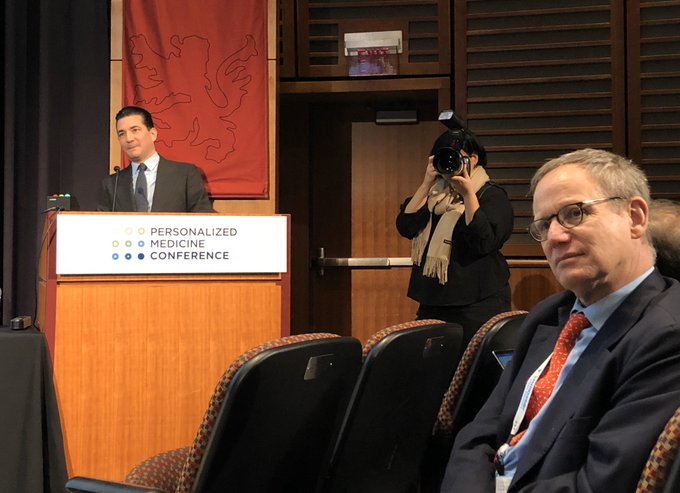


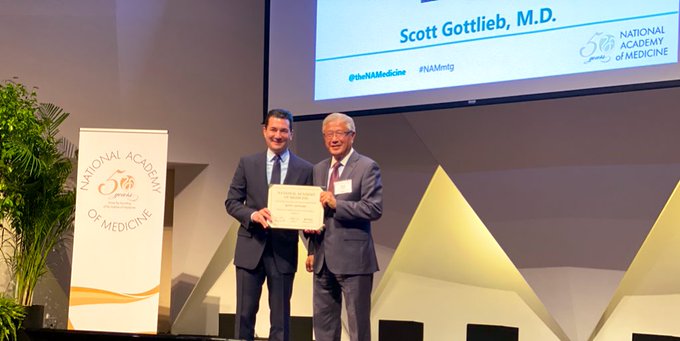

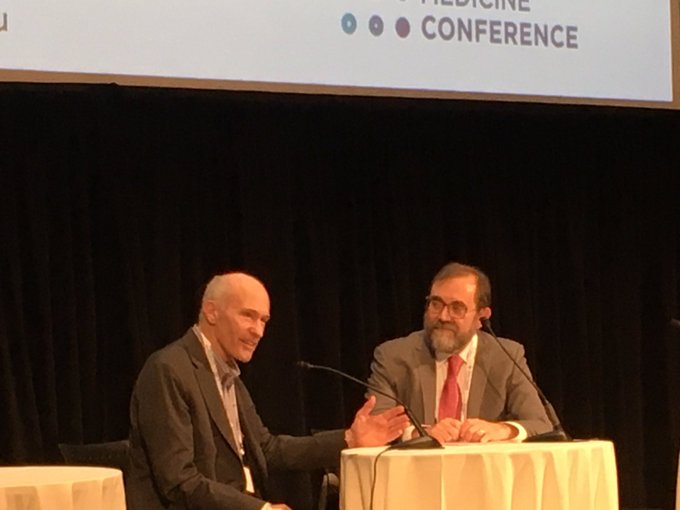


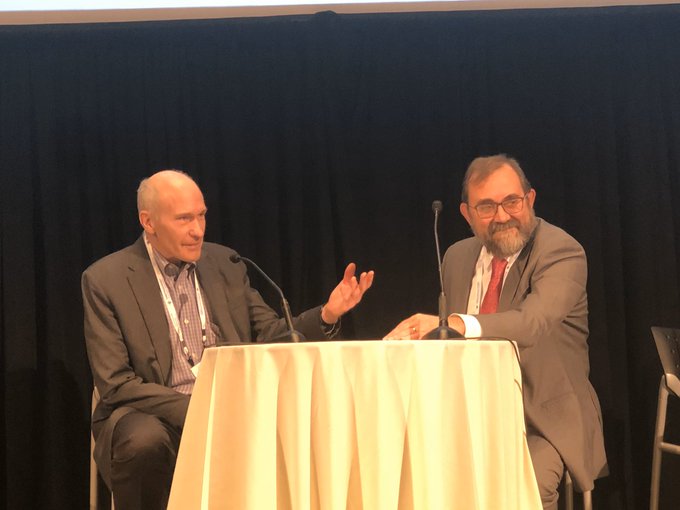





 2012pharmaceutical
 sjwilliamspa


