Feeds:
Posts
Comments

Posts Tagged ‘oxidative stress’

Inhibition of the Cardiomyocyte-Specific Kinase TNNI3K

Author and Curator: Larry H Bernstein, MD, FCAP


This report from Science Translational Medicine is about the finding that a cardiomyocyte-specific kinase limits reperfusion injury in acute coronary syndrome, a phenomenon driven by oxidative stress, protecting cardiac cells from further damage.

Inhibition of the Cardiomyocyte-Specific Kinase TNNI3K Limits Oxidative Stress, Injury, and Adverse Remodeling in the Ischemic Heart

Ronald J. Vagnozzi1,2,  Gregory J. Gatto Jr.3, Lara S. Kallander3, Nicholas E. Hoffman2, Karthik Mallilankaraman2, Victoria L. T. Ballard3, Brian G. Lawhorn3, …, and Thomas Force2,6,*
+ Author Affiliations
1Program in Cell and Developmental Biology, Thomas Jefferson University, Philadelphia, PA
2Center for Translational Medicine, and 6Cardiology Division, Temple University School of Medicine, Philadelphia, PA
3Heart Failure Discovery Performance Unit, Metabolic Pathways and Cardiovascular Therapeutic Area Unit, GlaxoSmithKline, King of Prussia, PA
4Platform Technology and Sciences, GlaxoSmithKline, King of Prussia, PA
5Cardiovascular Division, Department of Internal Medicine, Hyogo College of Medicine, Nishinomiya 663-8131, Japan.

Sci Transl Med 16 Oct 2013; 
5(207), p. 207ra141     http://dx.doi.org/10.1126/scitranslmed.3006479
Percutaneous coronary intervention is first-line therapy for acute coronary syndromes (ACS) but can promote cardiomyocyte death and cardiac dysfunction via reperfusion injury, a phenomenon driven in large part by oxidative stress. Therapies to limit this progression have proven elusive, with no major classes of new agents since the development of anti-platelets/anti-thrombotics. We report that cardiac troponin I–interacting kinase (TNNI3K), a cardiomyocyte-specific kinase,
  1. promotes ischemia/reperfusion injury,
  2. oxidative stress,
  3. and myocyte death.
TNNI3K-mediated injury occurs
  • through increased mitochondrial superoxide production and
  • impaired mitochondrial function and is largely
  • dependent on p38 mitogen-activated protein kinase (MAPK) activation.

We developed a series of small-molecule TNNI3K inhibitors that

  1. reduce mitochondrial-derived superoxide generation,
  2. p38 activation, and
  3. infarct size
when delivered at reperfusion to mimic clinical intervention.
TNNI3K inhibition also preserves cardiac function and limits chronic adverse remodeling.
Our findings demonstrate that TNNI3K modulates reperfusion injury in the ischemic heart and is a tractable therapeutic target for ACS.  Pharmacologic TNNI3K inhibition would be cardiac-selective,
  • preventing potential adverse effects of systemic kinase inhibition.
Citation: R. J. Vagnozzi, G. J. Gatto, L. S. Kallander, N. E. Hoffman, K. Mallilankaraman, V. L. T. Ballard, B. G. Lawhorn, P. Stoy, J. Philp, A. P. Graves, Y. Naito, J. J. Lepore, E. Gao, M. Madesh, T. Force, Inhibition of the Cardiomyocyte-Specific Kinase TNNI3K Limits Oxidative Stress, Injury, and Adverse Remodeling in the Ischemic Heart. Sci. Transl. Med. 5, 207ra141 (2013).

Read Full Post »


Larry H Bernstein, MD, Reporter & Curator
http://pharmaceuticalintelligence.com/2013/06/21/Nrf2 Role in Blocking DNA Damage/lhbern


DNA damage has been a central focus of carcinogenesis.  The following is of great interest in this respect.


Nrf2 as a novel molecular target for chemoprevention.


Lee JS, Surh YJ.


Cancer Lett. 2005 Jun 28;224(2):171-84. Epub 2004 Nov 11.


Source


National Research Laboratory of Molecular Carcinogenesis and Chemoprevention, College of Pharmacy, Seoul National University, Shinlim-dong, Kwanak-ku, Seoul 151-742, South Korea.


Abstract


One of the rational and effective strategies for chemoprevention is the blockade of DNA damage caused by carcinogenic insult. This can be achieved either


  • by reducing the formation of reactive carcinogenic species
  • or stimulating their detoxification.


A wide spectrum of xenobiotic metabolizing enzymes catalyze both phase I (oxidation and reduction) and phase II biotransformation (conjugation) reactions involved in carcinogen activation and/or deactivation. Several antioxidant-response element (ARE)-regulated gene products such as


  • glutathione S-transferase,
  • NAD(P)H:quinone oxidoreductase 1,
  • UDP-glucuronosyltransferase,
  • gamma-glutamate cysteine ligase, and
  • hemeoxygenase-1


are known to mediate detoxification and/or to exert antioxidant functions thereby protecting cells from genotoxic damage.


The transcription of ARE-driven genes is regulated, at least in part,


  • by nuclear transcription factor erythroid 2p45 (NF-E2)-related factor 2 (Nrf2),
  • which is sequestered in cytoplasm by Kelch-like ECH-associated protein 1 (Keap1).


Exposure of cells to ARE inducers results in


  1. the dissociation of Nrf2 from Keap1 and
  2. facilitates translocation of Nrf2 to the nucleus,
  3. where it heterodimerizes with small Maf protein, and
  4. binds to ARE,


eventually resulting in the transcriptional regulation of target genes.


The Nrf2-Keap1-ARE signaling pathway can be modulated by several upstream kinases including


  • phosphatidylinositol 3-kinase,
  • protein kinase C, and
  • mitogen-activated protein kinases.


Selected Nrf2-Keap1-ARE activators, such as


  • oltipraz,
  • anethole dithiolethione,
  • sulforaphane,
  • 6-methylsulphinylhexyl isothiocyanate,
  • curcumin,
  • caffeic acid phenethyl ester,
  • 4′-bromoflavone, etc.


are potential chemopreventive agents. This mini-review will focus on a chemopreventive strategy directed towards


  • protection of DNA and other important cellular molecules by
  • inducing de novo synthesis of phase II detoxifying or antioxidant genes via the Nrf2-ARE core signaling pathway.


PMID: 15914268 [PubMed – indexed for MEDLINE]


English: Graph of Nrf2 publications (pubmed se...

English: Graph of Nrf2 publications (pubmed search) by year (Photo credit: Wikipedia)


Most lifespan influencing genes affect the rat...

Most lifespan influencing genes affect the rate of DNA damage (Photo credit: Wikipedia)


Single-strand and double-strand DNA damage

Single-strand and double-strand DNA damage (Photo credit: Wikipedia)


Read Full Post »

Reporter and Curator: Dr. Sudipta Saha, Ph.D.

Antioxidant micronutrients, such as vitamins and carotenoids, exist in abundance in fruit and vegetables and have been known to contribute to the body’s defence against reactive oxygen species. Numerous epidemiological studies have demonstrated that a high dietary consumption of fruit and vegetables rich in carotenoids or with high serum carotenoid concentrations results in lower risks of certain cancers, diabetes and cardiovascular disease. These epidemiological studies have suggested that antioxidant carotenoids may have a protective effect against diabetes or cardiovascular disease. However, the consumption of carotenoids in pharmaceutical forms for the treatment or prevention of these chronic diseases cannot be recommended, because some large randomized controlled trials did not reveal any reduction in cardiovascular events or type 2 diabetes with b-carotene. High doses of carotenoids used in the supplementation studies could have a pro-oxidant effect. Therefore, it is favourable to intake carotenoids from foods through the combination of other nutrients such as vitamins, minerals or phytochemicals, not by supplements.

The metabolic syndrome is a clustering of metabolic abnormalities that increase the risk for diabetes and cardiovascular disease. Typically, it includes excess weight, hyperglycaemia, evaluated blood pressure, low concentration of HDL-cholesterol, and hypertriacylglycerolaemia. This syndrome is emerging as one of the major medical and public health problems in Japan, and persons with this syndrome have an increased risk of morbidity and mortality due to cardiovascular disease and diabetes. Recently, many studies have examined the associations of dietary patterns with the metabolic syndrome and shown that diets rich in fruit and vegetables have been inversely associated with the metabolic syndrome. These previous reports suggest that a high intake of fruit and vegetables may reduce the risk of the metabolic syndrome through the beneficial combination of antioxidants, fibre, minerals, and other phytochemicals. Some recent cross-sectional and case–control studies have shown the associations of serum antioxidant status with the metabolic syndrome. Ford et al. reported that low intake and/or low serum concentrations of vitamins and carotenoids were associated with the risk of the metabolic syndrome. Although very few data are available about the associations of antioxidant carotenoids with the metabolic syndrome, people who have the metabolic syndrome are more likely to have increased oxidative stress than people who do not have this syndrome.

In some recent studies, it has been reported that oxidative stress, which is an imbalance between pro-oxidants and antioxidants, occurs more frequently in metabolic syndrome subjects than in non-metabolic syndrome subjects. Oxidative stress may play a key role in the pathophysiology of diabetes and cardiovascular disease. On the other hand, smoking is a potent oxidative stress in man. This increment of oxidative stress induced by smoking may develop insulin resistance, and increased insulin resistance may result in the clustering of the metabolic abnormality. Therefore, antioxidants could have a beneficial effect on reducing the risk of these conditions in smokers. However, there is limited information about the interaction of serum antioxidant carotenoids and the metabolic syndrome with smoking habit. This study was aimed to investigate the interaction of serum carotenoid concentrations and the metabolic syndrome with smoking. The association of the concentrations of six serum carotenoids, i.e. lutein, lycopene, a-carotene, b-carotene, b-cryptoxanthin and zeaxanthin, with metabolic syndrome status stratified by smoking status was evaluated crosssectionally.

In this study, the associations of the serum carotenoids with the metabolic syndrome stratified by smoking habit were evaluated cross-sectionally. A total of 1073 subjects (357 male and 716 female) who had received health examinations in the town of Mikkabi, Shizuoka Prefecture, Japan, participated in the study. Inverse associations of serum carotenoids with the metabolic syndrome were more evident among current smokers than non-smokers. These results support that antioxidant carotenoids may have a protective effect against development of the metabolic syndrome, especially in current smokers who are exposed to a potent oxidative stress.

Source References:

http://www.ncbi.nlm.nih.gov/pubmed/18445303

http://www.ncbi.nlm.nih.gov/pubmed/19450371

http://www.ncbi.nlm.nih.gov/pubmed/21216053

http://www.ncbi.nlm.nih.gov/pubmed/19631019

http://www.ncbi.nlm.nih.gov/pubmed/12324189

http://www.ncbi.nlm.nih.gov/pubmed/18689373

Read Full Post »

Reversal of Cardiac mitochondrial dysfunction

Curator: Larry H Bernstein, MD, FACP

This article is the FOURTH in a four-article Series covering the topic of the Roles of the Mitochondria in Cardiovascular Diseases. They include the following;

  • Mitochondria and Cardiovascular Disease: A Tribute to Richard Bing, Larry H Bernstein, MD, FACP

http://pharmaceuticalintelligence.com/2013/04/14/chapter-5-mitochondria-and-cardiovascular-disease/

  • Mitochondrial Metabolism and Cardiac Function, Larry H Bernstein, MD, FACP

http://pharmaceuticalintelligence.com/2013/04/14/mitochondrial-metabolism-and-cardiac-function/

  • Mitochondrial Dysfunction and Cardiac Disorders, Larry H Bernstein, MD, FACP

http://pharmaceuticalintelligence.com/2013/04/14/mitochondrial-dysfunction-and-cardiac-disorders/

http://pharmaceuticalintelligence.com/2013/04/14/reversal-of-cardiac-mitochondrial-dysfunction/


Mitochondrial metabolism and cardiac function

There is sufficient evidence to suggest that, even with optimal therapy, there is an

  • attenuation or loss of effectiveness of neurohormonal antagonism as heart failure worsens.

The production of oxygen radicals is increased in the failing heart, whereas

  • normal antioxidant enzyme activities are preserved.

Mitochondrial electron transport is an enzymatic source of oxygen radical generation and

  • can be a therapeutic target against oxidant-induced damage in the failing myocardium.

Therefore, future therapeutic targets

  • must address the cellular and molecular mechanisms that contribute to heart failure.

Furthermore, since  fundamental characteristics of the failing heart are 

  • defective mitochondrial energetics and
  • abnormal substrate metabolism

we might expect that substantial benefit may be derived from the development of therapies aimed at

  • preserving cardiac mitochondrial function and
  • optimizing substrate metabolism.

Nutrition and physiological function

Blockade of electron transport in isolated, perfused guinea pig hearts –
before ischaemia with the reversible complex I inhibitor amobarbital
  • decreased superoxide production and
  • preserved oxidative phosphorylation in cardiac mitochondria,
  • decreased myocardial damage.
But when ascorbic acid was administered orally to chronic heart failure patients, there were improvements
  • in endothelial function but
  • no improvement in skeletal muscle energy metabolism.
Angiotensin I-converting enzyme (ACE) inhibitors with trandolapril treatment  in models of heart failure
  • appear to preserve mitochondrial function
  • improving cardiac energy metabolism and
  • function in rats with chronic heart failure.
Similarly perindopril treatment   – in rat skeletal muscle after myocardial infarction -restored :
  • levels of the mitochondrial biogenesis transcription factors PPARg coactivator-1a and
  • nuclear respiratory factor-2a, and
  • prevented mitochondrial dysfunction
Tissue effects of ACE inhibition, such as
might activate intracellular signalling cascades that
  • stimulate mitochondrial biogenesis and
  • improve energy metabolism.
Clearly, the mechanisms of metabolic regulation by
  • existing cardioprotective agents require further investigation.

Substrate metabolism in the failing heart

Increased sympathetic drive in heart failure patients causes adipose tissue lipolysis, thus
  • elevating plasma FFA concentrations.
Myocardial FFA uptake rates are largely determined by circulating FFA concentrations.
In addition to being a major fuel in heart,
  • fatty acids are ligands for the peroxisome proliferator-activated receptors (PPARs),
    •  members of the nuclear hormone receptor (NHR) family.
One PPAR subtype, PPARa, is highly expressed in heart and skeletal muscle. PPARs regulate gene expression by
binding to response elements in the promoter region of target genes that control fatty acid metabolism, including
It has been known for many years that high plasma FFA concentrations are detrimental to the heart,
  • increasing oxygen consumption for any given workload.
Decreased myocardial oxygen efficiency could result, in part,
  • from the inherent stoichiometric inefficiency of fatty acid oxidation,
  • which accounts for the consumption of 12% more oxygen per ATP synthesized than glucose oxidation.

High levels of plasma FFAs have been associated with increased cardiac UCP3 levels in patients undergoing CABG(Fig) and

  • are believed to activate the uncoupling action of UCP3.

http://htmlimg1.scribdassets.com/8o5pfgywg0lyerj/images/4-244729cb6a.jpg

Fig .  Metabolic modulation of the failing heart can be achieved by inhibiting mitochondrial beta-oxidation with trimetazidine, or
  • free fatty acid (FFA) uptake via the carnitine palmitoyltransferase (CPT) system with perhexiline,
    • giving rise to more oxygen-efficient glucose oxidation.
Alternatively, CPT is inhibited by malonyl-coenzyme A (CoA),
  • synthesized from cytosolic acetyl-CoA by acetyl-CoA  carboxylase.
Pharmacological inhibition, or mutation, of
  • malonyl-CoA decarboxylase, which normally converts malonyl-CoA back to acetyl-CoA,
  • elevates malonyl-CoA levels, inhibiting mitochondrial FFA uptake and thus protects the failing heart.

Nutritional Support for the Mitochondria

Human Studies                                       Animal or In Vitro Studies

Alpha lipoic acid                                                    Resveratrol
Co-Enzyme Q10                                                      EgCG
Acetyl-L-Carnitine                                                Curcumin

Lipoic Acid & Acetyl-L-Carnitine

Alpha lipoic acid is known to be a mitochondrial antioxidant that preserves or improves mitochondrial function.

  •  lipoic acid can prevent arterial calcification, and
  • arterial calcification may be related to mitochondrial dysfunction
  • methods are under study to increase lipoic acid synthase production, the enzyme responsible for making lipoic acid in the body.

Co-Enzyme Q10

It is well known that statin drugs taken for high cholesterol severely reduce CoQ10 levels, and causes other negative cardiovascular side effects.
A  study on CAD patients has shown that over 8 weeks of supplementing with 300mg of CoQ10 reversed

  • mitochondrial dysfunction (as measured by a reduced lactate:pyruvate ratio) and
  • improved endothelial function (as measured by increased flow-mediated dilation)

Other Mitochondrial Antioxidants

Other natural compounds that have been shown to have antioxidant effects in the mitochondria include

  • resveratrol, found in wine and grapes,
  • curcumin from turmeric and
  • EGCG, found abundantly in green tea extract.

But no studies have been conducted for these compounds in CVD.

Metabolic syndrome and serum carotenoids: findings of a cross-sectional study
in Queensland, Australia

Metabolic syndrome and serum carotenoids.

T Coyne, TI Ibiebele, PD Baade, CS McClintock and JE Shaw.
Viertel Center for Research in Cancer Control, Cancer Council Queensland, and School of Public Health,
Queensland University of Technology and University of Queensland, Brisbane, Australia
Several components of the metabolic syndrome are known to be oxidative stress-related conditions
  1. diabetes and
  2. cardiovascular disease,
Carotenoids are compounds derived primarily from plants and several have been shown to be potent antioxidant nutrients.
Both diabetes and cardiovascular disease are known to be oxidative stress-related conditions such that
  • antioxidant nutrients may play a protective role in these conditions.
Several cross–sectional surveys have found lower levels of serum carotenoids among those with impaired glucose metabolism or type 2 diabetes.
Carotenoids are compounds derived primarily from plants, several of which are known to be potent antioxidants.
Epidemiological evidence indicates that some serum carotenoids may play a protective role against the development of chronic diseases such as
  1. atherosclerosis,
  2. stroke,
  3. hypertension,
  4. certain cancers,
  5. inflammatory diseases and
  6. diabetic retinopathy.

The primary carotenoids found in human serum are

  1. α-carotene
  2. β-carotene
  3. β-cryptoxanthin
  4. lutein/zeaxanthin
  5. lycopene.
The aim of this study was to examine the associations between metabolic syndrome status and major serum carotenoids in adult Australians.
Data on the presence of the metabolic syndrome, based on International Diabetes Federation 2005 criteria, were collected from 1523 adults
aged 25 years and over in six randomly selected urban centers in Queensland, Australia, using a cross sectional study design.
The following were determined:
  1. Weight
  2. height
  3. BMI
  4. waist circumference
  5. blood pressure
  6. fasting and 2-34 hour blood glucose
  7. lipids
  8. five serum carotenoids.
Criteria used to assess the number of metabolic syndrome components present in a 171 participant using the
2005 International Diabetes Federation definition are as follows:
Components = 0 -none of the metabolic syndrome components (i.e. abdominal obesity, raised triglyceride,
reduced HDL-cholesterol, raised blood pressure, and impaired fasting plasma glucose) are present;
  1. Components = any 1 one of the five metabolic syndrome components is present ;
  2. Components = 2 – any two of the five components are present;
  3. Components = 3 any three of the components are present;
  4. Components = 4 – any four of the components are present;
  5. Components = 5 = all five metabolic syndrome components are present.
This study investigated the relationships between these five primary serum carotenoids and the metabolic syndrome
in a cross-sectional population-based study in Queensland, Australia.  Distributions of serum carotenoids were skewed
and therefore natural logarithmically transformed to better approximate the normal distribution for regression analyses.
Association between log transformed serum carotenoids as dependent variables and metabolic syndrome status were
assessed using multiple linear regression analysis. Results are reported as back transformed geometric means.
Analysis was performed for each serum carotenoid separately, and the sum of the five carotenoids,
adjusting for the following potential confounders:
  1. age
  2. sex
  3. education
  4. BMI
  5. smoking
  6. alcohol intake
  7. physical activity
  8. vitamin use.
Mean serum alpha-carotene, beta-carotene and the sum of the five carotenoid concentrations were significantly lower (p<0.05)
in persons with the metabolic syndrome (after adjusting for age,sex, education, BMI status, alcohol intake, smoking, physical activity
status and vitamin/mineral use) than persons without the syndrome. Alpha, beta and total carotenoids also decreased significantly
(p<0.05) with increased number of components of the metabolic syndrome, after adjusting for these confounders. These differences
were significant among former smokers and non-smokers, but not in current smokers. Low concentrations of serum
  • alpha-carotene,
  • beta carotene and
  • the sum of five carotenoids
appear to be associated with metabolic syndrome status.
The overall prevalence of the syndrome was 24% and was significantly higher among males than females. As would be expected, significant
differences in prevalence of the syndrome were seen with
  • body mass index
  • waist circumference
  • systolic and diastolic blood pressure
  • blood lipids.
Significant differences were also evident by
  • age group, smoking status, educational status and income.
Income was marginally inversely associated. The prevalence increased with age, and was lower in those with post graduate education.
No significant differences were seen by alcohol intake, physical activity levels,  vitamin usage, or fruit intake. There was actually an
  • inverse relationship between vegetable intake (not fruit) and serum carotenoids.
Those who consumed 4 serves or more of vegetable were less likely to have the metabolic syndrome
  • compared to those who consumed 1 serve or less of vegetables.
The mean concentrations of serum alpha-carotene, beta-carotene and the sum of the five carotenoids were significantly lower for participants
  • with the metabolic syndrome present compared with those without the syndrome, after adjusting for potential confounding variables.
Concentrations of alpha-carotene, beta-carotene and the sum of the five carotenoids decreased significantly as
  • the number of components of the metabolic syndrome increased after adjusting for potential confounding variables.
Similarly there was an inverse association between quartiles of
  • individual and total serum carotenoids and metabolic syndrome status and each of its components.
This study was designed to investigate the association between several serum carotenoids and the metabolic syndrome.
The data from the present population study suggest that several serum carotenoids are inversely related to the metabolic syndrome.
The study showed significantly lower concentrations present among those with the metabolic syndrome of
  1. α-carotene,
  2. β-carotene and
  3. the sum of the five carotenoids
 compared to those without.We also found decreasing concentrations of all the carotenoids tested as

  • the number of the metabolic syndrome components increased.
This was significant for
  1. α-carotene,
  2. β-carotene,
  3. β-cryptoxanthin
  4. total carotenoids.
    (not lycopenes)
These findings are consistent with data reported from the third National Health and Nutrition Examination Survey (NHANES III).
In the NHANES III study, significantly lower concentrations of all the carotenoids, except lycopene, were found among persons
with the metabolic syndrome compared with those without, after adjusting for confounding factors similar to those in our study.

Carnitine: A novel health factor-An overview. 

CD Dayanand, N Krishnamurthy, S Ashakiran, KN Shashidhar
Int J Pharm Biomed Res 2011; 2(2): 79-89.  ISSN No: 0976-0350
Carnitine comprises L-carnitine, acetyl –L-carnitine and Propionyl –L-carnitine. Carnitine is
  • obtained in greater amount from animal dietary sources than from plant sources.
The endogenous synthesis of carnitine takes place in animal tissues like
  • liver
  • kidney
  • brain
using precursor amino acids lysine and methionine by a pathway
  • dependent on iron, vitamin C, niacin, pyridoxine .
This is the basis of vegans generally depending on carnitine in larger proportion
  • through in vivo synthesis than omnivorous subjects.
The concentration of tri-methyl lysine residues and the tissue specificity of  butyro-betaine dehydrogenase
  • plays a significant role in regulating the carnitine biosynthesis.
Carnitine transport from the site of synthesis to target tissue occurs via blood.
The measurement of plasma carnitine concentration represents –
  • the balance between the rate of synthesis and rate of excretion
    • through specific transporter proteins.
The cellular functional role of carnitine depends on the uptake into cells through
  1. carnitine transport proteins and
  2. transport into mitochondrial matrix.
The function of carnitine is to traverse Long-chain Fatty Acids across inner mitochondrial membrane
  • for β-oxidation, thereby, generating ATP.
Carnitine deficiency results in muscle disorders.  The deficiency states are primary and secondar.
The primary is of systemic or myopathic, characterized by a defect of high affinity organic cation transporter protein (CTP)
  • present on the plasma membrane of liver and kidney and
  • also due to dysfunction of carnitine reabsorbtion through
    • similar transport proteins in renal tubules.
Secondary carnitine deficiency is associated with
  1. mitochondrial disorders and also
  2. defective β-oxidation such as CPT-II and acyl CoA dehydrogenase.
In recent times, carnitine has been extensively studied in various research activities to explore the therapeutic benefit.
Thus, carnitine justifies as a novel health factor.

Propionyl-L-carnitine Corrects Metabolic and Cardiovascular Alterations in
Diet-Induced Obese Mice and Improves Liver Respiratory Chain Activity

C Mingorance,  L Duluc, M Chalopin, G Simard, et al.
PLC improved the insulin-resistant state and reversed the increased total cholesterol
but not the increase in free fatty acid, triglyceride and HDL/LDL ratio induced by high-fat diet.
Vehicle-HF exhibited a reduced

  • cardiac output/body weight ratio,
  • endothelial dysfunction and
  • tissue decrease of NO production,

all of them being improved by PLC treatment.
The decrease of hepatic mitochondrial activity by high-fat diet was reversed by PLC.

Oral administration of PLC improves the insulin-resistant state developed by obese animals and
decreases the cardiovascular risk associated with the metabolically impaired mitochondrial function.

Omega-3 Fatty Acid and cardioprotection

The Benefits of Flaxseed    

By Elaine Magee, MPH, RD    WebMD Expert Column
Some call it one of the most powerful plant foods on the planet. There’s some evidence it may help reduce your risk of

  • heart disease, cancer, stroke, and diabetes.

That’s quite a tall order for a tiny seed that’s been around for centuries.

Flaxseed was cultivated in Babylon as early as 3000 BC. In the 8th century, King Charlemagne believed so strongly in the
health benefits of flaxseed that he passed laws requiring his subjects to consume it. Now, thirteen centuries later, some
experts say we have preliminary research to back up what Charlemagne suspected.

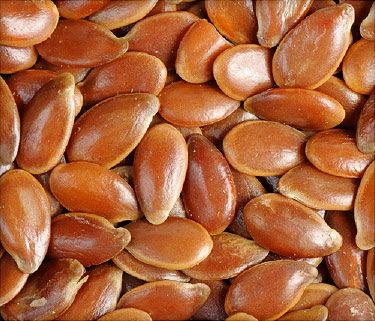
http://img.webmd.com/dtmcms/live/webmd/consumer_assets/site_images/article_
thumbnails/features/benefits_of_flaxseed_features/375x321_benefits_of_flaxseed_features.jpg

Not only has consumer demand for flaxseed grown, agricultural use has also increased.
Flaxseed is what’s used to feed all those chickens that are laying eggs with higher levels of omega-3 fatty acids.
Although flaxseed contains all sorts of healthy components, it owes its primary healthy reputation to three of them:

  1. Omega-3 essential fatty acids, have been shown to have heart-healthy effects.  1.8 grams of plant omega-3s/tablespoon ground.
  2. Lignans, which have both plant estrogen and antioxidant qualities.  75 to 800 times more lignans than other plant foods.
  3. Fiber. Flaxseed contains both the soluble and insoluble types.

Omega-3 Polyunsaturated Fatty Acids and Cardiovascular Diseases

CJ Lavie, RV Milani, MR Mehra, and HO Ventura.
J. Am. Coll. Cardiol. 2009;54;585-594.   http://dx.doi.org/10.1016/j.jacc.2009.02.084
Fish oil is obtained in the human diet by eating oily fish, such as
  • herring, mackerel, salmon, albacore tuna, and sardines, or
  • by consuming fish oil supplements or cod liver oil.
Fish do not naturally produce these oils, but obtain them through the ocean food chain from the marine microorganisms
  • that are the original source of the omega-3 polyunsaturated fatty acids (ω-3 PUFA) found in fish oils.
Numerous prospective and retrospective trials from many countries, including the U.S., have shown that moderate
  • fish oil consumption decreases the risk of major cardiovascular (CV) events, such as
  1. myocardial infarction (MI),
  2. sudden cardiac death (SCD),
  3. coronary heart disease (CHD),
  4. atrial fibrillation (AF), and most recently,
  5. death in patients with heart failure (HF).
Most of the evidence for benefits of the ω-3 PUFA has been obtained for
  • eicosapentaenoic acid (EPA) and docosahexaenoic acid (DHA), the long-chain fatty acids in this family.
There is support for a benefit from alpha-linolenic acid (ALA),
  • the plant-based precursor of EPA.
The American Heart Association (AHA) has currently endorsed the use of ω-3 PUFA in patients with documented CHD

  • at a dose of approximately 1 g/day of combined DHA and EPA, either in the form of fatty fish or fish oil supplements
The health benefits of these long chain fatty acids are numerous and remain an active area of research.
Omega-3 polyunsaturated fatty acid (ω-3 PUFA) therapy continues to show great promise in primary and,
  • particularly in secondary prevention of cardiovascular (CV) diseases.
This portion of discussion summarizes the current scientific data on the effects of the long chain ω-3 PUFA
  • in the primary and secondary prevention of various CV disorders.
The most compelling evidence for CV benefits of ω-3 PUFA comes from 4 controlled trials
  • of nearly 40,000 participants randomized to receive eicosapentaenoic acid (EPA)
  • with or without docosahexaenoic acid (DHA) in studies of patients
    • in primary prevention,
    • after myocardial infarction, and
    • with heart failure (HF).
The evidence from retrospective epidemiologic studies and from large randomized controlled trials
show the benefits of ω-3 PUFA, specifically EPA and DHA, in primary and secondary CV prevention
and provide insight into potential mechanisms of these observed benefits.

Background Epidemiologic Evidence

During the past 3 decades, numerous epidemiologic and observational studies have been published on the CV benefits of ω-3 PUFA.
As early as 1944, Sinclair described the rarity of CHD in Greenland Eskimos, who consumed a diet high in whale, seal, and fish.
More than 30 years ago, Bang and Dyberg reported that despite a diet low in fruit, vegetables, and complex carbohydrates but
high in saturated fat and cholesterol, serum cholesterol and triglycerides were lower in Greenland Inuit than in age-matched residents
of Denmark, and the risk of MI was markedly lower in the Greenland population compared with the Danes. These initial observations raised
speculation on the potential benefits of ω-3 PUFA (particularly EPA and DHA) as the protective “Eskimo factor”.
Potential EPA and DHA Effects   
  1. Antiarrhythmic effects
  2. Improvements in autonomic function
  3. Decreased platelet aggregation
  4. Vasodilation
  5. Decreased blood pressure
  6. Anti-inflammatory effects
  7. Improvements in endothelial function
  8. Plaque stabilization
  9. Reduced atherosclerosis
  10. Reduced free fatty acids and triglycerides
  11. Up-regulated adiponectin synthesis
  12. Reduced collagen deposition
The target EPA + DHA consumption should be at least 500 mg/day for individuals without underlying overt CV disease
  • and at least 800 to 1,000 mg/day for individuals with known coronary heart disease and HF.
Further studies are needed to determine optimal dosing and the relative ratio of DHA and EPA ω-3 PUFA that
  • provides maximal cardioprotection in those at risk of CV disease
  • as well in the treatment of atherosclerotic, arrhythmic, and primary myocardial disorders.
Lavie et al.  Omega-3 PUFA and CV Diseases  J Am Coll Cardiol 2009; 54(7): 585–94

Assessing Appropriateness of Lipid Management Among Patients With Diabetes Mellitus

Moving From Target to Treatment.   AJ Beard, TP Hofer, JR Downs, et al. and Diabetes Clinical Action Measures Workgroup
Performance measures that emphasize only a treat-to-target approach may motivate ove-rtreatment with high-dose statins,
  • potentially leading to adverse events and unnecessary costs.
We developed a clinical action performance measure for lipid management in patients with diabetes mellitus that is designed
  • to encourage appropriate treatment with moderate-dose statins while minimizing over-treatment.
We examined data from July 2010 to June 2011 for 964 818 active Veterans Affairs primary care patients ≥18 years of age with diabetes mellitus.
We defined 3 conditions as successfully meeting the clinical action measure for patients 50 to 75 years old:
  1.  having a low-density lipoprotein (LDL) <100 mg/dL,
  2. taking a moderate-dose statin regardless of LDL level or measurement, or
  3. receiving appropriate clinical action (starting, switching, or intensifying statin therapy) if LDL is ≥100 mg/dL.
We examined possible over-treatment for patients ≥18 years of age by examining the proportion of patients
  • without ischemic heart disease who were on a high-dose statin.
We then examined variability in measure attainment across 881 facilities using 2-level hierarchical multivariable logistic models.
Of 668 209 patients with diabetes mellitus who were 50 to 75 years of age, 84.6% passed the clinical action measure:
  1. 67.2% with LDL <100 mg/dL,
  2. 13.0% with LDL ≥100 mg/dL and either on a moderate-dose statin (7.5%) or with appropriate clinical action (5.5%), and
  3. 4.4% with no index LDL on at least a moderate-dose statin. Of the entire cohort ≥18 years of age, 13.7% were potentially over-treated.
Use of a performance measure that credits appropriate clinical action indicates that almost 85% of diabetic veterans 50 to 75 years of age
  • are receiving appropriate dyslipidemia management.

Exercise training and mitochondria in heart failure

The beneficial effects of exercise in the rehabilitation of patients with heart failure are well established,
with improvements observed in
  • exercise capacity,
  • quality of life,
  • hospitalization rates and
  • morbidity/mortality.
There is no evidence of training-induced
improvements in cardiac energy metabolism or
  • mitochondrial function, and
  • no modification of myocardial oxidative capacity,
  • oxidative enzymes, or
  • energy transfer enzymes
in exercising rats with experimental heart failure, but there is  evidence of
There are also improvements in
  • skeletal muscle oxidative capacity with
  • increased mitochondrial density
following endurance training in heart failure patients associated with alleviation of symptoms such as
  • exercise intolerance and
  • chronic fatigue.
The mechanism underlying improvements in mitochondrial function may perhaps be a result of
  • more effective peripheral oxygen delivery following training,
  • alleviating tissue hypoxia and oxidative stress.

Treating Type 2 diabetes, and lowering cardiovascular disease risk

Treating Diabetes and Obesity with an FGF21-Mimetic Antibody
Activating the βKlotho/FGFR1c Receptor Complex

IN Foltz, S Hu, C King, Xinle Wu, et al.  Amgen and Texas A&M HSC, Houston, TX.
Sci Transl Med  Nov 2012; 4(162), p. 162ra153
http://dx.doi.org/10.1126/scitranslmed.3004690

Fibroblast growth factor 21 (FGF21) is a distinctive member of the FGF family with potent beneficial effects on

  1. lipid
  2. body weight
  3. glucose metabolism

A monoclonal antibody, mimAb1, binds to βKlotho with high affinity and specifically

  • activates signaling from the βKlotho/FGFR1c (FGF receptor 1c) receptor complex.

Injection of mimAb1 into obese cynomolgus monkeys led to FGF21-like metabolic effects:

  1. decreases in body weight,
  2. plasma insulin,
  3. triglycerides, and
  4. glucose during tolerance testing.

Mice with adipose-selective FGFR1 knockout were refractory to FGF21-induced improvements

  • in glucose metabolism and body weight.

mimAb1 depends on βKlotho to activate FGFR1c, but

  • it is not expected to induce side effects caused by activating FGFR1c alone.

The results in obese monkeys (with mimAb1) and in FGFR1 knockout mice (with FGF21) demonstrated

  • the essential role of FGFR1c in FGF21 function and
  • suggest fat as a critical target tissue for the cytokine and antibody.

This antibody activates FGF21-like signaling through cell surface receptors, and  provided

  • preclinical validation for an innovative therapeutic approach to diabetes and obesity.

Influencing Factors on Cardiac Structure and Function Beyond Glycemic Control
in Patients With Type 2 Diabetes Mellitus (T2DM)

R Ichikawa, M Daimon, T Miyazaki, T Kawata, et al.     Cardiovasc Diabetol. 2013;12(38)

We studied 148 asymptomatic patients with T2DM without overt heart disease.
Early (E) and late (A) diastolic mitral flow velocity and early diastolic mitral annular velocity (e’)

  • were measured for assessing left ventricular (LV) diastolic function.

In addition

  • insulin resistance,
  • non-esterified fatty acid,
  • high-sensitive CRP,
  • estimated glomerular filtration rate,
  • waist/hip ratio,
  • abdominal visceral adipose tissue (VAT),
  • subcutaneous adipose tissue (SAT)

In T2DM (compared to controls),

  • E/A and e’ were significantly lower, and
  • E/e’, left atrial volume and LV mass were significantly greater

VAT  and age were independent determinants of

  • left atrial volume (β =0.203, p=0.011),
  • E/A (β =−0.208, p=0.002), e’ (β =−0.354, p<0.001) and
  • E/e’ (β=0.220, p=0.003).

Independent determinants of LV mass were

  • systolic blood pressure,
  • waist-hip ratio (β=0.173, p=0.024)
  • VAT/SAT ratio (β=0.162, p=0.049)

Excessive visceral fat accompanied by adipocyte dysfunction may play a greater role than

  • glycemic control in the development of diastolic dysfunction and LV hypertrophy in T2DM

Inhibition of oxidative stress and mtDNA damage

Novel pharmacological agents are needed that

  • optimize substrate metabolism and
  • maintain mitochondrial integrity,
  • improve oxidative capacity in heart and skeletal muscle, and
  • alleviate many of the clinical symptoms associated with heart failure.

The evidence for the attenuation or loss of effectiveness of neurohormonal antagonism as heart failure worsens

  • indicates future therapeutic targets must address the cellular and molecular mechanisms that contribute to heart failure.

Pharmacological Targets of oxidative stress and mitochondrial damage

Defective mitochondrial energetics and abnormal substrate metabolism are fundamental characteristics of CHF.

A significant benefit may be derived from developing therapies aimed at

  • preserving cardiac mitochondrial function and
  • optimizing substrate metabolism.
Oxidative stress is enhanced in myocardial remodelling and failure. The increased production of oxygen radicals in the failing heart
  • with preserved antioxidant enzyme activities suggests
  • mitochondrial electron transport as a source of oxygen radical generation
  • can be a therapeutic target against oxidant-induced damage in the failing myocardium.
Chronic increases in oxygen radical production in the mitochondria
  • leads to mitochondrial DNA (mtDNA) damage,
  • functional decline,
  • further oxygen radical generation, and
  • cellular injury.
MtDNA defects may thus play an important role in the
  • development and progression of myocardial remodelling and failure.
Reactive oxygen species induce
  1. myocyte hypertrophy,
  2. apoptosis, and
  3. interstitial fibrosis
  4. by activating matrix metallo-proteinases,
  5. promoting the development and
  6. progression of maladaptive myocardial remodelling and failure.
Oxidative stress has direct effects on cellular structure and function and
  • may activate integral signalling molecules in myocardial remodelling and failure (Figure).
ROS result in a phenotype characterized by
  • hypertrophy and apoptosis in isolated cardiac myocytes.
Therefore, oxidative stress and mtDNA damage are good therapeutic targets.
Overexpression of the genes for
  • peroxiredoxin-3 (Prx-3), a mitochondrial antioxidant, or
  • mitochondrial transcription factor A (TFAM),
    • could ameliorate the decline in mtDNA copy number in failing hearts.
Consistent with alterations in mtDNA, the
  • decrease in mitochondrial function was prevented,
  • proving that the activation of Prx-3 or TFAM gene expression
  • could ameliorate the pathophysiological processes seen
  1. in mitochondrial dysfunction and
  2. myocardial remodelling.
Inhibition of oxidative stress and mtDNA damage
  • could be novel and effective treatment strategies for heart failure.
Proposed mechanisms through which overexpression of the
  • mitochondrial transcription factor A (TFAM) gene prevents
  • mitochondrial DNA (mtDNA) damage,
  • oxidative stress, and
  • myocardial remodelling and failure.
In wild-type mice, mitochondrial transcription factor A
  • directly interacts with mitochondrial DNA to form nucleoids.
Stress such as ischaemia causes mitochondrial DNA damage, which
  1. increases the production of reactive oxygen species (ROS)
  2. leading to a catastrophic cycle of mitochondrial electron transport impairment,
  3. further reactive oxygen species generation, and mitochondrial dysfunction.
TFAM overexpression may protect mitochondrial DNA from damage by
  1. directly binding and stabilizing mitochondrial DNA and
  2. increasing the steady-state levels of mitochondrial DNA
ameliorating mitochondrial dysfunction and thus the development and progression of heart failure.

Conclusion

Heart failure is a multifactorial syndrome that is characterized by
  • abnormal energetics and substrate metabolism in heart and skeletal muscle.
Although existing therapies have been beneficial, there is a clear need for new approaches to treatment.
Pharmacological targeting of the cellular stresses underlying mitochondrial dysfunction, such as
  • elevated fatty acid levels,
  • tissue hypoxia and oxidative stress and
  • metabolic modulation of heart and skeletal muscle mitochondria,
    • appears to offer a promising therapeutic strategy for tackling heart failure.
Murray AJ, Anderson RE, Watson GC, et al. Uncoupling proteins in human heart. Lancet 2004; 364:1786.
Delarue J, Magnan C. Free fatty acids and insulin resistance. Curr Opin ClinNutr Metab Care 2007; 10:142
Lee L, Campbell R, Scheuermann-Freestone M, et al. Metabolic modulation with perhexiline in chronic heart failure: a randomized, controlled trialof short-term use of a novel treatment. Circulation 2005; 112:3280
Tsutsui H, Kinugawa S, Matsushima S. Mitochondrial oxidative stress and dysfunction in myocardial remodelling. Cardiovasc Res. 2009;81(3):449-56. http://dxdoi.org/10.1093/cvr/cvn280.
C Maack, M Böhm. Targeting Mitochondrial Oxidative Stress in Heart Failure. J Am Coll Cardiol. 2011;58(1):83-86. http://dx.doi.org/10.1016/j.jacc.2011.01.032

 References

Mitochondrial dynamics and cardiovascular diseases    Ritu Saxena
http://pharmaceuticalintelligence.com/2012/11/14/mitochondrial-dynamics-and-cardiovascular-diseases/

Mitochondrial Damage and Repair under Oxidative Stress   larryhbern
http://pharmaceuticalintelligence.com/2012/10/28/mitochondrial-damage-and-repair-under-oxidative-stress/

Mitochondria: Origin from oxygen free environment, role in aerobic glycolysis, metabolic adaptation   larryhbern
http://pharmaceuticalintelligence.com/2012/09/26/mitochondria-origin-from-oxygen-free-environment-role-in-aerobic-glycolysis-metabolic-adaptation/

Ca2+ signaling: transcriptional control     larryhbern
http://pharmaceuticalintelligence.com/2013/03/06/ca2-signaling-transcriptional-control/

MIT Scientists on Proteomics: All the Proteins in the Mitochondrial Matrix identified  Aviva Lev-Ari
http://pharmaceuticalintelligence.com/2013/02/03/mit-scientists-on-proteomics-all-the-proteins-in-the-mitochondrial-matrix-identified/

Nitric Oxide has a ubiquitous role in the regulation of glycolysis -with a concomitant influence on mitochondrial function    larryhbern
http://pharmaceuticalintelligence.com/2012/09/16/nitric-oxide-has-a-ubiquitous-role-in-the-regulation-of-glycolysis-with-a-concomitant-influence-on-mitochondrial-function/

Ubiquinin-Proteosome pathway, autophagy, the mitochondrion, proteolysis and cell apoptosis  larryhbern
http://pharmaceuticalintelligence.com/2013/02/14/ubiquinin-proteosome-pathway-autophagy-the-mitochondrion-proteolysis-and-cell-apoptosis-reconsidered/

Low Bioavailability of Nitric Oxide due to Misbalance in Cell Free Hemoglobin in Sickle Cell Disease – A Computational Model   Anamika Sarkar
http://pharmaceuticalintelligence.com/2012/11/09/low-bioavailability-of-nitric-oxide-due-to-misbalance-in-cell-free-hemoglobin-in-sickle-cell-disease-a-computational-model/

The rationale and use of inhaled NO in Pulmonary Artery Hypertension and Right Sided Heart Failure    larryhbern
http://pharmaceuticalintelligence.com/2012/08/20/the-rationale-and-use-of-inhaled-no-in-pulmonary-artery-hypertension-and-right-sided-heart-failure/

Mitochondria and Cardiovascular Disease: A Tribute to Richard Bing, Larry H Bernstein, MD, FACP
http://pharmaceuticalintelligence.com/2013/04/14/chapter-5-mitochondria-and-cardiovascular-disease/

Mitochondrial Metabolism and Cardiac Function, Larry H Bernstein, MD, FACP
http://pharmaceuticalintelligence.com/2013/04/14/mitochondrial-metabolism-and-cardiac-function/

Mitochondrial Dysfunction and Cardiac Disorders, Larry H Bernstein, MD, FACP
http://pharmaceuticalintelligence.com/2013/04/14/mitochondrial-dysfunction-and-cardiac-disorders/

Reversal of Cardiac mitochondrial dysfunction, Larry H Bernstein, MD, FACP
http://pharmaceuticalintelligence.com/2013/04/14/reversal-of-cardiac-mitochondrial-dysfunction/

Clinical Trials Results for Endothelin System: Pathophysiological role in Chronic Heart Failure, Acute Coronary Syndromes and MI – Marker of Disease Severity or Genetic Determination? Aviva Lev-Ari, PhD, RN 10/19/2012
http://pharmaceuticalintelligence.com/2012/10/19/clinical-trials-results-for-endothelin-system-pathophysiological-role-in-chronic-heart-failure-acute-coronary-syndromes-and-mi-marker-of-disease-severity-or-genetic-determination/

Endothelin Receptors in Cardiovascular Diseases: The Role of eNOS Stimulation, Aviva Lev-Ari, PhD, RN 10/4/2012
http://pharmaceuticalintelligence.com/2012/10/04/endothelin-receptors-in-cardiovascular-diseases-the-role-of-enos-stimulation/

Inhibition of ET-1, ETA and ETA-ETB, Induction of NO production, stimulation of eNOS and Treatment Regime with PPAR-gamma agonists (TZD): cEPCs Endogenous Augmentation for Cardiovascular Risk Reduction – A Bibliography, Aviva Lev-Ari, PhD, RN 10/4/2012
http://pharmaceuticalintelligence.com/2012/10/04/inhibition-of-et-1-eta-and-eta-etb-induction-of-no-production-and-stimulation-of-enos-and-treatment-regime-with-ppar-gamma-agonists-tzd-cepcs-endogenous-augmentation-for-cardiovascular-risk-reduc/

Genomics & Genetics of Cardiovascular Disease Diagnoses: A Literature Survey of AHA’s Circulation Cardiovascular Genetics, 3/2010 – 3/2013, L H Bernstein, MD, FACP and Aviva Lev-Ari,PhD, RN  3/7/2013
http://pharmaceuticalintelligence.com/2013/03/07/genomics-genetics-of-cardiovascular-disease-diagnoses-a-literature-survey-of-ahas-circulation-cardiovascular-genetics-32010-32013/

Cardiovascular Disease (CVD) and the Role of agent alternatives in endothelial Nitric Oxide Synthase (eNOS) Activation and Nitric Oxide Production, Aviva Lev-Ari, PhD, RN 7/19/2012 http://pharmaceuticalintelligence.com/2012/07/19/cardiovascular-disease-cvd-and-the-role-of-agent-alternatives-in-endothelial-nitric-oxide-synthase-enos-activation-and-nitric-oxide-production/

Cardiovascular Risk Inflammatory Marker: Risk Assessment for Coronary Heart Disease and Ischemic Stroke – Atherosclerosis. Aviva Lev-Ari, PhD, RN 10/30/2012
http://pharmaceuticalintelligence.com/2012/10/30/cardiovascular-risk-inflammatory-marker-risk-assessment-for-coronary-heart-disease-and-ischemic-stroke-atherosclerosis/

Cholesteryl Ester Transfer Protein (CETP) Inhibitor: Potential of Anacetrapib to treat Atherosclerosis and CAD.     Aviva Lev-Ari, PhD, RN 4/7/2013
http://pharmaceuticalintelligence.com/2013/04/07/cholesteryl-ester-transfer-protein-cetp-inhibitor-potential-of-anacetrapib-to-treat-atherosclerosis-and-cad/

Hypertriglyceridemia concurrent Hyperlipidemia: Vertical Density Gradient Ultracentrifugation a Better Test to Prevent Undertreatment of High-Risk Cardiac Patients, Aviva Lev-Ari, PhD, RN  4/4/2013  http://pharmaceuticalintelligence.com/2013/04/04/hypertriglyceridemia-concurrent-hyperlipidemia-vertical-density-gradient-ultracentrifugation-a-better-test-to-prevent-undertreatment-of-high-risk-cardiac-patients/

Fight against Atherosclerotic Cardiovascular Disease: A Biologics not a Small Molecule – Recombinant Human lecithin-cholesterol acyltransferase (rhLCAT) attracted AstraZeneca to acquire AlphaCore.
Aviva Lev-Ari, PhD, RN 4/3/2013
http://pharmaceuticalintelligence.com/2013/04/03/fight-against-atherosclerotic-cardiovascular-disease-a-biologics-not-a-small-molecule-recombinant-human-lecithin-cholesterol-acyltransferase-rhlcat-attracted-astrazeneca-to-acquire-alphacore/

High-Density Lipoprotein (HDL): An Independent Predictor of Endothelial Function & Atherosclerosis, A Modulator, An Agonist, A Biomarker for Cardiovascular Risk.   Aviva Lev-Ari, PhD, RN 3/31/2013
http://pharmaceuticalintelligence.com/2013/03/31/high-density-lipoprotein-hdl-an-independent-predictor-of-endothelial-function-artherosclerosis-a-modulator-an-agonist-a-biomarker-for-cardiovascular-risk/

Peroxisome proliferator-activated receptor (PPAR-gamma) Receptors Activation: PPARγ transrepression for Angiogenesis in Cardiovascular Disease and PPARγ transactivation for Treatment of Diabetes.
Aviva Lev-Ari, PhD, RN 11/13/2012
http://pharmaceuticalintelligence.com/2012/11/13/peroxisome-proliferator-activated-receptor-ppar-gamma-receptors-activation-pparγ-transrepression-for-angiogenesis-in-cardiovascular-disease-and-pparγ-transactivation-for-treatment-of-dia/

Sulfur-Deficiciency and Hyperhomocysteinemia, L H Bernstein, MD, FACP
http://pharmaceuticalintelligence.com/2013/04/04/sulfur-deficiency-and-hyperhomocusteinemia/

Structure of the human mitochondrial genome.

Structure of the human mitochondrial genome. (Photo credit: Wikipedia)

English: Treatment Guidelines for Chronic Hear...

English: Treatment Guidelines for Chronic Heart Failure (Photo credit: Wikipedia)

English: Oxidative stress process Italiano: Pr...

English: Oxidative stress process Italiano: Processo dello stress ossidativo (Photo credit: Wikipedia)

Diagram taken from the paper "Dissection ...

Diagram taken from the paper “Dissection of mitochondrial superhaplogroup H using coding region SNPs” (Photo credit: Asparagirl)

Read Full Post »

Author: Tilda Barliya PhD

Alzheimer disease (AD) is among the most common brain disorders affecting the elderly population the world over, and is projected to become a major health problem with grave socio-economic implications in the coming decade (1a, 1b). Alzheimer’s disease arises in large part from the body’s inability to clear these naturally occurring proteins. As amyloid beta levels increase, they tend to aggregate and contribute to the brain “plaques” found in Alzheimer’s disease. There are still no effective treatments to prevent, halt, or reverse Alzheimer’s disease, but research advances over the past three decades could change this gloomy picture. Genetic studies demonstrate that the disease has multiple causes (2). Interdisciplinary approaches have been used to reveal the molecular mechanism of the disease including; biochemistry,  molecular and cell biology and transgenic mice models.  Progress in chemistry, radiology, and systems biology is beginning to provide useful biomarkers, and the emergence of personalized medicine is poised to transform pharmaceutical development and clinical trials. However, investigative and drug development efforts should be diversified to fully address the multifactoriality of the disease (2). A nice research review shows  for example, the effects of cancer drugs on AD treatment (3).

Nanotechnology Solutions for Alzheimer

Dr. Amir Nazem and Dr. G. Ali Mansoori described in their paper “Nanotechnology Solutions for Alzheimer’s Disease: Advances in Research Tools, Diagnostic Methods and Therapeutic Agents”
that he development of nanotechnology approaches for early-stage diagnosis of AD is quite promising but acknowledge that scientists are still at the very beginning of the ambitious project of designing effective drugs and methods for the regeneration of the central nervous system (4). Figure 1- Nanotechnology solutions of AD.

Applications of nanotechnology in AD therapy including:

  • Nanodiagnostics including imaging
  • Targeted drug delivery and controlled release
  • Regenerative medicine

These inclued: neuroprotections against oxidative stress anti-amyloid therapeutics, neuroregeneration and drug delivery beyond the blood brain barrier (BBB) are discussed and analyzed.

All of these applications could improve the treatment approach of AD and other neurodegenerative diseases.

Nanotechnology and Diagnostics:

The diagnosis of AD during life remains difficult and a definite diagnosis of AD relies on histopathological confirmation at post-mortem or by cerebral biopsy.  An early clinical diagnosis can be made if patients  are tested by trained neuropsychologists. The great problem is not that mild cognitive impairment  (MCI) cannot be diagnosed, but that the patients do not see doctor until severely affected (5).

During the last decade, research efforts have focused on developing  cerebrospinal fluid (CSF) biomarkers for AD. The diagnostic performance of the CSF  biomarkers: Tau protein, the 42-amino acid form of beta amyloid (Aβ42) and Amyloid  Precursor Protein are of great importance. One possible biomarker for Alzheimer’s is  amyloid beta-derived diffusible ligands (ADDL). The correlation of CSF ADDL levels  with disease state offers promise for improved AD diagnosis and early treatment. Singh et al have developed ADDL-specific monoclonal antibodies with an ultrasensitive,  nanoparticle-based protein detection strategy termed biobarcode amplification (BCA) (5).

The BCA strategy used by Klein, Mirkin and coworkers makes clever use of nanoparticles as DNA carriers to enable millionfold improvements over ELISA sensitivity. CSF is first exposed to monoclonal anti-ADDL antibodies bound to magnetic microparticles. After ADDL binding, the microparticles are separated with a magnetic field and washed before addition of secondary antibodies bound to DNA:Au nanoparticle conjugates. These conjugates conatin covalently bound DNA as well as complementary “barcode” DNA that is attached via hybridization. Unreacted antibody:DNA:Au nanoparticle conjugates are removed during second magnetic separation, after which elevated temperature and low-salt conditions release the barcode DNA for analysis.

“Such a sensor must be able to transmit any biomarker detection event to an external device that records the transmitted signals and reports an estimated amount for the concentration of AD biomarkers in the CSF. Of course, in order to send such biosensor to a place exposing with CSF, it is necessary to design noninvasive approaches.” (4)

Nanotechnology and treatment:

Presently there exist no therapeutic methods available for curing AD [84]. The cure for AD would require therapeutics that will cease the disease progress and will reverse its resultant damages. Today, common medications for AD are symptomatic and aim at the disrupted neurotransmission between the degenerated neurons. Examples of such medications are acetylcholine esterase inhibitors, including tacrine, donepezil, rivastigmine and galantamine (4).

Design of each mechanistic therapeutic is for targeting a different stage of the AD pathogenetic process and therefore help to cease the progress of the disease. Currently there are 5 mechanistic therapeutic molecular approaches:

  • Inhibition of Aβ production;
  • Inhibition of Aβ oligomerization,
  • Anti-inflammation,
  • Cholesterol homeostasis modulating;
  • Metal chelation

The nanotechnology approaches are:

  • Drug discovery and monitoring
  • Controlled release
  • Targeted drug delivery

For example: Neuroprotection

Oxidative stress and amyloid induced toxicity are two basic toxicity processes in AD pathogenesis.

Oxidative stress protection:

Fullerene is a nanotechnology building block and can be used to design neuroprotective compounds. It’s chemical structure is known for it’s anti-oxidative and free-scavenger potentials. Applications of functionalized fullerene derivatives including carboxyfullerene and hydroxyfullerene (fullerenols), are promising in discovery of new drugs for AD; however further research on their pharmacodynamic and pharmacokinetic properties is necessary.

Anti-amyloid protections:

Nanotechnology has recently offered some antiamyloid neuroprotective approaches against the cellular and synaptic toxicity of oligomeric and fibrillar (polymeric) Aβ species. The current ongoing nanotechnology research categories on anti-amyloid neuroprotective approaches are the following three:

  1. Prevention from assembly of Aβ monomers
  2. Breaking and resolubilization of the oligomeric or fibrillar (polymeric) Aβ species
  3. Prevention from toxic effects of Aβ

Summary:

AD is a very common disease worldwide,  Solving the major problems of early diagnosis and effective cure for AD requires interdisciplinary research efforts. Research on the basic pathogenetic mechanisms of the disease has provided new insight for designing diagnostic and therapeutic methods. Nanotechnology has great potential in aiding and providing tools for diagnosing and treating AD. However, these research combining nanotechnology is still at very early stages and continuous understanding of the disease, neuronal protection and regeneration are needed in order to alleviate the symptoms of the disease.

Ref.
1a. D. G. Georganopoulou et al., “Nanoparticle-based Detection in Cerebral Spinal Fluid of a Soluble Pathogenic Biomarker for Alzheimer’s Disease”, Proc. Natl Acad Sci., 102 (2005) 2273-2276

1b D.A. Davis, W. Klein and L. Chang, “Nanotechnology-based Approaches to Alzheimer’s Clinical Diagnostics”, Nanoscape, 3 (2006) 13-17.
Read more: http://www.nanowerk.com/spotlight/spotid=23726.php#ixzz2NWlx6jYa

2. Huang Y and Mucke L. Alzheimer mechanisms and therapeutic strategies. Cell. 2012 Mar 16;148(6):1204-22.

http://www.cell.com/abstract/S0092-8674(12)00278-4

http://www.ncbi.nlm.nih.gov/pubmed/22424230

3. Cancer Drug Shows Promise in Alzheimer’s Treatment: Helps clear plaque and improve brain function in mice. Alzheimer’s Disease Research is a program of the American Health Assistance Foundation. http://www.nanowerk.com/spotlight/spotid=5262.php

4. Amir Nazem1, G. Ali Mansoori. Nanotechnology solutions for Alzheimer’s disease: advances in research tools, diagnostic methods and therapeutic agents. J Alzheimers Dis. 2008 Mar;13(2):199-223.  http://www.ncbi.nlm.nih.gov/pubmed/18376062?dopt=Abstract.

Full text: http://www.uic.edu/labs/trl/1.OnlineMaterials/08-Nanotechnology_Solutions_for_Alzheimer’s_Disease.pdf

5. Shinjini Singh, Mritunjai Singh, I. S. Gambhir*. Nanotechnology for Alzheimer’s Disease Detection. Digest Journal of Nanomaterials and Biostructures Vol. 3, No.2, June 2008, p. 75 – 79 .

http://www.chalcogen.infim.ro/Singh-Gambhir.pdf

Read Full Post »

Melatonin and its effect on acetylcholinesterase activity in erythrocytes

Author: S. Chakravarty, PhD


Objective: The study was conducted to see the effect of melatonin on the activity of acetylcholinesterase in red blood cells.

Mammalian red blood cells contain membrane-bound acetylcholinesterase which acts as biomarkers of oxidative imbalance. Melatonin is a powerful free radical scavenger and upregulates several antioxidant enzymes to reduce oxidative stress. Being an effective antioxidant, it may initiate variation in erythrocyte acetylcholinesterase activity.

The study was carried out on twenty-nine subjects of both sexes who gave their informed consent for the use of their blood samples for the study (Chakravarty and Rizvi, 2011a). The red cells isolated from blood collected at two different timings of the day, viz., 10:00 a.m. and 10:00 p.m.,were subjected to in vitro treatment with melatonin in a dose-dependant manner followed by the assay of enzyme activity (Ellman et al., 1961).

Acetylcholinesterase (AChE) is also found on the red blood cell membranes, where it constitutes the Yt blood group of antigen, which is a blood-group determining protein. AChE has the features of a secreted rather than a transmembrane protein because it lacks long hydrophobic stretches, other than that which forms the signal peptide (Li et al., 1991). Besides, acetylcholinesterase activity in erythrocytes may be considered as a marker of central cholinergic status (Kaizer et al., 2008). AChE shows highest activity in the immature rat brain is at 6.00 a.m. and lowest after midnight, which undergoes a reversal after attaining maturity (Moudgil and Kanungo, 1973). The enzyme also exhibits annual changes in its activity (Lewandowski, 2008). Acetylcholinesterase activity has been used to for studying the activity pattern of human erythrocytes (Prall et al., 1998). Free radicals and increased oxidative stress have been found to reduce AChE activity (Molochkina et al., 2005). This indicates that melatonin may have some relation with the circadian rhythmicity of acetylcholinesterase activity.

The concentration-dependant assay of AChE activity in red cells bear close relation with the circadian rhythm in humans thus sharing a similar conclusion with that mentioned by Moudgil and Kanungo (Moudgil and Kanungo, 1973). The effect of melatonin on enzyme functions in erythrocytes follows rhythmic modulation with day/night cycle. The samples obtained in the morning exhibit significantly higher activity of acetylcholinesterase than those obtained during the night-time. The samples collected at two different timings of the day show different response to in vitro melatonin treatment. The rise in AChE activity is more pronounced at low doses of melatonin. Our results indicate significant increase in acetylcholinesterase activity in diurnal as well as nocturnal blood samples at different concentrations of exogenous melatonin (Rizvi and Chakravarty, 2011). At supraphysiological doses, the enzyme activity exhibits no significant change, owing to the prooxidative influence exerted by melatonin (Marchiafava and Longoni, 1999).

Acetylcholinesterase activity is affected by the hydrophobic environment of the cell membrane and depends on the plasma membrane fluidity and surface charge of the cell (Klajnert et al., 2004).  The activity of AChE depends largely on the biophysical features of membrane. Oxidative stress decreases the fluidity of membrane lipid bilayer, thus affecting its normal functions (Goi et al., 2005).  Such are the ill-effects of oxidative radicals that tend to increase with aging. The decrease in AChE correlates significantly with age-induced oxidative stress (Jha and Rizvi, 2009).  On the basis of our study we conclude that melatonin modulates acetylcholinesterase activity in erythrocytes. The rhythmicity observed in the activity of acetylcholinesterase in response to the melatonin confirms our opinion on the relationship between the enzyme function, pineal secretion and pharmacological dosage of the indole antioxidant.

References:

  1. Chakravarty S, Rizvi SI, Circadian modulation of sodium-potassium ATPase and sodium-proton exchanger in human erythrocytes: in vitro effect of melatonin. <a href=”80-6. “http://www.ncbi.nlm.nih.gov/pubmed/21366966
  2. Ellman GL, Courtney KD,      Andres Jr V, Featherstone RM, A new and rapid colorimeteric determination of acetylcholinesterase activity. Biochem Pharmacol 1961; 7(2): 88–95.
  3. Goi G, Cazzola R,      Tringali C, Massaccesi L, Volpe SR, Rondanelli M, Ferrari      E, Herrera      CJ, Cestaro      B, Lombardo      A, Venerando      B, Erythrocyte membrane alterations during      ageing affect beta-D-glucuronidase and neutral sialidase in elderly      healthy subjects. Exp Gerontol 2005; 40(3): 219-25.
  4. http://www.ncbi.nlm.nih.gov/pubmed/?term=alterations+during++++++ageing+affect+beta-D-glucuronidase+and+neutral+sialidase+in+elderly++++++healthy+subjects.
  5. Jha R, Rizvi SI, Age-dependant  decline in erythrocyte acetylcholinesterase activity: correlation with oxidative stress. Biomed Pap Med Fac Univ Palacky Olomouc Czech Repub 2009; 153(3):195–8.
  6. http://www.ncbi.nlm.nih.gov/pubmed/19851431
  7. Kaizer RR, Correa MC, Gris LR, Da Rosa CS, Bohrer D, Morsch VM, Schetinger MR, Effect of long-term exposure to aluminum on the acetylcholinesterase activity in the central nervous system and erythrocytes. Neurochem Res 2008; 33(11):2294-301.
  8. http://www.ncbi.nlm.nih.gov/pubmed/?term=Effect+of+long-term+exposure+to+aluminum+on+the+acetylcholinesterase+activity+in+the+central+nervous+system+and+erythrocytes.
  9. Klajnert B, Sadowska M,      Bryszewska M, The effect of polyamidoamine dendrimers on human erythrocyte membrane acetylcholinesterase activity. Bioelectrochem 2004; 65(1): 23-6.
  10. http://www.ncbi.nlm.nih.gov/pubmed/?term=The+effect+of+polyamidoamine+dendrimers+on+human+erythrocyte+membrane+acetylcholinesterase+activity.
  11. Lewandowski MH, Annual changes of circadian acetylcholinesterase activity in the brain stem compared to locomotor activity of the mouse under LD 12/12. J Interdisiplinary Cycle Res 1990; 21 (1): 25-32.
  12. http://www.tandfonline.com/doi/abs/10.1080/09291019009360023?journalCode=nbrr19
  13. Li Y, Camp      S, Rachinsky TL, Getman D, Taylor P, Gene structure of mammalian acetylcholinesterase. Alternative exons dictate tissue-specific expression. J Biol Chem 1991; 266(34): 23083–90.
  14. http://www.ncbi.nlm.nih.gov/pubmed/?term=Gene+structure+of+mammalian+acetylcholinesterase.+Alternative+exons+dictate+tissue-specific+expression
  15. Marchiafava PL, Longoni B, Melatonin as an antioxidant in retinal photoreceptors. J Pineal Res 1999; 26(3): 184-89.
  16. http://www.ncbi.nlm.nih.gov/pubmed/10231733
  17. Molochkina EM, Zorina OM, Fatkullina LD, Goloschapov AN, Burlakova EB, H2O2 modifies membrane structure and activity of acetylcholinesterase. Chem Biol Interact 2005; 157-158(1): 401-4.
  18. http://www.ncbi.nlm.nih.gov/pubmed/?term=H2O2+modifies+membrane+structure+and+activity+of+acetylcholinesterase.
  19. Moudgil VK, Kanungo MS, Effect of age on the circadian rhythm of acetylcholinesterase of the brain of the rat. Comp Gen Pharmacol 1973; 4(14):127-30.
  20. http://www.ncbi.nlm.nih.gov/pubmed/4770270
  21. Prall YG, Gambhir KK, Ampy FR, Acetylcholinesterase: an enzymatic marker of human red blood cell aging. Life Sci 1998; 63(3): 177-84.
  22. http://www.ncbi.nlm.nih.gov/pubmed/?term=Acetylcholinesterase%3A+an+enzymatic+marker+of+human+red+blood+cell+aging
  23. Rizvi SI, Chakravarty S, Modulation of acetylcholiesterase activity by melatonin in red blood cells. Acta Endocrinologica (Buc), 2011; 8(3): 311-16..


Read Full Post »

Phosphatidyl-5-Inositol Signaling by Pin1


Reporter: Larry H Bernstein, MD, FCAP


Regulation of Phosphatidylinositol-5-Phosphate Signaling by Pin1 Determines Sensitivity to Oxidative Stress

Willem-Jan Keune et al.
Increasing the abundance of the phospholipid PtdIns5P protects cells from oxidative stress.
Science Signaling   27 nov 2012; 5:252.
  1. T cell receptor (TCR) and costimulatory molecule mediated signaling
  2. culminate in maximal cytokine mRNA production and stability.
The transcriptional responses to co-stimulatory T cell signaling involve calcineurin and NF-AT, which
    • can be antagonized by interference with the cis-trans peptidyl-prolyl isomerases (PPIase), cyclophilin A and FKBP.
Signaling molecules downstream of CD28
    • which are essential for the stabilization of cytokine mRNAs are largely unknown.

Pin1, a third member of the PPIase family

    • mediates the post-transcriptional regulation of Th1 cytokines by activated T cells.

Blockade of Pin1 by pharmacologic or genetic means

  • greatly attenuated IFN-γ, IL-2 and CXCL-10 mRNA
    • stability,
    • accumulation and
    • protein expression after cell activation.

In vivo, Pin1 blockade prevented

  • both the acute and chronic rejection of MHC mismatched, orthotopic rat lung transplants by
  • reducing the expression of IFN-γ and CXCL-10.

Combined transcriptional and post-transcriptional blockade with

    • cyclosporine A and the Pin1 inhibitor, juglone, was synergistic.

These data suggest Pin1 inhibitors should be explored for use as immunosuppressants and employed with available calcineurin inhibitors to reduce toxicity and enhance effectiveness.
Esnault S, Braun RK, Shen Z-J, Xiang Z, Heninger E, et al. (2007)
Pin1 Modulates the Type 1 Immune Response. PLoS ONE 2(2): e226.  http://dx. doi.org/10.1371/journal.pone.0000226

Mixed-lineage kinase 3 phosphorylates prolyl-isomerase Pin1 to regulate its nuclear translocation and cellular function
Velusamy Rangasamya,1, Rajakishore Mishraa,1, Gautam Sondarvaa, Subhasis Dasa, et al.
Loyola University Chicago, Maywood, IL 60153;  Beth Israel Deaconess Medical Center, Boston, MA 02115; University of Mississippi Medical Center, Jackson, MS 39216;
University of Wisconsin, Madison, WI 53705; Hines Veterans Affairs Medical Center, Hines, IL 60141; and College of Veterinary Medicine, Iowa State University, Ames, IA 50011
Edited* by Michael Karin, University of California, San Diego School of Medicine, La Jolla, CA, and approved April 11, 2012
Nuclear protein peptidyl-prolyl isomerase Pin1-mediated prolyl isomerization is

  • an essential and novel regulatory mechanism for protein phosphorylation.

Therefore, tight regulation of Pin1 localization and catalytic activity is

  • crucial for its normal nuclear functions.

Pin1 is commonly dysregulated during oncogenesis and likely contributes to these pathologies; The mechanism by which Pin1 catalytic activity and nuclear localization are increased is unknown.
Here we demonstrate that

  1. mixed-lineage kinase 3 (MLK3), a MAP3K family member,
  2. phosphorylates Pin1 on a Ser138 site
  3. to increase its catalytic activity and nuclear translocation.
This phosphorylation event

  1. drives the cell cycle and
  2. promotes cyclin D1 stability and centrosome amplification.

Pin1 pSer138 is significantly

  • up-regulated in breast tumors and
  • is localized in the nucleus.

These findings collectively suggest that the MLK3-Pin1 signaling cascade plays a critical role

  1. in regulating the cell cycle,
  2. centrosome numbers, and
  3. oncogenesis. breast cancer

JNK Peptidyl-prolyl isomerase Pin1 plays a critical role in

  • regulating cellular homeostasis by
  • isomerizing the prolyl bond preceded by
  • a phosphorylated Ser or Thr residue (pSer/Thr-Pro) (1).

This isomerization by Pin1 regulates the biological function of several target proteins, including

  • cell-cycle regulators,
  • protooncogenes,
  • tumor suppressors, and
  • transcription factors (2).
Due to its role in controlling the cell cycle, apoptosis, growth, and stress responses, Pin1 has been linked to the pathogenesis of human diseases, including
  • cancer (3, 4),
  • asthma (5),
  • Alzheimer’s disease (AD) (6), and
  • Parkinson disease (PD) (7).

It is thus quite likely that tight regulation of Pin1 catalytic activity or expression is important for normal physiology. It is reported that Pin1 is

  • overexpressed in most types of cancer (8), whereas
  • its expression is diminished in AD brains (2).

Accumulating evidence suggests that Pin1 isomerase activity

  • and thus function are regulated by posttranslational modifications (2).

Pin1 function is also dependent on its

  • predominant nuclear localization (2),
    • consistent with its substrates being involved in transcription and cell-cycle progression.

It was recently reported that Pin1 nuclear import is regulated by a novel nuclear localization sequence in the PPIase domain, composed of basic amino acids (9). Nonetheless, the detailed mechanism that regulates Pin1 nuclear translocation is still not known. It also remains unknown whether any posttranslational modification of Pin1 can regulate its nuclear translocation or catalytic activity, and therefore directly affect its function.

Stereospecific gating of functional motions in Pin1
Andrew T. Namanjaa, Xiaodong J. Wangb, Bailing Xub, et al.
University of Notre Dame, Notre Dame, IN 46556; Virginia Tech, Blacksburg, VA 24061
Edited by Peter E. Wright, The Scripps Research Institute, La Jolla, CA, and approved June 2, 2011
Pin1 is a modular enzyme that

  • accelerates the cis-trans isomerization of phosphorylated-Ser/Thr-Pro (pS/T-P) motifs
  • found in numerous signaling proteins regulating cell growth and neuronal survival.

We have used NMR to investigate the interaction of Pin1 with three related ligands that include

  1. a pS-P substrate peptide, and
  2. two pS-P substrate analogue inhibitors
    • locked in the cis and trans conformations.

We compared the

  • ligand binding modes and
  • binding-induced changes
    • in Pin1 side-chain flexibility.

The cis and trans binding modes differ, and

  • produce different mobility in Pin1.

The cis-locked inhibitor and substrate produced a

  • loss of side-chain flexibility
    • along an internal conduit of conserved hydrophobic residues,
    • connecting the domain interface with the isomerase active site.

The trans-locked inhibitor

  • produces a weaker conduit response.

Thus, the conduit response is stereoselective. We further show

  • interactions between the peptidyl-prolyl isomerase and
  • Trp-Trp (WW) domains
    • amplify the conduit response, and
    • alter binding properties at the remote peptidyl-prolyl isomerase active site.

These results suggest that

  • specific input conformations can gate dynamic changes that support intraprotein communication.

Such gating may help control the propagation of chemical signals by Pin1, and other modular signaling proteins.

allostery ∣ protein dynamics ∣ ligand dynamics ∣ protein evolution
Phospho-serine/threonine-proline (pS/T-P) motifs are
signaling motifs within
intrinsically disordered loops of cell cycle proteins (1).
The imide bond between the pS/T and P residues can adopt

  • either the cis or trans conformation.

These conformations differ

  • in their susceptibility to kinases and phosphatases

that propagate the chemical signals governing the cell cycle.
Accordingly, the cell must regulate the cis/trans populations of these pS/T-P motifs

  • to ensure proper signal routing.

In this context, the peptidyl-prolyl isomerase Pin1 has emerged as a critical regulator (2, 3). Pin1 is a reversible enzyme that

  • catalyzes the cis-trans isomerization of the pS/T-P imide linkages (2, 3) of other signaling proteins, such as
  1. CDC25C,
  2. p53,
  3. c-Myc,
  4. NF-kB,
  5. cyclin D1, and
  6. tau (3).

Pin1 engages when external events, such as

  • S/T (de)-phosphorylation, change the cis-trans equilibrium.

Pin1 then

  1. catalyzes the cis-trans isomerization, thereby
  2. accelerating the approach to the new equilibrium (1).

Pin1 is a modular protein of 163 residues consisting of a

  • WW domain (1–39) and a larger
  • peptidyl-prolyl isomerase (PPIase) domain (50–163) (Fig. 1).

A flexible linker connects the two domains.

  1. Both domains are specific for pS/T-P motifs (1).
  2. The WW domain serves as a docking module, whereas
  3. catalysis is the sole province of the PPIase domain.

Earlier structural studies of Pin1 revealed

  1. conformational changes upon substrate interaction, thus
  2. motivating flexibility-function studies of Pin1 (4–6).
Peptidyl-prolyl Isomerase Pin1 Controls Down-regulation of Conventional Protein Kinase C Isozymes
JBC Papers in Press, Feb 8, 2012.       http://dx.doi.org/10.1074/jbc.M112.349753

H Abrahamsen, AK O’Neill, N Kannan, N Kruse¶, et al.
From the University of California, San Diego, La Jolla, California 92093
Background: Conventional PKC isozymes have a putative Pin1

  • isomerization sequence at their turn motif phosphorylation site.
Results: Pin1 binds conventional PKCs and

    • promotes their activation-induced down-regulation.
Conclusion: Pin1 isomerizes the phosphorylated turn motif of conventional PKC isozymes,

    • priming them for subsequent down-regulation.
Significance: Pin1 provides a switch regulating the lifetime of conventional PKCs. The down-regulation or cellular depletion of protein kinase C (PKC)
  • attendant to prolonged activation by phorbol esters is a
  • widely described property of this key family of signaling enzymes.

However, neither the mechanism of down-regulation nor whether this mechanism occurs following stimulation by physiological agonists is known.
**the peptidylprolyl isomerase Pin1 provides a timer for the lifetime of conventional PKC isozymes,

  • converting the enzymes into a species that can be dephosphorylated and ubiquitinated
  • following activation induced by either phorbol esters or natural agonists.

The regulation by Pin1 requires both the catalytic activity of the isomerase and the presence of a Pro immediately following the phosphorylated Thr of
the turn motif phosphorylation site,

  • one of two C-terminal sites that is phosphorylated during the maturation of PKC isozymes.
  • the second C-terminal phosphorylation site, the hydrophobic motif, docks
    • Pin1 to PKC.

Our data are consistent with a model in which Pin1

  • binds the hydrophobic motif of conventional PKC isozymes to catalyze the isomerization of the phospho-Thr-Pro peptide bond at the turn motif, thus
  • converting these PKC  isozymes into species that can be efficiently down-regulated following activation.

The peptidyl-prolyl cis-trans isomerase Pin1 is emerging as an important regulator of signal transduction pathways (1).

Pin1-catalyzed isomerization plays a key role in the control of normal cellular functions, most notably proliferation where

    • Pin1 is essential for cell cycle progression (2).

Pin1 belongs to the Parvulin family of peptidyl-prolyl cis-trans isomerases and is the only member that

  • specifically isomerizes phospho-(Ser/Thr)-Pro ((Ser(P)/Thr(P))-Pro) motifs (3):
  1. the enzyme displays an 1000-fold selectivity for peptides phosphorylated on the
  2. Ser/Thr preceding the Pro compared with unphosphorylated peptides (3).
Pin1induced conformational changes in target proteins

  • affect a variety of protein properties from
    • folding to
    • regulation of activity and stability.

As a consequence, deregulation of phosphorylation steps and their attendant conformational changes often lead to disease (4). For example, Pin1 is
downregulated in degenerating neurons from Alzheimer disease patients, correlating with age-dependent neurodegeneration (5).
Pin1 has also been implicated in cancer progression:
levels of this protein are increased in many cancers, including those of the

    • breast,
    • prostate,
    • brain,
    • lung, and
    • colon (6–9).

Thus, Pin1 has been proposed to function as a catalyst for oncogenic pathways (10). The molecular mechanisms that lead to disease progression

  • most likely involve postphosphorylation conformational changes
    • catalyzed by Pin1
    • that are required for downstream effects.
Related articles
The human immunophilin protein FKBP12 colored ...

The human immunophilin protein FKBP12 colored by hydrophobicity (white = hydrophobic) with bound FK506, an immunosuppressant used in treating organ transplant patients to prevent rejection. FKBP also has unrelated prolyl isomerase activity. (Photo credit: Wikipedia)

The human immunophilin protein FKBP12 colored ...

The human immunophilin protein FKBP12 colored by secondary structure with bound FK506, an immunosuppressant used in treating organ transplant patients to prevent rejection. FKBP also has unrelated prolyl isomerase activity. (Photo credit: Wikipedia)


Read Full Post »

Day and Night Variation in Melatonin Level affects Plasma Membrane Redox System in Red Blood Cells

Author: Shilpa Chakravarty, PhD

Melatonin is a well-established antioxidant and sleep-regulating hormone. Over the past fifty years, its efficiency as a regulator of circadian rhythm and several other physiological functions has been studied extensively in different species. As a free-radical scavenger, melatonin has shown its activity in coordination with its circadian nature. One of the most important biomarkers of oxidative stress studied in red blood cells is the plasma membrane redox system (PMRS).

As a part of the research activity, PMRS activity has been summarised in this article. The experiments with PMRS and ascorbate free-radical reductase (AFR reductase) have been conducted in vitro.

The study was carried out on 61 healthy individuals of both sexes (aged 20-30) having no acute or chronic diseases (such as diabetes mellitus, asthma, or tuberculosis) or any organ dysfunction and had not taken any medication. Blood samples were collected at two different timings at 10:00AM and 10:00PM.  Red blood cell-membrane, was in retrospect a good experimental system to try to extract and isolate membrane proteins for biochemical assays. Two factors that have favoured it for experimental use are availability and simplicity. Results from its study have been replicated in every other mammalian cell type, and in some crucial points, the patterns shown by RBC
proteins have led the way to such interpretations of extensive physiological studies.

PMRS transfers electrons from extracellular substates to intracellular electron acceptors incorporating AFR reductase. An increase in PMRS activity indicates the ability of the cell to combat oxidative damage.The aging of human red cells may well be attributed to free radical induced oxidative damage. Maintenance of redox state of sulphydryl residues and reduction of lipid hydroperoxides at the expense of electron donors, such as ascorbate and NADH, is essential for normal energy metabolism in the cell. The neutralisation of oxidants also involves some membrane proteins that comprise the PMRS. The rise in PMRS activity is required to maintain a balanced NAD+/NADH ratio that is essential for normal energy metabolism. It leads to cell survival and membrane homeostasis under stress conditions and during calorie restriction in eukaryotes. The day and night variation in PMRS activity shows that the antioxidative behaviour of melatonin is also influenced by its circadian mode of action. While melatonin is an effective antioxidant against cellular toxicity, it also increases the PMRS activity in red blood cells at night. During the day, when the pineal secretion is low, the PMRS activity is also suppressed.

However, if subjected to in vitro treatment with melatonin, at such a concentration that lies close to the maximal melatonin level in the plasma (maximal secretion of melatonin occurs during the scotopic phase of the day), PMRS increases in red blood cells. This shows that the circadian nature of the hormone not only pertains to its pineal production but also to exogenous administration of the drug.

REFERENCES

  1. Chakravarty S,  Rizvi SI (2012) Modulation of human erythrocyte redox status by melatonin: A protective mechanism against oxidative damage. Neurosci Lett. 518:32-35.
  2. Karasek M,  Winczyk K (2006) Melatonin in humans. Neurosci Lett518:32-35.
  3. Hardeland R, Pandi-Perumal SR (2005) Melatonin, a potent agent in antioxidative defense: Actions as a natural food constituent, gastrointestinal factor, drug and prodrug. Nutr Metab. (Lond) 2:22.
  4. Hardeland R,  Coto-Montes A, Poeggeler B (2003)  Circadian rhythms, oxidative stress and antioxidative defense mechanisms. Chronobiol Int. 20:921-962.
  5. Hyun D.H., Hernandez J.O., Mattson M.P., de Cabo R., (2006)  The plasma membrane redox system in aging, Ageing Res. Rev. 209–220.
  6. Hyun D.H., Emerson S.S., Jo D.G., Mattson M.P., de Cabo R., (2006) Calorie restriction up-regulates the plasma membrane redox system in brain cells and suppresses oxidative stress during aging, Proceedings of the National Academy of Sciences of the United States of  America 103: 19908–19912.
  7. Rizvi S.I., Jha R., Maurya P.K., (2006)  Erythrocyte plasma membrane redox system in human aging, Rejuvenation Research 9: 470–474.

Read Full Post »

Ubiquitin Pathway Involved in Neurodegenerative Diseases

Larry H Bernstein, MD,  FCAP


PINK1 and Parkin and Parkinson’s Disease

Studies of the familial Parkinson disease-related proteins PINK1 and Parkin have demonstrated that these factors promote the fragmentation and turnover of mitochondria following treatment of cultured cells with mitochondrial depolarizing agents. Whether PINK1 or Parkin influence mitochondrial quality control under normal physiological conditions in dopaminergic neurons, a principal cell type that degenerates in Parkinson disease, remains unclear. To address this matter, we developed a method to purify and characterize neural subtypes of interest from the adult Drosophila brain.

Using this method, we find that dopaminergic neurons from Drosophila parkin mutants accumulate enlarged, depolarized mitochondria, and that genetic perturbations that promote mitochondrial fragmentation and turnover rescue the mitochondrial depolarization and neurodegenerative phenotypes of parkin mutants. In contrast, cholinergic neurons from parkin mutants accumulate enlarged depolarized mitochondria to a lesser extent than dopaminergic neurons, suggesting that a higher rate of mitochondrial damage, or a deficiency in alternative mechanisms to repair or eliminate damaged mitochondria explains the selective vulnerability of dopaminergic neurons in Parkinson disease.

Our study validates key tenets of the model that PINK1 and Parkin promote the fragmentation and turnover of depolarized mitochondria in dopaminergic neurons. Moreover, our neural purification method provides a foundation to further explore the pathogenesis of Parkinson disease, and to address other neurobiological questions requiring the analysis of defined neural cell types.

Burmana JL, Yua S, Poole AC, Decala RB , Pallanck L. Analysis of neural subtypes reveals selective mitochondrial dysfunction in dopaminergic neurons from parkin mutants.

Autophagy in Parkinson’s Disease.

Parkinson’s disease is a common neurodegenerative disease in the elderly. To explore the specific role of autophagy and the ubiquitin-proteasome pathway in apoptosis, a specific proteasome inhibitor and macroautophagy inhibitor and stimulator were selected to investigate pheochromocytoma (PC12) cell lines transfected with human mutant (A30P) and wildtype (WT) -synuclein.

The apoptosis ratio was assessed by flow cytometry. LC3, heat shock protein 70 (hsp70) and caspase-3 expression in cell culture were determined by Western blot. The hallmarks of apoptosis and autophagy were assessed with transmission electron microscopy. Compared to the control group or the rapamycin (autophagy stimulator) group, the apoptosis ratio in A30P and WT cells was significantly higher after treatment with inhibitors of the proteasome and macroautophagy. The results of Western blots for caspase-3 expression were similar to those of flow cytometry; hsp70 protein was significantly higher in the proteasome inhibitor group than in control, but in the autophagy inhibitor and stimulator groups, hsp70 was similar to control. These findings show that inhibition of the proteasome and autophagy promotes apoptosis, and the macroautophagy stimulator rapamycin reduces the apoptosis ratio. And inhibiting or stimulating autophagy has less impact on hsp70 than the proteasome pathway.

In conclusion, either stimulation or inhibition of macroautophagy, has less impact on hsp70 than on the proteasome pathway. This study found that rapamycin decreased apoptotic cells in A30P cells independent of caspase-3 activity. Although several lines of evidence recently demonstrated crosstalk between autophagy and caspase-independent apoptosis, we could not confirm that autophagy activation protects cells from caspase-independent cell death. Undoubtedly, there are multiple connections between the apoptotic and autophagic processes.

Inhibition of autophagy may subvert the capacity of cells to remove damaged organelles or to remove misfolded proteins, which would favor apoptosis. However, proteasome inhibition activated macroautophagy and accelerated apoptosis. A likely explanation is inhibition of the proteasome favors oxidative reactions that trigger apoptosis, presumably through

  • a direct effect on mitochondria, and
  • the absence of NADPH2 and ATP

which may deinhibit the activation of caspase-2 or MOMP. Another possibility is that aggregated proteins induced by proteasome inhibition increase apoptosis.

Yang F, Yanga YP, Maoa CJ, Caoa BY, et al. Role of autophagy and proteasome degradation pathways in apoptosis of PC12 cells overexpressing human -synuclein. Neuroscience Letters 2009; 454:203–208. doi:10.1016/j.neulet.2009.03.027. www.elsevier.com/locate/neulet   http://neurosciletters.com/ Role_of_autophagy_and_proteasome_degradation_pathways_in_apoptosis_of_PC12_cells_
overexpressing_human –synuclein/

Parkin-dependent Ubiquitination of Endogenous Bax

Autosomal recessive loss-of-function mutations within the PARK2 gene functionally inactivate the E3 ubiquitin ligase parkin, resulting in neurodegeneration of catecholaminergic neurons and a familial form of Parkinson disease. Current evidence suggests both a mitochondrial function for parkin and a neuroprotective role, which may in fact be interrelated. The antiapoptotic effects of Parkin have been widely reported, and may involve fundamental changes in the threshold for apoptotic cytochrome c release, but the substrate(s) involved in Parkin dependent protection had not been identified. Here, we demonstrate the Parkin-dependent ubiquitination of endogenous Bax comparing primary cultured neurons from WT and Parkin KO mice and using multiple Parkin-overexpressing cell culture systems. The direct ubiquitination of purified Bax was also observed in vitro following incubation with recombinant parkin. The authors found that Parkin prevented basal and apoptotic stress induced translocation of Bax to the mitochondria. Moreover, an engineered ubiquitination-resistant form of Bax retained its apoptotic function, but Bax KO cells complemented with lysine-mutant Bax did not manifest the antiapoptotic effects of Parkin that were observed in cells expressing WT Bax. These data suggest that Bax is the primary substrate responsible for the antiapoptotic effects of Parkin, and provide mechanistic insight into at least a subset of the mitochondrial effects of Parkin.

Johnson BN, Berger AK, Cortese GP, and LaVoie MJ. The ubiquitin E3 ligase Parkin regulates the proapoptotic function of Bax. PNAS 2012, pp 6. www.pnas.org/cgi/doi/10.1073/pnas.1113248109
http://
PNAS.org/ The_ubiquitin_E3_ligase_Parkin_regulates_the_proapoptotic_function_of_Bax

Parkin Promotes Mitochondrial Loss in Autophagy

Parkin, an E3 ubiquitin ligase implicated in Parkinson’s disease, promotes degradation of dysfunctional mitochondria by autophagy. Using proteomic and cellular approaches, we show that upon translocation to mitochondria, Parkin activates the ubiquitin–proteasome system (UPS) for widespread degradation of outer membrane proteins. This is evidenced by an increase in K48-linked polyubiquitin on mitochondria, recruitment of the 26S proteasome and rapid degradation of multiple outer membrane proteins. The degradation of proteins by the UPS occurs independently of the autophagy pathway, and inhibition of the 26S proteasome completely abrogates Parkin-mediated mitophagy in HeLa, SH-SY5Y and mouse cells. Although the mitofusins Mfn1 and Mfn2 are rapid degradation targets of Parkin, degradation of additional targets is essential for mitophagy. These results indicate that remodeling of the mitochondrial outer membrane proteome is important for mitophagy, and reveal a causal link between the UPS and autophagy, the major pathways for degradation of intracellular substrates.

Chan NC, Salazar AM, Pham AH, Sweredoski MJ, et al. Broad activation of the ubiquitin–proteasome system by Parkin is critical for mitophagy. Human Molecular Genetics 2011; 20(9): 1726–1737. doi:10.1093/hmg/ddr048.  http://HumMolecGenetics.com/ Broad_activation_of_the_ubiquitin–proteasome_system_by_Parkin_is_critical_for_mitophagy/

Interactome Networks and Protein Expression

Aloy P. Shaping the future of interactome networks. (A report of the third Interactome Networks Conference, Hinxton, UK, 29 August-1 September 2007). Genome Biology 2007; 8:316 (doi:10.1186/gb-2007-8-10-316)

Complex systems are often networked, and biology is no exception. Following on from the genome sequencing projects, experiments show that proteins in living organisms are highly connected, which helps to explain how such great complexity can be achieved by a comparatively small set of gene products. At a recent conference on interactome networks held outside Cambridge, UK, the most recent advances in research on cellular networks were discussed. This year’s conference focused on identifying the strengths and weaknesses of currently resolved interaction networks and the techniques used to determine them – reflecting the fact that the field of mapping interaction networks is maturing.

Peroutka RJ, Orcutt SJ, Strickler JE, and Butt TR. SUMO Fusion Technology for Enhanced Protein Expression and Purification in Prokaryotes and Eukaryotes. Chapter 2. in T.C. Evans, M.-Q. Xu (eds.), Heterologous Gene Expression in E. coli, Methods in Molecular Biology 705:15-29. DOI 10.1007/978-1-61737-967-3_2, © Springer Science+Business Media, LLC 2011

The preparation of sufficient amounts of high-quality protein samples is the major bottleneck for structural proteomics. The use of recombinant proteins has increased significantly during the past decades. The most commonly used host, Escherichia coli, presents many challenges including protein misfolding, protein degradation, and low solubility. A novel SUMO fusion technology appears to enhance protein expression and solubility (www.lifesensors.com). Efficient removal of the SUMO tag by SUMO protease in vitro facilitates the generation of target protein with a native N-terminus. In addition to its physiological relevance in eukaryotes, SUMO can be used as a powerful biotechnology tool forenhanced functional protein expression in prokaryotes and eukaryotes.

IL-6 regulation on mitochondrial remodeling/dysfunction

Muscle protein turnover regulation during cancer cachexia is being rapidly defined, and skeletal muscle mitochondria function appears coupled to processes regulating muscle wasting. Skeletal muscle oxidative capacity and the expression of proteins regulating mitochondrial biogenesis and dynamics are disrupted in severely cachectic ApcMin/+ mice. It has not been determined if these changes occur at the onset of cachexia and are necessary for the progression of muscle wasting. Exercise and anti-cytokine therapies have proven effective in preventing cachexia development in tumor bearing mice, while their effect on mitochondrial content, biogenesis and dynamics is not well understood.

The purposes of this study were to

1) determine IL-6 regulation on mitochondrial remodeling/dysfunction during the progression of cancer cachexia and

2) to determine if exercise training can attenuate mitochondrial dysfunction and the induction of proteolytic pathways during IL-6 induced cancer cachexia.

ApcMin/+ mice were examined during the progression of cachexia, after systemic interleukin (IL)-6r antibody treatment, or after IL-6 over-expression with or without exercise. Direct effects of IL-6 on mitochondrial remodeling were examined in cultured C2C12 myoblasts.

  • Mitochondrial content was not reduced during the initial development of cachexia, while muscle PGC-1α and fusion (Mfn1, Mfn2) protein expression was repressed.
  • With progressive weight loss mitochondrial content decreased, PGC-1α and fusion proteins were further suppressed, and fission protein (FIS1) was induced.

IL-6 receptor antibody administration after the onset of cachexia improved mitochondrial content,

  • PGC-1α,
  • Mfn1/Mfn2 and
  • FIS1 protein expression.

IL-6 over-expression in pre-cachectic mice accelerated body weight loss and muscle wasting, without reducing mitochondrial content, while PGC-1α and Mfn1/Mfn2 protein expression was suppressed and FIS1 protein expression induced. Exercise normalized these IL-6 induced effects. C2C12 myotubes administered IL-6 had

  • increased FIS1 protein expression,
  • increased oxidative stress, and
  • reduced PGC-1α gene expression
  • without altered mitochondrial protein expression.

Altered expression of proteins regulating mitochondrial biogenesis and fusion are early events in the initiation of cachexia regulated by IL-6, which precede the loss of muscle mitochondrial content. Furthermore, IL-6 induced mitochondrial remodeling and proteolysis can be rescued with moderate exercise training even in the presence of high circulating IL-6 levels.

White JP, Puppa MJ, Sato S, Gao S. IL-6 regulation on skeletal muscle mitochondrial remodeling during cancer cachexia in the ApcMin/+ mouse. Skeletal Muscle 2012; 2:14-30.
http://www.skeletalmusclejournal.com/content/2/1/14

Starvation-induced Autophagy

Upon starvation cells undergo autophagy, a cellular degradation pathway important in the turnover of whole organelles and long lived proteins. Starvation-induced protein degradation has been regarded as an unspecific bulk degradation process. We studied global protein dynamics during amino acid starvation-induced autophagy by quantitative mass spectrometry and were able to record nearly 1500 protein profiles during 36 h of starvation. Cluster analysis of the recorded protein profiles revealed that cytosolic proteins were degraded rapidly, whereas proteins annotated to various complexes and organelles were degraded later at different time periods. Inhibition of protein degradation pathways identified the lysosomal/autophagosomal system as the main degradative route.

Thus, starvation induces degradation via autophagy, which appears to be selective and to degrade proteins in an ordered fashion and not completely arbitrarily as anticipated so far.

Kristensen AR, Schandorff S, Høyer-Hansen M, Nielsen MO, et al. Ordered Organelle Degradation during Starvation-induced Autophagy. Molecular & Cellular Proteomics 2008; 7:2419–2428.
http://MolecCellProteomics.com/Ordered_Organelle_Degradation_during_Starvation-induced_Autophagy/

Skeletal Muscle Macroautophagy

Skeletal muscles are the agent of motion and one of the most important tissues responsible for the control of metabolism. Coordinated movements are allowed by the highly organized structure of the cytosol of muscle fibers (or myofibers), the multinucleated and highly specialized cells of skeletal muscles involved in contraction. Contractile proteins are assembled into repetitive structures, the basal unit of which is the sarcomere, that are well packed into the myofiber cytosol. Myonuclei are located at the edge of the myofibers, whereas the various organelles such as mitochondria and sarcoplasmic reticulum are embedded among the myofibrils. Many different changes take place in the cytosol of myofibers during catabolic conditions:

  • proteins are mobilized
  • organelles networks are reorganized for energy needs
  • the setting of myonuclei can be modified.

Further,

  • strenuous physical activity,
  • improper dietary regimens and
  • aging

lead to mechanical and metabolic damages of

  • myofiber organelles,
  • especially mitochondria, and
  • contractile proteins.

During aging the protein turnover is slowed down, therefore it is easier to accumulate aggregates of dysfunctional proteins. Therefore, a highly dynamic tissue such as skeletal muscle requires a rapid and efficient system for the removal of altered organelles, the elimination of protein aggregates, and the disposal of toxic products.

The two major proteolytic systems in muscle are the ubiquitin-proteasome and the autophagy-lysosome pathways. The proteasome system requires

  • the transcription of the two ubiquitin ligases (atrogin-1 and MuRF1) and
  • the ubiquitination of the substrates.

Therefore, the ubiquitin-proteasome system can provide the rapid elimination of single proteins or small aggregates. Conversely, the autophagic system is able to degrade entire organelles and large proteins aggregates. In the autophagy-lysosome system, double-membrane vesicles named autophagosomes are able to engulf a portion of the cytosol and fuse with lysosomes, where their content is completely degraded by lytic enzymes.

The autophagy flux can be biochemicaly monitored following LC3 lipidation and p62 degradation. LC3 is the mammalian homolog of the yeast Atg8 gene, which is lipidated when recruited for the double-membrane commitment and growth. p62 (SQSTM-1) is a polyubiquitin-binding protein involved in the proteasome system and that can either reside free in the cytosol and nucleus or occur within autophagosomes and lysosomes. The GFP-LC3 transgenic mouse model allows easy detection of autophagosomes by simply monitoring the presence of bright GFP-positive puncta inside the myofibrils and beneath the plasma membrane of the myofibers, thus investigate the activation of autophagy in skeletal muscles with different contents of slow and fast-twitching myofibers and in response to stimuli such as fasting. For example, in the fast-twiching extensor digitorum longus muscle few GFP-LC3 dots were observed before starvation, while many small GFP-LC3 puncta appeared between myofibrils and in the perinuclear regions after 24 h starvation. Conversely, in the slow-twitching soleus muscle, autophagic puncta were almost absent in standard condition and scarcely induced after 24 h starvation.

Autophagy in Muscle Homeostasis

The autophagic flux was found to be increased during certain catabolic conditions, such as fasting, atrophy , and denervation , thus contributing to protein breakdown. Food deprivation is one of the strongest stimuli known to induce autophagy in muscle. Indeed skeletal muscle, after the liver, is the most responsive tissue to autophagy activation during food deprivation. Since muscles are the biggest reserve of amino acids in the body, during fasting autophagy has the vital role to maintain the amino acid pool by digesting muscular protein and organelles. In mammalian cells, mTORC1, which consists of

  • mTOR and
  • Raptor,

is the nutrient sensor that negatively regulates autophagy.

During atrophy, protein breakdown is mediated by atrogenes, which are under the forkhead box O (FoxO) transcription factors control, and activation of autophagy seems to aggravate muscle loss during atrophy. In vivo and in vitro studies demonstrated that several genes coding for components of the autophagic machinery, such as

  • LC3,
  • GABARAP,
  • Vps34,
  • Atg12 and
  • Bnip3,

are controlled by FoxO3 transcription factor. FoxO3 is able to regulate independently

  1. the ubiquitin-proteasome system and
  2. the autophagy-lysosome machinery in vivo and in vitro.

Denervation is also able to induce autophagy in skeletal muscle, although at a slower rate than fasting. This effect is mediated by RUNX1, a transcription factor upregulated during autophagy; the lack of RUNX1 results in

  • excessive autophagic flux in denervated muscle and leads to atrophy.

The generation of Atg5 and Atg7 muscle-specific knockout mice have shown that

  • with suppression of autophagy both models display muscle weakness and atrophy and
  • a significant reduction of weight, which is
  • correlated with the important loss of muscle tissue due to an atrophic condition.

An unbalanced autophagy flux is highly detrimental for muscle, as too much induces atrophy whereas too little leads to muscle weakness and degeneration. Muscle wasting associated with autophagy inhibition becomes evident and symptomatic only after a number of altered proteins and dysfunctional organelles are accumulated, a condition that becomes evident after months or even years. On the other hand, the excessive increase of autophagy flux is able to induce a rapid loss of muscle mass (within days or weeks).  Alterations of autophagy are involved in the pathogenesis of several myopathies and dystrophies.

The maintenance of muscle homeostasis is finely regulated by the balance between catabolic and anabolic process. Macroautophagy (or autophagy) is a catabolic process that provides the degradation of protein aggregation and damaged organelles through the fusion between autophagosomes and lysosomes. Proper regulation of the autophagy flux is fundamental for

  • the homeostasis of skeletal muscles during physiological situations and
  • in response to stress.

Defective as well as excessive autophagy is harmful for muscle health and has a pathogenic role in several forms of muscle diseases.

Grumati P, Bonaldo P. Autophagy in Skeletal Muscle Homeostasis and in Muscular Dystrophies. Cells 2012, 1, 325-345; doi:10.3390/cells1030325. ISSN 2073-4409. www.mdpi.com/journal/cells
http://cell.com/ Autophagy in Skeletal Muscle Homeostasis and in Muscular Dystrophies/

Parkinson’s Disease Mutations

Mutations in parkin, a ubiquitin ligase, cause early-onset familial Parkinson’s disease (AR-JP). How Parkin suppresses Parkinsonism remains unknown. Parkin was recently shown to promote the clearance of impaired mitochondria by autophagy, termed mitophagy. Here, we show that Parkin promotes mitophagy by catalyzing mitochondrial ubiquitination, which in turn recruits ubiquitin-binding autophagic components, HDAC6 and p62, leading to mitochondrial clearance.

During the process, juxtanuclear mitochondrial aggregates resembling a protein aggregate-induced aggresome are formed. The formation of these “mito-aggresome” structures requires microtubule motor-dependent transport and is essential for efficient mitophagy. Importantly, we show that AR-JP–causing Parkin mutations are defective in supporting mitophagy due to distinct defects at

  • recognition,
  • transportation, or
  • ubiquitination of impaired mitochondria,

thereby implicating mitophagy defects in the development of Parkinsonism. Our results show that impaired mitochondria and protein aggregates are processed by common ubiquitin-selective autophagy machinery connected to the aggresomal pathway, thus identifying a mechanistic basis for the prevalence of these toxic entities in Parkinson’s disease.

Lee JY,Nagano Y, Taylor JP,Lim KL, and Yao TP. Disease-causing mutations in Parkin impair mitochondrial ubiquitination, aggregation, and HDAC6-dependent mitophagy. J Cell Biol 2010; 189(4):671-679. www.jcb.org/cgi/doi/10.1083/jcb.201001039
http://JCellBiol.com/Disease-causing_mutations_in_Parkin_impair_mitochondrial_ubiquitination_ aggregation_and_HDAC6-dependent_mitophagy/

Drosophila Parkin Requires PINK1

Loss of the E3 ubiquitin ligase Parkin causes early onset Parkinson’s disease, a neurodegenerative disorder of unknown etiology.  Parkin has been linked to multiple cellular processes including

  • protein degradation,
  • mitochondrial homeostasis, and
  • autophagy;

however, its precise role in pathogenesis is unclear. Recent evidence suggests that Parkin is recruited to damaged mitochondria, possibly affecting

  • mitochondrial fission and/or fusion,
  • to mediate their autophagic turnover.

The precise mechanism of recruitment and the ubiquitination target are unclear. Here we show in Drosophila cells that PINK1 is required to recruit Parkin to dysfunctional mitochondria and promote their degradation. Furthermore, PINK1 and Parkin mediate the ubiquitination of the profusion factor Mfn on the outer surface of mitochondria. Loss of Drosophila PINK1 or parkin causes an increase in Mfn abundance in vivo and concomitant elongation of mitochondria. These findings provide a molecular mechanism by which the PINK1/Parkin pathway affects mitochondrial fission/fusion as suggested by previous genetic interaction studies. We hypothesize that Mfn ubiquitination may provide a mechanism by which terminally damaged mitochondria are labeled and sequestered for degradation by autophagy.

Ziviani E, Tao RN, and Whitworth AJ. Drosophila Parkin requires PINK1 for mitochondrial translocation and ubiquitinates Mitofusin. PNAS 2010. Pp6 www.pnas.org/cgi/doi/10.1073/pnas.0913485107
http://PNAS.org/ Drosophila_Parkin_requires_PINK1_for_ mitochondrial_translocation_and_ubiquitinates_Mitofusin

Dynamin-related protein 1 (Drp1) in Parkinson’s

Mutations in Parkin, an E3 ubiquitin ligase that regulates protein turnover, represent one of the major causes of familial Parkinson’s disease (PD), a neurodegenerative disorder characterized by the loss of dopaminergic neurons and impaired mitochondrial functions. The underlying mechanism by which pathogenic parkin mutations induce mitochondrial abnormality is not fully understood. Here we demonstrate that Parkin interacts with and subsequently ubiquitinates dynamin-related protein 1 (Drp1), for promoting its proteasome-dependent degradation. Pathogenic mutation or knockdown of Parkin inhibits the ubiquitination and degradation of Drp1, leading to an increased level of Drp1 for mitochondrial fragmentation. These results identify Drp1 as a novel substrate of Parkin and suggest a potential mechanism linking abnormal Parkin expression to mitochondrial dysfunction in the pathogenesis of PD.

Wang H, Song P, Du L, Tian W. Parkin ubiquitinates Drp1 for proteasome-dependent degradation: implication of dysregulated mitochondrial dynamics in Parkinson’s disease.

JBC Papers in Press. Published on February 3, 2011 as Manuscript M110.144238. http://www.jbc.org/cgi/doi/10.1074/jbc.M110.144238
http://JBC.org/ Parkin_ubiquitinates_Drp1_for_proteasome-dependent_degradation_implication_of_ dysregulated_mitochondrial_dynamics_in_Parkinson’s_disease

Pink1, Parkin, and DJ-1 Form a Complex

Mutations in the genes PTEN-induced putative kinase 1 (PINK1), PARKIN, and DJ-1 cause autosomal recessive forms of Parkinson disease (PD), and the Pink1/Parkin pathway regulates mitochondrial integrity and function. An important question is whether the proteins encoded by these genes function to regulate activities of other cellular compartments. A study in mice, reported by Xiong et al. in this issue of the JCI, demonstrates that Pink1, Parkin, and DJ-1 can form a complex in the cytoplasm, with Pink1 and DJ-1 promoting the E3 ubiquitin ligase activity of Parkin to degrade substrates via the proteasome (see the related article, doi:10.1172/ JCI37617).

This protein complex in the cytosol may or may not be related to the role of these proteins in regulating mitochondrial function or oxidative stress in vivo. Three models for the role of the PPD complex. In this issue of the JCI, Xiong et al. report that Pink1, Parkin, and DJ-1 bind to each other and form a PPD E3 ligase complex in which Pink1 and DJ-1 modulate Parkin-dependent ubiquitination and subsequent degradation of substrates via the proteasome. Previous work suggests that the Pink1/Parkin pathway regulates mitochondrial integrity and promotes mitochondrial fission in Drosophila.

(A) Parkin and DJ-1 may be recruited to the mitochondrial outer membrane during stress and interact with Pink1. These interactions may facilitate the ligase activity of Parkin, thereby facilitating the turnover of molecules that regulate mitochondrial dynamics and mitophagy. The PPD complex may have other roles in the cytosol that result in degradative ubiquitination and/or relay information from mitochondria to other cellular compartments.

(B) Alternatively, Pink1 may be released from mitochondria after cleavage to interact with DJ-1 and Parkin in the cytosol.

A and B differ in the site of action of the PPD complex and the cleavage status of Pink1.

The complex forms on the mitochondrial outer membrane potentially containing full-length Pink1 in A, and in the cytosol with cleaved Pink1 in B.

Lack of DJ-1 function results in phenotypes that are distinct from the mitochondrial phenotypes observed in null mutants of Pink1 or Parkin in Drosophila. Thus, although the PPD complex is illustrated here as regulating mitochondrial fission, the role of DJ-1 in vivo remains to be clarified.

(C) It is also possible that the action occurs in the cytosol and is independent of the function of Pink1/Parkin in regulating mitochondrial integrity and function.

The Xiong et al. study offers an entry point for explorations of the role of Pink1, Parkin, and DJ-1 in the cytoplasm. It remains to be shown whether Parkin, in complex with Pink1 and DJ-1, carries out protein degradation in vivo.

Li H, and Guo M. Protein degradation in Parkinson disease revisited: it’s complex. commentaries. J Clin Invest.  doi:10.1172/JCI38619. http://www.jci.org
http://JCI.org/ Protein_degradation_in_Parkinson_disease_revisited_it’s_complex/

Xiong, H., et al. Parkin, PINK1, and DJ-1 form a ubiquitin E3 ligase complex promoting unfolded protein degradation. J. Clin. Invest. 2009; 119:650–660.
http://JCI.org/ Parkin_PINK1_DJ1_form_ubiquitin_E3_ligase_complex_promoting_unfolded_protein_degradation/

Mitochondrial Ubiquitin Ligase, MITOL, protects neuronal cells

Nitric oxide (NO) is implicated in neuronal cell survival. However, excessive NO production mediates neuronal cell death, in part via mitochondrial dysfunction. Here, we report that the mitochondrial ubiquitin ligase, MITOL, protects neuronal cells from mitochondrial damage caused by accumulation of S-nitrosylated microtubule associated protein 1B-light chain 1 (LC1). S-nitrosylation of LC1 induces a conformational change that serves both to activate LC1 and to promote its ubiquination by MITOL, indicating that microtubule stabilization by LC1 is regulated through its interaction with MITOL. Excessive NO production can inhibit MITOL, and MITOL inhibition resulted in accumulation of S-nitrosylated LC1 following stimulation of NO production by calcimycin and N-methyl-D-aspartate. LC1 accumulation under these conditions resulted in mitochondrial dysfunction and neuronal cell death. Thus, the balance between LC1 activation by S-nitrosylation and down-regulation by MITOL is critical for neuronal cell survival. Our findings may contribute significantly to an understanding of the mechanisms of neurological diseases caused by nitrosative stress-mediated mitochondrial dysfunction.

Yonashiro R, Kimijima Y, Shimura T, Kawaguchi K, et al. Mitochondrial ubiquitin ligase MITOL blocks S-nitrosylated MAP1B-light chain 1-mediated mitochondrial dysfunction and neuronal cell death. PNAS; 2012. pp 6. www.pnas.org/cgi/doi/10.1073/pnas.1114985109

Ubiquitin–Proteasome System in Neurodegeneration

A common histopathological hallmark of most neurodegenerative diseases is the presence of aberrant proteinaceous inclusions inside affected neurons. Because these protein aggregates are detected using antibodies against components of the ubiquitin–proteasome system (UPS), impairment of this machinery for regulated proteolysis has been suggested to be at the root of neurodegeneration. This hypothesis has been difficult to prove in vivo owing to the lack of appropriate tools. The recent report of transgenic mice with ubiquitous expression of a UPS-reporter protein should finally make it possible to test in vivo the role of the UPS in neurodegeneration.

Hernandez F, Dıaz-Hernandez M, Avila J and Lucas JJ. Testing the ubiquitin–proteasome hypothesis of neurodegeneration in vivo. TRENDS in Neurosciences 2004; 27(2): 66-68.

ALP in Parkinson’s

The ubiquitin-proteasome system (UPS) and autophagy-lysosome pathway (ALP) are the two most important mechanisms that normally repair or remove abnormal proteins. Alterations in the function of these systems to degrade misfolded and aggregated proteins are being increasingly recognized as playing a pivotal role in the pathogenesis of many neurodegenerative disorders such as Parkinson’s disease. Dysfunction of the UPS has been already strongly implicated in the pathogenesis of this disease and, more recently, growing interest has been shown in identifying the role of ALP in neurodegeneration. Mutations of a-synuclein and the increase of intracellular concentrations of non-mutant a-synuclein have been associated with Parkinson’s disease phenotype.

The demonstration that a-synuclein is degraded by both proteasome and autophagy indicates a possible linkage between the dysfunction of the UPS or ALP and the occurrence of this disorder.The fact that mutant a-synucleins inhibit ALP functioning by tightly binding to the receptor on the lysosomal membrane for autophagy pathway further supports the assumption that impairment of the ALP may be related to the development of Parkinson’s disease.  In this review, we summarize the recent findings related to this topic and discuss the unique role of the ALP in this neurogenerative disorder and the putative therapeutic potential through ALP enhancement.

Pan Y, Kondo S, Le W, Jankovic J. The role of autophagy-lysosome pathway in neurodegeneration associated with Parkinson’s disease. Brain 2008; 131: 1969-1978. doi:10.1093/brain/awm318.

Ubiquitin-Proteasome System in Parkinson’s

There is growing evidence that dysfunction of the mitochondrial respiratory chain and failure of the cellular protein degradation machinery, specifically the ubiquitin-proteasome system, play an important role in the pathogenesis of Parkinson’s disease. We now show that the corresponding pathways of these two systems are linked at the transcriptomic level in Parkinsonian substantia nigra. We examined gene expression in medial and lateral substantia nigra (SN) as well as in frontal cortex using whole genome DNA oligonucleotide microarrays. In this study, we use a hypothesis-driven approach in analysing microarray data to describe the expression of mitochondrial and ubiquitin-proteasomal system (UPS) genes in Parkinson’s disease (PD).

Although a number of genes showed up-regulation, we found an overall decrease in expression affecting the majority of mitochondrial and UPS sequences. The down-regulated genes include genes that encode subunits of complex I and the Parkinson’s-disease-linked UCHL1. The observed changes in expression were very similar for both medial and lateral SN and also affected the PD cerebral cortex. As revealed by “gene shaving” clustering analysis, there was a very significant correlation between the transcriptomic profiles of both systems including in control brains.

Therefore, the mitochondria and the proteasome form a higher-order gene regulatory network that is severely perturbed in Parkinson’s disease. Our quantitative results also suggest that Parkinson’s disease is a disease of more than one cell class, i.e. that it goes beyond the catecholaminergic neuron and involves glia as well.

Duke DC, Moran LB, Kalaitzakis ME, Deprez M, et al. Transcriptome analysis reveals link between proteasomal and mitochondrial pathways in Parkinson’s disease. Neurogenetics 2006; 7:139-148.

The causes of various neurodegenerative diseases, particularly sporadic cases, remain unknown, but increasing evidence suggests that these diseases may share similar molecular and cellular mechanisms of pathogenesis. One prominent feature common to most neurodegenerative diseases is the accumulation of misfolded proteins in the form of insoluble protein aggregates or inclusion bodies. Although these aggregates have different protein compositions, they all contain ubiquitin and proteasome subunits, implying a failure of the ubiquitin-proteasome system (UPS) in the removal of misfolded proteins.

A direct link between UPS dysfunction and neurodegeneration has been provided by recent findings that genetic mutations in UPS components cause several rare, familial forms of neurodegenerative diseases. Furthermore, it is becoming increasingly clear that oxidative stress, which results from aging or exposure to environmental toxins, can directly damage UPS components, thereby contributing to the pathogenesis of sporadic forms of neurodegenerative diseases.

Aberrations in the UPS often result in defective proteasome-mediated protein degradation, leading to accumulation of toxic proteins and eventually to neuronal cell death. Interestingly, emerging evidence has begun to suggest that impairment in substrate-specific components of the UPS, such as E3 ubiquitin-protein ligases, may cause aberrant ubiquitination and neurodegeneration in a proteasome-independent manner. This provides an overview of the molecular components of the UPS and their impairment in familial and sporadic forms of neurodegenerative diseases, and summarizes present knowledge about the pathogenic mechanisms of UPS dysfunction in neurodegeneration.

Molecular mechanisms of protein ubiquitination and degradation by the UPS. Ubiquitination involves a highly specific enzyme cascade in which

  • ubiquitin (Ub) is first activated by the ubiquitinactivating enzyme (E1),
  • then transferred to an ubiquitin-conjugating enzyme (E2), and
  • finally covalently attached to the substrate by an ubiquitin-protein ligase (E3).

Ubiquitination is a reversible posttranslational modification in which the removal of Ub is mediated by a deubiquitinating enzyme (DUB).

  • Substrate proteins can be either monoubiquitinated or polyubiquitinated through successive conjugation of Ub moieties to an internal lysine residue in Ub.
  • K48-linked poly-Ub chains are recognized by the 26S proteasome, resulting in degradation of the substrate and recycling of Ub.

Monoubiquitination or K63-linked polyubiquitination plays a number of regulatory roles in cells that are proteasome-independent.

Parkin

Loss-of-function mutations in parkin, a 465-amino-acid RING-type E3 ligase, were first identified as the cause for autosomal recessive juvenile Parkinsonism (AR-JP) and subsequently found to account for ~50% of all recessively transmitted early-onset PD cases. Interestingly, patients with parkin mutations do not exhibit Lewy body pathology.

Possible pathogenic mechanisms by which impaired UPS components cause neurodegeneration. Genetic mutations or oxidative stress from aging and/or exposure to environmental toxins have been shown to impair the ubiquitination machinery (particularly E3 ubiquitin-protein ligases) and deubiquitinating enzymes (DUBs), resulting in abnormal ubiquitination. Depending on the type of ubiquitination affected, the impairment could cause neurodegeneration through two different mechanisms.

  1. aberrant K48-linked polyubiquitination resulting from impaired E3s or DUBs alters protein degradation by the proteasome, leading to accumulation of toxic proteins and subsequent neurodegeneration. The proteasomes could be directly damaged by oxidative stress or might be inhibited by protein aggregation, which exacerbates the neurotoxicity.
  2. aberrant monoubiquitination or K63-linked polyubiquitination resulting from impaired E3s or DUBs alters crucial non-proteasomal functions, such as gene transcription and protein trafficking, thereby causing neurodegeneration without protein aggregation.

These two models are not mutually exclusive because a single E3 or DUB enzyme, such as parkin or UCH-L1, could regulate more than one type of ubiquitination. In addition, abnormal ubiquitination and neurodegeneration could also result from mutation or oxidative stress-induced structural changes in the protein substrates that alter their recognition and degradation by the UPS.

Lian Li and Chin LS. IMPAIRMENT OF THE UBIQUITIN-PROTEASOME SYSTEM: A COMMON PATHOGENIC MECHANISM IN NEURODEGENERATIVE DISORDERS. In The Ubiquitin Proteasome System…Chapter 23. (Eds: Eds: Mario Di Napoli and Cezary Wojcik) 553-577 © 2007 Nova Science Publishers, Inc. ISBN 978-1-60021-749-4.

filedesc Schematic diagram of the ubiquitylation system. Created by Roger B. Dodd (Photo credit: Wikipedia)

Current Noteworthy Work

Statins inhibit HMG-CoA reductase, a key enzyme in cholesterol synthesis, and are widely used to treat hypercholesterolemia.

These drugs can lead to a number of side effects in muscle, including muscle fiber breakdown; however, the mechanisms of muscle injury by statins are poorly understood. We report that lovastatin induced the expression of atrogin-1, a key gene involved in skeletal muscle atrophy, in humans with statin myopathy, in zebrafish embryos, and in vitro in murine skeletal muscle cells. In cultured mouse myotubes, atrogin-1 induction following lovastatin treatment was accompanied by distinct morphological changes, largely absent in atrogin-1 null cells. In zebrafish embryos, lovastatin promoted muscle fiber damage, an effect that was closely mimicked by knockdown of zebrafish HMG-CoA reductase. Moreover, atrogin-1 knockdown in zebrafish embryos prevented lovastatin-induced muscle injury. Finally, overexpression of PGC-1α, a transcriptional coactivator that induces mitochondrial biogenesis and protects against the development of muscle atrophy, dramatically prevented lovastatin-induced muscle damage and abrogated atrogin-1 induction both in fish and in cultured mouse myotubes. Collectively, our human, animal, and in vitro findings shed light on the molecular mechanism of statin-induced myopathy and suggest that atrogin-1 may be a critical mediator of the muscle damage induced by statins.

Inami Y, Waguri S, Sakamoto A, Kouno T, et al.  Persistent activation of Nrf2 through p62 in hepatocellular carcinoma cells. J. Cell Biol. 2011; 193(2): 275–284. www.jcb.org/cgi/doi/10.1083/jcb.201102031

Macroautophagy (hereafter referred to as autophagy) is a cellular degradation system in which cytoplasmic components, including organelles, are sequestered by double membrane structures called autophagosomes and the sequestered materials are degraded by lysosomal hydrolases for supply of amino acids and for cellular homeostasis. Although autophagy has generally been considered nonselective, recent studies have shed light on another indispensable role for basal autophagy in cellular homeostasis, which is mediated by selective degradation of a specific substrate(s).  p62 is a ubiquitously expressed cellular protein that is conserved in metazoa but not in plants and fungi, and recently it has been known as one of the selective substrates for autophagy.

This protein is localized at the autophagosome formation site and directly interacts with LC3, an autophagosome localizing protein . Subsequently, the p62 is incorporated into the autophagosome and then degraded. Therefore, impaired autophagy is accompanied by accumulation of p62 followed by the formation of p62 and ubiquitinated protein aggregates because of the nature of both self- oligomerization and ubiquitin binding of p62.

Epicrisis

This extensive review leaves little left unopened. We have seen the central role that the UPS system plays in normal organelle proteolysis in concert with autophagy. Impaired ubiquitination occurs from aging, and/or toxins, under oxidative stress involving E3s or DUBs.

This leads to altered gene transcripton, altered protein trafficking, and plays a role in neurodegenative disease, and muscle malfunction.

English: A cartoon representation of a lysine 48-linked diubiquitin molecule. The two ubiquitin chains are shown as green cartoons with each chain labelled. The components of the linkage are indicated and shown as orange sticks. Image was created using PyMOL from PDB id 1aar. (Photo credit: Wikipedia)

Different forms of protein ubiquitylation (Photo credit: Wikipedia)


                              nature10774-f6.2 (1)  tetra-ubiquitin chain conjugated to the undtructured initiation region of a substrate and bound to the ubiquitin receptor Rpn13. substrate poised for deubiquination by Rpn11

filedesc Schematic diagram of the ubiquitylati...

filedesc Schematic diagram of the ubiquitylation system. Created by Roger B. Dodd (Photo credit: Wikipedia)

Autophagy

Autophagy (Photo credit: Wikipedia)

English: Structure of the PARK2 protein. Based...

English: Structure of the PARK2 protein. Based on PyMOL rendering of PDB 1iyf. (Photo credit: Wikipedia)
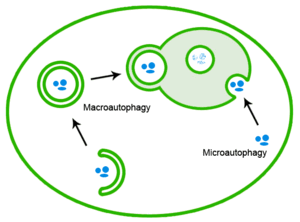
Comparison of the process of macroautophagy ve...

Comparison of the process of macroautophagy versus microautophagy. (Photo credit: Wikipedia)

Related articles

Expanding the Genetic Alphabet and linking the genome to the metabolome. pharmaceuticalintelligence.files.wordpress.com
http://pharmaceuticalintelligence.com/Expanding the Genetic Alphabet and linking the genome to the metabolome

Mitochondria: Origin from oxygen free environment, role in aerobic glycolysis, metabolic adaptation. pharmaceuticalintelligence.files.wordpress.com
http://pharmaceuticalintelligence.com/Mitochondria: Origin from oxygen free environment, role in aerobic glycolysis, metabolic adaptation/

Nitric Oxide and Sepsis, Hemodynamic Collapse, and the Search for Therapeutic Options. pharmaceuticalintelligence.files.wordpress.com
http://pharmaceuticallintelligence.com/Nitric Oxide and Sepsis, Hemodynamic Collapse, and the Search for Therapeutic Options/

Is the Warburg Effect the cause or the effect of cancer: A 21st Century View? pharmaceuticalintelligence.files.wordpress.com
http://pharmaceuticalintelligence.com/Is the Warburg Effect the cause or the effect of cancer: A 21st Century View?/

Breast Cancer, drug resistance, and biopharmaceutical targets. pharmaceuticalintelligence.files.wordpress.com
http://pharmaceuticalintelligence.com/Breast Cancer, drug resistance, and biopharmaceutical targets/

Crucial role of Nitric Oxide in Cancer. pharmaceuticalintelligence.files.wordpress.com
http://pharmaceuticalintelligence.com/Crucial role of Nitric Oxide in Cancer/

Reveals from ENCODE project will invite high synergistic collaborations to discover specific targets. pharmaceuticalintelligence.files.wordpress.com
http://pharmaceuticalintelligence.com/Reveals from ENCODE project will invite high synergistic collaborations to discover specific targets/

The Ubiquitin Ligase Nedd4-1 Participates in Denervation-Induced Skeletal Muscle Atrophy in Mice (plosone.org)

Polyglutamine ‘toxicity’ (dundeemedstudentnotes.wordpress.com)

Inhibition of Xanthine Oxidase by Allopurinol Prevents Skeletal Muscle Atrophy: Role of p38 MAPKinase and E3 Ubiquitin Ligases (plosone.org)

Ubiquitin Dynamics in Complexes Reveal Molecular Recognition Mechanisms Beyond Induced Fit and Conformational Selection (ploscompbiol.org)

Molecule shows effectiveness against drug-resistant myeloma (zedie.wordpress.com)

Related articles

Read Full Post »

Subtitle: Nitric Oxide, Peroxinitrite, and NO donors in Renal Function Loss

Curator and Author: Larry H. Bernstein, MD, FCAP

The Nitric Oxide and Renal is presented in FOUR parts:

Part I: The Amazing Structure and Adaptive Functioning of the Kidneys: Nitric Oxide

Part II: Nitric Oxide and iNOS have Key Roles in Kidney Diseases

Part III: The Molecular Biology of Renal Disorders: Nitric Oxide

Part IV: New Insights on Nitric Oxide donors 

Conclusion to this series is presented in

The Essential Role of Nitric Oxide and Therapeutic NO Donor Targets in Renal Pharmacotherapy

Part II.  Oxidative Stress and  Regulating a Balance of Redox Potential is Central to Disordered Kidney Function

We have already described the key role that nitric oxide and the NO synthases play in reduction of oxidative stress. The balance that has to be regulated between pro- and anti-oxidative as well as inflammatory elements necessary for renal function, critically involves the circulation of the kidney. It poses an inherent risk in the kidney, where the existence of a rich circulatory and high energy cortical outer region surrounds a medullary inner portion that is engaged in the  retention of water, the active transport of glucose, urea and uric acid nitrogenous waste, mineral balance and pH.  In this discussion we shall look at kidney function, NO, and the large energy fluxes in the medullary tubules and interstitium.   This is a continuation of of a series of posts on NO and NO related disorders, and the kidney in particular.

Part IIa. Nitric Oxide role in renal tubular epithelial cell function

Tubulointerstitial Nephritides
As part of the exponential growth in our understanding of nitric oxide (NO) in health and disease over the past 2 decades, the kidney has become appreciated as a major site where NO may play a number of important roles. Although earlier work on the kidney focused more on effects of NO at the level of larger blood vessels and glomeruli, there has been a rapidly growing body of work showing critical roles for NO in tubulointerstitial disease. In this review we discuss some of the recent contributions to this important field.
Mattana J, Adamidis A, Singhal PC. Nitric oxide and tubulointerstitial nephritides. Seminars in Nephrology 2004; 24(4):345-353.
Nitric oxide donors and renal tubular (subepithelial) matrix
Nitric oxide (NO) and its metabolite, peroxynitrite (ONOO-), are involved in renal tubular cell injury. If NO/ONOO- has an effect to reduce cell adhesion to the basement membrane, does this effect contribute to tubular obstruction and would it be partially responsible for the harmful effect of NO on the tubular epithelium during acute renal failure (ARF)?
Wangsiripaisan A, et al. examined the effect of the NO donors

  1. (z)-1-[2-(2-aminoethyl)-N-(2-ammonioethyl)amino]diazen-1- ium-1, 2-diolate (DETA/NO),
  2. spermine NONOate (SpNO), and
  3. the ONOO- donor 3-morpholinosydnonimine (SIN-1)

on cell-matrix adhesion to collagen types I and IV, and also fibronectin
using three renal tubular epithelial cell lines:

  1. LLC-PK1,
  2. BSC-1,
  3. OK.

It was only the exposure to SIN-1 that caused a dose-dependent impairment in cell-matrix adhesion. Similar results were obtained in the different cell types and matrix proteins. The effect of SIN-1 (500 microM) on LLC-PK1 cell adhesion was not associated with either cell death or alteration of matrix protein and was attenuated by either

  1. the NO scavenger 2-(4-carboxyphenyl)-4,4,5,5-tetramethylimidazoline-1-oxyl-3-oxide,
  2. the superoxide scavenger superoxide dismutase, or
  3. the ONOO- scavenger uric acid in a dose-dependent manner.

These investigators concluded in this seminal paper that ONOO- generated in the tubular epithelium during ischemia/reperfusion has the potential to impair the adhesion properties of tubular cells, which then may contribute to the tubular obstruction in ARF.

Wangsiripaisan A, Gengaro PE, Nemenoff RA, Ling H, et al. Effect of nitric oxide donors on renal tubular epithelial cell-matrix adhesion. Kidney Int 1999; 55(6):2281-8.

The reaction mechanism of Nitric oxide synthase

The reaction mechanism of Nitric oxide synthase (Photo credit: Wikipedia)

Nitric Oxide Synthase

Nitric Oxide Synthase (Photo credit: Wikipedia)

English: Reactions leading to generation of Ni...

English: Reactions leading to generation of Nitric Oxide and Reactive Nitrogen Species. Novo and Parola Fibrogenesis & Tissue Repair 2008 1:5 doi:10.1186/1755-1536-1-5 (Photo credit: Wikipedia)

Coexpressed Nitric Oxide Synthase and Apical β1 Integrins 

In sepsis-induced acute renal failure, actin cytoskeletal alterations result in shedding of proximal tubule epithelial cells (PTEC) and tubular obstruction. This study examined the hypothesis that inflammatory cytokines, released early in sepsis, cause PTEC cytoskeletal damage and alter integrin-dependent cell-matrix adhesion. The question of whether the intermediate nitric oxide (NO) modulates these cytokine effects was also examined.

After exposure of human PTEC to

  1. tumor necrosis factor-α,
  2. interleukin-1α, and
  3. interferon-γ,

the actin cytoskeleton was disrupted and cells became elongated, with extension of long filopodial processes.

Cytokines induced shedding of

  • viable,
  • apoptotic, and
  • necrotic PTEC,

which was dependent on NO synthesized by inducible NO synthase (iNOS) produced as a result of cytokine actions on PTEC.

Basolateral exposure of polarized PTEC monolayers to cytokines induced maximal NO-dependent cell shedding, mediated in part through NO effects on cGMP. Cell shedding was accompanied by dispersal of

  • basolateral β1 integrins and
  • E-cadherin,

with corresponding upregulation of integrin expression in clusters of cells elevated above the epithelial monolayer.

These cells demonstrated coexpression of iNOS and apically redistributed β1 integrins. These authors point out that the major ligand involved in cell anchorage was laminin, probably through interactions with the integrin α3β1. This interaction was downregulated by cytokines but was not dependent on NO. They posulate a mechanism by which inflammatory cytokines induce PTEC damage in sepsis, in the absence of hypotension and ischemia.

Glynne PA, Picot J and Evans TJ. Coexpressed Nitric Oxide Synthase and Apical β1 Integrins Influence Tubule Cell Adhesion after Cytokine-Induced Injury. JASN 2001; 12(11): 2370-2383.
Potentiation by Nitric Oxide of Apoptosis in Renal Proximal Tubule Cells

Proximal tubular epithelial cells (PTEC) exhibit a high sensitivity to undergo apoptosis in response to proinflammatory stimuli and immunosuppressors and participate in the onset of several renal diseases. This study examined the expression of inducible nitric oxide (NO) synthase after challenge of PTEC with bacterial cell wall molecules and inflammatory cytokines and analyzed the pathways that lead to apoptosis in these cells by measuring changes in the mitochondrial transmembrane potential and caspase activation.

The data show that the apoptotic effects of proinflammatory stimuli mainly were due to the expression of inducible NO synthase. Cyclosporin A and FK506 inhibited partially NO synthesis. However, both NO and immunosuppressors induced apoptosis, probably through a common mechanism that involved the irreversible opening of the mitochondrial permeability transition pore. Activation of caspases 3 and 7 was observed in cells treated with high doses of NO and with moderate concentrations of immunosuppressors. The conclusion is that the cooperation between NO and immunosuppressors that induce apoptosis in PTEC might contribute to the renal toxicity observed in the course of immunosuppressive therapy.

HORTELANO S, CASTILLA M, TORRES AM, TEJEDOR A, and BOSCÁ L. Potentiation by Nitric Oxide of Cyclosporin A and FK506- Induced Apoptosis in Renal Proximal Tubule Cells. J Am Soc Nephrol 2000; 11: 2315–2323.

Part IIb. Related studies with ROS and/or RNS on nonrenal epithelial cells

Reactive nitrogen species block cell cycle re-entry
Endogenous sources of reactive nitrogen species (RNS) act as second messengers in a variety of cell signaling events, whereas environmental sources of RNS like nitrogen dioxide (NO2) inhibit cell survival and growth through covalent modification of cellular macromolecules.

Murine type II alveolar cells arrested in G0 by serum deprivation were exposed to either NO2 or SIN-1, a generator of RNS, during cell cycle re-entry. In serum-stimulated cells, RNS blocked cyclin D1 gene expression, resulting in cell cycle arrest at the boundary between G0 and G1. Dichlorofluorescin diacetate (DCF) fluorescence indicated that RNS induced sustained production of intracellular hydrogen peroxide (H2O2), which normally is produced only transiently in response to serum growth factors.

Loading cells with catalase prevented enhanced DCF fluorescence and rescued cyclin D1 expression and S phase entry.

These studies indicate environmental RNS interfere with cell cycle re-entry through an H2O2-dependent mechanism that influences expression of cyclin D1 and progression from G0 to the G1 phase of the cell cycle.
Yuan Z, Schellekens H, Warner L, Janssen-Heininger Y, Burch P, Heintz NH. Reactive nitrogen species block cell cycle re-entry through sustained production of hydrogen peroxide. Am J Respir Cell Mol Biol. 2003;28(6):705-12. Epub 2003 Jan 10.
Peroxynitrite modulates MnSOD gene expression

Peroxynitrite (ONOO-) is a strong oxidant derived from nitric oxide (‘NO) and superoxide (O2.-), reactive nitrogen (RNS) and oxygen species (ROS) present in inflamed tissue. Other oxidant stresses, e.g., TNF-alpha and hyperoxia, induce mitochondrial, manganese-containing superoxide dismutase (MnSOD) gene expression.

3-morpholinosydnonimine HCI (SIN-1) (10 or 1000 microM)  increased MnSOD mRNA, but did not change hypoxanthine guanine phosphoribosyl transferase (HPRT) mRNA.
Authentic peroxynitrite (ONOO ) (100-500 microM) also increased MnSOD mRNA but did not change constitutive HPRT mRNA expression.  ONOO stimulated luciferase gene expression driven by a 2.5 kb fragment of the rat MnSOD gene 5′ promoter region.

MnSOD gene induction due to ONOO- was inhibited effectively by L-cysteine (10 mM) and partially inhibited by N-acetyl cysteine (50 mM) or pyrrole dithiocarbamate (10 mM).
.NO from 1-propanamine, 3-(2-hydroxy-2-nitroso-1-propylhydrazine) (PAPA NONOate) (100 or 1000 microM) did not change MnSOD or HPRT mRNA, nor did either H202 or NO2-, breakdown products of SIN-1 and ONOO, have any effect on MnSOD mRNA expression; ONOO- and SIN-1 also did not increase detectable MnSOD protein content or increase MnSOD enzymatic activity.
Nevertheless, increased steady state [O2.-] in the presence of .NO yields ONOO , and ONOO has direct, stimulatory effects on MnSOD transcript expression driven at the MnSOD gene 5′ promoter region inhibited completely by L-cysteine and partly by N-acetyl cysteine in lung epithelial cells. This raises a question of whether the same effect is seen in renal tubular epithelium.

Jackson RM, Parish G, Helton ES. Peroxynitrite modulates MnSOD gene expression in lung epithelial cells. Free Radic Biol Med. 1998; 25(4-5):463-72.

Comparative impacts of glutathione peroxidase-1 gene knockout on oxidative stress

Selenium-dependent glutathione peroxidase-1 (GPX1) protects against reactive-oxygen-species (ROS)-induced oxidative stress in vivo, but its role in coping with reactive nitrogen species (RNS) is unclear. Primary hepatocytes were isolated from GPX1-knockout (KO) and wild-type (WT) mice to test protection of GPX1 against cytotoxicity of

  • superoxide generator diquat (DQ),
  • NO donor S-nitroso-N-acetyl-penicillamine (SNAP) and
  • peroxynitrite generator 3-morpholinosydnonimine (SIN-1).

Treating cells with SNAP (0.1 or 0.25 mM) in addition to DQ produced synergistic cytotoxicity that minimized differences in apoptotic cell death and oxidative injuries between the KO and WT cells. Less protein nitrotyrosine was induced by 0.05-0.5 mM DQ+0.25 mM SNAP in the KO than in the WT cells.

Total GPX activity in the WT cells was reduced by 65 and 25% by 0.5 mM DQ+0.1 mM SNAP and 0.5 mM DQ, respectively.

Decreases in Cu,Zn-superoxide dismutase (SOD) activity and increases in Mn-SOD activity in response to DQ or DQ+SNAP were greater in the KO cells than in the WT cells.

The study indicates GPX1 was more effective in protecting hepatocytes against oxidative injuries mediated by ROS alone than by ROS and RNS together, and knockout of GPX1 did not enhance cell susceptibility to RNS-associated cytotoxicity. Instead, it attenuated protein nitration induced by DQ+SNAP.
To better understand the mechanism(s) underlying nitric oxide (. NO)-mediated toxicity, in the presence and absence of concomitant oxidant exposure, postmitotic terminally differentiated NT2N cells, which are incapable of producing . NO, were exposed to PAPA-NONOate (PAPA/NO) and 3-morpholinosydnonimine (SIN-1).
Exposure to SIN-1, which generated peroxynitrite (ONOO) in the range of 25-750 nM/min, produced a concentration- and time-dependent delayed cell death.

In contrast, a critical threshold concentration (>440 nM/min) was required for . NO to produce significant cell injury.
There is a largely necrotic lesion after ONOO exposure and an apoptotic-like morphology after . NO exposure. Cellular levels of reduced thiols correlated with cell death, and pretreatment with N-acetylcysteine (NAC) fully protected from cell death in either PAPA/NO or SIN-1 exposure.

NAC given within the first 3 h posttreatment further delayed cell death and increased the intracellular thiol level in SIN-1 but not . NO-exposed cells.
Cell injury from . NO was independent of cGMP, caspases, and superoxide or peroxynitrite formation.
Overall, exposure of non-. NO-producing cells to . NO or peroxynitrite results in delayed cell death, which, although occurring by different mechanisms,
appears to be mediated by the loss of intracellular redox balance.

Gow AJ, Chen Q, Gole M, Themistocleous M, Lee VM, Ischiropoulos H. Two distinct mechanisms of nitric oxide-mediated neuronal cell death show thiol dependency. Am J Physiol Cell Physiol. 2000; 278(6):C1099-107.

Oxidative stress

Oxidative stress (Photo credit: Wikipedia)

English: Binding of CAPON results in a reducti...

English: Binding of CAPON results in a reduction of NMDA receptor/nitric oxide synthase (NOS) complexes, leading to decreased NMDA receptor–gated calcium influx and a catalytically inactive nitric oxide synthase. Overexpression of either the full-length or the novel shortened CAPON isoform as reported by Brzustowicz and colleagues is, therefore, predicted to lead to impaired NMDA receptor–mediated glutamate neurotransmission. (Photo credit: Wikipedia)

NO2 effect on phosphatidyl choline

Nitrogen dioxide (NO2) inhalation affects the extracellular surfactant as well as the structure and function of type II pneumocytes. The studies had differences in oxidant concentration, duration of exposure, and mode of NO2 application.

This study evaluated the influence of the NO2 application mode on the phospholipid metabolism of type II pneumocytes . Rats were exposed to identical NO2 body doses (720 ppm x h), which were applied continuously (10 ppm for 3 d), intermittently (10 ppm for 8 h per day, for 9 d), and repeatedly (10 ppm for 3 d, 28 d rest, and then 10 ppm for 3 d). Immediately after exposure, type II cells were isolated and evaluated for

  • cell yield,
  • vitality,
  • phosphatidylcholine (PC) synthesis, and
  • secretion.

Type II pneumocyte cell yield was only increased from animals that had been continuously exposed to NO2, but vitality of the isolated type II pneumocytes was not affected by the NO2 exposure modes. Continuous application of 720 ppm x h NO2 resulted in increased activity of the cytidine-5-diphosphate (CDP)-choline pathway.

  • After continuous NO2 application,
  • specific activity of choline kinase,
  • cytidine triphosphate (CTP):cholinephosphate cytidylyltransferase,
  • uptake of choline, and
  • pool sizes of CDP-choline and PC

were significantly increased over those of controls.

Intermittent application of this NO2 body dose provoked less increase in PC synthesis and the synthesis parameters were comparable to those for cells from control animals after repeated exposure. Whereas PC synthesis in type II cells was stimulated by NO2, their secretory activity was reduced. Continuous exposure reduced the secretory activity most, whereas intermittent exposure nonsignificantly reduced this activity as compared with that of controls. The repeated application of NO2 produced no differences.

The authors conclude that type II pneumocytes adapt to NO2 atmospheres depending on the mode of its application, at least for the metabolism of PC and its secretion from isolated type II pneumocytes.   Further studies are necessary to determine whether additional metabolic activities will also adapt to NO2 atmospheres, and if these observations are specific for NO2 or represent effects generally due to oxidants.  The reader, however, asks whether this effect could also be found in renal epithelial cells, for which PC is not considered vital as for type II pneumocytes and possibly related to surfactant activity in the lung.

Müller B, Seifart C, von Wichert P, Barth PJ. Adaptation of rat type II pneumocytes to NO2: effects of NO2 application mode on phosphatidylcholine metabolism. Am J Respir Cell Mol Biol. 1998; 18(5): 712-20.

iNOS involved in immediate response to anaphylaxis

The generation of large quantities of nitric oxide (NO) is implicated in the pathogenesis of anaphylactic shock. The source of NO, however, has not been established and conflicting results have been obtained when investigators have tried to inhibit its production in anaphylaxis.

This study analyzed the expression of inducible nitric oxide synthase (iNOS) and endothelial nitric oxide synthase (eNOS) in a mouse model of anaphylaxis.

BALB/c mice were sensitized and challenged with ovalbumin to induce anaphylaxis. Tissues were removed from the heart and lungs, and blood was drawn at different time points during the first 48 hours after induction of anaphylaxis. The Griess assay was used to measure nitric oxide generation. Nitric oxide synthase expression was examined by reverse transcriptase polymerase chain reaction and immunohistochemistry.

A significant increase in iNOS mRNA expression and nitric oxide production was evident as early as 10 to 30 minutes after allergen challenge in both heart and lungs. In contrast, expression of eNOS mRNA was not altered during the course of the experiment.

The results support involvement of iNOS in the immediate physiological response of anaphylaxis.

Sade K, Schwartz IF, Etkin S, Schwartzenberg S, et al. Expression of Inducible Nitric Oxide
Synthase in a Mouse Model of Anaphylaxis. J Investig Allergol Clin Immunol 2007; 17(6):379-385.

Part IIc. Additional Nonrenal Related NO References

Nitrogen dioxide induces death in lung epithelial cells in a density-dependent manner.
Persinger RL, Blay WM, Heintz NH, Hemenway DR, Janssen-Heininger YM.
Am J Respir Cell Mol Biol. 2001 May;24(5):583-90.
PMID: 11350828 [PubMed – indexed for MEDLINE] Free Article
2.
Molecular mechanisms of nitrogen dioxide induced epithelial injury in the lung.
Persinger RL, Poynter ME, Ckless K, Janssen-Heininger YM.
Mol Cell Biochem. 2002 May-Jun;234-235(1-2):71-80. Review.
PMID: 12162462 [PubMed – indexed for MEDLINE]
3.
Nitric oxide and peroxynitrite-mediated pulmonary cell death.
Gow AJ, Thom SR, Ischiropoulos H.
Am J Physiol. 1998 Jan;274(1 Pt 1):L112-8.
PMID: 9458808 [PubMed – indexed for MEDLINE] Free Article
4.
Mitogen-activated protein kinases mediate peroxynitrite-induced cell death in human bronchial epithelial cells.
Nabeyrat E, Jones GE, Fenwick PS, Barnes PJ, Donnelly LE.
Am J Physiol Lung Cell Mol Physiol. 2003 Jun;284(6):L1112-20. Epub 2003 Feb 21.
PMID: 12598225 [PubMed – indexed for MEDLINE] Free Article
5.
Peroxynitrite inhibits inducible (type 2) nitric oxide synthase in murine lung epithelial cells in vitro.
Robinson VK, Sato E, Nelson DK, Camhi SL, Robbins RA, Hoyt JC.
Free Radic Biol Med. 2001 May 1;30(9):986-91.
PMID: 11316578 [PubMed – indexed for MEDLINE]
6.
Nitric oxide-mediated chondrocyte cell death requires the generation of additional reactive oxygen species.
Del Carlo M Jr, Loeser RF.
Arthritis Rheum. 2002 Feb;46(2):394-403.
PMID: 11840442 [PubMed – indexed for MEDLINE]
7.
Colon epithelial cell death in 2,4,6-trinitrobenzenesulfonic acid-induced colitis is associated with increased inducible nitric-oxide synthase expression and peroxynitrite production.
Yue G, Lai PS, Yin K, Sun FF, Nagele RG, Liu X, Linask KK, Wang C, Lin KT, Wong PY.
J Pharmacol Exp Ther. 2001 Jun;297(3):915-25.
PMID: 11356911 [PubMed – indexed for MEDLINE] Free Article

Summary

In this piece I have covered the conflicting roles of endogenous end inducible nitric oxide (eNOS and iNOS) in the reaction to reactive oxygen and nitrogen stress (ROS, RNS), and many experiments directed at sorting out these effects using continuous and intermittent  delivery of NO2, production of ONOO- from .NO, and  several agents that are used to upregulate and downregulate the underlying mechanism of response.  These investigations are not only carried out in experiments on renal function and apoptosis, but also there are similar examples taken from studies of lung and liver.  This forms a backdrop for the assessment of renal diseases:

  • immune related
  • acute traumatic injury
  • chronic

The continuation of the discussion will be in essays that follow.

A scheme of the shear stress-induced EDRF-NO m...

A scheme of the shear stress-induced EDRF-NO mechanism (Photo credit: Wikipedia)

Read Full Post »

« Newer Posts - Older Posts »