Feeds:
Posts
Comments

Archive for the ‘Vaccinology’ Category

How Are Cancer Researchers Fighting COVID-19? Lectures from Koch Institute @MIT

WATCH RECORDING, below


Reporter: Aviva Lev-Ari, PhD, RN

  • I attended Jun 29, 2020 11:30 AM Eastern Time the five presentations on

    How Are Cancer Researchers Fighting COVID-19? Lectures from Koch Institute @MIT


From: Koch Institute at MIT <no-reply@zoom.us>

Reply-To: <no-reply@zoom.us>

Date: Wednesday, July 1, 2020 at 11:20 AM

To: Aviva Lev-Ari <AvivaLev-Ari@alum.berkeley.edu>

Subject: Thank you for attending SOLUTIONS with/in/sight:

How Are Cancer Researchers Fighting COVID-19? (Part II)


Hi Aviva Lev-Ari,

Thank you for attending SOLUTIONS with/in/sight: How Are Cancer Researchers Fighting COVID-19? (Part II). We hope you enjoyed our event.

Please submit your questions or comments to: kievents@mit.edu.

You may view a recording of the webinar here: https://ki.mit.edu/news/events/withinsight/jun-2020

Learn more about Koch Institute cancer research and events by signing up for our mailing list here: https://ki.mit.edu/subscribe

Thank you and be safe.

Read Full Post »

New Coronavirus Passive Vaccine Developed by Israeli Researchers

Reporter: Irina Robu, PhD

Researchers at Bar-Ilan University have identified short amino acid sequences that could help the development of a vaccine against COVID-19 virus. Of the 25 epitopes that were discovered to be 100% identical to SARS, seven are theoretically efficient vaccine candidates. Their research indicate that they could cover as much as 87% of the world population

Their study has identified a set of immunodominant epitopes from the SARS-CoV-2 proteome, which are capable of generating antibody and cell mediated immune responses. The epitopes, known as antigenic determinants, are the part of the antigen that binds to a specific antigen receptor on the surface of B cells or T cells and are able to provoke an immune response.

It is known that immune response occurs within an organism for the purpose of defending against foreign invaders such as viruses, bacteria, parasites and fungi. The immune responses that are based on specific immunodominant epitopes contain the generation of both antibody- and cell-mediated immunity against pathogens. Such immunity can facilitate fast and effective elimination of the pathogen. The end result is a passive vaccine capable of capable of activating both cellular and humoral immune responses in humans.

According to the team at Bar-Ilan University, the mapped coronavirus epitopes with those of the influenza virus. And they found that 85% of the sequence identity with experimentally detected epitopes of Severe Acute Respiratory Syndrome-related coronavirus (SARS-CoV).

Additional analysis indicated that the epitopes are non-allergic and non-toxic to humans and have very low risk for generating autoimmune responses. The team is looking to partner with companies to build vaccine constructs and test them in-vitro and on animal trials before starting any clinical trials.

SOURCE

https://www.jpost.com/health-science/israeli-researchers-on-road-to-new-covid-19-passive-vaccine-630988?utm_source=ActiveCampaign

Read Full Post »

The Complexity of Estimation of the Economic Impact of an Outbreak | Panel Discussion | BC Woods College

Reporter: Ofer Markman, PhD

Economic Impact of an Outbreak | Panel Discussion | BC Woods College

197 views

May 21, 2020

Prominent economists, all faculty of the Boston College M.S. in Applied Economics degree program in the Woods College of Advancing Studies, presented a virtual panel discussion on the impact of the coronavirus outbreak on the health care system and the global economy. For more information about the M.S. program, visit https://on.bc.edu/MSAppliedEcon

Read Full Post »

COVID-19’s seasonal cycle to be estimated at Lawrence Berkeley National Laboratory (Berkeley Lab) by Artificial Intelligence and Machine Learning Algorithms: Will A Fall and Winter resurgence be Likely??

Reporter: Aviva Lev-Ari, PhD, RN

Using machine learning to estimate COVID-19’s seasonal cycle

Woman walks down empty city street wearing a mask

Credit: Ivan Marc/Shutterstock

Berkeley Lab researchers have launched a project to determine if the novel coronavirus might be seasonal, waning in summer months and resurging in fall and winter.

One of the many unanswered scientific questions about COVID-19 is whether it is seasonal like the flu — waning in warm summer months then resurging in the fall and winter.

Now scientists at Lawrence Berkeley National Laboratory (Berkeley Lab) are launching a project to apply machine-learning methods to a plethora of health and environmental datasets, combined with high-resolution climate models and seasonal forecasts, to tease out the answer.

“Environmental variables, such as temperature, humidity, and UV [ultraviolet radiation] exposure, can have an effect on the virus directly, in terms of its viability. They can also affect the transmission of the virus and the formation of aerosols,” said Berkeley Lab scientist Eoin Brodie, the project lead. “We will use state-of-the-art machine-learning methods to separate the contributions of social factors from the environmental factors to attempt to identify those environmental variables to which disease dynamics are most sensitive.

The research team will take advantage of an abundance of health data available at the county level — such as the severity, distribution and duration of the COVID-19 outbreak, as well as what public health interventions were implemented when — along with demographics, climate and weather factors, and, thanks to smartphone data, population mobility dynamics. The initial goal of the research is to predict — for each county in the United States — how environmental factors influence the transmission of the SARS-CoV-2 virus, which causes COVID-19.

Multidisciplinary team for a complex problem

Untangling environmental factors from social and health factors is a knotty problem with a large number of variables, all interacting in different ways. On top of that, climate and weather affect not only the virus but also human physiology and behavior. For example, people may spend more or less time indoors, depending on the weather; and their immune systems may also change with the seasons.

It’s a complex data problem similar to others tackled by Berkeley Lab’s researchers studying systems like watersheds and agriculture; the challenge involves integrating data across scales to make predictions at the local level. “Downscaling of climate information is something that we routinely do to understand how climate impacts ecosystem processes,” Brodie said. “It involves the same types of variables — temperature, humidity, solar radiation.”

Brodie, deputy director of Berkeley Lab’s Climate and Ecosystem Sciences Division, is leading a cross-disciplinary team of Lab scientists with expertise in climate modeling, data analytics, machine learning, and geospatial analytics. Ben Brown, a computational biologist in Berkeley Lab’s Biosciences Area, is leading the machine-learning analysis. One of their main aims is to understand how climate and weather interact with societal factors.

“We don’t necessarily expect climate to be a massive or dominant effect in and of itself. It’s not going to trump which city shut down when,” Brown said. “But there may be some really important interactions [between the variables]. Looking at New York and California for example, even accounting for the differences between the timing of state-instituted interventions, the death rate in New York may be four times higher than in California — though additional testing on random samples of the population is needed to know for sure. Understanding the environmental interactions may help explain why these patterns appear to be emerging. This is a quintessential problem for machine learning and AI [artificial intelligence].”

The computing work will be conducted at the National Energy Research Scientific Computing Center (NERSC), a DOE Office of Science user facility located at Berkeley Lab.

Signs of climatic influences

map of the worldwide incidence rate of COVID-19
The worldwide incidence rate of COVID-19.
Credit: Center for Systems Science and Engineering at Johns Hopkins University

Already, geographical differences in how the disease behaves have been reported, the researchers point out. Temperature, humidity, and the UV Index have all been statistically associated with rates of COVID-19 transmission — although contact rates are still the dominant influence on the spread of disease. In the southern hemisphere, for example, where it’s currently fall, disease spread has been slower than in the northern hemisphere. “There’s potentially other factors associated with that,” Brodie said. “The question is, when the southern hemisphere moves into winter, will there be an increase in transmission rate, or will fall and winter 2020 lead to a resurgence across the U.S. in the absence of interventions?”

India is another place where COVID-19 does not yet appear to be as virulent. “There are cities where it behaves as if it’s the most infectious disease in recorded history. Then there are cities where it behaves more like influenza,” Brown said. “It is really critical to understand why we see those massive differences.”

Brown notes other experiments suggesting the SARS-CoV-2 virus could be seasonal. In particular, the National Biodefense Analysis and Countermeasures Center (NBACC) assessed the longevity of the virus on various surfaces. “Under sunlight and humidity, they found that the virus loses viability in under 60 minutes,” Brown said. “But in darkness and low temperatures it’s stable for eight days. There’s some really serious differences that need investigating.”

The Berkeley Lab team believes that enough data may now be available to determine what environmental factors may influence the virulence of the virus. “Now we should have enough data from around the world to really make an assessment,” Brown said.

The team hopes to have the first phase of their analysis available by late summer or early fall. The next phase will be to make projections under different scenarios, which could aid in public health decisions.

“We would use models to project forward, with different weather scenarios, different health intervention scenarios — such as continued social distancing or whether there are vaccines or some level of herd immunity — in different parts of the country. For example, we hope to be able to say, if you have kids going back to school under this type of environment, the climate and weather in this zone will influence the potential transmission by this amount,” Brodie explained. “That will be a longer-term task for us to accomplish.”

This research is supported by Berkeley Lab’s Laboratory Directed Research and Development (LDRD) program. Other team members include Dan Feldman, Zhao Hao, Chaincy Kuo, Haruko Wainwright, and Nicola Falco. Berkeley Lab mobilized quickly to provide LDRD funding for several research projects to address the COVID-19 pandemic, including one on text mining scientific literature and another on indoor transmission of the virus.

Read Full Post »

COVID-19: Novel Treatment Protocols using Approved drugs vs Standard of Care vs Vaccine and Antiviral new drug discovery and development – An LPBI Group Response and An LPBI Group & Affiliates Response

Curator: Aviva Lev-Ari, PhD, RN


On 5/26/2020 LPBI organized a Symposium on New Therapeutics for COVID-19

AGENDA included presentations by:

  • Dr. Raphael Nir, PhD, CSO, SBH, Sciences, Inc. – Drug Concept to mitigate Cytokine Storm in COVID-19 – ATTACHMENT
  • Dr. Ajay Gupta, MD, Professor & Entrepreneur – Rhinitis drug approved in Japan – REPURPOSED for COVID-19 and Application for FDA Approval
  • Dr. Yigal Blum, PhD, ex-SRI Int’l VP and Entrepreneur –  AMORPHOUS CALCIUM CARBONATE (ACC) TREATMENT FOR COVID-19
  • Dr. Orna Harel, PhD, Managing Partner, Agbiopro – Representation for – Prof. Saul Yedgar on the concept and state of preclinical efforts for COVID-19 drug development 
  • Aviva Lev-Ari, PhD, RN – The Potential of REVIVAL of Drug Discovery Initiative and Explorations of Joint Ventures with Biotech companies – An Interim Phase toward POST Coronavirus Pandemic Exit

DISCUSSION – Where and What is the INTERFACE between what our External Relations attempt to accomplish and the Capabilities of LPBI Group’s Team

In the concluding remarks, Dr. Lev-Ari discussed the importance of TREATMENT PROTOCOLS vs. one Therapeutics at a time vs. Combination Drug therapies.

Dr. Lev-Ari pointed the Symposium attendees to the following two points:

1.  The State of Science been endorsed by LPBI Group

RNA from the SARS-CoV-2 virus taking over the cells it infects: Virulence – Pathogen’s ability to infect a Resistant Host: The Imbalance between Controlling Virus Replication versus Activation of the Adaptive Immune Response
Curator: Aviva Lev-Ari, PhD, RN – I added colors and bold face
https://pharmaceuticalintelligence.com/2020/05/23/rna-from-the-sars-cov-2-virus-taking-over-the-cells-it-infects-virulence-pathogens-ability-to-infect-a-resistant-host-the-imbalance-between-controlling-virus-replication-versus-activation-of-the/

2.  LPBI Group’s Position for Treatment Protocol(s)

In continuation to 5/26/2020 Symposium on New Therapeutics for COVID-19, we will follow up with an AGENDA for 6/16/2020 

Part I: Therapeutics for COVID-19

  • Prof. Saul Yedgar – Holder of US Patents on Rhinitis, anti-inflatation and other indications – 40 minutes
  • Dr. Ajay Gupta, MD – Rhinitis drug approved in Japan – FDA Application for Approval of Repurpusing to COVID-19 in the US – 40 minutes
  • Discussion – 20 minutes


On 5/29/2020 Dr. Lev-Ari read the article, COVID-19 Critical Care

Analysis by Dr. Joseph Mercola

STORY AT-A-GLANCE

  • Despite the fact that many critical care specialists are using treatment protocols that differ from standard of care, information about natural therapeutics in particular are still being suppressed by the media and is not received by critical care physicians
  • Five critical care physicians have formed the Front Line COVID-19 Critical Care Working Group (FLCCC). The group has developed a highly effective treatment protocol known as MATH+
  • Of the more than 100 hospitalized COVID-19 patients treated with the MATH+ protocol as of mid-April, only two died. Both were in their 80s and had advanced chronic medical conditions
  • The protocols call for the use of intravenous methylprednisolone, vitamin C and subcutaneous heparin within six hours of admission into the hospital, along with high-flow nasal oxygen. Optional additions include thiamine, zinc and vitamin D
  • COVID-19 kills by triggering hyperinflammation, hypercoagulation and hypoxia. The MATH+ protocol addresses these three core pathological processes

COVID-19 Early Intervention Protocol

According to Kory, the FLCCCs MATH+ protocol has been delivered to the White House on four occasions, yet no interest has been shown. Worse, he says they continue to be stonewalled by the U.S. Centers for Disease Control and the National Institute for Health. Why?

Isn’t saving lives, right now, and by any means possible, more important than pushing for a vaccine? If the MATH+ protocol works with near-100% effectiveness, a vaccine may not even be necessary. The MATH+ protocol gets its name from:

Intravenous Methylprednisolone

High-dose intravenous Ascorbic acid

Plus optional treatments Thiamine, zinc and vitamin D

Full dose low molecular weight Heparin

Kory’s testimony transcript reviews and summarizes the MATH+ protocol, and explains why the timing of the treatment is so important. As explained by Kory, there are two distinct yet overlapping phases of COVID-19 infection.

  1. Phase 1 is the viral replication phase. Typically, patients will only experience mild symptoms, if any, during this phase. At this time, it’s important to focus on antiviral therapies.
  2. In Phase 2, the hyperinflammatory immune response sets in, which can result in organ failures (lungs, brain, heart and kidneys). The MATH+ protocol is designed to treat this active phase, but it needs to be administered early enough.

The MATH+ Protocol

The MATH+ protocol7 calls for the use of three medicines, all of which need to be started within six hours of hospital admission:

  • Intravenous methylprednisolone, to suppress the immune system and prevent organ damage from cytokine storms — For mild hypoxia, 40 milligrams (mg) daily until off oxygen; moderate to severe illness, 80 mg bolus followed by 20 mg per day for seven days. On Day 8, switch to oral prednisone and taper down over the next six days.
  • Intravenous ascorbic acid (vitamin C), to control inflammation and prevent the development of leaky blood vessels in the lungs — 3 grams/100 ml every six hours for up to seven days.
  • Subcutaneous heparin (enoxaparin), to thin the blood and prevent blood clots — For mild to moderate illness, 40 mg to 60 mg daily until discharged.

Optional additions include thiamine, zinc and vitamin D. In addition to these medications, the protocol calls for high-flow nasal oxygen to avoid mechanical ventilation, “which itself damages the lungs and is associated with a mortality rate approaching nearly 90% in some centers,” Kory notes.8

Together, this approach addresses the three core pathological processes seen in COVID-19, namely hyperinflammation, hypercoagulability of the blood, and hypoxia (shortness of breath due to low oxygenation).

COVID-19 Should Not Be Treated as ARDS

In the video, Dr. Paul Marik points out that it’s crucial for doctors to treat each patient as an individual case, as COVID-19 is not conventional acute respiratory distress syndrome (ARDS).

If the patient is assumed to have ARDS and placed on a ventilator, you’re likely going to damage their lungs. Indeed, research has now shown that patients placed on mechanical ventilation have far higher mortality rates than patients who are not ventilated. While not discussed here, some doctors are also incorporating hyperbaric oxygen treatment in lieu of ventilation, with great success.

The reason for this is because the primary problem is inflammation, not fluid in the lungs. So, Marik says, they need anti-inflammatory drugs. “It’s not the virus that is hurting the host, it’s the acute inflammatory dysregulated response,” he says. “That’s why you need to use vitamin C and steroids.” He points out that steroids play a crucial role, as it creates synergy with vitamin C.

COVID-19 patients also have a hypercoagulation problem, so they need anticoagulants. In addition to using the proper medication, they must also be treated early. “You have to intervene early and aggressively to prevent them from deteriorating,” Marik says.

Methylprednisolone May Be a Crucial Component

Kory expresses concerns over the fact that health organizations around the world are warning doctors against the use of corticosteroids, calling this a “tragic error”9 as “COVID-19 is a steroid-responsive disease.”10 In his testimony, he points out:11

“Sorin Draghici, CEO of Advaita Bioinformatics, just reported12 that their incredibly sophisticated Artificial Intelligence platform called iPathwayGuide, using cultured human cell lines infected with COVID-19, is able to map all the human genes which are activated by this virus …

Note almost all the activated genes are those that express triggers of inflammation. With this knowledge of the specific COVID inflammatory gene activation combined with knowledge of the gene suppression activity of all known medicines they were able to match the most effective drug for COVID-19 human gene suppression, and that drug is methylprednisolone.

This must be recognized, as the ability of other corticosteroids to control inflammation in COVID-19 was much less impactful. This is, we believe, an absolutely critical and historic finding. Many centers are using similar but less effective agents such as dexamethasone or prednisone.”

As noted by Kory in his senate testimony, Marik, chief of pulmonary and critical care medicine at the Eastern Virginia Medical School in Norfolk, Virginia, is a member of the FLCCC.13 You may recall that Marik was the one who in 2017 announced he had developed an extraordinarily effective treatment against sepsis.

Marik’s sepsis protocol also calls for intravenous vitamin C and a steroid, in this case hydrocortisone, along with thiamine. I for one am not surprised that the two protocols are so similar, seeing how sepsis is also a major cause of death in severe COVID-19 cases.

Safe and Effective Treatments Must Not Be Ignored

As noted by Marik in the video, COVID-19 is not regular ARDS and should not be treated as such. What kills people with COVID-19 is the inflammation, and steroids in combination with vitamin C work synergistically together to control and regulate that inflammation. The heparin, meanwhile, addresses the hypercoagulation that causes blood clots, which is a unique feature of COVID-19. As for the “lack of studies” supporting their protocol, FLCCC notes:14

“A number of official guidelines, such as those of the WHO and several other U.S. agencies, recommend limiting treatment for … critically ill patients to ‘supportive care only’ — and to allow the therapies described here to be studied in randomized controlled trials where half of the patients would receive placebo and where the results would come in months or years.

Our physicians agree that while a randomized controlled trial (RCT), under normal circumstances, might be considered, the early provisions of MATH+, which must be given within hours of critical illness, would inevitably be delayed by such a study design, rendering the validity of the RCT questionable.

Furthermore, while the results of an RCT would not be available for months or more, well-designed observational studies of the protocol could yield timely feedback during this pandemic, to improve the treatment process much more quickly.”

I believe this information needs to be shared far and wide, if we are to prevent more people from dying unnecessarily. More and more, as doctors are starting to speak openly about their clinical findings, we’re seeing that there are quite a few different ways to tackle this illness without novel antivirals or vaccines, using older, inexpensive and readily available medications that are already known to be safe.

References

SOURCE

https://blogs.mercola.com/sites/vitalvotes/archive/2020/05/28/lab-escape-theory-of-sarscov2-origin-gaining-scientific-support.aspx


A Response by LPBI Group and a Potential Response by LPBI Group and its Affiliates


LPBI Group’s Components in Novel Treatment Protocol Definition


  • Forthcoming by Stephen J. Williams, PhD – Immuno-theraphy boosting Protocol

based on

T cells found in COVID-19 patients ‘bode well’ for long-term immunity | Science | AAAS
https://www.sciencemag.org/news/2020/05/t-cells-found-covid-19-patients-bode-well-long-term-immunity


  • Forthcoming by Aviva Lev-Ari, PhD, RN and Stephen J. Williams, PhD – Nitric Oxide Inhaler OR Bystolic® (nebivolol) www.bystolicpro.com
  • Two alternatives per stage of COVID-19 infections: Severe or Moderate

based on


  • LPBI Group’s Affiliates:

If you wish your Therapeutic solution to be included in the NEW DEFINITION of Treatment Protocol(s), then propose your component for inclusion in the Novel Treatment Protocol to be discussed on June 16, 2020

LPBI Group’s Affiliates Components in the Novel Treatment Protocol(s) Definition

  • Prof. Saul Yedgar – Holder of US Patents on Rhinitis, anti-inflammation and other indications – 40 minutes
  • Dr. Ajay Gupta, MD – Rhinitis drug approved in Japan – FDA Application for Approval of Repurposing to COVID-19 in the US – 40 minutes
  • Dr. Raphael Nir, PhD, CSO, SBH, Sciences, Inc. – Drug Concept to mitigate Cytokine Storm in COVID-19 
  • Dr. Yigal Blum, PhD, ex-SRI Int’l VP and Entrepreneur –  AMORPHOUS CALCIUM CARBONATE (ACC) TREATMENT FOR COVID-19

References on Nitric Oxide on PharmaceuticalIntellige.com – Open Access Online Scientific Journal include 299 articles

https://pharmaceuticalintelligence.com/?s=Nitric+Oxide

Of note


Included in the 299 articles

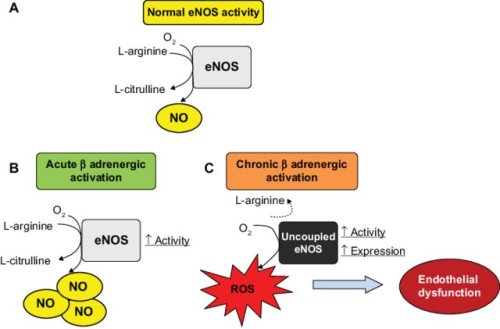
  • Transposon-mediated Gene Therapy improves Pulmonary Hemodynamics and attenuates Right Ventricular Hypertrophy: eNOS gene therapy reduces Pulmonary vascular remodeling and Arterial wall hyperplasia

Reporter: Aviva Lev-Ari, PhD, RN

https://pharmaceuticalintelligence.com/2013/05/31/transposon-mediated-gene-therapy-improves-pulmonary-hemodynamics-and-attenuates-right-ventricular-hypertrophy-enos-gene-therapy-reduces-pulmonary-vascular-remodeling-and-arterial-wall-hyperplasia/


Author and Curator of an Investigator Initiated Study: Aviva Lev-Ari, PhD, RN

https://pharmaceuticalintelligence.com/2012/10/04/endothelin-receptors-in-cardiovascular-diseases-the-role-of-enos-stimulation/


  • Inhibition of ET-1, ETA and ETA-ETB, Induction of NO production,  stimulation of eNOS and Treatment Regime with PPAR-gamma agonists (TZD): cEPCs Endogenous Augmentation for Cardiovascular Risk Reduction – A Bibliography

Curator of an Investigator Initiated Study: Aviva Lev-Ari, PhD, RN

https://pharmaceuticalintelligence.com/2012/10/04/inhibition-of-et-1-eta-and-eta-etb-induction-of-no-production-and-stimulation-of-enos-and-treatment-regime-with-ppar-gamma-agonists-tzd-cepcs-endogenous-augmentation-for-cardiovascular-risk-reduc/


  • Cardiovascular Disease (CVD) and the Role of Agent Alternatives in endothelial Nitric Oxide Synthase (eNOS) Activation and Nitric Oxide Production

Curator and Investigator Initiated Study: Aviva Lev-Ari, PhD, RN

https://pharmaceuticalintelligence.com/2012/07/19/cardiovascular-disease-cvd-and-the-role-of-agent-alternatives-in-endothelial-nitric-oxide-synthase-enos-activation-and-nitric-oxide-production/


Read Full Post »

RNA from the SARS-CoV-2 virus taking over the cells it infects: Virulence – Pathogen’s ability to infect a Resistant Host: The Imbalance between Controlling Virus Replication versus Activation of the Adaptive Immune Response

Curator: Aviva Lev-Ari, PhD, RN – I added colors and bold face


UPDATED on 9/8/2020

What bats can teach us about developing immunity to Covid-19 | Free to read

Clive Cookson, Anna Gross and Ian Bott, London

https://www.ft.com/content/743ce7a0-60eb-482d-b1f4-d4de11182fa9?utm_source=Nature+Briefing&utm_campaign=af64422080-briefing-dy-20200908&utm_medium=email&utm_term=0_c9dfd39373-af64422080-43323101


UPDATED on 6/29/2020

Another duality and paradox in the Treatment of COVID-19 Patients in ICUs was expressed by Mike Yoffe, MD, PhD, David H. Koch Professor of Biology and Biological Engineering, Massachusetts Institute of Technology. Dr. Yaffe has a joint appointment in Acute Care Surgery, Trauma, and Surgical Critical Care, and in Surgical Oncology @BIDMC

on 6/29 at SOLUTIONS with/in/sight at Koch Institute @MIT

How Are Cancer Researchers Fighting COVID-19? (Part II)” Jun 29, 2020 11:30 AM EST

Mike Yoffe, MD, PhD 

In COVID-19 patients: two life threatening conditions are seen in ICUs:

  • Blood Clotting – Hypercoagulability or Thrombophilia
  • Cytokine Storm – immuno-inflammatory response
  • The coexistence of 1 and 2 – HINDERS the ability to use effectively tPA as an anti-clotting agent while the cytokine storm is present.

Mike Yoffe’s related domain of expertise:

Signaling pathways and networks that control cytokine responses and inflammation

Misregulation of cytokine feedback loops, along with inappropriate activation of the blood clotting cascade causes dysregulation of cell signaling pathways in innate immune cells (neutrophils and macrophages), resulting in tissue damage and multiple organ failure following trauma or sepsis. Our research is focused on understanding the role of the p38-MK2 pathway in cytokine control and innate immune function, and on cross-talk between cytokines, clotting factors, and neutrophil NADPH oxidase-derived ROS in tissue damage, coagulopathy, and inflammation, using biochemistry, cell biology, and mouse knock-out/knock-in models.  We recently discovered a particularly important link between abnormal blood clotting and the complement pathway cytokine C5a which causes excessive production of extracellular ROS and organ damage by neutrophils after traumatic injury.

SOURCE

https://www.bidmc.org/research/research-by-department/surgery/acute-care-surgery-trauma-and-surgical-critical-care/michael-b-yaffe


See

The Genome Structure of CORONAVIRUS, SARS-CoV-2

Reporter: Aviva Lev-Ari, PhD, RN

https://pharmaceuticalintelligence.com/2020/05/04/the-genome-structure-of-coronavirus-sars-cov-2-i-awaited-for-this-article-for-60-days/


Imbalanced Host Response to SARS-CoV-2 Drives Development of COVID-19

Open Access Published:May 15, 2020DOI:https://doi.org/10.1016/j.cell.2020.04.026

Highlights

  • SARS-CoV-2 infection induces low IFN-I and -III levels with a moderate ISG response
  • Strong chemokine expression is consistent across in vitroex vivo, and in vivo models
  • Low innate antiviral defenses and high pro-inflammatory cues contribute to COVID-19

Summary

Viral pandemics, such as the one caused by SARS-CoV-2, pose an imminent threat to humanity. Because of its recent emergence, there is a paucity of information regarding viral behavior and host response following SARS-CoV-2 infection. Here we offer an in-depth analysis of the transcriptional response to SARS-CoV-2 compared with other respiratory viruses. Cell and animal models of SARS-CoV-2 infection, in addition to transcriptional and serum profiling of COVID-19 patients, consistently revealed a unique and inappropriate inflammatory response. This response is defined by low levels of type I and III interferons juxtaposed to elevated chemokines and high expression of IL-6. We propose that reduced innate antiviral defenses coupled with exuberant inflammatory cytokine production are the defining and driving features of COVID-19.

Graphical Abstract

Keywords

Results

Defining the Transcriptional Response to SARS-CoV-2 Relative to Other Respiratory Viruses

To compare the transcriptional response of SARS-CoV-2 with other respiratory viruses, including MERS-CoV, SARS-CoV-1, human parainfluenza virus 3 (HPIV3), respiratory syncytial virus (RSV), and IAV, we first chose to focus on infection in a variety of respiratory cell lines (Figure 1). To this end, we collected poly(A) RNA from infected cells and performed RNA sequencing (RNA-seq) to estimate viral load. These data show that virus infection levels ranged from 0.1% to more than 50% of total RNA reads (Figure 1A).

Discussion

In the present study, we focus on defining the host response to SARS-CoV-2 and other human respiratory viruses in cell lines, primary cell cultures, ferrets, and COVID-19 patients. In general, our data show that the overall transcriptional footprint of SARS-CoV-2 infection was distinct in comparison with other highly pathogenic coronaviruses and common respiratory viruses such as IAV, HPIV3, and RSV. It is noteworthy that, despite a reduced IFN-I and -III response to SARS-CoV-2, we observed a consistent chemokine signature. One exception to this observation is the response to high-MOI infection in A549-ACE2 and Calu-3 cells, where replication was robust and an IFN-I and -III signature could be observed. In both of these examples, cells were infected at a rate to theoretically deliver two functional virions per cell in addition to any defective interfering particles within the virus stock that were not accounted for by plaque assays. Under these conditions, the threshold for PAMP may be achieved prior to the ability of the virus to evade detection through production of a viral antagonist. Alternatively, addition of multiple genomes to a single cell may disrupt the stoichiometry of viral components, which, in turn, may itself generate PAMPs that would not form otherwise. These ideas are supported by the fact that, at a low-MOI infection in A549-ACE2 cells, high levels of replication could also be achieved, but in the absence of IFN-I and -III induction. Taken together, these data suggest that, at low MOIs, the virus is not a strong inducer of the IFN-I and -III system, as opposed to conditions where the MOI is high.
Taken together, the data presented here suggest that the response to SARS-CoV-2 is imbalanced with regard to controlling virus replication versus activation of the adaptive immune response. Given this dynamic, treatments for COVID-19 have less to do with the IFN response and more to do with controlling inflammation. Because our data suggest that numerous chemokines and ILs are elevated in COVID-19 patients, future efforts should focus on U.S. Food and Drug Administration (FDA)-approved drugs that can be rapidly deployed and have immunomodulating properties.

SOURCE

https://www.cell.com/cell/fulltext/S0092-8674(20)30489-X

SARS-CoV-2 ORF3b is a potent interferon antagonist whose activity is further increased by a naturally occurring elongation variant

Yoriyuki KonnoIzumi KimuraKeiya UriuMasaya FukushiTakashi IrieYoshio KoyanagiSo NakagawaKei Sato

Abstract

One of the features distinguishing SARS-CoV-2 from its more pathogenic counterpart SARS-CoV is the presence of premature stop codons in its ORF3b gene. Here, we show that SARS-CoV-2 ORF3b is a potent interferon antagonist, suppressing the induction of type I interferon more efficiently than its SARS-CoV ortholog. Phylogenetic analyses and functional assays revealed that SARS-CoV-2-related viruses from bats and pangolins also encode truncated ORF3b gene products with strong anti-interferon activity. Furthermore, analyses of more than 15,000 SARS-CoV-2 sequences identified a natural variant, in which a longer ORF3b reading frame was reconstituted. This variant was isolated from two patients with severe disease and further increased the ability of ORF3b to suppress interferon induction. Thus, our findings not only help to explain the poor interferon response in COVID-19 patients, but also describe a possibility of the emergence of natural SARS-CoV-2 quasi-species with extended ORF3b that may exacerbate COVID-19 symptoms.

Highlights

  • ORF3b of SARS-CoV-2 and related bat and pangolin viruses is a potent IFN antagonist

  • SARS-CoV-2 ORF3b suppresses IFN induction more efficiently than SARS-CoV ortholog

  • The anti-IFN activity of ORF3b depends on the length of its C-terminus

  • An ORF3b with increased IFN antagonism was isolated from two severe COVID-19 cases

Competing Interest Statement

The authors have declared no competing interest.

Paper in collection COVID-19 SARS-CoV-2 preprints from medRxiv and bioRxiv


SOURCE

https://www.biorxiv.org/content/10.1101/2020.05.11.088179v1


A deep dive into how the new coronavirus infects cells has found that it orchestrates a hostile takeover of their genes unlike any other known viruses do, producing what one leading scientist calls “unique” and “aberrant” changes.Recent studies show that in seizing control of genes in the human cells it invades, the virus changes how segments of DNA are read, doing so in a way that might explain why the elderly are more likely to die of Covid-19 and why antiviral drugs might not only save sick patients’ lives but also prevent severe disease if taken before infection.“It’s something I have never seen in my 20 years of” studying viruses, said virologist Benjamin tenOever of the Icahn School of Medicine at Mount Sinai, referring to how SARS-CoV-2, the virus that causes Covid-19, hijacks cells’ genomes.The “something” he and his colleagues saw is how SARS-CoV-2 blocks one virus-fighting set of genes but allows another set to launch, a pattern never seen with other viruses. Influenza and the original SARS virus (in the early 2000s), for instance, interfere with both arms of the body’s immune response — what tenOever dubs “call to arms” genes and “call for reinforcement” genes.The first group of genes produces interferons. These proteins, which infected cells release, are biological semaphores, signaling to neighboring cells to activate some 500 of their own genes that will slow down the virus’ ability to make millions of copies of itself if it invades them. This lasts seven to 10 days, tenOever said, controlling virus replication and thereby buying time for the second group of genes to act.This second set of genes produce their own secreted proteins, called chemokines, that emit a biochemical “come here!” alarm. When far-flung antibody-making B cells and virus-killing T cells sense the alarm, they race to its source. If all goes well, the first set of genes holds the virus at bay long enough for the lethal professional killers to arrive and start eradicating viruses.

“Most other viruses interfere with some aspect of both the call to arms and the call for reinforcements,” tenOever said. “If they didn’t, no one would ever get a viral illness”: The one-two punch would pummel any incipient infection into submission.

SARS-CoV-2, however, uniquely blocks one cellular defense but activates the other, he and his colleagues reported in a study published last week in Cell. They studied healthy human lung cells growing in lab dishes, ferrets (which the virus infects easily), and lung cells from Covid-19 patients. In all three, they found that within three days of infection, the virus induces cells’ call-for-reinforcement genes to produce cytokines. But it blocks their call-to-arms genes — the interferons that dampen the virus’ replication.

The result is essentially no brakes on the virus’s replication, but a storm of inflammatory molecules in the lungs, which is what tenOever calls an “unique” and “aberrant” consequence of how SARS-CoV-2 manipulates the genome of its target.

In another new study, scientists in Japan last week identified how SARS-CoV-2 accomplishes that genetic manipulation. Its ORF3b gene produces a protein called a transcription factor that has “strong anti-interferon activity,” Kei Sato of the University of Tokyo and colleagues found — stronger than the original SARS virus or influenza viruses. The protein basically blocks the cell from recognizing that a virus is present, in a way that prevents interferon genes from being expressed.

In fact, the Icahn School team found no interferons in the lung cells of Covid-19 patients. Without interferons, tenOever said, “there is nothing to stop the virus from replicating and festering in the lungs forever.”

That causes lung cells to emit even more “call-for-reinforcement” genes, summoning more and more immune cells. Now the lungs have macrophages and neutrophils and other immune cells “everywhere,” tenOever said, causing such runaway inflammation “that you start having inflammation that induces more inflammation.”

At the same time, unchecked viral replication kills lung cells involved in oxygen exchange. “And suddenly you’re in the hospital in severe respiratory distress,” he said.

In elderly people, as well as those with diabetes, heart disease, and other underlying conditions, the call-to-arms part of the immune system is weaker than in younger, healthier people, even before the coronavirus arrives. That reduces even further the cells’ ability to knock down virus replication with interferons, and imbalances the immune system toward the dangerous inflammatory response.

The discovery that SARS-CoV-2 strongly suppresses infected cells’ production of interferons has raised an intriguing possibility: that taking interferons might prevent severe Covid-19 or even prevent it in the first place, said Vineet Menachery of the University of Texas Medical Branch.

In a study of human cells growing in lab dishes, described in a preprint (not peer-reviewed or published in a journal yet), he and his colleagues also found that SARS-CoV-2 “prevents the vast amount” of interferon genes from turning on. But when cells growing in lab dishes received the interferon IFN-1 before exposure to the coronavirus, “the virus has a difficult time replicating.”

After a few days, the amount of virus in infected but interferon-treated cells was 1,000- to 10,000-fold lower than in infected cells not pre-treated with interferon. (The original SARS virus, in contrast, is insensitive to interferon.)

Ending the pandemic and preventing its return is assumed to require an effective vaccine to prevent infectionand antiviral drugs such as remdesivir to treat the very sick, but the genetic studies suggest a third strategy: preventive drugs.

It’s possible that treatment with so-called type-1 interferon “could stop the virus before it could get established,” Menachery said.

Giving drugs to healthy people is always a dicey proposition, since all drugs have side effects — something considered less acceptable than when a drug is used to treat an illness. “Interferon treatment is rife with complications,” Menachery warned. The various interferons, which are prescribed for hepatitis, cancers, and many other diseases, can cause flu-like symptoms.

But the risk-benefit equation might shift, both for individuals and for society, if interferons or antivirals or other medications are shown to reduce the risk of developing serious Covid-19 or even make any infection nearly asymptomatic.

Interferon “would be warning the cells the virus is coming,” Menachery said, so such pretreatment might “allow treated cells to fend off the virus better and limit its spread.” Determining that will of course require clinical trials, which are underway.

Read Full Post »

A Series of Recently Published Papers Report the Development of SARS-CoV2 Neutralizing Antibodies and Passive Immunity toward COVID19

Curator: Stephen J. Williams, Ph.D.


Passive Immunity and Treatment of Infectious Diseases

The ability of one person to pass on immunity to another person (passive immunity) is one of the chief methods we develop immunity to many antigens.  For instance, maternal antibodies are passed to the offspring in the neonatal setting as well as in a mother’s milk during breast feeding.  In the clinical setting this is achieved by transferring antibodies from one patient who has been exposed to an antigen (like a virus) to the another individual.   However, the process of purifying the most efficacious antibody as well as its mass production is limiting due to its complexity and cost and can be prohibitively long delay during a pandemic outbreak, when therapies are few and needed immediately.  Regardless, the benefits of developing neutralizing antibodies to confer passive immunity versus development of a vaccine are evident, as the former takes considerable less time than development of a safe and effective vaccine.  For a good review on the development and use of neutralizing antibodies and the use of passive immunity to treat infectious diseases please read the following review:

Margaret A. Keller1,* and E. Richard Stiehm. Passive Immunity in Prevention and Treatment of Infectious Diseases. Clin Microbiol Rev. 2000 Oct; 13(4): 602–614. doi: 10.1128/cmr.13.4.602-614.2000

ABSTRACT

Antibodies have been used for over a century in the prevention and treatment of infectious disease. They are used most commonly for the prevention of measles, hepatitis A, hepatitis B, tetanus, varicella, rabies, and vaccinia. Although their use in the treatment of bacterial infection has largely been supplanted by antibiotics, antibodies remain a critical component of the treatment of diptheria, tetanus, and botulism. High-dose intravenous immunoglobulin can be used to treat certain viral infections in immunocompromised patients (e.g., cytomegalovirus, parvovirus B19, and enterovirus infections). Antibodies may also be of value in toxic shock syndrome, Ebola virus, and refractory staphylococcal infections. Palivizumab, the first monoclonal antibody licensed (in 1998) for an infectious disease, can prevent respiratory syncytial virus infection in high-risk infants. The development and use of additional monoclonal antibodies to key epitopes of microbial pathogens may further define protective humoral responses and lead to new approaches for the prevention and treatment of infectious diseases.

TABLE 1

Summary of the efficacy of antibody in the prevention and treatment of infectious diseases

Infection
Bacterial infections
 Respiratory infections (streptococcus, Streptococcus pneumoniaeNeisseria meningitisHaemophilus influenzae)
 Diphtheria
 Pertussis
 Tetanus
 Other clostridial infections
  C. botulinum
  C. difficile
 Staphylococcal infections
  Toxic shock syndrome
  Antibiotic resistance
  S. epidermidis in newborns
 Invasive streptococcal disease (toxic shock syndrome)
 High-risk newborns
 Shock, intensive care, and trauma
Pseudomonas infection
  Cystic Fibrosis
  Burns
Viral diseases
 Hepatitis A
 Hepatitis B
 Hepatitis C
 HIV infection
 RSV infection
 Herpesvirus infections
  CMV
  EBV
  HSV
  VZV
 Parvovirus infection
 Enterovirus infection
  In newborns
 Ebola
 Rabies
 Measles
 Rubella
 Mumps
 Tick-borne encephalitis
 Vaccinia

Go to:

A Great Explanation of Active versus Passive Immunity by Dr. John Campbell, one of the pioneers in the field of immunology:Antibodies have been used for over a century in the prevention and treatment of infectious disease. They are used most commonly for the prevention of measles, hepatitis A, hepatitis B, tetanus, varicella, rabies, and vaccinia. Although their use in the treatment of bacterial infection has largely been supplanted by antibiotics, antibodies remain a critical component of the treatment of diptheria, tetanus, and botulism. High-dose intravenous immunoglobulin can be used to treat certain viral infections in immunocompromised patients (e.g., cytomegalovirus, parvovirus B19, and enterovirus infections). Antibodies may also be of value in toxic shock syndrome, Ebola virus, and refractory staphylococcal infections. Palivizumab, the first monoclonal antibody licensed (in 1998) for an infectious disease, can prevent respiratory syncytial virus infection in high-risk infants. The development and use of additional monoclonal antibodies to key epitopes of microbial pathogens may further define protective humoral responses and lead to new approaches for the prevention and treatment of infectious diseases.


However, developing successful neutralizing antibodies can still be difficult but with the latest monoclonal antibody technology, as highlighted by the following papers, this process has made much more efficient.  In addition, it is not feasable to isolate antibodies from the plasma of covalescent patients in a scale that is needed for a worldwide outbreak.

A good explanation of the need can be found is Dr. Irina Robu’s post Race to develop antibody drugs for COVID-19 where:

When fighting off foreign invaders, our bodies make antibodies precisely produced for the task. The reason vaccines offer such long-lasting protection is they train the immune system to identify a pathogen, so immune cells remember and are ready to attack the virus when it appears. Monoclonal antibodies for coronavirus would take the place of the ones our bodies might produce to fight the disease. The manufactured antibodies would be infused into the body to either tamp down an existing infection, or to protect someone who has been exposed to the virus. However, these drugs are synthetic versions of the convalescent plasma treatments that rely on antibodies from people who have recovered from infection. But the engineered versions are easier to scale because they’re manufactured in rats, rather than from plasma donors.

The following papers represent the latest published work on development of therapeutic and prophylactic neutralizing antibodies to the coronavirus SARS-CoV2

1.  Cross-neutralization of SARS-CoV-2 by a human monoclonal SARS-CoV antibody.

Pinto, D., Park, Y., Beltramello, M. et al. Cross-neutralization of SARS-CoV-2 by a human monoclonal SARS-CoV antibody. Nature (2020).                                                                            https://doi.org/10.1038/s41586-020-2349-y

Abstract

SARS-CoV-2 is a newly emerged coronavirus responsible for the current COVID-19 pandemic that has resulted in more than 3.7 million infections and 260,000 deaths as of 6 May 20201,2. Vaccine and therapeutic discovery efforts are paramount to curb the pandemic spread of this zoonotic virus. The SARS-CoV-2 spike (S) glycoprotein promotes entry into host cells and is the main target of neutralizing antibodies. Here we describe multiple monoclonal antibodies targeting SARS-CoV-2 S identified from memory B cells of an individual who was infected with SARS-CoV in 2003. One antibody, named S309, potently neutralizes SARS-CoV-2 and SARS-CoV pseudoviruses as well as authentic SARS-CoV-2 by engaging the S receptor-binding domain. Using cryo-electron microscopy and binding assays, we show that S309 recognizes a glycan-containing epitope that is conserved within the sarbecovirus subgenus, without competing with receptor attachment. Antibody cocktails including S309 along with other antibodies identified here further enhanced SARS-CoV-2 neutralization and may limit the emergence of neutralization-escape mutants. These results pave the way for using S309- and S309-containing antibody cocktails for prophylaxis in individuals at high risk of exposure or as a post-exposure therapy to limit or treat severe disease.


2.  Potent neutralizing antibodies against SARS-CoV-2 identified by high-throughput single-cell sequencing of convalescent patients’ B cells

Yunlong Cao et al.  Potent neutralizing antibodies against SARS-CoV-2 identified by high-throughput single-cell sequencing of convalescent patients’ B cells. Cell (2020).

https://doi.org/10.1016/j.cell.2020.05.025

Summary

The COVID-19 pandemic urgently needs therapeutic and prophylactic interventions. Here we report the rapid identification of SARS-CoV-2 neutralizing antibodies by high-throughput single-cell RNA and VDJ sequencing of antigen-enriched B cells from 60 convalescent patients. From 8,558 antigen-binding IgG1+ clonotypes, 14 potent neutralizing antibodies were identified with the most potent one, BD-368-2, exhibiting an IC50 of 1.2 ng/mL and 15 ng/mL against pseudotyped and authentic SARS-CoV-2, respectively. BD-368-2 also displayed strong therapeutic and prophylactic efficacy in SARS-CoV-2-infected hACE2-transgenic mice. Additionally, the 3.8Å Cryo-EM structure of a neutralizing antibody in complex with the spike-ectodomain trimer revealed the antibody’s epitope overlaps with the ACE2 binding site. Moreover, we demonstrated that SARS-CoV-2 neutralizing antibodies could be directly selected based on similarities of their predicted CDR3H structures to those of SARS-CoV neutralizing antibodies. Altogether, we showed that human neutralizing antibodies could be efficiently discovered by high-throughput single B-cell sequencing in response to pandemic infectious diseases.

3. A human monoclonal antibody blocking SARS-CoV-2 infection

Wang, C., Li, W., Drabek, D. et al. A human monoclonal antibody blocking SARS-CoV-2 infection. Nat Commun 11, 2251 (2020). https://doi.org/10.1038/s41467-020-16256-y

Abstract

The emergence of the novel human coronavirus SARS-CoV-2 in Wuhan, China has caused a worldwide epidemic of respiratory disease (COVID-19). Vaccines and targeted therapeutics for treatment of this disease are currently lacking. Here we report a human monoclonal antibody that neutralizes SARS-CoV-2 (and SARS-CoV) in cell culture. This cross-neutralizing antibody targets a communal epitope on these viruses and may offer potential for prevention and treatment of COVID-19.

Extra References on Development of Neutralizing antibodies for COVID19 {Sars-CoV2} published this year (2020)  [1-4]

  1. Fan P, Chi X, Liu G, Zhang G, Chen Z, Liu Y, Fang T, Li J, Banadyga L, He S et al: Potent neutralizing monoclonal antibodies against Ebola virus isolated from vaccinated donors. mAbs 2020, 12(1):1742457.
  2. Dussupt V, Sankhala RS, Gromowski GD, Donofrio G, De La Barrera RA, Larocca RA, Zaky W, Mendez-Rivera L, Choe M, Davidson E et al: Potent Zika and dengue cross-neutralizing antibodies induced by Zika vaccination in a dengue-experienced donor. Nature medicine 2020, 26(2):228-235.
  3. Young CL, Lyons AC, Hsu WW, Vanlandingham DL, Park SL, Bilyeu AN, Ayers VB, Hettenbach SM, Zelenka AM, Cool KR et al: Protection of swine by potent neutralizing anti-Japanese encephalitis virus monoclonal antibodies derived from vaccination. Antiviral research 2020, 174:104675.
  4. Sautto GA, Kirchenbaum GA, Abreu RB, Ecker JW, Pierce SR, Kleanthous H, Ross TM: A Computationally Optimized Broadly Reactive Antigen Subtype-Specific Influenza Vaccine Strategy Elicits Unique Potent Broadly Neutralizing Antibodies against Hemagglutinin. J Immunol 2020, 204(2):375-385.


For More Articles on COVID-19 Please see Our Coronavirus Portal on this Open Access Scientific Journal at:

https://pharmaceuticalintelligence.com/coronavirus-portal/

and the following Articles on  Immunity at

Race to develop antibody drugs for COVID-19
Bispecific and Trispecific Engagers: NK-T Cells and Cancer Therapy
Issues Need to be Resolved With ImmunoModulatory Therapies: NK cells, mAbs, and adoptive T cells
Antibody-bound Viral Antigens

Read Full Post »

The Accelerating COVID-19 Therapeutic Interventions and Vaccines (ACTIV) Partnership on May 18, 2020: Leadership of AbbVie, Amgen, AstraZeneca, Bristol Myers Squibb, Eisai, Eli Lilly, Evotec, Gilead, GlaxoSmithKline, Johnson & Johnson, KSQ Therapeutics, Merck, Novartis, Pfizer, Roche, Sanofi, Takeda, and Vir. We also thank multiple NIH institutes (especially NIAID), the FDA, BARDA, CDC, the European Medicines Agency, the Department of Defense, the VA, and the Foundation for NIH

Reporter: Aviva Lev-Ari, PhD, RN

May 18, 2020

Accelerating COVID-19 Therapeutic Interventions and Vaccines (ACTIV) An Unprecedented Partnership for Unprecedented Times

JAMA. Published online May 18, 2020. doi:10.1001/jama.2020.8920

First reported in Wuhan, China, in December 2019, COVID-19 is caused by a highly transmissible novel coronavirus, SARS-CoV-2 (severe acute respiratory syndrome coronavirus 2). By March 2020, as COVID-19 moved rapidly throughout Europe and the US, most researchers and regulators from around the world agreed that it would be necessary to go beyond “business as usual” to contain this formidable infectious agent. The biomedical research enterprise was more than willing to respond to the challenge of COVID-19, but it soon became apparent that much-needed coordination among important constituencies was lacking.

Clinical trials of investigational vaccines began as early as January, but with the earliest possible distribution predicted to be 12 to 18 months away. Clinical trials of experimental therapies had also been initiated, but most, except for a trial testing the antiviral drug remdesivir,2 were small and not randomized. In the US, there was no true overarching national process in either the public or private sector to prioritize candidate therapeutic agents or vaccines, and no efforts were underway to develop a clear inventory of clinical trial capacity that could be brought to bear on this public health emergency. Many key factors had to change if COVID-19 was to be addressed effectively in a relatively short time frame.

On April 3, leaders of the National Institutes of Health (NIH), with coordination by the Foundation for the National Institutes of Health (FNIH), met with multiple leaders of research and development from biopharmaceutical firms, along with leaders of the US Food and Drug Administration (FDA), the Biomedical Advanced Research and Development Authority (BARDA), the European Medicines Agency (EMA), and academic experts. Participants sought urgently to identify research gaps and to discuss opportunities to collaborate in an accelerated fashion to address the complex challenges of COVID-19.

These critical discussions culminated in a decision to form a public-private partnership to focus on speeding the development and deployment of therapeutics and vaccines for COVID-19. The group assembled 4 working groups to focus on preclinical therapeutics, clinical therapeutics, clinical trial capacity, and vaccines (Figure). In addition to the founding members, the working groups’ membership consisted of senior scientists from each company or agency, the Centers for Disease Control and Prevention (CDC), the Department of Veterans Affairs (VA), and the Department of Defense.

Figure.

Accelerating COVID-19 Therapeutic Interventions and Vaccines

ACTIV’s 4 working groups, each with one cochair from NIH and one from industry, have made rapid progress in establishing goals, setting timetables, and forming subgroups focused on specific issues (Figure). The goals of the working group, along with a few examples of their accomplishments to date, include the following.


The Preclinical Working Group was charged to standardize and share preclinical evaluation resources and methods and accelerate testing of candidate therapies and vaccines to support entry into clinical trials. The aim is to increase access to validated animal models and to enhance comparison of approaches to identify informative assays. For example, through the ACTIV partnership, this group aims to extend preclinical researchers’ access to high-throughput screening systems, especially those located in the Biosafety Level 3 (BSL3) facilities currently required for many SARS-CoV-2 studies. This group also is defining a prioritization approach for animal use, assay selection and staging of testing, as well as completing an inventory of animal models, assays, and BSL 3/4 facilities.


The Therapeutics Clinical Working Group has been charged to prioritize and accelerate clinical evaluation of a long list of therapeutic candidates for COVID-19 with near-term potential. The goals have been to prioritize and test potential therapeutic agents for COVID-19 that have already been in human clinical trials. These may include agents with either direct-acting or host-directed antiviral activity, including immunomodulators, severe symptom modulators, neutralizing antibodies, or vaccines. To help achieve these goals, the group has established a steering committee with relevant expertise and objectivity to set criteria for evaluating and ranking potential candidate therapies submitted by industry partners. Following a rigorous scientific review, the prioritization subgroup has developed a complete inventory of approximately 170 already identified therapeutic candidates that have acceptable safety profiles and different mechanisms of action. On May 6, the group presented its first list of repurposed agents recommended for inclusion in ACTIV’s master protocol for adaptive clinical trials. Of the 39 agents that underwent final prioritization review, the group identified 6 agents—including immunomodulators and supportive therapies—that it proposes to move forward into the master protocol clinical trial(s) expected to begin later in May.


The Clinical Trial Capacity Working Group is charged with assembling and coordinating existing networks of clinical trials to increase efficiency and build capacity. This will include developing an inventory of clinical trial networks supported by NIH and other funders in the public and private sectors, including contract research organizations. For each network, the working group seeks to identify their specialization in different populations and disease stages to leverage infrastructure and expertise from across multiple networks, and establish a coordination mechanism across networks to expedite trials, track incidence across sites, and project future capacity. The clinical trials inventory subgroup has already identified 44 networks, with access to adult populations and within domestic reach, for potential inclusion in COVID-19 trials. Meanwhile, the survey subgroup has developed 2 survey instruments to assess the capabilities and capacities of those networks, and its innovation subgroup has developed a matrix to guide deployment of innovative solutions throughout the trial life cycle.


The Vaccines Working Group has been charged to accelerate evaluation of vaccine candidates to enable rapid authorization or approval.4 This includes development of a harmonized master protocol for adaptive trials of multiple vaccines, as well as development of a trial network that could enroll as many as 100 000 volunteers in areas where COVID-19 is actively circulating. The group also aims to identify biomarkers to speed authorization or approval and to provide evidence to address cross-cutting safety concerns, such as immune enhancement. Multiple vaccine candidates will be evaluated, and the most promising will move to a phase 2/3 adaptive trial platform utilizing large geographic networks in the US and globally.5 Because time is of the essence, ACTIV will aim to have the next vaccine candidates ready to enter clinical trials by July 1, 2020.

References

1.

Desai  A .  Twentieth-century lessons for a modern coronavirus pandemic.   JAMA. Published online April 27, 2020. doi:10.1001/jama.2020.4165
ArticlePubMedGoogle Scholar

2.

NIH clinical trial shows remdesivir accelerates recovery from advanced COVID-19. National Institutes of Health. Published April 29, 2020. Accessed May 7, 2020. https://www.nih.gov/news-events/news-releases/nih-clinical-trial-shows-remdesivir-accelerates-recovery-advanced-covid-19

3.

NIH to launch public-private partnership to speed COVID-19 vaccine and treatment options. National Institutes of Health. Published April 17, 2020. Accessed May 7, 2020. https://www.nih.gov/news-events/news-releases/nih-launch-public-private-partnership-speed-covid-19-vaccine-treatment-options

4.

Corey  L , Mascola  JR , Fauci  AS , Collins  FS .  A strategic approach to COVID-19 vaccine R&D.   Science. Published online May 11, 2020. doi:10.1126/science.abc5312PubMedGoogle Scholar

5.

Angus  DC .  Optimizing the trade-off between learning and doing in a pandemic.   JAMA. Published online March 30, 2020. doi:10.1001/jama.2020.4984
ArticlePubMedGoogle Scholar

6.

Accelerating COVID-19 Therapeutic Interventions and Vaccines (ACTIV) portal. National Institutes of Health. Accessed May 15, 2020. https://www.nih.gov/ACTIV

7.

Accelerating Medicines Partnership (AMP). National Institutes of Health. Published February 4, 2014. Accessed May 7, 2020. https://www.nih.gov/research-training/accelerating-medicines-partnership-amp
SOURCE

Read Full Post »

Vaccinology in the Age of Pandemics:
Strategies Against COVID-19 & Other Global Threats

Reporter: Aviva Lev-Ari, PhD, RN


June 15–16, 2020 | 11:00AM–3:30PM ET | 3:00–7:30PM UTC | 5:00–9:30PM CEST*
*Program is subject to change

custom image


As the world faces the greatest global pandemic of our lifetimes, the critical importance of vaccine development has come to the forefront of scientific and public audiences alike. Over the course of history, vaccination has enabled us to conquer devastating diseases from measles to smallpox, but new challenges arise when addressing an emerging pandemic in real time. This virtual meeting will assemble the world’s leading vaccinology and global health experts to present the latest advances in vaccine design and development. Finally, this virtual conference will discuss how to best apply these strategies in the context of the current pandemic.

The field of vaccinology has made great leaps in recent years, providing novel technologies and approaches that can be leveraged to our advantage against the novel coronavirus, COVID-19. Incredible advances in science and technology now make it technically possible to develop vaccines against many new targets. Meanwhile, innovative approaches to vaccine development are tackling challenges of emerging infections and implementation in low-income countries. These advances, among many others, will guide the way towards a safe and effective COVID-19 vaccine. Additionally, these new scientific advances will set the stage for success against this pandemic, as vaccinologists race against the ever-rising global death toll.

This virtual meeting program will cover many important facets of vaccine science, technology and strategy, including:

  • transformative new technologies, including structure-based design, adjuvants, nucleic acid vaccines (especially RNA), viral vectors, systems biology, and controlled human infections
  • scientific underpinnings of new vaccinology strategies, including advances in the fields of human immunology, genomics, synthetic biology, molecular structure of antigens and antigen-antibody complexes, germinal centers, and microbiome
  • multidisciplinary technologies and strategies, including efforts of Coalition for Epidemic Preparedness Innovations (CEPI), Bill & Melinda Gates Foundation and Wellcome Trust, which will change the way vaccines are developed

Program is intended for scientific researchers and clinical audiences.

Join us for this landmark virtual event, brought to you by Keystone Symposia.

Regular Registration Rate: $50 USD

#VKSvaxcovid19

SPEAKERS

Program Details

Keynote Speaker


Anthony S. Fauci, MD
NIAID, National Institutes of Health
Transforming Vaccinology: Considerations for the Next Decade

Speaking at this eSymposia


Galit Alter

MIT and Harvard University

Yasmine Belkaid

NIAID, National Institutes of Health

Anthony S. Fauci, MD

Anthony S. Fauci

NIAID, National Institutes of Health

Barney S. Graham

NIAID, National Institutes of Health

Richard Hatchett

Coalition for Epidemic Preparedness Innovations, CEPI

Neil P. King

University of Washington

Antonio Lanzavecchia

Institute for Research in Biomedicine

Ulrike Protzer

Technische Universität München

Bali Pulendran

Stanford University School of Medicine

Rino Rappuoli

GlaxoSmithKline Vaccines

Federica Sallusto

Università della Svizzera Italiana & ETH Zurich

Robert A. Seder

NIAID, National Institutes of Health

Christine Shaw

Moderna

Gabriel D. Victora

Gabriel D. Victora

Rockefeller University

Hedda Wardemann

German Cancer Research Center

Catherine J. Wu

Dana-Farber Cancer Institute

SOURCE

Read Full Post »

Crowdsourcing Difficult-to-Collect Epidemiological Data in Pandemics: Lessons from Ebola to the current COVID-19 Pandemic


Curator: Stephen J. Williams, Ph.D.


At the onset of the COVID-19 pandemic, epidemiological data from the origin of the Sars-Cov2 outbreak, notably from the Wuhan region in China, was sparse.  In fact, official individual patient data rarely become available early on in an outbreak, when that data is needed most. Epidemiological data was just emerging from China as countries like Italy, Spain, and the United States started to experience a rapid emergence of the outbreak in their respective countries.  China, made of 31 geographical provinces, is a vast and complex country, with both large urban and rural areas.


As a result of this geographical diversity and differences in healthcare coverage across the country, epidemiological data can be challenging.  For instance, cancer incidence data for regions and whole country is difficult to calculate as there are not many regional cancer data collection efforts, contrasted with the cancer statistics collected in the United States, which is meticulously collected by cancer registries in each region, state and municipality.  Therefore, countries like China must depend on hospital record data and autopsy reports in order to back-extrapolate cancer incidence data.  This is the case in some developed countries like Italy where cancer registry is administered by a local government and may not be as extensive (for example in the Napoli region of Italy).


Population density China by province. Source https://www.unicef.cn/en/figure-13-population-density-province-2017


Epidemiologists, in areas in which data collection may be challenging, are relying on alternate means of data collection such as using devices connected to the internet-of-things such as mobile devices, or in some cases, social media is becoming useful to obtain health related data.  Such as effort to acquire pharmacovigilance data, patient engagement, and oral chemotherapeutic adherence using the social media site Twitter has been discussed in earlier posts: (see below)

Twitter is Becoming a Powerful Tool in Science and Medicine at https://pharmaceuticalintelligence.com/2014/11/06/twitter-is-becoming-a-powerful-tool-in-science-and-medicine/


Now epidemiologists are finding crowd-sourced data from social media and social networks becoming useful in collecting COVID-19 related data in those countries where health data collection efforts may be sub-optimal.  In a recent paper in The Lancet Digital Health [1], authors Kaiyuan Sun, Jenny Chen, and Cecile Viboud present data from the COVID-19 outbreak in China using information collected over social network sites as well as public news outlets and find strong correlations with later-released government statistics, showing the usefulness in such social and crowd-sourcing strategies to collect pertinent time-sensitive data.  In particular, the authors aim was to investigate this strategy of data collection to reduce the time delays between infection and detection, isolation and reporting of cases.

The paper is summarized below:

Kaiyuan Sun, PhD Jenny Chen, BScn Cécile Viboud, PhD . (2020).  Early epidemiological analysis of the coronavirus disease 2019 outbreak based on crowdsourced data: a population-level observational study.  The Lancet: Digital Health; Volume 2, Issue 4, E201-E208.

Summary

Background

As the outbreak of coronavirus disease 2019 (COVID-19) progresses, epidemiological data are needed to guide situational awareness and intervention strategies. Here we describe efforts to compile and disseminate epidemiological information on COVID-19 from news media and social networks.

Methods

In this population-level observational study, we searched DXY.cn, a health-care-oriented social network that is currently streaming news reports on COVID-19 from local and national Chinese health agencies. We compiled a list of individual patients with COVID-19 and daily province-level case counts between Jan 13 and Jan 31, 2020, in China. We also compiled a list of internationally exported cases of COVID-19 from global news media sources (Kyodo News, The Straits Times, and CNN), national governments, and health authorities. We assessed trends in the epidemiology of COVID-19 and studied the outbreak progression across China, assessing delays between symptom onset, seeking care at a hospital or clinic, and reporting, before and after Jan 18, 2020, as awareness of the outbreak increased. All data were made publicly available in real time.

Findings

We collected data for 507 patients with COVID-19 reported between Jan 13 and Jan 31, 2020, including 364 from mainland China and 143 from outside of China. 281 (55%) patients were male and the median age was 46 years (IQR 35–60). Few patients (13 [3%]) were younger than 15 years and the age profile of Chinese patients adjusted for baseline demographics confirmed a deficit of infections among children. Across the analysed period, delays between symptom onset and seeking care at a hospital or clinic were longer in Hubei province than in other provinces in mainland China and internationally. In mainland China, these delays decreased from 5 days before Jan 18, 2020, to 2 days thereafter until Jan 31, 2020 (p=0·0009). Although our sample captures only 507 (5·2%) of 9826 patients with COVID-19 reported by official sources during the analysed period, our data align with an official report published by Chinese authorities on Jan 28, 2020.

Interpretation

News reports and social media can help reconstruct the progression of an outbreak and provide detailed patient-level data in the context of a health emergency. The availability of a central physician-oriented social network facilitated the compilation of publicly available COVID-19 data in China. As the outbreak progresses, social media and news reports will probably capture a diminishing fraction of COVID-19 cases globally due to reporting fatigue and overwhelmed health-care systems. In the early stages of an outbreak, availability of public datasets is important to encourage analytical efforts by independent teams and provide robust evidence to guide interventions.

A Few notes on Methodology:

  • The authors used crowd-sourced reports from DXY.cn, a social network for Chinese physicians, health-care professionals, pharmacies and health-care facilities. This online platform provides real time coverage of the COVID-19 outbreak in China
  • More data was curated from news media, television and includes time-stamped information on COVID-19 cases
  • These reports are publicly available, de-identified patient data
  • No patient consent was needed and no ethics approval was required
  • Data was collected between January 20, 2020 and January 31,2020
  • Sex, age, province of identification, travel history, dates of symptom development was collected
  • Additional data was collected for other international sites of the pandemic including Cambodia, Canada, France, Germany, Hong Kong, India, Italy, Japan, Malaysia, Nepal, Russia, Singapore, UK, and USA
  • All patients in database had laboratory confirmation of infection


Results

  • 507 patient data was collected with 153 visited and 152 resident of Wuhan
  • Reported cases were skewed toward males however the overall population curve is skewed toward males in China
  • Most cases (26%) were from Beijing (urban area) while an equal amount were from rural areas combined (Shaanzi and Yunnan)
  • Age distribution of COVID cases were skewed toward older age groups with median age of 45 HOWEVER there were surprisingly a statistically high amount of cases less than 5 years of age
  • Outbreak progression based on the crowd-sourced patient line was consistent with the data published by the China Center for Disease Control
  • Median reporting delay in the authors crowd-sourcing data was 5 days
  • Crowd-sourced data was able to detect apparent rapid growth of newly reported cases during the collection period in several provinces outside of Hubei province, which is consistent with local government data

The following graphs show age distribution for China in 2017 and predicted for 2050.

projected age distribution China 2050. Source https://chinapower.csis.org/aging-problem/


The authors have previously used this curation of news methodology to analyze the Ebola outbreak[2].

A further use of the crowd-sourced database was availability of travel histories for patients returning from Wuhan and onset of symptoms, allowing for estimation of incubation periods.

The following published literature has also used these datasets:

Backer JA, Klinkenberg D, Wallinga J: Incubation period of 2019 novel coronavirus (2019-nCoV) infections among travellers from Wuhan, China, 20-28 January 2020. Euro surveillance : bulletin Europeen sur les maladies transmissibles = European communicable disease bulletin 2020, 25(5).

Lauer SA, Grantz KH, Bi Q, Jones FK, Zheng Q, Meredith HR, Azman AS, Reich NG, Lessler J: The Incubation Period of Coronavirus Disease 2019 (COVID-19) From Publicly Reported Confirmed Cases: Estimation and Application. Annals of internal medicine 2020, 172(9):577-582.

Li Q, Guan X, Wu P, Wang X, Zhou L, Tong Y, Ren R, Leung KSM, Lau EHY, Wong JY et al: Early Transmission Dynamics in Wuhan, China, of Novel Coronavirus-Infected Pneumonia. The New England journal of medicine 2020, 382(13):1199-1207.

Dataset is available on the Laboratory for the Modeling of Biological and Socio-technical systems website of Northeastern University at https://www.mobs-lab.org/.

References

  1. Sun K, Chen J, Viboud C: Early epidemiological analysis of the coronavirus disease 2019 outbreak based on crowdsourced data: a population-level observational study. The Lancet Digital health 2020, 2(4):e201-e208.
  2. Cleaton JM, Viboud C, Simonsen L, Hurtado AM, Chowell G: Characterizing Ebola Transmission Patterns Based on Internet News Reports. Clinical infectious diseases : an official publication of the Infectious Diseases Society of America 2016, 62(1):24-31.

Read Full Post »

« Newer Posts - Older Posts »