Dr. Giordano Featured in Forbes Article on COVID-19 Antibody Tests in Italy and USA
Reporter: Stephen J. Williams, PhD

WordCloud Image Produced by Adam Tubman
via Dr. Giordano Featured in Forbes Article on COVID-19 Antibody Tests in Italy and USA
Posted in Biomarkers: Inflammation, Cancer Researchers Fighting COVID-19, Coronavirus Gene Expression, COVID-19, COVID-19, COVID-19 effects on Human Heart, COVID-19: Pandemic Surgery Guidance, Diagnostic Immunology, Diagnostics and Lab Tests, Economic Impact of Coronavirus Pandemic, Evolution of Biology Through Culture, Frontiers in Cardiology and Cardiovascular Disorders, Immune-Mediation (independent immunopathology: lung and reticuloendothelial system), Interviews with Key Opinion Leaders (KOLs), number of asymptomatic infections, Population Health Management, Population Health Management, Genetics & Pharmaceutical, SAR-Cov-2 a vasculotropic (blood vessels) RNA Virus, Scientific Publishing, Systemic Inflammatory Diseases as CVD Risk, tagged #italy, antibody tests, COVID-19, diagnostic antibody, diagnostic testing, Forbes, forbes magazine, immunoassay, key opinion leaders, SARS-CoV-2, scientific leaders on May 10, 2020| Leave a Comment »
Reporter: Stephen J. Williams, PhD
WordCloud Image Produced by Adam Tubman
via Dr. Giordano Featured in Forbes Article on COVID-19 Antibody Tests in Italy and USA
Posted in COVID-19, FDA Regulatory Affairs, Frontiers in Cardiology and Cardiovascular Disorders, Nitric Oxide in Health and Disease, Population Health Management, Population Health Management, Genetics & Pharmaceutical, SARS-CoV-2, Virus Infective Acute Respiratory Syndrome: SARS-CoV on April 14, 2020| Leave a Comment »
UPDATED 5/26/2020
. 2009 Dec 5;395(1):1-9.
doi: 10.1016/j.virol.2009.09.007. Epub 2009 Oct 1.
Dual Effect of Nitric Oxide on SARS-CoV Replication: Viral RNA Production and Palmitoylation of the S Protein Are Affected
Affiliations expand
- PMID: 19800091
- PMCID: PMC7111989
- DOI: 10.1016/j.virol.2009.09.007
Free PMC article
Abstract
Nitric oxide is an important molecule playing a key role in a broad range of biological process such as neurotransmission, vasodilatation and immune responses. While the anti-microbiological properties of nitric oxide-derived reactive nitrogen intermediates (RNI) such as peroxynitrite, are known, the mechanism of these effects are as yet poorly studied. Severe Acute Respiratory Syndrome coronavirus (SARS-CoV) belongs to the family Coronaviridae, was first identified during 2002-2003. Mortality in SARS patients ranges from between 6 to 55%. We have previously shown that nitric oxide inhibits the replication cycle of SARS-CoV in vitro by an unknown mechanism. In this study, we have further investigated the mechanism of the inhibition process of nitric oxide against SARS-CoV. We found that peroxynitrite, an intermediate product of nitric oxide in solution formed by the reaction of NO with superoxide, has no effect on the replication cycle of SARS-CoV, suggesting that the inhibition is either directly effected by NO or a derivative other than peroxynitrite. Most interestingly, we found that NO inhibits the replication of SARS-CoV by two distinct mechanisms.
- Firstly, NO or its derivatives cause a reduction in the palmitoylation of nascently expressed spike (S) protein which affects the fusion between the S protein and its cognate receptor, angiotensin converting enzyme 2.
- Secondly, NO or its derivatives cause a reduction in viral RNA production in the early steps of viral replication, and this could possibly be due to an effect on one or both of the cysteine proteases encoded in Orf1a of SARS-CoV.
UPDATED ON 4/21/2020
While the pathophysiology of hypertension is complex and multifaceted, there are notable racial differences. In the context of COVID-19, the most suspicious difference is a comparative deficiency of L-arginine and subsequently nitric oxide (NO). In this lies a potential explanation for the COVID-19 race disparity
NO is a gas synthesized by our cells and has multiple roles, but perhaps is best known for vascular dilation. In short, NO facilitates relaxation of vascular smooth muscle allowing vessel dilation and increased blood flow.
This on its own has potential implications in acute respiratory distress syndrome (ARDS), a condition that results from severe COVID-19 infection. By improving blood flow across the entire lung, this theoretically results in improved gas exchange and oxygenation of the blood. In fact, there is research that inhaled NO improved oxygenation and other clinical outcomes in SARS-1 patients, and current research in COVID-19 coronavirus (SARS-CoV-2) supports this previously demonstrated efficacy.
Additionally, abnormal blood clotting is an increasingly recognized complication of this disease, both systemically and within the pulmonary circulation. In fact, one of the greatest predictors of death is a serum blood test that indicates elevated clotting activity. Most recently, some physicians have suggested that small clots within the lungs are central to pathogenesis and have administered clot busting drugs known as thrombolytics which abruptly improve oxygenation, albeit transiently, as the medication effect weans and the predisposition to clot formation persists. NO inhibits clot formation, and deficiency may contribute to a prothrombotic state. In fact, it has been shown that inhaled NO decreases the propensity of clotting in ARDS.
However, perhaps the most convincing role of nitric oxide in this disease is its antiviral properties. SARS-CoV-2 infects cells by attaching to a receptor on the lining of the airways called angiotensin-converting enzyme 2 (ACE2). This is the same mechanism by which SAR-1 infects cells. NO specifically alters a surface protein on SARS-1, known as the spike protein, such that it cannot attach to the ACE2 receptor. This results in blocking viral entry into the cell as well as the subsequent replication of the virus. Since SARS-CoV-2 shares the same mechanism of cell entry, we can relatively confidently assume that NO would have a similar effect regarding this novel virus.
Knowing that NO deficiency is common in African Americans and that this population is disproportionately dying from an infection that can be blocked by this gas, augmenting NO seems like a reasonable therapeutic target. While NO is being used as an inhaled gas via mechanical ventilation, this is only suitable for someone ill enough to require mechanical ventilation.
A better way to increase nitric oxide in the minimally ill or even uninfected is to augment the body’s ability to create it. There are many pharmacologic ways to do this; however, potentially the most effective, cheapest, and lowest risk is to supplement with the precursor amino-acids L-arginine and L-citrulline. We already know these nutritional supplements result in this very effect and that there seems to be a more potent effect of supplementation on NO production in L-arginine-deficient African Americans.
Therefore, a reasonable action is to expedite clinical trials to further investigate this theory. At a minimum, we need to start a conversation to improve our understanding of the role of nitric oxide deficiency as a risk factor for disease severity. It is my strong belief that augmenting NO via L-arginine and L-citrulline not only has potential for treatment and reducing progression to severe illness, but given the safety profile, it may be most valuable as a preventative measure.
It could save many lives at a minimal cost.
Jason Kidde, MS, MPAS, is a physician assistant at University of Utah Health in Salt Lake City.
Last Updated April 21, 2020
ummary: A new clinical trial is enrolling patients with severe COVID-19 symptoms to assess the effect of nitric oxide in treating the virus. Previous research found nitric oxide has antiviral properties against coronaviruses. The effect was tested and demonstrated during the SARS outbreak in the early 2000s.
Source: University of Alabama at Birmingham
The University of Alabama at Birmingham has been selected to begin enrolling patients in an international study assessing the use of inhaled nitric oxide (iNO) to improve outcomes for COVID-19 patients with severely damaged lungs.
iNO has been used for the treatment of failing lungs, but it was also found to have antiviral properties against coronaviruses
“In humans, nitric oxide is generated within the blood vessels and regulates blood pressure, and prevents formation of clots and also destroys potential toxins,” Arora said.
The UAB team says this pandemic has led to an extraordinary unifying response by the medical community, including ICU physicians, nurses, respiratory therapists, clinical trial specialists, reviewers and medical administrators, allowing for faster than normal approvals for potentially lifesaving research studies.
“The fact that we are able to get this trial started quickly was due to collaborations across specialties and fields of expertise at UAB with the common goal of providing the highest quality of scientifically proven care for our COVID-19 patients,” Arora said. “We are all trying to fight this together, and I hope, with our resilience, we shall overcome these difficult times.”
Curator: Aviva Lev-Ari, PhD, RN
Six Volumes
![Perspectives on Nitric Oxide in Disease Mechanisms (Biomed e-Books Book 1) by [Margaret Baker PhD, Tilda Barliya PhD, Anamika Sarkar PhD, Ritu Saxena PhD, Stephen J. Williams PhD, Larry Bernstein MD FCAP, Aviva Lev-Ari PhD RN, Aviral Vatsa PhD]](https://m.media-amazon.com/images/I/41KsTaO9nfL._SX260_.jpg)
Aviral Vatsa, PhD, MBBS
Aviva Lev-Ari, PhD, RN
Aviral Vatsa, PhD, MBBS
Aviral Vatsa, PhD, MBBS
Aviral Vatsa, PhD, MBBS
Aviral Vatsa, PhD, MBBS
Larry H. Bernstein, MD, FCAP
Larry H. Bernstein, MD, FCAP
Larry H Bernstein, MD, FCAP
Aviva Lev-Ari, PhD, RN
Ritu Saxena, PhD
Anamika Sarkar, PhD
Meg Baker, PhD
Larry H Bernstein, MD, FCAP
Larry H Bernstein, MD, FCAP
Aviva Lev-Ari, PhD, RN
Aviva Lev-Ari, PhD, RN
Stephen W Williams, PhD
Tilda Barliya PhD
Aviva Lev-Ari, PhD, RN
Aviva Lev-Ari, PhD, RN
Aviva Lev-Ari, PhD, RN
Aviva Lev-Ari, PhD, RN
Aviva Lev-Ari, PhD, RN
Larry H Bernstein, MD, FCAP
Larry H Bernstein, MD, FCAP
Larry H Bernstein, MD, FCAP
Stephen J. Williams, PhD
Aviral Vatsa, PhD, MBBS
Aviral Vatsa, PhD, MBBS
Aviral Vatsa, PhD, MBBS
Aviral Vatsa, PhD. MBBS
Ritu Saxena, Ph.D.
Anamika Sarkar, Ph.D.
Larry H Bernstein, MD, FCAP
Aviva Lev-Ari, PhD, RN
Larry H. Bernstein, MD, FCAP
Larry H. Bernstein, MD, FCAP
Larry H. Bernstein, MD, FCAP
Larry H. Bernstein, MD, FCAP
Larry H. Bernstein, MD, FCAP
Ritu Saxena, Ph.D.
Posted in Cardio-Oncology, Frontiers in Cardiology and Cardiovascular Disorders, Imaging-based Cancer Patient Management, Immunotherapy on February 4, 2020| Leave a Comment »
Reporter: Aviva Lev-Ari, PhD, RN
The present study is the first to use Global longitudinal strain (GLS) specifically to identify immune checkpoint inhibitors (ICI) myocarditis, Abraham and Aras noted.
The study compared 101 ICI myocarditis cases from a multicenter international registry (30 with serial GLS) against a random sample of 92 ICI users at Neilan’s institution who did not present with myocarditis (14 with serial GLS) during a study period from 2013 through 2019.
Despite not propensity-matching these patients, the investigators ended up with two groups with similar age (around 65), sex (>60% men), and cancer type (most commonly melanoma and lung cancer).
Before ICI therapy, GLS was similar between groups (20.3% among cases and 20.6% among controls, P=0.60).
Patients who had myocarditis still had a normal ejection fraction in 60% of cases.
One major limitation of the study was that serial echocardiograms had not been routinely performed on people with myocarditis. “[T]hus, it was not possible to determine if the GLS decrease occurred prior to the development of myocarditis,” Neilan and colleagues acknowledged.
Furthermore, 97% of ICI myocarditis cases presented with elevated troponin levels, so it’s “unclear if GLS assessment has incremental value to such readily available biomarkers,” the editorialists pointed out.
“Additional work is needed to test if the GLS decrease occurs prior to the development of clinical myocarditis, can provide an early method of detection, and whether tailoring immunosuppressive therapy based on the measurement of GLS at presentation with myocarditis may be of value,” the authors said.
SOURCES
Posted in Cardiovascular Research, Origins of Cardiovascular Disease, tagged cancers, CDC, Diabetes mellitus type 2, Obesity, Physical exercise on January 25, 2020| Leave a Comment »
Reporter: Gail S. Thornton, M.A.
Studies have shown that regular physical activity can contribute to longer life and less risk for serious health problems, such as heart disease, type 2 diabetes, obesity and some cancers. The Centers for Disease Control (CDC) continues to partner with national groups, states and communities to provide quality education around the physical activity.
An analysis, Adult Physical Inactivity Prevalence Maps by Race/Ethnicity, published on the CDC web site in January 2020 demonstrated that “all states and territories had more than 15 percent of adults who were physically inactive.” The analysis included state maps that used combined data from 2015 through 2018 with “noticeable differences in the prevalence of physical inactivity by race/ethnicity.” Physical inactivity is reported as “no leisure-time physical activity.”
Here are findings from their analysis:
More analysis showed:
###
Posted in Congenital Heart Disease, Frontiers in Cardiology and Cardiovascular Disorders, Genomic Testing: Methodology for Diagnosis, Origins of Cardiovascular Disease on December 16, 2019| Leave a Comment »
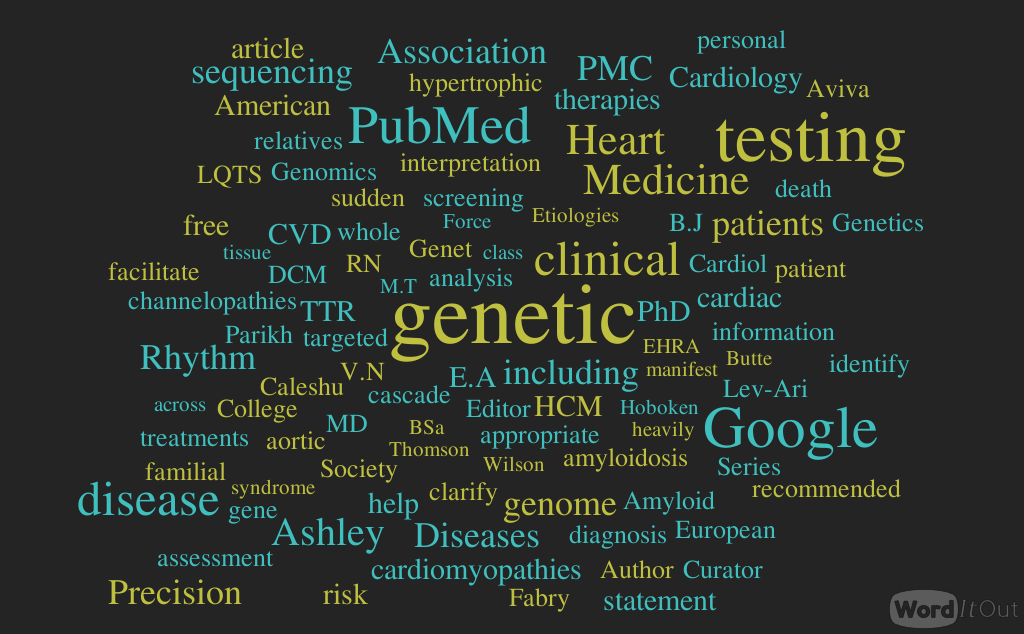
Reporter: Aviva Lev-Ari, PhD, RN
See
VOLUME THREE

Based on
Cardiovascular Precision Medicine in the Genomics Era
In 2010, we introduced an approach to the evaluation of a personal genome in a clinical context (7). A patient with a family history of coronary artery disease (CAD) and sudden death was evaluated by a cardiac clinical team in conjunction with whole genome sequencing and interpretation. The genomic analysis revealed an increased genetic risk for myocardial infarction and type 2 diabetes. In addition, a pharmacogenomics analysis was performed to assess how the genetics of the patient might influence response to certain drugs, including lipid-lowering therapies and warfarin (7). This clinical assessment, which focused heavily on cardiovascular risk, suggested that whole genome sequencing might provide clinically relevant information for patients.
A 2011 joint statement from the Heart Rhythm Society and the European Heart Rhythm association recommended genetic testing as a class I indication for patients with a number of channelopathies and cardiomyopathies, including long QT syndrome (LQTS), arrhythmogenic right ventricular cardiomyopathy, familial dilated cardiomyopathy (DCM), and hypertrophic cardiomyopathy (HCM) (8). Similarly, a statement from the American Heart Association and the American College of Cardiology recommended genetic testing for HCM, DCM, and thoracic aortic aneurysms to facilitate familial cascade screening and deduce causative mutations 9, 10.
The diagnostic power of genetic testing is significant across the spectrum of CVDs, ranging from cardiomyopathies to life-threatening arrhythmias 10, 11, 12. In the clinic, genetic testing can:
clarify disease diagnoses: genetic testing can help to clarify the diagnosis of diseases that cause similar clinical presentation (e.g., cardiac hypertrophy could be TTR amyloidosis, Fabry disease, or sarcomeric HCM);
facilitate cascade screening: genetic testing can help to identify relatives at risk for CVD before disease symptoms manifest if a disease-associated variant is found in a proband and then screened for in relatives;
direct more precise therapy: genetic testing can help physicians choose appropriate treatments and plan appropriate timing of those treatments. For example, inherited connective tissue disease due to variants in ACTA2, MYH11, or TGFBR2 might prompt consideration of surgical intervention at a smaller aortic aneurysm diameter (13); and
identify patients for targeted therapies: targeted medical therapies, including antibody-based therapeutics, gene editing, and silencing technologies, are available or under development for several genetic diseases, including LQTS, Duchenne muscular dystrophy (DMD), TTR cardiac amyloidosis (14), and Fabry disease 13, 15.
REFERENCES
SOURCE
Posted in CABG, Cardiac and Cardiovascular Surgical Procedures, Frontiers in Cardiology and Cardiovascular Disorders, Genetics & Innovations in Treatment, Genetics & Pharmaceutical, Genome Biology, PCI, Peripheral Arterial Disease & Peripheral Vascular Surgery, Pharmacotherapy of Cardiovascular Disease, Stroke on November 20, 2019| Leave a Comment »
Reporter: Aviva Lev-Ari, PhD, RN
-STEMI patient study reaches noninferiority mark for adverse cardiac events
In the investigational arm, all 1,242 patients were tested for CYP2C19 loss-of-function alleles *2 or *3. Carriers received ticagrelor or prasugrel, while noncarriers received clopidogrel, considered to be less powerful.
No genetic testing was performed in the standard treatment arm (n=1,246), in which patients largely went on to receive ticagrelor or prasugrel. Nearly all patients in both cohorts received dual antiplatelet therapy (DAPT) with aspirin.
Following primary PCI, patients went on to the P2Y12 inhibitor for at least 12 months, with drug adherence similar between the genotype-guided (84.5%) and standard groups (82.0%).
For patients with CYP2C19 loss-of-function alleles in the genotype-guided arm, 38% received ticagrelor and 1% received prasugrel. The remaining 61% of patients — the noncarriers — received clopidogrel. In the control arm, 91% were treated with ticagrelor, 2% with prasugrel, and 7% with clopidogrel, according to local protocol.
Ten Berg said that prasugrel is not typically used in the Netherlands, where eight of the centers in the trial were located, but that this might change given that the drug lowered rates of ischemic events versus ticagrelor in the head-to-head ISAR REACT 5 trial, which was also presented at ESC.
Primary Source
New England Journal of Medicine
Source Reference: Claassens DMF, et al “A genotype-guided strategy for oral P2Y12 inhibitors in primary PCI” N Engl J Med 2019; DOI: 10.1056/NEJMoa1907096.
Secondary Source
MedPage Today
Source Reference: Ingram I “Precision Medicine Lowers DAPT Bleeds in STEMI” 2019.
SOURCE
https://www.medpagetoday.org/meetingcoverage/esc/82010?vpass=1
Posted in Atherogenic Processes & Pathology, Drug Delivery Platform Technology, Exosomes: Natural Carriers for siRNA Delivery, FDA Regulatory Affairs, Frontiers in Cardiology and Cardiovascular Disorders, Gene Therapy & Gene Editing Development, Genome Biology, Genomics Pharmacy, Origins of Cardiovascular Disease, Pharmacotherapy of Cardiovascular Disease on November 18, 2019| Leave a Comment »
Reporter: Aviva Lev-Ari, PhD, RN
UPDATED on 4/27/2021
The drug, dubbed MEDI5884, is designed to neutralize a circulating enzyme called endothelial lipase. The protein regulates HDL in the blood by breaking down lipids called phospholipids. Previous studies have found increased endothelial lipase levels in people with obesity and coronary artery disease.
In monkeys, blocking endothelial lipase with MEDI5884 increased plasma HDL-C in a dose-dependent manner, the AZ team reported in a study published in Science Translational Medicine. At the highest dose tested, researchers recorded a roughly twofold increase in HDL-C within two weeks. The effect lasted throughout the two-month study.
RELATED: Regeneron’s Evkeeza, carrying big price tag, wins FDA approval in ultra-rare cholesterol disease
The AZ team also tested the drug in a small group of healthy volunteers in a phase 1 study. The treatment increased HDL-C—though to a lesser extent than it had in the monkeys—without causing any major side effects, the researchers said. The drug also increased the size and number of HDL particles.
Oddly, the researchers also observed a concurrent increase in bad cholesterol in both monkeys and humans. So they decided to combine MEDI5884 with an anti-PCSK9 antibody drug. The FDA has approved two PCSK9 inhibitors to lower LDL-C and reduce CV risks: Sanofi and Regeneron’s Praluent and Amgen’s Repatha.
In monkeys pretreated with a PCSK9 inhibitor, MEDI5884 raised HDL-C to a similar degree while the magnitude of the increase in LDL-C was reduced, according to the team.
PCSK9 drugs once carried megablockbuster potential thanks to their strong LDL-lowering effects, but neither Praluent nor Repatha has lived up to expectations. Payer pressure and an ongoing price war haven’t helped either player in the market.
The AZ team suggested combining endothelial lipase inhibition with a PCSK9 blockade could enhance the efficacy of each component. “[I]t is intriguing to consider dual inhibition of EL and PCSK9 and the potential for synergy that may arise from combined action of the two complementary mechanisms, both targeting different aspects of [reverse cholesterol transport],” the scientists wrote in the study.
SOURCE
Next stop, filing for approval. The Medicines Company has said it plans to submit inclisiran for FDA review by the end of 2019 and EMA review in the first quarter of 2020. If the drug’s approved it’ll be the third anti-PCSK9 behind mAbs Repatha and Praluent, and could try to compete on price to gain market share.
The company’s been very careful not to disclose its pricing plans for inclisiran, said ORION-10 principal investigator Dr. Scott Wright, professor and cardiologist at the Mayo Clinic. But, Wright said, The Medicines Co. and other companies he advises on clinical trial design “have learned the lesson from the sponsors of the monoclonal antibodies [against PCSK9], they’re not going to come in and price a drug that’s out of proportion to what the market will bear.”
Because the anti-PCSK9 mAbs were initially priced beyond what patients and insurers were willing to pay, “now most of the physicians that I meet have a resistance to using them just because they’re fearful about the pre-approval process” with insurers, said Wright. “They’re much easier to get approved and paid for today than they’ve ever been, but that message is not out in the medical community yet.”
SOURCE
From: “STAT: AHA in 30 Seconds” <newsletter@statnews.com>
Reply-To: “STAT: AHA in 30 Seconds” <newsletter@statnews.com>
Date: Monday, November 18, 2019 at 2:59 PM
To: Aviva Lev-Ari <AvivaLev-Ari@alum.berkeley.edu>
Subject: Interim look at Amarin data, an inclisiran update, & Philly’s giant heart
Posted in Cardiomyopathy, FDA Regulatory Affairs, Frontiers in Cardiology and Cardiovascular Disorders, Pharmacotherapy of Cardiovascular Disease, Transthyretin amyloid cardiomyopathy (ATTR-CM) on October 29, 2019| Leave a Comment »
Reporter: Aviva Lev-Ari, PhD, RN
UPDATED on 6/30/2021
June 26, 2021
DOI: 10.1056/NEJMoa2107454
Transthyretin amyloidosis, also called ATTR amyloidosis, is a life-threatening disease characterized by progressive accumulation of misfolded transthyretin (TTR) protein in tissues, predominantly the nerves and heart. NTLA-2001 is an in vivo gene-editing therapeutic agent that is designed to treat ATTR amyloidosis by reducing the concentration of TTR in serum. It is based on the clustered regularly interspaced short palindromic repeats and associated Cas9 endonuclease (CRISPR-Cas9) system and comprises a lipid nanoparticle encapsulating messenger RNA for Cas9 protein and a single guide RNA targeting TTR.
Methods
After conducting preclinical in vitro and in vivo studies, we evaluated the safety and pharmacodynamic effects of single escalating doses of NTLA-2001 in six patients with hereditary ATTR amyloidosis with polyneuropathy, three in each of the two initial dose groups (0.1 mg per kilogram and 0.3 mg per kilogram), within an ongoing phase 1 clinical study.
Results
Preclinical studies showed durable knockout of TTR after a single dose. Serial assessments of safety during the first 28 days after infusion in patients revealed few adverse events, and those that did occur were mild in grade. Dose-dependent pharmacodynamic effects were observed. At day 28, the mean reduction from baseline in serum TTR protein concentration was 52% (range, 47 to 56) in the group that received a dose of 0.1 mg per kilogram and was 87% (range, 80 to 96) in the group that received a dose of 0.3 mg per kilogram.
Conclusions
In a small group of patients with hereditary ATTR amyloidosis with polyneuropathy, administration of NTLA-2001 was associated with only mild adverse events and led to decreases in serum TTR protein concentrations through targeted knockout of TTR. (Funded by Intellia Therapeutics and Regeneron Pharmaceuticals; ClinicalTrials.gov number, NCT04601051.)
SOURCE
https://www.nejm.org/doi/full/10.1056/NEJMoa2107454
UPDATED on 11/22/2019
Trialists Attack $225K Heart Drug Price Tag
Cardiologists who helped run the pivotal study of Pfizer’s heart drug tafamidis (Vyndaqel/Vyndamax) are criticizing the drug’s $225,000 annual price tag, Bloomberg reports.
Mathew Maurer, MD, of Columbia University, and three other doctors involved in the trial started speaking out after seeing patients’ financial struggles after the drug’s market launch earlier this year.
For example: John Rufenacht, a 73-year-old interior designer in Kansas City, Missouri, has Medicare but his out-of-pocket cost was $6,000 for a 90-day supply of the drug, which treats cardiac transthyretin amyloidosis. Rufenacht doesn’t qualify for Pfizer’s patient assistance programs, most of which direct patients to charities to help them pay.
Maurer aired his complaints in front of colleagues at the Heart Failure Society of America meeting in September, and at the American Heart Association meeting earlier this week, where he and colleagues reported a cost-effectiveness study on the drug, showing it’s only cost-effective with a more than 90% price reduction — a cost of $16,563 a year.
Pfizer says its price is appropriate, given the small number of patients in the U.S. with the condition who will receive it — some 100,000 to 150,000, the company estimates. But Maurer and critics say that’s likely an underestimate. Diagnosis requires an invasive heart biopsy; there was little incentive to do that when no approved treatment was available.
The company promised to cut the price if more patients start taking the drug.
SOURCE
Click here to learn more about Pfizer’s Rare Disease portfolio and how we empower patients, engage communities in our clinical development programs, and support programs that heighten disease awareness.
— First and only medicines approved for patients with either wild-type or hereditary transthyretin amyloid cardiomyopathy —
NEW YORK–(BUSINESS WIRE)–Pfizer Inc. (NYSE:PFE) announced today that the U.S. Food and Drug Administration (FDA) has approved both VYNDAQEL® (tafamidis meglumine) and VYNDAMAX™ (tafamidis) for the treatment of the cardiomyopathy of wild-type or hereditary transthyretin-mediated amyloidosis (ATTR-CM) in adults to reduce cardiovascular mortality and cardiovascular-related hospitalization. VYNDAQEL and VYNDAMAX are two oral formulations of the first-in-class transthyretin stabilizer tafamidis, and the first and only medicines approved by the FDA to treat ATTR-CM.
Transthyretin amyloid cardiomyopathy is a rare, life-threatening disease characterized by the buildup of abnormal deposits of misfolded protein called amyloid in the heart and is defined by restrictive cardiomyopathy and progressive heart failure. Previously, there were no medicines approved to treat ATTR-CM; the only available options included symptom management, and, in rare cases, heart (or heart and liver) transplant. It is estimated that the prevalence of ATTR-CM is approximately 100,000 people in the U.S. and only one to two percent of those patients are diagnosed today.
“The approvals of VYNDAQEL and VYNDAMAX are a testament to the significant research and development investment in our innovative cardiovascular outcomes trial, ATTR-ACT. We are proud to bring these medicines to ATTR-CM patients who are in dire need of treatment,” said Brenda Cooperstone, MD, Senior Vice President and Chief Development Officer, Rare Disease, Pfizer Global Product Development. “VYNDAQEL and VYNDAMAX reduce cardiovascular mortality and the frequency of cardiovascular-related hospital stays in patients with wild-type or hereditary forms of this rare disease, giving them a chance for more time with their loved ones.”
“Pfizer’s purpose is to deliver breakthrough medicines that change patients’ lives. The approvals of VYNDAQEL and VYNDAMAX deliver on this promise for patients with ATTR-CM,” said Paul Levesque, Global President, Rare Disease. “This milestone is a gamechanger for patients, who until today had no approved medicines for this rare, debilitating and fatal disease. We will continue to focus efforts on working with the physician community to increase awareness and ultimately detection and diagnosis of this disease.”
The recommended dosage is either VYNDAQEL 80 mg orally once-daily, taken as four 20 mg capsules, or VYNDAMAX 61 mg orally once-daily, taken as a single capsule. VYNDAMAX was developed for patient convenience; VYNDAQEL and VYNDAMAX are not substitutable on a per milligram basis.
“ATTR-CM is not only fatal, but also significantly underdiagnosed, with some patients cycling through multiple doctors and a myriad of tests over a period of years while the disease progresses,” said Isabelle Lousada, Founder and CEO, Amyloidosis Research Consortium. “ATTR-CM is a rare disease for which more education and awareness is needed. The approval of these medicines represents an important advance for patients; however, it is equally important that we work as a community to recognize the critical importance of early diagnosis.”
The FDA approval was based on data from the pivotal Phase 3 Transthyretin Amyloidosis Cardiomyopathy Clinical Trial (ATTR-ACT), the first global, double-blind, randomized, placebo-controlled clinical study to investigate a pharmacological therapy for the treatment of this disease. In ATTR-ACT, VYNDAQEL significantly reduced the hierarchical combination of all-cause mortality and frequency of cardiovascular-related hospitalizations compared to placebo over a 30-month period (p=0.0006). Additionally, individual components of the primary analysis demonstrated a relative reduction in the risk of all-cause mortality and frequency of cardiovascular-related hospitalization of 30% (p=0.026) and 32% (p<0.0001), respectively, with VYNDAQEL versus placebo. Approximately 80% of total deaths were cardiovascular-related in both treatment groups. VYNDAQEL also had significant and consistent treatment effects compared to placebo on functional capacity and health status first observed at six months and continuing through 30 months. Specifically, VYNDAQEL reduced the decline in performance on the six-minute walk test (p<0.0001) and reduced the decline in health status as measured by the Kansas City Cardiomyopathy Questionnaire – Overall Summary score (p<0.0001). VYNDAQEL was well tolerated in this study, with an observed safety profile comparable to placebo. The frequency of adverse events in patients treated with VYNDAQEL was similar to placebo, and similar proportions of VYNDAQEL-treated patients and placebo-treated patients discontinued the study drug because of an adverse event.
Pfizer is committed to helping eligible ATTR-CM patients who have been prescribed VYNDAQEL or VYNDAMAX gain appropriate access. Pfizer supports patients by helping them understand their insurance coverage requirements and can connect eligible patients with financial assistance resources which may be available including the Pfizer Patient Assistance Program.*
About ATTR-CM
Transthyretin amyloid cardiomyopathy (ATTR-CM) is a rare and fatal condition that is caused by destabilization of a transport protein called transthyretin, which is composed of four identical sub units (a tetramer). When unstable transthyretin tetramers dissociate, they result in misfolded proteins that aggregate into amyloid fibrils and deposit in the heart, causing the heart muscle to become stiff, eventually resulting in heart failure. There are two sub-types of ATTR-CM: hereditary, also known as variant, which is caused by a mutation in the transthyretin gene and can occur in people as early as their 50s and 60s; or with no mutation and associated with aging, known as the wild-type form, which is thought to be more common and usually affects men after age 60. Often ATTR-CM is diagnosed only after symptoms have become severe. Once diagnosed, the median life expectancy in patients with ATTR-CM, dependent on sub-type, is approximately two to 3.5 years.
About VYNDAQEL (tafamidis meglumine) and VYNDAMAX (tafamidis)
VYNDAQEL (tafamidis meglumine) and VYNDAMAX (tafamidis) are oral transthyretin stabilizers that selectively bind to transthyretin, stabilizing the tetramer of the transthyretin transport protein and slowing the formation of amyloid that causes ATTR-CM.
VYNDAMAX 61 mg is a once-daily oral capsule developed for patient convenience. VYNDAQEL and VYNDAMAX are not substitutable on a per milligram basis.
VYNDAQEL was granted Orphan Drug Designation for ATTR-CM in both the EU and U.S. in 2012 and in Japan in 2018. In June 2017 and May 2018, respectively, the FDA granted VYNDAQEL Fast Track and Breakthrough Therapy designations for ATTR-CM. In November 2018, the FDA granted Priority Review for the new drug application (NDA) for VYNDAQEL.
In March 2019, the Ministry of Labor Health and Welfare in Japan approved VYNDAQEL, under SAKIGAKE designation, for patients with wild-type and variant forms of ATTR-CM. Regulatory submissions for the use of VYNDAQEL in patients with ATTR-CM have been submitted to the European Medicines Agency (EMA) and are under review.
VYNDAQEL was first approved in 2011 in the EU for the treatment of transthyretin amyloid polyneuropathy (ATTR-PN), in adult patients with early-stage symptomatic polyneuropathy to delay peripheral neurologic impairment. ATTR-PN is a neurodegenerative form of amyloidosis that leads to sensory loss, pain and weakness in the lower limbs and impairment of the autonomic nervous system, Currently, it is approved for ATTR-PN in 40 countries, including Japan, countries in Europe, Brazil, Mexico, Argentina, Israel, Russia, and South Korea. VYNDAQEL and VYNDAMAX are not approved for the treatment of ATTR-PN in the U.S.
SOURCE
Posted in Aortic Valve: TAVR, TAVI vs Open Heart Surgery, Cardiac and Cardiovascular Surgical Procedures, Electrophysiology, Frontiers in Cardiology and Cardiovascular Disorders, implantable pacemaker on August 31, 2019| Leave a Comment »
Reporter: Aviva Lev-Ari, PhD, RN
UPDATED on 4/14/2021
A study with significant implications for the future of patient care is officially underway. Specialists at Penn Medicine in Philadelphia have reported completing the first procedure in a global head-to-head study comparing the safety and effectiveness of two leading transcatheter aortic valve replacement (TAVR) systems.
The Small Annuli Randomized to Evolut or Sapien (SMART) post-market trial is designed to compare the safety and effectiveness of self-expanding TAVR systems manufactured by Medtronic and balloon-expandable systems manufactured by Edwards Lifesciences when treating patients with small annuli. More than 90 different facilities are taking part in the trial, and approximately 700 patients with severe symptomatic aortic stenosis are expected to participate. A majority of study participants are expected to be women due to the trial’s focus on individuals with small annuli.
Howard C. Herrmann, MD, a professor of cardiovascular diseases at the University of Pennsylvania’s Perelman School of Medicine, is leading the trial.
“Penn Medicine has been in on the ground floor of many of the early and landmark trials in TAVR research since performing one of the first investigational procedures in 2007, and, since then, we have completed thousands of these procedures,” he said in a prepared statement. “Subsequently, multiple devices have been FDA approved, and the procedure has grown to become the predominant one for all patients with aortic stenosis. The outcome of this study will help cardiac teams to make more tailored decisions about which kind of valve to use on which patients.”
The SMART trial’s estimated primary completion date is May 2023. The estimated study completion date, meanwhile, is May 2028.
- The PPM rate dropped from 9.7% to 3.0% (P=0.035), according to a team led by Hasan Jilaihawi, MD, of NYU Langone Health in New York City.
- The rate of new left bundle branch block (LBBB) went down from 25.8% to 9.0% (P<0.001),
- the PARTNER 3 and CoreValve Low Risk trials in patients at low surgical risk showed PPM implant rates of 17.4% with the Evolut line, 6.6% with the balloon-expandable Sapien 3, and 4.1%-6.1% with surgery.
- “The His bundle passes through the membranous septum, a few millimeters beneath the non-coronary/right coronary cusps. It is therefore not surprising that a deeper valve implantation increases the likelihood of mechanical damage of the His bundle leading to a transient or persistent conduction disturbance,” according to Rodés-Cabau.
To capture factors that contributed to need for PPM implantation, Jilaihawi and colleagues performed a detailed restrospective analysis on 248 consecutive Evolut recipients at Langone treated with the standard TAVR approach — aiming for 3-4 mm implant depth (in relation to the non-coronary cusp) and recapturing and repositioning when the device landed considerably lower. Patients with prior PPM implantation were excluded. Devices used were Medtronic’s Evolut R, Evolut Pro, and Evolut 34XL.
This analysis revealed that use of the large Evolut 34XL (OR 4.96, 95% CI 1.68-14.63) and implant depth exceeding membranous septum length (OR 8.04, 95% CI 2.58-25.04) were independent predictors of later PPM implantation.
From there, operators came up with the MIDAS technique and applied it prospectively to another 100 consecutive patients.
Besides bringing down the PPM implant rate to 3.0%, there were no more cases of valve embolization, dislocation, or need for a second valve.
The standard and MIDAS groups shared similar membranous septum lengths but diverged in average actual device depth, such that the standard group tended to have Evolut devices positioned deeper (3.3 mm vs 2.3 mm, P<0.001).
SOURCE
https://www.medpagetoday.com/cardiology/pci/81849
Posted in Acute Myocardial Infarction, Artificial Intelligence - Breakthroughs in Theories and Technologies, Artificial Intelligence - General, Artificial intelligence applications for cardiology, Artificial Intelligence Applications in Health Care, Artificial Intelligence in Health Care - Tools & Innovations, Artificial Intelligence in Medicine - Application for Diagnosis, Artificial Intelligence in Medicine - Applications in Therapeutics, Cardiovascular and Vascular Systems, Cardiovascular Pharmacogenomics, Cardiovascular Research, Cardiovascular Tissue, congestive heart failure, Digital HealthCare – biotech & internet joint ventures, Electronic Health Record, Frontiers in Cardiology and Cardiovascular Disorders, HealthCare IT, Heart Failure (HF), Medical Imaging Technology, Medical Imaging Technology, Image Processing/Computing, MRI, CT, Nuclear Medicine, Ultra Sound, MRI, Population Health Management, Rare heart rhythm disorders and Long QT syndrome (LQTS), tagged Artificial intelligence, Cardiovascular disease, CT scans, Electrocardiography, MRI imaging, PET Scan on July 26, 2019| Leave a Comment »
Reporter and Curator: Dr. Sudipta Saha, Ph.D.

3.3.18 Artificial Intelligence and Cardiovascular Disease, Volume 2 (Volume Two: Latest in Genomics Methodologies for Therapeutics: Gene Editing, NGS and BioInformatics, Simulations and the Genome Ontology), Part 2: CRISPR for Gene Editing and DNA Repair
Cardiology is a vast field that focuses on a large number of diseases specifically dealing with the heart, the circulatory system, and its functions. As such, similar symptomatologies and diagnostic features may be present in an individual, making it difficult for a doctor to easily isolate the actual heart-related problem. Consequently, the use of artificial intelligence aims to relieve doctors from this hurdle and extend better quality to patients. Results of screening tests such as echocardiograms, MRIs, or CT scans have long been proposed to be analyzed using more advanced techniques in the field of technology. As such, while artificial intelligence is not yet widely-used in clinical practice, it is seen as the future of healthcare.
The continuous development of the technological sector has enabled the industry to merge with medicine in order to create new integrated, reliable, and efficient methods of providing quality health care. One of the ongoing trends in cardiology at present is the proposed utilization of artificial intelligence (AI) in augmenting and extending the effectiveness of the cardiologist. This is because AI or machine-learning would allow for an accurate measure of patient functioning and diagnosis from the beginning up to the end of the therapeutic process. In particular, the use of artificial intelligence in cardiology aims to focus on research and development, clinical practice, and population health. Created to be an all-in-one mechanism in cardiac healthcare, AI technologies incorporate complex algorithms in determining relevant steps needed for a successful diagnosis and treatment. The role of artificial intelligence specifically extends to the identification of novel drug therapies, disease stratification or statistics, continuous remote monitoring and diagnostics, integration of multi-omic data, and extension of physician effectivity and efficiency.
Artificial intelligence – specifically a branch of it called machine learning – is being used in medicine to help with diagnosis. Computers might, for example, be better at interpreting heart scans. Computers can be ‘trained’ to make these predictions. This is done by feeding the computer information from hundreds or thousands of patients, plus instructions (an algorithm) on how to use that information. This information is heart scans, genetic and other test results, and how long each patient survived. These scans are in exquisite detail and the computer may be able to spot differences that are beyond human perception. It can also combine information from many different tests to give as accurate a picture as possible. The computer starts to work out which factors affected the patients’ outlook, so it can make predictions about other patients.
In current medical practice, doctors will use risk scores to make treatment decisions for their cardiac patients. These are based on a series of variables like weight, age and lifestyle. However, they do not always have the desired levels of accuracy. A particular example of the use of artificial examination in cardiology is the experimental study on heart disease patients, published in 2017. The researchers utilized cardiac MRI-based algorithms coupled with a 3D systolic cardiac motion pattern to accurately predict the health outcomes of patients with pulmonary hypertension. The experiment proved to be successful, with the technology being able to pick-up 30,000 points within the heart activity of 250 patients. With the success of the aforementioned study, as well as the promise of other researches on artificial intelligence, cardiology is seemingly moving towards a more technological practice.
One study was conducted in Finland where researchers enrolled 950 patients complaining of chest pain, who underwent the centre’s usual scanning protocol to check for coronary artery disease. Their outcomes were tracked for six years following their initial scans, over the course of which 24 of the patients had heart attacks and 49 died from all causes. The patients first underwent a coronary computed tomography angiography (CCTA) scan, which yielded 58 pieces of data on the presence of coronary plaque, vessel narrowing and calcification. Patients whose scans were suggestive of disease underwent a positron emission tomography (PET) scan which produced 17 variables on blood flow. Ten clinical variables were also obtained from medical records including sex, age, smoking status and diabetes. These 85 variables were then entered into an artificial intelligence (AI) programme called LogitBoost. The AI repeatedly analysed the imaging variables, and was able to learn how the imaging data interacted and identify the patterns which preceded death and heart attack with over 90% accuracy. The predictive performance using the ten clinical variables alone was modest, with an accuracy of 90%. When PET scan data was added, accuracy increased to 92.5%. The predictive performance increased significantly when CCTA scan data was added to clinical and PET data, with accuracy of 95.4%.
Another study findings showed that applying artificial intelligence (AI) to the electrocardiogram (ECG) enables early detection of left ventricular dysfunction and can identify individuals at increased risk for its development in the future. Asymptomatic left ventricular dysfunction (ALVD) is characterised by the presence of a weak heart pump with a risk of overt heart failure. It is present in three to six percent of the general population and is associated with reduced quality of life and longevity. However, it is treatable when found. Currently, there is no inexpensive, noninvasive, painless screening tool for ALVD available for diagnostic use. When tested on an independent set of 52,870 patients, the network model yielded values for the area under the curve, sensitivity, specificity, and accuracy of 0.93, 86.3 percent, 85.7 percent, and 85.7 percent, respectively. Furthermore, in patients without ventricular dysfunction, those with a positive AI screen were at four times the risk of developing future ventricular dysfunction compared with those with a negative screen.
In recent years, the analysis of big data database combined with computer deep learning has gradually played an important role in biomedical technology. For a large number of medical record data analysis, image analysis, single nucleotide polymorphism difference analysis, etc., all relevant research on the development and application of artificial intelligence can be observed extensively. For clinical indication, patients may receive a variety of cardiovascular routine examination and treatments, such as: cardiac ultrasound, multi-path ECG, cardiovascular and peripheral angiography, intravascular ultrasound and optical coherence tomography, electrical physiology, etc. By using artificial intelligence deep learning system, the investigators hope to not only improve the diagnostic rate and also gain more accurately predict the patient’s recovery, improve medical quality in the near future.
The primary issue about using artificial intelligence in cardiology, or in any field of medicine for that matter, is the ethical issues that it brings about. Physicians and healthcare professionals prior to their practice swear to the Hippocratic Oath—a promise to do their best for the welfare and betterment of their patients. Many physicians have argued that the use of artificial intelligence in medicine breaks the Hippocratic Oath since patients are technically left under the care of machines than of doctors. Furthermore, as machines may also malfunction, the safety of patients is also on the line at all times. As such, while medical practitioners see the promise of artificial technology, they are also heavily constricted about its use, safety, and appropriateness in medical practice.
Issues and challenges faced by technological innovations in cardiology are overpowered by current researches aiming to make artificial intelligence easily accessible and available for all. With that in mind, various projects are currently under study. For example, the use of wearable AI technology aims to develop a mechanism by which patients and doctors could easily access and monitor cardiac activity remotely. An ideal instrument for monitoring, wearable AI technology ensures real-time updates, monitoring, and evaluation. Another direction of cardiology in AI technology is the use of technology to record and validate empirical data to further analyze symptomatology, biomarkers, and treatment effectiveness. With AI technology, researchers in cardiology are aiming to simplify and expand the scope of knowledge on the field for better patient care and treatment outcomes.
References:
https://www.news-medical.net/health/Artificial-Intelligence-in-Cardiology.aspx
https://www.bhf.org.uk/informationsupport/heart-matters-magazine/research/artificial-intelligence
https://www.medicaldevice-network.com/news/heart-attack-artificial-intelligence/
https://www.nature.com/articles/s41569-019-0158-5
https://www.ncbi.nlm.nih.gov/pmc/articles/PMC5711980/
http://www.onlinejacc.org/content/71/23/2668
http://www.scielo.br/pdf/ijcs/v30n3/2359-4802-ijcs-30-03-0187.pdf
https://clinicaltrials.gov/ct2/show/NCT03877614
https://www.europeanpharmaceuticalreview.com/news/82870/artificial-intelligence-ai-heart-disease/
https://www.news-medical.net/health/Artificial-Intelligence-in-Cardiology.aspx
https://www.sciencedaily.com/releases/2019/05/190513104505.htm

 2012pharmaceutical
 sjwilliamspa