Feeds:
Posts
Comments

Archive for the ‘CANCER BIOLOGY & Innovations in Cancer Therapy’ Category

Harnessing Personalized Medicine for Cancer Management, Prospects of Prevention and Cure: Opinions of Cancer Scientific Leaders

Curator: Aviva Lev-Ari, PhD, RN

WordCloud Image Produced by Adam Tubman

This is our own representation of Experts on our Team expressing Scientific Opinions and Comments on their Peers’ Scientific work

presented from our Research Category on 

Interviews with Scientific Leaders

here are our members of the Team on Cancer Biology

Scientific Leaders @ http://pharmaceuticalintelligence.com


Dr. Ritu Saxena –  On Personalized Medicine gearing up to tackle cancer

According to the American Cancer Society, the probability that an individual will develop or die from cancer over the course of a lifetime (lifetime risk) in the United States is less than a 1 in 2 for men; and a little more than 1 in 3 for women. Thanks to passionate and committed researchers like Dr. Tsimberidou, personalized medicine-based cancer treatments might take us a few steps closer to curing the disease.  Dr. Tsimberidou concludes, “We have to develop innovative treatment protocols and to offer the best treatment possible for each of our patients”.

In:

Personalized medicine gearing up to tackle cancer

http://pharmaceuticalintelligence.com/2013/01/07/personalized-medicine-gearing-up-to-tackle-cancer/


Dr. Tilda BarlyiaOn James Watson’s Examination of The “Cancer establishments”

In reply to cancer biologist Robert Weinberg of MIT

I would like to add something regarding this comment and I quote “the main reason drugs that target genetic glitches are not cures is that cancer cells have a work-around. If one biochemical pathway to growth and proliferation is blocked by a drug such as AstraZeneca‘s Iressa or Genentech’s Tarceva for non-small-cell lung cancer, said cancer biologist Robert Weinberg of MIT, the cancer cells activate a different, equally effective pathway”

“I think this is why some researching are aiming to find a drug that targets a common denominator of multiple pathways rather that “just” a specific pathway as many cancer cells activate a different equal pathway.”

In:

The “Cancer establishments” examined by James Watson, co-discoverer of DNA w/Crick, 4/1953

January 9, 2013

http://pharmaceuticalintelligence.com/2013/01/09/the-cancer-establishments-examined-by-james-watson-co-discover-of-dna-wcrick-41953/


Dr. Stephen WilliamsOn James Watson’s Examination of The “Cancer establishments”

I remember back in the 90s when big pharmas were talking about developing farnesyltransferase inhibitors (the enzyme that puts the modification on ras) as well as myc inhibitors as a sliver bullet for cancer therapy but I have not heard much else.

And as far as personlized medicine, yes personalized medicine does have a role to play and can be very effective but remember we are only talking about  maybe 10% of cases for a tumor type.

Kudos to both Watson and Weinstein for stating we really need to delve into tumor biology to determine functional pathways (like metabolism) which are a common feature of the malignant state

In:

The “Cancer establishments” examined by James Watson, co-discoverer of DNA w/Crick, 4/1953

January 9, 2013

http://pharmaceuticalintelligence.com/2013/01/09/the-cancer-establishments-examined-by-james-watson-co-discover-of-dna-wcrick-41953/

Pierluigi Scalia MD, PhD  — On Molecular Pathology and Personalized Medicine

Commissioned Comment by Dr. Aviva Lev-Ari

The nanotechnology field certainly provides plenty of opportunity in the field of personalized cancer treatments (Rx). One comment I wanted to make due to the high relevance and implication is in the definition of Personalized Medicine” at large. I believe you are correct to define it as a “movement” within modern medicine as it has been so far. However, I believe we have all the multidisciplinary knowledge we need to move that concept to a real science and a specific operating system in the way we do think and apply medical knowledge.

Even though your definition is definitely correct, I would provide an operating version which I believe can help many to understand WHAT are the minimum requirements to classify a Cancer treatment as part of a “personalized” cancer treatment.
My take on that (which i have expressed elsewhere) is that:

“Personalized Cancer Medicine is that field of medicine using a next-generation diagnostic procedure (or a minimum cancer gene-drivers screening panel) in order to define a key number of cancer abnormalities in each patient clinical specimen for which a targeted therapy or smart integrated approach provides a definite survival advantage versus current conventional medicine”.

This operational definition anticipates the concept of applied pharmacogenomics that is currently more of a research area rather than a clinically mature field.

On the other hand, it leads us to that limiting factor towards the adoption of personalized treatments which is the evolution in molecular pathology with full adoption of genomics as the routine way to screen for a patient Oncotype as part of the routine diagnostic process.

The fact of using nanotechnology in order to target and treat abnormal cancer cells and tissues adds a powerful weapon towards eradicating the disease in the foreseeable future. However, focusing on weapons when we still have not found a reliable way to build that personalized “shooting target” (Cancer Fingerprinting) still constitutes, in my opinion, the single most relevant barrier to the adoption of Personalized treatments.

In:

Nanotechnology, personalized medicine and DNA sequencing

January 9, 2013

http://pharmaceuticalintelligence.com/2013/01/09/nanotechnology-personalized-medicine-and-dna-sequencing/

Larry Bernstein, MD – On  Modern Techniques of Molecular Pathology

A look at clinical laboratory science and its expected progress over the next decade


In Response to Dr. Scalia’s Comment on Molecular Pathology

In:

Nanotechnology, personalized medicine and DNA sequencing

Commissioned Post by Dr. Aviva Lev-Ari

January 9, 2013

Nanotechnology, personalized medicine and DNA sequencing

Promising forecasts have been made projecting great expectations for medical sciences in the year 2013 and beyond. These predictions follow a decade after completion of the Human Genome Project, and are accompanied by immense breakthroughs in computational and applied mathematics.  In my view, they are:

  • Genomic and allied “OMICs-technology”
  • Innovation in mathematical classification (complexity)
  • Nanotechnology
  • Synthetic chemistry from physics, organic and inorganic chemistry

It is not my intention to go deeply into the exponential group of these advanced and integrative sciences; rather, I want raise awareness of an emerging new world that will open to the clinical laboratory scientist, and signal the need in the next generation of laboratory personnel to embrace knowledge domains that will be critical for their careers.

All of these breakthroughs are tied together by a search for personalized and integrative medicine.  These breakthroughs will reinvent nutritional and pharmaceutical medicine as well as medical devices and restructure clinical laboratory and imaging applications to cardiology, oncology, radiology and anatomical pathology.

Metabolomics

What does metabolomics and metabolic profiling have to do with this? Metabolomics is the measurement of small molecules that interact with membrane receptors1 that are involved with regulation of genomic transcription and cellular regulation and upregulation or downregulation of metabolic processes essential to health. As well, these small molecules may provide targets for disease treatments, and as they are investigated, also provide further “analytes for diagnosis and, moreover, prediction of short-term or long-term outcomes.”2

As a result, the laboratory will become a more significant factor in measuring health and disease and in guiding health or disease maintenance.  As our population has reached increased age limits, the laboratory has been a contributor in the public health sphere, and will have a greater role as a result of

  • Improved tie in with provision of information to not only the healthcare workers, but also the patient.
  • Achieve turnaround times for critical results through better workflow
  • Greater control and access to a next generation of point-of-care technology integrated with the laboratory database, and a restructured electronic health record.
  • Despite the hype about the BIG DATA revolution, this is achievable in the system here proposed because there is a published model to achieve this(2)

Familiar Methods

Either individually or grouped as a profile, metabolites are detected by either nuclear magnetic resonance spectroscopy or mass spectrometry, providing a basis for uses of metabolome findings extended to the early detection and diagnosis of cancer and as both a predictive and pharmacodynamics marker of drug effect. We can expect it to become the link between the laboratory and the clinic. The methods used in genomics are microarrays, and for proteomics they are the already familiar chromatographic principles that species migrate at different rates through a column matrix based on their volatility, or carries out a separation as the molecules differ by their adsorption to and elution from a solid matrix, dependent on the binding to the matrix and solubility in the solvent eluate, modified by ph, ionic concentration, and specific conditions needed for recovery.  Powerful mathematical tools are used to analyze the data.3

Cardiovascular Disease

Although coronary thrombosis is the final event in acute coronary syndromes, there is increasing evidence that inflammation also plays a key role in development of atherosclerosis and its clinical manifestations, such as myocardial infarction, stroke and peripheral vascular disease. The inflammatory component was indicated by epidemiological studies of elevated serum levels of high sensitivity C-reactive protein. That eventually led to the demonstration of a benefit from reduction of CRP in individuals without characteristic lipidemia in a major clinical trial, which drew a relationship between diabetes, obesity and disordered inflammatory response in the causation of coronary artery disease, aortic valve and artery disease, carotid artery and peripheral vascular disease.

Cancer

Because cancer cells are known to possess a highly unique metabolic phenotype, development of specific biomarkers in oncology is possible and might be used in identifying fingerprints, profiles or signatures to detect the presence of cancer, determine prognosis and/or assess the pharmacodynamic effects of therapy.4

HDM2, a negative regulator of the tumor suppressor p53, is over-expressed in many cancers that retain wild-type p53. Consequently, the effectiveness of chemotherapies that induce p53 might be limited, and inhibitors of the HDM2–p53 interaction are being sought as tumor-selective drugs.5

Coagulation

Blood coagulation plays a key role among numerous mediating systems activated in inflammation. Receptors of the PAR family serve as sensors of serine proteinases of the blood clotting system in the target cells involved in inflammation. Activation of PAR_1 by thrombin and of PAR_2 by factor Xa leads to a rapid expression and exposure on the membrane of endothelial cells of both adhesive proteins that mediate an acute inflammatory reaction and of the tissue factor that initiates the blood coagulation cascade.

The details of evolving methods are avoided in order to build the argument that a very rapid expansion of discovery has been evolving depicting disease, disease mechanisms, disease associations, metabolic biomarkers, study of effects of diet and diet modification, and opportunities for targeted drug development.

Dr. Bernstein is CEO of Triplex Medical Science, and CSO of Leaders in Pharmaceutical Intelligence http://pharmaceuticalintelligence.com. He has been involved in writing,  reviewing, and a collaborative project on reducing  the noise that exists in complex data, and developing a primary evidence-based classification since retiring from a career in pathology spanning 4 decades.

References

1. Bernstein LH. Metabolomics, metabonomics and functional nutrition: The next step in nutritional metabolism and biotherapeutics. Journal of Pharmacy and Nutrition Sciences, 2012, 2, (xxx).

2. David G, Bernstein LH, and Coifman RR. Generating evidence-based interpretation of hematology screens via anomaly characterization. The Open Clinical Chemistry Journal 2011;4: 10-16.

3. Grainger DJ. Megavariate statistics meets high data-density analytical methods: The future of medical diagnostics? IRTL Reviews 2003;1:1-6.

4. Spratlin JL, Serkova NJ, and Eckhardt SG. Clinical applications of metabolomics in oncology: A review. Clin Cancer Res 2009;15; 15(2): 431–440.

5. Fischer PM, Lane DP. Small molecule inhibitors of thep53 suppressor HDM2: Have protein-protein interactions come of age as drug targets? Trends in Pharm Sci 2004;25(7):343-346.

Other Articles on this Open Access Online Scientific Journal:

Bernstein LH. Assessing Cardiovascular Disease with Biomarkers. http://pharmaceuticalintelligence.com

Bernstein LH. Predicting Tumor Response, Progression, and Time to Recurrence. http://pharmaceticalintelligence.com

Bernstein LH. Special Considerations in Blood Lipoproteins, Viscosity, Assessment and Treatment. http://pharmaceuticalintelligence.com

Comment in Response to Dr. Scalia’s Comment In:

Nanotechnology, personalized medicine and DNA sequencing

January 9, 2013

http://pharmaceuticalintelligence.com/2013/01/09/nanotechnology-personalized-medicine-and-dna-sequencing/


Dr. Tilda Barlyia – On Quality control (QC) of DNA sequencing

In response to Larry Bernstein, MD comment on 

Nanotechnology, personalized medicine and DNA sequencing


Quality control (QC) of DNA sequencing is of major challenge especially when sequencing long DNA strands. This is also probably one of the reasons why these nanopore DNA sequencers devices haven’t made it to the market yet. Some of the challenges that these sequencing technique have encountered are: (a) high velocity in which the DNA segment passes through the pores and which needs to be slowed down, (b) the need for high spatial resolutions and orientation of the nucleotide in the gap, (c) complex algorithms as well as error-prone DNA conversion steps (from dsDNA to ssDNA). I believe that there’s a long way before we see these devices on the shelf but it’s definitely inspiring to see how scientists vision these techniques and creatively finds ways to solve the problem.

In:

Nanotechnology, personalized medicine and DNA sequencing

January 9, 2013

http://pharmaceuticalintelligence.com/2013/01/09/nanotechnology-personalized-medicine-and-dna-sequencing/

Read Full Post »

Heroes in Medical Research: Barnett Rosenberg and the Discovery of Cisplatin (Translating Basic Research to the Clinic)

Author/Writer: Stephen J. Williams, Ph.D.

This will be a regular posting which I hope people will find interesting.  I wish to highlight the basic research which led to seminal breakthroughs in the medical field, brought on by the result of basic inquiry, thorough and detailed investigation, meticulously following the scientific method, and eventually leading to development of important medical therapies.

This month I would like to highlight the research of Dr. Barnett Rosenberg and his discovery of one of the most used and effective chemotherapeutics, cisplatin.

Cisplatin_ALX-400-040

The compound cis-PtCl2(NH3)2 (seen in the Figure ) was first described by M. Peyrone in 1845, and known for a long time as Peyrone’s salt.[3] In 1965, Barnett Rosenberg, van Camp et al. of Michigan State University  had asked a simple question and noticed that electrical fields can inhibit the division and induce filamentous growth  of Escherichia coli (E. coli) bacteria. . Although bacterial cell growth continued, cell division was arrested, the bacteria growing as filaments up to 300 times their normal length.[5]  However, Dr. Roenberg did not stop at this finding and meticulously accounting for each variable which might explain this finding, including altering the metal composistion of the electrodes.  Dr. Rosenberg thought of the possibility it was not the electric field perse, which caused the growth inhibition, but a chemical produced in the media by electrolysis.  Eventually he discovered that electrolysis of platinum electrodes generated a soluble platinum complex which inhibited binary fission in Escherichia coli (E. coli) bacteria.  In addition he isolated this platinum complex and discovered that ammonium ions were required as well, owing to the full chemical structure of cisplatin as seen above (the nitrogens moieties are bioactivated to cations). This finding led to the observation that cis PtCl2(NH3)2 was indeed highly effective at regressing the mass of sarcomas in rats.[8] Confirmation of this discovery, and extension of testing to other tumour cell lines launched the medicinal applications of cisplatin. Cisplatin was approved for use in testicular and ovarian cancers by the U.S. Food and Drug Administration on December 19, 1978.[9]

  • ^ Peyrone M. (1844). “Ueber die Einwirkung des Ammoniaks auf Platinchlorür”. Ann Chemie Pharm 51 (1): 1–29. doi:10.1002/jlac.18440510102.
  • ^ a b c Stephen Trzaska (20 June 2005). “Cisplatin”. C&EN News 83 (25).
  • ^ Rosenberg, B.; Van Camp, L.; Krigas, T. (1965). “Inhibition of cell division in Escherichia coli by electrolysis products from a platinum electrode”. Nature 205 (4972): 698–699. doi:10.1038/205698a0. PMID 14287410.

Barnett Rosenberg

From Wikipedia, the free encyclopedia

403px-Nci-vol-8173-300_barnett_rosenberg

Barnett Rosenberg

Born November 16, 1926
New York, New York
Died August 8, 2009
Lansing, Michigan
Fields Physics/Biophysics
Institutions Michigan State University
Known for Cisplatin

Barnett Rosenberg (16 November 1926 – 8 August 2009) was an American chemist best known for the discovery of the anti-cancer drug cisplatin.[1]

Rosenberg graduated from Brooklyn College in 1948 and obtained his PhD in Physics at New York University (NYU) in 1956. He joined Michigan State University in 1961 and worked there until 1997.

In 1965, Rosenberg and his colleagues proved that certain platinum-containing compounds inhibited cell division and then in 1969 showed that they cured solid tumors. The chemotherapy drug that eventually resulted from this work, cisplatin, obtained US Food and Drug Administration (FDA) approval in 1978 and went on to become a widely used anticancer drug. The initial discovery was quite serendipitous. Rosenberg was looking into the effects of an electric field on the growth of bacteria. He noticed that bacteria ceased to divide when placed in an electric field and eventually pinned down the cause of this phenomenon to the platinum electrode he was using.[2]

He was awarded the Charles F. Kettering Prize in 1984 and the Harvey Prize in 1984. [3]

  1. ^ Rosenberg, B.; Van Camp, L.; Krigas, T. (1965). “Inhibition of Cell Division in Escherichia coli by Electrolysis Products from a Platinum Electrode”. Nature 205 (4972): 698–9. doi:10.1038/205698a0. PMID 14287410. edit
  2. ^ Petsko, G. A. (2002). “A christmas carol”. Genome biology 3 (1): COMMENT1001. PMC 150444. PMID 11806819edit
  3. ^ http://visualsonline.cancer.gov/details.cfm?imageid=8173

Other posts of interest  in this site  include:

Interview with the co-discoverer of the structure of DNA: Watson on The Double Helix and his changing view of Rosalind Franklin

Otto Warburg, A Giant of Modern Cellular Biology

Inspiration From Dr. Maureen Cronin’s Achievements in Applying Genomic Sequencing to Cancer Diagnostics

Read Full Post »

Author, reporter: Tilda Barliya PhD

Screen Shot 2021-07-19 at 7.25.39 PM

Word Cloud By Danielle Smolyar

Breast cancer is the second most common cancer worldwide after lung cancer, the fifth most  common cause of cancer death, and the leading  cause of cancer death in women. the global burden of  breast cancer exceeds all other cancers and the incidence  rates of breast cancer are increasing (1,2).

The heterogeneity of breast cancers makes them both a fascinating and challenging solid tumor to diagnose and treat. Here is a great review of the molecular pathology of breast cancer progression (3).

The molecular pathology of breast cancer progression” by Alessandro Bombonati  and Dennis C Sgroi.

Breast cancer is the most frequent carcinoma in females and the second most common cause of cancer related mortality in women. Approximately 54 000 and 207 000 new cases of in situ and invasive breast carcinoma, respectively. Overall, breast cancer incidence rates have levelled off since 1990, with a decrease of 3.5%/year from 2001 to 2004.  Most notably, during this same time period, breast cancer mortality rates have declined 24%, with the largest impact among young women and women with estrogen receptor (ER)-positive disease.

The decline in breast cancer mortality has been attributed to the combination of early detection with screening programmes and the advent of more efficacious adjuvant progression have aided in the discovery of novel pathway-specific targeted therapeutics, and the emergence of such effective therapeutics is currently driving the need for molecular-based, ‘patient-tailored’ treatment planning.

Proposed models of human breast cancer progression

An external file that holds a picture, illustration, etc.Object name is nihms247118f1.jpg Object name is nihms247118f1.jpg

Epidemiological and morp

hological observations led to the formulation of several linear models of breast cancer initiation, transformation and

progression. Figure 1

The ductal and lobular subtypes constitute the majority of all breast cancers worldwide, with the ductal subtype accounting for 40–75% of all diagnosed cases.

The classic model of breast cancer progression of the ductal type proposes thatneoplastic evolution initiates in normal epithelium (normal), progresses to flat epithelial atypia (FEA), advances to atypical ductalhyperplasia (ADH), evolves to ductal carcinoma in situ (DCIS) and culminates as invasive ductal carcinoma (IDC).

The model of lobular neoplasia proposes a multi-step progression from normal epithelium to atypicallobular hyperplasia, lobular carcinoma in situ (LCIS) and invasive lobular carcinoma (ILC).

The cell of origin of breast cancer: the clonal and stem cell hypotheses

The two leading models accounting for breast carcinogenesis are the sporadic clonal evolution model and the cancer stem cell (cSC) model. According to the sporadic clonal evolution hypothesis, any breast epithelial cell can be the target of random mutations. The cells with advantageous genetic and epigenetic alterations are selected over time to contribute to tumour progression. The third alternative cSC model postulates that only stem and progenitor cells (representing a small fraction of the tumor cells within the cancer) can initiate and maintain tumor progression. Figure 2.

Normal breast stem cells (nBSCs) are long-lived, tissue-resident cells capable of self-renewal activity and multi-lineage differentiation that can recapitulate the breast tubulolobular architecture that is composed of luminal and myoepithelial cells.

As normal breast cancer stem cells are long-time tissue residents, it has been proposed that such cells are candidates for accumulating genetic and epigenetic modifications. It has been further proposed that such molecular alterations result in deregulation of normal self-renewal, leading to the development of a cancer stem cell (cSC).

It is believed that the cSC undergoes asymmetrical division, maintaining the stem cell population while at the same time differentiating into committed progenitor(s) cells that give rise to the different breast cancer subtypes.

A second scenario, as it relates to breast cancer development, is one in which the cancer-initiating cells are derived from committed progenitor cells that spawn different breast cancer subtypes. Both scenarios are highly supported.

Molecular analysis of the different stages of breast cancer progression

An external file that holds a picture, illustration, etc.Object name is nihms247118f3.jpg Object name is nihms247118f3.jpg

Genomic and transcriptomic data in combination with morphological and immunohistochemical data stratify the majority of breast cancers into a “low-grade-like” molecular pathway and a “high-grade-like” molecular pathway. Figure 3. The low-grade-like pathway (left hand side) is characterized by recurrent chromosomal loss of 16q, gains of 1q, a low-grade-like gene expression signature, and the expression of estrogen and progesterone receptors (ER+ and PR+). The progression (vertical arrows) along this pathway (green rectangles) culminates with the formation of low and intermediate grade invasive ductal, (LG IDC and IG IDC) and invasive lobular carcinomas including both the classic (ILC) and the pleomorphic variant (pILC). The tumors arising from the low grade pathway are classified as luminal consisting of a continuum of gene expression frequently associated with the absence (luminal A) or presence of HER2 expression (luminal B). The vast majority of ILCs and pILCs and their precursors cluster together within the luminal subtype. The high grade-like gene expression molecular pathway (right hand side) is characterized by recurrent gain of 11q13 (+11q13), loss of 13q (13q−), expression of a high-grade-like gene expression signature, amplification of 17q12 (17q12AMP), and lack of estrogen and progesterone receptors expression (ER− and PR−). The progression along this pathway (red rectangles) includes intermediate and high grade ductal carcinomas that are stratified as HER2, or basal-like, depending on the expression/amplification of HER2. The molecular apocrine subtype, characterized by the lack of ER expression and presence of AR expression, arises from the high grade pathway. The model also depicts intra-pathway tumor grade progression (horizontal arrows).

Although the genomic and transcriptomic data presented in this review support the divergent model of breast cancer progression, the clinical experience indicates that tumors within each pathway are still fairly heterogeneous with respect to clinical outcome suggesting that even this advanced molecular progression scheme is oversimplified.

The future application of massively parallel sequencing technologies to the preinvasive stages of breast cancer will assist in assessing intratumoral heterogeneity during the transition from preinvasive to invasive breast cancer, and may assist in identifying early tumor initiating genetic events.

Summary:

Over the past decade the integration of numerous genomic and transcriptomic analyses of the various stages of breast cancer has generated multiple novel insights in the complex process of breast cancer progression.

  • First, human breast cancer appears to progress along two distinct molecular genetic pathways that strongly associate with tumor grade.
  • Second, in the epithelial and non-epithelial components of the tumor microenvironment, the greatest molecular alterations (at the gene expression level) occur prior to local invasion.
  • Third, in the epithelial compartment, no major additional gene expression changes occur between the preinvasive and invasive stages of breast cancer.
  • Fourth, the non-epithelial compartment of the tumor micromilieu undergoes dramatic epigenetic and gene expression alterations occur during the transition form preinvasive to invasive disease. Despite these significant advances, we have only begun to scratch the surface of this multifaceted biological process. With the advent of additional novel high-throughput genetic, epigenetic and proteomic technologies, it is anticipated that the next decade of breast cancer research will gain an equally paralleled appreciation for the complexity breast cancer progression. It is with great hope that knowledge gained from such studies will provide for more effective strategies to not only treat, but also prevent breast cancer.

Ref:

1. http://www.nature.com/nrclinonc/journal/v7/n12/pdf/nrclinonc.2010.192.pdf

2. Jemal, a. et al. CA Cancer J. Clin. 60, 277–300; 2010

3. Alessandro Bombonati and Dennis C Sgro. The molecular pathology of breast cancer progression. J Pathol 2011; 223: 307–317.

http://onlinelibrary.wiley.com/doi/10.1002/path.2808/pdf

http://pubmedcentralcanada.ca/pmcc/articles/PMC3069504/

4. Rodney C. Richie and John O. Swanson. Breast Cancer: A Review of the Literature. J Insur Med 2003;35:85–101.

Read Full Post »

The “Cancer establishments” examined by James Watson, co-discoverer of DNA w/Crick, 4/1953

Reporters:

Larry H. Bernstein, MD, FCAP and Aviva Lev-Ari, PhD, RN 

Article ID #12: The “Cancer establishments” examined by James Watson, co-discoverer of DNA w/Crick, 4/1953. Published on 1/9/2013

WordCloud Image Produced by Adam Tubman


Screen Shot 2021-07-19 at 6.14.55 PM

Word Cloud By Danielle Smolyar


DNA pioneer James Watson takes aim at “Cancer establishments”

By Sharon Begley

Sharon Begley, the senior health & science correspondent at Reuters, was the science editor and the science columnist at Newsweek from 2007 to April 2011, and a contributing writer at the magazine and its website, The Daily Beast, until December 2011. From 2002 to 2007, she was the science columnist at The Wall Street Journal, and previous to that the science editor at Newsweek. She is the co-author (with Richard J. Davidson)  of the 2012 book The Emotional Life of Your Brain, the author of the 2007 book Train Your Mind, Change Your Brain, and the co-author (with Jeffrey Schwartz) of the 2002 book The Mind and the Brain. She is the recipient of numerous awards for her writing, including an honorary degree from the University of North Carolina for communicating science to the public, and the Public Understanding of Science Award from the San Francisco Exploratorium. She has spoken before many audiences on the topics of science writing, neuroplasticity, and science literacy, including at Yale University (her alma mater), the Society for Neuroscience, the American Association for the Advancement of Science, and the National Academy of Sciences.Follow me on Twitter: https://twitter.com/sxbegle for breaking science news, not what I’m having for breakfast.
  • On the $100 million U.S. project to determine the DNA changes that drive nine forms of cancer: It is “not likely to produce the truly breakthrough drugs that we now so desperately need,” Watson argued. On the idea that antioxidants such as those in colorful berries fight cancer: “The time has come to seriously ask whether antioxidant use much more likely causes than prevents cancer.”
  • The main reason drugs that target genetic glitches are not cures is that cancer cells have a work-around. If one biochemical pathway to growth and proliferation is blocked by a drug such as AstraZeneca‘s Iressa or Genentech’s Tarceva for non-small-cell lung cancer, said cancer biologist Robert Weinberg of MIT, the cancer cells activate a different, equally effective pathway.
  • That is why Watson advocates a different approach: targeting features that all cancer cells, especially those in metastatic cancers, have in common.
  • One such commonality is oxygen radicals. Those forms of oxygen rip apart other components of cells, such as DNA. That is why antioxidants, which have become near-ubiquitous additives in grocery foods from snack bars to soda, are thought to be healthful: they mop up damaging oxygen radicals.
  • That simple picture becomes more complicated, however, once cancer is present. Radiation therapy and many chemotherapies kill cancer cells by generating oxygen radicals, which trigger cell suicide. If a cancer patient is binging on berries and other antioxidants, it can actually keep therapies from working, Watson proposed.
  • “Everyone thought antioxidants were great,” he said. “But I’m saying they can prevent us from killing cancer cells.”
  • One elusive but promising target, Watson said, is a protein in cells called Myc. It controls more than 1,000 other molecules inside cells, including many involved in cancer. Studies suggest that turning off Myc causes cancer cells to self-destruct in a process called apoptosis.
  • “The notion that targeting Myc will cure cancer has been around for a long time,” said cancer biologist Hans-Guido Wendel of Sloan-Kettering. “Blocking production of Myc is an interesting line of investigation. I think there’s promise in that.”
  • Targeting Myc, however, has been a backwater of drug development. “Personalized medicine” that targets a patient’s specific cancer-causing mutation attracts the lion’s share of research dollars.
  • “The biggest obstacle” to a true war against cancer, Watson wrote, may be “the inherently conservative nature of today’s cancer research establishments.” As long as that’s so, “curing cancer will always be 10 or 20 years away.”(Reporting by Sharon Begley; Editing by Jilian Mincer and Peter Cooney)

SOURCE:

http://in.reuters.com/article/2013/01/09/usa-cancer-watson-idINDEE90804520130109

Read Full Post »

Nanotechnology, personalized medicine and DNA sequencing

Author, reporter, Curator: Tilda Barliya PhD

Dr. Ritu Saxena’s exciting report on the fascinating work of Dr. Apostolia M. Tsimberidou “personalized medicine gearing up to tackle cancer”, inspired me to go back and review this topic and see how nanotechnology can be applied in personalized medicine.

To read the Dr. Saxena’s post, please see http://pharmaceuticalintelligence.com/2013/01/07/personalized-medicine-gearing-up-to-tackle-cancer/

It is based on an interview with Dr. A. M. Tsimberidou based on her paper:

Personalized medicine in a phase I clinical trials program: the MD Anderson Cancer Center initiative.

http://www.ncbi.nlm.nih.gov/pubmed?term=22966018

In March 2011 Nature Reviews issued a special issue features discussions of the advances, challenges and progress in the field of personalized cancer medicine by key opinion leaders who presented at the Worldwide Innovative Networking (WIN) symposium (**).

So what is personalized medicine?

Personalized medicine is a huge movement in the modern medical world. It aims to move away from the traditional practice of prescribing standard doses of standard drugs for a condition to every patient, and shifts the focus onto targeting the precise drug and dose required according to the patient’s physiology.

This is achieved by detecting and tracking molecular biomarkers, which indicate the presence and level of activity of a particular biological system in a patient’s body, whether inherent or foreign.

Another major part of the emerging field of personalized medicine is pharmacogenomics – analyzing the genetic makeup of the patient to determine whether a particular medication will be successful, or if it will have any adverse effects. (1). This is particularly important in cancer treatment, where the chemotherapy drugs used can be very damaging to healthy cells as well as cancerous ones, and the exact genetics of the tumor cells can vary widely between patients, and even between locations in one patient’s body.

Personalized medicine involves:

  • Detection (DNA polymorphism, RNA and protein expression, metabolits, Lipids etc)
  • Diagnosis (imaging)
  • Prognosis and
  • Treatment (targeted-therapy)

Given the size symmetry, nanomaterials offer unprecedented sensitivity, capable of sensing  biological markers and processes at the single-molecule or  single-cell level either in vitro or in vivo.  Techniques are being developed for high-throughput DNA sequencing using nanopores, to obtain genetic information from a patient so that targeted medication can be selected as rapidly as possible.

Cancer, a very complex disease, is propagated by various types of molecular aberrations which drive the development and progression of malignancies. Large-scale screenings of multiple types of molecular aberrations (e.g., mutations, copy number variations, DNA methylations, gene expressions) become increasingly important in the prognosis and study of cancer. Consequently, a computational model integrating multiple types of information is essential for the analysis of the comprehensive data.

One of the greatest promises of near-term nanotechnoloogy is cheaper DNA sequencing to speed the development of personalized medicine. (3)

Nanotechnology and DNA sequencing

Tumors are known to be highly heterogenetic, due to the many acquired aberration in the cancer cells. Therefore,  there are not only genetic differences between different patients, but also genetic differences within the same patient; for example from different locations in the same patient, that can greatly affect the success of a therapy.  Therefore, sensitive and extensive yet inexpensive whole-genome sequencing is of major medical need to enable the application personalized medicine.  A review of the potential of this emerging nanotechnology “Nanopore sensors for nucleic acid analysis ” was published recently in Nature Nanotechnology (4).

The growing need for cheaper and faster genome sequencing has prompted the development of new technologies that surpass conventional Sanger chain-termination methods in terms of speed and cost.  These second- and third-generation sequencing  technologies — inspired by the $1,000 genome challenge proposed by the National Institutes of Health in 2004 (ref. 5) — are expected to revolutionize genomic medicine. Nanopore sensors are one of a number of DNA sequencing technologies that are currently poised to meet this challenge.

Nanopore Sequencing:

Nanopore-based sensing is attractive for DNA sequencing applications because it is a

  • label-free,
  • amplification-free,
  • single-molecule
  • requires low reagent volumes

approach that can be scaled for high-throughput DNA analysis.

This approach can be scaled up for high-throughput DNA analysis, it typically requires low reagent volumes, benefits from
relatively low cost and supports long read lengths, so it could potentially enable de novo sequencing and long-range haplotype mapping. Although, nanopore technology is not conceptually new and raised many skeptical opinions it has made major progress in the past few years and are thus worth sharing.

The principle of nanopore sensing is analogous to that of a Coulter counter. A nanoscale aperture (the nanopore) is formed in an insulating membrane separating two chambers filled with conductive electrolyte. Charged molecules (A,G,C,T) are driven through the pore under an applied electric potential (a process known as electrophoresis), thereby modulating the ionic current through the nanopore. This current reveals useful information about the structure and dynamic motion of the molecule.

Here’s an example for  a nanopore-based sequencing device is a Graphene- chip that is used as trans-electrode membrane (5).

An external file that holds a picture, illustration, etc.Object name is nihms-225875-f0001.jpg Object name is nihms-225875-f0001.jpg

Electrical measurements on graphene membranes in which a single nanopore has been drilled show that the membrane’s effective insulating thickness is less than one nanometer. This small effective thickness makes graphene an ideal substrate for very high-resolution, high throughput nanopore-based single molecule detectors. The sensitivity of graphene’s in-plane electronic conductivity to its immediate surface environment, as influenced by trans-electrode potential, will offer new insights into atomic surface processes and sensor development opportunities. (4-6).

A nanopore-based diagnostic tool could offer various advantages:

  • it could detect target molecules at very low concentrations from very small sample volumes;
  • it could simultaneously screen panels of biomarkers or genes (which is important in disease diagnosis,
  • monitoring progression and prognosis);
  • it could provide rapid analysis at relatively low cost; and
  • it could eliminate cumbersome amplification and conversion steps such as PCR, bisulphite conversion and Sanger sequencing

Nanopores are likely to have an increasing role in medical diagnostics and DNA sequencing in years to come, but they will face competition from a number of other techniques. These include

  • single-molecule evanescent field detection of sequencing-by-synthesis in arrays of nanochambers (Pacific Biosciences),
  • sequencing by ligation on self-assembled DNA nanoarrays (Complete Genomics), and the
  • detection of H+ ions released during sequencing-by-synthesis on silicon field-effect transistors from multiple polymerase-template reactions (Ion Torrent).

However, the possibility of using nanopore-based sensors to perform long base reads on unlabelled ssDNA molecules in a rapid and costeffective manner could revolutionize genomics and personalized medicine.

Current trends suggest that many challenges in sequencing with biological nanopores

  • the high translocation velocity and the
  • lack of nucleotide specificity

have been resolved. Similarly, given the progress with solid-state nanopores, if the

  • translocation velocity could be reduced to a single nucleotide (which is ~3Å long) per millisecond, and if
  • nucleotides could be identified uniquely with an electronic signature (an area of intense research),

it would be possible to sequence a molecule containing one million bases in less than 20 minutes. Furthermore, if this technology could be scaled to an array of 100,000 individually addressed nanopores operating in parallel, it would be possible to sequence an entire human genome (some three billion base pairs) with 50-fold coverage in less than one hour.

Although, none of the nanopore-solid base sequencing technique have been used as a tool in a clinical trial, one UK-based biotechnology company has its way, nanopore sequencing may soon be available to the public. Earlier this year 2012 Oxford Nanopore Technologies (ONT) announced that it was on the verge of manufacturing a commercial nanopore sensor. [The company said that by year’s end it would release a $900 handheld model, which it claims can sequence a virus genome 48 000 bases long, and a larger, scalable model that could decode a human genome in as little as 15 minutes. In contrast, conventional systems cost upward of $500 000 and take weeks to sequence a human genome (7).]

REFERENCES

** http://www.nature.com/nrclinonc/focus/personalized-medicine/index.html

1. http://www.azonano.com/article.aspx?ArticleID=3078

2. G.E. Marchant. Small is Beautiful: What Can Nanotechnology Do for Personalized Medicine?. Current Pharmacogenomics and Personalized Medicine, 2009, 7, 231-237http://www.benthamscience.com/cppm/Sample/cppm7-4/002AF.pdf

3. http://www.foresight.org/nanodot/?p=4992

4. Venkatesan BM and Bashi R. Nanopore sensors for nucleic acid analysis. Nature Nanotechnology 2011; 18: http://libna.mntl.illinois.edu/pdf/publications/127_venkatesan.pdf

5. Garaj S., Hubbard W., Reina A., King J., Branton D and Golovchenko JA. Graphene as a sub-nanometer trans-electrode membrane. Nature 2010 (9) 467(7312): 190-193. http://www.ncbi.nlm.nih.gov/pmc/articles/PMC2956266/

6. Min SK., Kim WY., Cho Y and Kim KS. Fast DNA sequencing with a graphene-based nanochannel device. Nature Nanotechnology 2011; 6: 162-165.  http://biophy.nju.edu.cn/lablog/wp-content/uploads/2011/10/Fast-DNA-sequencing-with-a-graphene-based.pdf

7. http://www.physicstoday.org/resource/1/phtoad/v65/i11/p29_s1?bypassSSO=1

Read Full Post »

New Imaging device bears a promise for better quality control of breast-cancer lumpectomies – considering the cost impact

Author and Curator: Dror Nir, PhD

Couple of days ago I have posted on breast-cancer mammography screening and associated costs; Not applying evidence-based medicine drives up the costs of screening for breast-cancer in the USA. Treatment of breast-cancer represents much heavier cost-burden. According to the following publication: Variability in Reexcision Following Breast Conservation Surgery made in JAMA: “Failure to achieve appropriate margins at the initial operation will require additional surgery with re-excision rate estimates ranging from 30% to 60%. These additional operations can produce considerable psychological, physical, and economic stress for patients and delay use of recommended adjuvant therapies. A high percentage (10%-36%) of women requiring reexcision undergo total mastectomy. Thus, the effect of reexcision on altering a patient’s initial treatment of choice is significant.”

 Considering that ~70% of the 285,000 new patients diagnosed with breast cancer each year undergoes lumpectomy, this data represents significant cost. Not to mention morbidity, stress and reduce quality of life for the patients. In my post Optical Coherent Tomography – emerging technology in cancer patient management I discussed the potential of OCT in controlling the quality of lumpectomies in-situ. A workflow that represents potential to reduce the costs of repeated lumpectomies.

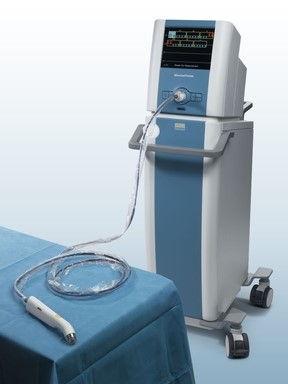
Last week, Dune Medical Devices, Inc., the company that developed the MarginProbeTM System, an intra-operative tissue assessment device to be used as accessory during lumpectomies of early-stage breast cancer, has received Premarket Approval (PMA) by the United States Food and Drug Administration.

MarginProbe system

marginProbe

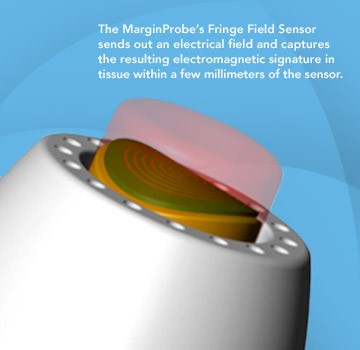
FDA approval of the MarginProbe System was based on a 664 patient prospective, multi-center, randomized, double arm study to evaluate the effectiveness of MarginProbe in identifying cancerous tissue along the margins of removed breast tissue during initial lumpectomy procedures. MarginProbe, which uses electromagnetic “signatures” to identify healthy and cancerous tissue, was found to be over three times more effective in finding cancer on the margin during lumpectomy, compared to traditional intra-operative imaging and palpation assessment. This enabled surgeons to significantly reduce the number of patients with positive margins following initial surgery.

The following publication gives an idea on the clinical performance of MarginProbe:

J Surg Res. 2010 May 15;160(2):277-81. doi: 10.1016/j.jss.2009.02.025. Epub 2009 Mar 31.

Diagnostic performance of a novel device for real-time margin assessment in lumpectomy specimens.

Pappo ISpector RSchindel AMorgenstern SSandbank JLeider LTSchneebaum SLelcuk SKarni T.

Source

Department of General Surgery, Assaf Harofeh Medical Center, Zrifin, Israel. pappo@zahav.net.il

Abstract

BACKGROUND:

Margin status in breast lumpectomy procedures is a prognostic factor for local recurrence and the need to obtain clear margins is often a cause for repeated surgical procedures. A recently developed device for real-time intraoperative margin assessment (MarginProbe; Dune Medical Devices, Caesarea, Israel), was clinically tested. The work presented here looks at the diagnostic performance of the device.

METHODS:

The device was applied to freshly excised lumpectomy and mastectomy specimens at specific tissue measurement sites. These measurement sites were accurately marked, cut out, and sent for histopathologic analysis. Device readings (positive or negative) were compared with histology findings (namely malignant, containing any microscopically detected tumor, or nonmalignant) on a per measurement site basis. The sensitivity and specificity of the device was computed for the full dataset and for additional relevant subgroups.

RESULTS:

A total of 869 tissue measurement sites were obtained from 76 patients, 753 were analyzed, of which 165 were cancerous and 588 were nonmalignant. Device performance on relatively homogeneous sites was: sensitivity 1.00 (95% CI: 0.85-1), specificity 0.87 (95% CI: 0.83-0.90). Performance for the full dataset was: sensitivity 0.70 (95% CI: 0.63-0.77), specificity 0.70 (95% CI: 0.67-0.74). Device sensitivity was estimated to change from 56% to 97% as the cancer feature size increased from 0.7 mm to 6.6 mm. Detection rate of samples containing pure DCIS clusters was not different from rates of samples containing IDC.

CONCLUSIONS:

The device has high sensitivity and specificity in distinguishing between normal and cancer tissue even down to small cancer features.

Copyright (c) 2010 Elsevier Inc. All rights reserved.

PMID: 19628225

Imagine how cost effective breast cancer management can be if it will involve systems such as these in addition to the systems I discussed in some of my previous posts, for example: What could transform an underdog into a winner?

Written by: Dror Nir, PhD.

Read Full Post »

Personalized medicine gearing up to tackle cancer

Reporter: Ritu Saxena, Ph.D.

Article ID #10: Personalized medicine gearing up to tackle cancer. Published on 1/7/2013

WordCloud Image Produced by Adam Tubman

Tsimberidou_360_1114_1 (1)

Views of leading cancer researcher, Dr. Apostolia M. Tsimberidou


Since the inception of personalized medicine, it has been visualized that a patient walking into a doctor’s office would be recommended a treatment tailored around his/her genetic and molecular profile. Although this idea of personalized medicine still seems far-fetched, it is currently being implemented in a few clinics, including that of Apostolia M. Tsimberidou, MD, PhD.

Dr. Tsimberidou is an associate professor in the Department of Investigational Cancer Therapeutics at The University of Texas MD Anderson Cancer Center and a member of the American Society of Clinical Oncology (ASCO) Educational Committee. She is also the brains behind a large study of personalized medicine-based cancer treatment. The findings of her successful phase I clinical trial in late-stage cancer patients has attracted a lot of attention. I recently had a chance to interview her and find out her views on the current status, challenges and future of personalized medicine.

Dr. Tsimberidou explains the basis of her study, “We analyze tumors from patients with cancer to identify molecular aberrations, which are then used to select optimal treatment.” On the basis of the molecular aberrations determined, the patients were recommended for treatment with matched anti-cancer therapeutic drugs. The results obtained in terms of clinical outcomes of patients were intriguing. Among patients harboring one molecular aberration, there was a significant improvement in the median survival duration of patients who underwent matched therapy (13.4 months) as compared to patients treated without matched therapy (9 months). Matched therapy patients also showed a better overall response rate of 27% vs. 5% in unmatched patients. Another criteria measured was the time-to-treatment failure which was again longer with matched targeted therapy, 5.2 months compared to 3.1 months with systemic therapy. The results of the study were published recently in Clinical Cancer Research. Essentially, the study concluded that there is a better chance of drug response and longer survival in patients who have been administered drugs according to their molecular signature. This is indeed good news for patients suffering from the disease.

So, how does the success of matched-therapy translate to the clinic? “What we propose is the optimization of treatment by taking into consideration multiple factors, including the genetics and molecular status of tumors, and that the process becomes a part of regular clinical practice,” explains Dr. Tsimberidou.

When Dr. Tsimberidou and her colleagues at MD Anderson Cancer Center started the phase I clinical trial for personalized medicine in 2007, they faced numerous challenges. The biggest challenge she describes was “dealing with the inertia of the existing system”. “It is easy for an insurance company to approve payment for a CAT-scan, but it is still challenging to cover the cost of a new biopsy and tumor molecular analysis from a patient who has suffered from cancer for over 10 years. Hopefully, there will be a shift in the approach.” How could a shift in the approach be achieved? “Researchers need to continue to carefully design prospective clinical trials, including small phase II clinical studies with targeted agents against tumor molecular aberrations.” She emphasizes that “resources–time, energy and funds–to conduct clinical trials are very limited. Using the approach of matched therapy earlier during the course of the disease could give better results.”

Dr. Tsimberidou states, “The most important thing is that we need to take advantage of the available technology to make advances in tumor molecular profiling and drug discovery. We need the technologists, molecular biologists, health care professionals and regulators to work together and expedite the use of the existing technology to identify tumor abnormalities and to discover novel drugs. We need to access, learn and share with each other to determine what the optimal therapeutic approach for every patient is.”

According to the American Cancer Society, the probability that an individual will develop or die from cancer over the course of a lifetime (lifetime risk) in the United States is less than a 1 in 2 for men; and a little more than 1 in 3 for women. Thanks to passionate and committed researchers like Dr. Tsimberidou, personalized medicine-based cancer treatments might take us a few steps closer to curing the disease.  Dr. Tsimberidou concludes, “We have to develop innovative treatment protocols and to offer the best treatment possible for each of our patients”.

Reporter

Ritu Saxena, Ph.D.

Author, Reporter, Curator @ Leaders in Pharmaceutical Business Intelligence

http://pharmaceuticalintelligence.com/

Research article:

Personalized medicine in a phase I clinical trials program: the MD anderson cancer center initiative.

Read Full Post »

Whole-body imaging as cancer screening tool; answering an unmet clinical need?

Author: Dror Nir, PhD

Sometimes technologies that were developed to answer clinical needs in a certain area are migrated to perform in a totally inappropriate area. A good example which I discussed several times in my posts is PSA.

Cancer patients’ prognoses, strongly depend on accurate tumor staging. It is also a prerequisite for therapy choice and planning. Whole-body imaging is frequently used in patients with advanced malignant diseases including presence of metastases as these may occur in any anatomic region. It is important to note that classifying a patient as harboring a potentially advanced disease is based on biopsy results of Sentinel Lymph-Nodes and not on imaging. Moreover, referring a patient to a whole-body imaging is a choice of the treating practitioner! Clearly, when the choice of treatment includes administration of drugs, the type of drugs to be used is determined by the characteristics of the primary tumor.

To date, the use of whole-body imaging for post treatment follow-up can be considered as anecdotal.

The most-used technologies for whole-body imaging are computed tomography (CT), positron emission tomography (PET) and MRI. The performance of these systems in detection of cancer metastases of more than 1cm in diameter is very similar and in general quite good, dependent on the primary disease and the body locations of the metastases. Alas, each of these modalities has its strengths and weakness in different cancer and different body locations. Therefore, in the last decade, combined modalities such as PET-CT and recently PET/MRI were introduced. In some cases [1-6] these are reported to show sensitivity of more than 90%.

To demonstrate the level of information produced during whole-body imaging procedure here is an example (taken from Whole-body MRI and PET-CT in the management of cancer patients). This resource includes additional, educating examples:

330_2006_183_Fig1_HTML

Fig. 1

From multimodality to single-step examination. Restaging in a 29-year-old woman treated for breast cancer and with newly elevated tumor markers and bone pain. 1a, 1b Radiograms of the skeleton were normal, but bone scintigraphy showed a pathological tracer uptake in the right pubic bone (arrow). Abdominal ultrasound exhibited a suspicious mass. 1c, 1d CT revealed tumor recurrence in the right breast and confirmed hepatic metastasis. 2a, 2b T1-weighted whole-body MRI depicted a metastasis in the right pubic bone (circle). 2c, 2d HASTE images of the thorax showed the tumor recurrence in the right breast (arrow) and dynamic contrast enhanced studies of the abdomen unmasked the liver metastasis

Before addressing the issue of using whole-body imaging as a screening tool I would like to draw attention to existence of other methods for screening and post treatment follow-up of cancer patients; e.g. detecting levels of cancer-specific bio-markers in the blood or urine or, in case of advanced disease, detecting the level of tumor cells circulating in the blood as presented in: Circulating Tumor Cells versus Imaging—Predicting Overall Survival in Metastatic Breast Cancer by G. Thomas Budd et.al.

Abstract

Purpose: The presence of ≥5 circulating tumor cells (CTC) in 7.5 mL blood from patients with measurable metastatic breast cancer before and/or after initiation of therapy is associated with shorter progression-free and overall survival. In this report, we compared the use of CTCs to radiology for prediction of overall survival.

Experimental Design: One hundred thirty-eight metastatic breast cancer patients had imaging studies done before and a median of 10 weeks after the initiation of therapy. All scans were centrally reviewed by two independent radiologists using WHO criteria to determine radiologic response. CTC counts were determined ∼4 weeks after initiation of therapy. Specimens were analyzed at one of seven laboratories and reviewed by a central laboratory.

Results: Inter-reader variability for radiologic responses and CTC counts were 15.2% and 0.7%, respectively. The median overall survival of 13 (9%) patients with radiologic nonprogression and ≥5 CTCs was significantly shorter than that of the 83 (60%) patients with radiologic nonprogression and <5 CTCs (15.3 versus 26.9 months; P = 0.0389). The median overall survival of the 20 (14%) patients with radiologic progression and <5 CTCs was significantly longer than the 22 (16%) patients with ≥5 CTCs that showed progression by radiology (19.9 versus 6.4 months; P = 0.0039).

Conclusions: Assessment of CTCs is an earlier, more reproducible indication of disease status than current imaging methods. CTCs may be a superior surrogate end point, as they are highly reproducible and correlate better with overall survival than do changes determined by traditional radiology.

I would like first to present the following publication that could explain why people can easily be drawn why whole-body screening is an effective way to detect early cancers:

Enthusiasm for cancer screening in the United States by Schwartz LM, Woloshin S, Fowler FJ Jr, Welch HG SO, JAMA. 2004; 291(1):71.:

“ CONTEXT: Public health officials, physicians, and disease advocacy groups have worked hard to educate individuals living in the United States about the importance of cancer screening.

OBJECTIVE: To determine the public’s enthusiasm for early cancer detection.

DESIGN, SETTING, AND PARTICIPANTS: Survey using a national telephone interview of adults selected by random digit dialing, conducted from December 2001 through July 2002. Five hundred individuals participated (women aged>or =40 years and men aged>or =50 years; without a history of cancer).

MAIN OUTCOME MEASURES: Responses to a survey with 5 modules: a general screening module (eg, value of early detection, total-body computed tomography); and 4 screening test modules: Papanicolaou test; mammography; prostate-specific antigen (PSA) test; and sigmoidoscopy or colonoscopy.

RESULTS: Most adults (87%) believe routine cancer screening is almost always agood idea and that finding cancer early saves lives (74% said most or all the time). Less than one third believe that there will be a time when they will stop undergoing routine screening. A substantial proportion believe that an 80-year-old who chose not to be tested was irresponsible: ranging from 41% with regard to mammography to 32% for colonoscopy. Thirty-eight percent of respondents had experienced at least 1 false-positive screening test; more than 40% of these individuals characterized that experience as “very scary” or the “scariest time of my life.” Yet, looking back, 98% were glad they had had the initial screening test. Most had a strong desire to know about the presence of cancer regardless of its implications: two thirds said they would want to be tested for cancer even if nothing could be done; and 56% said they would want to be tested for what is sometimes termed pseudodisease (cancers growing so slowly that they would never cause problems during the person’s lifetime even if untreated). Seventy-three percent of respondents would prefer to receive a total-body computed tomographic scan instead of receiving 1000 dollars in cash.

CONCLUSIONS: The public is enthusiastic about cancer screening. This commitment is not dampened by false-positive test results or the possibility that testing could lead to unnecessary treatment. This enthusiasm creates an environment ripe for the premature diffusion of technologies such as total-body computed tomographic scanning, placing the public at risk of over testing and overtreatment.”

Whole-body screening is promoted as a one-stop shop for painlessly detecting hidden cancer and preventing cancer-related deaths. It is big business in the United States and in Canada where private clinics have begun offering full-body diagnostic procedures for a fee. The tests and procedures are often marketed to healthy people as a way to scan for hidden abnormalities or cancers, affording people the peace of mind that they are in good health [7 – 9].

When used in this manner, the evidence shows that whole-body cancer screening offers no proven health benefits and that it, in fact, exposes people to a number of unnecessary health risks. The problem I see is that the public is not exposed to “scientific publications” but is exposed to commercial ones!


References

  1. FDG PET and PET/CT: EANM procedure guidelines for tumor PET imaging: version 1.0
  2. Cancer of the Prostate, Testicles and Penis
  3. Gynecologic Cancers
  4. Malignant Melanoma
  5. Molecular Imaging in Cancer
  6. Pre-clinical whole-body fluorescence imaging: Review of instruments, methods and applications
  7. Full body CT scan for screening
  8. Screening for Cancer with PET and PET/CT: Potential and Limitations 
  9. http://www.privatescan.nl/total-bodyscan

Written by: Dror Nir, PhD

Read Full Post »

Differentiation Therapy – Epigenetics Tackles Solid Tumors

Author-Writer: Stephen J. Williams, Ph.D.

Updated 4/27/2021

Screen Shot 2021-07-19 at 7.04.21 PM

Word Cloud By Danielle Smolyar

Genetic and epigenetic events within a cell which promote a block in normal development or differentiation coupled with unregulated proliferation are hallmarks of neoplastic transformation.  Differentiation therapy is a chemotherapeutic strategy directed at re-activating endogenous cellular differentiation programs in a tumor cell therefore driving the cancerous cell to a state closer resembling the normal or preneoplastic cell and therefore incurring loss of the tumorigenic phenotype.

This post will deal with:

  • Agents such as histone deacetylase inhibitors (HDACi), retinoids, and PPARϒ agonists which have been shown to reactivate terminal differentiation programs in solid tumors
  • Clinical trials in solid tumors
  • Issues regarding the use of differentiation therapy in solid tumors

This post is a follow-up post to Histone Deacetylase Inhibitors Induce Epithelial-to-Mesenchymal Transition in Prostate Cancer Cells

To put the need for alternate chemotherapeutic strategies in perspective, one is referred to the National Cancer Statistics from http://www.cancer.gov show that 33% of cancer patients, treated with standard cytolytic chemotherapy, will still die within five years (i.e. one in three will die within 5 years).  However the addition of the differentiation agent retinoic acid to standard chemotherapy regimen for treatment of acute promyelocytic leukemia (APML) had improved 5 year survival rates from a range of 50-80% up to near 90% complete remission rates while 75% become disease free, an astonishing success story.  For a review of APML please be referred to http://en.wikipedia.org/wiki/Acute_promyelocytic_leukemia.  Briefly, APML is predominantly a result of the chromosomal translocation producing a fusion gene between the promyelocytic leukemia (PML) and RARα receptor genes.  The PML-RARα fusion protein recruits transcriptional repressors, histone deacetylases (HDACs), and DNA methyltransferases.  Treatment with pharmacologic doses of retinoic acid dissociates the PML-RARα from HDACs and results in degradation of PML-RARα, eventually resulting in the differentiation of the myeloid cells in APML.

Dr. Igor Matushansky of Columbia University believes such differentiation therapy could be useful in soft tissue sarcomas, due to the existence of a connective tissue (mesenchymal) stem cell,  in vitro methods which can differentiate these cells into mature tissues, and, from a gene clustering analysis his group had performed, correlation of expression signatures of each liposarcoma subtype throughout the adipocytic differentiation spectrum, including early differentiated to more mature differentiated cells(1).   A parallel study by Riester and colleagues had been able to classify breast tumors and liposarcomas along a phylogenetic tree showing solid tumors can be reclassified based on cell of origin via expression patterns(2).  In addition, other solid tumors, such as ovarian cancer are easily classified, based both on pathologic, histologic, and expression analysis into well and poorly differentiated tumors, correlating differentiation status with prognosis.

Compound Classes which have potential in

differentiation therapy for solid tumors

A. Histone Deacetylase Inhibitors (HDACi)

In eukaryotes, epigenetic post-translational modification of histones is critical for regulation of chromatin structure and gene expression.  Histone deacetylation leads to chromatin compaction and is associated with transcriptional repression of tumor suppressors, cell growth and differentiation.  Therefore, HDACi are promising anti-tumor agents as they may affect the cell cycle, inhibit proliferation, stimulate differentiation and induce apoptotic cell death (3). In a review by Kniptein and Gore, entinostat was found to be a well-tolerated HDACi that demonstrates promising therapeutic potential in both solid and hematologic malignancies(4). The path to the discovery of suberoylanilide hydroxamic acid (SAHA, vorinostat) began over three decades ago with our studies designed to understand why dimethylsulfoxide causes terminal differentiation of the virus-transformed cells, murine erythroleukemia cells. SAHA can cause growth arrest and death of a broad variety of transformed cells both in vitro and in vivo at concentrations that have little or no toxic effects on normal cells (for references see (5). In fact, treatment of MCF-7 breast carcinoma cells with SAHA resulted in morphologic changes resembling epithelial mammary differentiation(6).

HDAC inhibitors

Figure.  Structures of some HDACi used in clinical trials for cancer (see section below)

hdacwithsaha

Figure.  HDAC with SAHA

B. Retinoids

Vitamin A and retinoids play significant roles in basic physiological processes such as vision, reproduction, growth, development, hematopoiesis and immunity (7). Retinoids are the natural derivatives and synthetic analogs of vitamin A. They have been shown to prevent mammary carcinogenesis in rodents (8), to inhibit the growth of human cancer cells in vitro  (9,10) and be effective chemopreventive and chemotherapeutic agents in a variety of human epithelial and hematopoietic tumors (11-14).

Retinoids cannot be synthesized de novo by higher animals and consequently must be consumed in the diet. The two sources of retinoids are animal products that contain retinol and retinyl esters, and plant-derived carotenoids (provitamin A). b-carotene is the most potent vitamin A precursor and has been shown to be an active inhibitor of both tumor initiation and promotion (15).

A major function of retinol, relevant to cancer, is its function as an antioxidant. The antioxidant properties of vitamin A have been shown both in vitro and in vivo (16,17). Retinol deficiency causes oxidative damage to liver mitochondria in rats that can be reversed by vitamin A supplementation (18). A caveat to this is in vitro and in vivo evidence of chronic hypervitaminosis A inducing oxidative DNA damage, as well (19-21). Therefore, it is evident that maintaining the vitamin A concentration within a physiological range is critical to normal cell function because either a deficiency or an excess of vitamin A induces oxidative stress (22). Retinoic acids (RA) (all-trans, 9-cis and 13-cis) are the major biologically active retinoids and exert their effects by regulation of gene expression by binding two families of ligand-activated nuclear retinoid receptors (23). Retinoic acid receptors (RARs) and retinoid X receptors (RXRs) regulate the transcription of a large number of target genes that contain retinoic acid response elements (RAREs) in their promoters. Many of these genes are involved in cancer (13,24) and differentiation (24-26).

Several lines of evidence suggest involvement of defects in retinol signaling in cancer, from the observation that a vitamin A-deficient (VAD) diet leads to an increase in the number of spontaneous and chemically induced tumors in animals (27-29) to the observation that RA itself can induce  differentiation and inhibit the growth of many tumor cells (30-32), as well as the identification that components of the RA signaling pathway are absent in cancer cells (33). Vitamin A and its metabolites have been proposed to have a dual effect in cancer prevention, as antioxidants (16,17,19,34) and differentiating agents (35-37). as it is well accepted that retinoid signaling is integral in maintaining the differentiated state of many cell types (13,38). Additionally, current rationale for chemoprevention with retinoids is based, in part, on the hypothesis that some tumors, may arise due to loss of normal somatic differentiation during tissue repair.

C. PPARϒ Agonists

Peroxisome proliferator-activated receptor ϒ (PPARϒ) is a member of the steroid hormone receptor superfamily that responds to changes in lipid and glucose homeostasis but has increasing roles in differentiation and tumorigenesis. The first PPAR (PPARα) was discovered during the search of a molecular target for a group of agents then referred to as peroxisome proliferators, as they increased peroxisomal numbers in rodent liver tissue, apart from improving insulin sensitivity.  One of the first agents, developed in the early 80’s for treatment of hyperlipidemia and hperlipoproteinemia, was clofibrate.  All PPAR subtypes heterodimerize with the retinoid-x-receptor (RXR) and, upon binding of ATRA, activate target genes.

PPARϒ agonists have shown potential as a therapeutic in a variety of cancer types including bladder cancer (39), colon cancer(40),  breast cancer(41), prostate cancer(42).  There are numerous studies showing that PPARϒ agonists have anti-tumorigenic activity via anti-proliferative, pro-differentiation and anti-angiogenic mechanisms of action(43). For example, Papi et al. observed that agonists for the retinoid X receptor (6-OH-11-O-hydroxyphenanthrene), retinoic acid receptor (all-trans retinoic acid (RA)) and peroxisome proliferator-activated receptor (PPAR)-γ (pioglitazone (PGZ)), reduce the survival of MS generated from breast cancer tissues and MCF7 cells, but not from normal mammary gland or MCF10 cells(44) with concomitant upregulation of differentiation markers.

A great website for further information on PPAR is Dr. Jack Vanden Heuvel, Professor of Toxicology at Penn State University at http://ppar.cas.psu.edu/general_information.html.

D. Trabectedin

Trabectedin (ecteinascidin-743 (ET-743); Yondelis) is derived from the Caribbean tunicate Ecteinascidia turbinacta has antitumor activity by binding to the DNA minor groove thus disrupting binding of transcription factors and inhibiting DNA synthesis.  However, it has also been shown, in myxoid liposarcoma (MLS) cells, to cause dissociation of transcription factor TLS-CHOP from promoter sequences resulting in downregulation of target genes such as CHOP, PTX3 and FN1 and induces an adipogenic differentiation program by enhancing activation of CAAT/enhancer binding protein (C/EBP) family of genes.  In MLS, TLS-CHOP sequesters C/EBPβ resulting in block of differentiation programs while trabectedin disrupts this association freeing up C/EBPβ to act as transcriptional activator of genes related to differentiation.

Ongoing Cancer Clinical Trials with HDAC Inhibitors

The following is a listing of some clinical trials using histone deacetylase inhibitors in combination with approved chemotherapeutics in various tumors.  This data was taken from the New Medicine Oncology Knowledge Base ( at http://www.nmok.net).

hdactrial1 hdactrial2

Issues and Future of Differentiation-based Therapy

In the review by Filemon Dela Cruz and Igor Matushansky(1), the authors suggest that, like days of old of cytotoxic monotherapy, differentiation therapy would not evolve as a simplistic one-size-fits –all but mirror an extremely complicated process.  Therefore they suggest three theoretical mechanisms in which differentiation therapy may occur:

  1. Cancer directed differentiation: differentiation pathways are activated without correcting the underlying oncogenic mechanisms which produced the initial differentiation block
  2. Cancer reverted differentiation: correction of the underlying oncogenic mechanism results in restoration of endogenous differentiation pathways
  3. Cancer diverted differentiation: cancer cell is redirected to an earlier stage of differentiation

Finally the authors suggest that “the potential for reversion of the malignant cancer phenotype to a more benign, or at the very least a lower grade of biological aggressiveness, may serve as a critical clinical and biologic transition of a uniformly fatal cancer into one more amenable to management or to treatment using conventional therapeutic approaches.”

References:

1.            Cruz, F. D., and Matushansky, I. (2012) Oncotarget 3, 559-567

2.            Riester, M., Stephan-Otto Attolini, C., Downey, R. J., Singer, S., and Michor, F. (2010) PLoS computational biology 6, e1000777

3.            Seidel, C., Schnekenburger, M., Dicato, M., and Diederich, M. (2012) Genes & nutrition 7, 357-367

4.            Knipstein, J., and Gore, L. (2011) Expert opinion on investigational drugs 20, 1455-1467

5.            Marks, P. A. (2007) Oncogene 26, 1351-1356

6.            Munster, P. N., Troso-Sandoval, T., Rosen, N., Rifkind, R., Marks, P. A., and Richon, V. M. (2001) Cancer research 61, 8492-8497

7.            Napoli, J. L. (1999) Biochim Biophys Acta 1440, 139-162

8.            Moon, R., Metha, R., and Rao, K. (1994) Retinoids and cancer in experimental animals. in The Retinoids: Biology, Chemistry, and Medicine (Sporn, M., Roberts, A., and Goodman, D. eds.), 2 Ed., Raven Press, New York. pp 573-596

9.            De Luca, L. M. (1991) Faseb J 5, 2924-2933

10.          Gudas, L. J. (1992) Cell Growth Differ 3, 655-662

11.          Degos, L., and Parkinson, D. (1995) Retinoids in Oncology, Springer-Verlag, Berlin

12.          Lotan, R. (1996) Faseb J 10, 1031-1039

13.          Zhang, D., Holmes, W. F., Wu, S., Soprano, D. R., and Soprano, K. J. (2000) J Cell Physiol 185, 1-20

14.          Fontana, J. A., and Rishi, A. K. (2002) Leukemia 16, 463-472

15.          Suda, D., Schwartz, J., and Shklar, G. (1986) Carcinogenesis 7, 711-715

16.          Ciaccio, M., Valenza, M., Tesoriere, L., Bongiorno, A., Albiero, R., and Livrea, M. A. (1993) Arch Biochem Biophys 302, 103-108

17.          Palacios, A., Piergiacomi, V. A., and Catala, A. (1996) Mol Cell Biochem 154, 77-82

18.          Barber, T., Borras, E., Torres, L., Garcia, C., Cabezuelo, F., Lloret, A., Pallardo, F. V., and Vina, J. R. (2000) Free Radic Biol Med 29, 1-7

19.          Borras, E., Zaragoza, R., Morante, M., Garcia, C., Gimeno, A., Lopez-Rodas, G., Barber, T., Miralles, V. J., Vina, J. R., and Torres, L. (2003) Eur J Biochem 270, 1493-1501

20.          Omenn, G. S., Goodman, G. E., Thornquist, M. D., Balmes, J., Cullen, M. R., Glass, A., Keogh, J. P., Meyskens, F. L., Jr., Valanis, B., Williams, J. H., Jr., Barnhart, S., Cherniack, M. G., Brodkin, C. A., and Hammar, S. (1996) J Natl Cancer Inst 88, 1550-1559

21.          Murata, M., and Kawanishi, S. (2000) J Biol Chem 275, 2003-2008

22.          Schwartz, J. L. (1996) J Nutr 126, 1221S-1227S

23.          Chambon, P. (1996) Faseb J 10, 940-954

24.          Freemantle, S. J., Kerley, J. S., Olsen, S. L., Gross, R. H., and Spinella, M. J. (2002) Oncogene 21, 2880-2889

25.          Collins, S. J., Robertson, K. A., and Mueller, L. (1990) Mol Cell Biol 10, 2154-2163

26.          Grunt, T. W., Somay, C., Oeller, H., Dittrich, E., and Dittrich, C. (1992) J Cell Sci 103 ( Pt 2), 501-509

27.          Lasnitzki, I. (1955) Br J Cancer 9, 434-441

28.          Moore, T. (1965) Proc Nutr Soc 24, 129-135

29.          Saffiotti, U., Montesano, R., Sellakumar, A. R., and Borg, S. A. (1967) Cancer 20, 857-864

30.          Strickland, S., and Mahdavi, V. (1978) Cell 15, 393-403

31.          Breitman, T. R., Selonick, S. E., and Collins, S. J. (1980) Proc Natl Acad Sci U S A 77, 2936-2940

32.          Breitman, T. R., Collins, S. J., and Keene, B. R. (1981) Blood 57, 1000-1004

33.          Niles, R. M. (2000) Nutrition 16, 573-576

34.          Monagham, B., and Schmitt, F. (1932) J Biol Chem 96, 387-395

35.          Miller, W. H., Jr. (1998) Cancer 83, 1471-1482

36.          Miyauchi, J. (1999) Leuk Lymphoma 33, 267-280

37.          Reynolds, C. P. (2000) Curr Oncol Rep 2, 511-518

38.          Ortiz, M. A., Bayon, Y., Lopez-Hernandez, F. J., and Piedrafita, F. J. (2002) Drug Resist Updat 5, 162-175

39.          Mansure, J. J., Nassim, R., and Kassouf, W. (2009) Cancer biology & therapy 8, 6-15

40.          Osawa, E., Nakajima, A., Wada, K., Ishimine, S., Fujisawa, N., Kawamori, T., Matsuhashi, N., Kadowaki, T., Ochiai, M., Sekihara, H., and Nakagama, H. (2003) Gastroenterology 124, 361-367

41.          Stoll, B. A. (2002) Eur J Cancer Prev 11, 319-325

42.          Smith, M. R., and Kantoff, P. W. (2002) Investigational new drugs 20, 195-200

43.          Rumi, M. A., Ishihara, S., Kazumori, H., Kadowaki, Y., and Kinoshita, Y. (2004) Current medicinal chemistry. Anti-cancer agents 4, 465-477

44.          Papi, A., Guarnieri, T., Storci, G., Santini, D., Ceccarelli, C., Taffurelli, M., De Carolis, S., Avenia, N., Sanguinetti, A., Sidoni, A., Orlandi, M., and Bonafe, M. (2012) Cell death and differentiation 19, 1208-1219

Updated 4/27/2021

Epizyme’s EZH2 blocker boosts immuno-oncology response in prostate cancer models

Source: https://www.fiercebiotech.com/research/epizyme-s-ezh2-blocker-boosts-immuno-oncology-response-prostate-cancer-models

cancer cell surrounded by killer T cells
Inhibiting EZH2 either genetically or with a chemical inhibitor signaled the immune system to respond to PD-1 inhibition in prostate cancer. (NIH)

The protein EZH2 has long been known as a major driver of prostate cancer because of its ability to inactivate genes that would normally suppress tumor growth. Now, a team at Cedars-Sinai Cancer has shown in preclinical models of the disease that blocking EZH2 reduces resistance to immune-boosting checkpoint inhibitors—and they did it with the help of Epizyme, which won FDA approval for the first EZH2 blocker last year.

The Cedars-Sinai team inhibited EZH2 in preclinical prostate cancer models, activating interferon-stimulated genes in the immune system. The interferons then boosted the immune response and reversed resistance to drugs that inhibit the checkpoint PD-1, they reported in the journal Nature Cancer.

By inhibiting EZH2 either genetically or with a chemical inhibitor donated by Epizyme, the researchers used a technique called “viral mimicry” to “reopen” parts of the genome that are typically inactive, they explained in a statement. That signaled the immune system to respond to PD-1 inhibition.

Checkpoint inhibitors have been approved to treat several cancer types, but they’ve been largely disappointing in prostate cancer. Hence several research groups have been exploring combination strategies. They include the University of Texas MD Anderson Cancer Center, which published research in 2019 showing early evidence that combining checkpoint inhibition with anti-TGF-beta drug could be effective in prostate cancer.

More recently, bispecific antibodies have shown early promise in prostate cancer. Last September, Amgen presented data from a phase 1 study of AMG 160, a bispecific targeting PSMA and CD3 on T cells. The company said that 68.6% of patients experienced a decline in PSA, and eight out of 15 patients evaluated showed stable disease.

Regeneron is also developing a bispecific antibody for prostate cancer, targeting PSMA and CD28. The drug is being tested as a solo therapy and in combination with Regeneron’s PD-1 inhibitor Libtayo in a phase 1/2 clinical trial enrolling men with metastatic castration-resistant prostate cancer.

As for Epizyme’s EZH2 inhibitor, Tazverik, its path to market hasn’t been perfectly smooth. An advisory committee to the FDA questioned its efficacy and safety in its initial indication, metastatic or locally advanced epithelioid sarcoma. Still, the company got the go-ahead to market the drug in adult patients with the rare cancer last January. Then the FDA added follicular lymphoma to the label in June. The drug’s takeoff has been slower than expected, however, largely because the pandemic has prevented face-to-face interactions between the sales force and physicians.

The company is currently testing Tazverik in several other cancer types, including as a combination with standard-of-care treatments in castration-resistant prostate cancer.

Other research papers on Cancer and Cancer Therapeutics were published on this Scientific Web site as follows:

Histone Deacetylase Inhibitors Induce Epithelial-to-Mesenchymal Transition in Prostate Cancer Cells

PIK3CA mutation in Colorectal Cancer may serve as a Predictive Molecular Biomarker for adjuvant Aspirin therapy

Nanotechnology Tackles Brain Cancer

Response to Multiple Cancer Drugs through Regulation of TGF-β Receptor Signaling: a MED12 Control

Personalized medicine-based cure for cancer might not be far away

GSK for Personalized Medicine using Cancer Drugs needs Alacris systems biology model to determine the in silico effect of the inhibitor in its “virtual clinical trial”

Lung Cancer (NSCLC), drug administration and nanotechnology

Non-small Cell Lung Cancer drugs – where does the Future lie?

Cancer Innovations from across the Web

arrayMap: Genomic Feature Mining of Cancer Entities of Copy Number Abnormalities (CNAs) Data

How mobile elements in “Junk” DNA promote cancer. Part 1: Transposon-mediated tumorigenesis.

Cancer Genomics – Leading the Way by Cancer Genomics Program at UC Santa Cruz

Closing the gap towards real-time, imaging-guided treatment of cancer patients.

Closing the gap towards real-time, imaging-guided treatment of cancer patients.

mRNA interference with cancer expression

Search Results for ‘cancer’ on this web site

Cancer Genomics – Leading the Way by Cancer Genomics Program at UC Santa Cruz

Closing the gap towards real-time, imaging-guided treatment of cancer patients.

Lipid Profile, Saturated Fats, Raman Spectrosopy, Cancer Cytology

mRNA interference with cancer expression

Pancreatic cancer genomes: Axon guidance pathway genes – aberrations revealed

Biomarker tool development for Early Diagnosis of Pancreatic Cancer: Van Andel Institute and Emory University

Is the Warburg Effect the cause or the effect of cancer: A 21st Century View?

Crucial role of Nitric Oxide in Cancer

Targeting Glucose Deprived Network Along with Targeted Cancer Therapy Can be a Possible Method of Treatment

Read Full Post »

Stanniocalcin: A Cancer Biomarker.

Author:  Aashir Awan, PhD

Recently, a lot of attention has been given to developing better cancer diagnostic methods. Finding and validating cancer biomarkers has become an important tool for scientists and physicians in the frontline battle against this chronic epidemic. Various methods (e.g. microarray analysis) have been used to glean which specific proteins whose perturbations (upregulation or downregulation) are an indication of cancerous (or pre-cancerous) activity. One such molecule that is often mentioned is stanniocalcin (Chang et al., 2003).
It is a small family with two members, STC1 and STC2, that are thought to be secreted glycosylated proteins. And, both are found in a wide variety of cancers. Originally found in bony fish as a calcium/phosphate-regulating hormone, it is a homodimeric phosphoglycoprotein structurally. And, the proteins are thought to function in an autocrine/paracrine (rather than the classic endocrine) loop regulating intracellular calcium and/or phosphate levels (Yoskiko and Aubin, 2004).

Originally, STC1 showed up in a screen for mRNA differential display for genes that were related to cellular immortalization (Chang et al., 1995). While STC1 and STC2 are expressed in different tissues, they seem to have a special relationship to the reproductive tissues, hinting at a role in reproduction: STC1 expression is highest in the ovaries and STC2 is induced by the estrogen receptor. And, both are involved in breast cancer pathology. Other tissues where they are highly expressed include the kidney, bones, muscle, neurons (Worthington et al., 1999).
Fig2Physiologically, the proteins play a role in calcium and Pi homeostasis as demonstrated by studies on mouse transgenic models. In addition to cancer, the protein has been linked to atherosclerosis, hypoxia response and in wound repair (Lal et al., 2001; Iyer et al., 1999). Pharmacologically, an STC1 receptor has been deduced from studies and thought to be localized to the mitochondria where it has been shown to have a relationship with the mitochondrial electron transfer (McCudden et al., 2002).  Recent studies show that STC1 activates the mitochondrial antioxidant pathway through its regulation of intracellular calcium (Sheikh-Hamad, 2010).  Overall, STC1 and STC2 are thought to be secreted as phosphoproteins as demonstrated by coimmunoprecipitations of cellular lysates. And, it’s thought the proteins play a role in mineralizing tissues (e.g. bone) to control the levels of calcium and Pi via their influence on calcium channels and sodium/Pi co-transporters.  A schematic diagram showing how stannniocalcin might be have pro-apoptic functions is shown in Figure 1 (Yeung et al., 2012).

Table1However, stanniocalcin’s more prominent role is arguably as a cancer biomarker. Its expression has been shown to be affected in a number of different cancer pathologies. Table 1 shows a representative list of cancers where stanniocalcin levels are differentially expressed depending on the cancer. Thus, it appears that stanniocalcin is a good candidate cancer biomarker.  It is hypothesized that this is due in part to its role in tumor vasculature (Chang et al., 2003).  It should be noted that the list is but a brief compilation while stanniocalcin has been linked to other cancers as well.

At Vanderbilt University, studies were being done to evaluate the expression levels of YAP1 (Hippo pathway) during CNS development. Surprisingly, it was restricted to the choroid plexus (CP), a layer of epithelial cells lining the ventricles of the brain which are thought to act as a filtration system removing metabolic wastes. As such, primary cultures from mice (P=4) were cultured and evaluated. And, it was reported previously that stanniocalcin is expressed highly in CP. The expression of STC1 in choroid plexus epithelium would be consistent with the notion that stanniocalcin may have a role in regulation of calcium and Pi levels in cerebrospinal fluid (Franzén  et al., 2000). To verify that the primary culture were indeed CP cells, an immunofluorescent (IF) assay was done with CP markers including STC1 and STC2.  The following IF micrograph shows a generally a nuclear localization of STC2. In addition, since an extra channel was available for immunofluorescence, an acetlyated tubulin antibody was used to evaluate the cytoskelton.  Surprisingly, there was colocalization of this protein to the primary cilia/centriole (Fig. 2: Blue = DAPI (Nucleus); Red = Acetylated tubulin (primary cilia/centriole); Green = STC2.  The boxed regions show representative colocalizations of STC2 to the primary cilium/centriole).

Fig1

If the colocalization of the STC2 antibody is correct, this will be the first time that stanniocalcin has been localized to the primary cilium. Since the primary cilium has already been linked to different cancer pathologies due to its role as the gatekeeper of the cell cycle (Veland et al., 2009), it seems interesting that another cancer biomarker may now also be linked to the primary cilium.  Studies have shown that STC1 affects the cell cycle by regulating cyclin D1 and ERK 1/2 (Wang et al., 2012).  Thus, it raises more questions:

Is there cross-talk between the mitochondria and the primary cilium via stanniocalcin which might then have further repercussions on cell cycle fate?

Is the the primary cilia helping to coordinate calcium/Pi signal systems?

It almost seems logical that there would be a link between the primary cilium and this important class of protein due to their respective roles in cancer.  But, further research (including validation) is needed to further delineate whether this relationship exists.

REFERENCES

Chang AC, Janosi J, Hulsbeek M, de Jong D, Jeffrey KJ, Noble JR, Reddel RR 1995 A novel human cDNA highly homologous to the fish hormone stanniocalcin. Mol Cell Endocrinol. 112:241-247.

Chang AC, Jellinek DA, Reddel RR. 2003 Mammalian stanniocalcins and cancer. Endocr Relat Cancer 10:359-373.

Franzén AM, Zhang KZ, Westberg JA, Zhang WM, Arola J, Olsen HS, Andersson LC 2000 Expression of stanniocalcin in the epithelium of human choroid plexus. Brain Res 887:440-443.

Iyer VR, Eisen MB, Ross DT, Schuler G, Moore T, Lee JCF, Trent JM, Staudt LM, Hudson J Jr, Boguski MS, Lashkari D, Shalon D, Botstein D & Brown PO 1999 The transcriptional program in the response of human fibroblasts to serum. Science 283 83–87.

Lal A, Peters H, St Croix B, Haroon ZA, Dewhirst MW, Strausberg RL, Kaanders JHAM, van der Kogel AJ & Riggins GJ 2001 Transcriptional response to hypoxia in human tumors. J National Cancer Institute 93 1337–1343.

McCudden CR, James KA, Hasilo C & Wagner GF 2002 Characterization of mammalian stanniocalcin receptors: mitochondrial targeting of ligand and receptor for regulation of cellular metabolism. J Biol Chem 277: 45249–45258.

Sheikh-Hamad D. 2010  Mammalian stanniocalcin-1 activates mitochondrial antioxidant pathways: new paradigms for regulation of macrophages and endothelium. Am J Physiol Renal Physiol. 298:F248-F254.

Veland IR, Awan A, Pedersen LB, Yoder BK, Christensen ST 2009 Primary cilia and signaling pathways in mammalian development, health and disease. Nephron Physiol 111:39-53.

Wang H, Wu K, Sun Y, Li Y, Wu M, Qiao Q, Wei Y, Han ZG, Cai B. 2012 STC2 is upregulated in hepatocellular carcinoma and promotes cell proliferation and migration in vitro. BMB Rep. 45:629-634.

Worthington RA, Brown L, Jellinek D, Chang AC, Reddel RR, Hambly BD, Barden JA. 1999 Expression and localisation of stanniocalcin 1 in rat bladder, kidney and ovary. Electrophoresis 20:2071-2076.

Yeung BH, Law AY, Wong CK 2012 Evolution and roles of stanniocalcin. Mol Cell Endocrinol 349:272-280.

Yoshiko Y and Aubin JE 2004 Stanniocalcin 1 as a pleiotropic factor in mammals. Peptides 25:1663-1669.

Read Full Post »

« Newer Posts - Older Posts »