Feeds:
Posts
Comments

Archive for August, 2012


Reported by: Dr. Venkat S. Karra, Ph.D.

Guidelines Updated for Unstable Angina/Non-ST Elevation Myocardial Infarction

According to the current study by Jneid and colleagues, new evidence is available on the management of unstable angina. This report replaces the 2007 American College of Cardiology Foundation/American Heart Association (ACC/AHA) Guidelines for the Management of Patients With Unstable Angina/Non–ST-Elevation Myocardial Infarction (UA/NSTEMI) that were updated by the 2011 guidelines.

This guideline was reviewed by 2 official reviewers each nominated by the ACCF and the AHA, as well as 1 or 2 reviewers each from the American College of Emergency Physicians; the Society for Cardiovascular Angiography and Interventions; and the Society of Thoracic Surgeons; and 29 individual content reviewers, including members of the ACCF Interventional Scientific Council. The recommendations in this focused update are considered current until they are superseded in another focused update or the full-text guideline is revised. Guidelines are official policy of both the ACCF and the AHA.

STUDY SYNOPSIS AND PERSPECTIVE

American cardiology societies have caught up with the European Society of Cardiology by issuing their second update to the UA/NSTEMI guidelines in 18 months, with the 2012 focused update replacing the 2011 guidelines [1]. The new recommendations include ticagrelor (Brilinta) as one of the options for antiplatelet therapy alongsideprasugrel (Effient) and clopidogrel, bringing them in line with European guidance issued last September.

The European guidance, however, gave precedence to the new antiplatelets over clopidogrel, whereas the American update “places ticagrelor on an equal footing with the other two antiplatelets available–this is the main reason for the update,” lead author Dr Hani Jneid (Baylor College of Medicine, Houston, TX), told heartwire . “Doctors now have a choice for second-line therapy after aspirin, depending on the patient’s clinical scenario, physician preference, and cost,” because the latter will come into play now that clopidogrel is available generically, he noted.

The US decision to recommend first prasugrel–in its 2011 update to the UA/NSTEMI guidelines–and now ticagrelor as equivalent antiplatelet therapy choices to clopidogrel after aspirin puts it somewhat at odds with the Europeans, who reserve clopidogrel use for those who cannot take the newer agents.

But Jneid says the Americans have their reasons for this differing stance. While it is “biologically plausible” to recommend ticagrelor and prasugrel in preference to clopidogrel–“because they are faster acting and more potent”–the cost-effectiveness of the new agents is not known, he says. Nor is it clear how the efficacy observed in pivotal clinical trials of these agents is going to translate into real-world benefit, he says, adding that issues such as bleeding with prasugrel and compliance with a twice-daily drug such as ticagrelor remain concerns.

Bulk of 2012 Update on How to Use Ticagrelor

The 2012 ACCF/AHA focused update for the management of UA/NSTEMI stresses that all patients at medium/high risk should receive dual antiplatelet therapy on admission, with aspirin being first-line, indefinite therapy.

The bulk of the update centers on how to use ticagrelor which–like prasugrel or clopidogrel–can be added to aspirin for up to 12 months (or longer, at the discretion of the treating clinician). Jneid notes it’s important to remember that prasugrel can only be used in the cath lab in patients undergoing percutaneous coronary intervention (PCI), whereas ticagrelor, like clopidogrel, can be used in medically managed or PCI patients.

And he emphasizes that, in line with the FDA’s black-box warning on ticagrelor, this new antiplatelet agent must only be administered with a “baby” dose of aspirin (81 mg in the US).

The 81-mg aspirin dose is also considered a reasonable option in preference to a higher maintenance dose of 325 mg in any acute coronary syndrome (ACS) patient following PCI, he adds, as this strategy is believed to result in equal efficacy and lower bleeding risk.

With regard to how long antiplatelet therapy should be stopped before planned cardiac surgery, the recommendation is five days for ticagrelor–the same as that advised for clopidogrel. For prasugrel, the guidance is to stop therapy seven days prior to surgery.

Jneid also highlights other important recommendations from the 2011 focused update carried over to 2012:

It is “reasonable” to proceed with cardiac catheterization and revascularization within 12–24 hours of admission in initially stable, very high-risk patients with ACS.

An invasive strategy is “reasonable” in patients with mild and moderate chronic kidney disease.

In those with diabetes hospitalized with ACS, insulin use should target glucose levels <180 mg/dL, a less-intensive reduction than previously recommended.

Platelet function or genotype testing for clopidogrel resistance are both considered “reasonable” if clinicians think the results will alter management, but it is acknowledged that “there is not much evidence to support these assays,” says Jneid.

Committee Encourages Participation in Registries

Jneid observes that unstable angina and NSTEMI are “very common” conditions that carry a high risk of death and recurrent heart attacks, which is why “the AHA and ACCF constantly update their guidelines so that physicians can provide patients with the most appropriate, aggressive therapy with the goal of improving health and survival.”

To this end, he notes that the writing panel encourages clinicians and hospitals to participate in quality-of-care registries designed to track and measure outcomes, complications, and adherence to evidence-based medicines.

Conflicts of interest for the writing committee are listed in the paper.

References

  1. Jneid H, Anderson JL, Wright SR, et al. 2012 ACCF/AHA focused update on the guideline for the management of patients with unstable angina/non-ST elevation myocardial infarction (Updating the 2007 guideline and replacing the 2011 focused update): A report of the ACCF/AHA. Circulation 2012;DOI: 10.1161/CIR0b013e3182566fleo. Available at: http://circ.ahajournals.org/.

source

http://www.medscape.org


Read Full Post »

Reported & Curated by: Dr. Venkat S. Karra, Ph.D.

Predicting Potential Cardiac Events

One of the leading causes of drug attrition during development is cardiac toxicity, which has a serious impact on cost and can impact getting new drugs to patients. Detecting cardiovascular safety issues earlier in the drug development program would produce significant benefits for pharmaceutical companies and, ultimately, public health.

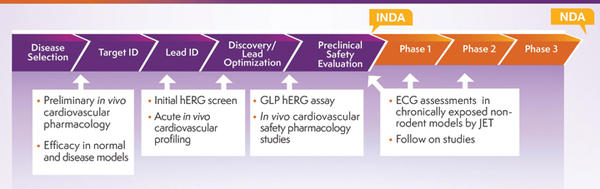
Comprehensive cardiovascular and electrophysiology assessments are routinely conducted in vivo and in vitro early in the preclinical or lead optimization phases of drug development. For example, the isolated perfused guinea pig heart preparation (classically called the Langendorff preparation) can be used to screen a series of related new chemical entities (NCE) in the lead optimization phase for preliminary information on the relative effects on contractility and rhythm. Additionally, intact animal non-GLP studies—generally conducted in anesthetized, non-recovery models—are designed to assess effects of NCEs on a range of acute hemodynamic and cardiac parameters such as heart rate, blood pressure, electrocardiogram (ECG), ventricular contractility, vascular resistance, cardiac output, etc. These studies employ small numbers of animals, but by allowing scientists to terminate research into NCEs with obvious cardiovascular side effects, they can eliminate the need for larger animal studies later in the development process. These preparations also provide information on the involvement of the autonomic nervous system in the cardiovascular responses of the NCE. Such effects can be important determinants in the total cardiovascular response to an NCE, and this information cannot be obtained with any known in vitro method.

The ICH S7A and ICH S7B guidelines provide guidance on important physiological systems and assessment of pharmaceuticals on ventricular repolarization and proarrhythmic risk. The guidelines were designed to protect patients from potential adverse effects of pharmaceuticals. Since these guidelines were issued in 2000 and 2005, respectively, cardiac safety study designs have been realigned to identify potential concerns prior to administering the first dose to humans. It is now routine for all NCEs to be evaluated using an in vitro Ikr assay such as the hERG voltage patch clamp assay to assess for the potential for QT interval prolongation. Systems have evolved to screen large numbers of compounds using automated high-throughput patch clamp systems early in the lead optimization/drug discovery phase. This is a cost effective method for determining an initial go/no-go gate. Once a compound has progressed to the development phase, it can once again be assessed with the hERG assay utilizing the gold standard manual patch clamp assay.

If the NCE under investigation is a cardiovascular therapy, then pharmacological characterization should also occur early in the lead development process. In addition to some of the techniques already discussed, a variety of disease models are available to help determine if the NCE will be efficacious in a clinical setting. However sound the in vitro data used in screening and selection process (e.g., receptor-binding studies), NCEs that have been shown to be active in at least one in vivo model (e.g,. salt-sensitive Dahl rat model) have a higher likelihood of clinical success. Once a lead is identified, it should still go through the generalized safety characterization discussed earlier.

The in vivo study designs for NCEs reaching the development phase to support the Investigational New Drug (IND) application (just prior to the first human dose) require acquisition of heart rate, blood pressure, and ECG data using an appropriate species at and above clinically relevant doses.

The trend in the industry for these regulatory-driven studies has been to utilize animals surgically instrumented with telemetry devices that can acquire the required parameters. The advantage of using instrumented animals over anesthetized animals is that data can be acquired from freely moving animals over greater periods of time without anesthetic in the test system, which has the potential to confound and perturb results interpretation. Appropriate dose selection relative to those used in the clinic provides valuable information about potential acute cardiac events and how they may impact trial participants.

Animal studies
Telemetry-instrumented animals can be used as screening tools earlier in the drug selection phase. Colonies of animals that can be reused, following a suitable wash-out period, provide an excellent resource for screening compounds to detect unwanted side effects. The use of these animals coupled with recent advances in software-analysis systems allow for rapid data turnaround, which enables scientists to quickly determine if there are any potentially unwanted signals. If any effects are detected on, for example, blood pressure or QT interval, then the decision to either shelve the drug or conduct additional studies can be made before advancing any further in the developmental phase.

Interestingly, the experience that has been acquired since the approval of the ICH guidelines has allowed pharmaceutical companies to temper their response to finding a potentially unwanted signal. Rather than permanently shelve libraries of compounds that, for example, were found to be positive in the hERG assay—common practice when the 2005 guidelines came into being—companies can now determine a risk potential based on knowledge gained with the intact animal studies.

Similarly, if changes in hemodynamic parameters are detected, there are follow-up experiments employing anesthetized or telemetry models that include additional measurements like left ventricular pressure. These experiments can be utilized to further assess their potential clinical impact by examining effects on myocardial contractility, relaxation, and conduction velocity.

These techniques primarily address acute effects: those following a single exposure. Chronic effects—those seen with long-term administration of the NCE to an intact organism—are difficult to obtain in early development, but are routinely monitored during safety studies, which are conducted non-clinically during Phase 1 and 2 of the development process. ECGs typically are collected to evaluate the chronic cardiac effects in non-rodent species during these studies. While traditional ECGs can be taken, it is recommended that JET (jacketed external telemetry) techniques, which permit the recording of ECG’s—but not blood pressure—in freely moving animals, be applied. If chronic effects are discovered, follow-up experiments can be conducted with any of the techniques mentioned in this article.

As the focus on cardiac safety has matured over the last 10 years, the Safety Pharmacology Society has led efforts to establish an approach to determine best practices for conducting key preclinical cardiovascular assessments in drug development. From this, the hope is to provide sensitive preclinical assays that can detect high-probability safety concerns. Parallel efforts have been made to more accurately assess the translation of preclinical cardiovascular data into clinical outcomes and to encourage collaborations between preclinical and clinical scientists involved in cardiac safety assessment.

This has been conducted under the umbrella of the International Life Science Institute–Health and Environmental Services Institute (ILSI-HESI) consortium, which has bought together industrial, academic, and government scientists to discuss and determine what steps are necessary to establish an integrated cardiovascular safety assessment program. The goal is to provide better ways of predicting potential adverse events, allowing for earlier detection of cardiovascular safety issues and reducing the number of clinical trial failures.

http://www.dddmag.com/articles/2012/08/predicting-potential-cardiac-events?et_cid=2816494&et_rid=45527476&linkid=http%3a%2f%2fwww.dddmag.com%2farticles%2f2012%2f08%2fpredicting-potential-cardiac-events.

Another possibility is genetic testing to determine the likelihood of stroke, for example Corus CAD is a shoebox-size kit that uses a simple blood draw to measure the RNA levels of 23 genes. Using an algorithm, it then creates a score that determines the likelihood that a patient has obstructive coronary artery disease.

“By providing Medicare beneficiaries access to Corus CAD, this coverage decision enables patients to avoid unnecessary procedures and risks associated with cardiac imaging and elective invasive angiography, while helping payers address an area of significant healthcare spending,” CardioDx President and CEO David Levison said in a press release.

http://pharmaceuticalintelligence.com/wp-admin/post.php?post=2272&action=edit

Read Full Post »

Endothelial Dysfunction, Diminished Availability of cEPCs,  Increasing  CVD Risk — Macrovascular Disease – Therapeutic Potential of cEPCs

Author and Investigator Initiated Study: Aviva Lev-Ari, PhD, RN

In normal conditions, the vascular endothelium produces and secretes substances that modulate vascular tone and protect the vessel wall from inflammatory cell infiltration, thrombus formation, and vascular smooth muscle cell proliferation (Rubanyi, 1993). Pathologic conditions such as hyperlipidemia, hyperglycemia, and hypertension impair the ability of the vascular endothelium to produce vasodilatory and anti-adhesion moieties and increase the production of vasoconstrictor, proadhesion, and pro-thrombotic molecules, leading to elevated vascular tone, enhanced cell adhesion, proliferation of media smooth muscle cells, and propensity toward thrombosis (Drexler & Hornig, 1999),(Endemann & Schiffrin, 2004). Endothelial cell loss and turnover are accelerated in the presence of hemodynamic and biochemical alterations and are a prominent feature of vascular injury resulting from percutaneous coronary intervention (Bennett & O’Sullivan, 2001).

The loss of endothelial function and integrity sets in motion the cascade of events that lead to atherosclerosis and restenosis after percutaneous revascularization (Ross, 1999),(Dzau et al., 2002). Processes of mobilization, growth, differentiation, recruitment, homing, replication and migration characterize cEPCs from the initial cell division of stem cells to cell apoptosis. What are the factors influencing cEPC mobilization, growth, differentiation, recruitment, mobilization, homing, replication and migration?

Physiological Factors

Chemokines

SCF-1, G-CSF, GM-CSF

Effect on cEPCs: recruitment, mobilization (Takahashi et al., 1999), (Kong et al., 2004a), (Kocher et al. 2001), (Shi et al., 1998), (Cho et al., 2003),(Orlic et al., 2001),(Bhattacharya et al., 2000), (Shi et al, 2002)

SDF-1

Effect on cEPCs: recruitment, mobilization, homing (Yamaguchi et al., 2003),(Powell et al., 2005),(Askari et al., 2003), (Hiasa et al., 2004),(George et al., 2003),(George et al., 2004),(Massa et al., 2005)

Cytokines / Growth Factors

FGF, VEGF, PIGF

Effect on cEPCs: mobilization, differentiation (Kalka et al., 2000a),(Ashara et al., 1997),(Kalka et al., 2000b)

                                  Angiopoietin, PDGF

Effect on cEPCs: differentiation

Hormones

Erythropoietin

Effect on cEPCs: mobilization, replication (Heeschen et al., 2003), (George, et. al., 2005).

Estrogen

Effect on cEPCs: mobilization (Strehlow et al., 2003), (Imanishi et al., 2005)

Signaling molecules

NO, Akt

Effect on cEPCs: mobilization, differentiation(Aicher et al., 2003).


Pharmacological Factors

3-HMC-CoA Inhibitors (statins)

Effect on cEPCs: mobilization, migration, homing (Werner et al., 2003),(Vasa et al., 2001a),(Walter et al., 2002),(Dimmeler et al., 2001),

(Llevadot et al., 2001),(Spyridopoulos et al., 2004)

             PPAR-gamma Agonists

Effect on cEPCs: mobilization, differentiation (Verma & Szmitko, 2006), (Andrew et al., 2004)

Physical Factors


            Exercise, hypoxia

Effect on cEPCs: mobilization (Laufs et al., 2003),(Kleinman et al., 2005),(Goon et al., 2006)

Pathological Factors

Coronary artery disease (CAD)

Effect on cEPCs: mobilization, homing (Kalka et al., 2000a),(Vasa et al., 2001b),(Heeschen et al., 2004)

Acute MI

Effect on cEPCs: mobilization, homing (Shintani et al., 2001),(Valgimigli et al., 2004),(Massa et al., 2005)

Peripheral limb ischemia

Effect on cEPCs: mobilization, homing (Takahashi et al., 1999),(Iwaguro et al., 2002),(Asahara et al., 1997),(Kalka et al., 2000b)

Vascular injury and inflammation

Effect on cEPCs: mobilization, homing (Ross, 1999),( Losordo et al., 2003), (Dimmeler & Zeiher, 2004),(Werner et al., 2003),(Verna et al, 2004).

EPC transplantation has been shown to induce new vessel formation in ischemic myocardium and hind limb (Kalka et al., 2000c),(Kawamoto et al, 2001),(Kocher, 2001) and to accelerate re-endothelialization of injured vessels and prosthetic vascular grafts in humans and in various animal models (Kocher, 2001),(Griese et al., 2003) demonstrating their therapeutic potential as a cell-based strategy for rescue and repair of ischemic tissues and injured blood vessels. Furthermore, EPCs are amenable to genetic manipulation, underscoring their usefulness as vectors for local delivery of therapeutic genes (Griese et al., 2003),(Kong et al., 2004b), (Iwaguro, 2002)

   Clinical Frontiers and Therapeutic Applications of cEPCs

  • Angiogenesis
  • Neovascularization of Artherosclerotic Plaque
  • Risk Factors impairing Collateral Development
  • Inhibitory Effects of Hypercholesterolemia
  • Bone Marrow Cells: Supporting cells in vascular growth processes
  • Inverse Relations: cEPCs and Risk of Macrovascular Events
  • New Stenting Technology:


  1.    Stents eluting Nitric Oxide (Verma and Marsden, 2005)
  2.    Stents coated with antiboby specific (anti-CD34) to the EPCs antigen cell     (Chadwick, 2006),(Aoki et al., 2005)
  3.    EPC-covered intravascular stents deployed for prevention of stent  thrombosis and restenosis as well as for rapid  formation of normal tissue architecture (Shirota et al., 2003).


  1. Table 1:            Alterations in number and function of cEPCs Disease Characterization and Suitability for ElectEagle an Endogenous Augmentation Method for cEPCs number (not for cEPCs function)

Disease Type

(Dzau et al., 2005)

Number

of

 cEPCs

Function

of

cEPCs

References

Disease Suitability for Endogenous Augmentation of cEPCs
Myocardial
     CAD

down

 down

(Kalka et al., 2000a),(Shintani et al., 2001),(Vasa et al., 2000b),(Hill et al., 2003),(Heeschen et al., 2004)

yes

     CHF

down

down

(Valgimigli et al.,2004),(Massa et al., 2005)

yes

     Unstable angina

down

unknown

(George et al., 2004)

yes

     MI

up

down

(Massa et al., 2005)

No

Vascular
     Atherosclerosis

down

down

(Vasa et al., 2001b),(Heeschen, 2004)(Lusis, 2000)

yes

     Acute Vascular injury and inflammation

up

unknown

(Fuujiyama et al.,2003)(Werner et al., 2003),(Walter et al., 2002),(Strehlow et al., 2003),(Shi et al., 1998),(Gill et al., 2001),

(Chu et al., 2003)

No

     PeripheralLimb ischemia

up

unknown

(Takahashi et al.,1999),(Iwaguro et al., 2002),(Asahara et al., 1997),(Asahara et al., 1999),(Kalka et al., 2000b)(Segal at al., 2006)

No

     Transplantarteriopathy

down

unknown

(Simper at al., 2003)

Yes

     In-stentrestenosis

down

unknown

(George et al., 2003)

yes

     Hypertension

unknown

unknown

No

     Hyperlipidemia

down

down

(Rauscher et al., 2003)

yes

Diabetes

down

down

(Loomans et al.,2004),(Tepper et al., 2002)

yes

Renal Failure
     Hemodialysis

down

down

(Choi et al., 2004)

yes

Source: original table created by Lev-Ari, A.

Based on Table 1, above, Lev-Ari, A. concluded that four Cardiovascualr diseases are NOT candidates for cEPCs therapeutic treatment

List of Disease unsuitable for ElectEagle an Endogenous Augmentation Method for  cEPCs includes:

  • Myocardial infarction
  • Acute Vascular injury and inflammation
  • Peripheral Limb ischemia
  • Hypertension

Table 2:           Therapeutic Angiogenesis Effects achieved by Cell-Based Therapy: Donor, Human; Recipient, Autologous;

Diagnosis, Myocardial Infarction


Therapeutic

Effect

Measured

Effect

Method of Delivery

Type and

Source of Cells

References

EjectionFruction

Up

(Stamm et al.,2003)

(Assmus et al., 2002),

(Britten et al., 2003),

(Schachinger et al., 2004),

(Wollert et al., 2004)

(Fernandez-Aviles

et al., 2004),

(Kang et al., 2004)


Infarct border

(Stamm et al., 2003)

CD133

(Stamm et al., 2003),


BM

(Stamm et al., 2003)

(Stamm et al., 2003)

Collateral flow (SPECT)

Up

(Stamm et al., 2003)

Infarct size

Down

(Strauer et al., 2002)

Intracoronary Balloon

Catheter

(Strauer et al., 2002)

BM

(Strauer et al., 2002)

(Strauer et al., 2002)

Wall motion

Up

(Strauer et al., 2002)

Contractility

Up

(Assmus et al., 2002),

(Britten et al., 2003),

(Schachinger et al., 2004),

(Wollert et al., 2004)

Intracoronary Balloon

Catheter

(Assmus et al., 2002),

(Britten et al., 2003),

(Schachinger et al., 2004),

(Wollert et al., 2004)

BM

PB

MNC

(Assmus et al., 2002),

(Britten et al., 2003),

(Schachinger et al., 2004),

(Wollert et al., 2004)

(Assmus et al., 2002),(Britten et al., 2003),(Schachinger et al., 2004),

(Wollert et al., 2004)

Myocardial perfusion

Up

(Assmus et al., 2002),

(Britten et al., 2003),

(Schachinger et al., 2004),

(Wollert et al., 2004)

Remodeling

Down

(Assmus et al., 2002),

(Britten et al., 2003),

(Schachinger et al., 2004),

(Wollert et al., 2004)

LV wall thickness

Up

(Fernandez-Aviles et al., 2004)

Intracoronary w/PCA

(Fernandez-Aviles et al., 2004)

CD34+

CD117+

AC133+

(Fernandez-Aviles et al., 2004)

End-systolic (ESV) volume

Down

(Fernandez-Aviles et al., 2004)

Exercise time

Up

(Kang et al., 2004)

Intracoronary

G-CSF

CD34+

(Kang et al., 2004)


Table 3:          

Therapeutic Angiogenesis Effects achieved by Cell-Based Therapy: Donor, Human; Recipient, Autologous;

Diagnosis, Myocardial Ischemia – Unstable Ischemia


Therapeutic

Effect

Measured

Effect

Method of Delivery

Type and

Source of Cells

References

Ejection Fruction

Up

(Perin et al., 2003),

(Tse et al., 2003)

Transendocardial with NOGA mapping

MNCs

(Perin et al., 2003),

(Tse et al., 2003)

BM

(Perin et al., 2003),

(Tse et al., 2003)

(Perin et al., 2003),

(Tse et al., 2003)

Anginal episodes

Down

(Perin et al., 2003),

(Tse et al., 2003)

Wall thickening

Up

(Perin et al., 2003),

(Tse et al., 2003)

Wall motion

Up

(Perin et al., 2003),

(Tse et al., 2003)

REFERENCES

Aicher A, Heeschen C, Mildner-Rihm C, Urbich C, Ihling C, Technau- Ihling K, Zeiher AM, Dimmeler S, (2003). Essential role of endothelial nitric oxide synthase for mobilization of stem cell and progenitor cells. Nat Med., 9:1370-1376.

Anderson T. (1999). Assessment of treatment of endothelial dysfunction. J Am Coll of Cardiology, 34: 631- 8.

Andrew C. Li, Binder, CJ, Gutierrez, A, Brown, KK, Plotkin, CR, Pattison, JW, Valledor, AF, Davis, RA, Willson, TM, Witztum, JL, Palinski, W, Glass, CK. (2004). Differential inhibition of macrophage foam-cell formation and atherosclerosis in mice by PPAR-alpha, Beta/delta, and gamma. J. Clin. Invest. 114:1564-1576

http://www.jci.org/articles/view/18730

Aoki, J., Serruys, P.W., van Beusekom, H., Ong, A.T., McFadden, E.P., Sianos, G., et al. (2005). Endothelial progenitor cell capture by stents coated with antibody against CD34: the HEALING-FIM (Healthy Endothelial Accelerated Lining Inhibits Neointimal Growth-First In Man) Registry. J Am Coll Cardiol 45 (10), 1574–1579.

Asahara T, Murohara T, Sullivan A, Silver M, van der Zee R, Li T, Witzenbichler B, Schatterman G, and Isner JM (1997). Isolation of putative progenitor endothelial cells for angiogenesis. Science 275: 964–967.

Asahara T, Masuda H, Takahashi T, Kalka C, Pastore C, Silver M, Kearne M, Magner M, Isner JM. (1999). Bone marrow origin of endothelial progenitor cells responsible for postnatal vasculogenesis in physiological and pathological neovascularization. Circ Res. 85:221–228.

Askari AT, Unzek S, Popovic ZB, Goldman CK, Forudi F, Kiedrowski M, Rovner A, Ellis SG, Thomas JD, DiCorleto PE, Topol EJ, Penn MS.(2003). Effect of stromal cell-derived factor 1 on stem cell homing and tissue regeneration in ischemic cardiomyopathy. Lancet, 362:697–703.

Assmus B, Schachlinger V, Teupe C, Britten M, Lehmann R, Dobert N, Grunwald F, Aicher A, Urbich C, Martin H, Hoelzer D, Dimmeler S, Zeiher AM, (2002). Transplantation of progenitor cells and regeneration enhancement in acute myocardial infarction (TOPCARE-AMI). Circulation, 106:3009 –3017

Bennett MR, O’Sullivan MO (2001). Mechanisms of angioplasty and stent restenosis: implications for design of rational therapy. Pharmacol Ther., 91:149 –166.

Ben-Shoshan, J and George, J. (2006). Endothelial progenitor cells as therapeutic vectors in cardiovascular disorders: from experimental models to human trials  Pharmacology Therapeutics (impact factor: 8.9). 08/2007; 115(1):25-36.

Bhattacharya V, Shi Q, Ishida A, Sauvage LR, Hammond WP, Wu MH.(2000). Administration of granulocyte colony-stimulating factor enhances endothelialization and microvessel formation in small caliber synthetic vascular grafts. J Vasc Surg., 32:116 –123.

Bonetti PO, et al. (2002). Reactive hyperemia peripheral arterial tonometry, a novel non-invasive index of peripheral vascular function, is attenuated in patients with coronary endothelial dysfunction. Circulation, 106:Suppl II:579.

Bonetti PO, et al. (2003). Enhanced external counterpulsation improves endothelial function in patients with symptomatic coronary artery disease. J Am Coll of Cardiology, 41:1761-8.

Britten MB, Abolmaali ND, Assmus B, Lehman R, Honold J, Schmitt J, Vogl TJ, Martin H, Schachinger V, Dimmeler S, Zeiher AM, (2003). Infarct remodeling after intracoronary progenitor cell treatment in patients with acute myocardial infarction (TOPCARE-AMI): mechanistic insights from serial contrast-enhanced magnetic resonance imaging. Circulation, 108:2212–2218.

Bypass Angioplasty Revascularization Investigation in Type 2 Diabetics (BARI 2D) ClinicalTrials.gov Identifier: NCT00006305, 2000-2007

http://www.nejm.org/doi/full/10.1056/NEJMoa0805796

Caplice NM, Bunch TJ, Stalboerger PG, Wang S, Simper D, Miller DV, Russell SJ, Litzow MR, Edwards WD. (2003). Smooth muscle cells in human coronary atherosclerosis can originate from cells administered at marrow transplantation. Proc Natl Acad Sci U S A. 100: 4754–4759.

Chadwick , D.(2006) OrbusNeich’s Genous Bioengineered R-stent . Cath Lab Digest, 14 (1), 20-26

Cho H-J, Kim H-S, Lee M-M, Kim D-H, Yang H-J, Hur J, Hwang K-K, Oh S, Choi Y-J, Chae I-H, Oh, B-H, Choi Y-S, Walsh K, Park Y-B. (2003).  Mobilized endothelial progenitor cells by granulocyte-macrophage colony-stimulating factor accelerate reendothelialization and reduce vascular inflammation after intravascular radiation. Circulation, 108:2918 –2925.

Choi J-H, Kim KL, Huh W, Kim B, Byun J, Suh W, Sung J, Jeon E-S, Oh H-Y, Kim D-K, (2004). Decreased number and impaired angiogenic function of endothelial progenitors in patients with chronic renal failure. Arterioscler Thromb Vasc Biol.,24:1246 –1252.

Cinamon G, Shinder V, Alon R (2001) Shear forces promote lymphocyte migration across vascular endothelium bearing apical chemokines. Nature Immunology, 2:515

Dimmeler S, Aicher A, Vasa M, Mildner-Rihm C, Adler K, Tiemann M, Rutten H, Fichtlscherer S, Martin H, Zeiher AM, (2001). HMG-CoA reductase inhibitors (statins) increase endothelial progenitor cells via the PI3-kinase/Akt pathway. J Clin Invest., 108:391–397.

Dimmeler S and Zeiher AM, (2004). Vascular repair by circulating endothelial progenitor cells: the missing link in atherosclerosis. J Mol Med. 82:671– 677.

Drexler H and Hornig B, (1999). Endothelial dysfunction in human disease. J Mol Cell Cardiol., 31:51– 60.

Dzau VJ, Braun-Dullaeus RC, Sedding DG. (2002). Vascular proliferation and atherosclerosis: new perspectives and therapeutic strategies. Nat Med.,  8:1249 –1256.

Dzau, VJ, Gnecchi, M, Pachori, AS, Morello F, Melo, LG.(2005).Therapeutic Potential of Endothelial Progenitor Cells in Cardiovascular Diseases.Hypertension,246:7-18.

Edelberg JM, Tang L, Hattori K, Lyden D, Rafii. (2002). Young adult bone marrow-derived endothelial precursor cells restore aging-impaired cardiac angiogenic function. Circ Res., 90:e89–e93.

Endemann DH and Schiffrin EL, (2004). Endothelial dysfunction. J Am Soc Nephrol., 15:1983–1992.

Fadini, G, Avogaro A, Agostini C. (2004), Unambiguous Definition of Endothelial Progenitor Cells. Electronic Letter to the Editor of Heart in reference to article by Eizawa, T, Ikeda U, et al. Decreasing in circulating endothelial progenitor cells in patients with stable CAD, Heart, 2004; 90: 685-686,

http://heart.bmjjournals.com/cgi/eletters/90/6/685#310  retrieved on 6/26/2006Link not found 5/1/2013

Fernandez-Aviles F, San Roman JA, Garcıa-Frade J, Fernandez ME, Penarrubia MJ, de la Fuente Luis, Gomez-Bueno M, Cantalapiedra A, Fernandez J, Gutierrez O, Sanchez PL, Hernandez C, Sanz R, Garcıa- Sancho J, Sa´nchez A, (2004). Experimental and clinical regenerative capability of human bone marrow cells after myocardial infarction. Circ Res., 95:742–748.

Folsom, A.R. Chambless, L.E. Ballantyne, C.M. Coresh, J. Heiss, G. Wu, K.K. Boerwinkle, E. Mosley, T.H. Sorlie, P. Diao, G. Sharrett, A.R. (2006). An Assessment of Incremental Coronary Risk Prediction Using C-Reactive Protein and Other Novel Risk Markers – The Atherosclerosis Risk in Communities Study. Arch Intern. Med. 166, 1368-1373.

Fuujiyama S, Amano K, Uehira K, Yoshida N, Nishiwaki Y, Nozawa Y,  Jin D, Takai S, Miyazaki M, Egashira K, Imada T, Iwasaka T, Matsubara H, (2003). Bone marrow monocyte lineage cells adhere on injured endothelium in a monocyte chemoattractant protein-1-dependent manner and accelerate reendothelialization as endothelial progenitor cells. Circ Res., 93:980-989.

George F, Brisson C, Poncelet P, Laurent JC, Massot O, Arnoux D, Ambrosi P, Klein-Soyer C, Cazenave JP, and Sampol J (1992). Rapid isolation of human endothelial cells from whole blood using S-Endo 1 monoclonal antibody coupled to immunomagnetic beads: demonstration of endothelial injury after angioplasty.Thromb Haemost, 67:147–153.

George J, Herz I, Goldstein E, Abashidze S, Deutch V, Finkelstein A, Michowitz Y, Miller H, Keren G.(2003). Number and adhesive properties of circulating endothelial progenitor cells in patients with in-stent restenosis. Arterioscler Thromb Vasc Biol., 23:e57– e60.

George J, Goldstein E, Abashidze S, Deutsch V, Shmilovich H, Finkelstein A, Herz I, Miller H, Keren G., (2004). Circulating endothelial progenitor cells in patients with unstable angina: association with systemic inflammation. Eur Heart J., 25:1003–1008.

George, J., Goldstein, E., Abashidze, S., Wexler, D., Hamed, S., Shmilovich, H., et al. (2005). Erythropoietin promotes endothelial progenitor cell proliferative and adhesive properties in a PI 3-kinase-dependent manner. Cardiovasc Res 68(2), 299-306.

George J, Shmilovich H, Deutsch V, Miller H, Keren G, Roth A. (2006). Comparative Analysis of Methods for Assessment of Circulating Endothelial Progenitor Cells, Tissue Engineering 12 (2) 331-335

Gerhard-Herman M, et al. (2002). Assessment of endothelial function (nitric oxide) at the tip of a finger. Circulation, 106:Suppl II:170.

Gill M, Dias S, Hattori K, Rivera ML, Hicklin D, Witte L, Girardi L, Yurt R, Himel H, Rafii S, (2001). Vascular trauma induces rapid but transient mobilization of VEGFR2/AC133 endothelial precursor cells. Circ Res., 88:167–174.

Goon, P.K.Y. Lip G.Y.H, Boos, CJ, Stonelake, PS, Blann, AD. (2006). Circulating Endothelial Cells, Endothelial Progenitor Cells, and Endothelial Microparticles in Cancer, Neoplasia, 8:79-88.

Griese DP, Ehsan A, Melo LG, Kong D, Zhang L, Mann MJ, Pratt RE, Mulligan RC, Dzau VJ, (2003). Isolation and transplantation of autologous circulating endothelial cells into denuded vessels and prosthetic grafts: implications for cell-based vascular therapy. Circulation, 108: 2710–2715.

Heeschen C, Aicher A, Lehmann R, Fichtlscherer S, Vasa M, Urbich C, Mildner-Rihm C, Martin H, Zeiher AM, Dimmeler, (2003). Erythropoietin is a potent physiological stimulus for endothelial progenitor cell mobilization. Blood, 102:1340 –1346.

Heeschen C, Lehman R, Honold J, Assmus B, Aicher A, Walter DH, Martin H, Zeiher AM, Dimmeler S. (2004). Profoundly reduced neovascularization capacity of bone marrow mononuclear cells derived from patients with chronic ischemic heart disease.Circulation, 109:1615–1622.

Heissig B, Hattori K, Dias S, Friedrich M, Ferris B, Hackett NR, Crystal RG, Besmer P, Lyden D, Moore MA, Werb Z, Rafii S., (2002). Recruitment of stem and progenitor cells from the bone marrow niche requires MMP-9 mediated release of kit-ligand. Cell;109: 625-637.

Hiasa K, Ishibashi M, Ohtani K, Inoue S, Zhao Q, Kitamoto S, Sata M, Ichiki T, Takeshita A, Egashira K. Gene transfer of stromal cell-derived factor 1 enhances ischemic vasculogenesis and angiogenesis via vascular endothelial growth factor/endothelial nitric oxide synthaserelated pathway: next generation chemokine therapy for therapeutic neovascularization. Circulation, 109:2454 –2461.

Hill JM, Zalos G, Halcox JPG, Schenke WH, Waclawin MA, Quyyumi A, Finkel T. (2003). Circulating endothelial progenitor cells, vascular function and cardiovascular risk. N Engl J Med., 348:593– 600.

Hillebrands J-L, Klatter FA, van DijK WD, Rozing J. (2003). Bone marrow does not contribute substantially to endothelial-cell replacement in transplant arteriosclerosis.Nat Med., 8:194 –195.

Hu Y, Davison F, Zhan Z, Xu Q. (2003). Endothelial replacement and angiogenesis in arteriosclerotic lesions of allografts are contributed by circulating progenitor cells.Circulation, 108:3122–3127.

Hur, J., Yoon, C.H., Kim, H.S., Choi, J.H., Kang, H.J., Hwang, K.K., et al. (2004). Characterization of two types of endothelial progenitor cells and their different contributions to neovasculogenesis. Arterioscler Thromb Vasc Biol 24(2), 288–293.

Imanishi, T., Hano, T. & Nishio, I. (2005) Estrogen reduces endothelial progenitor cell senescence through augmentation of telomerase activity. J Hypertens 23(9):1699-1706.

Iwaguro H, Yamaguchi J, Kalka C, Murasawa S, Masuda H, Hayashi S, Silver M, Li T, Isner JM, Asahara T, (2002). Endothelial progenitor cell vascular endothelial growth factor gene transfer for vascular regeneration. Circulation, 105:732–738.

Kalka C, Tehrani H, Laudernberg B, Vale P, Isner JM, Asahara T, Symes JF, (2000a). Mobilization of endothelial progenitor cells following gene therapy with VEGF165 in patients with inoperable coronary disease. Ann Thorac Surg., 70:829–834.

Kalka C, Masuda H, Takahashi T, Gordon R, Tepper O, Gravereaux E, Pieczek A, Iwaguro H, Hayashi S-I, Isner JM, Asahara T (2000b). Vascular endothelial growth factor165 gene transfer augments circulating endothelial progenitor cells in human subjects. Circ Res., 86:1198 –1202.

Kalka C, Masuda H, Takahashi T, Kalka-Moll WM, Silver M, Kearney M, Li T, Isner JM, Asahara T, (2000c). Transplantation of ex vivo expanded endothelial progenitor cells for therapeutic neovascularization. Proc Natl Acad Sci U S A. 97:3422–3427.

Kang H-J, Kim H-S, Zhang S-Y, Park K-W, Cho H-J, Koo B-K, Kim Y-J, Lee DS, Sohn D-W, Han K-S, Oh B-H, Lee M-M, Park Y-B, (2004). Effects of intracoronary infusion of peripheral blood stem cells mobilized with granulocyte-colony stimulating factor on left ventrricular systolic function and restenosis after coronary stenting in myocardial infarction: the MAGIC cell randomized clinical trial. Lancet, 363:751–756.

Kawamoto A, Gwon H-C, Iwaguro H, Yamaguchi J, Uchida S, Masuda H, Silver M, Ma H, Kearney M, Isner JM, Asahara T, (2001). Therapeutic potential of ex vivo expanded endothelial progenitor cells for myocardial ischemia. Circulation, 103:634–637.

Khan SS, Solomon MA, and McCoy JP Jr, (2005). Detection of circulating-  endothelial cells and endothelial progenitor cells by flow cytometry. Cytometry B Clin Cytom64:1–8.

Kiernan, T.(2006). Endothelial progenitor cells in 2006 – Where are we now? http://www.irishheart.ie/iopen24/catalog/pub/Heartwise/2006/Spring/endothelial.pdf retrieved 6/22/2006. Link not found 5/1/2013

Kim, DH, Leu, HB, Ott, HC & Taylor, DO, Bertolini, F, Mancuso, P & Kerbel, RS, Boos, CJ, Goon, PKY, Lip, GYH, (2005). Multiple comments – Correspondence to the Editor on Circulating Endothelial Progenitor Cells. NEJM, 353:24, 2613-2616

Kleinman, ME, Blei, F, Gurtner, GC, (2005). Circulating Endothelial Progenitor Cells and Vascular Anomalies, Lymphatic Research and Biology, 3;4: 234-239.

Kocher AA, Schuster MD, Szabolcs MJ, Burkhoff D, Wang J, Homma S, Edwards NM, Itescu S. (2001). Neovascularization of ischemic myocardium by human bone-marrow-derived angioblasts prevents cardiomyocyte apoptosis, reduces remodeling and improves cardiac function. Nat Med., 7:430–436.

Kong D, Melo LG, Gnecchi M, Zhang L, Mostoslavski G, Liew CC, Pratt RE, Dzau VJ. (2004a). Cytokine-induced mobilization of circulating endothelial progenitor cells enhances repair of injured arteries. Circulation, 110:2039 –2046.

Kong D, Melo LG, Mangi AA, Zhang L, Lopez-Ilasaca M, Perrella MA, Liew CC, Pratt RE, Dzau VJ, (2004b). Enhanced inhibition of neointimal hyperplasia by genetically engineered endothelial progenitor cells. Circulation, 109:1769 –1775.

Kuvin JT, et al. (2003a). Assessment of peripheral vascular endothelial function with finger arterial pulse wave amplitude. Am Heart J, 146:168-74.

Kuvin JT, et al. (2003b). Peripheral arterial tonometry during hyperemia is blunted in patients with coronary artery disease. J Am Coll of Cardiology, 41:Suppl:269A.

Lapidot T, and Petit, I (2002) Current understanding of stem cell mobilization: The roles of chemokines, proteolytic enzymes, adhesion molecules, cytokines, and stromal cells. Experimental Hematology, 30:973–98

Laufs U, Werner N, Link A, Endres M, Wassmann S, Jurgens K, Miche E, Bohm M, and Nickenig G (2004). Physical training increases endothelial progenitor cells, inhibits neointima formation, and enhances angiogenesis. Circulation 109: 220–226.

Llevadot J, Murasawa S, Kureishi Y, Uchida S, Masuda H, Kawamoto A, Walsh K, Isner JM, Asahara T, (2001). HMG-CoA reductase inhibitor mobilizes bone marrow-derived endothelial progenitor cells. J Clin Invest., 108:399–405.

Lloyd-Jones, D. and Tian, L. (2006). Predicting Cardiovascular Risk, So What Do We Do Now?. Arch Intern. Med, 166, 1342-1343.

Loomans CJM, de Koening EJP, Staal FJT, Rookmaaker MB, Verseyden C, de Boer HC, Verhaar MC, Braam B, Rebelink TJ, van Zonneveld A-J. (2004). Endothelial progenitor cell dysfunction. A novel concept in the pathogenesis of vascular complications of type I diabetes. Diabetes, 53:195–199.

Losordo DW, Isner JM, Diaz-Sandoval LJ, (2003). Endothelial Recovery. The next target in restenosis prevention. Circulation, 107:2635–2637.

Lusis, A.J. (2000). Atherosclerosis. Nature 407(6801), 233–241. DIGITAL LINK N/A

Massa M, Rosti V, Ferrario M, Campanelli R, Ramajoli, Rosso R, De Ferrari GM, Ferlini M, Goffredo L, Bertoletti A, Klersy C, Pecci A, Moratti R, Tavazzi, (2005). Increased circulating hematopoietic and endothelial progenitor cells in the early phase of acute myocardial infarction. Blood,105:199 –206.

Orlic D, Kajstura J, Chimenti S, Limana F, Jakoniuk I, Quaini F, Nadal-Ginard B, Bodine DM, Leri A, Anversa P. (2001). Mobilized bone marrow cells repair the infarcted heart, improving function and survival. Proc Natl Acad Sci U S A. 98:10344 –10349.

Peichev M, Naiyer AJ, Pereira D, Zhu Z, Lane WJ, Williams M, Oz MC, Hicklin DJ, Witte L, Moore MA, and Rafii S (2000). Expression of VEGFR-2 and AC133 by circulating human CD34+ cells identifies a population of functional endothelial precursors. Blood 95: 952–958.

Perin EC, Dohmann HFR, Borojevic R, Silva SA, Sousa AL, Mesquita CT, Rossi MI, Carvalho AC, Dutra HS, Dohmann HJ, Silva GV, Belem L, Vivacqua R, Rangel FO, Esporcatte R, Geng YJ, Vaughn WK, Assad JA, Mesquita ET, Willerson JT, (2003). Transendocardial, autologous bone marrow cell transplantation for severe, chronic ischemic heart failure. Circulation, 107:2294 –2302.

Powell TM, Paul JD, Hill JM, Thompson M, Benjamin M, Rodrigo M, McCoy JP, Read EJ, Khuu HM, (2005). Leitman SF, Finkel T, Cannon RO III. Granulocyte colony stimulating factor mobilizes functional endothelial progenitor cells in patients with coronary artery disease. Arterioscler Thromb Vasc Biol., 25:1– 6.

Rafii S, Lyden D (2003). Therapeutic stem and progenitor cell transplantation for organ vascularisation and regeneration. Nat Med 9: 702–712.

Rauscher FM, Goldschmidt-Clermont PJ, Davis BH, Wang T, Gregg D, Ramaswami P, Pippen AM, Annex BH, Dong C, Taylor DA, (2003). Aging, progenitor cell exhaustion, and atherosclerosis. Circulation, 108:457–463.

Ross R. (1999). Atherosclerosis – An inflammatory disease. N Engl J Med., 340:115–126.

Rubanyi GM. (1993). The role of endothelium in cardiovascular homeostasis and diseases. J Cardiovasc Pharmacol., 22(Suppl):S1–S4.

Sata M, Saiura A, Kunisato A, Tojo A, Okada S, Tokuhisa T, Hirai H, Makuuchi M, Hirata Y, Nagai R. (2002). Hematopoietic stem cells differentiate into vascular cells that participate in the pathogenesis of atherosclerosis. Nat Med., 8:403– 409.

Schachinger V, Assmus B, Britten MB, Honold J, Lehman R, Teupe C, Abolmaali ND, Vogt TJ, Hofmann WK, Martin H, Dimmeler S, Zeiher AM, (2004). Transplantation of progenitor cells and regeneration enhancement in acute myocardial infarction: final one-year results of the TOPCARE-AMI trial. J Am Coll Cardiol., 44:1690 –1699.

Schatteman GC, Hanlon HD, Jiao C, Dodds SG, Christy BA. (2000). Blood derived angioblasts accelerate blood flow restoration in diabetic mice. J Clin Invest., 106:571–578.

Scheubel RJ, Zorn H, Rolf-Edgar S, Kuss O, Morawietz, Holtz J, Simm A. (2003). Age-dependent depression in circulating endothelial progenitor cells in patients undergoing coronary artery bypass grafting. J Am Col Cardiol., 42:2073–2080.

Segal, M.S., Shah, R., Afzal, A., Perrault, C.M., Chang, K., Schuler, A., et al. (2006). Nitric oxide cytoskeletal-induced alterations reverse the endothelial progenitor cell migratory defect associated with diabetes. Diabetes 55(1), 102-109

Shi Q, Raffi, Wu MH, Wijelath ES, Yu C, Ishida A, Fujita Y, Kothari S, Mohle R, Sauvage LR, Moore MAS, Storb RF, Hammond WP. (1998). Evidence of circulating bone-marrow derived endothelial cells. Blood, 92:362–367.

Shi Q, Bhattacharya V, Hong-De Wu M, Sauvage LR. (2002). Utilizing granulocyte colony-stimulating factor to enhance vascular graft endothelialization from circulating blood cells. Ann Vasc Surg., 16:314 –320.

Shintani S, Murohara T, Ikeda H, Ueni T, Honma T, Katoh A, Sasaki K, Shimada T, Oike Y, Imaizumi T, (2001). Mobilization of endothelial progenitor cells in patients with acute myocardial infarction. Circulation, 103:2776 –2779.

Shirota, T., Yasui, H., Shimokawa, H. & Matsuda, T. (2003). Fabrication of endothelial progenitor cell (EPC)-seeded intravascular stent devices and in vitro endothelialization on hybrid vascular tissue. Biomaterials 24(13), 2295–2302.

Simper D, Wang S, Deb A, Holmes D, McGregor C, Frantz R, Kushawa SS, Caplice NM, (2003). Endothelial progenitor cells are decreased in blood of cardiac allograft patients with vasculopathy and endothelial cells of non cardiac origin are enriched in transplant atherosclerosis. Circulation, 107:143–149.

Spyridopoulos I, Haendeler J, Urbich C, Brummendorf TH, Oh H, Schneider MD, Zeiher AM, Dimmeler S, (2004). Statins enhance migratory capacity by upregulation of the telomere repeat-binding factor TRF2 in endothelial progenitor cells. Circulation, 110:3136 –3142.

Stamm C, Westphal B, Kleine H-D, Petzsch M, Kittner C, Klinge H, Schumichen C, Nienaber CA, Freund M, Steinhoff G, (2003). Autologous bonemarrow transplantation for myocardial regeneration. Lancet, 361:45–46.

Strauer BE, Brehm M, Zeus T, Kostering M, Hernandez A, Sorg RV, Kogler G, Wernet P, (2002). Repair of infarcted myocardium by autologous intracoronary mononuclear bone marrow cell transplantation in humans. Circulation, 106:1913–1918.

Strehlow K, Werner N, Berweiler J, Link A, Dirnagl U, Priller J, Laufs K, Ghaeni L, Milosevic M, Bohm M, Nickenig G, (2003). Estrogen increases bone-marrow derived endothelial progenitor cell production and diminishes neointima formation.Circulation, 107:3059 –3065.

Takahashi T, Kalka C, Masuda H, Chen D, Silver M, Kearney M, Magner M, Isner JM, Asahara T, (1999). Ischemia- and cytokine-induced mobilization of bone-marrow-derived endothelial progenitor cells for neovascularization. Nat Med., 5:434–438.

Tepper OM, Galiano RD, Capla JM, Kalka C, Gagne PJ, Jacobwotiz GR, Levine JP, Gurtner GC. (2002). Human endothelial progenitor cells from type II diabetes exhibit impaired proliferation, adhesion, and incorporation into vascular structures.Circulation, 106:2781–2786.

Tse HF, Kwong YL, Chan JK, Lo G, Ho CL, and Lau CP (2003). Angiogenesis in ischaemic myocardium by intramyocardial autologous bone genesis marrow mononuclear cell implantation. Lancet 361: 47–49.

Tung, R, Kaul, S, Diamond, GA, Shah, PK (2006). Drug-Eluting Stents for the Management of Restenosis: A Critical Appraisal of the Evidence. Annals of Internal Medicine, 144;12: 913-919.

Valenzuela-Fernandez A, Planchenault T, Baleux F, et al. (2002) Leukocyte elastase negatively regulates stromal cell-derived factor-1 (SDF)/CXCR4 binding and functions by amino-terminal processing of SDF-1 and CXCR4.  J Biol Chem 277:156

Valgimigli M, Rigolin GM, Fucili A, Della Porta M, Soukhomovskaia O, Malagutti P, Bugli AM, Bragottu LZ, Francolini G, Mauro E, Castoldi G, Ferrari R, (2004). CD34 and endothelial progenitor cells in patients with various degrees of congestive heart failure. Circulation, 110:1209–1212.

Vasa M, Fichtlscherer S, Adler K, Aicher A, Martin H, Zeiher AM, Dimmeler S. (2001a). Increase in circulating endothelial progenitor cells by statin therapy in patients with stable coronary artery disease. Circulation, 103:2885–2890.

Vasa M, Fichtlscherer S, Aicher A, Adler K, Urbich C, Martin H, Zeiher AM, Dimmeler S. (2001b). Number and migratory activity of circulating endothelial progenitor cells inversely correlates with risk factors for coronary artery disease. Circ Res., 89:e1– e7.

Vasan, RS, (2006). Biomarkers of Cardiovascular Disease: Molecular Basis and Practical Considerations, Circulation, 113:2335-2362.

Verma S, Kukiszewski MA, Li S-H, Szmitko PE, Zucco L, Wang C-H, Badiwala MV, Mickle DAG, Weisel RD, Fedak PWM, Stewart DJ, Kutrik MJB, (2004). C-reactive protein attenuates endothelial progenitor cell survival, differentiation, and function.Circulation, 109:r91–r100.

Verma, S. and Marsden, P.A. (2005). Nitric Oxide-Eluting Polyurethanes – Vascular Grafts of the Future? New England Journal Medicine, 353 (7), 730-731.

Verma S, Szmitko, PE, (2006). The vascular biology of peroxisome proliferator-activated receptors: Modulation of atherosclerosis. Can J Cardiol, 22 (Suppl B):12B-17B.

Walter DH, Rittig K, Bahlmann FH, Kirchmair R, Silver M, Murayama T, Nishimura H, Losordo DW, Asahara T, Isner JM, (2002). Statin therapy accelerates reendothelialization: a novel effect involving mobilization and incorporation of bone marrow-derived endothelial progenitor cells. Circulation, 105:3017–3024.

Werner N, Junk S, Laufs L, Link A, Walenta K, Bohm M, Nickenig G., (2003).  Intravenous transfusion of endothelial progenitor cells reduces neointima formation after vascular injury. Circ Res., 93:e17– e24.

Werner N, Kosiol S, Schiegl T, Ahlers P, Walenta K, Link A, Böhm M, Nickenig G. (2005a). Circulating Endothelial Progenitor Cells and Cardiovascular Outcomes,NEJM, 353: 999-1007

Werner, N & Nickenig, G. (2005b). Authors Reply to Correspondence to the Editor on Circulating Endothelial Progenitor Cells. NEJM, 353:24, 2613-2616

Widlansky ME, et al. (2003). The clinical implications of endothelial dysfunction. J Am Coll of Cardiology, 42:1149-60.

Wollert KC, Meyer GP, Latz J, Ringes-Lichtenberg S, Lippolt P, Breindenbach C, Fichtner S, Korte T, Hornig B, Messinger D, Arseniev L, Hartenstein B, Ganser A, Drexler H (2004). Intracoronary autologous bonemarrow cell transfer after myocardial infarction: the BOOST randomised controlled clinical trial. Lancet, 364:141–148.

Yamaguchi J, Kusano KF, Masuo O, Kawamoto A, Silver M, Murasawa S, Bosch-Marce M, Masuda H, Losordo DW, Isner JM, Asahara T. (2003).  Stromal cell-derived factor-1 effects on ex vivo expanded endothelial progenitor cell recruitment for ischemic neovascularization. Circulation, 107:1322–1328.

Yoon YS, Park JS, Tkebuchava T, Luedeman C, Losordo DW. (2004). Unexpected severe calcification after transplantation of bone marrow cells in acute myocardial infarction. Circulation, 109:3154 –3157.


Read Full Post »

Reporter: Aviva Lev-Ari, PhD, RN

Partnership Opportunities Sought

We aspire to discover, develop and commercialize truly innovative treatments that satisfy unmet medical needs regionally and globally. We have focused our resources on therapeutic areas with a substantial potential for growth and, with you, we will deliver ground-breaking new treatments to patients worldwide.

Type and stage of opportunity

Commercial Licensing

Takeda is seeking pre-registration, registration and in-market late stage opportunities aligned with specific geographic and/or therapeutic areas of focus. While we are focused on opportunities in our core therapeutic areas, our decisions are guided by our in-depth market knowledge, whether that market is a specific country, region or even the globe. Our goal is to identify opportunities that allow us to leverage our global infrastructure to bring products to market that address unmet patient needs. We are interested in opportunities for both ethical and over-the-counter medications. In the United States, our interest is in ethical compounds only.

R&D Partnering

We are seeking multiple and diverse external opportunities including:

  • • Development collaborations for clinical and preclinical products in core therapeutic areas
  • • Research alliances involving core therapeutic areas and/or novel technologies
  • • Pharmaceutical science alliances

http://www.takeda.com/licensing-activities/areas-of-interest/article_294.html

Biomarker platform technologies

PRODUCTS

BIO-HANCE

Bio-Systems biomass fortifying products are designed to enhance the performance of biological populations. Our products include a wide assortment of products targeted for the biodegradation of specific pollutants, minimizing sludge volume, improving environmental tolerance, accelerating system startup, increasing biogas production, reduce sludge volume and many more.

BIO-MAX

Bio-Systems Bio-Max powdered and liquid bio-nutrient supplements are designed to enhance and sustain microbial metabolism for advanced commercial, industrial, and environmental bioremediation. All Bio-Max products are formulated to provide the essential nutrients and bio-stimulants to accelerate and sustain the growth of the targeted biological population promoting a uniform biomass.

ZERO-FOAM

Bio-Systems International’s flocculant products are designed to separate suspended solids and liquids in a wide variety of industrial and wastewater effluent applications. Bio-Floc flocculants are designed to improve the efficiency of your process water, raw water and wastewater treatment systems allowing you to meet your water quality performance goals, regulatory requirements and improve cost performance.

BIO-FLOC

Bio-Systems International’s flocculant products are designed to separate suspended solids and liquids in a wide variety of industrial and wastewater effluent applications. Bio-Floc flocculants are designed to improve the efficiency of your process water, raw water and wastewater treatment systems allowing you to meet your water quality performance goals, regulatory requirements and improve cost performance.

CLEAR-AIR

Bio-System International’s bioaugmentation Clear-Air Products have been proven as an effective way to eliminate the production of nuisance malodors in many industrial and municipal wastewater treatment and effluent environments. Clear-Air Products are specifically formulated to reduce organic solids and reduce or eliminate nuisance malodors with the additional cost saving benefit of reduced solid disposal costs.

PROFESSIONAL SERVICES

Bio-System International’s dedicated Profession Services Team supports the analysis and application of our biological products and systems across the globe to run efficient, simplified and cost-effective operations. Our services include: Wastewater Biomass, Shake Flask Toxicity, Nitrification Inhibition, Biomanagement Programs and more. In addition we offer diverse formulation capabilities and flexible packaging options.

BIO-SYSTEMS International, 2885 Bartells Drive, Beloit, WI 53511, www.biobugs.com.

PROFESSIONAL SERVICES

BIO-SYSTEMS’ LABORATORY SERVICES

The general health, diversity and nitrification capabilities of the

system biomass can be determined using numerous tests

developed by the BIO-SYSTEMS lab.

Wastewater Biomass Analysis – A microscopic examination of the   wastewater sample is documented by photomicrographs. Biological floc   structures, higher life forms, polysaccharide coating in floc structures,   presence and identification of filaments, etc. are carefully examined and   documented in this analysis. By routinely doing these analyses under all   operating conditions, baseline information can be obtained and   monitored, thereby enabling incremental system changes to be   measured  and implemented.Shake Flask Toxicity Study – Shake flask studies are the   bioengineering version of jar testing. This testing can be used  as a screening method to determine if existing biomass can  be enhanced by bioaugmentation along with the  treatability/toxicity of the wastewater to improve COD/BOD  removal. Testing can also be done with additive such as  nutrients or chemicals to  determine their impact on the  sample treatability. Toxicity can also be checked on.

Nitrification Inhibition Testing – Composite samples from individual wastestreams contributing to the total nitrogen in the system can be analyzed for nitrification inhibition testing. The samples are spiked with a known amount of ammonia, pH stabilized with buffers and inoculated with a nitrifying population with known ammonia removal capabilities. A flask with DI water and ammonia serves as the Control. The ammonia readings are recorded and monitored hourly. Ammonia degradation in the sample is compared to the Control and reported as % inhibition. The capacity of the MLSS to achieve nitrification can also be measured.

Biomanagement Programs

Based on above all, a bioaugmentation program may be recommended depending on the need of the individual customer. The program may consists of the addition of biological products supported by ongoing site services and laboratory analysis for monitoring and documenting the progress of the application.

IN ADDITION TO BIO-SYSTEMS’ VARIOUS LABORATORY SERVICES, ALSO OFFERED ARE:

  • Diverse Formulation Capabilities

BIO-SYSTEMS’ production facility contains a full laboratory and testing capabilities to provide superior product matching. We are able to produce liquids, solids, powders, and gels to fit your exact specifications including color, fragrance, etc. so that your products best fit your customer’s application needs.

  • Flexible Packaging Options

All applications and situations are unique. BIO-SYSTEMS offers a wide variety of packaging options for customer convinience and ease of use including water soluble pouches. Liquids are available in quarts, gallons, 5 gallon fort paks, as well as 30 and 55 gallon drums. If our current packaging options do not suit your particular application, BIO-SYSTEMS is dedicated to developing a personalized option that will work.

Read Full Post »


Reporter: Aviva Lev-Ari, PhD, RN

Big 10 Risk Factors for Stroke

It’s clear that strokes are a major cause of disability and death throughout the world. But many of the prime risk factors for stroke are within your power to change — something we have long known. A large international study published in the Lancet underscored how far prevention efforts could go. Collecting data from stroke patients and healthy individuals in 22 countries, it found that 10 largely modifiable risk factors account for 90 percent of the risk of stroke worldwide. That means there is much you can do to rein in your personal risk. Here are the Big 10: 

1. High blood pressure. This is the biggest contributor to strokes worldwide. The Lancet study estimated that blood pressure readings of 160/90 mm Hg or higher accounted for up to 52 percent of the “population-attributable risk” of stroke.

2. Sedentary lifestyle. In general, regular exercise is a good move for your cardiovascular health, as it helps lower blood pressure, regulate your weight, boost “good” high-density lipoprotein (HDL) cholesterol and prevent or manage type 2 diabetes. And there’s evidence that even moderate levels of physical activity can curb your risk of stroke.

3. Being “apple-shaped.” We often talk about excess pounds being a risk to your cardiovascular health, but it’s that middle-aged spread around the waist that may be particularly worrisome.

4. Smoking. If you are still a smoker, you need to work on quitting. In the Lancet study, there was no evidence that former smokers were at greater risk of stroke than people who’d never smoked — suggesting that the excess risk declines quickly after you quit.

5. Diet. Diet may be just as important as smoking habits. In particular, the Lancet study found, features of the traditional Mediterranean diet — namely, a high intake of fish and fruit — appeared protective against stroke.

6. Atrial fibrillation. This is the most common form of heart-rhythm disturbance, in which the upper chambers of the heart (atria) do not contract in a rhythmic pattern but instead quiver chaotically. If you have atrial fibrillation, it is critical that you take any anti-clotting medication or other drugs that your doctor has prescribed.

7. Cholesterol. Studies suggest that the relationship between cholesterol and stroke risk is complex. In theLancet study, total cholesterol levels were not associated with strokes, confirming epidemiological evidence, but higher levels of high-density lipoprotein (HDL, or “good”) cholesterol were linked to a lower risk of ischemic stroke.

8. Alcohol. Moderate drinking of alcohol was linked to a reduced risk of ischemic stroke, while any amount more than that was connected to an increased risk versus teetotaling.

9 & 10. Stress and depression. Both chronic stress (related to home or work life) and depression symptoms were linked to an increased risk of stroke. It’s not completely clear why; it could be because mental-health woes make it more difficult to stick to your healthy diet, exercise and medication regimen. Also unclear is whether depression therapy or stress-management classes can help lower your stroke risk.

Takeaway. The overall message here is that there are many steps you can take to help ward off a stroke. If you are not sure which of these risk factors apply to you or what you should be doing about them, talk with your doctor. It could make a substantial difference in the long run.

Posted in Hypertension and Stroke on August 7, 2012

ESC: Heart Rate No Predictor of Second Stroke

By Chris Kaiser, Cardiology Editor,MedPage Today

Published: August 27, 2012
Reviewed by Robert Jasmer, MD; Associate Clinical Professor of Medicine, University of California, San Francisco

MUNICH — In patients who had a stroke, a high resting heart rate was not associated with recurrent stroke, but was associated with cognitive and functional decline, according to a pooled analysis of the PRoFESS study.

Of the 20,165 patients evaluated, a high baseline heart rate — 77 bpm and greater — was not significantly associated with recurrent stroke or myocardial infarction (MI) compared with lower heart rates, reported Michael Böhm, MD, of the University of Saarland in Saar, Germany, and colleagues.

However, in patients with a recurrent stroke (n=1,627), a high heart rate had a negative impact on patients’ global disability scale according to the modified Rankin score at baseline and 3 months after the recurrent stroke, Böhm reported here at the European Society of Cardiology (ESC) meeting.

In addition, more patients with high heart rates had Mini-Mental State Examination (MMSE) scores indicative of a greater degree of cognitive decline (≤24) at 1 and 3 months (both were significant atP<0.0001), Böhm said.

“What is most striking is that at 3 months, 15% of those with a heart rate of 77 bpm or greater had signs of dementia,” he said during his presentation.

“This study is a landmark analysis and fills a major knowledge gap,” said study discussant Jeffrey Borer, MD, of SUNY Downstate Medical Center in Brooklyn.

“That heart rate doesn’t predict recurrent stroke, but does predict cognitive decline is a new finding,” he said.

He added that many studies have been conducted looking at heart rate, but none of them involved data because of a stroke. “Whether we can affect outcomes by lowering heart rate is not known and should be the next step in this research,” he said.

The initial PRoFESS (Prevention Regimen for Effectively Avoiding Second Stroke) trial found no evidence that aspirin and extended release dipyridamole were superior to clopidogrel (Plavix) or that telmisartan was superior to placebo to prevent recurrent stroke.

In this post hoc analysis, Böhm and colleagues included 20,165 patients enrolled from 35 countries. They were separated by heart rates, with the top three quintiles representing 71-76 bpm, 77-82 bpm and 82 or more bpm, respectively.

The mean age was 66 and less than half (36%) were women. Those with high heart rates tended to be younger, women, and less likely to drink or smoke.

They also tended to have more large cerebral artery involvement and higher baseline modified Rankin scores and NIH Stroke Scale scores, as well as worse baseline scores for self-care. In addition, there were fewer of them who took protective medications such as beta blockers, statins, and diuretics, Böhm said.

Compared with the lowest quintile, those in the top two quintiles had an increased risk of all-cause death (HR 1.42 and 174, respectively). The difference was significant at P<0.0001.

Patients in the top three quintiles were at an increased risk cardiovascular death (HR 1.39 for the third quintile, P<0.0001) and those in the fifth quintile had an increased risk for non-cardiovascular death (HR 1.66, P=0.0016).

“These findings identify a high-risk group of patients starting at a heart rate of 71 bpm that will die primarily from cardiovascular events,” Böhm said.

Surprisingly, heart rate did not affect the risk for recurrent stroke, MI, or new or worsening heart failure.

Even when researchers included blood pressure in the adjusted analysis, they found no change of risk, “indicating that the effects of heart rate on risk are independent of the blood pressure,” they wrote in the European Heart Journal, which published the study to coincide with the ESC meeting.

The study is limited because it relied only on baseline heart rate measurement, and perhaps variations in heart rate during the trial could explain the failure to predict strokes, Borer said.

Böhm also noted that the study is limited because it is a retrospective post hoc analyses of a randomized trial that did not randomize according to heart rate.

The PRoFESS study was funded by Boehringer Ingelheim.

Böhm reported relationships with AstraZeneca, Bayer AG, Boehringer Ingelheim, Novartis, Pfizer, sanofi-aventis, Servier, Adrian-Medtronic, Daiichi-Sankyo, MSD, AWD Dresden, and Berlin-Chemie. One co-author reported relationships with Boehringer Ingelheim, Lundbeck, Mitsubishi, Phagenesi, and ReNeuron. All other authors reported no conflicts of interest.

Borer reported a relationship with Servier.


Read Full Post »

Reporter: Aviva Lev-Ari, PhD, RN


From the European Society of Cardiology meeting, today’s exclusive video library presents Sunday’s meeting highlights with Deepak Bhatt, MD and Anthony DeMaria, MD; hallway buzz on Prasugrel; expert commentaries with Dr. Bhatt on the PURE and Aldo-DHF trials; and the Hot Line I full length press conference.


‘On The Scene’ Video Library at ESC Congress 2012 – Day One

Read Full Post »

Reporter and Curator: Aviva Lev-Ari, PhD, RN

WOEST (What is the Optimal Antiplatelet and Anticoagulant Therapy in Patients with Oral Anticoagulantion and Coronary Stenting): Get Rid Of The Aspirin In Triple Therapy

According to current guidelines and clinical practice, PCI patients already taking an oral anticoagulant generally end up on triple therapy comprising the anticoagulant plus clopidogrel and aspirin. However, there is no supporting evidence base for this approach and the triple therapy regimen is known to increase bleeding complications. Now a new study– the first randomized trial to address this situation, according to the investigators–  may have a large impact on clinical practice by demonstrating that the omission of aspirin in this context appears to be safe and may reduce adverse events.

Results of the WOEST (What is the Optimal Antiplatelet and Anticoagulant Therapy in Patients with Oral Anticoagulantion and Coronary Stenting) trial were presented by Willem Dewilde at the ESC in Munich today. Investigators in the Netherlands and Belgium randomized 573 patients to triple therapy or dual therapy of an anticoagulant plus clopidogrel for at least one month after implantation of a bare-metal stent or one year after a drug-eluting stent. Two-thirds of the patients were receiving oral anticoagulation for atrial fibrillation.

The primary endpoint, the total number of bleeding events, was dramatically reduced in the dual therapy group at one year:

  • 44.9% in the triple therapy group versus 19.5% (HR 0.36, CI 0.26-0.50)

There were 3 intracranial bleeds in each group. Most of the difference in bleeding occurred in TIMI minor and minimal bleeding. The difference in TIMI major bleeding (3.3% versus 5.8%) did not achieve statistical significance.

Clinical events, the trials’s secondary endpoint, were numerically lower in the dual therapy group. The difference in mortality achieved statistical significance.

  • Mortality: 7 deaths (2.6%) in the dual therapy group versus 18 deaths (6.4%) in the triple therapy group, p=0.027
  • MI: 3.3% versus 4.7%, p=0.382
  • TVR: 7.3% versus 6.8%, p=0.876
  • Stroke: 1.1% versus 2.9%, p=0.128)
  • Stent thrombosis: 1.5% versus 3.2%, p=0.165

“The WOEST study demonstrates that omitting aspirin leads to less bleedings but does not increase the risk of stent thrombosis, stroke or myocardial infarction,” said Dewilde in an ESC press release. “Although the number of patients in the trial is limited, this is an important finding with implications for future treatment and guidelines in this group of patients known to be at high risk of bleeding and thrombotic complications.”

David Holmes said the trial addressed “an incredibly important issue” and predicted that it would “change the way we practice medicine, it will change practice right away.” Keith Fox said that the evidence base prior to WOEST was extremely limited and that the trial showed that there was no hazard in doing without aspirin. The ESC discussant, Marco Valgimigli, said the trial showed it was safe to drop aspirin and provided another demonstration that “we have hit the wall” with anticoagulation.

Republished with permission from CardioExchange, a NEJM group publication.

http://www.forbes.com/sites/larryhusten/2012/08/28/woest-get-rid-of-the-aspirin-in-triple-therapy/

European Society of Cardiology: Prasugrel Can’t Top Clopidogrel in ACS

 By Todd Neale, Senior Staff Writer, MedPage Today

Published: August 26, 2012

Reviewed by Robert Jasmer, MD; Associate Clinical Professor of Medicine, University of California, San Francisco

MUNICH — For patients with unstable angina or non-ST-segment elevation myocardial infarction (non-STEMI) who do not undergo revascularization, increasing platelet inhibition may not improve outcomes, a randomized trial showed.

Added to a background of low-dose aspirin, prasugrel (Effient) did not significantly reduce the rate of MI, stroke, or cardiovascular death compared with clopidogrel (13.9% versus 16%, HR 0.91, 95% CI 0.79 to 1.05), according to Matthew Roe, MD, of Duke University in Durham, N.C.

The risk of severe bleeding was similar with both drugs, although minor and moderate bleeding were increased with prasugrel, Roe reported at the European Society of Cardiology meeting here. The findings were published simultaneously online in the New England Journal of Medicine.

“I think the outcome is a bit surprising because we think usually that more aggressive antiplatelet therapy, conceivably, in the face of an acute coronary syndrome and non-ST-elevation would lead to lesser adverse outcome from acute myocardial infarction or death,” said William Zoghbi, MD, from Methodist DeBakey Heart Center in Houston and president of the American College of Cardiology.

But he said clinicians need to respect the data “and start thinking about pathogenesis and what we’re trying to do with any of our new interventions.”

In patients with unstable angina or non-STEMI, practice guidelines call for angiography within 48 to 72 hours with provisional revascularization. Many of these patients do not ultimately undergo revascularization, placing them at greater risk compared with those who have their arteries opened with percutaneous coronary intervention (PCI) or coronary artery bypass graft (CABG).

Recommended medical therapy is with clopidogrel and aspirin, which is an approach that will not change from the current findings, Zoghbi said.

The purpose of the TRILOGY ACS trial was to explore whether using a more powerful platelet inhibitor — prasugrel — would improve outcomes compared clopidogrel (Plavix) in this high-risk patient subset.

The primary analysis involved 7,243 patients younger than 75 (mean age 62) who were receiving aspirin and were randomized to prasugrel 10 mg daily (or 5 mg daily for those weighing less than 132 pounds) or to clopidogrel 75 mg daily. The researchers recommended a daily aspirin dose of 100 mg or less.

A secondary, exploratory analysis involved 2,083 patients, 75 or older, who were randomized to prasugrel 5 mg daily or to clopidogrel 75 mg daily.

The lack of efficacy seen in the primary analysis of patients younger than 75 remained when patients of all ages were combined. There were no between-group differences for any of the components of the primary endpoint.

A prespecified secondary analysis taking multiple recurrent ischemic events into consideration showed a lower risk of MI, stroke, and cardiovascular death with prasugrel in the younger patients (HR 0.85, 95% CI 0.72 to 1.00, P=0.04), a finding consistent with the main results of the TRITON-TIMI 38 trial, which involved patients treated with PCI. The apparent benefit appeared after 12 months of treatment.

“Although this observation is exploratory, it raises the question of whether investigation of the multiplicity of ischemic events is warranted in future secondary-prevention trials, rather than solely analyzing the time to the first event, as has been traditional in studies involving patients who have had an acute coronary event,” the researchers wrote.

Rates of GUSTO severe or life threatening bleeding and TIMI major bleeding — as well as intracranial hemorrhage — were similar in the two groups in both the younger patients and in the overall study population. When minor and moderate bleeding events were added, the bleeding rate was higher with prasugrel.

There were no widespread differences between the groups in rates of nonhemorrhagic serious adverse events, but heart failure was more frequent with clopidogrel (1.8% versus 1.3%, P=0.045).

Douglas Weaver, MD, of Henry Ford Health System, said that he does not think the findings will have any impact on the use of prasugrel, which is not indicated for the patient population included in the study.

“It just doesn’t pass muster in improving value over clopidogrel,” said Weaver, a past president of the American College of Cardiology.

From a clinical perspective, he said, an important message from the study is the evidence of the safety of a reduced dose of prasugrel in the patients 75 and older, which is a consideration when prescribing prasugrel for patients undergoing PCI.

In comments following Roe’s presentation, Raffaele De Caterina, MD, PhD, of the G. d’Annunzio University in Chieti, Italy, provided context about how the findings fit in with the rest of the literature.

He compared the current results to those of a substudy of the PLATO trial, which involved ticagrelor (Brilinta).

In that trial, ticagrelor significantly reduced vascular death, MI, and stroke (HR 0.85, 95% CI 0.73 to 1.00, P=0.045) — the primary endpoint — and all-cause death (HR 0.75, 95% CI 0.61 to 0.93).

He then highlighted the ESC guidelines on treating patients with acute coronary syndromes without persistent ST-segment elevation.

In those, ticagrelor is recommended for all patients at moderate-to-high risk of ischemic events, regardless of initial treatment strategy and including those pre-treated with clopidogrel, and prasugrel is recommended for those who have not taken another P2Y12 inhibitor, who have a known coronary anatomy, and who are proceeding to PCI.

“I believe such statements and recommendations of the guidelines should not be changed,” De Caterina said.

TRILOGY ACS was funded by Eli Lilly and Daiichi Sankyo.

Roe reported relationships with Daiichi Sankyo, Eli Lilly, AstraZeneca, Bristol-Myers Squibb, Janssen Pharmaceuticals, Merck, Hoffmann-La Roche, and sanofi-aventis. The other authors reported numerous relationships with industry.

Primary source: New England Journal of Medicine

Prematurely halted ALTITUDE trial showed When added to monotherapy with either an ACE inhibitor or an angiotensin receptor blocker (ARB), aliskiren (Tekturna) did not improve outcomes in patients with type 2 diabetes who had high cardiovascular and renal risk

ESC: Aliskiren Onboard No Help in T2D

By Todd Neale, Senior Staff Writer, MedPage Today

Published: August 26, 2012

Reviewed by Robert Jasmer, MD; Associate Clinical Professor of Medicine, University of California, San Francisco

MUNICH — When added to monotherapy with either an ACE inhibitor or an angiotensin receptor blocker (ARB), aliskiren (Tekturna) did not improve outcomes in patients with type 2 diabetes who had high cardiovascular and renal risk, the prematurely halted ALTITUDE trial showed.

Through an average follow-up of 32 months, a composite of various cardiovascular and renal outcomes occurred in 17.9% of patients receiving the direct renin inhibitor and 16.8% of those receiving placebo (HR 1.08, 95% CI 0.98 to 1.20), according to Hans-Henrik Parving, MD, DMSc, of the University of Copenhagen and Aarhus University in Denmark.

As a Hot Line presentation European Society of Cardiology meeting here, Parving reported that there were no significant differences on any of the individual components of the endpoint — cardiovascular death, resuscitated sudden death, MI, stroke, unplanned hospitalization for heart failure, doubling of baseline serum creatinine, and onset of end-stage renal disease — or all-cause death.

The rate of stroke — mostly ischemic stroke — was numerically higher with aliskiren, although the result fell short of statistical significance (3.4% versus 2.8%; HR 1.25, 95% CI 0.98 to 1.60,P=0.07).

Thus, Parving said, using aliskiren with ACE inhibitors or ARBs in these high-risk patients “is not recommended and may even be harmful.”

The data monitoring committee for the ALTITUDE trial decided to stop the study early in December 2011 both for futility and for adverse events. Then, earlier this year, the FDA issued a warning about using aliskiren with ACE inhibitors or ARBs and changed the drug label to reflect a contraindication for such combinations in patients with diabetes or renal impairment.

The trial included 8,561 patients with type 2 diabetes who had a high risk of cardiovascular or renal disease who were randomized to aliskiren — at 150 mg daily for 1 month followed by 300 mg daily thereafter — or placebo in addition to monotherapy with either an ACE inhibitor or an ARB (but not both).

Adding aliskiren did not improve outcomes, and in fact, may have caused harm, Parving said, as indicated by the apparent increase in stroke risk.

He said that could be explained by the impaired autoregulation of patients with diabetes or by chance, as there are no indications of a stroke risk in other studies of the drug.

Johannes Mann, of Friedrich Alexander University in Erlangen, Germany, and McMaster University in Hamilton, Ontario, who served as the discussant following Parving’s presentation, agreed that it could be a chance finding, but said that it could also be a direct effect of aliskiren itself.

He concluded that the stroke risk was not explained, however, by dual renin system inhibition, because such a signal was not seen in the ONTARGET trial, which compared the combination of ramipril (an ACE inhibitor) and telmisartan (an ARB) with each drug as monotherapy.

As noted when the trial was halted last year, adverse events were more frequent in the aliskiren group.

The percentage of patients who had a potassium level of 5.5 to less than 6.0 mmol/L was greater with active treatment (21% versus 16%), as was the percentage of those with a potassium level of 6.0 mmol/L or greater (8.8% versus 5.6%).

Aliskiren carried higher risks of hyperkalemia (38.7% versus 28.6%), hypotension (12.1% versus 8%), diarrhea (9.6% versus 7.2%), and falls (2.8% versus 2.6%). There was one death caused by hyperkalemia.

Douglas Weaver, MD, of the Henry Ford Health System in Detroit, said that the findings were disappointing, but that they likely wouldn’t change how aliskiren is used in practice.

“I don’t think this is going to have a negative or a positive effect on it,” said Weaver, who is a past president of the American College of Cardiology.

ALTITUDE was sponsored by Novartis Pharma AG.

The executive committee and other investigators or their institutions received a consultancy fee. Some of the authors are employees of Novartis and therefore eligible for stock and stock options.

Primary source: European Society of Cardiology
Source reference:
Parving H-H, et al “The Aliskiren Trial in Type 2 Diabetes Using Cardio-Renal Endpoints (ALTITUDE)” ESC 2012; Abstract 399.

Aliskiren

From Wikipedia, the free encyclopedia
Aliskiren
Systematic (IUPAC) name
(2S,4S,5S,7S)-5-amino-N-(2-carbamoyl-2,2-dimethylethyl)-4-hydroxy-7-{[4-methoxy-3-(3-methoxypropoxy)phenyl]methyl}-8-methyl-2-(propan-2-yl)nonanamide
Aliskiren (INN) (trade names Tekturna, U.S.; Rasilez, U.K. and elsewhere) is the first in a class of drugs called direct renin inhibitors. Its current licensed indication is essential (primary) hypertension.

Aliskiren was co-developed by the Swiss pharmaceutical companies Novartis and Speedel.[1][2] It was approved by the U.S. Food and Drug Administration in 2007 for the treatment of primary hypertension.[3]

In December 2011, Novartis had to halt a clinical trial of the drug after discovering increased incidence of non-fatal stroke, renal complications, hyperkalemia and hypotension in patients with diabetes and renal impairment.[4]

The following recommendations are being added to the drug labels for aliskiren-containing products as of 4/20/12:

I) A new contraindication against the use of aliskiren with ARBs or ACEIs in patients with diabetes because of the risk of renal impairment, hypotension, and hyperkalemia. II) A warning to avoid use of aliskiren with ARBs or ACEIs in patients with moderate to severe renal impairment (i.e., where glomerular filtration rate [GFR] < 60 mL/min).

Mechanism of Action

Renin is the first enzyme in the renin-angiotensin-aldosterone system which plays a role in blood pressure control. Renin cleaves angiotensinogen to angiotensin I, which is in turn converted by angiotensin-converting enzyme (ACE) toangiotensin II. Angiotensin II has both direct and indirect effects on blood pressure. It directly causes arterial smooth muscle to contract, leading to vasoconstriction and increased blood pressure. Angiotensin II also stimulates the production of aldosterone from the adrenal cortex, which causes the tubules of the kidneys to increase reabsorption of sodium, with water following thereby increasing plasma volume and blood pressure.

Aliskiren binds to the S3bp binding pocket of renin, essential for its activity.[5] Binding to this pocket prevents the conversion of angiotensinogen to angiotensin I.
Aliskiren is also available as combination therapy with hydrochlorothiazide.[6]

Many drugs control blood pressure by interfering with angiotensin or aldosterone. However, when these drugs are used chronically, the body increases renin production, which drives blood pressure up again. Therefore, doctors have been looking for a drug to inhibit renin directly. Aliskiren is the first drug to do so.[7][8]

Aliskiren may have renoprotective effects that are independent of its blood pressure−lowering effect in patients with hypertension, type 2 diabetes, and nephropathy who are receiving the recommended renoprotective treatment. According to the AVOID study, researchers found that treatment with 300 mg of aliskiren daily, as compared with placebo, reduced the mean urinary albumin-to-creatinine ratio by 20% (95% confidence interval, 9 to 30; P<0.001), with a reduction of 50% or more in 24.7% of the patients who received aliskiren as compared with 12.5% of those who received placebo (P<0.001). Furthermore, the AVOID trial shows that treatment with 300 mg of aliskiren daily reduces albuminuria in patients with hypertension, type 2 diabetes, and proteinuria who are receiving the recommended maximal renoprotective treatment with losartan and optimal antihypertensive therapy. Therefore, direct renin inhibition will have a critical role in strategic renoprotective pharmacotherapy, in conjunction with dual blockade of the renin−angiotensin−aldosterone system with the use of ACE inhibitors and angiotensin II–receptor blockers, very high doses of angiotensin II−receptor blockers, and aldosterone blockade.[9]

Adverse effects

  • Angioedema
  • Hyperkalemia (particularly when used with ACE inhibitors in diabetic patients)
  • Hypotension (particularly in volume-depleted patients)
  • Diarrhea and other GI symptoms
  • Headache
  • Dizziness
  • Cough
  • Rash
  • Elevated uric acidgout, and renal stones
  • Rarely: allergic swelling of the face, lips or tongue and difficulty breathing

Contraindications

  • Pregnancy: other drugs such as ACE inhibitors, also acting on the renin-angiotensin system have been associated with fetal malformations and neonatal death[10]
  • Breast feeding: during animal studies, the drug has been found present in milk.[10]

Aliskiren has not yet been evaluated in patients with significantly impaired renal function.

Drug interactions

Aliskiren is a minor substrate of CYP3A4 and, more important, P-glycoprotein:

  • Reduces furosemide blood concentration.
  • Atorvastatin may increase blood concentration, however no dose adjustment needed.
  • Possible interaction with ciclosporin (the concomitant use of ciclosporin and aliskiren is contraindicated).
  • Caution should be exercised when aliskiren is administered with ketoconazole or other moderate P-gp inhibitors (itraconazole, clarithromycin, telithromycin, erythromycin, amiodarone).
  • Doctors should stop prescribing aliskiren-containing medicines to patients with diabetes (type 1 or type 2) or with moderate to severe kidney impairment who are also taking an ACE inhibitor or ARB, and should consider alternative antihypertensive treatment as necessary.[11]

References

  1. ^ Gradman A, Schmieder R, Lins R, Nussberger J, Chiang Y, Bedigian M (2005). “Aliskiren, a novel orally effective renin inhibitor, provides dose-dependent antihypertensive efficacy and placebo-like tolerability in hypertensive patients”. Circulation 111 (8): 1012–8. doi:10.1161/01.CIR.0000156466.02908.EDPMID 15723979.
  2. ^ Straessen JA, Li Y, and Richart T (2006). “Oral Renin Inhibitors”Lancet 368 (9545): 1449–56. doi:10.1016/S0140-6736(06)69442-7PMID 17055947.
  3. ^ “First Hypertension Drug to Inhibit Kidney Enzyme Approved”CBC. 2007-03-06. Retrieved 2007-03-14.[dead link]
  4. ^ Healthzone.ca: Blood-pressure drug reviewed amid dangerous side effects
  5. ^ “Chemistry & Biology : Structure-based drug design: the discovery of novel nonpeptide orally active inhibitors of human renin”. ScienceDirect. Retrieved 2010-01-20.
  6. ^ Baldwin CM, Plosker GL.[1]doi:10.2165/00003495-200969070-00004. Drugs 2009; 69(7):833-841.
  7. ^ Ingelfinger JR (June 2008). “Aliskiren and dual therapy in type 2 diabetes mellitus”N. Engl. J. Med. 358 (23): 2503–5. doi:10.1056/NEJMe0803375.PMID 18525047.
  8. ^ PharmaXChange: Direct Renin Inhibitors as Antihypertensive Drugs
  9. ^ Parving HH, Persson F, Lewis JB, Lewis EJ, Hollenberg NK. “Aliskiren Combined with Losartan in Type 2 Diabetes and Nephropathy,” N Engl J Med 2008;358:2433-46.
  10. a b Drugs.com: Tekturna
  11. ^ European Medicines Agency recommends new contraindications and warnings for aliskiren-containing medicines.

External links

 http://en.wikipedia.org/wiki/Aliskiren

Read Full Post »

Reporter: Aviva Lev-Ari, PhD, RN

Updated 3/10/2013

Since August 25, 2012, when the ESC: New Definition of MI Unveiled was reviewed by Robert Jasmer, MD; Associate Clinical Professor of Medicine, University of California, San Francisco as was reported  By Chris Kaiser, Cardiology Editor, MedPage Today,  a new discussion emerged by ACC asking if FFR CT is Ready for prime time or not?

By Lisa Fratt
Mar 09, 2013

SAN FRANCISCO—Is there a better way to measure fractional flow reserve (FFR), Bon-Kwon Koo, MD, of Seoul National University queried a crowded room March 9 during an educational session at the American College of Cardiology (ACC) scientific session.

The current model is good for patients, safe and effective, Koo said. However, it requires an invasive procedure and is expensive. FFR CT may provide a method to measure FFR without an invasive procedure.

FFRCT extracts geometry from a CT scan to determine boundary conditions and fluid properties. In addition, velocity and pressure can be calculated. The hitch is that a supercomputer is required to solve the blood flow equation, said Koo. The results provide anatomical and functional data, thus giving a possible answer to the question at hand.

FFRCT may change daily practice in several ways. Most importantly, it may be a novel, fast, risk-free, noninvasive cost-saving way to measure FFR and identify patients who may not need to be sent to the cath lab for stenting or PCI. It can provide information to help surgeons plan strategies before invasive procedures, bypass procedures or interventional procedures. Noninvasive CT-derived FFR also can predict the functional significance of coronary lesions.

Despite its promise, however, FFR CT is not ready for prime time, Koo said. FFR CT depends on the diagnostic accuracy of coronary CT angiography stenosis, which is less than true stenosis. With current technologies, true stenosis provides the required diagnostic accuracy.

FFRCT is promising, but further development of the technology is required, Koo concluded.

http://www.cardiovascularbusiness.com/topics/imaging/acc-ffrct—ready-prime-time-or-not

ESC: New Definition of MI Unveiled

By Chris Kaiser, Cardiology Editor, MedPage Today

Published: August 25, 2012

Reviewed by Robert Jasmer, MD; Associate Clinical Professor of Medicine, University of California, San Francisco

MUNICH — An international, multispecialty task force has published a new definition of myocardial infarction that was prompted by the new generation of highly sensitive cardiac troponin (cTn) assays.

The highly sensitive assays are capable of detecting cTn in conditions other than MI, such as pulmonary embolism, cardiomyopathy, and left bundle branch block, and so result in false positives, according to the task force writing group.

The expert consensus document dips into a controversial area by setting levels of cTn for MI associated with percutaneous coronary intervention (PCI) and coronary artery bypass grafting (CABG).

“This is one of the most controversial areas in the definition of myocardial infarction,” Anthony DeMaria, MD, from the University of California in San Diego and editor-in-chief of the Journal of the American College of Cardiology, told MedPage Today.

“There are a large number of people undergoing PCI in the setting of an acute MI. It’s almost impossible to know whether a subsequent increase in troponin was part and parcel of the acute MI or related to the procedure itself,” DeMaria said.

The consensus document, titled “Third Universal Definition of Myocardial Infarction,” set the cTn levels for MI associated with PCI as elevation of troponin greater than 5 times the 99th percentile upper reference limit (URL) in patients with normal baseline levels or a rise in troponin values greater than 20% if the baseline values are elevated and are stable or falling.

“Some people speculate that troponin may be too sensitive in this situation and what is needed is evidence that an elevation of some degree of troponin following a procedure actually results in some alteration of the natural history of the patient,” DeMaria said. “In other words, the definition of acute MI after a procedure really is of significance if it increases the risk of subsequent events such as death.”

In CABG, the task force set the troponin values as greater than 10 x 99th percentile URL during the first 48 hours when baseline values are normal.

DeMaria said there are several ongoing studies examining the correlation of elevated cTn with subsequent events. As this is the third definition of MI since 2000, there most likely will be more refinements as new data emerge, he said.

The document is being copublished online in several journals including the Journal of the American College of CardiologyCirculation, the European Heart Journal, and Global Heart.

The task force was in touch with the FDA during the development of this new definition, which means it could be used as the basis for clinical trial protocols designed according to FDA regulations.

“A universal definition for MI is of great benefit for clinical studies, since it will allow a standardized approach for interpretation and comparison across different trials,” the task force writing group explained.

When different definitions have been used in trials, it hampers “comparison and generalization between these trials,” they said.

Also of significance in this document is the inclusion of imaging as a means to identify or confirm an MI. The document spells out the strengths of echocardiography, nuclear imaging, MRI, and CT in the setting of acute MI.

“Imaging is playing an increasingly important role,” DeMaria said. “In the absence of focal symptoms or with an inconclusive ECG, it’s important to recognize the concomitant potential of ancillary measures, primarily imaging, to help with the diagnosis of a myocardial infarction.”

Thygesen reported relationships with Edwards Lifesciences, Servier, St. Jude Medical, Roche Pharma, and Roche Diagnostics. Her co-authors and reviewers reported relationships with Bayer Healthcare, Daiichi Sankyo, Johnson & Johnson, sanofi aventis, Servier, Novartis, Boehringer-Ingelheim, Genzyme, Eli Lilly, OrthoClinical Diagnostics, Abbott Laboratories, Alere, Brahms, Siemens Healthcare, Roche Pharma, Radiometer, BioRad, Diagenics, Response Medical, Takeda Pharmaceuticals, Regado Biosciences, Bristol-Myers Squibb, Merck Sharp and Dohme, GlaxoSmithKline, Merck, Portola Pharmaceuticals, AstraZeneca, Regado Biosciences, Scios, Ortho-Biotech, Pfizer, Kai Pharmaceuticals, Iroko Cardio, Philips, GE Healthcare, Boston Scientific, Lantheus, Medtronic, St. Jude Medical, Biotronik, Impulse Dynamics, Edwards Lifesciences, Health System Networks, Health Station Networks, Insight Telehealth Systems, Elsevier Sciences, Gilead, Evolva, Medicines Company, F. Hoffman La Roche, Torrent, Vifor International, Corthera, Nanosphere, Bayer Schering Pharma, Cardiorentis, Molecular Insight Pharmaceuticals, Berlin Chemie, Menarini, Cordis, Beckman Coulter, Amgen, Critical Diagnostics, Tethys Bioscience, Roche Diagnostics, bioMérieux, Genentech, Ikaria, Singulex, BG Medicine, Shionogi, Amylin, DiaDexus, Orion, WebMD, theheart.org, Pozen, Maquet, BHFZ, Covidien, Rapidscan, Actelion, Athera, Symetis, Schering-Plough, OrbusNeich, Terumo, Cardio3 Biosciences, Micell, Ablynx, Therabel, Kowa, Zentiva, Chugai Pharma, Automedics Medical Systems, Essentialis, Biosensors, Vascular Solutions, Zoll Medical, JaBA Recordati, Actavis, PharmaSwiss, Eisai, Medscape, Accumetrics, Bial Portela, AGA, Novo-Nordisk, Janssen-Cilag, Valtech, Otsuka Pharmaceuticals, Meda Pharma, CEPHALON, Intracellular Therapies USA, Santhera, TROPHOS, Pierre-Fabre, and Lundbeck.

DeMaria reported relationships with Gilead, ResMed Foundation, Lantheus, Cardiovascular Biotherapeutics, Angioblast Systems, General Electric Medical Systems, and Cardionet.

Primary source: European Heart Journal

Source reference:
Thygesen K, et al “Third universal definition of myocardial infarction” Eur Heart J 2012; DOI: 10.1093/eurheartj/ehs184.

ESC: FFR CT Has Potential for Tagging Ischemia

By Chris Kaiser, Cardiology Editor, MedPage Today

Published: August 26, 2012

Reviewed by Robert Jasmer, MD; Associate Clinical Professor of Medicine, University of California, San Francisco

MUNICH — Using CT imaging to assess the hemodynamic significance of coronary lesions is “promising” but needs more research before it displaces conventional invasive fractional flow reserve (FFR), researchers said.

Using FFR as the reference standard, FFRCTplus CT angiography (CTA) had good sensitivity (90%) and negative predictive value (84%) on a per patient basis for detecting ischemia, which indicates a low rate of false-negative studies, according to James K. Min, MD, of Cedars-Sinai Heart Institute in Los Angeles, and colleagues.

Although FFRCT plus CTA were superior to CTA alone, the specificity (54%) and negative predictive value (67%) of the combination remained low compared with conventional FFR, indicating that a considerable number of false-positive studies would endure, Min reported here during a Hot-Line session at the European Society of Cardiology meeting.

The results of this proof of concept study show that FFRCT can “impart considerable discriminatory power” to detect and exclude ischemia in patients with suspected CAD, Min said.

However, future studies should be conducted to determine the cost-effectiveness of FFRCT in guiding decisions to stent, particularly given the potentially high false-positive rate, he added.

“Non-invasive FFR is a dream for all interventional cardiologists,” said study discussant Jean-Pierre Bassand, MD, of the University Hospital Jean-Minjoz in Besançon, France. Although Bassand praised the DeFACTO study, he expressed concern about the discrepancy between the accuracy of FFR versus FFRCT.

For example, compared with FFR, the sensitivity and specificity of FFRCT in cases of greater than 90% or less than 30% stenosis were 83% and 76%, respectively. The per-vessel correlation of FFRCT to FFR was 0.63.

“What matters is the correlation with FFR,” he concluded.

A single non-invasive imaging test that can identify obstructive coronary artery disease (CAD) and determine the physiological significance of those lesions would be ideal. At present, nuclear stress imaging fulfills the first part, but it cannot label stenoses as hemodynamically significant or not. Also, nuclear stress testing suffers from high rates of both false-negative and false-positive studies, Min said.

The results of this study are in line with stress imaging: per patient diagnostic accuracy of 73% (95% CI 67% to 78%). Min said that studies are being designed to compare FFRCT plus CTA with stress imaging.

“For patients considered for invasive therapy, this type of test could help exclude those who don’t need to be stented,” Spencer King III, MD, of St. Joseph’s Hospital in Atlanta told MedPage Today.

“The excitement about this CT approach is that it moves things closer to being able to assess physiology and anatomy in a single non-invasive test,” added King, who is also a past president of the American College of Cardiology.

However, the process of calculating the FFR values from CT data currently takes about 6 hours, Min told MedPage Today. The CT data are sent offsite to HeartFlow, the company that makes the software. Whether such processing would be done onsite in the future is not yet determined, Min said. He also expects the processing time to drop to about 2 hours by the year’s end.

HeartFlow has already received EU mark to use the software in Europe and is in the process of applying for FDA approval, Min said.

Conventional FFR uses a pressure wire inserted through the groin to the coronary arteries to determine the hemodynamic significance of lesions. The same data can be gleaned during a typical CTA exam with software that calculates computational fluid dynamics,without additional radiation exposure. The median radiation exposure among the study centers was 6.4 mSv (range 4.4 to 15 mSv).

The original FAME study found the use of FFR to guide stenting was better than relying on angiography alone in patients with multivessel disease. A second study, FAME II, was stopped early because of the overwhelming benefit seen in patients with stable CAD when FFR guided stenting versus patients randomized to optimal medical therapy.

Because FFRCT is a novel technique, it has not been adequately evaluated in its ability to identify patients with ischemia, Min said.

The researchers therefore designed the DeFACTO (Determination of Fractional Flow Reserve by Anatomic Computed Tomographic Angiography) study, which sought to evaluate the accuracy of FFRCT while using invasive FFR as the reference standard.

The study was also simultaneously published online in the Journal of the American Medical Association.

The 252 patients with suspected or known CAD were recruited from 17 centers in five countries between October 2010 and October 2011. They were scheduled to undergo diagnostic catheter angiography.

The mean age of patients was 63, 70% were men, and a majority were white. Nearly half of the patients had obstructive CAD (>50% stenosis).

Among 615 study vessels, 271 had less than 30% stenosis and 101 had at least 90% stenosis. Invasive coronary angiography and FFR identified 46.5% of 408 vessels with obstructive CAD, while CT and FFRCT identified 52.3% of 406 vessels.

A total of 172 patients had an FFR value <0.80, which indicates an ischemic lesion.

The diagnostic accuracy of FFRCT plus CT was 73% (95% CI 67% to 78%), but this did not meet the prespecified primary endpoint of greater than 70% of the lower bound of the 95% confidence interval, Min said.

However, Min emphasized that FFRCT was superior to CTA alone in all categories.

The researchers concluded that the results show the potential of FFRCT as a “promising” non-invasive tool to identify ischemia.

King added that despite not meeting the prespecified primary endpoint, “it’s an encouraging early study.”

This study was funded by HeartFlow

Min reported relationships with GE Healthcare and Philips Medical. Some of his co-authors reported relationships with GE Healthcare, Siemens Medical Systems, Lantheus Medical Imaging, Boston Scientific, Merck, Abbott Vascular, Medtronic, Cordis, Eli Lilly, Daiichi Sankyo, Bristol-Myers Squibb, and sanofi-aventis.

King reporeted relationships with Merck & Company, Wyeth Pharmaceuticals, Celonova Biosciences, and Northpoint Domain.


Read Full Post »

Reporter: Aviva Lev-Ari, PhD, RN

SHOCK II: IABP Use Questioned

When myocardial infarction (MI) is complicated by cardiogenic shock, use of intraaortic balloon counterpulsation (IABP) did not reduce mortality among patients scheduled for revascularization–a finding that calls into question current guidelines for treating cardiogenic shock in this population.

 SHOCK II: IABP Use Questioned

By Peggy Peck, Editor-in-Chief, MedPage Today
Published: August 27, 2012

Reviewed by Robert Jasmer, MD; Associate Clinical Professor of Medicine, University of California, San Francisco

Action Points


Action Points


  • When myocardial infarction (MI) is complicated by cardiogenic shock, use of intraaortic balloon counterpulsation (IABP) did not reduce mortality among patients scheduled for revascularization, a finding that calls into question current guidelines for treating cardiogenic shock in this population.
  • Note that authors of an editorial wrote that data from IABP-SHOCK II, and a number of recent meta-analyses, “do not support the routine use of IABP in patients with acute myocardial infarction complicated by cardiogenic shock, and the level I guideline recommendation is now strongly challenged.”

When myocardial infarction (MI) is complicated by cardiogenic shock, use of intraaortic balloon counterpulsation (IABP) did not reduce mortality among patients scheduled for revascularization — a finding that calls into question current guidelines for treating cardiogenic shock in this population.

At 30 days, only 60% of the patients treated with IABP were still alive, a mortality that was no different from the rate in the control group (39.7% versus 41.3% relative risk 0.96, 95% CI 0.79-1.17, P=0.69), according to findings from the IABP-SHOCK II trial reported online by the New England Journal of Medicine.

The findings were simultaneously reported as a Hot Line presentation at the European Society of Cardiology meeting in Munich.

Holger Thiele, MD, from University of Leipzig-Heart Center, Leipzig, Germany, and colleagues recruited 600 patients for a randomized, prospective, open-label, multicenter trial and assigned 300 to IABP.

 While there was no mortality benefit for IABP, there also was no apparent harm:

Rates of major bleeding: 3.3% versus 4.4% in controls (P=0.53)
Rates of sepsis: 15.7% versus 20.5% (P=0.15)
Rates of stroke: 0.7% versus 1.7% (P=0.28)
Rates of peripheral ischemic complications: 4.3% versus 3.4% (P=0.53)
Current American College of Cardiology/American Heart Association guidelines for treatment of STEMI support use of IABP in this population, but that recommendation comes from a trial “that did not address this question, it really looked at the question of revascularization of these patients,” said Mariell Jessup, MD, of the University of Pennsylvania Perelman School of Medicine in Philadelphia.

The earlier trial, called SHOCK (Should We Emergently Revascularize Occluded Coronaries for Cardiogenic Shock), “was really about bypass surgery in these patients,” she said.

Jessup, who is president-elect of the American Heart Association, told MedPage Today, that the results of the IABP-SHOCK II trial “may very well be the most important finding to be reported at this meeting.”

She said the current Class I recommendation is for use of IABP when the patient is not stable. “It is possible that this [IABP-SHOCK II] could completely change this guideline.”

Jessup noted that use of IABP has become the norm for treating these patients and she suggested that physicians will find it hard to resist using IABP because “it is hard for physicians to not do something for these patients.”

Christopher O’Connor, MD, and Joseph Rogers, MD, echoed Jessup’s view in an NEJM editorial. They are from Duke University in Durham, N.C.

Under the title, “Evidence for Overturning the Guidelines in Cardiogenic Shock” O’Connor and Rogers wrote that data from IABP-SHOCK II, and a number of recent meta-analyses, “do not support the routine use of IABP in patients with acute myocardial infarction complicated by cardiogenic shock, and the level I guideline recommendation is now strongly challenged. Members of guideline committees and clinicians should take note of another example of a recommendation that is based on insufficient data.”

Patients in the IAPB-SHOCK trial were recruited from June 16, 2009 through March 3, 2012 at 37 centers in Germany.

Thirty of the 299 patients assigned to the control group did eventually undergo IABP, usually within 24 hours of randomization, and 26 of those patients were classified as protocol violations. Likewise, 13 patients assigned to IABP did not undergo the treatment, with death being the most common reason.

The authors noted a number of limitations, starting with lack of blinding, and the failure to obtain “hemodynamic measurements or assess laboratory inflammatory markers other than blood pressure, heart rate, and C-reactive protein levels.”

Also, the mortality rate in both arms was lower than anticipated — 40% versus a range of 42% to 48% in other studies — suggesting that most patients in this study had mild or moderate cardiogenic shock, which could limit the generalizability of these results, they cautioned.

“Finally, we do no yet have any information about longer-term outcomes. Since a balloon intraaortic counterpulsation was used for a median of only 3 days, it seems unlikely that any beneficial effect will become evident later than 30 days,” they wrote.

The trial was supported by the German Research Foundation, the German Heart Foundation, the German Cardiac Society, Arbeitsgemeinschaft Leitende Kardiologische Krankenhausärzte, the University of Leipzig-Heart Center, Marquet Cardiopulmonary, and Teleflex Medical.

Thiele disclosed financial support from Eli Lilly, Terumo, AstraZeneca, Boehringer Ingelheim, Daiichi Sankyo, Eli Lilly, and the Medicines Company.

Primary source: New England Journal of Medicine

Source reference:

Thiele H, et al. “Intraaortic balloon support for myocardial infarction with cardiogenic shock” N Engl J Med 2012; DOI: 10.1056/NEJMoal208410.

Additional source: New England Journal of Medicine

Source reference:
O’Connor CM, Rogers JG. “Evidence for overturning the guidelines in cardiogenic shock” N Engl J Med 2012; DOI: 10.1056/NEJMel209601.

http://www.medpagetoday.com/Cardiology/PCI/34387

Read Full Post »

The Incentive for “Imaging based cancer patient’ management”

The Incentive for “Imaging based cancer patient’ management”

Author and Curator: Dror Nir, PhD

Image taken from http://www.breastthermography.com/breast_thermography_mf.htm

It is generally agreed by radiologists and oncologists that in order to provide a comprehensive work-flow that complies with the principles of personalized medicine, future cancer patients’ management will heavily rely on “smart imaging” applications. These could be accompanied by highly sensitive and specific bio-markers, which are expected to be delivered by pharmaceutical companies in the upcoming decade. In the context of this post, smart imaging refers to imaging systems that are enhanced with tissue characterization and computerized image interpretation applications. It is expected that such systems will enable gathering of comprehensive clinical information on cancer tumors, such as location, size and rate of growth.

What is the main incentive for promoting cancer patients’ management based on smart imaging? 

It promises to enable personalized cancer patient management by providing the medical practitioner with a non-invasive and non-destructive tool to detect, stage and follow up cancer tumors in a standardized and reproducible manner. Furthermore, applying smart imaging that provides valuable disease-related information throughout the management pathway of cancer patient will eventually result in reducing the growing burden of health-care costs related to cancer patients’ treatment.

Let’s briefly review the segments that are common to all cancer patients’ pathway: screening, treatment and costs.


Screening for cancer: It is well known that one of the important factors in cancer treatment success is the specific disease staging. Often this is dependent on when the patient is diagnosed as a cancer patient. In order to detect cancer as early as possible, i.e. before any symptoms appear, leaders in cancer patients’ management came up with the idea of screening. To date, two screening programs are the most spoken of: the “officially approved and budgeted” breast cancer screening; and the unofficial, but still extremely costly, prostate cancer screening. After 20 years of practice, both are causing serious controversies:

In trend analysis of WHO mortality data base [1], the authors, Autier P, Boniol M, Gavin A and Vatten LJ, argue that breast cancer mortality in neighboring European countries with different levels of screening but similar access to treatment is the same: “The contrast between the time differences in implementation of mammography screening and the similarity in reductions in mortality between the country pairs suggest that screening did not play a direct part in the reductions in breast cancer mortality”.

In prostate cancer mortality at 11 years of follow-up [2],  the authors,Schröder FH et. al. argue regarding prostate cancer patients’ overdiagnosis and overtreatment: “To prevent one death from prostate cancer at 11 years of follow-up, 1055 men would need to be invited for screening and 37 cancers would need to be detected”.

The lobbying campaign (see picture below)  that AdmeTech (http://www.admetech.org/) is conducting in order to raise the USA administration’s awareness and get funding to improve prostate cancer treatment is a tribute to patients’ and practitioners’ frustration.


Treatment: Current state of the art in oncology is characterized by a shift in  the decision-making process from an evidence-based guidelines approach toward personalized medicine. Information gathered from large clinical trials with regard to individual biological cancer characteristics leads to a more comprehensive understanding of cancer.

Quoting from the National cancer institute (http://www.cancer.gov/) website: “Advances accrued over the past decade of cancer research have fundamentally changed the conversations that Americans can have about cancer. Although many still think of a single disease affecting different parts of the body, research tells us through new tools and technologies, massive computing power, and new insights from other fields that cancer is, in fact, a collection of many diseases whose ultimate number, causes, and treatment represent a challenging biomedical puzzle. Yet cancer’s complexity also provides a range of opportunities to confront its many incarnations”.

Personalized medicine, whether it uses cytostatics, hormones, growth inhibitors, monoclonal antibodies, and loco-regional medical devices, proves more efficient, less toxic, less expensive, and creates new opportunities for cancer patients and health care providers, including the medical industry.

To date, at least 50 types of systemic oncological treatments can be offered with much more quality and efficiency through patient selection and treatment outcome prediction.

Figure taken from presentation given by Prof. Jaak Janssens at the INTERVENTIONAL ONCOLOGY SOCIETY meeting held in Brussels in October 2011

For oncologists, recent technological developments in medical imaging-guided tissue acquisition technology (biopsy) create opportunities to provide representative fresh biological materials in a large enough quantity for all kinds of diagnostic tests.


Health-care economics: We are living in an era where life expectancy is increasing while national treasuries are over their limits in supporting health care costs. In the USA, of the nation’s 10 most expensive medical conditions, cancer has the highest cost per person. The total cost of treating cancer in the U.S. rose from about $95.5 billion in 2000 to $124.6 billion in 2010, the National Cancer Institute (www.camcer.gov) estimates. The true sum is probably higher as this estimate is based on average costs from 2001-2006, before many expensive treatments came out; quoting from www.usatoday.com : “new drugs often cost $100,000 or more a year. Patients are being put on them sooner in the course of their illness and for a longer time, sometimes for the rest of their lives.”

With such high costs at stake, solutions to reduce the overall cost of cancer patients’ management should be considered. My experience is that introducing smart imaging applications into routine use could contribute to significant savings in the overall cost of cancer patients’ management, by enabling personalized treatment choice and timely monitoring of tumors’ response to treatment.


 References

  1. 1.      BMJ. 2011 Jul 28;343:d4411. doi: 10.1136/bmj.d4411
  2. 2.      (N Engl J Med. 2012 Mar 15;366(11):981-90):

Read Full Post »

« Newer Posts - Older Posts »