Feeds:
Posts
Comments

Archive for the ‘Valves & Tools’ Category

No Early Symptoms – An Aortic Aneurysm Before It Ruptures – Is There A Way To Know If I Have it?

Curator: Aviva Lev-Ari, PhD, RN

I shadowed Dr. Cambria in the Operating Room at MGH in January 2005 while he performed Carotid Endarterectomy following Aortic Valve Replacement performed by Dr. Jennifer D. Walker  in a sequence, first the Valve replacement, then the Endarterectomy.

Aneurysm

Published on Thursday, 15 November 2012 | Print | Email
This word has a Greek origin from the terms [aneurusma], composed of [ana] meaning “complete or throughout”, and [eurus] meaning “wide”, a “complete widening or dilation”. It is used to refer to the dilation of an artery. Aneurysms can be formed in any artery, although they have some preferred sites. The most common aneurysms are found in the aorta, arterial circle of Willis, the root of the cerebral arteries, and internal carotid arteries.Biomechanical studies suggest that once an aneurysm forms it will generally progress in its dilation until aneurysmal rupture. Because of turbulent flow within the aneurysm large clots are usually formed, which in turn can cause emboli.The image shows an excised infrarenal aortic abdominal aneurysm (AAA). The two common iliac arteries can be seen. If you click on the image you will be able to see the same aneurysm opened through its posterior wall and the clot that was contained inside.Photography by D.M.Klein  Abdominal Aortic Aneurysm

http://clinanat.com/mtd/153-aneurysm

On 6/11/2013, Efrain Miranda, Ph.D. commented on this article, as follows:

It is true that abdominal aortic aneurysms (AAA) are mostly asymptomatic, until they rupture. By luck, some are identified. An example was a AAA found in Albert Einstein by Dr. Nissen when Einstein went for abdominal surgery for something completely unrelated! In my experience, I have found many AAA’s in individuals who had a totally different cause of death.

Dr. Richard Cambria describes an Aortic Aneurysm and recalls the numerous risk factors associated with the condition.

VIEW VIDEO

http://www.empowher.com/aortic-aneurysm/content/there-are-no-early-symptoms-there-way-know-if-i-have-aortic-aneurysm-it-rupt

By Dr. Richard Cambria Expert April 12, 2011 – 10:08am


Dr. Cambria:
An aortic aneurysm can be most simply thoughts of as a weakening or ballooning of the aorta which is the body’s major and largest blood vessel. That’s important because this ballooning or weakening can eventually lead to the aneurysm bursting, which is usually a fatal event.

Aneurysms have been referred to as the ‘silent killer’ because in most cases these aortic aneurysms cause no symptoms or problems prior to bursting. Most aortic aneurysms occur in older patients, but there are a clearly defined set of risk factors which makes certain patients at higher risk of developing aortic aneurysms. These include, most importantly, a family history of aortic aneurysm disease, and by family history I mean, if your mother or father or a brother or sister had an aortic aneurysm, you are clearly at increased risk of developing an aneurysm.

20% of the patients that we treat for aortic aneurysms have a positive family history of aneurysm disease. You are also at higher risk for developing an aortic aneurysm if you are female, if you have a history of high blood pressure, if you have been a cigarette smoker, and if you have chronic obstructive pulmonary disease or emphysema, which is in turn related to long-term cigarette smoking.

If you are at risk for developing an aortic aneurysm there are simple diagnostic x-ray studies such as ultrasounds and CAT scans to accurately diagnose number one, whether or not an aneurysm is present, and more importantly, if it is present, to measure just how large it is because that’s the single most important factor in determining whether or not your aneurysm needs to be treated.

It’s important to detect and monitor aortic aneurysms before they reach the stage of bursting because treatment is then usually successful with an expected excellent recovery. Treatment of aortic aneurysms today is very effective and involves replacing the aneurysm with an artificial blood vessel.

There are a variety of different surgical treatments, some of them including minimally invasive operations known as stent grafts, which are applied today in many patients.

Mass General has been a leader in the northeast in the successful management of aortic aneurysms. More than a decade ago, we formed the Mass General Thoracic Aortic Center, which is a team-approach of vascular surgeons, cardiac or heart surgeons, and cardiologists to effectively manage thoracic aneurysms which are often the most challenging and clinically complex to treat.

About Dr. Richard Paul Cambria, M.D.:
Richard P. Cambria, M.D. is Professor of Surgery at Harvard Medical School and Chief, Division of Vascular/Endovascular Surgery at Massachusetts General Hospital. Dr. Cambria received his medical degree from the College of Physicians and Surgeons, Columbia University, in 1977. He trained in general and vascular surgery at Massachusetts General Hospital.

http://www.empowher.com/aortic-aneurysm/content/there-are-no-early-symptoms-there-way-know-if-i-have-aortic-aneurysm-it-rupt

Education & Awards

Dr. Cambria graduated from Columbia University, New York. He has 15 awards.

Awards
One of America’s Leading Experts on:
Abdominal Aortic Aneurysm
Aortic Aneurysm
Aortic Diseases
Aortic Rupture
Arterial Occlusive Diseases
Blood Vessel Prosthesis Implantation
Carotid Endarterectomy
Carotid Stenosis
Kidney Failure
Mesenteric Vascular Occlusion
Spinal Cord Ischemia
Thoracic Aortic Aneurysm
Vascular Surgical Procedures
Castle Connolly America’s Top Doctors® (2002 – 2012)
Top Ten Doctors (2012)
Vascular Surgery, Downtown, Boston, MA

http://www.vitals.com/doctors/Dr_Richard_Cambria.html#ixzz2VqxwIwMK

Publications & Research

Dr. Cambria has contributed to 164 publications.
Title Giant Cell Aortitis of the Ascending Aorta Without Signs or Symptoms of Systemic Vasculitis is Associated with Elevated Risk of Distal Aortic Events.
Date February 2012
Journal Arthritis and Rheumatism
Title Long-term Outcomes of Patients Undergoing Endovascular Infrainguinal Interventions with Single-vessel Peroneal Artery Runoff.
Date May 2011
Journal Journal of Vascular Surgery : Official Publication, the Society for Vascular Surgery [and] International Society for Cardiovascular Surgery, North American Chapter
Excerpt Read excerpt

Title Management of Diseases of the Descending Thoracic Aorta in the Endovascular Era: a Medicare Population Study.
Date October 2010
Journal Annals of Surgery
Excerpt Read excerpt

Title The Effects of Systemic Hypothermia on a Murine Model of Thoracic Aortic Ischemia Reperfusion.
Date August 2010
Journal Journal of Vascular Surgery : Official Publication, the Society for Vascular Surgery [and] International Society for Cardiovascular Surgery, North American Chapter
Excerpt Read excerpt

Title Long-term Outcomes of Diabetic Patients Undergoing Endovascular Infrainguinal Interventions.
Date August 2010
Journal Journal of Vascular Surgery : Official Publication, the Society for Vascular Surgery [and] International Society for Cardiovascular Surgery, North American Chapter
Excerpt Read excerpt

Title Preoperative Variables Predict Persistent Type 2 Endoleak After Endovascular Aneurysm Repair.
Date August 2010
Journal Journal of Vascular Surgery : Official Publication, the Society for Vascular Surgery [and] International Society for Cardiovascular Surgery, North American Chapter
Excerpt Read excerpt

Title Surgical Management of Descending Thoracic Aortic Disease: Open and Endovascular Approaches: a Scientific Statement from the American Heart Association.
Date August 2010
Journal Circulation
Title Balloon Expandable Stents Facilitate Right Renal Artery Reconstruction During Complex Open Aortic Aneurysm Repair.
Date March 2010
Journal Journal of Vascular Surgery : Official Publication, the Society for Vascular Surgery [and] International Society for Cardiovascular Surgery, North American Chapter
Excerpt Read excerpt

Title Preoperative Functional Status Predicts Perioperative Outcomes After Infrainguinal Bypass Surgery.
Date March 2010
Journal Journal of Vascular Surgery : Official Publication, the Society for Vascular Surgery [and] International Society for Cardiovascular Surgery, North American Chapter
Excerpt Read excerpt

Title Intermediate-term Outcomes of Endovascular Treatment for Symptomatic Chronic Mesenteric Ischemia.
Date February 2010
Journal Journal of Vascular Surgery : Official Publication, the Society for Vascular Surgery [and] International Society for Cardiovascular Surgery, North American Chapter
Excerpt Read excerpt

Title A Multicenter Clinical Trial of Endovascular Stent Graft Repair of Acute Catastrophes of the Descending Thoracic Aorta.
Date December 2009
Journal Journal of Vascular Surgery : Official Publication, the Society for Vascular Surgery [and] International Society for Cardiovascular Surgery, North American Chapter
Excerpt Read excerpt

Title Effect of Pj34 on Spinal Cord Tissue Viability and Gene Expression in a Murine Model of Thoracic Aortic Reperfusion Injury.
Date December 2009
Journal Vascular and Endovascular Surgery
Excerpt Read excerpt

Title Secondary Intervention After Endovascular Abdominal Aortic Aneurysm Repair.
Date October 2009
Journal Annals of Surgery
Excerpt Read excerpt

Title Aortic Remodeling After Endovascular Repair of Acute Complicated Type B Aortic Dissection.
Date September 2009
Journal Journal of Vascular Surgery : Official Publication, the Society for Vascular Surgery [and] International Society for Cardiovascular Surgery, North American Chapter
Excerpt Read excerpt

Title Significant Perioperative Morbidity Accompanies Contemporary Infrainguinal Bypass Surgery: an Nsqip Report.
Date September 2009
Journal Journal of Vascular Surgery : Official Publication, the Society for Vascular Surgery [and] International Society for Cardiovascular Surgery, North American Chapter
Excerpt Read excerpt

Title Pj34, a Poly-adp-ribose Polymerase Inhibitor, Modulates Visceral Mitochondrial Activity and Cd14 Expression Following Thoracic Aortic Ischemia-reperfusion.
Date August 2009
Journal American Journal of Surgery
Excerpt Read excerpt

Title Thoracoabdominal Aneurysm Repair: Hybrid Versus Open Repair.
Date July 2009
Journal Journal of Vascular Surgery : Official Publication, the Society for Vascular Surgery [and] International Society for Cardiovascular Surgery, North American Chapter
Excerpt Read excerpt

Title Successful Use of Bivalirudin for Combined Carotid Endarterectomy and Coronary Revascularization with the Use of Cardiopulmonary Bypass in a Patient with an Elevated Heparin-platelet Factor 4 Antibody Titer.
Date April 2009
Journal Anesthesia and Analgesia
Excerpt Read excerpt

Title Atherosclerotic Peripheral Vascular Disease Symposium Ii: Controversies in Carotid Artery Revascularization.
Date January 2009
Journal Circulation
Title Functional Outcome After Thoracoabdominal Aneurysm Repair.
Date December 2008
Journal Journal of Vascular Surgery : Official Publication, the Society for Vascular Surgery [and] International Society for Cardiovascular Surgery, North American Chapter
Excerpt Read excerpt

Title Outcomes Following Endovascular Abdominal Aortic Aneurysm Repair (evar): an Anatomic and Device-specific Analysis.
Date August 2008
Journal Journal of Vascular Surgery : Official Publication, the Society for Vascular Surgery [and] International Society for Cardiovascular Surgery, North American Chapter
Excerpt Read excerpt

Title Zenith Abdominal Aortic Aneurysm Endovascular Graft.
Date August 2008
Journal Journal of Vascular Surgery : Official Publication, the Society for Vascular Surgery [and] International Society for Cardiovascular Surgery, North American Chapter
Excerpt Read excerpt

Title Spinal Cord Complications After Thoracic Aortic Surgery: Long-term Survival and Functional Status Varies with Deficit Severity.
Date August 2008
Journal Journal of Vascular Surgery : Official Publication, the Society for Vascular Surgery [and] International Society for Cardiovascular Surgery, North American Chapter
Excerpt Read excerpt

Title Five-year Results of Endovascular Treatment with the Gore Tag Device Compared with Open Repair of Thoracic Aortic Aneurysms.
Date June 2008
Journal Journal of Vascular Surgery : Official Publication, the Society for Vascular Surgery [and] International Society for Cardiovascular Surgery, North American Chapter
Excerpt Read excerpt

Title Aortic Aneurysms.
Date May 2008
Journal Journal of the American College of Radiology : Jacr
Title International Controlled Clinical Trial of Thoracic Endovascular Aneurysm Repair with the Zenith Tx2 Endovascular Graft: 1-year Results.
Date March 2008
Journal Journal of Vascular Surgery : Official Publication, the Society for Vascular Surgery [and] International Society for Cardiovascular Surgery, North American Chapter
Excerpt Read excerpt

Title Contemporary Management of Descending Thoracic and Thoracoabdominal Aortic Aneurysms: Endovascular Versus Open.
Date February 2008
Journal Circulation
Title Contemporary Management of Carotid Stenosis: Carotid Endarterectomy is Here to Stay.
Date January 2008
Journal Perspectives in Vascular Surgery and Endovascular Therapy
Excerpt Read excerpt

Title Long-term Durability of Open Abdominal Aortic Aneurysm Repair.
Date November 2007
Journal Journal of Vascular Surgery : Official Publication, the Society for Vascular Surgery [and] International Society for Cardiovascular Surgery, North American Chapter
Excerpt Read excerpt

Title Commentary On: Mas Jl, Chatellier G, Beyssen B, Et Al. Endarterectomy Versus Stenting in Patients with Symptomatic Severe Carotid Stenosis. N Engl J Med. 2006;355:1660-1671.
Date November 2007
Journal Perspectives in Vascular Surgery and Endovascular Therapy
Excerpt Read excerpt

Title Defining the High-risk Patient for Carotid Endarterectomy: an Analysis of the Prospective National Surgical Quality Improvement Program Database.
Date October 2007
Journal Journal of Vascular Surgery : Official Publication, the Society for Vascular Surgery [and] International Society for Cardiovascular Surgery, North American Chapter
Excerpt Read excerpt

Title Persistent Type 2 Endoleak After Endovascular Repair of Abdominal Aortic Aneurysm is Associated with Adverse Late Outcomes.
Date July 2007
Journal Journal of Vascular Surgery : Official Publication, the Society for Vascular Surgery [and] International Society for Cardiovascular Surgery, North American Chapter
Excerpt Read excerpt

Title Restenosis After Eversion Vs Patch Closure Carotid Endarterectomy.
Date July 2007
Journal Journal of Vascular Surgery : Official Publication, the Society for Vascular Surgery [and] International Society for Cardiovascular Surgery, North American Chapter
Excerpt Read excerpt

Title Surgical Revascularization Versus Endovascular Therapy for Chronic Mesenteric Ischemia: a Comparative Experience.
Date July 2007
Journal Journal of Vascular Surgery : Official Publication, the Society for Vascular Surgery [and] International Society for Cardiovascular Surgery, North American Chapter
Excerpt Read excerpt

Title Comparison of Risk-adjusted 30-day Postoperative Mortality and Morbidity in Department of Veterans Affairs Hospitals and Selected University Medical Centers: Vascular Surgical Operations in Men.
Date July 2007
Journal Journal of the American College of Surgeons
Excerpt Read excerpt

Title Thoracoabdominal Aneurysm Repair: a 20-year Perspective.
Date March 2007
Journal The Annals of Thoracic Surgery
Excerpt Read excerpt

Title Stent-graft Versus Open-surgical Repair of the Thoracic Aorta: Mid-term Results.
Date January 2007
Journal Journal of Vascular Surgery : Official Publication, the Society for Vascular Surgery [and] International Society for Cardiovascular Surgery, North American Chapter
Excerpt Read excerpt

Title Intermediate Results of Percutaneous Endovascular Therapy of Femoropopliteal Occlusive Disease: a Contemporary Series.
Date October 2006
Journal Journal of Vascular Surgery : Official Publication, the Society for Vascular Surgery [and] International Society for Cardiovascular Surgery, North American Chapter
Excerpt Read excerpt

Title Long-term Outcomes After Endovascular Abdominal Aortic Aneurysm Repair: the First Decade.
Date October 2006
Journal Annals of Surgery
Excerpt Read excerpt

Title Poly Adenosine Diphosphate-ribose Polymerase Inhibitor Pj34 Abolishes Systemic Proinflammatory Responses to Thoracic Aortic Ischemia and Reperfusion.
Date August 2006
Journal Journal of the American College of Surgeons
Excerpt Read excerpt

Title Contemporary Results of Open Surgical Repair of Descending Thoracic Aortic Aneurysms.
Date August 2006
Journal Seminars in Vascular Surgery
Excerpt Read excerpt

Title Commentary on “extra-anatomic Visceral Revascularization and Endovascular Stent-grafting for Complex Thoracoabdominal Aortic Lesions”.
Date May 2006
Journal Perspectives in Vascular Surgery and Endovascular Therapy
Title Multi-institutional Pivotal Trial of the Zenith Tx2 Thoracic Aortic Stent-graft for Treatment of Descending Thoracic Aortic Aneurysms: Clinical Study Design.
Date May 2006
Journal Perspectives in Vascular Surgery and Endovascular Therapy
Excerpt Read excerpt

Title Aortic Dissection: Perspectives in the Era of Stent-graft Repair.
Date March 2006
Journal Journal of Vascular Surgery : Official Publication, the Society for Vascular Surgery [and] International Society for Cardiovascular Surgery, North American Chapter
Title Current Results of Open Surgical Repair of Descending Thoracic Aortic Aneurysms.
Date March 2006
Journal Journal of Vascular Surgery : Official Publication, the Society for Vascular Surgery [and] International Society for Cardiovascular Surgery, North American Chapter
Title Late Results of Combined Carotid and Coronary Surgery Using Actual Versus Actuarial Methodology.
Date December 2005
Journal The Annals of Thoracic Surgery
Excerpt Read excerpt

Title Contemporary Results of Angioplasty-based Infrainguinal Percutaneous Interventions.
Date November 2005
Journal Journal of Vascular Surgery : Official Publication, the Society for Vascular Surgery [and] International Society for Cardiovascular Surgery, North American Chapter
Excerpt Read excerpt

Title Pj34, a Poly-adp-ribose Polymerase Inhibitor, Modulates Renal Injury After Thoracic Aortic Ischemia/reperfusion.
Date October 2005
Journal Surgery
Excerpt Read excerpt

Title Safety and Efficacy of Reoperative Carotid Endarterectomy: a 14-year Experience.
Date July 2005
Journal Journal of Vascular Surgery : Official Publication, the Society for Vascular Surgery [and] International Society for Cardiovascular Surgery, North American Chapter
Excerpt Read excerpt

Title Determinants of Carotid Endarterectomy Anatomic Durability: Effects of Serum Lipids and Lipid-lowering Drugs.
Date May 2005
Journal Journal of Vascular Surgery : Official Publication, the Society for Vascular Surgery [and] International Society for Cardiovascular Surgery, North American Chapter
Excerpt Read excerpt

Title Early Outcomes of Endovascular Versus Open Abdominal Aortic Aneurysm Repair in the National Surgical Quality Improvement Program-private Sector (nsqip-ps).
Date May 2005
Journal Journal of Vascular Surgery : Official Publication, the Society for Vascular Surgery [and] International Society for Cardiovascular Surgery, North American Chapter
Excerpt Read excerpt

Title Thoracoabdominal Aneurysm Repair: Anesthetic Management.
Date March 2005
Journal International Anesthesiology Clinics
Title Endovascular Treatment of Thoracic Aortic Aneurysms: Results of the Phase Ii Multicenter Trial of the Gore Tag Thoracic Endoprosthesis.
Date March 2005
Journal Journal of Vascular Surgery : Official Publication, the Society for Vascular Surgery [and] International Society for Cardiovascular Surgery, North American Chapter
Excerpt Read excerpt

Title Poly(adenosine Diphosphate Ribose) Polymerase Inhibition Modulates Spinal Cord Dysfunction After Thoracoabdominal Aortic Ischemia-reperfusion.
Date March 2005
Journal Journal of Vascular Surgery : Official Publication, the Society for Vascular Surgery [and] International Society for Cardiovascular Surgery, North American Chapter
Excerpt Read excerpt

Title Current Status of Thoracoabdominal Aneurysm Repair.
Date November 2004
Journal Advances in Surgery
Title Stenting for Carotid-artery Stenosis.
Date October 2004
Journal The New England Journal of Medicine
Title Carotid Endarterectomy at the Millennium: What Interventional Therapy Must Match.
Date September 2004
Journal Annals of Surgery
Excerpt Read excerpt

Title Surgical Management of Popliteal Artery Embolism at the Turn of the Millennium.
Date June 2004
Journal Annals of Vascular Surgery
Excerpt Read excerpt

Title Regional Hypothermia with Epidural Cooling for Prevention of Spinal Cord Ischemic Complications After Thoracoabdominal Aortic Surgery.
Date April 2004
Journal Seminars in Thoracic and Cardiovascular Surgery
Excerpt Read excerpt

Title Preservation of Renal Function with Surgical Revascularization in Patients with Atherosclerotic Renovascular Disease.
Date February 2004
Journal Journal of Vascular Surgery : Official Publication, the Society for Vascular Surgery [and] International Society for Cardiovascular Surgery, North American Chapter
Excerpt Read excerpt

Title Durability of Aortouniiliac Endografting with Femorofemoral Crossover: 4-year Experience in the Evt/guidant Trials.
Date June 2003
Journal Journal of Vascular Surgery : Official Publication, the Society for Vascular Surgery [and] International Society for Cardiovascular Surgery, North American Chapter
Excerpt Read excerpt

Title Late Aortic and Graft-related Events After Thoracoabdominal Aneurysm Repair.
Date February 2003
Journal Journal of Vascular Surgery : Official Publication, the Society for Vascular Surgery [and] International Society for Cardiovascular Surgery, North American Chapter
Excerpt Read excerpt

Title Surgical Treatment of Complicated Distal Aortic Dissection.
Date October 2002
Journal Seminars in Vascular Surgery
Excerpt Read excerpt

Title Thoracoabdominal Aneurysm Repair: Results with 337 Operations Performed over a 15-year Interval.
Date October 2002
Journal Annals of Surgery
Excerpt Read excerpt

Title Clinical Outcome of Internal Iliac Artery Occlusions During Endovascular Treatment of Aortoiliac Aneurysmal Diseases.
Date October 2002
Journal Journal of Vascular and Interventional Radiology : Jvir
Excerpt Read excerpt

Title Evolving Experience with Thoracic Aortic Stent Graft Repair.
Date July 2002
Journal Journal of Vascular Surgery : Official Publication, the Society for Vascular Surgery [and] International Society for Cardiovascular Surgery, North American Chapter
Excerpt Read excerpt

Title Clinical Failures of Endovascular Abdominal Aortic Aneurysm Repair: Incidence, Causes, and Management.
Date July 2002
Journal Journal of Vascular Surgery : Official Publication, the Society for Vascular Surgery [and] International Society for Cardiovascular Surgery, North American Chapter
Excerpt Read excerpt

Title Regarding “analysis of Predictive Factors for Progression of Type B Aortic Intramural Hematoma with Computed Tomography”.
Date July 2002
Journal Journal of Vascular Surgery : Official Publication, the Society for Vascular Surgery [and] International Society for Cardiovascular Surgery, North American Chapter
Title Contemporary Management of Aortic Branch Compromise Resulting from Acute Aortic Dissection.
Date July 2001
Journal Journal of Vascular Surgery : Official Publication, the Society for Vascular Surgery [and] International Society for Cardiovascular Surgery, North American Chapter
Excerpt Read excerpt

Title Endovascular Stent-graft in Abdominal Aortic Aneurysms: the Relationship Between Patent Vessels That Arise from the Aneurysmal Sac and Early Endoleak.
Date June 2001
Journal Radiology
Excerpt Read excerpt

Title Regional Hypothermia with Epidural Cooling for Spinal Cord Protection During Thoracoabdominal Aneurysm Repair.
Date April 2001
Journal Seminars in Vascular Surgery
Excerpt Read excerpt

Title Endovascular Repair of Abdominal Aortic Aneurysms: Current Status and Future Directions.
Date August 2000
Journal Ajr. American Journal of Roentgenology
Title Epidural Cooling for Spinal Cord Protection During Thoracoabdominal Aneurysm Repair: A Five-year Experience.
Date July 2000
Journal Journal of Vascular Surgery : Official Publication, the Society for Vascular Surgery [and] International Society for Cardiovascular Surgery, North American Chapter
Excerpt Read excerpt

Title Utility and Reliability of Endovascular Aortouniiliac with Femorofemoral Crossover Graft for Aortoiliac Aneurysmal Disease.
Date July 2000
Journal Journal of Vascular Surgery : Official Publication, the Society for Vascular Surgery [and] International Society for Cardiovascular Surgery, North American Chapter
Excerpt Read excerpt

Title Surgical Renal Artery Reconstruction Without Contrast Arteriography: the Role of Clinical Profiling and Magnetic Resonance Angiography.
Date January 2000
Journal Journal of Vascular Surgery : Official Publication, the Society for Vascular Surgery [and] International Society for Cardiovascular Surgery, North American Chapter
Excerpt Read excerpt

http://www.vitals.com/doctors/Dr_Richard_Cambria/credentials
http://www.vitals.com/doctors/Dr_Richard_Cambria/credentials#ixzz2VqyhFZVd

Cambria RP, Brewster DC, Lauterbach SR, Kaufman JA, Geller SC, Fan CM, Greenfield A, Hilgenberg A, Clouse WD. Evolving experience with thoracic aortic stent-graft repair. J Vasc Surg 2002:35:1129-36.

Cambria, RP, Clouse WD, Davison JK, Dunn PF, Corey M, Dorer D. Thoracoabdominal aneurysm repair: Results with 337 operations performed over a 15 year interval. Ann Surg 2002;236-471-79.

Cambria RP, Lauterbach SR, Brewster DC, Gertler JP, LaMuraglia GM, Isselbacher EM, Hilgenberg AD, Moncure AC. Contemporary management of aortic branch compromise secondary to acute aortic dissections. J Vasc Surg 2001;331185-92.

Cambria RP and Black JH. Aortic dissection perspectives for the vascular/endovascular surgeon. In Rutherford (ed) Comprehensive Vascular and Endovascular Surgery 6 th , W. B. Saunders, Inc. (in press, 2004).

Cambria RP, Marone LK, Cloud WD, Dorer, DJ, Brewster, DC, LaMuraglia, GM, Watkins, MT, Kwolek, CJ. Preservation of renal functions with surgical revascularization in patients with atherosclerotic renovascular disease. J Vasc Surg 2004; 10.023.

Abdominal Aortic Aneurysm – Case Study

by

Angela Rodriguez-Wong, MD, RVT, RPVI

Lois Eliassi, BS, RVT

http://www.navixdiagnostix.com/downloads/Navix%20-%20Q1%20’13%20Ultrasound%20Solutions.pdf

An aneurysm is defined as a focally dilated segment of an artery that is 1.5 times its normal diameter and involves all three arterial walls (intima, media and adventitia). Aneurysms can be found in the common femoral and popliteal arteries in the lower extremities, the splenic, mesenteric, and renal arteries in the abdomen, and also in the intracranial vessels. However, the most common is an abdominal aortic aneurysm (AAA) involving the aorta and iliac arteries.

Abdominal aortic aneurysms are generally asymptomatic and are discovered accidentally either by physician palpation or by a radiologic examination such as a chest or abdominal X-ray. The risk factors that increase the probability of developing a AAA are primarily smoking and family history. An abdominal aortic aneurysm can rupture and, according to the Centers for Disease Control and Prevention, ruptured AAA was the 10th leading cause of death in males between the ages of 65-74 in the United States in 2000.

The preferred method of screening for AAA is diagnostic ultrasound. According to the Journal of Vascular Surgery, diagnostic ultrasound performed by a registered vascular technologist has a sensitivity of 100 percent and a specificity of 96 percent for the detection of an infrarenal AAA. The abdominal aorta is considered aneurysmal when it measures >3.0 cm.

Because of its accuracy, diagnostic ultrasound not only has become an integral part in diagnosing AAA but is also an integral part in the evaluation of disease progression, the preoperative AAA evaluation, and the follow-up of AAA surgical repair. It is important to note that a rupture of an AAA is a surgical emergency and is difficult to evaluate with ultrasound due to the inability to easily demonstrate abdominal free fluid. If a rupture is suspected, it is recommended that other imaging modalities such as CT be employed to better demonstrate the ruptured aneurysm and any intra-abdominal free fluid.

Case Study – 

Abdominal Aortic Aneurysm – A 77 year-old male

Angela Rodriguez-Wong, MD, RVT, RPVI

Lois Eliassi, BS, RVT

Figure 1 Distal abdominal aortic aneurysm with mural thrombus.

pic1

Figure 2 Bifurcation of the aorta.

pic2

Case Study: A 77 year-old male with a past medical history of diabetes, hypertension, arthritis, aortic valve disease and heavy smoking was referred to Eastern Vascular Diagnostic Center with a 4.2 centimeter aneurysm. The patient denied any family history of aneurysm and is allergic to intravenous contrast. A physical exam found the patient alert with a blood pressure of 100/60 mmHg, a pulse of 58 and respiration of 16. Auscultation found a bruit in the left carotid artery, clear lungs, and a regular heart rhythm with an aortic systolic murmur. The patient had a well healed sub-costal incision on his abdomen. The physician was unable to palpate the aneurysms. The patient had an aortic valve replacement in 2007 and also a cholecystectomy. On May 12, 2012, a magnetic resonance imaging (MRI) scan without contrast was performed on the patient’s abdomen. The MRI found an AAA measuring greater than 3 cm with extensive plaque near the bifurcation. The aneurysm extended into the right common iliac artery (CIA) measuring 4.2 cm and into the left CIA measuring 3.1 cm. The MRI exam did not include the pelvis, so the extent of the iliac aneurysms was not clear. On July 31, 2012, the ultrasound was performed, demonstrating normal ankle brachial index (right-1.2, left-1.1) and a AAA measuring 3.9 cm which extended into the right and left CIA. The maximum diameter of the right CIA measures 4.1 cm with mural thrombus creating a residual lumen of 2.0 cm. The maximum diameter of the left CIA measures 4.3 cm, there is also mural thrombus noted but without significant appreciable diameter reduction within the vessel. A computed tomography (CT) scan of the abdomen and pelvis without contrast was performed on July 18th confirming the infrarenal AAA with extension into the iliac arteries bilaterally.

Surgery is recommended when an AAA reaches 5.0-5.5 cm in a male and 4.5-5.0 cm in females. Surgery, depending on the aneurysm, can be an open repair or an endovascular repair. In this patient, despite the size of the AAA being 4.1 cm, the disease also involved the bilateral common iliacs prompting the need for surgical intervention. The patient was cleared by cardiology and on July 31st had an AAA and bilateral Iliac aneurysm resection with a re-implantation of the inferior mesenteric artery and an Aorta to right Hypogastric bypass to maintain pelvic perfusion.

The U.S. Preventive Services Task Force has released a statement summarizing recommendations for screening for AAA. It states that screening benefits patients who have a relatively high risk for dying from an aneurysm; major risk factors are age 65 years or older, male sex, and smoking at least 100 cigarettes in a lifetime. The guideline recommends one-time screening with ultrasound for AAA in men 65 to 75 years of age who have ever smoked. No recommendation was made for or against screening in men 65 to 75 years of age who have never smoked, and it recommended against screening women. Men with a strong family history of AAA should be counseled about the risks and benefits of screening as they approach 65 years of age.

Angela Rodriguez-Wong, MD, RVT, RPVI 

awong@navixdiagnostix.com

Lois Eliassi, BS, RVT

leliassi@navixdiagnostix.com

Figure 3 Sagittal image of the right common iliac artery demonstrating the measurement of the aneurysm and the true lumen.

pic3

Figure 4 Coronal view of the left common iliac artery.

pic4

REFERENCES 

1. Anderson RN. Deaths: Leading causes for 2000. Natl Vital Stat Rep. 2002;50:1–85.

2. Kent KC, Zwolak RM, Jaff MR, et al. Screening for abdominal aortic aneurysm. J Vasc Surg. 2004;39:267–9.

3. Upchurch G Jr, Schaub T. Abdominal aortic aneurysm. American Family Physician. 2006;73(7), 1198-1204. http://www.aafp.org/afp/2006/0401/p1198.html

http://www.navixdiagnostix.com/downloads/Navix%20-%20Q1%20’13%20Ultrasound%20Solutions.pdf

Read Full Post »

Reporter: Aviva Lev-Ari, PhD, RN


PCR is an organisation dedicated to education and information in the field of cardiovascular therapies, most notably for cardiolovascular intervention and interventional medicine.
Its activities cover a large spectrum, from the organisation of annual courses in Europe, Asia and the Middle East to editing a scientific journal, publishing textbooks as well as providing training seminars on thematic subjects.

[92] TUESDAY 21 MAY

Abstract & Case Corner
Complex and unusual interventions for structural heart disease 12:30 – 13:30
Congenital disease treatment in children and adults 13:30 – 15:00
Challenges during percutaneous balloon mitral valvuloplasty 15:00 – 16:30
Percutaneous treatment of mitral regurgitation 16:45 – 18:15
Interactive Case Corner
Interactive case corner #1 13:15 – 14:45
Interactive case corner #2 15:00 – 16:30
Interactive case corner #3 16:45 – 18:15
Main arena
Opening 10:00 – 13:00
2013 Great Debate: The burning issues – Bioresorbable scaffolds and dual antiplatelet therapy 
With an unrestricted educational grant from MEDTRONIC
13:00 – 14:30
Presentation of the 2013 Ethica award by Jean Fajadet & William Wijns 14:30 – 15:00
From late breaking trial to clinical practice 15:00 – 16:45
Moderated Poster Area
Moderated posters 1 16:45 – 18:15
PCR Sharing Centre
Understand what you see with the iPad Atlas of OCT – Interactive OCT image interpretation 14:00 – 15:30
Do you want to become comfortable with health economics? Practical example: is TAVI cost effective? 15:40 – 16:40
Peripheral Abstract & Case Corner
Renal artery stenting: what you cannot leave behind 12:30 – 14:00
Subclavian artery angioplasty: rare but real 14:00 – 15:30
In vascular disease, think global! 15:30 – 16:30
Room 241
Embolic stroke and cardiovascular interventions 13:30 – 15:00
RSICA@EuroPCR – Combined structural heart disease interventions 
With the collaboration of the Russian Scientific Society of Interventional Cardioangiology
15:00 – 16:30
Percutanous haemodynamic support in high-risk PCI and cardiogenic shock: your safety net in the cathlab 
With an unrestricted educational grant from ABIOMED
16:45 – 18:15
Room 242AB
How to decide between antegrade versus retrograde recanalisation of coronary chronic total occlusions? 12:30 – 13:30
Techniques for antegrade revascularisation of coronary chronic total occlusion 13:30 – 14:30
Techniques for retrograde coronary chronic total occlusion recanalisation 14:30 – 15:30
Coronary chronic total occlusion: from procedural success to long-term outcome 15:30 – 16:30
Coronary chronic total occlusion: set up your strategy to achieve success while keeping it simple 
With an unrestricted educational grant from ABBOTT VASCULAR
16:45 – 18:15
Room 243
A decade of experience with DES: insights from large registries and randomised clinical trials 12:30 – 14:00
DES: updated evidence from randomised clinical trials 14:00 – 15:00
Coronary perforation and interventional devices 15:00 – 16:30
Coronary dissection: management of rare and common cases 16:45 – 18:15
Room 251
Managing challenges during TAVI 12:30 – 14:00
Current and future technologies in the cathlab 14:00 – 15:30
TAVI update 15:30 – 16:30
Room 252AB
Renal denervation for resistant hypertension: procedural aspects, clinical effects and off-target indications 12:30 – 14:00
Selecting the right patient for catheter-based renal sympathetic denervation: a case-based discussion 14:00 – 15:30
Emerging technologies for transcatheter aortic valve therapies – Part I 
undefined
15:30 – 16:30
Catheter-based renal sympathetic denervation: long-term Symplicity clinical evidence, new data and future perspectives 
With an unrestricted educational grant from MEDTRONIC
16:45 – 18:15
Room 253
Interventional strategies for thrombus management in STEMI 12:30 – 14:00
Stent for Life and 2012 ESC STEMI guidelines implementation 14:00 – 15:30
Primary PCI for STEMI: prevention of thrombus embolism 15:30 – 16:30
Clot, too much clot, new clots: primary PCI for STEMI 16:45 – 18:15
Room 341
Outcome in contemporary coronary intervention 12:30 – 14:00
Cardiovascular Innovation Pipeline – New stents, scaffolds and drug-eluting balloons 14:00 – 15:30
Procedural factors determining outcome in high-risk patients 15:30 – 16:30
Novelties in peripheral interventions 16:45 – 17:45
Room 342A
Is there consensus in approach to coronary chronic total occlusion management? 
Under the auspices of the British Cardiovascular Intervention Society (BCIS) and the Cardiovascular Society of India
12:30 – 14:00
Patients in whom PCI is preferred over CABG 
Under the auspices of the Working Group on Interventional Cardiology of the Croatian Cardiac Society, the Working Group on Interventional Cardiology of the Cyprus Society of Cardiology, the South African Society of Cardiovascular Interventions (SASCI) and the Working Group on Interventional Cardiology of the Serbian Society of Cardiology
14:00 – 16:30
Mechanical device support during PCI: when, to whom and which device? 
With an unrestricted educational grant from MAQUET Cardiovascular GETINGE GROUP
16:45 – 18:15
Room 342B
Use of intravascular imaging during PCI 12:30 – 13:30
Impact of IVUS in a real-world practice 13:30 – 14:30
Use of adjunctive imaging during PCI in ACS 14:30 – 15:30
Use of adjunctive imaging during PCI 15:30 – 16:30
Unsettled issues with oral antiplatelet therapy: which one? How much? How long? 16:45 – 18:15
Room 343
Risk scores to aid decision making between CABG and PCI – Role of SYNTAX Score II 12:30 – 14:00
Intra-coronary haemodynamic parameters for evaluation of coronary lesion severity during cardiac catheterisation: how should we use them for clinical decision making? 
Under the auspices of the British Cardiovascular Intervention Society (BCIS) and the Working Group on Interventional Cardiology of the Netherlands Society of Cardiology (WIC)
14:00 – 15:30
Percutaneous interventions for congenital disease 15:30 – 16:30
Strategies in percutaneous management of left main stem stenosis 16:45 – 18:15
Room 351
TAVI results from worldwide registries 12:30 – 14:00
Overcoming TAVI challenges 14:00 – 15:30
Managing difficulties during TAVI 15:30 – 16:30
Transapical TAVI and other surgical transcatheter techniques 
With an unrestricted educational grant from EDWARDS LIFESCIENCES, JENAVALVE, MEDTRONIC and SYMETIS S.A.
16:45 – 18:15
Room 352A
You are facing a patient who needs a PCI: how to build your strategy and select your material? 14:00 – 15:30
Clinical impact of stent design – What’s new in 2013? 15:30 – 16:30
How to prevent distal embolisation during PCI of diseased saphenous vein graft 16:45 – 18:15
Room 352B
Various imaging techniques for TAVI procedures 12:30 – 14:00
TAVI nightmares 
Under the auspices of the British Cardiovascular Intervention Society (BCIS) and the Working Group on Interventional Cardiology (AGIK) of the German Society of Cardiology (DGK)
14:00 – 15:30
Percutaneous valve implantation for rare causes 15:30 – 16:30
TAVI: predictors of clinical outcomes 16:45 – 18:15
Room 353
Non-aortic transcatheter valvular interventions 12:30 – 13:30
All you need to know about interventions for mitral regurgitation 13:30 – 15:00
Percutaneous treatment options for degenerative mitral regurgitation 15:00 – 16:30
Atrial septal defect and left atrial appendage closure 16:45 – 18:15
Room Cordis
Training Village: Radial approach for coronary diagnostic and interventions – hands-on with the experts 
With an unrestricted educational grant from CORDIS CARDIAC & VASCULAR INSTITUTE
13:00 – 15:00
Training Village: Catheter-based renal sympathetic denervation: introduction to an irrigated technology 
With an unrestricted educational grant from CORDIS CARDIAC & VASCULAR INSTITUTE
15:30 – 16:30
Training Village: Catheter-based renal sympathetic denervation: introduction to an irrigated technology 
With an unrestricted educational grant from CORDIS CARDIAC & VASCULAR INSTITUTE
16:30 – 17:30
Training Village: Femoral artery access and haemostasis 
With an unrestricted educational grant from CORDIS CARDIAC & VASCULAR INSTITUTE
17:30 – 18:30
Room Maillot
Trials and innovations for peripheral interventions 13:00 – 14:00
Revascularisation strategies in patients with lower limb disease 14:00 – 16:30
Titanium-nitride-oxide active coated stents in renal applications: the true indications of renal stenting after ASTRAL and after the introduction of denervation 
With an unrestricted educational grant from HEXACATH
16:45 – 18:15
Room Medtronic Academia
Training Village: Hands-on introduction to the new Symplicity Spyral catheter-based renal sympathetic denervation system 
With an unrestricted educational grant from MEDTRONIC ACADEMIA
13:00 – 14:30
Training Village: Hands-on introduction to the new Symplicity Spyral catheter-based renal sympathetic denervation system 
With an unrestricted educational grant from MEDTRONIC ACADEMIA
14:45 – 16:15
Training Village: Hands-on introduction to the new Symplicity Spyral catheter-based renal sympathetic denervation system 
With an unrestricted educational grant from MEDTRONIC ACADEMIA
16:30 – 18:00
Room St Jude Medical
Training Village: PCI optimisation – Focus on FFR 
With an unrestricted educational grant from ST. JUDE MEDICAL
14:00 – 15:00
Training Village: PCI optimisation – Focus on FFR 
With an unrestricted educational grant from ST. JUDE MEDICAL
15:15 – 16:15
Training Village: Left atrial appendage 
With an unrestricted educational grant from ST. JUDE MEDICAL
15:45 – 17:15
Training Village: TAVI 
With an unrestricted educational grant from ST. JUDE MEDICAL
16:30 – 17:30
Theatre Bleu
NIC@EuroPCR – Interventional procedures complicated with fatal outcome 
With the collaboration of the National Intervention Council of India
14:00 – 16:30
Left main PCI using transradial approach 
With an unrestricted educational grant from TERUMO
16:45 – 18:45
Theatre Bordeaux
Expanding the indication for TAVI: who, why and when? 14:30 – 16:30
Tips and tricks on the four key steps of left atrial appendage closure: selection, planning, imaging, and guidance 
PHILIPS and ST JUDE MEDICAL
16:45 – 18:45
Theatre Havane
Learning bifurcations – How to successfully perform PCI in your patient presenting complex bifurcation lesions requiring two stents 14:00 – 15:30
Interactive case-based discussion on complex bifurcations 15:40 – 16:30
Incorporating bioresorbable vascular scaffolds in daily clinical practice: the time has come 
With an unrestricted educational grant from ABBOTT VASCULAR


[173] WEDNESDAY 22 MAY

Abstract & Case Corner
Left main treatment: dedicated stents, complex strategies and post-CABG situation 08:00 – 09:30
Left main PCI for left main disease intervention: outcome in 2013 09:45 – 10:45
Treatment of left main stem stenosis in high-risk patients 10:45 – 11:45
Fistula and haematoma during PCI 12:00 – 13:00
PCI challenges: just another day in the cathlab? 13:00 – 14:00
Retrieval techniques of lost ‘bits and pieces’ during PCI 14:10 – 15:40
Unusual causes of ACS 15:40 – 16:40
Stent deformation during PCI 16:45 – 18:15
Interactive Case Corner
Interactive case corner #4 08:00 – 09:30
Interactive case corner #5 09:45 – 11:15
Interactive case corner #6 12:00 – 13:30
Interactive case corner #7 14:10 – 15:40
Interactive case corner #8 16:45 – 18:15
Main arena
Complex cardiovascular interventions and new techniques – Master LIVE demonstrations by Jean Fajadet & Talib Majwal and expert panel discussion 08:00 – 11:45
Complex cardiovascular interventions and new techniques – Master LIVE demonstrations by Karl Heinz Kuck & Talib Majwal and expert panel discussion 14:10 – 16:45
Moderated Poster Area
Moderated posters 2 12:00 – 14:00
Moderated posters 3 16:45 – 18:15
Nurses and Technicians Corner
Moderated posters 12:00 – 13:00
PCR Sharing Centre
Do you want to become comfortable with pathophysiology? Practical example: hypertensive patients 08:00 – 09:00
Understand what you see with the iPad Atlas of OCT – Interactive OCT image interpretation 09:45 – 11:15
Do you want to become comfortable with health economics? Practical example: is renal denervation cost effective? 14:10 – 15:10
Do you want to become comfortable with data analysis? 15:40 – 16:40
Peripheral Abstract & Case Corner
Thoraco-abdominal aneurysm treatment 08:00 – 09:30
Endovascular aortic aneurysm repair: an evergrowing story 09:45 – 10:45
Aortic aneurysms: fundamentals to innovation 10:45 – 11:45
Renal artery stenting: challenging but rewarding cases 12:00 – 13:00
How to manage aorto-renal rupture and dissection 13:00 – 14:00
Aneurysm and false aneurysm management for superficial femoral artery and popliteal artery 14:10 – 15:40
Multilevel vascular interventions 15:40 – 16:40
Complications and great saves on carotid interventions 16:45 – 17:45
Room 241
Percutaneous mitral valve repair with the MitraClip system: determinants of outcome 08:00 – 09:30
Technical and approach issues in renal artery stenting 
Under the auspices of the Working Group on Interventional Cardiology of the Bulgarian Society of Cardiology, the Working Group on Interventional Cardiology of the Macedonian Society of Cardiology and the Working Group on Interventional Cardiology of the Romanian Society of Cardiology
09:45 – 11:45
Chronic total occlusion and multivessel disease: can novel imaging help to reduce risks? 
With an unrestricted educational grant from PHILIPS and INFRAREDX
12:00 – 13:00
Cardioprotective strategies to reduce ischaemic injury during PCI 
With an unrestricted educational grant from MENARINI
13:05 – 14:05
How to avoid patient-prosthesis mismatch and aortic regurgitation after aortic valve interventions 14:10 – 15:40
Hot Line – First-in-man in valvular heart disease 15:40 – 16:40
New frontiers – Exploring reduced contrast volume and fluoroscopy time with the GPSCath balloon dilatation catheter for complex percutaneous transluminal angioplasty procedures 
With an unrestricted educational grant from TELEFLEX
16:45 – 18:15
Room 242AB
Innovative stents and scaffolds 08:00 – 09:40
Emerging technologies for transcatheter aortic valve therapies – Part II 09:45 – 11:45
Real-world considerations for selecting antiplatelet therapy in high-risk ACS patients: putting evidence into clinical practice 
This educational programme is accredited by EBAC for one hour of External CME credit – Programme supported by an unrestricted educational grant from ASTRAZENECA
12:00 – 13:30
Hot Line – Trial updates and registries 14:10 – 15:10
Managing patients with unprotected left main coronary artery disease 
With the collaboration of China Interventional Therapeutics (CIT)
15:10 – 16:40
Catheter-based renal sympathetic denervation – Building momentum with the next generation Vessix system 
With an unrestricted educational grant from BOSTON SCIENTIFIC
16:45 – 18:15
Room 243
Challenging coronary artery intervention in ACS 
Under the auspices of the Iranian Society of Interventional Cardiology (ISOIC) and the Russian Society of Interventional Cardioangiology (RSICA)
08:00 – 09:30
Hot Line – First-in-man & novel DES and scaffolds 09:45 – 11:45
Management of complex coronary disease in Asia Pacific 
With an unrestricted educational grant from MEDTRONIC
12:00 – 13:30
Complex cardiovascular intervention in patients primarily reported as ACS 
Under the auspices of the Working Group on Interventional Cardiology of the Czech Society of Cardiology and the Working Group on Interventional Cardiology of the Slovak Society of Cardiology
14:10 – 15:40
How to improve the STEMI treatment in large territories like Russia? 15:40 – 16:40
Impact of thrombus aspiration device on the results of primary PCI 16:45 – 18:15
Room 251
Primary PCI in complex STEMI with cardiogenic shock 08:00 – 09:30
Learning FFR – Assisting for FFR measurement in the cathlab 09:45 – 11:15
Synchronising polymer absorption and drug elution with the Synergy stent. Implications for healing and dual antiplatelet therapy duration 
With an unrestricted educational grant from BOSTON SCIENTIFIC
12:00 – 13:00
The Direct Flow valve: innovation for improving outcomes in TAVI 
With an unrestricted educational grant from DIRECT FLOW MEDICAL
13:05 – 14:05
Assisting for PCI through radial approach 14:10 – 15:40
Pre-procedure risk assessment to prevent complications after/during PCI 15:40 – 16:40
Clinical value of anti-restenosis and pro-healing Combo stent 
With an unrestricted educational grant from ORBUSNEICH
16:45 – 18:15
Room 252AB
How to treat a patient with complex multivessel disease and/or left main disease 
Under the auspices of the Argentine College of Interventional Cardioangiologist (CACI) and the Atheroma Coronary and Interventional Cardiology Group (GACI)
08:00 – 09:30
GRCI@EuroPCR – Challenging cases in the catheterisation laboratory: international viewpoint Gestion de cas complexes en salle de cathétérisme: approche internationale 
Bilingual session in collaboration with the GRCI (Groupe de Réflexion sur la Cardiologie Interventionnelle) Session bilingue en collaboration avec le GRCI (Groupe de Réflexion sur la Cardiologie Interventionnelle)
09:45 – 11:15
Advancing innovations in catheter-based renal sympathetic denervation 
CORDIS, JOHNSON & JOHNSON
12:00 – 13:30
Device-based interventions in heart failure: targeting deleterious mechanisms of heart failure progression 14:10 – 15:40
Novel devices for acute or chronic heart failure 15:40 – 16:40
DES and dual antiplatelet therapy: customising treatment duration to your patient 
With an unrestricted educational grant from ABBOTT VASCULAR
16:45 – 18:15
Room 253
Transradial approach for complex coronary interventions in patients with ACS 
Under the auspices of the Working Group on Interventional Cardiology of the Hungarian Society of Cardiology and the Working Group on Interventional Cardiology of the Macedonian Society of Cardiology
08:00 – 09:30
How to write a scientific manuscript and get it published! 09:45 – 10:45
From bench to cathlab: clinical implication of stent design 10:45 – 11:45
Conduction disturbances after TAVI 12:00 – 13:00
Overcoming TAVI challenges 13:00 – 14:00
Planning is the key to avoiding TAVI complications 
Under the auspices of the Association of Cardiovascular Interventions (ACVI) of the Polish Cardiac Society and the South African Society of Cardiovascular Intervention (SASCI)
14:10 – 15:40
How to write a scientific abstract and get it accepted! 15:40 – 16:40
Use of DES in specific subsets of patients/lesions 16:45 – 18:15
Room 341
Tough calls in primary PCI: STEMI and multivessel disease 
Under the auspices of the Working Group on Interventional Cardiology of the Israeli Heart Society and the Working Group on Interventional Cardiology of the Slovenian Society of Cardiology
08:00 – 09:30
Antegrade or retrograde strategy for coronary chronic total occlusion recanalisation? 09:45 – 10:45
Complicated coronary chronic total occlusion recanalisation 10:45 – 11:45
Resistant hypertension and its treatment across the world 
With an unrestricted educational grant from TERUMO
12:00 – 13:00
Coronary intervention in the elderly population 13:00 – 14:00
PCI in the elderly: when to stop, when to intervene 
Under the auspices of the Working Group on Interventional Cardiology of the Dutch Society of Cardiology and the Working Group on Interventional Cardiology (GTCI) of the Tunisian Society of Cardiology and Cardiovascular Surgery
14:10 – 15:40
Percutaneous revascularisation from coronary chronic total occlusion: results from registries 15:40 – 16:40
Single-guide catheter techniques for retrograde recanalisations for coronary chronic total occlusions 16:45 – 18:15
Room 342A
Intravascular diagnostics – Does it really change our treatment strategy? 
Under the auspices of the Working Group on Interventional Cardiology of the Danish Society of Cardiology and the Working Group on Interventional Cardiology of the Norwegian Society of Cardiology
08:00 – 09:30
Multivessel disease: “a tale of two cities” 
Under the auspices of the British Cardiovascular Intervention Society (BCIS) and the Working Group on Interventional Cardiology of the Cyprus Society of Cardiology
09:45 – 11:15
Self-expanding stents: a NEW solution for patients presenting with atypical coronary anatomy 
With an unrestricted educational grant from STENTYS
12:00 – 13:30
Complex primary PCI in high-risk STEMI patients 14:10 – 15:40
Non-left main bifurcation stenting: tips and tricks 15:40 – 16:40
Ischaemia-driven revascularisation: the evolution of FFR in daily practice 
With an unrestricted educational grant from ST. JUDE MEDICAL
16:45 – 18:15
Room 342B
Unusual causes of STEMI in young women 08:00 – 09:30
Different approaches for thrombus removal during primary PCI 09:45 – 10:45
Primary PCI for STEMI when stent is not the solution 10:45 – 11:45
Revascularisation strategies for multivessel disease patients: stents, bypasses or both? 12:00 – 13:00
Complex PCI in patients with multivessel disease 13:00 – 14:00
Challenging cases from Turkey 
With the collaboration of the Turkish Society of Cardiology’s Association of Percutaneous Cardiovascular Interventions
14:10 – 15:10
Individualised antiplatelet therapy based on testing or genotyping: idea from the past or solution for the future 15:40 – 16:40
Real life use of bioabsorbable vascular scaffold in coronary disease 16:45 – 18:15
Room 343
Patent foramen ovale closure in patients with cryptogenic stroke – Timed out or role respected? 
Under the auspices of the British Cardiovascular Intervention Society (BCIS) and the Working Group on Interventional Cardiology of the Danish Society of Cardiology
08:00 – 09:30
Multislice computed tomography: emerging indication in interventional cardiology 09:45 – 10:45
The role of non-invasive imaging to guide percutaneous coronary revascularisation procedures 10:45 – 11:45
FFR in the real world 12:00 – 13:00
FFR are we working with the best threshold? 13:00 – 14:00
STEMI and multivessel disease 
Under the auspices of the Working Group on Interventional Cardiology of the Georgian Society of Cardiology and the Working Group on Interventional Cardiology of the Kazakhstanese Society of Cardiology
14:10 – 15:40
Coronary aneurysms and ACS 15:40 – 16:40
Left ventricular assistance devices in acute ischaemic heart failure 16:45 – 18:15
Room 351
All you need to know about TAVI 08:00 – 09:30
New devices for TAVI 09:45 – 10:45
Percutaneous valve implantation: new valves and new indications 10:45 – 11:45
Complex patients today and tomorrow: Medtronic DES solutions from Resolute Integrity to bioresorbable stents 
With an unrestricted educational grant from MEDTRONIC
12:00 – 13:30
All you need to know about OCT 14:10 – 15:40
Use of OCT during PCI 15:40 – 16:40
The Medtronic transcatheter valve programmes – Recapturability, transapical technology and mitral solutions 
With an unrestricted educational grant from MEDTRONIC
16:45 – 18:15
Room 352A
You are facing an elderly patient presenting with high risk NSTE-ACS: how do you successfully perform PCI? 08:00 – 09:30
Radial approach – Fundamental rules 09:45 – 10:40
Radial approach – Navigation from radial to brachial 10:50 – 11:45
Radial access: anything new? 12:00 – 13:00
When there is no access site, remember that the arteries lead to the heart 13:00 – 14:00
You are facing a patient presenting with an acute STEMI: how do you successfully perform PCI? 14:10 – 15:40
Radial approach – Navigation from brachial artery to ascending aorta 15:45 – 16:40
Radial access: a gold standard worldwide? 16:45 – 18:15
Room 352B
TAVI: typical and atypical complications 
Under the auspices of the Association of Cardiovascular Interventions (ACVI) of Polish Cardiac Society and the Saudi Arabia Cardiology Interventional Group (SACIG) of the Saudia Heart Association
08:00 – 09:30
AICT@EuroPCR – How Asia performs PCI of coronary chronic total occlusion 
With the collaboration of the Asian Interventional Cardiovascular Therapeutics (AICT)
09:45 – 11:15
Titanium-nitride-oxide bioactive stent: the evidence-based choice in STEMI and NSTEMI patients 
With an unrestricted educational grant from HEXACATH
12:00 – 13:30
TAVI and coronary artery disease: what is the best treatment strategy? 
Under the auspices of the Working Group on Interventional Cardiology of the Latvian Society of Cardiology and the Russian Society of Interventional Cardioangiology
14:10 – 15:40
TAVI and coronary artery disease 15:40 – 16:40
A new combination of factor Xa inhibition and standard antiplatelet therapy to prevent more recurrent cardiovascular events in ACS 
With an unrestricted educational grant from BAYER HEALTHCARE PHARMACEUTICALS
16:45 – 18:15
Room 353
Czech Republic shares its most educational cases 
Under the auspices of the Working Group on Interventional Cardiology of the Czech Society of Cardiology
08:00 – 08:45
India shares its most educational cases 
Under the auspices of the Cardiovascular Society of India
08:45 – 09:30
Hungary shares its most educational cases 
Under the auspices of the Working Group on Interventional Cardiology of the Hungarian Society of Cardiology
09:45 – 10:30
Saudi Arabia shares its most educational cases 
Under the auspices of the Saudi Arabia Cardiology Interventional Society (SACIS) of the Saudia Heart Association
10:30 – 11:15
South Africa shares its most educational cases 
Under the auspices of the South African Society of Cardiovascular Intervention (SASCI)
11:15 – 12:00
Diabetes and coronary artery disease: a bad association! 12:00 – 13:00
Renal function and clinical outcome after PCI 13:00 – 14:00
Switzerland shares its most educational cases 
Under the auspices of the Working Goup on Interventional Cardiology and ACS of the Swiss Society of Cardiology
14:10 – 14:55
United Kingdom shares its most educational cases 
Under the auspices of the British Cardiovascular Intervention Society (BCIS)
14:55 – 15:40
Serbia shares its most educational cases 
Under the auspices of the Working Group on Interventional Cardiology of the Serbian Society of Cardiology
15:40 – 16:25
Iran shares its most educational cases 
Under the auspices of the Iranian Society of Interventional Cardiology (ISOIC)
16:45 – 17:30
Germany shares its most educational cases 
Under the auspices of the Working Group on Interventional Cardiology (AGIK) of the German Society of Cardiology (DGK)
17:30 – 18:15
Room Cordis
Training Village: Radial approach for coronary diagnostic and interventions – hands-on with the experts 
With an unrestricted educational grant from CORDIS CARDIAC & VASCULAR INSTITUTE
09:00 – 11:00
Training Village: Catheter-based renal sympathetic denervation: introduction to an irrigated technology 
With an unrestricted educational grant from CORDIS CARDIAC & VASCULAR INSTITUTE
14:00 – 15:00
Training Village: Advanced tips and tricks: vessel preparation and post dilation 
With an unrestricted educational grant from CORDIS CARDIAC & VASCULAR INSTITUTE
15:30 – 16:30
Room Maillot
Carotid LIVE session: the “state-of-the-art” of stroke prevention 08:00 – 09:55
Access is key for carotid artery stenting in complex aortic arches 10:00 – 10:50
Embolic protection devices for carotid artery stenting 10:50 – 11:45
Access is critical 
With an unrestricted educational grant from COOK MEDICAL
12:00 – 13:30
Visceral and renal artery interventions 14:10 – 15:40
Guest lectures: how I survived the peripheral endovascular battle? 15:40 – 16:40
The evolving evidence of IN.PACT drug-eluting balloon in claudication and critical limb ischaemia 
With an unrestricted educational grant from MEDTRONIC
16:45 – 18:15
Room Medtronic Academia
Training Village: Hands-on introduction to the new Symplicity Spyral catheter-based renal sympathetic denervation system 
With an unrestricted educational grant from MEDTRONIC ACADEMIA
09:00 – 10:30
Training Village: Hands-on introduction to the new Symplicity Spyral catheter-based renal sympathetic denervation system 
With an unrestricted educational grant from MEDTRONIC ACADEMIA
10:30 – 12:00
Training Village: Hands-on introduction to the new Symplicity Spyral catheter-based renal sympathetic denervation system 
With an unrestricted educational grant from MEDTRONIC ACADEMIA
12:30 – 14:00
Training Village: Hands-on introduction to the new Symplicity Spyral catheter-based renal sympathetic denervation system 
With an unrestricted educational grant from MEDTRONIC ACADEMIA
14:15 – 15:45
Training Village: Hands-on introduction to the new Symplicity Spyral catheter-based renal sympathetic denervation system 
With an unrestricted educational grant from MEDTRONIC ACADEMIA
16:00 – 17:30
Room St Jude Medical
Training Village: Left atrial appendage 
With an unrestricted educational grant from ST. JUDE MEDICAL
09:00 – 10:30
Training Village: TAVI 
With an unrestricted educational grant from ST. JUDE MEDICAL
10:15 – 11:15
Training Village: Left atrial appendage 
With an unrestricted educational grant from ST. JUDE MEDICAL
10:45 – 12:15
Training Village: TAVI 
With an unrestricted educational grant from ST. JUDE MEDICAL
11:30 – 12:30
Training Village: TAVI 
With an unrestricted educational grant from ST. JUDE MEDICAL
14:00 – 15:00
Training Village: TAVI 
With an unrestricted educational grant from ST. JUDE MEDICAL
15:15 – 16:15
Training Village: Left atrial appendage 
With an unrestricted educational grant from ST. JUDE MEDICAL
15:45 – 17:15
Training Village: TAVI 
With an unrestricted educational grant from ST. JUDE MEDICAL
16:30 – 17:30
Talk ‘LIVE’ Corner
Talk ‘LIVE’ 17:00 – 18:30
Theatre Bleu
Structured care pathways for NSTE-ACS: best practice examples 08:00 – 09:30
Complex bifurcation stenting: LIVE demonstration of emerging techniques 09:45 – 11:45
Do we really need dedicated stents to treat bifurcation lesions? 
With an unrestricted educational grant from BIOSENSORS INTERNATIONAL
12:00 – 14:00
Bioresorbable coronary scaffolds in practice 14:10 – 16:10
Acurate positioning of transapical and transfemoral aortic valves with self-seating and self-sealing design 
With an unrestricted educational grant from SYMETIS S.A.
16:45 – 18:45
Theatre Bordeaux
The best way to diagnose ischaemia in my patient? Convince me! Personal views from interventional cardiologists 08:00 – 09:30
Can left atrial appendage or patent foramen ovale closure prevent embolic stroke? 09:45 – 11:45
Optimising PCI outcomes using OCT and FFR in patients with stable and acute coronary artery disease 
With an unrestricted educational grant from ST. JUDE MEDICAL
12:00 – 14:00
What to do with coronary artery disease in TAVI candidates? 14:10 – 16:10
The next frontier for catheter-based renal sympathetic denervation for patients with resistant hypertension 
With an unrestricted educational grant from COVIDIEN
16:45 – 18:45
Theatre Havane
Learning access for TAVI – Access options for TAVI 08:00 – 09:30
Learning transseptal puncture and mitral balloon valvuloplasty – Transseptal puncture and mitral balloon valvuloplasty made easy 10:15 – 11:45
An in-depth look into the BIOFLOW trials: a modern limus-eluting stent with bioabsorbable polymer 
With an unrestricted educational grant from BIOTRONIK
12:00 – 13:30
Learning atrial closure procedures – Patent foramen ovale and left atrial appendage closure made easy 14:10 – 15:40
Interactive case-based discussion – complications on atrial closure procedures 15:45 – 16:40
Interventional management of high-risk ACS and STEMI: don’t just do it… do it right! 
With an unrestricted educational grant from TERUMO and THE MEDICINES COMPANY
16:45 – 18:15

[172] THURSDAY 23 MAY

Abstract & Case Corner
FFR or IVUS to guide coronary revascularisation? Do you believe in morphology or function? 08:00 – 09:30
Role of imaging in in-stent restenosis 09:45 – 10:45
Diagnostics and management of stent fracture 10:45 – 11:45
PCI of totally occluded saphenous vein graft 12:00 – 13:00
Interventional management of unusual causes of angina 13:00 – 14:00
The role of drug-eluting balloons in contemporary coronary intervention 14:10 – 15:40
Management of late in-stent restenosis 15:40 – 16:40
Coronary perforation management 16:45 – 17:45
Interactive Case Corner
Interactive case corner #9 08:00 – 09:30
Interactive case corner #10 09:45 – 11:15
Interactive case corner #11 12:00 – 13:30
Interactive case corner #12 14:10 – 15:40
Interactive case corner #13 16:45 – 18:15
Main arena
Complex cardiovascular interventions and new techniques – Master LIVE demonstrations by Corrado Tamburino, Martyn Thomas & Simon Redwood and expert panel discussion 08:00 – 11:45
Complex cardiovascular interventions and new techniques – Master LIVE demonstrations by Christian Hamm & Corrado Tamburino and expert panel discussion 14:10 – 16:45
Moderated Poster Area
Moderated posters 4 12:00 – 14:00
Moderated posters 5 16:45 – 18:15
PCR Sharing Centre
Understand what you see with the iPad Atlas of OCT – Interactive OCT image interpretation 08:00 – 09:30
Do you want to be more confident when developing and delivering PowerPoint presentations? 14:10 – 15:10
Do you want to become comfortable with data analysis? 15:40 – 16:40
Peripheral Abstract & Case Corner
Tips and tricks in carotid artery stenting 08:00 – 09:30
Carotid artery stenting: clinical outcome 09:45 – 10:45
Acute procedural events in carotid artery stenting 10:45 – 11:45
Carotid artery stenting: novelties in risk assessment 12:00 – 13:00
Carotid artery stenting: challenging scenarios 13:00 – 14:00
Aorto-iliac angioplasty: what is new in 2013 14:10 – 15:40
Iliac angioplasty 15:40 – 16:40
Complex aortic interventions 
With the collaboration of the International Society of Endovascular Specialists
16:45 – 18:15
Room 241
How I treat complications after peripheral endovascular intervention 
Under the auspices of the Italian Society for Vascular and Endovascular Surgery (SICVE) and the Vascular Surgery Society of Southern Africa (VASSA)
08:00 – 09:30
Cardiovascular Innovation Pipeline – New valves and devices 09:45 – 10:45
Radiation safety during PCI 10:45 – 11:45
Innovating vascular restoration: paving the way for the DESolve scaffold platform 
With an unrestricted educational grant from ELIXIR MEDICAL
12:00 – 13:30
How to prevent and treat ilio-femoral complications of TAVI? 14:10 – 15:40
Emerging technologies for transcatheter mitral valve therapies 2013 – Part I: transcatheter mitral valve repair devices 15:40 – 16:40
Tryton growing clinical experience and data displacing provisional stenting? 
With an unrestricted educational grant from TRYTON MEDICAL
16:45 – 18:15
Room 242AB
Challenges in complex percutaneous valve treatment: the combination of aortic stenosis and significant functional mitral regurgitation 08:00 – 09:30
Preclinical studies of upcoming bioresorbable scaffolds 09:45 – 11:45
The Embolic Protection Stent – Beyond current techniques: a more effective solution in STEMI primary PCI 
With an unrestricted educational grant from INSPIRE MD
12:00 – 13:30
Effect of catheter-based renal sympathetic denervation: is there a role beyond resistant hypertension? 14:10 – 15:40
Contribution of renal denervation to the treatment of resistant hypertension: a health technology assessment perspective 15:40 – 16:40
Edwards TAVI: a predictable procedure with sustained clinical results 
With an unrestricted educational grant from EDWARDS LIFESCIENCES
16:45 – 18:15
Room 243
PCI of bifurcation lesions: results from registries and new dedicated stents 08:00 – 09:30
Non-left main bifurcation stenting: tips and tricks 09:45 – 10:45
Non-left main bifurcation lesions: tips and tricks 10:45 – 11:45
Stent thrombosis: management challenges 12:00 – 13:00
Very late stent thrombosis 13:00 – 14:00
Innovations in Cardiovascular Interventions@EuroPCR 2013 
With the collaboration of Innovations in Cardiovascular Interventions (ICI)
14:10 – 15:40
Intervention for prevention of stroke 15:40 – 16:40
Stent thrombosis: new evidence from clinical trials and registries 16:45 – 18:15
Room 251
Best clinical abstract presentations 08:00 – 09:30
Best nurse research abstract session 09:45 – 11:15
Nurses and Technicians best presentation award and closing ceremony 11:15 – 11:45
The Portico TAVI system – How new design translates into clinical results 
With an unrestricted educational grant from ST. JUDE MEDICAL
12:00 – 13:00
Emerging clinical use of drug-eluting balloons in challenging atherosclerotic lesions 
With an unrestricted educational grant from BIOTRONIK
13:05 – 14:05
Challenging cases from Taiwan 
With the collaboration of the Taiwan Society of Cardiovascular Interventions
14:10 – 15:40
Left main dissection during PCI 15:40 – 16:40
Cre8: welcome back confidence in short dual antiplatelet therapy with effective DES 
With an unrestricted educational grant from CID
16:45 – 18:15
Room 252AB
All you need to know about catheter-based renal sympathetic denervation 08:00 – 09:30
Antiplatelet and antithrombotic therapy in PCI: a balancing act 09:45 – 11:15
Clinical update on EnligHTN, the original multi-electrode catheter-based renal sympathetic denervation system 
With an unrestricted educational grant from ST. JUDE MEDICAL
12:00 – 13:30
Up-to-date primary PCI technique 14:10 – 15:40
GPIIbIII inhibitors : still useful in 2013? 15:40 – 16:40
What do YOU think? A case-based discussion on biodegradable versus durable polymer DES in complex patients 
With an unrestricted educational grant from BIOSENSORS INTERNATIONAL
16:45 – 18:15
Room 253
Restenosis after failure of CABG and PCI 
Under the auspices of the Working Group on Interventional Cardiology of the Danish Society of Cardiology and the Working Group on Interventional Cardiology of the Finnish Society of Cardiology
08:00 – 09:30
How to write a scientific manuscript and get it published! 09:45 – 10:45
ABC for biotechnology innovators@EuroPCR 
With the collaboration of Innovations in Cardiovascular Interventions (ICI)
10:45 – 11:45
Tools and techniques for PCI of coronary chronic total occlusion 12:00 – 13:00
How to treat coronary chronic total occlusion with limited resources and material? 13:00 – 14:00
New challenges for high-risk primary PCI in 2013 
Under the auspices of the Association of Cardiovascular Interventions (ACVI) of the Polish Cardiac Society and the Working Group of Acute Cardiology of the Slovenian Society of Cardiology
14:10 – 15:40
The unusual coronary chronic total occlusion: recanalisation in bypass patients, acute myocardial infarction and anomalous coronaries 15:40 – 16:40
New generation DES: comparison with older DES 16:45 – 18:15
Room 341
Prevention and management of complications after TAVI 
Under the auspices of the Portuguese Association for Interventional Cardiology (APIC) and the Working Group on Interventional Cardiology of the Spanish Society of Cardiology
08:00 – 09:30
Incidence and prevention of cerebrovascular events after TAVI 09:45 – 10:45
Challenges before, during and after TAVI 10:45 – 11:45
TAVI and bleeding complication 12:00 – 13:00
TAVI and kidney injury 13:00 – 14:00
TAVI with coronary artery disease 
Under the auspices of the Working Goup on Interventional Cardiology (EWGIC) of the Egyptian Society of Cardiology and the Working Group on Interventional Cardiology of the Lebanese Society of Cardiology
14:10 – 15:40
TAVI in unique clinical scenarios 15:40 – 16:40
TAVI technical issues 16:45 – 18:15
Room 342A
How to treat a patient with significant paravalvular leak after TAVI 
Under the auspices of the British Cardiovascular Intervention Society (BCIS) and the Atheroma Coronary and Interventional Cardiology Group (GACI)
08:00 – 09:30
Interventional treatment of acute ischaemic stroke: which role for STEMI networks? 09:45 – 11:45
Self-expanding stents: a NEW solution to optimise primary PCI beyond the open artery 
With an unrestricted educational grant from STENTYS
12:00 – 13:30
Cardiovascular Innovation Pipeline – Treatment of resistant hypertension 14:10 – 15:40
Hot Line – Registries and first-in-man for structural heart disease 15:40 – 16:40
Patient with STEMI: learn the best from East and West 
With an unrestricted educational grant from TERUMO
16:45 – 18:15
Room 342B
Determinants of outcome in STEMI patients 08:00 – 09:30
Resuscitated cardiac arrest – Burning interventional questions 09:45 – 11:45
Updates on contrast-induced nephropathy 12:00 – 13:00
Updates on myocardial revascularisation in patients with chronic kidney disease and haemodialysis 13:00 – 14:00
Unusual causes of STEMI 14:10 – 15:40
You cannot miss this great session on Rotablator! 15:40 – 16:40
Rotational atherectomy in complex coronary cases 16:45 – 18:15
Room 343
Challenges in acute myocardial infarction 
Under the auspices of the Working Group on Interventional Cardiology of the Austrian Society of Cardiology and the Working Goup on Interventional Cardiology and ACS of the Swiss Society of Cardiology
08:00 – 09:30
New methods for physiological assessment of coronary stenosis? 09:45 – 10:45
Complex PCI: which role for self-expanding stents? 10:45 – 11:45
Clinical value of IVUS during ACS: when you lose your way 12:00 – 13:00
Clinical value of IVUS: what others don’t tell 13:00 – 14:00
Challenging prosthetic mitral valve malfunction 
Under the auspices of the Working Group on Interventional Cardiology (AGIK) of the German Cardiac Society (DGK) and the Working Group on Invasive Cardiology of the Italian Society of Invasive Cardiology (SICI-GISE)
14:10 – 15:40
Clinical value of IVUS during coronary chronic total occlusion PCI: with a little help from your friend 15:40 – 16:40
Room 351
All you need to know about bioresorbable scaffolds 08:00 – 09:30
Hot Line – Evolving procedural strategies 09:45 – 11:45
Treating complex lesions and patients with bioresorbable vascular scaffolds 
With an unrestricted educational grant from ABBOTT VASCULAR
12:00 – 13:30
Bioresorbable vascular scaffolds in chronic total occlusions and calcified lesions 14:10 – 15:40
Bioresorbable scaffolds: clinical results 15:40 – 16:40
Complex cases of mitral regurgitation: how far can you go with MitraClip? 
With an unrestricted educational grant from ABBOTT VASCULAR
16:45 – 18:15
Room 352A
You are a practitioner who wishes to successfully start a peripheral percutaneous transluminal angioplasty (PTA) programme 08:00 – 09:30
Radial approach – Cannulation of the targeted vessels ostia 09:45 – 10:40
Forum on radial approach 10:50 – 11:45
Difficult diagnosis and management of ACS 12:00 – 13:00
Acute heart failure due to ACS 13:00 – 14:00
Cardiovascular Innovation Pipeline – Novel interventional approaches for heart failure 15:40 – 16:40
Radial access: problem or solution? 16:45 – 18:15
Room 352B
All you need to know about treatment of coronary chronic total occlusion 08:00 – 09:30
Renal denervation: novel approaches and first-in-man results 09:45 – 10:45
Management of intra-coronary thrombus during primary PCI 10:45 – 11:45
Provisional treatment approach of a distal left main and true bifurcation lesion: combination of a dedicated stent in the main branch and drug-eluting balloon in the side branch 
With an unrestricted educational grant from MINVASYS
12:00 – 13:30
EuroIntervention / European Heart Journal@EuroPCR 14:10 – 15:40
Unusual presentation of coronary aneurysms 15:40 – 16:40
How to treat aorto-ostial coronary dissection 16:45 – 18:15
Room 353
Tunisia shares its most educational cases 
Under the auspices of the Working Group on Interventional Cardiology (GTCI) of the Tunisian Society of Cardiology and Cardiovascular Surgery
08:00 – 08:45
Italy shares its most educational cases 
Under the auspices of the Working Group on Invasive Cardiology of the Italian Society of Invasive Cardiology (SICI-GISE)
08:45 – 09:30
Egypt shares its most educational cases 
Under the auspices of the Working Group on Interventional Cardiology (EWGIC) of the Egyptian Society of Cardiology
09:45 – 10:30
Kazakhstan shares its most educational cases 
Under the auspices of the Working Group on Interventional Cardiology of the Association of Cardiologists of Kazakhstan
11:15 – 12:00
Stent dislodgement during PCI 12:00 – 13:00
Aortic damage during percutaneous intervention 13:00 – 14:00
Spain shares its most educational cases 
Under the auspices of the Working Group on Interventional Cardiology of the Spanish Society of Cardiology
14:10 – 14:55
Sweden shares its most educational cases 
Under the auspices of the Working Group on Interventional Cardiology of the Swedish Society of Cardiology
14:55 – 15:40
Argentina shares its most educational cases 
Under the auspices of the Argentine College of Interventional Cardioangiologist (CACI)
15:40 – 16:25
Portugal shares its most educational cases 
Under the auspices of the Portuguese Association for Interventional Cardiology (APIC)
16:45 – 17:30
Greece shares its most educational cases 
Under the auspices of the Working Group on Interventional Cardiology of the Hellenic Cardiological Society
17:30 – 18:15
Room Cordis
Training Village: Endovascular complication management: renal access 
With an unrestricted educational grant from CORDIS CARDIAC & VASCULAR INSTITUTE
09:00 – 10:00
Training Village: Catheter-based renal sympathetic denervation: introduction to an irrigated technology 
With an unrestricted educational grant from CORDIS CARDIAC & VASCULAR INSTITUTE
10:30 – 11:30
Training Village: Radial approach for coronary diagnostic and interventions – hands-on with the experts 
With an unrestricted educational grant from CORDIS CARDIAC & VASCULAR INSTITUTE
13:00 – 15:00
Training Village: Advanced Exoseal: achieving haemostasis and managing access site complications 
With an unrestricted educational grant from CORDIS CARDIAC & VASCULAR INSTITUTE
15:30 – 16:30
Training Village: Importance of vessel pre- and post- dilatation for better patient outcomes 
With an unrestricted educational grant from CORDIS CARDIAC & VASCULAR INSTITUTE
16:45 – 18:00
Room Maillot
Solutions for complex abdominal aortic aneurysm 08:00 – 09:55
Therapeutic embolisation – Part I: tools and techniques for coronary and peripheral arteries 10:00 – 11:45
Left atrial appendage closure for stroke prevention: what every interventional cardiologist should know 
With an unrestricted educational grant from BOSTON SCIENTIFIC
12:00 – 13:00
New hopes for critical limb ischaemia 
With an unrestricted educational grant from TERUMO
13:05 – 14:05
Solutions for complex thoracic aortic disease 14:10 – 15:40
Therapeutic embolisation – Part II: clinical applications for coronary and peripheral arteries 15:40 – 16:40
Titanium-nitride-oxide active stent in ACS patients with or without bleeding risks 
With an unrestricted educational grant from HEXACATH
16:45 – 18:15
Room Medtronic Academia
Training Village: Hands-on introduction to the new Symplicity Spyral catheter-based renal sympathetic denervation system 
With an unrestricted educational grant from MEDTRONIC ACADEMIA
09:00 – 10:30
Training Village: Hands-on introduction to the new Symplicity Spyral catheter-based renal sympathetic denervation system 
With an unrestricted educational grant from MEDTRONIC ACADEMIA
10:30 – 12:00
Training Village: Hands-on introduction to the new Symplicity Spyral catheter-based renal sympathetic denervation system 
With an unrestricted educational grant from MEDTRONIC ACADEMIA
12:30 – 14:00
Training Village: Hands-on introduction to the new Symplicity Spyral catheter-based renal sympathetic denervation system 
With an unrestricted educational grant from MEDTRONIC ACADEMIA
14:15 – 15:45
Training Village: Hands-on introduction to the new Symplicity Spyral catheter-based renal sympathetic denervation system 
With an unrestricted educational grant from MEDTRONIC ACADEMIA
16:00 – 17:30
Room St Jude Medical
Training Village: PCI optimisation – Focus on OCT 
With an unrestricted educational grant from ST. JUDE MEDICAL
09:00 – 10:00
Training Village: PCI optimisation – Focus on OCT 
With an unrestricted educational grant from ST. JUDE MEDICAL
10:15 – 11:15
Training Village: Left atrial appendage 
With an unrestricted educational grant from ST. JUDE MEDICAL
10:45 – 12:15
Training Village: TAVI 
With an unrestricted educational grant from ST. JUDE MEDICAL
11:30 – 12:30
Training Village: TAVI 
With an unrestricted educational grant from ST. JUDE MEDICAL
14:00 – 15:00
Training Village: TAVI 
With an unrestricted educational grant from ST. JUDE MEDICAL
15:15 – 16:15
Training Village: Left atrial appendage 
With an unrestricted educational grant from ST. JUDE MEDICAL
15:45 – 17:15
Training Village: TAVI 
With an unrestricted educational grant from ST. JUDE MEDICAL
16:30 – 17:30
Talk ‘LIVE’ Corner
Talk ‘LIVE’ 17:00 – 18:30
Theatre Bleu
Revascularisation in a patient with ischaemic heart failure and reduced left ventricular function 08:00 – 09:30
Treatment of coronary chronic total occlusion: Japan meets Europe 
With the collaboration of Complex Cardiovascular Therapeutics (CCT)
09:45 – 11:45
Left main and complex bifurcation stenting 
With an unrestricted educational grant from TERUMO
12:00 – 14:00
Am I treating the right lesion? Angiography versus ischaemia-based coronary revascularisation in stable coronary artery disease patients 14:10 – 16:10
Catheter-based renal sympathetic denervation: introducing the new Symplicity Spyral and Flex systems 
With an unrestricted educational grant from MEDTRONIC
16:45 – 18:45
Theatre Bordeaux
Enabling technologies for TAVI 08:00 – 09:30
Percutaneous treatment options for functional mitral regurgitation 09:45 – 11:45
Optimising TAVI procedures and patients outcomes: Medtronic’s new technologies and valve-in-valve procedure with Evolut 
With an unrestricted educational grant from MEDTRONIC
12:00 – 14:00
Valve-in-valve 14:10 – 16:10
Physiological stenosis assessment with FFR and instant wave-free ratio: we need both! 
With an unrestricted educational grant from VOLCANO
16:45 – 18:45
Theatre Havane
Optimal management of your NSTE-ACS patient with complex multivessel disease 08:00 – 09:30
Learning renal denervation – Critical appraisal on device-based therapies targeting the sympathetic system 09:45 – 11:45
Contemporary ACS antithrombotic therapy 
With an unrestricted educational grant from THE MEDICINES COMPANY
12:00 – 13:30
Learning ostial PCI – How to successfully perform PCI in a patient presenting ostial left main and ostial right coronary artery 14:10 – 15:40
Interactive case-based discussion – complications on ostial PCI 15:45 – 16:40
Contemporary coronary chronic total occlusion PCI: integrating the hybrid approach to your practice 
With an unrestricted educational grant from BOSTON SCIENTIFIC
16:45 – 18:15


[59] FRIDAY 24 MAY

Abstract & Case Corner
How to close paravalvular leak 09:00 – 10:30
Cases you have never seen 10:45 – 11:45
Unusual cases in the cathlab: diagnostic challenges 11:45 – 12:45
Interactive Case Corner
Interactive case corner #14 09:00 – 10:30
Interactive case corner #15 10:45 – 12:15
Main arena
Complex cardiovascular interventions and new techniques – Master LIVE demonstrations by Farrel Hellig, Martyn Thomas & Simon Redwood and expert panel discussion 09:00 – 13:00
PCR Sharing Centre
Do you want to be more confident when developing and delivering PowerPoint presentations? 09:00 – 10:00
Peripheral Abstract & Case Corner
Femoro-popliteal angioplasty : could new devices improve mid-term follow-up? 09:00 – 10:30
Chronic total occlusion revascularisation for superficial femoral artery 10:45 – 12:15
Room 241
Bioresorbable versus durable polymer coatings for DES 09:00 – 10:30
All you need to know about drug-coated balloons in coronary and peripheral vascular disease 10:45 – 12:15
Room 242A
Fully-absorbable jacket, in-stent restenosis and bypasses: new avenues for bioabsorbable vascular scaffolds? 09:00 – 10:30
Bioresorbable scaffolds: lessons learned from intracoronary imaging 10:45 – 11:45
Managing difficult stent cases 11:45 – 12:45
Room 242B
Challenging cases of saphenous vein graft interventions 09:00 – 10:30
Overcoming challenges during PCI 10:45 – 11:45
Helpful techniques during “extreme” PCI 11:45 – 12:45
Room 243
Predictors of in-stent restenosis and stent thrombosis after DES implantation 09:00 – 10:30
Stent thrombosis: overcoming challenging scenarios 10:45 – 12:15
Room 251
Emerging technologies for transcatheter mitral valve therapies 2013 – Part II: transcatheter replacement technologies 09:00 – 11:00
Novel catheter-based therapies of mitral regurgitation 11:00 – 12:00
Room 252A
Developments in percutaneous closure of the left atrial appendage 09:00 – 10:30
Percutaneous treatment of complex coronary aneurysms 10:45 – 11:45
Percutaneous management of complex coronary aneurysms 11:45 – 12:45
Room 252B
Primary PCI when the left main is the culprit 09:00 – 10:30
Primary PCI when the left main is the culprit 10:45 – 11:45
Left main dissection during PCI 11:45 – 12:45
Room 253
Below-the-knee angioplasty: risk stratification and DES benefits 09:00 – 10:00
Severe aortic stenosis combined with coronary artery disease in high-risk patient 
Under the auspices of the Working Group on Interventional Cardiology of the Hellenic Cardiological Society and the Working Group on Interventional Cardiology of the Israeli Heart Society
10:45 – 12:15
Room 341
Slow flow and no flow in PCI, not only in ACS: how to prevent and how to treat it? 
Under the auspices of the Working Group on Interventional Cardiology of the Danish Society of Cardiology and the Working Group on Interventional Cardiology of the Swedish Society of Cardiology
09:00 – 10:30
Renal denervation for resistant hypertension 10:45 – 12:15
Room 342A
Cardiogenic shock and intra-aortic balloon pump 
Under the auspices of the Luxembourg Society of Cardiology and the Working Group on Interventional Cardiology of the Norwegian Society of Cardiology
09:00 – 10:30
PCI of bifurcation lesions: impact of procedural techniques on clinical outcome 10:45 – 11:45
Bifurcation lesion: problems and solutions 11:45 – 12:45
Room 342B
TAVI or not TAVI: that is the question 
Under the auspices of the British Cardiovascular Intervention Society (BCIS) and the Working Group on Interventional Cardiology of the Spanish Society of Cardiology
09:00 – 10:30
Unfrequent indications for TAVI 10:45 – 11:45
TAVI in patients with previous cardiac valve operations 11:45 – 12:45
Room 343
Insights from OCT 09:00 – 10:30
Importance of OCT during PCI today 10:45 – 12:15
Room 351
Primary PCI for STEMI 
Under the auspices of the Working Group on Interventional Cardiology (BWGIC) of the Belgium Society of Cardiology and the Working Group on Interventional Cardiology of the Scottish Cardiac Society
09:00 – 10:30
All you need to know about radial approach for PCI 10:45 – 12:15
Room 352A
Learning rotablator – How to easily and successfully use rotational atherectomy 09:00 – 10:30
Novel techniques using rotational atherectomy 10:45 – 12:15
Room 352B
All you need to know about antiplatelet and antithrombotic pharmacology for PCI: NSTEMI and STEMI 09:00 – 10:30
Management of acute coronary artery occlusion during PCI 10:45 – 11:45
Retrieval of ‘things’ left behind during PCI 11:45 – 12:45
Room 353
Israel shares its most educational cases 
Under the auspices of the Working Group on Interventional Cardiology of the Israeli Heart Society
09:00 – 09:45
Macedonia shares its most educational cases 
Under the auspices of the Working Group on Interventional Cardiology of the Macedonian Society of Cardiology
09:45 – 10:30
Cyprus shares its most educational cases 
Under the auspices of the Working Group on Interventional Cardiology of the Cyprus Society of Cardiology
10:45 – 11:30
Austria shares its most educational cases 
Under the auspices of the Working Group on Interventional Cardiology of the Austrian Society of Cardiology
11:30 – 12:15
Room Maillot
Hybrid angio suite 09:00 – 10:30
Large size percutaneous access for endoaortic procedures 10:45 – 12:45
Theatre Bleu
Coronary perforation: management and implications 09:00 – 10:30
Device-based left ventricular cavity reduction in heart failure 10:45 – 12:15
Theatre Bordeaux
SOLACI@EuroPCR 
With the collaboration of the Sociedad Latino Americana de Cardiologia Intervencionista (SOLACI)
09:00 – 10:30
Tips and tricks for a successful catheter-based renal sympathetic denervation in difficult anatomies 10:45 – 12:45
Theatre Havane
Optimal management of your patient with coronary chronic total occlusion 09:00 – 10:30
The ‘undefeatable’ coronary chronic total occlusion: warriors at work 10:45 – 11:45
Challenging retrograde recanalisations of coronary chronic total occlusion 11:45 – 12:45
 SOURCE:


Read Full Post »

Vascular Repair: Stents and Biologically Active Implants

Author and Curator: Larry H Bernstein, MD, FACP
and
Curator: Aviva Lev-Ari, PhD, RN

This is the second article of a three part series recognizing the immense contribution of Elazer Edelman, MD, PhD, and his laboratory group at MIT to vascular biology, cardiovascular disease studies, and the bioengineering, development, and use of stenting technology for drug delivery, vascular repair, and limitation of vessel damage caused by stent placement.

The first article, published on this Open Access Online Scientific Journal
was concerned with vascular biology, and largely on both the impact of drug delivery design and placement on the endothelium of the vessel wall, and on the kinetics of drug delivery based on the location of stent placement versus intravascular injection as well as the metabolic events taking place in the arterial endothelium, intima, and muscularis.
This second article, is concerned with stents and drug delivery as it has evolved since the last decade of the 20th century based on biomaterials development and vascular biology principles to minimize inherent injury risk over this period.
The third. will be concerned with the lessons from biomaterials and stent mechanics going forward.
Heart care is in the midst of a transformation. Patients who once required heart surgery are treated with a stent, catheters for repair of valves, rhythm abnormalities, and a growing number of heart or vascular distrbances.
The catheters are threaded in through the femoral artery, and sometimes through the radial artery. The American College of Cardiology annual meeting highlights research on these devices.  The procedure allows patients to leave the hospital after a day or two post-implant, but the initial cost of the novel devices is high.  Not everyone qualifies for the treatment, and it will take a few years to compare the long term results with the benefits from surgery. But these procedures have allowed many patients treatment alternatives to surgery, and they offer an option for people who cannot be successfully managed by conservative medical therapy.

The effects of stent placement on vascular injury and the initiation of an inflammatory response

Leukocytes are recruited early and abundantly to experimentally injured vessels,

  • in direct proportion to cell proliferation and intimal growth.
Activated circulating leukocytes and Mac-1 (CD11 by CD18, aMb2) (monocytic) expression are
  • markers of restenosis risk in patients undergoing angioplasty.
Angioplastied vessels lack endothelium but have extensive fibrin(ogen) and platelet deposition.  Consequently, Mac-1-dependent adhesion to fibrin(ogen)  would be expected to
  • signal leukocyte recruitment and function, thereby
  • promote intimal growth
In this study
  • M1/70, an anti-CD11b blocking mAb, was  administered to rabbits before, and every 48 hr for 3, 6, or 14 days after iliac artery balloon denudation.
  • M1/70 was bound to isolated rabbit monocytes.

The result was

  • Mac-1-mediated dose-dependent
  • inhibition of fibrinogen binding in vitro, thereby,
  • reducing by half leukocyte recruitment at 3, 6, and 14 days after injury.
Neointimal growth 14 days after injury was markedly attenuated by treatment with M1/70 –
intimal area after balloon injury, 0.12+0.09 mm2, compared with
  •  0.32+0.08 mm2 in vehicle treated controls, P<0.01, and
  •  0.38+0.08mm2 in IgG-treated controls, P<0.005;
intimal area after stent injury, 0.56+0.16 mm2, compared with
  •  0.84+ 0.13 mm2 in vehicle-treated controls, P <0.05, and
  •  0.90+0.15 mm2 in IgG-treated controls, P <0.02).
Mac-1 blockade reduces experimental neointimal thickening. These findings suggest that
  • leukocyte recruitment to and
  • infiltration of injured arteries

may be a valid target for preventing intimal hyperplasia. (1) Emerging data indicate that the inflammatory response after mechanical arterial injury

  • correlates with the severity of neointimal hyperplasia in animal models
  • and post angioplasty restenosis in humans.
The present study was designed to examine whether a nonspecific
  • stimulation of the innate immune system,
  • induced in close temporal proximity to the vascular injury,
  • would modulate the results of the procedure.
A LPS dose was chosen to be sufficient to induce systemic inflammation but not septic shock. Key markers of inflammation increased after LPS administration were:
  • serum interleukin-1 levels, and
  • monocytic stimulation (CD14 levels on monocytes)
Arterial macrophage infiltration at 7 days after injury was
  • 1.7+1.2% of total cells in controls and
  • 4.2+1.8% in LPS-treated rabbits (n=4, P<0.05).
The injured arteries 4 weeks after injury had significantly increased
  • luminal stenosis:   38+4.2% versus 23+2.6%, mean+SEM; n=8, P<0.05; and
  • neointima-to-media ratio:  1.26+0.21 versus 0.66+0.09, P<0.05 in LPS-treated animals compared with controls.
This effect was abolished by anti-CD14 Ab administration. Serum Il-1 levels and monocyte CD14 expression were significantly increased
  • in correlation with the severity of intimal hyperplasia.
  • LPS treatment increased neointimal area after stenting
    • from 0.57+0.07 to 0.77+0.1 mm2, and
  • stenosis from 9+1% to 13+1.7% (n=5, P<0.05).
Nonspecific systemic stimulation of the innate immune system
  • concurrently with arterial vascular injury
  • facilitates neointimal formation, and conditions associated with
  • increased inflammation may increase restenosis.(2)
Millions of patients worldwide have received drug-eluting stents
  • to reduce their risk for in-stent restenosis.
The efficacy and toxicity of these local therapeutics depend upon
  • arterial drug deposition,
  • distribution, and
  • retention.
To examine how administered dose and drug release kinetics control arterial drug uptake, a model was created using principles of
  • computational fluid dynamics and
  • transient drug diffusion–convection.
The modeling predictions for drug elution were validated using
  • empiric data from stented porcine coronary arteries.
Inefficient, minimal arterial drug deposition was predicted when a bolus of drug was released and depleted within seconds.
Month-long stent-based drug release
  • efficiently delivered nearly continuous drug levels, but
  • the slow rate of drug presentation limited arterial drug uptake.
Uptake was only maximized when
  • the rates of drug release and absorption matched,
  • which occurred for hour-long drug release.
Of the two possible means for increasing the amount of drug on the stent,
  • modulation of drug concentration potently impacts
  • the magnitude of arterial drug deposition,
  • while changes in coating drug mass affect duration of release.
We demonstrate the importance of drug release kinetics and administered drug dose
  • in governing arterial drug uptake and suggest
  • novel drug delivery strategies for controlling spatio-temporal arterial drug distribution.(3)
Arterial drug concentrations determine local toxicity. Therefore, the emergent safety concerns surrounding drug-eluting stents mandate an investigation of the factors contributing to fluctuations in arterial drug uptake.
  • Drug-eluting stents were implanted into porcine coronary arteries, arterial drug uptake was followed and modeled using 2-dimensional computational drug transport.
Arterial drug uptake in vivo occurred faster than predicted by free drug diffusion, thus
  • an alternate, mechanism for rapid transport has been proposed involving carrier-mediated transport.
Though there was minimal variation in vivo in release kinetics from stent to stent,
  • arterial drug deposition varied by up to 114% two weeks after stent implantation.
  • extent of adherent mural thrombus fluctuated by 113% within 3 days.
The computational drug transport model predicted that focal and diffuse thrombi
  • elevate arterial drug deposition in proportion to the thrombus size
  • by reducing drug washout subsequently increasing local drug availability.
Variable peristrut thrombus can explain fluctuations in arterial drug uptake even in the face of a narrow range of drug release from the stent. The mural thrombus effects on arterial drug deposition may be circumvented by forcing slow rate limiting arterial transport, that cannot be further hindered by mural thrombus. (4)
1.  A mAb to the b2-leukocyte integrin Mac-1 (CD11byCD18) Reduces Intimal Thickening after Angioplasty or Stent Implantation in Rabbits. C Rogers, ER Edelman, and DI Simon. PNAS Aug 1998; 95: 10134–10139.
2.  Formation After Balloon and Stent Injury in Rabbits Systemic Inflammation Induced by Lipopolysaccharide increases Neointimal Formation After Balloon and Stent Injury in Rabbits. HD Danenberg, FGP Welt, M Walker, III, P Seifert, et al. Circulation 2002;105;2917-2922; http://dx.doi.org/10.1161/01.CIR.0000018168.15904.BB
3.  Intravascular drug release kinetics dictate arterial drug deposition, retention, and distribution.
B Balakrishnan, JF Dooley, G Kopia, ER Edelman. J Controlled Release  2007;123:100–108.
http://dx. doi.org/10.1016/j.jconrel.2007.06.025.
4.  Thrombus causes fluctuations in arterial drug delivery from intravascular stents. B Balakrishnan, J Dooley, G Kopia, ER Edelman. J Control Release 2008. http://dx.doi.org/10.1016/j.jconrel.2008.07.027

Perivascular Graft Repair

Heparin remains the gold-standard inhibitor of the processes involved in the vascular response to injury. Though this compound has profound and wide-reaching effects on vascular cells, its clinical utility is unclear. It is clear that the mode of heparin delivery is critical to its potential and it may well be that
  • routine forms of administration are insufficient
  • to observe benefit given the heparin’s short half-life and complex pharmacokinetics.
When ingested orally, heparin is degraded to inactive oligomer fragments while systemic administration
  • is complicated by the need for continuous infusion
  • and the potential for uncontrolled hemorrhage.
Thus alternative heparin delivery systems have been proposed to maximize regional effects while limiting systemic toxicity. Yet, as heparin is such a potent antithrombotic compound and since existing local delivery systems lack the ability to
  • precisely regulate release kinetics,
  • even site-specific therapy is prone to bleeding.
Authors now describe the design and development of a novel biodegradable system for the perivascular delivery of heparin to the blood vessel wall with well-defined release kinetics.
This system consists of heparin-encapsulated
  • poly(DL lactide-co-glycolide) (pLGA) microspheres sequestered in an alginate gel.
Controlled release of heparin from this heterogeneous system is obtained for a period of 25 days.
The experimental variables affecting heparin release from these matrices were investigated by
  • gel permeation chromatography (GPC) and scanning electron microscopy (SEM)
  • to monitor the degradation process and correlated well with the release kinetics.
Heparin-releasing gels inhibited growth in tissue culture of
  • bovine vascular smooth muscle cells in a dose-dependent manner.
  • and also controlled vascular injury in denuding and
  • interposition vascular graft animal models of disease even when uncontrolled bleeding was evident with standard matrix-type release.
This system provided an effective means of examining
  • the effects of various compounds in
  • the control of smooth muscle cell proliferation in accelerated arteriopathies and also
  • shed light on the biologic nature of these processes.(1)
Soft tissue adhesives are employed to repair and seal many different organs that range in both
  • tissue surface chemistry and
  • mechanical effects during organ function.
This complexity motivates the development of tunable adhesive materials with
  • high resistance to uniaxial or multiaxial loads
  • dictated by a specific organ environment.
Co-polymeric hydrogels comprising
  • aminated star polyethylene glycol and
  • dextran aldehyde (PEG:dextran)
are materials exhibiting physico-chemical properties that can be modified
Here we report that resistance to failure
  • under specific loading conditions, as well as
  • tissue response at the adhesive material–tissue interface, can be modulated through regulation of
  • the number and density of adhesive aldehyde groups.
Author found that atomic force microscopy (AFM) can
  • characterize the material aldehyde density available for tissue interaction,
  • facilitating rapid, informed material choice.

Further, the correlation between AFM quantification of nanoscale unbinding forces

  • with macroscale measurements of adhesion strength
  • by uniaxial tension or multiaxial burst pressure allows the design of materials with specific cohesion and adhesion strengths.
However, failure strength alone does not predict optimal in vivo reactivity. The development of adhesive materials is significantly enabled when
  • experiments are integrated along length scales to consider
  • organ chemistry and mechanical loading states concurrently
  • with adhesive material properties and tissue response. (2)
Cell culture and animal data support the role of endothelial cells and endothelial-based compounds in regulating vascular repair after injury.
Authors describe a long-term study in pigs in which the biological and immunological
  • responses to endothelial cell implants were investigated 3 months after angioplasty,
  • approximately 2 months after the implants have degraded.
Confluent porcine or bovine endothelial cells grown in polymer matrices were implanted adjacent to 28 injured porcine carotid arteries.
Porcine and bovine endothelial cell implants significantly
  • reduced experimental restenosis compared to control by 56 and 31%, respectively.
Host humoral responses were investigated by detection of an increase in serum antibodies that bind to the bovine or porcine cell strains used for implantation.
A significant increase in titer of circulating antibodies to the bovine cells was observed
  • after 4 days in all animals implanted with xenogeneic cells.
Detected antibodies returned to presurgery levels after Day 40.
No significant increase in titer of antibodies to the porcine cells was observed during the experiment in animals implanted with porcine endothelial cells.
No implanted cells, Gelfoam, or focal inflammatory reaction could be detected
  • histologically at any of the implant sites at 90 days.

Suggesting that tissue engineered endothelial cell implants

  • may provide long term control of vascular repair after injury,
  • rather than simply delaying lesion formation and that
  • allogeneic implants are able to provide a greater benefit than xenogeneic implants. (3)
Vascular access complications are a major problem in hemodialysis patients. Native arteriovenous fistulae, historically the preferred mode of access, have a patency rate of only 60% at 1 year.
The most common mode of failure is due to progressive stenosis at the anastomotic site.
Authors have previously demonstrated that perivascular endothelial cell implants
  • inhibit intimal thickening following acute balloon injury in pigs, and now seek to determine if these
  • implants provide a similar benefit in the chronic and more complex injury model of arteriovenous anastomoses.
Side-to-side femoral artery-femoral vein anastomoses were created in 24 domestic swine.
  • toxicological,
  • biological and
  • immunological responses

were investigated 3 days and 1 and 2 months postoperatively to allogeneic endothelial cell implants . The anastomoses were wrapped with polymer matrices containing

  • confluent porcine aortic endothelial cells (PAE; n = 14) or
  • control matrices without cells (n = 10).
PAE implants significantly reduced intimal hyperplasia at the anastomotic sites
  • compared to controls by 68% (p ! 0.05) at 2 months.
The beneficial effects of the PAE implants were not due to
  • differences in the rates of reendothelialization between the groups.
No significant immunological response to the allogeneic endothelial cells that impacted on efficacy was detected in any of the pigs.
No apparent toxicity was observed in any of the animals treated with endothelial implants.
These data suggest that perivascular endothelial cell implants
  • are safe and reduce early intimal hyperplasia in a porcine model of arteriovenous anastomoses. (4)
1.  Perivascular graft heparin delivery using biodegradable polymer wraps. ER Edelman, A Nathan,
M Katada, J Gates, MJ Karnovsky. Biomaterials 2000; 21:2279 -2286.
onlinelibrary.wiley.com/doi/10.1002/anie.200461360/full
2.  Tuning adhesion failure strength for tissue-specific applications. N Artzi, A Zeiger, F Boehning,
A bon Ramos, K Van Vliet, ER Edelman.  Acta Biomateriala 2010.
http://dx.doi.org/10.1016/j.actbio.2010.07.008.
3. Endothelial Implants Provide Long-Term Control of Vascular Repair in a Porcine Model of Arterial Injury. HM Nugent, ER Edelman. J Surg Res 2001; 99:228–234.  http://dx.doi.org/10.1006/jsre.2001.6198
4.  Perivascular Endothelial Implants Inhibit Intimal Hyperplasia in a Model of Arteriovenous Fistulae: A Safety and Efficacy Study in the Pig. HM Nugent, A Groothuis, P Seifert, et al. J Vasc Res 2002;39:524–533.

Luminal Flow and Arterial Drug Delivery

Endovascular stents reside in a dynamic flow environment and yet the impact of flow
  • on arterial drug deposition after stent-based delivery is only now emerging.
Authors employed computational fluid dynamic modeling tools to investigate
  • the influence of luminal flow patterns on arterial drug deposition and distribution.
Flow imposes recirculation zones distal and proximal to the stent strut that extend
  • the coverage of tissue absorption of eluted drug and
  • induce asymmetry in tissue drug distribution.
Our analysis now explains how the disparity in
  • sizes of the two recirculation zones and
  • the asymmetry in drug distribution are determined by a complex interplay of local flow and strut geometry.
When temporal periodicity was introduced as a model of
  • pulsatile flow,
  • the net luminal flow served as an index of flow-mediated spatiotemporal tissue drug uptake.
Dynamically changing luminal flow patterns are intrinsic to the coronary arterial tree. Coronary drug-eluting stents should be appropriately considered where
  • luminal flow,
  • strut design and
  • pulsatility
have direct effects on tissue drug uptake after local delivery.(1)
The efficacy of drug-eluting stents (DES) requires delivery of potent compounds directly to the underlying arterial tissue.
The commercially available DES drugs rapamycin and paclitaxel bind specifically to
  • their respective therapeutic targets, FKBP12 and polymerized microtubules,
  • while also associating in a more general manner with other tissue elements.
As it is binding that provides biological effect, the question arises as to whether other
  • locally released or systemically circulating drugs can
  • displace DES drugs from their tissue binding domains.
Specific and general binding sites for both drugs are distributed across the media and adventitia with higher specific binding associated with the binding site densities in the media.
The ability of rapamycin and paclitaxel to compete for specific protein binding and general tissue deposition
  • was assessed for both compounds simultaneously and
  • in the presence of other commonly administered cardiac drugs.
Drugs classically used to treat standard cardiovascular diseases, such as hypertension and hypercoaguability,
  • displace rapamycin and paclitaxel from general binding sites, possibly
  • decreasing tissue reserve capacity for locally delivered drugs.
Paclitaxel and rapamycin do not affect the other’s binding
  • to their biologically relevant specific protein targets, but
  • can  displace each other from tissue at three log order molar excess,
  • decreasing arterial loads by greater than 50%.
Local competitive binding therefore should not limit the placement of rapamycin and paclitaxel eluting stents in close proximity.(2)
Stent thrombosis is a lethal complication of endovascular intervention. There is concern about the inherent risk associated with specific stent designs and drug-eluting coatings
Authored examined whether drug-eluting coatings are inherently thrombogenic and whether the response to these materials was determined to any degree
  • by stent design and
  • stent deployment with custom-built stents.
Drug/polymer coatings uniformly reduce rather than increase thrombogenicity relative to matched bare metal counterparts (0.65-fold; P 0.011).
Thick-strutted (162 m) stents were 1.5-fold more thrombogenic than otherwise
  • identical thin-strutted (81 m) devices in ex vivo flow loops (P< 0.001),
commensurate with 1.6-fold greater thrombus coverage
  • 3 days after implantation in porcine coronary arteries (P 0.004).
When bare metal stents were deployed in
  • malapposed or overlapping configurations, thrombogenicity increased compared with apposed, length-matched controls (1.58-fold, P < 0.001; and 2.32-fold, P <0.001).
The thrombogenicity of polymer-coated stents with thin struts was
  • lowest in all configurations and remained insensitive to incomplete deployment.
Computational modeling– based
  • predictions of stent-induced flow derangements
  • correlated with spatial distribution of formed clots.
Drug/polymer coatings do not inherently increase acute stent clotting;
  • they reduce thrombosis.
However, strut dimensions and positioning relative to the vessel wall
  • are critical factors in modulating stent thrombogenicity.
Optimal stent geometries and surfaces, as demonstrated with thin stent struts,
  • help reduce the potential for thrombosis
  • despite complex stent configurations and variability in deployment. (Circulation. 2011;123:1400-1409.) (3)
1. Luminal flow patterns dictate arterial drug deposition in stent-based delivery.
VB Kolachalama, AR Tzafriri, DY Arifin, ER Edelman. J Control Release 2009; 133:24–30.
2. Local and systemic drug competition in drug-eluting stent tissue deposition properties.
AD Levin, M Jonas, Chao-Wei Hwang, ER Edelman.  J Control Release 2005; 109:236-243.
3. Stent Thrombogenicity Early in High-Risk Interventional Settings Is Driven by
Stent Design and Deployment and Protected by Polymer-Drug Coatings
Kumaran Kolandaivelu, Rajesh Swaminathan, William J. Gibson,.. ER Edelman

Management of Obstructive Coronary Artery Disease

Multiple studies have shown that diabetes mellitus (DM) can affect the
  • efficacy of revascularization therapies and subsequent clinical outcomes.
Selecting the appropriate myocardial revascularization strategy is critically important
  • in the setting of multivessel coronary disease.
Optimal medical therapy is an appropriate first-line strategy in patients with DM and mild symptoms. When medical therapy does not adequately control symptoms,
  • revascularization with either PCI or CABG may be used.
In patients with treated DM, moderate to severe symptoms and complex multivessel coronary disease,
  • coronary artery bypass graft surgery provides better survival,
  • fewer recurrent infarctions and
  • greater freedom from re-intervention.
Decisions regarding revascularization in patients with DM must take into account multiple factors and as such require a multidisciplinary team approach (‘heart team’). (1)
An incomplete understanding of the transport forces and local tissue structures
  • that modulate drug distribution has hampered
  • local pharmacotherapies in many organ systems.
These issues are especially relevant to arteries, where stent-based delivery allows fine control of locally directed drug release.
Local delivery produces tremendous drug concentration gradients
  • these are in part derived from transport forces,
  • differences in deposition from tissue to tissue

This suggests that tissue ultrastructure also plays an important role.

Authors measured the equilibrium drug uptake and the penetration and diffusivity of
  • dextrans (a model hydrophilic drug similar to heparin) and albumin
  • in orthogonal planes in arteries explanted from different vascular beds.
Authors found significant variations in drug distribution with
  • geometric orientation and
  • arterial connective tissue content.
Drug diffusivities parallel to the connective tissue sheaths were
  • one to two orders of magnitude greater than across these sheaths.
This diffusivity difference remained relatively constant for drugs up to 70 kDa
  • before decreasing for larger drugs.
Drugs also distributed better into elastic arteries, especially at lower molecular weights,
  • with almost 66% greater transfer into the thoracic aorta
  • than into the carotid artery.
Arterial drug transport is thus highly anisotropic and
  • dependent on arterial tissue content.
The role of the local composition and geometric organization of arterial tissue
  • in influencing vascular pharmacokinetics
is likely to become a critical consideration for local vascular drug delivery (2)
Radiolabeled drug-eluting stents have been proposed
  • to potentially reduce restenosis in coronary arteries.
A P-32 labeled oligonucleotide (ODN) loaded on a polymer coated stent
  • is slowly released in the arterial wall to deliver a therapeutic dose to the target tissue.
A relatively low proportion of drugs is transferred to the arterial wall (< 2%– 5% typically). This raises questions about the degree to which radiolabeled drugs eluted from the stent
  • can contribute to the total radiation dose delivered to tissues.
A three-dimensional diffusion-convection transport model is used
  • to model the transport of a hydrophilic drug released
  • from the surface of a stent to the arterial media.
Large drug concentration gradients are observed
  • near the stent struts giving rise to a
  • non-uniform radiation activity distribution for the drug
  • in the tissues as a function of time.
A voxel-based kernel convolution method is used to calculate the radiation dose rate
  • resulting from this activity build-up in the arterial wall
  • based on the medical internal radiation dose formalism.
Measured residence time for the P-32 ODN in the arterial wall and
  • at the stent surface obtained from animal studies
  • are used to normalize the results in terms of absolute dose to tissue.
The results indicate radiation due to drug eluted from the stent
  • contributes only a small fraction of the total radiation delivered to the arterial wall,
  • the main contribution comes from the activity embedded in the stent coating.
For hydrophilic compounds with rapid transit times in arterial tissue and minimal binding interactions,
  • the activity build-up in the arterial wall contributes only a small fraction
  • to the total dose delivered by the P-32 ODN stent.
For these compounds, it is concluded that radiolabeled drug-eluting stent
  • would not improve the performance of radioactive stents in treating restenosis.
Also, variability in the efficacy of drug delivery devices
  • makes accurate dosimetry difficult and
  • the drug washout in the systemic circulatory system
may yield an unnecessary activity build-up and dose to healthy organs. (3)
The first compounds considered for stent-based delivery,
  • such as heparin have failed to stop restenosis clinically.
More recent compounds, such as paclitaxel, are of a different sort.
They are hydrophobic, and their effects after local release seem far more profound.
This dichotomy raises the question of whether drugs that have an effect when released from a stent do so because of
  • differences in biology or differences in physicochemical properties and targeting.
Authored applied continuum pharmacokinetics to examine the effects of
  • transport forces and device geometry on
the distribution of stent-delivered hydrophilic and hydrophobic drugs.
Stent-based delivery leads to large concentration gradients.
Drug concentrations range from nil to several times the
  • mean tissue concentration over a few micrometers.
Concentration variations were a function of the Peclet number (Pe),
  • the ratio of convective to diffusive forces.
Although hydrophobic drugs exhibit greater variability than hydrophilic drugs,
  • they achieve higher mean concentrations and
  • they remain closer to the intima.
Inhomogeneous strut placement influences hydrophilic drugs
  • more negatively than hydrophobic drugs, and notably
  • affect local concentrations without changing mean concentrations.
Local concentrations and gradients are inextricably linked to biological effect. Therefore,
  • these results provide a potential explanation for the variable success of stent-based delivery.
Authors conclude that mere proximity of delivery devices to tissues
  • does not ensure adequate targeting,
  • because physiological transport forces cause
  • local concentrations to deviate significantly from mean concentrations. (4)
1.  Role of CABG in the management of obstructive coronary arterial disease in patients with diabetes mellitus. D Aronson, ER Edelman.  Curr Opin Pharmacol 2012, 12:134–141. Issue on Cardiovascular and renal. [Eds: JY Jeremy, K Zacharowski, N Shukla, S Wan].  http://dx.doi.org/10.1016/j.coph.2012.01.011
2.  Arterial Ultrastructure Influences Transport of Locally Delivered Drugs. Chao-Wei Hwang, ER Edelman. Circ Res. 2002; 90:826-832. http://www.circresaha.org/dx.doi.org/10.1161/01.RES.0000016672.26000.9E
3.  Dose model for stent-based delivery of a radioactive compound for the treatment of restenosis in coronary arteries. C Janickia, Chao-Wei Hwang, ER Edelman.  Med Phys 2003; 30(10), 2622-7.    http://dx.doi.org/10.1118/1.1607506
4.  Physiological Transport Forces Govern Drug Distribution for Stent-Based Delivery. Chao-Wei Hwang, D Wu, ER Edelman. Circulation. 2001;104(5) :600-605; e14 – e9010.     http://dx.doi.org/10.1161/hc3101.09221
Stent-Versus-Stent Equivalency Trials. Are Some Stents More Equal Than Others? Elazer R. Edelman, Campbell Rogers Circulation. 1999; 100(9): 896-898; e47 – e47.  http://dx.doi.org/10.1161/01.CIR.100.9.896
New endovascular stent designs are displacing tried and-true devices for use in an ever-broader array of lesions. There is disagreement as to which device is most advantageous and whether design determines outcome. Preclinical research says that this should be the case. Clinical trials have failed to validate design dependence. Can the divergent results be reconciled? More than 50 different stent configurations are available. The processes of industrial development and federal regulatory evaluation support the importance of design.
Stents are made from
  • a spectrum of materials
  • a range of manufacturing techniques, and have
    • variable surfaces,
    • dimensions,
    • surface coverage, and
    • strut configurations.
The number of parameters involved may doom the number of subsets to approach the number of designs. Moreover, each device seems to have a unique optimal mode of placement.  Differences have been reported in
  • flexibility,
  • tracking ability,
  • expansion,
  • radiovisibility,
  • side-branch access, and
  • resistance to compression and recoil for different devices.
Regulatory approval includes standards for safety:
  • toxicity,
  • biocompatibility,
  • structural and material analysis, and
  • fatigue testing
It has been suggested that
  • hoop strength,
  • surface cracking,
  • uniformity of expansion, and
  • other features become standardized as well.
Four different direct comparisons of first-generation Palmaz-Schatz slotted-tube stents and
second-generation stents have been made. In several studies there were no significant differences
in restenosis at follow-up, including
  • minimal luminal diameter (MLD),
  • percent diameter stenosis,
  • late loss, or
  •  binary restenosis rate.
In the fourth study, restenosis was far greater for the Gianturco-Roubin II (GR-II) stent (Cook) than
  • the Palmaz-Schatz stent (Cordis-Johnson & Johnson).
The data for all stents bunch across trials: with the exception of the GR-II stent,
variability between the test stent groups was no greater than
  • the variability between the Palmaz-Schatz stent groups in the different trials.
Three distinct possibilities exist to explain the absence of clinical evidence that different designs behave differently:
(1) no differences in clinical outcomes exist between devices;
(2) differences exist but are so slight as to be clinically meaningless; and
(3) differences exist that may be clinically meaningful, but trials performed to date were not designed to detect them.
Schematic representation of device performance plotting outcome against indication indicates that
  • complication rates rise as lesion complexity increases.
When 2 devices are clinically different, their curves are displaced, and when they are indistinguishable, their curves overlap.
Clinical trials that restrict the test population to lesions low on the complexity scale
  • ensure safety for all patients but are not the ideal venues in which to detect differences between devices.
Thus, although stents 1 and 2 may have different clinical outcomes, in a restricted-criteria equivalency trial with low complexity, they appear identical. It is only when the test device performs worse than the standard, that differences can be appreciated.
In contrast, an open registry will not only show when a test stent is worse than the standard stent but also when it is better.

Equivalency Trials

Stent-versus-stent trials are equivalency trials, designed to show that a test device performs “as well as” a standard, currently acceptable device.  This is a valid regulatory threshold but
  • not the means to evaluate the full potential of a device.
Equivalency trials must by definition commence with a patient population for whom the standard device is safe. Trials with currently approved devices as the standard necessitate that
  • patient entry and lesion selection be determined by
  • limitations of the standard, not the device.
to observe a difference in such a trial
  •  the test device performs worse
For the test device to perform better, both the test and the standard must be challenged.
This was not the case for the trials in which
  • the average reference vessel size was 3.0+0.05 mm and
  • American College of Cardiology type B2 and C lesions accounted for only ~65% of lesions.
These lesions are those for which the Palmaz-Schatz stent is approved and technically suited, but
  • they represent only a minority of those lesions now receiving stents

Complexity, Equivalence, and Better

In truth, it may be most appropriate to think about parameters of device success and safety as a continuum, describing a correlation between events such as
  • thrombosis or restenosis and
  • a continuous measure of indication,
  • vessel dimension, or lesion complexity (Figure).
A given device may be represented by a characteristic response over a range of indications.
When there is a lateral offset to the curves,
  • differences in potential performance are anticipated.
Curves might even cross, rather than run parallel, indicating that devices might be matched
to lesions and indications. Open trials would consider the entire range of the curves.
  • equivalency trials are limited to a small region of the curve.
The first-generation stents were a major innovation in interventional cardiology, and their place in medical history and biotechnology is unassailable.
Demonstration that new stents are better than old will require that evaluations be
  • performed in lesions for which current devices have marginal or limited application.
Complex or acutely unstable lesions, small arteries, and diseased bypass grafts are
  • the next great challenges of interventional cardiology.
Perhaps in these settings, future stent trials will provide firm evidence that
  • the manner in which blood vessels are manipulated dictates biological sequelae.
Proof that stent design can alter clinical outcomes may then unleash the potential
  • to change the way in which we consider design, approval, and use of new devices.
REFERENCES

Menichelli, M. (2006). Sirolimus Stent vs. Bare Stent in Acute Myocardial Infarction Trial. Presented at The European Paris Course on Revascularization (EuroPCR), May 16-19, 2006, Paris, France Paris, France.http://www.medscape.com/viewprogram/5505?rss

Pfisterer, P.E. (2006). Basel Stent Cost-effectiveness Trial-Late Thrombotic events (BASKET LATE) Trial. Presented at American College of Cardiology 55th Annual Scientific Session, March 11 – 14, 2006, Atlanta, Georgia.http://www.medscape.com/viewprogram/5185 

Rogers, C. Edelman E.R. (2006). Pushing drug-eluting stents into uncharted territory, Simpler then you think – more complex than you imagine. Circulation,113, 2262-2265.

Shirota, T., Yasui, H., Shimokawa, H. & Matsuda, T. (2003). Fabrication of endothelial progenitor cell (EPC)-seeded intravascular stent devices and in vitro endothelialization on hybrid vascular tissue. Biomaterials 24(13), 2295–2302.

Simonton, C. (2006). The STENT Registry: A real-world look at Sirolimus- and Pacitaxel-Eluting Stents. Cath Lab Digest, 14 (1), 1-10.

Turco, M. (2006). TAXUS ATLAS Trial – 9-Month results: Evaluation of TAXUS Liberte vs. TAXUS Express. Presented at The European Paris Course on Revascularization (EuroPCR), May 16-19, 2006, Paris, France Paris, France.http://www.medscape.com/viewprogram/5505?rss

Verma, S. and Marsden, P.A. (2005). Nitric Oxide-Eluting Polyurethanes – Vascular Grafts of the Future? New England Journal Medicine, 353 (7), 730-731.

Wood, S. (2006). Guidant suspends release of Xience V everolimus-eluting stent due to manufacturing standards http://www.theheart.org/article/679851.do 

Other Related Articles that were published on this Open Access Online Scientific Journal include the following:

Modeling Targeted Therapy

Larry H Bernstein, MD, FACP 3/2/2013

Quantum Biology And Computational Medicine

Larry H Bernstein, MD, FACP 4/3/2013

Virtual Biopsy – is it possible?

Larry H Bernstein, MD, FACP 3/3/2013

Reprogramming cell fate  3/2/2013

Larry H Bernstein, MD, FACP

How Methionine Imbalance with Sulfur-Insufficiency Leads to Hyperhomocysteinemia

Larry H Bernstein, MD, FACP 4/4/2013

http://pharmaceuticalintelligence.com/2013/04/04/sulfur-deficiency-and-hyperhomocusteinemia/

Amyloidosis with Cardiomyopathy

Larry H Bernstein, MD, FACP 3/31/2013

http://pharmaceuticalintelligence.com/2013/03/31/amyloidosis-with-cardiomyopathy/

Nitric Oxide, Platelets, Endothelium and Hemostasis

Larry H Bernstein, MD, FACP 11/8/2012

http://pharmaceuticalintelligence.com/2012/11/08/nitric-oxide-platelets-endothelium-and-hemostasis/

Mitochondrial Damage and Repair under Oxidative Stress

Larry H Bernstein, MD, FACP 10/28/2012

http://pharmaceuticalintelligence.com/2012/10/28/mitochondrial-damage-and-repair-under-oxidative-stress/

Endothelial Function and Cardiovascular Disease

Larry H Bernstein, MD, FACP 10/25/2012

http://pharmaceuticalintelligence.com/2012/10/25/endothelial-function-and-cardiovascular-disease/

Endothelial Dysfunction, Diminished Availability of cEPCs, Increasing CVD Risk for Macrovascular Disease –Therapeutic Potential of cEPCs

Aviva Lev-Ari, PhD, RN 8/27/2012

Revascularization: PCI, Prior History of PCI vs CABG

Aviva Lev-Ari, PhD, RN 4/25/2013

http://pharmaceuticalintelligence.com/2013/04/25/revascularization-pci-prior-history-of-pci-vs-cabg/

Cholesteryl Ester Transfer Protein (CETP) Inhibitor: Potential of Anacetrapib to treat Atherosclerosis and CAD

Aviva Lev-Ari, PhD, RN 4/7/2013

http://pharmaceuticalintelligence.com/2013/04/07/cholesteryl-ester-transfer-protein-cetp-inhibitor-potential-of-anacetrapib-to-treat-atherosclerosis-and-cad/

Hypertriglyceridemia concurrent Hyperlipidemia: Vertical Density Gradient Ultracentrifugation a Better Test to Prevent Undertreatment of High-Risk Cardiac Patients

Aviva Lev-Ari, PhD, RN 4/4/2013

http://pharmaceuticalintelligence.com/2013/04/04/hypertriglyceridemia-concurrent-hyperlipidemia-vertical-density-gradient-ultracentrifugation-a-better-test-to-prevent-undertreatment-of-high-risk-cardiac-patients/

Fight against Atherosclerotic Cardiovascular Disease: A Biologics not a Small Molecule – Recombinant Human lecithin-cholesterol acyltransferase (rhLCAT) attracted AstraZeneca to acquire AlphaCore

Aviva Lev-Ari, PhD, RN 4/3/2013

http://pharmaceuticalintelligence.com/2013/04/03/fight-against-atherosclerotic-cardiovascular-disease-a-biologics-not-a-small-molecule-recombinant-human-lecithin-cholesterol-acyltransferase-rhlcat-attracted-astrazeneca-to-acquire-alphacore/

High-Density Lipoprotein (HDL): An Independent Predictor of Endothelial Function & Atherosclerosis, A Modulator, An Agonist, A Biomarker for Cardiovascular Risk

Aviva Lev-Ari, PhD, RN 3/31/2013

http://pharmaceuticalintelligence.com/2013/03/31/high-density-lipoprotein-hdl-an-independent-predictor-of-endothelial-function-artherosclerosis-a-modulator-an-agonist-a-biomarker-for-cardiovascular-risk/

Acute Chest Pain/ER Admission: Three Emerging Alternatives to Angiography and PCI

Aviva Lev-Ari, PhD, RN 3/10/2013

http://pharmaceuticalintelligence.com/2013/03/10/acute-chest-painer-admission-three-emerging-alternatives-to-angiography-and-pci/

Genomics & Genetics of Cardiovascular Disease Diagnoses: A Literature Survey of AHA’s Circulation Cardiovascular Genetics, 3/2010 – 3/2013

Lev-Ari, A. and L H Bernstein 3/7/2013

http://pharmaceuticalintelligence.com/2013/03/07/genomics-genetics-of-cardiovascular-disease-diagnoses-a-literature-survey-of-ahas-circulation-cardiovascular-genetics-32010-32013/

The Heart: Vasculature Protection – A Concept-based Pharmacological Therapy including THYMOSIN

Aviva Lev-Ari, PhD, RN 2/28/2013

http://pharmaceuticalintelligence.com/2013/02/28/the-heart-vasculature-protection-a-concept-based-pharmacological-therapy-including-thymosin/

Arteriogenesis and Cardiac Repair: Two Biomaterials – Injectable Thymosin beta4 and Myocardial Matrix Hydrogel

Aviva Lev-Ari, PhD, RN 2/27/2013

http://pharmaceuticalintelligence.com/2013/02/27/arteriogenesis-and-cardiac-repair-two-biomaterials-injectable-thymosin-beta4-and-myocardial-matrix-hydrogel/

Coronary artery disease in symptomatic patients referred for coronary angiography: Predicted by Serum Protein Profiles

Aviva Lev-Ari, PhD, RN 12/29/2012

http://pharmaceuticalintelligence.com/2012/12/29/coronary-artery-disease-in-symptomatic-patients-referred-for-coronary-angiography-predicted-by-serum-protein-profiles/

Special Considerations in Blood Lipoproteins, Viscosity, Assessment and Treatment

Bernstein, HL and Lev-Ari, A. 11/28/2012

http://pharmaceuticalintelligence.com/2012/11/28/special-considerations-in-blood-lipoproteins-viscosity-assessment-and-treatment/

Peroxisome proliferator-activated receptor (PPAR-gamma) Receptors Activation: PPARγ transrepression for Angiogenesis in Cardiovascular Disease and PPARγ transactivation for Treatment of Diabetes

Aviva Lev-Ari, PhD, RN 11/13/2012

http://pharmaceuticalintelligence.com/2012/11/13/peroxisome-proliferator-activated-receptor-ppar-gamma-receptors-activation-pparγ-transrepression-for-angiogenesis-in-cardiovascular-disease-and-pparγ-transactivation-for-treatment-of-dia/

Clinical Trials Results for Endothelin System: Pathophysiological role in Chronic Heart Failure, Acute Coronary Syndromes and MI – Marker of Disease Severity or Genetic Determination?

Aviva Lev-Ari, PhD, RN 10/19/2012

http://pharmaceuticalintelligence.com/2012/10/19/clinical-trials-results-for-endothelin-system-pathophysiological-role-in-chronic-heart-failure-acute-coronary-syndromes-and-mi-marker-of-disease-severity-or-genetic-determination/

Endothelin Receptors in Cardiovascular Diseases: The Role of eNOS Stimulation

Aviva Lev-Ari, PhD, RN 10/4/2012

http://pharmaceuticalintelligence.com/2012/10/04/endothelin-receptors-in-cardiovascular-diseases-the-role-of-enos-stimulation/

Inhibition of ET-1, ETA and ETA-ETB, Induction of NO production, stimulation of eNOS and Treatment Regime with PPAR-gamma agonists (TZD): cEPCs Endogenous Augmentation for Cardiovascular Risk Reduction – A Bibliography

Aviva Lev-Ari, PhD, RN 10/4/2012

http://pharmaceuticalintelligence.com/2012/10/04/inhibition-of-et-1-eta-and-eta-etb-induction-of-no-production-and-stimulation-of-enos-and-treatment-regime-with-ppar-gamma-agonists-tzd-cepcs-endogenous-augmentation-for-cardiovascular-risk-reduc/

Positioning a Therapeutic Concept for Endogenous Augmentation of cEPCs — Therapeutic Indications for Macrovascular Disease: Coronary, Cerebrovascular and Peripheral

Aviva Lev-Ari, PhD, RN 8/29/2012

http://pharmaceuticalintelligence.com/2012/08/29/positioning-a-therapeutic-concept-for-endogenous-augmentation-of-cepcs-therapeutic-indications-for-macrovascular-disease-coronary-cerebrovascular-and-peripheral/

Cardiovascular Outcomes: Function of circulating Endothelial Progenitor Cells (cEPCs): Exploring Pharmaco-therapy targeted at Endogenous Augmentation of cEPCs

Aviva Lev-Ari, PhD, RN 8/28/2012

http://pharmaceuticalintelligence.com/2012/08/28/cardiovascular-outcomes-function-of-circulating-endothelial-progenitor-cells-cepcs-exploring-pharmaco-therapy-targeted-at-endogenous-augmentation-of-cepcs/

Endothelial Dysfunction, Diminished Availability of cEPCs, Increasing CVD Risk for Macrovascular Disease – Therapeutic Potential of cEPCs

Aviva Lev-Ari, PhD, R N 8/27/2012

http://pharmaceuticalintelligence.com/2012/08/27/endothelial-dysfunction-diminished-availability-of-cepcs-increasing-cvd-risk-for-macrovascular-disease-therapeutic-potential-of-cepcs/

Vascular Medicine and Biology: CLASSIFICATION OF FAST ACTING THERAPY FOR PATIENTS AT HIGH RISK FOR MACROVASCULAR EVENTS Macrovascular Disease – Therapeutic Potential of cEPCs

Aviva Lev-Ari, PhD, RN 8/24/2012

http://pharmaceuticalintelligence.com/2012/08/24/vascular-medicine-and-biology-classification-of-fast-acting-therapy-for-patients-at-high-risk-for-macrovascular-events-macrovascular-disease-therapeutic-potential-of-cepcs/

Cardiovascular Disease (CVD) and the Role of agent alternatives in endothelial Nitric Oxide Synthase (eNOS) Activation and Nitric Oxide Production

Aviva Lev-Ari, PhD, RN 7/19/2012

http://pharmaceuticalintelligence.com/2012/07/19/cardiovascular-disease-cvd-and-the-role-of-agent-alternatives-in-endothelial-nitric-oxide-synthase-enos-activation-and-nitric-oxide-production/

Resident-cell-based Therapy in Human Ischaemic Heart Disease: Evolution in the PROMISE of Thymosin beta4 for Cardiac Repair

Aviva Lev-Ari, PhD, RN 4/30/2012

http://pharmaceuticalintelligence.com/2012/04/30/93/

Triple Antihypertensive Combination Therapy Significantly Lowers Blood Pressure in Hard-to-Treat Patients with Hypertension and Diabetes

Aviva Lev-Ari, PhD, RN 5/29/2012

http://pharmaceuticalintelligence.com/2012/05/29/445/

Macrovascular Disease – Therapeutic Potential of cEPCs: Reduction Methods for CV Risk

Aviva Lev-Ari, PhD, RN 7/2/2012

http://pharmaceuticalintelligence.com/2012/07/02/macrovascular-disease-therapeutic-potential-of-cepcs-reduction-methods-for-cv-risk/

Mitochondria Dysfunction and Cardiovascular Disease – Mitochondria: More than just the “powerhouse of the cell”

Aviva Lev-Ari, PhD, RN 7/9/2012

http://pharmaceuticalintelligence.com/2012/07/09/mitochondria-more-than-just-the-powerhouse-of-the-cell/

Bystolic’s generic Nebivolol – positive effect on circulating Endothelial Proginetor Cells endogenous augmentation

Aviva Lev-Ari, PhD, RN 7/16/2012

http://pharmaceuticalintelligence.com/2012/07/16/bystolics-generic-nebivolol-positive-effect-on-circulating-endothilial-progrnetor-cells-endogenous-augmentation/

Arteriogenesis and Cardiac Repair: Two Biomaterials – Injectable Thymosin beta4 and Myocardial Matrix Hydrogel

Aviva Lev-Ari, PhD, RN 2/27/2013

http://pharmaceuticalintelligence.com/2013/02/27/arteriogenesis-and-cardiac-repair-two-biomaterials-injectable-thymosin-beta4-and-myocardial-matrix-hydrogel/

Cardiac Surgery Theatre in China vs. in the US: Cardiac Repair Procedures, Medical Devices in Use, Technology in Hospitals, Surgeons’ Training and Cardiac Disease Severity”

Aviva Lev-Ari, PhD, RN 1/8/2013

http://pharmaceuticalintelligence.com/2013/01/08/cardiac-surgery-theatre-in-china-vs-in-the-us-cardiac-repair-procedures-medical-devices-in-use-technology-in-hospitals-surgeons-training-and-cardiac-disease-severity/

Heart Remodeling by Design – Implantable Synchronized Cardiac Assist Device: Abiomed’s Symphony

Aviva Lev-Ari, PhD, RN 7/23/2012

http://pharmaceuticalintelligence.com/2012/07/23/heart-remodeling-by-design-implantable-synchronized-cardiac-assist-device-abiomeds-symphony/

Acute Chest Pain/ER Admission: Three Emerging Alternatives to Angiography and PCI

Aviva Lev-Ari, PhD, RN 3/10/2013

http://pharmaceuticalintelligence.com/2013/03/10/acute-chest-painer-admission-three-emerging-alternatives-to-angiography-and-pci/

Dilated Cardiomyopathy: Decisions on implantable cardioverter-defibrillators (ICDs) using left ventricular ejection fraction (LVEF) and Midwall Fibrosis: Decisions on Replacement using late gadolinium enhancement cardiovascular MR (LGE-CMR)

Aviva Lev-Ari, PhD, RN 3/10/2013
http://pharmaceuticalintelligence.com/2013/03/10/dilated-cardiomyopathy-decisions-on-implantable-cardioverter-defibrillators-icds-using-left-ventricular-ejection-fraction-lvef-and-midwall-fibrosis-decisions-on-replacement-using-late-gadolinium/

The Heart: Vasculature Protection – A Concept-based Pharmacological Therapy including THYMOSIN

Aviva Lev-Ari, PhD, RN 2/28/2013
http://pharmaceuticalintelligence.com/2013/02/28/the-heart-vasculature-protection-a-concept-based-pharmacological-therapy-including-thymosin/

FDA Pending 510(k) for The Latest Cardiovascular Imaging Technology

Aviva Lev-Ari, PhD, RN 1/28/2013
http://pharmaceuticalintelligence.com/2013/01/28/fda-pending-510k-for-the-latest-cardiovascular-imaging-technology/

PCI Outcomes, Increased Ischemic Risk associated with Elevated Plasma Fibrinogen not Platelet Reactivity

Aviva Lev-Ari, PhD, RN 1/10/2013
http://pharmaceuticalintelligence.com/2013/01/10/pci-outcomes-increased-ischemic-risk-associated-with-elevated-plasma-fibrinogen-not-platelet-reactivity/

The ACUITY-PCI score: Will it Replace Four Established Risk Scores — TIMI, GRACE, SYNTAX, and Clinical SYNTAX

Aviva Lev-Ari, PhD, RN
http://pharmaceuticalintelligence.com/2013/01/03/the-acuity-pci-score-will-it-replace-four-established-risk-scores-timi-grace-syntax-and-clinical-syntax/

Coronary artery disease in symptomatic patients referred for coronary angiography: Predicted by Serum Protein Profiles

Aviva Lev-Ari, PhD, RN
http://pharmaceuticalintelligence.com/2012/12/29/coronary-artery-disease-in-symptomatic-patients-referred-for-coronary-angiography-predicted-by-serum-protein-profiles/

Heart Renewal by pre-existing Cardiomyocytes: Source of New Heart Cell Growth Discovered

Aviva Lev-Ari, PhD, RN 12/23/2012
http://pharmaceuticalintelligence.com/2012/12/23/heart-renewal-by-pre-existing-cardiomyocytes-source-of-new-heart-cell-growth-discovered/

Cardiovascular Risk Inflammatory Marker: Risk Assessment for Coronary Heart Disease and Ischemic Stroke – Atherosclerosis.

Aviva Lev-Ari, PhD, RN 10/30/2012
http://pharmaceuticalintelligence.com/2012/10/30/cardiovascular-risk-inflammatory-marker-risk-assessment-for-coronary-heart-disease-and-ischemic-stroke-atherosclerosis/

To Stent or Not? A Critical Decision

Aviva Lev-Ari, PhD, RN 10/23/2012
http://pharmaceuticalintelligence.com/2012/10/23/to-stent-or-not-a-critical-decision/

New Definition of MI Unveiled, Fractional Flow Reserve (FFR)CT for Tagging Ischemia

Aviva Lev-Ari, PhD, RN 8/27/2012
http://pharmaceuticalintelligence.com/2012/08/27/new-definition-of-mi-unveiled-fractional-flow-reserve-ffrct-for-tagging-ischemia/

Ethical Considerations in Studying Drug Safety — The Institute of Medicine Report

Aviva Lev-Ari, PhD, RN 8/23/2012
http://pharmaceuticalintelligence.com/2012/08/23/ethical-considerations-in-studying-drug-safety-the-institute-of-medicine-report/

New Drug-Eluting Stent Works Well in STEMI

Aviva Lev-Ari, PhD, RN 8/22/2012
http://pharmaceuticalintelligence.com/2012/08/22/new-drug-eluting-stent-works-well-in-stemi/

Expected New Trends in Cardiology and Cardiovascular Medical Devices

Aviva Lev-Ari, PhD, RN 8/17/2012
http://pharmaceuticalintelligence.com/2012/08/17/expected-new-trends-in-cardiology-and-cardiovascular-medical-devices/

Coronary Artery Disease – Medical Devices Solutions: From First-In-Man Stent Implantation, via Medical Ethical Dilemmas to Drug Eluting Stents

Aviva Lev-Ari, PhD, RN 8/13/2012

http://pharmaceuticalintelligence.com/2012/08/13/coronary-artery-disease-medical-devices-solutions-from-first-in-man-stent-implantation-via-medical-ethical-dilemmas-to-drug-eluting-stents/

Percutaneous Endocardial Ablation of Scar-Related Ventricular Tachycardia

Aviva Lev-Ari, PhD, RN 7/18/2012

http://pharmaceuticalintelligence.com/2012/07/18/percutaneous-endocardial-ablation-of-scar-related-ventricular-tachycardia/

Competition in the Ecosystem of Medical Devices in Cardiac and Vascular Repair: Heart Valves, Stents, Catheterization Tools and Kits for Open Heart and Minimally Invasive Surgery (MIS)

Aviva Lev-Ari, PhD, RN 6/22/2012

http://pharmaceuticalintelligence.com/2012/06/22/competition-in-the-ecosystem-of-medical-devices-in-cardiac-and-vascular-repair-heart-valves-stents-catheterization-tools-and-kits-for-open-heart-and-minimally-invasive-surgery-mis/

Global Supplier Strategy for Market Penetration & Partnership Options (Niche Suppliers vs. National Leaders) in the Massachusetts Cardiology & Vascular Surgery Tools and Devices Market for Cardiac Operating Rooms and Angioplasty Suites

Aviva Lev-Ari, PhD, RN 6/22/2012

http://pharmaceuticalintelligence.com/2012/06/22/global-supplier-strategy-for-market-penetration-partnership-options-niche-suppliers-vs-national-leaders-in-the-massachusetts-cardiology-vascular-surgery-tools-and-devices-market-for-car/

Related Articles
Image representing Elazer Edelman, MD , PhD as...

Image via CrunchBase

Diagram showing the location of vascular smoot...

Diagram showing the location of vascular smooth muscle cells (Photo credit: Wikipedia)
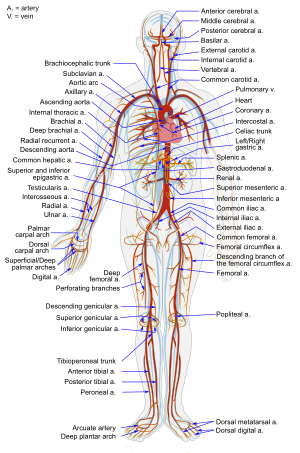
English: simplified diagram of the human Arter...

English: simplified diagram of the human Arterial system in anterior view. Français : Diagramme simplifié du système artériel humain en vue antérieure (en anglais). (Photo credit: Wikipedia)

Read Full Post »

Texas Heart Institute: 50 Years of Accomplishments

Reporter: Aviva Lev-Ari, PhD, RN


Texas Heart Institute’s Overachieving President and Medical Director Dr. James T Willerson Profiles THI’s 50 Years Of Accomplishments


Posted Thursday , April 25,2013

The Texas Heart Institute is a not-for-profit cardiology and heart surgery center located at the Texas Medical Center in Houston. Founded in 1962 by Dr. Denton A. Cooley, the mission of the Texas Heart Institute has been to reduce the devastating toll of cardiovascular disease through innovative programs in research, education and improved patient care. Over the past 51 years the Institute has been involved in training cardiologists, heart surgeons, imaging specialists in cardiovascular medicine and cardiac electrophysiology, and pathologists, and educated hundreds of cardiovascular specialists.

texasheart

A nonprofit organization in the truest sense, and unlike most institutions that have a source of operating revenue, the Texas Heart Institute relies solely on government grants, research contracts and, above all, philanthropy, with donations from grateful patients, foundations, corporations, physicians, and the general public account for more than half of the Institute’s annual operating budget. The Institute’s location in and affiliations with St. Luke’s Episcopal Hospital and Texas Children’s Hospital have assured that all age groups will be treated, and has freed the Institute of the burden of financing a health care facility.

The Texas Heart Institute (THI) and its clinical partner, St. Luke’s Episcopal Hospital, have become one of America’s largest cardiovascular centers, whose 160-member professional staff have reportedly performed more than 100,000 open heart operations, 200,000 cardiac catheterizations, and 1,000 heart transplants.

In its 2010 annual survey of “America’s Best Hospitals,” U.S. News & World Report ranked the Texas Heart Institute at St. Luke’s Episcopal Hospital number four in the United States for heart care, marking this its 20th consecutive year of inclusion as one of the top 10 heart centers in the country.

willersonIn an interview with the European science news journal Research Media, THI President and Medical Director, Dr. James T Willerson, says that when he originally came to the Institute in 2004, then still President Dr Cooley wanted him to be Medical Director of Cardiovascular Research, and upon Dr. Cooley’s resignation in 2008, he asked Dr. Willerston to succeed him in that position.

In the interview, Dr. Willerston, a native Texan, profiles the THI’s achievements and shares his thoughts on reducing the heavy burdens of Cardiovascular disease, which is estimated to cost the economy $449 billion annually.

Accounting for over a quarter of all deaths in the U.S. each year, cardiovascular disease is obviously a major health concern, but mortality from coronary heart disease (CHD) has substantially decreased in recent decades. Dr. Willerston attributes the decrease to research discoveries that have provided insights into mechanisms responsible for thrombosis in injured coronary and cerebral arteries, and led to improved treatment.

He cites as an example that increased understanding of ‘bad’ low-density lipoprotein (LDL) cholesterol in patients to values well below 100 mg/dl has been a very important contribution, as has the development of statins to lower LDL has also been crucial, the use of low-dose aspirin and other medications to control blood pressure, avoidance of smoking and use of recreational drugs, control of blood sugar in patients who are diabetic, emphasis on diet and exercise, and improved imaging techniques for blood vessels and the cardiovascular system, as factors that have played a role in protecting CHD patients and decreasing mortality risk.

However, he notes that the greatest GHD risk factor is a genetic one, and a remaining priority must be to identify genes that contribute to this risk; ultimately silencing the most dangerous ones using microRNA methodology. Dr. Willerston says numerous clinical studies in patients with cardiovascular disease using a variety of stem cell types, including mesenchymal stem cells taken from the bone marrow or adipose tissue have been conducted, and that through the pioneering work of Dr Doris Taylor, scientists are now able to deplete human hearts of their cellular structure and then restore that same heart to normal function by the infusion of stem cells. With continued success, these efforts could fill a great unmet need and pave the way to a new area of transplant medicine.

Dr. Willerston maintains that prevention would be the single most effective means of reducing healthcare costs, and should be the main concern initiated at very young ages and continue throughout adulthood.

Dr. James T. Willerson, born in Lampasas, Texas, is President of The University of Texas Health Science Center at Houston where he is the Alkek-Williams Distinguished Professor and holds the Edward Randall III Chair in Internal Medicine. In October 2004, Dr. Willerson was named President-Elect of the Texas Heart Institute in Houston, Texas. He holds the Dunn Chair in Cardiology Research and the John O’Quinn Chair named the “James T. Willerson Distinguished Chair in Cardiovascular Research,” both at the Texas Heart Institute, Houston, Texas. From 1989 through 2000, he was the Chairman of the Department of Internal Medicine at The University of Texas Medical School at Houston where an Annual Lectureship has been established in his name. During this same period, he served as the Chief of Medical Services at Memorial Hermann Hospital. He is also the Medical Director, Director of Cardiovascular Research, and Co-Director of the Cullen Cardiovascular Research Laboratories at the Texas Heart Institute. He is an Adjunct Professor of Medicine at Baylor College of Medicine and at The University of Texas M.D. Anderson Cancer Center in Houston.

Dr. Willerson also founded TexGen Research, a collaboration which brings together all of the institutions in the Texas Medical Center to collect blood samples necessary for the discovery of those genes and proteins that play a key role in causing major diseases. With TexGen, each Texas Medical Center institution obtains blood samples from patients who have a personal or family history of cardiovascular disease, stroke, dementia, or selected cancers and who are admitted to their hospitals. Great progress is being made by this collaborative biomedical research effort.

A graduate of the Texas Military Institute in San Antonio, Texas, where he was the Battalion Commander, President of the Senior Class, Editor of the school newspaper, and a state swimming champion, Dr. Willerston attended The University of Texas at Austin, graduating as a Phi Beta Kappa, member of the Texas Cowboys, and where he lettered for three years in varsity swimming. Upon graduating as a member of Alpha Omega Alpha from Baylor College of Medicine in Houston, Texas, he completed his medical and cardiology training as an intern, resident, and research and clinical fellow at the Massachusetts General Hospital in Boston, Massachusetts, and as a Clinical Associate at the National Institutes of Health in Bethesda, Maryland.

He is the former Chairman of the National American Heart Association Research Committee and of the Cardiovascular and Renal Study Section of the National Institutes of Health. He has received the Award of Merit from the American Heart Association and has served as a member of the Board of Directors and Steering Committee of the National American Heart Association. Before coming to The University of Texas Medical School at Houston, Dr. Willerson was Professor of Medicine and Director of the Cardiology Division at The University of Texas Southwestern Medical School in Dallas, Texas, and Director and Principal Investigator of the National Heart, Lung, and Blood Institute’s Specialized Center of Research under a major grant from the NIH. Upon his departure, the “James T. Willerson, M.D. Distinguished Chair in Cardiovascular Diseases” was established at The University of Texas Southwestern Medical School.

Dr. Willerson has served as visiting professor and invited lecturer at more than 220 institutions worldwide, and has received numerous national and international awards, as well as having served on editorial boards for many professional publications including: The New England Journal of Medicine, Journal of Clinical Investigation, Circulation, Circulation Research, Arteriosclerosis and Thrombosis, American Journal of Medicine, Journal of the American College of Cardiology, American Journal of Cardiology, American Heart Journal, and Cardiovascular Medicine. From 1993 to 2004, he was the longest-serving Editor of Circulation, the major publication of the American Heart Association. In 1998, the monthly journal was converted to a weekly publication and attained the highest Impact Factor of any cardiology journal in the world. He has edited or co-edited twenty-four textbooks, including the Third Edition of Cardiovascular Medicine which was released in February of 2007. Additionally, he has published more than 850 scientific articles.

Dr. Willerson has been elected to membership in numerous professional societies, including the American Society of Clinical Investigation, the Association of American Physicians, the Association of Professors of Medicine, and the Institute of Medicine of the National Academy of Sciences. He was named a Distinguished Alumnus by the Baylor College of Medicine in 1998 and a Distinguished Alumnus of The University of Texas at Austin in 1999.

SOURCE:

http://bionews-tx.com/news/2013/04/25/texas-heart-institutes-overachieving-president-and-medical-director-dr-james-t-willerson-profiles-this-50-years-of-accomplishments/

Comment of Note

Dr. Lev-Ari, was a visitor at Texas Heart Institute, Perfusion Program, and shadowed Open Heart Surgery in 8/2005.

The museum on the First floor of the building represents a Historical exhibit of Images of Cardiac Procedures. On display is a complete array of surgical tools used in Cardiac Repair during the last 50 years of unprecedented development in Cardiac Medical Devices and Procedures. A duplicate of the exhibit is available at the Smithsonian Museum at WashDC.

Read Full Post »

Minimally Invasive Structural CVD Repairs: FDA grants 510(k) Clearance to Philips’ EchoNavigator – X-ray and 3-D Ultrasound Image Fused.

Curator: Aviva Lev-Ari, PhD, RN


UPDATED on 7/15/2018

The growing role of echocardiography in interventional cardiology: The present and the future

Open Access funded by Hellenic Cardiological Society
Under a Creative Commons license

Abstract

As structural heart disease interventions continue to evolve to a sophisticated level, accurate and reliable imaging is required for pre-procedural selection of cases, intra-procedural guidance, post-procedural evaluation, and long-term follow-up of patients.

Traditionally, cardiovascular procedures in the catheterization laboratory are guided by fluoroscopy and angiography. Advances in echocardiography can overcome most limitations of conventional imaging modalities and provide successful completion of each step of any catheter–based treatment. Echocardiography’s unique characteristics rendered it the ideal technique for percutaneous catheter-based procedures.

The purpose of this review is to demonstrate the use of the most common and up-to-date echocardiographic techniques in recent non-coronary percutaneous interventional procedures, underlining its inevitable and growing role, as well as illustrating areas of weakness and limitations, and to provide future perspectives.

SOURCE

https://www.sciencedirect.com/science/article/pii/S1109966617300258


On January 28, we reported on several FDA Pending 510(k) for The Latest Cardiovascular Imaging Technology

http://pharmaceuticalintelligence.com/2013/01/28/fda-pending-510k-for-the-latest-cardiovascular-imaging-technology/

On March 7, 2013 a very significant, pending clearance event, in favor of Philips Healthcare, was announced:

U.S. FDA Clears Philips’ EchoNavigator for Fused TEE-Angiography Image Guidance

March 7, 2013

March 7, 2013 — Philips Healthcare announced it has received 510(k) clearance from the U.S. Food and Drug Administration (FDA) for its EchoNavigator live image-guidance tool. The technology helps interventional cardiologists and cardiac surgeons perform minimally invasive structural heart disease repairs by providing an intelligently integrated view of live X-ray and 3-D ultrasound images.

Following the CE marking of EchoNavigator in Europe, Philips will now be able to introduce the system globally, with systems already installed in Europe and the United States.

EchoNavigator was developed in response to an upward trend in the use of both X-ray imaging and 3-D cardiac ultrasound imaging (echocardiography) during structural heart disease procedures — an area of interventional cardiology that is growing at around 40 percent per year. During such procedures, ultrasound imaging provides critical insights into the heart’s soft tissue anatomy, while X-ray imaging has particular strengths in visualizing the catheters and heart implants. EchoNavigator was designed to address the unique challenges associated with working with live X-ray and 3-D ultrasound images simultaneously.

“Together with Philips, we set out to bring two separate medical imaging techniques together in a way that provides clear visual guidance,” said John Carroll, M.D., interventional cardiologist, University of Colorado Hospital, Denver. “EchoNavigator is enabling us to use X-ray images combined with real-time 3-D ultrasound images to navigate catheters and deploy implants in the right position in the heart, making such treatments more straightforward.”

EchoNavigator will enable clinicians to perform procedures more efficiently by providing intelligently integrated X-ray and 3-D ultrasound images into one intuitive and interactive view, as well as providing easy-to-use system navigation and better communication between the multidisciplinary team carrying out the procedure.

“We have learned that ideally two live imaging technologies are needed to guide catheter-based repairs to the heart, and a multidisciplinary team is needed to perform it,” said Roberto Corti, M.D., interventional cardiologist, University Hospital Zurich, Switzerland. “This adds to the complexity of such procedures. The development of a more sophisticated imaging technology such as EchoNavigator will definitely provide us with a better understanding of the complex structures of the heart and their repair.”

“As the global market leader in interventional cardiology, we have worked with our partners to lead the way with pioneering solutions such as our real-time 3-D ultrasound technology and more recently our HeartNavigator navigation tool,” said Gene Saragnese, CEO for Imaging Systems at Philips Healthcare. “EchoNavigator is further evidence of our commitment to transforming healthcare through the introduction of innovations that enable best in class minimally invasive procedures.”

“In the emerging field of complex structural heart disease interventions, the information obtained by merging imaging technologies, as now possible with HeartNavigator and EchoNavigator, will be of tremendous value to the interventionalist, and in turn to the patient,” said Carlos Ruiz, M.D., director of the structural and congenital heart disease program, department of interventional cardiology, Lenox Hill Hospital, New York.

For more information: http://www.healthcare.philips.com

SOURCE:

http://www.dicardiology.com/article/us-fda-clears-philips’-echonavigator-fused-tee-angiography-image-guidance?goback=%2Egde_3693995_member_223204362

 With certainty we ascertain that:

3-D, 4-D Enhancements May Be the Future of Ultrasound

Written By:

Dave Fornell

May 15, 2012
A single-beat, short-axis 4-D echo imaged by GE’s Vivid E9. The system also offers software to reduce the number of clicks needed for exams. Photo courtesy of GE Healthcare

Hardware and software advances are enabling echocardiography to greatly expand its capability with increased quantification accuracy, ease-of-use, increased workflow efficiencies and wider use outside of echo labs. Today, cardiovascular ultrasound systems are being integrated into point-of-care for triage, and in operating rooms and cath labs for procedural guidance to cut the use of contrast and ionizing radiation. Advances in 4-D echo are making it an enhanced tool for structural heart evaluation and visualization during procedures.

3-D, 4-D Echo Advances

3-D echo images a volume of data (similar to a computed tomography [CT] dataset) rather than the traditional 2-D image rendering. These volumes can be manipulated with advanced visualization software just like a CT, slicing images on any plane and enabling the creation of 3-D images that can be rotated.

The proliferation of 3-D echo was previously handicapped by the large amount of labor involved in creating images from a volume dataset, explained Stephen Little, M.D., FRCPC, FACC, FASE, cardiovascular imaging section, department of cardiology, Methodist DeBakey. He said earlier generation systems required 30 or 40 mouse clicks to create an image.

“3-D required a lot of manual processing to slice and dice the images. It just took too long to do anything,” Little explained.

However, he said the newer 3-D systems are making the technology more viable with automation. He said echo is following the same path previously followed by CT advanced visualization software, where automation made a big difference in its wider market adoption for daily use.

Two big technology innovations have recently made 3-D and 4-D systems more commercially viable for everyday use. First, there has been a rapid increase in computing power in less expensive, smaller packages. Second, the automation of many advanced visualization functions drastically simplifies use and reduces the staff time required to manipulate volumes.

The introduction of 4-D echo (the fourth dimension is the addition of time) has opened new possibilities in ultrasound imaging. The analogy of 4-D is the difference between video and a still photograph. The technology allows 3-D images to be continuously updated for a live video view. The platforms with this feature require very fast processors to reconstruct large volumes of data into 3-D images over and over in milliseconds.

4-D ultrasound offers several advantages. It offers real-time color flow to assess hemodynamic information in the same heart cycle. It offers very accurate qualification of the left ventricle, free of geometric and shape assumptions used in 2-D echo. By using a 3-D volume of data, left ventricular wall motion tracking analysis can be done using the raw data volumes acquired. Vendors say this increases the accuracy of quantification.

It also offers multi-dimensional imaging, where operators can simultaneously acquire bi-plane and tri-plane images from the same heartbeat without moving the probe’s position.  This offers two or three different axis views concurrently or as a composite view of the heart in real-time, offering a new field-of-view that previously could not be obtained.  This helps acquire more information in fewer steps.

Real-time 4-D can produce images that are incredibly lifelike. This makes them easier to interpret and offers more meaningful information, including better procedural guidance. As technology continues to advance, 4-D echo will offer images comparable to CT 3-D reconstructions. Surgeons are now using 3-D echo reconstructions to aid procedural planning.

Use of 4-D greatly aids assessment of congenital heart diseases. Siemens recently introduced an updated version of its SC2000 cardiac ultrasound that quantifies volumetric color blood flow when evaluating holes in the heart (ASDs, VSDs, PFOs). The system uses a 3-D representation to show the true surface area and helps estimate the size of the holes for procedural planning.

Innovations in 4-D make possible real-time, comprehensive analysis of the beating heart during the entire cardiac cycle and allows even more detailed surgical-like views of the anatomy.

Toshiba’s new Aplio 500 shows the future of 4-D, where it can reconstruct volumes into color, fly-through video of vessel lumens. It works with peripheral vessels, but the heart is still too fast for the new technology to capture coronary vessels or ventricles. Image quality is similar to CT virtual colonoscopy.

Practical Application of 3-D

Methodist DeBakey Heart and Vascular Center has its own imaging center, which uses 3-D echo extensively. The center also images patients with both magnetic resonance imaging (MRI) and 3-D echo for comparative effectiveness research.

In the echo lab, 3-D echo is very good at estimating left ventricular ejection fractions (LVEF). However, there is a need for standardization between vendors before this technology will be used mainstream, Little said. Each 3-D echo machine is slightly different, so the workflow is not the same from vendor to vendor, and each requires use of proprietary workstations.

He explained 3-D offers a more accurate picture of cardiac function, but the basic concepts of 2-D echo still apply.

“3-D is not magic. It starts with a good 2-D image and you face all the same physics challenges as you do with 2-D technology,” Little said.

At DeBakey, echo contrast is often used to improve 2-D image quality when imaging obese patients, but they found 3-D has some limitations with contrast, said Miguel A. Quiñones, M.D., MACC, chairman, department of cardiology.  The software uses automated 3-D tracking of the borders of the ventricle, he explained, but the automated tracking system is confused by the contrast and has issues. However, an operator can overcome this by switching to a manual mode.

Little said hospitals need to assess whether there is a need for 3-D. “It depends on what they plan to do with the system. If you plan to use it for surgical procedures, then it might be worth investing in a 3-D system. If you are involved in activities with more emphasis on structural heart, then 3-D has a lot of application.”

Expanding TEE Use

Little said DeBakey makes extensive use of 3-D echo transesophogeal echo (TEE) to better guide mitral valve prolapse and regurgitation repairs, atrial septal defects (ASDs) and trans-aortic valve repair (TAVR). In TAVR, he said  TEE helps accurately place the angiographic pigtail catheter in the non-coronary cusp of the aortic root.  It also offers Doppler flow imaging to evaluate the hemodynamics of the valves and check for paravalvular leaks.

Little explained 3-D TEE offers a definite imaging advantage during complex interventions. The use of an X-plane (also referred to as bi-plane) TEE probe allows visualization from two different angles. He said these views are displayed on the main screen in a cath lab or hybrid OR to better visualize where a catheter or device is located in the anatomy more clearly than 2-D angiography. This helps with procedural navigation and in cutting the radiation dose from fluoroscopy.

“You can get two views simultaneously from two different perspectives, which helps speed things up,” Little said. “It adds a level of confidence to show you where wires and devices are inside the heart.”

DeBakey uses 3-D echo from various vendors, including Philips, GE and Siemens, but only the Philips system had offered 3-D TEE, Little said.

Siemens recently introduced syngo FourSight 3-D TEE. It can scan the whole heart in one volume instead of stitching two or three images to create a whole-heart image.

GE Healthcare also has a new 4-D  TEE system pending FDA review, which it previewed as a work-in-progress in March at American College of Cardiology (ACC) 2012 .

Comparison Chart

This article served as an introduction to the cardiovascular ultrasound systems comparison chart in the May-June 2012 issue of DAIC. Participants included:

Esaote North America –http://www.esaoteusa.com

GE Healthcare – http://www.gehealthcare.com

Mindray – http://www.mindray.com

Philips – http://www.philips.com

Siemens – http://www.medical.siemens.com

Toshiba – http://www.medical.toshiba.com

SOURCE:

http://www.dicardiology.com/article/3-d-4-d-enhancements-may-be-future-ultrasound

New Software to aid Interventional Cardiologists and Cardiac Surgeons in TAVI Procedures.

We covered the procedure and the technologies in the following curated article:

Clinical Trials on transcatheter aortic valve replacement (TAVR) to be conducted by American College of Cardiology and the Society of Thoracic Surgeons

http://pharmaceuticalintelligence.com/2013/02/12/american-college-of-cardiologys-and-the-society-of-thoracic-surgeons-entrance-into-clinical-trials-is-noteworthy-read-more-two-medical-societies-jump-into-clinical-trial-effort-for-tavr-tech-f/

TAVI Planning Software Introduced

Software enables selection of patients and access routes; aids procedure navigation, annulus sizing
Written By:

Dave Fornell

February 1, 2012
Philips received FDA clearance in December 2011 for its Heart Navigator TAVI planning and image guidance tool.
With the approval of the Sapien valve in November 2011, transcatheter aortic valve implantation (TAVI) technology is expected to revolutionize heart valve replacement with a minimally invasive procedure to replace open-heart surgery. However, it requires a good deal of planning, sizing and anatomical assessment of access routes using computed tomography (CT) scans with manipulation by advanced visualization software.
The success of this new procedure depends on correct patient selection and reliable pre-operative planning. In the conventional procedure, the necessary measurements are made during the actual surgery under direct visualization, but with TAVI, this can only be done pre-operatively with the aid of image data. A clear appreciation of the involved anatomy is crucial, and due to the fact that aortic anatomy is complex, 3-D visualization and measurement tools may enable more accurate and efficient pre- and post-intervention planning, which can be further enhanced with stereoscopic 3-D.At the 2011 Radiological Society of North America (RSNA) annual meeting, TeraRecon and Qi Imaging (formerly Ziosoft) both unveiled  TAVI planning and tool set software packages. The software helps automate manipulation of a CT dataset to quickly extract only the anatomy of interest and measurements, such as sizing of the aortic valve annulus and evaluation of clearance between the new valve and the right and left main coronary arteries. The software helps evaluate the aortic anatomy of patients to see if the route is clear for the larger delivery catheters required for the procedure. A heavily calcified aorta may disqualify a patient from the femoral access route.
Qi Imaging applied its super-computing, deformable registration software to its TAVI package, allowing lifelike motion of the cardiac cycle. This may offer a more accurate assessment of the motion of annulus for better valve sizing.
Philips Healthcare received FDA clearance in December for its HeartNavigator procedure planning and image guidance tool to help perform minimally invasive heart valve replacements. The technology merges pre-operatively acquired 3-D CT scans of the patient’s heart with the live interventional X-ray views. Using this technology, physicians can now simultaneously see the detailed 3-D anatomy of the patient’s heart together with the positioning of the catheter and the placement and deployment of the artificial valve.
TAVI has been available in Europe since March 2010. In August 2010, Siemens introduced its syngo Aortic ValveGuide in Europe to aid in TAVI procedures. It uses rotational angiography dataset images in the hybrid OR to help surgeons and interventional cardiologists navigate during transcatheter valve implantations. The software processes CT-like images of the heart from images acquired with the angiography system and creates 3-D overlay images on the live fluoroscopy. The software also finds the correct optimal C-arm angulation with a perpendicular view on the aortic root.
  • Siemens’ syngo Aortic ValveGuide aids TAVI navigation with rotational angiography image overlays.

MORE LIKE THIS

Read Full Post »

Reporter: Aviva Lev-Ari, PhD, RN

BIOMEDevice Boston Conference 2013
April 10-11 2013, Boston, MA


New conference format for 2013…

Don’t miss out on 2013’s new and improved BIOMEDevice Boston Conference.

Choose from six seminar sessions across the two day conference that will deliver crucial insights and guidance on biomedical regulations, design engineering, new biomaterial innovations and product development for the medical device industry.

Six Solution Packed Seminars

April 10, 2013 April 11, 2013
10:00-11:45am Seminar 1
Advanced Technology and Device Innovation
Seminar 4
Accelerating Speed to Market 
1:00-2:45pm Seminar 2
Intelligent Design for Implantable Devices
Seminar 5
FDA Regulatory Guidance and Updates
3:15-5:00pm Seminar 3
New Innovations in Drug Device Combination Products
Seminar 6
Human Factors: Enhancing Usability and Managing Risk

Conference Speakers


Jay Crowley, Senior Advisor Patient Safety, FDA

Jay Crowley is Senior Advisor for Patient Safety, in FDA’s Center for Devices and Radiological Health. He is interested in developing and implementing new methods and techniques for identifying and resolving problems with the use of medical devices. Jay has held variety of positions over his 25 years at FDA. Currently, Jay has responsibility for implementing the Unique Device Identification requirements of the 2007 FDA Amendments Act and 2012 FDA Safety and Innovation Act. He holds a master’s degree in risk analysis and a bachelor’s degree in mechanical engineering.


Emmanuel Nyakako
, Senior VP of Global Quality & Regulatory Affairs, Zimmer Inc


Matthew Myers, PhD, Research Physicist, FDA 

Matthew R. Myers received his doctorate in Applied Mathematics from the University of Arizona. He worked in the research and development laboratory of Corning Glass Works, where he performed mathematical modeling of fiber drawing and other processes involving molten glass. Dr. Myers was later employed as an acoustics consultant with BBN Systems and Technologies. In 1990, Dr. Myers joined the Center for Devices and Radiological Health of the U. S. FDA. He has performed mathematical modeling in the areas of drug delivery, cardiovascular implants, virus transport, and most recently, therapeutic ultrasound. His current research areas include noninvasive methods for pre-clinical testing of focused-ultrasound surgery devices, and modeling of debris retention in reusable medical devices. Dr. Myers also performs consulting reviews on device submissions involving fluid flow and acoustic wave propagation, most recently applications to treat Parkinson’s disease and Essential Tremor with therapeutic ultrasound.


Dr. Thomas J Webster, Associate Professor, Divisions of Engineering and Orthopaedic Surgery, Brown University 

Thomas J. Webster’s degrees are in chemical engineering from the University of Pittsburgh (B.S., 1995) and in biomedical engineering from Rensselaer Polytechnic Institute (M.S., 1997; Ph.D., 2000). He is currently the Department Chair and Professor of Chemical Engineering at Northeastern University in Boston. He has graduated/supervised over 109 visiting faculty, clinical fellows, post-doctoral students, and thesis completing B.S., M.S., and Ph.D. students. To date, his lab group has generated over 9 textbooks, 48 book chapters, 306 invited presentations, at least 403 peer-reviewed literature articles, at least 567 conference presentations, and 32 provisional or full patents. His H index is 47. Some of these patents led to the formation of 9 companies. He has received numerous honors including, but not limited to: 2002, Biomedical Engineering Society Rita Schaffer Young Investigator Award; 2005, Coulter Foundation Young Investigator Award; 2011, Oustanding Leadership Award for the Biomedical Engineering Society (BMES); and Fellow, American Institute for Medical and Biological Engineering.


John (Barr) Weiner, Associate Director of Policy, Office of Combination Products, FDA 

John Barlow Weiner is the Associate Director for Policy in the Food and Drug Administration’s Office of Combination Products, which is tasked with the classification and assignment for regulation of therapeutic products (drugs, devices, biological products, and combination products), and with ensuring the sound and consistent regulation of combination products. Prior to joining OCP, Mr. Weiner was an Associate Chief Counsel in FDA’s Office of Chief Counsel, advising the agency on various issues including regulation of drugs and cross-cutting topics including the regulation of products that use nanotechnology. Before coming to FDA, Mr. Weiner was in private practice in the areas of food and drug, environmental, and related aspects of public international and trade law. He has published and lectured on topics in all three areas. Mr. Weiner received a BA from Princeton University and a JD with honors from the Columbia University School of Law.


Olivia Hecht
, Senior Marketing Manager, Wireless & Networking, Philips Healthcare

Olivia Hecht is currently Sr. Manager of Technology and Platforms Integration, for Philips Healthcare Patient Care and Clinical Informatics. She came to the healthcare industry with over 20 years in the information technology sector working in product management and product marketing for companies such as Bay Networks, an early innovator in network infrastructure; RSA Security, a leader in enterprise security; and Legra Systems, a start up manufacturer of enterprise Wi-Fi equipment. She has a Masters degree from the Massachusetts Institute of Technology and Bachelor of Science in Biology.


Joel Kent, Regulatory Affairs Manager, GE Healthcare 

Joel Kent, RAC (Canada, EU and US) is currently Manager, Regulatory Affairs for GE Healthcare, Healthcare Systems Patient Care Solutions business. He has 18 years experience in regulatory affairs covering a variety of medical devices. He holds a Bachelor of Science degree in Electrical and Biomedical Engineering from Duke University and a Master of Science in Biomedical Engineering, Worcester Polytechnic Institute. Mr. Kent has nine publications related to pulse oximetry and gastric tonometry and has been granted two US and Japanese Patents for Remote Sensing Tonometric Catheter Apparatus and Method. He is a lecturer at Northeastern University, Boston, MA and is an IEEE Senior Member and American Society for Quality (ASQ) Senior Member. In addition, he is a Regulatory Affairs Professional Society (RAPS) member serving as Vice-Chair of the RAPS Boston Chapter and member of the RAPS 2008-2011 Annual Conference Committee and RAPS Annual Conference Preconference workshop committee on Latin America Medical Device Regulations in 2012. Speaking engagements have included the RAPS Annual Conferences, Medical Devices Summit East 2011, 2012 and 2013 and the 11th annual AdvaMed Emerging Growth Company Council conference.


Pat Baird, Product Design Owner, Baxter Healthcare

Pat Baird is a Product Design Owner at Baxter Healthcare, with oversight responsibility for over $400M in installed medical devices. His previous roles included software developer, function manager, program manager, and engineering department manager. Drawing on 20 years’ experience in product development, he has published and presented over 30 papers on topics such as software development, change management, stakeholder management, and risk management. He is currently the co-chair of the AAMI Infusion Pump Standards committee, chair of the Assurance Case Technical Information Report Working Group, a US representative to the IEC standards committee, founder of the Infusion Systems Safety Council and the Coalition of Organizations Reporting Adverse Events. He has earned multiple industry awards for his work to advance patient safety. He recently completed a Masters in Healthcare Quality and Patient Safety at Northwestern University in Chicago.


Dr. Eric Ledet, Associate Professor, Rensselaer Polytechnic Institute

Eric Ledet is an Associate Professor in the Department of Biomedical Engineering at Rensselaer Polytechnic Institute where he has taught medical device design and maintained an active research program in orthopaedic biomechanics for the last 9 years. Prior to joining RPI, he served as Director of the Orthopaedic Research Program at the Albany Medical College for 9 years. He has served as a consultant to medical device companies for 15 years and is currently principal partner in three medical device startup companies. He earned a bachelor’s degree in mechanical engineering from the University of Arizona and a Master of Science and doctorate in biomedical engineering from Rensselaer Polytechnic Institute.


Judith K Meritz, Associate General Counsel, Covidien


Jeffrey Morang
, Human Factors Engineer and User Experience Analyst, Siemens Healthcare Diagnostics

Jeffrey Morang is a Human Factors Engineer for the Point of Care line of instruments at Siemens Healthcare Diagnostics. Jeff received his MS in Human Factors and Ergonomics from San Jose State University. Jeff has experience as a researcher in aeronautical human factors, focusing on human perceptual and cognitive performance, for the Virtual Airspace Modeling and Simulation Project at the NASA Ames Research Center. After graduation, he joined Future Combat Systems project at British Aerospace Systems responsible for mapping soldier roles and assessing their cognitive and physical workloads using real-time usability testing methods. Jeff has brought that expertise to his current position at Siemens where his team is responsible for employing a synergistic design and testing methodology on behalf of a variety of end users in the relatively new area of healthcare called Point of Care.


George Papandreou, VP Quality, Lutonix, CR Bard 

George Papandreou, Ph.D., is Vice President of Quality at Lutonix, a subsidiary of C.R. Bard. In his current position, George is working on drug-coated balloons for the treatment of peripheral artery disease. George has extensive experience in formulation, analytical characterization and process development. He has a proven record in the commercialization of advanced drug delivery concepts, such as drug/device combination products, and has contributed in the approval of novel therapeutic solutions, such as the CYPHER® Sirolimus-eluting Coronary Stent. He has defined the strategy to address Chemistry Manufacturing and Controls issues, and has significant expertise in troubleshooting complex technical and quality issues during research, development and manufacturing of drug products. George has earned a Ph.D. in organic chemistry, and has co-authored of over 35 publications, as well as applied and issued patents.


Eric Roden
, Associate Director, Operational Excellence, B. Braun Medical 


Marjorie Shulman
, Director, 510(K) Premarket Notification Staff, FDA


Rahul Sapreshker, Associate Professor- Electrical Engineering & Computer Science, MIT


Roger Narayan, Professor, Biomedical Engineering, North Carolina State University

Dr. Roger Narayan is a Professor in the Joint Department of Biomedical Engineering at the University of North Carolina and North Carolina State University. He is an author of over one hundred publications as well as several book chapters on processing and characterization of biomedical materials. He currently serves as an editorial board member for several academic journals, including as editor-in-chief of Materials Science and Engineering C: Materials for Biological Applications (Elsevier). Dr. Narayan has been elected as Fellow of ASM International, AAAS, and AIMBE.


Read Full Post »

Nanotechnology and Heart Disease

Author and Curator:  Tilda Barliya PhD

Cardiovascular disease is the most common cause of death worldwide and will become even more prevalent as the population ages. New therapeutic targets are being identified as a result of emerging insights into disease mechanisms, and new strategies are also being tested, possibly leading to new treatment options. Improving diagnosis is also crucial, because by detecting disease early, the focus could be shifted from treatment to prevention (1).

Mortality rates for cardiovascular disease have improved, but there are inequalities across the UK

The World Health Organization estimates that more than 17 million people died from cardiovascular diseases in 2008. In the U.S., about 785,000 people will have new heart attacks this year and 470,000 will suffer recurrent ones. While more patients are surviving such events, about two-thirds don’t make complete recoveries and are vulnerable to heart failure (2).

Heart and vascular disease is the number one killer in most industrialized nations, and costs countries billions in health care, and lost wages. Nanotechnology, biotechnology, robotics, and stem cells are reinvigorating the development of artificial components of the cardiovascular system. We’ve seen hearts grown from stem cells in labs, artificial mechanical hearts, companies spending millions to develop artificial blood, and now even artificial vascular tubes which act more like the real thing. Combined with upcoming advances in robotic and micro-surgery, medicine could be on the path to conquering its public enemy number one.

Nanotechnology offers several tools and advantages in cardiovascular science which are in the areas of diagnosis, imaging, and tissue engineering.

including:

  • treating defective heart valves
  • detecting and treat arterial plaque
  • understanding at a sub-cellular level how heart tissue functions in both healthy  and damaged organs, which can help researchers design better treatments

Examples:

Robert Langer, Omid Farokhzad and colleagues have developed nanoparticles that can cling to artery walls and slowly release medicine, an advance that potentially provides an alternative to drug-releasing stents in some patients with cardiovascular disease. The particles, dubbed “nanoburrs” because they are coated with tiny protein fragments that allow them to stick to target proteins, can be designed to release their drug payload over several days (3, 4). The nanoburrs are targeted to a specific structure, known as the basement membrane, which lines the arterial walls and is only exposed when those walls are damaged. Therefore, the nanoburrs could be used to deliver drugs to treat atherosclerosis and other inflammatory cardiovascular diseases. In the current study, the team used paclitaxel, a drug that inhibits cell division and helps prevent the growth of scar tissue that can clog arteries

Prof. Erkki Ruoslahti and other researchers from UC Santa Barbara have developed a nanoparticle that can attack plaque –– a major cause of cardiovascular disease (5).  These lipid-based micelles target the p32 receptors known to overexpress in plaques. To accomplish the research, the team induced atherosclerotic plaques in mice by keeping them on a high-fat diet. They then intravenously injected these mice with the micelles, which were allowed to circulate for three hours.

Clinical Trials:

Nanotechnology creates artificial artery for clinical trials

Researchers at London Royal Free Hospital are hoping to save limbs and lives with the creation of their new artificial artery. Unlike current artery replacements, this grafting substance was created using nanotechnology and can pulse with the natural movements of the body. That pulsing will allow the polymer tube to be used in very small grafts (<8mm), giving hope that damaged arteries which would normally lead to amputations or heart attacks can now be treated (6). The clinical study should have started by the end of 2010. No further information is currently available on this clinical trial.

The new artificial artery material was developed by Professors George Hamilton (vascular surgery) and Alexander Seifalian (nanotechnology and tissue repair). The substance is a polymer which has been embedded with different types of special molecules. Some of these molecules aid circulation, others encourage stem cells to coat its walls. That coating is very important and may allow the artificial tissue to bond better with the body and promote long term health. Most importantly though, the design of the artificial vascular tissue is resistant to clotting and can pulse.

Summary:

Research of heart disease is progressing on several levels simultaniously. It is believed that nanotechnology may offer several advantages in detecting and treating several heart conditions, however, they have yet to progressed into the clinical trials.

Quoting Dr. Tal Dvir: ” Many current experimental approaches to heart attack involve supplying growth factors, drugs, stem cells and other therapeutic agents to the scarred, dying tissue. Some of these compounds, such as periostin and neuregulin, have been shown in animal models to enhance heart regeneration and improve cardiac function. But the existing delivery approaches are all invasive, involving direct injections into the heart, catheter procedures, or surgical placement of implants that release the necessary factors.

The ultimate goal is to have the particles release compounds that promote regeneration. One approach is to release factors that attract the patient’s own stem cells, avoiding the need for tissue-engineered patches. But to date, no one’s gotten stem cells to differentiate efficiently into cardiomyocytes”

REFERENCES

1. http://www.nature.com/nature/supplements/insights/cardiovascular/index.html

2. Novel Cure for Ailing Hearts. http://online.wsj.com/article/SB10000872396390443537404577577002440205144.html

3. Chan JM., Zhang L., Tong R., Ghosh D., Gao W., Liao G., Yuet KP., Gray D., Rhee JW., Cheng J., Golomb G., Libby P, Langer R and Farokhzad OC. Spatiotemporal controlled delivery of nanoparticles to injured vasculature. Proc Natl Acad Sci U S A. 2010 Feb 2;107(5):2213-8.  http://www.pnas.org/content/107/5/2213.long

4. Chan JM., Rhee JW., Drum CL., Bronson RT., Golomb G., Langer R and Farokhzad OC. In vivo prevention of arterial restenosis with paclitaxel-encapsulated targeted lipid-polymeric nanoparticles. Proc Natl Acad Sci U S A. 2011 Nov 29;108(48):19347-52.

http://www.pnas.org/content/108/48/19347.long

5. Hamzah J., Kotamraju VR., Seo JW., Agemy L., Fogel V., Mahakian LM., Peters D., Roth L., Gagnon MK., Ferrara KW and Ruoslahti E. Specific penetration and accumulation of a homing peptide within atherosclerotic plaques of apolipoprotein E-deficient mice. Proc Natl Acad Sci U S A. 2011 Apr 26;108(17):7154-9http://www.pnas.org/content/108/17/7154.long

6. Written By: http://singularityhub.com/2010/01/05/nanotechnology-creates-artificial-artery-for-clinical-trials/

7. Ikaria® Commences Global Registration Trial for Bioabsorbable Cardiac Matrix. http://www.prnewswire.com/news-releases/ikaria-commences-global-registration-trial-for-bioabsorbable-cardiac-matrix-136581753.html.

8. Posted by: Prof. Lev-Ari :”Arteriogenesis and Cardiac Repair: Two Biomaterials – Injectable Thymosin beta4 and Myocardial Matrix Hydrogel” http://pharmaceuticalintelligence.com/2013/02/27/arteriogenesis-and-cardiac-repair-two-biomaterials-injectable-thymosin-beta4-and-myocardial-matrix-hydrogel/

Read Full Post »

Author: Michael, Ward, DVM

I recently found a report, written by Mark Hollmer and published 28 November, 2012 by Fierce Medical Devices

http://www.fiercemedicaldevices.com/signup?sourceform=Viral-Tynt-

entitled, “Edwards’ mitral heart valve wins Chinese SFDA nod”.

Though I wonder why Edwards would be taking a more than 30 year-old medical device to China – only Edwards’ business leaders could answer that – I was stuck by one small paragraph that led to this writing.

“Edwards, like many device companies, has turned to China for new growth opportunities and the country factors into its long-term growth plans. Known for heart valves and hemodynamic monitoring devices, Edwards has also propelled U.S. growth with its Sapien transcatheter aortic heart valve, which won FDA approval earlier this fall to treat a larger class of patients.”

This discussion will address the current trend of Western companies attempting to penetrate China’s medical device market. As one who is often asked to speak at public meetings on this topic, I have given frequent and serious reflection on my experiences with and knowledge of this topic.

The uninitiated Western medical device companies may not realize that China is very much different from other major countries, in the areas of

  • marketing/sales,
  • regulatory affairs,
  • clinical research, and
  • hospital practices.

Historically, SFDA has been active since the 1990’s; however, their initial focus was limited to understanding and approving pharmaceuticals. Thus, SFDA’s

  • regulations,
  • extent of product and therapeutic knowledge, and
  • GCP certification programs

have been primarily focused on drugs. With the exception of the counterfeit medicine epidemic, global pharmaceutical companies have become well entrenched and enjoy a strong presence in China’s hospitals. That does not mean they are making great profits.

Counterfeit drug enterprises in China have steadily grown into a lucrative opportunity since the 1990s. Often supported by local government and Chinese Military investment, counterfeit drug manufacturing plants can be rapidly set up and also re-established, if subjected to raids by SFDA officials. These fake medications have found their way into China’s pharmacies and hospitals, and now are a threat to the United States. The loss of bona fide sales as well as the money required to fight this criminal element significantly erodes the profits of major pharmaceutical companies.

In and above the aforementioned challenge to global pharmaceutical companies, all biomedical companies must share a considerable portion of any given patient population with Chinese Traditional Medicine (CTM). CTM has enjoyed centuries of development and use and it is an integral part of China’s society. Medical schools and hospitals teach and offer CTM therapies. Given the paucity of health insurance among the majority of China’s population and limited disposable income to pay for expensive medical treatments, CTM offers an attractive alternative – one that is deeply entrenched within the culture and also easily affordable. For reasons to which I will allude later, CTM lends itself to a culture that readily accepts anecdotal evidence and rarely scrutinizes medical therapies for compelling clinical evidence.

Medical devices have their own unique challenges to address. Initially, many of them are not readily apparent to any neophyte company that expects ‘business as usual’ when introducing products to China. Unlike Japan, where one of the biggest barriers to market entry rests in dealing with a well-organized, challenging, and complex regulatory authority, SFDA is a ‘work in progress’. China is the only country, of which I am aware, where the regulatory authority (SFDA) has asked experts in global companies for helpful guidance on the approval and oversight of medical devices. Couple that with the national governments focus on making it easier for Chinese medical device companies to access the market, and it’s easy to understand why several large home-born enterprises, such as Microport Medical, enjoy large shares of the domestic market for most indications.

For many years, and even today, many companies refuse to go to China for fear of having their technology reverse engineered and copied. This fear is fueled by China’s lack of effective laws on intellectual property (IP). Even where laws do exist, they are rarely enforced. This fear on the part of Western companies is irrational, which is why the major global medical device companies and many smaller organizations, including Edwards LifeSciences, have concluded that threats to their IP are no more an issue in China than in any other region of the world.

That is not to say copycat devices don’t exist in China. Many observers are curious as to how these large domestic medical device companies in China could have product portfolios that closely replicate those of the major global companies. To illustrate this point – during the 1990s, I knew a Chinese woman in Southern California who worked in QA and, therefore, had access to drawings, test results, and manufacturing processes for any of her current company’s product portfolios. Her open confession to me was that, after another year or so, she planned to go back to China to establish her own catheter company, using all the knowledge and information she had gathered in her job. Western media have uncovered a lot of copying of company proprietary information by Chinese citizens who find jobs in the USA or Europe. Many ‘industrial spies’ are highly qualified engineers and scientists who make valuable contributions to all aspects of product development. In spite of their devotion to product development, one can understand their culturally-inbred insensitivity toward issues of confidentiality and intellectual property.

Some readers might be thinking right now, “Damned if you do!” (going to China) and “Damned if you don’t!” (opting to stay in a protective mode outside China). Some might conclude that, if Western countries open up their doors to foreign engineers and scientists, no IP is safe. However, one only has to look at WL Gore (Flagstaff AZ), which experienced an American-bred and educated manufacturing ‘associate’ relocating down the mountain to Phoenix to establish a company that was alleged to have incorporated biomaterials, knowhow, and manufacturing processes inherent to Gore. Though the latter is uncommon, it does underscore the point that industrial espionage is not just a China-based challenge; however, in most Western countries, rigorous enforcement of strict IP laws is quite effective in keeping ‘copycat’ medical devices, including those that originate in China, off the market. Given this perspective, avoiding China only for fear of IP threats is irrational.

In September 2012, in Northern California, I met with a VP of International Business for one of the largest of China’s domestic medical device companies. I was curious about his company having no presence in the U.S. market and their international focus on African and South American countries – both regions being weak in enforcing laws on IP. Given his company’s limited global focus and his admission that the company leadership in Shanghai only understood China’s processes and had no appreciation of or interest in appropriate development and expensive testing of medical devices sufficient to achieve CE Mark or 510(k) clearance, Western medical device business leaders can breathe easy about the prospect of a company in China threatening market share in Europe, USA and many other Western countries with copycat devices.

This is just one of several instances where China’s culture and laws are deeply entrenched in the medical device community, resulting in unique perspectives and practices. Some of these differences and limitations make it very difficult for China’s physicians to compete with their Western counterparts in such areas as publishing in Western peer-reviewed medical journals and in carrying out quality research with medical devices. A significant challenge for Western medical device companies is to assure that their China-trained customers have sufficient skills to use their devices. Two-day training programs for physicians have proven to be quite ineffective.

There are many endemic factors, which contribute to the lack of sufficient technical skill and therapeutic proficiency on the part of China’s medical device users. Some of these are

(a) strong tendency to be dogmatic and carry on with older therapeutic approaches (justification is based on having treated large numbers of patients with long-established methods);

(b) hospital hierarchical management style, with older physicians at the top who direct all staff members to propagate older methods;

(c) medical school training does not include experience with newer medical devices;

(d) Western medical devices are often sold at Western prices, leaving so many uninsured patients unable to pay for these therapies (limited use of Western devices); and,

(e) the role of CTM further erodes opportunities to get valuable experience.

Edwards LifeSciences may enjoy early market penetration with a 30-year-old heart valve. Most companies initially focus on

  • Beijing,
  • Shanghai,
  • Guangzhou and
  • a few other major cities,

where more patients have health insurance and/or sufficient cash to pay for expensive treatments. But, to gain major market share, prices would have to come down dramatically, something many multi-national medical device companies are reluctant to consider.

The above comments are only a cursory reflection of some of the key challenges facing a company interested in the medical device market in China. I have not mentioned the unique challenges for

  • marketing and
  • distribution or the rather unique approach one must adopt to
  • sponsor and manage clinical trials in China.

A STORY OF LAGGING BEHIND:

For more than a decade, medical device applications, modernization, and market expansion in China have lagged well behind a more mature pharmaceutical domain. Compounding this is another gap created between a hierarchical, dogmatic, and historically/culturally-entrenched medical community and those components of China’s society (examples are, IT, capitalism, banking, fashion) that have dramaticall expanded, modernized, and brought economic prosperity. I believe that the aforementioned gaps have narrowed in recent years and can be increasingly narrowed such that many Western medical devices will find a formidable market presence in China.

Other related articles on Medical Devices for Cardiac Repair published on this Open Access Online Scientific Journal. include the following:

August 7, 2012 – Transcatheter Aortic Valve Implantation (TAVI): risk for stroke and suitability for surgery

http://pharmaceuticalintelligence.com/2012/08/07/transcatheter-aortic-valve-implantation-tavi-risky-and-costly-2/

August 2, 2012 – Transcatheter Aortic Valve Implantation (TAVI): Risky and Costly

http://pharmaceuticalintelligence.com/2012/08/02/transcatheter-aortic-valve-implantation-tavi-risky-and-costly/

June 4, 2012 – Investigational Devices: Edwards Sapien Transcatheter Aortic Valve Transapical Deployment http://pharmaceuticalintelligence.com/2012/06/04/investigational-devices-edwards-sapien-transcatheter-heart-valve/

June 10, 2012 — Investigational Devices: Edwards Sapien Transcatheter Aortic Heart Valve Replacement Transfemoral Deployment http://pharmaceuticalintelligence.com/2012/06/10/investigational-devices-edwards-sapien-transcatheter-aortic-heart-valve-replacement-transfemoral-deployment/

1/29/2013 — Direct Flow Medical Wins European Clearance for Catheter Delivered Aortic Valve

http://pharmaceuticalintelligence.com/2013/01/29/direct-flow-medical-wins-european-clearance-for-catheter-delivered-aortic-valve/

6/19/2012 Executive Compensation and Comparator Group Definition in the Cardiac and Vascular Medical Devices Sector: A Bright Future for Edwards Lifesciences Corporation in the Transcatheter Heart Valve Replacement Market

http://pharmaceuticalintelligence.com/2012/06/19/executive-compensation-and-comparator-group-definition-in-the-cardiac-and-vascular-medical-devices-sector-a-bright-future-for-edwards-lifesciences-corporation-in-the-transcatheter-heart-valve-replace/

2/12/2013 Clinical Trials on transcatheter aortic valve replacement (TAVR) to be conducted by American College of Cardiology and the Society of Thoracic Surgeons

http://pharmaceuticalintelligence.com/2013/02/12/american-college-of-cardiologys-and-the-society-of-thoracic-surgeons-entrance-into-clinical-trials-is-noteworthy-read-more-two-medical-societies-jump-into-clinical-trial-effort-for-tavr-tech-f/

Read Full Post »

Clinical Trials on Transcatheter Aortic Valve Replacement (TAVR) to be conducted by American College of Cardiology and the Society of Thoracic Surgeons

Curator: Aviva Lev-Ari, PhD, RN

This image has an empty alt attribute; its file name is ArticleID-25.png

WordCloud Image Produced by Adam Tubman

UPDATED on 6/22/2017

  • by Nicole Lou, Reporter, MedPage Today/CRTonline.org June 21, 2017

Action Points

  • Off-label transcatheter aortic valve replacement (TAVR) was associated with higher in-hospital, 30-day, and 1-year mortality rates compared with on-label TAVR use, but after adjustment, 1-year mortality was similar in the two groups.
  • Note that approximately one in 10 TAVR patients in the United States have received the procedure for an off-label indication.

SOURCE

1 in 10 TAVR Procedures Done Off-Label Despite early risks vs on-label use, ‘acceptable results’ cited from registry

https://www.medpagetoday.com/Cardiology/CHF/66173?xid=nl_mpt_DHE_2017-06-22&eun=g99985d0r&pos=1

UPDATED on 11/24/2013

Second Generation Transcatheter Aortic Valve Shown to Successfully Address TAVR Complications

Results of the REPRISE II trial reported at TCT 2013
November 4, 2013
heart valve repair hybrid or cath lab reprise II boston scientific lotus tct
November 4, 2013 — In a clinical trial of the Boston Scientific Lotus valve, a second-generationtranscatheter aortic valve, the device demonstrated low rates of complications that are sometimes seen in transcatheter aortic valve replacement (TAVR), including challenges with positioning, post-procedure paravalvular aortic regurgitation, vascular complications and stroke.
The findings were presented at the 25th annual Transcatheter Cardiovascular Therapeutics scientific symposium (TCT 2013).
The valve studied in REPRISE II is fully retrievable and repositionable with an adaptive seal intended to minimize paravalvular regurgitation, a complication that has been associated with higher mortality among patients undergoing TAVR. In this prospective, single-arm, multicenter study, symptomatic patients at high risk for surgery received the Lotus valve to treat calcific aortic stenosis.
The trial enrolled 120 patients; mean age was 84.4±5.3 years, 56.7 percent were female and 75.8 percent were considered New York Heart Association (NYHA) Class III or IV. The mean Society of Thoracic Surgeons score was 7.1±4.6 percent and all patients were confirmed by their site heart team to be at high risk for surgery due to frailty or associated comorbidities.
The valve was successfully implanted in all 120 patients with valve repositioning and retrieval performed as needed. There was no embolization, ectopic valve deployment or need for implantation of a second prosthetic valve.
The primary device performance endpoint was the mean aortic valve pressure gradient at 30 days compared to a performance goal of 18 mmHg; the primary safety endpoint was 30-day mortality. The primary device performance endpoint was met with a 30 day mean aortic valve pressure gradient of 11.5±5.2 mmHg; mean effective orifice area was 1.7±0.4 cm2.
All cause mortality and disabling stroke were low at 30 days (4.2 percent and 1.7 percent, respectively). Additional clinical event rates were consistent with those reported for other valves. Aortic regurgitation at 30 days was negligible in 99 percent of patients (78.3 percent none, 5.2 percent trace and 15.5 percent mild). The total stroke rate, disabling and non-disabling, was 5.9 percent, which is the same as the rate as the Edward’s Sapien valve’s performance in the PARTNER trial.
“These findings suggest this valve, which is a differentiated, second generation TAVR device, will be a valuable addition for the treatment of severe aortic stenosis,” said Ian Meredith, MBBS, Ph.D., director, Monash HEART, executive director, Monash Cardiovascular Research Centre, professor of medicine, Monash University in Melbourne, Australia, and lead investigator of the study.

“This is the first time the societies have ever filed for an investigational device exemption,” former ACC president Ralph Brindis is quoted as saying. “The goal of the effort is to gain reimbursement for an expanded set of procedures with Sapien to make the device accessible to more patients.”

Two medical societies jump into clinical trial effort for TAVR tech – FierceMedicalDevices http://www.fiercemedicaldevices.com/story/two-medical-societies-jump-clinical-trial-effort-tavr-tech/2013-02-12#ixzz2Kjk7MHEi

The new trials will mean that reimbursement will now be possible for some of these uses when patients are enrolled in the clinical trials. According to Mack, the NCD “took off-label use off the table. If you are a cynic this is good, but if you’re a practitioner this is tying your hands.”

http://www.forbes.com/sites/larryhusten/2013/02/12/two-medical-societies-break-new-ground-to-test-medical-device/

According to Forbes, STS president Michael Mack told The Gray Sheet (a subscription-only publication) that the first trial will look at alternatives to transfemoral approaches in 1,000 patients who couldn’t otherwise have aortic valve surgery. There was a coordinated effort to develop a trial protocol, worked out between the CACC, STS, CMS, Edwards and the FDA. Expanded uses require an FDA label, he noted, and the only way to do that is to conduct a clinical trial with an IDE in hand.

So why would expanded TAVR uses be necessary? Well, the procedure has become very much in demand, and physicians already began pursuing off-label uses once they learned the initial TAVR procedure, Brindis told Forbes. The magazine notes that the entrance of both the STS and ACC into TAVR clinical trials greatly expands the TVT registry that they run, which tracks TAVR use in the United States to help physicians comply with Medicare’s National Coverage Decision for TAVR.

TAVR is indeed a hot space. St. Jude Medical ($STJ) won a CE mark for its Portico transcatheter heart valve late last fall, and Edwards’ Sapien competes with Medtronic‘s ($MDT) CoreValve in Europe. And smaller companies such as Micro Interventional Devices are working hard to develop surgical tools designed to enable TAVR procedures.

Brindis and Mack said that the ACC and STS worked closely with CMS,the FDA, and Edwards to develop the trial protocol. In the trial, patients not eligible for aortic valve surgery will receive TAVR through transapical and transaortic approaches and will be compared with the results of patients in the original PARTNER A trial who received TAVR through the transapical approach. Mack concedes that the trial design is not idea. “There is no perfect comparator,” he acknowledged.

http://www.forbes.com/sites/larryhusten/2013/02/12/two-medical-societies-break-new-ground-to-test-medical-device/

Other experts in the field contacted by CardioBrief agreed that the challenges of trial design in this situation are quite formidable. Randomized trials are not always feasible and, in some situations, may be unethical. The IDE is an attempt to balance the need for rational clinical trials, on the one hand, and the growing pressure to perform off-label procedures. It should be noted that an important safeguard for patients remains in place: all potential TAVR patients will still need to be evaluated by both a cardiologist and a cardiac surgeon as part of the “heart team” approach mandated by the FDA and the NCD.

http://www.forbes.com/sites/larryhusten/2013/02/12/two-medical-societies-break-new-ground-to-test-medical-device/

The ACC and STS are now working to gain FDA approval to perform two more studies. One would examine the role of alternative approaches in the high-risk population eligible for surgery. The second would study valve-in-valve TAVR procedures. Both studies also present challenging problems of trial design. Mack said he anticipates FDA approval of these protocols in the next few months.

Edwards agreed in principle to fund the clinical trials. An Edwards representative confirmed that the company planned to support these new trials, but the details have not yet been hammered out.

 Mack states that the power and scope of the TVT registry actually makes it easier for ACC and STS to move forward than Edwards. Further, Mack believes that some indications are like “orphan” indications that are medically but not commercially compelling.

http://www.forbes.com/sites/larryhusten/2013/02/12/two-medical-societies-break-new-ground-to-test-medical-device/

Two medical societies jump into clinical trial effort for TAVR tech – FierceMedicalDevices http://www.fiercemedicaldevices.com/story/two-medical-societies-jump-clinical-trial-effort-tavr-tech/2013-02-12#ixzz2KjheTKHN

Larry Husten, wrote on  5/04/2012 in Forbes,  The final decision earlier this week by the Centers for Medicare & Medicaid Services (CMS) to provide reimbursement for TAVR was the latest step in a long, ongoing process that, for once, didn’t appear broken, and, in fact, represented an unusual consensus among physicians, regulators, insurers, and other involved parties In his article

Politics and Transcatheter Aortic Valve Replacement

From the first early stages of its development, the prospect of transcatheter aortic valve replacement (TAVR) provoked two broad and competing fears:

  1. Regulatory safeguards would kill a promising new technology, denying its life-saving benefits to many thousands of desperately sick people.
  2. The stampede to stake a claim in a promising, highly lucrative new territory would lead to the exploitation and mistreatment of many thousands of desperately sick people.

http://www.forbes.com/sites/larryhusten/2012/05/04/politics-and-transcatheter-aortic-valve-replacement/

Scott Gottlieb, a conservative activist who is a former FDA deputy commissioner and CMS adviser, concludes that the CMS ruling means “that for costly procedures, Washington will be making more of these choices for us.” In a posting on the American Enterprise Institute’s The Enterprise BlogGottlieb writes that the decision “is a vivid example of how our healthcare is going to get reimbursed now that Washington calls more of the shots.”

http://www.forbes.com/sites/larryhusten/2012/05/04/politics-and-transcatheter-aortic-valve-replacement/

CMS  has insisted that doctors who perform the procedure have adequate training and that the hospitals where the procedures are performed have sufficient experience and adequate facilities. Perhaps Scott Gottlieb, MD would be happy to send an elderly relative for TAVR  to a local community hospital with little experience in the procedure. It was precisely to avoid this scenario that the American College of Cardiology and the Society of Thoracic Surgeons supported CMS in this coverage decision. I fail to see how anyone would benefit by widespread proliferation of TAVR by novice operators at inexperienced centers.

  • Physicians,
  • Regulators,
  • Insurers,
  • CMS,
  • Medical Device Manufactures
  • ACC, and
  • STS

will be cooperating in the College of Cardiology and Society of Thoracic Surgeons newly announced involvement in Clinical Trials on broader use of transcatheter aortic valve replacement (TAVR) procedure to include new patients that this procedure will be indicated for and CMS reimbursed.

Other aspects of the Procedure, and the role EdwardsSciences played in the development and the Industry Leadership it holds in the US, are covered in several articles on this Open Access Online Scientific Journal, including the following:

August 7, 2012 – Transcatheter Aortic Valve Implantation (TAVI): risk for stroke and suitability for surgery

http://pharmaceuticalintelligence.com/2012/08/07/transcatheter-aortic-valve-implantation-tavi-risky-and-costly-2/

August 2, 2012 – Transcatheter Aortic Valve Implantation (TAVI): Risky and Costly

http://pharmaceuticalintelligence.com/2012/08/02/transcatheter-aortic-valve-implantation-tavi-risky-and-costly/

June 4, 2012 – Investigational Devices: Edwards Sapien Transcatheter Aortic Valve Transapical Deployment http://pharmaceuticalintelligence.com/2012/06/04/investigational-devices-edwards-sapien-transcatheter-heart-valve/

June 10, 2012 — Investigational Devices: Edwards Sapien Transcatheter Aortic Heart Valve Replacement Transfemoral Deployment http://pharmaceuticalintelligence.com/2012/06/10/investigational-devices-edwards-sapien-transcatheter-aortic-heart-valve-replacement-transfemoral-deployment/

1/29/2013 — Direct Flow Medical Wins European Clearance for Catheter Delivered Aortic Valve

http://pharmaceuticalintelligence.com/2013/01/29/direct-flow-medical-wins-european-clearance-for-catheter-delivered-aortic-valve/

6/19/2012 Executive Compensation and Comparator Group Definition in the Cardiac and Vascular Medical Devices Sector: A Bright Future for Edwards Lifesciences Corporation in the Transcatheter Heart Valve Replacement Market

http://pharmaceuticalintelligence.com/2012/06/19/executive-compensation-and-comparator-group-definition-in-the-cardiac-and-vascular-medical-devices-sector-a-bright-future-for-edwards-lifesciences-corporation-in-the-transcatheter-heart-valve-replace/

Read Full Post »

Cardiovascular Imaging

Author: Justin D. Pearlman, MD, PhD, FACC


WORK IN PROGRESS

Multiple physical means are used for cardiovascular imaging: ultrasound, electromagnetics, radioactive agents, xrays and optical.

Ultrasound vibrations pass waves through tissue by exciting an array of piezo-electric crystals (e.g., lead zirconate) with alternating current. The speed of sound wave propagation through tissue is ~1540 meters/second, and the frequency of vibration used for imaging ranges 1-20 Megahertz (million cycles per second). Higher frequencies can report finer details but they attenuate faster (signal drop out with depth).  Sound waves are reflected back by tissue interfaces that represent a change in sound transmission impedance.

In its simplest mode, called A-MODE, the amplitude of return signal is displayed as a function of time. The A-MODE signal for a beam of sound passing through the center of an orange immersed in water will return an A-MODE signal peak for the time of the round trip to the first contact with the orange, another for transition from orange peal to the inner pulp, and another pair for the pulp to peel and peel to exodus at the far side of the orange. Immersion in water solves the problem of 99% attenuation (stoppage) of sound propagation at an air-fluid interface (very high impedance). Thus the distance between the first two peaks reports peel thickness, and the inner distance between the paired peaks from peel report the inner diameter of the orange.

The next more advanced mode of ultrasound imaging, called B-MODE, converts the amplitude of returned sonic energy to a bright dot, so that the display of data from a linear probing of tissue by sound wave reflections is reported on a screen as a line with bright spots for the crossing of each tissue interface. Multiple B-MODE displays can be combined at different positions corresponding to the angle and position of the sonic probe to construct composite mode of display, called C-MODE. Aimed at a pregnant abdomen, the result shows contours of fetal head and limbs, which produced the first dynamic fetal two-dimensional images. The excitement generated a mechanical mimic of a sweeping series of angulations, called SECTOR SCANNING. In sector scanning, the sonic probe pathway sweeps back and forth like a windshield wiper, to produce a triangular 2D image called a sector.

With the invention of phased arrays of sonic crystals, a combination of small sources staggered in time produces a composite sonic beam that is electronically steered by adjusting the timing of activation, so that sector scanning can be accomplished electronically without mechanical moving parts. A linear array is now the preferred means to perform sector scanning. Furthermore, with a 2D phased array, the sonic beam can be swept both vertically and horizontally, to build 3D images (4D if you include the time dimension). Current clinical ultrasound uses phased arrays, sector scanning, and optional 3D views that are acquired within one heartbeat (one cardiac cycle).

Johannes Doppler described a shift of phase due to motion of a wave sensor: if the detector is moving towards a source of sound, it will pick up more peaks per second the faster it approaches. The difference between the number of peaks per second (frequency) with the sensor not moving, and the higher frequency observed with the sensor approaching the source at a velocity V,  is called frequency shift (Doppler shift). The frequency shift is proportionally to the rate of approach (component of velocity towards the source of sound waves).  With red blood cells moving through heart valves. Doppler shift reports their velocity towards the sound wave sensor (the ultrasound transducer). The kinetic energy is easily derived (KE=½ m v2), and the pressure drops across a valve or a vessel narrowing (stenosis), which is substantially from the change in kinetic energy, is thus estimated by 1/2 m V2 = 4 V2 for blood cells reporting mmHg pressure change.

Color Doppler display of ultrasound modifies gray images by applying a red-blue scale to image data according to the frequency shift, with red indicating velocity towards the transducer, and blue away. Thus blood movement can be visualized within the heart, as color contained in the gray walls.

A simple graphic plot of computed velocity versus time for a linear beam of ultrasound is called “continuous wave”. The maximum height on such a plot reports the maximum pressure gradient observed along the beam. Thus continuous wave Doppler can find the peak gradient across a narrowed (stenotic) aortic valve to help determine the severity of narrowness. Seriously small aortic valve area with an otherwise normal heart, meriting valve replacement surgery even at age 90, generally produce a peak gradient well above 50 mmHg.

It is tempting to correct the amplitude according to the cosine of the angle of the beam to the direction of blood flow, and many textbooks and ultrasound machine manufacturers manuals have incorrectly recommended that. The error is that the red blood cells reporting velocities are individual, so the sonic image is a bit like an image of a swarm of bees. The individual elements have different directions of motion, so changing angles to see less of some sees somewhat more of others, making the fall-off with angulation less than the cosine law predicts (the cosine rule overcompensates).

The Doppler interrogation may be “pulsed” (briefly “on” then “off” in a repeated cycle separated by a time gap). Then the return signal shift will represent the velocity corresponding to the timed round-trip transit, or a multiple thereof. Thus, the velocity sampling can be limited to a specified sampling location depth (and multiples thereof) rather than summarize the peak of all velocities encountered along the entire beam transit. By setting the depth to the visualized depth of the aortic valve, velocity can be sampled there, then the depth can be reduced to sample the velocities in the outflow track just before the aortic valve, for comparison. The change in estimated kinetic energy estimates the pressure drop due to the valve stenosis (narrowness).

Estimation of the peak velocity of blood leakage through an austensibly closed tricuspid valve reports the pressure drop across the tricuspid valve, i.e., pressure drop from the right ventricle (RV) to the right atrium (RA) during peak right ventricular contraction is estimated from the peak velocity of tricuspid valve regurgitation. If the RA pressure is assumed to be 10 mmHg and the 4 V2 reports a pressure stop of 50 mmHg, then the systolic pressure in the RV is estimated to be 50 mmHg. In systole (contraction time), the pulmonary valve (PV) is open, so if that is a normal passage, then there will be no significant step across the PV and the pulmonary artery peak systolic pressure will be well represented by the RV peak systolic pressure. High pulmonary pressure values impair blood delivery from right to left, and if not treated, can lead to death within 2 years. A silent killer more easily missed than arterial pressure, because the pulmonary pressure is not accessible by a blood pressure cuff.


Read Full Post »

« Newer Posts - Older Posts »