Feeds:
Posts
Comments

Archive for the ‘COVID-19’ Category

Severe COVID-19 in Patients experiencing Cytokine Storm: Positive Outcomes (faster respiratory recovery, a lower likelihood of mechanical ventilation, and fewer in-hospital deaths) of high dose methylprednisolone plus tocilizumab (Actemra, Genentech) vs Supportive Care Alone

Reporter: Aviva Lev-Ari, PhD, RN


“COVID-19-associated cytokine storm syndrome [CSS] is an important complication of severe acute respiratory syndrome coronavirus-2 infection in up to 25% of the patients,” lead author Sofia Ramiro, MD, PhD, told Medscape Medical News.

The researchers assessed outcomes of 86 individuals with COVID-19-associated CSS treated with high-dose methylprednisolone plus/minus tocilizumab, an anti-interleukin-6 receptor monoclonal antibody. They compared them with another 86 patients with COVID-19 treated with supportive care before initiation of the combination therapy protocol.

Participants with CSS had an oxygen saturation of 94% or lower at rest or tachypnea exceeding 30 breaths per minute.

They also had at least two of the following:

  • C-reactive protein > 100 mg/L;
  • serum ferritin > 900 μg/L at one occasion or
  • a twofold increase at admission within 48 hours; or
  • D-dimer levels > 1500 μg/L.

https://www.medscape.com/viewarticle/934567

Historically controlled comparison of glucocorticoids with or without tocilizumab versus supportive care only in patients with COVID-19-associated cytokine storm syndrome: results of the CHIC study

  1. Sofia Ramiro1,2,
  2. Rémy L M Mostard3,
  3. César Magro-Checa1,
  4. Christel M P van Dongen1,
  5. Tom Dormans4,
  6. Jacqueline Buijs5,
  7. Michiel Gronenschild3,
  8. Martijn D de Kruif3,
  9. Eric H J van Haren3,
  10. Tom van Kraaij3,
  11. Mathie P G Leers6,
  12. Ralph Peeters1,
  13. Dennis R Wong7,
  14. Robert B M Landewé1,8

Author affiliations


Read Full Post »

The Inequality and Health Disparity seen with the COVID-19 Pandemic Is Similar to Past Pandemics

Curator: Stephen J. Williams, PhD

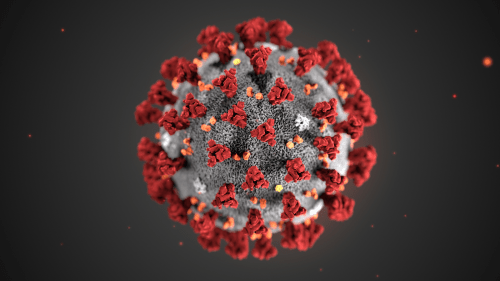
2019-nCoV-CDC-23311

It has become very evident, at least in during this pandemic within the United States, that African Americans and poorer communities have been disproportionately affected by the SARS-CoV2 outbreak . However, there are many other diseases such as diabetes, heart disease, and cancer in which these specific health disparities are evident as well :

Diversity and Health Disparity Issues Need to be Addressed for GWAS and Precision Medicine Studies

Personalized Medicine, Omics, and Health Disparities in Cancer:  Can Personalized Medicine Help Reduce the Disparity Problem?

Disease like cancer have been shown to have wide disparities based on socioeconomic status, with higher incidence rates seen in poorer and less educated sub-populations, not just here but underdeveloped countries as well (see Opinion Articles from the Lancet: COVID-19 and Cancer Care in China and Africa) and graphics below)


In an article in Science by Lizzie Wade, these disparities separated on socioeconomic status, have occurred in many other pandemics throughout history, and is not unique to the current COVID19 outbreak.  The article, entitled “An Unequal Blow”, reveal how

in past pandemics, people on the margins suffered the most.

Source: https://science.sciencemag.org/content/368/6492/700.summary

Health Disparities during the Black Death Bubonic Plague Pandemic in the 14th Century (1347-1351)

During the mid 14th century, all of Europe was affected by a plague induced by the bacterium Yersinia pestis, and killed anywhere between 30 – 60% of the European population.  According to reports by the time the Black Death had reached London by January 1349 there had already been horrendous reports coming out of Florence Italy where the deadly disease ravished the population there in the summer of 1348 (more than half of the city’s population died). And by mid 1349 the Black Death had killed more than half of Londoners.  It appeared that no one was safe from the deadly pandemic, affecting the rich, the poor, the young, the old.

However, after careful and meticulous archaeological and historical analysis in England and other sites, revealed a distinct social and economic inequalities that predominated and most likely guided the pandemics course throughout Europe.   According to Dr. Gwen Robbins Schug, a bio-archaeologist at Appalachian State University,

Bio-archaeology and other social sciences have repeatedly demonstrated that these kinds of crises play out along the preexisting fault lines of each society.  The people at greatest risk were often those already marginalized- the poor and minorities who faced discrimination in ways that damaged their health or limited their access to medical care even in pandemic times.

At the start of the Black Death, Europe had already gone under a climactic change with erratic weather.  As a result, a Great Famine struck Europe between 1315-17.  Wages fell and more people fell into poverty while the wealthiest expanded their riches, leading to an increased gap in wealth and social disparity.  In fact according to recordkeeping most of Englanders were living below the poverty line.

Author Lizzie Wade also interviewed Dr. Sharon, DeWitte, a biological anthropologist at University of South Carolina, who looks at skeletal remains of Black Death victims to get evidence on their health status, like evidence of malnutrition, osteoporosis, etc.   And it appears that most of the victims may have had preexisting health conditions indicative of poorer status.  And other evidence show that wealthy landowners had a lower mortality rate than poorer inner city dwellers.

1918 Spanish Flu

Socioeconomic and demographic studies have shown that both Native American Indians and African Americans on the lower end of the socioeconomic status were disproportionately affected by the 1918 Spanish flu pandemic.  According to census records, the poorest had a 50% higher mortality rate than wealthy areas in the city of Oslo.  In the US, minors and factory workers died at the highest rates.  In the US African Americans had already had bouts with preexisting issues like tuberculosis and may have contributed to the higher mortality.  In addition Jim Crow laws in the South, responsible for widespread discrimination, also impacted the ability of African Americans to seek proper medical care.

From the Atlantic

Source: https://www.theatlantic.com/politics/archive/2016/05/americas-health-segregation-problem/483219/

America’s Health Segregation Problem

Has the country done enough to overcome its Jim Crow health care history?

VANN R. NEWKIRK II

MAY 18, 2016

Like other forms of segregation, health-care segregation was originally a function of explicitly racist black codes and Jim Crow laws. Many hospitals, clinics, and doctor’s offices were totally segregated by race, and many more maintained separate wings or staff that could never intermingle under threat of law. The deficit of trained black medical professionals (itself caused by a number of factors including education segregation) meant that no matter where black people received health-care services, they would find their care to be subpar compared to that of whites. While there were some deaths that were directly attributable to being denied emergency service, most of the damage was done in establishing the same cumulative health disparities that plague black people today as a societal fate. The descendants of enslaved people lived much more dangerous and unhealthy lives than white counterparts, on disease-ridden and degraded environments. Within the confines of a segregated health-care system, these factors became poor health outcomes that shaped black America as if they were its genetic material.


https://twitter.com/time4equity/status/1175080469425266688?s=20


R.A.HahnaB.I.TrumanbD.R.Williamsc.Civil rights as determinants of public health and racial and ethnic health equity: Health care, education, employment, and housing in the United States.

SSM – Population Health: Volume 4, April 2018, Pages 17-24

Highlights

  • Civil rights are characterized as social determinants of health.
  • Four domains in civil rights history since 1950 are explored in—health care, education, employment, and housing.
  • Health care, education, employment show substantial benefits when civil rights are enforced.
  • Housing shows an overall failure to enforce existing civil rights and persistent discrimination.
  • Civil rights and their enforcement may be considered a powerful arena for public health theorizing, research, policy, and action.


For more articles on COVID-19 Please go to our Coronovirus Portal

https://pharmaceuticalintelligence.com/coronavirus-portal/


Read Full Post »

National Public Radio interview with Dr. Anthony Fauci on his optimism on a COVID-19 vaccine by early 2021

Reporter: Stephen J. Williams, PhD

Below I am giving a link to an important interview by NPR’s Judy Woodruff with Dr. Anthony Fauci on his thoughts regarding the recent spikes in cases, the potential for a COVID-19 vaccine by next year, and promising therapeutics in the pipeline.  The interview link is given below however I will summarize a few of the highlights of the interview.


Some notes on the interview

Judy Woodruff began her report with some up to date news regarding the recent spike and that Miami Florida has just ordered the additional use of facemasks.  She asked Dr. Anthony Fauci, head of the National Institute of Allergy and Infectious Diseases (NIAD), about if the measures currently in use are enough to bring this spike down.  Dr. Fauci said that we need to reboot our efforts, mainly because people are not doing three things which could have prevented this spike mainly

  1. universal wearing of masks
  2. distancing properly from each other
  3. close the bars and pubs (see Wisconsin bars packed after ruling)

It hasn’t been a uniform personal effort

Dr. Fauci on testing

We have to use the tests we have out there efficiently and effectively And we have to get them out to the right people who can do the proper identification, isolation, and do proper contract tracing and need to test more widely in a surveillance way to get a feel of the extent and penetrance of this community spread.  there needs to be support and money for these testing labs

We have a problem and we need to admit and own it but we need to do the things we know are effective to turn this thing around.

On Vaccines

“May be later this year”

His response to Merck’s CEO Ken Frazer who said officials are giving false hop if they say ‘end of year’ but Dr. Fauci disagrees.  He says a year end goal is not outlandish.

What we have been doing is putting certain things in line with each other in an unprecedented way.

Dr. Fauci went on to say that, in the past yes, it took a long time, even years to develop a vaccine but now they have been able to go from sequence of virus to a vaccine development program in days, which is unheard of.  Sixty two days later we have gone into phase 1 trials. the speed at which this is occurring is so much faster.  He says that generally it would take a couple of years to get a neutralizing antibody but we are already there.  Another candidate will be undergoing phase 3 trials by end of this month (July 2020).

He is “cautiously optimistic” that we will have one or more vaccines to give to patients by end of year because given the amount of cases it will be able to get a handle on safety and efficacy by late fall.

Now he says the game changer is that the government is working with companies to ramp up the production of doses of the candidate vaccines so when we find which one works we will have ample doses on hand.  He is worried about the anti vaccine movement derailing vaccine testing and vaccinations but says if we keep on informing the public we can combat this.

Going back to school

Dr. Fauci is concerned for the safety of the vulnerable in schools, including students and staff.  He wants the US to get down to a reasonable baseline of cases but in the US that baseline after the first wave was still significantly higher than in most countries, where the baseline was more like tens of cases not hundreds of cases.

For more information on COVID-19 Please go to our Coronavirus Portal at

https://pharmaceuticalintelligence.com/coronavirus-portal/


Read Full Post »

Placenta lacks molecules required for COVID-19 infection

Reporter and Curator: Dr. Sudipta Saha, Ph.D.

The pandemic of coronavirus disease 2019 (COVID-19) caused by the severe acute respiratory syndrome coronavirus 2 (SARS-CoV-2) has affected more than 10 million people, including pregnant women. To date, no consistent evidence for the vertical transmission of SARS-CoV-2 has been found. The placenta serves as the lungs, gut, kidneys, and liver of the fetus. This fetal organ also has major endocrine actions that modulate maternal physiology and, importantly, together with the extraplacental chorioamniotic membranes shield the fetus against microbes from hematogenous dissemination and from invading the amniotic cavity.


Most pathogens that cause hematogenous infections in the mother are not able to reach the fetus, which is largely due to the potent protective mechanisms provided by placental cells (i.e. trophoblast cells: syncytiotrophoblasts and cytotrophoblasts). Yet, some of these pathogens such as Toxoplasma gondii, Rubella virus, herpesvirus (HSV), cytomegalovirus (CMV), and Zika virus (ZIKV), among others, are capable of crossing the placenta and infecting the fetus, causing congenital disease.


The placental membranes that contain the fetus and amniotic fluid lack the messenger RNA (mRNA) molecule required to manufacture the ACE2 receptor, the main cell surface receptor used by the SARS-CoV-2 virus to cause infection. These placental tissues also lack mRNA needed to make an enzyme, called TMPRSS2, that SARS-CoV-2 uses to enter a cell. Both the receptor and enzyme are present in only miniscule amounts in the placenta, suggesting a possible explanation for why SARS-CoV-2 has only rarely been found in fetuses or newborns of women infected with the virus, according to the study authors.


The single-cell transcriptomic analysis presented by the researchers provides evidence that SARS-CoV-2 is unlikely to infect the placenta and fetus since its canonical receptor and protease, ACE2 and TRMPSS2, are only minimally expressed by the human placenta throughout pregnancy. In addition, it was shown that the SARS-CoV-2 receptors are not expressed by the chorioamniotic membranes in the third trimester. However, viral receptors utilized by CMV, ZIKV, and others are highly expressed by the human placental tissues.


Transcript levels do not always correlate with protein expression, but the data of the present study indicates a low likelihood of placental infection and vertical transmission of SARS-CoV-2. However, it is still possible that the expression of these proteins is much higher in individuals with pregnancy complications related with the renin-angiotensin-aldosterone system, which can alter the expression of ACE2. The cellular receptors and mechanisms that could be exploited by SARS-CoV-2 are still under investigation.


References:


https://www.nih.gov/news-events/news-releases/placenta-lacks-major-molecules-used-sars-cov-2-virus-cause-infection


https://pubmed.ncbi.nlm.nih.gov/32662421/


https://pubmed.ncbi.nlm.nih.gov/32217113/


https://pubmed.ncbi.nlm.nih.gov/32161408/


https://pubmed.ncbi.nlm.nih.gov/32335053/


https://pubmed.ncbi.nlm.nih.gov/32298273/


Read Full Post »

Study with important implications when considering widespread serological testing, Ab protection against re-infection with SARS-CoV-2 and the durability of vaccine protection

Reporter: Aviva Lev-Ari, PhD, RN

Serological Testing WordCloud

Longitudinal evaluation and decline of antibody responses in SARS-CoV-2 infection

Jeffrey SeowCarl GrahamBlair MerrickSam AcorsKathryn J.A. SteelOliver HemmingsAoife O’BryneNeophytos KouphouSuzanne PickeringRui GalaoGilberto BetancorHarry D WilsonAdrian W SignellHelena WinstoneClaire KerridgeNigel TempertonLuke SnellKaren BisnauthsingAmelia MooreAdrian GreenLauren MartinezBrielle StokesJohanna HoneyAlba Izquierdo-BarrasGill ArbaneAmita PatelLorcan OConnellGeraldine O HaraEithne MacMahonSam DouthwaiteGaia NebbiaRahul BatraRocio Martinez-NunezJonathan D. EdgeworthStuart J.D. NeilMichael H. MalimKatie Doores

Abstract

Antibody (Ab) responses to SARS-CoV-2 can be detected in most infected individuals 10-15 days following the onset of COVID-19 symptoms. However, due to the recent emergence of this virus in the human population it is not yet known how long these Ab responses will be maintained or whether they will provide protection from re-infection. Using sequential serum samples collected up to 94 days post onset of symptoms (POS) from 65 RT-qPCR confirmed SARS-CoV-2-infected individuals, we show seroconversion in >95% of cases and neutralizing antibody (nAb) responses when sampled beyond 8 days POS. We demonstrate that the magnitude of the nAb response is dependent upon the disease severity, but this does not affect the kinetics of the nAb response. Declining nAb titres were observed during the follow up period. Whilst some individuals with high peak ID50 (>10,000) maintained titres >1,000 at >60 days POS, some with lower peak ID50 had titres approaching baseline within the follow up period. A similar decline in nAb titres was also observed in a cohort of seropositive healthcare workers from Guy′s and St Thomas′ Hospitals. We suggest that this transient nAb response is a feature shared by both a SARS-CoV-2 infection that causes low disease severity and the circulating seasonal coronaviruses that are associated with common colds. This study has important implications when considering widespread serological testing, Ab protection against re-infection with SARS-CoV-2 and the durability of vaccine protection.

SOURCE

https://www.medrxiv.org/content/10.1101/2020.07.09.20148429v1

Read Full Post »

New Etiology for COVID-19: Death results from Immune-Mediation (virus-independent immunopathology: lung and reticuloendothelial system) vs Pathogen-Mediation causing Organ Dysfunction & Hyper-Inflammation – Immunomodulatory Therapeutic Approaches (dexamethasone)

Curators: Stephen J. Williams and Aviva Lev-Ari, PhD, RN


  • State of Science on 7/21/2020

New Etiology for COVID-19: Death results from Immune-Mediation (virus-independent immunopathology: lung and reticuloendothelial system) vs Pathogen-Mediation causing Organ Dysfunction & Hyper-Inflammation – Immunomodulatory Therapeutic Approaches (dexamethasone)

Curators: Stephen J. Williams and Aviva Lev-Ari, PhD, RN

https://pharmaceuticalintelligence.com/2020/07/12/new-etiology-for-covid-19-death-results-from-immune-mediation-virus-independent-immunopathology-lung-and-reticuloendothelial-system-vs-pathogen-mediation-causing-organ-dysfunction-hyper-infl/

  • State of Science on 5/19/2020

RNA from the SARS-CoV-2 virus taking over the cells it infects: Virulence – Pathogen’s ability to infect a Resistant Host: The Imbalance between Controlling Virus Replication versus Activation of the Adaptive Immune Response

Curator: Aviva Lev-Ari, PhD, RN – I added colors and bold face

Highlights

  • SARS-CoV-2 infection induces low IFN-I and -III levels with a moderate ISG response
  • Strong chemokine expression is consistent across in vitroex vivo, and in vivo models
  • Low innate antiviral defenses and high pro-inflammatory cues contribute to COVID-19

Highlights

  • ORF3b of SARS-CoV-2 and related bat and pangolin viruses is a potent IFN antagonist
  • SARS-CoV-2 ORF3b suppresses IFN induction more efficiently than SARS-CoV ortholog
  • The anti-IFN activity of ORF3b depends on the length of its C-terminus
  • An ORF3b with increased IFN antagonism was isolated from two severe COVID-19 cases

    https://pharmaceuticalintelligence.com/2020/05/23/rna-from-the-sars-cov-2-virus-taking-over-the-cells-it-infects-virulence-pathogens-ability-to-infect-a-resistant-host-the-imbalance-between-controlling-virus-replication-versus-activation-of-the/

    Immunomodulatory Therapeutic Approaches (dexamethasone): COVID-19 Death results from Immune-Mediation (virus-independent immunopathology: lung and reticuloendothelial system) vs Pathogen-Mediation causing Organ Dysfunction & Hyper-Inflammation


    Highlights

    1. Dissociation between viral tropism and tissue-spesific immune/inflammatory response
    2. Inflammatory response only seen in the lungs and reticuloenthothelial system, and not necessarity with viral presence
    3. No correlation of severity with viral load of RNA fragments and protein presence in serum

    Tissue-specific tolerance in fatal Covid-19

    David A DorwardClark D RussellIn Hwa UmMustafa ElshaniStuart D ArmstrongRebekah Penrice-RandalTracey MillarChris EB LerpiniereGiulia TagliaviniCatherine S HartleyNadine P RandallNaomi N GachanjaPhilippe MD PoteyAlison M AndersonVictoria L CampbellAlasdair J DuguidWael Al QsousRalph BouHaidarJ Kenneth BaillieKevin DhaliwalWilliam A WallaceChristopher OC BellamySandrine ProstColin SmithJulian A HiscoxDavid J HarrisonChristopher D LucasICECAP

    Abstract

    Successful host defence against a pathogen can involve resistance or tolerance, with implications for prioritising either antimicrobial or immunomodulatory therapeutic approaches. Hyper-inflammation occurs in Covid-19 and is associated with worse outcomes. The efficacy of dexamethasone in preventing mortality in critical Covid-19 suggests that inflammation has a causal role in death. Whether this deleterious inflammation is primarily a direct response to the presence of SARS-CoV-2 requiring enhanced resistance, or an independent immunopathologic process necessitating enhanced tolerance, is unknown. Here we report an aberrant immune response in fatal Covid-19, principally involving the lung and reticuloendothelial system, that is not clearly topologically associated with the virus, indicating tissue-specific tolerance of SARS-CoV-2. We found that

    • inflammation and organ dysfunction in fatal Covid-19 did not map to the widespread tissue and cellular distribution of SARS-CoV-2 RNA and protein, both between and within tissues.
    • A monocyte/myeloid-rich vasculitis was identified in the lung, along with an influx of macrophages/monocytes into the parenchyma. In addition,
    • stereotyped abnormal reticulo-endothelial responses (reactive plasmacytosis and iron-laden macrophages) were present and dissociated from the presence of virus in lymphoid tissues. Our results support
    • virus-independent immunopathology being one of the primary mechanisms underlying fatal Covid-19.
    • This supports prioritising pathogen tolerance as a therapeutic strategy in Covid-19, by better understanding
    • non-injurious organ-specific viral tolerance mechanisms and targeting aberrant macrophage and plasma cell responses.

    SOURCE 

    https://www.medrxiv.org/content/10.1101/2020.07.02.20145003v1

    Effect of Dexamethasone in Hospitalized Patients with COVID-19: Preliminary Report

    Peter HorbyWei Shen LimJonathan EmbersonMarion MafhamJennifer BellLouise LinsellNatalie StaplinChristopher BrightlingAndrew UstianowskiEinas ElmahiBenjamin PrudonChristopher GreenTimothy FeltonDavid ChadwickKanchan RegeChristopher FeganLucy C ChappellSaul N FaustThomas JakiKatie JefferyAlan MontgomeryKathryn RowanEdmund JuszczakJ Kenneth BaillieRichard HaynesMartin J LandrayRECOVERY Collaborative Group

    Abstract

    Background: Coronavirus disease 2019 (COVID-19) is associated with diffuse lung damage. Corticosteroids may modulate immune-mediated lung injury and reducing progression to respiratory failure and death.

    Methods: The Randomised Evaluation of COVID-19 therapy (RECOVERY) trial is a randomized, controlled, open-label, adaptive, platform trial comparing a range of possible treatments with usual care in patients hospitalized with COVID-19. We report the preliminary results for the comparison of dexamethasone 6 mg given once daily for up to ten days vs. usual care alone. The primary outcome was 28-day mortality. Results: 2104 patients randomly allocated to receive dexamethasone were compared with 4321 patients concurrently allocated to usual care. Overall, 454 (21.6%) patients allocated dexamethasone and 1065 (24.6%) patients allocated usual care died within 28 days (age-adjusted rate ratio [RR] 0.83; 95% confidence interval [CI] 0.74 to 0.92; P<0.001). The proportional and absolute mortality rate reductions varied significantly depending on level of respiratory support at randomization (test for trend p<0.001): Dexamethasone reduced deaths by one-third in patients receiving invasive mechanical ventilation (29.0% vs. 40.7%, RR 0.65 [95% CI 0.51 to 0.82]; p<0.001), by one-fifth in patients receiving oxygen without invasive mechanical ventilation (21.5% vs. 25.0%, RR 0.80 [95% CI 0.70 to 0.92]; p=0.002), but did not reduce mortality in patients not receiving respiratory support at randomization (17.0% vs. 13.2%, RR 1.22 [95% CI 0.93 to 1.61]; p=0.14).

    Conclusions: In patients hospitalized with COVID-19, dexamethasone reduced 28-day mortality among those receiving invasive mechanical ventilation or oxygen at randomization, but not among patients not receiving respiratory support.

     SOURCE

    https://www.medrxiv.org/content/10.1101/2020.06.22.20137273v1

    Other Etiologies Explained

    SAR-Cov-2 is probably a vasculotropic RNA virus affecting the blood vessels: Endothelial cell infection and endotheliitis in COVID-19

    Reporter: Aviva Lev-Ari, PhD, RN

    https://pharmaceuticalintelligence.com/2020/06/01/sar-cov-2-is-probably-a-vasculotropic-rna-virus-affecting-the-blood-vessels-endothelial-cell-infection-and-endotheliitis-in-covid-19/

    A mysterious blood-clotting complication is killing coronavirus patients

    Once thought a relatively straightforward respiratory virus, covid-19 is proving to be much more frightening

    SOURCE

    https://www.washingtonpost.com/health/2020/04/22/coronavirus-blood-clots/

    Mechanism of thrombocytopenia in COVID-19 patients

    Abstract

    Since December 2019, a novel coronavirus has spread throughout China and across the world, causing a continuous increase in confirmed cases within a short period of time. Some studies reported cases of thrombocytopenia, but hardly any studies mentioned how the virus causes thrombocytopenia. We propose several mechanisms by which coronavirus disease 2019 causes thrombocytopenia to better understand this disease and provide more clinical treatment options.

    Keywords: Severe acute respiratory syndrome coronavirus 2, Coronavirus disease 2019, Thrombocytopenia, Platelet
    SOURCE

    SAR-Cov-2 is neuro-invasive. Is CNS regulation of peripheral catacholamine outflow disrupted in susceptible patients, CAT leads to platelet aggregation

    Neurological manifestations of patients with COVID-19: potential routes of SARS-CoV-2 neuroinvasion from the periphery to the brain

    Abstract

    Coronavirus disease 2019 (COVID-19), caused by severe acute respiratory syndrome Coronavirus 2 (SARS-CoV-2), has caused a global pandemic in only 3 months. In addition to major respiratory distress, characteristic neurological manifestations are also described, indicating that SARS-CoV-2 may be an underestimated opportunistic pathogen of the brain. Based on previous studies of neuroinvasive human respiratory coronaviruses, it is proposed that after physical contact with the nasal mucosa, laryngopharynx, trachea, lower respiratory tract, alveoli epithelium, or gastrointestinal mucosa, SARS-CoV-2 can induce intrinsic and innate immune responses in the host involving increased cytokine release, tissue damage, and high neurosusceptibility to COVID-19, especially in the hypoxic conditions caused by lung injury. In some immune-compromised individuals, the virus may invade the brain through multiple routes, such as the vasculature and peripheral nerves. Therefore, in addition to drug treatments, such as pharmaceuticals and traditional Chinese medicine, non-pharmaceutical precautions, including facemasks and hand hygiene, are critically important.

    Keywords: coronavirus disease 2019 (COVID-19), SARS-CoV-2, neurological manifestations, neuroinvasion, brain
    SOURCE

    The neuroinvasive potential of SARS‐CoV2 may play a role in the respiratory failure of COVID‐19 patients

    First published: 27 February 2020
    Citations: 139

    [Correction added on March 17, 2020 after first online publication: Manuscript has been revised with author’s latest changes]

    Abstract

    Following the severe acute respiratory syndrome coronavirus (SARS‐CoV) and Middle East respiratory syndrome coronavirus (MERS‐CoV), another highly pathogenic coronavirus named SARS‐CoV‐2 (previously known as 2019‐nCoV) emerged in December 2019 in Wuhan, China, and rapidly spreads around the world. This virus shares highly homological sequence with SARS‐CoV, and causes acute, highly lethal pneumonia coronavirus disease 2019 (COVID‐19) with clinical symptoms similar to those reported for SARS‐CoV and MERS‐CoV. The most characteristic symptom of patients with COVID‐19 is respiratory distress, and most of the patients admitted to the intensive care could not breathe spontaneously. Additionally, some patients with COVID‐19 also showed neurologic signs, such as headache, nausea, and vomiting. Increasing evidence shows that coronaviruses are not always confined to the respiratory tract and that they may also invade the central nervous system inducing neurological diseases. The infection of SARS‐CoV has been reported in the brains from both patients and experimental animals, where the brainstem was heavily infected. Furthermore, some coronaviruses have been demonstrated able to spread via a synapse‐connected route to the medullary cardiorespiratory center from the mechanoreceptors and chemoreceptors in the lung and lower respiratory airways. Considering the high similarity between SARS‐CoV and SARS‐CoV2, it remains to make clear whether the potential invasion of SARS‐CoV2 is partially responsible for the acute respiratory failure of patients with COVID‐19. Awareness of this may have a guiding significance for the prevention and treatment of the SARS‐CoV‐2‐induced respiratory failure.

    Research Highlights

    • SARS‐CoV2 causes epidemic pneumonia characterized by acute respiratory distress.
    • This novel coronavirus is similar to SARS‐CoV in sequence, pathogenesis, and cellular entry.
    • Some coronaviruses can invade brainstem via a synapse‐connected route from the lung and airways.
    • The potential invasion of SARS‐CoV2 may be one reason for the acute respiratory failure.
    • Awareness of this will have guiding significance for the prevention and treatment.

    Intravascular Platelet Aggregation in the Heart Induced by Norepinephrine

    Microscopic Studies
    Originally publishedhttps://doi.org/10.1161/01.CIR.46.4.698Circulation. 1972;46:698–708

    Aggregated platelets and occlusive platelet thrombi were found in small myocardial vessels of dogs on electron-microscope examination after prolonged infusion of norepinephrine. The etiology of the myocardial necrosis and fibrosis induced by catecholamines in experimental animals and seen in patients with pheochromocytoma and patients after norepinephrine treatment for shock may be related to this intravascular platelet-aggregating effect of catecholamines. The link between stress and acute myocardial infarction may be via catecholamine-induced intravascular platelet thrombosis. If the thrombogenic theory of atherosclerosis is valid, platelet aggregation induced by catecholamines may be the mechanism whereby arteriosclerotic heart disease is related to stress.

    SOURCE

    https://www.ahajournals.org/doi/abs/10.1161/01.cir.46.4.698


    Ramatroban (Baynas®) for the Treatment of COVID-19

    Ajay Gupta, MBBS, MD

    Department of Medicine,

    University of California, Irvine

    President & Chief Scientific Officer,

    Charak LLC

    E-mails:

    ajayg1@hs.uci.edu

    charaklabs@outlook.com

    Off.: 1 (562) 419 7029

    Cell: 1 (562) 412 6259

    Fax: 1 (702) 974 1001


    Multi-Functional Anti-Inflammatory Drugs (MFAIDs) for the Treatment of COVID-19 Patients

    Professor Saul Yedgar

    Walter & Greta Stiel Chair in Heart Studies

    Department of Biochemistry

    Hebrew University-Hadassah Medical School

    Jerusalem, Israel 91120

    Tel:   00972-2-643-9218 (office)

             00972-2-652-0159 (home)

    Fax: 00972-2-675-7291

    Email: yedgar@md.huji.ac.il


    Other articles related to the etiology of COVID-19 published in this Open Access Online Scientific Journal include the following:


    CORONAVIRUS, SARS-CoV-2 PORTAL @LPBI

    http://lnkd.in/ePwTDxm

    Launched on 3/14/2020

    Eight Pages of LPBI Group’s Coronavirus PORTAL

    https://pharmaceuticalintelligence.com/coronavirus-portal/


    Lead Curators are:

    1. Breakthrough News Corner
    2. Development of Medical Counter-measures for 2019-nCoV, CoVid19, Coronavirus
    3. An Epidemiological Approach Stephen J. Williams, PhD and Aviva Lev-Ari, PhD, RN Lead Curators – e–mail Contacts: sjwilliamspa@comcast.net and avivalev-ari@alum.berkeley.edu
    4. Community Impact Stephen J. Williams, PhD and Irina Robu, PhD Lead Curators – e–mail Contacts: irina.stefania@gmail.com and sjwilliamspa@comcast.net
    5. Economic Impact of The Coronavirus Pandemic Dr. Joel Shertok, PhD Lead Curator – e–mail Contact: jshertok@processindconsultants.com
    6. Voices of Global Citizens: Impact of The Coronavirus Pandemic, Gail S. Thornton, M.A. Lead Curator – e–mail Contact: gailsthornton@yahoo.com
    7. Diagnosis of Coronavirus Infection by Medical Imaging and Cardiovascular Impacts of Viral Infection, Aviva Lev-Ari, PhD, RN Lead Curator e-mail contact: avivalev-ari@alum.berkeley.edu
    8. Key Opinion Leaders Followed by LPBI Aviva Lev-Ari, PhD, RN and Dr. Ofer Markman, PhD Lead Curators e-mail contacts: oferm2015@gmail.com and avivalev-ari@alum.berkeley.edu


    The Castleman Disease Research Network publishes Phase 1 Results of Drug Repurposing Database for COVID-19

    Reporter: Stephen J. Williams, PhD.

    https://pharmaceuticalintelligence.com/2020/06/27/the-castleman-disease-research-network-publishes-phase-1-results-of-drug-repurposing-database-for-covid-19/

    Corticosteroid, Dexamethasone Improves Survival in COVID-19: Deaths reduction by 1/3 in ventilated patients and by 1/5 in other patients receiving oxygen only

    Reporter: Aviva Lev-Ari, PhD, RN – bold face and color fonts added

    https://pharmaceuticalintelligence.com/2020/06/27/corticosteroid-dexamethasone-improves-survival-in-covid-19-deaths-reduction-by-1-3-in-ventilated-patients-and-by-1-5-in-other-patients-receiving-oxygen-only/


    SARS-CoV-2 is pre-adapted to Human Transmission, branches of evolution stemming from a less well-adapted human SARS-CoV-2-like virus have been found: The Role of SARS-CoV-2 Virus Progenitors for Future Virus Disease Transmission and Pandemic Re-Emergence

    Reporter and Curator: Aviva Lev-Ari, PhD, RN – all bold face and colors are my additions

    https://pharmaceuticalintelligence.com/2020/05/31/sars-cov-2-is-pre-adapted-to-human-transmission-branches-of-evolution-stemming-from-a-less-well-adapted-human-sars-cov-2-like-virus-have-been-found-the-role-of-sars-cov-2-virus-progenitors-for-futur/


    COVID-19: Novel Treatment Protocols using Approved drugs vs Standard of Care vs Vaccine and Antiviral new drug discovery and development – An LPBI Group Response and An LPBI Group & Affiliates Response

    Curator: Aviva Lev-Ari, PhD, RN

    https://pharmaceuticalintelligence.com/2020/05/29/covid-19-novel-treatment-protocols-using-approved-drugs-vs-standard-of-care-vs-vaccine-and-antiviral-new-drug-discovery-and-development-an-lpbi-group-response-and-an-lpbi-group-affiliates-res/


    T cells found in COVID-19 patients ‘bode well’ for long-term immunity | Science | AAAS

    https://www.sciencemag.org/news/2020/05/t-cells-found-covid-19-patients-bode-well-long-term-immunity

    Clinical Trial for the Use of Nitric Oxide to Treat Severe COVID-19 Infection 

    https://pharmaceuticalintelligence.com/2020/04/14/clinical-trial-for-the-use-of-nitric-oxide-to-treat-severe-covid-19/


    RNA from the SARS-CoV-2 virus taking over the cells it infects: Virulence – Pathogen’s ability to infect a Resistant Host: The Imbalance between Controlling Virus Replication versus Activation of the Adaptive Immune Response

    Curator: Aviva Lev-Ari, PhD, RN – I added colors and bold face

    https://pharmaceuticalintelligence.com/2020/05/23/rna-from-the-sars-cov-2-virus-taking-over-the-cells-it-infects-virulence-pathogens-ability-to-infect-a-resistant-host-the-imbalance-between-controlling-virus-replication-versus-activation-of-the/


    A Series of Recently Published Papers Report the Development of SARS-CoV2 Neutralizing Antibodies and Passive Immunity toward COVID19

    Curator: Stephen J. Williams, Ph.D.

    https://pharmaceuticalintelligence.com/2020/05/19/a-series-of-recently-published-papers-report-the-development-of-sars-cov2-neutralizing-antibodies-and-passive-immunity-toward-covid19/


    Updated listing of COVID-19 vaccine and therapeutic trials from NIH Clinical Trials.gov

    Curator: Stephen J. Williams, PhD

    https://pharmaceuticalintelligence.com/2020/04/16/updated-listing-of-covid-19-vaccine-and-therapeutic-trials-from-nih-clinical-trials-gov/


    Actemra, immunosuppressive which was designed to treat rheumatoid arthritis but also approved in 2017 to treat cytokine storms in cancer patients SAVED the sickest of all COVID-19 patients

    Reporter: Aviva Lev-Ari, PhD, RN

    https://pharmaceuticalintelligence.com/2020/04/14/actemra-immunosuppressive-which-was-designed-to-treat-rheumatoid-arthritis-but-also-approved-in-2017-to-treat-cytokine-storms-in-cancer-patients-saved-the-sickest-of-all-covid-19-patients/


    Structure-guided Drug Discovery: (1) The Coronavirus 3CL hydrolase (Mpro) enzyme (main protease) essential for proteolytic maturation of the virus and (2) viral protease, the RNA polymerase, the viral spike protein, a viral RNA as promising two targets for discovery of cleavage inhibitors of the viral spike polyprotein preventing the Coronavirus Virion the spread of infection____________________________ Curators and Reporters: Stephen J. Williams, PhD and Aviva Lev-Ari, PhD, RN

    https://pharmaceuticalintelligence.com/2020/03/12/structure-guided-drug-discovery-1-the-coronavirus-3cl-hydrolase-mpro-enzyme-main-protease-essential-for-proteolytic-maturation-of-the-virus-and-2-viral-protease-the-rna-polymerase-the-viral/

    Group of Researchers @ University of California, Riverside, the University of Chicago, the U.S. Department of Energy’s Argonne National Laboratory, and Northwestern University solve COVID-19 Structure and Map Potential Therapeutics____________________________ Curators: Stephen J. Williams, PhD and Aviva Lev-Ari, PhD, RN

    https://pharmaceuticalintelligence.com/2020/03/06/group-of-researchers-solve-covid-19-structure-and-map-potential-therapeutic/


    Predicting the Protein Structure of Coronavirus: Inhibition of Nsp15 can slow viral replication and Cryo-EM – Spike protein structure (experimentally verified) vs AI-predicted protein structures (not experimentally verified) of DeepMind (Parent: Google) aka AlphaFold____________________________ Curators: Stephen J. Williams, PhD and Aviva Lev-Ari, PhD, RN

    https://pharmaceuticalintelligence.com/2020/03/08/predicting-the-protein-structure-of-coronavirus-inhibition-of-nsp15-can-slow-viral-replication-and-cryo-em-spike-protein-structure-experimentally-verified-vs-ai-predicted-protein-structures-not/


    Different Drug development efforts

    https://www.clinicaltrialsarena.com/analysis/coronavirus-mers-cov-drugs/

    https://www.pharmaceutical-technology.com/news/vir-biotechnology-nih-biogen-coronavirus-antibodies/

    https://www.genengnews.com/a-lists/how-to-conquer-coronavirus-top-35-treatments-in-development/

    https://www.biospace.com/article/mobilizing-drug-development-efforts-against-the-novel-coronavirus/

    https://www.statnews.com/2020/03/10/125m-effort-to-find-coronavirus-drugs-started-by-gates-foundation-wellcome-and-mastercard/

    Coronavirus puts drug repurposing on the fast track

    https://www.nature.com/articles/d41587-020-00003-

    Read Full Post »

    The Global Economic Outlook During the COVID-19 Pandemic: A Changed World

    Reporter: Joel Shertok, PhD


    By the World Bank — June 8, 2020

    https://www.worldbank.org/en/news/feature/2020/06/08/the-global-economic-outlook-during-the-covid-19-pandemic-a-changed-world

    This is THE definitive assessment of the economic effects of COVID-19, from the World Bank. Obviously, bad and likely getting worse with the coming of the Second Lockdown……

    Empty highway in Dubai because on coronavirus. Sign advertising the Stay Home Stay Safe campaign.

    An empty highway in Dubai during the coronavirus pandemic. Above the highway, a sign reads “Stay Safe, Stay Home.” © Mo Azizi/Shutterstock


    As the health and human toll grows, the economic damage is already evident and represents the largest economic shock the world has experienced in decades.

    The June 2020 Global Economic Prospects describes both the immediate and near-term outlook for the impact of the pandemic and the long-term damage it has dealt to prospects for growth. The baseline forecast envisions a 5.2 percent contraction in global GDP in 2020, using market exchange rate weights—the deepest global recession in decades, despite the extraordinary efforts of governments to counter the downturn with fiscal and monetary policy support. Over the longer horizon, the deep recessions triggered by the pandemic are expected to leave lasting scars through lower investment, an erosion of human capital through lost work and schooling, and fragmentation of global trade and supply linkages.

    For emerging market and developing countries, many of which face daunting vulnerabilities, it is critical to strengthen public health systems, address the challenges posed by informality, and implement reforms that will support strong and sustainable growth once the health crisis abates.

    Historic contraction of per capita income

    Advanced economies are projected to shrink 7 percent. That weakness will spill over to the outlook for emerging market and developing economies, who are forecast to contract by 2.5 percent as they cope with their own domestic outbreaks of the virus. This would represent the weakest showing by this group of economies in at least sixty years.


    “The crisis highlights the need for urgent action to cushion the pandemic’s health and economic consequences, protect vulnerable populations, and set the stage for a lasting recovery.”


    Every region is subject to substantial growth downgrades. East Asia and the Pacific will grow by a scant 0.5%. South Asia will contract by 2.7%, Sub-Saharan Africa by 2.8%, Middle East and North Africa by 4.2%, Europe and Central Asia by 4.7%, and Latin America by 7.2%.  These downturns are expected to reverse years of progress toward development goals and tip tens of millions of people back into extreme poverty.

    Emerging market and developing economies will be buffeted by economic headwinds from multiple quarters: pressure on weak health care systems, loss of trade and tourism, dwindling remittances, subdued capital flows, and tight financial conditions amid mounting debt. Exporters of energy or industrial commodities will be particularly hard hit. Demand for metals and transport-related commodities such as rubber and platinum used for vehicle parts has also tumbled. While agriculture markets are well supplied globally, trade restrictions and supply chain disruptions could yet raise food security issues in some places.

    A Worker in Sub-Saharan Africa standing near a truck is seen wearing a mask

    A worker wears a mask in Sub-Saharan Africa. © Lucian Coman/Shutterstock

    A possibility of even worse outcomes

    Even this bleak outlook is subject to great uncertainty and significant downside risks. The forecast assumes that the pandemic recedes in such a way that domestic mitigation measures can be lifted by mid-year in advanced economies and later in developing countries, that adverse global spillovers ease during the second half of 2020, and that widespread financial crises are avoided. This scenario would envision global growth reviving, albeit modestly, to 4.2% in 2021.

    However, this view may be optimistic. Businesses might find it hard to service debt, heightened risk aversion could lead to climbing borrowing costs, and bankruptcies and defaults could result in financial crises in many countries. Under this downside scenario, global growth could shrink by almost 8% in 2020.

    Looking at the speed with which the crisis has overtaken the global economy may provide a clue to how deep the recession will be. The sharp pace of global growth forecast downgrades points to the possibility of yet further downward revisions and the need for additional action by policymakers in coming months to support economic activity.

    A particularly concerning aspect of the outlook is the humanitarian and economic toll the global recession will take on economies with extensive informal sectors that make up an estimated one-third of the GDP and about 70% of total employment in emerging market and developing economies. Policymakers must consider innovative measures to deliver income support to these workers and credit support to these businesses.

    Long-term damage to potential output, productivity growth

    The June 2020 Global Economic Prospects looks beyond the near-term outlook to what may be lingering repercussions of the deep global recession: setbacks to potential output⁠—the level of output an economy can achieve at full capacity and full employment⁠—and labor productivity.  Efforts to contain COVID-19 in emerging and developing economies, including low-income economies with limited health care capacity, could precipitate deeper and longer recessions⁠—exacerbating a multi-decade trend of slowing potential growth and productivity growth.

    Image

    Another important feature of the current landscape is the historic collapse in oil demand and oil prices. Low oil prices are likely to provide, at best, temporary initial support to growth once restrictions to economic activity are lifted. However, even after demand recovers, adverse impacts on energy exporters may outweigh any benefits to activity in energy importers. In addition, the recent oil price plunge may provide further momentum to undertake energy subsidy reforms and deepen them once the immediate health crisis subsides.

    In the face of this disquieting outlook, the immediate priority for policymakers is to address the health crisis and contain the short-term economic damage. Over the longer term, authorities need to undertake comprehensive reform programs to improve the fundamental drivers of economic growth once the crisis lifts.

    , including support for the private sector and getting money directly to people. During the mitigation period, countries should focus on sustaining economic activity with support for households, firms and essential services.

    Global coordination and cooperation—of the measures needed to slow the spread of the pandemic, and of the economic actions needed to alleviate the economic damage, including international support—provide the greatest chance of achieving public health goals and enabling a robust global recovery.

    SOURCE

    https://www.worldbank.org/en/news/feature/2020/06/08/the-global-economic-outlook-during-the-covid-19-pandemic-a-changed-world

    Read Full Post »

    Reported by Joel Shertok, PhD,

    From the New York Times, May 31, 2020

    https://www.nytimes.com/2020/05/29/business/coronavirus-economic-forecast-shiller.html

    By 

    The Great Depression of the 1930s was an economic downturn that became a prolonged malaise. A Nobel laureate asks whether that pattern might be repeated.

    Yogi Berra supposedly said, “It’s difficult to make predictions, especially about the future.” Yet, in spite of this warning, a cottage industry has arisen trying to anticipate the long term economics effects of the COVID-19 pandemic. Robert Schiller, Professor of Economics at Yale, in the NY Times, sounds a call for caution:

    Longer-term analyses of the coronavirus pandemic emphasize that there is a good chance that it will fade within a year or two, especially if a vaccine or effective treatment appears.

    I hope that’s true. But even if it is, I’m worried that the economy may not return to normal within that time frame.

    Big events like a pandemic have the potential to leave behind a trail of disruption. They can create social discord, reduce people’s willingness to spend and take risks, destroy business momentum and shake confidence in the value of investments.

    But episodes as far-reaching as this one are scarce, widely spaced in time, and so different in circumstances that statisticians cannot easily compare them systematically. The best we can do is examine some case studies.

    The so-called Spanish flu, the influenza epidemic that started in 1918, which ultimately cost 675,000 American lives and millions around the world, is a reasonable place to start. While we know a great deal about that era, we don’t know enough to shed much light on current circumstances.

    There was a recession in the United States from August 1918 to March 1919, according to the National Bureau of Economic Research, but not a deep one. Searching the newspapers of the time, one finds surprisingly little concern about the possible ill effects of the influenza on the economy, perhaps because the more-dominant narrative concerned the impact of World War I, which ended on November 11, 1918.

    Yet a recent study by Robert Barro of Harvard University and his associates suggests that the epidemic along with the decline in production associated with the war led to a protracted decline in G.D.P. growth in affected countries from 1918 through 1920. In short, that period provides little comfort.

    Perhaps more relevant to the current crisis is the Great Depression of 1929 to 1940, the biggest economic slowdown of modern history. From 1931 to 1940, the annual unemployment rate in the United States never fell below 12 percent. (In April this year, unemployment shot up to 14.7 percent.)

    The conventional story is that the 1929 crash was the result of a stock market bubble in the 1920s. The Cyclically Adjusted Price Earnings Ratio, a stock valuation measure that I helped develop, reached 32.6 in 1929 (compared with 31.0 in January 2020). The Depression started in 1929 after a 23 percent crash in the Dow Jones industrial average over two days, Oct. 28 and 29. It created global social unrest around the world and the downturn only ended with World War II.

    In 1929 many people expected the stock market to bounce right back and that decline was short-lived, in one sense: The market rose almost half the way back to its 1929 peak by April 1930. But it fell sharply again, and the crash set in motion a train of powerful narratives that resemble some of the popular notions that are circulating today.

    Much as President Trump dismissed the seriousness of the Covid-19 pandemic in its early days, President Herbert Hoover made optimistic forecasts that proved to be wrong.

    Much as people fret these days about extreme polarization between Democrats and Republicans, so too were people of that era concerned about extreme political divisiveness. After losing the 1932 election to Franklin Delano Roosevelt, for example, President Hoover, by then a lame duck, called F.D.R.’s plans a “march to Moscow.”

    Much as people today have experienced long lines and empty shelves at supermarkets, in the Great Depression people fretted about long lines and empty cash registers at banks.

    There are other troubling parallels: Fear of long-term unemployment and a never-ending depression was rampant back then, leading people to restrain spending, thus prolonging the downturn. This may not happen now, but it is a danger.

    Much as now, in the Great Depression people were very focused on maintaining a “fair wage” in the face of economic distress. But this led to nationwide resistance to nominal wage cuts for anyone, even when retail prices were falling rapidly.

    This appears to have had the unintended result of inducing employers, who could not afford to keep everyone working at their former wages, to lay off many people. The economists Harold L. Cole of the University of Pennsylvania and Lee E. Ohanian, of U.C.L.A., have shown that this may explain some of the extreme duration of Great Depression unemployment.

    Another development back then may have resonance today. Faced with widespread poverty, even people with money voluntarily embraced austerity, saying they no longer needed to “keep up with the Joneses.” Their reduction in consumption helps to explain the severity and duration of the Depression. If contemporary culture shifts in a similar way, it could limit the economy’s ability to bounce back.

    A series of concerns like these — some with echoes of the Great Depression, some newly forming and associated directly with worries about disease and infection — will be on millions of people’s minds long after the economy reopens. Such social narratives will affect their thinking on how to spend and invest, whether to go out to eat or attend sporting events, on whom to vote for, and whether to travel: multitudes of decisions, big and small, that determine the course of the economy.

    It is too early to tell which narratives will prevail and what path the economy will take after this pandemic subsides. Limited case studies will take us only so far. But we shouldn’t be surprised if we see post-pandemic economic weakness over the next decade.
    SOURCE

    https://www.nytimes.com/2020/05/29/business/coronavirus-economic-forecast-shiller.html

    Read Full Post »

    From Cell Press:  New Insights on the D614G Strain of COVID: Will a New Mutated Strain Delay Vaccine Development?

    Reporter: Stephen J. Williams, PhD

    Two recent articles in Cell Press, both peer reviewed, discuss the emergence and potential dominance of a new mutated strain of COVID-19, in which the spike protein harbors a D614G mutation.

    In the first article “Making Sense of Mutation: What D614G means for the COVID-19 pandemic Remains Unclear”[1] , authors Drs. Nathan Grubaugh, William Hanage, and Angela Rasmussen discuss the recent findings by Korber et al. 2020 [2] which describe the potential increases in infectivity and mortality of this new mutant compared to the parent strain of SARS-CoV2.  For completeness sake I will post this article as to not defer from their interpretations of this important paper by Korber and to offer some counter opinion to some articles which have surfaced this morning in the news.

    Making sense of mutation: what D614G means for the COVID-19 pandemic remains unclear


    Nathan D. Grubaugh1 *, William P. Hanage2 *, Angela L. Rasmussen3 * 1Department of Epidemiology of Microbial Diseases, Yale School of Public Health, New Haven, CT 06510, USA 2Center for Communicable Disease Dynamics, Department of Epidemiology, Harvard T. H. Chan School of Public Health, Boston, MA 02115, USA 3Center for Infection and Immunity, Columbia Mailman School of Public Health, New York, NY 10032, USA Correspondence: grubaughlab@gmail.com


    Abstract: Korber et al. (2020) found that a SARS-CoV-2 variant in the spike protein, D614G, rapidly became dominant around the world. While clinical and in vitro data suggest that D614G changes the virus phenotype, the impact of the mutation on transmission, disease, and vaccine and therapeutic development are largely unknown.

    Introduction: Following the emergence of SARS-CoV-2 in China in late 2019, and the rapid expansion of the COVID19 pandemic in 2020, questions about viral evolution have come tumbling after. Did SARS-CoV-2 evolve to become better adapted to humans? More infectious or transmissible? More deadly? Virus mutations can rise in frequency due to natural selection, random genetic drift, or features of recent epidemiology. As these forces can work in tandem, it’s often hard to differentiate when a virus mutation becomes common through fitness or by chance. It is even harder to determine if a single mutation will change the outcome of an infection, or a pandemic. The new study by Korber et al. (2020) sits at the heart of this debate. They present compelling data that an amino acid change in the virus’ spike protein, D614G, emerged early during the pandemic, and viruses containing G614 are now dominant in many places around the world. The crucial questions are whether this is the result of natural selection, and what it means for the COVID-19 pandemic. For viruses like SARS-CoV-2 transmission really is everything – if they don’t get into another host their lineage ends. Korber et al. (2020) hypothesized that the rapid spread of G614 was because it is more infectious than D614. In support of their hypothesis, the authors provided evidence that clinical samples from G614 infections have a higher levels of viral RNA, and produced higher titers in pseudoviruses from in vitro experiments; results that now seem to be corroborated by others [e.g. (Hu et al., 2020; Wagner et al., 2020)]. Still, these data do not prove that G614 is more infectious or transmissible than viruses containing D614. And because of that, many questions remain on the potential impacts, if any, that D614G has on the COVID-19 pandemic.

    The authors note that this new G614 variant has become the predominant form over the whole world however in China the predominant form is still the D614 form.  As they state

    “over the period that G614 became the global majority variant, the number of introductions from China where D614 was still dominant were declining, while those from Europe climbed. This alone might explain the apparent success of G614.”

    Grubaugh et al. feel there is not enough evidence that infection with this new variant will lead to higher mortality.  Both Korber et al. and the Seattle study (Wagner et al) did not find that the higher viral load of this variant led to a difference in hospitalizations so apparently each variant might be equally as morbid.

    In addition, Grubaugh et al. believe this variant would not have much affect on vaccine development as, even though the mutation lies within the spike protein, D614G is not in the receptor binding domain of the spike protein.  Korber suggest that there may be changes in glycosylation however these experiments will need to be performed.  In addition, antibodies from either D614 or G614 variant infected patients could cross neutralize.


    Conclusions: While there has already been much breathless commentary on what this mutation means for the COVID19 pandemic, the global expansion of G614 whether through natural selection or chance means that this variant now is the pandemic. As a result its properties matter. It is clear from the in vitro and clinical data that G614 has a distinct phenotype, but whether this is the result of bonafide adaptation to human ACE2, whether it increases transmissibility, or will have a notable effect, is not clear. The work by Korber et al. (2020) provides an early base for more extensive epidemiological, in vivo experimental, and diverse clinical investigations to fill in the many critical gaps in how D614G impacts the pandemic.

    The link to the Korber Cell paper is here: https://www.cell.com/cell/fulltext/S0092-8674(20)30820-5

    Tracking changes in SARS-CoV-2 Spike: evidence that D614G increases infectivity of the COVID-19 virus

    DOI: https://doi.org/10.1016/j.cell.2020.06.043

    Keypoints

    • The consistent increase of G614 at regional levels may indicate a fitness advantage


    • G614 is associated with lower RT PCR Ct’s, suggestive of higher viral loads in patients


    • The G614 variant grows to higher titers as pseudotyped virions

    Summary

    A SARS-CoV-2 variant carrying the Spike protein amino acid change D614G has become the most prevalent form in the global pandemic. Dynamic tracking of variant frequencies revealed a recurrent pattern of G614 increase at multiple geographic levels: national, regional and municipal. The shift occurred even in local epidemics where the original D614 form was well established prior to the introduction of the G614 variant. The consistency of this pattern was highly statistically significant, suggesting that the G614 variant may have a fitness advantage. We found that the G614 variant grows to higher titer as pseudotyped virions. In infected individuals G614 is associated with lower RT-PCR cycle thresholds, suggestive of higher upper respiratory tract viral loads, although not with increased disease severity. These findings illuminate changes important for a mechanistic understanding of the virus, and support continuing surveillance of Spike mutations to aid in the development of immunological interventions.


    References

    1. Grubaugh, N.D., Hanage, W.P., Rasmussen, A.L., Making sense of mutation: what D614G means for the COVID-19 pandemic remains unclear, Cell (2020), doi: https:// doi.org/10.1016/j.cell.2020.06.040.
    2. Korber, B., Fischer, W.M., Gnanakaran, S., Yoon, H., Theiler, J., Abfalterer, W., Hengartner, N., Giorgi, E.E., Bhattacharya, T., Foley, B., et al. (2020). Tracking changes in SARS-CoV-2 Spike: evidence that D614G increases infectivity of the COVID-19 virus. Cell 182.
    3. Endo, A., Centre for the Mathematical Modelling of Infectious Diseases COVID-19 Working Group, Abbott, S., Kucharski, A.J., and Funk, S. (2020). Estimating the overdispersion in COVID-19 transmission using outbreak sizes outside China. Wellcome Open Res 5, 67.
    4. Hu, J., He, C.-L., Gao, Q.-Z., Zhang, G.-J., Cao, X.-X., Long, Q.-X., Deng, H.-J., Huang, L.-Y., Chen, J., Wang, K., et al. (2020). The D614G mutation of SARS-CoV-2 spike protein enhances viral infectivity and decreases neutralization sensitivity to individual convalescent sera. bioRxiv 2020.06.20.161323.
    5. Wagner, C., Roychoudhury, P., Hadfield, J., Hodcroft, E.B., Lee, J., Moncla, L.H., Müller, N.F., Behrens, C., Huang, M.-L., Mathias, P., et al. (2020). Comparing viral load and clinical outcomes in Washington State across D614G mutation in spike protein of SARS-CoV-2. Https://github.com/blab/ncov-D614G.

    Read Full Post »

    6/30/2020

    Chasing change: Innovation and patent
    activity during COVID-19

    A report on the pandemic’s impact on the global
    R&D community and innovation lifecycle

    Reporters: Aviva Lev-Ari, Ph.D., RN & Gail S. Thornton, M.A.

    Published by Clarivate Derwent

    In just a few short months, COVID-19 swept through the world. While many aspects of everyday life have altered as the pandemic has gripped the globe, society at large has been and remains remarkably resilient.

    To understand the impact of COVID-19 on the world’s innovators, we asked organizations from a cross-section of industries globally about how the pandemic has affected their organizations’ innovation strategies.

    We are pleased to share the results with you in the report, “Chasing change: Innovation and patent activity during COVID-19.”

    SOURCE:

    https://clarivate.com/derwent/wp-content/uploads/sites/3/dlm_uploads/2020/06/DW507408683-COVID-19-Report_FINAL.pdf?utm_campaign=EM1_Report_Derwent_COVID_19_Survey_Apr_IPS_Global_2020_ClientsProspects

    Other related article published in this Open Access Online Scientific Journal include the following:

    Corticosteroid, Dexamethasone Improves Survival in COVID-19: Deaths reduction by 1/3 in ventilated patients and by 1/5 in other patients receiving oxygen only

    Reporter: Aviva Lev-Ari, PhD, RN https://pharmaceuticalintelligence.com/2020/06/27/corticosteroid-dexamethasone-improves-survival-in-covid-19-deaths-reduction-by-1-3-in-ventilated-patients-and-by-1-5-in-other-patients-receiving-oxygen-only/

    ###

    Read Full Post »

    « Newer Posts - Older Posts »