Feeds:
Posts
Comments

Archive for the ‘Advanced Drug Manufacturing Technology’ Category

Kite and Alpine Immune Sciences Join Forces to Deliver Personalised Cancer Treatments

Curator: Rosalind Codrington, PhD

This curation was attributed to Stephen J. Williams, PhD as a result of 12/7/2022 e-mail:

From: Rosalind Codrington <rcods@hotmail.co.uk>
Date: Wednesday, December 7, 2022 at 8:32 AM
To: Aviva Lev-Ari <aviva.lev-ari@comcast.net>
Subject: Website

Hello Aviva,

How are you? I hope that you remember me. I used to be a content writer (Rosalind Codrington) at LPBI. Would you be able to remove my profile from your website, please because I am not in science anymore.

Thank you, best regards

Rosalind


Kite Pharma is joining forces with Alpine Immune Sciences to target the immune synapse, the communications area between the antigen presenting cell and the T lymphocyte (FierceBiotech). Their approach is to specifically modify the T cells in the patient’s peripheral blood so that these T cells will target the patient’s tumour. Their engineered Autologous Cell Therapy (eACT) platform, allows them to modify in vitro the patient’s T cells so that they will express either chimeric antigen receptors (CAR) or T cell receptors (TCR).

They have devised single chain antibodies linked to intracellular T-cell activating domains and TCR to specifically target the tumour antigen in the patient. These modifications are introduced into the T-cells via a viral vector to express the CAR and TCR on these cells.

The CAR products are specifically engineered to target cell membrane antigens on the tumour cells, whilst the TCR products are able to target both the cell membrane and the intracellular antigens, giving these products a well rounded approach to targeting both solid tumours and haemtalogical malignancies.

Kite and Alpine Immune Science’s potential for delivering personalised tumour therapy is now being tested in clinical trials.

Kite Pharma

Alpine Immune Sciences

Read Full Post »

Malaria Vaccine Efficacy

Curators: Larry H. Bernstein, MD, FCAP, and Aviva Lev-Ari, PhD, RN

LPBI

Malaria Vaccine Efficacy Could Rely on Parasite’s Genotype

NEW YORK (GenomeWeb) – A malaria vaccine may be more effective against parasites whose genotype matches that of the vaccine itself, according to researchers from Harvard University and the Fred Hutchinson Cancer Research Center.

Reporting this week in the New England Journal of Medicine, researchers evaluated malarial genotypes of individuals enrolled in a phase III trial of GlaxoSmithKline’s vaccine, RTS,S/ASO1.

https://www.genomeweb.com/sequencing-technology/malaria-vaccine-efficacy-could-rely-parasites-genotype

The vaccine was previously evaluated in a large phase III trial in Africa in more than 15,000 children and was found to confer “moderate protective efficacy against clinical disease and severe malaria that wanes over time,” according to the study authors.

The mechanism by which the vaccine confers protection is incompletely understood, although it is known to target a specific protein produced by thePlasmodium falciparum malaria parasite called circumsporozoite protein. However, the circumsporozoite protein contains regions where polymorphisms can occur, including a conserved tandem repeat with a length polymorphism between 37 and 44 repeat unit, and numerous polymorphisms within the C-terminal region of protein.

Researchers hypothesized the vaccine might be less effective against malaria parasites with polymorphisms in those regions.

To test this theory, they used PCR and next-generation sequencing on both Illumina’s MiSeq instrument and Pacific Biosciences’ RS II. The researchers targeted and sequenced the circumsporozoite protein C-terminal and as well as a control region with the MiSeq from children enrolled in the clinical trial who had become infected with malaria. They used the PacBio system to sequence the longer repeat region.

Over 4,000 samples were sequenced on the MiSeq and over 3,000 on the PacBio. Samples included patients at multiple time points after they received the vaccine.

Genetic data of the malaria parasite was evaluated from 1,181 kids between the ages of five and 17 months who received the RTS,S vaccine and 909 who received a control vaccine, all of whom had developed clinically confirmed malaria.

Over two-thirds of patents had “complex infections,” defined as being founded by two or more distinct parasite lineages, the authors reported. Patients that received the RTS,S vaccine were more likely to have complex infections — 71 percent had complex infections compared to 61 percent of patients who received the control vaccine.

Looking at the relationship between polymorphisms to the C-terminal region and vaccine efficacy, the researchers found that one-year post vaccination, the C-terminal region in the malaria parasite matched that of the vaccine in 139 individuals, but was a mismatch in 1,951 individuals. Thus, cumulative vaccine efficacy against malaria with a perfect genotype match at the C-terminal site was 50.3 percent. For those without a perfect match, efficacy was 33.4 percent.

In addition, efficacy was higher immediately after receiving the vaccine. Through six months post vaccination, efficacy was 70.2 percent in individuals with a matched genotype and 56.3 percent in those with mismatched genotypes.

Looking at the relationship between the number of repeats and vaccine efficacy, the researchers found a non-significant effect with increasing repeats and vaccine efficacy.

The results suggest that among children between the ages of five and 17 months the RTS,S vaccine “has greater activity against malaria parasites with matched circumsporozoite protein allele than against mismatched malaria,” the authors concluded, and overall vaccine efficacy will depend on the genotype of the local parasite population.

In addition, the authors noted, “Genetic surveillance of circumsporozoite protein sequences in parasite populations could inform the development of future vaccine candidates targeting polymorphic malaria proteins.”

Read Full Post »

Engineered viruses

Larry H. Bernstein, MD, FCAP, Curator

LPBI

Engineered viruses provide quantum-based enhancement of energy transport

October 19, 2015

http://www.kurzweilai.net/engineered-viruses-provide-quantum-based-enhancement-of-energy-transport?utm_source=KurzweilAI+Weekly+Newsletter_147a5a48c1-9a20162408-282099089

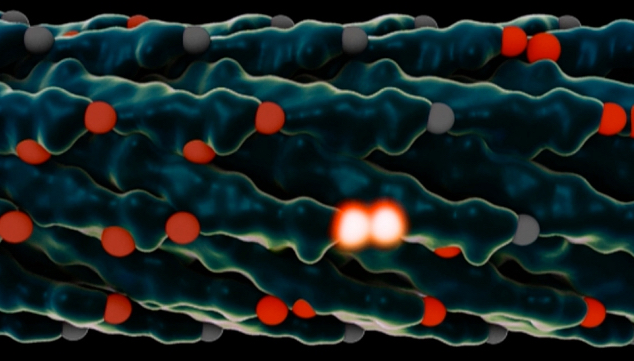
Rendering of a virus used in the MIT experiments. The light-collecting centers, called chromophores, are in red, and chromophores that just absorbed a photon of light are glowing white. After the virus is modified to adjust the spacing between the chromophores, energy can jump from one set of chromophores to the next faster and more efficiently. (credit: the researchers and Lauren Alexa Kaye)

http://www.kurzweilai.net/images/Super-Forster.jpg

MIT engineers have achieved a significant efficiency boost in a light-harvesting system, using genetically engineered viruses to achieve higher efficiency in transporting energy from receptors to reaction centers where it can be harnessed, making use of the exotic effects of quantum mechanics. Emulating photosynthesis in nature, it could lead to inexpensive and efficient solar cells or light-driven catalysis,

This achievement in coupling quantum research and genetic manipulation, described this week in the journal Nature Materials, was the work of MIT professors Angela Belcher, an expert on engineering viruses to carry out energy-related tasks, and Seth Lloyd, an expert on quantum theory and its potential applications, and 15 collaborators at MIT and in Italy.

The “Quantum Goldilocks Effect”

In photosynthesis, a photon hits a receptor called a chromophore, which in turn produces an exciton — a quantum particle of energy. This exciton jumps from one chromophore to another until it reaches a reaction center, where that energy is harnessed to build the molecules that support life, or photosynthesis.

But the hopping pathway of excitons is random and inefficient unless it takes advantage of quantum effects that allow it, in effect, to take multiple pathways at once and select the best ones, behaving more like a wave than a particle.

To do that, the chromophores have to be arranged just right, with exactly the right amount of space between them. This, Lloyd explains, is known as the “Quantum Goldilocks Effect.”

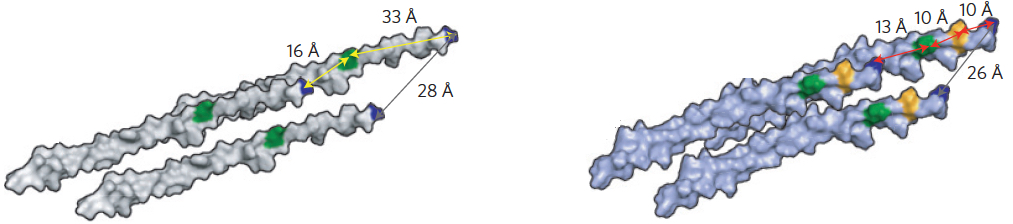
Molecular models of the genetically engineered viruses. Left virus has long inter-binding site distances of 16Å and 33Å within two proteins. Right virus has closer inter-binding site distances of approximately 10Å and 13Å, achieving faster excitation-energy transport speed. (credit: Heechul Park et al./Nature Materials)

http://www.kurzweilai.net/images/exiton-hopping.jpg

That’s where the virus comes in. By engineering a virus that Belcher has worked with for years, the team was able to get it to bond with multiple synthetic chromophores — or, in this case, organic dyes. The researchers were then able to produce many varieties of the virus, with slightly different spacings between those synthetic chromophores, and select the ones that performed best.

In the end, they were able to more than double excitons’ speed, increasing the distance they traveled before dissipating — a significant improvement in the efficiency of the process.

The project started from a chance meeting at a conference in Italy. Lloyd and Belcher, a professor of biological engineering, were reporting on different projects they had worked on, and began discussing the possibility of a project encompassing their very different expertise. Lloyd, whose work is mostly theoretical, pointed out that the viruses Belcher works with have the right length scales to potentially support quantum effects.

In 2008, Lloyd had published a paper demonstrating that photosynthetic organisms transmit light energy efficiently because of these quantum effects. When he saw Belcher’s report on her work with engineered viruses, he wondered if that might provide a way to artificially induce a similar effect, in an effort to approach nature’s efficiency.

“I had been talking about potential systems you could use to demonstrate this effect, and Angela said, ‘We’re already making those,’” Lloyd recalls. Eventually, after much analysis, “We came up with design principles to redesign how the virus is capturing light, and get it to this quantum regime.”

Within two weeks, Belcher’s team had created their first test version of the engineered virus. Many months of work then went into perfecting the receptors and the spacings.

Once the team engineered the viruses, they were able to use laser spectroscopy and dynamical modeling to watch the light-harvesting process in action, and to demonstrate that the new viruses were indeed making use of quantum coherence to enhance the transport of excitons.

“It was really fun,” Belcher says. “A group of us who spoke different [scientific] languages worked closely together, to both make this class of organisms, and analyze the data. That’s why I’m so excited by this.”

Inexpensive and efficient solar cells or light-driven catalysis

While this initial result is essentially a proof of concept rather than a practical system, it points the way toward an approach that could lead to inexpensive and efficient solar cells or light-driven catalysis, the team says. So far, the engineered viruses collect and transport energy from incoming light, but do not yet harness it to produce power (as in solar cells) or molecules (as in photosynthesis). But this could be done by adding a reaction center, where such processing takes place, to the end of the virus where the excitons end up.

“This is exciting and high-quality research,” says Alán Aspuru-Guzik, a professor of chemistry and chemical biology atHarvard University who was not involved in this work. The research, he says, “combines the work of a leader in theory (Lloyd) and a leader in experiment (Belcher) in a truly multidisciplinary and exciting combination that spans biology to physics to potentially, future technology.”

“Access to controllable excitonic systems is a goal shared by many researchers in the field,” Aspuru-Guzik adds. “This work provides fundamental understanding that can allow for the development of devices with an increased control of exciton flow.”

The research was supported by the Italian energy company Eni through the MIT Energy Initiative. The team included researchers at the University of Florence, the University of Perugia, and Eni.

https://youtu.be/91vhoxR1Lts

MIT | See how researchers genetically engineer viruses to more efficiently transport energy.

Abstract of Enhanced energy transport in genetically engineered excitonic networks

One of the challenges for achieving efficient exciton transport in solar energy conversion systems is precise structural control of the light-harvesting building blocks. Here, we create a tunable material consisting of a connected chromophore network on an ordered biological virus template. Using genetic engineering, we establish a link between the inter-chromophoric distances and emerging transport properties. The combination of spectroscopy measurements and dynamic modelling enables us to elucidate quantum coherent and classical incoherent energy transport at room temperature. Through genetic modifications, we obtain a significant enhancement of exciton diffusion length of about 68% in an intermediate quantum-classical regime.

Read Full Post »

assembling biomolecules

Larry H. Bernstein, MD, FCAP, Curator

LPBI


A powerful new ‘tool’ for assembling biomolecules

Replaces the existing expensive and complex process needed when synthesizing new chemicals — could revolutionize pharmaceutical and biomaterials manufacturing
October 21, 2015

http://www.kurzweilai.net/a-powerful-new-tool-for-assembling-biomolecules?utm_source=KurzweilAI+Weekly+Newsletter_147a5a48c1-9a20162408-282099089


Proposed new simplified chemical reaction for assembling biomolecules in a single chemical reaction (credit: Tiffany Piou & Tomislav Rovis/Nature)


Colorado State University chemists have invented a single chemical reaction that couples two constituent chemicals into a carbon-carbon bond, while simultaneously introducing a nitrogen component. The process promises to replace a multi-step, expensive, and complex process needed when synthesizing new chemicals — for drug creation and testing, for example.

The researchers were able to control this reaction to make the nitrogen atoms go exactly where they want them to, making for precision chemistry that they believe could revolutionize pharmaceutical and biomaterials manufacturing.

The achievement is detailed in the journal Nature, published today (Oct. 21).

Achieving a critical carbon-nitrogen bond

The researchers explain in a statement that “almost every significant carbon-based biomolecule contains a nitrogen compound, or amine. Achieving this carbon-nitrogen bond in the lab, though, is tricky business. Drug companies know it well…. They must first create the carbon-carbon bonds, and then introduce the nitrogen to make a molecule that will do something useful.”

The chemists’ starting materials were simply oil refinery byproducts called olefins, or alkenes. They mixed in a specially engineered reagant, then used a complex based on the precious metal rhodium to reliably and specifically trigger the elusive carbon-nitrogen bonds.

The innovation also controls molecular isomers (an isomer is a molecule with the same chemical formula as another molecule, but with a different chemical structure). Some isomers are mirror images, like right and left gloves, and although they’re chemically identical, their functionalities are strikingly different. Being able to select for a single isomer is critical to safety and efficacy — so much so that the FDA mandates that only single-isomer drugs be marketed for human use.

Take thalidomide, infamous for causing severe birth defects when taken by pregnant women in the 1950s. Chemically, thalidomide comes in two mirror-image isomeric forms. One caused the defects, one didn’t.

“For this reason, spatial display of groups in molecules is incredibly important,” said organic chemist Tomislav Rovis, professor of chemistry in the College of Natural Sciences at CSU. Rovis led the research with postdoctoral researcher Tiffany Piou, who designed all the chemical building blocks and ran the experiments.

“Tiffany’s finding gives us a leg up to do this in a carboamination reaction, by making the carbon carbon bond, and delivering the nitrogen selectively,” Rovis said.

The researchers hope their approach, which they liken to a tool in a toolbox, can be polished, perfected and used widely to make organic chemistry easier, and applied to many different fields.


Abstract of Rhodium-catalysed syn-carboamination of alkenes via a transient directing group

Alkenes are the most ubiquitous prochiral functional groups—those that can be converted from achiral to chiral in a single step—that are accessible to synthetic chemists. For this reason, difunctionalization reactions of alkenes (whereby two functional groups are added to the same double bond) are particularly important, as they can be used to produce highly complex molecular architectures12. Stereoselective oxidation reactions, including dihydroxylation, aminohydroxylation and halogenation3456, are well established methods for functionalizing alkenes. However, the intermolecular incorporation of both carbon- and nitrogen-based functionalities stereoselectively across an alkene has not been reported. Here we describe the rhodium-catalysed carboamination of alkenes at the same (syn) face of a double bond, initiated by a carbon–hydrogen activation event that uses enoxyphthalimides as the source of both the carbon and the nitrogen functionalities. The reaction methodology allows for the intermolecular, stereospecific formation of one carbon–carbon and one carbon–nitrogen bond across an alkene, which is, to our knowledge, unprecedented. The reaction design involves the in situ generation of a bidentate directing group and the use of a new cyclopentadienyl ligand to control the reactivity of rhodium. The results provide a new way of synthesizing functionalized alkenes, and should lead to the convergent and stereoselective assembly of amine-containing acyclic molecules.

Read Full Post »

Novel biomarkers for targeting cancer immunotherapy

Curator: Larry H. Bernstein, MD, FCAP


EFFICACY AND POTENCY TESTING: CELLULAR IMMUNITY
http://www.ablinc.com/efficacy_and_potency_testing-cellular_Immunity.php?gclid=CIGI953juMgCFcuQHwodtyUJ0w

ABL has decades of experience working with human and animal samples to determine the efficacy, activity, and potency of vaccines and therapeutics. Our animal facility is located in close proximity to our laboratories allowing for fresh samples to be delivered in a timely manner for testing in ABL’s laboratories. ABL has a wealth of experience processing many different types of samples (blood, fluids, tissues, washes, etc) and viably freezing cells for shipment or testing at a later date.

In our continuing effort to ensure we are providing our clients with reliable and consistent data, ABL has worked with some of the top academic labs and experts in the country to cross validate our assays and sample collection techniques. This helps give our clients the assurance that the information they receive from ABL is accurate and can be used to make the significant decisions about their product candidates.

Our goal in providing a wide range of testing capabilities is to ensure the data accuracy to help our clients remove the risk associated with product development.

Capabilities

  • Determining absolute values and percentages of CD4 T-cells, CD8 T-cells, B cells, and NK cells from whole blood samples
  • Examine memory T-cell responses by FACS
  • NK functionality
  • Quantify secreted cytokines
  • ELISPOT: human, NHP, and murine samples
  • Intracellular cytokine staining
  • Luminex
  • FACS analysis to quantitate or determine production of cytokines, including IFN-gamma, TNF-alpha, IL-2, IL-4, IL-5, IL-6, and IL-10
  • Flex array system to target other cytokines/chemokines
  • Cytometric bead array
  • Lymphoproliferation assay

The state-of-the-art, non-toxic Immunotherapy protocols of the Issels® Immuno-Oncology Centers are designed to restore the body’s own complex immune and defense mechanisms to recognize and eliminate cancer cells.

They are always highly personalized and can be combined with gene-targeted or special standard cancer therapies according to individual needs.

The integrative Issels® Immuno-Oncology system is the result of extensive clinical and scientific research and has become internationally known for its remarkable rate of complete long-term remissions of advanced and standard therapy-resistant cancers.

Issels® Immuno-Oncology is based on and an expansion of the comprehensive strategy developed at the world’s first hospital specializing in the treatment of advanced and standard-therapy resistant cancers with 120 beds solely dedicated to immunotherapy based cancer treatment. Immunotherapy is now considered the most advanced of all cancer treatments.

Cytokines, NK Cells, LAK Cells, Stem Cells

Advanced Gene-Targeted Therapies

Cancer immunotherapy research is evolving to more targeted strategies

Discoveries in immune pathway research have helped refine cancer immunotherapy strategies to become more targeted.1,2

THE HISTORY OF CANCER IMMUNE RESEARCH1-7

history-of-immunotherapy

history-of-immunotherapy

EXPLORING A MORE PERSONALIZED APPROACH TO CANCER IMMUNOTHERAPY RESEARCH

With the evolution to more targeted strategies, research is focusing on identifying predictors of individual immune response through specific tumor characteristics and factors in the tumor microenvironment, such as

  • The presence of tumor-infiltrating immune cells8
    • The ability of immune cells to infiltrate the tumor microenvironment may be a key criterion for a variety of immune-directed strategies, and could indicate which tumors are more likely to respond
  • Gene expression patterns in tumors, particularly the genes involved in immune response9
  • Cell surface protein expression
    • PD-L1 expression on tumor cells and tumor-infiltrating immune cells10,11
    • MUC1 expression on tumor cells12

REFERENCES

  1. Chen DS, Mellman I. Oncology meets immunology: the cancer-immunity cycle. Immunity. 2013;39:1-10. PMID: 23890059
  2. Mellman I, Coukos G, Dranoff G. Cancer immunotherapy comes of age. Nature. 2011;480:480-489. PMID: 22193102
  3. Lesterhuis WJ, Haanen JB, Punt CJ. Cancer immunotherapy—revisited. Nat Rev Drug Discov. 2011;10:591-600. PMID: 21804596
  4. National Institutes of Health ClinicalTrials.gov. https://clinicaltrials.gov/ct2/show/NCT01494688. Accessed March 4, 2015.
  5. National Institutes of Health ClinicalTrials.gov. https://clinicaltrials.gov/ct2/show/NCT00739609. Accessed March 4, 2015.
  6. Glienke W, Esser R, Priesner C, et al. Advantages and applications of CAR-expressing natural killer cells. Front Pharmacol.2015;6:21. doi: 10.3389/fphar.2015.00021. PMID: 25729364
  7. National Institutes of Health ClinicalTrials.gov. https://clinicaltrials.gov/ct2/show/NCT01303705. Accessed March 4, 2015.
  8. Gajewski TF, Schreiber H, Fu YX. Innate and adaptive immune cells in the tumor microenvironment. Nat Immunol.2013;14:1014-1022. PMID: 24048123
  9. Ji RR, Chasalow SD, Wang L, et al. An immune-active tumor microenvironment favors clinical response to ipilimumab. Cancer Immunol Immunother. 2012;61:1019-1031. PMID: 22146893
  10. Taube JM, Anders RA, Young GD, et al. Colocalization of inflammatory response with B7-h1 expression in human melanocytic lesions supports an adaptive resistance mechanism of immune escape. Sci Transl Med. 2012;4:127ra37. PMID: 22461641  

 Cancer immunotherapy research: exploring the immune response against cancer

Cancer immunotherapy research seeks to understand how to utilize the body’s adaptive immune defense against cancer’s ability to evolve and evade destruction.1,2

The cancer immunity cycle characterizes the complex interactions between the immune system and cancer

The cancer immunity cycle describes a process of how one’s own immune system can protect the body against cancer. When performing optimally, the cycle is self-sustaining. With subsequent revolutions of the cycle, the breadth and depth of the immune response can be increased.1

Image of the cancer immunity cycle,featuring dendritic cells and active T cells, and how the immune system attacks cancer cells, leading to tumor apoptosis]

STEPS 1-3: INITIATING AND PROPAGATING ANTICANCER IMMUNITY1

  • Oncogenesis leads to the expression of neoantigens that can be captured by dendritic cells
  • Dendritic cells can present antigens to T cells, priming and activating cytotoxic T cells to attack the cancer cells

STEPS 4-5: ACCESSING THE TUMOR1

  • Activated T cells travel to the tumor and infiltrate the tumor microenvironment

STEPS 6-7: CANCER-CELL RECOGNITION AND INITIATION OF CYTOTOXICITY1

  • Activated T cells can recognize and kill target cancer cells
  • Dying cancer cells release additional cancer antigens, propagating the cancer immunity cycle

Tumors can evade immune destruction

By disrupting the processes of the cancer immunity cycle throughout the body, tumors can avoid detection by the immune system and limit the extent of immune destruction.1-3

http://www.researchcancerimmunotherapy.com/images/overview/evading-immune-destruction/tumor-microenv.png

Tumor microenvironment  –  Disrupting antigen detection


Lymph node – Inhibiting T-cell activation by dendritic cells

 Image of dendritic cell activating T cell, step 3 of cancer immunity cycle

Blood vessel   –    Blocking T-cell infiltration into tumor

 Image of T cell infiltrating tumor, step 5 of cancer immunity cycle

Tumor microenvironment –  Suppressing cytotoxic T-cell activity

Engaging the immune response: a unique approach to cancer management

Cancer immunotherapy strategies are designed to engage the immune system against tumors. This approach is unique in the oncology setting and introduces new considerations for cancer management.1,2

Tumors can evade immune destruction

By disrupting the processes of the cancer immunity cycle throughout the body, tumors can avoid detection by the immune system and limit the extent of immune destruction.1-3

tumor-microenv-sm Disrupting antigen detection

tumor-microenv-sm Disrupting antigen detection

http://www.researchcancerimmunotherapy.com/images/overview/evading-immune-destruction/tumor-microenv-sm.png

CONSIDERATIONS FOR CANCER IMMUNOLOGY

Duration of response

The immune response has the ability to adapt with cancer as it evolves, and can become self-propagating once the cancer immunity cycle is initiated. Immune-directed strategies aim to leverage these attributes, with the goal of inducing a durable antitumor effect.3-5

Pseudo-progression

Image showing T-cell infiltration into the tumor site can cause pseudoprogression]T-cell infiltration to the tumor site may cause an apparent increase in tumor size or the appearance of new lesions. This inflammatory effect can be misinterpreted as progressive disease, as it can be difficult to differentiate the different cell types in radiographic imaging. New criteria have been developed to better capture immune-related response patterns, and may guide evaluation of immunotherapies in clinical trials, and potentially in clinical care.1,2,6

Immune-related adverse events

While the goal of cancer immunotherapy research is to understand how to activate specific components of the immune response, the potential for off-target effects exists. Adverse event profiles may vary among different immune-directed strategies. As strategies grow more targeted, the recognition and management of immune-related adverse events will evolve.1,3

Read Full Post »

Secret Maoist Chinese Operation Conquered Malaria

Larry H. Bernstein, MD, FCAP, Curator

LPBI

Secret Maoist Chinese Operation Conquered Malaria — and Won a Nobel

10/07/2015 – Jia-Chen Fu, Emory University

http://www.scientificcomputing.com/articles/2015/10/secret-maoist-chinese-operation-conquered-malaria-%E2%80%94-and-won-nobel?et_cid=4866514&et_rid=535648082

http://www.scientificcomputing.com/sites/scientificcomputing.com/files/Secret_Maoist_Chinese_Operation_Conquered_Malaria_and_Won_a_Nobel_440.jpg

This photo taken September 23, 2011, and released by Xinhua News Agency on October 5, 2015, shows Chinese pharmacologist Tu Youyou posing with her trophy after winning the Lasker Award, a prestigious U.S. medical prize, in New York. Three scientists from Ireland, Japan and China won the 2015 Nobel Prize in medicine on October 5 for discovering drugs against malaria and other parasitic diseases that affect hundreds of millions of people every year. Tu was awarded the prize for discovering artemisinin, a drug that has helped significantly reduce the mortality rates of malaria patients. (Wang Chengyun/Xinhua via AP)

At the height of the Cultural Revolution, Project 523 — a covert operation launched by the Chinese government and headed by a young Chinese medical researcher by the name of Tu Youyou — discovered what has been the most powerful and effective antimalarial drug therapy to date.

Known in Chinese as qinghaosu and derived from the sweet wormwood (Artemisia annua L.), artemisinin was only one of several hundred substances Tu and her team of researchers culled from Chinese drugs and folk remedies and systematically tested in their search for a treatment to chloroquine-resistant malaria.

How Tu and her team discovered artemisinin tells us much about the continual Chinese effort to negotiate between traditional/modern and indigenous/foreign.

Indeed, contrary to popular assumptions that Maoist China was summarily against science and scientists, the Communist party-state needed the scientific elite for certain political and practical purposes.

Medicine, particularly when it also involved foreign relations, was one such area. In this case, it was the war in Vietnam and the scourge of malaria that led to the organization of Project 523.

North Vietnamese soldiers had to deal with disease as well as the enemy. manhhaiCC BY

North Vietnamese soldiers had to deal with disease

North Vietnamese soldiers had to deal with disease

https://62e528761d0685343e1c-f3d1b99a743ffa4142d9d7f1978d9686.ssl.cf2.rackcdn.com/files/97412/width668/image-20151006-7375-bhm608.jpg

A request from Vietnam and a military answer

As fighting escalated between American and Vietnamese forces throughout the 1960s, malaria became the number one affliction compromising Vietnamese soldier health. The increasing number of chloroquine-resistant malaria cases in the civilian population further heightened North Vietnamese concern.

In 1964, the North Vietnamese government approached Chinese leader Mao Tse Tung and asked for Chinese assistance in combating malaria. Mao responded, “Solving your problem is the same as solving our own.”

From the beginning, Project 523, which was classified as a top-secret state mission, was under the direction of military authorities. Although civilian agencies were invited to collaborate in May 1967, military supervision highlighted the urgent nature of the research and protected it from adverse political winds.

The original three-year plan produced by the People’s Liberation Army Research Institute aimed tointegrate far and near, integrate Chinese and Western medicines, take Chinese drugs as its priority, emphasize innovation, unify plans, divide labor to work together.

The medical mission

Project 523 had three goals: the identification of new drug treatments for fighting chloroquine-resistant malaria, the development of long-term preventative measures against chloroquine-resistant malaria, and the development of mosquito repellents.

To achieve these ends, research on Chinese drugs and acupuncture was integral.

The decision to investigate Chinese drugs was not without precedent. Back in 1926, Chen Kehui and Carl Schmidt of the Peking Union Medical College published their original paper on ephedrine, derived from Chinese herb mahuang. It ignited a research fire in which more than 500 scientific papers on ephedrine (for relief for asthma) appeared around the world by 1929.

In the 1940s, state interest in the Chinese drug changshan and its antimalarial properties led to the establishment of a state-funded research institute and experimental farm in Sichuan province.

Project 523’s embrace of Chinese materia medica — the traditional body of knowledge about substances’ healing properties — is a more recent example of the efforts to “scientize” Chinese medicine through selective appropriation and detailed investigation.

Biomedical interest in Chinese drugs was not in itself new. But the institutional climate within which Project 523 investigators worked was different from earlier antimalarial research efforts. The Vietnam War had exacerbated an epidemiological crisis to which Maoist China responded with nationalist fervor by turning to its institutions of traditional Chinese medicine.

In the 1960s, such institutions were a mixing ground of specialists, many of whom possessed more than a passing familiarity with Chinese medicine and biomedicine. This ensured that qinghao research proceeded within a climate in which scientists, “who themselves had learnt the ways of appreciating traditional knowledge, worked side by side with historians of traditional medicine, who had textual learning.”

Tons of Artemisia annua are grown annually in China today. Novartis AGCC BY-NC-ND

Tons of Artemisia

Tons of Artemisia

https://62e528761d0685343e1c-f3d1b99a743ffa4142d9d7f1978d9686.ssl.cf2.rackcdn.com/files/97373/width668/image-20151006-29239-8md0dg.jpg

Tu Youyou’s story

Tu Youyou’s research fits within this Maoist story of medical systematization and standardization.

Born in 1930, she was a medical student during the 1950s, when state efforts to make Chinese medicine scientific through the research and expertise of biomedical researchers were especially acute. She rose to the head of a malaria research group at the Beijing Academy of Traditional Chinese Medicine in 1969.

The group was composed of phytochemical researchers who studied the chemical compounds that occur naturally in plants and pharmacological researchers who focused on the science of drugs. They began with a list of over 2,000 Chinese herbal preparations, of which 640 preparations were found to have possible antimalarial activities. They worked steadily and obtained more than 380 extracts from some 200 Chinese herbs, which they then evaluated against a mouse model of malaria.

Of the 380+ extracts they had obtained, a qinghao (Artemisia annua L.) extract appeared promising, but inconsistently so. Faced with varying results, Tu and her team returned to the existing materia medica literature and reexamined each instance in which qinghao appeared in a traditional recipe.

Tu was drawn to one particular reference made by Ge Hong 葛洪 (284-363) in his fourth-century BC text, Emergency Prescriptions One Keeps Up One’s Sleeve. Ge Hong instructed: take a bunch of qing hao and two sheng [2 x 0.2 liter] of water for soaking it, wring it out to obtain the juice, and ingest it in its entirety.

Chinese woodcut portrait of Ge Hong. Gan Bozong via Wellcome ImagesCC BY

Chinese woodcut portrait of Ge Hong

Chinese woodcut portrait of Ge Hong

https://62e528761d0685343e1c-f3d1b99a743ffa4142d9d7f1978d9686.ssl.cf2.rackcdn.com/files/97408/width237/image-20151006-7333-1k4ymc1.jpg

In what can be characterized as her eureka moment, Tu had the idea that “the heating involved in the conventional extraction step we had used might have destroyed the active components, and that extraction at a lower temperature might be necessary to preserve antimalarial activity.” Herhunch proved correct; once they switched to a lower-temperature procedure, Tu and her team obtained much better and more consistent antimalarial activity with qinghao. By 1971, they had obtained a nontoxic and neutral extract that was called qinghaosu or artemisinin. It was 100 percent effective against malarial parasites in animal models.

Tu’s research has drawn accolades from the international scientific community, while also igniting adebate in the Chinese language media about the celebration of individual inventors over collective group efforts.

Tu Youyou poses with Chinese officials after the announcement of her Nobel Prize. China Daily China Daily Information Corp – CDIC/Reuters

This too, perhaps, may be part of the legacy of Maoist mass science, which demanded research that served practical needs and engaged the masses. Scientific achievement, while important, was not the be-all, end-all of scientific work. During the Cultural Revolution, it mattered that science proceed along revolutionary lines. It mattered that scientific advances resulted from collective endeavor and drew from popular sources. Does it still?

Jia-Chen Fu, Assistant Professor of Chinese, Emory University. This article was originally published on The Conversation. Read the original article.

The discovery of artemisinin (qinghaosu) and gifts from Chinese medicine

Youyou Tu

Lasker~DeBakey Clinical Medical Research Award
© 2011 Nature America, Inc. All rights reserved.
1218 volume 17 | number 10 | october 2011 nature medicine

Youyou Tu is at the Qinghaosu Research Center, Institute of Chinese Materia Medica, China Academy of Chinese Medical Sciences, Beijing, China.
e-mail: youyoutu1930cn@yahoo.com.cn

Joseph Goldstein has written in this journal that creation (through invention) and revelation (through discovery) are two different routes to advancement in the biomedical sciences1. In my work as a phytochemist, particularly during the period from the late 1960s to the 1980s, I have been fortunate enough to travel both routes. I graduated from the Beijing Medical University School of Pharmacy in 1955. Since then, I have been involved in research on Chinese herbal medicine in the China Academy of Chinese Medical Sciences (previously known as the Academy of Traditional Chinese Medicine). From 1959 to 1962, I was released from work to participate in a training course in Chinese medicine that was especially designed for professionals with backgrounds in Western medicine. The 2.5-year training guided me to the wonderful treasure to be found in Chinese medicine and toward understanding the beauty in the philosophical thinking that underlies a holistic view of human beings and the universe.

Discovery of antimalarial effect of qinghao

Malaria, caused by Plasmodium falciparum, has been a life-threatening disease for thousands of years. After the failure of international attempts to eradicate malaria in the 1950s, the disease rebounded, largely due to the emergence of parasites resistant to the existing antimalarial drugs of the time, such as chloroquine. This created an urgent need for new antimalarial medicines. In 1967, a national project against malaria was set up in China under the leadership of the Project 523 office. My institute quickly became involved in the project and appointed me to be the head of a malaria research group comprising both phytochemical and pharmacological researchers. Our group of young investigators started working on the extraction and isolation of constituents with possible antimalarial activities from Chinese herbal materials. During the first stage of our work, we investigated more than 2,000 Chinese herb preparations and identified 640 hits that had possible antimalarial activities. More than 380 extracts obtained from ~200 Chinese herbs were evaluated against a mouse model of malaria. However, progress was not smooth, and no significant results emerged easily. The turning point came when an Artemisia annua L. extract showed a promising degree of inhibition against parasite growth. However, this observation was not reproducible in subsequent experiments and appeared to be contradictory to what was recorded in the literature. Seeking an explanation, we carried out an intensive review of the literature. The only reference relevant to use of qinghao (the Chinese name of Artemisia annua L.) for alleviating malaria symptoms appeared in Ge Hong’s A Handbook of Prescriptions for Emergencies: “A handful of qinghao immersed with 2 liters of water, wring out the juice and drink it all” (Fig. 1). This sentence gave me the idea that the heating involved in the conventional extraction step we had used might have destroyed the active components, and that extraction at a lower temperature might be necessary to preserve antimalarial activity. Indeed, we obtained much better activity after switching to a lower temperature procedure.

Figure 1 A Handbook of Prescriptions for Emergencies by Ge Hong (284–346 CE). (a) Ming dynasty version (1574 CE) of the handbook. (b) “A handful of qinghao immersed with 2 liters of water, wring out the juice and drink it all” is printed in the fifth line from the right. (From volume 3.)

Beyond artemisinin Dihydroartemisinin was not initially considered a useful therapeutic agent by organic chemists because of concerns about its chemical stability. During evaluation of the artemisinin
covery of artemisinin was the first step in our advancement—the revelation. We then went on to experience the second step—creation— by turning the natural molecule into a drug. We had found that, in the genus Artemisia, only the species A. annua and its fresh leaves in the alabastrum stage contain abundant artemisinin. My team, however, used an Artemisia local to Beijing that contained relatively small amounts of the compound. For pharmaceutical production, we urgently required an Artemisia rich in artemisinin. The collaborators in the nationwide Project 523 found an A. annua L. native to the Sichuan province that met this requirement. The first formulation we tested in patients was tablets, which yielded unsatisfactory results. We found out in subsequent work that this was due to the poor disintegration of an inappropriately formulated tablet produced in an old compressing machine. We shifted to a new preparation—a capsule of pure artemisinin—that had satisfactory clinical efficacy. The road leading toward the creation of a new antimalarial drug opened again.

Spreading the word

In addition to problems of production and formulation, we also faced challenges regarding the dissemination of our findings to the world. The stereo-structure of artemisinin, a sesquiterpene lactone, was determined with the assistance of a team at the Institute of Biophysics, Chinese Academy of Sciences, in 1975. The structure (Fig. 3) was first published in 1977
commentary (ref. 2), and both the new molecule and the paper were immediately cited by the Chemical Abstracts Service in the same year. However, the prevailing environment in China at the time restrained the publication of any papers concerning qinghaosu, with the exception of several published in Chinese2–20. Fortunately, in 1979, the China National Committee of Science and Technology granted us a National Invention Certificate in recognition of the discovery of artemisinin and its antimalarial efficacy. In 1981, the fourth meeting of the Scientific Working Group on the Chemotherapy of Malaria, sponsored by the United Nations Development Programme, the World Bank and the World Health Organization (WHO), took place in Beijing (Fig. 4). During a special program for research and training in tropical diseases, a series of presentations on qinghaosu and its antimalarial properties elicited enthusiastic response. As the first speaker of the meeting, I presented our report “Studies on the Chemistry of Qinghaosu.” The studies disclosed on this presentation were then published in 1982 (ref. 10). The efficacy of artemisinin and its derivatives in treating several thousand patients infected with malaria in China attracted worldwide attention in the 1980s 21. We subsequently separated the extract into its acidic and neutral portions and, at long last, on 4 October 1971, we obtained a nontoxic, neutral extract that was 100% effective against parasitemia in mice infected with Plasmodium berghei and in monkeys infected with Plasmodium cynomolgi. This finding represented the breakthrough in the discovery of artemisinin.

From molecule to drug

During the Cultural Revolution, there were no practical ways to perform clinical trials of new drugs. So, in order to help patients with malaria, my colleagues and I bravely volunteered to be the first people to take the extract. After ascertaining that the extract was safe for human consumption, we went to the Hainan province to test its clinical efficacy, carrying out antimalarial trials with patients infected with both Plasmodium vivax and P. falciparum. These clinical trials produced encouraging results: patients treated with the extract experienced rapid disappearance of symptoms—namely fever and number of parasites in the blood—whereas patients receiving chloroquine did not. Encouraged by the clinical outcome, we moved on to investigate the isolation and purification of the active components from Artemisia (Fig. 2). In 1972, we identified a colorless, crystalline substance with a molecular weight of 282 Da, a molecular formula of C15H22O5, and a melting point of 156–157 °C as the active component of the extract. We named it qinghaosu (or artemisinin; su means “basic element” in Chinese).

Figure 2 Artemisia annua L. (a) A hand-colored drawing of qinghao in Bu Yi Lei Gong Pao Zhi Bian Lan (Ming Dynasty, 1591 CE). (b) Artemisia annua L. in the field.

Figure 3 Artemisinin. (a) Molecular structure of artemisinin. (b) A three-dimensional model of artemisinin. Carbon atoms are represented by black balls, hydrogen atoms are blue and oxygen atoms are red. The Chinese characters underneath the model read Qinghaosu.

Figure 4 Delegates at the fourth meeting of the Scientific Working Group on the Chemotherapy of Malaria in Beijing in 1981. Professor Ji Zhongpu (center, first row), president of the Academy of Traditional Chinese Medicine, delivered the opening remarks to the meeting. The author is in the second row (fourth from the left).

In keeping with Goldstein’s view, we found that dihydroartemisinin was more stable and ten times more effective than artemisinin. More importantly, there was much less disease recurrence during treatment with this derivative. Adding a hydroxyl group to the molecule also introduced more opportunities for developing new artemisinin derivatives through esterification.

My group later developed dihydroartemisinin into a new medicine. Over the past decade, my colleagues and I have explored the use of artemisinin and dihydroartemisinin for the treatment of other diseases22–33.

The history of the discovery of qinghaosu and the knowledge we gained about the molecule and its derivatives during the course of our studies are summarized in the book Research on Qinghaosu and Its Derivatives (in Chinese)34. In 2005, the WHO announced a switch in strategy to artemisinin combination therapy (ACT). ACT is currently widely used, saving many lives, mostly those of children in Africa. The therapy markedly reduces the symptoms of malaria because of its antigametocyte activity.

Other gifts from Chinese medicine Artemisinin, with its unique sesquiterpene lactone created by phytochemical evolution, is a true gift from old Chinese medicine. The route to the discovery of artemisinin was short compared with those of many other phytochemical discoveries in drug development. But this is not the only instance in which the wisdom of Chinese medicine has borne fruit. Clinical studies in China have shown that arsenic, an ancient drug used in Chinese medicine, is an effective and relatively safe drug in the treatment of acute promyelocytic leukemia (APL)35. Arsenic trioxide now is considered the firstline treatment for APL, exerting its therapeutic effect by promoting the degradation of promyelocytic leukemia protein (PML), which drives the growth of APL cells36. Huperzine A, an effective agent for treatment of memory dysfunction, is a novel acetylcholinesterase inhibitor derived from the Chinese medicinal herb Huperzia serrata37, and a derivative of huperzine A is now undergoing clinical trails in Europe and the United States for the treatment of Alzheimer’s disease. However, the use of a single herb for the treatment of a specific disease is rare in Chinese medicine. Generally, the treatment is determined by a holistic characterization of the patient’s syndrome, and a prescription comprises a group of herbs specifically tailored to the syndrome. The rich correlations between syndromes and prescriptions have fueled the advancement of Chinese medicine for thousands of years.

Progress in the therapy of cardiovascular and cerebrovascular diseases has also received gifts from Chinese medicine. A key therapeutic concern for Chinese medicine is the principle of activating blood circulation to remove blood stasis, and there are several examples of this principle in action in Western medicine. Compounds derived from Chinese medicinal products—the molecules chuangxiongol and paeoniflorin—have been tested for their efficacy in preventing restenosis after percutaneous coronary intervention (PCI). A multicenter, randomized, double-blind, placebo-controlled trial (335 patients, 6 months) showed that restenosis rates were significantly reduced by the medicine as compared with the placebo (26.0% versus 47.2%)38. Evidence supporting the therapeutic value of related strategies from Chinese medicine aimed at activating blood circulation has been obtained in the treatment of ischemic diseases39 and in the management of myocardial ischemiareperfusion injury40–43. Also in relation to cardiovascular disease, a new discipline called biomechanopharmacology aims at combining the pharmacological effects of Chinese medicine with the biomechanical properties of flowing blood44. The joint application of exercise (to increase the shear stress of blood flow) with extracts from shenlian, another Chinese medicine, shows promise for the prevention of atherosclerosis45. And recent reports have begun to provide a glimpse into the molecular mechanisms that account for the effects of Chinese remedies. For example, a recent study identified a potential mechanism to account for the effect of salvianolic acid B, a compound from the root of Salvia miltiorrhiza, in combination with increased shear stress, on the functions of endothelial cells46. The examples cited here represent only a sliver of the gifts or potential gifts Chinese medicine has to offer. It is my dream that Chinese medicine will help us conquer life threatening diseases worldwide, and that people across the globe will enjoy its benefits for health promotion.

ACKNOWLEDGMENTS I wish to express my heartfelt thanks to all my colleagues at the Academy of Traditional Chinese Medicine for their devotion to our work and for their exceptional contributions to the discovery and application of artemisinin and its derivatives. I thank my colleagues in the Shangdong Provincial Institute of Chinese Medicine, the Yunnan Provincial Institute of Materia Medica, the Institute of Biophysics and the Shanghai Institute of Organic Chemistry at the Chinese Academy of Sciences, Guangzhou University of Chinese Medicine and the Academy of Military Medical Sciences for their significant contributions to Project 523. I also would pay my respects to the leadership at the national Project 523 office and their sound efforts in organizing the malaria project activities.

COMPETING FINANCIAL INTERESTS The author declares no competing financial interests.

1. Goldstein, J.L. Creation and revelation: two different routes to advancement in the biomedical sciences. Nat. Med. 13, 1151–1154 (2007). 2. Collaboration Research Group for Qinghaosu. A new sesquiterpene lactone—qinghaosu [in Chinese]. Kexue Tongbao 3, 142 (1977). 3. Liu, J.M. et al. Structure and reaction of qinghaosu [in Chinese]. Acta Chimi. Sin. 37, 129–143 (1979). 4. Collaboration research group for Qinghaosu. Studies on new anti-malarial drug qinghaosu [in Chinese]. Yaoxue Tongbao 14, 49–53 (1979). 5. Collaboration research group for Qinghaosu. Antimalarial studies on qinghaosu [in Chinese]. Chin. Med. J. 92, 811–816 (1979). 6. Tu, Y.Y. The awarded Chinese invention: antimalarial drug qinghaosu [in Chinese]. Rev. World Invent. 4, 26 (1981). 7. Tu, Y.Y. et al. Studies on the constituents of Artemisia annua L [in Chinese]. Yao Xue Xue Bao 16, 366–370 (1981). 8. Tu, Y.Y., Ni, M.Y., Zhong, Y.R. & Li, L.N. Studies on the constituents of Artemisia annua L. and derivatives of artemisinin [in Chinese]. Zhongguo Zhong Yao Za Zhi 6, 31 (1981). 9. Tu, Y.Y. et al. Studies on the constituents of Artemisia annua L. (II). Planta Med. 44, 143–145 (1982). 10. Collaboration Research Group for Qinghaosu. Chemical studies on qinghaosu. J. Tradit. Chin. Med. 2, 3–8 (1982). 11. Xiao, Y.Q. & Tu, Y.Y. Isolation and identification of the lipophilic constituents from Artemisia anomala S. Moore [in Chinese]. Yao Xue Xue Bao 19, 909–913 (1984). 12. Tu, Y.Y., Yin, J.P., Ji, L., Huang, M.M. & Liang, X.T. Studies on the constituents of Artemisia annua L. (III) [in Chinese]. Chin. Tradit. Herbal Drugs 16, 200–201 (1985). 13. Wu, C.M. & Tu, Y.Y. Studies on the constituents of Artemisia apiacea Hance [in Chinese]. Chin. Tradit. Herbal Drugs 6, 2–3 (1985). 14. Tu, Y.Y., Zhu, Q.C. & Shen, X. Studies on the constituents of Young Artemisia annua L [in Chinese]. Zhongguo Zhong Yao Za Zhi 10, 419–420 (1985). 15. Wu, C.M. & Tu, Y.Y. Studies on the constituents of Artemisia gmelinii Web.exstechm [in Chinese]. Chin. Bull. Bot. 3, 34–37 (1985). 16. Wu, C.M. & Tu, Y.Y. Studies on the constituents of Artemisia argyi Levl et vant [in Chinese]. Zhongguo Zhong Yao Za Zhi. 10, 31–32 (1985). 17. Xiao, Y.Q. & Tu, Y.Y. Isolation and identification of the lipophilic constituents from Artemisia anomala S. Moore [in Chinese]. Acta Bot. Sin. 28, 307–310 (1986). 18. Tu, Y.Y. Study on authentic species of Chinese herbal drug winghao [in Chinese]. Bull. Chin. Mater. Med. 12, 2–5 (1987). 19. Yin, J.P. & Tu, Y.Y. Studies on the constituents of Artemisia eriopoda Bunge [in Chinese]. Chin. Tradit. Herbal Drugs 20, 149–150 (1989). 20. Gu, Y.C. & Tu, Y.Y. Studies on chemical constituents of Artemisia japonica Thunb [in Chinese]. Chin. Tradit. Herbal Drugs 24, 122–124 (1993). 21. Klayman, D.L. Qinghaosu (artemisinin): an antimalarial drug from China. Science 228, 1049–1055 (1985). 22. Sun, X.Z. et al. Experimental study on the immunosuppressive effects of qinghaosu and its derivatives [in Chinese]. Zhongguo Zhong Xi Yi Jie He Za Zhi 11, 37–38 (1993). 23. Yang, S.X., Xie, S.S., Ma, D., Long, Z.Z. & Tu, Y.Y. Immunologic enhancement and reconstitution by qinghaosu and its derivatives [in Chinese]. Chin. Bull. Pharm 9, 61–63 (1992). 24. Chen, P.H., Tu, Y.Y., Wang, F.Y., Li, F.W. & Yang, L. Effect of dihydroqinghaosu on the development of Plasmodium yoelii in Anopheles stephensi [in Chinese]. Ji Sheng Chong Xue Yu Ji Sheng Chong Bing Za Zhi 16, 421–424 (1998). 25. Huang, L. et al. Studies on the antipyretic and antiinflammatory effects of Artemisia annua L [in Chinese]. Zhongguo Zhong Yao Za Zhi 18, 44–48 (1993). 26. Tu, Y.Y. The development of new antimalarial drugs: qinghaosu and dihydro-qinghaosu. Chin. Med. J. 112, 976–977 (1999). 27. Xu, L.M., Chen, X.R. & Tu, Y.Y. Effect of hydroartemisinin on lupus BXSB mice [in Chinese]. Chin. J. Dermatovenerol. Integr. Tradit. West. Med. 1, 19–20 (2002). 28. Dong, Y.J. et al. Effect of dihydro-qinghaosu on autoantibody production, TNFa secretion and pathologic change of lupus nephritis in BXSB mice [in Chinese]. Zhongguo Zhong Xi Yi Jie He Za Zhi. 23, 676–679 (2003). 29. Dong, Y.J. et al. The effects of DQHS on the pathologic changes in BXSB mice lupus nephritis and the effect mechanism [in Chinese]. Chin. Pharmacol. Bull. 19, 1125–1128 (2003). 30. Tu, Y.Y. The development of the antimalarial drugs with new type of chemical structure—qinghaosu and dihydroqinghaosu. Southeast Asian J. Trop. Med. Public Health 35, 250–251 (2004). 31. Yang, L., Huang, M.M., Zhang, D. & Tu, Y.Y. Determination of scopoletin in qinghao by HPLC [in Chinese]. Chin. J. Exp. Tradit. Med. Formulae 12, 10–11 (2006). 32. Li, W.D., Dong, Y.J., Tu, Y.Y. & Lin, Z.B. Dihydroarteannuin ameliorates lupus symptom of BXSB mice by inhibiting production of TNF-alpha and blocking the signaling pathway NF-kappa B translocation. Int. Immunopharmacol. 6, 1243–1250 (2006). 33. Zhang, D., Yang, L., Yang, L.X., Huang, M.M. & Tu, Y.Y. Determination of artemisinin, arteannuin B and artemisinic acid in Artemisia annua by HPLC-UVELSD [in Chinese]. Yao Xue Xue Bao 42, 978–981 (2007).
34. Qinghao Ji Qinghaosulei Yaowu (Artemisia annua L., Artemisinin and its Derivatives) [in Chinese] (ed. Tu, Y.Y.) (Publisher of Chemical Industry, Beijing, 2009). 35. Chen, G.Q. et al. Use of arsenic trioxide (As2O3) in the treatment of acute promyelocytic leukemia (APL): I. As2O3 exerts dose-dependent dual effects on APL cells. Blood 89, 3345–3353 (1997). 36. Zhang, X.W. et al. Arsenic trioxide controls the fate of the PML-RARalpha oncoprotein by directly binding PML. Science 328, 240–243 (2010). 37. Tang, X.C. & Han, Y.F. Pharmacological profile of huperzine A, a novel acetylcholinesterase inhibitor from Chinese herb. CNS Drug Rev. 5, 281–300 (1999). 38. Chen, K.J. et al. XS0601 reduces the incidence of restenosis: a prospective study of 335 patients undergoing percutaneous coronary intervention in China. Chin. Med. J. 119, 6–13 (2006). 39. Gao, D. et al. The effect of Xuefu Zhuyu decoction on in vitro endothelial progenitor cell tube formation. Chin. J. Integr. Med. 16, 50–53 (2010). 40. Zhao, N. et al. Cardiotonic pills, a compound Chinese medicine, protects ischemia-reperfusion-induced microcirculatory disturbance and myocardial damage in rats. Am. J. Physiol. Heart Circ. Physiol. 298, H1166–H11176 (2010). 41. Xu, X.S. et al. The antioxidant Cerebralcare Granule attenuates cerebral microcirculatory disturbance during ischemia-reperfusion injury. Shock 32, 201–209 (2009). 42. Sun, K. et al. Cerebralcare Granule, a Chinese herb compound preparation, improves cerebral microcirculatory disorder and hippocampal CA1 neuron injury in gerbils after ischemia–reperfusion. J. Ethnopharmacol. 130, 398–406 (2010). 43. Han, J.Y. et al. Ameliorating effects of compounds derived from Salvia miltiorrhiza root extract on microcirculatory disturbance and target organ injury by ischemia and reperfusion. Pharmacol. Ther. 117, 280–295 (2008). 44. Liao, F. et al. Biomechanopharmacology: a new borderline discipline. Trends Pharmacol. Sci. 27, 287–289 (2006). 45. You, Y. et al. Joint preventive effects of swimming and Shenlian extract on rat atherosclerosis. Clin. Hemorheol. Microcirc. 47, 187–198 (2011). 46. Xie, L.X. et al. The effect of salvianolic acid B combined with laminar shear stress on TNF-alpha-stimulated adhesion molecule expression in human aortic endothelial cells. Clin. Hemorheol. Microcirc. 44, 245–258 (2010).


A race against RESISTANCE

Several African nations could strike a major blow against malaria by sacrificing the efficacy of some older drugs. Can they make it work?

BY AMY MAXMEN

It is September in southeastern Mali, and Louka Coulibaly is standing in the shade of a squat, concrete building, giving instructions to a dozen men and women perched on a wobbly wooden bench. Coulibaly, a local medical supervisor, hands out nylon backpacks, each filled with bags of pills, plastic cups and a porcelain mortar and pestle that the women pause to admire. By noon, the men and women are packing up and heading back to their respective villages on foot, bicycle and motorcycle.

The following day, they and about 1,400 other health workers throughout the region will set up shop in public spaces: under the shade of mango trees, in one-room schools, at market stands and in district health centres. They will mix and mash the pills with the mortar and pestle, dissolve them in water in a cup, and hand the bitter dandelion-coloured liquid to about 164,000 children.

The effort is part of a broad campaign to prevent malaria by providing African children with drugs usually used to treat the disease. Nearly 1.2 million healthy children from parts of Mali, Togo, Chad, Niger, Nigeria and Senegal received these drugs during the rainy season — from around July to November — when malaria usually ravages the population. The countries’ governments are deploying this intervention — known as seasonal malaria chemoprevention, or SMC — with financial support from the United States, the United Nations and the medical aid organization Médecins sans Frontières (MSF), also called Doctors Without Borders. Next year, many plan to expand the campaigns, and other countries hope to launch their own, encouraged by
recommendations from the World Health Organization (WHO).

Preventive use of anti-malarial drugs is not new: tourists routinely swallow them when travelling. But public-health officials have long instructed people living in regions where the disease is endemic to refrain from taking drugs prophylactically, in part because of concerns that the parasite that causes malaria will develop resistance when many people take the medicine on a long-term basis.

That risk has not disappeared. In fact, scientists fully expect SMC to encourage widespread drug resistance. No one knows when, exactly, but it could happen within as few as five years. Until then, SMC has the power to prevent 8.8 million cases and 80,000 deaths each year if implemented in regions with high rates of seasonal malaria. That is considered a powerful enough benefit to justify losing the drugs. “Life is a risk,” says Coulibaly, a Malian hired by MSF to train local health workers. “And if you don’t take risks, you don’t win.”

The project is designed to forestall drug resistance as long as possible, and to work in concert with mosquito nets and other preventive methods. Supporters hope that the combination will significantly suppress malaria, so that even if resistance eventually spreads, the caseload should be smaller and manageable with other treatments. But SMC will not be as successful if funding and infrastructure falter — and so far, programmes have had a shaky start. Still, advocates say that the challenges can be overcome.

WHEN INTENTIONS BACKFIRE

Previous attempts at large-scale malaria chemo prevention offer lessons on what not to do. In the 1950s, David Clyde, a malaria researcher with the British Colonial Medical Service, administered the drug pyrimethamine to villagers in Tanzania. At the time, pyrimethamine had a strong track record of clearing the parasite. But with any drug, there is a slim chance that some strains of parasite will be resistant and will survive to infect others — a chance that increases when many people take the medicine in an area where the parasites are abundant and circulate year-round.

Clyde’s experiment drove this concept home: malaria rates dropped at first, but after five months, 37% of infections in the village no longer responded to the drug1. Eight years later, pyrimethamine resistance had spread: up to 40% of infections within 25 kilometres of the original intervention site were unresponsive.

The 1960s brought more lessons — this time, when scientists tried adding the drug chloroquine to table salt. Clinical trials had shown2 that the salt drastically lowered malaria rates. But when the tactic was scaled up and the salt was distributed to markets in Guyana and Brazil, people consumed only what met their tastes. Others opted for untreated salt when they could, because the chloroquine made their skin itch. As a result, many people carried sub-therapeutic levels of the drug — not enough to reduce the malaria burden, but enough to promote resistance. “The salt campaigns were a disaster,” says Christopher Plowe, a malariologist at the University of Maryland School of Medicine in Baltimore.

Governments and aid organizations mostly shelved chemoprevention programmes after that, but resistance continued to grow — albeit slowly — as people used drugs to treat malaria infections. Between 1960 and 2000, chloroquine resistance crept around the globe and the malaria death toll steadily rose. That trend started to reverse around 2005, after the widespread adoption of the drug artemisinin, derived from Chinese sweet wormwood (Artemisia annua). Today, artemisinin-based drugs are the gold standard for treating malaria.

SECOND CHANCE

Alassane Dicko, a malariologist at the University of Bamako in Mali, was a graduate student in Plowe’s laboratory in 2001, when he started to think seriously about reviving chemoprevention. As a child, Dicko had lost his older brother and his best friend to malaria. Later, as a medical student working in hospitals, he was distraught at the number of children he saw dying. “You really feel it,” he says. “If we want to do anything for this country in terms of health, we need to stop malaria first.”

Dicko suggested that older antimalarials might be repurposed for prevention in places where resistance to them is not yet widespread. By using drugs seasonally, only in uninfected children and in combination rather than alone, he hoped to avoid some of the mistakes of the past. With drug combinations, parasites need to acquire several mutations to survive. These mutations usually come at a cost to the parasite, so removing the selective pressure of the drugs during the dry season would give parasites still sensitive to the treatment a chance to outcompete resistant ones.

Dicko proposed using a mixture of sulphadoxine and pyrimethamine called SP, which was known to be relatively safe over the long term. In 2002, his team treated 130 children with SP for two months in a placebo-controlled trial in Mali3. The treatment reduced malaria by 68%.

Other West African scientists followed the study. Among them was Badara Cissé, a Senegalese researcher then pursuing his doctorate with malariologist Brian Greenwood at the London School of Hygiene and Tropical Medicine. Greenwood had been considering chemoprevention since the 1980s, and he and Cissé immediately grasped the potential in Dicko’s approach. In 2004, they began a trial in Senegal to test three monthly doses of SP plus artesunate, an artemisinin derivative. Compared with the placebo group, nearly nine out of ten malaria cases were averted4.

With a US$4.5-million grant from the Bill & Melinda Gates Foundation in 2008, Cissé and his colleagues launched an as-yet-unpublished, 3-year clinical trial to study SP with another drug, amodiaquine (to preserve the efficacy of artemisinin). They treated nearly 200,000 children under 10 years old and found that they had 83% fewer cases of malaria than controls, says Cissé. Smaller trials in other African nations reported similar findings. These are impressive numbers, especially given how recalcitrant malaria has been to preventive measures. No vaccine has ever proved fully effective against the disease, for example. And the one that is closest to approval — RTS,S — has shown disappointing results in ongoing clinical trials, with less than a 50% reduction in cases (see Nature 502, 271–272; 2013).

RESISTING THE CRITICS

SMC raised some concerns that slowed its adoption. Some health officials suggested that natural, partial immunity to the parasite — built up as a child survives multiple bouts of malaria — would be compromised. Others fretted about the potential side effects of taking the drugs regularly. But the loudest complaints were about losing the drugs to resistance.

In a cramped office in a makeshift building at the University of Dakar, Cissé explains how he was frustrated by the deliberations among public-health officials as malaria waged war on Senegal’s children. He slumps in a chair that seems much too small for him and asks, “Isn’t it selfish to sit in our offices with air conditioning, saying that we should save these drugs?” He recalls a single night, 20 years ago, when he watched five children die of malaria. There was nothing he could do to save them. “If this happened to you, you would not be debating about the fear of losing a drug,” he says.

In 2012, SMC finally won over most officials. The Cochrane Collaboration — an international group based in Melbourne, Australia, that specializes in evidence assessment — analysed results from trials in Senegal, Mali, Burkina Faso, Ghana and Gambia, and concluded5 that SMC could prevent more than three-quarters of malaria cases in places where the disease struck seasonally. In the trials, the signs of side effects, resistance and reduced immunity were all minimal. According to another report6, nearly 21 million children in these regions stood to gain from SMC each year. And prevention is cheaper than treatment. Each month, chemoprevention costs $1.50 per child, which pales in comparison to the costs of travel and medical care for a child who falls ill. In November 2012, the WHO published SMC-implementation guidelines that enabled countries to apply for funds from international organizations7.

SLOW START

Implementation has been a challenge, however. Mamadou Lamine Diouf, the drug-procurement manager for Senegal’s National Malaria Control Program, says that the rollout there was supposed to reach nearly 600,000 children each month, starting in July and August. But he and the US agency footing the bill for the medicine had underestimated how much time it would take to get these older drugs manufactured anew and assessed by various organizations. By early November, health workers had managed to reach only 53,000 children. “We are learning by doing,” says Diouf. “Now we know that if we don’t master this long supply chain, nothing will be possible.”

Drug delays set back chemo prevention pilots in northern Nigeria by a month. Togo’s campaign did not start until September. Burkina Faso’s project failed to launch when funds came up short. And the size of Mali’s intended intervention dropped after a coup d’état and an invasion by al-Qaeda affiliates last year sent the nation into disarray.

Still, with the lessons learned, supporters say that they will be better prepared next year (see ‘A million ounces of prevention’). In March, some countries plan to apply for funding from the Global Fund to Fight AIDS, Tuberculosis and Malaria. Scott Filler, a disease coordinator at the Global Fund, which is based in Geneva, Switzerland, says, “There are not many things that can prevent malaria in 75% of children, so we will fully support it when countries come to us.”

A MILLION OUNCES OF PREVENTION

By November 2013, seasonal malaria chemoprevention (SMC) reached almost 1.2 million children in areas that receive at least 60% of their annual rainfall in the rainy season. If SMC were scaled up to cover all areas where it might be effective, it could reach 25 million children and prevent an estimated 80,000 deaths each year.

Areas where more than 60% of annual rainfall falls in the rainy season

Mali  344,00

Niger 230,00

Chad 274,000

Nigeria 190,000

Senegal 53,000

Togo 88,000

Plan to implement SMC in 2014
Implemented SMC by November 2013, with number of children treated

As the programmes continue, researchers will keep watch to see if resistance to the drugs mounts. Randomly selected people who come to hospitals to be treated for malaria in Mali, Chad and Niger will have a spot of their blood smeared on filter paper, placed in a ziplock bag and shipped to a laboratory in Bamako, where Dicko and his colleagues will look for mutations associated with resistance to SP and amodiaquine. The University of Dakar will conduct similar tests.

For the campaigns to have a long-lasting effect, chemoprevention must work faster than the parasites acquire resistance. Supporters hope that the treatments will destroy most malaria parasites over the next several years, driving down infection rates and keeping them down even when resistance begins to spread.

Ramanan Laxminarayan, director of the Center for Disease Dynamics, Economics and Policy, a health-policy think tank in Washington DC, is sceptical. He predicts that imperfect implementation will prevent campaigns from having the benefits seen in clinical trials, and that the disease will bounce back in the end. Importantly, says Paul Milligan, a malaria researcher at the London School of Hygiene and Tropical Medicine, funding agencies must support follow-up evaluations to catch unintended effects such as increased vulnerability to malaria in children who outgrow the interventions. Plowe adds: “If we just roll this out without surveillance, we risk repeating all of the mistakes made in the past.”

Yet surveillance and drug resistance mean little to the mothers who congregate in a small village in the Koutiala region of Mali just after sunrise in September. Awa Damale, 25 years old and clad in an embroidered aqua dress and matching headscarf, arrives by donkey cart with her four children and two from another family. Five of the children swallow their medicine, but one of Damale’s sons has felt ill this week. He tests positive for malaria and gets a referral to the nearest clinic. SMC is for prevention only.

The boy’s illness may be a sign that the drugs he took last month are not 100% effective — or that he did not swallow all of the medicine — but his condition does not dampen Damale’s enthusiasm. It is the first time this year that one of her children has had malaria. Before the intervention, she constantly juggled working on the farm with caring for sick children. She does not want to hear about the possibility of the programme drying up or the drugs losing potency years down the road. Most of her children are healthy now, and that is what matters most. ■

SEE EDITORIAL P.165

Amy Maxmen is a freelance science journalist in New York City. Travel for this story was paid for by a grant from the Pulitzer Center on Crisis Reporting in Washington DC.
1. Plowe, C. V. Trans. R. Soc. Trop. Med. Hyg. 103, S11– S14 (2009). 2. Giglioli, G., Rutten, F. J. & Ramjattan, S. Bull. World Health Org. 36, 283–301 (1967). 3. Dicko, A. et al. Malar. J. 7, 123 (2008). 4. Cissé, B. et al. Lancet 367, 659–667 (2006). 5. Meremikwu, M. M., Donegan, S., Sinclair, D., Esu, E. & Oringanje, C. Cochrane Database Systematic Rev. 2012 http://dx.doi.org/10.1002/14651858. CD003756.pub4 (2012). 6. Cairns, M. et al. Nature Commun. 3, 881 (2012). 7. World Health Organization Seasonal malaria chemoprevention with sulfadoxine-pyrimethamine plus amodiaquine in children: A field guide (2012).


Read Full Post »

Nobel Prize in Medicine – 2015

Larry H Bernstein, MD, FCAP, Curator

LPBI


Nobel Prize in Medicine Awarded for Drugs to Battle Malaria and Other Tropical Diseases

  • The Nobel Prize in medicine was awarded today to three scientists from the U.S., Japan, and China, for discovering drugs to fight malaria and other tropical diseases that affect hundreds of millions of people annually.

http://www.genengnews.com/gen-news-highlights/nobel-prize-in-medicine-awarded-for-drugs-to-battle-malaria-tropical-diseases/81251819/

The prize was awarded by the Nobel judges in Stockholm to William Campbell, Ph.D., who was born in Ireland and became a U.S. citizen in 1962, Satoshi Omura, Ph.D., of Japan, and Youyou Tu, the first-ever Chinese medicine laureate.

Dr. Campbell was associated with the Merck Institute for Therapeutic Research from 1957 to 1990, and from 1984 to 1990 he was senior scientist and director for assay research and development.

Dr. Campbell, 85, is currently a research fellow emeritus at Drew University in Madison, NJ. Dr. Omura, 80, is a professor emeritus at Kitasato University in Japan and is from the central prefecture of Yamanashi. Ms. Tu, 84, is chief professor at the China Academy of Traditional Chinese Medicine.

Nobel prize recipients Dr. Campbell and Dr. Omura were cited for discovering avermectin, derivatives of which have helped lower the incidence of river blindness and lymphatic filariasis. These two diseases are caused by parasitic worms that affect millions of people in Africa and Asia.

Ms. Tu, who won the Lasker Award in 2011, was inspired by traditional Chinese remedies to find an alternative treatment for the ailing first line therapies for malaria, quinine and chloroquine. Ms. Tu poured through ancient texts searching for herbal malaria tinctures and came upon an example that utilized the Chinese sweet wormwood plant, Artemisia annua. From this plant she was able to extract the active compound for the antimalarial drug called artemisinin—currently the first line of defense given in malarial endemic regions that have seen resistance to other commonly used drugs, such as chloroquine. Artemisinin has greatly aided in reducing the mortality rates of malaria, a parasitic disease spread by mosquitos that affects close to 50% of the world’s population.

Efforts to eradicate the black fly date back decades. Merck developed Mectizan (ivermectin), a drug to treat river blindness, which kills the worm’s larvae and prevents the adult worms from reproducing. In 1987, Dr. P. Roy Vagelos, the chairman of Merck reportedly decided to make Mectizan available without charge because those who need it the most could not afford to pay for it.

The oral medication ivermectin paralyzes and sterilizes the parasitic worm that causes the illness.

The disease is spread by bites of the black fly, which breeds in fast-flowing rivers. The worm can live in the human body for many years and it can grow to two feet in length, producing millions of larvae. Infected people suffer severe itching, skin nodules, and a variety of eye lesions, and in extreme cases blindness.

“The two discoveries have provided humankind with powerful new means to combat these debilitating diseases that affect hundreds of millions of people annually,” said the Nobel Committee in a statement. “The consequences in terms of improved human health and reduced suffering are immensurable.”


Nobel Prize Predictions See Honors for Gene Editing Technology

By Julie Steenhuysen

http://www.medscape.com/viewarticle/851475?

Scientists selected as “Citation Laureates” rank in the top 1% of citations in their research areas.

“That is a signpost that the research wielded a lot of impact,” said Christopher King, an analyst with IP&S who helped select the winners.

Among the predicted winners for the Nobel Prize in Chemistry are Emmanuelle Charpentier of Helmholtz Center for Infection Research in Germany and Jennifer Doudna of the University of California, Berkeley. They were picked for their development of the CRISPR-Cas9 method for genome editing.

The technique has taken biology by storm, igniting fierce patent battles between start-up companies and universities, and touching off ethical debates over its potential for editing human embryos.

Missing from the list is Feng Zhang, a researcher at the MIT-Harvard Broad Institute, who owns a broad U.S. patent on the technology, which is the subject of a legal battle. King said he was aware of Zhang’s claims on the technology, but noted that his scientific citations did not rise to the level of a nomination.

Other contenders for the chemistry prize, which will be awarded on Oct. 7 in Stockholm, include John Goodenough of the University of Texas Austin, and Stanley Whittingham of Binghamton University in New York for research leading to the development of the lithium-ion battery.

Also in contention is Carolyn Bertozzi of Stanford University for her contributions to “bioorthogonal chemistry,” which refers to chemical reactions in live cells and organisms. Bertozzi’s lab is using the process to develop smart probes for medical imaging.

For the Nobel in medicine, to be announced Oct. 5, Thomson Reuters picked Kazutoshi Mori of Kyoto University and Peter Walter of the University of California, San Francisco. They showed that a mechanism known as the unfolded protein response acts as a “quality control system” inside cells, deciding whether damaged cells live or die.

Other contenders include Jeffrey Gordon of Washington University in St. Louis for showing a relationship between diet and metabolism and microbes that live in the human gut.

The group also picked a trio of researchers – Alexander Rudensky of Memorial Sloan Kettering Cancer Center, Dr. Shimon Sakaguchi of Osaka University, and Ethan Shevach of the National Institutes of Health – for discoveries relating to regulatory T cells and the function of Foxp3, a master regulator of these immune cells.

For the prizes in physics and economics, to be announced Oct. 6 and 12 respectively, Thomson Reuters predicts winners from scientists who helped pave the way for making X-ray lasers and work that helped explain the impact of policy decisions on labor markets and consumer demand.

Science enthusiasts can weigh in with their own predictions by taking part in Thomson Reuters’ “People’s Choice” prizes at StateOfInnovation.com.


Read Full Post »

Recent Insights in Drug Development

Larry H. Bernstein, MD, FCAP, Curator

LPBI


A Better Class of Cancer Drugs
http://www.technologynetworks.com/medchem/news.aspx?ID=183124
An SDSU chemist has developed a technique to identify potential cancer drugs that are less likely to produce side effects.
A class of therapeutic drugs known as protein kinase inhibitors has in the past decade become a powerful weapon in the fight against various life-threatening diseases, including certain types of leukemia, lung cancer, kidney cancer and squamous cell cancer of the head and neck. One problem with these drugs, however, is that they often inhibit many different targets, which can lead to side effects and complications in therapeutic use. A recent study by San Diego State University chemist Jeffrey Gustafson has identified a new technique for improving the selectivity of these drugs and possibly decreasing unwanted side effects in the future.

Why are protein kinase–inhibiting drugs so unpredictable? The answer lies in their molecular makeup.

Many of these drug candidates possess examples of a phenomenon known as atropisomerism. To understand what this is, it’s helpful to understand a bit of the chemistry at work. Molecules can come in different forms that have exactly the same chemical formula and even the same bonds, just arranged differently. The different arrangements are mirror images of each other, with a left-handed and a right-handed arrangement. The molecules’ “handedness” is referred to as chirality. Atropisomerism is a form of chirality that arises when the spatial arrangement has a rotatable bond called an axis of chirality. Picture two non-identical paper snowflakes tethered together by a rigid stick.

Some axes of chirality are rigid, while others can freely spin about their axis. In the latter case, this means that at any given time, you could have one of two different “versions” of the same molecule.

Watershed treatment

As the name suggests, kinase inhibitors interrupt the function of kinases—a particular type of enzyme—and effectively shut down the activity of proteins that contribute to cancer.

“Kinase inhibition has been a watershed for cancer treatment,” said Gustafson, who attended SDSU as an undergraduate before earning his Ph.D. in organic chemistry from Yale University, then working there as a National Institutes of Health poctdoctoral fellow in chemical biology.

“However, it’s really hard to inhibit a single kinase,” he explained. “The majority of compounds identified inhibit not just one but many kinases, and that can lead to a number of side effects.”

Many kinase inhibitors possess axes of chirality that are freely spinning. The problem is that because you can’t control which “arrangement” of the molecule is present at a given time, the unwanted version could have unintended consequences.

In practice, this means that when medicinal chemists discover a promising kinase inhibitor that exists as two interchanging arrangements, they actually have two different inhibitors. Each one can have quite different biological effects, and it’s difficult to know which version of the molecule actually targets the right protein.

“I think this has really been under-recognized in the field,” Gustafson said. “The field needs strategies to weed out these side effects.”

Applying the brakes

So that’s what Gustafson did in a recently published study. He and his colleagues synthesized atropisomeric compounds known to target a particular family of kinases known as tyrosine kinases. To some of these compounds, the researchers added a single chlorine atom which effectively served as a brake to keep the atropisomer from spinning around, locking the molecule into either a right-handed or a left-handed version.

When the researchers screened both the modified and unmodified versions against their target kinases, they found major differences in which kinases the different versions inhibited. The unmodified compound was like a shotgun blast, inhibiting a broad range of kinases. But the locked-in right-handed and left-handed versions were choosier.

“Just by locking them into one or another atropisomeric configuration, not only were they more selective, but they  inhibited different kinases,” Gustafson explained.

If drug makers incorporated this technique into their early drug discovery process, he said, it would help identify which version of an atropisomeric compound actually targets the kinase they want to target, cutting the potential for side effects and helping to usher drugs past strict regulatory hurdles and into the hands of waiting patients.


Inroads Against Leukaemia
http://www.technologynetworks.com/medchem/news.aspx?ID=183594


Potential for halting disease in molecule isolated from sea sponges.
A molecule isolated from sea sponges and later synthesized in the lab can halt the growth of cancerous cells and could open the door to a new treatment for leukemia, according to a team of Harvard researchers and other collaborators led by Matthew Shair, a professor of chemistry and chemical biology.

“Once we learned this molecule, named cortistatin A, was very potent and selective in terms of inhibiting the growth of AML [acute myeloid leukemia] cells, we tested it in mouse models of AML and found that it was as efficacious as any other molecule we had seen, without having deleterious effects,” Shair said. “This suggests we have identified a promising new therapeutic approach.”

It’s one that could be available to test in patients relatively soon.

“We synthesized cortistatin A and we are working to develop novel therapeutics based on it by optimizing its drug-like properties,” Shair said. “Given the dearth of effective treatments for AML, we recognize the importance of advancing it toward clinical trials as quickly as possible.”

The drug-development process generally takes years, but Shair’s lab is very close to having what is known as a development candidate that could be taken into late-stage preclinical development and then clinical trials. An industrial partner will be needed to push the technology along that path and toward regulatory approval. Harvard’s Office of Technology Development (OTD) is engaged in advanced discussions to that end.

The molecule works, Shair explained, by inhibiting a pair of nearly identical kinases, called CDK8 and CDK19, that his research indicates play a key role in the growth of AML cells.

The kinases operate as part of a poorly understood, massive structure in the nucleus of cells called the mediator complex, which acts as a bridge between transcription factors and transcriptional machinery. Inhibiting these two specific kinases, Shair and colleagues found, doesn’t shut down all transcription, but instead has gene-specific effects.

“We treated AML cells with cortistatin A and measured the effects on gene expression,” Shair said. “One of the first surprises was that it’s affecting a very small number of genes — we thought it might be in the thousands, but it’s in the low hundreds.”

When Shair, Henry Pelish, a senior research associate in chemistry and chemical biology, and then-Ph.D. student Brian Liau looked closely at which genes were affected, they discovered many were associated with DNA regulatory elements known as “super-enhancers.”

“Humans have about 220 different types of cells in their body — they all have the same genome, but they have to form things like skin and bone and liver cells,” Shair explained. “In all cells, there are a relatively small number of DNA regulatory elements, called super-enhancers. These super-enhancers drive high expression of genes, many of which dictate cellular identity. A big part of cancer is a situation where that identity is lost, and the cells become poorly differentiated and are stuck in an almost stem-cell-like state.”

While a few potential cancer treatments have attacked the disease by down-regulating such cellular identity genes, Shair and colleagues were surprised to find that their molecule actually turned up the activity of those genes in AML cells.

“Before this paper, the thought was that cancer is ramping these genes up, keeping the cells in a hyper-proliferative state and affecting cell growth in that way,” Shair said. “But our molecule is saying that’s one part of the story, and in addition cancer is keeping the dosage of these genes in a narrow range. If it’s too low, the cells die. If they are pushed too high, as with cortistatin A, they return to their normal identity and stop growing.”

Shair’s lab became interested in the molecule several years ago, shortly after it was first isolated and described by other researchers. Early studies suggested it appeared to inhibit just a handful of kinases.

“We tested approximately 400 kinases, and found that it inhibits only CDK8 and CDK19 in cells, which makes it among the most selective kinase inhibitors identified to date,” Shair said. “Having compounds that precisely hit a specific target, like cortistatin A, can help reduce side effects and increase efficacy. In a way, it shatters a dogma because we thought it wasn’t possible for a molecule to be this selective and bind in a site common to all 500 human kinases, but this molecule does it, and it does it because of its 3-D structure. What’s interesting is that most kinase-inhibitor drugs do not have this type of 3-D structure. Nature is telling us that one way to achieve this level of specificity is to make molecules more like cortistatin A.”

Shair’s team successfully synthesized the molecule, which helped them study how it worked and why it affected the growth of a very specific type of cell. Later on, with funding and drug-development expertise provided by Harvard’s Blavatnik Biomedical Accelerator, Shair’s lab created a range of new molecules that may be better suited to clinical application.

“It’s a complex process to make [cortistatin A] — 32 chemical steps,” said Shair. “But we have been able to find less complex structures that act just like the natural compound, with better drug-like properties, and they can be made on a large scale and in about half as many steps.”

“Over the course of several years, we have watched this research progress from an intriguing discovery to a highly promising development candidate,” said Isaac Kohlberg, senior associate provost and chief technology development officer. “The latest results are a real testament to Matt’s ingenuity and dedication to addressing a very tough disease.”

While there is still much work to be done — in particular, to better understand how CDK8 and CDK19 regulate gene expression — the early results have been dramatic.

“This is the kind of thing you do science for,” Shair said, “the idea that once every 10 or 20 years you might find something this interesting, that sheds new light on important, difficult problems. This gives us an opportunity to generate a new understanding of cancer and also develop new therapeutics to treat it. We’re very excited and curious to see where it goes.”


Seeking A Better Way To Design Drugs

http://www.technologynetworks.com/medchem/news.aspx?ID=183338

NIH funds research at Worcester Polytechnic Institute to advance a new chemical process for more effective drug development and manufacturing.
The National Institutes of Health (NIH) has awarded $346,000 to Worcester Polytechnic Institute (WPI) for a three-year research project to advance development of a chemical process that could significantly improve the ability to design new pharmaceuticals and streamline the manufacturing of existing drugs.

Led by Marion Emmert, PhD, assistant professor of chemistry and biochemistry at WPI, the research program involves early-stage technology developed in her lab that may yield a more efficient and predictable method of bonding a vital class of structures called aromatic and benzylic amines to a drug molecule.

“Seven of the top 10 pharmaceuticals in use today have these substructures, because they are so effective at creating a biologically active compound,” Emmert said. “The current processes used to add these groups are indirect and not very efficient. So we asked ourselves, can we do it better? ”

For a drug to do its job in the body it must interact with a specific biological target and produce a therapeutic effect. First, the drug needs to physically attach or “bind” to the target, which is a specific part of a cell, protein, or molecule. As a result, designing a new drug is like crafting a three-dimensional jigsaw puzzle piece that fits precisely into an existing biological structure in the body. Aromatic and benzylic amines add properties to the drug that help it bind more efficiently to these biological structures.

Getting those aromatic and benzylic amines into the structure of a drug, however, is difficult. Traditionally, this requires a specialized chemical bond as precursor in a specific location of the drug’s molecular structure. “The current approach to making those bonds is indirect, requires several lengthy steps, and the outcome is not always precise or efficient,” Emmert said. “Only a small percentage of the bonds can be made in the proper place, and sometimes none at all.”

Emmert’s new approach uses novel reagents and metal catalysts to create a process that can attach amines directly, in the right place, every time. In early proof-of-principle experiments, Emmert has succeeded in making several amine bonds directly in one or two days, whereas the standard process can take two weeks with less accuracy. Over the next three years, with support from the NIH, Emmert’s team will continue to study the new catalytic processes in detail. They will also use the new process to synthesize Asacol, a common drug now in use for ulcerative colitis, and expect to significantly shorten its production.

“Some of our early data are promising, but we have a lot more work to do to understand the basic mechanisms involved in the new processes,” Emmert said. “We also have to adapt the process to molecules that could be used directly for drug development.”


Antiparasite Drug Developers Win Nobel

William Campbell, Satoshi Omura, and Youyou Tu have won this year’s Nobel Prize in Physiology or Medicine in recognition of their contributions to antiparasitic drug development.

By Karen Zusi and Tracy Vence | October 5, 2015

http://www.the-scientist.com//?articles.view/articleNo/44159/title/Antiparasite-Drug-Developers-Win-Nobel/

William Campbell, Satoshi Omura, and Youyou Tu have made significant contributions to treatments for river blindness, lymphatic filariasis, and malaria; today (October 5) these three scientists were jointly awarded the 2015 Nobel Prize in Physiology or Medicine in recognition of these advancements.

Tu is being recognized for her discoveries leading to the development of the antimalarial drug artemisinin. Campbell and Omura jointly received the other half of this year’s prize for their separate work leading to the discovery of the drug avermectin, which has been used to develop therapies for river blindness and lymphatic filariasis.

“These discoveries are now more than 30 years old,” David Conway, a professor of biology of the London School of Hygiene & Tropical Medicine, told The Scientist. “[These drugs] are still, today, the best two groups of compounds for antimalarial use, on the one hand, and antinematode worms and filariasis on the other.”

Omura, a Japanese microbiologist at Kitasato University in Tokyo, isolated strains of the soil bacteriaStreptomyces in a search for those with promising antibacterial activity. He eventually narrowed thousands of cultures down to 50.

Now research fellow emeritus at Drew University in New Jersey, Campbell spent much of his career at Merck, where he discovered effective antiparasitic properties in one of Omura’s cultures and purified the relevant compounds into avermectin (later refined into ivermectin).

“Bill Campbell is a wonderful scientist, a wonderful man, and a great mentor for undergraduate students,” said his colleague Roger Knowles, a professor of biology at Drew University. “His ability to speak about disease mechanisms and novel strategies to help [fight] these diseases. . . . that’s been a great boon to students.”

Tu began searching for a novel malaria treatment in the 1960s in traditional herbal medicine. She served as the head of Project 523, a program at the China Academy of Chinese Medical Sciences in Beijing aimed at finding new drugs for malaria. Tu successfully extracted a promising compound from the plant Artemisia annu that was highly effective against the malaria parasite. In recognition of her malaria research, Tu won a Lasker Award in 2011.


Optogenetics Advances in Monkeys

Researchers have selectively activated a specific neural pathway to manipulate a primate’s behavior.

By Kerry Grens | October 5, 2015

http://www.the-scientist.com//?articles.view/articleNo/44156/title/Optogenetics-Advances-in-Monkeys/

Scientists have used optogenetics to target a specific neural pathway in the brain of a macaque monkey and alter the animal’s behavior. As the authors reported in Nature Communications last month, such a feat had been accomplished only in rodents before.

Optogenetics relies on the insertion of a gene for a light-sensitive ion channel. When present in neurons, the channel can turn on or off the activity of a neuron, depending on the flavor of the channel. Previous attempts to use optogenetics in nonhuman primates affected brain regions more generally, rather than particular neural circuits. In this case, Masayuki Matsumoto of Kyoto University and colleagues delivered the channel’s gene specifically to one area of the monkey’s brain called the frontal eye field.

They found that not only did the neurons in this region respond to light shone on the brain, but the monkey’s behavior changed as well. The stimulation caused saccades—quick eye movements. “Our findings clearly demonstrate the causal relationship between the signals transmitted through the FEF-SC [frontal eye field-superior colliculus] pathway and saccadic eye movements,” Matsumoto and his colleagues wrote in their report.

“Over the decades, electrical microstimulation and pharmacological manipulation techniques have been used as tools to modulate neuronal activity in various brain regions, permitting investigators to establish causal links between neuronal activity and behaviours,” they continued. “These methodologies, however, cannot selectively target the activity (that is, the transmitted signal) of a particular pathway connecting two regions. The advent of pathway-selective optogenetic approaches has enabled investigators to overcome this issue in rodents and now, as we have demonstrated, in nonhuman primates.”

Read Full Post »

3D mapping of genome in combine FISH and RNAi

Larry H. Bernstein, MD, FCAP, Curator

LPBI

Cellular factors that shape the 3D landscape of the genome identified

http://www.nih.gov/news/health/aug2015/nci-13.htm

Researchers, using novel large-scale imaging technology, have mapped the spatial location of individual genes in the nucleus of human cells and identified 50 cellular factors required for the proper three-dimensional (3D) positioning of genes. These spatial locations play important roles in gene expression, DNA repair, genome stability, and other cellular activities. The study, by scientists at the National Cancer Institute (NCI), part of the National Institutes of Health, appeared August 13, 2015, in Cell.

One of the fundamental properties of the genomes of higher organisms is the non-random arrangement of DNA in the cell nucleus. Researchers have long known that most genes occupy preferred 3D positions in the nucleus and that the location of genes matters for their function, but it has been difficult to determine the molecular players and mechanisms that determine the positions. Although genes can be visualized routinely and their positions determined using fluorescence in situ hybridization, or FISH, this mapping method has traditionally been limited to the analysis of a few samples at a time and cannot be used for large-scale genome mapping.

NCI researchers, in close collaboration with NCI’s High-Throughput Imaging Facility, which was established earlier this decade, have developed a method called HIPMap (High-throughput Imaging Position Mapping) that makes the large-scale determination of 3D gene positions possible. This method uses an optimized FISH detection protocol, fully automated microscopy, and combines it with sophisticated computational image analysis that delivers high-precision gene mapping information for thousands of samples in a single experiment.

In the study, NCI researchers, led by Tom Misteli, Ph.D., associate director, NCI Center for Cancer Research, used HIPMap and a method known as RNA interference (RNAi) knockdown to screen nearly 700 proteins in the nucleus to identify those that are involved in the 3D positioning of several human genes. RNAi knockdown uses RNA molecules to block the production of specific proteins in cells.

By collecting data continuously from automated microscopes for 27 days and then analyzing more than three million data points, the scientists were able to identify 50 cellular factors that determine the location of genes in the cell nucleus. This list provides the basis for further investigation of the molecular mechanisms of genome organization.

“The importance of HIPMap is that it is a starting point for numerous applications, including cancer biology,” said Misteli. “In addition to addressing basic questions about the mechanisms of how genomes are organized in intact cells, the ability to map gene positions in a large number of samples and cells has already been used to detect very rare chromosome translocation events in cancer and to ask what cellular factors determine where chromosomes break.”  During translocations, chromosomes break and reattach, which can cause the fusion of otherwise unconnected genes, resulting in hybrid genes whose protein products may contribute to the development of cancer.

As an example of the implications of HIPMap, Misteli pointed to a study from his lab published last month (Burman et al., Genes and Development. July 1, 2015).  In that study researchers used a method derived from HIPMap to probe mechanisms that contribute to the susceptibility of chromosomes to break and form a cancer-causing translocation between the NPM1 gene and the ALK gene in a cancer known as anaplastic large cell lymphoma. Another possible application of HIPMap is in cancer diagnostics. The researchers have previously shown that some genes assume distinct positions in cancer. As a result, the 3D positions of genes could be used as diagnostic markers in diseases such as breast cancer and prostate cancer.

“HIPMap will be a powerful tool in many ongoing efforts to map the genome in 3D space and to translate the findings from these studies to cancer biology,” Misteli concluded.

About the National Institutes of Health (NIH): NIH, the nation’s medical research agency, includes 27 Institutes and Centers and is a component of the U.S. Department of Health and Human Services. NIH is the primary federal agency conducting and supporting basic, clinical, and translational medical research, and is investigating the causes, treatments, and cures for both common and rare diseases. For more information about NIH and its programs, visit www.nih.gov.

NIH…Turning Discovery Into Health®

Reference

Shachar S, Voss TC, Pegoraro G, Sciascia N, Misteli T. Identification of Gene Positioning Factors Using High-throughput Imaging Mapping. Cell. August 13, 2015. DOI: 10.1016/j.cell.2015.07.035.

Stephen J. Williams, PhD

It is interesting they were able to complete this work and develop this technology which I see has other applications than which they suggested. It has been shown how certain factors (HIRAII) accumulate in certain areas of the chromatin during earliest stages of transformation and facilitate massive chromatin remodeling. That genetic information is spatially regulated, particular specific genes, and their technology can map it in a way I feel which is more accurate than probe methodologies or common sequencing methodologies is exciting news. however it may be difficult to use this as an early detection platform, unless it is done post-biopsy. A proceedure, possibly sensor based would need to be developed as well an an invitral imaging methodology.
The particular interesting application I would find would be the detection of insertion sites of genetic therapy. Currently it requires a long procedure involving knowledge of flanking sequences but this mapping procedure would help greatly, especially as I see it in determining insertion sites in development of personalized CART therapy. I would be interested if this group have been able to transfect in a gene and use their HIMAP to determine the spatial insertion site. Will be nice to see this work evolve..

Read Full Post »

Insights in Biological and Synthetic Medicinal Chemistry

Larry H. Bernstein, M.D., FCAP, Curator

Leaders in Pharmaceutical Intelligence

Series E. 2;  10

Selected Articles Linking the Biological and Synthetic Worlds

The worlds of biological and synthetic chemistry both offer incredible diversity. Biology provides complex architectures including proteins, nucleic acids, and polysaccharides. Synthetic chemistry, on the other hand, provides a tool for atom-by-atom control over molecular structure that can be used to obtain molecules and materials inaccessible through biology.

In this ACS Select Virtual Issue, we highlight some of the recent advances in bioconjugation chemistry. These publications describe new strategies for functionalization of biomacromolecules, as well as the use of synthetic molecules as building blocks for assembly using biological machinery. The resultant conjugate systems have new and exciting properties, as demonstrated in new therapeutic and imaging applications.

– Vincent Rotello, Editor-in-Chief, Bioconjugate Chemistry
– C. Dale Poulter, Editor-in-Chief, The Journal of Organic Chemistry
– Amos Smith, III, Editor-in-Chief, Organic Letters

10.1  Bioconjugate Chemistry

10.1.1 Production of Site-Specific Antibody-Drug Conjugates Using Optimized Non-Natural Amino Acids in a Cell-Free Expression System
Zimmerman, E. S.; Heibeck, T. H.; Gill, A.; Li, X. F.; Murray, C. J.; Madlansacay, M. R.; Tran, C.; Uter, N. T.; Yin, G.; Rivers, P. J.; Yam, A. Y.; Wang, W. D.; Steiner, A. R.; Bajad, S. U.; Penta, K.; Yang, W. J.; Hallam, T. J.; Thanos, C. D.; Sato, A. K.
Bioconjugate Chem.201425 (2), pp 351-361
DOI: 10.1021/bc400490z

10.1.2 General Chemoselective and Redox-Responsive Ligation and Release Strategy
Park, S.; Westcott, N. P.; Luo, W.; Dutta, D.; Yousaf, M. N.
Bioconjugate Chem.201425 (3), pp 543-551
DOI: 10.1021/bc400565y

10.1.3 Chemoenzymatic Fc Glycosylation via Engineered Aldehyde Tags
Smith, E. L.; Giddens, J. P.; Iavarone, A. T.; Godula, K.; Wang, L. X.; Bertozzi, C. R.
Bioconjugate Chem.201425 (4), pp 788-795
DOI: 10.1021/bc500061s

10.1.4 Triazine-Based Tool Box for Developing Peptidic PET Imaging Probes: Syntheses, Microfluidic Radio labeling, and Structure-Activity Evaluation
Li, H. R.; Zhou, H. Y.; Krieger, S.; Parry, J. J.; Whittenberg, J. J.; Desai, A. V.; Rogers, B. E.; Kenis, P. J. A.; Reichert, D. E.
Bioconjugate Chem.201425 (4), pp 761-772
DOI: 10.1021/bc500034n

10.1.5 Developments in the Field of Bioorthogonal Bond Forming Reactions-Past and Present Trends
King, M.; Wagner, A.
Bioconjugate Chem.201425 (5), pp 825-839
DOI: 10.1021/bc500028d

10.1.6 Diels-Alder Cycloadditions on Synthetic RNA in Mammalian Cells
Pyka, A. M.; Domnick, C.; Braun, F.; Kath-Schorr, S.
Bioconjugate Chem.201425 (8), pp 1438-1443
DOI: 10.1021/bc500302y

10.1.7 High-Density Functionalization and Cross-Linking of DNA: “Click” and “Bis-Click” Cycloadditions Performed on Alkynylated Oligonucleotides with Fluorogenic Anthracene Azides
Pujari, S. S.; Ingale, S. A.; Seela, F.
Bioconjugate Chem.201425 (10), pp 1855-1870
DOI: 10.1021/bc5003532

10.1.8 Surface Functionalization of Exosomes Using Click Chemistry
Smyth, T.; Petrova, K.; Payton, N. M.; Persaud, I.; Redzic, J. S.; Gruner, M. W.; Smith-Jones, P.; Anchordoquy, T. J.
Bioconjugate Chem.201425 (10), pp 1777-1784
DOI: 10.1021/bc500291r

10.1.9 Site-Specific Antibody-Drug Conjugates: The Nexus of Biciorthogonal Chemistry, Protein Engineering, and Drug Development.
Agarwal, P.; Bertozzi, C. R.
Bioconjugate Chem.201526 (2), pp 176-192
DOI: 10.1021/bc5004982

10.1.10 Strain-Promoted Oxidation-Controlled Cyclooctyne-1,2-Quinone Cycloaddition (SPOCQ) for Fast and Activatable Protein Conjugation
Borrmann, A.; Fatunsin, O.; Dommerholt, J.; Jonker, A. M.; Lowik, D.; van Hest, J. C. M.; van Delft, F. L.
Bioconjugate Chem.201526 (2), pp 257-261
DOI: 10.1021/bc500534d

10.2 The Journal of Organic Chemistry

10.2.1 Sequential “Click” – “Photo-Click” Cross-Linker for Catalyst-Free Ligation of Azide-Tagged Substrates
Arumugam, S.; Popik, V. V.
J. Org. Chem.201479 (6), pp 2702-2708
DOI: 10.1021/jo500143v

10.2.3 Diazirine-Containing RNA Photo-Cross-Linking Probes for Capturing microRNA Targets
Nakamoto, K.; Ueno, Y.
J. Org. Chem.201479 (6), pp 2463-2472
DOI: 10.1021/jo402738t

10.2.4 Interstrand Cross-Link and Bioconjugate Formation in RNA from a Modified Nucleotide
Sloane, J. L.; Greenberg, M. M.
J. Org. Chem.201479 (20), pp 9792-9798
DOI: 10.1021/jo501982r

10.2.5 Synthesis of Base-Modified 2 ‘-Deoxyribonucleoside Triphosphates and Their Use in Enzymatic Synthesis of Modified DNA for Applications in Bioanalysis and Chemical Biology
Hocek, M.
J. Org. Chem.201479 (21), pp 9914-9921
DOI: 10.1021/jo5020799

10.2.6 Site-specific PEGylation of Proteins: Recent Developments
Nischan, N.; Hackenberger, C. P. R.
J. Org. Chem.201479 (22), pp 10727-10733
DOI: 10.1021/jo502136n

10.3 Organic Letters

10.3.1 One-Pot Peptide Ligation-Desulfurization at Glutamate
Cergol, K. M.; Thompson, R. E.; Malins, L. R.; Turner, P.; Payne, R. J.
Org. Lett.201416 (1), pp 290-293
DOI: 10.1021/ol403288n

10.3.2 Semisynthesis of Peptoid-Protein Hybrids by Chemical Ligation at Serine
Levine, P. M.; Craven, T. W.; Bonneau, R.; Kirshenbaum, K
Org. Lett.201416 (2), pp 512-515
DOI: 10.1021/ol4033978

10.3.3 A Photoinduced, Benzyne Click Reaction
Gann, A. W.; Amoroso, J. W.; Einck, V. J.; Rice, W. P.; Chambers, J. J.; Schnarr, N. A.
Org. Lett.201416 (7), pp 2003-2005
DOI: 10.1021/ol500389t

10.3.4 Amine-Selective Bioconjugation Using Arene Diazonium Salts
Diethelm, S.; Schafroth, M. A.; Carreira, E. M.
Org. Lett.201416 (15), pp 3908-3911
DOI: 10.1021/ol5016509

10.3 5 Efficient and Facile Synthesis of Acrylamide Libraries for Protein-Guided Tethering
Allen, C. E.; Curran, P. R.; Brearley, A. S.; Boissel, V.; Sviridenko, L.; Press, N. J.; Stonehouse, J. P.; Armstrong, A.
Org. Lett.201517 (3), pp 458-460
DOI: 10.1021/ol503486t

10.4 Synthesis, Design and Molecular Function

This Special Issue on “Synthesis, Design and Molecular Function”, guest-edited by Paul Wender, is intended to explore the many exciting new advances and challenges associated with designing and making molecules in the 21st century. It features contributions from thought leaders in the field directed at new reactions, reagents and catalysts, process technologies and screening strategies.

See guest editorial by Paul Wender

10.4.1 Art, Architecture, and the Molecular Frontier
Paul A. Wender (Guest Editor)
DOI10.1021/acs.accounts.5b00332

10.4.2 From Synthesis to Function via Iterative Assembly of N-Methyliminodiacetic Acid Boronate Building Blocks
Junqi Li, Anthony S. Grillo, and Martin D. Burke *
DOI10.1021/acs.accounts.5b00128

10.4.3 Trimethylenemethane Diyl Mediated Tandem Cycloaddition Reactions: Mechanism Based Design of Synthetic Strategies
Hee-Yoon Lee *
DOI10.1021/acs.accounts.5b00178

10.4.4 Intermolecular Reaction Screening as a Tool for Reaction Evaluation
Karl D. Collins* and Frank Glorius*
DOI10.1021/ar500434f

10.4.5 Development of Globo-H Cancer Vaccine
Samuel J. Danishefsky*, Youe-Kong Shue, Michael N. Chang, and Chi-Huey Wong*
DOI10.1021/ar5004187

10.4.6 Total Synthesis of Vinblastine, Related Natural Products, and Key Analogues and Development of Inspired Methodology Suitable for the Systematic Study of Their Structure–Function Properties
Justin E. Sears and Dale L. Boger*
DOI10.1021/ar500400w

10.4.7 Reaction Design, Discovery, and Development as a Foundation to Function-Oriented Synthesis
Glenn C. Micalizio* and Sarah B. Hale
DOI10.1021/ar500408e

10.4.8 Copy, Edit, and Paste: Natural Product Approaches to Biomaterials and Neuroengineering
Karl Gademann*
DOI10.1021/ar500435b

10.4.9 Catalytic Enantioselective Construction of Quaternary Stereocenters: Assembly of Key Building Blocks for the Synthesis of Biologically Active Molecules
Yiyang Liu, Seo-Jung Han, Wen-Bo Liu, and Brian M. Stoltz*
DOI10.1021/ar5004658

10.4.10 Focused Library with a Core Structure Extracted from Natural Products and Modified: Application to Phosphatase Inhibitors and Several Biochemical Findings
Go Hirai* and Mikiko Sodeoka*
DOI10.1021/acs.accounts.5b00048

10.5 Ionization Methods in Mass Spectrometry

Mass spectrometry has undoubtedly boomed over the last two decades and has become a major analytical tool in many disciplines. The technique relies on the separation of ions of different m/z, and its success hinges on efficient ionization methods that furthermore should be tailored to the task at hand. Depending on the application, ionization should be soft, hard, selective, as efficient as possible, etc. This virtual issue pulls together publications from Analytical Chemistry that showcase the exemplary developments in ionization techniques.

10.5.1 From the editorial by Renato Zenobi
DOI 10.1021/acs.analchem.5b01062

10.5.2 Nanophotonic Ionization for Ultratrace and Single-Cell Analysis by Mass Spectrometry
Bennett N. Walker, Jessica A. Stolee, and Akos Vertes
DOI: 10.1021/ac301238k

10.5.3 Unraveling the Mechanism of Electrospray Ionization
Lars Konermann, Elias Ahadi, Antony D. Rodriguez, and Siavash Vahidi
DOI: 10.1021/ac302789c

10.5.4 Ambient Surface Mass Spectrometry Using Plasma-Assisted Desorption Ionization: Effects and Optimization of Analytical Parameters for Signal Intensities of Molecules and Polymers
T. L. Salter, I. S. Gilmore, A. Bowfield, O. T. Olabanji, and J. W. Bradley
DOI: 10.1021/ac302677m

10.5.5 Fast Surface Acoustic Wave-Matrix-Assisted Laser Desorption Ionization Mass Spectrometry of Cell Response from Islets of Langerhans
Loreta Bllaci, Sven Kjellström, Lena Eliasson, James R. Friend, Leslie Y. Yeo, and Staffan Nilsson
DOI: 10.1021/ac3019125

10.5.6 Electrospun Nanofibers as Substrates for Surface-Assisted Laser Desorption/Ionization and Matrix-Enhanced Surface-Assisted Laser Desorption/Ionization Mass Spectrometry
Tian Lu and Susan V. Olesik
DOI: 10.1021/ac303292e

10.5.7 Capillary Photoionization: A High Sensitivity Ionization Method for Mass Spectrometry
Markus Haapala, Tina Suominen, and Risto Kostiainen
DOI: 10.1021/ac4002673

10.5.8 High-Speed Tandem Mass Spectrometric in Situ Imaging by Nanospray Desorption Electrospray Ionization Mass Spectrometry
Ingela Lanekoff, Kristin Burnum-Johnson, Mathew Thomas, Joshua Short, James P. Carson, Jeeyeon Cha, Sudhansu K. Dey, Pengxiang Yang, Maria C. Prieto Conaway, and Julia Laskin
DOI: 10.1021/ac401760s

10.5.9 Atomic Force Microscope Controlled Topographical Imaging and Proximal Probe Thermal Desorption/Ionization Mass Spectrometry Imaging
Olga S. Ovchinnikova, Kevin Kjoller, Gregory B. Hurst, Dale A. Pelletier, and Gary J. Van Berkel
DOI: 10.1021/ac4026576

10.5.10 Droplet Electrospray Ionization Mass Spectrometry for High Throughput Screening for Enzyme Inhibitors
Shuwen Sun and Robert T. Kennedy
DOI: 10.1021/ac502542z

Read Full Post »

« Newer Posts - Older Posts »