Feeds:
Posts
Comments

Brief background:

Germline stem cells (GSCs) are essential for fertility and fecundity so the molecular characterization of factors involved in initiation, maintenance and differentiation is an important goal not only for in Drosophila but also in stem cell research.  In addition to genetic studies genomics studies carry a weight to explain the function of these factors, genes and structures. For example ovo, female germline specific gene, is an complex transcription gene producing three proteins from a one transcript in Drosophila yet in human ovo is expressed from three different chromosomes to produce three proteins with various roles.  There can be a relevance as a biomarker for fertility and ovarian cancer in human. Genomics increase our knowledge of these pathways in cancer development. Thus, in first section I will present the classical genetic work.  Then,  in the second section, I  will include modern genomics studies like http://www.biomedcentral.com/1471-213X/12/4  in both model organisms and human to correlate ovo and its importance in female cancers.

1.1  Germline Stem Cells and Sex determination

In chromosomally based sex determination, the two sexes differ in karyotype, and the task embryos face is to “count chromosomes” and to set and maintain sex-dimorphic regulatory mechanisms to the appropriate state.  Often associated with sex determination is the problem of adjusting transcription rates of the sex chromosomes so that individuals with dissimilar chromosome and gene doses become equalized for gene product dose, a process called “dosage compensation”.  One example of chromosomal based sex determination is Drosophila melanogaster, the common laboratory fruit fly.  The X:A ratio determines the sex in Drosophila (Bridges, 1916, 1921, 1925) in a somatic-cell-autonomous manner that occurs early in embryonic development (Baker and Belote, 1983; Baker, 1989).  Females possess two X-chromosomes, and males possess one X-chromosome and one Y-chromosome.   As it turns out the only obligatory function of the Y-chromosome in Drosophila is to provide genes required for the completion of spermatogenesis; the Y-chromosome has no primary role in sex determination (Lindsley and Tokuyasu 1980; Bridges 1986).

The number of X-chromosomes is counted through a mechanism involving positive-acting X-chromosome-encoded transcription factors, termed X-numerator elements (Cline, 1988), negative-acting autosome-encoded transcription factors or denominators, and signal transduction factors provided maternally.  Among the X-numerators are sisterless-a, sisterless-b (sis-b), sisterless-c, and runt (Schurpbach, 1985; Cline, 1986, 1988; Steinmann-Zwicky et al., 1989; Parkhurst et al., 1990; Ericson and Cline, 1991, 1993; Estes, 1995; Hoshijima et al., 1995; reviewed by Cline, 1993).   The best candidate for a denominator gene is the deadpan (dpn) locus.  Both daughterless (da) and extramacrochaete (emc) fulfill the role of maternally contributed transduction loci (Cline, 1976; Cronmiller et al., 1988).  Both in vitro biochemical evidence and in vivo genetic evidence support the idea that transcription factors of the basic-helix-loop-helix (bHLH) family are able to form homo- and hetero-dimers; thus the X:A ratio counting mechanism seems to involve the relative affinities and chromosome-dependent stoiciometries of the bHLH proteins SIS-B, DA, EMC, and DPN.  When X:A=1, sufficient SIS-B protein is synthesized so that it can effectively compete with the EMC and DPN proteins for binding to DA protein.  DA:SIS:B heterodimers then bind to so-called establishment promoter (Pe) elements of the SXL gene and activates its transcription, resulting in an early burst of SXL protein that sets splicing and dosage compensation in to female-specific modes.  When X:A=0.5, too little SIS-B is produced, and DA protein remains sequestered with EMC and DPN.  The Sxl Pe remains inactive, and splicing and dosage compensation enters male-specific modes.

Germline Pathway for Sex Determination and Dosage Compensation

The vast majority of somatic sex determination loci have no function in germline cells.  For example, none of the X-chromosome numerators is required for proper oogenesis (Granadino et al., 1989, 1992; Steinmann-Zwicky 1991), despite the fact that proper oogenesis requires that X:A =1 in the germline (Schupbach, 1982, 1985).  Nor are tra, tra-2, and dsxF required for oogenesis.  Sxl and snf have germline functions but the former is not a binary switch gene between oogenesis and spermatogenesis (Despande et al., 1996; Bopp et al., 1993, 1995; Hager et al., 1997).

Systematic screens for female-sterile mutations have identified a large number of genes required for normal oogenesis (e.g. Gans et al., 1975; Mohler, 1977; Perrimon et al., 1986; Schupbach and Wieschaus, 19889, 1991).  Female-sterility can arise in diverse ways, but one interesting class of mutations is germline-dependent and causes an “ovarian tumor” phenotype.  “Ovarian tumor” mutations cause under-developed ovaries, in which egg chambers and ovarioles are filled with an excess of undifferentiated germ cells that have adopted male-like characteristics that include a prominent spherical nucleus, assembly of mitocondria around the nucleus, and mis-expression of male-specific marker genes (Oliver et al., 1988, 1990, 1993; Steinmann-Zwicky, 1988, 1992; Bopp et al., 1993; Pauli et al., Wei et al., 1994).  Among the “ovarian tumor” class of genes are ovo, ovarian tumor (otu), fused, and two genes with somatic phenotypes, namely snf and Sxl.

Strong mutations at the ovo and otu loci result in ovaries totally devoid of germ cells (King and Killey, 1982; Busson et al., 1983; Oliver et al., 1987; Mevel-Ninio et al., 1989; Rodesh et al., 1995), Weaker mutations at both loci result in viable germline cells that have abnormal male-like splicing at the Sxl gene (Oliver et al, 1993).

The overall conclusion is that oogenesis requires a chromosomally female germline is wild type for ovo, otu, Sxl, and snf.  If one of these genes is defective, either the germline will die or male-like differentiation and tumor formation ensure.


The ovo locus

A wide variety of evidence points to this gene playing a critical role in germline sex determination.

Mutations:  ovo mutations are female-sterile, with no discernible effect in male germline or in somatic tissues.  The latter conclusion is based on clonally analysis, which showed that the ovo mutant phenotype is germline-dependent (Perrimon and Gans 1983; Perrimon, 1984).  Homozygous null ovo mutations are female-sterile because germline cell death begins during gastrulation (Oliver et al., 1987; but see Rodesh et al., 1995 and Staab and Steinman-Zwicky et al., 1995), resulting in females whose ovaries lack germ cells altogether.  A second type of ovo mutation results in viable germ cells that adopt a morphology resembling male germ cells (Oliver et al., 1990).  A third type of ovo mutation results in defective oogenesis, but has no apparent germline sex transformation (Busson et al., 1983; Oliver et al, 1987).


Expression:  High-level of ovo transcription in germline cells, as detected with Xgal staining of ovo promoter-lacZ constructs requires that they have a female karyotype (Oliver et al., 1994).  Chromosomally male germline cells have low levels of ovo transcription even if the soma is transformed towards female through the use of hs-traF cDNA minigenes.  Likewise, chromosomally female germline cells have high levels of ovo transcription even if the soma is anatomically male through the action of tra loss-of-function mutations.  This argues that high-level of ovo transcription is a germline X: A ratio-autonomous property, and stands in contrast to related experiments with otu.  In the case of otu, there is evidence that chromosomally male germline cells, which normally have no need of otu+ function at all, require otu- for proliferation when they are in a female host (Nagoshi et al., 1995).

Genetic complexity of ovo: At least three transcripts are produced from the ovo region (Mevel-Ninio et al, 1991, 1995, 1996; Garfinkel et al., 1992, 1994).  Two of these are germline-specific and correspond to the ovo function, while the third corresponds to the somatic-epidermal, non-sex-specific shavenbaby (svb) function.  For a schematic of the gene map please refer to Figure 1.3. Molecular Structure of the ovo locus

The svb function is transcribed from an incompletely characterized somatic promoter that forms a 7.1 kb poly(A)+ mRNA (Garfinkel et al., 1994).  This transcript accumulates 9-12-hr post-fertilization, in the somatic tissues that later in embryogenesis form the cuticular structures affected by svb mutations.  Wieschaus et al. (1984) observed that ventral denticle belts and dorsal hairs are defective in svb mutations; hence the name, and svb mutations are polyphasic larval lethals.

The ovo function is transcribed from two closely spaced germline-specific promoters, and gives rise to 5-kb mRNAs (Mevel-Ninio et al., 1991, 1995; Garfinkel et al., 1992, 1994).  The promoter identified by Garfinkel et al., (1994) codes for an mRNA with a 1028-codon-long open reading frame that contains four Cys2-His2 fingers at the carboxy terminus; the predicted protein has a molecular weight of 110.6 kD.  This promoter now called ovob, and the leader exon it forms is called Exon 1b.  The open reading frame is called OvoB.  OvoB mRNA appears in germline cells during embryogenesis and is present the throughout the life cycle.  It is relatively love abundance in germaria and early egg chambers, but accumulates dramatically beginning in Stage 8 of oogenesis.  Substantial quantities are deposited into the egg as a maternal RNA.  A second germline promoter, ovoa, was identified by Mevel-Ninio et al (1995).  This Exon 1a contains an in-frame AUG upstream of the translation start in Exon 2 utilized by the OvoB open reading frame.  As a result, the OvoA open reading frame is 1400 codons long, and predicts a 150.8-kD protein.  Both proteins are collinear, with the OvoA protein possessing an N-terminal extension relative to OvoB.  The OvoB mRNA isoforms is predominant during adult life, with the OvoA isoforms only appearing during Stage 14 of oogenesis (Mevel-Ninio et al., 1991, 1996; Garfinkel., 1994).

Exons and exon segments that are found in all mRNA forms coded by the region correspond to genomic DNA where so-called svb-ovo- mutations map (Mevel-Ninio et al., 1989; Garfinkel 1992).  Finally, somatic-specific exons, exon segments, and transcriptional regions correspond to region mutable to the svb- ovo- phenotype.  Since al known mRNA forms utilize the same splice junctions to join Exon3 to Exon4, all protein forms coded by the locus are believed to contain the same four zinc fingers at the carboxy terminus.

That the svb-ovo protein isoforms code for putative transcription factors is supported by the primary sequence of the predicted products, and by in vitro biochemical data showing the zinc finger domain binds to DNA with sequence specificity.  The ovo zinc finger domain binds to its own germline promoter regions, to the otu promoter region (Garfinkel et al., 1997; Lee, 1998; Lee and Garfinkel 1998).  This is consistent with ovo playing an important role in a sex determination hierarchy operating in germline cells that involves these other genes.

The Goals of This Study

The D. melanogaster ovo gene is required for cell viability and differentiation of female germ cells, apparently playing a role in germline sex determination.  While female X: A ratio in germline cells is required for high levels of ovo germline promoters.  Therefore we undertook to identify trans-acting regulatory regions of the X-chromosome, with a particular interest in identifying candidate germline X-chromosome numerator elements.  In that study, it had been found that certain regions affecting negative auto-regulation of ovo. Then it had been asked how having disturb expression of ovo by deletions within the gene, upstream or downstream of the gene, and increase of number of gene as well as origin of the copy could affect the germline sex determination mechanism.

Interestingly, deficiencies that removed ovo were scored as trans-acting repressors.  This implied that one of the functions of ovo+ is to down-regulate its own expression, which we called negative autoregulation.  Several point mutations in ovo had the same effect; P [ovo+] transgenes were predicted to have the opposite effect, but this was not observed.  Other gene regions containing candidate downstream targets of ovo, such as Sxl, had no effect on the ovo promoter, as expected.


Materials and Methods


2.1 Fly Strains and Growth

Flies were maintained on standard yeast/cornmeal medium and kept at 25oC and 18oC unless otherwise indicated.  Mutants are described in Lindsley and Zimm (1992).  The ovo3U21 and ovo4B8 were obtained from Brian Oliver of NIH; the snfe8H:snfe8H, snf1621 FM7c, Sxl7B0/FM7c from Helen K. Salz of Case Western Reserve University; ALK coded deficiency stocks from Alisa Katzen of the University of Illinois at Chicago; w1118 Sco/Cyo, w1118 TM3, Sb/TM6 Ubx from Chris Schonbaum of the University of Chicago; y w ovoD1rS1/ y+ Y FM6; TM3, Sb/TM6, Ubx from Rod Nagoshi of University of Iowa.  OvoD1rS1 FM3 is from the Garfinkel lab collection.  The remaining stocks were obtained from the Bloomington Stock Center (see Table 2.1 for the list of stocks that had been used and Figure 2.1 for their location on the X Chromosome).

2.2 Outcrosses


Outcrosses were designed to create transgenic flies so that screening of the X chromosome for trans-regulators of ovo in the germline can be done (Fig 2.2).  Virgin female flies were collected 14 hour long windows at 18oC or 8 hour long windows at 25oC, during which newly emerged males remained immature.  Collected females were kept 3-5 days to make sure they are virgin before outcrossing them.  Heterozygous virgin females (5-7), carrying deficiency X-chromosomes balanced over first chromosome balancers were mated with males homozygous for either of two P-element transformation constructs of a lacZ reporter gene fused to the ovo promoter.  Both events were inserted on third chromosome.  They were grown at 25oC unless otherwise noted.

The control class of F1 progeny has a complete X-chromosome pair, whereas the experimental class has one complete and one deficient X chromosome in its genome.  The [ovo::lacZ constructs] were designed by Oliver et al., (1994).  In this study two of their strains, ovo4B8 (pCOW+1.9) and ovo3U21 (pCOW-2.1) respectively, were used to determine the ovo promoter activity.

2.2.2. Outcrosses to Remove Duplications.  Several X-chromosome deficiencies in the Bloomington collection are carried in males, with compensatory duplications of X material on an autosome.  These had to be crossed to eliminate the duplications (Fig 2.4).  This was done as follows:  FM3/FM7a virgin flies were mated to Df/Y; Dp males.  Among the F1 progeny, half of the Df/(FM3 or FM7a) daughters will carry the unwanted duplication, and half will be free of the duplication.  In some cases, presence of the duplication could be determined from the females’ phenotypes.  In other cases, up to twenty individuals virgin Df(FM3 or FM7) F1 progeny were backcrossed to FM7a/Y males to establish stocks.  In the F2, absence of the duplication could be established by examining sons; in all cases, the Df is male-lethal unless “rescued” by the duplication.  Also FM3 is itself male lethal.  Thus, single-female stocks that produce only FM7a sons had the desired genotypes and were kept for experiments.

2.2.3. Outcrosses for Negative Autoregulation.  In these experiments to prove the negative autoregulation of ovo three types of mutation groups were examined (Table 2.3).  The first group was ovo locus point mutations that were tested to determined whether or not any region of the locus was involving in negative autoregulation.  Four strains of mutant ovo, ovoD1rS1/FM3, y w ovoD1rS1 v24/FM6/y+ Y, which are spontaneous mutations, ovoD1rG2/FM7c, ovoD1rG3/FM7c, which are gamma irradiations from spontaneous mutations, and one svb mutant (svb- ovo +) svb YP17B/FM7c, null of svb, were used.  (Table 2.3).  In the second group deficiency lines due to deletions Df (1) JC70 and Df(1)RC-40, which are null for ovo and snf, and DF(1)A113, which takes out several genes including ovo, were used.  The third group strains were chosen to test downstream genes, such as Sxl and snf, via point null point mutations of these genes.  Thus, snfe8H/FM7a, snf1621/FM7c, and w cm Sxl 7B0) / FM7cwere examined.  All of the tree groups were outcrossed as it is described in basic experimental design for regular stocks outcrosses (Figure 2.2).  Except for snfe8H which is kept as a homozygous (snfe8H / snf e8H) in the stock one extra outcross is carried to produce snfe8H / FM7a stock for my study purposes.  Thus to create balancer carrying stock virgin females of homozygous snfe8H had mated with FM7a males, as a result snfe8H / FM7a stock established.

2.2.4. Outcrosses for ovo Gene Dosage Analysis.    The X:A ratio primary sex determination signal is required in both soma and germline sex determinations.  In germline sex determination ovo receives the X:A signal and responses to the number of X chromosome in the genome for proper female germline sex determination and differentiation.  Moreover, ovo plays a role in transcription by producing zinc finger protein.  Then, the question is how increasing copy number of ovo either in X chromosome or in the autosome would interfere with the ovo’s function and negative regulation character.

Therefore sets of outcrosses were prepared to test these effects by use of Tf(1)OW-10kb-17B (Tf(1) in short) and Tf(A)OW-10kb-13B (Tf(A) in short) stocks (Garfinkel et al., 1992).  Both contain P element mediated transformed of 10kb ovo- with white minigenes as a cell marker, but the difference is the location of the insertion.


ovo Dose Effects in X-Chromosome.  Since there is the negative regulation of ovo in the genome of ovo (Sag-Ozkol et al., 1997), what is the effect of having extra dose of ovo in the genome has decided to be examined Oliver et al., 1994.  Also, considering the fact that ovo is counting the number of X chromosomes, presumably, gene functioning as numerator elements, and itself, increasing the number of ovo more than two copies in the genome would yield similar negative autoregulation effect, too.

Therefore, appropriate outcrosses were designed to ascertain the regulation of ovo.  First, two copies versus three copies of ovo carrying lines were established (Fig 2.5) in two generation outcrosses.  In G0, generation zero, homozygous Tf(1)OW10.0-17B virgin females were mated to FM7a males to get heterozygous females bearing Tf(1)OW10.0-17B Oliver et al, 1994 balanced with FM7a in the F1.  These F1 females then outcrosses to males homozygous for ovo::LacZ reporter constructs, ovo3U21 and ovo4B8.  Control group, carrying two copies of ovo, (FM7a w; ovolacZ /+) gene expression activity was compared to of experimental group, carrying three copies of ovo, (Tf(1) / w; ovo:lacZ /+).

The Tf(1)OW10.0-17B second set of outcrosses is designed to examine the loss of ovo with complete ovo insertion (Fig 2.6).  Therefore, first Tf(1)/w; P[ovo::LacZ];+ (from first test, above) and FM7a/w; P[ovo::LacZ] (F1 of G0) stocks were created.  Then outcross between these stocks were made to generate Tf(1)/FM7a; P[ovo::LacZ]/P[ovo::LacZ] (f1 of G1) line.  Finally, selected F1 to G1 virgin females were mated with ovoD1rS1 males to establish one copy versus two copies of ovo in the F1 of G2.  Then these flies were tested for their gene activity.  In this case, control group has one copy number of ovo, and experimental group has two copies of ovo (figure 2.6).  In third type of outcrosses genes, snf and Sxl, place downstream of ovo in the germline sex determination hierarchy were evaluated (Fig 2.6).  The same methods of basic regular outcross design (Fig 2.3) were applied.

ovo Dose Effect in Autosome.  The effect of increased ovo+ copy number was also analyzed using an autosomal source ovo+ gene insertion.  P element transformed line, Tf(A)OW10.0-17B (Garfinkel et al., 1992).  At the start of this work the insertion was localized.  Therefore, two rounds of outcrosses were designed to identify the chromosome carrying insertion whether in second or fourth chromosome (Fig2.7).  Standard second chromosome and third chromosome balancer stocks were used; X-chromosome location had been ruled out by early segregation data (e.g. Garfinkel, 1991, unpublished).  In these crosses, an assigned location to chromosome four can be inferred.  Chromosomes were chosen appropriate to insertion place for selection of control and experimental class (Fig 2.7).  After collecting yellow eyed balancer marker, like curly, showing phenotypic class (y w-; Bal.  Tf(1);lacZ-) of female flies, they had mated to males homozygous for ovo::LacZ insertion.  These flies were analyzed for their effect of gene activity.

X-Gal Staining


In this assay ovaries from two-day-old adults were dissected in Drosophila Ringer’s solution (182 mM KCl, 46 mM NaCl, 3 mM CaCl2, 10mM TrisHCl, pH 6.8).  Then, these tissues were transferred to a microtiter plate and fixed in 1% gluteraldehyde, 50mM Na-cacodylyte acid solution for 15 minutes. After rinsing the tissues, three times for 5 minutes each staining buffer (7.2 mM Na2HPO4, 2.8 mM NaH2PO4, 1.0 mM MgCl2, 0.15 mM NaCl), they were transferred to incubation buffer (staining buffer, 5 mM Fe2 (CN)3, 5 mM Fe3 (CN)2, 0.2% X-Gal) for an hour at 37oC.  Next, tissues were washed three times 5 minutes each in washing buffer, which is a 1 mM EDTA, added PBS (130 mM NaCl, 7 mM Na2HPO4*2H2O, 3 mM NaH2PO4*2H2O, pH 7.0) solution.  Finally, the tissues were dehydrated in ethanol solutions of increasing concentrations (50%, 75%, 95%) and mounted on a slide in Permount.  Preparate concentrations were examined under a compound microscope to make correlations between staining and gene activity.

Although it was easy to determine positive and negative controls, but this assay wasn’t sensitive enough to see subtle differences due to effects of deleted regions on ovo promoters driving LacZ. 


Histochemical Assay of LacZ Activity

This method allowed us to make quantitative measurements of lacZ activity due to ovo promoter function in animals heterozygous for X-chromosome deletions.  Emerging F1 flies were collected and aged for two days before dissecting ovaries under a dissecting microscope.  For each soluble assay, 10 flies were dissected.  This is repeated at least seven assays (N, sample number) completed per stock for each construct.  Ovaries from ten dissected outcrossed flies were out into eppendorf tubes containing 100ml of Assay Buffer (50 mM K-phosphate, 1 mM MgCl2 at pH 7.8) and homogenized about 20 strokes.  For each dissected pair of ovaries 100 ml  of assay buffer was used and the volume was completed to appropriate amount.  After centrifuging for one minute, 20 ml of the supernatant was transferred into 980 ml of assay buffer (Simon and Lis, 1987; Ashburner, 1989) to make 2mM chlorophenol red-beta-D-galactopyranoside (CPRG).  Absorbance at 574 nm was measured at half hour time intervals starting from zero to two hours hydrolysis of CPRG by chlorophenol (red CPRG).  CPR has a molar extinction coefficient of 75,000 M-1 cm-1 (Boehringer-Manheim data sheet) and this is a very easily detected product of b-galactoside enzyme activity. Range finding experiments showed that 2mM of CPRG gives linear data for 2-3 hours often, color changes could be seen with the unaided eye.

Two controls are shown in Figure 2.8 that validates CPRG for this work.  Ovaries from a non-transformed strain (y w RD) were used to prepare soluble extracts.  A near zero-absorbance at 574 nm was observed that did not appreciably change over several hours.  In contrast, ovarian extracts from the ovo promoter-lacZ transformant strain ovo3U21 and ovo4B8 (Oliver et al, 1994) showed a steep linear increase in A 574 during the same period.  The slopes of these lines were proportional to the amount of ovo3U21 and ovo4B8 extract added.

Bradford (1976) Assay For Protein


This protein determination method is based on the binding of Coomasie Brilliant Blue G-250 to the protein.  Preparation of protein reagent was done according to Bradford (1976).  After 100 mg of Coomasie Brilliant Blue G-250 was dissolved in 50 ml 95% ethanol, and then 100 ml 85% (w/v) phosphoric acid was added.  The resulting solution was diluted to a final volume of 1 liter [final concentrations in the reagent were 0.01% (w/v) Coomasie Brilliant Blue G-250, 4.7% (w/v) ethanol, and 8.5% (w/v) phosphoric acid].  20ml of prepared soluble extract from the dissected tissues were used.  This volume is diluted to 0.1ml with ddH2O, then 5ml of protein reagent was added to the test tube and contents were mixed.  The absorbance at 595nm was measured after 2 min and before 1 hr in 3 ml cuvettes against a reagent blank prepared from 0.1 ml of the appropriate buffer and 5 ml of protein reagent.  A standard curve using known quantities of bovine serum albumin (BSA) was constructed.  Soluble extract absorbances were plotted on the standard curve and protein amount interpolated. 

Statistical Analysis

Average specific activity is calculated as nanomoles of substrate used per hour per nanogram protein expressed (nmole CPRG liberated /ng / hr).  Sample number (N) always exceeded seven.  Mean specific activity and standard error of the mean (SEM) were calculated for each experimental and control class.  The F test was used to determine whether variances were equal, and therefore,, which type of student’s t-test calculation was appropriate.  A significant difference between experimental and control values was identified by a P < 0.05 for the t-test score.

RESULTS

In this study and previous study (X-chromosome Screening), about 70% of the euchromatic X-chromosome was screened, using 56 different deficiency strains, to identify transregulation of ovo. 


The results are given in three sections: X chromosome deficiency screening, negative autoregulation of ovo exhibited by deficiencies removing ovo, and gene dose analysis using P element transformants carrying extra copies of ovo.

Consequently, among the X-chromosome screening data, it was found that two of the deficiency lines. Df(1)A113 and Df(1)JC70, which are removing ovo and snf along with the several genes due to deletions, and correspond to one loci acting as an repressor, were taking into more detailed investigations.  These results suggested a negative autoregulation mechanism in the ovo promoter.  Therefore, negative autoregulation of ovo was examined with three approaches: 1. ovo point mutations,  more defined deficiency strain, and 2. downstream genes, 3. gene dose and origin.

Negative Autoregulation

Table: Stocks for Negative Autoregulation of ovo (1998),

1. ovo point mutations

Deficiency screen identified the ovo region itself as a having negative effects on ovo promoter activity.  Ovo showed significant depressant effect, negative autoregulation, according to preliminary data results (Sag-Ozkol, et al. 1997), along with, in our lab it was shown that ovo protein binds ovo promoter in vitro (Garfinkel and Lee, 1997).  Furthermore, other data are also mimic the ovo autoregulation includes females containing two copies of the ovoD1 transgene, or those containing one recessive allele at the ovo locus, were as sterile as ovo D1 females, which (Mevel-Ninio et al., 1994).  In addition, it is suggested that two transcripts of ovo, a, and b, are regulating itself for their expression at different times of the development (Mevel-Ninio et., 1996).  These data imply that transcription factor function of ovo is also tittering its gene activity in the germline sex determination of D. melanogaster.  Therefore, ovo locus was tested for the negative regulation as well as the presence of genes where trans-acting repressor effect which are found to be downstream of ovo to ascertain that ovo is overting itself and genes reside downstream of ovo to ascertain that ovo is overting itself and genes reside downstream of ovo.


Deficiencies in the ovo locus.  In addition to the previously described experiments with Df(1)JC70, and Df(1)A113 a third deficiency, Df(1)RC40, was also used [Tables 3.3. and 3.4].  The new deficiency is smaller, as it has breakpoints at ovo and snf, thus, it was used to better localize the negative autoregulation Df(1)RC40 effect.  Ovo deficient lines due to deletions that remove ovo along with the other sets of genes have been examined.  According to the gene of interest in this study, Df(1)JC70, and Df(1)RC40 (4D-F) remove both ovo and snf, but Df(1)A113 only removes ovo, but these deletions also take out several other genes in that deleted region.  All three of deficiency lines in the heterozygous Df / + (experimental) are significantly different from the controls (+/Balancer), that is, negative autoregulation of ovo was supported.Table: Stocks for Negative Autoregulation of ovo (1998)


ovo region point mutations.  In these preliminary experiments ovo D1rS1 had been used.  This strain has an 5.8 kb insertion at +4.2 kb of ovo region and produces svb+ ovo- putative null mutant strain, (LOF) mutation, that homozygous mutants cannot produce germ cells and gives sterile females.  ovoD1rS1/FM3 strain is outcrossed and tissues from F1 progeny were examined with b-gal assay (Fig. 3.1).  This graph shows the results of ovo mutant dose on ovo::LacZ reporter activity.  In both reporter constructs enzyme activity of controls showed about two-times higher than that of experimentals.  Differences between LacZ activities of the constructs may depend on either position effect of the P[ovo::LacZ] insertion onto chromosome or better translation product due to 200 bp longer N-terminal of ovo3U21 construct.Table: Stocks for Negative Autoregulation of ovo (1998)


2. Point Mutations for genes Downstream of ovoCandidate downstream genes were tested via point mutations,snfeH8, snf1621, and w cm Sxl 7B0.

It was important to test snf point mutations since Df(1)JC70 and Df(1)RC40 takes out ovo and svb as well as several additional genes including snf.  Two, gain of function snf point mutations were used: snf1621, is an arginine-histidine missense mutation at codon 49 in RNA reading motif (R49H in RRM1), and snfe8H, is an threonine-proline missense mutation at codon 97 in RNA reading frame motif (T97P) (Salz and Flicker, 1996).  As is seen in Tables 3.3 and 3.4, these two mutations have surprisingly different effects, one of which gave evidence of being a trans-acting repressor, contrast to predictions.  snfe8H shows 20% and 30% decrease in gene activity, with ovo3U21 and ovo4B8, respectively.  However, snf1621 had no significant effect on ovo::LacZ activity with either construct.  These results do not correlate simply with Salz and Flicker, 1994.  Flicker and Salz 1996 that snf e8H is a weaker allele than snf1621 (example: snfe8H can be kept as a homozygous stock, but snf1621 must be kept heterozygous over a balancer chromosome. Table: Stocks for Negative Autoregulation of ovo (1998)

Sxl7B0  ,which is a molecular-null for all of Sxl (Salz et al., 1987) had no transregulation effect on ovo expression when assayed with either construct strains.  This is consisted with other genetic data (Oliver et al., 1993) that showed ovo to be upstream of Sxl in a germline regulatory hierarchy.


3. Gene dose and origin: Effects of Increasing ovo+ Gene Dose


Negative autoregulation of ovo as seen with deficiency and point mutations that reduce ovo+ function, predicts that extra doses of ovo+ (introduced by P[w+ ovo+] ) would have an overall repressing effect on ovo repressor activity.  Crosses and soluble extract assays to determine this were performed, and described below.Table: Stocks for Negative Autoregulation of ovo (1998),


 insertion of ovo+ Gene onto X-Chromosome with Tf(1)OW-10.0-17B.  Additional ovo into the genome is decreasing the viability of organism as it is seen in this study, therefore keeping the stock for these strains were not easy at 25oC.  Also, as it is seen in summary tables (Table 4 and Table 5) of gene dose assay increasing the number of ovo is causing high ovo protein production in the experimental strains, hence a relatively large amount of enzyme is processed per time.  At the same token, decreasing number of ovo in the genome has caused an increase in the gene activity in the experimentals.

In this study, it was found that wild type ovo expression is counting the number of ovo in the germline and if the number is low or higher than two repressing its gene expression.  In Table 3.5 and 3.5, transformed ovo insertion showed negative autoregulation in all the outcrosses.  First positive internal control outcrosses were made and they showed about the same level of enzyme activity in both transformed insertion lines, Tf(1), 0.043± 0.006, and Tf(A), 0.038± 0.003.

Two types of outcrosses were designed to identify relation between number of ovo copies and ovo promoter expression.  In first set, two copies of ovo was compared to thee copies of ovo and found that there is about 24% and 20% (E/C) increase in the significant enzyme activity.  In the second set, genotypically recessive ovo mutation carrying males were crossed to heterozygous female genotype transformed ovo insertion with balancer.  Collected transgenic female progeny was tested for the ovo gene dose effect.  One dose of ovo in ovoD1rS1 /FM3, controls, causes about two fold low enzyme activity than that of two doses of ovo in the experimental genotype Tf(1)/ovoD1rS1.  Furthermore comparison of E/C ratios between 1 vs.2, and 3 vs. 2 doses of ovo showed bout 2.2 fold, (270%/124% of E/C) in ovo3U21, and 1.5, fold, (176% /120% E/C) in ovo4B8, increase in repressing activity of ovo.  In the ovo4B8 construct controls of the one dose versus two dose heterozygous females have high standard error of mean that may effect the level of repression.  The lower dose becomes the higher the negative autoregulation activity results.


 Parental Origin Effect of Tf(1) OW-13B.


  In addition, whether it is from maternal or paternal origin of ovo insertion has many affect on gene activity of ovo was tested (Table 3.5 and Table 3.6),


since ovo gene expression is female germline sex specific in germline sex determination of Drosophila melanogaster. Although in both outcrosses there is repressing effect, the paternal origin of ovo insertion of ovo cause 1.2 fold higher repression gene activity. 


Insertion of ovo Gene onto Autosomal Chromosome with Tf(A)OW10.0-13B.  In this study, the effect of ovo insertion onto autosome was also measured to ascertain the information gathered from X-chromosome insertion of ovo.  The results of these experiments showed that elevation of ovo copies in the genome is also tittering itself and causing high ovo protein is produced in the experimental lines.  Therefore, it is also concluded from the insertion data that ovo expression is independent from the location of insertion but dependent on number of ovo in the genome.  Autosomal insertion also showed similar repressing effect, 54%, and 26%, as insertion of ovo in X-chromosome in heterozygous deficiency female progenies.

There is an ambiguity in compared mean of activities.  According to the negative autoregulation mechanism, there suppose to be a linear decrease pattern correlated to increase in copy of ovo.  However, the pattern of the gene dose was reaching plato, when three copies of ovo were present in the genome.  This discontinuity in the linear correlation may be due to position effect of P[w+ ovo+]. 

DISCUSSION

The goal of this study was to find transcriptional trans-regulation of the ovo germline promoters and to identify candidate germline X-chromosome numerator elements.  We surveyed approximately 70% of the X-chromosome using 45 deficiency strains, assessed the negative autoregulation of ovo with ten deficiency or recessive-mutant strains; and performed a complementary gene dose analysis of ovo+ with two P element insertion strains.  In all cases our assay for ovo germline promoter activity relied on measuring ovo::lacZ reported expression in dissected ovaries.

ovo Negative Autoregulation

Table 3.3. Negative Autoregulation of ovo Results Obtained w/ovo3U21

Table: Negative Autoregulation of ovo Results Obtained (result) with/ovo4B8

Table: Gene Dose Assay with ovo3U21 Construct (1998) (result)

Table: Gene Dose Assay with ovo4B8 Construct (1998). (result)


One of the key findings of the X-chromosome screen was the observation that deficiencies that removed the chromosomal interval harboring ovo+ results in a marked increase in the b-galactosidase specific activity of experimental females carrying the ovo: lacZ reporter constructs.  This suggested the possibility that one of the functions of the ovo+ gene is to down-regulate its own expression.  The ovo genetic function is derived from two germline-specific promoters that generate 5-kb mRNAs translatable into a nested pair of proteins, the 1028-aa-long OvoB isoforms and the 1400-aa-long OvoA isoforms (Garfinkel et al., 1994; Mevel-Ninio et al., 1995, 1996).  Both the OvoA and OvoB proteins contain four zinc finger motifs at the carboxy terminus (Garfinkel et al., 1994; Mevel-Ninio et al., 1991, 1995, 1996).  Their amino-terminal domains contain homopolymeric runs of alanine, histidine, aspargine, typical of many transcription factors.  Acidic patches of the sort that the play a role in protein-protein interactions and transcriptional activation are present; OvoB has three acidic regions (Garfinkel et al., 1994) and OvoA has four (Mevel-Ninio et al., 1995).  Bacterially expressed Ovo zinc finger domain is capable of binding a variety of germline-specific promoters in vitro, including the ovo germline promoter region (Garfinkel et al., 1997; Lee, 1998; Lee and Garfinkel, 1998; Lu et al., 1998).  In vivo experiments suggest that the OvoA protein isoform may down-regulate the promoter that generates OvoB protein during the late stages of oogenesis (Mevel-Ninio et al., 1996), and that mutations causing heterochronic production of OvoA-like proteins may result in a heterochronic reduction in OvoB protein synthesis (Mevel-Ninio et al., 1996).  Furthermore, increasing ovo+ gene dose seems to activate ovo::lacZ reporter genes in testes (Oliver et al., 194; Lu et al., 1998).  Thus, both in vitro biochemical data and in vivo genetic data support the idea that ovo regulates its own expression.

To corroborate our findings obtained with deficiencies, we repeated the outcrosses using ovo::lacZ reporter constructs and strains carrying each of several point mutations affecting the svb-ovo gene region.  Every mutation we tested-two gamma-ray-induced svb-ovo- mutations, one spontaneously arisen svb+ovo- mutation in two different chromosomal backgrounds, and one EMS-induced svb-ovo+ mutation-recapitulated the effects seen with Df(1)A113, DF(1)RC-40, and Df(1)JC70.  The results with the gamma-ray-induced svb-ovo- mutations and the svb+ovo- mutation were expected, since all three represent putative null alleles for the germline-specific ovo function.  Unexpected was the finding that the EMS-induced svb- ovo+ mutation also affected the ovo::LacZ reporter constructs.  This was surprising, because svb mutations have no phenotype in germline clones, and thus they were believed to have no effect on oogenesis.

If deficiencies and point mutations that eliminate ovo function cause a depression of ovo::lacZ reporter activity, one would predict that P element transgenes carrying extra copies of ovo+ would have the opposite effect, namely the reduction of ovo::lacZ reporter activity.  Using of different P element insertions of a single w+ minigenes / ovo+ construct (Garfinkel et al, 1992), we performed crosses that generated progeny flies carrying one copy of the ovo::lacZ reporter in combination with one or two ovo+ copies, and in combination with two or three copies.  We anticipated that the three-dose progeny would have less b-galactosidase activity than the two-dose sibling progeny, and that other two-dose progeny would have less than their one-dose siblings.  This was not the case.  One possibility is that the two independent insertions of the ovo+ transgene are subject to different chromosomal position effects and that neither produces precisely one “unit” of ovo function.  Another possible cause of non-linear gene-dose-response is the summation of both positive and negative autoregulatory effects.

Effects of Downstream Genes on Expression of ovo::lacZ Reporters

Table: Deficiency Lines Affecting the ovo Gene Activity (X-chromosome screening result)


The previously proposed germline sex determination hierarchy (Pauli et al., 1993; Oliver et al., 1993) laced Sxl and snf downstream of both ovo and otu.  This was based on weakening of the Sxl autoregulatory loop in female germline cells carrying mutations in ovo or otu, and the restoration of proper Sxl autoregulation by dominant Sxl M#1 mutation.  In contrast to its role in somatic sex determination, Sxl does not act as a binary switch gene for sexual identity in the germline, rather it is thought to control a variety of female-specific germline differentiation and cell proliferation activities (Bopp et al., 1993, 1995; Despande et al., 1996; Hager and Cline a997; Horabin et al., 1995, 1997).  Placement of Sxl downstream of ovo was corroborated by our results that showed no significant effect of cytologically visible deficiencies that remove the Sxl region on the expression of the ovo::lacZ transgenes.  Likewise, a molecular-null for Sxl also had no effect.

The snf gene, despite its original detection as a female-sterile mutation that had dominant-lethal and dominant-sterile synergistic interactions with Sxl (Steinmann-Zwicky and Nothiger, 1985; Steinmann-Zwicky 1988; Oliver et al., 1988, 1990), is not strictly speaking a “sex determination” gene.  While the mutant phenotype of certain missense snf alleles is a breakdown in the efficiency of Sxl autoregulation (e.g., Salz, 1992), both the null phenotype (lethality to both male and female embryos) and the protein contains two tandem copies of the so-called RRM (RNA recognition motif), and is the functional equivalent of mammalian U1A snRNP.  The two characterized snf point mutations are both amino acid substitutions: snf1621replaces arginne-49 with histidine in the amino-terminal RRM, and snfe8H replaces threonine-97 with proline (Flickinger and Salz, 1994).  The snf1621 mutation is predicted from structural studies of the mammalian U1A protein (Nagai et al., 1990; Jessen et al., Howe et al., 1994; Oubridge et al., 1994) to destabilize the RRM and to weaken its binding to U1A snRNA.  The snfe8H mutation, in contrast, maps to a loop structure that is less highly conserved.  Consistent with the predicted structural properties of the mutant alleles, snf1621 is the stronger of the two mutations in the Sxl lethal/synergy assay (Oliver et al., 1988, 1990; Salz, 1992; Salz and Flickinger, 1996).  Paradoxically, the snf1621 mutation had no effect on the ovo::lacZ reporter constructs while the snfe8H mutation did.  One possible explanation is that the two snf mutations differentially affect the protein’s ability to stimulate splicing of generic intervening sequences, the unregulated type such as appears in the ovo pre-mRNA fragment fused to the LacZ reporter gene.

Future Directions and Concluding Remarks

The results of this study suggest that the ovo germline promoters are regulated by a large set of upstream factors.  Nearly a dozen of these maps to the X-chromosome, some to region that are well characterized genetically.  Further deficiency mapping experiments, and assessment of the phenotypes of single-P insertion lines with female-sterile or perhaps lethal phenotypes, would be required to identify the relevant genes.  Some regions contain candidate loci that have been cloned (e.g. lozenge); in this example, either in vitro DNA-binding experiments using Lz protein and the ovo promoter region, or computational assessment of the likelihood that the ovo promoter contains binding sites for Lz can be done.

Another potential upstream factor not assessed in these experiments is the ecdysone regulatory hierarchy.  The steroid ecdysone is the endocrine hormone that controls molting and metamorphosis in arthropods.  It is an allosteric effector for a heterodimeric receptor of the steroid-receptor superfamily.  The ovaries of adult females manufacture their own ecdysone, and the gene for the rate-limiting steroidogenic enzyme transcribed beginning in Stage 7-8 egg chambers.  This stage immediately precedes the onset of the highest level of ovo transcription (Mevel-Ninio et al., 1991; Garfinkel et al., 1994).  Mutations in the E74 and E75 genes, when made homozygous in germline clones, cause arrest of oogenesis at Stage 7-8, as if egg chambers are unable to respond to endogenous ecdysone and continue differentiation.  Both E74 and E75 code for transcription factors that are induced as immediate-early primary responses to added ecdysone both in-vivo and in tissue culture assays.  Thus it is reasonable to suggest that one or both of these proteins will bind to the ovo germline promoter in an in vivo effect on expression of the ovo::lacZ reporter using the methods established in this dissertation.

Acknowledgement:  The experiments were completed in the laboratory of Dr. Mark D. Garfinkel Department of Biological Chemical and Physical Sciences of  Illinois Institute of Technology at Chicago.  Dr. Demet Sag was supported by the Turkish National Merit Fellowship.

BIBLIOGRAPHY
  1. Ashburner, M., Drosophila Laboratory Manual, Cold Spring Harbor Laboratory Press, pp. 317-318, 1989.
  2. Baker, B.S., “Sex in flies: the splice of life,” Nature 340, pp.521-524, 1989.
  3. Baker, B.S. and Belote, J.M., “Sex determination an dosage compensation in Drosophila melanogaster” Ann. Rev of Genetics 17, pp345-393, 1983.
  4. Baker B.S. and Ridge, K.A., “Sex and the single cell I. On the action of major loci affecting sex determination in Drosophila melanogaster,” Genetics 94, pp.383-423, 1980.
  5. Bell, L.R. Horabin, J.I., Schedl, P., and Cline, T.W., “Sex-lethal, a Drosophila sex determination switch gene, exhibits sex specific RNA spilicing and sequence similarity to RNA binding proteins,” Cell 55, pp.1037-1046, 1988.
  6. Bell, L.R. Horabin, J.I., Schedl, P., and Cline, T.W., Positive autoregulation of Sex-lethal by alternative spilicing maintains the female determined state in Drosophila, Cell Vol 65, pp.229-239, 1991.
  7. Belote, J.M., Handler, A.M., Wolfner, M.F., Livak, K.J., and Baker, B.S., Sex-specific regulation of yolk protein expression in Drosophila, Cell 40, pp.339-348, 1985.
  8. Bohringer- Manheim Product Support, Chloroform Red-beta-D_Galactopyranoside sodium salt (CPRG) provided by ID#0223p, June 1986 dated information, fax received on 2/26/1996.
  9. Bopp, D., Bell, L.R., Cline, T.W., Schedl, P. Developmental distribution of female specific Sex-Lethal proteins in Drosophila melanogaster, Genes and Development 5, pp.403-415,, 1991.
  10. Bopp, D., Sex-specific control of Sex-lethal is a conserved mechanism for sex determination in the genus Drosophila, Development 122, pp.971-982, 1996.
  11. Bopp, D., Horabin, J.I., Lersch, R.A., Cline, T.W., Schedl, P., Expression of the Sex-lethal gene is controlled at multiple levels during Drosophila oogenesis, Development 118, pp.797-812, 1993.
  12. Bradford, M. M., A Rapid and sensitive method for the Qantitation of Microgram Quantities of Protein Utilizing the Principle of Protein-Dye Binding, Analytical Biochemistry 72, pp.248-254, 1976.
  13. Bridges, C.B., Sex in relation to chromosomes, Am. Nat.59, pp.127-137, 1925.
  14. Bridges, C.B., Triploid intersexes in Drosophila melanogaster, Science 54, pp.252-254, 1921.
  15. Bridges, C.B., Non-disjunction as proof of the chromosome theory of heredity, Genetics 1, pp.1-52, 1916.
  16. Burtis, K.C. and Baker, B.S., Drosophila doublesex gene controls somatic sexual differentiation by producing alternatively spliced mRNAs encoded related sex-specific yolk protein gene enhancer, The EMBO J., Vol. 10, No. 9, pp.2557-2582, 1991.
  17. Busson, D., Gans, M., Komitopoulou, and Masson, M., Genetic Analysis of three dominant female-sterile mutations located on the X-chromosome of Drosophila melanogaster, Genetics 105, pp.309-325, 1983.
  18. Campbell, S.D., Duttoroy, A., Katzen, A.L., and Chovnick, A., Cloning and characterization of the scalloped region of Drosophila melanogaster, Genetics 127, pp.367-380, 1991.
  19. Cline, T.W., The Drosophila sex determination signals: how do flies count two?, Ann. Rev. Genet 30, pp637-702, 1996.
  20. Cline, T.W., Evidence that sisterless-a and sisterless-b are two of several discrete numerator elements of the X/A ratio sex-determination signal in Drosophila that switch Sxl between two alternative stable expression states, Genetics 119, pp.829-862, 1988.
  21. Cline, T.W., Re-evaluation of the functional relationship in Drosophila between a small region on the X-chromosome (3E8-4F11) and the sex determination gene, Sex-lethal, Genetics 116, s:12, 1987.
  22. Cline, T.W., A female specific lethal lesion in an X-linked positive regulator of the Drosophila sex determination gene, Sex-lethal, Genetics 113, pp.641-663, 1986.
  23. Cline, T.W., Autoregulatory functioning of a Drosophila gene product that establishes and maintains the sexuality determined state, Genetics 107, pp.231-277, 1984.
  24. Cline, T.W., Functioning of the gene daughterless and Sex-lethal in Drosophila germ cells, Genetics 107, s16-17, 1983.
  25. Cline, T.W., A sex specific temperature-sensitive maternal effect of the daughterless mutation of Drosophila melanogaster, Genetics 84, pp.723-742, 1976.
  26. Cronmiller, C., Schedl, P., Cline, T.W., Molecular characterization of daughterless, a Drosophila sex determination gene with multiple roles in development, Genes Dev. 2: 155-167, 1988.
  27. Despande, G., Samuels., M.E., and Schedl, P.D. “Sex-lethal interacts with splicing in vitro and in vivo, Molecular and Cellular Biology, Vol. 16, No 8, pp. 5036-5047, 1996.
  28. Despande, Stukey, J., and Schedl, P., scute (sis-b) function in Drosophila sex determination, Moll. Cell Biology 15, pp. 4430-4440, 1995.
  29. DiMario, P.J., and Mahowald, A.P., Female sterile (1) yolkless: A recessive female sterile mutation in Drosophila melanogaster with depressed numbers of coated pits and coated vesicles within the developing oocytes, J. Cell Biology 105: 199-206, 1987.
  30. Erickson, J.W. and Cline, T.W., A bZIP protein, sisterless-a, collaborates with bHLH transcription factors early in Drosophila development to determine sex, Genes and Dev. 7: 1688-1702, 1993.
  31. Erickson, J.W. and Cline, T.W., Molecular nature of the Drosophila sex determination signal and its link to neuorogenesis, Science 251, pp. 1071-1074, 1991.
  32. Estes, P.A., Keyes, L.N., and Schedl, P., Multiple response elements in the sex-lethal early promoter ensure its female-specific expression pattern, Mol Cell Biol 15, pp. 904-917, 1995.
  33. Flickinger, T.W. and Salz, H.K., The Drosophila sex determination gene snf encodes a nuclear protein with sequence and functional similarity to the mammalian U1A snRNP, Gene and Development 8, pp. 914-925, 1994.
  34. Flybase, The Drosophila genetic database, http://www.flybase.bio.indiana.edu, 1998.
  35. Gans, M.C., Audit and Massson, M., Isolation and characterization of sex-linked female-sterile mutations in Drosophila melanogaster, Genetics 81, pp. 683-704, 1975.
  36. Garfinkel, M.D., Lee, S., and Sigar, I., DNA-binding targets of the Drosophila melanogaster OVO protein, 38th Annual Drosophila Research Conference, Chicago, IL, 1997.
  37. Garfinkel, M.D., Wang, J., Liang, Y., and Mahowald, A. P., Multiple products from the shavenbaby-ovo gene region of Drosophila melanogaster: relationship to genetic complexity, Molecular and Cell Biology, Vol. 14, No., 10, pp. 6809-6818, 1994.
  38. Garfinkel, M.D., Lohe, A.H., and Mahowald, A.P., Molecular genetics of the Drosophila melanogaster ovo locus, a gene required for sex determination of germline cells, Genetics 130, pp. 791-803, 1992.
  39. Gollin, S. M. and King, R. C., Studies on fs(1)1621, a mutation producing ovarian tumors in Drosophila melanogaster, Developmental Genetics 2, pp. 203-218, 1981.
  40. Granadino, B., Compuzano, S., and Sanchez, L., The Drosophila melanogaster fl(2)d, a gene needed for Sex-lethal expression in Drosophila melanogaster, Genetics 130, pp. 597-612, 1990.
  41. Granadino, B., Santamaria, P., and Sanchez, L., Sex-determination in the germ line of Drosophila melanogaster: activation of the gene Sex-lethal, Development 118, pp. 813-816, 1993.
  42. Granadino, B., Juan, A. B. S. B, Santamaria, P., Sanchez, L., Distinct mechanisms of splicing regulation in vivo by the Drosoophila protein Sex-lethal, PNAS USA, 94, pp. 7343-7348, 1997.
  43. Hager, J.H. and Cline, T.W., Induction of female Sex-lethal RNA splicing in male germ cells: implications for Drosophila germline sex-determination, Development 124, pp. 5033-5048, 1997.
  44. Hilfiker, A., Amrein, H., H., Dobendorfer, A., Schneiter, R, and Nuthiger, R., The gene virilizer is required for female-specific splicing controlled by Sxl, master gene for development in Drosophila, Development 121, pp. 4017-4026, 1995.
  45. Horabin, J.I., Bopp, D., Waterburry, J., and Schedl, P., Selection and maintenance of sexual identity in the Drosophila melanogaster, Genetics 141, pp. 1521-1565, 1995.
  46. Horabin, J. I. And Schedl, P., Regulated spilicing of the Drosophila Sex-lethal male exon involves a blockage mechanism, Moll. Cell. Biol. 13, pp. 1408-1414, 1993.
  47. Horabin, J.L., and Schedl, P., Sex-lethal autoregulation requires multiple cis-acting elements upstream and downstream of the male exon and appears to depend largely on controlling the use of the male exon 5’ splice site, Moll. Cell. Biol. 13: pp. 7734-7746, 1993.
  48. Hoshijima, K., Kohyama, A., Watakabe, I., Inonue, K., Sakamato, H., and Shimura, Y., Transcriptiuonal regulation of the Sex-lethal gene by helix-loop-helix proteins, Nucleic Acids Res. 23, pp. 3441-3448, 1995.
  49. Inonue, K., Hojhijima, K., Sakamato,, H., and Shimura, Y., Binding of the Drosophila Sex-lethal gene product to the alternative splice site of transformer primary transcript, Nature 344, pp. 461-463, 1990.
  50. Keyes, L.N., Cline, T.W., and Schedl, P., The primary sex-determination signal of Drosophila acts at the level of transcription, Cell, Vol. 68, pp. 933-943, 1992.
  51. Komitopoulou, K., Gans, M., Margaritis, L.H., Kafatos, F.C., and Masson, M., Isolation and characterization of sex-linked female-sterile mutants in Drosophila melanogaster with special attention to eggshell mutants, Genetics 105: 897-921, 1983.
  52. Lee, S., DNA binding targets of the Drosophila melanogaster OVO protein, PhD Dissertation, Illinois Institute of Technology, Chicago, IL, USA, 1998.
  53. Lee, S. and Garfinkel, M.D., DNA-binding targets of the Drosophila melanogaster OVO protein, Nucleic Acid. Res.
  54. Linsley, D.L., and Zimm, G., The genome of the Drosophila melanogaster, Academic Press, San Diego, New York, 1980.
  55. Lu, J., Andrews, J., Pauli, D., and Oliver, B., Drosophila OVO zinc finger protein regulates ovo and ovarian tumor target promoters, Dev. Genes. Evol., pp. 1-10, 1998.
  56. Luccesi, J.C. and Manning, E., Gene dosage compaensation in Drosophila melanogaster, Adv. Genetics 24, pp. 371-429, 1987.
  57. Madl, J.E., and Herman, R.K., Polyploids and sex determination in Caenornabtidis elegans, Genetics 93, pp. 393-402, 1979.
  58. Mevel-Ninio, M., Mariol, M.C. and Gans, M., Mobilization of the gypsy and copia retrotransposans in Drosophila melanogaster induces reversion of the ovoD dominant female-sterile-mutations: molecular analysis of revertant alleles, EMBO J. 8, pp. 1549-1558, 1989.
  59. Mevel-Ninio, M., Terracol, R., and Kafatos, F.C., The ovo gene of Drosophila encodes a zinc finger protein required for female germ line development, EMBO J. 10, pp.2259-2266, 1991.
  60. Mevel-Ninio, M., Guenal, I., and Limburg-Bouchen, B., Production of dominant female sterility in Drosophila melanogaster by insertion of the ovoD1 allele autosomes: use of transformed starins to generate germline mosaic, Mechanism of development 45, pp. 155-162, 1994.
  61. Mevel-Ninio, M., Terracol, R., Salles, C., Vincent, A., and Payre, F., ovo, a Drosophila gene required for ovarian development, is specially expressed in the germline and shares most of its coding sequences with shavenbaby, a gene involved in embryo patterning, Mecahnism of Development 49, pp. 83-95, 1995.
  62. Mevel-Ninio, M., Fouilloux, E., Genal, I.  and Vincent, A., The three point dominant female-staerile mutations of Drosophila ovo gene are point mutations that create new translation-initiatorAUG codons, Development 122, pp. 4131-4138, 1996.
  63. Mohler, J.D., Developmental genetics of the Drosophila egg. I.: Identification of 50 sex-linked cistrons with maternal effects on embryonic development, genetics 85, pp. 259-272, 1977.
  64. Nagai, K., Oubridge, C., Jessen, T. H., Li, J., and Evans, P.R., Crystal structure of the RNA-binding domain of the U1 small nuclear ribonucleoprotein A, Nature 348, pp. 515-520, 1990.
  65. Nagoshi, R.N., McKeown, M., Burtis, K.C., Belote, J.M., and Baker, B., The control of alternative spilicing at genes regulating differentiation in D. melanogaster, Cell, Vol. 53, pp.229-236, 1988.
  66. Nagoshi, R.N., and Baker, B., Regulation of sex-specific RNA splicing at the Drosophila doublesex gene: cis-acting mutations in exon sequences alter sex specific RNA splicing patterns, Genes and Development 4, pp. 89-97, 1990.
  67. Nagoshi, R.N., Patton, J.S., Bae, E., and Geyer, P., The somatic sex determines the requirement for ovarian tumor gene activity in the proliferation of the Drosophila germline, development 121, pp.579-587, 1995.
  68. Nothiger, R., and Steinmann-Zwicky, M., Meier-Gerschwiller, P., and Weber, T., Sex determination in the germline of Drosophila depends on genetic signals and inductive somatic factors, development 107, pp.505-518, 1989.
  69. Oliver, B., Singer, J., Laget, V., Pennetta, G. and Pauli, D., Function of Drosophila melanogaster ovo– in germ line sex determination depend on X-Chromosome number, Development 120, pp.1-11, 1994.
  70. Oliver, B., Kim, Y. and Baker, B., Sex-lethal, master and slave: a hierarchy of germ line sex determination in Drosophila, Development 119, pp. 897-908, 1993.
  71. Oliver, B., Pauli, D., and Mahowald, A.P., Genetic evidence that the ovo locus is involved in Drosophila germ line sex determination, Genetics 125, pp. 535-550, 1990.
  72. Oliver, B., Perrimon, N, an Mahowald, A.P., The ovo locus is required for sex-specific germ line maintenance in Drosophila, Genes and Development 1, pp. 913-923, 1987.
  73.  Oubridge, C., Ito, N., Evans, P.R., Teo, C.H., and Nagai, K., Crystal structure at the 1.92A resolution of the RNA binding domain of the U1A splicesomal protein completed with an RNA hairpin, Nature 372, pp.432-438, 1994.
  74. Pauli, D., Oliver, B., and Mahowald, A.P., Identifications of regions interacting with ovo D mutations: potential new genes involved in germline sex determination in Drosophila melanogaster, Genetics 139, pp.713-732, 1995.
  75. Pauli, D., Oliver, B., and Mahowal, A.P., The role of the ovarian tumor locus in Drosophila melanogaster germ line sex determination, Development 119, pp.123-134, 1993.
  76. Pauli, D. and Mahowald, A.P., Germline sex determination in Drosophila melanogaster, Trends in Genetics, Vol. 6, No. 8, pp.259-264, 1990.
  77. Parkhurst, S.M., Bopp, D., and Ish-Horowicz,  X:A ratio, the primary sex determining signal in Drosophila, is transduced by helix-loop-helix proteins, Cell, Vol. 63, pp.1179-1191, 1990.
  78. Perrimon, N., Mohler, D., Engsttrom, L., and Mahowald, A.P., X-linked female-sterile loci in Drosophila melanogaster, Genetics 113, pp.695-712, 1986.
  79. Perrimon, N., Engstrom, L., and Mahowald, A.P., The effects of zygotic lethal mutations on female-germ-line functions in Drosophila, Developmental Biology 105, pp. 404-414, 1984.
  80. Perrimon, N., Clonal analysis of dominant female-sterile, germline-dependent mutations in Drosophila melanogaster, Genetics 108, pp.927-939, 1984.
  81. Perrimon, N. and Gans, M., Clonalo analysis of the tissue specificity of recessive female-sterile mutations of Drosophila melanogaster using a dominant female sterile mutation Fs(1)K1237, Developmental Biology 100, pp. 365-373, 1983.
  82. Rodesch, C., Geyer, P.K., Patton, J.S., Bae, E., and Nagoshi, R.N., Developmental analysis of the ovarian tumor gene during Drosophila oogenesis, Genetics 141, pp.191-202, 1995.
  83. Sag-Ozkol, D., Tekin, S., Garfinkel, M.D., Gene-dose sensitive trans-acting regulators of the Drosophila melanogaster germline promoter, 38th Annual Drosophila Research Conference, Chicago, IL, USA, 1997.
  84. Sag-Ozkol, D., and Garfinkel, M.D., Negative autoregulation of Drosophila melanogaster female germline specific gene, ovo (in preparation).
  85. Sag-Ozkol, D., and Garfinkel, M.D., X-chromosome screening of Drosophila melanogaster to find numerator elements of germline sex determination (in preparation).
  86. Salz, H.K. and Flickinger, T.W., Both loss of function and gain-of-function mutations in snf define a role for snRNP proteins in regulating Sex-lethal pre-mRNA splicing in Drosophila development, Genetics 144, pp.95-108, 1996.
  87. Salz, H.K., Maine, E.M., Keyes, L.N., Samuels, M.E., Cline, T.W., and Schedl, P., The Drosophila female-specific sex-determination gene, Sex-lethal has stage-, tissue-, and sex-specific RNAs suggesting multiple models of regulation, Genes and Development 3, pp.708-709, 1989.
  88. Salz, H.K., Cline, T.W., and Schedl, P., Functional changes associated with structural alterations induced by mobilization of a p element inserted in the Sex-lethal gene of Drosophila, Genetics 117, pp.221-231, 1987.
  89. Sanchez, L., Granadino, B., and Torres, M., Sex determination in Drosophila melanogaster, X-linked genes involved in the initial step of Sex-lethal activation, Developmental Genetics 15: 251-264, 1994.
  90. Sass, G., Mohler, J.D., Walsh, R.C., Kalfayan, L.J. and Searles, L.L., Structure an the expression of hybrid dysgenesis-induced alleles of the ovarian-tumor (otu) gene in Drosophila melanogaster, Genetics 133, pp.253-263, 1993.
  91. Sass, G., Comer, A.R. and Searles, L.L., The ovarian tumor protein isoforms of Drosophila melanogaster exhibit differences in function, expression, and localization, developmental Biology 167, pp.201-212, 1995.
  92. Schedl, A, Ross, A., Lee, M., Engelkamp, D., Rashbass, van Heyningen, V., and Hastie, N., Influence of PAX6 gene dosage on development: over-expression causes sever eye abnormalities, Cell 86, pp.71-82, 1992.
  93. Schupbach, T., and Wieschhaus, E., Female sterile mutations on the second chromosome of Drosophila melanogaster II mutations blocking oogenesis an altering egg morphology, Genetics 129, pp.1119-1136, 1991.
  94. Shupbach, T., an Wieschaus, E., Female sterile mutations on the second chromosome of Drosophila melanogaster I. Maternal effect mutations, Genetics 121, pp.101-17, 1989.
  95. Schupbach, T., Normal female germ cell differentiation requires the female X-chromosome to autosome ratio and expression of Sex-lethal in Drosophila melanogaster, Genetics 109, pp.529-548, 1985.
  96. Simon, J.A. and Lis, J.T., A germline transformation analysis reveals flexibility in the organization of the heat-shock consensus elements, Nucleic Acids Research, Vol 15, No.7, 1987.
  97. Staab, H., Heller, A., Steinmann-Zwicky, M., Somatic sex determining signals act on XX germ cells in Drosophila embryos, Development 122, pp.4065-4071, 1996.
  98. Staab, H., and Steinmann-Zwicky, M., Female germ cells of Drosophila require zygotic ovo and out product for survival in larvae and pupae, Mech. Dev. 54, pp.205-210, 1995.
  99. Stanewsky, R., Rendahl, K.G., Dill, M., and Saumweber, H., Genetic and molecular analysis of the X-chromosomal region 14B17-14C4 in Drosophila melanogaster: Loss of function in NONA, a nuclear protein common to many cell types, results in specific physiological and behavioral defects, Genetics 135, pp.419-442, 1993.
  100.  Steinman-Zwicky, M., Sex determination of the Drosophila germ line: tra and dsx control somatic inductive signals, Development 120, pp. 707-716, 1994.
  101. Steinman-Zwicky, M., Sxl in the germline of Drosophila: A target for somatic late induction, Developmental Genetics 15, pp.265-274, 1994.
  102. Steinman-Zwicky, M., Sex determination in Drosophila: sis-b, a major numerator element of the X:A ratio in the soma, does not contribute to the X:A ratio in germ line, Development 117, pp. 763-767, 1993.
  103. Steinman-Zwicky, M., How do the germ cells choose their sex? Drosophila as a paradigm, Bioassays 14 (8), pp.513-518, 1992.
  104. Steinman-Zwicky, M.,  Anrein, H. and Nothiger, R., Genetic control of sex determination in Drosophila, Advanced Genetics 27, pp.189-237, 1990.
  105. Steinman-Zwicky, M.,  Schmid, H. and Nothiger, R., Cell-autonomous an inductive signals can determine the sex of the germ line of Drosophila by regulating the gene Sxl, Cell, Vol. 57, pp.157-166, 1989.
  106. Steinman-Zwicky, M., Sex determination in Drosophila. The X-chromosomal gene liz is required for Sxl activity, The EMBO Journal 7, pp.3889-3898, 1988.
  107. Steinman-Zwicky, M. and Nothiger, R., The small region on the X chromosome of Drosophila regulates a key gene that controls sex determination and dosage compensation, Cell, Vol. 42, pp.877-887, 1985.
  108.  Sosnowski, B. A., Belote, J. M. and McKeown, M., Sex specific alternative spilicing of RNA gene results from sequence-dependent splice site blockage, Cell, Vol. 3, pp.449-459, 1989.
  109.  Yarfitz, S., Provost, N. M., and Hurley, J. B., Cloning of Drosophila melanogaster guanine nucleotide regulatory protein subunit gene and characterization of its expression during development, PNAS USA 85, pp.7134-7138, 1988.
  110. Wieschaus, E., Audit, C., and Masson, M., A clonal analysis of the rules of somatic cells and germline during oogenesis in Drosophila, Developmental Biology 88, pp.92-103, 1981.
  111. Wieschaus, E., Nusslein-Volhard, C., an Jurgen, G., Mutations affecting the pattern of the larval cuticle in Drosophila melanogaster. Part III. Zygotic loci on the X-chromosome and fourth chromosome, Roux. Arch. Dev. Biol., 193, pp.296-307, 1984

Figures and Tables:

Figure: Sex determination of D. melanogaster (1998)

Figure: Somatic-Germline Interactions. (1998)

Figure: Molecular Structure of the ovo locus

Figure: In vivo Biochemical_genetic Assay for Regulators

Figure: ovo-LacZ Reporter Construction. (1998)

Figure: Establishing Stocks From Duplication Carrying Lines.

Figure: Two versus three copies of ovo in the genome.

Figure: Locating the Autosomal Insertion of ovo. (1998)

Figure: Control Assay for b-galactosidase Assay. (1998).

Table: Stocks for Negative Autoregulation of ovo (1998)

Results:


Table1: Negative Autoregulation of ovo Results Obtained with ovo3U21

Table 2: Negative Autoregulation of ovo Results Obtained with 4B28 (result)

Table 3: Gene Dose Assay with ovo3U21 Construct (1998) (results)

Table 4: Gene Dose Assay with ovo4B8 Construct (1998). (results)

Reporter: Aviva Lev-Ari, PhD, RN


The technology functionality of da Vinci Surgical Robot of Intuitive Surgical is described in

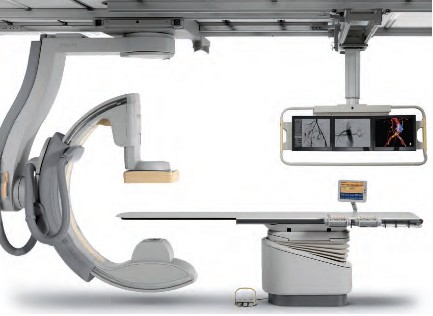
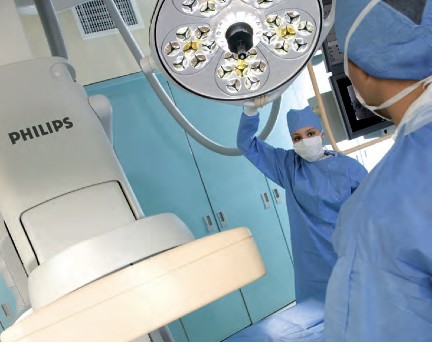
3D Cardiovascular Theater – Hybrid Cath Lab/OR Suite, HybridSurgery, Complications Post PCI and Repeat Sternotomy


FDA Letter for Inspection dates 04/01/2013 – 05/30/2013

Observation 1:

A correction or removal, conducted to reduce a risk to health posed by a device, was not reported in writing to FDA.

Observation 2:

Illnesses or injuries that have occurred with use of devices subject to corrections or removals have not been reported

Observation 3:

Procedures for design change have not been adequately established.

Observation 4:

Design input requirements were not adequately documented.

http://assets.fiercemarkets.com/public/lifesciences/intuitive483new.pdf

Intuitive Surgical Declines on Warning Letter From FDA

By Robert Langreth – Jul 19, 2013 4:07 PM ET
BSIP/UIG via Getty Images
At the Lyon Hospital in France, they use a surgical robotic system called Da Vinci Surgical System, made by Intuitive Surgical, designed to facilitate complex surgery using a minimally invasive approach.

Intuitive Surgical Inc. (ISRG), the robot surgery company, has lost about $7 billion in value over five months after disclosures about adverse events with its products, a recent recall and, now, a regulatory warning it hasn’t adequately reported on issues concerning the devices.

In February, Bloomberg News reported that the FDA was surveying surgeons on the robots following a rise in reports that included as many as 70 deaths since 2009. A review of Food and Drug Administration records now shows the reports of injuries involving robot procedures have doubled in the first six months of 2013, compared with a year earlier.

On July 8, the Sunnyvale, California-based company reported that sales slowed for its robots in the second quarter, and four days later Intuitive said that 30 of its devices were recalled because they may not have been properly tested. Yesterday’s announcement, coming after the close of trading, prompted JMP Securities LLC to cut its rating on Intuitive to market underperform with a target of $275, a drop from yesterday’s closing price of $421.27.

“We see little reason to own shares at the current levels,” J.T. Haresco, a San Francisco-based analyst at JMP Securities, said today in a note to investors.

Intuitive’s shares fell 6.8 percent to $392.67 at the close in New York after Chief Executive Officer Gary Guthart yesterday advised investors about the July 17 warning in a conference call. The company has lost 32 percent of its market value, or about $7 billion, since Feb. 27, the day before Bloomberg News reported that the FDA was surveying surgeons about the safety of its robot products.

FDA Inspections

FDA inspections in April and May found the most recent deficiencies, according to a report dated May 30. Guthart said the agency is asking for additional steps to resolve two of the observations in the inspection report.

“We believe these issues are addressable and will continue to work with the FDA to ensure this is resolved to their satisfaction,” Angela Wonson, a company spokeswoman, said in an e-mail after the call.

Safety and cost effectiveness of the company’s da Vinci robot devices have been under scrutiny since the disclosure that the FDA was studying how the robot surgeons were being used.

“Rates of adverse events have remained low and in line with historical trends,” Wonson said today in an e-mail.

Robot Use

The robots, in more than 1,300 U.S. hospitals, cost $1.5 million each and were used in 367,000 U.S. procedures in 2012. They are the company’s primary product and have been the subject of negligence lawsuits alleging that patients were injured during surgeries. Cancer surgery, hysterectomies and gall bladder removals are among the procedures conducted with the robot.

Yesterday, Calvin Darling, the company’s senior director of finance, said 2013 revenue is expected to range from unchanged to an increase of 7 percent from 2012. Intuitive in Januaryforecast annual sales growth of 16 percent to 19 percent and in April said it expected the higher end of the range.

“The company will survive but maybe not as-is,” said Erik Gordon, a business professor at the University of Michigan in Ann Arbor. “The pounding down of the share price is fresh bait for activist investors like Carl Icahn and for strategic acquirers. The warning letter puts a dent in the reputation of a company that had once been viewed as a shiny new Porsche.

‘‘They enjoyed some easier, boom years when doctors and patients were awed by the thought of surgical robotics turning surgeons into super-surgeons,’’ Gordon said in an e-mail today. ‘‘Now, the people who pay for the surgery are stepping in and questioning whether the robots are worth the extra cost.’’

‘Money-Losing’

With more changes approaching from the Affordable Care Act, community hospitals are likely to reconsider whether it makes sense to do ‘‘money-losing procedures’’ on the pricey robot, Suraj Kalia, an analyst for Northland Securities, wrote today in a report to clients. In particular, using the robot for simple gall bladder surgeries is ‘‘prohibitively expensive,’’ he wrote.

Intuitive’s forecasts suggests new installations of the expensive robot in the U.S. are ‘‘hitting a brick wall,’’ Kalia wrote.

JMP’s Haresco also questioned the company’s future, saying that more use of personalized medicine will make it easier for physicians to tailor medical therapy and treat patients conservatively, that insurers will continue to drive procedures to outpatient settings, limiting the need for robotics, and that recent declines in benign hysterectomy appear to be the start of a long-term decline.

‘Outright Invalid’

‘‘While we still believe that robotic surgery will play a central role in the delivery of medicine, we also believe that some of the underlying assumptions that define the market potential are questionable, if not outright invalid,” Haresco said today in his note.

One of the two issues Intuitive has been asked to respond to by the agency in its warning letter is the observation that some device corrections hadn’t been adequately reported, Wonson said. She couldn’t provide a copy of the agency’s letter.

In the inspection report, FDA officials also said the company didn’t document the need for surgeons to sometimes clean robotic instruments during procedures. Intuitive has received complaints about arcing of energized surgical instruments after some surgeons cleaned off instruments by scraping them against each other during surgery, the agency said.

The scraping “led to tears or holes in protective tip covers that led to arcing that in turn led to injuries to patients,” the agency said in the report.

Intuitive Surgical also yesterday reported second-quarter net income rose 2.7 percent to $159.1 million, or $3.90 a share, from $154.9 million, or $3.75 a share. Revenue gained 7.8 percent to $578.5 million, missing the average of $596 million of 17 analysts’ estimates compiled by Bloomberg.

While sales of instruments and accessories increased 18 percent during the quarter, revenue from systems declined 6 percent, the company said.

To contact the reporter on this story: Robert Langreth in New York at rlangreth@bloomberg.net

To contact the editor responsible for this story: Reg Gale at rgale5@bloomberg.net

http://www.bloomberg.com/news/2013-07-18/intuitive-surgical-declines-on-warning-letter-from-fda.html


Intuitive Surgical’s ($ISRG) share price plunged more than 13% in extended trading after the company disclosed July 18 it had received an FDA warning letter, adding to the cracks beginning to form in its da Vinci surgical robot track record.


The stock price listed at $363.91 in pre-market trading on July 19, down a whopping 13.6% from its $421.47 closing price at the end of trading on July 18. It had gained a healthy amount at the end of trading, in the wake of Intuitive’s generally positive 2013 second quarter earnings release.


But as Bloomberg reports, the company’s stock price went into a spiral after CEO Gary Guthard disclosed Intuitive’s July 17 warning letter during an analyst conference call held late afternoon to discuss second-quarter earnings. Regulators inspected the company in April and May, after which they cited Intuitive for not adequately reporting device corrections to regulators or patient “adverse events.” (Regulators detailed their initial concerns in a Form 483 issued earlier this year, which generally precedes a formal warning letter.) Additionally, the FDA faulted Intuitive for not documenting the need for surgeons using the da Vinci system to sometimes have to scrape instruments against each other during a procedure in order to clean them. This causes arcing and injured some patients, according to FDA concerns detailed in the story.


An Intuitive spokeswoman told Bloomberg that the issues cited with the FDA are “addressable” and that the company will continue working with regulators to solve the problem.


But investors are watching closely to see if company obstacles become more widespread. As The Wall Street Journal reported before Intuitive’s earning release, some hospitals and surgeons have said they are more heavily scrutinizing their use of da Vinci products in the wake of controversies over their safety and price tag (an average $1.55 million apiece).  Experts are questioning da Vinci’s benefits compared to standard hysterectomy procedures, for example, versus the extra cost of the machine and procedure.


Observers predicted that Intuitive’s stock would take major hits if its growth momentum slowed any more, the article noted. The new warning letter against the company pointed to a “growth momentum” risk, and investors reacted accordingly.


While 2013 second quarter results are generally good, there are signs of trouble. Sure, second-quarter revenue hit the $579 million mark, up 8% from the $537 million figure generated by the company over the 2012 second quarter. But analysts had expected much higher than this, The Wall Street Journal notes. And net income reached $159 million ($3.90 per diluted share), a moderate rise from $155 million in net revenue a year ago ($3.75 per diluted share).


Broken down, it’s more of a mixed bag.


Second-quarter systems revenue for 2013 dipped 6% to $216 million, versus $229 million over the same period last year, as the California company sold fewer da Vinci Surgical Systems, a trend it blamed in part on hospitals cutting back their spending. But more da Vinci surgical procedures and greater demand for new products bumped instruments and accessories to $265 million, an 18% jump over $224 million in revenue generated during the 2012 second quarter. Service revenue also enjoyed a double-digit jump, thanks to a greater installed base of the company’s surgical robots.


Spencer Nam, an equity analyst at Janney Montgomery Scott, noted to The Wall Street Journal that this was the first time since mid-2009 that Intuitive sold fewer da Vinci systems than it did in the previous year.


When Intuitive released its preliminary second-quarter results a week ago, Guthart said in a statement that the company was “disappointed” in its performance during the quarter but remained confident in the value Intuitive’s products offered. Meanwhile, the company’s stock closed July 18 at $421.57, up nearly 1.5%, after some wild fluctuation during the day.

http://www.fiercemedicaldevices.com/story/intuitives-surgical-robot-juggernaut-shows-some-cracks-q2/2013-07-18?utm_medium=nl&utm_source=internal


3D Cardiovascular Theater – Hybrid Cath Lab/OR Suite, Hybrid Surgery, Complications Post PCI and Repeat Sternotomy

Curator: Aviva Lev-Ari, PhD, RN

Article ID #70: Cardiovascular Original Research: Cases in Methodology Design for Content Curation and Co-Curation. Published on 7/19/2013

WordCloud Image Produced by Adam Tubman

This article has THREE Parts: 

Part One:  Hybrid Cath Lab/OR Suite for Hybrid Surgery

Part Two: Cardiac Surgery 

Part Three: Invasive Interventions with Complications

1. Repeat Sternotomy Post CABG and/or Aortic Valve Replacement

2. Complications Post PCI – Pump Catheter in Use

The voice of Series A Content Consultant, Justin D Pearlman, MD, PhD, FACC

The leading cause of death and disability from any cause is cardiovascular disease, principally, heart attacks and strokes. Both the heart and brain typically allow only 10 minutes or so of inadequate blood supply before starting a committed course of permanent tissue injury, progressing in severity as time goes by without successful interruption of the disease process. Thus there is great time urgency to get patients to a definitive treatment that can stop the injury and restore adequate nutrient blood supply. Many patients can benefit from a catheterization to identify blockages and insert a small balloon within the blockage to expand the narrow channel, often followed by placement of a stent (wire cage) to maintain the expanded vessel diameter. Chemicals released over time from drug-eluting stents can prevent tissue in growth that may obstruct stents. These emergeny interventions are not always successful. There may be complications from the attempt to access an entry artery, and the blockages may not be amenable to a balloon. When such limitations are encountered, the next chance to help is surgical, with continued time pressure.

The fastest way to make the transition from a diagnostic catheterization to a timely intervention is a hybrid intervention suite that offers non-invasive imaging, catheterization and surgery all in one location. The following articles present the current state of hybrid “do it all” intervention suites. Additional articles address the risks of bad outcomes from such interventions.

Part One 

Hybrid Cath Lab/OR Suite for Hybrid Surgery

In ACC.10 and i2 Summit, 59th Annual Scientific Session, 3/14-3/16, 2010, Alfred A. Bove, M.D., Ph.D., F.A.C.C., ACC President addressed the conference attendees:

Welcome to the all-new Hybrid Cath Lab/OR and 3D CV Theater. Recent developments in cardiac surgery and interventional cardiology have led to the creation of integrated, hybrid cath lab/operating rooms (OR), which provide significant advantages in the diagnosis and treatment of patients requiring cardiac procedures—helping to facilitate a rapid-response approach. These multimodality rooms are designed to support a variety of integrated surgical and endovascular procedures. We are excited to provide you with this opportunity to get a first-hand look—and feel—of the latest technologies. We hope you take the time to explore this interactive, multivendor venue. Learning is at the core of the ACC Annual Scientific Session and we invite you to expand your educational experience in this dynamic learning environment.

In the Hybrid Cath Lab/OR Suite, you’ll discover how integrating cutting edge angiographic and surgical equipment and technologies can facilitate a broad range of procedures within one location. Additionally, you will learn how hybrid suites are providing solutions that enable interventionalists and surgeons to work collaboratively to provide the best treatment options for patients. The adjoining 3D CV Theater features presentations by physicians currently performing intravascular and surgical procedures in hybrid suites. Each live presentation pairs a cardiologist with a surgeon, allowing you to hear perspectives from both sides on a variety of hybrid suite procedures and cases. In addition, the Theater offers video presentations of cases from around the world.

The ACC thanks the supporters of the Hybrid Suite for providing us with the opportunity to share this unique learning destination with you.

http://www.expo.acc.org/acc12/CUSTOM/images/ACC12/ACC.10%20Hybrid%20Suite%20Directory.pdf

Hybrid Cath Lab/OR Suite for Hybrid Surgery

Procedures Performed in a Hybrid Suite

The treatment of cardiovascular diseases has undergone a paradigm shift within the last few years, from

  • open surgery to minimally invasive surgical procedures and from
  • limited percutaneous catheter-based interventions to hybrid interventions for the entire cardiovascular tree.

The Hybrid Suite

are perfect examples of procedures that could, and should, be carried out in a hybrid OR. High-risk patients who require less invasive interventions are the best candidates for treatment in a hybrid suite.

As cardiac surgery becomes less invasive, incisions are becoming smaller and smaller, and even totally endoscopic heart surgery is now possible. Cardiac surgeons have started to perform procedures that include catheter-based skills, such as transapical valve replacement. For these operations, surgeons need more sophisticated imaging techniques, fluoroscopy and contrast injections. The hybrid OR offers all these facilities. Perhaps the most obvious and easiest procedure that can be performed in a hybrid OR is coronary revascularization combining coronary artery bypass grafting with on-table intra-operative completion angiography for quality control. If the surgeon detects a problem during the procedure, he or she can revise the graft immediately and thereby prevent potential perioperative and long-term complications. Currently, cardiologists and cardiovascular surgeons have shown special interest in so-called hybrid coronary interventions, which are combinations of minimally invasive coronary artery bypass grafting and percutaneous coronary interventions. In these procedures, cardiovascular surgeons place a left-internal mammary artery bypass graft to the left-anterior descending artery through small incisions (MIDCAB) or completely endoscopically (TECAB), while any remaining obstructed coronary arteries are treated with stents by an interventional cardiologist. This procedure is an attractive alternative to multivessel open coronary artery bypass grafting. Transcatheter heart-valve replacement and repair are especially suited to a hybrid suite because percutaneous transfemoral and transapical aortic valve repairs include risks that can only be treated successfully by immediate surgical intervention, such as coronary artery obstruction, aortic dissection and aortic perforations.

In addition, endovascular aortic stent grafting for the repair of abdominal aortic aneurysms is a suitable procedure for a hybrid operating room. Endovascular aneurysm repair has become an established alternative to open repair and is increasingly used for thoracic aorta repair as well. Some

  • emergency procedures for traumatic lesions of the thoracic aorta and
  • fulminant pulmonary embolism may also be performed in a hybrid OR. Several
  • pediatric interventions can be carried out in a hybrid suite as well, such as implantation of closure devices for atrial and ventricular septal defects in small children and
  • treatments for hypoplastic left-heart syndrome.

http://www.expo.acc.org/acc12/CUSTOM/images/ACC12/ACC.10%20Hybrid%20Suite%20Directory.pdf

In a recent article we reported on the Change in Requirement for Surgical Support by Cath Labs for performance of Nonemergent PCI without Surgical Backup, that increases the autonomy of Interventional Cardiologists. In the Hybrid OR that change is irrelevant since the presence of a Cardiac Surgeon is a fact of the division of labor between the two types of specialties. Cardiac Surgeons are involved with  percutaneous transfemoral and transapical aortic valve repairs and intervention for endoscopic aorta, AAA and Thoracic AA grafting.

AHA, ACC Change in Requirement for Surgical Support:  Class IIb -> Class III, Level of Evidence A: Supports Nonemergent PCI without Surgical Backup (Change of class IIb, level of Evidence B).

What is a Cardiovascular Hybrid Suite?

Cardiovascular hybrid suite is a state-of-the-art operating room equipped with a fully functional catheterization laboratory, thus allowing surgical procedures and catheter-based interventions to be carried out in the same room. Hybrid suites provide a place where treatments traditionally available only in a cath lab and procedures only available in an operating room can be performed together to provide patients with the best available combination of therapies for cardiovascular disease. These multidisciplinary, integrated cardiovascular procedural suites bring the best of two worlds together by combining all the advantages of a modern cath lab with an up-to-date cardiovascular surgery operating room (OR).

Hybrid suites began to evolve in the mid to late 1990s, when some groups of interventional cardiologists started sharing operating rooms with cardiovascular surgeons. The appeal of the hybrid suite concept has grown as have catheter based devices (stents, coils, balloons and lasers) have been developed that enable interventional cardiologists to advance the invasiveness and effectiveness and applications of percutaneous transcatheter interventions. The interest in these suites has also increased as cardiovascular surgeons have developed a variety of techniques for

  • Minimally invasive procedures, such as minimally invasive direct coronary artery bypass grafting (MIDCAB) or
  • Totally endoscopic coronary artery bypass grafting (TECAB).

With the advent of more tools, interventional cardiologists are becoming more like surgeons, and with less invasive tools, cardiovascular surgeons are becoming more like interventionalists. Rather than separating surgical procedures from interventional procedures performed in traditional operating rooms and cath labs, hybrid suites provide a high-tech environment that allows cardiologists and surgeons to work together to offer patients complex, minimally invasive therapies.

Some experts believe that hybrid suites represent the wave of the future in cardiovascular care and that most heart centers will eventually install hybrid suites to offer patients the latest cardiovascular procedures safely and effectively with minimal surgical trauma. The rooms can be costly to build and equip, but if a medical center is considering building a new operating room or cath lab, setting up a hybrid suite makes sense. Medical centers that have a hybrid suite available can clearly differentiate themselves in a positive way from centers that do not have such capabilities.

The Benefits of a Hybrid Suite for Medical Centers

While building a hybrid suite is more expensive than building a traditional operating room or cath lab, a hybrid suite can potentially be used for all types of cardiovascular procedures, including

  • traditional cardiac and vascular surgery,
  • interventional coronary procedures,
  • endovascular aortic procedures and
  • electrophysiology procedures.

Hybrid suites reinforce the trend in cardiovascular care toward less invasive, comprehensive hybrid procedures. Once a hybrid suite is in place, the demand for its use will likely grow due to increasing indications and referrals for these innovative treatments, many of which are increasingly covered by third-party payers.

http://www.expo.acc.org/acc12/CUSTOM/images/ACC12/ACC.10%20Hybrid%20Suite%20Directory.pdf

What Equipment is Needed?

Interventional cath labs usually have excellent imaging capabilities but lack the sterile facilities and staff needed for a formal OR, while operating rooms frequently lack high-level imaging equipment. Some of the essential equipment for a hybrid suite includes:

• A state-of-the-art imaging system capable of performing 3D rotational angiography, CT scanning, and ultrasound is advantageous. Floor-mounted and ceiling-mounted systems are available, but many hospitals use ceiling-mounted systems because access to the patient is slightly easier. Some ceiling-mounted systems provide 3D imaging from the surgeon’s position perpendicular to the patient. However, some hospitals prefer floor-mounted systems because having mechanical parts running above the operative field may cause dust to fall, resulting in infections. An important aspect is that the C-arm can be parked away when it is not used. This especially enhances access of the anesthesia team to the patient.

• An operating table that meets the needs of both surgeons and interventionalists by electronically integrating the table with the imaging system is also essential. These tables should have retractable rails for retractors and other surgical tools. To perform 3D imaging on the operating table, the C-arm of the imaging system should allow fast and precise rotation around the patient.

• A variety of other surgical and interventional systems and equipment may also be needed, including a robotic surgical system, a heart-lung machine, an image integration system, an endoscopic imaging system, a radiology display system, an audiovisual system to move images to different monitors and an anesthesia monitoring system, including transesophageal echocardiography. Some equipment like the integrated OR table and the angiography unit need to be fixed parts of the hybrid OR. Some equipment will be mobile in order to maintain some flexibility in workflow.

Hybrid1

Hybrid2

Hybrid3

Hybrid4

Hybrid5

Who are the Equipment Vendors?

Philips Healthcare

Phone: 800-934-7372

Email: healthcare@philips.com

Web: http://www.philips.com/healthcare

Philips is one of the world’s leading technology companies, with a long history of practical innovation and visionary design. In healthcare, we are committed to understanding the human and technological needs of patients and caregivers. We believe this understanding will help us deliver solutions that not only enable more confident diagnoses and more efficient delivery of care, but also improve the overall experience of care. We offer equipment, software and services for imaging, patient monitoring, resuscitation and much more.  A Hybrid OR can help make life simpler for the interdisciplinary teams who operate in this environment every day. As a world leader in cardiovascular X-ray, Philips has the experience and expertise to deliver the first class technology you need to perform minimally invasive procedures with speed, accuracy and confidence. A long history of innovation has enabled Philips to develop pioneering imaging solutions that really make a difference.

For example, Philips Allura Xper cardiovascular X-ray systems are designed to deliver enhanced imaging with superb performance for all cardiac projections, and our iE33 ultrasound system with Live 3D TEE and QLAB can assist interventional procedures and provide comprehensive quantitative information to support critical decisions. Our cardiology informatics solutions help you manage patient information throughout the cardiovascular care continuum. Philips solutions allow minimally invasive and catheter-based procedures to take place in the same suite as conventional cardiac surgery.

Phillips EchoNavigator – X-Ray and 3-D Ultrasound is described in:

Minimally Invasive Structural CVD Repairs: FDA grants 510(k) Clearance to Philips’ EchoNavigator – X-ray and 3-D Ultrasound Image Fused.

Intuitive Surgical, Inc. 

da Vinci.Surgery by Intuitive Surgical, Inc. 

Phone: 800-876-1310

Email: info@intusurg.com

Web: http://www.intuitivesurgical.com

Intuitive Surgical, Inc. is the global technology leader in robotic-assisted, minimally invasive surgery. The company’s da Vinci® Surgical System offers breakthrough capabilities that enable cardiac surgeons to use a minimally invasive approach and avoid median sternotomy.

Content of FDA Warning Letter, following  FDA Inspection on dates 04/01/2013 – 05/30/2013 – it discussed in

Hybrid Cath Lab/OR Suite’s da Vinci Surgical Robot of Intuitive Surgical gets FDA Warning Letter on Robot Track Record


MAVIG GmbH 

Phone: 631-266-2229,

585-247-1212 ext. 60

Email: info@mavig.com

Web: http://www.mavig.com

MAVIG’s specialty is ceiling/boom suspension systems for lighting (exam, surgical and LED), monitor-suspension systems—single, multibank (one to eight) systems and widescreen, overhead radiation shielding and contrast injector adapters. MAVIG also manufactures radiation protection products such as aprons, gloves, table-attachable lower body shields, adjustable- and fixed-height mobile and modular barriers.

Toshiba America Medical Systems, Inc.

Phone: 714-730-5000

Email: mktgcomm@tams.com

Web: http://www.medical.toshiba.com

Creating a hybrid lab may be complicated, but having an experienced partner that listens makes all the difference. Toshiba’s unique blend of hybrid experience and industry recognized Infinix™-i imaging systems for the Cath Lab.

Hybrid Cath Lab/OR Suite in Leading Hospitals in the US

  • The  Hybrid Cath Lab/OR Suite at New York Presbyterian Hospital/Columbia University Medical Center, New York, NY is presented in

Becoming a Cardiothoracic Surgeon: An Emerging Profile in the Surgery Theater and through Scientific Publications

  • The  Hybrid Cath Lab/OR Suite at Cleveland Clinic, Cleveland, Ohio is presented in

Heart Transplant (HT) Indication for Heart Failure (HF): Procedure Outcomes and Research on HF, HT @ Two Nation’s Leading HF & HT Centers

Speakers at 3D CV Theater, 2010 are working in Hospitals where Hybrid Cath Lab/OR Suite are in operations at the present time. The list include the following Hospitals with a Hybrid Cath Lab/OR Suite:

  • Vanderbilt Medical Center, Nashville, TN
  • University of Maryland Heart Center, Baltimore, MD
  • The Heart Center at Nationwide Children’s Hospital, Columbus, Ohio
  • The Robotic Surgical Center, East Carolina University Department of Surgery, Greenville, N.C.
  • University of Washington Medicine Regional Heart Center, Seattle, WA
  • Brigham and Women’s Hospital, Boston, MA
  • Saint Joseph’s Hospital and Peachtree Cardiovascular and Thoracic Surgery, Atlanta, GA
  • Emory University Hospital, Atlanta, GA
  • Beth Israel Deaconess Medical Center, Boston, MA
  • Boston Medical Center, Boston, MA
  • Mayo Graduate School of Medicine, Mayo Clinic, Rochester, MN
  • Lankenau Hospital, Lancaster, PA
  • Cardiac Non-Invasive Laboratory at Cedars-Sinai Medical Center, Los Angeles, CA
  • Robotic Surgery at St. Joseph’s Hospital, Atlanta, GA

Speakers at 3D CV Theater, 2010, included the following Cardiovascular Interventionists leading the adoption process of Hybrid Surgery in Hybrid Cath Lab/OR Suite into care modalities for cardiovascular disease:

Johannes O. Bonatti, M.D., is professor of surgery and director of coronary surgery and advanced coronary interventions at the University of Maryland Heart Center, Baltimore. He received his training in general surgery and cardiac surgery at the department of surgery at Innsbruck Medical University in Austria. Prior to his arrival at the University of Maryland, he worked at this institution as an attending surgeon and associate professor. Dr. Bonatti’s main interest is the development of minimally invasive, totally endoscopic coronary artery bypass grafting (TECAB) procedures using robotic technology.

As one of the international leaders in this field, he performed the largest series of robotic TECAB on the arrested heart, including single-, double- and triple-vessel TECAB. He has published significantly on procedure development and the implementation process of completely endoscopic coronary surgery using the da Vinci robotic system. Together with colleagues from interventional cardiology, Dr. Bonatti is working on integrated concepts for treatment of coronary artery disease. He was the first to perform a simultaneous hybrid coronary intervention using TECAB and placement of a coronary stent. He is organizing international meetings on hybrid interventions in cardiovascular medicine (http://www.icrworkshop.com). He has trained heart surgeons from around the world in the use of the da Vinci robot for heart surgery and he has introduced TECAB procedures in Austria, the Czech Republic, Greece, Turkey, India and Australia.

John G. Byrne, M.D., is the William S. Stoney Professor of Cardiac Surgery at Vanderbilt University School of Medicine and chair of the department of cardiac surgery at Vanderbilt Medical Center, Nashville, TN.

Before moving to Vanderbilt, he was associate chief and residency program director in the division of cardiac surgery at Brigham and Women’s Hospital, and associate professor of surgery at Harvard Medical School, Cambridge, MA. A graduate of the University of California, Davis, he received his medical degree in 1987 from Boston University. His postdoctoral training was completed at the University of Illinois affiliated hospitals and Brigham and Women’s Hospital in Boston.

Dr. Byrne is the author of more than 100 scientific articles on cardiac surgery and related areas. His patient care emphasis is

  • aortic root surgery,
  • coronary artery disease and
  • valve surgery

He is board-certified in general surgery and thoracic surgery.

John P. Cheatham, M.D., is director of cardiac catheterization and interventional therapy and codirector of The Heart Center at Nationwide Children’s Hospital, Columbus, Ohio. He is also the George H. Dunlap Endowed Chair in Interventional Cardiology and professor of pediatrics and internal medicine at The Ohio State University College of Medicine. Dr. Cheatham’s area of expertise is transcatheter intervention and hybrid therapy of newborns, children and adults with complex congenital heart disease. He has pioneered several new techniques and devices in non-surgical intervention and is a leader in developing hybrid therapies. He has been a principal investigator in numerous FDA-sponsored clinical trials evaluating non-surgical closure devices and stent therapy over the past two decades. Additionally, Dr. Cheatham designed the first hybrid cardiac catheterization suites and advanced imaging equipment at Nationwide Children’s Hospital. He serves as a consultant to various medical companies and proctors new transcatheter techniques and devices to other physicians around the world. Dr. Cheatham has implemented a formal physician exchange program with two of the leading medical institutions in China. In cooperation with China Red Cross, he is also the foreign director of the International Training Center for treatment of congenital heart disease in poor children. Dr. Cheatham has written more than 120 manuscripts, 16 book chapters, 300 national and international presentations and is co-editor of the book, Complications in Percutaneous Interventions for Congenital and Structural Heart Disease. After graduating from the University of Oklahoma College of Medicine, he completed his residency at Boston Children’s Hospital, followed by a fellowship in Pediatric Cardiology at Texas Children’s Hospital in Houston.

W. Randolph Chitwood, Jr., M.D., is senior associate vice chancellor for health sciences and chief of cardiovascular services at East Carolina University Department of Surgery, Greenville, N.C. Dr. Chitwood is a leading international pioneer in minimally invasive and robotic heart surgery. The Robotic Surgical Center at East Carolina University has trained more than 350 surgeons. His research activities relate to myocardial preservation, simulation in surgery and endoscopic/robotic cardiac surgery. He was the principal investigator of the FDA robotic mitral valve trials that led to approval for use in the U.S. He is the son and grandson of “southwestern Virginia mountain doctors” who set the guidelines for his professional life. He graduated from Hampden-Sydney College and received his medical degree from the University of Virginia. After medical school, he completed the surgical residency at Duke University Medical Center under David C. Sabiston, M.D., an influential surgical educator of the era. At Duke he spent 10 years training in general and cardiothoracic surgery, as well as basic science research.

After his chief residency at Duke in 1984, he was selected to begin and head the new cardiac surgery program at the East Carolina University School of Medicine. Because of his prolific publication record as a resident and clinical acumen, his initial appointment was as a full professor of surgery. Except for a two-year hiatus as the chief of cardiothoracic surgery at the University of Kentucky, he has spent his entire career at East Carolina University, where he also served as chairman of the department of surgery. In 2003, he was named to be in charge of the development of the East Carolina Heart Institute, which now includes an integrated department of cardiovascular sciences as well as a $200 million heart hospital, outpatient, research and education center.

Larry S. Dean, M.D., is director of the University of Washington Medicine Regional Heart Center and is professor of medicine and of surgery at the University of Washington School of Medicine, Seattle. In addition to general cardiology, he is an expert in cardiac catheterization and interventional cardiology. He also conducts research on stents to keep blocked heart arteries open and on ways to prevent restenosis after stents are inserted. He is currently involved in the evaluation of percutaneous aortic valve replacement. Dr. Dean earned his M.D. from the University of Alabama School of Medicine, Birmingham, and served his internship and residency at the University of Washington. He then returned to the University of Alabama Hospital for fellowships in cardiovascular disease and in angioplasty. After nearly 15 years as a faculty member at the University of Alabama, he returned to the University of Washington to direct the Regional Heart Center. He is a fellow of the American College of Cardiology and is board-certified in internal medicine, cardiovascular disease and interventional cardiology. He is also a fellow of the American Heart Association and president-elect of the Society of Cardiovascular Angiography and Interventions.

Andrew Craig Eisenhauer, M.D., is director of the interventional cardiovascular medicine service at Brigham and Women’s Hospital and assistant professor of medicine at Harvard Medical School. His specialties are

  • interventional cardiology,
  • vascular medicine and
  • congenital and inherited diseases.

He earned his medical degree at New York University School of Medicine and served a residency at Peter Bent Brigham Hospital and a fellowship at Massachusetts General Hospital. He is certified in internal medicine, cardiovascular disease and interventional cardiology. His clinical interests are

  • endovascular therapy,
  • complex coronary disease,
  • peripheral vascular disease,
  • cerebrovascular disease,
  • congenital heart disease and structural heart disease

Douglas A. Murphy, M.D., is chief of cardiothoracic surgery at Saint Joseph’s Hospital and a cardiothoracic surgeon at Peachtree Cardiovascular and Thoracic Surgery, Atlanta. His areas of interest are robotically assisted heart surgery with an emphasis on repairing the mitral valve rather than replacing it. A graduate of the University of Pennsylvania Medical School, Philadelphia, he served an internship and residency at Massachusetts General Hospital, Boston, and at Emory University, Atlanta.

Khusrow Niazi, M.D., is an assistant professor at Emory University School of Medicine and director of peripheral and carotid intervention at Emory University Hospital Midtown, Atlanta. He earned his medical degree at King Edward Medical College, Lahore, Pakistan, and served an internship at Kettering Medical Center, Dayton, Ohio, and a fellowship at William Beaumont Hospital, Royal Oak, MI. He has published papers on stenting following rotational atherectomy, small vessel stenting for coronary arteries, imaging of lower extremities and treatment of peripheral arterial disease.

Jeffrey J. Popma, M.D., is director of innovations in interventional cardiology, a senior attending physician at Beth Israel Deaconess Medical Center and an associate professor of medicine at Harvard Medical School in Boston. Dr. Popma received his bachelor’s degree in economics from Stanford University, and his M.D. from Indiana University School of Medicine. He completed his internship, residency, chief residency and fellowship at University of Texas Southwestern Medical Center. He also completed an interventional cardiology fellowship at the University of Michigan. Dr. Popma is the past president of the Society for Cardiac Angiography and Intervention and is the co-chair of the ACC Interventional Council. He sits on the editorial boards of several publications, and reviews for several cardiology periodicals. Dr. Popma has more than 300 published peer-reviewed manuscripts.

Dr. Popma also directs the BIDMC Angiographic Core Laboratory and is principal investigator for more than 65 ongoing multicenter device studies within the research laboratory. Over the past 15 years, these trials have included a broad array of new technology, including bare-metal stents, drug-eluting stents, distal-protection devices, total-occlusion devices and carotid and peripheral revascularization procedures. His primary clinical interest currently is the use of percutaneous aortic valve replacement for patients with high-risk aortic stenosis.

Robert S. Poston, M.D., is chief of cardiac surgery at Boston Medical Center and associate professor of cardiothoracic surgery at Boston University School of Medicine. He has a strong background in minimally invasive cardiac bypass surgery and is a pioneer in using robotics, specifically the da Vinci Surgical System, to treat coronary artery disease. A graduate of the Johns Hopkins School of Medicine, Baltimore, Dr. Poston completed a residency in general surgery at the University of California, San Francisco, and continued his training with a research fellowship in cardiothoracic surgery at Stanford University School of Medicine, Palo Alto, CA, and a cardiothoracic residency at the University of Pittsburgh Medical Center.

Charanjit S. Rihal, M.D., is professor of medicine and director of the cardiac catheterization laboratory at Mayo Graduate School of Medicine, Mayo Clinic, Rochester, MN. A graduate of the University of Winnipeg, Dr. Rihal did his residency and fellowship at the Mayo Graduate School of Medicine and also earned an MBA at the Carlson School of Management, University of Minnesota. His medical interests are interventional cardiology, structural heart disease interventions and the management of quality and costs in healthcare.

Timothy A. Shapiro, M.D., is director of the Interventional Cardiology Fellowship Program and campus chief, interventional cardiology, at Lankenau Hospital, Lancaster, PA. A graduate of Yale University School of Medicine, he served his residency and a fellowship at the Hospital of the University of Pennsylvania.

Robert J. Siegel, M.D., is director of the Cardiac Non-Invasive Laboratory at Cedars-Sinai Medical Center, cardiology director of the Cedars-Sinai Marfan Center, and Rexford S. Kennamer, M.D., chair in cardiac ultrasound at Cedars-Sinai Medical Center, Los Angeles. Dr. Siegel is also professor of medicine in residence at the David Geffen School of Medicine at University of California, Los Angeles. He previously served as senior staff fellow in cardiac pathology at the Heart, Lung and Blood Institute of the National Institutes of Health, Bethesda, MD. Internationally recognized as one of the leading experts in the field of cardiovascular ultrasound, Dr. Siegel specializes in cardiovascular ultrasound, including transthoracic, transesophageal and intravascular methodologies. His research interests include

  • valvular heart disease,
  • therapeutic applications of ultrasound energy,
  • transesophageal and intraoperative echocardiography, and the
  • development and use of hand-held portable echocardiographic systems for clinical innovations.

In addition, he is involved with clinical research studies related to the diagnosis, assessment and management of patients with

  • Marfan syndrome,
  • hypertrophic cardiomyopathy and
  • pericardial and valvular heart disease.

Dr. Siegel is a fellow, and has previously served as the president of the California Chapter of the American College of Cardiology and president of the Los Angeles Society of Echocardiography. He has been active in numerous cardiovascular societies, including the American Heart Association, the American College of Cardiology and the American Society of Echocardiography. Dr. Siegel received his medical degree at Baylor College of Medicine, Houston, where he developed an interest in cardiology. He completed his medical residency at Emory University and at Los Angeles County + USC Medical Center. He completed his cardiology fellowship at Harbor-UCLA Medical Center.

Over the last two years Dr. Siegel has worked extensively with live 3D transesophageal echo in the cardiac intervention center and the operating room. He and his echocardiologist colleagues, doctors Shiota, Biner, Tolstrup and Gurudevan, have worked closely at Cedars-Sinai Medical Center in Los Angeles with the interventional cardiologists, doctors Kar and Makkar, as well as with the cardiac surgeons, doctors Trento and Fontana. They use live 3D TEE extensively for the assessment of structural heart disease. In addition, it is used on a regular basis for the guidance of percutaneous procedures for mitral valve e-clip repair, mitral balloon valvuloplasty, aortic and pulmonic valve replacement, left atrial appendage exclusion by the Watchman device as well as for ASD closure.

Sudhir P. Srivastava, M.D., president of the International College of Robotic Surgery at St. Joseph’s Hospital, Atlanta, is a pioneer in performing beating heart totally endoscopic coronary artery bypass surgeries. Previously, he was assistant professor of surgery and director of robotic and minimally invasive cardiac surgery at the University of Chicago Medical Center. Dr. Srivastava specializes in robotically assisted totally endoscopic coronary artery bypass surgery. He has performed approximately 1,000 robotic cardiothoracic surgical procedures, of which 450  have been single- and multivessel beating heart totally endoscopic coronary bypass (BH TECAB) procedures. He has keen interest in hybrid coronary revascularization in TECAB patients to achieve complete revascularization.

Dr. Srivastava has helped launch robotic revascularization programs throughout the world. He has performed numerous live BH TECAB demonstrations both in the U.S. and abroad, and continues to be a presenter and invited speaker at numerous national and international scientific meetings. He earned his medical degree at the Jawahar Lal Nehru Medical College in Ajmer, India and immigrated to the U.S. in 1972. He completed his cardiothoracic surgery residency at the hospitals associated with the University of British Columbia, Vancouver, Canada.

Francis P. Sutter, D.O., F.A.C.S., is clinical professor of surgery at Thomas Jefferson University-Jefferson Medical College, Philadelphia, and chief of cardiothoracic surgery at Lankenau Hospital, Main Line Health System, Wynnewood, PA. A graduate of Philadelphia College of Osteopathic Medicine, his surgical residency and a cardiothoracic fellowship were completed at Thomas Jefferson University Hospital.

Mark R. Vesely, M.D., is an assistant professor of medicine at the University of Maryland School of Medicine. He completed medical school at the George Washington University and postgraduate training—an internal medicine residency and fellowships in cardiovascular disease and interventional cardiology—at the University of Maryland. He is board-certified in internal medicine, cardiovascular disease, nuclear cardiology and interventional cardiology. Dr. Vesely is the associate program director of the Interventional Cardiology fellowship at University of Maryland. His special interests include the partnered approach (interventional cardiologists and cardiac surgeons) for hybrid coronary revascularization and structural heart disease interventions. Additional research interests include investigation of techniques to minimize acute myocardial infarction injury with ventricular-assist devices and adult stem cell therapies.

David X. M. Zhao, M.D., Ph.D., is an associate professor of medicine and cardiac surgery, Harry and Shelley Page Chair in Interventional Cardiology, director of the Cardiac Catheterization Laboratories and interventional cardiology director of the Interventional Cardiology Fellowship Training Program, Vanderbilt University School of Medicine, Nashville, TN. He earned his medical degree at Shanghai Medical University, Shanghai, P.R. China, and his Ph.D. in immunology at Queensland University, Brisbane, Australia. His postdoctoral training was at Zhongshan Hospital, Shanghai Medical University, Shanghai, P.R. China, The Prince Charles Hospital, Brisbane, Australia, and Brigham and Women’s Hospital, Boston.

http://www.expo.acc.org/acc12/CUSTOM/images/ACC12/ACC.10%20Hybrid%20Suite%20Directory.pdf

Part Two

Cardiac Surgery


Cardiac Surgery @ Cleveland Clinic: Traditional OR & Hybrid Cath Lab/OR Suite

Nation #1 for 19 consecutive years – The Heart Center: Miller Family Heart & Vascular Institute @ Cleveland Clinic

The Sydell and Arnold Miller Family Heart & Vascular Institute is one of the largest, most experienced cardiovascular specialty groups in the world. Our physicians are committed to providing the most advanced diagnostic and treatment options, better outcomes and improved quality of life. U.S.News & World Reporthas ranked Cleveland Clinic as the No.1 heart program in America every year since 1995.

Departments & Centers:

Below we present two articles on Cardiac Surgery @ Mayo Clinic 

Cardiac Surgery @ Mayo Clinic: Traditional OR & Hybrid Cath Lab/OR Suite 

Coronary Reperfusion Therapies: CABG vs PCI – Mayo Clinic preprocedure Risk Score (MCRS) for Prediction of in-Hospital Mortality after CABG or PCI

Larry H. Bernstein, MD, FCAP and Aviva Lev-Ari, PhD, RN

Comparison of the 10-year and 15-year survivals after CABG demonstrated benefit from a change in graft sources used at the Mayo Clinic and widely adapted by others: vascular grafts from the left internal mammary artery (LIMA) instead of just leg veins, for multiple grafts (up to 3), LIMA-to-LAD plus grafts using LIMA or radial artery vs LIMA/saphenous vein (SV).

CABG Survival in Multivessel Disease Patients: Comparison of Arterial Bypass Grafts vs Saphenous Venous Grafts

Larry H. Bernstein, MD, FCAP and Aviva Lev-Ari, PhD, RN

Part Three 

Invasive Interventions with Complications

In the following article we covered multiple etiologies for cardiovascular complications related to invasive interventions: cardiovascular and peripheral arterial or peri- and post- cardiac surgery of the open heart type.

Cardiovascular Complications: Death from Reoperative Sternotomy after prior CABG, MVR, AVR, or Radiation; Complications of PCI; Sepsis from Cardiovascular Interventions

Justin D Pearlman, MD, PhD, FACC and Aviva Lev-Ari, PhD, RN

http://pharmaceuticalintelligence.com/2013/07/23/cardiovascular-complications-of-multiple-etiologies-repeat-sternotomy-post-cabg-or-avr-post-pci-pad-endoscopy-andor-resultant-of-systemic-sepsis/

This article covers types of Cardiovascular Complications derived from the following THREE types of assault on the Human body, two related to cardiac invasive interventions, the last due to its systemic nature is taking a fatal Cardiac toll: the Sepsis condition causing cardiac failure.

Three types of Cardiovascular Complications:

I. Risk of Injury During Repeat Sternotomy – following CABG orAortic Valve Replacement, both done in Open Heart Surgery

II. Complications After Percutaneous Coronary intervention (PCI) and endovascular surgery for Peripheral Artery Disease (PAD)

  • (a) Post PCI, and
  • (b) PAD Endovascular Interventions: Carotid Artery Endarterectomy

III. Cardiac Failure During Systemic Sepsis

This article does NOT cover the following two types of Cardiovascular Complications:

1. Trauma Injury causing cardiac arrest, lung collapse or cardiogenic shock

2. Surgical Complication of Non-cardiac surgery type causing cardiac arrest, i.e, Surgery of Joint Replacement causing sepsis causing death or death caused by complications of surgery i.e., blood loss, viral infection, emboli, thrombus, stroke, or cardiogenic shock not related to Cardiovascular and Cardiac invasive interventions

The e-Reader is advised to consider the following expansion on the subject matter carrying the discussion to additional related clinical issues:

Larry H Bernstein, Advanced Topics in Sepsis and the Cardiovascular System at its End Stage

http://pharmaceuticalintelligence.com/2013/08/18/advanced-topics-in-sepsis-and-the-cardiovascular-system-at-its-end-stage/

Bernstein, HL, Pearlman, JD and A. Lev-Ari  Alternative Designs for the Human Artificial Heart: The Patients in Heart Failure – Outcomes of Transplant (donor)/Implantation (artificial) and Monitoring Technologies for the Transplant/Implant Patient in the Community

http://pharmaceuticalintelligence.com/2013/08/05/alternative-designs-for-the-human-artificial-heart-the-patients-in-heart-failure-outcomes-of-transplant-donorimplantation-artificial-and-monitoring-technologies-for-the-transplantimplant-pat/

Pearlman, JD and A. Lev-Ari Cardiac Resynchronization Therapy (CRT) to Arrhythmias: Pacemaker/Implantable Cardioverter Defibrillator (ICD) Insertion

http://pharmaceuticalintelligence.com/2013/07/22/cardiac-resynchronization-therapy-crt-to-arrhythmias-pacemakerimplantable-cardioverter-defibrillator-icd-insertion/

MENSANA THERAPEUTICS POWERPOINT PRESENTATION (adapted for post)

A Novel, Science-based Approach in
Treating Alzheimer’s disease

Michael V Ward, DVM

CEO/CSO

Mensana Therapeutics


ABOUT MICHAEL WARD, DVM

  • Canadian-born and educated.
  • 20+ years of senior leadership in the design, development and testing of medical devices.
  • Scope of experience includes pre-clinical, clinical, regulatory, medical affairs,and business development – USA, Europe, and Asia Pacific.
  • >6 years of neurological business development and clinical programs in China.

CHINA HISTORY – July 29 2008

  • National Summer School for top 100 Postgraduate Medical Students in China.
  • Co-hosted by China’s Ministry of National Education, National Science Foundation of China, and the Second Military Medical University, Shanghai.
  • Plenary lecture on establishing a career in clinical research.

PRESENTATION – INTRODUCTION

  • This presentation describes a science-based, unique approach to the treatment of Alzheimer’s disease (AD), which compensates for an overt failure of the brain to manage inflammatory processes and the kinetics of beta amyloid(Aβ).

A MULTITUDE OF THERAPEUTIC DISAPPOINTMENTS

  • Approximately 90 drug companies have assessed >300 compounds for the treatment of AD,with no success.
  • Drugs developed to block Aβ production.
  • The medical community now forced to seek a fresh approach.
  • Current search for additional mediators and pathways. 

RECENT HIGHLIGHTS OF FAILED DRUG THERAPY

  • Pharmaceutical companies targeted Aβ production, a possible error in strategy or at least not the whole picture.
  • Sample pharmaceutical losers: Eli Lilly’s “Semagacestat gamma secretase inhibitor” in which all 2,600 subjects had worsened symptoms (2010); J&J/Pfizer blamed flawed patient selection criteria that resulted in failed clinical trials (2012).
  • Baxter Healthcare Announcement: Intravenous immunoglobulin (IVIG), treatment failed to slow down cognitive decline and failed to preserve functional abilities; in studying patients with mild to moderate AD (May 2013).

KEY FACTORS COMPROMISING DRUG TRIALS


1.Not affecting the principal cause of Alzheimer’s disease.

2.Difficulty of drugs to cross blood-brain barrier.

3.Drug-related serious side effects.

4.>40% non-adherence to prescribed regimen: sub-standard drug exposure.

5.Targeted patient populations have much too advanced disease and brain parenchyma damage.


.New Ideas & Alternate Pathways Starting to Emerge…..


WHAT IS THE COMPLETE PATHOGENESIS OF ALZHEIMER’S DISEASE?


  • This is a “work in progress” as we continue to learn more about immunological mechanisms and the biochemical events involving certain proteins, inflammatory mediators, and complex pathways in neurodegenerative diseases.

ONE NEW FOCUS IN AD

  • Failure to clear amyloid beta (Aβ) into the vascular system
  • Stockpiling of beta amyloid in the brain parenchyma, creating plaques that destroy brain tissue.
  • Is Aβ a cause of the neurodegeneration or an “innocent bystander” caught up in the fibrils associated with AD lesions.

[Reference:O’Brien RJ, Wong PC. Amyloid precursor protein processing and Alzheimer’s disease. AnnuRevNeurosci (2011),Vol 34, pg185-204]

ROLE OF NEUROINFLAMMATION IN AD

  • Microglial activation, with excessive expression of immune cytokines, acquiring the status of “principal culprit” in the unresolved connection between an elevated risk for the development of sporadic Alzheimer’s disease and traumatic brain injury, systemic infections, normal aging, and several neurologic disorders.

[Reference: Sue T & Griffin T. “Neuroinflammatory Cytokine Signaling and Alzheimer’s Disease.” NEJM (Feb 21, 2013) Vol 368 (8), pg 770 – 771]

Biomarkers in CSF to Consider in Addition to Beta Amyloid…..

TAU PROTEIN 

  • Increased CSF tau protein (CSF-tau) found in AD patients. 
  • Primarily within neurons; but, in CSF, after brain parenchymal damage.

[Reference: Zetterberg H, David Wilson, et. al. “Plasma tau levels in Alzheimer’s disease.” Alzheimer’s Research & Therapy (2013), Vol 5:9.]

ALPHA-SYNUCLEIN

  • Associated with plaque formation in Alzheimer’s disease.
  • New evidence – potential role of α-synuclein in synaptic damage and neurotoxicity involving fibril formation and mitochondrial dysfunction.
  • Levels of soluble α-synuclein are about twofold higher in AD brains than in control brains.
  • Measurable levels in CSF.

 [Reference: Marques O &  Outeiro TF. “Alpha-synuclein: from secretion to dysfunction and death.” Cell Death and Disease (2012) 3, e350]

LATEST RECOMMENDATION IN NEW ENGLAND JOURNAL OF MEDICINE

  • “Given the mounting sociological, economic, and personal costs of Alzheimer’s disease, the lack of a perfect understanding of its mechanisms should not stop researchers from conducting clinical studies of a variety of strategies intended to reduce the risk of development of the disease and of experimental approaches to expedite its treatment.”

[Reference: Sue W & Griffin T.  Neuroinflammatory Cytokine Signaling and Alzheimer’s Disease.  N Engl J Med (2013), Vol 368, pp 770-771]

ALTERNATIVE PATHOGENESIS


  • Exact cause and full pathogenic pathways of Alzheimer’s disease are unknown.
  • Is Aβ an “innocent bystander,” trapped within another pathologic process?
  • ‘Sticky’ Aβ complexes created entrapped in brain parenchyma among fibrils part of the histopathology observation. 
  • AD patients have less circulating Aβ in CSF than normal human subjects in spite of diminished Aβ clearance into the vascular system.
  • High probability that at least part of AD progression involves inflammatory mediators (e.g., cytokines) and/or immune complexes, both of which may be found in CSF.

MENSANA’S WORKING HYPOTHESIS

  • CSF pheresis will disrupt the overall dynamics that lead to the pathological accumulation and damaging distribution of inflammatory mediators, antibodies, immune complexes, and Aβ in the parenchyma of the brain and result in arrested  disease progression.

U.S. PATENT 7887.503.B2

  • Patent issued 2/15/11.
  • Method and Apparatus for removing “harmful proteins” from ventricular CSF.
  • Organizations with previously expressed interest in this IP include: J&J, Medtronic, Integra Life Sciences. Shire, & Alfred Mann Foundation. 

 Historical Precedence: CSF Pheresis……

WOLLINSKY’S MEDICAL TREATMENT FOR GUILLAIN-BARRE SYNDROME (GBS)

  • Goal to eliminate inflammatory mediators associated with GBS by repeated extracorporeal filtration of CSF to remove proteins, cells and      polypeptides. 
  • Removed soluble mediators included tumor necrosis factor, interleukin-6,12 antiganglioside antibodies, and C3a/C5a (indicates complement activation) – found in high concentrations in the CSF of GBS patients.
  • Disease pathogenesis: immune-mediated attack of the myelin sheath of peripheral nerves is the primary cause of the neurologic deficits.

 WOLLINSKY’S TREATMENT RESULTS

  • Significant clinical improvement of GBS signs & symptoms.
  • No serious side-effects for up to 70+ days of in-hospital therapy.

[Reference: Wollinsky KH, Hulser PJ, Brinkmeier H, et.al.  “CSF filtration is an effective treatment of Guillain-Barre syndrome: A randomized clinical trial.”  Neurology (2001), Vol 57, pp 774-780.]

First Medical Device to Treat Alzheimer’s Disease…….

EUNOE CORPORATION

  • Gerald Silverberg, M.D., a neurosurgeon from Stanford University, co-founded Eunoe Corporation, in Northern California, to develop a medical device to treat Alzheimer’s disease.
  • Phase I/Pilot studies “encouraging”, leading to an IDE trial (PMA), assessing effectiveness of a simple implantable ventriculoperitoneal shunt.
  • Phase II study failed to meet study objectives; sold company assets and technology to Integra Life Sciences.

RETROSPECTIVE ANALYSIS OF EUNOE

  • Two key considerations:
  1. There was too slow ventricular drainage (flow) of CSF through the shunt, leading to minimal or no impact on CSF concentrations and dynamics of beta amyloid and other possible AD mediators in the brain.
  2. Possibly flawed patient selection criteria – enrolling subjects with too advanced clinical signs of dementia: disease process too advanced and the treatment too minimal to create any impact on the dynamics of disease mediators.


 MENSANA’S CSF PHERESIS SYSTEM TO TREAT ALZHEIMER’S DISEASE


  1. Long-term implantable medical device.
  2. COMPONENTS: circuit of outflowing and inflowing separate catheters with a filtration system and pump; filter and pump adjusted by remote control device.
  3. Filters CSF draining from the ventricle: Aβ, α-synuclein, tau, and other proteins; inflammatory mediators;  &immunoglobulins/complexes – returns “clean CSF” to the ventricular system.
  4. High flow rates from/to the brain minimizes side effects related to fluctuations in ventricular pressures and volumes.
  5. CSF pheresis eliminates CSF-containing mediators of AD by compensating for the inherent deficiencies of the choroid plexus to clear Aβ and other elements associated with AD.

MERITS OF MENSANA’S APPROACH

  1. Historical precedence of both CSF filtration and a medical device designed to treat AD – both very safe and former effective.
  2. Well-established commercial technology and methods: combines features, concepts, and surgical methods of well-established safe and effective approved devices used in ventricular shunting of CSF, percutaneous intrathecal drug delivery, and plasmapheresis (blood filtration); accessing the subarachnoid space with a catheter is well established as a common and safe procedure; percutaneously-implanted devices, with access ports and hand-held device controllers, are commonly used for  intrathecal drug delivery.

    3.  Balanced & rapid CSF flow rate:

a) Exceeds outflow rates in shunting therapies for hydrocephalus.

b) Exceeds inflow rates of intrathecal drug delivery.

    4.  Clinical Risk low – infection management well developed in current clinical practice.

    5.  Filtration process will not generate ‘residuals’ in returning CSF.

    6.  Regulatory timelines for devices significantly faster than those for drugs.

DEMONSTRATE PROOF OF PRINCIPLE – EXTRACORPOREAL DEVICE

  1. In animal studies and early clinical studies (China).
  2. In the early period of clinical application to evaluate patient response.
  3. In addressing key therapeutic  questions, there may be a need to externalize some of the drainage & filtration components.

 QUESTIONS TO ADDRESS IN INITIAL STUDIES

CONVENIENCE VERSUS CURE VERSUS RISK

  1. Most efficient filtration system – physical, margination, immunological? (cost,practicality, patient risk, complexity of procedure).
  2. Filtrate content: beta amyloid (AB), Tau, α-synuclein (proteins); other proteins; immunoglobulins/immune complexes; and cells.
  3. Optimum frequency and duration of filtration therapy – continuous, once/day, every 3 days, longer interval?
  4. The longer the therapeutic interval, the more it favors an extracorporeal procedure under aseptic conditions (akin to renal dialysis).

REGULATORY PATHWAY – STRATEGY

  1. Clinical studies and first approvals in China.
  2. CE Mark to enter European market and increase revenue.
  3. United States/FDA – PMA, including IDE Clinical Trial to demonstrate safety and effectiveness.
  4. As long as no filtration residuals or leachable(s) returned to the subarachnoid space, FDA should have limited safety concerns.
  5. FDA very well versed in assessing device components in other applications – catheters, pumps, and other long-term implantables, which minimizes the regulatory timelines.

PROJECTED ALZHEIMER’S MARKET

  • Readily recognized, on a world-wide basis, as a devastating and overwhelming unmet medical need by: World Health Organization; NIH and other government agencies; Physicians and multiple medical associations; biomedical companies; patients and their families.
  • AD prevalence: @ 5 million in US & @ 38 million WW;

            >  Population dynamics – many countries projecting an increasingly top-heavy population (elderly), particularly in China.

            >  Number of U.S. residents >65 years suffering with Alzheimer’s disease projected to reach 13.8 million by 2050.


PROJECTED EARLY MARKET SHARE FOR MENSANA

Assumptions

Quantified


  • Per unit implant ASP* – $10 K


  • Per unit manufacturing cost – $ 2.0 K


  • Prevalence of AD patients in US – 5.3 M


  • Prevalence of AD patients – 38 M

IF 20% PATIENTS BENEFITED FROM MENSANA


  • US market size in units – 1.06 M


  • US market size in projected revenue – $10.6 B


  • WW market size in units – 7.6 M


  • WW market size in projected revenue – $76 B

PROJECT PHASES AND COSTS ($5.5 M)

Prototype design – bench top proof of principle: $1.0 M

In vivo proof of concept – 1st animal studies: $350 K

Pivotal animal studies: $750 K

Pre-clinical testing, including toxicology: $450 K

First-in-human/China studies & CE Mark application: $2.0 M

Early manufacturing and scale-up: $350 K

Quality assurance/validations: $250 K

Pre-IDE Regulatory Affairs: $350 K

MANAGEMENT TEAM


Michael Ward, DVM, Co-founder, CEO, & CSO

  • Dr Ward has a rich and diverse experience in medical device development and assessment, principally in neurosciences and cardiovascular domains and at senior executive levels.  Areas of focus have included pre-clinical assessments, clinical research, medical affairs and regulatory affairs.  His career has included 3 start-up organizations as well as 18 combined years with Baxter Healthcare and Johnson & Johnson.  

Mark Geiger, Co-founder

  • Mark has a 22-year career in medical device development, marketing, and sales of OR-based medical equipment, instruments, and implants, in the Neuro, Ortho, ENT, and Spine markets.  He has been a member of 3 senior teams, leading medical device companies, such as the Neurosurgery Division of Medtronic.  Mark authored Mensana’s US Patent 7,887,503, already noted in this presentation. 

Michael Williams, MD, Neurologist & Board Member

  • Dr. Williams was on faculty at Johns Hopkins for 16 years before becoming the Medical Director of the Sandra and Malcolm Berman Brain & Spine Institute. He is internationally recognized for expertise in neurocritical care, hydrocephalus and disorders of CSF circulation, and the diagnosis and treatment of dementia. He helped to found and is the current President of the International Society for Hydrocephalus and CSF Disorders. He currently receives funding from the National Space Biomedical Research Institute to validate noninvasive methods of measuring intracranial pressure.

Jo Battacharya, MD – Neuroradiologist & Board Member

  • Dr. Bhattacharya was born, raised and educated in the United Kingdom. He received his medical degree from the University of London and is specialized in Neuroradiology, with a focused interest in interventional therapies. For the past 15 years, Jo has served as Consultant Neuroradiologist and Interventional Neuroradiologist at the Institute of Neurological Sciences, Southern General Hospital, Glasgow Scotland. He is also a Senior Lecturer at the University of Glasgow and heads the UK National Service for vein of Galen malformations in children.

Collaborative Partners in Research and Medical Device Development

Professor Jongoon Han, PhD

  • Associate Professor of Electrical and Biological Engineering, Massachusetts Institute of Technology, Cambridge, Mass, USA.
  • Co-author of a patent with a novel electrokinetic filtration method for body fluids.
  • Considerable expertise on other filtration methods for body fluids.
  • Key for medical device concept and development.

Professor Edward H Koo, MD. PhD

  • Professor of Neurosciences at University of California, San Diego, California, USA.
  • Primary research focus: cellular and molecular biology of Alzheimer’s disease(AD) and neurodegeneration.
  • Major research focus includes the normal and pathologic functions of presenilin-1 (PS1), a protein linked to early onset familial AD.

Petra Klinge, MD

  • Currently Head of Neurosurgery at Rhode Island Hospital Providence, Rhode Island, USA.
  • Early career at International Neuroscience Institute, Hannover, Germany.
  • Recognized international expert in the treatment and research of Hydrocephalus and Normal Pressure Hydrocephalus.
  • Extensive experience in animal models of Alzheimer’s disease.
  • July 2008 – completed a 9-city lecture tour of China, giving presentations, surgical advice, and attending several neurosurgeries.

 Thomas Brinker, MD

  • Born and educated in Germany and much of career at the International Neuroscience Institute, Hannover Germany, in clinical practice as a neurosurgeon and extensive investigator in animal models, particularly for Alzheimer’s disease.
  • Collaborator on the development and evaluation of a VP Shunt to treat AD patients (Eunoe Corporation).
  • Will work extensively as a principal investigator in Mensana Therapeutic’s early proof of principle studies in animal models and human subjects.

SELECTED REFERENCES

  1. Mawuenyegal KG et. al. Decreased Clearance of CNS β-Amyloid in Alzheimer’s Disease,  Departments of Neurology, Alzheimer’s Disease Research Center, Hope Center for Neurological Disorders, Pathology and Immunology, Medicine, Washington University School of Medicine, St. Louis, MO.
  2. Yarasheski, RJ. The Choroid Plexus Removes β-Amyloid from Brain Cerebrospinal Fluid, Experimental Biology and Medicine (2005),230 (10), 771-776. 
  3. Redzic ZB, et al. The choroid plexus-cerebrospinal fluid system: from development to aging, Department of Pharmacology, University of Cambridge, Cambridge, CB2 1PD United Kingdom.
  4. Chodobski A, et al. Choroid plexus: target for polypeptides and site of their synthesis,  Department of Clinical Neurosciences, Brown University Medical School, Providence, Rhode Island 02903, USA.
  5. Alvira-Botero X and Carro EM. Clearance of Amyloid-Beta Peptide Across the Choroid Plexus in Alzheimer’s Disease, Current Aging Science (2010) 3, 219-229.
  6. Reference about new focus on early stage AD and Hopkins medical device trial:  http://articles.baltimoresun.com/2012-12-24/health/bs-hs-pacemaker-alzheimers-20121223_1_amyloid-pacemaker-cass-naugle.
  7. Wollinsky      KH, Hülser PJ, Westarp ME, et al. Cerebrospinal fluid pheresis in Guillain      Barré syndrome. Med Hypotheses. (1992) 38 (2), 155 – 165.

THE END OF MODIFIED POWERPOINT PRESENTATION – ALL PICTURES, CHARTS, AND DIAGRAMS FROM POWERPOINT NOT ADDED TO THIS


Reporter: Aviva Lev-Ari, PhD,RN


Functional Genomics Screening Strategies: Part One

Utilizing RNA Interference (RNAi) Screens

to Explore Drug Targets and Cellular Pathways

Boston, MA | September 24-25, 2013

Dr. Scott Martin, Team Leader for RNAi Screening at NIH’s Chemical Genomics Center, to Present “Swimming in the Deep End – Sources Leading to a False Sense of Security in RNAi Screen Data” at Functional Genomics Screening Strategies Conference

There has been a growing skepticism surrounding RNAi data and the validity of hits arising from largescale RNAi screens. Much of this comes from a lack of agreement between screens conducted in similar biological systems and difficulty in validating published screen hits. In light of these realities, we must rethink some widely held beliefs about screening and validation strategies. These issues and relevant data will be discussed.


Functional Genomics Screening Strategies: Part Two

Exploring Novel Screening Platforms and Cellular

Models for Next-Generation Screens

Boston, MA | September 25-26, 2013

The second half of Functional Genomics Screening Strategies will explore the use of chemical genomics screens, microRNA (miRNA) and long non-coding RNA (lncRNA) screens and the transition into advanced cellular models such as, 3D cell cultures, co-cultures and stem cells that will launch the next generation of functional screens. Screening experts from pharma/biotech as well as from academic and government labs will share their experiences leveraging the utility of such diverse screening platforms and models for a wide range of applications.

 SOURCE


See on Scoop.itCardiotoxicity

People with high blood pressure, who don’t take their anti-hypertensive drug treatments when they should, have a greatly increased risk of suffering a stroke and dying from it compared to those who take their medication …

See on www.sciencecodex.com

See on Scoop.itCardiovascular Disease: PHARMACO-THERAPY

Wisr teaches anything from Chemistry to Algebra through Twitter/chat/SMS/email. Learn by answering questions in the communication channel where you are most comfortable.

See on wisr.com

See on Scoop.itCardiovascular and vascular imaging

BioNews Texas
UTHealth CLOTBUST-ER Studies Ultrasound in Combination With tPA As …

See on bionews-tx.com

See on Scoop.itCardiovascular and vascular imaging

Lost in Translation
Scientist
… meta-analysis of thousands of reported animal tests for various neurological interventions—a total of 4,445 reported tests of 160 different drugs and other treatments for conditions that included Alzheimer’s…

See on www.the-scientist.com

Emerging Clinical Applications for Cardiac CT: Plaque Characterization, SPECT Functionality, Angiogram’s and Non-Invasive FFR

Author, and Content Consultant to e-SERIES A: Cardiovascular Diseases: Justin Pearlman, MD, PhD, FACC

and

Article Curator: Aviva Lev-Ari, PhD, RN

Article ID #69: Emerging Clinical Applications for Cardiac CT: Plaque Characterization, SPECT Functionality, Angiogram’s and Non-Invasive FFR. Published on 7/17/2013

WordCloud Image Produced by Adam Tubman


UPDATED on 7/25, 2018

VIDEOS | CT ANGIOGRAPHY (CTA) | JULY 19, 2018

VIDEO: Using FFR-CT in Everyday Practice

Kavitha Chinnaiyan, M.D., FACC, FSCCT, associate professor, Oakland University, William Beaumont School of Medicine, Royal Oak, Mich. She presented at the Society of Cardiovascular Computed Tomography (SCCT) 2018 meeting.

VIEW VIDEO 

https://www.dicardiology.com/videos/video-using-ffr-ct-everyday-practice?eid=333021707&bid=2184627

Related FFR-CT Content:

Clinical Applications of FFR-CT

VIDEO: Implementation and the Science Behind FFR-CT — interview with James Min, M.D.

VIDEO: Early U.S. Experience With FFR-CT in Evaluating ED Chest Pain Presentation — interview with Simon Dixon, M.D.

VIDEO: Status of FFR-CT Adoption in the United States — interview with Campbell Rogers, M.D.

Clinical studies of coronary anatomy by computed tomography use equipment with various numbers of concurrent slices through the heart: 1, 4, 16, 32, 64, 128, and recently 256 or more. Like interventional catheterization, iodine is injected to make the inside of the coronary arteries opaque to xray transmission, to create contrast (otherwise the xray of the coronary tree would be like a photograph of a white polar bear in a snow storm; the contrast acts like spray paint). Computed tomographic angiography (CTA) uses a similar or higher dye load than catheterization, and provides generally lower imaging quality than catheterization but with 3-dimensional reconstruction instead of flat projection (hundreds of linear views at different angles versus one or two image planes at a time). The results from CTA are generally deemed qualitative: whther or not there are potentially flow-limiting lesions in the major branch arteries that supply the heart (with exception: the posterior descending artery to the inferior wall of the heart is not reliably seen). Catheter-based projection coronary angiography sees smaller branches with finer ability to measure the degree of lumen narrowing. However, other imaging methods show greater promise in identifying plaque character. The following examines initial enthusiasm for improvements in CTA which offer better results compared to current clinical CTA and hope to offer advantages over catheter-based methods beyond the avoidance of catheters.

I. Cardiac CT Challenging Functionality of SPECT and Angiogram

Noninvasive computed tomography (CT) perfusion imaging added to CT angiography accurately identifies flow-limiting coronary lesions that need to be treated, results of the CORE320 trial show.

Dr João AC Lima (Johns Hopkins University, Baltimore, MD) presented results of the 381-patient, 16-center trial, which showed that stress CT myocardial perfusion analysis (CTP) significantly improves the diagnostic power of rest CT angiography (CTA) alone. The study also showed that the CTA+CTP strategy has about the same power to identify patients who need revascularization within 30 days as the current standard strategy of invasive angiography plus a single photon-emission computed tomography (SPECT) myocardial perfusion imaging (MPI) test.

Lima explained that the potential advantage of the CT-based approach is that it can obtain information on myocardial perfusion and coronary flow in two scans about 10 minutes apart and is noninvasive.

All patients in the study had been referred for an invasive angiogram to investigate suspected or known coronary artery disease (CAD), but all patients underwent a rest CTA, stress CTP, and SPECT-MPI test in addition to the invasive angiogram. Invasive angiography alone identified apparently obstructive coronary disease in 59% of patients, but adding the SPECT-MPI information reduced that number to 38%.

The accuracy of the CTA+CTP approach was measured as the area under the receiver-operating-characteristic curve. When 50% greater stenosis on invasive angiography was set as the reference standard for a flow-limiting stenosis, the accuracy of the CTA+CTP approach for detecting flow-limiting CAD was 0.87 on a per-patient basis. When the standard was >70% stenosis, the accuracy of the CTA+CTP approach was 0.89.


 VIEW VIDEO on CORE320 with Dr João Lima
Flow Limiting Lesion (low perfusion) vs. Anatomic Stenosis Severity
SOURCES

II. FFR-CT

Results of the Diagnosis of Ischemia-Causing Stenoses Obtained via Noninvasive Fractional Flow Reserve (DISCOVER FLOW) study show that the coronary stenoses that cause ischemia can be identified noninvasively with computer analysis of coronary computed tomography angiograms (CCTAs) [1].

“I think it’s a potential game-changer, because for the first time you have the ability to look at coronary stenosis and ischemia simultaneously, [and] you have the ability to pinpoint the lesion that is causing the ischemia,” DISCOVER FLOW senior investigator Dr James Min (Cedars-Sinai Medical Center, Los Angeles, CA) told heartwire. “You can imagine a scenario where somebody has an abnormal stress test and then you go in and you do an angiogram and see four or five stenoses, but you don’t really know which one caused the ischemia.” But this new “virtual fractional flow reserve” process—or FFRCT—can quantify the fractional flow reserve for each lesion with the data taken from a CCTA, thereby revealing which stenoses are causing ischemia and ought to be treated, as well as which stenoses do not need to be treated. “We’ve never before had this one-stop shop to . . . pinpoint the lesions that cause the ischemia noninvasively.”

As reported by heartwire at EuroPCR 2011, in DISCOVER FLOW, Dr Bon-Kwon Koo (Seoul National University Hospital, Korea) and colleagues used computation of FFRCT to assess 159 vessels in 103 patients undergoing CCTA. Results of the study are published in the November 1, 2011 issue of the Journal of the American College of Cardiology.

All of the patients also underwent invasive CCTA and invasive catheter FFR imaging. Ischemia was defined as an FFR of <0.80 and anatomically obstructive coronary disease was defined as stenosis >50% as measured on the CCTA scan. The diagnostic performance of FFRCT and CCTA were assessed against invasive FFR as the reference standard. Of the patients in the study, 56% had at least one vessel with an FFR of <0.80.

Because only about half of stenoses over 50% actually cause ischemia, the specificity of traditional assessment of a stenosis by CCTA is below 50%. “The concern there is that you identify some high-grade stenoses that are angiographically confirmed, but the lesions don’t actually cause ischemia.” Fractional flow reserve measures how much of the blood flow is being blocked by a lesion, so it is about 25% more accurate than traditional CCTA at picking out lesions that cause ischemia, Min explained.

Per vessel diagnostic accuracy FFRCT and CCTA (reference for both was invasive FFR) 

Imaging technology Accuracy(%) Sensitivity(%) Specificity(%) Positive predictive value (%) Negative predictive value (%)
FFRCTa  84.3 87.9 82.2 73.9 92.2
CCTAb 58.5 91.4 39.6 46.5 88.9

a. Ischemic defined as <0.80

b. Ischemia defined as stenosis >50%

FFRCT can assess stenoses from any CCTA scan—prospectively gated or retrospectively gated—without any additional imaging techniques or changes to the acquisition parameters. Just as computational fluid dynamics can predict the behavior of an airplane wing under different environmental parameters, FFRCT can measure the flow of blood through a stenotic coronary based on the specific geometry of the patient’s coronaries and myocardium.

At the American Heart Association meeting in Orlando next month, Min will present results of a substudy from DISCOVER FLOW looking specifically at intermediate-grade stenoses (40%-69%), which present the most difficult treatment decisions. “If somebody sees a 90% stenosis or 10% stenosis, they are comfortable with what to do with that. But when you hit that 40% to 70% range—it’s possible that those lesions are ischemic, but you don’t know until you actually assess them,” Min said.

DISCOVER FLOW was designed to evaluate the accuracy of FFRCT on a per-vessel basis, but the more important demonstration of its value will be its ability to guide treatment decisions for each patient. TheDEFACTO trial, which finished enrollment at 17 centers about three weeks ago, is evaluating FFRCT per patient. “That’s the big one,” Min said. “DEFACTO will be the pivotal trial.” Specifically, the 285-patient DEFACTO trial is assessing the ability of CCTA plus FFRCT to determine the presence or absence of at least one hemodynamically significant coronary stenosis in each trial subject. Invasive catheter FFR is the reference standard. Min expects that study to be completed in the first quarter of 2012.

http://www.theheart.org/article/1299631.do

SOURCES

III. Ten Emerging Uses for Cardiac CT from SCCT 2013

July 11-14, 2013
Palais des congrès
Montréal, Québec, Canada

JULY 16, 2013  – heartwire

Dr Matthew Budoff (Los Angeles Biomedical Research Institute, CA), a longtime researcher in the use of cardiac CT, described what he believes to be the most important uses for CT today [1].

First, CT angiography is emerging as “a single tool that gives us [information about] function and anatomy,” he told the audience.

Second, it is now known that patients are more likely to have a cardiovascular event if they have low-attenuation plaque (soft plaque), positive remodeling, and spotty calcification, he explained. If a clinician were limited to looking only at plaque or stenosis, he would advise him or her to “just read the CTA for plaque and plaque characteristics and [don’t] read it for stenosis severity, and you’ll probably serve your patients better in predicting risk” of a cardiovascular event. “I think in future we’re going to be using plaque characterization in every case,” he added. “I certainly don’t advocate stenting these patients [who have vulnerable plaque] yet, but . . . I do treat these patients more aggressively.”

Third, coronary CT angiography is a noninvasive way to identify complex aortic-valve geometry and guide TAVR.

“With perfusion imaging, TAVR, and plaque assessment leading the way, the increased utilization of CTA is certain,” Budoff concluded. “However, more validation work is needed to ensure that industry and payers accept these applications.”

Speaking to heartwire, Budoff singled out TAVR as “an easy launching point for doctors to get familiar with” CT angiography. He also believes that using CT for “heart-failure assessment or even plaque assessment . . . will really add value to their practice.” CT also allows clinicians to “start getting a handle on what’s causing stenosis [in a patient], what it looks like, and . . . how severe the stenosis is.”

In a separate presentation [2], Dr James K Min (Cedars-Sinai, Los Angeles, CA) identified the same three clinical applications as Budoff in his “top 10 things to watch” in coronary CT in the coming year. He identified his “up-and-coming areas to watch” in the following order:

  • Dual-energy CT scanners. This hardware, when combined with new software, is producing enhanced image quality that allows, for example, a “plaque biopsy,” which provides detailed information about plaque characteristics.
  • Myocardial CT perfusion. “We’ve looked at this for seven years, and I think it’s starting to become ready for prime time,” said Min. In the next year, he expects investigators to figure out exactly how to use CT to look at coronary flow reserve.
  • Computational fluid dynamics. Exciting work is being done, for example, using a virtual stent to see how a real stent would potentially resolve a patient’s ischemia.
  • PlaqueCoronary CT can do more than identify how many vessels are blocked, he said, echoing Budoff’s words. It is enabling investigators to study the pathogenesis of atherosclerosis. “We’re going to be able to identify plaque characteristics beyond stenosis for the prediction of acute MI,” Min said.
  • Structural heart disease. CT is already being used to help guide TAVR to reduce postsurgery complications.
  • Radiation-dose reduction. Min weighed in and said, “I think it’s becoming a nonissue.” He noted that during the past year, investigators reported how coronary CT angiography can be used with radiation doses as low as 0.01 mSv, (should be 1mSv) whereas a screening mammogram exposes a woman to 0.05 mSv of radiation. (1/5 of mammography)
  • Contrast-agent reduction.”I think we will see improvements—we will get to the 10-cc scan,” Min predicted.
  • Appropriate-use criteria. Physicians are continuing to identify which patients benefit from cardiac CT, as the technology is advancing.
  • Two trialsAmong the many ongoing trials in the field, Min identified two to watch. The PROMISEstudy is comparing functional vs anatomic testing to identify heart disease. The Coronary Computed Tomographic Angiography for Selective Cardiac Catheterization (CONSERVE) trial is looking at using CT as a “gatekeeper” to the cath lab, to identify which patients should be sent for invasive coronary angiography and which ones have only have mild stenosis and could be sent home and treated with medical therapy .
  • Worldwide growth in CT. Collaboration with investigators around the world is growing, and the SCCT meetings next year in Hawaii and China will offer more opportunities for this.
Budoff has received research/grant support from HeartFlow, study funding from Wakunaga of America and GE Healthcare and has been a consultant and speaker for GE Healthcare. Min has received research/grant support fromGE Healthcare, Phillips Healthcare, and Vital Images and study funding from Astellas. He has been a consultant for GE Healthcare and Arineta and on the speaker’s bureau for GE Healthcare. He holds equity interest in TC3 and MDXX.

Sources

  1. Budoff MJ. Emerging Clinical applications for cardiac CT. Society of Cardiovascular Computed Tomography 2013 Annual Scientific Meeting; July 12, 2013; Montreal, QC.
  2. Min JK. The future of cardiac CT. What will the next 12 months bring? Society of Cardiovascular Computed Tomography 2013 Annual Scientific Meeting; July 12, 2013; Montreal, QC.

Related links

SOURCE

http://www.theheart.org/article/1561163.do?utm_medium=email&utm_source=20130717_heartwire&utm_campaign=newsletter

IV. Stress CT Perfusion matches SPECT for detecting Myocardial Ischemia

Montreal, QC – In stress testing using regadenoson (Lexiscan, Astellas), detection rates of myocardial ischemia were similar with less invasive computed-tomography (CT) perfusion imaging compared with the reference method, single-photon-emission CT (SPECT) imaging, in a phase 2 trial [1].

JULY 18, 2013 

Regadenoson, a selective adenosine-receptor agonist that produces coronary vasodilation in patients unable to undergo exercise stress testing, is the most common agent used to induce pharmaceutical stress in SPECT tests in the US; it was used off-label for the CT imaging.

Dr Ricardo C Cury (Baptist Hospital of Miami, FL) presented the trial results here at a late-breaking clinical-trials session at the Society of Cardiovascular Computed Tomography (SCCT) 2013 Scientific Meeting.

To heartwire, Cury noted that this trial established noninferiority of regadenoson stress CT perfusion to the reference method, regadenoson SPECT, to detect or exclude myocardial ischemia, which was the primary study outcome.

“This is the second multicenter trial validating [regadenoson] stress CT perfusion, which [builds on the accumulating supporting data from] many single-center studies,” he said, adding that it is still too early, however, to implement these findings into clinical practice.

To heartwire, session moderator Dr John Hoe (Parkway Health Radiology, Singapore) commented that “this is quite an important multicenter trial . . . and the results look very good.” Echoing Cury, he added that “this [research] is slowly [progressing] along the path to validate [regadenoson] CT perfusion as a technique to assess myocardial ischemia.”

In study, 39% of patients had suspected CAD

This was a crossover study conducted at 11 sites in the US, using six types of CT scanners, including 64-, 128-, 256-, and 320-slice machines.

A total of 124 individuals with known (39%) or suspected CAD were randomized to either rest and stress SPECT using regadenoson on day 1, followed by rest and combined stress CT perfusion using regadenoson and coronary CT angiography on day 2; or the same tests in the reverse order.

At baseline, the subjects had a mean age of about 62 and an average body-mass index (BMI) of close to 30. Their average heart rate increased from 64 to 84 beats per minute with the stress-CT perfusion test.

Myocardial ischemia was defined as having two or more reversible defects.

High agreement, specificity, and sensitivity

When it came to detecting myocardial ischemia, CT perfusion imaging agreed with the findings of the reference method, SPECT, 87% of the time (95% CI 0.77-0.97).

“This was well above the specified primary end point for the agreement rate between SPECT and CT perfusion for the detection of ischemia,” Cury said.

Stress CT perfusion imaging also had a high specificity (84%) and sensitivity (90%) for detecting or excluding myocardial ischemia.

Similarly, when it came to detecting the presence or absence of one or more fixed myocardial defects, CT perfusion imaging agreed with the results of the reference method, SPECT, 86% of the time (95% CI 0.74-0.98).

Again, stress CT perfusion imaging had a high specificity (95%) and sensitivity (77%) for detecting or excluding fixed defects.

Used alone, compared with the reference standard of SPECT, stress CT perfusion diagnosed or excluded ischemia accurately in 85% of cases, whereas CT angiography alone made the correct diagnosis in 69% of cases. Thus, “stress CT perfusion may add significant [diagnostic] value to CT angiography alone,” Cury noted.

Regadenoson was well tolerated, and the most common adverse events were flushing or headache.

The study was funded by Astellas. Cury is a consultant for Astellas and has received research grants from Astellas and GE Healthcare. Hoe has received grant and research support and travel funding from Toshiba Medical Systems and is on its speaker’s bureau. 

SOURCE

http://www.theheart.org/article/1561685.do

V. New Protocol Limits Use Of SPECT MPI For Angina

Article Date: 07 May 2013 – 1:00 PDT

A new stress test protocol that investigates reducing the use of perfusion imaging in low risk patients undergoing SPECT myocardial perfusion imaging for possible anginasymptoms was found to be diagnostically safe, revealed a US retrospective analysis. The study, reported as an abstract¹ at the International Conference on Nuclear Cardiology and Cardiac CT (ICNC11) May 5 to May 8 in Berlin, Germany, predicted that using exercise ECG stress testing alone in patients with high exercise capacity would have had no adverse effects on their prognosis at five years.

“Our results are reassuring in that there are few patients whose diagnosis of coronary artery disease (CAD) would be missed,” said Milena Henzlova, the first author of the study. “Not only would widespread adoption of this approach reduce radiation exposure, it would also save considerable amounts of time and money.”

Single-photon emission computed tomography (SPECT) myocardial perfusion imaging (MPI) has been used for over 30 years to detect ischemia in patients with suspected CAD. In SPECT MPI patients are injected with radioactive agents (such as Tc-99m or Thallium 201) whose passage through the heart is viewed with a SPECT camera. By comparing the heart’s blood flow at rest and during stress (patients exercise on a treadmill, cycle ergometers or undergo pharmacological stress with vasodilators or dobutamine), cardiologists can determine if the myocardium receives sufficient blood supply, as well as the location and extent of underlying CAD.

“Because it’s non invasive and many patients with a chest pain syndrome don’t have coronary disease, SPECT MPI is often viewed as a ‘gate keeper’ to coronary angiography,” explained Lane Duvall, an investigator in the study.

While SPECT MPI represents a well established technique, the main disadvantage is that patients are exposed to diagnostic levels of radiation. In recent years intensive efforts have been made to reduce ionizing radiation associated with cardiac imaging due to concerns that it damages DNA in cells and may ultimately give rise to cancer. Indeed, extrapolating data from the survivors of the Hiroshima and Nagasaki atomic bombs, Andrew Einstein, from Columbia University Medical Center, New York, has estimated that the low levels of radiation encountered during medical imaging might lead to a 2% excess relative risk for future cancers.

Other studies have suggested that exercise treadmill testing alone may be sufficient to predict CVD outcome without use of SPECT MPI in low risk patients. In 2011, Bourque and colleagues from the University of Virginia, Charlottesville, reported that patients who exercise at >10 metabolic equivalents (METS), [the unit used to estimate the amount of oxygen used by the body during physical activity] during stress testing had a very low prevalence of significant ischemia and very low rates of cardiac events during follow-up².

The advantage of exercise treadmill testing is that it offers a quicker study that involves no radiation exposure, with prognostic information provided via a variety of treadmill scores, most notably the Duke Treadmill score. “This has led to investigators questioning the added value of SPECT MPI over exercise testing alone. There’s growing recognition that patients need to be treated as individuals and that those in whom the CVD risks are considered negligible shouldn’t be undergoing the risks of radiation exposure,” said Duvall.

In the current abstract, Henzlova, Duvall and colleagues, from the Mount Sinai School of Medicine, New York, US, set out to investigate retrospectively if a provisional injection protocol in which patients where they met certain criteria were converted to exercise treadmill tests without imaging maintained diagnostic accuracy and prognostic ability. For the retrospective study, data was reviewed from a total of 24,689 patients who had undergone SPECT MPI between February 2004 and June 2010. After exclusion of patients older than 65 years of age, who had known CAD and uninterruptable resting ECGs, 5,352 subjects were identified for analysis.

Subjects were divided into those who would have met all the criteria for not undergoing SPECT MPI (the No injection group n= 1,561 [29.2%]) and those who met the criteria for undergoing SPECT MPI (the Yes injection group, n=3,791, [70.8%]). For the study the criteria laid down for patients considered eligible for not undergoing SPECT MPI included achieving a maximal predicted heart rate >85%, > 10 METs of exercise, no symptoms of chest pain or significant shortness of breath during stress, and no ECG changes (ST depression or arrhythmia). Outcomes for the two groups at five years were then compared based on their actual myocardial perfusion imaging results and all-cause mortality that had been retrospectively identified from the National Death Index.

At a mean follow-up of 60.6 months, 1.1% of patients had died in the No-injection cohort compared to 2.2% Yes injection cohort (P=.01). Furthermore perfusion results were abnormal in 5.9% of the No injection group compared to 14.4% in the Yes injection group (P<.0001). The risk adjusted survival at the end of the follow up was 98.8% in the No injection group compared to 97.2% for patients found to have normal perfusion in the Yes injection group (P=0.009).

“Withholding isotope injections in these selected patients was found to be diagnostically safe with a small percentage of ‘missed’ abnormal perfusion studies, a very low rate of significant stress perfusion defects and left ventricular ischemia, and a prognosis which was better than their counterparts who were injected with the isotope,” said Duvall.

Eliminating the need for imaging in 6% of the 9 million SPECT MPI studies performed annually in the US, the authors added, would result in significant cost savings and the total test time would be halved from three hours to roughly one hour. “There’s a need to accept that less can be more. By individualizing therapy we can reduce radiation exposure and costs without jeopardizing the quality, the diagnostic utility or missing something important,” said Henzlova. 

REFERENCES
1. M Henzlova, EJ Levine, S Moonthungal, et al. A protocol for the provisional use of perfusion imaging with exercise stress testing. Abstract no 70123.
2. Bourque JM, Charlton GT, Holland BH, et al. Prognosis in patients achieving >10 METS on exercise stress testing: was SPECT imaging useful? J Nucl Cardiol 2011, 2 230-7.
European Society of Cardiology
SOURCE

VI. Contemporary Stress Echo good for Risk Stratification in Chest-Pain Units

12/20/2012, Lisa Nainggolan

London, UK – Doctors in a London chest-pain unit have shown that employing contemporary stress echocardiography in patients with suspected acute coronary syndrome (ACS) but normal ECG and negative troponin is a successful approach for risk stratification [1].

Stress echo is feasible and safe and allows early triage and rapid discharge of patients, plus it is a good predictor of hard events, say Dr Benoy N Shah (Royal Brompton Hospital, London, UK) and colleagues in their paper published online December 18, 2012 in Circulation: Cardiovascular Imaging. Those with an abnormal stress echo had a 13- to15-fold increased risk of MI or death compared with those who had a normal stress echo, they report.

“Stress echo is a very effective gatekeeper for patients undergoing further risk stratification,” senior author Dr Roxy Senior (Royal Brompton Hospital) told heartwire. “It helps select patients for coronary angiography [those with a positive stress echo] and allows immediate discharge of those patients with a negative result.”

Stress echo is perceived to be a technique that is difficult, but that is a misconception.

But Senior says his chest-pain unit is the only one in the UK using this approach. “It is perceived to be a technique that is difficult, but that is a misconception. We have nine stress-echo operators, and it’s easy to train people. With contemporary techniques, which employ contrast in around 50% of cases, the images are quite clear and quick and easy to interpret. It’s very user-friendly. We want to show people around the world that it’s a very doable technique, so why don’t you use it?”

Stress echo also compares favorably with other tests used or proposed for risk stratification of such patients, he says. Exercise ECG is perhaps the most basic technique, “and we have shown that the downstream costs are lower with stress echo than with exercise ECG,” given that the latter provides such equivocal results [2], he explained. And with regard to other imaging modalities that have been employed in this way, computed tomography coronary angiography (CTCA) and single-photon-emission computed tomography (SPECT) require the use of ionizing radiation and have other drawbacks, he notes.

Nevertheless, he and his colleagues say that further, multicenter studies comparing stress echo with CTCA, SPECT, and other imaging techniques for this purpose “will help determine the most cost-effective means of investigating this acute patient population.”

Stress echo performed within 24 hours of admission

Shah and colleagues say that after they showed in 2007 that stress echo was more cost-effective than exercise ECG, they have been employing the former in day-to-day practice in their unit to assess patients who come in with severe chest pain, but whose troponin is negative at 12 hours and whose ECG is “nondiagnostic” (ie, does not suggest any abnormality or shows only minor changes).

The current study is a retrospective look at the patients they have seen so far and is the first evaluation of the clinical impact of incorporating stress echo in a real-world chest-pain unit for the assessment of both short- and long-term prediction of hard events, they say.

“This was sort of an audit; we wanted to know, ‘Is this right? Or are we overcalling it?’ ” Senior explains.

He says the stress echos are performed, for the most part, “within 24 hours” of admission to the chest-pain unit, from 9 am-5 pm Monday to Friday. Those admitted on a weekend will wait slightly longer for a stress echo, he acknowledged. The stress echo is performed on a treadmill if the patient is capable of exercise; if not, a pharmacological stress test is performed using dobutamine. Approximately 30% of the patients in this study performed the test on a treadmill, Senior noted.

Results of the stress echo are available quickly and, if negative, the patient is discharged immediately. If they are positive, the patient is investigated further.

Event rate much higher for those with a positive stress echo

In the study, 839 consecutive patients were assessed; 802 were available for follow-up. Approximately 75% of them had a normal stress echo and were discharged.

“The 30-day readmission rate for all patients was extremely low,” Senior notes, but for those with a negative stress echo it was exceedingly low (at 0.3% compared with 1.1% for those with an abnormal stress echo).

A normal stress echo carried a 99.7% event-free survival for death and 99.5% event-free survival for all hard events in the first year of follow-up; these event rates increased 15-fold and 13-fold respectively if the stress echo was abnormal.

There were 15 “hard” events, 0.5% in the normal stress echo group and 6.6% in the abnormal stress echo group in the first year. At two years, 2.3% of those in the normal stress echo group had died or had a nonfatal MI compared with 9.6% in the stress echo abnormal group, and at three years these figures were 5.1% and 21.1%, respectively. The median follow-up for the study was 27 months.

“For the patients who had a positive stress echo, the event rate was much higher,” Senior notes. Of these 184 patients, 98 had ischemia and most of these underwent coronary angiography, with 57 demonstrating flow-limiting coronary artery disease and 30 subsequently undergoing revascularization.

Among all prognostic variables, only abnormal stress echo (hazard ratio 4.08) and advancing age (HR 1.78) predicted hard events in multivariable regression analysis.

Stress echo should be much more widely used in chest-pain units

“This study demonstrates the excellent feasibility and safety of stress echo in a real-world chest-pain-unit setting, with rapid early triaging and discharge and accurate risk stratification,” the researchers say.

“The two most important outcomes for patients reassured and discharged from the emergency department are that they do not suffer early mortality or early readmission with the same complaint. Our study highlights the excellent negative predictive value of stress echo and very low 30-day readmission rate.”

In addition, the results show that stress echo “appropriately influences the use of coronary angiography and subsequent revascularization” and overall support the wider use of this technique in chest-pain units, they conclude.

Senior has previously received consultancy fees from Lantheus Medical. The coauthors report they have no conflicts of interest.
REFERENCES

Sources

  1. Shah BN, Balaji G, Alhajiri A, et al. The incremental diagnostic and prognostic value of contemporary stress echo in a chest pain unit: mortality and morbidity outcomes from a real-world setting. Circ Cardiovasc Imaging 2012; DOI:10.1161/CIRCIMAGING.112.980797. Available at: http://circimaging.ahajournals.org.
  2. Jeetley P, Burden L, Stoykova B, Senior R. Clinical and economic impact of stress echocardiography compared with exercise electrocardiography in patients with suspected acute coronary syndrome but negative troponin: a prospective randomized controlled study. Eur Heart J. 2007; 28:204-211.

http://www.theheart.org/article/1490677.do

VII. PET Perfusion Imaging Improves Risk Estimates

12/5/2012 Reed Miller

Boston, MA – New data from a large multicenter registry suggest that positron-emission-tomography (PET) myocardial perfusion imaging (MPI) can greatly improve the accuracy of risk estimation in coronary disease patients compared with a model based on traditional risk factors [1].

Only small single-center studies have demonstrated the prognostic value of PET MPI in predicting which patients are at greatest risk for coronary disease events. So Dr Sharmila Dorbala (Brigham and Women’s Hospital, Boston) and colleagues analyzed outcomes from 7061 patients from four centers who underwent a clinically indicated rest/stress rubidium-82 PET MPI test.

Results of the study are published online December 5, 2012 in the Journal of the American College of Cardiology. “The results of the current study are critical to advance the field and guide more effective use of PET MPI in clinical practice,” Dorbala et al state.

Median follow-up was 2.2 years. During follow-up, there were 169 cardiac arrests and 570 all-cause deaths. Net reclassification improvement and integrated discrimination analyses showed that the risk-adjusted hazard of cardiac death increases as the percentage of abnormal myocardium increases. A mildly abnormal stress test is associated with a 2.3 times greater risk of cardiac death than a normal test. The hazard ratio for a severely abnormal test is 4.9.

The addition of PET MPI measurements of myocardial ischemia and myocardial scarring to traditional clinical information improves the performance of a risk prediction model based on traditional risk factors (C statistic 0.805-0.839) as well as risk reclassification for cardiac death, with small improvements in risk assessments for all-cause death. The assessment of the magnitude of ischemia and scar added to the reclassification of risk for cardiac death in one in every nine patients who underwent clinical PET MPI in the study.

Unlike computed-tomography (CT) coronary angiography, perfusion imaging provides information about myocardial blood flow and accounts for underlying coronary disease, collateral flow, and myocardial adaptation to wall stress and can be used in patients with renal insufficiency, the authors point out. Compared with single-photon-emission computed tomography (SPECT) perfusion imaging, PET MPI offers better image quality, test specificity for the diagnosis of obstructive coronary disease, and identification of scar and ischemia, according to Dorbala et al, and PET MPI uses a lower effective radiation dose. However, while the prognostic value of SPECT MPI has been described in tens of thousands of patients, the prognostic value of PET MPI has been studied in only a few thousand patients.

Does more risk information help?

The value of the prognostic information offered by PET MPI is not yet clear, according to an accompanying editorial by Drs Paul Schoenhagen and Rory Hachamovitch (Cleveland Clinic, OH) [2]. “Rather than assessing whether a test yields improvement in risk assessment, the focus [should be] shifted to whether a test can identify which patients will gain a benefit from a specific therapeutic approach,” they write. “The role of testing [should be] defined in the context of a specific intervention and whether the effectiveness of the intervention is improved by the use of an imaging study to identify optimal candidates for treatment.

“However, this process is neither simple nor inexpensive and will require prospective randomized clinical trials, validating the results and hypotheses generated by observational data,” the editorialists conclude.

Commenting on the study, Dr Kavitha Chinnaiyan (William Beaumont Hospital, Royal Oak, MI) toldheartwire, “While the details of downstream management of these patients are unclear in this paper, the association of ischemia with mortality is clear, as is the reclassification of risk. The next step in terms of management of ischemic patients is really the question here.” She also pointed out that the ongoingISCHEMIA trial, comparing angiography and revascularization plus optimal medical therapy with optimal medical therapy only, may provide more insights on the best option for patients who show more than mild ischemia on stress studies.

Dorbala has received research grants from Astellas Pharma and Bracco Diagnostics; has served on advisory boards for Astellas Pharma; and has received honoraria from MedXcelDisclosures for the coauthors are listed in the paper.Schoenhagen and Hachamovitch report that they have no relationships relevant to the contents of this paper to discloseChinnaiyan has no relevant disclosures.

REFERENCES

  1. Dorbala S, Di Carli M, Beanlands RS, et al. Prognostic value of stress myocardial perfusion positron emission tomography. J Am Coll Cardiol 2013; DOI:10.1016/j.jacc.2012.09.044. Available at:http://content.onlinejacc.org.
  2. Schoenhagen P and Hachamovitch R. Evaluating the clinical impact of cardiovascular imaging: Is a risk-based stratification paradigm relevant. J Am Coll Cardiol 2013; DOI:10.1016/j.jacc.2012.09.044. Available at:http://content.onlinejacc.org.

SOURCE

Other related articles published on this Open Access Online Scientific Journal, include the following:

Fractional Flow Reserve (FFR) & Instantaneous wave-free ratio (iFR): An Evaluation of Catheterization Lab Tools for Ischemic Assessment

Justin D Pearlman, MD, PhD, FACC and Aviva Lev-Ari, PhD, RN

http://pharmaceuticalintelligence.com/2013/07/04/fractional-flow-reserve-ffr-instantaneous-wave-free-rario-ifr-an-evaluation-of-catheterization-lab-tools-for-ischemic-assessment/


CT Angiography (CCTA) Reduced Medical Resource Utilization compared to Standard Care reported in JACC

Aviva Lev-Ari, PhD, RN

http://pharmaceuticalintelligence.com/2013/05/16/ct-angiography-ccta-reduced-medical-resource-utilization-compared-to-standard-care-reported-in-jacc/


Acute Chest Pain/ER Admission: Three Emerging Alternatives to Angiography and PCI – Corus CAD, hs cTn, CCTA

Curator: Aviva Lev-Ari, PhD, RN

http://pharmaceuticalintelligence.com/2013/03/10/acute-chest-painer-admission-three-emerging-alternatives-to-angiography-and-pci/


Acute and Chronic Myocardial Infarction: Quantification of Myocardial Perfusion Viability – FDG-PET/MRI vs. MRI or PET alone

Justin D. Pearlman, MD, PhD and Aviva Lev-Ari, PhD, RN

http://pharmaceuticalintelligence.com/2013/05/22/acute-and-chronic-myocardial-infarction-quantification-of-myocardial-viability-fdg-petmri-vs-mri-or-pet-alone/