Feeds:
Posts
Comments

High Risk of Transmissible Disease and Mortality in Cancer, Advanced Cardiovascular Disease, and Hemodialysis Patients

Curator: Larry H Bernstein, MD, FCAP

This contribution is aimed at three situations of special concern with respect to transmission and handling of episodic bacteria or virus spread in hospital and ambulatory healthcare settings, where healthcare workers may be exposed and either become ill or are potential carriers of the disease.  Not discussed is a report in the last week of an association between human papilloma virus (HPV), known to be associated with cervical cancer, and oropharyngeal cancer.   In all of these situations, the patients at highest risk of death are immune compromized, carry a heavy burden of unbalanced oxidative stress, and have mitcochondrial dysfunction from unbalanced ubiquitination and repair.

Clostridium Difficile Colitis

Faten N Aberra, MD, MSCE; Chief Editor: Julian Katz, MD
Medscape – Practice Essentials

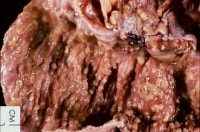
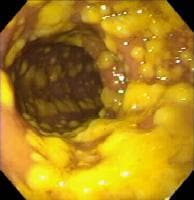
Clostridium difficile colitis results from a disturbance of the normal bacterial flora of the colon, colonization by C difficile, and the release of toxins that cause mucosal inflammation and damage. Antibiotic therapy is the key factor that alters the colonic flora. C difficile infection primarily occurs in hospitalized patients.

Essential update: Fidaxomicin superior to vancomycin for cancer patients with C difficile

In a multicenter study including 1105 subjects with C difficile – associated diarrhea, 183 of whom had solid tumors or hematologic malignancies, fidaxomicin treatment was superior to vancomycin treatment in cancer patients, resulting in higher cure and sustained response rates, shorter time to resolution of diarrhea (TTROD), and fewer recurrences.  Cure rates were lower overall in cancer patients than in others (79.2% vs 88.6%; P < 0.001).[2Whereas cure rates for noncancer patients were approximately the same with fidaxomicin as with vancomycin (88.5% vs 88.7%), those for cancer patients were higher with fidaxomicin than with vancomycin (85.1% vs 74.0%), though the difference was not statistically significant. Median TTRODs in noncancer patients were 54 hours with fidaxomicin and 58 with vancomycin; those in cancer patients were 74 and 123 hours, respectively.  The risk of recurrence was approximately twice as high with vancomycin as with fidaxomicin, regardless of whether patients had cancer or not, but because both cure and recurrence outcomes were better with fidaxomicin than with vacomycin in cancer patients, the relative odds of sustained response at 28 days in these patients were more than 2.5-fold higher for fidaxomicin than for vancomycin.

Background

Clostridium difficile is a gram-positive, anaerobic, spore-forming bacillus that is responsible for the development of antibiotic-associated diarrhea and colitis. C difficile was first described in 1935 as a component of the fecal flora of healthy newborns and was initially not thought to be a pathogen. It was named difficile because it grows slowly and is difficult to culture. While early investigators noted that the bacterium produced a potent toxin, the role of C difficile in antibiotic-associated diarrhea and pseudomembranous colitis was not elucidated until the 1970s.
Approximately 20% of individuals who are hospitalized acquire C difficile during hospitalization, and more than 30% of these patients develop diarrhea. Thus, C difficile colitis is currently one of the most common nosocomial infections.
The diagnosis of C difficile colitis should be suspected in any patient with diarrhea who has received antibiotics within the previous 2 months and/or when diarrhea occurs 72 hours or more after hospitalization.

Pathophysiology

Colonization occurs by the fecal-oral route. C difficile forms heat-resistant spores that can persist in the environment for several months to years. Outbreaks of C difficile diarrhea may occur in hospitals and other outpatient facilities where contamination with spores is prevalent. Normal gut flora resists colonization and overgrowth with C difficile. Antibiotic use, which suppresses the normal flora, allows proliferation of C difficile.
Pathogenic strains of C difficile produce 2 distinct toxins. Toxin A is an enterotoxin, and toxin B is a cytotoxin. Both are high–molecular weight proteins capable of binding to specific receptors on the intestinal mucosal cells. Receptor-bound toxins gain intracellular entry where they catalyze a specific alteration of Rho proteins, small glutamyl transpeptidase (GTP)–binding proteins that assist in actin polymerization, cytoskeletal architecture, and cell movement. Both toxin A and toxin B appear to play a role in the pathogenesis of C difficile colitis in humans.

Epidemiology

Although the incidence of other nosocomial infections declined from 2000-2009, the number of hospitalized patients with any C difficile infection discharge diagnosis more than doubled, from approximately 139,000 to 336,600. The number of patients with a primary C difficile infection diagnosis more than tripled, from 33,000 to 111,000.
Among C difficile infections identified in the Centers for Disease Control and Prevention’s (CDC’s) Emerging Infections Program data in 2010, 94% were associated with receiving health care; of these, 75% had onset among persons not currently hospitalized, including recently discharged patients, outpatients, and nursing home residents

Diagnosis

http://img.medscape.com/pi/emed/ckb/gastroenterology/169972-186458-3532tn.jpg

Physical examination may reveal the following in patients with the disorder:
  • Fever: Especially in more severe cases
  • Dehydration
  • Lower abdominal tenderness
  • Rebound tenderness: Raises the possibility of colonic perforation and peritonitis

Laboratory studies

  • Lab tests for evaluating patients with C difficile infection include the following:
  • Electrolytes: Dehydration and electrolyte imbalance may accompany severe disease
  • Albumin: Hypoalbuminemia and anasarca may accompany severe disease
    • Transthyretin is the serum protein of choice for a rapid onset diarrhea with dehydration leading to weight loss, dehydration, anasarca and sarcopenia, as it has a serum half-life of ~ 48 hrs rather than 21 days, and it is an accurate measure of lean body mass.
  • Complete blood count: Leukocytosis may be present
  • Stool examination: Stool may be Hemoccult positive in severe colitis, but grossly bloody stools are unusual; fecal leukocytes are present in about half of cases
  • Stool assays for C difficile, from the most to the least sensitive, include the following:
  1. Stool culture: The most sensitive test (sensitivity, 90-100%; specificity, 84-100%), but the results are slow and may lead to a delay in the diagnosis if used alone
  2. Glutamate dehydrogenase enzyme immunoassay (EIA): Very sensitive (sensitivity, 85-100%; specificity, 87-98%); this test detects the presence of glutamate dehydrogenase produced by C difficile
  3. Real-time polymerase chain reaction (PCR) assay: May be used to detect C difficile gene toxin
  4. The stool cytotoxin test: Has a sensitivity of 70-100% and a specificity of 90-100%; a positive test result is the demonstration of a cytopathic effect that is neutralized by a specific antiserum
  5. Enzyme immunoassay for detecting toxins A and B: Used in most labs; the sensitivity is moderate (79-80%), and the specificity is excellent (98%)
  6. Latex agglutination technique: Another means of detecting glutamate dehydrogenase; the sensitivity of this test is poor (48-59%), although the specificity is 95-96%

Management

Treatment for C difficile infection varies according to its severity. Interventions include the following:
  • Asymptomatic carriers: No treatment necessary
  • Mild, antibiotic-associated diarrhea without fever, abdominal pain, or leukocytosis: Cessation may be the only treatment necessary
  • Mild to moderate diarrhea or colitis: Metronidazole (oral or intravenous) or vancomycin (oral) for 10 days
Severe disease: Vancomycin is considered to produce faster symptom resolution and fewer treatment failures than metronidazole; in fulminant cases, combined therapy with intravenous metronidazole and oral vancomycin may be considered

Relapse

Relapse occurs in 20-27% of patients treated with metronidazole or vancomycin. Once a patient has one relapse, the risk for a second relapse is 45%. Relapses should be treated as follows:
  • First relapse: The choice of antibiotic should be based on the severity of C difficile diarrhea/colitis
  • Subsequent relapses: For every relapse beyond the first, vancomycin (prolonged taper/pulsed regimen) is recommended to help clear persistent spores
Among various investigational therapies, fecal transplantation (fecal enemas or infusion of donor feces through a nasoduodenal tube) has been reported to repopulate the colonic flora and treat recurrent C difficile infection.

Staphylococcus Aureus Infection

Robert W Tolan Jr, MD; Chief Editor: Russell W Steele, MD
http://emedicine.medscape.com/article/971358-overview?src=wnl_ref_prac_infd&uac=62859DN

Rise of methicillin and vancomycin-resistance

Both community-associated and hospital-acquired infections with Staphylococcus aureus have increased in the past 20 years, and the rise in incidence has been accompanied by a rise in antibiotic-resistant strains—in particular, methicillin-resistant S aureus (MRSA) and, more recently, vancomycin-resistant strains.

Essential update: Universal decolonization more effective than screening and isolation in reducing rates of MRSA

Daily washing of ICU patients with chlorhexidine-impregnated cloths reduced positive cultures of MRSA by 37% and reduced bloodstream infection by any pathogen by 44%, according to a study of 74,256 patients in 74 adult ICUs.
In the study, hospitals were randomized to 18 months of either screening for MRSA followed by isolation of positive patients, targeted decolonization of MRSA-positive patients and isolation, or universal decolonization of all ICU patients without screening. Decolonization was achieved via daily cleansing with chlorhexidine-impregnated cloths and 5 days of twice-daily intranasal mupirocin treatments. At baseline, there was no significant difference in the rate of MRSA infections between the 3 groups.  However, patients who underwent universal decolonization showed a significantly larger decline between baseline and intervention periods than those in either of the targeted interventions. Universal decolonization led to a 37% drop in the rate of MRSA infections, while targeted decolonization led to a 25% decline and no significant change was seen in the screening and isolation group. There was no significant difference in outcomes between the targeted decolonization and the screening and isolation groups, while the difference between the universal decolonization and the screening and isolation groups was significant (P = .003). Universal decolonization also significantly reduced ICU-attributed bloodstream infections from any pathogen.

Management

Antibiotic regimens include the following:
  • Empiric therapy with penicillins or cephalosporins may be inadequate because of community-associated methicillin-resistant Staphylococcus aureus (CA-MRSA)
  • Combination therapy with a penicillinase-resistant penicillin or cephalosporin (in case the organism is methicillin-sensitive S aureus [MSSA]) and clindamycin or a quinolone
  • Clindamycin, trimethoprim-sulfamethoxazole (TMP-SMX), rifampin, doxycycline, or a quinolone
  • TMP-SMX and rifampin in combination, rather than singly
Clindamycin (rather than TMP-SMX) may become the preferred outpatient antibiotic therapy in regions with a relatively low incidence of clindamycin resistance
The Infectious Diseases Society of America has published treatment guidelines for MRSA infection

Bacteremia

Daptomycin, with or without beta-lactams, controls S aureus bacteremia without worsening renal dysfunction. In a cohort of patients with mild or moderate renal insufficiency, more than 80% responded to treatment, with no detrimental effect on their kidneys. Currently, the combination of daptomycin with beta-lactams is recommended only as salvage therapy for refractory MRSA bacteremia. 

New Coronavirus ‘Eerily’ Like SARS

By Michael Smith, North American Correspondent, MedPage   June 19, 2013
Reviewed by Robert Jasmer, MD; Associate Clinical Professor of Medicine, University of California, San Francisco
http://www.medpagetoday.com/InfectiousDisease/GeneralInfectiousDisease/39972?xid=nl_mpt_DHE_2013-06-20

The novel coronavirus outbreak in the Middle East is eerily similar to SARS, according to Trish Perl, MD, of the Johns Hopkins University School of Medicine, part of an international team, led by Ziad Memish, MD, of the World Health Organization in Riyadh, that looked into a cluster of 23 cases in hospitals in the east of Saudi Arabia. . “The illness pattern, the incubation period — there are a lot of eerie similarities,” Perl told MedPage Today. They reported online in the New England Journal of Medicine, that the virus, MERS-CoV, is related to the virus that caused the 2002-2003 SARS outbreak.  The viruses both are coronaviruses and both lead to severe respiratory illness. Further, person-to-person transmission can take place in healthcare settings and can do so with “considerable morbidity.”  One key difference, Perl and colleagues noted, is that — at least in the cluster they investigated — the fatality rate was 65%, markedly higher than the 8% or so seen in the SARS outbreak. On the other hand, that rate may fall if a large number of milder cases is detected, they noted.  An outside expert, David Freedman, MD, of the University of Alabama at Birmingham, told MedPage Today that an open question has been whether MERS could spread within hospitals as easily as did SARS.  The current study, he said, shows “unequivocally” that it can.
The report comes as the World Health Organization is reporting a total of 64 laboratory-confirmed cases of infection with MERS-CoV, including 38 deaths. Most reported cases have either occurred in the Middle East or have involved recent travel to the region.  SARS was contained and eventually controlled by identifying cases vigorously and then isolating them to prevent transmission, Perl noted, and similar tactics — when they were applied in Saudi Arabia — appeared to have the same effect. The key in the epidemiological chain may have been Patient C, who had been undergoing long-term hemodialysis, and was admitted to hospital April 6 in the room next to Patient A.  When Patient A developed a fever April 8, Patient C was still in the same room and developed fever himself 3 days later. He also had dialysis in the hospital’s outpatient hemodialysis unit twice after the onset of symptoms. Between April 14 and April 30, MERS was confirmed in nine more patients who were undergoing hemodialysis, including six who did so at times overlapping those of Patient C. All told, Patient C appears to have transmitted MERS directly to seven people, six in the dialysis unit and one in the intensive care unit, the researchers reported, while other infected people had more limited transmission and some did not pass on the disease at all.

Related articles

Clostridium Difficile

Clostridium Difficile (Photo credit: fjbengoat)

English: Low mag. Image:Colonic pseudomembrane...

English: Low mag. Image:Colonic pseudomembranes intermed mag.jpg (Photo credit: Wikipedia)

Obtained after an outbreak this micrograph dep...

Obtained after an outbreak this micrograph depicts Gram-positive Clostridium difficile bacteria. These C. difficile organisms were cultured from a stool sample obtained during an outbreak of gastrointestinal illness, and extracted using a .1µm filter. (Photo credit: Wikipedia)

English: Clostridium difficile toxin B rendere...

English: Clostridium difficile toxin B rendered from PDB 2BVM (Photo credit: Wikipedia)

Pseudomembranous Colitis, Colectomy (Gross)

Pseudomembranous Colitis, Colectomy (Gross) (Photo credit: euthman)

Ventricular Assist Device (VAD): A Recommended Approach to the Treatment of Intractable Cardiogenic Shock

Writer: Larry H Bernstein, MD, FCAP

 and

Curator: Aviva Lev-Ari, PhD, RN

A ventricular assist device (VAD) is an implantable mechanical pump that helps pump blood from the lower chambers of your heart (the ventricles) to the rest of your body. VADs are used in people who have weakened hearts or heart failure. Although VADs can be placed in the left, right or both ventricles of your heart, they are most frequently used in the left ventricle. When placed in the left ventricle they are called left ventricular assist devices (LVADs).

You may have a VAD implanted while you wait for a heart transplant or for your heart to become strong enough to effectively pump blood on its own. Your doctor may also recommend having a VAD implanted as a long-term treatment if you have heart failure and you’re not a good candidate for a heart transplant.

The procedure to implant a VAD requires open-heart surgery and has serious risks. However, a VAD can be lifesaving if you have severe heart failure.

http://www.mayoclinic.com/health/lvad/MY01077

This is an assessment of the development and progression of cardiogenic shock  and review of the use of ventricular assist devices in that setting.  It is another piece of the chapter on cardiothoracic surgical management at Columbia University Medical Center, New York, NY.

A stepwise progression in the treatment of cardiogenic shock.

Pollack AUriel NGeorge IKodali STakayama HNaka YJorde U.

Source

Department of Medicine, New York Presbyterian Hospital/Columbia University Medical Center, New York, New York, USA.

Abstract

Cardiogenic shock remains a deadly complication of acute myocardial infarction (MI). Early revascularization, inotropic support, and intraaortic balloon counterpulsation are the mainstays of treatment, but these are not always sufficient. New mechanical approaches, both percutaneous and surgical, are available in this high-risk population. We present a case of a young woman with a massive anterior wall MI and subsequent cardiogenic shock who was treated with advanced mechanical circulatory support. This case serves as an illustration of the stepwise escalation of mechanical support that can be applied in a patient with an acute MI complicated by refractory cardiogenic shock. We also review the literature with regard to the use of percutaneous left ventricular assist devices in the setting of cardiogenic shock.

Copyright © 2012 Elsevier Inc. All rights reserved.

PMID: 22608034

Care of the Critically Ill:  A Stepwise Progression in the Treatment of Cardiogenic Shock.

Pollack A, Uriel N, George I, Kodali S, Takayama H, Naka Y, Jorde U
J Heart & Lung 2012; 41:500-504.

Initial Presentation

 A 21-year-old woman with a history of migraine headaches was admitted to the hospital with nonradiating substernal chest pain onset that morning. When she presented to another hospital she had a normal electrocardiogram (EKG) and was discharged. When the patient’s chest discomfort became crushing  she presented again to the same hospital where her EKG revealed ST-segment elevations in an anterolateral distribution. Her peak (hs) troponin was 229 ng/mL and peak creatinine kinase was 6900 U/L.  This was an elevation of CK far out of proportion to the troponin increase (suggestive of decreased peripheral circulation with massive release of CK from muscle). There was no family history of early myocardial infarction (MI), sudden cardiac death, clotting disorders, or hypercholesterolemia. She had been taking amitriptyline for migraines and oral contraceptives for 3 years.  The patient developed significant hypotension, after she was given metoprolol and morphine, for which dobutamine and dopamine were administered. Medication was switched to norepinephrine because of excessive tachycardia. Cardiac catheterization was performed emergently approximately 12 hours after the onset of the patient’s chest pain.
Thrombectomy of an angiographically identified clot in the proximal portion of the left anterior descending artery was performed, followed by placement of a bare metal stent with no residual occlusion. An intraaortic balloon bump (IABP) was placed. The initial transthoracic echocardiogram revealed an ejection fraction of 25% and global hypokinesis with regional wall motion abnormalities, worst in the anterior, apical, and lateral walls. She was intubated and required significant hemodynamic support with norepinephrine. Her antiplatelet regimen consisted of oral aspirin, clopidogrel, and intravenous eptifibatide. The patient was transferred to the New York Presbyterian Hospital/Columbia University Medical Center approximately 12 hours after revascularization.

Transfer to  NY Presbyteran Columbia Hospital

On arrival, the patient was intubated and sedated. Her blood pressure was 80/51mmHg, pulse rate was 140 beats/min, and oral temperature was 101F. On examination, she was tachycardic with warm extremities. The jugular veins were not distended. Her lactate was 7.0 mmol/L. (If she was so severely hypotensive with lactic acidemia, possibly from impaired liver and/or muscle circulation with aerobic glycolysis, then why was the temperature 101 deg F?)  The patient was not tested for procalcitonin (Brahms, BioMerieux), but sepsis is now considered bacterial or abacterial.  Whether there was release of bacterial endotoxin secondary to poor decreased circulation in the superior mesenteric artery is not known, which complicates the situation more.  In a study of acute phase changes in liver proteins by Bernstein and associates [Transthyretin as a marker to predict outcome in critically ill patients. Devakonda A, George L, Raoof S, Esan A, Saleh A, Bernstein LH.   Clin Biochem 2008; 41(14-15):1126-1130. ICID: 939927], and another on  procalcitonin and sepsis [The role of procalcitonin in the diagnosis of sepsis and patient assignment to medical intensive care. Bernstein LH, Devakonda A, Engelman E, Pancer G,  Ferrar J, Rucinski J, Raoof S,  George L, Melniker L.  J Clin Ligand Assay] there was a notable case of negative bacterial culture in a patient with highly elevated procalcitonin, considered a reliable early indicator of sepsis.sepsis classification with PCT and MAP
Procalcitonin (PCT) is a sensitive and specific inflammation marker, which can be used to detect both inflammatory infections and noninflammatory complications in postsurgical monitoring of patients after cardiac surgery using extracorporeal circulation. The optimum cut-off value for PCT levels, as a predictor of postoperative complications, appears to be 1.2 ng/mL with a sensitivity of 80% and a specificity of 90%. PCT may be used to monitor response to therapy because blood concentrations increase in an inflammatory disease relapse. Importance of procalcitonin in post-cardiosurgical patients. Topolcan O, Bartunek L, Holubec Jr L,  Polivkova V, eta al. Journal of Clinical Ligand Assay 2008; 31(1-4): 57-60.]This might be expected to be associated with a CRP increase over 50-70 mg/ml.  In addition, the hemogram would have been of some interest, perhaps raising the question of whether the cardiovascular impairment triggered other events [Validation and Calibration of the Relationship between Granulocyte Maturation and the Septic State. Bernstein LH and Rucinski J.  Clin Chem Lab Med 2011; 49. Walter de Gruyter . http://dx.doi.org/10.1515cclm.2011.688Converting Hematology Based Data into an Inferential Interpretation. Bernstein LH, David G, Rucinski J and Coifman RR.  In Hematology – Science and Practice, 2012. Chapter 22, pp 541-552. InTech Open Access Publ. Croatia]. 
A chest radiograph showed pulmonary edema. Her EKG revealed sinus tachycardia at 121 beats/min with ST-segment elevation of 3 mm in leads V1 to V4 and poor R-wave progression throughout the precordial leads with pathologic Q waves in V1 to V6, I, and aVL. Eptifibatide (Integrilin, Merck & Co., Inc., Whitehouse Station, NJ) was stopped, and norepinephrine was continued at 20 mg/min. Dobutamine 2.5 mg/min and broad-spectrum antibiotics were administered. During the next 4 hours, the patient’s mean arterial pressure fluctuated between 60 and 70 mm Hg with a heart rate between 120 and 140 beats/min on 20 mg/min of norepinephrine, 2.5 mg/min of dobutamine, and the IABP. Rapid escalation of mechanical support with a left ventricular assist device (LVAD) was deemed necessary.  Right-sided heart catheterization after placement of an Impella 2.5 assist device (ABIOMED, Inc.) revealed a cardiac output of 3.3 L/min and a cardiac index (CI) of 2.1 L/min/m2, despite addition of 3 ug/min and 4 U/h of vassopressin.

Day 2

On the second day after transfer she was severely hyponatremic, but her plasma sodium stabilized at 131 to 138 mmol/L after discontinuing the vasopressin. She also developed significant bleeding at the site of the Impella and hemolysis requiring several blood transfusions. Her hemoglobin on transfer was 10.4 g/dL, which trended down to 7.8 g/dL after Impella placement. The patient’s lactate dehydrogenase was 1980 U/L (probably reflecting poor liver perfusion), and total bilirubin was 2.6 mg/dL on day 2 of her hospitalization compared with 1.1 mg/dL on transfer.

Day 3

After the Impella device was removed on day 3 because of persistent bleeding, the patient’s hemoglobin, bilirubin, and platelet count stabilized, but while the patient was able to maintain end-organ perfusion initially as manifested by a normal creatinine, as the day progressed, the patient’s systemic blood pressure trended downward and urine output decreased, and she could not tolerate discontinuation of the vasoactive agents being administered. Pulmonary hypertension developed with a rate-dependent cardiac output as manifested by persistent tachycardia, and had an ejection fraction of 20% with severe hypokinesis of all segments except the basal inferior and inferolateral walls. As a consequence of the enduring cardiogenic shock and the low likelihood for recovery of left ventricular function, it was evident the patient required long-term mechanical support. A continuous flow LVAD (HeartMate II; Thoratec Corporation) was implanted as a rescue therapy, and the patient was emergently listed for transplantation.

Recovery

A comprehensive heart failure regimen was introduced, and the patient was discharged with warfarin 25 days after her transfer. A comprehensive hypercoagulability workup performed while the patient was receiving anticoagulation with negative results. Aside from oral contraceptive use, no other obvious risk factor for an acute arterial thrombosis could be identified, which is not surprising given that up to 40% of all thrombotic events occur in patients without a recognizable risk factor. Early revascularization, inotropic support, and intraaortic balloon counterpulsation are the mainstays of treatment, but these are not always sufficient.  New mechanical approaches, both percutaneous and surgical, are available in this high-risk population. This case serves as an illustration of the stepwise escalation of mechanical support that can be applied in a patient with an acute MI complicated by refractory cardiogenic shock. We also review the literature with regard to the use of percutaneous left ventricular assist devices in the setting of cardiogenic shock.

Recommendation

The authors recommend the following protocol for patients with cardiogenic shock superimposed on acute MI.    Treatment of cardiogenic shock.  PCI, percutaneous coronary intervention; IABP, intraaortic balloon pump; VAD, ventricular assist device; VA-ECMO, venoarterial extracorporeal membrane oxygenation; OHT, orthotopic heart transplantation; pVAD, percutaneous ventricular assist device. It is important to note that it includes immediate revascularization in conjunction with IABP placement. In patients with refractory cardiogenic shock who are unable to be weaned from the IABP, mechanical circulatory support using a percutaneous or surgical device is the next essential measure to be taken. The type of mechanical support to be used depends on many factors, including the reversibility of the shock state, chances of ventricular recovery, and risk of bleeding. Mechanical circulatory support with left ventricular assists devices can improve cardiac performance and reduce myocardial ischemic injury. Principle mechanisms include unloading of the left ventricle, thereby decreasing myocardial oxygen demand and improvement of systemic hypotension, thus increasing coronary perfusion.
Although there were complications related to the use of the device, its deployment resulted in the improvement of the patient’s surgical candidacy by virtue of maintaining her end-organ function.  After the removal of the Impella device, we thought the left ventricle in this patient would not recover, and for this reason, we chose a definitive surgical procedure as opposed to alternative temporary support device.  Clinical studies focusing on the use of VA-ECMO in refractory cardiogenic shock after an acute MI are limited. Observational and retrospective series have thus far demonstrated a high mortality rate in these patients.  However, a recent retrospective study of 33 patients who received ECMO support for advanced refractory cardiogenic shock after an acute MI demonstrated a mortality rate of 46% and 52% at 30 days and 1 year, respectively. In addition to mny complications with VA-ECMO, the procedure also can lead to increased afterload from the retrograde flow of peripheral cannulation., which may to lead to increased left ventricular pressure and wall stress, thereby compromising myocardial recovery and worsening pulmonary edema, both of which were major concerns
in this patient.

Conclusions

This case demonstrates that a sequential approach using percutaneous mechanical support as a bridge to surgical mechanical support is feasible in this high-risk population (Figure ). Advantages of percutaneous mechanical support include its rapid and straightforward placement. Disadvantages include its limited cardiac output and bleeding. Future technology should focus on a device that is capable of providing significant cardiac output and that can be easily placed, like the Impella. Such a device could alter the natural history of intractable cardiogenic shock.

Other related articles published on this Open Access Online Scientific Journal include the following:

Implantable Synchronized Cardiac Assist Device Designed for Heart Remodeling: Abiomed’s Symphony

Aviva Lev-Ari, PhD, RN, 7/11/2012

http://pharmaceuticalintelligence.com/2012/07/11/implantable-synchronized-cardiac-assist-device-designed-for-heart-remodeling-abiomeds-symphony/

Biomaterials Technology: Models of Tissue Engineering for Reperfusion and Implantable Devices for Revascularization

Larry H Bernstein, MD, FCAP and Aviva Lev-Ari, PhD, RN

http://pharmaceuticalintelligence.com/5_04_2013/bernstein_lev-ari/Bioengineering_of_Vascular_and_Tissue_Models

Foreseen changes in Guideline of Treatment of Cardiogenic Shock with Intra-aortic Balloon counterPulsation (IABP)

Evidence for Overturning the Guidelines in Cardiogenic Shock

Clinical Indications for Use of Inhaled Nitric Oxide (iNO) in the Adult Patient Market: Clinical Outcomes after Use, Therapy Demand and Cost of Care

Aviva Lev-Ari, PhD, RN, 6/3/2013

English: Ventricular assist device

English: Ventricular assist device (Photo credit: Wikipedia)

English: Simulation of a wave pump human ventr...

English: Simulation of a wave pump human ventricular assist device (Photo credit: Wikipedia)

myocardial infarction - Myokardinfarkt - scheme

myocardial infarction – Myokardinfarkt – scheme (Photo credit: Wikipedia)

English: Graphic presentation of an LVAD, left...

English: Graphic presentation of an LVAD, left ventricular assist device. (Photo credit: Wikipedia)

See on Scoop.itCardiovascular and vascular imaging

A trip to Sin City isn’t always fun and games with some casinos averaging roughly 45 to 50 sudden cardiac arrests a year on the casino floor.

See on www.foxnews.com

See on Scoop.itCardiovascular and vascular imaging

Among topics, they discuss: the key determinants of prognosis, the learning curve, addressing the risk of perioperative stroke, appropriate antiplatelet and anticoagulant therapies, access sites, and the importance of the “preflight check list.”…

See on www.theheart.org

See on Scoop.itCardiovascular and vascular imaging

Pairing financial incentives and workplace wellness programs, employers can save money, and employees can make it.

See on www.theatlantic.com

Trans-apical Transcatheter Aortic Valve Replacement in a Patient with Severe and Complex Left Main Coronary Artery Disease (LMCAD)

Writer: Larry H Bernstein, MD, FCAP

and

Curator: Aviva Lev-Ari, PhD, RN

Significant, defined as a greater than 50 percent narrowing, left main coronary artery disease (LMCAD) is found in 4 to 6 percent of all patients who undergo coronary arteriography [1]. When present, it is associated with multivessel coronary artery disease (MVCAD) about 70 percent of the time [2,3].

Most patients are symptomatic and at high risk of cardiovascular events, since occlusion of this vessel compromises flow to at least 75 percent of the left ventricle, unless it is protected by collateral flow or a patent bypass graft to either the left anterior descending or circumflex artery. Studies performed before revascularization with coronary artery bypass graft surgery (CABG) became the standard of care revealed a poor prognosis for these patients, with three-year survival as low as 37 percent [4]. CABG, when directly compared to medical therapy, is associated with significantly better cardiovascular outcomes, including mortality [5].

Percutaneous coronary intervention (PCI) with stenting has generally been restricted to such patients considered inoperable or at high risk for CABG, or with prior CABG and at least one patent graft to the left anterior descending or circumflex artery (so-called “protected” left main disease). Graft patency is important in this setting in the event of acute or late closure after PCI. However, evidence is increasing to support the use of PCI with stenting in some cases. (See ‘PCI versus CABG’ below.)

Asymptomatic patients with left main lesions felt to not be hemodynamically significant should be managed with preventative therapies. Patients with anginal symptoms attributable to lesions elsewhere should be managed with therapies similar to those used in other patients with coronary artery disease. (See “Overview of the care of patients with stable ischemic heart disease”.)

This topic will discuss most aspects of the management of patients with LMCAD. The approach to patients with multivessel coronary artery disease without LMCAD is discussed elsewhere. (See “Bypass surgery versus percutaneous intervention in the management of stable angina pectoris: Recommendations”.)

http://www.uptodate.com/contents/management-of-left-main-coronary-artery-disease


Management of significant left main coronary disease before and after trans-apical transcatheter aortic valve replacement in a patient with severe and complex arterial disease.

Source

Columbia University Medical Center, New York, New York; Cardiovascular Research Foundation, New York, New York.

Abstract

We report the case of an 81-year-old woman with symptomatic severe aortic stenosis, extremely significant peripheral arterial disease, and obstructive coronary artery disease who underwent percutaneous coronary intervention via a transaxillary conduit immediately before a trans-apical transcatheter aortic valve replacement performed with a transfemoral device. After deployment of the transcatheter heart valve, there was a left main coronary obstruction and the patient required an emergent PCI. This multifaceted case clearly underlines the importance of a well functioning heart team including the interventional cardiologist, the cardiovascular surgeon, and the echocardiographer. © 2013 Wiley Periodicals, Inc.

Copyright © 2013 Wiley Periodicals, Inc.

This is an interesting surgical case presented by the Columbia University Cardiovascular Surgery team, illustrating the importance of combined team skills in the most difficult of cases.  It is part of a series on cardiovascular surgery.

Management of significant left main coronary disease before and after trans-apical transcatheter aortic valve replacement in a patient with severe and complex arterial disease.

Paradis JM, George I, and Kodali S
Catheterization and Cardiovascular Interventions  (2013)

Introduction

Transcatheter aortic valve replacement (TAVR) with the Edwards SAPIEN transcatheter heart valve (THV) (Edwards Lifesciences, Irvin, CA) has been shown to reduce mortality when compared to medical therapy alone for patients with symptomatic severe aortic stenosis deemed unsuitable for surgical aortic valve replacement due to multiple co-morbidities. The Edwards SAPIEN THV, sizes 23 and 26 mm, and the RetroFlex 3 transfemoral delivery system, have been recently approved by the US Food and Drug Administration (FDA) for commercial use outside of the PARTNER clinical trial for patients considered inoperable.  However, an alternative site needs to be selected for patients with peripheral arteries inadequate for transfemoral TAVR.  Although not fully validated, the transapical approach or the transaortic route using a balloon expandable THV,  appears to be appropriate for this specific purpose.  Significant coronary artery disease (CAD) is often found in patients with severe aortic stenosis. in > 50% of patients with aortic stenosis over 70 years of age and in > 65% of patients who are  over 80 years of age. There is no established guideline for managing significant CAD in the context of TAVR, including the appropriate revascularization strategy as well as the timing of interventions.

Case Report

An 81-year-old woman  presented with symptomatic severe aortic stenosis, extremely significant peripheral arterial disease, and obstructive coronary artery disease. She had a six-month history prior to admission of progressive exertional shortness of breath and fatigue, and a long history fo hypertension, hyperlipidemia, obesity, and severe peripheral vascular disease.  In 2003, she underwent a coronary artery bypass graft (CABG) surgery, with grafting of the left internal mammary artery (LIMA) to the left anterior descending (LAD) artery, a saphenous vein graft (SVG) to the first obtuse marginal (OM) branch, and a SVG to the right coronary artery (RCA). Due to associated severe mitral regurgitation, a mitral valve ring annuloplasty was also performed. A transthoracic echocardiogram (TTE) revealed severe aortic stenosis with a peak gradient across the aortic valve of 63 mm Hg, a mean gradient of 39 mm Hg, and an aortic valve area of 0.8 cm2.  The left ventricular ejection fraction (LVEF) was 64% while the pulmonary artery systolic pressure was measured at 28 mm Hg.  Extreme calcification and tortuosity precluded the advancement of any wire, catheter, or sheath, contributing to two attempts at cardiac catheterization prior to transfer with a total occlusion of the distal abdominal aorta, at the level of the aorto-iliac bifurcation, and the left main, proximal LAD, proximal left circumflex, and the proximal RCA all had greater than 70% coronary lesions. In addition, ostial total occlusions were seen in both SVGs.
left main coronary artery
After transfer, a cardiac catheterization through the right radial artery was attempted without success due to calcification and tortuosity in the arterial bed.  An 80% distal left main lesion was clearly identified with a Judkins left 3.5 guiding catheter.  There was non-flow limiting coronary disease in the left circumflex and competitive retrograde flow seen in the LIMA graft, but they still were unable to cannulate the RCA and the SVGs. It was determined that the patient was inoperable, on grounds of her significant frailty, reoperative status and overall comorbid state (Society of Thoracic Surgeons (STS) risk score of 11%). Furthermore, due to the occlusion of the distal aorta, the patient was unsuitable for a TAVR via the transfemoral approach.
They chose to approach her PCI via a conduit on the right axillary artery and perform a concomitant TAVR from a trans-apical approach due to the serious limiting condition of the patient.  She underwent percutaneous coronary intervention via a transaxillary conduit immediately before a trans-apical transcatheter aortic valve replacement performed with a transfemoral device.  Excellent flow from the conduit was noted. A 7 French (Fr) sheath was connected to the end of the conduit, which was kept long to allow better maneuverability (Fig. 1). A Rosen wire was passed with some difficulty to the aortic root, and was switched to a stiff wire in an attempt to straighten the vessel.
PowerPoint Presentation
Fig. 1. Transaxillary conduit used during the procedure. A 7 French sheath was connected to an 8 mm dacron graft, which was previously sewn to the axillary artery.
After deployment of the transcatheter heart valve, there was a left main coronary obstruction and the patient required an emergent PCI.  This multifaceted case clearly underlines the importance of a well functioning heart team including the interventional cardiologist, the cardiovascular surgeon, and the echocardiographer. A Xience
V everolimus eluting stent 3.5 mm  18 mm was implanted starting 2 mm distal to the ostium of the left main, extending in the proximal portion of the left circumflex artery. After one post-dilatation with a non-compliant balloon, the final angiographic result was excellent.
They used a Retroflex 3 transfemoral delivery sheath to perform the trans-apical TAVR. They estimated the size and length of the ventricular cavity, and then placed markers on the delivery sheath (prior to insertion) indicating the appropriate length of sheath to remain outside the heart (Fig. 2).
PowerPoint Presentation
Fig. 2. Marker placed on the RetroFlex 3 transfemoral sheath to safely guide its insertion inside the left ventricular cavity during the trans-apical transcatheter aortic valve replacement.
A 23 mm Edwards SAPIEN valve was selected and deployed under fluoroscopic and transesophageal echocardiographic guidance. Immediately after deployment, turbulent flow was noted within the left main with the color Doppler on TEE, indicating a new obstruction of the left main, which a left coronary angiogram showed to be a severe proximal lesion.  Through the trans-axillary conduit, a  guiding catheter was laboriously brought in the ascending aorta and cannulated the left main artery which permitted a predilation and a stent insertion in the ostial portion of the left main.  She was discharged to a rehabilitation facility 7 days after the procedure.
On follow-up TTE, the LVEF was 55% without any significant wall motion abnormality. There was no aortic regurgitation, and the peak and mean gradients were 14.9 mm Hg and 8.0 mm Hg, respectively. The patient is still doing well more than 6 months after the procedure. She is now in NYHA class 2 and has not had any recurrent hospitalization for congestive heart failure.
Discussion
This report is a case of a complex percutaneous coronary intervention of the left main coronary artery via a right axillary conduit followed immediately by an off label commercial transapical TAVR using the Retro-Flex 3 trans-femoral introducer sheath, complicated finally by a new left main coronary obstruction mandating another PCI. It is the first description of a TAVR procedure preceded and followed by a left main trans-axillary PCI. The role of TEE (color Doppler) in the diagnosis of a very rare TAVR complication is also noteworthy. In a recent meta-analysis of 3,519 patients from 16 studies using the Valve Academic Research Consortium (VARC) definitions, the pooled estimate rate of coronary
obstruction following TAVR was only 0.7%. Obviously, the early recognition and treatment of this hazard is imperative.
The surgical management of this patient also warrants discussion. The hybrid surgical approach of accessing the axillary artery via a conduit provides numerous advantages:
(1) the ascending aorta, coronaries, and aortic valve are easily accessible;
(2) transition to cardiopulmonary bypass or extra-corporeal membrane oxygenation, if needed, is quick; and
(3) long-term morbidity is minimal for the patient when compared to aorto-iliac, aortic, or femoral conduits.
Finally, the heart team approach not only allowed the realization of a difficult coronary
stent implantation through an unusual transaxillary graft followed by a transapical TAVR in a patient with significant peripheral arterial disease, but also permitted the early  recognition and management of a potentially fatal left main obstruction. Considerations such as team-based care, close communication between the different specialties
involved and careful planning for outlining management of potential complications are therefore essential for the success of a TAVR program.

REFERENCES

 1. Leon MB, Smith CR, Mack M, Miller DC, Moses JW, Svensson LG, et al. Transcatheter aortic-valve implantation for aortic stenosis in patients who cannot undergo surgery. N Engl J Med 2010;363:1597–1607.
2. Iung B. Interface between valve disease and ischaemic heart disease. Heart 2000;84:347–352.
3. Wenaweser P, Pilgrim T, Guerios E, Stortecky S, Huber C, Khattab AA, et al. Impact of coronary artery disease and percutaneous coronary intervention on outcomes in patients with severe aortic stenosis undergoing transcatheter aortic valve implantation.
EuroIntervention 2011;7:541–548.
4. Genereux P, Head SJ, Van Mieghem NM, Kodali S, Kirtane AJ, Xu K, et al. Clinical outcomes after transcatheter aortic valve replacement using valve academic research consortium definitions: A weighted meta-analysis of 3,519 patients from 16 studies.
J Am Coll Cardiol 2012;59:2317–2326.
Three coronary artery bypass grafts, a LIMA to...

Three coronary artery bypass grafts, a LIMA to LAD and two saphenous vein grafts – one to the right coronary artery (RCA) system and one to the obtuse marginal (OM) system. (Photo credit: Wikipedia)

heart with coronary arteries

heart with coronary arteries (Photo credit: Wikipedia)

Micrograph of an artery that supplies the hear...

Micrograph of an artery that supplies the heart with significant atherosclerosis and marked luminal narrowing. Tissue has been stained using Masson’s trichrome. (Photo credit: Wikipedia)

Other Related articles on this topic published on this Open Access Online Scientific Journal, include the following:

Investigational Devices: Edwards Sapien Transcatheter Aortic Valve Transapical Deployment

Aviva Lev-Ari, PhD, RN 6/6/2012

http://pharmaceuticalintelligence.com/2012/06/04/investigational-devices-edwards-sapien-transcatheter-heart-valve/

Lev-Ari, A. 2/12/2013 Clinical Trials on transcatheter aortic valve replacement (TAVR) to be conducted by American College of Cardiology and the Society of Thoracic Surgeons

http://pharmaceuticalintelligence.com/2013/02/12/american-college-of-cardiologys-and-the-society-of-thoracic-surgeons-entrance-into-clinical-trials-is-noteworthy-read-more-two-medical-societies-jump-into-clinical-trial-effort-for-tavr-tech-f/

Lev-Ari, A. 8/13/2012 Coronary Artery Disease – Medical Devices Solutions: From First-In-Man Stent Implantation, via Medical Ethical Dilemmas to Drug Eluting Stents http://pharmaceuticalintelligence.com/2012/08/13/coronary-artery-disease-medical-devices-solutions-from-first-in-man-stent-implantation-via-medical-ethical-dilemmas-to-drug-eluting-stents/

Lev-Ari, A. 7/18/2012 Percutaneous Endocardial Ablation of Scar-Related Ventricular Tachycardia

http://pharmaceuticalintelligence.com/2012/07/18/percutaneous-endocardial-ablation-of-scar-related-ventricular-tachycardia/

Lev-Ari, A. 6/22/2012 Competition in the Ecosystem of Medical Devices in Cardiac and Vascular Repair: Heart Valves, Stents, Catheterization Tools and Kits for Open Heart and Minimally Invasive Surgery (MIS)

http://pharmaceuticalintelligence.com/2012/06/22/competition-in-the-ecosystem-of-medical-devices-in-cardiac-and-vascular-repair-heart-valves-stents-catheterization-tools-and-kits-for-open-heart-and-minimally-invasive-surgery-mis/

Lev-Ari, A. 6/19/2012 Executive Compensation and Comparator Group Definition in the Cardiac and Vascular Medical Devices Sector: A Bright Future for Edwards Lifesciences Corporation in the Transcatheter Heart Valve Replacement Market

http://pharmaceuticalintelligence.com/2012/06/19/executive-compensation-and-comparator-group-definition-in-the-cardiac-and-vascular-medical-devices-sector-a-bright-future-for-edwards-lifesciences-corporation-in-the-transcatheter-heart-valve-replace/

Lev-Ari, A. 6/22/2012 Global Supplier Strategy for Market Penetration & Partnership Options (Niche Suppliers vs. National Leaders) in the Massachusetts Cardiology & Vascular Surgery Tools and Devices Market for Cardiac Operating Rooms and Angioplasty Suites

http://pharmaceuticalintelligence.com/2012/06/22/global-supplier-strategy-for-market-penetration-partnership-options-niche-suppliers-vs-national-leaders-in-the-massachusetts-cardiology-vascular-surgery-tools-and-devices-market-for-car/

 We reported on the following Medical Devices News:

Lev-Ari A. 4/6/2012.  Investigational-devices-edwards-sapien-transcatheter-heart-valve. 

http://pharmaceuticalintelligence.com/2012/06/04/investigational-devices-edwards-sapien-transcatheter-heart-valve/

Cardiac Surgery Theatre in China vs. in the US: Cardiac Repair Procedures, Medical Devices in Use, Technology in Hospitals, Surgeons’ Training and Cardiac Disease Severity”    http://pharmaceuticalintelligence.com/2013/01/08/cardiac-surgery-theatre-in-china-vs-in-the-us-cardiac-repair-procedures-medical-devices-in-use-technology-in-hospitals-surgeons-training-and-cardiac-disease-severity/

Acute Chest Pain/ER Admission: Three Emerging Alternatives to Angiography and PCI    http://pharmaceuticalintelligence.com/2013/03/10/acute-chest-painer-admission-three-emerging-alternatives-to-angiography-and-pci/

FDA Pending 510(k) for The Latest Cardiovascular Imaging Technology
http://pharmaceuticalintelligence.com/2013/01/28/fda-pending-510k-for-the-latest-cardiovascular-imaging-technology/

PCI Outcomes, Increased Ischemic Risk associated with Elevated Plasma Fibrinogen not Platelet Reactivity
http://pharmaceuticalintelligence.com/2013/01/10/pci-outcomes-increased-ischemic-risk-associated-with-elevated-plasma-fibrinogen-not-platelet-reactivity/

The ACUITY-PCI score: Will it Replace Four Established Risk Scores — TIMI, GRACE, SYNTAX, and Clinical SYNTAX
http://pharmaceuticalintelligence.com/2013/01/03/the-acuity-pci-score-will-it-replace-four-established-risk-scores-timi-grace-syntax-and-clinical-syntax/

Coronary artery disease in symptomatic patients referred for coronary angiography: Predicted by Serum Protein Profiles
http://pharmaceuticalintelligence.com/2012/12/29/coronary-artery-disease-in-symptomatic-patients-referred-for-coronary-angiography-predicted-by-serum-protein-profiles/

Ablation Devices Market to 2016 – Global Market Forecast and Trends Analysis by Technology, Devices & Applications
http://pharmaceuticalintelligence.com/2012/12/23/ablation-devices-market-to-2016-global-market-forecast-and-trends-analysis-by-technology-devices-applications/

Heart Renewal by pre-existing Cardiomyocytes: Source of New Heart Cell Growth Discovered
http://pharmaceuticalintelligence.com/2012/12/23/heart-renewal-by-pre-existing-cardiomyocytes-source-of-new-heart-cell-growth-discovered/

To Stent or Not? A Critical Decision
http://pharmaceuticalintelligence.com/2012/10/23/to-stent-or-not-a-critical-decision/

Transcatheter Aortic-Valve Replacement for Inoperable Severe Aortic Stenosis

http://pharmaceuticalintelligence.com/2012/09/03/transcatheter-aortic-valve-replacement-for-inoperable-severe-aortic-stenosis/

New Definition of MI Unveiled, Fractional Flow Reserve (FFR)CT for Tagging Ischemia

http://pharmaceuticalintelligence.com/2012/08/27/new-definition-of-mi-unveiled-fractional-flow-reserve-ffrct-for-tagging-ischemia/

New Drug-Eluting Stent Works Well in STEMI
http://pharmaceuticalintelligence.com/2012/08/22/new-drug-eluting-stent-works-well-in-stemi/

Expected New Trends in Cardiology and Cardiovascular Medical Devices
http://pharmaceuticalintelligence.com/2012/08/17/expected-new-trends-in-cardiology-and-cardiovascular-medical-devices/

“Privacy, Security &amp; Your Data – Concerns in a Changing World” – Streamed LIVE: Tuesday, June 18th – 6:45pm (EDT)

Reporter: Aviva Lev-Ari, PhD, RN

Streamed LIVE: Tuesday, June 18th – 6:45pm (EDT)

“Privacy, Security & Your Data – Concerns in a Changing World”

In this fast paced, technological world, our personal information is vulnerable every single day. As companies grow globally, and cyber security becomes ever more challenging, how do businesses preserve individual privacy and maintain the security of personal data?

Presented by Cornell University and Hunton & Williams LLP, please join us for a livestream event, broadcasted from New York City.

To tune in, visit our Livestream page a few minutes before the broadcast.

Date: Tuesday, June 18, 2013

Time*: 6:45PM (EDT)

TUNE IN HERE

No pre-registration necessary. Free to tune in.

*Please base your start time on your specific time-zone.

Keynote: The Changing Landscape of Lawful Access (30min)

Panel: Hot topics in Global Privacy and Data Security (60min)

Speakers:

Keith Enright, Senior Privacy Counsel, Google

Mark Fasciano ’90, Managing Director & Internet Entrepreneur, Canrock Ventures

Tracy Mitrano JD ’95, Director of IT Policy and Institute for Computer Policy and Law, Cornell University

Lisa Sotto ’84, Head, Privacy and Data Security Practice, Hunton & Williams LLP

JoAnn Stonier, SVP/Global Privacy & Data Usage Officer, MasterCard Worldwide

Stephen B. Wicker, Professor of Electrical and Computer Engineering, Cornell University

This program is generously hosted by Lisa Sotto ’84 and Hunton & Williams LLP

**If you hold a senior level postion in the privacy space and this topic directly reflects your day-to-day work, there may be limited in-person space available on Tuesday due to cancellations. Please contact John Zelenka ’03, MBA ’12 at jfz4@cornell.edu for additional information.

Hear Barbra Streisand accept her Honorary Doctorate from The Hebrew University of Jerusalem

Reporter: Aviva Lev-Ari, PhD, RN


From: AFHU <AFHU@mail.vresp.com>
Reply-To: AFHU <reply-01febe6994-47cd97e959-aa4c@u.cts.vresp.com>
Date: Mon, 17 Jun 2013 18:37:07 +0000
To: <avivalev-ari@alum.berkeley.edu>
Subject: Hear Barbra Streisand accept her Honorary Doctorate from The Hebrew University of Jerusalem


‘I wish the world were more like the hallways of the Hebrew University,’ says Barbra Streisand 


Legendary singer, actress and philanthropist receives honorary doctorate from the Hebrew University of Jerusalem

Legendary American actress, director, singer, producer, composer, philanthropist and activist Barbra Streisand received an honorary doctor of philosophy degree from the Hebrew University of Jerusalem today. The ceremony took place at 4 p.m. on the Mount Scopus campus, during the 76th Hebrew University International Board of Governors Meeting.

Following welcomes from the Chairman of the Hebrew University’s Board of Governors, Mr. Michael Federmann, and Prof. Menahem Ben-Sasson, the Hebrew University’s president, the honorary doctorate was presented to Ms. Streisand in recognition of her professional achievements, outstanding humanitarianism, leadership in the realm of human and civil rights, and dedication to Israel and the Jewish people.

An audio recording of Ms. Streisand’s comments is available to news organizations at http://bit.ly/hebrewu_streisand. It is not intended for rebroadcast.

In her comments after receiving the award, Ms. Streisand said, “For close to 30 years, I’ve had a deep connection to the Hebrew University. It’s not only home to a diverse population of some of Israel’s best and brightest students, but it also houses the Emanuel Streisand Building for Jewish Studies.”

In 1984 Ms. Streisand established the Emanuel Streisand Building in memory of her beloved father, whom she praised at the time as “a teacher, scholar and religious man who devoted himself to education.”

“I think he would be very proud to know that this esteemed institution is honoring his daughter,” she said today.

Streisand said it made her happy to read in the newspaper that more women than men graduated with a doctorate at the Hebrew University’s Convocation last night.

“One of the things I’ve always admired about this university is the fact that here, women and men, Jews and Arabs, Christians and Muslims, native-born and immigrants, sit together in classes, share the same cafeterias, learn from the same professors, and dream together of a good and meaningful life,” she said.

“I wish the word were more like the hallways of the Hebrew University,” she added.

Streisand condemned manifestations of exclusion of women in Israel, saying, “I realize it’s not easy to fully grasp the dynamics of what happens in a foreign land. Israel and the United States have much in common: Two great and noble countries, each with problems of course, but always striving to shine as a beacon of hope. So it’s distressing to hear about women in Israel being forced to sit at the back of a bus, or when we hear about Women of the Wall having metal chairs hurled at them when they attempt to peacefully pray, or when women are banned from singing in public ceremonies. But I’m also pleased to read that things are changing here. Repairs are being made and that’s very good.”

Streisand also complimented the debut speech of new Member of Knesset Dr. Ruth Calderon and said that Calderon’s speech served as an example of secular-religious dialogue through which people and countries can come together.

She concluded by quoting Albert Einstein, one of the founders of the Hebrew University: “Example isn’t another way to teach, it’s the only way to teach.”

At the conclusion of the ceremony, a member of the audience called out, “We love you, Barbra!” When Hebrew University President Prof. Menahem Ben-Sasson pointed out that with her honorary doctorate she is now “Dr. Streisand,” the audience member shouted back, “We love you, Dr. Streisand!”

After the event, Streisand  toured the Mount Scopus campus and visited the building named for her father. She also met with a number of scholars and students from the university, and among other things discussed the status of women.

Ms. Streisand has been long admired for her civic activism and philanthropic leadership.  Her commitment is reflected in the work of The Streisand Foundation, which is dedicated to fostering women’s equality and health, protecting human and civil rights, advancing the needs of at-risk children in society and preserving the environment. She often donates the proceeds from her performances on behalf of important causes.


Transcatheter Aortic Valve Replacement (TAVR): Postdilatation to Reduce Paravalvular Regurgitation During TAVR with a Balloon-expandable Valve

Reviewer: Larry H Bernstein, MD, FCAP

and

Curator: Aviva Lev-Ari, PhD, RN

This report is one in a series on advances in cardiovascular surgery.  This report particularly focuses on the safety and efficacy of transcatheter aortic valve replacement (TAVR), a major study carried out at Columbia University Medical Center, involving reduction of paravalvular regurgitation post TAVI.

Circ Cardiovasc Interv. 2013 Feb;6(1):85-91. doi: 10.1161/CIRCINTERVENTIONS.112.971614. Epub 2013 Jan 22.

Efficacy and safety of postdilatation to reduce paravalvular regurgitation during balloon-expandable transcatheter aortic valve replacement.

Daneault BKoss EHahn RTKodali SWilliams MRGénéreux PParadis JMGeorge IReiss GRMoses JWSmith CRLeon MB.

Source

Columbia University Medical Center/New York-Presbyterian Hospital and the Cardiovascular Research Foundation, New York, NY 10032, USA.

Abstract

BACKGROUND:

Paravalvular regurgitation (PVR) is common after transcatheter aortic valve replacement (TAVR) and may be associated with adverse outcomes. Postdilatation (PD) has been proposed to treat PVR without being formally studied. We performed a study to evaluate the safety and efficacy of PD after balloon expandable TAVR.

METHODS AND RESULTS:

Consecutive cases of TAVR were reviewed for clinical outcomes. Procedural transesophageal echocardiography imaging was reviewed for a subgroup of consecutive patients. PVR areas seen on a short-axis view were measured immediately after deployment, after PD, and at the completion of the study. Stent dimensions measured using angiography and the Paieon’s C-THV system pre- and post-PD were compared. Between May 2007 and November 2011, 259 patients underwent TAVR at our institution. PD was performed in 106 patients (41%). These patients had larger annulus, lower cover-index; more often had transfemoral access and implantation of a 26 mm valve. There was a nonsignificant greater rate of cerebrovascular events in PD patients. There was no significant difference in major aortic injury and permanent pacemaker implantation rates between groups. TTE studies were reviewed in 58 patients (35 with PD and 23 without PD). PD patients had larger PVR areas immediately after deployment (40.3±17.1 versus 15.4±14.2 mm(2); P<0.0001). There was significant reduction in PVR area attributable to PD (21.7±9.3 mm(2); P<0.0001). Spontaneous regression of PVR was seen in both groups. PD increased stent dimensions.

CONCLUSIONS:

This study demonstrates the efficacy of PD at reducing PVR in patients with greater than mild PVR after balloon-expandable TAVR.

PMID: 23339841

Efficacy and Safety of Postdilatation to Reduce Paravalvular Regurgitation During Balloon-Expandable Transcatheter Aortic Valve Replacement

Daneault R, Koss E, Hahn RT, Kodali S, Williams MR, et al.
Circ Cardiovasc Interv. 2013;6:85-91. http://dx.doi.org/10.1161/circinterventions.112.971614

Transcatheter aortic valve replacement (TAVR) has emerged as a new alternative treatment for patients with severe aortic stenosis, who are at high risk or deemed inadequate candidates for conventional surgical aortic valve replacement. Paravalvular regurgitation (PVR) is common after transcatheter aortic valve replacement (TAVR) reported in 80% to 96% of TAVR cases Moreover, moderate and severe degrees of regurgitation are associated with worse clinical outcomes While the risk factors are known and include: smaller cover index, annulus eccentricity, and the degree and distribution of leaflet calcifications, postdilatation (PD) of balloon expandable valves after implantation, including transcatheter heart valve (THV) traumatic aorta injury, cerebrovascular embolus, and conduction block may outweigh the potential benefits from reduction in aortic regurgitation. Therefore, these investigators performed a study to evaluate the safety and efficacy of PD after balloon expandable TAVR.

What Is Known

• Significant paravalvular regurgitation after transcatheter aortic valve replacement is associatedwith increased mortality.
• Calcifications, undersized prosthesis, and malposition are causes of paravalvular regurgitation.

Study Design

Procedural and in-hospital outcomes for all consecutive patients treated between May 2007 and November 2011 with Edwards SAPIEN THV (Edwards Lifescience, Irvine, CA) as part of the PARTNER and PARTNER 2 trials were reviewed both prospectively and retrospectively. Information on PD was collected retrospectively from chart and imaging review for the period between 2007 and August 2010, and prospectively after August 2010. PD was performed in cases where PVR was qualitatively more than mild, by transesophageal echocardiography (TEE), immediately after THV implantation. There were 259 patients who underwent TAVR. PD was performed in 106 patients (41%). Procedural transesophageal echocardiography imaging was reviewed for a subgroup of consecutive patients. PVR areas seen on a short-axis view were measured immediately after deployment, after PD, and at the completion of the study. Stent dimensions measured using angiography and the Paieon’s C-THV system pre- and post-PD were compared, and TTE studies were reviewed in 58 patients (35 with PD and 23 without PD).

Endpoints

Neurological events were defined using valve academic research consortium definitions.14 Cover-index is defined as: 100×([THV diameter–TEE annulus diameter]/THV diameter).3 Clinical end points for the current analysis included 30-day mortality, in-hospital stroke or transient ischemic attack, procedural related major aortic injury (aortic dissection, aortic wall hematoma, or annulus/aortic rupture) and need for new permanent pacemaker during the index hospitalization. Echocardiographic end points included spontaneous reduction of PVR [difference between PVR1 and PVR3 in the non-PD group (PD−) and difference between PVR2 and PVR3 in the PD group (PD+)], and reduction of PVR attributable to PD
(PVR1−PVR2) in the PD+. Angiographic end points included additional expansion of IF, OF, and minimal diameters of stents after PD.

Results and Clinical Outcomes

No valve embolization occurred during PD. No patient required implantation of a second THV after PD. Multiple PD was performed in 4 cases. There was no statistically significant
difference between the 2 groups in the incidence of neurological events, although they were more frequent in patients with PD. Permanent pacemaker implantation during the index hospitalization was not significantly different between the 2 groups. Major aortic injuries were rare and occurred at a similar rate between both groups with no aortic annulus rupture in either group.

These (PD) patients had larger annulus, lower cover-index; more often had transfemoral access and implantation of a 26 mm valve. There was a nonsignificant greater rate of cerebrovascular events in PD patients. There was no significant difference in major aortic injury and permanent pacemaker implantation rates between groups.
PD patients had larger PVR areas immediately after deployment (40.3±17.1 versus 15.4±14.2 mm2; P<0.0001). There was significant reduction in PVR area attributable to PD (21.7±9.3 mm2; P<0.0001). Spontaneous regression of PVR was seen in both groups.
PD increased stent dimensions. There was a significant increase in the OF, IF, and minimal diameters after PD of 26 mm valves. The changes were not statistically significant for the 23 mm valves. There was a greater expansion in the IF and OF diameters compared with the minimal diameter.

Discussion

This study is the second that demonstrates the efficacy of PD at reducing postdeployment PVR in patients with greater than mild PVR after balloon-expandable TAVR. Moreover, judicious use of PD for greater than mild PVR is not associated with excess morbidity or mortality, although some concerns regarding cerebral embolism deserve comment. When it occurs, PVR is a significant cause of nonstructural prosthetic valve dysfunction. The anatomic positioning and resultant physiology of THV, however, are different from surgical valves. After surgical aortic valve replacement, most commonly PVR is attributable to infection, suture dehiscence, or fibrosis and calcification of the native annulus, resulting in inadequate contact or gaps between the sewing ring and annulus. Because THVs do not have a sewing ring traditional dehiscence cannot occur. For balloon-expandable THV, significant PVR most commonly results from incomplete prosthesis apposition to the native annulus.

What the Study Adds

• Additional postdilatation can reduce the magnitude of paravalvular regurgitation.
• Spontaneous regression of paravalvular regurgitation occurs within minutes after transcatheter aortic valve replacement.
• Postdilatation may be associated with increased risk of cerebrovascular events.

Other TAVR related articles published on this Open Access Online Scientific Journal include the following:

Lev-Ari, A. 2/12/2013 Clinical Trials on transcatheter aortic valve replacement (TAVR) to be conducted by American College of Cardiology and the Society of Thoracic Surgeons

http://pharmaceuticalintelligence.com/2013/02/12/american-college-of-cardiologys-and-the-society-of-thoracic-surgeons-entrance-into-clinical-trials-is-noteworthy-read-more-two-medical-societies-jump-into-clinical-trial-effort-for-tavr-tech-f/


Lev-Ari, A. 8/13/2012 Coronary Artery Disease – Medical Devices Solutions: From First-In-Man Stent Implantation, via Medical Ethical Dilemmas to Drug Eluting Stents http://pharmaceuticalintelligence.com/2012/08/13/coronary-artery-disease-medical-devices-solutions-from-first-in-man-stent-implantation-via-medical-ethical-dilemmas-to-drug-eluting-stents/


Lev-Ari, A. 7/18/2012 Percutaneous Endocardial Ablation of Scar-Related Ventricular Tachycardia

http://pharmaceuticalintelligence.com/2012/07/18/percutaneous-endocardial-ablation-of-scar-related-ventricular-tachycardia/


Lev-Ari, A. 6/22/2012 Competition in the Ecosystem of Medical Devices in Cardiac and Vascular Repair: Heart Valves, Stents, Catheterization Tools and Kits for Open Heart and Minimally Invasive Surgery (MIS)

http://pharmaceuticalintelligence.com/2012/06/22/competition-in-the-ecosystem-of-medical-devices-in-cardiac-and-vascular-repair-heart-valves-stents-catheterization-tools-and-kits-for-open-heart-and-minimally-invasive-surgery-mis/

Lev-Ari, A. 6/19/2012 Executive Compensation and Comparator Group Definition in the Cardiac and Vascular Medical Devices Sector: A Bright Future for Edwards Lifesciences Corporation in the Transcatheter Heart Valve Replacement Market

http://pharmaceuticalintelligence.com/2012/06/19/executive-compensation-and-comparator-group-definition-in-the-cardiac-and-vascular-medical-devices-sector-a-bright-future-for-edwards-lifesciences-corporation-in-the-transcatheter-heart-valve-replace/


Lev-Ari, A. 6/22/2012 Global Supplier Strategy for Market Penetration & Partnership Options (Niche Suppliers vs. National Leaders) in the Massachusetts Cardiology & Vascular Surgery Tools and Devices Market for Cardiac Operating Rooms and Angioplasty Suites

http://pharmaceuticalintelligence.com/2012/06/22/global-supplier-strategy-for-market-penetration-partnership-options-niche-suppliers-vs-national-leaders-in-the-massachusetts-cardiology-vascular-surgery-tools-and-devices-market-for-car/

 We reported on the following Medical Devices News:

Cardiac Surgery Theatre in China vs. in the US: Cardiac Repair Procedures, Medical Devices in Use, Technology in Hospitals, Surgeons’ Training and Cardiac Disease Severity”    http://pharmaceuticalintelligence.com/2013/01/08/cardiac-surgery-theatre-in-china-vs-in-the-us-cardiac-repair-procedures-medical-devices-in-use-technology-in-hospitals-surgeons-training-and-cardiac-disease-severity/

Acute Chest Pain/ER Admission: Three Emerging Alternatives to Angiography and PCI    http://pharmaceuticalintelligence.com/2013/03/10/acute-chest-painer-admission-three-emerging-alternatives-to-angiography-and-pci/

FDA Pending 510(k) for The Latest Cardiovascular Imaging Technology
http://pharmaceuticalintelligence.com/2013/01/28/fda-pending-510k-for-the-latest-cardiovascular-imaging-technology/

PCI Outcomes, Increased Ischemic Risk associated with Elevated Plasma Fibrinogen not Platelet Reactivity
http://pharmaceuticalintelligence.com/2013/01/10/pci-outcomes-increased-ischemic-risk-associated-with-elevated-plasma-fibrinogen-not-platelet-reactivity/

The ACUITY-PCI score: Will it Replace Four Established Risk Scores — TIMI, GRACE, SYNTAX, and Clinical SYNTAX
http://pharmaceuticalintelligence.com/2013/01/03/the-acuity-pci-score-will-it-replace-four-established-risk-scores-timi-grace-syntax-and-clinical-syntax/

Coronary artery disease in symptomatic patients referred for coronary angiography: Predicted by Serum Protein Profiles
http://pharmaceuticalintelligence.com/2012/12/29/coronary-artery-disease-in-symptomatic-patients-referred-for-coronary-angiography-predicted-by-serum-protein-profiles/

Ablation Devices Market to 2016 – Global Market Forecast and Trends Analysis by Technology, Devices & Applications
http://pharmaceuticalintelligence.com/2012/12/23/ablation-devices-market-to-2016-global-market-forecast-and-trends-analysis-by-technology-devices-applications/

Heart Renewal by pre-existing Cardiomyocytes: Source of New Heart Cell Growth Discovered
http://pharmaceuticalintelligence.com/2012/12/23/heart-renewal-by-pre-existing-cardiomyocytes-source-of-new-heart-cell-growth-discovered/

To Stent or Not? A Critical Decision
http://pharmaceuticalintelligence.com/2012/10/23/to-stent-or-not-a-critical-decision/

Transcatheter Aortic-Valve Replacement for Inoperable Severe Aortic Stenosis

http://pharmaceuticalintelligence.com/2012/09/03/transcatheter-aortic-valve-replacement-for-inoperable-severe-aortic-stenosis/

New Definition of MI Unveiled, Fractional Flow Reserve (FFR)CT for Tagging Ischemia

http://pharmaceuticalintelligence.com/2012/08/27/new-definition-of-mi-unveiled-fractional-flow-reserve-ffrct-for-tagging-ischemia/

New Drug-Eluting Stent Works Well in STEMI
http://pharmaceuticalintelligence.com/2012/08/22/new-drug-eluting-stent-works-well-in-stemi/

Expected New Trends in Cardiology and Cardiovascular Medical Devices
http://pharmaceuticalintelligence.com/2012/08/17/expected-new-trends-in-cardiology-and-cardiovascular-medical-devices/

English: This is a video clip from a living, b...

English: This is a video clip from a living, beating pig heart that was prepared in the laboratory as a working Langendorf preparation. The heart was arrested, connected to the perfusion system and restarted. The working fluid was oxygenated balanced saline solution. (Photo credit: Wikipedia)

English: Phonocardiograms from normal and abno...

English: Phonocardiograms from normal and abnormal heart sounds (Photo credit: Wikipedia)

Reporter and Curator: Dr. Sudipta Saha, Ph.D.

  • Multiple important and complex interactions exist between the endocrine and other systems (e.g. immune, nervous).
  • Definition of hormones: circulating molecules with a site of action distant from site of origin with ability to bind to cellular receptors and initiate signal transduction via conformational changes in the receptor.
  • Hormones participate in growth and development, reproduction, energy metabolism and maintenance of the internal environment.
  • In general, hormones are protein-derived molecules that bind to cell surface receptors or steroid hormones that bind to nuclear receptors. An exemption is thyroid hormone, a modified amino acid that binds to nuclear receptors.
  • Integrated feedback loops are very characteristic to the endocrine system and critical in maintaining normal hormonal function. Two major types of control exist: the hypothalamic-pituitary-peripheral organ unit and the free standing endocrine gland.
  • Pathology in endocrinology is due to abnormal hormone activity or neoplasms, leading to endocrine hyperfunction/hyperfunction or structural abnormalities.

Endocrine pathology is derived from defects found at any point in the hormonal synthesissecretiontransportaction, or regulatory control of a hormone. Endocrine pathology often occurs in one of the following broad categories:

  1. Abnormal Hormone Activity which can be subdivided into:
    • Endocrine organ hypofunction
      • Primary endocrine organ failure can be genetic or acquired
        • Endocrine organ agenesis (absence)
        • Genetic defect in hormone biosynthetic pathway (e.g. adrenal insufficiency due to 21-hydroxylase deficiency)
        • Destruction due to
          • Autoimmune disease (e.g. Hashimoto’s hypothyroidism)
          • A tumor, infection or hemorrhage
        • Deficiency of precursor (e.g. iodine deficiency leading to decreased thyroid hormone synthesis)
      • Production of abnormal hormone resulting in hypofunction (e.g. abnormal glycosylation of TSH). Secondary endocrine organ failure (e.g. hypothyroidism due to hypopituitarism)
    • Endocrine organ hyperfunction
      • Primary endocrine organ process due to a benign condition (e.g. autoimmune thyroid gland stimulation in Graves’ disease) or benign neoplasm (e.g. primary hyperparathyroidism causing hypercalcemia). Endocrine cancers are rare but they may also release hormones that cause endocrine hyperfunction (e.g. adrenocortical carcinoma secreting excessive androgens causing virilization).
        • Benign condition (e.g. thyroid gland stimulation in Graves’ disease by autoantibodies against the TSH receptor)
        • Benign neoplasm (e.g. primary hyperparathyroid adenoma secreting excessive PTH causing hypercalcemia).
        • Endocrine cancers (e.g. adrenocortical carcinoma secreting excessive androgens causing virilization).
      • Secondary due to stimulation by a trophic/stimulatory hormone, most often due to a benign neoplasm (e.g. hypersecretion of cortisol from adrenal cortex due to and ACTH-secreting pituitary adenoma).
      • Less commonly, ectopic production of a hormone may lead to endocrine hyperfunction (e.g. ACTH released from small cell lung cancer cause hypersecretion of cortisol by adrenal glands).
    • Abnormality in hormone transport or metabolism (e.g. genetic defects of abnormal thyroid binding globulin)
    • Abnormal hormone receptor binding and/or signal transduction. Most often causing endocrine hypofunction due to resistance to the action of hormone. The receptor itself being unable to bind the hormone (e.g. thyroid hormone resistance) or there may be a defect in post-receptor signal transduction (e.g. type 2 diabetes mellitus). Occasionally, abnormal hormone signaling may lead to endocrine hyperfunction (e.g. Gs protein mutation leading to unregulated secretion of Growth Hormone).
  2. Neoplasms. They can be both benign or malignant. Symptoms develop either due to
    • Overproduction of hormone by the tumor (e.g. ACTH producing pituitary adenoma causing hypersecretion of cortisol)
    • Underproduction of nearby hormones due to mass effect (e.g. pituitary hormone production is often affected by large pituitary tumors)
    • Structural damage (e.g. hypothalamic-pituitary tumors causing headache, visual problems).
  3. Iatrogenic. Most common iatrogenic cause of endocrine abnormality is exogenous administration of glucocorticoids (give to treat non-endocrine conditions, e.g. rheumatoid arthritis)

Source References:

http://www.vivo.colostate.edu/hbooks/pathphys/endocrine/

http://ocw.tufts.edu/Content/14/lecturenotes/265876

http://intranet.tdmu.edu.ua/data/kafedra/internal/magistr/classes_stud/English/First%20year/Clinical%20Pathophysiology%20of%20Diseases/CLINICAL%20PATHOPHYSIOLOGY%20OF%20THE%20ENDOCRINE%20SYSTEM.htm

Greenspan FS and Gardner DG. Basic and Clinical Endocrinology, 6th edition. Lange Medical Books, McGraw-Hill, 2001.

Wilson, JD, Foster, DW, Kronenberg, HM, and Larsen, PR. Principles of Endocrinology. In: Williams Textbook of Endocrinology, 9th edition, W.B. Saunders, Philadelphia, 1998.