Feeds:
Posts
Comments

Volatile Organic Compounds (VOCs) as Biomarkers in Cancer Detection: • Alnion Ranked #1 in “Top 10 Israeli medical advances to watch in 2014”.

Reporter: Aviva Lev-Ari, PhD, RN

UPDATED on 7/26/2022

ASI relations with Technion were severed in 2017.

ASI relations with LPBI were severed as a results of the above.


ANNOUNCEMENT

2014

Leaders in Pharmaceutical Business Intelligence will represent ALNION at 

The 2nd ANNUAL Sachs Cancer Bio Partnering & Investment Forum Promoting Public & Private Sector Collaboration & Investment in Drug Development, 19th March 2014 • New York Academy of Sciences • USA

ALNION

Non-Invasive Lung Cancer Screening

March 2014

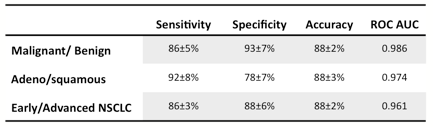
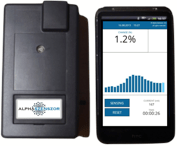
Alnion provides a low cost, non-invasive, point of care diagnostic tool capable of detecting early stage lung cancer with greater than 88% accuracy. The device makes use of human breath to detect Volatile Organic Compounds (VOCs), which are indicators of malignant tissue metabolism. The tool takes the form of a low cost hand held consumer electronic device, into which proprietary test cartridges are inserted for each measurement. Once the unit has captured and digitized the patient’s breath print, the data is encrypted and uploaded wirelessly to the clinician’s appliance of choice, i.e. ipad, Android phone, etc. The concept has already been proven in pilot studies, as have all manufacturing processes required for mass production. See pilot study results below:

ALNION-2

See Quick Video: http://www.youtube.com/watch?v=CHp-ax12NT0

Alnion – A Joint Venture between ASI and Technion

– ASI provides an exceptional IP portfolio and electronics manufacturing capabilities to seamlessly industrialize such a Point of Care (POC) Appliance.

– Technion’s exhaustive biomarker characterization efforts have demonstrated unsurpassed accuracy at the clinical level, minimizing the regulatory process and learning curve in deployment.

These two attributes provide the basis for a plug and play business model comprised of a rapid time to market appliance addressing critical unmet medical needs as called for in the National Lung Screening Trials. Alnion’s diagnostic monitor is positioned to save lives, save provider cost in long term treatment, and open up additional opportunity to access CT Scanning.

Business / Social Impact

– Based on the American Cancer Society’s New Screening Guidelines, 3.5 million Americans are now ‘Identified’ as high risk lung cancer patients and are candidates for CT Scan screening, but > 90% of the population over 45 will not qualify until advanced symptoms occur.

– Alnion’s $50 test, in the form of a disposable (1) chip per patient, applied to those 45 years and older, represents a TAM of >$6B just in the USA. The screen would also provide justification to expand CT Scan eligibility and the all important early diagnosis for the entire population, smokers and non.

Funding Requirements

The Company is seeking a 4M USD series A capital investment to cover 3 years of normal operating expenses for the commercialization of a first product in the field of Lung Cancer. Key development work will be performed within a modest 1500 sq ft lab, while all asset intensive manufacturing will be outsourced to ISO 13485 compliant facilities.

Alnion Ranked #1 in “Top 10 Israeli medical advances to watch in 2014”.

Israel21C

Alnion-3

AlNION-4

Contact:

Steve Lerner, CEO

steve@alphaszenszor.com

+1 978-371-7084

Exercise and Physical Activity: Vertical Impacts need to exceed 4g to be Bone Protective

Reporter: Aviva Lev-Ari, PhD, RN


The study is summerized in the NYT FITNESS Section, 3/7/2014

Why High-Impact Exercise Is Good for Your Bones

By GRETCHEN REYNOLDS


Original Research Article

Front. Endocrinol., 03 March 2014 | doi: 10.3389/fendo.2014.00020

Physical activity and bone: may the force be with you

imageJonathan H. Tobias1*, imageVirginia Gould1imageLuke Brunton1imageKevin Deere1imageJoern Rittweger2imageMatthijs Lipperts3 and imageBernd Grimm3

  • 1Musculoskeletal Research Unit, University of Bristol School of Clinical Sciences, Avon Orthopaedic Centre, Southmead Hospital, Bristol, UK
  • 2German Aerospace Center, Institute of Aerospace Medicine, Cologne, Germany
  • 3Atrium Medical Centre, AHORSE Foundation, Heerlen, Netherlands

Physical activity (PA) is thought to play an important role in preventing bone loss and osteoporosis in older people. However, the type of activity that is most effective in this regard remains unclear. Objectively measured PA using accelerometers is an accurate method for studying relationships between PA and bone and other outcomes. We recently used this approach in the Avon Longitudinal Study of Parents and Children (ALSPAC) to examine relationships between levels of vertical impacts associated with PA and hip bone mineral density (BMD). Interestingly, vertical impacts >4g, though rare, largely accounted for the relationship between habitual levels of PA and BMD in adolescents. However, in a subsequent pilot study where we used the same method to record PA levels in older people, no >4g impacts were observed. Therefore, to the extent that vertical impacts need to exceed a certain threshold in order to be bone protective, such a threshold is likely to be considerably lower in older people as compared with adolescents. Further studies aimed at identifying such a threshold in older people are planned, to provide a basis for selecting exercise regimes in older people which are most likely to be bone protective.

http://journal.frontiersin.org/Journal/10.3389/fendo.2014.00020/full#sthash.TrgXpF8b.dpuf

PA and Older People’s Bone Health

Hip fracture is a major cause of morbidity and mortality in older people, leading to loss of independence, and a huge economic burden through both direct medical costs and social sequelae (7). It is thought that age related declines in the intensity and quantity of PA contribute to this increase in risk of osteoporotic fracture, and that promotion of PA in older people helps to maintain bone mass: epidemiological studies report that risk of hip fracture is reduced in older adults who remain more physically active (8); walking for leisure is associated with reduced hip fracture risk (911). Therefore, although increased PA in the elderly leads to greater exposure to falls risk, it would seem that any tendency for this to increase fracture risk is outweighed by other benefits and that the net effect is a reduction in fracture risk. As well as benefits in terms of bone mass as described below, PA may also reduce the risk of falls through specific muscle-strengthening and balance-training activities, which preserve muscle strength, delaying sarcopenia, and maintaining neuromuscular function necessary to keep balance and react to a fall.

In terms of effects on bone mass, PA may stimulate bone formation and thus improve bone mineral density (BMD), which is strongly related to hip fracture risk (12), through exposing the skeleton to mechanical strain (defined as deformation of bone per unit length in response to loading). An important physiological link exists between exercise and bone, as demonstrated by findings from animal studies over 30 years ago that the skeleton is exquisitely responsive to mechanical strain; bone loss caused by immobilization was prevented by only four loading cycles per day (13). Though related to fracture risk, there is little evidence that walking interventions improve BMD, as judged by findings of a recent meta-analysis (14). In contrast, protocols that combined jogging, walking, and stair climbing consistently improve hip BMD in older people (15). Interventions to increase aerobic activities, high impact exercises, “odd-impact” exercise loading, and resistance training (designed to increase bone loading through increased muscle strength) also improve hip BMD in this group (1519). However, the optimum type of activity for improving BMD remains unknown, and it is unclear whether a specific strain needs to be exceeded. Moreover, other aspects of impacts may also be important, such as movement frequency. In addition, specific activities may affect BMD at certain sites in preference to others, which may be important if improved BMD is to translate into reduced fracture risk which is the primary goal, in light of evidence that hip fracture risk is related to thinning of a specific portion of the femoral neck (20).

http://journal.frontiersin.org/Journal/10.3389/fendo.2014.00020/full#sthash.TrgXpF8b.dpuf

Future Research Questions

Taken together, these pilot studies suggest that not surprisingly, older individuals are exposed to considerably lower g-forces compared to adolescents and premenopausal women. For example, there was virtually a complete lack of higher impacts at the level suggested to be required for optimal bone development in adolescents. Due to the small size of the pilot studies presented here, and the selective nature of their recruitment, our findings are not necessarily generalizable to the wider population; in the Vertical Impacts and Bone in the Elderly (VIBE) study, we are in the process of extending our studies to characterize vertical impacts in much larger population-based cohorts of older people. Assuming our findings are at least partly representative of the level of vertical forces to which older people are exposed, impacts within lower g ranges which we recorded may well exert some protective effect on the skeleton. Loss of these low impacts may represent an important contribution to the development of osteoporosis in later life. The skeleton of older individuals may be more sensitive to low impacts compared to children and younger adults for several reasons. For example, lower g-forces may be needed to preserve bone, as opposed to stimulate its acquisition during peak bone mass attainment. In children and adolescents, bone accrual is achieved by a process of bone modeling involving a combination of longitudinal growth and periosteal expansion; it may well be that these physiological processes are regulated by a different level of strain, compared to bone remodeling responsible for preservation of bone in the mature skeleton. Furthermore, a given level of impact will produce greater strains in older people, due to their reduced bone strength.

Therefore, although a dose–response relationship between impact level and BMD may still exist in older people, this is likely to be shifted to the left. Defining such relationships will be key to identifying the types of activity that are likely to be the most effective in preventing bone loss and osteoporosis in older individuals. An important caveat is that exposure to such forces must be safe and without risk of injury. If forces between 1.8 and 2.1g, in the upper range of that observed in older participants performing an aerobics class, are found to be bone protective, it seems highly unlikely that these are sufficient to cause injury by themselves. However, performing such activities without supervision or appropriate training, or in the presence of co-morbidities affecting musculoskeletal or neurological function, may lead to a significant risk of falls and fractures. Therefore, having found which activities are likely to be bone protective, an important goal in their evaluation will be to ensure they can be delivered safely as well as effectively. 

http://journal.frontiersin.org/Journal/10.3389/fendo.2014.00020/full#sthash.TrgXpF8b.dpuf

REFERENCES

SOURCE

http://journal.frontiersin.org/Journal/10.3389/fendo.2014.00020/full

1. Craig R. Health Survey for England. Leeds: NHS (2009).

2. Davis MG, Fox KR, Hillsdon M, Sharp DJ, Coulson JC, Thompson JL. Objectively measured physical activity in a diverse sample of older urban UK adults. Med Sci Sports Exerc (2011) 43:647–54. doi: 10.1249/MSS.0b013e3181f36196

Pubmed Abstract | Pubmed Full Text | CrossRef Full Text

3. Davis MG, Fox KR, Hillsdon M, Coulson JC, Sharp DJ, Stathi A, et al. Getting out and about in older adults: the nature of daily trips and their association with objectively assessed physical activity. Int J Behav Nutr Phys Act (2011) 8:116. doi:10.1186/1479-5868-8-116

Pubmed Abstract | Pubmed Full Text | CrossRef Full Text

4. Fox KR, Hillsdon M, Sharp D, Cooper AR, Coulson JC, Davis M, et al. Neighbourhood deprivation and physical activity in UK older adults. Health Place (2011) 17:633–40. doi:10.1016/j.healthplace.2011.01.002

Pubmed Abstract | Pubmed Full Text | CrossRef Full Text

5. Stathi A, Gilbert H, Fox KR, Coulson J, Davis M, Thompson JL. Determinants of neighborhood activity of adults age 70 and over: a mixed-methods study. J Aging Phys Act (2012) 20:148–70.

Pubmed Abstract | Pubmed Full Text

6. Lee IM, Shiroma EJ, Lobelo F, Puska P, Blair SN, Katzmarzyk PT. Effect of physical inactivity on major non-communicable diseases worldwide: an analysis of burden of disease and life expectancy. Lancet (2012) 380:219–29. doi:10.1016/S0140-6736(12)61031-9

Pubmed Abstract | Pubmed Full Text | CrossRef Full Text

7. Burge RT. The cost of osteoporotic fractures in the UK: projections for 2000-2020. J Med Econ (2001) 4:51–62. doi:10.1159/000176049

Pubmed Abstract | Pubmed Full Text | CrossRef Full Text

8. Moayyeri A. The association between physical activity and osteoporotic fractures: a review of the evidence and implications for future research. Ann Epidemiol (2008) 18:827–35. doi:10.1016/j.annepidem.2008.08.007

Pubmed Abstract | Pubmed Full Text | CrossRef Full Text

9. Feskanich D, Willett W, Colditz G. Walking and leisure-time activity and risk of hip fracture in postmenopausal women. JAMA (2002) 288:2300–6. doi:10.1001/jama.288.18.2300

Pubmed Abstract | Pubmed Full Text | CrossRef Full Text

10. Moayyeri A, Besson H, Luben RN, Wareham NJ, Khaw KT. The association between physical activity in different domains of life and risk of osteoporotic fractures. Bone (2010) 47:693–700. doi:10.1016/j.bone.2010.06.023

Pubmed Abstract | Pubmed Full Text | CrossRef Full Text

11. Cummings SR, Nevitt MC, Browner WS, Stone K, Fox K, Ensrud KE, et al. Group ftSoOFR. 1995. Risk factors for hip fracture in white women. N Engl J Med (1995) 332:767–73. doi:10.1056/NEJM199503233321202

Pubmed Abstract | Pubmed Full Text | CrossRef Full Text

12. Cummings SR, Black DM, Nevitt MC, Browner W, Cauley J, Ensrud K, et al. Bone density at various sites for prediction of hip fractures. Lancet (1993) 341:72–5. doi:10.1016/0140-6736(93)92555-8

Pubmed Abstract | Pubmed Full Text | CrossRef Full Text

13. Rubin LT, Lanyon CE. Regulation of bone formation by applied dynamic loads. J. Bone Joint Surg. (1984) 66A:397–402.

Pubmed Abstract | Pubmed Full Text

14. Martyn-St James M, Carroll S. Meta-analysis of walking for preservation of bone mineral density in postmenopausal women. Bone (2008) 43:521–31. doi:10.1016/j.bone.2008.05.012

Pubmed Abstract | Pubmed Full Text | CrossRef Full Text

15. Martyn-St James M, Carroll S. A meta-analysis of impact exercise on postmenopausal bone loss: the case for mixed loading exercise programmes. Br J Sports Med (2009) 43:898–908. doi:10.1136/bjsm.2008.052704

Pubmed Abstract | Pubmed Full Text | CrossRef Full Text

16. Bemben DA, Bemben MG. Dose-response effect of 40 weeks of resistance training on bone mineral density in older adults. Osteoporos Int (2011) 22:179–86. doi:10.1007/s00198-010-1182-9

Pubmed Abstract | Pubmed Full Text | CrossRef Full Text

17. Nikander R, Kannus P, Dastidar P, Hannula M, Harrison L, Cervinka T, et al. Targeted exercises against hip fragility. Osteoporos Int (2009) 20:1321–8. doi:10.1007/s00198-008-0785-x

Pubmed Abstract | Pubmed Full Text | CrossRef Full Text

18. Martyn-St James M, Carroll S. Effects of different impact exercise modalities on bone mineral density in premenopausal women: a meta-analysis. J Bone Miner Metab (2010) 28:251–67. doi:10.1007/s00774-009-0139-6

Pubmed Abstract | Pubmed Full Text | CrossRef Full Text

19. Marques EA, Wanderley F, Machado L, Sousa F, Viana JL, Moreira-Goncalves D, et al. Effects of resistance and aerobic exercise on physical function, bone mineral density, OPG and RANKL in older women. Exp Gerontol (2011) 46(7):524–32. doi:10.1016/j.exger.2011.02.005

Pubmed Abstract | Pubmed Full Text | CrossRef Full Text

20. Johannesdottir F, Poole KE, Reeve J, Siggeirsdottir K, Aspelund T, Mogensen B, et al. Distribution of cortical bone in the femoral neck and hip fracture: a prospective case-control analysis of 143 incident hip fractures; the AGES-REYKJAVIK Study. Bone (2011) 48:1268–76. doi:10.1016/j.bone.2011.03.776

Pubmed Abstract | Pubmed Full Text | CrossRef Full Text

21. Lorentzon M, Mellstrom D, Ohlsson C. Association of amount of physical activity with cortical bone size and trabecular volumetric BMD in young adult men: the GOOD study. J Bone Miner Res (2005) 20:1936–43. doi:10.1359/JBMR.050709

Pubmed Abstract | Pubmed Full Text | CrossRef Full Text

22. Boyer KA, Kiratli BJ, Andriacchi TP, Beaupre GS. Maintaining femoral bone density in adults: how many steps per day are enough? Osteoporos Int (2011) 22:2981–8. doi:10.1007/s00198-011-1538-9

Pubmed Abstract | Pubmed Full Text | CrossRef Full Text

23. Sayers A, Mattocks C, Deere K, Ness A, Riddoch C, Tobias JH. Habitual levels of vigorous, but not moderate or light, physical activity is positively related to cortical bone mass in adolescents. J Clin Endocrinol Metab (2011) 96:E793–802. doi:10.1210/jc.2010-2550

Pubmed Abstract | Pubmed Full Text | CrossRef Full Text

24. Mattocks C, Leary S, Ness A, Deere K, Saunders J, Tilling K, et al. Calibration of an accelerometer during free-living activities in children. Int J Pediatr Obes (2007) 2:218–26.

Pubmed Abstract | Pubmed Full Text

25. Vainionpaa A, Korpelainen R, Vihriala E, Rinta-Paavola A, Leppaluoto J, Jamsa T. Intensity of exercise is associated with bone density change in premenopausal women. Osteoporos Int (2006) 17:455–63. doi:10.1007/s00198-005-0005-x

Pubmed Abstract | Pubmed Full Text | CrossRef Full Text

26. Deere K, Sayers A, Rittweger J, Tobias J. Habitual levels of high, but not moderate or low, impact activity are positively related to hip BMD and geometry: results from a population-based study of adolescents. J Bone Miner Res (2012) 27:1887–95. doi:10.1002/jbmr.1631

Pubmed Abstract | Pubmed Full Text | CrossRef Full Text

27. Sievanen H. Bone: impact loading-nature’s way to strengthen bone. Nat Rev Endocrinol (2012) 8:391–3. doi:10.1038/nrendo.2012.88

CrossRef Full Text

28. Deere K, Sayers A, Rittweger J, Tobias JH. A cross-sectional study of the relationship between cortical bone and high-impact activity in young adult males and females. J Clin Endocrinol Metab (2012) 97:3734–43. doi:10.1210/jc.2012-1752

Pubmed Abstract | Pubmed Full Text | CrossRef Full Text

29. Nilsson M, Ohlsson C, Mellstrom D, Lorentzon M. Previous sport activity during childhood and adolescence is associated with increased cortical bone size in young adult men. J Bone Miner Res (2009) 24:125–33. doi:10.1359/jbmr.080909

Pubmed Abstract | Pubmed Full Text | CrossRef Full Text

30. Deere K, Sayers A, Davey Smith G, Rittweger J, Tobias JH. High impact activity is related to lean but not fat mass: findings from a population-based study in adolescents. Int J Epidemiol (2012) 41:1124–31. doi:10.1093/ije/dys073

Pubmed Abstract | Pubmed Full Text | CrossRef Full Text

31. Riddoch CJ, Leary SD, Ness AR, Blair SN, Deere K, Mattocks C, et al. Prospective associations between objective measures of physical activity and fat mass in 12-14 year old children: the Avon Longitudinal Study of Parents and Children (ALSPAC). BMJ (2009) 339:b4544. doi:10.1136/bmj.b4544

Pubmed Abstract | Pubmed Full Text | CrossRef Full Text

– See more at: http://journal.frontiersin.org/Journal/10.3389/fendo.2014.00020/full#sthash.TrgXpF8b.dpuf

FDA ask Regeneron and Sanofi to assess potential Neurocognitive Side Effects of Alirocumab, PCSK9 inhibitors Class Designed to Block a Protein causing Persistence of “bad” LDL Cholesterol in the Bloodstream

Reporter & Curator: Aviva Lev-Ari, PhD, RN

UPDATED on 3/23/2016

PCSK9 inhibitor, Praluent, shows promise in late-stage study in reducing the frequency of apheresis therapy, Sanofi and Regeneron report. (Reuters) But, a bigger issue may beAmgen’s victory in a suit claiming Sanofi and Regeneron infringed on patents held by Amgen for Repatha, its PCSK9 entry. (Fierce Pharma)

http://www.medpagetoday.com/Cardiology/Dyslipidemia/56880?xid=NL_breakingnews_2016-03-23&eun=g99985d0r

Updated on 7/27/2015

http://pharmaceuticalintelligence.com/2015/07/27/praluent-fda-approved-as-cholesterol-lowering-medicine-for-patient-non-responsive-to-statin-due-to-genetic-origin-of-hypercholesterolemia/ 

Genomics discoveries related to PCSK9 — indications for drug discovery

SNPs in apoE are found to influence statin response significantly. Less frequent variants in PCSK9 and smaller effect sizes in SNPs in HMGCR
Aviva Lev-Ari, PhD, RNhttp://pharmaceuticalintelligence.com/2014/01/02/snps-in-apoe-are-found-to-influence-statin-response-significantly-less-frequent-variants-in-pcsk9-and-smaller-effect-sizes-in-snps-in-hmgcr/

Two Mutations, in the PCSK9 Gene: Eliminates a Protein involved in Controlling LDL Cholesterol

Aviva Lev-Ari, PhD, RN

http://pharmaceuticalintelligence.com/2013/04/15/two-mutations-in-a-pcsk9-gene-eliminates-a-protein-involve-in-controlling-ldl-cholesterol/

Voice from the Cleveland Clinic: On the New Lipid Guidelines and On the ACC/AHA Risk Calculator

Aviva Lev-Ari, PhD, RN

http://pharmaceuticalintelligence.com/2014/01/21/voices-from-the-cleveland-clinic-on-the-new-lipid-guidelines-and-on-the-accaha-risk-calculator/

U.S. FDA asks Sanofi, Regeneron to assess cholesterol drug’s cognitive risks

Reuters

3 hours ago

March 7 (Reuters) – The U.S. Food and Drug Administration has asked Regeneron and Sanofi to assess potential neurocognitive side effects of their experimental cholesterol drug, Sanofi said in its annual report on Friday.

The regulatory filing sent shares of Regeneron down 6 percent in Nasdaq trading. U.S.-listed shares of France-based Sanofi were down 1 percent.

Their drug, alirocumab, is part of a new class known as PCSK9 inhibitors designed to block a protein that maintains “bad” LDL cholesterol in the bloodstream.

Pfizer and Amgen are also in the late stages of developing PCSK9 drugs.

Pfizer said in an emailed statement that it has not received a similar request from the FDA. “At this stage of our bococizumab development program, we are not aware of any neurocognitive safety signals,” the company said.

Officials at Amgen did not immediately respond to a request for comment.

Sanofi’s report echoed a filing made by Regeneron last month, in which the company said the FDA advised it was aware of adverse neurocognitive effects associated with PCSK9 inhibitors.

The FDA and Regeneron did not immediately respond to requests for comment.

The companies said they did not know how the FDA learned of the potential side effects, and they were not aware of any such side effects with alirocumab.

Rare issues such as memory loss, impaired concentration, and paranoia have been associated with the use of statins for lowering LDL cholesterol.

Statins, such as AstraZeneca’s Crestor and generic forms of Pfizer’s Lipitor, are the most widely used cholesterol-lowering treatments and work by blocking the liver’s production of LDL cholesterol.

“While we continue to believe the PCSK9 class has multi-billion dollar potential, we note that increased speculation on adverse events may increase the probability that the FDA could require outcomes data prior to full approval,” JP Morgan analyst Geoff Meacham said in a research note.

The FDA said last year that PCSK9 drugs could get regulatory approval based on their ability to lower bad cholesterol, and may not need to show that they reduce the risk of heart attack and stroke.

In their filings, Sanofi and Regeneron said that if studies detect neurocognitive or other adverse side effects, development of alirocumab could fail or be delayed.

SOURCE

http://finance.yahoo.com/news/u-fda-asks-sanofi-regeneron-204621652.html

Voices from the Cleveland Clinic: Five Super Stress-busting Foods

Reporter: Aviva Lev-Ari, PhD, RN

Five Super Stress-busting Foods (Slideshow)

VIEW SLIDESHOW

http://health.clevelandclinic.org/2013/06/5-super-stress-busting-foods-slideshow/?utm_campaign=cc+tweets&utm_medium=social&utm_source=twitter&utm_content=030614+stress+busting+foods&dynid=twitter-_-cc+tweets-_-social-_-social-_-030614+stress+busting+foods

Beat the blues with blueberries

1/5

“Blueberries are high in a pigment called anthocyanins. It’s an antioxidant that really helps to calm your nerves,” says Jamieson-Petonic, a registered dietician at Cleveland Clinic. “It helps to stabilize your blood-sugar levels and it gives you a more stable energy throughout the day.”

Lettuce praise green leafy veggies

2/5

Dark green leafy vegetables are high in dietary fiber and help stabilize your energy levels, which can help calm your nerves. Kale, spinach, collard greens, green leaf and romaine lettuce, broccoli and turnip greens are all good choices.

A sweet potato for your sweet tooth

3/5

When we stress, our sweet tooth may get the best of us. Instead of grabbing a cookie or a cake, try some sweet potatoes. Not only will they calm your cravings, the vitamin A they provide will help to calm you.

Fish for a calmer point of view

4/5

Some fish at dinner can settle you down after a stressful day. “One of the things that we know is fish like salmon really help to stabilize serotonin levels,” says Jamieson-Petonic, RD. “When you have enough serotonin in your body it tends to help manage stress.”

More C means less stress

5/5

When your stress level goes up your vitamin C level comes down. To help raise a low C-level, eat fruits like oranges, grapefruit, kiwi, cantaloupe and pineapple, and vegetables like broccoli, spinach, Brussels sprouts, tomatoes and squash.

SOURCE

http://health.clevelandclinic.org/2013/06/5-super-stress-busting-foods-slideshow/?utm_campaign=cc+tweets&utm_medium=social&utm_source=twitter&utm_content=030614+stress+busting+foods&dynid=twitter-_-cc+tweets-_-social-_-social-_-030614+stress+busting+foods

Eric Topol interviews Al Gore on Genomics and Privacy

Reporter: Aviva Lev-Ari, PhD, RN

Article ID #122: Eric Topol interviews Al Gore on Genomics and Privacy. Published on 3/7/2014

WordCloud Image Produced by Adam Tubman

The interview is driven by Al Gore’s Book:

The Future: Six Drivers of Global Change [Kindle Edition]

http://www.amazon.com/Future-Al-Gore-ebook/dp/B009MYD9EE/ref=sr_1_1?ie=UTF8&qid=1394219123&sr=8-1&keywords=Al+Gore

VIEW VIDEO

Al Gore on Medicine’s Inconvenient Truths

, Al Gore

DisclosuresMarch 07, 2014

Al Gore on Medicine’s Inconvenient Truths

VIEW VIDEO

Designer Babies: Gore and Topol on Fetal Genome Sequencing

, Al Gore

DisclosuresMarch 07, 2014

Designer Babies: Gore and Topol on Fetal Genome Sequencing

SOURCE

http://www.medscape.com/viewarticle/820985

See on Scoop.itCardiovascular Disease: PHARMACO-THERAPY

Robin Good: An excellent introductory guide full of information an useful resources for anyone wanting to publish a mobile app to Google Play and to the Apple App Stores.


The guide includes information about:

Listing app detailsStore graphics neededVideo demo


Recommended. 8/10


Full guide: http://www.forumone.com/blogs/post/how-publish-your-mobile-app-google-play-and-apple-app-stores ;

See on www.forumone.com

See on Scoop.itCardiovascular Disease: PHARMACO-THERAPY

Four patients died and 5 others faced brief scares due to problems involving a backup controller used with Thoratec’s HeartMate pumps. The company issued a safety alert to hospitals detailing the issue.

See on www.fiercemedicaldevices.com

The Future of Translational Medicine with Smart Diagnostics and Therapies: PharmacoGenomics

Curator: Demet Sag, PhD

Since Human Genome project is completed we saw several projects to understand function and how they relate to personal health.  These advancements hope to improve diagnostics in preventive medicine. The future of medicine may involve a personal wireless unit to detect the vital records with genomics changes and compare the assumed “healthy” state to “unhealthy” to suggest options to treat in a palm of hand.

Pharmacogenomics is the study of how genes affect a person’s response to drugs. This relatively new field combines pharmacology (the science of drugs) and genomics (the study of genes and their functions) to develop effective, safe medications and doses that will be tailored to a person’s genetic makeup.

The American Medical Association and  Critical Path Institute and the Arizona Center for Education and Research on Therapeutics developed a brochure for health care providers on pharmacogenomics. The man purpose is to help physicians to ue this information correctly by case based approach.   View an electronic version of the brochure.

Like always, there are debates and controversies but the positives outweighs the negatives in this case such as some patients with the same gene abnormality may not benefit due to his or her deficiency or polymorphisms in another connected gene so it is a system approach including origin of pathways during development. There is nothing simply white or black but like Goethe said “there are shades of gray”. This shade is light compared to one size fits all drug making.

The main idea is create safer, effective and perfect dose medication to gain health for a quality life with less expense but more beneficial outcomes.

At the same token these developments decreases the cost of making drugs since they are specific to a small population or group so there are less clinical trial time, less time for approval, less adverse affects.

Functional genomics suggests how piece of information utilized in body in a nut shell. However, use of these knowledge to develop new drugs created a new area called Pharmacogenomics. Thus, FDA included the terminology for drug labeling that contain biomarkers along with several other factors containing variation of clinical response to drug exposure, possible side or adverse effects, genotype-specific dosing, drug action mechanism,  polymorphic drug target and disposition genes.

What can be on the label: Age, Sex, Origin/Ethinicity (Asian, Caucasian, African, South Asian), gene of interest, possible SNPs, variation/polymorphisms warnings, dose etc.

Here are the FDA-approved drugs with pharmacogenomic information in their labeling:

Pharmacogenomic Biomarkers in Drug Labeling

Drug Therapeutic Area HUGO Symbol Referenced Subgroup Labeling Sections
Abacavir Infectious Diseases HLA-B HLA-B*5701 allele carriers Boxed Warning, Contraindications, Warnings and Precautions, Patient Counseling Information
Ado-Trastuzumab Emtansine Oncology ERBB2 HER2 protein overexpression or gene amplification positive Indications and Usage, Warnings and Precautions, Adverse Reactions, Clinical Pharmacology, Clinical Studies
Afatinib Oncology EGFR EGFR exon 19 deletion or exon 21 substitution (L858R) mutation positive Indications and Usage, Dosage and Administration, Adverse Reactions, Clinical Pharmacology, Clinical Studies, Patient Counseling Information
Amitriptyline Psychiatry CYP2D6 CYP2D6 poor metabolizers Precautions
Anastrozole Oncology ESR1, PGR Hormone receptor positive Indications and Usage, Clinical Pharmacology, Clinical Studies
Aripiprazole Psychiatry CYP2D6 CYP2D6 poor metabolizers Clinical Pharmacology, Dosage and Administration
Arsenic Trioxide Oncology PML/RARA PML/RARα (t(15;17)) gene expression positive Boxed Warning, Clinical Pharmacology, Indications and Usage, Warnings
Atomoxetine Psychiatry CYP2D6 CYP2D6 poor metabolizers Dosage and Administration, Warnings and Precautions, Drug Interactions, Clinical Pharmacology
Atorvastatin Endocrinology LDLR Homozygous familial hypercholesterolemia Indications and Usage, Dosage and Administration, Warnings and Precautions, Clinical Pharmacology, Clinical Studies
Azathioprine Rheumatology TPMT TPMT intermediate or poor metabolizers Dosage and Administration, Warnings and Precautions, Drug Interactions, Adverse Reactions, Clinical Pharmacology
Belimumab Autoimmune Diseases BAFF/TNFSF13B CD257 positive Clinical Pharmacology, Clinical Studies
Boceprevir Infectious Diseases IFNL3 IL28B rs12979860 T allele carriers Clinical Pharmacology
Bosutinib Oncology BCR/ABL1 Philadelphia chromosome (t(9;22)) positive Indications and Usage, Adverse Reactions, Clinical Studies
Brentuximab Vedotin Oncology TNFRSF8 CD30 positive Indications and Usage, Description, Clinical Pharmacology
Busulfan Oncology Ph Chromosome Ph Chromosome negative Clinical Studies
Capecitabine Oncology DPYD DPD deficient Contraindications, Warnings and Precautions, Patient Information
Carbamazepine (1) Neurology HLA-B HLA-B*1502 allele carriers Boxed Warning, Warnings and Precautions
Carbamazepine (2) Neurology HLA-A HLA-A*3101 allele carriers Boxed Warning, Warnings and Precautions
Carglumic Acid Metabolic Disorders NAGS N-acetylglutamate synthase deficiency Indications and Usage, Warnings and Precautions, Special Populations, Clinical Pharmacology, Clinical Studies
Carisoprodol Rheumatology CYP2C19 CYP2C19 poor metabolizers Clinical Pharmacology, Special Populations
Carvedilol Cardiology CYP2D6 CYP2D6 poor metabolizers Drug Interactions, Clinical Pharmacology
Celecoxib Rheumatology CYP2C9 CYP2C9 poor metabolizers Dosage and Administration, Drug Interactions, Use in Specific Populations, Clinical Pharmacology
Cetuximab (1) Oncology EGFR EGFR protein expression positive Indications and Usage, Warnings and Precautions, Description, Clinical Pharmacology, Clinical Studies
Cetuximab (2) Oncology KRAS KRAS codon 12 and 13 mutation negative Indications and Usage, Dosage and Administration, Warnings and Precautions, Adverse Reactions, Clinical Pharmacology, Clinical Studies
Cevimeline Dermatology CYP2D6 CYP2D6 poor metabolizers Drug Interactions
Chloroquine Infectious Diseases G6PD G6PD deficient Precautions
Chlorpropamide Endocrinology G6PD G6PD deficient Precautions
Cisplatin Oncology TPMT TPMT intermediate or poor metabolizers Clinical Pharmacology, Warnings, Precautions
Citalopram (1) Psychiatry CYP2C19 CYP2C19 poor metabolizers Drug Interactions, Warnings
Citalopram (2) Psychiatry CYP2D6 CYP2D6 poor metabolizers Drug Interactions
Clobazam Neurology CYP2C19 CYP2C19 poor metabolizers Clinical Pharmacology, Dosage and Administration, Use in Specific Populations
Clomipramine Psychiatry CYP2D6 CYP2D6 poor metabolizers Drug Interactions
Clopidogrel Cardiology CYP2C19 CYP2C19 intermediate or poor metabolizers Boxed Warning, Dosage and Administration, Warnings and Precautions, Drug Interactions, Clinical Pharmacology
Clozapine Psychiatry CYP2D6 CYP2D6 poor metabolizers Drug Interactions, Clinical Pharmacology
Codeine Anesthesiology CYP2D6 CYP2D6 poor metabolizers Warnings and Precautions, Use in Specific Populations, Clinical Pharmacology
Crizotinib Oncology ALK ALK gene rearrangement positive Indications and Usage, Dosage and Administration, Drug Interactions, Warnings and Precautions, Adverse Reactions, Clinical Pharmacology, Clinical Studies
Dabrafenib (1) Oncology BRAF BRAF V600E mutation positive Indications and Usage, Dosage and Administration, Warnings and Precautions, Clinical Pharmacology, Clinical Studies, Patient Counseling Information
Dabrafenib (2) Oncology G6PD G6PD deficient Warnings and Precautions, Adverse Reactions, Patient Counseling Information
Dapsone (1) Dermatology G6PD G6PD deficient Indications and Usage, Precautions, Adverse Reactions, Patient Counseling Information
Dapsone (2) Infectious Diseases G6PD G6PD deficient Precautions, Adverse Reactions, Overdosage
Dasatinib Oncology BCR/ABL1 Philadelphia chromosome (t(9;22)) positive; T315I mutation-positive Indications and Usage, Clinical Studies, Patient Counseling Information
Denileukin Diftitox Oncology IL2RA CD25 antigen positive Indications and Usage, Warnings and Precautions, Clinical Studies
Desipramine Psychiatry CYP2D6 CYP2D6 poor metabolizers Drug Interactions
Dexlansoprazole (1) Gastroenterology CYP2C19 CYP2C19 poor metabolizers Clinical Pharmacology, Drug Interactions
Dexlansoprazole (2) Gastroenterology CYP1A2 CYP1A2 genotypes Clinical Pharmacology
Dextromethorphan and Quinidine Neurology CYP2D6 CYP2D6 poor metabolizers Clinical Pharmacology, Warnings and Precautions, Drug Interactions
Diazepam Psychiatry CYP2C19 CYP2C19 poor metabolizers Drug Interactions, Clinical Pharmacology
Doxepin Psychiatry CYP2D6 CYP2D6 poor metabolizers Precautions
Drospirenone and Ethinyl Estradiol Neurology CYP2D6 CYP2D6 poor metabolizers Clinical Pharmacology, Warnings and Precautions, Drug Interactions
Eltrombopag (1) Hematology F5 Factor V Leiden carriers Warnings and Precautions
Eltrombopag (2) Hematology SERPINC1 Antithrombin III deficient Warnings and Precautions
Erlotinib (1) Oncology EGFR EGFR protein expression positive Clinical Pharmacology
Erlotinib (2) Oncology EGFR EGFR exon 19 deletion or exon 21 substitution (L858R) positive Indications and Usage, Dosage and Administration, Clinical Pharmacology, Clinical Studies
Esomeprazole Gastroenterology CYP2C19 CYP2C19 poor metabolizers Drug Interactions, Clinical Pharmacology
Everolimus (1) Oncology ERBB2 HER2 protein overexpression negative Indications and Usage, Boxed Warning, Adverse Reactions, Use in Specific Populations, Clinical Pharmacology, Clinical Studies
Everolimus (2) Oncology ESR1 Estrogen receptor positive Clinical Pharmacology, Clinical Studies
Exemestane Oncology ESR1 Estrogen receptor positive Indications and Usage, Dosage and Administration, Clinical Studies, Clinical Pharmacology
Fluorouracil (1) Dermatology DPYD DPD deficient Contraindications, Warnings, Patient Information
Fluorouracil (2) Oncology DPYD DPD deficient Warnings
Fluoxetine Psychiatry CYP2D6 CYP2D6 poor metabolizers Warnings, Precautions, Clinical Pharmacology
Flurbiprofen Rheumatology CYP2C9 CYP2C9 poor metabolizers Clinical Pharmacology, Special Populations
Fluvoxamine Psychiatry CYP2D6 CYP2D6 poor metabolizers Drug Interactions
Fulvestrant Oncology ESR1 Estrogen receptor positive Indications and Usage, Clinical Pharmacology, Clinical Studies, Patient Counseling Information
Galantamine Neurology CYP2D6 CYP2D6 poor metabolizers Special Populations
Glimepiride Endocrinology G6PD G6PD deficient Warning and Precautions
Glipizide Endocrinology G6PD G6PD deficient Precautions
Glyburide Endocrinology G6PD G6PD deficient Precautions
Ibritumomab Tiuxetan Oncology MS4A1 CD20 positive Indications and Usage, Clinical Pharmacology, Description
Iloperidone Psychiatry CYP2D6 CYP2D6 poor metabolizers Clinical Pharmacology, Dosage and Administration, Drug Interactions, Specific Populations, Warnings and Precautions
Imatinib (1) Oncology KIT c-KIT D816V mutation negative Indications and Usage, Dosage and Administration Clinical Pharmacology, Clinical Studies
Imatinib (2) Oncology BCR/ABL1 Philadelphia chromosome (t(9;22)) positive Indications and Usage, Dosage and Administration, Clinical Pharmacology, Clinical Studies
Imatinib (3) Oncology PDGFRB PDGFR gene rearrangement positive Indications and Usage, Dosage and Administration, Clincal Studies
Imatinib (4) Oncology FIP1L1/PDGFRA FIP1L1/PDGFRα fusion kinase (or CHIC2 deletion) positive Indications and Usage, Dosage and Administration, Clinical Studies
Imipramine Psychiatry CYP2D6 CYP2D6 poor metabolizers Drug Interactions
Indacaterol Pulmonary UGT1A1 UGT1A1 *28 allele homozygotes Clinical Pharmacology
Irinotecan Oncology UGT1A1 UGT1A1*28 allele carriers Dosage and Administration, Warnings, Clinical Pharmacology
Isosorbide and Hydralazine Cardiology NAT1-2 Slow acetylators Clinical Pharmacology
Ivacaftor Pulmonary CFTR CFTR G551D carriers Indications and Usage, Adverse Reactions, Use in Specific Populations, Clinical Pharmacology, Clinical Studies
Lansoprazole Gastroenterology CYP2C19 CYP2C19 poor metabolizer Drug Interactions, Clinical Pharmacology
Lapatinib Oncology ERBB2 HER2 protein overexpression positive Indications and Usage, Clinical Pharmacology, Patient Counseling Information
Lenalidomide Hematology del (5q) Chromosome 5q deletion Boxed Warning, Indications and Usage, Clinical Studies, Patient Counseling
Letrozole Oncology ESR1, PGR Hormone receptor positive Indications and Usage, Adverse Reactions, Clinical Studies, Clinical Pharmacology
Lomitapide Endocrinology LDLR Homozygous familial hypercholesterolemia and LDL receptor mutation deficient Indication and Usage, Adverse Reactions, Clinical Studies
Mafenide Infectious Diseases G6PD G6PD deficient Warnings, Adverse Reactions
Maraviroc Infectious Diseases CCR5 CCR5 positive Indications and Usage, Warnings and Precautions, Clinical Pharmacology, Clinical Studies, Patient Counseling Information
Mercaptopurine Oncology TPMT TPMT intermediate or poor metabolizers Dosage and Administration, Contraindications, Precautions, Adverse Reactions, Clinical Pharmacology
Methylene Blue Hematology G6PD G6PD deficient Precautions
Metoclopramide Gastroentrology CYB5R1-4 NADH cytochrome b5 reductase deficient Precautions
Metoprolol Cardiology CYP2D6 CYP2D6 poor metabolizers Precautions, Clinical Pharmacology
Mipomersen Endocrinology LDLR Homozygous familial hypercholesterolemia and LDL receptor mutation deficient Indication and Usage, Clinical Studies, Use in Specific Populations
Modafinil Psychiatry CYP2D6 CYP2D6 poor metabolizers Drug Interactions
Mycophenolic Acid Transplantation HPRT1 HGPRT deficient Precautions
Nalidixic Acid Infectious Diseases G6PD G6PD deficient Precautions, Adverse Reactions
Nefazodone Psychiatry CYP2D6 CYP2D6 poor metabolizers Drug Interactions
Nilotinib (1) Oncology BCR/ABL1 Philadelphia chromosome (t(9 :22)) positive Indications and Usage, Patient Counseling Information
Nilotinib (2) Oncology UGT1A1 UGT1A1*28 allele homozygotes Warnings and Precautions, Clinical Pharmacology
Nitrofurantoin Infectious Diseases G6PD G6PD deficient Warnings, Adverse Reactions
Nortriptyline Psychiatry CYP2D6 CYP2D6 poor metabolizers Drug Interactions
Ofatumumab Oncology MS4A1 CD20 positive Indications and Usage, Clinical Pharmacology
Omacetaxine Oncology BCR/ABL1 BCR-ABL T315I Clinical Pharmacology
Omeprazole Gastroenterology CYP2C19 CYP2C19 poor metabolizers Dosage and Administration, Warnings and Precautions, Drug Interactions
Panitumumab (1) Oncology EGFR EGFR protein expression positive Indications and Usage, Warnings and Precautions, Clinical Pharmacology, Clinical Studies
Panitumumab (2) Oncology KRAS KRAS codon 12 and 13 mutation negative Indications and Usage, Clinical Pharmacology, Clinical Studies
Pantoprazole Gastroenterology CYP2C19 CYP2C19 poor metabolizers Clinical Pharmacology, Drug Interactions, Special Populations
Paroxetine Psychiatry CYP2D6 CYP2D6 poor metabolizers Clinical Pharmacology, Drug Interactions
Pazopanib Oncology UGT1A1 (TA)7/(TA)7 genotype (UGT1A1*28/*28) Clinical Pharmacology, Warnings and Precautions
PEG-3350, Sodium Sulfate, Sodium Chloride, Potassium Chloride, Sodium Ascorbate, and Ascorbic Acid Gastroenterology G6PD G6PD deficient Warnings and Precautions
Peginterferon alfa-2b Infectious Diseases IFNL3 IL28B rs12979860 T allele carriers Clinical Pharmacology
Pegloticase Rheumatology G6PD G6PD deficient Contraindications, Patient Counseling Information
Perphenazine Psychiatry CYP2D6 CYP2D6 poor metabolizers Clinical Pharmacology, Drug Interactions
Pertuzumab Oncology ERBB2 HER2 protein overexpression positive Indications and Usage, Warnings and Precautions, Adverse Reactions, Clinical Studies, Clinical Pharmacology
Phenytoin Neurology HLA-B HLA-B*1502 allele carriers Warnings
Pimozide Psychiatry CYP2D6 CYP2D6 poor metabolizers Warnings, Precautions, Contraindications, Dosage and Administration
Ponatinib Oncology BCR/ABL1 Philadelphia chromosome (t(9;22)) positive, BCR –ABL T315I mutation Indications and Usage, Warnings and Precautions, Adverse Reactions, Use in Specific Populations, Clinical Pharmacology, Clinical Studies
Prasugrel Cardiology CYP2C19 CYP2C19 poor metabolizers Use in Specific Populations, Clinical Pharmacology, Clinical Studies
Pravastatin Endocrinology LDLR Homozygous familial hypercholesterolemia and LDL receptor deficient Clinical Studies, Use in Specific Populations
Primaquine Infectious Diseases G6PD G6PD deficient Warnings and Precautions, Adverse Reactions
Propafenone Cardiology CYP2D6 CYP2D6 poor metabolizers Clinical Pharmacology
Propranolol Cardiology CYP2D6 CYP2D6 poor metabolizers Precautions, Drug Interactions, Clinical Pharmacology
Protriptyline Psychiatry CYP2D6 CYP2D6 poor metabolizers Precautions
Quinidine Cardiology CYP2D6 CYP2D6 poor metabolizers Precautions
Quinine Sulfate Infectious Diseases G6PD G6PD deficient Contraindications, Patient Counseling Information
Rabeprazole Gastroenterology CYP2C19 CYP2C19 poor metabolizers Drug Interactions, Clinical Pharmacology
Rasburicase Oncology G6PD G6PD deficient Boxed Warning, Contraindications
Rifampin, Isoniazid, and Pyrazinamide Infectious Diseases NAT1-2 Slow inactivators Adverse Reactions, Clinical Pharmacology
Risperidone Psychiatry CYP2D6 CYP2D6 poor metabolizers Drug Interactions, Clinical Pharmacology
Rituximab Oncology MS4A1 CD20 positive Indication and Usage, Clinical Pharmacology, Description, Precautions
Rosuvastatin Endocrinology LDLR Homozygous and Heterozygous familial hypercholesterolemia Indications and Usage, Dosage and Administration, Clinical Pharmacology, Clinical Studies
Sodium Nitrite Antidotal Therapy G6PD G6PD deficient Warnings and Precautions
Succimer Hematology G6PD G6PD deficient Clinical Pharmacology
Sulfamethoxazole and Trimethoprim Infectious Diseases G6PD G6PD deficient Precautions
Tamoxifen (1) Oncology ESR1, PGR Hormone receptor positive Indications and Usage, Precautions, Medication Guide
Tamoxifen (2) Oncology F5 Factor V Leiden carriers Warnings
Tamoxifen (3) Oncology F2 Prothrombin mutation G20210A Warnings
Telaprevir Infectious Diseases IFNL3 IL28B rs12979860 T allele carriers Clinical Pharmacology
Terbinafine Infectious Diseases CYP2D6 CYP2D6 poor metabolizers Drug Interactions
Tetrabenazine Neurology CYP2D6 CYP2D6 poor metabolizers Dosage and Administration, Warnings, Clinical Pharmacology
Thioguanine Oncology TPMT TPMT poor metabolizer Dosage and Administration, Precautions, Warnings
Thioridazine Psychiatry CYP2D6 CYP2D6 poor metabolizers Precautions, Warnings, Contraindications
Ticagrelor Cardiology CYP2C19 CYP2C19 poor metabolizers Clinical Studies
Tolterodine Urology CYP2D6 CYP2D6 poor metabolizers Clinical Pharmacology, Drug Interactions, Warnings and Precautions
Tositumomab Oncology MS4A1 CD20 antigen positive Indications and Usage, Clinical Pharmacology
Tramadol Analgesic CYP2D6 CYP2D6 poor metabolizers Clinical Pharmacology
Trametinib Oncology BRAF BRAF V600E/K mutation positive Indications and Usage, Dosage and Administration, Adverse Reactions, Clinical Pharmacology, Clinical Studies, Patient Counseling Information
Trastuzumab Oncology ERBB2 HER2 protein overexpression positive Indications and Usage, Warnings and Precautions, Clinical Pharmacology, Clinical Studies
Tretinoin Oncology PML/RARA PML/RARα (t(15;17)) gene expression positive Clinical Studies, Indications and Usage, Warnings
Trimipramine Psychiatry CYP2D6 CYP2D6 poor metabolizers Drug Interactions
Valproic Acid (1) Neurology POLG POLG mutation positive Boxed Warning, Contraindications, Warnings and Precautions
Valproic Acid (2) Neurology NAGS, CPS1, ASS1, OTC, ASL, ABL2 Urea cycle enzyme deficient Contraindications, Warnings and Precautions, Adverse Reactions, Medication Guide
Velaglucerase Alfa Metabolic Disorders GBA Lysosomal glucocerebrosidase enzyme Indication and Usage, Description, Clinical Pharmacology, Clinical Studies
Vemurafenib Oncology BRAF BRAF V600E mutation positive Indications and Usage, Warning and Precautions, Clinical Pharmacology, Clinical Studies, Patient Counseling Information
Venlafaxine Psychiatry CYP2D6 CYP2D6 poor metabolizers Drug Interactions
Voriconazole Infectious Diseases CYP2C19 CYP219 intermediate or poor metabolizers Clinical Pharmacology, Drug Interactions
Warfarin (1) Cardiology or Hematology CYP2C9 CYP2C9 intermediate or poor metabolizers Dosage and Administration, Drug Interactions, Clinical Pharmacology
Warfarin (2) Cardiology or Hematology VKORC1 VKORC1 rs9923231 A allele carriers Dosage and Administration, Clinical Pharmacology

References and Further Readings:


There are several practical applications pharmacogenomics in cancer, depression, cardiovascular disease and drug metabolism that is used today.  Some of these included in the following references:

JAMA 2004; 291(23) 2821-2827.

Useful Links:

Human Longevity Inc (HLI) – $70M in Financing of Venter’s New Integrative Omics and Clinical Bioinformatics

Reporter: Aviva Lev-Ari, PhD, RN

Article ID #121: Human Longevity Inc (HLI) – $70M in Financing of Venter’s New Integrative Omics and Clinical Bioinformatics. Published on 3/5/14

WordCloud Image Produced by Adam Tubman

Venter’s New Integrative Omics and Clinical Data Analysis Firm Lands $70M in Financing

March 04, 2014

NEW YORK (GenomeWeb News) – J. Craig Venter today unveiled a new company called Human Longevity Inc. that will combine human genome, microbiome, and metabolome data coupled with clinical information to fuel development of new diagnostics, therapeutics, and stem cell treatments for diseases related to aging.

In a media briefing today, Venter said the company will “change the way medicine is practiced,” and will spearhead “a shift to a more preventive, genomic-based medicine model” that can lead to longer, healthier lives and lower healthcare costs.

Using $70 million in Series A financing, HLI initially plans to conduct genome, microbiome, and tumor sequencing on patients from the University of California, San Diego Moores Cancer Center and use their clinical phenotype and metabolomics data to create a massive database, Venter explained in a media briefing. HLI said the financing came from a small group of private investors. Though it didn’t disclose the names of those investors, The New York Times reported today that Illumina was among the backers.

Venter said the initial financing should keep the company going for about 18 months. HLI is building a long-term facility in San Diego that will be completed in about a year, Venter said, and it is currently in temporary facilities.

The firm plans to license data and knowledge to pharmaceutical and biotechnology firms and universities for their own research programs, while developing new therapeutics and diagnostics and providing sequencing services.

The company has already bought two Illumina HiSeq X Ten Sequencing Systems, and has inked an option to buy three more. It plans to sequence up to 40,000 human genomes per year initially and ramp up to 100,000 per year. HLI said it will conduct the first clinical project to include germ line, human genome, and tumor genome sequencing, along with a range of other types of information from each patient.

As part of its efforts, HLI has struck an agreement with Metabolon, under which the NC-based firm will provide biochemical profiling of the genomic samples that HLI collects.

Venter is co-founder, executive chairman and CEO of HLI, which also has agreed to a research services collaboration with the J. Craig Venter Institute, of which he is founder and CEO. That alliance will cover proteomics, infectious disease diagnostics, and the human microbiome.

The company said that it will tackle cancer first. Every patient at the UCSD Moores Cancer Center will have the opportunity to have their genome, microbiome, and tumors sequenced and analyzed as part of their treatment, said Venter. Other diseases of interest include diabetes, obesity, heart and liver diseases, and dementia.

Venter noted that 13 years ago it cost around $100 million and took nine months to sequence his genome, but now that cost has dropped to around $1,000 per genome.

“We are scaling up to do tens of thousands of genomes in the same time frame that it took to do one,” he said.

Through its agreement with HLI, Metabolon will characterize 2,400 chemicals in the bloodstream of 10,000 of the initial patients.

Venter said HLI plans to try to layer “the chemical data with the microbiome data, the human genome data, and most importantly the human phenotype data. We will be importing clinical records of every individual we are sequencing, so this will be one of the largest data studies in the history of science and medicine.”

“Hopefully,” Venter said, within 10 years HLI will “have data from half a million to a million human genomes, and the phenotype data, clinical data, and outcome data associated with that.”

“I view this as just the beginning, a starting point of this new field that some of us have been waiting for for a very long time, following on the first human genome 13 years ago,” he said.

Among Venter’s ventures is Synthetic Genomics, a genomics and synthetic biology firm of which he is a co-founder, chairman, CEO, and co-CSO. Though HLI didn’t say specifically that it would collaborate with Synthetic Genomics, according to a FAQ sheet on its website, it plans to use “synthetic biology advances to repair and repopulate a patient’s depleted and degraded stem cell population, returning those cells to a more healthy and youthful state.”

In addition to Venter, HLI’s two other co-founders are Peter Diamandis, chairman and CEO of the X Prize Foundation and co-founder and executive chairman of Singularity University, and stem cell biology researcher and entrepreneur Robert Hariri, who also will serve as company vice chairman.

J Craig Venter wants to digitize DNA and transmit the signal to teleport organisms

Aviva Lev-Ari, PhD, RN

http://pharmaceuticalintelligence.com/2013/11/01/j-craig-venter-wants-to-digitize-dna-and-transmit-the-signal-to-teleport-organisms/

Life Sciences Circle Event: Next omics – Personalized Medicine beyond Genomics, December 11, 2013 5:30-8:30PM, The Broad Institute, Cambridge

Aviva Lev-Ari, PhD, RN

http://pharmaceuticalintelligence.com/2013/11/18/life-sciences-circle-event-next-omics-personalized-medicine-beyond-genomics-december-11-2013-530-830pm-the-broad-institute-cambridge/

2013 Genomics: The Era Beyond the Sequencing of the Human Genome: Francis Collins, Craig Venter, Eric Lander, et al.

Aviva Lev-Ari, PhD, RN

http://pharmaceuticalintelligence.com/2013/02/11/2013-genomics-the-era-beyond-the-sequencing-human-genome-francis-collins-craig-venter-eric-lander-et-al/

Synthetic Biology: On Advanced Genome Interpretation for Gene Variants and Pathways: What is the Genetic Base of Atherosclerosis and Loss of Arterial Elasticity with Aging

Aviva Lev-Ari, PhD, RN

http://pharmaceuticalintelligence.com/2013/05/17/synthetic-biology-on-advanced-genome-interpretation-for-gene-variants-and-pathways-what-is-the-genetic-base-of-atherosclerosis-and-loss-of-arterial-elasticity-with-aging/

Scientific Innovation: as Influenced by Academia, Publishing Requirements and the Academic Publishing Industry

Aviva Lev-Ari, PhD, RN

http://pharmaceuticalintelligence.com/2014/03/05/scientific-innovation-as-influenced-by-academia-publishing-requirements-and-the-academic-publishing-industry/

Fourth Annual QPrize Competition to Fund the World’s Next Groundbreaking Startups by Qualcomm Ventures

Aviva Lev-Ari, PhD, RN

http://pharmaceuticalintelligence.com/2014/02/09/fourth-annual-qprize-competition-to-fund-the-worlds-next-groundbreaking-startups-by-qualcomm-ventures/

Cancer Genomics – Leading the Way by Cancer Genomics Program at UC Santa Cruz

Aviva Lev-Ari, PhD, RN

http://pharmaceuticalintelligence.com/2012/10/29/cancer-genomics-leading-the-way-by-cancer-genomics-program-at-uc-santa-cruz/

Research Paradigm Shift in Human Genomics – Predictive Biomarkers and Personalized Medicine

Aviva Lev-Ari, PhD, RN

http://pharmaceuticalintelligence.com/2013/01/13/paradigm-shift-in-human-genomics-predictive-biomarkers-and-personalized-medicine-part-1/

LEADERS in the Competitive Space of Genome Sequencing of Genetic Mutations for Therapeutic Drug Selection in Cancer Personalized Treatment

Aviva Lev-Ari, PhD, RN

http://pharmaceuticalintelligence.com/2013/01/13/leaders-in-genome-sequencing-of-genetic-mutations-for-therapeutic-drug-selection-in-cancer-personalized-treatment-part-2/

Personalized Medicine: An Institute Profile – Coriell Institute for Medical Research

Aviva Lev-Ari, PhD, RN

http://pharmaceuticalintelligence.com/2013/01/13/personalized-medicine-an-institute-profile-coriell-institute-for-medical-research-part-3/

The Consumer Market for Personal DNA Sequencing

Aviva Lev-Ari, PhD, RN

http://pharmaceuticalintelligence.com/2013/01/13/consumer-market-for-personal-dna-sequencing-part-4/

ATVB (Arteriosclerosis, Thrombosis and Vascular Biology) 2014 Conference  5/1 – 5/3/2014, Sheraton Centre Toronto – Toronto, Ontario

Reporter: Aviva Lev-Ari, PhD, RN

ATVB 2014 Early Registration closes TODAY!
Register NOW and get the BEST rates! 

ATVB 2014

Conference Dates/Location
Thursday, May 1 through Saturday,
May 3, 2014
Sheraton Centre Toronto – Toronto, Ontario


ATVB 2014 Scientific Sessions

Register Now

ATVB Council

PVD Council

FGTB Council

  Organized by the Arteriosclerosis, Thrombosis and Vascular Biology Council with participation by the Councils on Peripheral Vascular Disease and Functional Genomics and Translational Biology


Register Now to join your colleagues at the Sheraton Centre Toronto on May 1-3 for the ATVB 2014 Scientific Sessions. Meet and network with colleagues from around the world with wide-ranging common interests and expertise in arteriosclerosis, thrombosis, vascular biology, functional genomics, peripheral vascular disease, and vascular surgery research.


http://view.heartemail.org/?j=fe52107676610c79731d&m=fe6715707463057a7513&ls=fdbf1571746c01757614787262&l=fe8c1372706d057576&s=fded1576716c007d71137972&jb=ffcf14&ju=fe2917797565027b7d1170&r=0

ATVB 2014 Scientific Sessions

http://my.americanheart.org/idc/groups/ahamah-public/@wcm/@sop/@scon/documents/downloadable/ucm_451535.pdf

Join or renew your AHA/ASA Professional Membership by February 19 and save up to $300 on conference registration. Affiliate with one of these Councils:
Council for Arteriosclerosis, Thrombosis and Vascular Biology
Council on Peripheral Vascular Disease
Council on Functional Genomics and Translational Biology
(Please use Promo code WEJ003ZZ)  

For detailed conference information and For detailed conference information and updates, including program, travel awards, venue and lodging information, visit the conference website.

Sponsored by the American Heart Association’s Council on Arteriosclerosis, Thrombosis and Vascular BiologyCouncil on Functional Genomics and Translational Biology and Council on Peripheral Vascular Disease.


Contact Us:

Abstract Technical Support
e-mail: support@abstractsonline.com
phone: 217-398-1792

General Information & Award Technical Support
e-mail: scientificconferences@heart.org
phone: (214) 570-5935or (888) 242-2453