Feeds:
Posts
Comments

Archive for the ‘FDA, CE Mark & Global Regulatory Affairs: process management and strategic planning – GCP, GLP, ISO 14155’ Category

21st Century Cures Act reforms to the Food and Drug Administration’s (FDA) regulation of the medical device and pharmaceutical industries – Medical Device Overview: Major FDA Reform Bill Becomes Law

Reporter: Aviva Lev-Ari, PhD, RN


HIGHLIGHTS

  • The 21st Century Cures Act seeks to expedite development of, and provide priority review for, “breakthrough” devices
  • The act requires FDA to provide training on the meaning and implementation of the least burdensome review standard, and requires an audit of the results
  • The act expressly excludes certain categories of medical software from FDA regulation

Major provisions of the act related to medical device regulation found in Subtitle F are listed, below.


President Obama recently signed the 996-page 21st Century Cures Act to implement a variety of reforms to the Food and Drug Administration’s (FDA) regulation of the medical device and pharmaceutical industries.

This alert summarizes the major provisions of the act related to medical device regulation found in Subtitle F.

Read more: http://www.btlaw.com/Food-Drug-and-Device-Law-Alert—Major-FDA-Reform-Bill-Becomes-Law-Medical-Device-Overview-12-13-2016/


Section 3051 – Breakthrough Devices

Section 3052 – Humanitarian Device Exemption (HDE)

Section 3053 – Recognition of Standards

Section 3054 – Certain Class 1 and Class II Devices

Section 3055 – Classification Panels

Section 3056 – Institutional Review Board Flexibility

Section 3057 – CLIA Waiver Improvements

Section 3058 – Least Burdensome Device Review

Section 3059 – Cleaning Instructions and Validation Data Requirement

Section 3060 – Clarifying Medical Software Regulation


A copy of the act can be found here.

http://docs.house.gov/billsthisweek/20161128/CPRT-114-HPRT-RU00-SAHR34.pdf


For more information, please contact the Barnes & Thornburg LLP attorney with whom you work or one of the following attorneys in the firm’s Food, Drug & Device Group: Lynn Tyler at (317) 231-7392 or lynn.tyler@btlaw.com; Beth Davis at (404) 264-4025 or beth.davis@btlaw.com; or Alicia Raines Barr at (317) 231-7398 or alicia.rainesbarr@btlaw.com.

Visit us online at www.btlaw.com/food-drug-and-device-law-practices.


SOURCE

http://www.btlaw.com/files/Uploads/Documents/2016%20Alerts/Food,%20Drug%20and%20Device/FDA%20Alert%20-%2021st%20Century%20Cures%20Act.pdf

http://www.fda.gov/downloads/MedicalDevices/DeviceRegulationandGuidance/GuidanceDocuments/UCM393978.pdf

Other related articles published in this Open Access Online Scientific Journal include the following:

Medical Devices

https://pharmaceuticalintelligence.com/category/medical-devices-rd-investment/

FDA

https://pharmaceuticalintelligence.com/category/fda-regulatory-affairs/

Read Full Post »

Entire Family of Impella Abiomed Impella® Therapy Left Side Heart Pumps: FDA Approved To Enable Heart Recovery

Reporter: Aviva Lev-Ari, PhD, RN

UPDATED on 11/1/2022

Johnson & Johnson to acquire Abiomed in $16.6B deal

https://cardiovascularbusiness.com/topics/healthcare-management/healthcare-economics/johnson-johnson-acquire-abiomed-166b-deal?utm_source=newsletter&utm_medium=cvb_breaking

Abiomed Impella® Therapy Receives FDA Approval for Cardiogenic Shock After Heart Attack or Heart Surgery

Entire Family of Impella Left Side Heart Pumps FDA Approved To Enable Heart Recovery

DANVERS, Mass., April 07, 2016 (GLOBE NEWSWIRE) — Abiomed, Inc. (NASDAQ:ABMD), a leading provider of breakthrough heart support technologies, today announced that it has received U.S. Food and Drug Administration (FDA) Pre-Market Approval (PMA) for its Impella 2.5™, Impella CP®, Impella 5.0™ and Impella LD™ heart pumps to provide treatment of ongoing cardiogenic shock. In this setting, the Impella heart pumps stabilize the patient’s hemodynamics, unload the left ventricle, perfuse the end organs and allow for recovery of the native heart.  This latest approval adds to the prior FDA indication of Impella 2.5 for high risk percutaneous coronary intervention (PCI), or Protected PCI™, received in March 2015.

With this approval, these are the first and only percutaneous temporary ventricular support devices that are FDA-approved as safe and effective for the cardiogenic shock indication, as stated below:

The Impella 2.5, Impella CP, Impella 5.0 and Impella LD catheters, in conjunction with the Automated Impella Controller console, are intended for short-term use (<4 days for the Impella 2.5 and Impella CP and <6 days for the Impella 5.0 and Impella LD) and indicated for the treatment of ongoing cardiogenic shock that occurs immediately (<48 hours) following acute myocardial infarction (AMI) or open heart surgery as a result of isolated left ventricular failure that is not responsive to optimal medical management and conventional treatment measures with or without an intra-aortic balloon pump.  The intent of the Impella system therapy is to reduce ventricular work and to provide the circulatory support necessary to allow heart recovery and early assessment of residual myocardial function.

The product labeling also allows for the clinical decision to leave Impella 2.5, Impella CP, Impella 5.0 and Impella LD in place beyond the intended duration of four to six days due to unforeseen circumstances.

The Impella products offer the unique ability to both stabilize the patient’s hemodynamics before or during a PCI procedure and unload the heart, which allows the muscle to rest and potentially recover its native function. Heart recovery is the ideal option for a patient’s quality of life and as documented in several clinical papers, has the ability to save costs for the healthcare system1,2,3.

Cardiogenic shock is a life-threatening condition in which the heart is suddenly unable to pump enough blood and oxygen to support the body’s vital organs. For this approval, it typically occurs during or after a heart attack or acute myocardial infarction (AMI) or cardiopulmonary bypass surgery as a result of a weakened or damaged heart muscle. Despite advancements in medical technology, critical care guidelines and interventional techniques, AMI cardiogenic shock and post-cardiotomy cardiogenic shock (PCCS) carry a high mortality risk and has shown an incremental but consistent increase in occurrence in recent years in the United States.

“This approval sets a new standard for the entire cardiovascular community as clinicians continue to seek education and new approaches to effectively treat severely ill cardiac patients with limited options and high mortality risk,” said William O’Neill, M.D., medical director of the Center for Structural Heart Disease at Henry Ford Hospital. “The Impella heart pumps offer the ability to provide percutaneous hemodynamic stability to high-risk patients in need of rapid and effective treatment by unloading the heart, perfusing the end organs and ultimately, allowing for the opportunity to recover native heart function.”

“Abiomed would like to recognize our customers, physicians, nurses, scientists, regulators and employees for their last fifteen years of circulatory support research and clinical applications. This FDA approval marks a significant milestone in the treatment of heart disease. The new medical field of heart muscle recovery has begun,” said Michael R. Minogue, President, Chairman and Chief Executive Officer of Abiomed. “Today, Abiomed only treats around 5% of this AMI cardiogenic shock patient population, which suffers one of the highest mortality risks of any patient in the heart hospital. Tomorrow, Abiomed will be able to educate and directly partner with our customers and establish appropriate protocols to improve the patient outcomes focused on native heart recovery.”

Abiomed Data Supporting FDA Approval

The data submitted to the FDA in support of the PMA included an analysis of 415 patients from the RECOVER 1 study and the U.S. Impella registry (cVAD Registry™), as well as an Impella literature review including 692 patients treated with Impella from 17 clinical studies. A safety analysis reviewed over 24,000 Impella treated patients using the FDA medical device reporting (“MDR”) database, which draws from seven years of U.S. experience with Impella.

In addition, the Company also provided a benchmark analysis of Impella patients in the real-world Impella cVAD registry vs. these same patient groups in the Abiomed AB5000/BVS 5000 Registry. The Abiomed BVS 5000 product was the first ventricular assist device (VAD) ever approved by the FDA in 1991 based on 83 patient PMA study. In 2003, the AB5000 Ventricle received FDA approval and this also included a PMA study with 60 patients.

For this approval, the data source for this benchmark analysis was a registry (“AB/BVS Registry”) that contained 2,152 patients that received the AB5000 and BVS 5000 devices, which were originally approved for heart recovery. The analysis examined by the FDA used 204 patients that received the AB5000 device for the same indications. This analysis demonstrated significantly better outcomes with Impella in these patients.

The Company believes this is the most comprehensive review ever submitted to the FDA for circulatory support in the cardiogenic shock population.

  1. Maini B, Gregory D, Scotti DJ, Buyantseva L. Percutaneous cardiac assist devices compared with surgical hemodynamic support alternatives: Cost-Effectiveness in the Emergent Setting.Catheter Cardiovasc Interv. 2014 May 1;83(6):E183-92.
  2. Cheung A, Danter M, Gregory D. TCT-385 Comparative Economic Outcomes in Cardiogenic Shock Patients Managed with the Minimally Invasive Impella or Extracorporeal Life Support. J Am Coll Cardiol. 2012;60(17_S):. doi:10.1016/j.jacc.2012.08.413.
  3. Gregory D, Scotti DJ, de Lissovoy G, Palacios I, Dixon, Maini B, O’Neill W. A value-based analysis of hemodynamic support strategies for high-risk heart failure patients undergoing a percutaneous coronary intervention. Am Health Drug Benefits. 2013 Mar;6(2):88-99


ABOUT IMPELLA

Impella 2.5 received FDA PMA approval for high risk PCI in March 2015, is supported by clinical guidelines, and is reimbursed by the Centers for Medicare & Medicaid Services (CMS) under ICD-9-CM code 37.68 for multiple indications. The Impella RP® device received Humanitarian Device Exemption (HDE) approval in January 2015. The Impella product portfolio, which is comprised of Impella 2.5, Impella CP, Impella 5.0, Impella LD, and Impella RP, has supported over 35,000 patients in the United States.

The ABIOMED logo, ABIOMED, Impella, Impella CP, and Impella RP are registered trademarks of Abiomed, Inc. in the U.S.A. and certain foreign countries.  Impella 2.5, Impella 5.0, Impella LD, and Protected PCI are trademarks of Abiomed, Inc.

ABOUT ABIOMED
Based in Danvers, Massachusetts, Abiomed, Inc. is a leading provider of medical devices that provide circulatory support.  Our products are designed to enable the heart to rest by improving blood flow and/or performing the pumping of the heart.  For additional information, please visit: www.abiomed.com

FORWARD-LOOKING STATEMENTS
This release includes forward-looking statements.  These forward-looking statements generally can be identified by the use of words such as “anticipate,” “expect,” “plan,” “could,” “may,” “will,” “believe,” “estimate,” “forecast,” “goal,” “project,” and other words of similar meaning.  These forward-looking statements address various matters including, the Company’s guidance for fiscal 2016 revenue. Each forward-looking statement contained in this press release is subject to risks and uncertainties that could cause actual results to differ materially from those expressed or implied by such statement.  Applicable risks and uncertainties include, among others, uncertainties associated with development, testing and related regulatory approvals, including the potential for future losses, complex manufacturing, high quality requirements, dependence on limited sources of supply, competition, technological change, government regulation, litigation matters, future capital needs and uncertainty of additional financing, and the risks identified under the heading “Risk Factors” in the Company’s Annual Report on Form 10-K for the year ended March 31, 2015 and the Company’s Quarterly Report on Form 10-Q for the quarter ended September 30, 2015, each filed with the Securities and Exchange Commission, as well as other information the Company files with the SEC.  We caution investors not to place considerable reliance on the forward-looking statements contained in this press release.  You are encouraged to read our filings with the SEC, available at www.sec.gov, for a discussion of these and other risks and uncertainties.  The forward-looking statements in this press release speak only as of the date of this release and the Company undertakes no obligation to update or revise any of these statements.  Our business is subject to substantial risks and uncertainties, including those referenced above.  Investors, potential investors, and others should give careful consideration to these risks and uncertainties.

For more information, please contact: Aimee Genzler Director, Corporate Communications 978-646-1553 agenzler@abiomed.com Ingrid Goldberg Director, Investor Relations igoldberg@abiomed.com

SOURCE
http://investors.abiomed.com/releasedetail.cfm?ReleaseID=964113

Read Full Post »

FDA approved Absorb GT1 Bioresorbable Vascular Scaffold System (BVS), Everolimus releasing and Absorbed by the body in 3 years

Reporter: Aviva Lev-Ari, PhD, RN

FDA approves first absorbable stent for coronary artery disease

For Immediate Release

July 5, 2016

Release

The U.S. Food and Drug Administration today approved the first fully absorbable stent to treat coronary artery disease. The Absorb GT1 Bioresorbable Vascular Scaffold System (BVS), which releases the drug everolimus to limit the growth of scar tissue, is gradually absorbed by the body in approximately three years.

“The FDA’s approval of the Absorb GT1 BVS offers a new treatment option for individuals who are candidates for angioplasty, but would prefer an absorbable device rather than a permanent metallic coronary stent,” said Bram Zuckerman, M.D., director of the division of cardiovascular devices at the FDA’s Center for Devices and Radiological Health.

Coronary heart disease is responsible for about 370,000 deaths each year in the U.S., according to the National Heart, Lung, and Blood Institute. The condition develops when cholesterol-containing deposits build up and narrow the coronary arteries, decreasing blood flow to the heart. This can cause chest pain (angina), shortness of breath, fatigue or other heart disease symptoms. Doctors often treat coronary artery disease with a procedure called angioplasty to widen the artery using a metal stent. Scar tissue can form within the stent causing the artery to narrow again (restenosis). Drug-eluting stents temporarily release a drug, typically for a few months after stent placement, to combat the formation of scar tissue.

The Absorb GT1 BVS is manufactured from a biodegradable polymer called poly(L-lactide), which is similar to materials used in other types of absorbable medical devices, such as sutures. The device’s absorption by the body gradually eliminates the presence of foreign material in the artery once the stent is no longer needed. After absorption, there are only four very small platinum markers embedded in the walls of the artery, which help cardiologists identify where the Absorb GT1 BVS was originally placed.

In approving the Absorb GT1 BVS, the FDA evaluated data from a randomized trial of 2,008 patients, which compared the rate of major adverse cardiac events between the Absorb GT1 BVS and a drug-eluting metallic stent. After one year, the Absorb GT1 BVS group showed a major cardiac adverse event rate of 7.8 percent, which was clinically comparable to the rate of 6.1 percent observed in the control group. In addition, after one year, the rate of blood clots forming within the devices was 1.54 percent for the Absorb GT1 BVS and 0.74 percent rate for the control.

Possible adverse events that may be associated with the procedure to insert the Absorb GT1 BVS or with the Absorb GT1 BVS itself include allergic reactions to materials in the device or medications used during the procedure, allergic reaction to the drug everolimus, infection or irritation at the catheter insertion site, internal bleeding, the development of abnormal connections between arteries and veins, embolism, or other coronary artery complications that may require medical intervention and that could lead to death.

The Absorb GT1 BVS is contraindicated for patients who have a known hypersensitivity or allergy to everolimus or the materials used in the device, such as poly(L-lactide), poly(D,L-lactide), or platinum. It is also contraindicated for those who are not candidates for angioplasty, have sensitivity to contrast, or who cannot take long-term aspirin therapy along with other blood-thinning medications (antiplatelet agents).

The Absorb GT1 BVS is manufactured by Abbott Vascular in Santa Clara, California.

The FDA, an agency within the U.S. Department of Health and Human Services, protects the public health by assuring the safety, effectiveness, and security of human and veterinary drugs, vaccines and other biological products for human use, and medical devices. The agency also is responsible for the safety and security of our nation’s food supply, cosmetics, dietary supplements, products that give off electronic radiation, and for regulating tobacco products.

###

Page Last Updated: 07/05/2016

Read Full Post »

UPDATED Previously undiscerned value of hs-troponin

Curators: Larry H. Bernstein, MD, FCAP and Aviva Lev-Ari, PhD, RN


UPDATED on 5/14/2021

Downstream Cascades of Care Following High-Sensitivity Troponin Test Implementation

Original Investigations

Ishani GanguliJinghan CuiNitya Thakore, John OravJames L. JanuzziChristopher W. BaughThomas D. Sequist, and 

Jason H. Wasfy

J Am Coll Cardiol. May 03, 2021. Epublished DOI: 10.1016/j.jacc.2021.04.049

Editorial Comment: Downstream consequences of implementing high-sensitivity cardiac troponin: why indication and education matter

DOWNLOAD CITATION SHARE

Abstract

Background

Chest pain patients are often evaluated for acute myocardial infarction through troponin testing, which may prompt downstream services (cascades) of uncertain value.

Objective

Determine the association of high-sensitivity cardiac troponin (hs-cTn) assay implementation with cascade events.

Methods

Using electronic health record and billing data, we examined patient-visits to five emergency departments, April 1, 2017 – April 1, 2019. Difference-in-differences analysis compared patient-visits for chest pain (n=7,564) to patient-visits for other symptoms (n=100,415) (irrespective of troponin testing) before and after hs-cTn assay implementation. Outcomes included presence of any cascade event potentially associated with an initial hs-cTn test (primary), individual cascade events, length of stay, and spending on cardiac services.

Results

Following hs-cTn implementation, patients with chest pain had a 2.8% (95%CI 0.72, 4.9) net increase in experiencing any cascade event. They were more likely to have multiple troponin tests (10.5%, 95%CI 9.0, 12.0) and electrocardiograms (7.1 per 100 patient-visits, 95%CI 1.8, 12.4). However, they received net fewer computed tomography scans (-1.5 per 100 patient-visits, 95%CI -1.8, -1.1), stress tests (-5.9 per 100 patient-visits, 95%CI -6.5, -5.3), and cardiac catheterizations (-0.65 per 100 patient-visits, 95%CI -1.01, -0.30) and were less likely to receive cardiac medications, undergo cardiology evaluation (-3.5%, 95%CI -4.5, 2.6), or be hospitalized (-5.8%, 95%CI -7.7, -3.8). Chest pain patients had lower net mean length of stay (-0.24 days, 95%CI -0.32, -0.16) but no net change in spending.

Conclusions

Hs-cTn assay implementation was associated with more net upfront tests yet fewer net stress tests, catheterizations, cardiology evaluations, and hospital admissions in chest pain patients relative to patients with other symptoms.

Keywords

SOURCE

https://www.jacc.org/doi/10.1016/j.jacc.2021.04.049


UPDATED on 3/18/2020

Interference in Troponin Assays: What’s Going On?

— Heterophile antibodies, biotin, and more with Robert Christenson, PhD

https://www.medpagetoday.com/blogs/ap-cardiology/85409


UPDATED on 5/1/2019

High-Sensitivity Troponin I and Incident Coronary Events, Stroke, Heart Failure Hospitalization, and Mortality in the ARIC Study

Originally publishedhttps://doi.org/10.1161/CIRCULATIONAHA.118.038772Circulation. ;0

Background: We assessed whether plasma troponin I measured by a high-sensitivity assay (hs-TnI) is associated with incident cardiovascular disease (CVD) and mortality in a community-based sample without prior CVD.

Methods: ARIC study (Atherosclerosis Risk in Communities) participants aged 54 to 74 years without baseline CVD were included in this study (n=8121). Cox proportional hazards models were constructed to determine associations between hs-TnI and incident coronary heart disease (CHD; myocardial infarction and fatal CHD), ischemic stroke, atherosclerotic CVD (CHD and stroke), heart failure hospitalization, global CVD (atherosclerotic CVD and heart failure), and all-cause mortality. The comparative association of hs-TnI and high-sensitivity troponin T with incident CVD events was also evaluated. Risk prediction models were constructed to assess prediction improvement when hs-TnI was added to traditional risk factors used in the Pooled Cohort Equation.

Results: The median follow-up period was ≈15 years. Detectable hs-TnI levels were observed in 85% of the study population. In adjusted models, in comparison to low hs-TnI (lowest quintile, hs-TnI ≤1.3 ng/L), elevated hs-TnI (highest quintile, hs-TnI ≥3.8 ng/L) was associated with greater incident CHD (hazard ratio [HR], 2.20; 95% CI, 1.64-2.95), ischemic stroke (HR, 2.99; 95% CI, 2.01-4.46), atherosclerotic CVD (HR, 2.36; 95% CI, 1.86-3.00), heart failure hospitalization (HR, 4.20; 95% CI, 3.28-5.37), global CVD (HR, 3.01; 95% CI, 2.50-3.63), and all-cause mortality (HR, 1.83; 95% CI, 1.56-2.14). hs-TnI was observed to have a stronger association with incident global CVD events in white than in black individuals and a stronger association with incident CHD in women than in men. hs-TnI and high-sensitivity troponin T were only modestly correlated (r=0.47) and were complementary in prediction of incident CVD events, with elevation of both troponins conferring the highest risk in comparison with elevation in either one alone. The addition of hsTnI to the Pooled Cohort Equation model improved risk prediction for atherosclerotic CVD, heart failure, and global CVD.

Conclusions: Elevated hs-TnI is strongly associated with increased global CVD incidence in the general population independent of traditional risk factors. hs-TnI and high-sensitivity troponin T provide complementary rather than redundant information.

Footnotes

* Corresponding Author; email: 
 
SOURCE


UPDATED on 8/14/2018

Siemens Launches High-sensitivity Troponin Test for Faster Diagnosis of Heart Attacks

The new troponin I assays can detect lower levels of troponin compared to conventional testing

July 25, 2018 — The U.S. Food and Drug Administration (FDA) cleared Siemens Healthineers high-sensitivity troponin I assays (TnIH) for the Atellica IM and ADVIA Centaur XP/XPT in vitro diagnostic analyzers from Siemens Healthineers to aid in the early diagnosis of myocardial infarctions.

The new tests can shorten the time doctors need to diagnose a life-threatening heart attacks. The time to first results is 10 minutes. When a patient experiencing chest pain enters the emergency department, a physician orders a blood test to determine whether troponin is present. As blood flow to the heart is blocked, the heart muscle begins to die in as few as 30 to 60 minutes and releases troponin into the bloodstream.

The company said its high-sensitivity performance of the two new Siemens TnIH assays offers the ability to detect lower levels of troponin at significantly improved precision at the 99th percentile, and detect smaller changes in a patient’s troponin level as repeat testing occurs. This design affords clinicians greater confidence in the results with precision that provides the ability to measure slight, yet critical, changes to begin treatment.[1,2]

Chest pain is the cause of more than 8 million visits annually nationwide to emergency departments, but only 5.5 percent of those visits lead to serious diagnoses such as heart attacks.[3] Armed with data to properly triage patients sooner or to exclude myocardial infarctions, the Siemens Healthineers TnIH assays can help support testing initiatives tied to improving patient experience.

“Our emergency department is overcrowded with patients. If we can do a more efficient job at triaging patients to receive the proper level of care and to discharge the patients who do not need to stay in the emergency department, this will have a tremendous economic advantage for our healthcare system,” said Alan Wu, M.D., chief of clinical chemistry and toxicology at Zuckerberg San Francisco General Hospital and Trauma Center.

Siemens is launching the product at the 70th AACC Annual Scientific Meeting and Clinical Lab Expo taking place July 31 to Aug. 2 in Chicago.

For more information: http://www.siemens-healthineers.com

Watch the related VIDEO: Use of High Sensitivity Troponin Testing in the Emergency Department — Interview with James Januzzi, M.D., Massachusetts General Hospital

SOURCE

https://www.dicardiology.com/product/siemens-launches-high-sensitivity-troponin-test-faster-diagnosis-heart-attacks?eid=333021707&bid=2192216

References:

1. Eggers K, Jernberg T, Ljung L, Lindahl B. High-Sensitivity Cardiac Troponin-Based Strategies for the Assessment of Chest Pain Patients—A Review of Validation and Clinical Implementation Studies. Clin Chem. 2018;64(7). DOI: 10.1373/clinchem.2018.287342

2. Collinson P. High-sensitivity troponin measurements: challenges and opportunities for the laboratory and the clinician. Annals of Clinical Biochemistry. 2016;53(2) 191–195. DOI: 10.1177/0004563215619946

3. Hsia RY, Hale Z, Tabas JA. A National Study of the Prevalence of Life-Threatening Diagnoses in Patients With Chest Pain. JAMA Intern Med. 2016;176(7):1029–1032. DOI:10.1001/jamainternmed.2016.2498


Troponin Rise Predicts CHD, HF, Mortality in Healthy People: ARIC Analysis

Veronica Hackethal, MD

Increases in levels of cardiac troponin T by high-sensitivity assay (hs-cTnT) over time are associated with later risk of death, coronary heart disease (CHD), and especially heart failure in apparently healthy middle-aged people, according to a report published June 8, 2016 in JAMA Cardiology[1].

The novel findings, based on a cohort of >8000 participants from the Atherosclerosis Risk in Communities (ARIC) study followed up to 16 years, are the first to show “an association between temporal hs-cTnT change and incident CHD events” in asymptomatic middle-aged adults,” write the authors, led by Dr John W McEvoy (Johns Hopkins University School of Medicine, Baltimore, MD).

Individuals with the greatest troponin increases over time had the highest risk for poor cardiac outcomes. The strongest association was for risk of heart failure, which reached almost 800% for those with the sharpest hs-cTnT rises.

Intriguingly, those in whom troponin levels fell at least 50% had a reduced mortality risk and may have had a slightly decreased risk of later HF or CHD.

“Serial testing over time with high-sensitivity cardiac troponins provided additional prognostic information over and above the usual clinical risk factors, [natriuretic peptide] levels, and a single troponin measurement. Two measurements appear better than one when it comes to informing risk for future coronary heart disease, heart failure, and death,” McEvoy told heartwire from Medscape.

He cautioned, though, that the conclusion is based on observational data and would need to be confirmed in clinical trials. Moreover, high-sensitivity cardiac troponin assays are widely used in Europe but are not approved in the US.

An important next step after this study, according to an accompanying editorial from Dr James Januzzi (Massachusetts General Hospital, Boston, MA), would be to evaluate whether the combination of hs-troponin and natriuretic peptides improves predictive value in this population[2].

“To the extent prevention is ultimately the holy grail for defeating the global pandemic of CHD, stroke, and HF, the main reason to do a biomarker study such as this would be to set the stage for a biomarker-guided strategy to improve the medical care for those patients at highest risk, as has been recently done with [natriuretic peptides],” he wrote.

The ARIC prospective cohort study entered and followed 8838 participants (mean age 56, 59% female, 21.4% black) in North Carolina, Mississippi, Minneapolis, and Maryland from January 1990 to December 2011. At baseline, participants had no clinical signs of CHD or heart failure.

Levels of hs-cTnT, obtained 6 years apart, were categorized as undetectable (<0.005 ng/mL), detectable (≥0.005 ng/mL to <0.014 ng/mL), and elevated (>0.014 ng/mL).

Troponin increases from <0.005 ng/mL to 0.005 ng/mL or higher independently predicted development of CHD (HR 1.41; 95% CI 1.16–1.63), HF (HR 1.96; 95% CI 1.62–2.37), and death (HR 1.50; 95% CI 1.31–1.72), compared with undetectable levels at both measurements.

Hazard ratios were adjusted for age, sex, race, body-mass index, C-reactive protein, smoking status, alcohol-intake history, systolic blood pressure, current antihypertensive therapy, diabetes, serum lipid and cholesterol levels, lipid-modifying therapy, estimated glomerular filtration rate, and left ventricular hypertrophy.

Subjects with >50% increase in hs-cTnT had a significantly increased risk of CHD (HR 1.28; 95% CI 1.09–1.52), HF (HR 1.60; 95% CI 1.35–1.91), and death (HR 1.39; 95% CI 1.22–1.59).


Risks for those end points fell somewhat for those with a >50% decrease in hs-cTnT (CHD: HR 0.47; 95% CI 0.22–1.03; HF: HR 0.49 95% CI 0.23–1.01; death: HR 0.57 95% CI 0.33–0.99).

Among participants with an adjudicated HF hospitalization, the group writes, associations of hs-cTnT changes with outcomes were of similar magnitude for those with HF with preserved ejection fraction (HFpEF) and HF with reduced ejection fraction (HFrEF).

Few biomarkers have been linked to increased risk for HFpEF, and few effective therapies exist for it. That may be due to problems identifying and enrolling patients with HFpEF in clinical trials, Dr McEvoy pointed out.


“We think the increased troponin over time reflects progressive myocardial injury or progressive myocardial damage,” Dr McEvoy said. “This is a window into future risk, particularly with respect to heart failure but other outcomes as well. It may suggest high-sensitivity troponins as a marker of myocardial health and help guide interventions targeting the myocardium.”

Moreover, he said, “We think that high-sensitivity troponin may also be a useful biomarker along with [natriuretic peptides] for emerging trials of HFpEF therapy.”

But whether hs-troponin has the potential for use as a screening tool is a question for future studies, according to McEvoy.


In his editorial, Januzzi pointed out several implications of the study, including the possibility for lowering cardiac risk in those with measurable hs-troponin, and that HF may be the most obvious outcome to target. Also, optimizing treatment and using cardioprotective therapies may reduce risk linked to increases in hs-troponin. Finally, long-term, large clinical trials on this issue will require a multidisciplinary team effort from various sectors.

“What is needed now are efforts toward developing strategies to upwardly bend the survival curves of those with a biomarker signature of risk, leveraging the knowledge gained from studies such as the report by McEvoy et al to improve public health,” he concluded.


Read Full Post »

Another Promise for Immune Oncology

Curator: Larry H. Berstein, MD, FCAP


Preclinical Data Presented at ASCO 2016 Annual Meeting Demonstrate that Single-Agent NKTR-214 Produces a Large Increase in Tumor-Infiltrating Lymphocytes to Provide Durable Anti-Tumor Activity

http://ir.nektar.com/releasedetail.cfm

SAN FRANCISCO, June 6, 2016 /PRNewswire/ — Nektar Therapeutics (NASDAQ: NKTR) today announced new preclinical data for NKTR-214, an immuno-stimulatory CD-122 biased cytokine currently being evaluated in cancer patients with solid tumors in a Phase 1/2 clinical trial being conducted at MD Anderson Cancer Center and Yale Cancer Center. The new preclinical data presented demonstrate that treatment with single-agent NKTR-214 mobilizes tumor-killing T cells into colon cancer tumors.  In addition, mouse pharmacodynamics data demonstrated that a single dose of NKTR-214 can increase and sustain STAT5 phosphorylation (a marker of IL-2 pathway activation) through one week post-dose. These data were presented at the American Society of Clinical Oncology (ASCO) Annual Meeting in Chicago, IL from June 3-7, 2016.

“These latest data build upon our growing body of preclinical evidence demonstrating the unique mechanism of NKTR-214,” added Jonathan Zalevsky, PhD, Vice President, Biology and Preclinical Development at Nektar Therapeutics. “The studies presented at ASCO show that NKTR-214 promotes tumor-killing immune cell accumulation directly in the tumor, providing a mechanistic basis for its significant anti-tumor activity in multiple preclinical tumor models.  The ability to grow TILs1 in vivo and replenish the immune system is exceptionally important. We’ve now learned that many human tumors lack sufficient TIL populations and the addition of the NKTR-214 TIL-enhancing MOA could improve the success of many checkpoint inhibitors and other agents, and allow more patients to benefit from immuno-therapy.”

In studies previously published for NKTR-214, when mice bearing established breast cancer tumors are treated with NKTR-214 and anti-CTLA4 (a checkpoint inhibitor therapy known as ipilimumab for human treatment), a large proportion of mice become tumor-free. Anti-tumor immune memory was demonstrated when tumor-free mice were re-challenged by implant with a new breast cancer tumor and then found to clear the new tumor, without further therapy.  The new data presented at ASCO demonstrate that upon re-challenge, there is a rapid expansion of newly proliferative CD8 T cells and particularly CD8 effector memory T cells. Both cell populations were readily detectable in multiple tissues (blood, spleen, and lymph nodes) and likely contribute to the anti-tumor effect observed in these animals. Adoptive transfer studies confirmed the immune-memory effect as transplant of splenocytes from tumor-free mice into naïve recipients provided the ability to resist tumor growth.

“NKTR-214 provides a highly unique immune activation profile that allows it to access the IL-2 pathway without pushing the immune system into pathological overdrive,” said Dr. Steve Doberstein, Senior Vice President and Chief Scientific Officer. “NKTR-214’s unique immune-stimulatory profile and antibody-like dosing schedule positions it as a potentially important medicine within the immuno-oncology landscape.”

The data presentation at ASCO entitled, “Immune memory in nonclinical models after treatment with NKTR-214, an engineered cytokine biased towards expansion of CD8+ T cells in tumor,” can be accessed at http://www.nektar.com/2016_NKTR-214_ASCO_poster.pdf

NKTR-214 is a CD122-biased agonist designed to stimulate the patient’s own immune system to kill tumor cells by preferentially activating production of specific immune cells which promote tumor killing, including CD8-positive T cells and Natural Killer (NK) cells, within the tumor micro-environment.  CD122, which is also known as the Interleukin-2 receptor beta subunit, is a key signaling receptor that is known to increase proliferation of these types of T cells.2

In preclinical studies, NKTR-214 demonstrated a highly favorable mean ratio of 450:1 within the tumor micro-environment of CD8-positive effector T cells relative to regulatory T cells.3 Furthermore, the pro-drug design of NKTR-214 enables an antibody-like dosing regimen for an immuno-stimulatory cytokine.4

About the NKTR-214 Phase 1/2 Clinical Study
A Phase 1/2 clinical study is underway to evaluate NKTR-214 in patients with advanced solid tumors, including melanoma, renal cell carcinoma and non-small cell lung cancer. The first stage of this study, which is expected to be complete in the second half of 2016, is evaluating escalating doses of single-agent NKTR-214 treatment in approximately 20 patients with solid tumors. The primary objective of the first stage of the study is to evaluate the safety and efficacy of NKTR-214 and to identify a recommended Phase 2 dose. In addition, the study will also assess the immunologic effect of NKTR-214 on TILs and other immune cells in both blood and tumor tissue, and it will also include TCR repertoire profiling. Dose expansion cohorts are planned to evaluate NKTR-214 in specific tumor types, including melanoma, renal cell carcinoma and non-small cell lung cancer.

The NKTR-214 clinical study is being conducted initially at two primary investigator sites: MD Anderson Cancer Center under Drs. Patrick Hwu and Adi Diab; and Yale Cancer Center, under Drs. Mario Sznol and Michael Hurwitz.  Patients and physicians interested in the ongoing NKTR-214 study can visit the “Clinical Trials” section of www.mdanderson.org using identifier 2015-0573 or visit https://medicine.yale.edu/cancer/research/trials/active/858.trial.

About Nektar
Nektar Therapeutics has a robust R&D pipeline and portfolio of approved partnered medicines in oncology, pain, immunology and other therapeutic areas. In the area of oncology, Nektar is developing NKTR-214, an immuno-stimulatory CD122-biased agonist, that is in Phase 1/2 clinical development for patients with solid tumors. ONZEALD™ (etirinotecan pegol), a long-acting topoisomerase I inhibitor, is being developed for patients with advanced breast cancer and brain metastases and is partnered with Daiichi Sankyo in Europe.  In the area of pain, Nektar has an exclusive worldwide license agreement with AstraZeneca for MOVANTIK™ (naloxegol), the first FDA-approved once-daily oral peripherally-acting mu-opioid receptor antagonist (PAMORA) medication for the treatment of opioid-induced constipation (OIC), in adult patients with chronic, non-cancer pain. The product is also approved in the European Union as MOVENTIG® (naloxegol) and is indicated for adult patients with OIC who have had an inadequate response to laxatives. The AstraZeneca agreement also includes NKTR-119, an earlier stage development program that is a co-formulation of MOVANTIK and an opioid. NKTR-181, a wholly owned mu-opioid analgesic molecule for chronic pain conditions, is in Phase 3 development. In hemophilia, Nektar has a collaboration agreement with Baxalta for ADYNOVATE™ [Antihemophilic Factor (Recombinant)], a longer-acting PEGylated Factor VIII therapeutic approved in the U.S. and Japan for patients over 12 with hemophilia A. In anti-infectives, the company has two collaborations with Bayer Healthcare, Cipro Inhale in Phase 3 for non-cystic fibrosis bronchiectasis and Amikacin Inhale in Phase 3 for patients with Gram-negative pneumonia.

Immune memory in nonclinical models after treatment with NKTR-214, an engineered cytokine biased towards expansion of CD8+ T cells in tumor

Deborah H. Charych, Vidula Dixit, Peiwen Kuo, Werner Rubas, Janet Cetz, Rhoneil Pena, John L. Langowski, Ute Hoch, Murali Addepalli, Stephen K. Doberstein, Jonathan Zalevsky | Nektar Therapeutics, San Francisco, CA

INTRODUCTION

• Recombinant human IL-2 (aldesleukin) is an effective immunotherapy for metastatic melanoma and renal cell carcinoma with durable responses in ~ 10% of patients, but side effects limit its use

• IL-2 has pleiotropic immune modulatory effects[1] which may limit its anti-tumor activity

• Binding to the heterodimeric receptor IL-2Rβγ leads to expansion of tumor-killing CD8+ memory effector T cells and NK cells

• Binding to the heterotrimeric IL-2Rαβγ leads to expansion of suppressive Treg which antagonizes anti-tumor immunity

• NKTR-214 delivers a controlled, sustained and biased signal through the IL-2 receptor pathway.

• The prodrug design of NKTR-214 comprises recombinant human IL-2 chemically conjugated with multiple releasable chains of polyethylene glycol (PEG)

• Slow release of PEG chains over time generates active PEG-conjugated IL-2 metabolites of increasing bioactivity, improving pharmacokinetics and tolerability compared to aldesleukin

• Active NKTR-214 metabolites bias IL-2R activation towards CD8 T cells over Treg[2]


NKTR-214 was engineered to release PEG at physiological pH with predictable kinetics.

The kinetics of PEG release was evaluated in vitro by quantifying free PEG over time using HPLC.

The release of PEG from IL-2 followed predictable kinetics. Symbols = measured data; Line = curve fit based on first order kinetic model. R2 =0.997


In mice, a single dose of NKTR-214 gradually builds and sustains pSTAT5 levels through seven days post-dose. In contrast, IL-2 produces a rapid burst of pSTAT5 that declines four hours post-dose

C57BL/6 mice were treated with either one dose of NKTR-214 (blue) or aldesleukin (red); blood samples were collected at various time points post-dose. pSTAT5 in peripheral blood CD3+ T cells was assessed using flow cytometry. Top graph is an inset showing the 0-4 hour time period. Bottom graph shows the full 10 day time course of the experiment. Histograms on right depict pSTAT5 MFI for IL-2 (red) and NKTR-214 (blue)


Mobilization of lymphocytes from the periphery into the tumor is an inherent property of NKTR-214

A. C57BL/6 mice bearing established subcutaneous B16F10 melanoma tumors were dosed with either NKTR-214 (2 mg/kg, i.v., q9d x2) or aldesleukin (3 mg/kg, i.p. bid x5, two cycles)

B. Tumor infiltrating lymphocytes were analyzed by flow cytometry from treated tumors (*, p<0.05 relative to vehicle; ‡, p<0.05 relative to aldesleukin)

C. Tumor growth inhibition from NKTR-214 was compromised when NKTR-214 was co-administered with Fingolimod, an agent that blocks lymphocyte trafficking.[3], (C57BL/6 mice, B16F10 subcutaneous mouse melanoma). Fingolimod was dosed qd p.o. 5 ug/animal. Lymphocyte count in blood was significantly reduced as expected, for study duration. Tumor growth inhibition (TGI) shown at study endpoint. (One-way ANOVA, Dunnets multiple comparison test ***=p<0.001, ****=p<0.0001 vs. vehicle; #=p<0.05 vs. NKTR-214)

D. Balb/c mice bearing established subcutaneous CT26 colon tumors were dosed with NKTR-214, 0.8 mg/kg i.v. q9dx3 or checkpoint inhibitors, 200 ug/mouse 2x/week. (*, p<0.05 relative to vehicle) E. T cell infiltration into mouse CT26 colon tumors was determined by TIL DNA fraction 7 days post-dose, Adaptive Biotechnologies, n=4 per group


The combination of NKTR-214 and anti-CTLA4 delivers durable anti-tumor activity and vigorous immune memory recall Durable treatment-induced immune memory demonstrated by:

A. Rejection of new tumors implanted into tumor-free mice without further therapy,

Durable anti-tumor immune memory demonstrated by rechallenging treated tumor-free mice with new tumors. New tumors can be eliminated without further treatment.

Balb/c mice initially were implanted with EMT6 murine breast tumors and treated with NKTR-214 0.8mg/kg q9dx3 and anti-CTLA4 200ug/mouse 2x/week. Several weeks later, tumor-free mice were rechallenged with tumor cells EMT6 (blue), CT26 (red) or vehicle (black). Tumor outgrowth occurred when non-related CT26 tumors were implanted. In contrast, tumors were rejected by up to 100% of mice when the same EMT6 tumors were implanted (2×10⁶ EMT6 or CT26 cells)

B. Production of proliferating CD8 effector memory T cells in 3 tissues after tumor rechallenge and

Durable anti-tumor immune memory demonstrated by vigorous proliferative (Ki67+) CD8 T cell responses. The increased activity of these cells is greatest for mice previously treated with NKTR-214 and anti-CTLA4, rechallenged with the same tumor type (blue) compared to a different tumor (red) or mice who were never treated (brown, gray). Treated mice received therapy ~6 months prior. Top row shows total CD8+ cells, bottom row shows effector memory CD8+ in 3 tissues. The role of CD8 and NK cells in mediating the anti-tumor response was previously shown using depletion antibodies.[2]

Mice that became tumor-free from NKTR-214+anti-CTLA4 therapy and treatment naïve controls were rechallenged ~6 months later with either EMT6, CT26 or Sham buffer. No further treatment was given. Immune cells in spleen, lymph and blood were enumerated by flow cytometry, n=4/group. Graphs indicate proliferating Ki67+ total CD8 T cells (top) and effector memory CD8+ CD44hi CD67L-lo (bottom).

C. Transference of immune memory from tumor-free mice to recipient mice.

Durable anti-tumor immune memory demonstrated by adoptive spleen transfer from tumor-free mice to recipient mice. The recipients resist tumor growth without further treatment.

Mouse EMT6 breast tumors were implanted in recipient mice 1 day after receiving spleens from tumor-free mice or naïve mice; (****=p<0.0001 vs. normal control , two way ANOVA Tukey’s multiple comparison test, ns = non-significant)


CONCLUSIONS

• NKTR-214 mechanism of action delivers a controlled, sustained and biased signal to the IL-2 pathway, potentially mitigating systemic toxicities observed from bolus activation by IL-2 (aldesleukin)

• NKTR-214 provides marked efficacy in multiple tumor models, alone or in combination, using lower doses of reduced administration frequency

• Mobilization of T cells from the periphery into the tumor is an inherent property of NKTR-214

• NKTR-214 mechanism enables durable complete anti-tumor response with immune memory recall when combined with anti-CTLA4

• Treatment provides tumor-free mice that consistently eliminate new tumors even in the absence of further therapy • Mice becoming tumor-free from prior treatment reject new tumors by mounting a vigorous CD8+ effector memory response up to 6 months post-therapy

• Adoptive spleen transfer from tumor-free mice confers an anti-tumor response in recipient mice in the absence of further therapy

• NKTR-214 is being evaluated in an ongoing outpatient Phase 1/2 clinical trial for the treatment of solid tumors


REFERENCES

[1] Boyman et al, Nature Reviews, 2012

[2] Charych et al, Clinical Cancer Research, 2016

[3] Spranger et al, J. Immunoth.. Cancer, 2014


SOURCE

Click to access 2016_NKTR-214_ASCO_poster.pdf


Read Full Post »

Boston Scientific implant designed to occlude the heart’s left atrial appendage implicated with embolization – Device Sales in Europe halts

Reporter: Aviva Lev-Ari, PhD, RN


Boston Scientific halts EU sales of next-gen Watchman FLX anti-stroke device

Boston Scientific WatchmanBoston Scientific (NYSE:BSX) reportedly halted European sales of its the next generation of its anti-stroke device, the Watchman FLX, after receiving reports of device embolization.

Spokeswoman Trish Backes told TCTMD that there were 6 device embolizations in 207 (2.9%) European implantations of the Watchman FLX, an implant that designed to occlude the heart’s left atrial appendage. One of those patients died from complications related to an infection suffered after the device was retrieved.

The 1st-generation Watchman device showed a 30-day embolization rate of 0 to 0.7% in trials, and a post-approval registry called Ewolution showed a rate of 0.2%. The Watchman FLX device won CE Mark approval in the European Unionlast November; the original iteration won FDA approval in March 2015.

Watchman FLX will be taken off the shelves until Boston Scientific can determine what’s causing the unexpectedly high embolism rate, Backes told the website.

“With [the original] Watchman, we’re really confident. We’ve seen really low embolization rates,” she said. “With the robust clinical training program that we have in place for physicians before they start implanting the device, we feel really good about that. This doesn’t impact what we’re doing in the U.S. or what we’re doing with the current Watchman device. It’s not raising any concerns for us for the current device.”

Medical officers with the Marlborough, Mass.-based company, speaking at the annual conference of the American College of Cardiology, said they’ll look at whether physician training or implant technique are factors. The company said the sales halt for Watchman FLX will not affect its structural heart sales forecast of $175 million to $200 million this year.

Boston Scientific said earlier this week at ACC 2016 that a review of the 1st 1,000 Watchman patients found similar results as in pre-market trials.

Material from Reuters was used in this report.

SOURCE

http://www.massdevice.com/boston-scientific-halts-eu-sales-of-next-gen-watchman-flx-anti-stroke-device/?utm_source=newsletter-160405&utm_medium=email&utm_campaign=newsletter-160405&spMailingID=8750804&spUserID=MTI2MTQxNTczMjM5S0&spJobID=900546483&spReportId=OTAwNTQ2NDgzS0

Read Full Post »

Success in Psoriasis Treatment

Larry H. Bernstein, MD, FCAP, Curator

LPBI


Anti-IL17A Tx Clears Most Cases of Psoriasis

Durable long-term responses with ixekizumab, secukinumab

http://www.medpagetoday.com/MeetingCoverage/AAD/56597?xid=nl_mpt_guptaguide_2016-03-07

  • Note that these studies were published as abstracts and presented at a conference.
  • These data and conclusions should be considered to be preliminary until published in a peer-reviewed journal.
  • More than half of patients with moderate-to-severe plaque psoriasis remained clear of lesions after a year of treatment with the interleukin-17A inhibitor ixekizumab.
  • Note that in another study, comparing two monoclonal antibodies for secukinumab (Cosentyx) or ustekinumab (Stelara) in patients with moderate to severe plaque psoriasis. showed sustained superiority for secukinumab (Cosentyx) over ustekinumab (Stelara).

More than half of patients with moderate-to-severe plaque psoriasis remained clear of lesions after a year of treatment with the interleukin-17A inhibitor ixekzumab, according to data reported here.

The 60-week follow-up data showed that 54% of patients treated with either of two doses of ixekizumab had 100% improvement in the Psoriasis Area and Severity Index (PASI 100). More than 70% achieved PASI 90, and more than 80% met criteria for PASI 75 response.

In general, the monoclonal antibody demonstrated good tolerability, associated with a discontinuation rate of about 5%, Andrew Blauvelt, MD, of Oregon Medical Research Center in Portland, reported at the American Academy of Dermatology meeting.

“Izekizumab treatment led to high clinical response rates and sustained efficacy in a majority of patients,” Blauvelt said. “More than half of ixekizumab-treated patients achieved complete resolution of psoriatic plaques at week 60. The safety profile for ixekizumab was similar to what was observed during the 12-week induction period.”

Ixekizumab is a specific inhibitor of the IL-17A receptor. The antibody was compared against placebo and etanercept (Enbrel) in two phase III trials that evaluated two ixekizumab dosing schedules (administration every 2 or 4 weeks). More than 1,200 patients were randomized 1:2:2:2 to placebo, etanercept (Enbrel) or one of the ixekizumab schedules.

As previously reported, the antibody demonstrated superior efficacy after a 12-week induction period. PASI 75 response rates were 7.3% with placebo, 53.4% with etanercept, and 84.2% and 87.3% with the two ixekizumab regimens. PASI 90 rates were 3.1%, 25.7%, 65.3%, and 68.1%. PASI 100 responses were attained by 0%, 73%, 35%, and 37.7%.

Upon completion of the induction phase, all patients transitioned to open-label ixekizumab, administered every 4 weeks. Blauvelt reported findings for patients who received only ixekizumab for the entire 60-week follow-up period.

The data showed that response rates attained at 12 weeks with ixekizumab held up through the 60-week follow-up period. The intention-to-treat analysis (n=771) showed response rates of 82%, 72%, and 54% for PASI 75, PASI 90, and PASI 100. A per-protocol analysis (n=722) showed a PASI 75 response rate of 87%, PASI 90 response rate of 77%, and PASI 100 response rate of 57%.

Cosentyx Versus Stelara

In another study reported here, long-term follow-up from a randomized trial comparing two other biologic drugs showed sustained superiority for secukinumab (Cosentyx) over ustekinumab (Stelara) in patients with moderate to severe plaque psoriasis.

The randomized comparison of secukinumab (Cosentyx) and ustekinumab involved almost 700 patients who had a baseline mean PASI score ≥12, an investigator global assessment score ≥3, and body surface area involvement ≥10%. They were randomized to the monclonal antibodies, and the primary endpoint was PASO 90 response at 16 weeks. As reported last year, secukinumab resulted in a PASI 90 rate of 80.1% versus 59.0% for ustekinumab (P<0.0001). PASI 100 rates were 45% and 29.2% (P<0.0001).

Follow-up in both groups continued to week 52, during which time patients treated with secukinumab continued to have better psoriasis clearance rates compared with those treated with ustekinumab, said Diamant Thaci, MD, of the University of Lubeck in Germany. The secukinumab group had a PASI 90 rate of 76.2% compared with 60.6% for the ustekinumab group (P<0.0001). PASI 100 rates (a secondary endpoint) were 45.9% and 35.8% with secukinumab and ustekinumab, respectively (P<0.05).

Investigators in the trial collected quality of life data by means of the Dermatology Qualty of Life Index (DLQI). A secondary endpoint was the proportion of patients with a DLQI score of 0 or 1 at week 52 (responder). Response rates were 71.6% with secukinumab and 59.2% with ustekinumab (P=0.0008). A significant between-group difference emerged at 4 weeks and persisted throughout the 52-week follow-up period, Thaci said.

Secukinumab and ustekinumab had similar and favorable safety profiles. No new or unexpected adverse events or toxicities occurred in either group. No patient developed tuberculosis, Crohn’s disease, or ulcerative colitis. The only notable difference was a higher incidence of candida infection with secukinumab (6.4% versus 1.6%). Thaci said none of the infections were serious.


The ixekizumab trial was supported by Eli Lilly.

Blauvelt disclosed relevant relationships with AbbVie, Amgen, Boehringer Ingelheim, Celgene, Dermira, Genentech, Janssen Ortho Biotech, Eli Lilly, Merck, Novartis, Pfizer, Regeneron, and Sandoz.

The secukinumab trial was supported by Novartis.

Thaci disclosed relevant relationships with AbbVie, Almiral, Amgen, Astellas, Biogen-Idec, Boehringer Ingelheim, Celgene, Dignity, Eli Lilly, Forward Pharma, GlaxoSmithKline, LEO Pharma, Janssen-Cilag, Maruho, Merck Sharp & Dohme, Mitsubishi Pharema, Novartis, Pfizer, Roche, Sandoz, Galapagos, Xenoport, Roche, and Mundipharma.


Lancet. 2015 Aug 8;386(9993):541-51. http://dx.doi.org:/10.1016/S0140-6736(15)60125-8. Epub 2015 Jun 10.
Comparison of ixekizumab with etanercept or placebo in moderate-to-severe psoriasis (UNCOVER-2 and UNCOVER-3): results from two phase 3 randomised trials.

BACKGROUND:

Ixekizumab is a humanised monoclonal antibody against the proinflammatory cytokine interleukin 17A. We report two studies of ixekizumab compared with placebo or etanercept to assess the safety and efficacy of specifically targeting interleukin 17A in patients with widespread moderate-to-severe psoriasis.

METHODS:

In two prospective, double-blind, multicentre, phase 3 studies (UNCOVER-2 and UNCOVER-3), eligible patients were aged 18 years or older, had a confirmed diagnosis of chronic plaque psoriasis at least 6 months before baseline (randomisation), 10% or greater body-surface area involvement at both screening and baseline visits, at least a moderate clinical severity as measured by a static physician global assessment (sPGA) score of 3 or more, and a psoriasis area and severity index (PASI) score of 12. Participants were randomly assigned (1:2:2:2) by computer-generated random sequence with an interactive voice response system to receive subcutaneous placebo, etanercept (50 mg twice weekly), or one injection of 80 mg ixekizumab every 2 weeks, or every 4 weeks after a 160 mg starting dose. Blinding was maintained with a double-dummy design. Coprimary efficacy endpoints were proportions of patients achieving sPGA score 0 or 1 and 75% or greater improvement in PASI at week 12. Analysis was by intention to treat. These trials are registered with ClinicalTrials.gov, numbers NCT01597245 and NCT01646177.

FINDINGS:

Between May 30, 2012, and Dec 30, 2013, 1224 patients in UNCOVER-2 were randomly assigned to receive subcutaneous placebo (n=168), etanercept (n=358), or ixekizumab every 2 weeks (n=351) or every 4 weeks (n=347); between Aug 11, 2012, and Feb 27, 2014, 1346 patients in UNCOVER-3 were randomly assigned to receive placebo (n=193), etanercept (n=382), ixekizumab every 2 weeks (n=385), or ixekizumab every 4 weeks (n=386). At week 12, both primary endpoints were met in both studies. For UNCOVER-2 and UNCOVER-3 respectively, in the ixekizumab every 2 weeks group, PASI 75 was achieved by 315 (response rate 89·7%; [effect size 87·4% (97·5% CI 82·9-91·8) vs placebo; 48·1% (41·2-55·0) vs etanercept]) and 336 (87·3%; [80·0% (74·4-85·7) vs placebo; 33·9% (27·0-40·7) vs etanercept]) patients; in the ixekizumab every 4 weeks group, by 269 (77·5%; [75·1% (69·5-80·8) vs placebo; 35·9% (28·2-43·6) vs etanercept]) and 325 (84·2%; [76·9% (71·0-82·8) vs placebo; 30·8% (23·7-37·9) vs etanercept]) patients; in the placebo group, by four (2·4%) and 14 (7·3%) patients; and in the etanercept group by 149 (41·6%) and 204 (53·4%) patients (all p<0·0001 vs placebo or etanercept). In the ixekizumab every 2 weeks group, sPGA 0/1 was achieved by 292 (response rate 83·2%; [effect size 80·8% (97·5% CI 75·6-86·0) vs placebo; 47·2% (39·9-54·4) vs etanercept]) and 310 (80·5%; [73·8% (67·7-79·9) vs placebo; 38·9% (31·7-46·1) vs etanercept]) patients; in the ixekizumab every 4 weeks group by 253 (72·9%; [70·5% (64·6-76·5) vs placebo; 36·9% (29·1-44·7) vs etanercept]) and 291 (75·4%; [68·7% (62·3-75·0) vs placebo; 33·8% (26·3-41·3) vs etanercept]) patients; in the placebo group by four (2·4%) and 13 (6·7%) patients; and in the etanercept group by 129 (36·0%) and 159 (41·6%) patients (all p<0·0001 vs placebo or etanercept). In combined studies, serious adverse events were reported in 14 (1·9%) of 734 patients given ixekizumab every 2 weeks, 14 (1·9%) of 729 given ixekizumab every 4 weeks, seven (1·9%) of 360 given placebo, and 14 (1·9%) of 739 given etanercept; no deaths were noted.

INTERPRETATION:

Both ixekizumab dose regimens had greater efficacy than placebo and etanercept over 12 weeks in two independent studies. These studies show that selectively neutralising interleukin 17A with a high affinity antibody potentially gives patients with psoriasis a new and effective biological therapy option.

FUNDING:

Eli Lilly and Co.

Copyright © 2015 Elsevier Ltd. All rights reserved.

Read Full Post »

UPDATED on 2/25/2019

https://www.medpagetoday.com/cardiology/prevention/78202?xid=nl_mpt_SRCardiology_2019-02-25&eun=g99985d0r&utm_source=Sailthru&utm_medium=email&utm_campaign=CardioUpdate_022519&utm_term=NL_Spec_Cardiology_Update_Active

Medtronic recalled its dual chamber pacemakers (Adapta, Versa, Sensia, Relia, Attesta, Sphera, and Vitatron A, E, G, and Q series) due to a possible software error that can stop pacing.

Steps to minimise replacement of cardiac implantable electronic devices

Reporter: Aviva Lev-Ari, PhD, RN

Pacemaker battery scandal

SOURCE

http://www.bmj.com/content/352/bmj.i228

BMJ 2016; 352 doi: http://dx.doi.org/10.1136/bmj.i228 (Published 04 February 2016)Cite this as: BMJ 2016;352:i228
  1. John Dean, consultant cardiologist 1,
  2. Neil Sulke, consultant cardiologist 2

Author affiliations

  1. Correspondence to: J Dean john.dean2@nhs.net

Much can and should be done to maximise the longevity of existing devices

Imagine spending £3000 on a new watch with a battery embedded in the mechanism that cannot be replaced or recharged. Although the battery is predicted to last 10 years or more, after six years you discover that it is running flat and you’re advised to replace the watch immediately, even though it may keep good time for a year or more.

This mirrors the dilemma faced by all patients with cardiac implantable electronic devices such as pacemakers and implantable cardioverter defibrillators (ICD). But for them the stakes are much higher as replacing the battery exposes them to a risk of serious complications, including life threatening infection.

Over half of all patients with pacemakers require a replacement procedure because the batteries have reached their expected life.1 Some 11-16% need multiple replacements.2 The situation is worse for recipients of an ICD, since the risks of infection at the time of implant and device replacement are higher than with pacemakers and the batteries have a shorter life.3

What is the risk of infection?

With no standard definition or reporting system, infection rates vary widely, and the commonly quoted risk of 0.5% for new implants and 1-5% for replacement procedures may be wrong.4 Infection, even if it seems superficial, usually necessitates extraction of the entire system. Simply treating the infection with antibiotics results in a much poorer outcome.5 The increased risk of infection associated with battery replacement makes it critical that we prolong the life of implantable devices as much as possible. The health economic grounds for minimising the number of replacements are also compelling.6

The current financial model discourages the development of longer life devices. Increasing longevity would reduce profits for manufacturers, implanting physicians, and their institutions. With financial disincentives for both manufacturers and purchasers it is hardly surprising that longer life devices do not exist.

Patients are often assumed to prefer smaller devices, but when offered the choice, over 90% would opt for a larger, longer lasting device over a smaller one that would require more frequent operations to change the battery.7 And given the risks that patients are exposed to during replacement, there is an urgent need to improve longevity by developing longer life batteries and using those in current devices more prudently.

What can be done now?

At present the main drive to improving longevity of pacemakers has been through programming changes aimed at reducing the amount of pacing8 or minimising the drain of current during pacing—for example, using high impedance leads. But devices are usually replaced when there is still substantial life left in the battery. For example, when a pacemaker reaches elective replacement indication, it is usually 3-12 months before it will reach its end of life. And even then, the battery may continue to function for several months. Early replacement may be reasonable for high risk patients (such as those who are entirely dependent on their pacemaker). However, we could delay replacement of the pulse generator until the batteries are virtually depleted in lower risk patients. The increasingly popular innovation of home monitoring of devices would facilitate this.

For ICDs the waste is even more striking; devices reach their elective replacement indication when they are still capable of delivering at least six full energy shocks. Each shock reduces the battery longevity by about 30 days. So for patients who receive no shock therapy we are prematurely discarding a device costing up to £25 000 (€33 000; $36 000), which could last at least another six months (current devices last four to seven years on average). We need to review the timing of replacement of implantable devices in all patients.

CONTINUE READING

http://www.bmj.com/content/352/bmj.i228

REFERENCES

Read Full Post »

New Guidelines by FDA in the Medical Devices Space: FDA Releases Guidance On In Vitro Companion Diagnostic Devices

Reporter: Aviva Lev-Ari, PhD, RN


New Guidelines by FDA in the Medical Devices Space


SOURCE

http://www.meddeviceonline.com/doc/fda-issues-final-guidance-for-k-devices-labeled-as-sterile-0001?s

Read Full Post »

Calcium Channel Blocker Potential for Angina

Larry H. Bernstein, MD, FCAP, Curator

LPBI


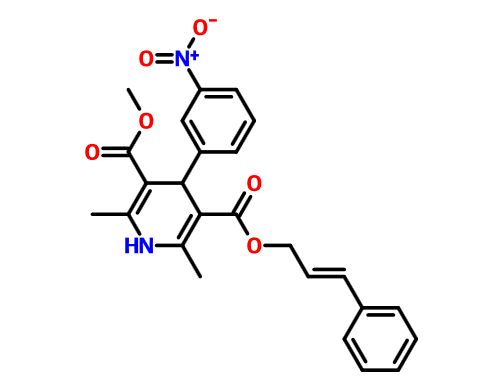
Pranidipine    

ANTHONY MELVIN CRASTO, PhD

str1

https://newdrugapprovals.files.wordpress.com/2015/12/str116.jpg


File:Pranidipine structure.svg

Pranidipine , OPC-13340, FRC 8411

Acalas®

NDA Filing in Japan

A calcium channel blocker potentially for the treatment of angina pectoris and hypertension.


CAS No. 99522-79-9

  • Molecular FormulaC25H24N2O6
  • Average mass 448.468


see dipine series………..http://organicsynthesisinternational.blogspot.in/p/dipine-series.html

manidipine


PAPER

Der Pharmacia Sinica, 2014, 5(1):11-17

https://newdrugapprovals.files.wordpress.com/2015/12/str113.jpg

pelagiaresearchlibrary.com/der-pharmacia-sinica/vol5-iss1/DPS-2014-5-1-11-17.pdf


Names
IUPAC name

methyl (2E)-phenylprop-2-en-1-yl 2,6-dimethyl-4-(3-nitrophenyl)-1,4-dihydropyridine-3,5-dicarboxylate
Other names

2,6-dimethyl-4-(3-nitrophenyl)-1,4-dihydropyridine-3,5-dicarboxylic acid O5-methyl O3-[(E)-3-phenylprop-2-enyl] ester
Identifiers
99522-79-9 Yes
ChEMBL ChEMBL1096842 
ChemSpider 4940726 
Jmol interactive 3D Image
MeSH C048161
PubChem 6436048
UNII 9DES9QVH58 Yes


PATENT SUBMITTED GRANTED
Process for the preparation of 1,4 – dihydropyridines and novel 1,4-dihydropyridines useful as therapeutic agents [US2003230478] 2003-12-18
Advanced Formulations and Therapies for Treating Hard-to-Heal Wounds [US2014357645] 2014-08-19 2014-12-04
METHODS OF TREATING CARDIOVASCULAR AND METABOLIC DISEASES [US2014322199] 2012-08-06 2014-10-30
Protein Carrier-Linked Prodrugs [US2014323402] 2012-08-10 2014-10-30
sGC STIMULATORS [US2014323448] 2014-04-29 2014-10-30
TREATMENT OF ARTERIAL WALL BY COMBINATION OF RAAS INHIBITOR AND HMG-CoA REDUCTASE INHIBITOR [US2014323536] 2012-12-07 2014-10-30
Agonists of Guanylate Cyclase Useful For the Treatment of Gastrointestinal Disorders, Inflammation, Cancer and Other Disorders [US2014329738] 2014-03-28 2014-11-06
METHODS, COMPOSITIONS, AND KITS FOR THE TREATMENT OF CANCER [US2014335050] 2012-05-25 2014-11-13
ROR GAMMA MODULATORS [US2014343023] 2012-09-18 2014-11-20
High-Loading Water-Soluable Carrier-Linked Prodrugs [US2014296257] 2012-08-10 2014-10-02 


Synthesis, isolation and use of a common key intermediate for calcium antagonist inhibitors

Neelakandan K.a,b, Manikandan H.b , B. Prabhakarana*, Santosha N.a , Ashok Chaudharia *, Mukund Kulkarnic , Gopalakrishnan Mannathusamyb and Shyam Titirmarea
a API Research Centre, Emcure Pharmaceutical Limited, Hinjawadi, Pune, India bDepartment of Chemistry, Annamalai University, Chidhambaram, India cDepartment of Chemistry, Pune University, Pune, India _________________________________________________________________________________

Pelagia Research Library     www.pelagiaresearchlibrary.com      Der Pharmacia Sinica, 2014, 5(1):11-17


The compound (3) synthesized from Nitrobenzaldehyde, tertiary butyl acetoacetate and piperidine can be used as a common intermediate for the production of calcium channel blockers like Nicardipine hydrochloride (1) and Pranidipine hydrochloride (2) with high purity.


The last twenty years have witnessed discoveries of calcium antagonists associated with multicoated pharmacodynamics potential which include not only antihypertensive and antiarrhythmic effects of the drugs but also action against excessive calcium entry in the cell of cardiovascular system and subsequent cell damage. Among many classes of calcium channel blockers, 1,4-dihydropyrimidine based drug molecules represented by Felodipine, Clevidipine, Benidipine, Nicardipine and Pranidipine are by far the best to reduce systemic vascular resistance and arterial pressure.

The reported synthetic approaches however proceed with complicated work ups, laborious purification procedures, highly expensive chemicals and low overall yields. (Scheme-I).

Synthetic scheme of Nicardipine and Pranidipine In view of the draw backs associated with previous synthetic approaches there is a strong need for environmentfriendly high yielding process applicable to the multi-kilogram production of calcium antagonist inhibitors. Herein, we report a scalable synthesis for Nicardipine hydrochloride (1) and Pranidipine hydrochloride (2) in fairly high overall yield using key intermediate 3-nitro benzylidene acid (3).Compound (3) was synthesized in two steps using 3-nitrobenzaldehyde, tertiary butyl acetoacetate and piperidine as a base to furnish tertiary butyl ester derivative (10). This was followed by hydrolysis of (10) in TFA and DCM to furnish compound (3) which would serve as a precursor for synthesis of versatile calcium antagonist inhibitors (Scheme-II).

Reported routes for synthesis of Benidipine,1,2 Lercanadipine,3-6 Nimodipine,7-11 Barnidipine12-14 and Manidipine15-16 were explored in our laboratory which involve reaction of nitro benzaldehyde with tertiary butyl acetoacetate using piperidine as a base to get tertiary butyl ester derivative (10). This is further treated with respective reagents to get various calcium channel blockers as shown in scheme 4. Since reported procedures involve in-situ generation of intermediate (3) and its reaction with corresponding fragments, it results in the formation of by-products which ultimately decrease the yield and increase the cost of API.

A novel process of manufacturing benzylidine acid derivative (3) was developed. Use of this intermediate was demonstrated by synthesis of Nicardipine and Pranidipine. This protocol may be employed for synthesis of other calcium channel blockers. In conclusion, a highly efficient, reproducible and scalable process for the synthesis of calcium channel blockers has been developed using (3) as the key intermediate.


[1] US 63 365 (Kyowa Hakko; appl.15.4.1982; J-prior.17.4.1981). [2] US 4 448 964 (Kyowa Hakko;15.5.1984; J-prior.17.4.1981). [3] Leonardi, A. et al.: Eur. J. Med.Chem. (EJMCA5) 33,399 (1988). [4] EP 153 016 (Recordati Chem. and Pharm.; appl. 21.1.1985; GB-prior. 14.2.1984). [5] US 4 705 797 (Recordati;10.11.1987; GB-prior. 14.2.1984). [6] WO 9 635 668 (Recordati Chem. and Pharm.; appl. 9.5.1996; I-prior. 12.5.1995). [7] DOS 2 117 571 (Bayer; appl. 10.4.1971). [8] DE 2 117 573 (Bayer; prior.10.4.1971) [9] US 3 799 934 (Bayer;26.3.1974;D-prior.10.4.1971). [10] US 3 932 645 (Bayer;13.1.1976;D-prior.10.4.1971). [11] Meyer, H. et al.: Arzneim.-Forsch. (ARZNAD) 31, 407 (1981); 33, 106 (1983). [12] DE 2 904 552 (Yamanouchi Pharm.; appl. 7.2.1979; J-prior.14.2.1978). [13] US 4 220 649 (Yamanouchi;2.9.1980; J-prior.14.2.1978). [14] CN 85 107 590( Faming Zhuanli Sheqing Gonhali S.; appl. 11.10.1985; J-prior.24.1.1985). [15] EP 94 159 (Takeda; appl. 15.4.1983; J-prior. 10.5.1982). [16] US 4 892 875 (Takeda;9.1.1990; J-prior. 10.5.1982, 11.1.1983).


Read Full Post »

« Newer Posts - Older Posts »