Medtronic’s CoreValve System Sustains Positive Outcomes Through Two Years in Extreme Risk Patients
Reporter: Aviva Lev-Ari, PhD, RN
SOURCE
Posted in Aortic Valve: TAVR, TAVI vs Open Heart Surgery, Cardiac and Cardiovascular Surgical Procedures on September 15, 2014| Leave a Comment »
Reporter: Aviva Lev-Ari, PhD, RN
Posted in Aortic Valve: TAVR, TAVI vs Open Heart Surgery, Atherogenic Processes & Pathology, CABG, Cardiac and Cardiovascular Surgical Procedures, Congenital Heart Disease, Frontiers in Cardiology and Cardiovascular Disorders, Origins of Cardiovascular Disease, Valves & Tools on August 4, 2014| Leave a Comment »
Reporter: Aviva Lev-Ari, PhD, RN
UPDATED on 4/8/2017
Reporter, MedPage Today/CRTonline.org, April 03, 2017
Clinical transcatheter heart valve thrombosis may be common enough to merit routine imaging after transcatheter aortic valve replacement (TAVR), a German study suggested.
A retrospective analysis of a single-center registry found a 2.8% incidence of clinical valve thrombosis, according to Mohamed Abdel-Wahab, MD, of Germany’s Segeberger Kliniken, and colleagues. No one on oral anticoagulation got bioprosthetic valve thrombosis, however, and no patients died from it.
Thrombosis was more likely with balloon-expandable valves (OR 3.45, 95% CI 1.22-9.81) and with valve-in-valve procedures (OR 5.93, 95% CI 2.01-17.51), the authors reported in the April 10 issue of JACC: Cardiovascular Interventions.
RESULTS
The 1-year mortality rate was
However, if patients were stratified into four risk groups by means of the EuroSCORE and the German AV Score, the
European Journal of Cardio-Thoracic Surgery
Eur J Cardiothorac Surg (2014)doi: 10.1093/ejcts/ezu290
http://ejcts.oxfordjournals.org/content/early/2014/07/24/ejcts.ezu290.full
+Author Affiliations
↵† An excerpt of the 1-year data was first presented at the ACC in San Francisco in March 2013.
OBJECTIVES The German Aortic Valve Registry (GARY) seeks to provide information on a real-world, all-comers basis for patients undergoing aortic valve interventions. This registry comprises patients undergoing the complete spectrum of transcutaneous and conventional surgical aortic valve interventions. The aim of this study was to use the GARY registry to evaluate conventional and catheter-based aortic valve interventions in several risk groups.
METHODS A total of 13 860 consecutive patients undergoing intervention for aortic valve disease [conventional aortic valve replacement (AVR) or transvascular/transapical TAVR (TV-/TA-TAVR)] were enrolled in 78 German centres in 2011. Baseline, procedural and outcome data, including quality of life, were acquired up to 1 year post-intervention. Vital status at 1 year was known for 98.1% of patients.
RESULTS The 1-year mortality rate was 6.7% for conventional AVR patients (n = 6523) and 11.0% for patients who underwent AVR with coronary artery bypass grafting (n = 3464). The 1-year mortality rate was 20.7 and 28.0% in TV- and TA-TAVR patients, respectively (n = 2695 and 1181). However, if patients were stratified into four risk groups by means of the EuroSCORE and the German AV Score, the highest risk cohorts showed the same mortality at 1 year with either therapy. More than 80% of patients in all groups were in the same or better state of health at 1 year post-intervention and were satisfied with the procedural outcome.
CONCLUSIONS Conventional AVR surgery yields excellent results after 1 year in lower-risk patients. Catheter-based AVR is a good alternative in high-risk and elderly patients.
SOURCE
http://ejcts.oxfordjournals.org/content/early/2014/07/24/ejcts.ezu290.abstract
Posted in Acute Myocardial Infarction, Aortic Valve: TAVR, TAVI vs Open Heart Surgery, Atherogenic Processes & Pathology, Cardiac & Vascular Repair Tools Subsegment, Cardiac and Cardiovascular Surgical Procedures, Cardiovascular Research, Chronic Thromboembolic Pulmonary Hypertension (CTEPH) and Pulmonary Arterial Hypertension (PAH), Conference Coverage with Social Media, Congenital Heart Disease, Frontiers in Cardiology and Cardiovascular Disorders, HTN, Medical Devices R&D and Inventions, Mitral Valve: Repair and Replacement, Origins of Cardiovascular Disease, PCI, Peripheral Arterial Disease & Peripheral Vascular Surgery, Pharmacotherapy of Cardiovascular Disease, Renal Denervation, Stents & Tools, Valves & Tools on July 29, 2014| Leave a Comment »
Reporter: Aviva Lev-Ari, PhD, RN
SOURCE
http://www.tctmd.com/news.aspx
A proximal protection device can be successfully and safely used as the first choice for embolic protection during most carotid artery stenting…
A routine invasive strategy—relative to a more selective approach—appears beneficial over the long term for men but not women with non-ST-segment elevation…
National use of percutaneous coronary intervention (PCI) has decreased steadily since 2009, mostly driven by a reduction in procedures for patients…
Patients who report angina symptoms or are diagnosed with ischemia shortly before an acute myocardial infarction (AMI) are less likely to die within…
Percutaneous coronary intervention (PCI) with an everolimus-eluting bioresorbable vascular scaffold (BVS) results in an “acceptable” rate of target…
New ischemic myocardial injury, presumably of embolic origin, is common after transcatheter aortic valve replacement (TAVR) and is associated with…
While catheter-directed thrombolysis and anticoagulation for deep vein thrombosis (DVT) does not appear to increase mortality over standard anticoagulation…
The HEAT-PPCI trial, published July 5, 2014, ahead of print in the Lancet , reports better efficacy and comparable safety with bivalirudin than…
In many patients with stable coronary artery disease (CAD), platelet reactivity varies markedly over time despite an unchanged dose of clopidogrel,…
A hybrid procedure combining percutaneous revascularization with minimally invasive coronary artery grafting results in similar short-term and…
PARIS, France—Research presented at EuroPCR 2014, held May 20 23, offered both new ways to improve on current therapies and fresh approaches to treating…
PARIS, France—Early data on 2 different catheter-based mitral valve therapies were presented in the same Hot Line session at EuroPCR on May 21, 2014.…
PARIS, France—A strategy combining fractional flow reserve (FFR) derived from computed tomography (CT) with CT perfusion imaging has demonstrated high…
PARIS, France—Most of the stroke protection derived from percutaneous left atrial appendage (LAA) closure does not become apparent until 1 year after…
PARIS, France—A novel biolimus A9-eluting, biodegradable-polymer stent (BES) shows favorable long-term clinical outcomes and very low rates of device-related…
A new lower-profile valve and delivery system for transcatheter aortic valve replacement (TAVR) appears promising, with low mortality and stroke rates,…
PARIS, France—Even though 6 month findings of the long awaited SYMPLICITY HTN 3 randomized trial demonstrated little effect of renal denervation on…
PARIS, France—Nearly half of high-risk patients who undergo transcatheter aortic valve replacement (TAVR) for severe aortic stenosis live at least…
PARIS, France—Renal denervation has spurred much controversy in recent months, with the sham-controlled SYMPLICITY HTN-3 trial demonstrating little…
PARIS, France—A first-in-man study presented Tuesday, May 20, at EuroPCR 2014 introduced a new percutaneous treatment for heart failure. Josep Rodés-Cabau,…
WASHINGTON (June 25, 2013) – Heart failure patients are surviving more often with the heart condition but they are increasingly more likely to be diagnosed…
WASHINGTON (June 5, 2013) – The American College of Cardiology is developing a program with support from founding sponsor AstraZeneca to provide personalized…
WASHINGTON (June 5, 2013) – The American College of Cardiology and the American Heart Association today released an expanded clinical practice guideline…
30-day neurocognitive differences disappeared by one-year follow up Read More
…
Study shows simple blood test may help patients with risks for heart disease Read More
…
If replicated in heart failure patients discharged from hospital, drug may help hospitals avoid readmission penalties Read…
The goal of the trial was to evaluate a strategy of cardiac computed tomography (CT) angiography compared with standard emergency department (ED)…
Patients with coronary heart disease and their doctors have long been challenged by the decision of whether to pursue bypass surgery or opt for the…
Cardiac computed tomography angiography scans (CT scans that look at the heart) can provide a virtually instant verdict on whether chest pain is…
The goal of the trial was to evaluate treatment of the oral direct factor Xa inhibitor, rivaroxaban, compared with standard therapy among patients…
|
SOURCE
Posted in Aortic Valve: TAVR, TAVI vs Open Heart Surgery, Atherogenic Processes & Pathology, Bio Instrumentation in Experimental Life Sciences Research, Bioengineering & reverse engineering design, Biomedical Measurement Science, Cardiac & Vascular Repair Tools Subsegment, Cardiac and Cardiovascular Surgical Procedures, Computational Biology/Systems and Bioinformatics, Discovery process, Ecosystems & Industrial Concentration in the Medical Device Sector, Experimental validation, Frontiers in Cardiology and Cardiovascular Disorders, Historical relevance, Intellectual Property, Innovations, Commercialization, Investment in technological breakthrough, Medical Devices R&D and Inventions, Medical Devices R&D Investment, Patents, Personal Health Applications: Tech Innovations serves HealhCare, Technology Advance Assessment of, Valves & Tools, tagged aortic valve leaflets, Percutaneous aortic valve replacement, reverse engineering, TAV, TAVI, Transcatheter Aortic Valve Replacement (TAVR), working life of mechanical implant on July 15, 2014| Leave a Comment »
Curator and Reporter: Larry H Bernstein, MD, FCAP
An authority and author of the book on cardiovascular valve devices is challenged by patient’s mother to go beyond what is available. The results are splendid after re-engineering the design to the problem.
Reverse Engineering A Human Heart Valve
By Jim Pomager

aortic valve – a remarkable piece of biomechanical engineering
The aortic valve is a remarkable piece of biomechanical engineering. On any given day, the leaflets (or cusps) of a healthy aortic valve will open and close 100,000+ times, allowing the proper amount of blood to flow from the heart to the rest of the body. Over a lifetime, a healthy valve endures more than 3.4 billion heartbeats.
Unfortunately, the aortic valve doesn’t always remain healthy. (What organ does?) According to the American Heart Association, up to 1.5 million people in the United States suffer from aortic stenosis (AS), a calcification of the aortic valve that narrows its opening and restricts blood flow. In the early stages, the disease is often asymptomatic, but as it progresses, it can cause chest pain, weakness, and difficulty breathing. And in approximately 300,000 people worldwide, the condition develops into severe AS, which has a one-year survival rate of approximately 50 percent, if left untreated.
Fortunately, there are treatment options. The most common and successful is aortic valve replacement (AVR), wherein a mechanical or tissue-based valve is substituted for the diseased valve. For decades, replacement valves were implanted via open heart surgery, which involves an extended hospital stay and months of recovery. But in recent years, a promising new approach has emerged: transcatheter aortic valve implementation (TAVI), also known as transcatheter aortic valve replacement (TAVR). In TAVI, a tissue-based artificial valve is delivered into the diseased heart valve via a blood vessel, rather than through a large incision in the chest.
TAVI has many benefits, the most obvious (and compelling) of which is its noninvasiveness, which means shorter recovery times and faster attainment of quality-of-life outcomes for the patient. Replacement of a transcatheter aortic valve (TAV) can also be a minimally invasive exercise — a second TAV can simply be implanted within the first.
On the other hand, the use of TAVI procedures in U.S. hospitals is not yet widespread (though it is growing rapidly). The longevity of current-generation TAVs also remains unknown because it is an emerging technology, compared to evidence of 15+ years for surgically implanted heart valves. Plus, TAVI is only approved in the U.S. for use in AS patients who are either ineligible for surgical valve replacement or at high risk. (TAVI has been available in Europe since 2007, and clinical trials are underway in the U.S. for its use in intermediate-risk patients.)
What’s really needed is an improved TAV — one that outperforms current transcatheter valves, is as durable as a surgical valve, and operates more like … well, a healthy human aortic valve. Such a valve would open the door to TAVI’s use in the hundreds of thousands of lower-risk (and generally younger) AS patients whose only current option is a surgically implanted valve, and who would rather not have their chest opened.
Now, a man who has dedicated his professional career to studying the aortic valve has invented a new artificial valve design that he says will revolutionize TAVI. And if everything goes according to plan, his TAV will reach European patients in 2015 and U.S. patients soon after. How did he and his startup company design such technology? By reverse engineering the aortic valve.
The Man Behind The Valve

Mano Thubrikar
Mano Thubrikar, quite literally wrote the book on heart valves and heart disease — two of them, in fact. His The Aortic Valve (1989) and Vascular Mechanics and Pathology (2007) are leading textbooks in cardiovascular studies, and the former is widely used as a guide in the design of bioprosthetic heart valves.
After earning an undergraduate degree in metallurgy, a master’s in materials science, and a Ph.D. in biomedical engineering, Dr. Thubrikar spent the first 30 years of his career exclusively in academic research. He studied the aortic valve and bioprostheses from almost every conceivable angle while working at the University of Virginia (UVA) and at the Carolinas Medical Center and the University of North Carolina (UNC) at Charlotte.
But in 2003, Dr. Thubrikar received a phone call that would change the trajectory of his career and set him on the path to develop a novel TAV technology. A woman contacted him to discuss her son, a 35-year-old athlete with a calcified aortic valve. The condition was the result of a bicuspid valve, a congenital condition where the aortic valve has two cusps, rather than the customary three. The man needed a valve replacement, and his only choice was to have a mechanical heart valve surgically implanted. However, the surgical valve meant he would have to stay on anticoagulants for the rest of his life, effectively ending his athletic pursuits. Dr. Thubrikar informed the mother that there just weren’t any treatments available that would allow her son to continue his active lifestyle.
“Didn’t you write the book on the aortic valve?” she asked. “Why didn’t you make a valve that my son could use?”
The conversation and question deeply affected the researcher. “I went home and was so disturbed,” he told me during a recent visit to his office. “I talked to my wife and said, “You know what? Years of research, writing papers, and giving presentations — that’s done. I now need to make a heart valve.”
Soon after, Dr. Thubrikar left Carolinas Medical Center to embark on his new mission. He joined artificial heart valve pioneer Edwards Lifesciences as a Distinguished Scientist, but left after it became clear that the company’s plans for him didn’t align with his own.
So in 2007 — coincidentally, the same year Edwards launched the first commercially available TAV device — Dr. Thubrikar returned to academia, joining the staff at the South Dakota School of Mines & Technology. There he spent the next three years working on a new artificial valve design — one based on decades of research on the physics behind the human aortic valve.
Looking To The Human Body For Design Output
According to Dr. Thubrikar’s research, the natural aortic valve follows four strong design principles for maximum longevity and optimal hemodynamic performance. Those criteria are:
1. A specific coaptation height — When the valve’s three leaflets come together to close the valve, there is some surface-to-surface contact between the leaflets, rather than an edge-to-edge seal. This safety margin helps prevent against blood leakage back into the left ventricle.
2. No folds in the leaflets — Natural aortic valve cusps flex without folding. Folds would crease the tissue and cause unwanted stress on the leaflets, negatively impacting durability.
3. Minimum overall height — Extra height would produce dead space, which can lead to a variety of issues.
4. Minimum leaflet flexion — The human aortic valve manages to open completely with the leaflets moving only 70 degrees, not the 90 degrees you might expect. Again, this improves the valve’s longevity.
“You almost need to be a solid geometry design engineer to understand the math and the equations behind these principles,” he explained. “With these criteria, however, you have design parameters for the aortic valve. The mathematical equations give you the output of how an artificial valve should be designed.”
Dimensions of the natural aortic valve

Dimensions of the natural aortic valve
Based on these four principles, Dr. Thubrikar reverse engineered the aortic heart valve, developing a new artificial valve design that mimics the aortic valve’s precise geometry. In October 2010, he launched a startup company called Thubrikar Aortic Valve, Inc. to commercialize his new creation, which he calls Optimum TAV and touts as “nature’s valve by design.”
“When someone asks me, ‘How does your valve compare with Edwards’?’ or ‘How does your valve compare with Medtronic’s?’, I say ‘We don’t compare our valve to them,'” Dr. Thubrikar told me. “We compare our valve with the natural aortic valve.”
On the surface, Optimum TAV looks similar to other artificial heart valves on the market, with three leaflets of bovine pericardium tissue mounted on a metal stent-frame. (In fact, the design is often mistaken for another widely used surgical valve.) But according to Dr. Thubrikar, it has a unique combination of features that will help it overcome the major design limitations of current-generation TAVs (if we’re going to compare). Those design limitations include:

optimum TAV
Optimum TAV
“Other technologies have built-in issues,” Dr. Thubrikar said. “To be able to avoid those problems in a comprehensive fashion is no small feat.”
Trial By Fire
During the two and a half years following the establishment of Thubrikar Aortic Valve, Optimum TAV seemed to be moving steadily toward market. The company raised enough funding to get started, primarily from friends, family, physicians, entrepreneurs, and technology industry executives. Patent applications were filed, suppliers were selected, valves were painstakingly produced (by hand, over one-and-a-half to two days each), and preclinical testing began.

Members of the Thubrikar Aortic Valve team
Members of the Thubrikar Aortic Valve team (left to right): Deodatt Wadke, member of the board of directors and cofounder; Samir Wadke, executive director of business development and cofounder; Dr. Mano Thubrikar, president and founder; Samuel Evans, research engineer II; and Nikhil Heble, counsel, secretary, and cofounder
But the fledgling company was dealt a major setback in April 2013, when a fire destroyed the Horsham, Pa. office building to which the Thubrikar Aortic Valve laboratory had recently relocated (from South Dakota). All of its equipment was destroyed and needed to be replaced. The company had to relocate to nearby Norristown, Pa. Not an ideal scenario for a startup trying to make the most of extremely limited resources.
The company was undeterred by the fire, and the last year has been a successful one for Thubrikar. The company completed most of its preclinical testing (including implants in 12 animals and two diseased human cadaver hearts), reached design freeze on Optimum TAV, filed a provisional patent application for its proprietary delivery catheter, and achieved almost $2 million in total funding. Perhaps the biggest milestone came in August 2013, when Optimum TAV met the International Organization for Standardization’s (ISO’s) durability requirements by surpassing 200 million cycles in a third-party ISO certified laboratory.
The durability testing has continued, and Optimum TAV continues to function beyond 390 million cycles, which approximates 11 years in vivo. Surgical valves typically last anywhere from 12 to 18 years, and Thubrikar expects his valve to last at least that long.
“I would not be surprised if it surpasses the longevity of even the surgical valve,” he said.
The company also received its first institutional investment, from Delaware Crossing Investor Group (DCIG), in 2014. The primary DCIG investor, Marv Woodall, led the commercialization of the world’s first stents as president of Johnson & Johnson Interventional Systems (now Cordis) and was on the board of director of the first TAV company, Percutaneous Valve Technologies (PVT, now part of Edwards Lifesciences). Thubrikar has recruited him as its business advisor.
What Lies Ahead
Like many other developers of novel medical devices, Thubrikar Aortic Valve has decided to take its product to market through Europe initially, given European regulators’ comfort level with TAV and the FDA’s steep requirement for clinical trials. “We have spoken to the FDA and will continue to do so on a regular basis,” according to Dr. Thubrikar. “But they asked for a lot more preclinical testing than the European Notified Bodies to start a clinical trial.”
The company is now working to raise an additional $2 million to $10 million, and expects the granting of its patent for Optimum TAV in 2014. The finances will enable Thubrikar to not only conduct a first-in-human (FIH) feasibility study in up to 15 patients this year, but also to expand to a full European clinical trial of about 65 additional patients in 2015. If all goes well, a 2015 CE Mark for Optimum TAV isn’t out of the question.
However, trial success is vital, since today’s investors — and large companies in search of technology acquisitions — wait for significant clinical data to accumulate before backing a medical device. “We realize that until we actually implant the valve in a patient, other companies will think, ‘You don’t know what can go wrong,'” Dr. Thubrikar explained. “We had one big company say, ‘We will pay you four times as much once the product is in a patient.’ They want you to de-risk everything, to work out all the bugs yourself on your own dime.”
Yet Dr. Thubrikar thinks its only a matter of time until his life’s work finally arrives in the hands of interventional cardiologists, who he said have been “knocking at his door” since he first presented a paper on the technology in 2012. Since then, he has spoken at several of the largest interventional cardiology conferences, and word continues to spread about Optimum TAV. Like many other researchers-turned-entreprenuers, he steadfastly believes that his invention will eventually reach the market, where it can begin helping patients — like the one whose mother contacted him a decade ago.
“If hell freezes over, if we don’t get any money, I don’t care,” he said. “I don’t care how it happens. We are going to make a heart valve. That’s the only mission in my life.”
For more information on Thubrikar Aortic Valve and Optimum TAV, visit http://tavi.us/.
Posted in Aortic Valve: TAVR, TAVI vs Open Heart Surgery, Cardiac and Cardiovascular Surgical Procedures on June 16, 2014| Leave a Comment »
Reporter: Aviva Lev-Ari, PhD, RN
University of Arizona Relations – Communications | June 11, 2014
Dr. Marvin J. Slepian, UA professor of medicine and biomedical engineering and a cardiologist at the UA Sarver Heart Center, is the founding CEO of PolyNova.


PolyNova, a startup company that has grown out of an inter-institutional collaboration between the University of Arizona and Stony Brook University, is developing a novel polymeric prosthetic heart valve.
Sarver Heart Center cardiologist Dr. Marvin J. Slepian, professor of medicine and biomedical engineering at the UA, is the founding CEO of the new venture. PolyNova entered an exclusive option to the patent rights jointly held by the two universities earlier this spring.
PolyNova aims to revolutionize treatment of valvular heart disease. The company plans to use synthetic biomaterials to create new valve replacement technologies for a new transcatheter aortic valve replacement, or TAVR, procedure. The new materials and operation would allow surgeons to replace a diseased heart valve with a synthetic one via a catheter run inside the aorta, eliminating the need for open-heart surgery.
PolyNova has received $100,000 in seed funding to transition the technology from the lab to the marketplace. Half of the funds were provided by The Accelerate Long Island Seed Fund, and the other half by the Long Island Emerging Technologies Fund.
“This award will help further advance this technology down the regulatory pathway, as well as develop business and marketing strategies to leverage additional funding,” said Slepian. “Development of a safe, effective and durable percutaneous heart valve made of novel, clot-resistant polymeric materials will expand the availability of this therapy to patients both in developed countries as well as in underserved areas worldwide.”
Currently, TAVR technology uses a valve made with bovine tissue and carries a risk of blood clots.
According to David Allen, vice president of Tech Launch Arizona: “All of the elements of the venture – from the partnership it was founded upon to its goals of making these therapies more accessible – speak to the University of Arizona’s Never Settle strategic plan, which, under the leadership of President Ann Weaver Hart, prioritizes innovating new solutions that impact society and partnering with people and organizations to bring such novel inventions and ideas to the world through commercial pathways.”
“This is a good example of how collaboration between universities drives innovation,” said Slepian.
PolyNova, located in Stony Brook, N.Y., was co-founded by Slepian and collaborators Danny Bluestein and Thomas E. (Ted) Claiborne of Stony Brook University.
Slepian has developed and commercialized a number of inventions; he is widely recognized for leading SynCardia Systems, Inc., a company that manufactures the world’s first and only FDA-approved total artificial heart.
Katie Maass
UA Sarver Heart Center
520-626-4083
kmaass@shc.arizona.edu
Paul Tumarkin
Tech Launch Arizona
520-626-8770
pault@tla.arizona.edu
SOURCE
http://uanews.org/story/slepian-led-startup-targets-paradigm-shift-in-heart-valve-surgery
Posted in Aortic Valve: TAVR, TAVI vs Open Heart Surgery, Atherogenic Processes & Pathology, Cardiac and Cardiovascular Surgical Procedures, Congenital Heart Disease, Frontiers in Cardiology and Cardiovascular Disorders, Medical Devices R&D and Inventions, Mitral Valve: Repair and Replacement, Origins of Cardiovascular Disease, PCI, Valves & Tools on May 19, 2014| Leave a Comment »
Reporter: Aviva Lev-Ari, PhD, RN
Updated on 2/17/2023
— Multi-society recommendations cover minimum procedural volumes, competencies
Primary SOURCE
Journal of the American College of Cardiology
Source Reference: opens in a new tab or window
Bass TA, et al “2023 ACC/AHA/SCAI advanced training statement on interventional cardiology (coronary, peripheral vascular, and structural heart interventions): A report of the ACC Competency Management Committee” J Am Coll Cardiol 2023; DOI: 10.1016/j.jacc.2022.11.002.
About SCAI
The Society for Cardiovascular Angiography and Interventions is a 4,000-member professional organization representing invasive and interventional cardiologists in approximately 70 nations. SCAI’s mission is to promote excellence in invasive/interventional cardiovascular medicine through physician education and representation, and advancement of quality standards to enhance patient care. SCAI’s public education program, Seconds Count, offers comprehensive information about cardiovascular disease. For more information about SCAI and Seconds Count, visit http://www.SCAI.org or http://www.SecondsCount.org. Follow @SCAI and @SCAINews on Twitter for the latest heart health news.
About AATS
The American Association for Thoracic Surgery (AATS) is an international organization of over 1,300 of the world’s foremost thoracic and cardiothoracic surgeons, representing 35 countries. AATS encourages and stimulates education and investigation into the areas of intrathoracic physiology, pathology and therapy. Founded in 1917 by a respected group of the last century’s earliest pioneers in the field of thoracic surgery, the AATS’ original mission was to “foster the evolution of an interest in surgery of the Thorax”. One hundred years later, the AATS continues to be the premiere association among cardiothoracic surgeons. The purpose of the Association is the continual enhancement of the ability of cardiothoracic surgeons to provide the highest level of quality patient care. To this end, the AATS encourages, promotes, and stimulates the scientific investigation and study of cardiothoracic surgery. Visit http://www.aats.org.
About ACC
The mission of the American College of Cardiology is to transform cardiovascular care and improve heart health. The College is a 47,000-member medical society comprised of physicians, surgeons, nurses, physician assistants, pharmacists and practice managers. The College is a leader in the formulation of health policy, standards and guidelines. The ACC provides professional education, operates national registries to measure and improve quality of care, disseminates cardiovascular research, and bestows credentials upon cardiovascular specialists who meet stringent qualifications. For more information, visit http://www.cardiosource.org.
About STS
Founded in 1964, The Society of Thoracic Surgeons is a not-for-profit organization representing more than 6,700 cardiothoracic surgeons, researchers, and allied health care professionals worldwide who are dedicated to ensuring the best possible outcomes for surgeries of the heart, lung, and esophagus, as well as other surgical procedures within the chest. The Society’s mission is to enhance the ability of cardiothoracic surgeons to provide the highest quality patient care through education, research, and advocacy. Visit STS at http://www.sts.org.
Contact: Kathy Boyd David
kbdavid@scai.org
717-422-1181
American College of Cardiology
Effort encourages multi-disciplinary heart team approach and offers providers and institutions roadmap to optimal patient care
WASHINGTON, D.C., BEVERLY, MA, and CHICAGO (May 15, 2014) – As minimally invasive therapies are increasingly used to treat diseased heart valves, newly published recommendations provide guidance on best practices for providing optimal care for patients. The document released today offers first-time guidance from four professional medical associations on developing and maintaining a transcatheter mitral valve therapy program, emphasizing collaboration between interventional cardiologists and cardiac surgeons. The document is an important step toward achieving consistent, effective care, particularly as the Centers for Medicare & Medicaid Services (CMS) prepare to issue a national coverage decision for transcatheter valve repair and replacement procedures.
The consensus paper, by the Society for Cardiovascular Angiography and Interventions (SCAI), American Association for Thoracic Surgery (AATS), American College of Cardiology (ACC) and The Society of Thoracic Surgeons (STS), outlines criteria for healthcare providers and institutions to offer consistent and appropriate care to patients in the new and rapidly developing field of transcatheter valve therapy.
The treatment uses a catheter to place a clip on the mitral valve to reduce the leakage, offering the only alternative treatment option to open heart surgery. The minimally invasive procedure is particularly effective for high-risk patients, such as the elderly, frail, or those with a history of other illness for whom open heart surgery may be too risky.
“As these techniques continue to increase in use, we must promote consistent, best practices and standards of care for providers and institutions so that patients get the best possible care,” said Carl L. Tommaso, MD, FACC, FSCAI, chair of the writing committee and medical director of the cardiac catheterization lab, NorthShore University HealthSystem Skokie Hospital, Evanston, IL. “These recommendations will help build and maintain programs centered on the best interests of patients.”
A committee comprised of cardiac surgeons and interventional cardiologists developed the recommendations in response to the changing landscape of treatment for valve disease. There was a need to establish core competencies and technical skills required for providers and institutions who offer transcatheter treatment options to patients. The paper emphasizes the need for a multi-disciplinary team approach, involving both surgeons and interventional cardiologists with extensive knowledge and diagnostic skills related to valvular disease.
“Multidisciplinary teams have been shown to improve outcomes in complex procedures,” said David A. Fullerton, MD, FACC, president of STS. “Working together to set the standard of care improves patient treatment and outcomes by building and maintaining quality, effective programs.”
The document also provides a roadmap for the clinical experience and provider skills necessary for successful transcatheter programs. Operators, regardless of their specialty, should have a deep understanding of valvular heart disease, the ability to interpret echocardiographic and other radiographic images, use of 3D echocardiography and expertise in the interpretation of CT scans related to valve disease. Additionally, minimum requirements for individual providers should include an understanding of radiation safety needed for optimal imaging, exposure protection and knowledge of the use of x-ray contrast agents.
On the institutional level, the recommendations focus on facility requirements and procedural volume for both individual operators as well as new and existing programs. Each institution should have an active valvular heart disease surgical program with at least two institutionally based cardiac surgeons experienced in valvular surgery, and should have available a full range of diagnostic imaging and therapeutic facilities.
“The institutional resources necessary to manage successful transcatheter programs are significant, on par with heart transplant and cardiac device assist programs, and should be performed in institutions that perform higher volumes of surgical valve operations with established track records,” said Dr. Tommaso. “Likewise, interventional cardiology programs should have established and successful track records with structural heart disease.”
The authors stress that long-term outcomes reporting and participation in data registries are mandatory for existing and new programs to ensure accurate data collection on survival and complications as well as determination of risk and long-term durability of devices.
“As we assess novel new treatments and techniques evolve, professional associations will continue to champion quality improvement for all providers in the best interest of patients,” said Dr. Fullerton.
The document titled, “Operator & Institutional Requirements for Transcatheter Valve Repair and Replacement, Part II – Mitral Valve,” will simultaneously e-publish in Catheterization and Cardiovascular Interventions (CCI), Journal of Thoracic and Cardiovascular Surgery (JTCVS), Journal of the American College of Cardiology (JACC) and The Annals of Thoracic Surgery.
About SCAI
The Society for Cardiovascular Angiography and Interventions is a 4,000-member professional organization representing invasive and interventional cardiologists in approximately 70 nations. SCAI’s mission is to promote excellence in invasive/interventional cardiovascular medicine through physician education and representation, and advancement of quality standards to enhance patient care. SCAI’s public education program, Seconds Count, offers comprehensive information about cardiovascular disease. For more information about SCAI and Seconds Count, visit http://www.SCAI.org or http://www.SecondsCount.org. Follow @SCAI and @SCAINews on Twitter for the latest heart health news.
About AATS
The American Association for Thoracic Surgery (AATS) is an international organization of over 1,300 of the world’s foremost thoracic and cardiothoracic surgeons, representing 35 countries. AATS encourages and stimulates education and investigation into the areas of intrathoracic physiology, pathology and therapy. Founded in 1917 by a respected group of the last century’s earliest pioneers in the field of thoracic surgery, the AATS’ original mission was to “foster the evolution of an interest in surgery of the Thorax”. One hundred years later, the AATS continues to be the premiere association among cardiothoracic surgeons. The purpose of the Association is the continual enhancement of the ability of cardiothoracic surgeons to provide the highest level of quality patient care. To this end, the AATS encourages, promotes, and stimulates the scientific investigation and study of cardiothoracic surgery. Visit http://www.aats.org.
About ACC
The mission of the American College of Cardiology is to transform cardiovascular care and improve heart health. The College is a 47,000-member medical society comprised of physicians, surgeons, nurses, physician assistants, pharmacists and practice managers. The College is a leader in the formulation of health policy, standards and guidelines. The ACC provides professional education, operates national registries to measure and improve quality of care, disseminates cardiovascular research, and bestows credentials upon cardiovascular specialists who meet stringent qualifications. For more information, visit http://www.cardiosource.org.
About STS
Founded in 1964, The Society of Thoracic Surgeons is a not-for-profit organization representing more than 6,700 cardiothoracic surgeons, researchers, and allied health care professionals worldwide who are dedicated to ensuring the best possible outcomes for surgeries of the heart, lung, and esophagus, as well as other surgical procedures within the chest. The Society’s mission is to enhance the ability of cardiothoracic surgeons to provide the highest quality patient care through education, research, and advocacy. Visit STS at http://www.sts.org.
Posted in Abdominal Aorta, Acute Myocardial Infarction, Aortic Valve: TAVR, TAVI vs Open Heart Surgery, Atherogenic Processes & Pathology, Bio Instrumentation in Experimental Life Sciences Research, CABG, Cancer Surgery of the Heart, Cardiac & Vascular Repair Tools Subsegment, Cardiac and Cardiovascular Surgical Procedures, Cardiomyopathy, Carotid Artery, Chronic Thromboembolic Pulmonary Hypertension (CTEPH) and Pulmonary Arterial Hypertension (PAH), Congenital Heart Disease, Ecosystems & Industrial Concentration in the Medical Device Sector, Electrophysiology, Exec Compensation in the Cardiac & Vascular Repair Tools Subsegment, FDA, CE Mark & Global Regulatory Affairs: process management and strategic planning - GCP, GLP, ISO 14155, Frontiers in Cardiology and Cardiovascular Disorders, Heart Transplant, Heart-Lung Transplant, ISO 10993 for Product Registration: FDA & CE Mark for Development of Medical Devices and Diagnostics, Massachusetts Niche Suppliers and National Leaders, Mechanical Assist Devices: LVAD, RVAD, BiVAD, Artificial Heart, Medical Devices R&D and Inventions, Medical Devices R&D Investment, Medical Imaging Technology, Image Processing/Computing, MRI, CT, Nuclear Medicine, Ultra Sound, Mitral Valve: Repair and Replacement, Origins of Cardiovascular Disease, PCI, Peripheral Arterial Disease & Peripheral Vascular Surgery, Pre-Clinical Animal Model Development, Renal Denervation, Spontaneous Coronary Artery Dissection (SCAD), Stents & Tools, Technology Transfer: Biotech and Pharmaceutical, Thoracic Aorta, Translational Science, Valves & Tools on April 17, 2014| Leave a Comment »
List of Publications updated on 8/13/2018
42c Experimental Therapy (Left inter-atrial shunt implant device) for Heart Failure: Expert Opinion on a Preliminary Study on Heart Failure with preserved Ejection Fraction
Article Curator: Aviva Lev-Ari, PhD, RN
41c Spectranetics, a Technology Leader in Medical Devices for Coronary Intervention, Peripheral Intervention, Lead Management to be acquired by Philips for 1.9 Billion Euros
Reporter and Curator: Aviva Lev-Ari, PhD, RN
40c Moderate Ischemic Mitral Regurgitation: Outcomes of Surgical Treatment during CABG vs CABG without Mitral Valve Repair
Curator: Aviva Lev-Ari, PhD, RN
39c Patients with Heart Failure & Left Ventricular Dysfunction: Life Expectancy Increased by coronary artery bypass graft (CABG) surgery: Medical Therapy alone and had Poor Outcomes
Curator: Aviva Lev-Ari, PhD, RN
38c Mapping the Universe of Pharmaceutical Business Intelligence: The Model developed by LPBI and the Model of Best Practices LLC
Author and Curator of Model A: Aviva Lev-Ari, PhD, RN and Reporter on Model B: Aviva Lev-Ari, PhD, RN
37c MedTech & Medical Devices for Cardiovascular Repair – Curations by
Curator: Aviva Lev-Ari, PhD, RN
36c Stem Cells and Cardiac Repair: Scientific Reporting by: Aviva Lev-Ari, PhD, RN
Curator: Aviva Lev-Ari, PhD, RN
35c CVD Prevention and Evaluation of Cardiovascular Imaging Modalities: Coronary Calcium Score by CT Scan Screening to justify or not the Use of Statin
Curator: Aviva Lev-Ari, PhD, RN
34c “Sudden Cardiac Death,” SudD is in Ferrer inCode’s Suite of Cardiovascular Genetic Tests to be Commercialized in the US
Curator: Aviva Lev-Ari, PhD, RN
33c Transcatheter Valve Competition in the United States: Medtronic CoreValve infringes on Edwards Lifesciences Corp. Transcatheter Device Patents
Curator: Aviva Lev-Ari, PhD, RN
32c Developments on the Frontier of Transcatheter Aortic Valve Replacement (TAVR) Devices
Curator: Aviva Lev-Ari, PhD, RN
31c Market Impact on Global Suppliers of Renal Denervation Systems by Pivotal US Trial: Metronics’ Symplicity Renal Denervation System FAILURE at Efficacy Endpoint
Curator and Reporter: Aviva Lev-Ari, PhD, RN
30c Stenting for Proximal LAD Lesions
Curator: Aviva Lev-Ari, PhD, RN
https://pharmaceuticalintelligence.com/2013/08/18/stenting-for-proximal-lad-lesions/
29c Stent Design and Thrombosis: Bifurcation Intervention, Drug Eluting Stents (DES) and Biodegrable Stents
Curator: Aviva Lev-Ari, PhD, RN
28c Calcium Cycling (ATPase Pump) in Cardiac Gene Therapy: Inhalable Gene Therapy for Pulmonary Arterial Hypertension and Percutaneous Intra-coronary Artery Infusion for Heart Failure: Contributions by Roger J. Hajjar, MD
Curator: Aviva Lev-Ari, PhD, RN
27c Call for the abandonment of the Off-pump CABG surgery (OPCAB) in the On-pump / Off-pump Debate, +100 Research Studies
Curator: Aviva Lev-Ari, PhD, RN
26c 3D Cardiovascular Theater – Hybrid Cath Lab/OR Suite, Hybrid Surgery, Complications Post PCI and Repeat Sternotomy
Curator: Aviva Lev-Ari, PhD, RN
25c Vascular Surgery: International, Multispecialty Position Statement on Carotid Stenting, 2013 and Contributions of a Vascular Surgeon at Peak Career – Richard Paul Cambria, MD
Curator: Aviva Lev-Ari, PhD, RN
24c Heart Transplant (HT) Indication for Heart Failure (HF): Procedure Outcomes and Research on HF, HT @ Two Nation’s Leading HF & HT Centers
Curator: Aviva Lev-Ari, PhD, RN
23c Becoming a Cardiothoracic Surgeon: An Emerging Profile in the Surgery Theater and through Scientific Publications
Curator: Aviva Lev-Ari, PhD, RN
22c Fractional Flow Reserve (FFR) & Instantaneous wave-free ratio (iFR): An Evaluation of Catheterization Lab Tools (Software Validation) for Endovascular Lower-extremity Revascularization Effectiveness: Vascular Surgeons (VSs), Interventional Cardiologists (ICs) and Interventional Radiologists (IRs)
Curator: Aviva Lev-Ari, PhD, RN
21c No Early Symptoms – An Aortic Aneurysm Before It Ruptures – Is There A Way To Know If I Have it?
Curator: Aviva Lev-Ari, PhD, RN
20c Synthetic Biology: On Advanced Genome Interpretation for Gene Variants and Pathways: What is the Genetic Base of Atherosclerosis and Loss of Arterial Elasticity with Aging
Curator: Aviva Lev-Ari, PhD, RN
19c Revascularization: PCI, Prior History of PCI vs CABG
Curator: Aviva Lev-Ari, PhD, RN
18c Minimally Invasive Structural CVD Repairs: FDA grants 510(k) Clearance to Philips’ EchoNavigator – X-ray and 3-D Ultrasound Image Fused.
Curator: Aviva Lev-Ari, PhD, RN
17c Acute Chest Pain/ER Admission: Three Emerging Alternatives to Angiography and PCI
Curator: Aviva Lev-Ari, PhD, RN
16c Clinical Trials on Transcatheter Aortic Valve Replacement (TAVR) to be conducted by American College of Cardiology and the Society of Thoracic Surgeons
Curator: Aviva Lev-Ari, PhD, RN
15c FDA Pending 510(k) for The Latest Cardiovascular Imaging Technology
Curator: Aviva Lev-Ari, PhD, RN
14c The ACUITY-PCI score: Will it Replace Four Established Risk Scores — TIMI, GRACE, SYNTAX, and Clinical SYNTAX
Curator: Aviva Lev-Ari, PhD, RN https://pharmaceuticalintelligence.com/2013/01/03/the-acuity-pci-score-will-it-replace-four-established-risk-scores-timi-grace-syntax-and-clinical-syntax/
13c Renal Sympathetic Denervation: Updates on the State of Medicine
Curator: Aviva Lev-Ari, PhD, RN
12c Coronary artery disease in symptomatic patients referred for coronary angiography: Predicted by Serum Protein Profiles
Curator: Aviva Lev-Ari, PhD, RN
11c CABG or PCI: Patients with Diabetes – CABG Rein Supreme
Curator: Aviva Lev-Ari, PhD, RN
https://pharmaceuticalintelligence.com/2012/11/05/cabg-or-pci-patients-with-diabetes-cabg-rein-supreme/
10c Clinical Trials Results for Endothelin System: Pathophysiological role in Chronic Heart Failure, Acute Coronary Syndromes and MI – Marker of Disease Severity or Genetic Determination?
Curator: Aviva Lev-Ari, PhD, RN
9c Imbalance of Autonomic Tone: The Promise of Intravascular Stimulation of Autonomics
Curator: Aviva Lev-Ari, PhD, RN
8c New Drug-Eluting Stent Works Well in STEMI
Curator: Aviva Lev-Ari, PhD, RN
https://pharmaceuticalintelligence.com/2012/08/22/new-drug-eluting-stent-works-well-in-stemi/
7c Coronary Artery Disease – Medical Devices Solutions: From First-In-Man Stent Implantation, via Medical Ethical Dilemmas to Drug Eluting Stents
Curator: Aviva Lev-Ari, PhD, RN
6c DELETED, identical to 7r
5c Percutaneous Endocardial Ablation of Scar-Related Ventricular Tachycardia
Curator: Aviva Lev-Ari, PhD, RN
4c Global Supplier Strategy for Market Penetration & Partnership Options (Niche Suppliers vs. National Leaders) in the Massachusetts Cardiology & Vascular Surgery Tools and Devices Market for Cardiac Operating Rooms and Angioplasty Suites
Curator: Aviva Lev-Ari, PhD, RN
3c Competition in the Ecosystem of Medical Devices in Cardiac and Vascular Repair: Heart Valves, Stents, Catheterization Tools and Kits for Open Heart and Minimally Invasive Surgery (MIS)
Curator: Aviva Lev-Ari, PhD, RN
2c Executive Compensation and Comparator Group Definition in the Cardiac and Vascular Medical Devices Sector: A Bright Future for Edwards Lifesciences Corporation in the Transcatheter Heart Valve Replacement Market
Curator: Aviva Lev-Ari, PhD, RN
1c Treatment of Refractory Hypertension via Percutaneous Renal Denervation
Curator: Aviva Lev-Ari, PhD, RN
Lev-Ari, A. (2006b). First-In-Man Stent Implantation Clinical Trials & Medical Ethical Dilemmas.
Bouve College of Health Sciences, Northeastern University, Boston, MA 02115
67co ATP – the universal energy carrier in the living cell: Reflections on the discoveries and applications in Medicine
Curators: Larry H. Bernstein, MD, FCAP and Aviva Lev-Ari, PhD, RN
66co Eric Topol, M.D.
Curators: Larry H Bernstein, MD, FCAP and Aviva Lev-Ari, PhD, RN
https://pharmaceuticalintelligence.com/2015/09/22/eric-topol-m-d/
65co Summary of Translational Medicine – e-Series A: Cardiovascular Diseases, Volume Four – Part 1
Author and Curator: Larry H Bernstein, MD, FCAP and Curator: Aviva Lev-Ari, PhD, RN
64co Introduction to e-Series A: Cardiovascular Diseases, Volume Four Part 2: Regenerative Medicine
Author and Curator: Larry H Bernstein, MD, FCAP and Curator: Aviva Lev-Ari, PhD, RN
63co Epilogue: Volume 4 – Translational, Post-Translational and Regenerative Medicine in Cardiology
Larry H Bernstein, MD, FCAP, Author and Curator, Consultant for Series B,C,D,E
Justin Pearlman, MD, PhD, FACC, Content Consultant for Series A: Cardiovascular Diseases
Aviva Lev-Ari, PhD, RN, Co-Editor and Editor-in-Chief, BioMed e-Series
62co Introduction to Translational Medicine (TM) – Part 1: Translational Medicine
Author and Curator: Larry H Bernstein, MD, FCAP and Curator: Aviva Lev-Ari, PhD, RN
https://pharmaceuticalintelligence.com/2014/04/25/introduction-to-translational-medicine-tm-part-1/
61co Acute Myocardial Infarction: Curations of Cardiovascular Original Research A Bibliography
Curators: Aviva Lev-Ari, PhD, RN and Larry H Bernstein, MD, FCAP
60co Mitral Valve Repair: Who is a Patient Candidate for a Non-Ablative Fully Non-Invasive Procedure?
Author, and Content Consultant to e-SERIES A: Cardiovascular Diseases: Justin Pearlman, MD, PhD, FACC and Article Curator: Aviva Lev-Ari, PhD, RN
59co Coronary Circulation Combined Assessment: Optical Coherence Tomography (OCT), Near-Infrared Spectroscopy (NIRS) and Intravascular Ultrasound (IVUS) – Detection of Lipid-Rich Plaque and Prevention of Acute Coronary Syndrome (ACS)
Author, and Content Consultant to e-SERIES A: Cardiovascular Diseases: Justin Pearlman, MD, PhD, FACC and Article Curator: Aviva Lev-Ari, PhD, RN
58co Normal and Anomalous Coronary Arteries: Dual Source CT in Cardiothoracic Imaging
Reporters: Justin D Pearlman, MD, PhD, FACC and Aviva Lev-Ari, PhD, RN
57co Alternative Designs for the Human Artificial Heart: Patients in Heart Failure – Outcomes of Transplant (donor)/Implantation (artificial) and Monitoring Technologies for the Transplant/Implant Patient in the Community
Authors and Curators: Larry H Bernstein, MD, FCAP and Justin D Pearlman, MD, PhD, FACC and Article Curator and Reporter: Aviva Lev-Ari, PhD, RN
56co Cardiovascular Complications: Death from Reoperative Sternotomy after prior CABG, MVR, AVR, or Radiation; Complications of PCI; Sepsis from Cardiovascular Interventions
Author, Introduction and Summary: Justin D Pearlman, MD, PhD, FACC, and Article Curator: Aviva Lev-Ari, PhD, RN
55co The Cardiorenal Syndrome in Heart Failure: Cardiac? Renal? syndrome?
Author and Curator: Larry H. Bernstein, MD, FCAP and Curator: Aviva Lev-Ari, PhD, RN
https://pharmaceuticalintelligence.com/2013/06/30/the-cardiorenal-syndrome-in-heart-failure/
54co Mechanical Circulatory Assist Devices as a Bridge to Heart Transplantation or as “Destination Therapy“: Options for Patients in Advanced Heart Failure
Author and Curator: Larry H. Bernstein, MD, FCAP and Curator: Aviva Lev-Ari, PhD, RN
https://pharmaceuticalintelligence.com/2013/06/30/advanced-heart-failure/
53co Heart Transplantation: NHLBI’s Ten year Strategic Research Plan to Achieving Evidence-based Outcomes
Author and Curator: Larry H Bernstein, MD, FCAP and Curator: Aviva Lev-Ari, PhD, RN
52co After Cardiac Transplantation: Sirolimus acts as immunosuppressant Attenuates Allograft Vasculopathy
Author and Curator: Larry H Bernstein, MD, FCAP and Curator: Aviva Lev-Ari, PhD, RN
51co Orthotropic Heart Transplant (OHT): Effects of Autonomic Innervation / Denervation on Atrial Fibrillation (AF) Genesis and Maintenance
Author and Curator: Larry H. Bernstein, MD, FCAP and
Curator: Aviva Lev-Ari, PhD, RN
50co CABG Survival in Multivessel Disease Patients: Comparison of Arterial Bypass Grafts vs Saphenous Venous Grafts
Author and Curator: Larry H. Bernstein, MD, FCAP and Curator: Aviva Lev-Ari, PhD, RN
49co Coronary Reperfusion Therapies: CABG vs PCI – Mayo Clinic preprocedure Risk Score (MCRS) for Prediction of in-Hospital Mortality after CABG or PCI
Author and Curator: Larry H. Bernstein, MD, FCAP and Curator: Aviva Lev-Ari, PhD, RN
48co Pre-operative Risk Factors and Clinical Outcomes Associated with Vasoplegia in Recipients of Orthotopic Heart Transplantation in the Contemporary Era
Writer and Curator: Larry H. Bernstein, MD, FCAP and Curator: Aviva Lev-Ari, PhD, RN
https://pharmaceuticalintelligence.com/2013/06/30/vasoplegia-in-orthotopic-heart-transplants/
47co Carotid Endarterectomy (CEA) vs. Carotid Artery Stenting (CAS): Comparison of CMMS high-risk criteria on the Outcomes after Surgery: Analysis of the Society for Vascular Surgery (SVS) Vascular Registry Data
Writer and Curator: Larry H. Bernstein, MD, FCAP and Curator: Aviva Lev-Ari, PhD, RN
46co Improved Results for Treatment of Persistent type 2 Endoleak after Endovascular Aneurysm Repair: Onyx Glue Embolization
Author and Curator: Larry H Bernstein, MD, FCAP and Curator: Aviva Lev-Ari, PhD, RN
44co Open Abdominal Aortic Aneurysm (AAA) repair (OAR) vs. Endovascular AAA Repair (EVAR) in Chronic Kidney Disease (CKD) Patients – Comparison of Surgery Outcomes
Author and Curator: Larry H. Bernstein, MD, FCAP and Curator: Aviva Lev-Ari, PhD, RN
43co Effect of Hospital Characteristics on Outcomes of Endovascular Repair of Descending Aortic Aneurysms in US Medicare Population
Author and Curator: Larry H. Bernstein, MD, FCAP and Curator: Aviva Lev-Ari, PhD, RN
42co First case in the US: Valve-in-Valve (Aortic and Mitral) Replacements with Transapical Transcatheter Implants – The Use of Transfemoral Devices
Author: Larry H Bernstein, MD, FCAP and Curator: Aviva Lev-Ari, PhD, RN
41co Survivals Comparison of Coronary Artery Bypass Graft (CABG) and Percutaneous Coronary Intervention (PCI) / Coronary Angioplasty
Curators: Larry H Bernstein, MD, FCAP and Aviva Lev-Ari, PhD, RN
40co Ventricular Assist Device (VAD): A Recommended Approach to the Treatment of Intractable Cardiogenic Shock
Author: Larry H Bernstein, MD, FCAP and Curator: Aviva Lev-Ari, PhD, RN
39co Trans-apical Transcatheter Aortic Valve Replacement in a Patient with Severe and Complex Left Main Coronary Artery Disease (LMCAD)
Author: Larry H Bernstein, MD, FCAP and Curator: Aviva Lev-Ari, PhD, RN
38co Transcatheter Aortic Valve Replacement (TAVR): Postdilatation to Reduce Paravalvular Regurgitation During TAVR with a Balloon-expandable Valve
Curator: Larry H Bernstein, MD, FCAP and Curator: Aviva Lev-Ari, PhD, RN
37co Acute and Chronic Myocardial Infarction: Quantification of Myocardial Perfusion Viability – FDG-PET/MRI vs. MRI or PET alone
Justin Pearlman, MD, PhD and Aviva Lev-Ari, PhD, RN
https://pharmaceuticalintelligence.com/2013/05/22/acute-and-chronic-myocardial-infarction-quantification-of-myocardial-viability-fdg-petmri-vs-mri-or-pet-alone/
36co On Devices and On Algorithms: Arrhythmia after Cardiac SurgeryPrediction and ECG Prediction of Paroxysmal Atrial Fibrillation Onset
Author, and Content Consultant to e-SERIES A: Cardiovascular Diseases: Justin Pearlman, MD, PhD, FACC and Article Curator: Aviva Lev-Ari, PhD, RN
35co Vascular Repair: Stents and Biologically Active Implants
Author and Curator: Larry H Bernstein, MD, FACP and Curator: Aviva Lev-Ari, PhD, RN
34co Drug Eluting Stents: On MIT‘s Edelman Lab’s Contributions to Vascular Biology and its Pioneering Research on DES
Author: Larry H Bernstein, MD, FACP and Curator: Aviva Lev-Ari, PhD, RN
https://pharmaceuticalintelligence.com/2013/04/25/contributions-to-vascular-biology/
33co Mitral Valve Repair: Who is a Patient Candidate for a Non-Ablative Fully Non-Invasive Procedure?
Author, and Content Consultant to e-SERIES A: Cardiovascular Diseases: Justin Pearlman, MD, PhD, FACC and Article Curator: Aviva Lev-Ari, PhD, RN
32co Source of Stem Cells to Ameliorate Damaged Myocardium (Part 2)
Author and Curator: Larry H. Bernstein, MD, FCAP and Curator: Aviva Lev-Ari, PhD, RN
31co State of Cardiology on Wall Stress, Ventricular Workload and Myocardial Contractile Reserve: Aspects of Translational Medicine (TM)
Curators: Justin D. Pearlman, MD, PhD, FACC and Aviva Lev-Ari, PhD, RN
26co Cardiac Resynchronization Therapy (CRT) to Arrhythmias: Pacemaker/Implantable Cardioverter Defibrillator (ICD) Insertion
Curators: Justin D. Pearlman, MD, PhD, FACC and Aviva Lev-Ari, PhD, RN
25co Emerging Clinical Applications for Cardiac CT: Plaque Characterization, SPECT Functionality, Angiogram’s and Non-Invasive FFR
Curators: Justin D. Pearlman, MD, PhD, FACC and Aviva Lev-Ari, PhD, RN
24co Fractional Flow Reserve (FFR) & Instantaneous wave-free ratio (iFR): An Evaluation of Catheterization Lab Tools (Software Validation) for Ischemic Assessment (Diagnostics) – Change in Paradigm: The RIGHT vessel not ALL vessels
Reporters: Justin D Pearlman, MD, PhD, FACC and Aviva Lev-Ari, PhD, RN
18co Open Abdominal Aortic Aneurysm (AAA) repair (OAR) vs. Endovascular AAA Repair (EVAR) in Chronic Kidney Disease (CKD) Patients – Comparison of Surgery Outcomes
Author and Curator: Larry H. Bernstein, MD, FCAP and Curator: Aviva Lev-Ari, PhD, RN
17co Improved Results for Treatment of Persistent type 2 Endoleak after Endovascular Aneurysm Repair: Onyx Glue Embolization
Author & Curator: Larry H Bernstein, MD, FCAP and Curator: Aviva Lev-Ari, PhD, RN
16co Effect of Hospital Characteristics on Outcomes of Endovascular Repair of Descending Aortic Aneurysms in US Medicare Population
Author and Curator: Larry H. Bernstein, MD, FCAP and Curator: Aviva Lev-Ari, PhD, RN
15co Comparison of Coronary Artery Bypass Graft (CABG) and Percutaneous Coronary Intervention (PCI) / Coronary Angioplasty
Curators: Larry H. Bernstein, MD, FCAP and Aviva Lev-Ari, PhD, RN
14co First case in the US: Valve-in-Valve (Aortic and Mitral) Replacements with Transapical Transcatheter Implants – The Use of Transfemoral Devices.
Curators: Larry H. Bernstein, MD, FCAP and Aviva Lev-Ari, PhD, RN
13co Phrenic Nerve Stimulation in Patients with Cheyne-Stokes Respiration and Congestive Heart Failure
Curators: Larry H. Bernstein, MD, FCAP and Aviva Lev-Ari, PhD, RN
9co Imaging Biomarker for Arterial Stiffness: Pathways in Pharmacotherapy for Hypertension and Hypercholesterolemia Management
Curators: Justin D. Pearlman, MD, PhD, FACC and Aviva Lev-Ari, PhD, RN
7co Treatment, Prevention and Cost of Cardiovascular Disease: Current & Predicted Cost of Care and the Potential for Improved Individualized Care Using Clinical Decision Support Systems
Author, and Content Consultant to e-SERIES A: Cardiovascular Diseases: Justin Pearlman, MD, PhD, FACC, Author and Curator: Larry H Bernstein, MD, FACP and Curator: Aviva Lev-Ari, PhD, RN
6co Hypertension and Vascular Compliance: 2013 Thought Frontier – An Arterial Elasticity Focus
Curators: Justin D. Pearlman, MD, PhD, FACC and Aviva Lev-Ari, PhD, RN
4co Biomaterials Technology: Models of Tissue Engineering for Reperfusion and Implantable Devices for Revascularization
Author and Curator: Larry H Bernstein, MD, FACP and Curator: Aviva Lev-Ari, PhD, RN
https://pharmaceuticalintelligence.com/2013/05/05/bioengineering-of-vascular-and-tissue-models/
3co Cardiovascular Diseases: Decision Support Systems for Disease Management Decision Making
Curators: Justin D. Pearlman, MD, PhD, FACC and Aviva Lev-Ari, PhD, RN
162r Rhythm Management Device Hardware (Dual-chamber Pacemaker) coupled with BackBeat’s Cardiac Neuromodulation Therapy (CNT) bioelectronic therapy for Lowering Systolic Blood Pressure for patients with Pacemakers
Reporter: Aviva Lev-Ari, PhD, RN
161r Pulmonary Valve Replacement and Repair: Valvuloplasty Device – Tissue (bioprosthetic) or mechanical valve; Surgery type – Transcatheter Pulmonary Valve Replacement (TPVR) vs Open Heart, Valve Repair – Commissurotomy, Valve-ring Annuloplasty
Reporter: Aviva Lev-Ari, PhD, RN
160r Are TAVR volume requirements limiting rural and minority access to this life-saving procedure, or are they still necessary for patient safety?
Reporter: Aviva Lev-Ari, PhD, RN
159r Top 100 of 415 articles published on PubMed in 2018 on TAVR
Reporter: Aviva Lev-Ari, PhD, RN
158r Aortic Stenosis (AS): Managed Surgically by Transcatheter Aortic Valve Replacement (TAVR) – Search Results for “TAVR” on NIH.GOV website, Top 16 pages
Reporter: Aviva Lev-Ari, PhD, RN
157r Comparison of four methods in diagnosing acute myocarditis: The diagnostic performance of native T1, T2, ECV to LLC
Reporter: Aviva Lev-Ari, PhD, RN
156r Left ventricular outflow tract (LVOT) obstruction (LVOTO): The Role of CT in TAVR and in TMVR
Reporter: Aviva Lev-Ari, PhD, RN
155r CABG: a Superior Revascularization Modality to PCI in Patients with poor LVF, Multivessel disease and Diabetes, Similar Risk of Stroke between 31 days and 5 years, post intervention
Reporter: Aviva Lev-Ari, PhD, RN
154r Stanford University researchers have developed a scanner that unites optical, radioluminescence, and photoacoustic imaging to evaluate for Thin-Cap Fibro Atheroma (TCFA)
Reporter: Aviva Lev-Ari, RN
153r An Overview of the Heart Surgery Specialty: heart transplant, lung transplant, heart-lung transplantation, aortic valve surgery, bypass surgery, minimally invasive cardiac surgery, heart valve surgery, removal of cardiac tumors, reoperation valve surgery
Reporter: Aviva Lev-Ari, PhD, RN
152r PCI, CABG, CHF, AMI – Two Payment Methods: Bundled payments (hospitalization costs, up to 90 days of post-acute care, nursing home care, complications, and rehospitalizations) vs Diagnosis-related groupings cover only what happens in the hospital.
Reporter: Aviva Lev-Ari, PhD, RN
151r Expanded Stroke Thrombectomy Guidelines: FDA expands treatment window for use (Up to 24 Hours Post-Stroke) of clot retrieval devices (Stryker’s Trevo Stent) in certain stroke patients
Reporter: Aviva Lev-Ari, PhD, RN
150r What is the Role of Noninvasive Diagnostic Fractional Flow Reserve (FFR) CT vs Invasive FFR for PCI?
Reporter: Aviva Lev-Ari, PhD, RN
149r Renowned Electrophysiologist Dr. Arthur Moss Died on February 14, 2018 at 86
Reporter: Aviva Lev-Ari, PhD, RN
148r Mitral Valve Repair Global Leader: Edwards LifeSciences acquired Harpoon Medical for $250 in 12/2017 followed by $690 million buyout of Valtech Cardio 1/2017 and $400 million acquisition of CardiAQ Valve Technologies in 8/2017
Reporter: Aviva Lev-Ari, PhD
147r 2017 American Heart Association Annual Meeting: Sunday’s Science at #AHA17 – Presidential Address
Reporter: Aviva Lev-Ari, PhD, RN
146r Medical Devices Early Feasibility FDA’s Pathway – Accelerated Recruitment for Randomized Clinical Trials: Replacement and Repair of Mitral Valves
Reporter: Aviva Lev-Ari, PhD, RN
145r Arrhythmias Detection: Speeding Diagnosis and Treatment – New deep learning algorithm can diagnose 14 types of heart rhythm defects by sifting through hours of ECG data generated by some REMOTELY iRhythm’s wearable monitors
Reporter: Aviva Lev-Ari, PhD, RN
144r Cleveland Clinic: Change at the Top, Tomislav “Tom” Mihaljevic, M.D., as its next CEO and President to succeed Toby Cosgrove, M.D., effective Jan. 1, 2018
Reporter: Aviva Lev-Ari, PhD, RN
143r Off-Label TAVR Procedures: 1 in 10 associated with higher in-hospital 30-day mortality, 1-year mortality was similar in the Off-Label and the On-Label groups
Reporter: Aviva Lev-Ari, PhD, RN
142r Right Internal Carotid Artery Clot Aspiration: 4.5 Minute Thrombectomy Using the ADAPT-FAST Technique and the ACE68 Catheter
Reporter: Aviva Lev-Ari, PhD, RN
141r Less is More: Minimalist Mitral Valve Repair: Expert Opinion of Prem S. Shekar, MD, Chief, Division of Cardiac Surgery, BWH – #7, 2017 Disruptive Dozen at #WMIF17
Reporter: Aviva Lev-Ari, PhD, RN
140r What is the history of STEMI? What is the current treatment for Cardiogenic Shock? The Case Study of Detroit Cardiogenic Shock Initiative
Reporter: Aviva Lev-Ari, PhD, RN
139r ACC 2017, 3/30/2017 – Poor Outcomes for Bioresorbable Stents in Small Coronary Arteries
Reporter: Aviva Lev-Ari, PhD, RN
138r Edwards Lifesciences closes $690m a buy of Valtech Cardio and most of the heart valve repair technologies it’s developing
Reporter: Aviva Lev-Ari, PhD, RN
137r First U.S. TAVR Patients Treated With Temporary Pacing Lead (Tempo Lead)
Reporter: Aviva Lev-Ari, PhD, RN
136r 2017 World Medical Innovation Forum: Cardiovascular, May 1-3, 2017, Partners HealthCare, Boston, at the Westin Hotel, Boston
Reporter: Aviva Lev-Ari, PhD, RN
135r Advanced Peripheral Artery Disease (PAD): Axillary Artery PCI for Insertion and Removal of Impella Device
Reporter: Aviva Lev-Ari, PhD, RN
134r CorPath robotic system for bifurcation lesions with placement of the Absorb GT1 Bioresorbable Vascular Scaffold (BVS) (Abbott Vascular)
Reporter: Aviva Lev-Ari, PhD, RN
133r Hadassah Opens Israel’s First Heart Valve Disease Clinic
Reporter: Aviva Lev-Ari, PhD, RN
132r Left Main Coronary Artery Disease (LMCAD): Stents vs CABG – The less-invasive option is Equally Safe and Effective
Reporter: Aviva Lev-Ari, PhD, RN
131r Advances and Future Directions for Transcatheter Valves – Mitral and tricuspid valve repair technologies now in development
Reporter: Aviva Lev-Ari, PhD, RN
130r New method for performing Aortic Valve Replacement: Transmural catheter procedure developed at NIH, Minimally-invasive tissue-crossing – Transcaval access, abdominal aorta and the inferior vena cava
Reporter: Aviva Lev-Ari, PhD, RN
129r Robot-assisted coronary intervention program @MGH – The first CorPath Vascular Robotic System, lets Interventional Cardiologists position the right stent in the right place at reduces radiation exposure by 95%
Reporter: Aviva Lev-Ari, PhD, RN
128r Second in the United States to implant Edwards Newly FDA-Approved Aortic Valve “Intuity Elite” Sutureless Valve at Northwestern Medicine
Reporter: Aviva Lev-Ari, PhD, RN
127r First-in-Man Mitral Valve Repairs Device used for Tricuspid Valve Repair: Cardioband used by University Hospital Zurich Heart Team
Reporter: Aviva Lev-Ari, PhD, RN
126r Inferior Vena Cava Filters: Device for Prevention of Pulmonary Embolism and Thrombosis
Reporter: Aviva Lev-Ari, PhD, RN
125r Chest Radiation Therapy causes Collateral Damage to the Human Heart
Reporter: Aviva Lev-Ari, PhD, RN
124r Clinical Trials for Transcatheter Mitral Valves Annulus Repairs and TAVR: CT Structural Software for Procedural Planning and Anatomical Assessments
Reporter: Aviva Lev-Ari, PhD, RN
123r Lysyl Oxidase (LOX) gene missense mutation causes Thoracic Aortic Aneurysm and Dissection (TAAD) in Humans because of inadequate cross-linking of collagen and elastin in the aortic wall
Mutation carriers may be predisposed to vascular diseases because of weakened vessel walls under stress conditions.
Reporter: Aviva Lev-Ari, PhD, RN
122r SAPIEN 3 Transcatheter Aortic Valve Replacement in High-Risk and Inoperable Patients with Severe Aortic Stenosis: One-Year Clinical Outcomes
Reporter: Aviva Lev-Ari, PhD, RN
121r Entire Family of Impella Abiomed Impella® Therapy Left Side Heart Pumps: FDA Approved To Enable Heart Recovery
Reporter: Aviva Lev-Ari, PhD, RN
119r FDA approved Absorb GT1 Bioresorbable Vascular Scaffold System (BVS), Everolimus releasing and Absorbed by the body in 3 years
Reporter: Aviva Lev-Ari, PhD, RN
118r TAVR with Sapien 3: combined all-cause death & disabling stroke rate was 8.4% and 16.6% for the surgery arm
Reporter: Aviva Lev-Ari, PhD, RN
117r Boston Scientific implant designed to occlude the heart’s left atrial appendage implicated with embolization – Device Sales in Europe halts
Reporter: Aviva Lev-Ari, PhD, RN
116r Issue with Delivery System Deployment Process: MitraClip Clip Recalled by Abbott Vascular
Reporter: Aviva Lev-Ari, PhD, RN
115r Prospects for First-in-man Implantation of Transcatheter Mitral Valve by Direct Flow Medical
Reporter: Aviva Lev-Ari, PhD, RN
114r Steps to minimise replacement of cardiac implantable electronic devices
Reporter: Aviva Lev-Ari, PhD, RN
113r Atrial Fibrillation Surgery Market worth $1.73 Billion by 2020
Reporter: Aviva Lev-Ari, PhD, RN
112r Abbott’s Bioabsorbable Stent met its Primary Endpoint in a U.S. Clinical Trial, applications for FDA Approval follows
Reporter: Aviva Lev-Ari, PhD, RN
111r Low-dose and High-resolution Cardiac Imaging with Revolution™ CT
Reporter: Aviva Lev-Ari, PhD, RN
110r Hybrid Imaging 3D Model of a Human Heart by Cardiac Imaging Techniques: CT and Echocardiography
Reporter: Aviva Lev-Ari, PhD, RN
109r Premature Ventricular Contraction percentage predicts new Systolic Dysfunction and clinically diagnosed CHF and overall Mortality
Reporter: Aviva Lev-Ari, PhD, RN
108r ‘Mammogram for the heart’ can predict heart attack by Dr. James Min, Director of the Dalio Institute of Cardiovascular Imaging at New York-Presbyterian Hospital and Weill Cornell Medical College
Reporter: Aviva Lev-Ari, PhD, RN
107r Abbott’s percutaneous MitraClip mitral valve repair device SUPERIOR to Pacemaker or Implantable Cardioverter Defibrillator (ICD) for reduction of Ventricular Tachyarrhythmia (VT) episodes
Reporter: Aviva Lev-Ari, PhD, RN
106r No evidence to change current transfusion practices for adults undergoing complex cardiac surgery: RECESS evaluated 1,098 cardiac surgery patients received red blood cell units stored for short or long periods
Reporter: Aviva Lev-Ari, PhD, RN
105r 3-D BioPrinting in use to create Cardiac Living Tissue: Print Your Heart Out
Reporter: Aviva Lev-Ari, PhD, RN
104r Fractional Flow Reserve vs. Angiography in Non-ST-segment Elevation Myocardial Infarction
Reporter: Aviva Lev-Ari, PhD, RN
103r Transradial PCI Bests Transfemoral PCI in UK Analysis, regardless of Patient’s Age
Reporter: Aviva Lev-Ari, PhD, RN
101r Protein Clue to Sudden Cardiac Death: Research @Oxford University
Reporter: Aviva Lev-Ari, PhD, RN
100r Culprit-Lesion Over Multivessel PCI in STEMI Patients
Reporter: Aviva Lev-Ari, PhD, RN
99r Convergent Procedure addresses the progressive nature of A-Fib
Reporter: Aviva Lev-Ari, PhD, RN
98r Paul Zoll, MD: Originator of Modern Electrocardiac Therapy – A Biography by Stafford Cohen, MD, BIDMC
Reporter: Aviva Lev-Ari, PhD, RN
97r Surgical Options for Left Atrial Appendage (LAA) Removal for A-Fib Patients without Indication for Anticoagulant Therapy
Reporter: Aviva Lev-Ari, PhD, RN
96r Intracranial Vascular Stenosis: Comparison of Clinical Trials: Percutaneous Transluminal Angioplasty and Stenting (PTAS) vs. Clot-inhibiting Drugs: Aspirin and Clopidogrel (dual antiplatelet therapy) – more Strokes if Stenting
Reporter: Aviva Lev-Ari, PhD, RN
95r New Era for PAD as FDA approval in the US of 1st Drug-coated Balloon (DCB) for PDA – CAD Indication for DCB will follow
Reporter: Aviva Lev-Ari, PhD, RN
94r Tethered–Liquid Perfluorocarbon surface (TLP): Biocoating Prevents Blood from Clotting on Implantables
Reporter: Aviva Lev-Ari, PhD, RN
93r Medtronic’s CoreValve System Sustains Positive Outcomes Through Two Years in Extreme Risk Patients
Reporter: Aviva Lev-Ari, PhD, RN
92r Thrombus Aspiration for Myocardial Infarction: What are the Outcomes One Year After
Reporter: Aviva Lev-Ari, PhD, RN
91r Fractional Flow Reserve–Guided PCI vs Drug Therapy for Stable Coronary Artery Disease
Reporter: Aviva Lev-Ari, PhD, RN
Fractional Flow Reserve–Guided PCI vs Drug Therapy for Stable Coronary Artery Disease
90r Capillaries: A Mapping Geometrical Method using Organ 3D Printing
Reporter: Aviva Lev-Ari, PhD, RN
89r One year Post-Intervention Mortality Rate: TAVR and AVR – Aortic Valve Procedures 6.7% in AVR, 11.0% in AVR with CABG, 20.7 in Transvascular (TV-TAVT) and 28.0% in Transapical (TA-TAVR) Patients
Reporter: Aviva Lev-Ari, PhD, RN
88r CEO of PolyNova: The Paradigm Shift in Heart Valve
Reporter: Aviva Lev-Ari, PhD, RN
https://pharmaceuticalintelligence.com/2014/06/16/ceo-of-polynova-the-paradigm-shift-in-heart-valve/
87r An FDA advisory committee unanimously recommended approval of the Lutonix drug-coated balloon PTA catheter for the treatment of patients with femoropopliteal occlusive disease.
Reporter: Aviva Lev-Ari, PhD, RN
86r Patent Dispute over Heart Defect Repair Technology: Appeals court Upholds Gore win over St. Jude Medical – Helex septal occluder competes with the Amplatzer device made by AGA/St. Jude
Reporter: Aviva Lev-Ari, PhD, RN
85r Chest Pain: Cardiac MRI provides the Picture of MI
Reporter: Aviva Lev-Ari, PhD, RN
https://pharmaceuticalintelligence.com/2014/06/03/chest-pain-cardiac-mri-provides-the-picture-of-mi/
84r CardioMEMS sold to St. Jude Medical: Boston Millennia Partners announced that St. Jude Medical (NYSE: STJ) is acquiring the remaining 81 percent of CardioMEMS, Inc. it does not own for $375 million
Reporter: Aviva Lev-Ari, PhD, RN
83r Cardiovascular Biology – A Bibliography of Research @Technion
Reporter: Aviva Lev-Ari, PhD, RN
82r Asymptomatic Patients After Percutaneous Coronary Intervention: Low Yield of Stress Imaging – Population-Based Study
Reporter: Aviva Lev-Ari, PhD, RN
81r Transcatheter Mitral Valve (TMV) Procedures: Centers for Medicare & Medicaid Services (CMS) proposes to cover Transcatheter Mitral Valve Repair (TMVR)
Reporter: Aviva Lev-Ari, PhD, RN
80r Minimally Invasive Valve Therapy Programs: Recommendations by SCAI, AATS, ACC, STS
Reporter: Aviva Lev-Ari, PhD, RN
79r Among those 26 exams deemed low-value, 12 involve medical imaging, in tests that range from preoperative chest radiography to carotid artery screening for asymptomatic patients, imaging for back pain, and CT for headache and rhinosinusitis (JAMA Internal Medicine, May 12, 2014)
Reporter: Aviva Lev-Ari, PhD, RN
78r FDA on Medical Devices: Part 1 – User Fee Act (MDUFA) III and Part 2 – Expedited Access Program for Medical Devices that Address Unmet Medical Needs
Reporter: Aviva Lev-Ari, PhD, RN
77r Settled Heart Valve Lawsuit: Medtronic to Pay Edwards: Edwards Lifesciences’ Sapien XT beat out Medtronic’s CoreValve
Reporter: Aviva Lev-Ari, PhD, RN
76r Replacement of the Mitral Valve: Using the Edwards’ Sapien Aortic Valve Device
Reporter: Aviva Lev-Ari, PhD, RN
75r Stem-Cell Therapy for Ischemic Heart Failure: Clinical Trial MSC Demonstrates Efficacy
Reporter: Aviva Lev-Ari, PhD, RN
74r ATVB (Arteriosclerosis, Thrombosis and Vascular Biology) 2014 Conference 5/1 – 5/3/2014, Sheraton Centre Toronto – Toronto, Ontario
Reporter: Aviva Lev-Ari, PhD, RN
73r Endovascular Aortic Repair: A New Tool for Procedure Planning
Reporter: Aviva Lev-Ari, PhD, RN
72r Females and Non-Atherosclerotic Plaque: Spontaneous Coronary Artery Dissection – New Insights from Research and DNA Ongoing Study
Reporter: Aviva Lev-Ari, PhD, RN
71r Of the Cardiac-specific Deaths, Deaths from Heart Attack and Sudden Heart Rhythm Disturbances declined steeply, no decline in Deaths from Heart Failure in a 20,000 PCI patients Study @ Mayo Clinic
Reporter: Aviva Lev-Ari, PhD, RN
70r Cardiac Perfusion Exam, Rapid Heart Scanner, CT, MRI and PET imaging – Innovations in Radiology @ Beth Israel Deaconess Medical Center
Reporter: Aviva Lev-Ari, PhD, RN
69r Maladaptive Vascular Remodeling found by four-dimensional (4D) flow MRI: Outflow Patterns, Wall Shear Stress, and Expression of Aortopathy are caused by Congenital bicuspid aortic valve (BAV) Cusp Fusion
Reporter: Aviva Lev-Ari, PhD, RN
68r “Medicine Meets Virtual Reality” – NextMed-MMVR21 Conference 2/19 – 2/22/2014, Manhattan Beach Marriott, Manhattan Beach, CA
Reporter: Aviva Lev-Ari, PhD, RN
67r Preserved vs Reduced Ejection Fraction: Available and Needed Therapies
Reporter: Aviva Lev-Ari, PhD, RN
66r Developments on the Frontier of Transcatheter Aortic Valve Replacement (TAVR) Devices
Reporter: Aviva Lev-Ari, PhD, RN
65r On-Hours vs Off-Hours: Presentation to ER with Acute Myocardial Infarction – Lower Survival Rate if Off-Hours
Reporter: Aviva Lev-Ari, PhD, RN
64r Elastin Arteriopathy: The Genetics of Supravalvular Aortic Stenosis
Reporter: Aviva Lev-Ari, PhD, RN
63r Abdominal Aortic Aneurysm: Matrix Metalloproteinase-9 Genotype as a Potential Genetic Marker
Reporter: Aviva Lev-Ari, PhD, RN
62r Genetics of Aortic and Carotid Calcification: The Role of Serum Lipids
Reporter: Aviva Lev-Ari, PhD, RN
61r St. Jude’s CEO is still betting on EnligHTN IV Study Renal Denervation System, despite Medtronic’s setback related to SYMPLICITY Phase IV
Reporter: Aviva Lev-Ari, PhD, RN
60r Ischemic Stable CAD: Medical Therapy and PCI no difference in End Point: Meta-Analysis of Contemporary Randomized Clinical Trials
Reporter: Aviva Lev-Ari, PhD, RN
59r Resistance Hypertension: Renal Artery Intervention using Stenting
Reporter: Aviva Lev-Ari, PhD, RN
58r For Accomplishments in Cardiology and Cardiovascular Diseases: 2015 The Arrigo Recordati International Prize for Scientific Research
Reporter: Aviva Lev-Ari, PhD, RN
57r Dalio Institute of Cardiovascular Imaging @ NewYork-Presbyterian Hospital and Weill Cornell Medical College
Reporter: Aviva Lev-Ari, PhD, RN
56r ACC/AHA Guidelines for Coronary Artery Bypass Graft Surgery
Reporter: Aviva Lev-Ari, PhD, RN
55r Risks for Patients’ and Physician’s Health in the Cath Lab
Reporter and Curator: Aviva Lev-Ari, PhD, RN
54r Myocardial Infarction: The New Definition After Revascularization
Reporter: Aviva Lev-Ari, PhD, RN
53r Echocardiogram Quantification: Quest for Reproducibility and Dependability
Reporter: Aviva Lev-Ari, PhD, RN
52r Myocardial Strain and Segmental Synchrony: Age and Gender in Speckle-tracking-based Echocardiographic Study
Reporter: Aviva Lev-Ari, PhD, RN
51r Hybrid Cath Lab/OR Suite’s da Vinci Surgical Robot of Intuitive Surgical gets FDA Warning Letter on Robot Track Record
Reporter: Aviva Lev-Ari, PhD, RN
50r Abdominal Aortic Aneurysms (AAA): Albert Einstein’s Operation by Dr. Nissen
Reporter: Aviva Lev-Ari, PhD, RN
49r Transposon-mediated Gene Therapy improves Pulmonary Hemodynamics and attenuates Right Ventricular Hypertrophy: eNOS gene therapy reduces Pulmonary vascular remodeling and Arterial wall hyperplasia
Reporter: Aviva Lev-Ari, PhD, RN
48r First-of-Its-Kind FDA Approval for ‘AUI’ Device with Endurant II AAA Stent Graft: Medtronic Expands in Endovascular Aortic Repair in the United States
Reporter: Aviva Lev-Ari, PhD, RN
47r Bioabsorbable Drug Coating Scaffolds, Stents and Dual Antiplatelet Therapy
Reporter: Aviva Lev-Ari, PhD, RN
https://pharmaceuticalintelligence.com/2013/05/29/bioabsorbable-drug-coating-scaffolds-stents-and-dual-antiplatelet-therapy/
46r Svelte Medical Systems’ Drug-Eluting Stent: 0% Clinically-Driven Events Through 12-Months in First-In-Man Study
Reporter: Aviva Lev-Ari, PhD, RN
45r Echo vs Cardiac Magnetic Resonance Imaging (CMRI): CMRI may be a useful adjunct in Hypertrophic Cardiomyopathy (HCM) family screening in higher risk
Reporter: Aviva Lev-Ari, PhD, RN
44r iElastance: Calculates Ventricular Elastance, Arterial Elastance and Ventricular-Arterial Coupling using Echocardiographic derived values in a single beat determination
Reporter: Aviva Lev-Ari, PhD, RN
43r CT Angiography (CCTA) Reduced Medical Resource Utilization compared to Standard Care reported in JACC
Reporter: Aviva Lev-Ari, PhD, RN
42r Texas Heart Institute: 50 Years of Accomplishments
Reporter: Aviva Lev-Ari, PhD, RN
https://pharmaceuticalintelligence.com/2013/05/04/texas-heart-institute-50-years-of-accomplishments/
41r Economic Toll of Heart Failure in the US: Forecasting the Impact of Heart Failure in the United States – A Policy Statement From the American Heart Association
Reporter: Aviva Lev-Ari, PhD, RN
40r Sudden Cardiac Death invisible at Autopsy: Forensic Power of Postmortem MRI
Reporter: Aviva Lev-Ari, PhD, RN
39r Advanced CT Reconstruction: Plaque Estimation Algorithm for Fewer Errors and Semiautomation
Reporter: Aviva Lev-Ari, PhD, RN
38r Dilated Cardiomyopathy: Decisions on implantable cardioverter-defibrillators (ICDs) using left ventricular ejection fraction (LVEF) and Midwall Fibrosis: Decisions on Replacement using late gadolinium enhancement cardiovascular MR (LGE-CMR)
Reporter: Aviva Lev-Ari, PhD, RN
37r Clinical Trials on transcatheter aortic valve replacement (TAVR) to be conducted by American College of Cardiology and the Society of Thoracic Surgeons
Reporter: Aviva Lev-Ari, PhD, RN
36r Direct Flow Medical Wins European Clearance for Catheter Delivered Aortic Valve
Reporter: Aviva Lev-Ari, PhD, RN
34r PCI Outcomes, Increased Ischemic Risk associated with Elevated Plasma Fibrinogen not Platelet Reactivity
Reporter: Aviva Lev-Ari, PhD, RN
33r Cardiac Surgery Theatre in China vs. in the US: Cardiac Repair Procedures, Medical Devices in Use, Technology in Hospitals, Surgeons’ Training and Cardiac Disease Severity
Reporter: Aviva Lev-Ari, PhD, RN
30r Heart Renewal by pre-existing Cardiomyocytes: Source of New Heart Cell Growth Discovered
Reporter: Aviva Lev-Ari, PhD, RN
29r Ablation Devices Market to 2016 – Global Market Forecast and Trends Analysis by Technology, Devices & Applications
Reporter: Aviva Lev-Ari, PhD, RN
28r Abdominal Aortic Aneurysm: Endovascular repair and open repair resulted in similar long-term survival
Reporter: Aviva Lev-Ari, PhD, RN
27r Renal Denervation Technology of Vessix Vascular, Inc. been acquired by Boston Scientific Corporation (BSX) to pay up to $425 Million
Reporter: Aviva Lev-Ari, PhD, RN
25r To Stent or Not? A Critical Decision
Reporter: Aviva Lev-Ari, PhD, RN
https://pharmaceuticalintelligence.com/2012/10/23/to-stent-or-not-a-critical-decision/
24r FDA Approval for Under-Skin Defibrillator goes to Boston Scientific Corporation
Reporter: Aviva Lev-Ari, PhD, RN
23r Absorb™ Bioresorbable Vascular Scaffold: An International Launch by Abbott Laboratories
Reporter: Aviva Lev-Ari, PhD, RN
22r Carotid Stenting: Vascular surgeons have pointed to more minor strokes in the stenting group and cardiologists to more myocardial infarctions in the CEA cohort.
Reporter: Aviva Lev-Ari, PhD, RN
21r FDA: Strengthening Our National System for Medical Device Post-market Surveillance
Reporter: Aviva Lev-Ari, PhD, RN
20r Transcatheter Aortic-Valve Replacement for Inoperable Severe Aortic Stenosis
Reporter: Aviva Lev-Ari, PhD, RN
19r Evidence for Overturning the Guidelines in Cardiogenic Shock
Reporter: Aviva Lev-Ari, PhD, RN
18r Imbalance of Autonomic Tone: The Promise of Intravascular Stimulation of Autonomics
Reporter: Aviva Lev-Ari, PhD, RN
17r Intravascular Stimulation of Autonomics: A Letter from Dr. Michael Scherlag
Letter received by Aviva Lev-Ari, PhD, RN on September 1, 2012
16r New Definition of MI Unveiled, Fractional Flow Reserve (FFR)CT for Tagging Ischemia
Reporter: Aviva Lev-Ari, PhD, RN
14r Expected New Trends in Cardiology and Cardiovascular Medical Devices
Reporter: Aviva Lev-Ari, PhD, RN
13r Patient Access to Medical Devices — A Comparison of U.S. and European Review Processes
Reporter: Aviva Lev-Ari, PhD, RN
12r Coronary CT Angiography versus Standard Evaluation in Acute Chest Pain
Reporter: Aviva Lev-Ari, PhD, RN
11r Updated Transcatheter Aortic Valve Implantation (TAVI): risk for stroke and suitability for surgery
Reporter: Aviva Lev-Ari, PhD, RN
10r Transcatheter Aortic Valve Implantation (TAVI): FDA approves expanded indication for two transcatheter heart valves for patients at intermediate risk for death or complications associated with open-heart surgery
Reporter: Aviva Lev-Ari, PhD, RN
9r Early Surgery May Benefit Some With Heart Infection
Reporter: Aviva Lev-Ari, RN
8r Gaps, Tensions, and Conflicts in the FDA Approval Process: Implications for Clinical Practice
Reporter: Aviva Lev-Ari, PhD, RN
7r Heart Remodeling by Design – Implantable Synchronized Cardiac Assist Device: Abiomed’s Symphony
Reporter: Aviva Lev-Ari, PhD, RN
6r Percutaneous Endocardial Ablation of Scar-Related Ventricular Tachycardia
Reporter: Aviva Lev-Ari, PhD, RN
5r Implantable Synchronized Cardiac Assist Device Designed for Heart Remodeling: Abiomed’s Symphony
Reporter: Aviva Lev-Ari, PhD, RN
4r Percutaneous Transluminal Angioplasty and Stenting (PTAS) – Stenting versus Aggressive Medical Therapy for Intracranial Arterial Stenosis
Reporter: Aviva Lev-Ari, PhD, RN
3r The Centers for Medicare & Medicaid Services (CMS) covers transcatheter aortic valve replacement (TAVR) under Coverage with Evidence Development (CED)
Reporter: Aviva Lev-Ari, PhD, RN
2r Investigational Devices: Edwards Sapien Transcatheter Aortic Heart Valve Replacement Transfemoral Deployment
Reporter: Aviva Lev-Ari, PhD, RN
1r Investigational Devices: Edwards Sapien Transcatheter Aortic Valve Transapical Deployment
Reporter: Aviva Lev-Ari, PhD, RN
Posted in Aortic Valve: TAVR, TAVI vs Open Heart Surgery, Cardiac and Cardiovascular Surgical Procedures, Frontiers in Cardiology and Cardiovascular Disorders, Valves & Tools on April 16, 2014| Leave a Comment »
Reporter: Aviva Lev-Ari, PhD, RN
UPDATED on 1/16/2019
Boston Scientific, Edwards Lifesciences Agree To Global Litigation Settlement
All patent litigation between the companies to be dismissed
January 15, 2019 — Boston Scientific Corp. and Edwards Lifesciences Corp. announced that the companies have reached an agreement to settle all outstanding patent disputes between the companies in all venues around the world. All pending cases or appeals in courts and patent offices between the two companies will be dismissed, and the parties will not litigate patent disputes related to current portfolios of transcatheter aortic valves, certain mitral valve repair devices and left atrial appendage closure devices. Any injunctions currently in place will be lifted.
Under the terms of the agreement, Edwards has made a one-time payment to Boston Scientific of $180 million. No further royalties will be owed by either party under the agreement. All other terms remain confidential.
On Dec. 11, a jury in the U.S. District Court for the District of Delaware determined that the Boston Scientific U.S. patent 8,992,608 is valid and that Edwards Lifesciences’ Sapien 3 aortic valve infringes this patent. The court ruled at that time that Edwards owed Boston Scientific $35 million in infringement damages through the end of 2016. The jury also found that the Boston Scientific Lotus aortic valve system does not infringe Edwards’ Spenser patents U.S. 7,510,575, U.S. 9,168,133, or U.S. 9,339,383.
Read the article Boston Scientific Prevails in U.S. Edwards Lifesciences Litigation
For more information: www.bostonscientific.com, www.edwards.com
See evolution of the case
UPDATED: Transcatheter Valve Competition in the United States: Medtronic CoreValve infringes on Edwards Lifesciences Corp. Transcatheter Device Patents
Curator: Aviva Lev-Ari, PhD, RN

Medtronic Inc. (MDT), the world’s biggest maker of heart-rhythm devices, will pay Edwards Lifesciences Corp. (EW) at least $1.1 billion to settle a patent dispute over their minimally invasive valves.
Edwards will receive $750 million upfront and royalties of at least $40 million a year through 2022, Minneapolis-based Medtronic said in a statement. The companies agreed to dismiss all pending litigation over the valves and refrain from filing additional lawsuits for the eight years of the agreement.
The settlement will give Medtronic free rein after years of litigation to develop the market for the valves that it estimates at $2 billion to $2.5 billion a year. A federal court last month had granted, then stayed, a preliminary injunction that would have prevented Medtronic from selling CoreValve, used to treat aortic stenosis, in the U.S. because it infringed a patent held by Irvine, California-based Edwards. Edwards sells the Sapien valve.
“We see this settlement as a clear financial positive for Edwards,” David Roman, an analyst at Goldman Sachs Group Inc., said in a note. He estimated that royalty payments of $40 million to $60 million would mean a earnings boost of 24 to 36 cents a share this year.
Edwards declined 1.5 percent to $85.15 at the close in New York. Medtronic fell 1.5 percent to $59.41.
SOURCE
http://www.bloomberg.com/news/2014-05-20/medtronic-to-pay-edwards-to-settle-heart-valve-lawsuit.html
See on Scoop.it – Cardiovascular and vascular imaging
Edwards Lifesciences’ Sapien XT beat out Medtronic’s CoreValve in the first head-to-head comparison of the two firms’ competing transcatheter aortic valve replacements (TAVR).
See on www.fiercemedicaldevices.com
Posted in Aortic Valve: TAVR, TAVI vs Open Heart Surgery, Atherogenic Processes & Pathology, Cardiac and Cardiovascular Surgical Procedures, FDA Regulatory Affairs, Frontiers in Cardiology and Cardiovascular Disorders, Medical Devices R&D and Inventions, Mitral Valve: Repair and Replacement, Origins of Cardiovascular Disease, PCI, Valves & Tools on April 10, 2014| Leave a Comment »
Reporter: Aviva Lev-Ari, PhD, RN
“The success of this innovative procedure, developed by my team member Dr. Mayra Guerrero, brings new options to physicians for mitral valve repair,” O’Neill said in a statement. “Not only did our team implant a different replacement valve than would normally be used in this part of the heart, but we needed to develop a new technique to do it. We were able to implant a different valve, as it was the only way to save the patient.”
An FDA-approved trial is being planned at Henry Ford Hospital to further investigate using the Sapien in the mitral valve position. The patient, Lee Young, 72, of Detroit, has diabetes and had two previous open-heart surgeries. With calcific mitral stenosis, the narrowed mitral valve of his heart was causing shortness of breath, but he was not a candidate for a third open-heart surgery, so the heart team devised a procedure using a Sapien valve.
The team of specialists modified the route that is usually used for mitral valvuloplasty, a balloon procedure to open narrowed heart valves. The procedure had been attempted on Young, with little success at sufficiently opening the mitral valve. However, the balloon allowed the team to measure the valve annulus to ensure that the new valve would fit before placement.
The route involves threading a catheter from the femoral vein, passing through the right ventricle into the right atrium and through the septum into the left atrium. The balloon-expandable Sapien valve is delivered through the catheter to the mitral valve. A minimally invasive incision allowed a wire to pass through the chest to the mitral valve, providing stability during the placement of the new valve. Young was feeling well for the six weeks following his procedure.
Similar Sapien procedures to replace the mitral valve have been performed in Europe since 2011. The next generation Edwards Lifesciences Sapien XT is cleared in Europe for TAVR and for use in the mitral valve and for valve-in-valve mitral procedures.
Neovasc has developed the Tiara device, a dedicated mitral valve replacement device using a selfexpanding frame with attached bovine pericardial tissue leaflets mounted inside, similar to a Medtronic CoreValve device. It is delivered through the apex of the heart. The first-in-human implantation of the Tiara was successfully performed in January at St. Paul’s Hospital in Vancouver.
CardiAQ Valve Technologies is also developing a transcatheter mitral valve that uses a foreshortening frame designed to address the challenges of the mitral anatomy. It uses numerous proximal and distal anchors, which upon radial expansion causes the ends of the anchors on both ends to draw closer together.
Posted in Aortic Valve: TAVR, TAVI vs Open Heart Surgery, Cardiac & Vascular Repair Tools Subsegment, Ecosystems & Industrial Concentration in the Medical Device Sector, Health Law & Patient Safety, Medical Devices R&D and Inventions, Medical Devices R&D Investment, Valves & Tools on January 26, 2014| Leave a Comment »
Curator: Aviva Lev-Ari, PhD, RN
UPDATED on 4/22/2014
A federal appeals court stays a ban on U.S. sales of Medtronic’s CoreValve replacement heart valve “pending further notice” in a patent infringement battle with Edwards Lifesciences and its Sapien transcatheter aortic valve implant.

A federal appeals court today put a hold on the impending ban on U.S. sales of Medtronic‘s (NYSE:MDT) CoreValve replacement heart valve “pending further notice,” as Medtronic’s patent infringement war with rival Edwards Lifesciences (NYSE:EW) and its competing Sapien valve grinds on.
Earlier this month Judge Gregory Sleet of the U.S. District Court for Delaware granted a preliminary injunction to Edwards, limiting U.S. sales of the CoreValve transcatheter aortic heart implant to patients deemed unsuitable for Edwards’ rival Sapien device.
But the appeals court today granted Medtronic’s bid to stay the injunction indefinitely, with 2 of the Federal Circuit’s 3 judges agreeing to hold the sales ban on CoreValve, according to court documents.
“The district court’s injunction is stayed pending further notice by this court,” according to the documents.
But Federal Circuit Judge Pauline Newman dissented, citing a deal between Medtronic and Edwards that would have allowed limited CoreValve sales to patients deemed unsuitable to receive the Sapien device.
“I would deny the motion to stay subject to the terms of the recent agreement between Edwards and Medtronic that Medtronic may provide its devices pending this appeal,” Newman wrote.
“We believe this ruling is good news for patients who need the CoreValve device, and our primary objective has been to work closely with physicians to ensure that their patients are able to get the therapy they need,” Medtronic structural heart president Dr. John Liddicoat said in a statement.
“We have always made every effort to ensure patients receive the treatment they need and will continue to seek a durable solution that benefits physicians and their patients. We’re proud of the track record and large amount of clinical data supporting the performance of the Sapien family of valves, making them the preferred choice for doctors treating their patients around the world,” Edwards chairman & CEO Mike Mussallem said in prepared remarks.
Edwards initially filed the infringement claim in 2008 against CoreValve, then an independent entity (Medtronic acquired CoreValve in 2009). A federal jury ruled in 2010 that the CoreValve device willfully infringes Edwards’ “Andersen” patent, also known as the ‘552 patent. The U.S. Court of Appeals affirmed that decision in 2012 and the Supreme Court last year refused to hear Medtronic’s appeal. Earlier this year the FDA approved the CoreValve system for sale in the U.S.
The legal battle is also happening overseas, where the European Patent Office in October 2013 issued a preliminary, non-binding ruling that an Edwards’ patent was invalid, allowing CoreValve back on the German market after a temporary ban. The EPO last month finalized that ruling, entirely invalidating and revoking the so-called “Spenser patent” at the heart of the overseas dispute.
Edwards earlier this year won a $393 million decision after a Delaware jury ruled that CoreValve infringes on Edwards’ “Cribier” patent.
June 4, 2012 by 2012pharmaceutical


|
The Edwards SAPIEN transcatheter heart valve is an investigational device which is placed either through a transfemoral (RetroFlex 3 Transfemoral Delivery System) or transapical (Ascendra Transapical Delivery System) approach. The Edwards SAPIEN valve is being evaluated in the treatment of patients with severe calcific aortic stenosis who are considered to be high-risk for conventional open-heartvalve replacement surgery.Cohort A of the PARTNER (Placement of AoRTic traNscatheterER valves) Trial is designed for patients with severe calcific aortic stenosis who are considered to be high-risk for conventional open-chest valve replacement due to the risk surgery might pose to them. These patients may be eligible to participate in a new, investigational transcatheter valve replacement procedure that is performed without
|
June 10, 2012 by 2012pharmaceutical
|
|
U.S. Jury Finds Medtronic CoreValve Infringes on Edwards’ Transcatheter Valve Patent
Dave Fornell

MORE LIKE THIS
SOURCE
Curator: Aviva Lev-Ari, PhD, RN
UPDATED on 11/24/2013
Transcatheter Aortic Valve Replacement (TAVR): Postdilatation to Reduce Paravalvular Regurgitation During TAVR with a Balloon-expandable Valve
Larry H Bernstein, MD, FCAP and Aviva Lev-Ari, PhD, RN
Lev-Ari, A. 2/12/2013 Clinical Trials on transcatheter aortic valve replacement (TAVR) to be conducted by American College of Cardiology and the Society of Thoracic Surgeons
Lev-Ari, A. 8/13/2012 Coronary Artery Disease – Medical Devices Solutions: From First-In-Man Stent Implantation, via Medical Ethical Dilemmas to Drug Eluting Stents http://pharmaceuticalintelligence.com/2012/08/13/coronary-artery-disease-medical-devices-solutions-from-first-in-man-stent-implantation-via-medical-ethical-dilemmas-to-drug-eluting-stents/
Lev-Ari, A. 7/18/2012 Percutaneous Endocardial Ablation of Scar-Related Ventricular Tachycardia
Lev-Ari, A. 6/22/2012 Competition in the Ecosystem of Medical Devices in Cardiac and Vascular Repair: Heart Valves, Stents, Catheterization Tools and Kits for Open Heart and Minimally Invasive Surgery (MIS)
Lev-Ari, A. 6/19/2012 Executive Compensation and Comparator Group Definition in the Cardiac and Vascular Medical Devices Sector: A Bright Future for Edwards Lifesciences Corporation in the Transcatheter Heart Valve Replacement Market
Lev-Ari, A. 6/22/2012 Global Supplier Strategy for Market Penetration & Partnership Options (Niche Suppliers vs. National Leaders) in the Massachusetts Cardiology & Vascular Surgery Tools and Devices Market for Cardiac Operating Rooms and Angioplasty Suites
We reported on the following Medical Devices News:
Cardiac Surgery Theatre in China vs. in the US: Cardiac Repair Procedures, Medical Devices in Use, Technology in Hospitals, Surgeons’ Training and Cardiac Disease Severity” http://pharmaceuticalintelligence.com/2013/01/08/cardiac-surgery-theatre-in-china-vs-in-the-us-cardiac-repair-procedures-medical-devices-in-use-technology-in-hospitals-surgeons-training-and-cardiac-disease-severity/
Acute Chest Pain/ER Admission: Three Emerging Alternatives to Angiography and PCI http://pharmaceuticalintelligence.com/2013/03/10/acute-chest-painer-admission-three-emerging-alternatives-to-angiography-and-pci/
FDA Pending 510(k) for The Latest Cardiovascular Imaging Technology
http://pharmaceuticalintelligence.com/2013/01/28/fda-pending-510k-for-the-latest-cardiovascular-imaging-technology/
PCI Outcomes, Increased Ischemic Risk associated with Elevated Plasma Fibrinogen not Platelet Reactivity
http://pharmaceuticalintelligence.com/2013/01/10/pci-outcomes-increased-ischemic-risk-associated-with-elevated-plasma-fibrinogen-not-platelet-reactivity/
The ACUITY-PCI score: Will it Replace Four Established Risk Scores — TIMI, GRACE, SYNTAX, and Clinical SYNTAX
http://pharmaceuticalintelligence.com/2013/01/03/the-acuity-pci-score-will-it-replace-four-established-risk-scores-timi-grace-syntax-and-clinical-syntax/
Coronary artery disease in symptomatic patients referred for coronary angiography: Predicted by Serum Protein Profiles
http://pharmaceuticalintelligence.com/2012/12/29/coronary-artery-disease-in-symptomatic-patients-referred-for-coronary-angiography-predicted-by-serum-protein-profiles/
Ablation Devices Market to 2016 – Global Market Forecast and Trends Analysis by Technology, Devices & Applications
http://pharmaceuticalintelligence.com/2012/12/23/ablation-devices-market-to-2016-global-market-forecast-and-trends-analysis-by-technology-devices-applications/
Heart Renewal by pre-existing Cardiomyocytes: Source of New Heart Cell Growth Discovered
http://pharmaceuticalintelligence.com/2012/12/23/heart-renewal-by-pre-existing-cardiomyocytes-source-of-new-heart-cell-growth-discovered/
To Stent or Not? A Critical Decision
http://pharmaceuticalintelligence.com/2012/10/23/to-stent-or-not-a-critical-decision/
Transcatheter Aortic-Valve Replacement for Inoperable Severe Aortic Stenosis
New Definition of MI Unveiled, Fractional Flow Reserve (FFR)CT for Tagging Ischemia
New Drug-Eluting Stent Works Well in STEMI
http://pharmaceuticalintelligence.com/2012/08/22/new-drug-eluting-stent-works-well-in-stemi/
Expected New Trends in Cardiology and Cardiovascular Medical Devices
http://pharmaceuticalintelligence.com/2012/08/17/expected-new-trends-in-cardiology-and-cardiovascular-medical-devices/


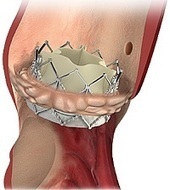

 2012pharmaceutical
 sjwilliamspa