Feeds:
Posts
Comments

Archive for December, 2013

NYT: Michio Kaku interviews 300 of the world’s top scientists and predicts the future

Reporter: Aviva Lev-Ari, PhD, RN

Article ID #96: NYT: Michio Kaku interviews 300 of the world’s top scientists and predicts the future. Published on 12/31/2013

WordCloud Image Produced by Adam Tubman


See on Scoop.itCardiovascular and vascular imaging

Michio Kaku: When making predictions, I have two criteria: the laws of physics must be obeyed and prototypes must exist that demonstrate “proof of principle.” I’ve interviewed more than 300 of the world’s top scientists, and many allowed me into laboratories where they are inventing the future. Their accomplishments and dreams are eye-opening. From my conversations with them, here’s a glimpse of what to expect in the coming decades:


1.     Computers Will Disappear

2.     Augmented Reality Will Be Everyday Reality

3.     The Brain-Net Will Augment the Internet

4.     Capitalism Will Be Perfected

5.     Robots Will Be Commonplace

6.     Aged Body Parts Will Be Replaced

7.     Parents Will Design Their Offspring based on Genomics

8.     Cybermedicine Will Extend Lives

9.     Dictators Will Be Big Losers

10.   Intellectual Capitalism Will Replace Commodity Capitalism


See on www.nytimes.com

Read Full Post »

The amazing history of the Nobel Prize, told in maps and charts

Reporter: Aviva Lev-Ari, PhD, RN

Article ID #95: The amazing history of the Nobel Prize, told in maps and charts. Published on 12/31/2013

WordCloud Image Produced by Adam Tubman


See on Scoop.itCardiovascular and vascular imaging

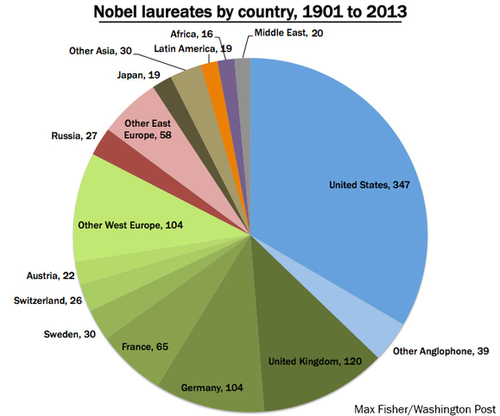
The U.S. has 4 percent of the world’s population and 34 percent of its Nobel laureates. That’s the most of any country in the world, by far: next-highest ranked is Britain with 120 laureates.


Up top is a heat map showing which countries have had the most Nobel laureates in the prize’s history. Most countries have zero Nobel laureates. The faint yellow countries have received exactly one Nobel in the 113 years since the first prize was given. There’s a small cluster of orange countries with maybe 10 to 15 Nobel laureates. A very tiny group of dark red countries have taken most of the Nobel prizes.


Just over 1,000 Nobels have been awarded since the prize was first established in 1901. Most of those have been in sciences but there’s also the literature prize and, most famously, the peace prize. We’ve added up every Nobel awarded since 1901 and separated them out by country. The results are fascinating – and revealing.


A stunning 83 percent of all Nobel laureates have come from Western countries (that means Western Europe, the United States, Canada, Australia or New Zealand). We’ll dive into some of the statistics of the Nobel below. But first here’s a map of the prizes broken down by region.

See on www.washingtonpost.com

Read Full Post »

Lung cancer breathalyzer trialed in the UK

Reporter: Aviva Lev-Ari, PhD, RN

Updated on 7/26/2022

VOC – Biomarkers for Disease Diagnosis: Sniffing Out Cancer: Israeli Prof. Finds Diseases Like Cancer And Parkinson’s Can Be Detected On The Breath

Reporter: Aviva Lev-Ari, PhD, RN

https://pharmaceuticalintelligence.com/category/biomarkers-medical-diagnostics/voc-volatile-organic-compounds-as-biomarkers/

See on Scoop.itCardiovascular and vascular imaging

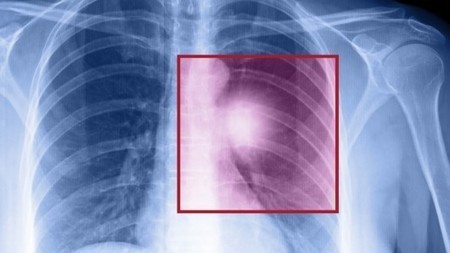
With lung cancer survival rates greatly improved by early detection, we’ve seen a number of efforts to develop a better way to detect the disease in its early stages. So-called lung cancer breathalyzers are one technology being developed by a number of research teams, including one from the University of Huddersfield in the UK, which plans to trial a breathalyzer device in pharmacies.


The project to develop the device, which is taking place over three years, involves researching a lung cancer “biomarker signature” that is detectable in breath. Previous studies have already shown that carbon-based sensors embedded with gold nanoparticles and even dogs can detect chemicals in the breath indicating the presence of the disease in the lungs.

See on www.gizmag.com

Read Full Post »

See on Scoop.itCardiovascular and vascular imaging

Apple has been issued a couple new patents by the USPTO today, including one for hover touch sensing the likes of which we’re starting to see rolled out in..

See on techcrunch.com

Read Full Post »

Elastin Arteriopathy: The Genetics of Supravalvular Aortic Stenosis

Reporter: Aviva Lev-Ari, PhD, RN


Supravalvular Aortic Stenosis Elastin Arteriopathy

Giuseppe Merla, PhD, Nicola Brunetti-Pierri, MD, Pasquale Piccolo, PhD, Lucia Micale, PhD and Maria Nicla Loviglio, PhD, MSc

Author Affiliations

From the Medical Genetics Unit, IRCCS Casa Sollievo Della Sofferenza Hospital, San Giovanni Rotondo, Italy (G.M., L.M., M.N.L.); Telethon Institute of Genetics and Medicine, Napoli, Italy (N.B-P., P.P.); Department of Pediatrics, Federico II University of Naples, Naples, Italy (N.B-P.); and CIG Center for Integrative Genomics, University of Lausanne, Lausanne, Switzerland (M.N.L.).

Correspondence to Giuseppe Merla, PhD, Medical Genetics Unit, IRCCS Casa Sollievo della Sofferenza, viale Cappuccini, 71013 San Giovanni Rotondo, Italy. E-mailg.merla@operapadrepio.it

Abstract

Supravalvular aortic stenosis is a systemic elastin (ELN) arteriopathy that disproportionately affects the supravalvular aorta. ELN arteriopathy may be present in a nonsyndromic condition or in syndromic conditions such as Williams–Beuren syndrome. The anatomic findings include congenital narrowing of the lumen of the aorta and other arteries, such as branches of pulmonary or coronary arteries. Given the systemic nature of the disease, accurate evaluation is recommended to establish the degree and extent of vascular involvement and to plan appropriate interventions, which are indicated whenever hemodynamically significant stenoses occur. ELN arteriopathy is genetically heterogeneous and occurs as a consequence of haploinsufficiency of the ELN gene on chromosome 7q11.23, owing to either microdeletion of the entire chromosomal region or ELN point mutations. Interestingly, there is a prevalence of premature termination mutations resulting in null alleles among ELN point mutations. The identification of the genetic defect in patients with supravalvular aortic stenosis is essential for a definitive diagnosis, prognosis, and genetic counseling.

SOURCE:

Circulation: Cardiovascular Genetics.2012; 5: 692-696

doi: 10.1161/ CIRCGENETICS.112.962860


Read Full Post »

Platelet Endothelial Aggregation Receptor-1 (PEAR1) Gene to be most strongly associated with Dual Antiplatelet Therapy Response: Genetic Determinants of Variable Response to Aspirin (alone and in combination with Clopidogrel)

Reporter: Aviva Lev-Ari, PhD, RN

4 Genetic Variation in PEAR1 is Associated with Platelet Aggregation and Cardiovascular Outcomes

Joshua P. Lewis1Kathleen Ryan1Jeffrey R. O’Connell1Richard B. Horenstein1,Coleen M. Damcott1Quince Gibson1Toni I. Pollin1Braxton D. Mitchell1Amber L. Beitelshees1Ruth Pakzy1Keith Tanner1Afshin Parsa1Udaya S. Tantry2Kevin P. Bliden2Wendy S. Post3Nauder Faraday3William Herzog4Yan Gong5Carl J. Pepine6Julie A. Johnson5Paul A. Gurbel2 and Alan R. Shuldiner7*

Author Affiliations

1University of Maryland School of Medicine, Baltimore, MD

2Sinai Hospital of Baltimore, Baltimore, MD

3Johns Hopkins University School of Medicine, Baltimore, MD

4Sinai Hospital of Baltimore & Johns Hopkins University School of Medicine, Baltimore, MD

5University of Florida College of Pharmacy, Gainesville, FL

6University of Florida College of Medicine, Gainesville, FL

7University of Maryland School of Medicine & Veterans Administration Medical Center, Baltimore, MD

* University of Maryland School of Medicine & Veterans Administration Medical Center, Baltimore, MD ashuldin@medicine.umaryland.edu

Abstract

Background-Aspirin or dual antiplatelet therapy (DAPT) with aspirin and clopidogrel is standard therapy for patients at increased risk for cardiovascular events. However, the genetic determinants of variable response to aspirin (alone and in combination with clopidogrel) are not known.

Methods and Results-We measured ex-vivo platelet aggregation before and after DAPT in individuals (n=565) from the Pharmacogenomics of Antiplatelet Intervention (PAPI) Study and conducted a genome-wide association study (GWAS) of drug response. Significant findings were extended by examining genotype and cardiovascular outcomes in two independent aspirin-treated cohorts: 227 percutaneous coronary intervention (PCI) patients, and 1,000 patients of the International VErapamil SR/trandolapril Study (INVEST) GENEtic Substudy (INVEST-GENES). GWAS revealed a strong association between single nucleotide polymorphisms on chromosome 1q23 and post-DAPT platelet aggregation. Further genotyping revealed rs12041331 in the platelet endothelial aggregation receptor-1 (PEAR1) gene to be most strongly associated with DAPT response (P=7.66×10⁻⁹). In Caucasian and African American patients undergoing PCI, A-allele carriers of rs12041331 were more likely to experience a cardiovascular event or death compared to GG homozygotes (hazard ratio = 2.62, 95%CI 0.96-7.10, P=0.059 and hazard ratio = 3.97, 95%CI 1.10-14.31, P=0.035 respectively). In aspirin-treated INVEST-GENES patients, rs12041331 A-allele carriers had significantly increased risk of myocardial infarction compared to GG homozygotes (OR=2.03, 95%CI 1.01-4.09, P=0.048).

Conclusions – Common genetic variation in PEAR1 may be a determinant of platelet response and cardiovascular events in patients on aspirin, alone and in combination with clopidogrel.

Clinical Trial Registration Information-clinicaltrials.gov; Identifiers:NCT00799396 and NCT00370045

SOURCE:

http://www.ncbi.nlm.nih.gov/pubmed/23392654

http://circgenetics.ahajournals.org/content/6/2/184.short?rss=1

Circulation: Cardiovascular Genetics.2013; 6: 184-192 Published online before print February 7, 2013,doi: 10.1161/​CIRCGENETICS.111.964627


Read Full Post »

Genomics of Carotid-Femoral Pulse Wave Velocity and Excess Cardiovascular Disease Risk: Common Genetic Variation in the 3′-BCL11B Gene Desert

Reporter: Aviva Lev-Ari, PhD, RN


Common Genetic Variation in the 3′-BCL11B Gene Desert Is Associated With Carotid-Femoral Pulse Wave Velocity and Excess Cardiovascular Disease Risk – The AortaGen Consortium

Gary F. Mitchell, MD*Germaine C. Verwoert, MSc*Kirill V. Tarasov, MD, PhD*,Aaron Isaacs, PhD, Albert V. Smith, PhD, Yasmin, BSc, MA, PhD, Ernst R. Rietzschel, MD, PhD, Toshiko Tanaka, PhD, Yongmei Liu, MD, PhD, Afshin Parsa, MD, MPH,Samer S. Najjar, MD, Kevin M. O’Shaughnessy, MA, BM, DPhil, FRCP, Sigurdur Sigurdsson, MSc, Marc L. De Buyzere, MSc, Martin G. Larson, ScD, Mark P.S. Sie, MD, PhD, Jeanette S. Andrews, MS, Wendy S. Post, MD, MS, Francesco U.S. Mattace-Raso, MD, PhD, Carmel M. McEniery, BSc, PhD, Gudny Eiriksdottir, MSc, Patrick Segers, PhD, Ramachandran S. Vasan, MD, Marie Josee E. van Rijn, MD, PhD,Timothy D. Howard, PhD, Patrick F. McArdle, PhD, Abbas Dehghan, MD, PhD,Elizabeth S. Jewell, MS, Stephen J. Newhouse, MSc, PhD, Sofie Bekaert, PhD, Naomi M. Hamburg, MD, Anne B. Newman, MD, MPH, Albert Hofman, MD, PhD, Angelo Scuteri, MD, PhD, Dirk De Bacquer, PhD, Mohammad Arfan Ikram, MD, PhD†, Bruce M. Psaty, MD, PhD†, Christian Fuchsberger, PhD‡, Matthias Olden, PhD‡, Louise V. Wain, PhD§, Paul Elliott, MB, PhD§, Nicholas L. Smith, PhD‖, Janine F. Felix, MD, PhD‖, Jeanette Erdmann, PhD¶, Joseph A. Vita, MD, Kim Sutton-Tyrrell, PhD, Eric J.G. Sijbrands, MD, PhD, Serena Sanna, PhD, Lenore J. Launer, MS, PhD, Tim De Meyer, PhD, Andrew D. Johnson, MD, Anna F.C. Schut, MD, PhD, David M. Herrington, MD, MHS, Fernando Rivadeneira, MD, PhD, Manuela Uda, PhD, Ian B. Wilkinson, MA, BM, FRCP, Thor Aspelund, PhD, Thierry C. Gillebert, MD, PhD, Luc Van Bortel, MD, PhD, Emelia J. Benjamin, MD, MSc, Ben A. Oostra, PhD, Jingzhong Ding, MD, PhD, Quince Gibson, MBA, André G. Uitterlinden, PhD, Gonçalo R. Abecasis, PhD,John R. Cockcroft, BSc, MB, ChB, FRCP, Vilmundur Gudnason, MD, PhD, Guy G. De Backer, MD, PhD, Luigi Ferrucci, MD, Tamara B. Harris, MD, MS, Alan R. Shuldiner, MD, Cornelia M. van Duijn, PhD, Daniel Levy, MD*Edward G. Lakatta, MD* andJacqueline C.M. Witteman, PhD*

Correspondence to Gary F. Mitchell, MD, Cardiovascular Engineering, Inc, 1 Edgewater Dr, Suite 201A, Norwood, MA 02062. E-mailGaryFMitchell@mindspring.com

* These authors contributed equally.

Abstract

Background—Carotid-femoral pulse wave velocity (CFPWV) is a heritable measure of aortic stiffness that is strongly associated with increased risk for major cardiovascular disease events.

Methods and Results—We conducted a meta-analysis of genome-wide association data in 9 community-based European ancestry cohorts consisting of 20 634 participants. Results were replicated in 2 additional European ancestry cohorts involving 5306 participants. Based on a preliminary analysis of 6 cohorts, we identified a locus on chromosome 14 in the 3′-BCL11B gene desert that is associated with CFPWV (rs7152623, minor allele frequency=0.42, β=−0.075±0.012 SD/allele,P=2.8×10−10; replication β=−0.086±0.020 SD/allele, P=1.4×10⁻⁶). Combined results for rs7152623 from 11 cohorts gave β=−0.076±0.010 SD/allele,P=3.1×10−15. The association persisted when adjusted for mean arterial pressure (β=−0.060±0.009 SD/allele, P=1.0×10⁻¹¹). Results were consistent in younger (<55 years, 6 cohorts, n=13 914, β=−0.081±0.014 SD/allele, P=2.3×10⁻⁹) and older (9 cohorts, n=12 026, β=−0.061±0.014 SD/allele, P=9.4×10⁻⁶) participants. In separate meta-analyses, the locus was associated with increased risk for coronary artery disease (hazard ratio=1.05; confidence interval=1.02–1.08; P=0.0013) and heart failure (hazard ratio=1.10, CI=1.03–1.16, P=0.004).

Conclusions—Common genetic variation in a locus in the BCL11B gene desert that is thought to harbor 1 or more gene enhancers is associated with higher CFPWV and increased risk for cardiovascular disease. Elucidation of the role this novel locus plays in aortic stiffness may facilitate development of therapeutic interventions that limit aortic stiffening and related cardiovascular disease events.

SOURCE:

Circulation: Cardiovascular Genetics.2012; 5: 81-90

Published online before print November 8, 2011,

doi: 10.1161/ CIRCGENETICS.111.959817


Read Full Post »

Abdominal Aortic Aneurysm: Matrix Metalloproteinase-9 Genotype as a Potential Genetic Marker

Reporter: Aviva Lev-Ari, PhD, RN


Matrix Metalloproteinase-9 Genotype as a Potential Genetic Marker for Abdominal Aortic Aneurysm

Tyler Duellman, BS, Christopher L. Warren, PhD, Peggy Peissig, PhD, Martha Wynn, MD and Jay Yang, MD, PhD

Author Affiliations

From the Molecular and Cellular Pharmacology Graduate Program (T.D., J.Y.) and Department of Anesthesiology (M.W., J.Y.), University of Wisconsin School of Medicine and Public Health, Madison; Illumavista Biosciences LLC, Madison, WI (C.L.W.); and Biomedical Informatics Research Center, Marshfield Clinics Research Foundation, Marshfield, WI (P.P.).

Correspondence to Jay Yang, MD, PhD, Department of Anesthesiology, University of Wisconsin SMPH, SMI 301, 1300 University Ave, Madison, WI 53706. E-mailJyang75@wisc.edu

Abstract

Background—Degradation of extracellular matrix support in the large abdominal arteries contribute to abnormal dilation of aorta, leading to abdominal aortic aneurysms, and matrix metalloproteinase-9 (MMP-9) is the predominant enzyme targeting elastin and collagen present in the walls of the abdominal aorta. Previous studies have suggested a potential association between MMP-9 genotype and abdominal aortic aneurysm, but these studies have been limited only to the p-1562 and (CA) dinucleotide repeat microsatellite polymorphisms in the promoter region of the MMP-9 gene. We determined the functional alterations caused by 15 MMP-9 single-nucleotide polymorphisms (SNPs) reported to be relatively abundant in the human genome through Western blots, gelatinase, and promoter–reporter assays and incorporated this information to perform a logistic-regression analysis of MMP-9 SNPs in 336 human abdominal aortic aneurysm cases and controls.

Methods and Results—Significant functional alterations were observed for 6 exon SNPs and 4 promoter SNPs. Genotype analysis of frequency-matched (age, sex, history of hypertension, hypercholesterolemia, and smoking) cases and controls revealed significant genetic heterogeneity exceeding 20% observed for 6 SNPs in our population of mostly white subjects from Northern Wisconsin. A step-wise logistic-regression analysis with 6 functional SNPs, where weakly contributing confounds were eliminated using Akaike information criteria, gave a final 2 SNP (D165N and p-2502) model with an overall odds ratio of 2.45 (95% confidence interval, 1.06–5.70).

Conclusions—The combined approach of direct experimental confirmation of the functional alterations of MMP-9 SNPs and logistic-regression analysis revealed significant association between MMP-9 genotype and abdominal aortic aneurysm.

SOURCE:

Circulation: Cardiovascular Genetics.2012; 5: 529-537

Published online before print August 31, 2012,

doi: 10.1161/ CIRCGENETICS.112.963082


Read Full Post »

Aortic Aneurysm Pathogenesis: The Role of TGFβRIIb Mutations in  Altering Transforming Growth Factor β2 Signal Transduction

Reporter: Aviva Lev-Ari, PhD, RN

TGFβRIIb Mutations Trigger Aortic Aneurysm Pathogenesis by Altering Transforming Growth Factor β2 Signal Transduction

Katharine J. Bee, PhD, David C. Wilkes, PhD, Richard B. Devereux, MD, Craig T. Basson, MD, PhD and Cathy J. Hatcher, PhD

Author Affiliations

From the Center for Molecular Cardiology, Greenberg Division of Cardiology, Weill Cornell Medical College, New York, NY.

Correspondence to Cathy J. Hatcher, PhD, Greenberg Division of Cardiology, Weill Cornell Medical College, 525 E. 68th St, New York, NY 10065. E-mailcjhatche@med.cornell.edu

Abstract

Background—Thoracic aortic aneurysm (TAA) is a common progressive disorder involving gradual dilation of the ascending and/or descending thoracic aorta that eventually leads to dissection or rupture. Nonsydromic TAA can occur as a genetically triggered, familial disorder that is usually transmitted in a monogenic autosomal dominant fashion and is known as familial TAA. Genetic analyses of families affected with TAA have identified several chromosomal loci, and further mapping of familial TAA genes has highlighted disease-causing mutations in at least 4 genes: myosin heavy chain 11 (MYH11), α-smooth muscle actin (ACTA2), and transforming growth factor β receptors I and II (TGFβRI and TGFβRII).

Methods and Results—We evaluated 100 probands to determine the mutation frequency in MYH11ACTA2TGFβRI, and TGFβRII in an unbiased population of individuals with genetically mediated TAA. In this study, 9% of patients had a mutation in one of the genes analyzed, 3% of patients had mutations in ACTA2, 3% in MYH11, 1% in TGFβRII, and no mutations were found in TGFβRI. Additionally, we identified mutations in a 75 base pair alternatively spliced TGFβRII exon, exon 1a that produces the TGFβRIIb isoform and accounted for 2% of patients with mutations. Our in vitro analyses indicate that the TGFβRIIb activating mutations alter receptor function on TGFβ2 signaling.

Conclusions—We propose that TGFβRIIb expression is a regulatory mechanism for TGFβ2 signal transduction. Dysregulation of the TGFβ2 signaling pathway, as a consequence of TGFβRIIb mutations, results in aortic aneurysm pathogenesis.

SOURCE: 

Circulation: Cardiovascular Genetics.2012; 5: 621-629

Published online before print October 24, 2012,doi: 10.1161/ CIRCGENETICS.112.964064


Read Full Post »

The Role of Sibling Kinship, Sex, and Age of Ischemic Stroke Onset: The Familial Component

Reporter: Aviva Lev-Ari, PhD, RN


Familial Effects on Ischemic Stroke – The Role of Sibling Kinship, Sex, and Age of Onset

Katherine Kasiman, MSc, Cecilia Lundholm, MSc, Sven Sandin, MSc, Ninoa Malki, MSc, Pär Sparén, PhD and Erik Ingelsson, MD, PhD

Author Affiliations

From the Department of Medical Epidemiology and Biostatistics (K.K., C.L., S.S., N.M., P.S., E.I.), Karolinska Institutet, Stockholm, Sweden; Centre for Molecular Epidemiology (K.K.), Saw Swee Hock School of Public Health, National University of Singapore, Singapore.

Correspondence to Prof Erik Ingelsson, MD, PhD, FAHA, Department of Medical Epidemiology and Biostatistics, Karolinska Institutet, Box 281, Nobels väg 12A, SE-171 77 Stockholm, Sweden. E-mail erik.ingelsson@ki.se

Abstract

Background—Previous studies on familial risk of ischemic stroke have supported genetic influence on the disease incidence. This study aimed to characterize these familial effects in a nationwide population-based study by taking into account sibling relations, sex of siblings, and age of onset, with respect to ischemic stroke incidence.

Methods and Results—Incident ischemic stroke cases identified from the Swedish Hospital Discharge and Cause of Death Registers between 1987 and 2007 were linked to their stroke-free siblings (study participants), forming an exposed sib-pair. Each exposed sib-pair was matched up to 5 unexposed sib-pairs from the Multi-Generation Registry by birth and calendar years. Incident ischemic stroke risk was assessed using hazard estimates obtained from stratified Cox regression analyses. A total of 30 735 exposed and 152 391 unexposed study participants were included in the analyses. The overall risk of incident ischemic stroke when exposed was significantly increased (relative risk, 1.61; 95% confidence interval, 1.48–1.75;P<0.001). Familial risk was higher in full (relative risk, 1.64; 95% confidence interval, 1.50–1.81; P<0.001) than in half (relative risk, 1.41; 95% confidence interval, 1.10–1.82; P=0.007) siblings. Familial risk of early ischemic stroke almost doubled when exposed to early ischemic stroke (relative risk, 1.94; 95% confidence interval, 1.41–2.67; P<0.001).

Conclusions—There was a 60% increased risk for ischemic stroke in individuals having a sibling with prior stroke. The familial effect was even higher for full-sibling relations. Familial effects were observed in both male and female individuals, and no differential effects depending on the sex of either of the siblings were found.

Published online before print March 8, 2012,

doi: 10.1161/ CIRCGENETICS.111.962191

http://circgenetics.ahajournals.org/content/5/2/226.abstract?sid=5201ab39-7f11-4007-b159-2d1e15663cd5


Read Full Post »

« Newer Posts - Older Posts »