Feeds:
Posts
Comments

Posts Tagged ‘brain’

Brain Matters from iBiology

Larry H. Bernstein, MD, FCAP, Curator

LPBI


ADAM COHEN: VISUALIZING ACTIVITY IN THE BRAIN

The pattern of electrical signals propagated through neuronal networks determines brain function. Adam Cohen examines the possibility of visualizing these signals inside an intact brain using fluorescent transmembrane proteins that are sensitive to voltage. Cohen discusses the barriers to this approach, something he predicts scientists from many disciplines will eventually overcome.

https://youtu.be/Zw8lWmGuXLU      Download: High ResLow Res     Recorded: 2014

Adam Cohen is Professor in the Departments of Chemistry and Physics at Harvard University and Investigator of the Howard Hughes Medical Institute. He develops biological tools and analytical approaches to investigate the behaviors of molecules and cells in vitro and in vivo. His lab merges protein engineering, optics, and physics, among other disciplines, on a variety of projects. For example, they have developed a fluorescent transmembrane protein that detects membrane voltage, which is useful in visualizing electrical activity in cells, such as cultured neurons.

Related —


The Evolution of Neural Circuits and Behaviors​
Melina Hale (University of Chicago)

Evolution can be defined as a change in heritable characteristics. In her fist talk, Hale does a excellent job of explaining how these changes occur. She uses examples, such as the variable color of the pepper moth, to explain selection of characteristics and she describes how geographic isolation can lead to the evolution of new species. In her second lecture, Hale describes work from her lab on the startle response, a highly conserved behavior found in fish and other vertebrates. Comparisons of the neurons which control the startle response, across many species of fish, have allowed Hale and her colleagues to determine how this neuronal circuit, and this behavior, have evolved over hundreds of millions of years.

Part 1 is an outstanding video for high school or undergraduate educators looking for material to teach evolution.

Watch Melina Hale’s iBioSeminar:

Part 1: Introduction to Evolution

Part 2: Neural Circuits and How They Evolve: A Startling Example!


Discovery of a ‘Neuronal Big Bang’

University of Geneva   http://www.biosciencetechnology.com/news/2016/03/discovery-neuronal-big-bang


This is an expression of all the genes of a neuron during the first hours after its birth. Each circle represents a development stage (6h, 12h, 24h), and the colored points within each circle represent the level of gene expression. (Credit: Jabaudon Lab/ UNIGE)

This is an expression of all the genes of a neuron during the first hours after its birth. Each circle represents a development stage (6h, 12h, 24h), and the colored points within each circle represent the level of gene expression. (Credit: Jabaudon Lab/ UNIGE)


Our brain is home to different types of neurons, each with their own genetic signature that defines their function. These neurons are derived from progenitor cells, which are specialized stem cells that have the ability to divide to give rise to neurons. Neuroscientists from the Faculty of Medicine at the University of Geneva (UNIGE) shed light on the mechanisms that allow progenitors to generate neurons. By developing a novel technology called FlashTag that enables them to isolate and visualize neurons at the very moment they are born, they have deciphered the basic genetic code allowing the construction of a neuron. This discovery, which is published in Science, allows not only to understand how our brain develops, but also how to use this code to reconstruct neurons from stem cells. Researchers will now be able to better understand the mechanisms underlying neurological diseases such as autism and schizophrenia.

Directed by Denis Jabaudon, a neuroscientist and neuroscientist at the Department of Basic Neurosciences at UNIGE Faculty of Medicine and neurologist at the University Hospitals Geneva (HUG), the researchers developed a technology termed FlashTag, which visualizes neurons as they are being born. Using this approach, at the very moment where a progenitor divides, it is tagged with a fluorescent marker that persists in its progeny. Scientists can then visualize and isolate newborn neurons in order to dynamically observe which genes are expressed in the first few hours of their existence. Over time, they can then study their evolution and changes in gene expression. “Previously, we only had a few photos to reconstruct the history of neurons, which left a lot of room for speculation. Thanks to FlashTag, there is now a full genetic movie unfolding before our eyes. Every instant becomes visible from the very beginning, which allows us to understand the developmental scenario at play, identify the main characters, their interactions and their incentives”, notes Jabaudon. Working in the cerebral cortex of the mouse, the scientists have thus identified the key genesto neuronal development, and demonstrated that their expression dynamics is essential for the brain to develop normally.

A very precise primordial choreography

This discovery, by giving access to the primordial code of the formation of neurons, helps us to understand how neurons function in the adult brain. And it appears that several of these original genes are also involved in neurodevelopmental and neurodegenerative diseases, which can occur many years later. This suggests that a predisposition may be present from the very first moments in the existence of neurons, and that environmental factors can then impact on how diseases may develop later on. By understanding the genetic choreography of neurons, the researchers can therefore observe how these genes behave from the start, and identify potential anomalies predicting diseases.

After successfully reading this genetic code, the scientists we able to rewrite it in newborn neurons. By altering the expression of certain genes, they were able to accelerate neuronal growth, thus altering the developmental script. With FlashTag, it is now possible to isolate newborn neurons and recreate cerebral circuits in vitro, which enables scientists to test their function as well as to develop new treatments.

A website open to all

The UNIGE team posted a website where it is possible to enter the name of a gene and observe how it is expressed, and how it interacts with other genes. “Each research team can only focus on a handful of genes at a time, while our genome is made up of close to 20,000 genes. We therefore made our tool available for other researchers to use it, in a fully open way,” highlights Jabaudon.

Chronic Stress Causes Brain Inflammation, Memory Loss

A new study suggests that long-term stress can hurt short-term memory, in part due to inflammation brought on by an immune response.

Bevin Fletcher, Associate Editor    http://www.biosciencetechnology.com/news/2016/03/chronic-stress-causes-brain-inflammation-memory-loss

A new study suggests that long-term stress can hurt short-term memory, in part due to inflammation brought on by an immune response.

Researchers from Ohio State University performed experiments where mice were exposed to repeated social defeat by exposure to an aggressive, larger, alpha mouse.  The mice that were under chronic stress, had difficulty remembering where the escape hole was in a maze they had previously mastered before the stressful period.

The findings were published in The Journal of Neuroscience.

“The stressed mice didn’t recall it. The mice that weren’t stressed really remembered it,” lead researcher Johnathan Godbout, associate professor of neuroscience at Ohio State, said in statement.

The researchers noted that this kind of stress isn’t the once-in-a-while, acute stress someone might feel before a big meeting or presentation, but prolonged, continued stress.

The mice also displayed depressive-like behavior through social avoidance that continued after four weeks of observation.

Brain changes were also observed in the stressed mice, including inflammation associated with the presence of immune cells, known as macrophages, in the brain.  The researchers also recorded shortfalls in the development of new neurons at 10 days and 28 days after the chronic stress ended.

John Sheridan, associate director of Ohio State’s Institute for Behavioral Medicine said in a statement that there might be ways to interrupt the inflammation that occurs in the brain.

When the mice were given a chemical that inhibited inflammation, both memory loss and the inflammatory macrophages disappeared, leading researchers to conclude that post-stress memory deficits is directly tied to inflammation and the immune system. The depressive symptoms and the brain-cell problem did not go away.

“Stress releases immune cells from the bone marrow and those cells can traffic to brain areas associated with neuronal activation in response to stress,” Sheridan said. “They’re being called to the brain, to the center of memory.”

The team aims to understand the underpinnings of stress and responses that could one day lead to treatments for people that suffer from anxiety, depression, or post-traumatic stress disorder.

New information from this study could lead to immune-based treatments, Godbout said.


 A retinoic acid-enhanced, multicellular human blood-brain barrier model derived from stem cell sources Ethan S. Lippmann, Abraham Al-Ahmad, Samira M. Azarin, Sean P. Palecek &Eric V. Shusta

Scientific Reports 4, Article number: 4160 (2014)   http://dx.doi.org:/10.1038/srep04160

Blood-brain barrier (BBB) models are often used to investigate BBB function and screen brain-penetrating therapeutics, but it has been difficult to construct a human model that possesses an optimal BBB phenotype and is readily scalable. To address this challenge, we developed a human in vitro BBB model comprising brain microvascular endothelial cells (BMECs), pericytes, astrocytes and neurons derived from renewable cell sources. First, retinoic acid (RA) was used to substantially enhance BBB phenotypes in human pluripotent stem cell (hPSC)-derived BMECs, particularly through adherens junction, tight junction, and multidrug resistance protein regulation. RA-treated hPSC-derived BMECs were subsequently co-cultured with primary human brain pericytes and human astrocytes and neurons derived from human neural progenitor cells (NPCs) to yield a fully human BBB model that possessed significant tightness as measured by transendothelial electrical resistance (~5,000 Ωxcm2). Overall, this scalable human BBB model may enable a wide range of neuroscience studies.

The blood-brain barrier (BBB) is composed of brain microvascular endothelial cells (BMECs) which line brain capillaries and control molecular and cellular trafficking between the bloodstream and neural tissue. These properties are tightly regulated by the surrounding neurovascular microenvironment throughout BBB development and into adulthood. While this barrier is essential for preserving healthy brain activity, its dysfunction has been implicated in a number of neurological diseases1. Moreover, an intact BBB serves as a major bottleneck for brain drug delivery2. Studies regarding BBB development and regulation can be difficult and time-consuming to conduct in vivo and testing brain penetration of therapeutics in vivo is a low throughput endeavor. As such, in vitro BBB models have been widely implemented to study interactions between BMECs and other cells of the neurovascular unit and to conduct screens for prospective BBB-permeant drugs.

In vitro BBB models are typically constructed using primary BMECs isolated from animal brain tissue, including bovine, porcine, rat, and mouse (reviewed extensively in ref. 3). These BMECs are then co-cultured with combinations of other cells of the neurovascular unit, such as neurons, pericytes, and astrocytes, to upregulate BBB properties4,5,6,7. Models derived from animal tissue have proven extremely useful in studying various aspects of the BBB, such as developmental and regulatory mechanisms8,9,10,11,12 and assaying drug permeability, but it is generally well-accepted that owing to species differences, a robust human BBB model is vital to achieve a detailed understanding of human developmental pathways and to conduct relevant drug discovery and design studies13. Human BMEC sources for BBB models have previously consisted of either primary biopsied brain tissue14,15 or immortalized cell lines16. Primary human BMECs typically possess moderate barrier properties but are of limited scale14,15, and immortalized BMECs are clonal and readily scalable but often suffer from suboptimal barrier properties16,17. From a co-culture perspective, human neurons, astrocytes, and pericytes can also be difficult to obtain from primary tissue sources in sufficient quantities for modeling purposes. These collective issues have hindered the development of in vitro human BBB models that are both high fidelity and scalable3.

We have recently demonstrated that stem cells may be attractive candidates to replace primary cells in human BBB models. Human pluripotent stem cells (hPSCs), including both human embryonic stem cells (hESCs) and induced pluripotent stem cells (iPSCs), can be differentiated into cells possessing both endothelial and BBB properties (coined hPSC-derived BMECs) via co-differentiation of neural and endothelial progenitors, followed by selection and subsequent culture of the endothelial cells18. The iPSC-derived BMECs co-cultured with rat astrocytes possessed reasonable barrier tightness as measured by TEER (860 ± 260 Ωxcm2)18, but the TEER remained below some primary bovine19 and porcine20,21 models (800–2,000 Ωxcm2) and substantially lower than in vivo TEER (measured up to 5,900 Ωxcm2)22. In searching for candidates to improve the BBB phenotype, we identified all-trans retinoic acid (RA). BMECs in vivo have been shown to express retinol-binding protein and its membrane receptor STRA623,STRA6 expression has been detected in brain endothelium but not peripheral endothelium in adult mice24, and STRA6 expression was increased during the differentiation of hPSC-derived BMECs in our previous work18. Moreover, RA has been shown to upregulate certain BBB properties in immortalized rodent25,26 and human27 BMEC lines. In this manuscript, we demonstrate maturation of hPSC-derived BMEC phenotypes following retinoic acid (RA) addition during the differentiation process, including enhanced adherens junction protein expression, barrier function, and multidrug resistance protein (MRP) efflux activity. We also demonstrated in previous work that primary human neural progenitor cells (NPCs) could be differentiated to a defined mixture of neurons and astrocytes capable of inducing BBB properties in rat BMECs in co-culture7. In this manuscript, it is shown that under optimized culture conditions, RA-treated hPSC-derived BMECs sequentially co-cultured with primary human brain pericytes and NPC-derived astrocytes and neurons can achieve physiologic TEER values, forming a scalable, fully human BBB model.

.…….

The purpose of this work was to construct a renewable, robust human BBB multicellular co-culture model employing hPSCs, NPCs, and pericytes. Using previous studies as guides25,26,31, RA was identified as a significant modulator of BMEC properties during hPSC differentiation that greatly enhanced physical barrier characteristics as demonstrated by elevated TEER in BMECs cultured alone or with neurovascular cell co-culture. In recent work, RA treatment on the hCMEC/D3 human brain endothelial cell line served to increase occludin and VE-cadherin expression, and the authors suggested that RA secreted by radial glia may be involved in BBB development27. In our study, when RA was added during the endothelial progenitor expansion phase of hPSC-derived BMEC differentiation, similar results were observed including an earlier onset of VE-cadherin expression and increased occludin expression. Moreover, the BMEC yield was increased 2-fold and the tightness of the hPSC-derived BMEC monolayers as measured by elevated TEER was significantly enhanced for three different hPSC lines. Somewhat unexpectedly, RA treatment resulted in decreased claudin-5 expression. However, the Western blotting analysis was conducted using whole-cell lysates and does not take into account the substantially improved intercellular claudin-5 junctional continuity upon RA treatment (Fig. 2C). We and others have previously observed a strong correlation between such junctional continuity and resultant barrier phenotype6,29,32. In addition, previous work has demonstrated claudin-5 expression is relatively constant across peripheral and BBB endothelium while occludin expression is increased at the BBB relative to other vascular beds31. Thus, a combination of claudin-5 localization and elevated occludin expression may be the key phenotypic indicators of increased barrier function31,33. RA treatment of hPSC-derived BMECs also selectively increased MRP efflux activity, which agrees with reports demonstrating that signaling via nuclear receptors can regulate efflux transporter expression and activity at the blood-brain barrier in vitro and in vivo34,35,36,37. RA influences many aspects of brain development, such as anterior/posterior axis patterning in the hindbrain and anterior spinal cord38,39,40 and regulation of neurogenesis41,42,43. During BMEC differentiation, RA could trigger several modes of action. RA may act directly on the developing endothelial cells to upregulate BBB properties, it could induce changes in the neural cells to indirectly promote BBB differentiation, or it could act by a combination of these mechanisms. Future work will be necessary to deconvolute the RA signaling mechanisms affecting the hPSC-derived BMEC differentiation scheme.


In Your Dreams

Understanding the sleeping brain may be the key to unlocking the secrets of the human mind.

By David Gelernter | March 1, 2016

http://www.the-scientist.com/?articles.view/articleNo/45357/title/In-Your-Dreams

Many scientists who study the mind live in fantasyland. They ought to move back to reality: neuroscientists, psychologists, computer scientists pursuing artificial intelligence, and the philosophers of mind who are, in many cases, the sharpest thinkers in the room.

The mind makes us rational. That mind is the one we choose to study. When we study sleep or dreaming, we isolate them first—as the specialized topics they are. But, as I argue in my new book The Tides of Mind, we will never reach a deep understanding of mind unless we start with an integrated view, stretching from rational, methodical thought to nightmares.

Integrating dreaming with the rest of mind is something like being asked to assemble a car from a large pile of metal, plastic, rubber, glass, and an ocelot. Dreaming is hallucination, centering on a radically different self from our waking selves, within unreal settings and stories. Dreams can please or scare us far more vividly than our ordinary thoughts. And they are so slippery, so hard to grasp, that we start losing them the moment we wake up.

But dreaming fits easily into the big picture of mind; and we will make no basic progress on understanding the mind until we see how. Dreaming is the endpoint of the spectrum of consciousness, the smooth progression from one type of consciousness to the next, that we each experience daily.

The simplest approach to the spectrum centers on mental focus. The quality of our attention goes from concentrated to diffuse over the course of a normal day; from a state in which we can concentrate—we can think and remember in a relatively disciplined way—to one in which, with our minds wandering and memory growing increasingly vibrant and distracting, we approach sleep. Then our thinking becomes hallucinatory (as we pass through “sleep-onset thought”); and finally, we are asleep and dreaming. Usually, we oscillate down and up more than once during the day. We move partway down, come partway back, then finally slide slowly to the bottom, when we sleep and dream.

We can also describe the spectrum as a steady shift from a mind dominated by action to one dominated by passive mental experience; from mental doing to mental being. In the upper spectrum, we tend to ignore emotion as we pursue some mental object by means of reasoning or analysis. But the daydreams and fantasies that occupy us as we move down-spectrum are often emotional. And in dreaming we encounter the most saturated emotions, good and bad, that the mind can generate.

The spectrum clarifies important aspects of the mind. “Intentionality,” the quality of aboutness (“I believe that bird is a sparrow” is about “that bird”), is sometimes called “the mark of the mental”—the distinguishing attribute of mental states. But intentionality belongs strictly to the upper spectrum, and disappears gradually as we descend. At the bottom, our minds are dominated by experience, pure being. Happiness or pain or “the experience of seeing purple” are states that have causes but are about nothing.

Software simulations of the upper spectrum, of thinking-about, have grown steadily stronger over the years. That trend will continue. Being, however, is not computable. Software can no more reproduce “being happy” than it can reproduce “being rusty.” Such states depend on physical properties of particular objects. A digital computer resembles only the upper-spectrum mind. Software will never come close to reproducing the mind as a whole.
Leaving sleep outside our investigation is a good way not to see any of this. Arbitrarily hacking off one end of any natural spectrum is an invitation to conceptual chaos. There has been plenty of that in the science of mind. We must start by understanding sleep and dreaming, and go from there.

David Gelernter is a professor of computer science at Yale University. Read an excerpt from his latest book, The Tides of Mind: Uncovering the Spectrum of Consciousness at the-scientist.com.

Out in the Cold

Serotonin’s long-debated role in sleep promotion is temperature-dependent.

By Karen Zusi | March 1, 2016     http://www.the-scientist.com/?articles.view/articleNo/45346/title/Out-in-the-Cold

N.M. Murray et al., “Insomnia caused by serotonin depletion is due to hypothermia,” Sleep, 38:1985-93, 2015.

Sleepless nights
Early research into serotonin’s functions suggested that the neurotransmitter promotes sleep: lab animals deprived of the chemical often developed insomnia. More recent evidence indicated that serotonin plays a part in wakefulness instead, a theory that has gained significant traction. But explanations of the initial experimental data were scarce—so Nick Murray, then a research fellow at the University of Iowa Carver College of Medicine, started digging.

Faulty furnace?
“Over the past 5 or 10 years, we’ve found that serotonin is a key neurotransmitter for generating body heat,” says Murray. To investigate whether this role was related to serotonin’s impact on sleep, he and his colleagues injected para-chlorophenylalanine into mice to inhibit serotonin synthesis.

On ice
When kept at room temperature (20 °C), the mice with depleted serotonin slept less and developed a lower body temperature compared with their control counterparts. However, when housed at 33 °C—a thermoneutral temperature for mice—the sleep and body temperature of the treated mice stayed normal. “Serotonin isn’t a sleep-promoting neurotransmitter,” concludes Murray, now a resident at California Pacific Medical Center. He suggests that mice lacking serotonin had a tough time sleeping under early experimental conditions simply because the animals were cold, and that at higher temperatures other neurotransmitter systems in the brain would function to allow them a normal sleep-wake cycle.

Case closed
The study “solves a long-standing mystery” in the field, says Clifford Saper of Harvard University. “Not very many labs measure sleep and body temperature at the same time,” he adds. “It just basically escaped everybody’s notice for all these years.”


Read Full Post »

Visual math!

Larry H. Bernstein, MD, FCAP, Curator

LPBI


Eye cells may use math to detect motion

http://www.nih.gov/news-events/news-releases/eye-cells-may-use-math-detect-motion


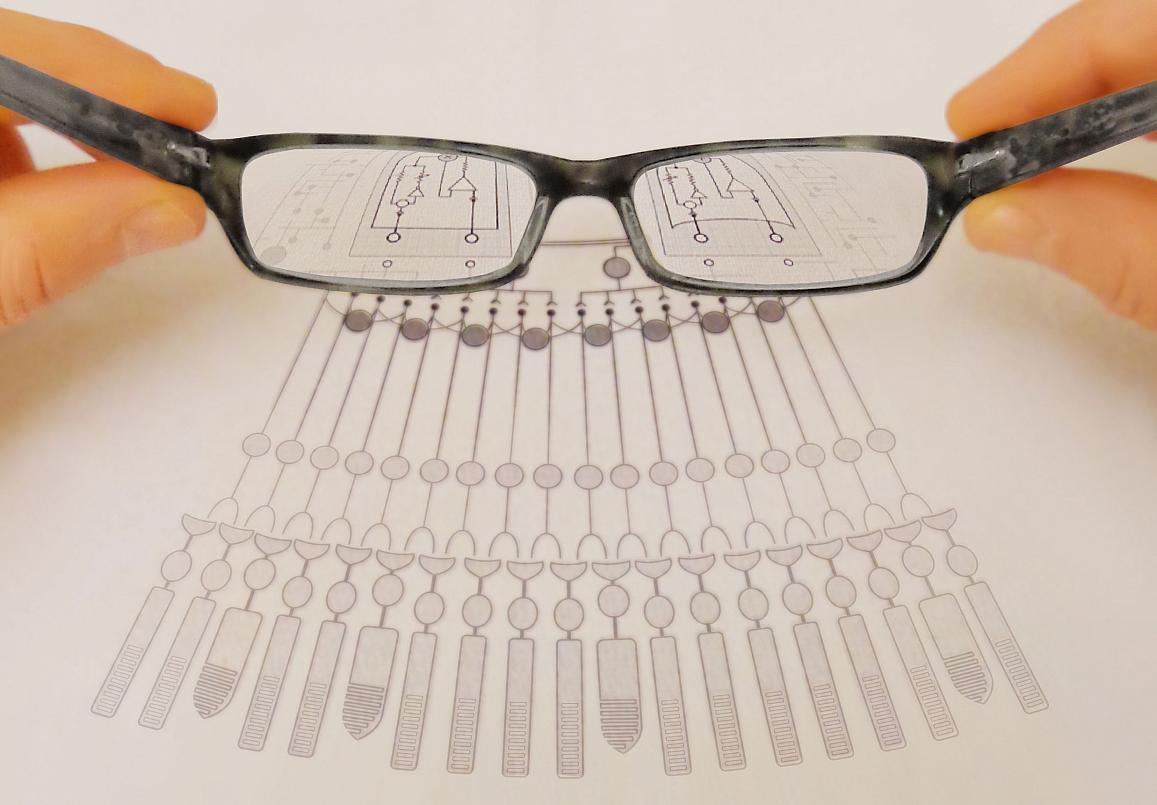
Image of glasses magnifying a diagram.

http://www.nih.gov/sites/default/files/styles/featured_media_breakpoint-large-extra/public/news-events/news-releases/2016/20160307-glasses.jpg


Our eyes constantly send bits of information about the world around us to our brains where the information is assembled into objects we recognize. Along the way, a series of neurons in the eye uses electrical and chemical signals to relay the information. In a study of mice, National Institutes of Health scientists showed how one type of neuron may do this to distinguish moving objects. The study suggests that the NMDA receptor, a protein normally associated with learning and memory, may help neurons in the eye and the brain relay that information.

“The eye is a window onto the outside world and the inner workings of the brain,” said Jeffrey S. Diamond, Ph.D., senior scientist at the NIH’s National Institute of Neurological Disorders and Stroke (NINDS), and the senior author of the study published in Neuron. “Our results show how neurons in the eye and the brain may use NMDA receptors to help them detect motion in a complex visual world.”

Our eyes constantly send bits of information about the world around us to our brains where the information is assembled into objects we recognize. Along the way, a series of neurons in the eye uses electrical and chemical signals to relay the information. In a study of mice, National Institutes of Health scientists showed how one type of neuron may do this to distinguish moving objects. The study suggests that the NMDA receptor, a protein normally associated with learning and memory, may help neurons in the eye and the brain relay that information.

“The eye is a window onto the outside world and the inner workings of the brain,” said Jeffrey S. Diamond, Ph.D., senior scientist at the NIH’s National Institute of Neurological Disorders and Stroke (NINDS), and the senior author of the study published in Neuron. “Our results show how neurons in the eye and the brain may use NMDA receptors to help them detect motion in a complex visual world.”

Vision begins when light enters the eye and hits the retina, which lines the back of the eyeball. Neurons in the retina convert light into nerve signals which are then sent to the brain. Using retinas isolated from mice, Dr. Alon Poleg-Polsky, Ph.D. a postdoctoral fellow in Dr. Diamond’s lab, studied neurons called directionally selective retinal ganglion cells (DSGCs), which are known to fire and send signals to the brain in response to objects moving in specific directions across the eye.

Electrical recordings showed that some of these cells fired when a bar of light passed across the retina from left to right, whereas others responded to light crossing in the opposite direction. Previous studies suggested these unique responses are controlled by incoming signals sent from neighboring cells at chemical communication points called synapses. In this study, Dr. Poleg-Polsky discovered that the activity of NMDA receptors at one set of synapses may regulate whether DSGCs sent direction-sensitive information to the brain.

NMDA receptors are proteins that generate electrical signals in response to the neurochemicals glutamate and glycine. When activated, they allow electrically charged ions to flow in and out of cells like water through an unlocked canal. In the early 1980s, studies in France and at the NIH showed that magnesium blocks the flow until the neuron is strongly activated and its electrical state rises above a certain voltage.  This regulation is thought to be critical for certain types of learning and memory, and in amplifying signals in neurons.

Further experiments by Dr. Poleg-Polsky examined how magnesium’s control of NMDA receptors may regulate the firing of DSGCs. To mimic realistic conditions, Dr. Poleg-Polsky passed bars of light across retinas while exposing them to various background lights. The results suggested that the variable magnesium block that ensured the cells consistently sent information to the brain in response to the passing bars of light despite the distracting incoming stream of signals generated by the background lights. The NMDA receptors did this by amplifying the cells’ responses to the bars in a process called multiplicative scaling.

“Cells in the eye can multiply,” said Dr. Poleg-Polsky. “The process may help these cells determine whether a tiger is sauntering by, or fast approaching as it’s looking for dinner.”

Neurons in the eye and brain receive a constant stream of information. The results of this study support a growing body of evidence suggesting that NMDA receptors play in critical role in how neurons relay information.

“Our results suggest that NMDA receptors help neurons distinguish relevant information from irrelevant background noise,” said Dr. Diamond. “In the future we plan to examine whether this process contributes to other aspects of vision.”

This work was supported by the NINDS Division of Intramural Research.

For more information, visit:
www.ninds.nih.gov
neuroscience.nih.gov/ninds/Home.aspx

The NINDS is the nation’s leading funder of research on the brain and nervous system. The mission of NINDS is to seek fundamental knowledge about the brain and nervous system and to use that knowledge to reduce the burden of neurological disease.

About the National Institutes of Health (NIH): NIH, the nation’s medical research agency, includes 27 Institutes and Centers and is a component of the U.S. Department of Health and Human Services. NIH is the primary federal agency conducting and supporting basic, clinical, and translational medical research, and is investigating the causes, treatments, and cures for both common and rare diseases. For more information about NIH and its programs, visit www.nih.gov.

NIH…Turning Discovery Into Health®

Reference

Poleg-Polsky et al. “NMDA receptors multiplicatively scale visual signals and enhance direction motion discrimination in retinal ganglion cells,” Neuron, March 3, 2016. http://dx.doi.org:/10.1016/j.neuron.2016.02.013

NMDA Receptors Multiplicatively Scale Visual Signals and Enhance Directional Motion Discrimination in Retinal Ganglion Cells
Alon Poleg-Polskycorrespondence, Jeffrey S. Diamond
http://dx.doi.org/10.1016/j.neuron.2016.02.013
Poleg-Polsky et al. report a novel form of multiplicative synaptic integration in retinal directionally selective ganglion cells that is mediated by NMDARs and directionally tuned synaptic inhibition. NMDAR-mediated multiplication enhances the accuracy of motion discrimination in noisy visual conditions.
Highlights
  • Novel form of multiplicative synaptic scaling in DSGCs
  • Multiplication depends on NMDARs and directionally tuned inhibitory signals
  • Multiplicative synaptic integration enhances accuracy of directional signaling


Summary

Postsynaptic responses in many CNS neurons are typically small and variable, often making it difficult to distinguish physiologically relevant signals from background noise. To extract salient information, neurons are thought to integrate multiple synaptic inputs and/or selectively amplify specific synaptic activation patterns. Here, we present evidence for a third strategy: directionally selective ganglion cells (DSGCs) in the mouse retina multiplicatively scale visual signals via a mechanism that requires both nonlinear NMDA receptor (NMDAR) conductances in DSGC dendrites and directionally tuned inhibition provided by the upstream retinal circuitry. Postsynaptic multiplication enables DSGCs to discriminate visual motion more accurately in noisy visual conditions without compromising directional tuning. These findings demonstrate a novel role for NMDARs in synaptic processing and provide new insights into how synaptic and network features interact to accomplish physiologically relevant neural computations.


Read Full Post »

Genetic link to sleep and mood disorders

Larry H. Bernstein, MD, FCAP, Curator

LPBI


Scientists identify molecular link between sleep and mood

A poor night’s sleep is enough to put anyone in a bad mood, and although scientists have long suspected a link between mood and sleep, the molecular basis of this connection remained a mystery. Now, new research has found several rare genetic mutations on the same gene that definitively connect the two.

Sleep goes hand-in-hand with mood. People suffering from depression and mania, for example, frequently have altered sleeping patterns, as do those with seasonal affective disorder (SAD). And although no one knows exactly how these changes come about, in SAD sufferers they are influenced by changes in light exposure, the brain’s time-keeping cue. But is mood affecting sleep, is sleep affecting mood, or is there a third factor influencing both? Although a number of tantalizing leads have linked the circadian clock to mood, there is “no definitive factor that proves causality or indicates the direction of the relationship,” says Michael McCarthy, a neurobiologist at the San Diego Veterans’ Affairs Medical Center and the University of California (UC), San Diego.

To see whether they could establish a link between the circadian clock, sleep, and mood, scientists in the new study looked at the genetics of a family that suffers from abnormal sleep patterns and mood disorders, including SAD and something called advanced sleep phase, a condition in which people wake earlier and sleep earlier than normal. The scientists screened the family for mutations in key genes involved in the circadian clock, and identified two rare variants of the PERIOD3 (PER3) gene in members suffering from SAD and advanced sleep phase. “We found a genetic change in people who have both seasonal affective disorder and the morning lark trait” says lead researcher Ying-Hui Fu, a neuroscientist at UC San Francisco. When the team tested for these mutations in DNA samples from the general population, they found that they were extremely rare, appearing in less than 1% of samples.

Fu and her team then created mice that carried the novel genetic variants. These transgenic mice showed an unusual sleep-wake cycle and struggled less when handled by the researchers, a typical sign of depression. They also had lower levels of PER2, a protein involved in circadian rhythms, than unmutated mice, providing a possible molecular explanation for the unusual sleep patterns in the family. Fu says this supports the link between the PER3 mutations and both sleep and mood. “PER3’s role in mood regulation has never been demonstrated directly before,” she says. “Our results indicate that PER3 might function in helping us adjust to seasonal changes,” by modifying the body’s internal clock.

To investigate further, the team studied mice lacking a functional PER3 gene. They found that these mice showed symptoms of SAD, exhibiting more severe depression when the duration of simulated daylight in the laboratory was reduced. Because SAD affects between 2% and 9% of people worldwide, the novel variants can’t explain it fully. But understanding the function of PER3 could yield insights into the molecular basis of a wide range of sleep and mood disorders, Fu says.

Together, these experiments show that the PERIOD3 gene likely plays a key role in regulating the sleep-wake cycle, influencing mood and regulating the relationship between depression and seasonal changes in light availability, the team reports today in the Proceedings of the National Academy of Sciences. “The identification of a mutation in PER3 with such a strong effect on mood is remarkable,” McCarthy says. “It suggests an important role for the circadian clock in determining mood.”

The next step will be to investigate how well these results generalize to other people suffering from mood and sleep disorders. “It will be interesting to see if other rare variants in PER3 are found, or if SAD is consistently observed in other carriers,” McCarthy says. That could eventually lead to new drugs that selectively target the gene, which McCarthy says, “could be a strategy for treating mood or sleep disorders.”


http://dx.doi.org:/10.1126/science.aaf4095


Read Full Post »

Neuron directed nanoparticle transporters

Larry H. Bernstein, MD, FCAP, Curator

LPBI


Nanoparticle transport system for genes thwarts brain cancer in rats

     Sep 15, 2015    https://www.linkedin.com/pulse/nanoparticle-transport-system-genes-thwarts-brain-hossein-panahi


(Nanowerk News) Researchers have designed a nanoparticle transport system for gene delivery that destroys deadly brain gliomas in a rat model, significantly extending the lives of the treated animals. The nanoparticles are filled with genes for an enzyme that converts a prodrug called ganciclovir into a potent destroyer of the glioma cells.Glioma is one of the most lethal human cancers, with a five year survival rate of just 12%, and no reliable treatment. Advances in the understanding of the molecular processes that cause these tumors has resulted in therapies aimed at delivering specific genes into tumors – genes that make proteins to kill or suppress the growth of the tumor. Currently this approach relies heavily on using viruses to deliver the anti-tumor genes into the target cancer cells. Unfortunately, viral delivery poses significant safety risks including toxicity, activation of the patient’s immune system against the virus, and the possibility of the virus itself encouraging tumors to develop.

“Efforts to treat glioma with traditional drug and radiation therapies have not been very successful,” says Jessica Tucker, Ph.D., NIBIB Director for the Program in Gene and Drug Delivery Systems and Devices. “The ability to successfully deliver genes using these biodegradable nanoparticles, rather than potentially harmful viruses, is a significant step that reinvigorates the potential for gene therapy to treat deadly gliomas as well as other cancers.”
Nanoparticle transport system for genes thwarts brain cancer in rats

https://media.licdn.com/mpr/mpr/shrinknp_800_800/AAEAAQAAAAAAAAJ5AAAAJDNkNGY4NDg2LTc3OWEtNGY3Zi1hMThjLTliZGQ1ZGNkYTZhOQ.png


Scheme for nanoparticle gene therapy. A.Nanoparticles carrying DNA encoding HSVtk are injected into rat gliomas B. Convection-enhanced delivery (CED) pressure during injection distributes nanoparticles (yellow dots) throughout the tumor (pink) C. The nanoparticles make thymidine kinase, which is spread throughout the tumor (yellow) D. Ganciclovir, delivered into the rat’s blood system, reacts with the thymidine kinase to kill and shrink the tumor.
Jordan Green, Ph.D., of the Johns Hopkins University School of Medicine Biomedical Engineering Department and a senior author of the work, and his international team describe their findings in the February 24 issue of ACS Nano(“Polymeric Nanoparticles for Nonviral Gene Therapy Extend Brain Tumor Survival in Vivo”). The collaborators include colleagues from the Johns Hopkins University School of Medicine Departments of Neurosurgery, Oncology, Ophthalmology, and Pathology, as well as Tang Du Hospital in China, University of the Negevin, Israel, and the Instituto Neurologico C. Besta in Italy.
Biodegradable nanoparticles have recently shown promise as a method to deliver genes into cells. Their use for delivery avoids many of the problems associated with viral gene delivery. To demonstrate virus free delivery, the first goal of the group was to develop a nanoparticle that could efficiently carry DNA encoding a gene known as HSVtk into cells. The HSVtk gene produces an enzyme that turns the compound ganciclovir–which by itself has no effect on cancer cells — into a compound that is toxic to actively dividing brain cancer cells.
A number of polymer structures were tested for their ability to deliver DNA into two rat glioma cell lines. Among the many polymers tried, the one known as PBAE 447 was found to be the most efficient in delivering the HSVtk gene into the cultured rat glioma cells. Furthermore, when combined with ganciclovir, the HSVtk-encoding nanoparticles were 100% effective in killing both of the glioma cell lines grown in the laboratory.
Next, the gene therapy system was tested in live rats with brain gliomas. Because it is important that the nanoparticles spread throughout the entire tumor, they were infused into the rat gliomas using convection-enhanced delivery (CED). The method involves injection into the tumor and the application of a pressure gradient, which efficiently disperses the nanoparticles throughout the tumors.
To test the tumor-killing ability of the system, the tumor-bearing rats were given systemic administration of ganciclovir for two days, then CED was used to infuse the HSVtk-encoding nanoparticles into the rat gliomas, and systemic ganciclovir treatment continued for eight more days. The treatment resulted in shrinkage of the tumors and a significant increase in survival when compared with control glioma-bearing animals that did not receive the combination treatment.
“The results provide the first demonstration of a successful non-viral nanomedicine method for HSVtk/ganciclovir treatment of brain cancer,” stated Green. “Next steps will include enhancing the efficiency of this nanoparticle delivery system and evaluating the technology in additional brain cancer animal models.”
In the future, the investigators envision that doctors would administer this therapy during the surgery commonly used to treat glioma in humans. They are also interested in testing the ability to deliver other cancer-killing genes and whether the nanoparticles could be successfully administered systemically — which could broaden the use of the therapy for a wide range of solid tumors and systemic cancers.
Source: National Institute of Biomedical Imaging and Bioengineering

Nanoparticle transport system for genes thwarts brain cancer in rats


Read Full Post »

brain implants without wires

Larry H. Bernstein, MD, FCAP, Curator

LPBI


Powering brain implants without wires with thin-film wireless power transmission system

Avoids risk of infections through skull opening and leakage of cerebrospinal fluid, and allows for free-moving subjects and more flexible uses of brain-computer interfaces
February 8, 2016

http://www.kurzweilai.net/powering-brain-implants-without-wires-with-thin-film-wireless-power-transmission-system


Schematic of proposed architecture of an implantable wireless-powered neural interface system that can provide power to implanted devices. Adding a transmitter chip could allow for neural signals to be transmitted via the antenna for external processing. (credit: Toyohashi University Of Technology)


A research team at Toyohashi University of Technology in Japan has fabricated an implanted wireless power transmission (WPT) device to deliver power to an implanted neural interface system, such as a brain-computer interface (BCI) device.

Described in an open-access paper in Sensors journal, the system avoids having to connect an implanted device to an external power source via wires through a hole in the skull, which can cause infections through the opening and risk of infection and leakage of the cerebrospinal fluid during long-term measurement. The system also allows for free-moving subjects, allowing for more natural behavior in experiments.


Photographs of fabricated flexible antenna and bonded CMOS rectifier chip with RF transformer (credit: Kenji Okabe et al./Sensors)


The researchers used a wafer-level packaging technique to integrate a silicon large-scale integration (LSI) chip in a thin (5 micrometers), flexible parylene film, using flip-chip (face-down) bonding to the film. The system includes a thin-film antenna and a rectifier to convert a radio-frequency signal to DC voltage (similar to how an RFID chip works). The entire system measures 27 mm × 5 mm, and the flexible film can conform to the surface of the brain.


http://www.kurzweilai.net/images/Warwick-turns-on-light.jpg

Coventry University prof. Kevin Warwick turns on a light with a double-click of his finger, which triggers an implant in his arm (wired to a computer connected to the light). Adding an RF transmitter chip (and associated processing) to the Toyohashi system could similarly allow for controlling devices, but without wires. (credit: Kevin Warwick/element14)


The researchers plan to integrate additional functions, including amplifiers, analog-to-digital converters, signal processors, and  a radio frequency circuit for transmitting (and receiving) data.

Tethered Braingate brain-computer interface for paralyzed patients (credit: Brown University)


Such a system could perform some of the functions of the Braingate system, which allows paralyzed patients to communicate (see “People with paralysis control robotic arms using brain-computer interface“).

This work is partially supported by Grants-in-Aid for Scientific Research, Young Scientists, and the Japan Society for the Promotion of Science.

https://youtu.be/LW6tcuBJ6-w

element14 | Kevin Warwick’s BrainGate Implant


Abstract of Co-Design Method and Wafer-Level Packaging Technique of Thin-Film Flexible Antenna and Silicon CMOS Rectifier Chips for Wireless-Powered Neural Interface Systems

In this paper, a co-design method and a wafer-level packaging technique of a flexible antenna and a CMOS rectifier chip for use in a small-sized implantable system on the brain surface are proposed. The proposed co-design method optimizes the system architecture, and can help avoid the use of external matching components, resulting in the realization of a small-size system. In addition, the technique employed to assemble a silicon large-scale integration (LSI) chip on the very thin parylene film (5 μm) enables the integration of the rectifier circuits and the flexible antenna (rectenna). In the demonstration of wireless power transmission (WPT), the fabricated flexible rectenna achieved a maximum efficiency of 0.497% with a distance of 3 cm between antennas. In addition, WPT with radio waves allows a misalignment of 185% against antenna size, implying that the misalignment has a less effect on the WPT characteristics compared with electromagnetic induction.


Read Full Post »

What a brain is this?

Larry H. Bernstein, MD, FCAP, Curator

LPBI


New cryopreservation procedure wins Brain Preservation Prize

First preservation of the connectome demonstrated in a whole brain
February 9, 2016

http://www.kurzweilai.net/new-cryopreservation-procedure-wins-brain-preservation-prize


(Left): Control rabbit brain, showing neuropil near the CA1 band in the hippocampus. (Right): Vitrified rabbit brain, same location. Synapses, vesicles, and microfilaments are clear. The myelinated axon shows excellent preservation. (credit: Robert L. McIntyre and Gregory M. Fahy/Cryobiology)


The Brain Preservation Foundation (BPF) has announced that a team at 21st Century Medicine led by Robert McIntyre, PhD., has won the Small Mammal Brain Preservation Prize, which carries an award of $26,735.

The Small Mammalian Brain Preservation Prize was awarded after the determination that the protocol developed by McIntyre, termed Aldehyde-Stabilized Cryopreservation, was able to preserve an entire rabbit brain with well-preserved ultrastructure, including cell membranes, synapses, and intracellular structures such as synaptic vesicles (full protocol here).

The judges for the prize were Kenneth Hayworth, PhD., Brain Preservation Foundation President and neuroscientist at the Howard Hughes Medical Institute; and Prof. Sebastian Seung, PhD., Princeton Neuroscience Institute and Computer Science Department.

First preservation of the connectome

“This is a milestone in the development of brain preservation techniques: it is the first time that the preservation of the connectome has been demonstrated in a whole brain (prior to this only small parts of brains have been preserved to this level of detail),” said the BPF announcement.

“Current models of the brain suggest that the connectome contains all the information necessary for personal identity (i.e., memory and personality). This technique is not the same as conventional cryonics (rapidly freezing the brain), which has never demonstrated preservation of the ultrastructure of the brain. Thus the winning of this prize represents a significant advance in the methods available for large scale studies of the connectome and could lead to procedures that preserve a complete human brain.

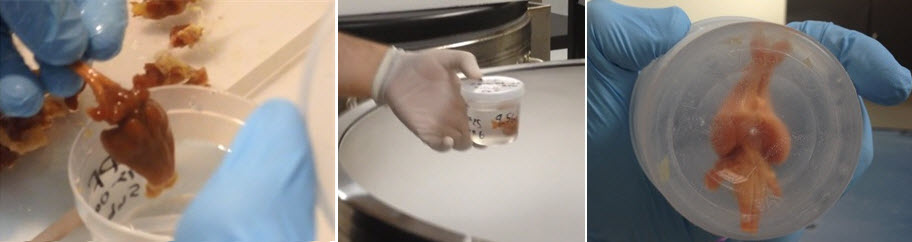
Kenneth Hayworth (KH) (President of the Brain Preservation Foundation (BPF)) and Michael Shermer (member of BPF advisory board) witnessed (on Sept. 25, 2015) the full Aldehyde Stabilized Cryopreservation surgical procedure performed on this rabbit at the laboratories of 21 Century Medicine under the direction of 21CM lead researcher Robert McIntyre. This included the live rabbit’s carotid arteries being perfused with glutaraldehyde and subsequent perfusion with cryoprotectant agent (CPA). KH witnessed this rabbit brain being put in -135 degrees C storage, removal from storage the following day (verifying that it had vitrified solid), and KH witnessed all subsequent tissue processing steps involved in the evaluation process. (credit: The Brain Preservation Foundation)

“The key breakthrough was the rapid perfusion of a deadly chemical fixative (glutaraldehyde) through the brain’s vascular system, instantly stopping metabolic decay and fixing all proteins in place by covalent crosslinks. This stabilized the tissue and vasculature so that cryoprotectant could be perfused at an optimal temperature and rate. The result was an intact rabbit brain filled with such a high concentration of cryoprotectants that it could be stored as a solid ‘vitrified’ block at a temperature of ­-135 degrees Celsius.”

Winning the award also required that the procedure be published in a peer reviewed scientific publication. McIntyre satisfied this requirement and published the protocol in an open-access paper in the Journal of Cryobiology.


3D microscope evaluation of the rabbit brain tissue preservation (credit: Brain Preservation Foundation)


The Brain Preservation Foundation plans to continue to promote the idea that brain preservation following legal death, by using scientifically validated techniques, is a reasonable choice for consenting individuals to make. Focus now shifts to the final Large Mammal phase of the contest, which requires an intact pig brain to be preserved with similar fidelity in a manner that could be directly adapted to terminal patients in a hospital setting.

The 21st Century Medicine team has recently submitted to the BPF such a preserved pig brain for official evaluation. Lead researcher Robert McIntyre has started Nectome to further develop this method.

“Of course, [the demonstrated brain preservation procedure] is only useful if you think all the relevant information is preserved in the fixation,” said Anders Sandberg, PhD., of the Future of Humanity Institute/Oxford Martin School. “Protein states and small molecule chemical information may be messed up.”

https://youtu.be/l-VpUOQ3Ihg

GPA | Will You Preserve Your Brain?


Background and significance (statement by BPF)

Proponents of cryonics have long sought a technique that could put terminal patients into long­term stasis, the goal being a form of medical time travel in which patients are stabilized against decay with the hope of being biologically revived and cured by future technologies. Despite decades of research, this goal of reversible cryopreservation remains far out of reach — too much damage occurs during the cryopreservation itself.

This has led a new generation of researchers to focus on a more achievable and demonstrable goal–preservation of brain structure only. Specifically preservation of the delicate pattern of synaptic connections (the “connectome”) which neuroscience contends encodes a person’s memory and identity. Instead of biological revival, these new researchers often envision a future “synthetic revival” comprising nanometer-­scale scanning of the preserved brain to serve as the basis for mind uploading.

This shift in focus toward “synthetic” revival has completely transformed the cryonics debate, opening up new avenues of research and bringing it squarely within the purview of today’s scientific investigation. Hundreds of neuroscience papers have detailed how memory and personality are encoded structurally in synaptic connections, and recent advances in connectome imaging and brain simulation can be seen as a preview of the synthetic revival technologies to come.

Until now, the crucial unanswered questions were “How well does cryonics preserve the brain’s connectome?” and “Are there alternatives/modifications to cryonics that might preserve the connectome better and in a manner that could be demonstrated today?” The Brain Preservation Prize was put forward in 2010 to spur research that could definitively answer these questions. Now, five years later, these questions have been answered: Traditional cryonics procedures were not able to demonstrate (to the BPF’s satisfaction) preservation of the connectome, but the newly invented “Aldehyde­-Stabilized Cryopreservation” technique was.

This result directly answers what has for decades been the main skeptical and scientific criticism against cryonics –that it does not provably preserve the delicate synaptic circuitry of the brain. As such, this research sets the stage for renewed interest within the scientific community, and offers a potential challenge to medical researchers to develop a human surgical procedure based on these successful animal experiments.


Abstract of Aldehyde-stabilized cryopreservation

We describe here a new cryobiological and neurobiological technique, aldehyde-stabilized cryopreservation (ASC), which demonstrates the relevance and utility of advanced cryopreservation science for the neurobiological research community. ASC is a new brain-banking technique designed to facilitate neuroanatomic research such as connectomics research, and has the unique ability to combine stable long term ice-free sample storage with excellent anatomical resolution. To demonstrate the feasibility of ASC, we perfuse-fixed rabbit and pig brains with a glutaraldehyde-based fixative, then slowly perfused increasing concentrations of ethylene glycol over several hours in a manner similar to techniques used for whole organ cryopreservation. Once 65% w/v ethylene glycol was reached, we vitrified brains at −135 °C for indefinite long-term storage. Vitrified brains were rewarmed and the cryoprotectant removed either by perfusion or gradual diffusion from brain slices. We evaluated ASC-processed brains by electron microscopy of multiple regions across the whole brain and by Focused Ion Beam Milling and Scanning Electron Microscopy (FIB-SEM) imaging of selected brain volumes. Preservation was uniformly excellent: processes were easily traceable and synapses were crisp in both species. Aldehyde-stabilized cryopreservation has many advantages over other brain-banking techniques: chemicals are delivered via perfusion, which enables easy scaling to brains of any size; vitrification ensures that the ultrastructure of the brain will not degrade even over very long storage times; and the cryoprotectant can be removed, yielding a perfusable aldehyde-preserved brain which is suitable for a wide variety of brain assays.

Comments

Ion Christopher –

Totally weird – IOW those “covalent bonds” act like a preservation matrix. So this brain indeed has been “fixed” – just at a smaller scale and level.

A couple of other factors:

* Quite a lot of the brain that counts (memory) may be on a larger scale than this – and may be preserved. While it is not, per the Connetome idea, at the macro axon scale – it is a general idea that at the molecular scale, something “plays” through the consciousness mechanism (Search = Hameroff Memory.)
I personally suspect a DNA like encoding in an as yet unproven language software. Perhaps even multiple “scale” functionality that would be a combination of organelle specialization (perhaps time perception) and THEN the inter-connectedness.

* As for personality, I know that that is entirely reproducible – in spite of such extreme complexity – but that is a proof for another day.

Just for kicks, note how the “search” code above results in prefabricated libraries being sent to your mind.


Gorden Russell –

You had me until I got to this part: “…a deadly chemical fixative (glutaraldehyde) through the brain’s vascular system…”

So this process perfectly preserves your brain after killer it dead.

So in the future it can be scanned and printed out into a perfect copy — but the copy won’t be you, it’ll be somebody else who is just like you. You will still be dead.

I’d rather be a live brain in a jar atop a robot wired into the spinal column so that I could still have all of my senses while awaiting the time a human body can be regrown.


CT

We have to differentiate on how we define “me” or “you”. Do we mean our memories (data) or consciousness (process). Our memories, personality, knowledge… alone (e.g. while we sleep and are unconscious)… are like fixed data until the brain (or a computer) begins to run and consciousness comes into existence .
We could copy the data to a computer (through scanning), which in the next step (after the simulation is beginning to operate) would create consciousness as well (defining itself as “me” or “you”). It wouldn’t be the same consciousness (process) due to other environmental inputs (and over time other memory/data- background). But the same is true for a biological based consciousness. My consciousness right now is not the consciousness anymore I had last year. It’s always a unique set-up.
From my point of view, the sentiment that there is some kind of metaphysical soul over an entire lifetime is an illusion based on the fact that we have memories, knowledge and personality (which we would have after the scanning process of our brain as well), that were formed in the past, and we are able to (subjectively altered) recreate it (and remember it) in our current state of consciousness. As a result we conclude, that we are/ have the same state of consciousness as the past me, which is (as I see it) an illusion.
So if we would be able to make a perfect copy of our brain that is able to create consciousness (in any kind of computer substrate, digital, analog or quantum) it wouldn’t be more or less the me (the consciousness) at the present than my future me in 5 minutes or years would be (in its biological form). From my point of view, the status quo wouldn’t change.


It is a copy because maybe one day they can do it without killing the original. The only way out of this conundrum was explained to me on this web site a while back in comments: if they substituted every neuron in my brain one at a time over a certain timescale so that eventually my brain would be synthetic, ‘”I” probably wouldn’t even notice.


But you are dreaming during your sleep.

Glutaraldehyde will put an end to all of your dreams.

A printed copy of you may have similar dreams, but not your dreams.


Read Full Post »

Sleep apnea insular glutamate and GABA levels

Larry H. Bernstein, MD, FCAP, Curator

LPBI


Sleep Apnea Takes a Toll on Brain Function

UCLA   http://www.biosciencetechnology.com/news/2016/02/sleep-apnea-takes-toll-brain-function


One in 15 adults has moderate to severe obstructive sleep apnea, a disorder in which a person’s breathing is frequently interrupted during sleep — as many as 30 times per hour.

People with sleep apnea also often report problems with thinking such as poor concentration, difficulty with memory and decision-making, depression, and stress.

According to new research from the UCLA School of Nursing,  published online in the Journal of Sleep Research,  people with sleep apnea show significant changes in the levels of two important brain chemicals, which could be a reason that many have symptoms that impact their day-to-day lives.

UCLA researchers looked at levels of these neurotransmitters — glutamate and gamma-aminobutyric acid, known as GABA — in a brain region called the insula, which integrates signals from higher brain regions to regulate emotion, thinking and physical functions such as blood pressure and perspiration. They found that people with sleep apnea had decreased levels of GABA and unusually high levels of glutamate.

GABA is a chemical messenger that acts as an inhibitor in the brain, which can slow things down and help to keep people calm — like a brake pedal. GABA affects mood and helps make endorphins.

Glutamate, by contrast, is like an accelerator; when glutamate levels are high, the brain is working in a state of stress, and consequently doesn’t function as effectively. High levels of glutamate can also be toxic to nerves and neurons.

“In previous studies, we’ve seen structural changes in the brain due to sleep apnea, but in this study we actually found substantial differences in these two chemicals that influence how the brain is working,” said Paul Macey, the lead researcher on the study and an associate professor at the UCLA School of Nursing.

Macey said the researchers were taken aback by the differences in the GABA and glutamate levels.

“It is rare to have this size of difference in biological measures,” Macey said. “We expected an increase in the glutamate, because it is a chemical that causes damage in high doses and we have already seen brain damage from sleep apnea. What we were surprised to see was the drop in GABA. That made us realize that there must be a reorganization of how the brain is working.”

Macey said the study’s results are, in a way, encouraging. “In contrast with damage, if something is working differently, we can potentially fix it.”

The link between sleep apnea and changes in the state of the brain is important news for clinicians, Macey said.

“What comes with sleep apnea are these changes in the brain, so in addition to prescribing continuous positive airway pressure, or CPAP — a machine used to help an individual sleep easier, which is the gold standard treatment for sleep disturbance — physicians now know to pay attention to helping their patients who have these other symptoms,” Macey said. “Stress, concentration, memory loss — these are the things people want fixed.”

In future studies, the researchers hope to determine whether treating the sleep apnea — using CPAP or other methods — returns patients’ brain chemicals back to normal levels. If not, they will turn to the question of what treatments could be more effective. They are also studying the impacts of mindfulness exercises to see if they can reduce glutamate levels by calming the brain.

Read Full Post »

Genetic association for breast cancer metastasis

Larry H. Bernstein, MD, FCAP, Curator

LPBI


Gene Found in Brain Turns Out to be Key Driver of Breast Cancer   

GEN News Highlights  http://www.genengnews.com/gen-news-highlights/gene-found-in-brain-turns-out-to-be-key-driver-of-breast-cancer/81252361/

Researchers from the Wistar Institute report that a gene that was once thought to be found only in the brain is also expressed in breast cancer, and that it helps promote the growth and spread of the disease. Additionally, they showed how a version of the gene with edited RNA prevents metastasis. Their study (“The mRNA Edited Form of GABRA3 Suppresses GABRA3 Mediated Akt Activation and Breast Cancer Metastasis”) was published online in Nature Communications.

The causes of metastasis in breast cancer at a molecular level are not very well understood, so identifying regulatory genes that prompt this behavior could have a tremendous effect on survival, from early detection to the design of better treatment strategies.

“Metastatic breast cancer is ultimately what kills patients,” said Qihong Huang, M.D., Ph.D., associate professor in the Tumor Microenvironment and Metastasis Program at the Wistar Institute and lead author of the study. “While early detection is critical, it does not help patients whose disease has spread, and so we wanted to determine what was causing this to happen.”

The researchers analized The Cancer Genome Atlas (TCGA) and identified 41 genes inversely correlated with survival in breast cancer. Dr. Huang and colleagues focused on one gene in particular: GABAA receptor alpha3 (Gabra3). The gene was particularly intriguing, as prior to this study, researchers believed that Gabra3 was expressed only in brain tissue.

There were three main reasons the researchers determined it was worth studying. First, it is highly expressed in cancer tissues, but not in healthy breast tissues. Second, it’s a gene for a cell surface molecule, something that is potentially targeted by a drug. Finally, drugs that target Gabra3 are already available for treating other diseases such as insomnia.

The researchers showed that cells expressing Gabra3 were better at migrating and invading than their control counterparts, and Gabra3 showed metastasis-promoting activity in vivo. Animal models injected with the activated gene all developed metastatic lesions in their lungs. The gene functions by activating the AKT pathway, a cellular pathway essential to cell growth and survival in many types of cancer, including breast cancer.

In some instances, though, certain types of Gabra3 are actually able to suppress breast cancer metastasis. This activity is closely linked to the gene’s RNA. Dr. Huang and colleagues found that Gabra3 that had undergone RNA editing was found only in noninvasive breast cancers. When the RNA was edited, it suppressed the activation of the AKT pathway required for metastasis, meaning that breast cancer with this specific type of Gabra3 was unable to spread to other organs. This is particularly encouraging because interferons can increase RNA editing activity and could therefore prevent Gabra3 from activating the AKT pathway.

“We believe this is the first time that anyone has demonstrated the importance of RNA editing in breast cancer,” Dr. Huang said. “A combination strategy that that involves targeting Gabra3 while also upregulating the expression of RNA editing molecules could be an effective strategy for managing metastatic breast cancer.”

In addition to further studying the role of Gabra3 in breast cancer metastasis, Wistar is actively seeking collaborative development partners to advance the targeted use of existing GABA-A receptor antagonists in Gabra3 overexpressing tumors. Furthermore, Wistar is interested in collaborations to develop blood-brain barrier impermeable GABA-A receptor antagonists as next-generation oncology therapeutics.

Read Full Post »

3D Printing Confirms Physical Model of Brain Folds

Reporter: Irina Robu, PhD

Highly folded brains are not present in most animals but only in some primates, dolphins, elephants and pigs. However, not a lot is understood of how the brain folds. Researchers at Harvard John A. Paulson School of Engineering and Applied Sciences collaborating with scientists in Finland and France have shown that while many molecular processes are important in determining cellular events,what ultimately causes the brain to fold in a simple mechanical instability associated with buckling.  Understanding how the brain folds is important because it can unlock the inner workings of the brain and unravel brain-related disorders.

The number, size, shape and position of neuronal cells during brain growth all lead to the expansion of the gray matter,relative to the underlying white matter. This puts the cortex under compression, leading to a mechanical instability that causes it to crease locally. Growth differential between the brain’s outer cortex and the soft tissue underneath explains the variations in the folding patterns, the relative size of the brain, and the relative expansion of the cortex.

A gel model of a fetal brain after being immersed in liquid solvent. The resulting compression led to the formation of folds similar in size and shape to real brains. Credit: Mahadevan Lab/Harvard SEAS Read more at: http://phys.org/news/2016-02-d-physical-brain.html#jCp

A gel model of a fetal brain after being immersed in liquid solvent. The resulting compression led to the formation of folds similar in size and shape to real brains. Credit: Mahadevan Lab/Harvard SEAS

Based on this, the team collaborated with neuroanatomists and radiologists in France and tested the theory using data from human fetuses. The team made a three-dimensional, gel model of a smooth fetal brain based on MRI images. The model’s surface was coated with a thin layer of elastomer gel, as an analog of the cortex. To mimic cortical expansion, the gel brain was immersed in a solvent that is absorbed by the outer layer causing it to swell relative to the deeper regions. Within minutes of being immersed in liquid solvent, the resulting compression led to the formation of folds similar in size and shape to real brains.
The research shows that if part of the brain does not grow properly or the geometry is disrupted,  the major folds are not in the right place causing a dysfunction in the brain.
Source

Read Full Post »

Beyond tau and amyloid

Larry H. Bernstein, MD, FCAP, Curator

LPBI


BEYOND AΒ AND TAU: OTHER TOXIC INSULTS AND AD PATHOLOGY


Neurovascular pathways to neurodegeneration in Alzheimer’s disease and other disorders.

Berislav V. Zlokovic

Nature Reviews Neuroscience 12, 723-738 (December 2011) |   http:dx.doi.org:/10.1038/nrn3114

The neurovascular unit (NVU) comprises brain endothelial cells, pericytes or vascular smooth muscle cells, glia and neurons. The NVU controls blood–brain barrier (BBB) permeability and cerebral blood flow, and maintains the chemical composition of the neuronal ‘milieu’, which is required for proper functioning of neuronal circuits. Recent evidence indicates that BBB dysfunction is associated with the accumulation of several vasculotoxic and neurotoxic molecules within brain parenchyma, a reduction in cerebral blood flow, and hypoxia. Together, these vascular-derived insults might initiate and/or contribute to neuronal degeneration. This article examines mechanisms of BBB dysfunction in neurodegenerative disorders, notably Alzheimer’s disease, and highlights therapeutic opportunities relating to these neurovascular deficits.


Summary

The neurovascular unit comprises vascular cells (endothelial cells, pericytes and vascular smooth muscle cells (VSMCs)), glial cells (astrocytes, microglia and oliogodendroglia) and neurons.
Neurodegenerative disorders such as Alzheimer’s disease and amyotrophic lateral sclerosis (ALS) are associated with microvascular dysfunction and/or degeneration in the brain, neurovascular disintegration, defective blood–brain barrier (BBB) function and/or vascular factors.
The interactions between endothelial cells and pericytes are crucial for the formation and maintenance of the BBB. Indeed, pericyte deficiency leads to BBB breakdown and extravasation of multiple vasculotoxic and neurotoxic circulating macromolecules, which can contribute to neuronal dysfunction, cognitive decline and neurodegenerative changes.
Alterations in cerebrovascular metabolic functions can also lead to the secretion of multiple neurotoxic and inflammatory factors.
BBB dysfunction and/or breakdown and cerebral blood flow (CBF) reductions and/or dysregulation may occur in sporadic Alzheimer’s disease and experimental models of this disease before cognitive decline, amyloid-β deposition and brain atrophy. In patients with ALS and in some experimental models of ALS, CBF dysregulation, blood–spinal cord barrier breakdown and spinal cord hypoperfusion have been reported prior to motor neuron cell death.
Several studies in animal models of Alzheimer’s disease and, more recently, in patients with this disorder have shown diminished amyloid-β clearance from brain tissue. The recognition of amyloid-β clearance pathways opens exciting new therapeutic opportunities for this disease.
‘Multiple-target, multiple-action’ agents will stand a better chance of controlling the complex disease mechanisms that mediate neurodegeneration in disorders such as Alzheimer’s disease than will agents that have only one target. According to the vasculo-neuronal-inflammatory triad model of neurodegenerative disorders, in addition to neurons, brain endothelium, VSMCs, pericytes, astrocytes and activated microglia all represent important therapeutic targets.


Neurons depend on blood vessels for their oxygen and nutrient supplies, and for the removal of carbon dioxide and other potentially toxic metabolites from the brain’s interstitial fluid (ISF). The importance of the circulatory system to the human brain is highlighted by the fact that although the brain comprises ~2% of total body mass, it receives up to 20% of cardiac output and is responsible for ~20% and ~25% of the body’s oxygen consumption and glucose consumption, respectively1. To underline this point, when cerebral blood flow (CBF) stops, brain functions end within seconds and damage to neurons occurs within minutes2.

Neurodegenerative disorders such as Alzheimer’s disease and amyotrophic lateral sclerosis (ALS) are associated with microvascular dysfunction and/or degeneration in the brain, neurovascular disintegration, defective blood–brain barrier (BBB) function and/or vascular factors1, 3, 4, 5, 6, 7, 8, 9, 10, 11, 12. Microvascular deficits diminish CBF and, consequently, the brain’s supply of oxygen, energy substrates and nutrients. Moreover, such deficits impair the clearance of neurotoxic molecules that accumulate and/or are deposited in the ISF, non-neuronal cells and neurons. Recent evidence suggests that vascular dysfunction leads to neuronal dysfunction and neurodegeneration, and that it might contribute to the development of proteinaceous brain and cerebrovascular ‘storage’ disorders. Such disorders include cerebral β-amyloidosis and cerebral amyloid angiopathy (CAA), which are caused by accumulation of the peptide amyloid-β in the brain and the vessel wall, respectively, and are features of Alzheimer’s disease1.

In this Review, I will discuss neurovascular pathways to neurodegeneration, placing a focus on Alzheimer’s disease because more is known about neurovascular dysfunction in this disease than in other neurodegenerative disorders. The article first examines transport mechanisms for molecules to cross the BBB, before exploring the processes that are involved in BBB breakdown at the molecular and cellular levels, and the consequences of BBB breakdown, hypoperfusion, and hypoxia and endothelial metabolic dysfunction for neuronal function. Next, the article reviews evidence for neurovascular changes during normal ageing and neurovascular BBB dysfunction in various neurodegenerative diseases, including evidence suggesting that vascular defects precede neuronal changes. Finally, the article considers specific mechanisms that are associated with BBB dysfunction in Alzheimer’s disease and ALS, and therapeutic opportunities relating to these neurovascular deficits.

The neurovascular unit

The neurovascular unit (NVU) comprises vascular cells (that is, endothelium, pericytes and vascular smooth muscle cells (VSMCs)), glial cells (that is, astrocytes, microglia and oliogodendroglia) and neurons1,2, 13 (Fig. 1). In the NVU, the endothelial cells together form a highly specialized membrane around blood vessels. This membrane underlies the BBB and limits the entry of plasma components, red blood cells (RBCs) and leukocytes into the brain. The BBB also regulates the delivery into the CNS of circulating energy metabolites and essential nutrients that are required for proper neuronal and synaptic function. Non-neuronal cells and neurons act in concert to control BBB permeability and CBF. Vascular cells and glia are primarily responsible for maintenance of the constant ‘chemical’ composition of the ISF, and the BBB and the blood–spinal cord barrier (BSCB) work together with pericytes to prevent various potentially neurotoxic and vasculotoxic macromolecules in the blood from entering the CNS, and to promote clearance of these substances from the CNS1.

In the brain, pial arteries run through the subarachnoid space (SAS), which contains the cerebrospinal fluid (CSF). These vessels give rise to intracerebral arteries, which penetrate into brain parenchyma. Intracerebral arteries are separated from brain parenchyma by a single, interrupted layer of elongated fibroblast-like cells of the pia and the astrocyte-derived glia limitans membrane that forms the outer wall of the perivascular Virchow–Robin space. These arteries branch into smaller arteries and subsequently arterioles, which lose support from the glia limitans and give rise to pre-capillary arterioles and brain capillaries. In an intracerebral artery, the vascular smooth muscle cell (VSMC) layer occupies most of the vessel wall. At the brain capillary level, vascular endothelial cells and pericytes are attached to the basement membrane. Pericyte processes encase most of the capillary wall, and they communicate with endothelial cells directly through synapse-like contacts containing connexins and N-cadherin. Astrocyte end-foot processes encase the capillary wall, which is composed of endothelium and pericytes. Resting microglia have a ‘ramified’ shape and can sense neuronal injury.

Figure 2 | Blood–brain barrier transport mechanisms.

Small lipophilic drugs, oxygen and carbon dioxide diffuse across the blood–brain barrier (BBB), whereas ions require ATP-dependent transporters such as the (Na++K+)ATPase. Transporters for nutrients include the glucose transporter 1 (GLUT1; also known as solute carrier family 2, facilitated glucose transporter member 1 (SLC2A1)), the lactate transporter monocarboxylate transporter 1 (MCT1) and the L1 and y+ transporters for large neutral and cationic essential amino acids, respectively. These four transporters are expressed at both the luminal and albuminal membranes. Non-essential amino acid transporters (the alanine, serine and cysteine preferring system (ASC), and the alanine preferring system (A)) and excitatory amino acid transporter 1 (EAAT1), EAAT2 and EAAT3 are located at the abluminal side. The ATP-binding cassette (ABC) efflux transporters that are found in the endothelial cells include multidrug resistance protein 1 (ABCB1; also known as ATP-binding cassette subfamily B member 1) and solute carrier organic anion transporter family member 1C1 (OATP1C1). Finally, transporters for peptides or proteins include the endothelial protein C receptor (EPCR) for activated protein C (APC); the insulin receptors (IRs) and the transferrin receptors (TFRs), which are associated with caveolin 1 (CAV1); low-density lipoprotein receptor-related protein 1 (LRP1) for amyloid-β, peptide transport system 1 (PTS1) for encephalins; and the PTS2 and PTS4–vasopressin V1a receptor (V1AR) for arginine vasopressin.


Transport across the blood–brain barrier. The endothelial cells that form the BBB are connected by tight and adherens junctions, and it is the tight junctions that confer the low paracellular permeability of the BBB1. Small lipophilic molecules, oxygen and carbon dioxide diffuse freely across the endothelial cells, and hence the BBB, but normal brain endothelium lacks fenestrae and has limited vesicular transport.

The high number of mitochondria in endothelial cells reflects a high energy demand for active ATP-dependent transport, conferred by transporters such as the sodium pump ((Na++K+)ATPase) and the ATP-binding cassette (ABC) efflux transporters. Sodium influx and potassium efflux across the abluminal side of the BBB is controlled by (Na++K+)ATPase (Fig. 2). Changes in sodium and potassium levels in the ISF influence the generation of action potentials in neurons and thus directly affect neuronal and synaptic functions1, 12.

Brain endothelial cells express transporters that facilitate the transport of nutrients down their concentration gradients, as described in detail elsewhere1, 14 (Fig. 2). Glucose transporter 1 (GLUT1; also known as solute carrier family 2, facilitated glucose transporter member 1 (SLC2A1)) — the BBB-specific glucose transporter — is of special importance because glucose is a key energy source for the brain.

Monocarboxylate transporter 1 (MCT1), which transports lactate, and the L1 and y+ amino acid transporters are expressed at the luminal and abluminal membranes12, 14. Sodium-dependent excitatory amino acid transporter 1 (EAAT1), EAAT2 and EAAT3 are expressed at the abluminal side of the BBB15 and enable removal of glutamate, an excitatory neurotransmitter, from the brain (Fig. 2). Glutamate clearance at the BBB is essential for protecting neurons from overstimulation of glutaminergic receptors, which is neurotoxic16.

ABC transporters limit the penetration of many drugs into the brain17. For example, multidrug resistance protein 1 (ABCB1; also known as ATP-binding cassette subfamily B member 1) controls the rapid removal of ingested toxic lipophilic metabolites17 (Fig. 2). Some ABC transporters also mediate the efflux of nutrients from the endothelium into the ISF. For example, solute carrier organic anion transporter family member 1C1 (OATP1C1) transports thyroid hormones into the brain. MCT8 mediates influx of thyroid hormones from blood into the endothelium18 (Fig. 2).

The transport of circulating peptides across the BBB into the brain is restricted or slow compared with the transport of nutrients19. Carrier-mediated transport of neuroactive peptides controls their low levels in the ISF20, 21, 22, 23, 24 (Fig. 2). Some proteins, including transferrin, insulin, insulin-like growth factor 1 (IGF1), leptin25, 26, 27 and activatedprotein C (APC)28, cross the BBB by receptor-mediated transcytosis (Fig. 2).

Circumventricular organs. Several small neuronal structures that surround brain ventricles lack the BBB and sense chemical changes in blood or the cerebrospinal fluid (CSF) directly. These brain areas are known as circumventricular organs (CVOs). CVOs have important roles in multiple endocrine and autonomic functions, including the control of feeding behaviour as well as regulation of water and salt metabolism29. For example, the subfornical organ is one of the CVOs that are capable of sensing extracellular sodium using astrocyte-derived lactate as a signal for local neurons to initiate neural, hormonal and behavioural responses underlying sodium homeostasis30. Excessive sodium accumulation is detrimental, and increases in plasma sodium above a narrow range are incompatible with life, leading to cerebral oedema (swelling), seizures and death29.

Vascular-mediated pathophysiology

The key pathways of vascular dysfunction that are linked to neurodegenerative diseases include BBB breakdown, hypoperfusion–hypoxia and endothelial metabolic dysfunction (Fig. 3). This section examines processes that are involved in BBB breakdown at the molecular and cellular levels, and explores the consequences of all three pathways for neuronal function and viability.

Figure 3 | Vascular-mediated neuronal damage and neurodegeneration.

a | Blood–brain barrier (BBB) breakdown that is caused by pericyte detachment leads to leakage of serum proteins and focal microhaemorrhages, with extravasation of red blood cells (RBCs). RBCs release haemoglobin, which is a source of iron. In turn, this metal catalyses the formation of toxic reactive oxygen species (ROS) that mediate neuronal injury. Albumin promotes the development of vasogenic oedema, contributing to hypoperfusion and hypoxia of the nervous tissue, which aggravates neuronal injury. A defective BBB allows several potentially vasculotoxic and neurotoxic proteins (for example, thrombin, fibrin and plasmin) to enter the brain. b | Progressive reductions in cerebral blood flow (CBF) lead to increasing neuronal dysfunction. Mild hypoperfusion, oligaemia, leads to a decrease in protein synthesis, whereas more-severe reductions in CBF, leading to hypoxia, cause an array of detrimental effects.


Blood–brain barrier breakdown. Disruption to tight and adherens junctions, an increase in bulk-flow fluid transcytosis, and/or enzymatic degradation of the capillary basement membrane cause physical breakdown of the BBB.

The levels of many tight junction proteins, their adaptor molecules and adherens junction proteins decrease in Alzheimer’s disease and other diseases that cause dementia1, 9, ALS31, multiple sclerosis32 and various animal models of neurological disease8, 33. These decreases might be partly explained by the fact that vascular-associated matrix metalloproteinase (MMP) activity rises in many neurodegenerative disorders and after ischaemic CNS injury34, 35; tight junction proteins and basement membrane extracellular matrix proteins are substrates for these enzymes34. Lowered expression of messenger RNAs that encode several key tight junction proteins, however, has also been reported in some neurodegenerative disorders, such as ALS31.

Endothelial cell–pericyte interactions are crucial for the formation36, 37and maintenance of the BBB33, 38. Pericyte deficiency can lead to a reduction in expression of certain tight junction proteins, including occludin, claudin 5 and ZO1 (Ref. 33), and to an increase in bulk-flow transcytosis across the BBB, causing BBB breakdown38. Both processes can lead to extravasation of multiple small and large circulating macromolecules (up to 500 kDa) into the brain parenchyma33, 38. Moreover, in mice, an age-dependent progressive loss of pericytes can lead to BBB disruption and microvasular degeneration and, subsequently, neuronal dysfunction, cognitive decline and neurodegenerative changes33. In their lysosomes, pericytes concentrate and degrade multiple circulating exogenous39 and endogenous proteins, including serum immunoglobulins and fibrin33, which amplify BBB breakdown in cases of pericyte deficiency.

BBB breakdown typically leads to an accumulation of various molecules in the brain. The build up of serum proteins such as immunoglobulins and albumin can cause brain oedema and suppression of capillary blood flow8, 33, whereas high concentrations of thrombin lead to neurotoxicity and memory impairment40, and accelerate vascular damage and BBB disruption41. The accumulation of plasmin (derived from circulating plasminogen) can catalyse the degradation of neuronal laminin and, hence, promote neuronal injury42, and high fibrin levels accelerate neurovascular damage6. Finally, an increase in the number of RBCs causes deposition of haemoglobin-derived neurotoxic products including iron, which generates neurotoxic reactive oxygen species (ROS)8, 43(Fig. 3a). In addition to protein-mediated vasogenic oedema, local tissue ischaemia–hypoxia depletes ATP stores, causing (Na++K+)ATPase pumps and Na+-dependent ion channels to stop working and, consequently, the endothelium and astrocytes to swell (known as cytotoxic oedema)44. Upregulation of aquaporin 4 water channels in response to ischaemia facilitates the development of cytotoxic oedema in astrocytes45.

Hypoperfusion and hypoxia. CBF is regulated by local neuronal activity and metabolism, known as neurovascular coupling46. The pial and intracerebral arteries control the local increase in CBF that occurs during brain activation, which is termed ‘functional hyperaemia’. Neurovascular coupling requires intact pial circulation, and for VSMCs and pericytes to respond normally to vasoactive stimuli33, 46, 47. In addition to VSMC-mediated constriction and vasodilation of cerebral arteries, recent studies have shown that pericytes modulate brain capillary diameter through constriction of the vessel wall47, which obstructs capillary flow during ischaemia48. Astrocytes regulate the contractility of intracerebral arteries49, 50.

Progressive CBF reductions have increasingly serious consequences for neurons (Fig. 3b). Briefly, mild hypoperfusion — termed oligaemia — affects protein synthesis, which is required for the synaptic plasticity mediating learning and memory46. Moderate to severe CBF reductions and hypoxia affect ATP synthesis, diminishing (Na++K+)ATPase activity and the ability of neurons to generate action potentials9. In addition, such reductions can lower or increase pH, and alter electrolyte balances and water gradients, leading to the development of oedema and white matter lesions, and the accumulation of glutamate and proteinaceous toxins (for example, amyloid-β and hyperphopshorylated tau) in the brain. A reduction of greater than 80% in CBF results in neuronal death2.

The effect of CBF reductions has been extensively studied at the molecular and cellular levels in relation to Alzheimer’s disease. Reduced CBF and/or CBF dysregulation occurs in elderly individuals at high risk of Alzheimer’s disease before cognitive decline, brain atrophy and amyloid-β accumulation10, 46, 51, 52, 53, 54. In animal models, hypoperfusion can induce or amplify Alzheimer’s disease-like neuronal dysfunction and/or neuropathological changes. For example, bilateral carotid occlusion in rats causes memory impairment, neuronal dysfunction, synaptic changes and amyloid-β oligomerization55, leading to accumulation of neurotoxic amyloid-β oligomers56. In a mouse model of Alzheimer’s disease, oligaemia increases neuronal amyloid-β levels and neuronal tau phosphophorylation at an epitope that is associated with Alzheimer’s disease-type paired helical filaments57. In rodents, ischaemia leads to the accumulation of hyperphosphorylated tau in neurons and the formation of filaments that resemble those present in human neurodegenerative tauopathies and Alzheimer’s disease58. Mice expressing amyloid-β precursor protein (APP) and transforming growth factor β1 (TGFβ1) develop deficient neurovascular coupling, cholinergic denervation, enhanced cerebral and cerebrovascular amyloid-β deposition, and age-dependent cognitive decline59.

Recent studies have shown that ischaemia–hypoxia influences amyloidogenic APP processing through mechanisms that increase the activity of two key enzymes that are necessary for amyloid-β production; that is, β-secretase and γ-secretase60, 61, 62, 63. Hypoxia-inducible factor 1α (HIF1α) mediates transcriptional increase in β-secretase expression61. Hypoxia also promotes phosphorylation of tau through the mitogen-activated protein kinase (MAPK; also known as extracellular signal-regulated kinase (ERK)) pathway64, downregulates neprilysin — an amyloid-β-degrading enzyme65 — and leads to alterations in the expression of vascular-specific genes, including a reduction in the expression of the homeobox protein MOX2 gene mesenchyme homeobox 2 (MEOX2) in brain endothelial cells5 and an increase in the expression of the myocardin gene (MYOCD) in VSMCs66. In patients with Alzheimer’s disease and in models of this disorder, these changes cause vessel regression, hypoperfusion and amyloid-β accumulation resulting from the loss of the key amyloid-β clearance lipoprotein receptor (see below). In addition, hypoxia facilitates alternative splicing of Eaat2 mRNA in Alzheimer’s disease transgenic mice before amyloid-β deposition67 and suppresses glutamate reuptake by astrocytes independently of amyloid formation68, resulting in glutamate-mediated neuronal injury that is independent of amyloid-β.

In response to hypoxia, mitochondria release ROS that mediate oxidative damage to the vascular endothelium and to the selective population of neurons that has high metabolic activity. Such damage has been suggested to occur before neuronal degeneration and amyloid-β deposition in Alzheimer’s disease69, 70. Although the exact triggers of hypoxia-mediated neurodegeneration and the role of HIF1α in neurodegeneration versus preconditioning-mediated neuroprotection remain topics of debate, mitochondria-generated ROS seem to have a primary role in the regulation of the HIF1α-mediated transcriptional switch that can activate an array of responses, ranging from mechanisms that increase cell survival and adaptation to mechanisms inducing cell cycle arrest and death71. Whether inhibition of hypoxia-mediated pathogenic pathways will delay onset and/or control progression in neurodegenerative conditions such as Alzheimer’s disease remains to be determined.

When comparing the contributions of BBB breakdown and hypoperfusion to neuronal injury, it is interesting to consider Meox2+/− mice. Such animals have normal pericyte coverage and an intact BBB but a substantial perfusion deficit5 that is comparable to that found in pericyte-deficient mice that develop BBB breakdown33 Notably, however, Meox2+/− mice show less pronounced neurodegenerative changes than pericyte-deficient mice, indicating that chronic hypoperfusion–hypoxia alone can cause neuronal injury, but not to the same extent as hypoperfusion–hypoxia combined with BBB breakdown.

Endothelial neurotoxic and inflammatory factors. Alterations in cerebrovascular metabolic functions can lead to the secretion of multiple neurotoxic and inflammatory factors72, 73. For example, brain microvessels that have been isolated from individuals with Alzheimer’s disease (but not from neurologically normal age-matched and young individuals) and brain microvessels that have been treated with inflammatory proteins release neurotoxic factors that kill neurons74, 75. These factors include thrombin, the levels of which increase with the onset of Alzheimer’s disease76. Thrombin can injure neurons directly40and indirectly by activating microglia and astrocytes73. Compared with those from age-matched controls, brain microvessels from individuals with Alzheimer’s disease secrete increased levels of multiple inflammatory mediators, such as nitric oxide, cytokines (for example, tumour necrosis factor (TNF), TGFβ1, interleukin-1β (IL-1β) and IL-6), chemokines (for example, CC-chemokine ligand 2 (CCL2; also known as monocyte chemoattractant protein 1 (MCP1)) and IL-8), prostaglandins, MMPs and leukocyte adhesion molecules73. Endothelium-derived neurotoxic and inflammatory factors together provide a molecular link between vascular metabolic dysfunction, neuronal injury and inflammation in Alzheimer’s disease and, possibly, in other neurodegenerative disorders.

Neurovascular changes

This section examines evidence for neurovascular changes during normal ageing and for neurovascular and/or BBB dysfunction in various neurodegenerative diseases, as well as the possibility that vascular defects can precede neuronal changes.

Age-associated neurovascular changes. Normal ageing diminishes brain circulatory functions, including a detectable decay of CBF in the limbic and association cortices that has been suggested to underlie age-related cognitive changes77. Alterations in the cerebral microvasculature, but not changes in neural activity, have been shown to lead to age-dependent reductions in functional hyperaemia in the visual system in cats78 and in the sensorimotor cortex in pericyte-deficient mice33. Importantly, a recent longitudinal CBF study in neurologically normal individuals revealed that people bearing the apolipoprotein E (APOE) ɛ4allele — the major genetic risk factor for late-onset Alzheimer’s disease79, 80, 81 — showed greater regional CBF decline in brain regions that are particularly vulnerable to pathological changes in Alzheimer’s disease than did people without this allele82.

A meta-analysis of BBB permeability in 1,953 individuals showed that neurologically healthy humans had an age-dependent increase in vascular permeability83. Moreover, patients with vascular or Alzheimer’s disease-type dementia and leucoaraiosis — a small-vessel disease of the cerebral white matter — had an even greater age-dependent increase in vascular permeability83. Interestingly, an increase in BBB permeability in brain areas with normal white matter in patients with leukoaraiosis has been suggested to play a causal part in disease and the development of lacunar strokes84. Age-related changes in the permeability of the blood–CSF barrier and the choroid plexus have been reported in sheep85.

Vascular pathology. Patients with Alzheimer’s disease or other dementia-causing diseases frequently show focal changes in brain microcirculation. These changes include the appearance of string vessels (collapsed and acellular membrane tubes), a reduction in capillary density, a rise in endothelial pinocytosis, a decrease in mitochondrial content, accumulation of collagen and perlecans in the basement membrane, loss of tight junctions and/or adherens junctions3, 4, 5, 6, 9,46, 86, and BBB breakdown with leakage of blood-borne molecules4, 6,7, 9. The time course of these vascular alterations and how they relate to dementia and Alzheimer’s disease pathology remain unclear, as no protocol that allows the development of the diverse brain vascular pathology to be scored, and hence to be tracked with ageing, has so far been developed and widely validated87. Interestingly, a recent study involving 500 individuals who died between the ages of 69 and 103 years showed that small-vessel disease, infarcts and the presence of more than one vascular pathological change were associated with Alzheimer’s disease-type pathological lesions and dementia in people aged 75 years of age87. These associations were, however, less pronounced in individuals aged 95 years of age, mainly because of a marked ageing-related reduction in Alzheimer’s disease neuropathology relative to a moderate but insignificant ageing-related reduction in vascular pathology87.

Accumulation of amyloid-β and amyloid deposition in pial and intracerebral arteries results in CAA, which is present in over 80% of Alzheimer’s disease cases88. In patients who have Alzheimer’s disease with established CAA in small arteries and arterioles, the VSMC layer frequently shows atrophy, which causes a rupture of the vessel wall and intracerebral bleeding in about 30% of these patients89, 90. These intracerebral bleedings contribute to, and aggravate, dementia. Patients with hereditary cerebral β-amyloidosis and CAA of the Dutch, Iowa, Arctic, Flemish, Italian or Piedmont L34V type have accelerated VSMC degeneration resulting in haemorrhagic strokes and dementia91. Duplication of the gene encoding APP causes early-onset Alzheimer’s disease dementia with CAA and intracerebral haemorrhage92.

Early studies of serum immunoglobulin leakage reported that patients with ALS had BSCB breakdown and BBB breakdown in the motor cortex93. Microhaemorrhages and BSCB breakdown have been shown in the spinal cord of transgenic mice expressing mutant variants of human superoxide dismutase 1 (SOD1), which in mice cause an ALS-like disease8, 94, 95. In mice with ALS-like disease and in patients with ALS, BSCB breakdown has been shown to occur before motor neuron degeneration or brain atrophy8, 11, 95.

BBB breakdown in the substantia nigra and the striatum has been detected in murine models of Parkinson’s disease that are induced by administration of 1-methyl-4-phenyl-1,2,3,6-tetrahydropyridine (MPTP)96, 97, 98. However, the temporal relationship between BBB breakdown and neurodegeneration in Parkinson’s disease is currently unknown. Notably, the prevalence of CAA and vascular lesions increases in Parkinson’s disease99, 100. Vascular lesions in the striatum and lacunar infarcts can cause vascular parkinsonism syndrome101. A recent study reported BBB breakdown in a rat model of Huntington’s disease that is induced with the toxin 3-nitropropionic acid102.

Several studies have established disruption of BBB with a loss of tight junction proteins during neuroinflammatory conditions such as multiple sclerosis and its murine model, experimental allergic encephalitis. Such disruption facilitates leukocyte infiltration, leading to oliogodendrocyte death, axonal damage, demyelination and lesion development32.

Functional changes in the vasculature. In individuals with Alzheimer’s disease, GLUT1 expression at the BBB decreases103, suggesting a shortage in necessary metabolic substrates. Studies using18F-fluorodeoxyglucose (FDG) positron emission tomography (PET) have identified reductions in glucose uptake in asymptomatic individuals with a high risk of dementia104, 105. Several studies have suggested that reduced glucose uptake across the BBB, as seen by FDG PET, precedes brain atrophy104, 105, 106, 107, 108.

Amyloid-β constricts cerebral arteries109. In a mouse model of Alzheimer’s disease, impairment of endothelium-dependent regulation of neocortical microcirculation110, 111 occurs before amyloid-β accumulation. Recent studies have shown that CD36, a scavenger receptor that binds amyloid-β, is essential for the vascular oxidative stress and diminished functional hyperaemia that occurs in response to amyloid-β exposure112. Neuroimaging studies in patients with Alzheimer’s disease have shown that neurovascular uncoupling occurs before neurodegenerative changes10, 51, 52, 53. Moreover, cognitively normal APOE ɛ4 carriers at risk of Alzheimer’s disease show impaired CBF responses to brain activation in the absence of neurodegenerative changes or amyloid-β accumulation54. Recently, patients with Alzheimer’s disease as well as mouse models of this disease with high cerebrovascular levels of serum response factor (SRF) and MYOCD, the two transcription factors that control VSMC differentiation, have been shown to develop a hypercontractile arterial phenotype resulting in brain hypoperfusion, diminished functional hyperaemia and CAA66, 113. More work is needed to establish the exact role of SRF and MYOCD in the vascular dysfunction that results in the Alzheimer’s disease phenotype and CAA.

PET studies with 11C-verapamil, an ABCB1 substrate, have indicated that the function of ABCB1, which removes multiple drugs and toxins from the brain, decreases with ageing114 and is particularly compromised in the midbrain of patients with Parkinson’s disease, progressive supranuclear palsy or multiple system atrophy115. More work is needed to establish the exact roles of ABC BBB transporters in neurodegeneration and whether their failure precedes the loss of dopaminergic neurons that occurs in Parkinson’s disease.

In mice with ALS-like disease and in patients with ALS, hypoperfusion and/or dysregulated CBF have been shown to occur before motor neuron degeneration or brain atrophy8, 116. Reduced regional CBF in basal ganglia and reduced blood volume have been reported in pre-symptomatic gene-tested individuals at risk for Huntington’s disease117. Patients with Huntington’s disease display a reduction in vasomotor activity in the cerebral anterior artery during motor activation118.

Vascular and neuronal common growth factors. Blood vessels and neurons share common growth factors and molecular pathways that regulate their development and maintenance119, 120. Angioneurins are growth factors that exert both vasculotrophic and neurotrophic activities121. The best studied angioneurin is vascular endothelial growth factor (VEGF). VEGF regulates vessel formation, axonal growth and neuronal survival120. Ephrins, semaphorins, slits and netrins are axon guidance factors that also regulate the development of the vascular system121. During embryonic development of the neural tube, blood vessels and choroid plexus secrete IGF2 into the CSF, which regulates the proliferation of neuronal progenitor cells122. Genetic and pharmacological manipulations of angioneurin activity yielded various vascular and cerebral phenotypes121. Given the dual nature of angioneurin action, these studies have not been able to address whether neuronal dysfunction results from a primary insult to neurons and/or whether it is secondary to vascular dysfunction.

Increased levels of VEGF, a hypoxia-inducible angiogenic factor, were found in the walls of intraparenchymal vessels, perivascular deposits, astrocytes and intrathecal space of patients with Alzheimer’s disease, and were consistent with the chronic cerebral hypoperfusion and hypoxia that were observed in these individuals73. In addition to VEGF, brain microvessels in Alzheimer’s disease release several molecules that can influence angiogenesis, including IL-1β, IL-6, IL-8, TNF, TGFβ, MCP1, thrombin, angiopoietin 2, αVβ3 and αVβ5 integrins, and HIF1α73. However, evidence for increased vascularity in Alzheimer’s disease is lacking. On the contrary, several studies have reported that focal vascular regression and diminished microvascular density occur in Alzheimer’s disease4, 5, 73 and in Alzheimer’s disease transgenic mice123. The reason for this discrepancy is not clear. The anti-angiogenic activity of amyloid-β, which accumulates in the brains of individuals with Alzheimer’s disease and Alzheimer’s disease models, may contribute to hypovascularity123. Conversely, genome-wide transcriptional profiling of brain endothelial cells from patients with Alzheimer’s disease revealed that extremely low expression of vascular-restricted MEOX2 mediates aberrant angiogenic responses to VEGF and hypoxia, leading to capillary death5. This finding raises the interesting question of whether capillary degeneration in Alzheimer’s disease results from unsuccessful vascular repair and/or remodelling. Moreover, mice that lack one Meox2 allele have been shown to develop a primary cerebral endothelial hypoplasia with chronic brain hypoperfusion5, resulting in secondary neurodegenerative changes33.

Does vascular dysfunction cause neuronal dysfunction? In summary, the evidence that is discussed above clearly indicates that vascular dysfunction is tightly linked to neuronal dysfunction. There are many examples to illustrate that primary vascular deficits lead to secondary neurodegeneration, including CADASIL (cerebral autosomal dominant arteriopathy with subcortical infarcts), an hereditary small-vessel brain disease resulting in multiple small ischaemic lesions, neurodegeneration and dementia124; mutations in SLC2A1 that cause dysfunction of the BBB-specific GLUT1 transporter in humans resulting in seizures; cognitive impairment and microcephaly125; microcephaly and epileptiform discharges in mice with genetic deletion of a single Slc2a1allele126; and neurodegeneration mediated by a single Meox2 homebox gene deletion restricted to the vascular system33. Patients with hereditary cerebral β-amyloidosis and CAA of the Dutch, Iowa, Arctic, Flemish, Italian or Piedmont L34V type provide another example showing that primary vascular dysfunction — which in this case is caused by deposition of vasculotropic amyloid-β mutants in the arterial vessel wall — leads to dementia and intracerebral bleeding. Moreover, as reviewed in the previous sections, recent evidence suggests that BBB dysfunction and/or breakdown, and CBF reductions and/or dysregulation may occur in sporadic Alzheimer’s disease and experimental models of this disease before cognitive decline, amyloid-β deposition and brain atrophy. In patients with ALS and in some experimental models of ALS, CBF dysregulation, BSCB breakdown and spinal cord hypoperfusion have been reported to occur before motor neuron cell death. Whether neurological changes follow or precede vascular dysfunction in Parkinson’s disease, Huntington’s disease and multiple sclerosis remains less clear. However, there is little doubt that vascular injury mediates, amplifies and/or lowers the threshold for neuronal dysfunction and loss in several neurological disorders.

Disease-specific considerations

This section examines how amyloid-β levels are kept low in the brain, a process in which the BBB has a central role, and how faulty BBB-mediated clearance mechanisms go awry in Alzheimer’s disease. On the basis of this evidence and the findings discussed elsewhere in the Review, a new hypothesis for the pathogenesis of Alzheimer’s disease that incorporates the vascular evidence is presented. ALS-specific disease mechanisms relating to the BBB are then examined.

Alzheimer’s disease. Amyloid-β clearance from the brain by the BBB is the best studied example of clearance of a proteinaceous toxin from the CNS. Multiple pathways regulate brain amyloid-β levels, including its production and clearance (Fig. 4). Recent studies127, 128, 129 have confirmed earlier findings in multiple rodent and non-human primate models demonstrating that peripheral amyloid-β is an important precursor of brain amyloid-β130, 131, 132, 133, 134, 135, 136. Moreover, peripheral amyloid-β sequestering agents such as soluble LRP1 (ref.137), anti-amyloid-β antibodies138, 139, 140, gelsolin and the ganglioside GM1 (Ref. 141), or systemic expression of neprilysin142, 143have been shown to reduce the amyloid burden in Alzheimer’s disease mice by eliminating contributions of the peripheral amyloid-β pool to the total brain pool of this peptide.

Figure 4 | The role of blood–brain barrier transport in brain homeostasis of amyloid-β.

Amyloid-β (Aβ) is produced from the amyloid-β precursor protein (APP), both in the brain and in peripheral tissues. Clearance of amyloid-β from the brain normally maintains its low levels in the brain. This peptide is cleared across the blood–brain barrier (BBB) by the low-density lipoprotein receptor-related protein 1 (LRP1). LRP1 mediates rapid efflux of a free, unbound form of amyloid-β and of amyloid-β bound to apolipoprotein E2 (APOE2), APOE3 or α2-macroglobulin (not shown) from the brain’s interstitial fluid into the blood, and APOE4 inhibits such transport. LRP2 eliminates amyloid-β that is bound to clusterin (CLU; also known as apolipoprotein J (APOJ)) by transport across the BBB, and shows a preference for the 42-amino-acid form of this peptide. ATP-binding cassette subfamily A member 1 (ABCA1; also known as cholesterol efflux regulatory protein) mediates amyloid-β efflux from the brain endothelium to blood across the luminal side of the BBB (not shown). Cerebral endothelial cells, pericytes, vascular smooth muscle cells, astrocytes, microglia and neurons express different amyloid-β-degrading enzymes, including neprilysin (NEP), insulin-degrading enzyme (IDE), tissue plasminogen activator (tPA) and matrix metalloproteinases (MMPs), which contribute to amyloid-β clearance. In the circulation, amyloid-β is bound mainly to soluble LRP1 (sLRP1), which normally prevents its entry into the brain. Systemic clearance of amyloid-β is mediated by its removal by the liver and kidneys. The receptor for advanced glycation end products (RAGE) provides the key mechanism for influx of peripheral amyloid-β into the brain across the BBB either as a free, unbound plasma-derived peptide and/or by amyloid-β-laden monocytes. Faulty vascular clearance of amyloid-β from the brain and/or an increased re-entry of peripheral amyloid-β across the blood vessels into the brain can elevate amyloid-β levels in the brain parenchyma and around cerebral blood vessels. At pathophysiological concentrations, amyloid-β forms neurotoxic oligomers and also self-aggregates, which leads to the development of cerebral β-amyloidosis and cerebral amyloid angiopathy.


The receptor for advanced glycation end products (RAGE) mediates amyloid-β transport in brain and the propagation of its toxicity. RAGE expression in brain endothelium provides a mechanism for influx of amyloid-β144, 145 and amyloid-β-laden monocytes146 across the BBB, as shown in Alzheimer’s disease models (Fig. 4). The amyloid-β-rich environment in Alzheimer’s disease and models of this disorder increases RAGE expression at the BBB and in neurons147, 148, amplifying amyloid-β-mediated pathogenic responses. Blockade of amyloid-β–RAGE signalling in Alzheimer’s disease is a promising strategy to control self-propagation of amyloid-β-mediated injury.

Several studies in animal models of Alzheimer’s disease and, more recently, in patients with this disorder149 have shown that diminished amyloid-β clearance occurs in brain tissue in this disease. LRP1 plays an important part in the three-step serial clearance of this peptide from brain and the rest of the body150 (Fig. 4). In step one, LRP1 in brain endothelium binds brain-derived amyloid-β at the abluminal side of the BBB, initiating its clearance to blood, as shown in many animal models151, 152, 153, 154, 155, 156 and BBB models in vitro151, 157,158. The vasculotropic mutants of amyloid-β that have low binding affinity for LRP1 are poorly cleared from the brain or CSF151, 159, 160. APOE4, but not APOE3 or APOE2, blocks LRP1-mediated amyloid-β clearance from the brain and, hence, promotes its retention161, whereas clusterin (also known as apolipoprotein J (APOJ)) mediates amyloid-β clearance across the BBB via LRP2 (Ref. 153). APOE and clusterin influence amyloid-β aggregation162, 163. Reduced LRP1 levels in brain microvessels, perhaps in addition to altered levels of ABCB1, are associated with amyloid-β cerebrovascular and brain accumulation during ageing in rodents, non-human primates, humans, Alzheimer’s disease mice and patients with Alzheimer’s disease66, 151, 152, 164, 165, 166. Moreover, recent work has shown that brain LRP1 is oxidized in Alzheimer’s disease167, and may contribute to amyloid-β retention in brain because the oxidized form cannot bind and/or transport amyloid-β137. LRP1 also mediates the removal of amyloid-β from the choroid plexus168.

In step two, circulating soluble LRP1 binds more than 70% of plasma amyloid-β in neurologically normal humans137. In patients with Alzheimer’s disease or mild cognitive impairment (MCI), and in Alzheimer’s disease mice, amyloid-β binding to soluble LRP1 is compromised due to oxidative changes137, 169, resulting in elevated plasma levels of free amyloid-β isoforms comprising 40 or 42 amino acids (amyloid-β1–40 and amyloid-β1–42). These peptides can then re-enter the brain, as has been shown in a mouse model of Alzheimer’s disease137. Rapid systemic removal of amyloid-β by the liver is also mediated by LRP1 and comprises step three of the clearance process170.

In brain, amyloid-β is enzymatically degraded by neprilysin171, insulin-degrading enzyme172, tissue plasminogen activator173 and MMPs173,174 in various cell types, including endothelial cells, pericytes, astrocytes, neurons and microglia. Cellular clearance of this peptide by astrocytes and VSMCs is mediated by LRP1 and/or another lipoprotein receptor66, 175. Clearance of amyloid-β aggregates by microglia has an important role in amyloid-β-directed immunotherapy176 and reduction of the amyloid load in brain177. Passive ISF–CSF bulk flow and subsequent clearance through the CSF might contribute to 10–15% of total amyloid-β removal152, 153, 178. In the injured human brain, increasing soluble amyloid-β concentrations in the ISF correlated with improvements in neurological status, suggesting that neuronal activity might regulate extracellular amyloid-β levels179.

The role of BBB dysfunction in amyloid-β accumulation, as discussed above, underlies the contribution of vascular dysfunction to Alzheimer’s disease (see Fig. 5 for a model of vascular damage in Alzheimer’s disease). The amyloid hypothesis for the pathogenesis of Alzheimer’s disease maintains that this peptide initiates a cascade of events leading to neuronal injury and loss and, eventually, dementia180, 181. Here, I present an alternative hypothesis — the two-hit vascular hypothesis of Alzheimer’s disease — that incorporates the vascular contribution to this disease, as discussed in this Review (Box 1). This hypothesis states that primary damage to brain microcirculation (hit one) initiates a non-amyloidogenic pathway of vascular-mediated neuronal dysfunction and injury, which is mediated by BBB dysfunction and is associated with leakage and secretion of multiple neurotoxic molecules and/or diminished brain capillary flow that causes multiple focal ischaemic or hypoxic microinjuries. BBB dysfunction also leads to impairment of amyloid-β clearance, and oligaemia leads to increased amyloid-β generation. Both processes contribute to accumulation of amyloid-β species in the brain (hit two), where these peptides exert vasculotoxic and neurotoxic effects. According to the two-hit vascular hypothesis of Alzheimer’s disease, tau pathology develops secondary to vascular and/or amyloid-β injury.

Figure 5 | A model of vascular damage in Alzheimer’s disease.

a | In the early stages of Alzheimer’s disease, small pial and intracerebral arteries develop a hypercontractile phenotype that underlies dysregulated cerebral blood flow (CBF). This phenotype is accompanied by diminished amyloid-β clearance by the vascular smooth muscle cells (VSMCs). In the later phases of Alzheimer’s disease, amyloid deposition in the walls of intracerebral arteries leads to cerebral amyloid angiopathy (CAA), pronounced reductions in CBF, atrophy of the VSMC layer and rupture of the vessels causing microbleeds. b | At the level of capillaries in the early stages of Alzheimer’s disease, blood–brain barrier (BBB) dysfunction leads to a faulty amyloid-β clearance and accumulation of neurotoxic amyloid-β oligomers in the interstitial fluid (ISF), microhaemorrhages and accumulation of toxic blood-derived molecules (that is, thrombin and fibrin), which affect synaptic and neuronal function. Hyperphosphorylated tau (p-tau) accumulates in neurons in response to hypoperfusion and/or rising amyloid-β levels. At this point, microglia begin to sense neuronal injury. In the later stages of the disease in brain capillaries, microvascular degeneration leads to increased deposition of basement membrane proteins and perivascular amyloid. The deposited proteins and amyloid obstruct capillary blood flow, resulting in failure of the efflux pumps, accumulation of metabolic waste products, changes in pH and electrolyte composition and, subsequently, synaptic and neuronal dysfunction. Neurofibrillary tangles (NFTs) accumulate in response to ischaemic injury and rising amyloid-β levels. Activation of microglia and astrocytes is associated with a pronounced inflammatory response. ROS, reactive oxygen species.


Amyotrophic lateral sclerosis. The cause of sporadic ALS, a fatal adult-onset motor neuron neurodegenerative disease, is not known182. In a relatively small number of patients with inherited SOD1 mutations, the disease is caused by toxic properties of mutant SOD1 (Ref. 183). Mutations in the genes encoding ataxin 2 and TAR DNA-binding protein 43 (TDP43) that cause these proteins to aggregate have been associated with ALS182, 184. Some studies have suggested that abnormal SOD1 species accumulate in sporadic ALS185. Interestingly, studies in ALS transgenic mice expressing a mutant version of human SOD1 in neurons, and in non-neuronal cells neighbouring these neurons, have shown that deletion of this gene from neurons does not influence disease progression186, whereas deletion of this gene from microglia186 or astrocytes187 substantially increases an animal’s lifespan. According to an emerging hypothesis of ALS that is based on studies in SOD1 mutant mice, the toxicity that is derived from non-neuronal neighbouring cells, particularly microglia and astrocytes, contributes to disease progression and motor neuron degeneration186, 187, 188, 189, 190, whereas BBB dysfunction might be critical for disease initiation8, 43, 94, 95. More work is needed to determine whether this concept of disease initiation and progression may also apply to cases of sporadic ALS.

Human data support a role for angiogenic factors and vessels in the pathogenesis of ALS. For example, the presence of VEGF variations (which were identified in large meta-analysis studies) has been linked to ALS191. Angiogenin is another pro-angiogenic gene that is implicated in ALS because heterozygous missense mutations in angiogenin cause familial and sporadic ALS192. Moreover, mice with a mutation that eliminates hypoxia-responsive induction of the Vegf gene (Vegfδ/δ mice) develop late-onset motor neuron degeneration193. Spinal cord ischaemia worsens motor neuron degeneration and functional outcome in Vegfδ/δmice, whereas the absence of hypoxic induction of VEGF in mice that develop motor neuron disease from expression of ALS-linked mutant SOD1G93A results in substantially reduced survival191.

Therapeutic opportunities

Many investigators believe that primary neuronal dysfunction resulting from an intrinsic neuronal disorder is the key underlying event in human neurodegenerative diseases. Thus, most therapeutic efforts for neurodegenerative diseases have so far been directed at the development of so-called ‘single-target, single-action’ agents to target neuronal cells directly and reverse neuronal dysfunction and/or protect neurons from injurious insults. However, most preclinical and clinical studies have shown that such drugs are unable to cure or control human neurological disorders2, 181, 183, 194, 195. For example, although pathological overstimulation of glutaminergic NMDA receptors (NMDARs) has been shown to lead to neuronal injury and death in several disorders, including stroke, Alzheimer’s disease, ALS and Huntington’s disease16, NMDAR antagonists have failed to show a therapeutic benefit in the above-mentioned human neurological disorders.

Recently, my colleagues and I coined the term vasculo-neuronal-inflammatory triad195 to indicate that vascular damage, neuronal injury and/or neurodegeneration, and neuroinflammation comprise a common pathological triad that occurs in multiple neurological disorders. In line with this idea, it is conceivable that ‘multiple-target, multiple-action’ agents (that is, drugs that have more than one target and thus have more than one action) will have a better chance of controlling the complex disease mechanisms that mediate neurodegeneration than agents that have only one target (for example, neurons). According to the vasculo-neuronal-inflammatory triad model, in addition to neurons, brain endothelium, VSMCs, pericytes, astrocytes and activated microglia are all important therapeutic targets.

Here, I will briefly discuss a few therapeutic strategies based on the vasculo-neuronal-inflammatory triad model. VEGF and other angioneurins may have multiple targets, and thus multiple actions, in the CNS120. For example, preclinical studies have shown that treatment of SOD1G93A rats with intracerebroventricular VEGF196 or intramuscular administration of a VEGF-expressing lentiviral vector that is transported retrogradely to motor neurons in SOD1G93A mice197 reduced pathology and extended survival, probably by promoting angiogenesis and increasing the blood flow through the spinal cord as well as through direct neuronal protective effects of VEGF on motor neurons. On the basis of these and other studies, a phase I–II clinical trial has been initiated to evaluate the safety of intracerebroventricular infusion of VEGF in patients with ALS198. Treatment with angiogenin also slowed down disease progression in a mouse model of ALS199.

IGF1 delivery has been shown to promote amyloid-β vascular clearance and to improve learning and memory in a mouse model of Alzheimer’s disease200. Local intracerebral implantation of VEGF-secreting cells in a mouse model of Alzheimer’s disease has been shown to enhance vascular repair, reduce amyloid burden and improve learning and memory201. In contrast to VEGF, which can increase BBB permeability, TGFβ, hepatocyte growth factor and fibroblast growth factor 2 promote BBB integrity by upregulating the expression of endothelial junction proteins121 in a similar way to APC43. However, VEGF and most growth factors do not cross the BBB, so the development of delivery strategies such as Trojan horses is required for their systemic use25.

A recent experimental approach with APC provides an example of a neurovascular medicine that has been shown to favourably regulate multiple pathways in non-neuronal cells and neurons, resulting in vasculoprotection, stabilization of the BBB, neuroprotection and anti-inflammation in several acute and chronic models of the CNS disorders195 (Box 2).

The recognition of amyloid-β clearance pathways (Fig. 4), as discussed above, opens exciting new therapeutic opportunities for Alzheimer’s disease. Amyloid-β clearance pathways are promising therapeutic targets for the future development of neurovascular medicines because it has been shown both in animal models of Alzheimer’s disease1 and in patients with sporadic Alzheimer’s disease149 that faulty clearance from brain and across the BBB primarily determines amyloid-β retention in brain, causing the formation of neurotoxic amyloid-β oligomers56 and the promotion of brain and cerebrovascular amyloidosis3. The targeting of clearance mechanisms might also be beneficial in other diseases; for example, the clearance of extracellular mutant SOD1 in familial ALS, the prion protein in prion disorders and α-synuclein in Parkinson’s disease might all prove beneficial. However, the clearance mechanisms for these proteins in these diseases are not yet understood.

Conclusions and perspectives

Currently, no effective disease-modifying drugs are available to treat the major neurodegenerative disorders202, 203, 204. This fact leads to a question: are we close to solving the mystery of neurodegeneration? The probable answer is yes, because the field has recently begun to recognize that, first, damage to neuronal cells is not the sole contributor to disease initiation and progression, and that, second, correcting disease pathways in vascular and glial cells may offer an array of new approaches to control neuronal degeneration that do not involve targeting neurons directly. These realizations constitute an important shift in paradigm that should bring us closer to a cure for neurodegenerative diseases. Here, I raise some issues concerning the existing models of neurodegeneration and the new neurovascular paradigm.

The discovery of genetic abnormalities and associations by linkage analysis or DNA sequencing has broadened our understanding of neurodegeneration204. However, insufficient effort has been made to link genetic findings with disease biology. Another concern for neurodegenerative research is how we should interpret findings from animal models202. Genetically engineered models of human neurodegenerative disorders in Drosophila melanogaster andCaenorhabditis elegans have been useful for dissecting basic disease mechanisms and screening compounds. However, in addition to having much simpler nervous systems, insects and avascular species do not have cerebrovascular and immune systems that are comparable to humans and, therefore, are unlikely to replicate the complex disease pathology that is found in people.

For most neurodegenerative disorders, early steps in the disease processes remain unclear, and biomarkers for these stages have yet to be identified. Thus, it is difficult to predict whether mammalian models expressing human genes and proteins that we know are implicated in the intermediate or later stages of disease pathophysiology, such as amyloid-β or tau in Alzheimer’s disease7, 181, will help us to discover therapies for the early stages of disease and for disease prevention, because the exact role of these pathological accumulations during disease onset remains uncertain. According to the two-hit vascular hypothesis of Alzheimer’s disease, incorporating vascular factors that are associated with Alzheimer’s disease into current models of this disease may more faithfully replicate dementia events in humans. Alternatively, by focusing on the comorbidities and the initial cellular and molecular mechanisms underlying early neurovascular dysfunction that are associated with Alzheimer’s disease, new models of dementia and neurodegeneration may be developed that do not require the genetic manipulation of amyloid-β or tau expression.

The proposed neurovascular triad model of neurodegenerative diseases challenges the traditional neurocentric view of such disorders. At the same time, this model raises a set of new important issues that require further study. For example, the molecular basis of the neurovascular link with neurodegenerative disorders is poorly understood, in terms of the adhesion molecules that keep the physical association of various cell types together, the molecular crosstalk between different cell types (including endothelial cells, pericytes and astrocytes) and how these cellular interactions influence neuronal activity. Addressing these issues promises to create new opportunities not only to better understand the molecular basis of the neurovascular link with neurodegeneration but also to develop novel neurovascular-based medicines.

The construction of a human BBB molecular atlas will be an important step towards understanding the role of the BBB and neurovascular interactions in health and disease. Achievement of this goal will require identifying new BBB transporters by using genomic and proteomic tools, and by cloning some of the transporters that are already known. Better knowledge of transporters at the human BBB will help us to better understand their potential as therapeutic targets for disease.

Development of higher-resolution imaging methods to evaluate BBB integrity, key transporters’ functions and CBF responses in the microregions of interest (for example, in the entorhinal region of the hippocampus) will help us to understand how BBB dysfunction correlates with cognitive outcomes and neurodegenerative processes in MCI, Alzheimer’s disease and related disorders.

The question persists: are we missing important therapeutic targets by studying the nervous system in isolation from the influence of the vascular system? The probable answer is yes. However, the current exciting and novel research that is based on the neurovascular model has already begun to change the way that we think about neurodegeneration, and will continue to provide further insights in the future, leading to the development of new neurovascular therapies.

References

  1. Zlokovic, B. V. The blood–brain barrier in health and chronic neurodegenerative disorders. Neuron 57, 178–201 (2008).

  2. Moskowitz, M. A., Lo, E. H. & Iadecola, C. The science of stroke: mechanisms in search of treatments. Neuron 67, 181–198 (2010).
    A comprehensive review describing mechanisms of ischaemic injury to the neurovascular unit.

  3. Zlokovic, B. V. Neurovascular mechanisms of Alzheimer’s neurodegeneration. Trends Neurosci. 28, 202–208 (2005).

  4. Brown, W. R. & Thore, C. R. Review: cerebral microvascular pathology in ageing and neurodegeneration. Neuropathol. Appl. Neurobiol. 37, 56–74 (2011).

  5. Wu, Z. et al. Role of the MEOX2 homeobox gene in neurovascular dysfunction in Alzheimer disease. Nature Med. 11, 959–965 (2005).
    A study demonstrating that low expression of MEOX2 in brain endothelium leads to aberrant angiogenesis and vascular regression in Alzheimer’s disease.

  6. Paul, J., Strickland, S. & Melchor, J. P. Fibrin deposition accelerates neurovascular damage and neuroinflammation in mouse models of Alzheimer’s disease. J. Exp. Med. 204, 1999–2008 (2007).
    A study showing BBB breakdown in models of Alzheimer’s disease.

  7. Zipser, B. D. et al. Microvascular injury and blood–brain barrier leakage in Alzheimer’s disease. Neurobiol. Aging 28, 977–986 (2007).

  8. Zhong, Z. et al. ALS-causing SOD1 mutants generate vascular changes prior to motor neuron degeneration. Nature Neurosci. 11, 420–422 (2008).
    A study demonstrating that BSCB defects precede motor neuron degeneration in mice that develop an ALS-like disease.

  9. Kalaria, R. N. Vascular basis for brain degeneration: faltering controls and risk factors for dementia. Nutr. Rev. 68, S74–S87 (2010).

  10. Knopman, D. S. & Roberts, R. Vascular risk factors: imaging and neuropathologic correlates. J. Alzheimers Dis. 20, 699–709 (2010).

  11. Miyazaki, K. et al. Disruption of neurovascular unit prior to motor neuron degeneration in amyotrophic lateral sclerosis. J. Neurosci. Res. 89, 718–728 (2011).

  12. Neuwelt, E. A. et al. Engaging neuroscience to advance translational research in brain barrier biology. Nature Rev. Neurosci. 12, 169–182 (2011).

  13. Guo, S. & Lo, E. H. Dysfunctional cell–cell signaling in the neurovascular unit as a paradigm for central nervous system disease.Stroke 40, S4–S7 (2009).

  14. Redzic, Z. Molecular biology of the blood–brain and the blood–cerebrospinal fluid barriers: similarities and differences. Fluids Barriers CNS 8, 3 (2011).

  15. O’Kane, R. L., Martinez-Lopez, I., DeJoseph, M. R., Vina, J. R. & Hawkins, R. A. Na+-dependent glutamate transporters (EAAT1, EAAT2, and EAAT3) of the blood–brain barrier. A mechanism for glutamate removal. J. Biol. Chem. 274, 31891–31895 (1999).

………   212

Author affiliations

  1. Department of Physiology and Biophysics, and Center for Neurodegeneration and Regeneration at the Zilkha Neurogenetic Institute, University of Southern California, Keck School of Medicine, 1501 San Pablo Street, Los Angeles, California 90089, USA.
    Email: bzlokovi@usc.edu


Retromer in Alzheimer disease, Parkinson disease and other neurological disorders.

Scott A. Small and Gregory A. Petsko

Nature Reviews Neuroscience  2015; 16:126-132.   http://dx.doi.org:/10.1038/nrn3896


Retromer is a protein assembly that has a central role in endosomal trafficking, and retromer dysfunction has been linked to a growing number of neurological disorders. First linked to Alzheimer disease, retromer dysfunction causes a range of pathophysiological consequences that have been shown to contribute to the core pathological features of the disease. Genetic studies have established that retromer dysfunction is also pathogenically linked to Parkinson disease, although the biological mechanisms that mediate this link are only now being elucidated. Most recently, studies have shown that retromer is a tractable target in drug discovery for these and other disorders of the nervous system.

Yeast has proved to be an informative model organism in cell biology and has provided early insight into much of the molecular machinery that mediates the intracellular transport of proteins1,2. Indeed, the term ‘retromer’ was first introduced in a yeast study in 1998 (Ref. 3). In this study, retromer was referred to as a complex of proteins that was dedicated to transporting cargo in a retrograde direction, from the yeast endosome back to the Golgi.

By 2004, a handful of studies had identified the molecular4 and the functional5, 6 homologies of the mammalian retromer, and in 2005 retromer was linked to its first human disorder, Alzheimer disease (AD)7. At the time, the available evidence suggested that the mammalian retromer might match the simplicity of its yeast homologue. Since then, a dramatic and exponential rise in research focusing on retromer has led to more than 300 publications. These studies have revealed the complexity of the mammalian retromer and its functional diversity in endosomal transport, and have implicated retromer in a growing number of neurological disorders.

New evidence indicates that retromer is a ‘master conductor’ of endosomal sorting and trafficking8. Synaptic function heavily depends on endosomal trafficking, as it contributes to the presynaptic release of neurotransmitters and regulates receptor density in the postsynaptic membrane, a process that is crucial for neuronal plasticity9. Therefore, it is not surprising that a growing number of studies are showing that retromer has an important role in synaptic biology10, 11, 12, 13. These observations may account for why the nervous system seems particularly sensitive to genetic and other defects in retromer. In this Progress article, we briefly review the molecular organization and the functional role of retromer, before discussing studies that have linked retromer dysfunction to several neurological diseases — notably, AD and Parkinson disease (PD).

Function and organization

The endosome is considered a hub for intracellular transport. From the endosome, transmembrane proteins can be actively sorted and trafficked to various intracellular sites via distinct transport routes (Fig. 1a). Studies have shown that the mammalian retromer mediates two of the three transport routes out of endosomes. First, retromer is involved in the retrieval of cargos from endosomes and in their delivery, in a retrograde direction, to the trans-Golgi network (TGN)5,6. Retrograde transport has many cellular functions but, as we describe, it is particularly important for the normal delivery of hydrolases and proteases to the endosomal–lysosomal system. The second transport route in which retromer functions is the recycling of cargos from endosomes back to the cell surface14, 15 (Fig. 1a). It is this transport route that is particularly important for neurons, as it mediates the normal delivery of glutamate and other receptors to the plasma membrane during synaptic remodelling and plasticity10, 11, 12, 13.

Figure 1: Retromer’s endosomal transport function and molecular organization.
Retromer's endosomal transport function and molecular organization.

a | Retromer mediates two transport routes out of endosomes via tubules that extend out of endosomal membranes. The first is the retrograde pathway in which cargo is retrieved from the endosome and trafficked to the trans-Golgi network (TGN). The second is the recycling pathway in which cargo is trafficked back from the endosome to the cell surface. The degradation pathway, which is not mediated by retromer, involves the trafficking of cargo from endosomes to lysosomes for degradation. b | The retromer assembly of proteins can be organized into distinct functional modules, all of which work together as part of retromer’s transport role. The ‘cargo-recognition core’ is the central module of the retromer assembly and comprises a trimer of proteins, in which vacuolar protein sorting-associated protein 26 (VPS26) and VPS29 bind VPS35. The ‘tubulation’ module includes protein complexes that bind the cargo-recognition core and aid in the formation and stabilization of tubules that extend out of endosomes, directing the transport of cargos towards their final destinations. The ‘membrane-recruiting’ proteins recruit the cargo-recognition core to the endosomal membrane. The WAS protein family homologue (WASH) complex of proteins also binds the cargo-recognition core and is involved in endosomal ‘actin remodelling’ to form actin patches, which are important for directing cargos towards retromer’s transport pathways. Retromer cargos includes a range of receptors — which bind the cargo-recognition core — and their ligands. PtdIns3P, phosphatidylinositol-3-phosphate.

As well as extending the endosomal transport routes, recent studies have considerably expanded the number of molecular constituents and what is known about the functional organization of the mammalian retromer. Following this expansion in knowledge of the molecular diversity and organizational complexity, retromer might be best described as a multimodular protein assembly. The protein or group of proteins that make up each module can vary, but each module is defined by its distinct function, and the modules work in unison in support of retromer’s transport role.

Two modules are considered central to the retromer assembly. First and foremost is a trimeric complex that functions as a ‘cargo-recognition core’, which selects and binds to the transmembrane proteins that need to be transported and that reside in endosomal membranes5, 6. This trimeric core comprises vacuolar protein sorting-associated protein 26 (VPS26), VPS29 and VPS35; VPS35 functions as the core’s backbone to which the other two proteins bind16. VPS26 is the only member of the core that has been found to have two paralogues, VPS26a and VPS26b17,18, and studies suggest that VPS26b might be differentially expressed in the brain19, 20. Some studies suggest that VPS26a and VPS26b are functionally redundant21, whereas others suggest that they might form distinct cargo-recognition cores20, 22.

The second central module of the retromer assembly is the ‘tubulation’ module, which is made up of proteins that work together in the formation and the stabilization of tubules that extend out of endosomes and that direct the transport of cargo towards its final destination (Fig. 1b). The proteins in this module, which directly binds the cargo-recognition core, are members of the subgroup of the sorting nexin (SNX) family that are characterized by the inclusion of a carboxy-terminal BIN–amphiphysin–RVS (BAR) domain23. These members include SNX1, SNX2, SNX5 and SNX6 (Refs 24,25). As part of the tubulation module, these SNX-BAR proteins exist in different dimeric combinations, but typically SNX1 interacts with SNX5 or SNX6, and SNX2 interacts with SNX5 or SNX6 (Refs 26,27). The EPS15-homology domain 1 (EHD1) protein can be included in this module, as it is involved in stabilizing the tubules formed by the SNX-BAR proteins28.

A third module of the retromer assembly functions to recruit the cargo-recognition core to endosomal membranes and to stabilize the core once it is there (Fig. 1b). Proteins that are part of this ‘membrane-recruiting’ module include SNX3 (Ref. 29), the RAS-related protein RAB7A30, 31,32 and TBC1 domain family member 5 (TBC1D5), which is a member of the TRE2–BUB2–CDC16 (TBC) family of RAB GTPase-activating proteins (GAPs)28. In addition, the lipid phosphatidylinositol-3-phosphate (PtdIns3P), which is found on endosomal membranes, contributes to recruiting most of the retromer-related SNXs through their phox homology domains33. Interestingly, another SNX with a phox homology domain, SNX27, was recently linked to retromer and its function15, 34. SNX27 functions as an adaptor for binding to PDZ ligand-containing cargos that are destined for transport to the cell surface via the recycling pathway. Thus, according to the functional organization of the retromer assembly, SNX27 belongs to the module that engages in cargo recognition and selection.

Recent studies have identified a fourth module of the retromer assembly. The five proteins in this module — WAS protein family homologue 1 (WASH1), FAM21, strumpellin, coiled-coil domain-containing protein 53 (CCDC53) and KIAA1033 (also known as WASH complex subunit 7) — form the WASH complex and function as an ‘actin-remodelling’ module28, 35, 36 (Fig. 1b). Specifically, the WASH complex functions in the rapid polymerization of actin to create patches of actin filaments on endosomal membranes. The complex is recruited to endosomal membranes by binding VPS35 (Ref. 28), and together they divert cargo towards retromer transport pathways and away from the degradation pathway.

The cargos that are transported by retromer include the receptors that directly bind the cargo-recognition core and the ligands of these receptors that are co-transported with the receptors. The receptors that are transported by retromer that have so far been identified to be the most relevant to neurological diseases are the family of VPS10 domain-containing receptors (including sortilin-related receptor 1 (SORL1; also known as SORLA), sortilin, and SORCS1, SORCS2 and SORCS3)7; the cation-independent mannose-6-phosphate receptor (CIM6PR)6, 5; glutamate receptors10; and phagocytic receptors that mediate the clearing function of microglia37. The most disease-relevant ligand to be identified that is trafficked as retromer cargo is the β-amyloid precursor protein (APP)7, 38, 39, 40, 41, which binds SORL1 and perhaps other VPS10 domain-containing receptors42 at the endosomal membrane.

Retromer dysfunction

Guided by retromer’s established function, and on the basis of empirical evidence, there are three well-defined pathophysiological consequences of retromer dysfunction that have proven to be relevant to AD and nervous system disorders. First, retromer dysfunction can cause cargos that typically transit rapidly through the endosome to reside in the endosome for longer than normal durations, such that they can be pathogenically processed into neurotoxic fragments (for example, APP, when stalled in the endosome, is more likely to be processed into amyloid-β, which is implicated in AD43 (Fig. 2a)). Second, by reducing endosomal outflow via impairment of the recycling pathway, retromer dysfunction can lead to a reduction in the number of cell surface receptors that are important for brain health (for example, microglia phagocytic receptors37 (Fig. 2b)).

Figure 2: The pathophysiology of retromer dysfunction.
The pathophysiology of retromer dysfunction.

Retromer dysfunction has three established pathophysiological consequences. In the examples shown, the left graphic represents a cell with normal retromer function and the right graphic represents a cell with a deficit in retromer function. a | Retromer dysfunction causes increased levels of cargo to reside in endosomes. For example, in primary neurons, retromer transports the β-amyloid precursor protein (APP) out of endosomes. Accordingly, retromer dysfunction increases APP levels in endosomes, leading to accelerated APP processing, resulting in an accumulation of neurotoxic fragments of APP (namely, β-carboxy-terminal fragment (βCTF) and amyloid-β) that are pathogenic in Alzheimer disease. b | Retromer dysfunction causes decreased cargo levels at the cell surface. For example, in microglia, retromer mediates the transport of phagocytic receptors to the cell surface and retromer dysfunction results in a decrease in the delivery of these receptors. Studies suggest that this cellular phenotype might have a pathogenic role in Alzheimer disease. c | Retromer dysfunction causes decreased delivery of proteases to the endosome. Retromer is required for the normal retrograde transport of the cation-independent mannose-6-phosphate receptor (CIM6PR) from the endosome back to the trans-Golgi network (TGN). It is in the TGN that this receptor binds cathepsin D and other proteases, and transports them to the endosome, to support the normal function of the endosomal–lysosomal system. By impairing the retrograde transport of the receptor, retromer dysfunction ultimately leads to reduced delivery of cathepsin D to this system. Cathepsin D deficiency has been shown to disrupt the endosomal–lysosomal system and to trigger tau pathology either within endosomes or secondarily in the cytosol.

The third consequence (Fig. 2c) is a result of the established role that retromer has in the retrograde transport of receptors, such as CIM6PR5, 6 or sortilin44, after these receptors transport proteases from the TGN to the endosome. Once at the endosome, the proteases disengage from the receptors, are released into endosomes and migrate to lysosomes. These proteases function in the endosomal–lysosomal system to degrade proteins, protein oligomers and aggregates45. Retromer functions to transfer the ‘naked’ receptor from the endosome back to the TGN via the retrograde pathway5, 6, allowing the receptors to continue in additional rounds of protease delivery. Accordingly, by reducing the normal retrograde transport of these receptors, retromer dysfunction has been shown to reduce the proper delivery of proteases to the endosomal–lysosomal system5,6, which, as discussed below, is a pathophysiological state linked to several brain disorders.

Although requiring further validation, recent studies suggest that retromer dysfunction might be involved in two other mechanisms that have a role in neurological disease. One study suggested that retromer might be involved in trafficking the transmembrane protein autophagy-related protein 9A (ATG9A) to recycling endosomes, from where it can then be trafficked to autophagosome precursors — a trafficking step that is crucial in the formation and the function of autophagosomes46. Autophagy is an important mechanism by which neurons clear neurotoxic aggregates that accumulate in numerous neurodegenerative diseases47. A second study has suggested that retromer dysfunction might enhance the seeding and the cell-to-cell spread of intracellular neurotoxic aggregates48, which have emerged as novel pathophysiological mechanisms that are relevant to AD49, PD50 and other neurodegenerative diseases.

Alzheimer disease

Retromer was first implicated in AD in a molecular profiling study that relied on functional imaging observations in patients and animal models to guide its molecular analysis7. Collectively, neuroimaging studies confirmed that the entorhinal cortex is the region of the hippocampal circuit that is affected first in AD, even in preclinical stages, and suggested that this effect was independent of ageing (as reviewed in Ref. 51). At the same time, neuroimaging studies identified a neighbouring hippocampal region, the dentate gyrus, that is relatively unaffected in AD52. Guided by this information, a study was carried out in which the two regions of the brain were harvested post mortem from patients with AD and from healthy individuals, intentionally covering a broad range of ages. A statistical analysis was applied to the determined molecular profiles of the regions that was designed to address the following question: among the thousands of profiled molecules, which are the ones that are differentially affected in the entorhinal cortex versus the dentate gyrus, in patients versus controls, but that are not affected by age? The final results led to the determination that the brains of patients with AD are deficient in two core retromer proteins — VPS26 and VPS35 (Ref. 7).

Little was known about the receptors of the neuronal retromer, so to understand how retromer deficiency might be mechanistically linked to AD, an analysis was carried out on the molecular data set that looked for transmembrane molecules for which expression levels correlated with VPS35 expression. The top ‘hit’ was the transcript encoding the transmembrane protein SORL1 (Ref. 43). As SORL1 belongs to the family of VPS10-containing receptors and as VPS10 is the main retromer receptor in yeast3, it was postulated that SORL1 and the family of other VPS10-containing proteins (sortillin, SORCS1, SORCS2 and SORCS3) might function as retromer receptors in neurons7. In addition, SORL1 had recently been reported to bind APP53, so if SORL1 was assumed to be a receptor that is trafficked by retromer, then APP might be the cargo that is co-trafficked by retromer. This led to a model in which retromer traffics APP out of endosomes7, which are the organelles in which APP is most likely to be cleaved by βAPP-cleaving enzyme 1 (BACE1; also known as β-secretase 1)43; this is the initial enzymatic step in the pathogenic processing of APP.

Subsequent studies were required to further establish the pathogenic link between retromer and AD, and to test the proposed model. The pathogenic link was further supported by human genetic studies. First, a genetic study investigating the association between AD, the genes encoding the components of the retromer cargo-recognition core and the family of VPS10-containing receptors found that variants of SORL1 increase the risk of developing AD38. This finding was confirmed by numerous studies, including a recent large-scale AD genome-wide association study54. Other genetic studies identified AD-associated variants in genes encoding proteins that are linked to nearly all modules of the retromer assembly55, including genes encoding proteins of the retromer tubulation module (SNX1), genes encoding proteins of the retromer membrane-recruiting module (SNX3 and RAB7A) and genes encoding proteins of the retromer actin-remodelling module (KIAA1033). In addition, nearly all of the genes encoding the family of VPS10-containing retromer receptors have been found to have variants that associate with AD56. Finally, a study found that brain regions that are differentially affected in AD are deficient in PtdIns3P, which is the phospholipid required for recruiting many sorting nexins to endosomal membranes57. Thus, together with the observation that the brains of patients with AD are deficient in VPS26a and VPS35 (Refs 7,37), all modules in the retromer assembly are implicated in AD.

Studies in mice39, 58, 59, flies39 and cells in culture34, 40, 41, 60, 61 have investigated how retromer dysfunction leads to the pathogenic processing of APP. Although rare discrepancies have been observed among these studies62, when viewed in total, the most consistent findings are that retromer dysfunction causes increased pathogenic processing of APP by increasing the time that APP resides in endosomes. Moreover, these studies have confirmed that SORL1 and other VPS10-containing proteins function as APP receptors that mediate APP trafficking out of endosomes.

Retromer has unexpectedly been linked to microglial abnormalities37 — another core feature of AD — which, on the basis of recent genetic findings, seem to have an upstream role in disease pathogenesis54, 63. A recent study found that microglia harvested from the brains of individuals with AD are deficient in VPS35 and provided evidence suggesting that retromer’s recycling pathway regulates the normal delivery of various phagocytic receptors to the cell surface of microglia37, including the phagocytic receptor triggering receptor expressed on myeloid cells 2 (TREM2) (Fig. 2b). Mutations in TREM2 have been linked to AD63, and a recent study indicates that these mutations cause a reduction in its cell surface delivery and accelerate TREM2 degradation, which suggests that the mutations are linked to a recycling defect64. While they are located at the microglial cell surface, these phagocytic receptors function in the clearance of extracellular proteins and other molecules from the extracellular space65. Taken together, these recent studies suggest that defects in the retromer’s recycling pathway can, at least in part, account for the microglial defects observed in the disease.

The microtubule-associated protein tau is the key element of neurofibrillary tangles, which are the other hallmark histological features of AD. Although a firm link between retromer dysfunction and tau toxicity remains to be established, recent insight into tau biology suggests several plausible mechanisms that are worth considering. Tau is a cytosolic protein, but nonetheless, through mechanisms that are still undetermined, it is released into the extracellular space from where it gains access to neuronal endosomes via endocytosis66, 67. In fact, recent studies suggest that the pathogenic processing of tau is triggered after it is endocytosed into neurons and while it resides in endosomes67. Of note, it still remains unknown which specific tau processing step — its phosphorylation, cleavage or aggregation — is an obligate step towards tau-related neurotoxicity. Accordingly, if defects in microglia or in other phagocytic cells reduce their capacity to clear extracellular tau, this would accelerate tau endocytosis in neurons and its pathogenic processing.

A second possibility comes from the established role retromer has in the proper delivery of cathepsin D and other proteases to the endosomal–lysosomal system via CIM6PR or sortilin (Fig. 2c). Studies in sheep, mice and flies68 have shown that cathepsin D deficiency can enhance tau toxicity and that this is mediated by a defective endosomal–lysosomal system68. Whether this mechanism leads to abnormal processing of tau within endosomes or in the cytosol via caspase activation68 remains unclear. As discussed above, retromer dysfunction will lead to a decrease in the normal delivery of cathepsin D to the endosome and will result in endosomal–lysosomal system defects. Retromer dysfunction can therefore be considered as a functional phenocopy of cathepsin D deficiency, which suggests a plausible link between retromer dysfunction and tau toxicity. Nevertheless, although these recent insights establish plausibility and support further investigation into the link between retromer and tau toxicity, whether this link exists and how it may be mediated remain open and outstanding questions.

Parkinson disease

The pathogenic link between retromer and PD is singular and straightforward: exome sequencing has identified autosomal-dominant mutations in VPS35 that cause late-onset PD69, 70, one of a handful of genetic causes of late-onset disease. However, the precise mechanism by which these mutations cause the disease is less clear.

Among a group of recent studies, all46, 48, 71, 72, 73, 74, 75, 76 but one77 strongly suggest that these mutations cause a loss of retromer function. At the molecular level, the mutations do not seem to disrupt mutant VPS35 from interacting normally with VPS26 and VPS29, and from forming the cargo-recognition core. Rather, two studies suggest that the mutations have a restricted effect on the retromer assembly but reduce the ability of VPS35 to associate with the WASH complex46, 75. Studies disagree about the pathophysiological consequences of the mutations. Four studies suggest that the mutations affect the normal retrograde transport of CIM6PR71, 73, 75, 76 from the endosome back to the TGN (Fig. 2c). In this scenario, the normal delivery of cathepsin D to the endosomal–lysosomal system should be reduced and this has been empirically shown73. Cathepsin D has been shown to be the dominant endosomal–lysosomal protease for the normal processing of α-synuclein76, and mutations could therefore lead to abnormal α-synuclein processing and to the formation of α-synuclein aggregates, which are thought to have a key pathogenic role in PD.

A separate study suggested that the mutation might cause a mistrafficking of ATG9, and thereby, as discussed above, reduce the formation and the function of autophagosomes46. Autophagosomes have also been implicated as an intracellular site in which α-synuclein aggregates are cleared. Thus, although future studies are needed to resolve these discrepant findings (which may in fact not be mutually exclusive), these studies are generally in agreement that retromer defects will probably increase the neurotoxic levels of α-synuclein aggregates48.

Several studies in flies71, 74 and in rat neuronal cultures71 provide strong evidence that increasing retromer function by overexpressing VPS35 rescues the neurotoxic effects of the most common PD-causing mutations in leucine-rich repeat kinase 2 (LRRK2). Moreover, a separate study has shown that increasing retromer levels rescues the neurotoxic effect of α-synuclein aggregates in a mouse model48. These findings have immediate therapeutic implications for drugs that increase VPS35 and retromer function, as discussed in the next section, but they also offer mechanistic insight. LRRK2 mutations were found to phenocopy the transport defects caused either by theVPS35 mutations or by knocking down VPS35 (Ref. 71). Together, this and other studies78suggest that LRRK2 might have a role in retromer-dependent transport, but future studies are required to clarify this role.

Other neurological disorders

Besides AD and PD, in which a convergence of findings has established a strong pathogenic link, retromer is being implicated in an increasing number of other neurological disorders. Below, we briefly review three disorders for which the evidence of the involvement of retromer in their pathophysiology is currently the most compelling.

The first of these disorders is Down syndrome (DS), which is caused by an additional copy of chromosome 21. Given the hundreds of genes that are duplicated in DS, it has been difficult to identify which ones drive the intellectual impairments that characterize this condition. A recent elegant study provides strong evidence that a deficiency in the retromer cargo-selection protein SNX27 might be a primary driver for some of these impairments79. This study found that the brains of individuals with DS were deficient in SNX27 and that this deficiency may be caused by an extra copy of a microRNA (miRNA) encoded by human chromosome 21 (the miRNA is produced at elevated levels and thereby decreases SNX27 expression). Consistent with the known role of SNX27 in retromer function, decreased expression of this protein in mice disrupted glutamate receptor recycling in the hippocampus and led to dendritic dysfunction. Importantly, overexpression of SNX27 rescued cognitive and other defects in animal models79, which not only strengthens the causal link between retromer dysfunction and cognitive impairment in DS but also has important therapeutic implications.

Hereditary spastic paraplegia (HSP) is another disorder linked to retromer. HSP is caused by genetic mutations that affect upper motor neurons and is characterized by progressive lower limb spasticity and weakness. Although there are numerous mutations that cause HSP, most are unified by their effects on intracellular transport80. One HSP-associated gene in particular encodes strumpellin81, which is a member of the WASH complex.

The third disorder linked to retromer is neuronal ceroid lipofuscinosis (NCL). NCL is a young-onset neurodegenerative disorder that is part of a larger family of lysosomal storage diseases and is caused by mutations in one of ten identified genes — nine neuronal ceroid lipofuscinosis (CLN) genes and the gene encoding cathepsin D82. Besides cathepsin D, for which the link to retromer has been discussed above, CLN3 seems to function in the normal trafficking of CIM6PR83. However, the most direct link to retromer has been recently described for CLN5, which seems to function, at least in part, as a retromer membrane-recruiting protein84.

Retromer as a therapeutic target

As suggested by the first study implicating retromer in AD7, and in several subsequent studies71,85, increasing the levels of retromer’s cargo-recognition core enhances retromer’s transport function. Motivated by this observation and after a decade-long search86, we identified a novel class of ‘retromer pharmacological chaperones’ that can bind and stabilize retromer’s cargo-recognition core and increase retromer levels in neurons61.

Validating the motivating hypothesis, the chaperones were found to enhance retromer function, as shown by the increased transport of APP out of endosomes and a reduction in the accumulation of APP-derived neurotoxic fragments61. Although there are numerous other pharmacological approaches for enhancing retromer function, this success provides the proof-of-principle that retromer is a tractable therapeutic target.

As retromer functions in all cells, a general concern is whether enhancing its function will have toxic adverse effects. However, studies have found that in stark contrast to even mild retromer deficiencies, increasing retromer levels has no obvious negative consequences in yeast, neuronal cultures, flies or mice40, 48, 61, 71. This might make sense because unlike drugs that, for example, function as inhibitors, simply increasing the normal flow of transport through the endosome might not be cytotoxic.

If retromer drugs are safe and can effectively enhance retromer function in the nervous system — which are still outstanding issues — there are two general indications for considering their clinical application. One rests on the idea that these agents will only be efficacious in patients who have predetermined evidence of retromer dysfunction. The most immediate example is that of individuals with PD that is caused by LRRK2 mutations. As discussed above, several ‘preclinical’ studies in flies and neuronal cultures have already established that increasing retromer levels71, 74can reverse the neurotoxic effects of such mutations and, thus, if this approach is proven to be safe, LRRK2-linked PD might be an appropriate indication for clinical trials.

Alternatively, the pathophysiology of a disease might be such that retromer-enhancing drugs would be efficacious regardless of whether there is documented evidence of retromer dysfunction. AD illustrates this point. As reviewed above, current evidence suggests that retromer-enhancing drugs will, at the very least, decrease pathogenic processing of APP in neurons and enhance microglial function, even if there are no pre-existing defects in retromer.

More generally, histological studies comparing the entorhinal cortex of patients with sporadic AD to age-matched controls have documented that enlarged endosomes are a defining cellular abnormality in AD87, 88. Importantly, enlarged endosomes are uniformly observed in a broad range of patients with sporadic AD, which suggests that enlarged endosomes reflect an intracellular site at which molecular aetiologies converge87. In addition, because they are observed in early stages of the disease in regions of the brain without evidence of amyloid pathology87, enlarged endosomes are thought to be an upstream event. Mechanistically, the most likely cause of enlarged endosomes is either too much cargo flowing into endosomes — as occurs, for example, with apolipoprotein E4 (APOE4), which has been shown to accelerate endocytosis89, 90 — or too little cargo flowing out, as observed in retromer dysfunction40, 61 and related transport defects57. By any mechanism, retromer-enhancing drugs might correct this unifying cellular defect and might be expected to be beneficial regardless of the specific aetiology.

Conclusions

The fact that retromer defects, including those derived from bona fide genetic mutations, seem to differentially target the nervous system suggests that the nervous system is differentially dependent on retromer for its normal function. We think that this reflects the unique cellular properties of neurons and how synaptic biology heavily depends on endosomal transport and trafficking. Although plausible, future studies are required to confirm and to test the details of this hypothesis.

However, currently, it is the clinical rather than the basic neuroscience of retromer that is much better understood, with the established pathophysiological consequences of retromer dysfunction providing a mechanistic link to the disorders in which retromer has been implicated. Nevertheless, many questions remain. The two most interesting questions, which are in fact inversions of each other, relate to regional vulnerability in the nervous system. First, why does retromer dysfunction target specific neuronal populations? Second, how can retromer dysfunction cause diseases that target different regions of the nervous system? Recent evidence hints at answers to both questions, which must somehow be rooted in the functional and molecular diversity of retromer.

The type and the extent of retromer defects linked to different disorders might provide pathophysiological clues as well as reasons for differential vulnerability. As discussed, in AD there seem to be across-the-board defects in retromer, such that each module of the retromer assembly as well as multiple retromer cargos have been pathogenically implicated. By contrast, the profile of retromer defects in PD seems to be more circumscribed, involving selective disruption of the interaction between VPS35 and the WASH complex. These insights might agree with histological87, 88 and large-scale genetic studies54 that suggest that endosomal dysfunction is a unifying focal point in the cellular pathogenesis of AD. In contrast, genetics and other studies91suggest that the cellular pathobiology of PD is more distributed, implicating the endosome but other organelles as well, in particular the mitochondria.

Interestingly, studies suggest that the entorhinal cortex — a region that is differentially vulnerable to AD — has unique dendritic structure and function92, which are highly dependent on endosomal transport. We speculate that it is the unique synaptic biology of the entorhinal cortex that can account for why it might be particularly sensitive to defects in endosomal transport in general and retromer dysfunction in particular, and for why this region is the early site of disease. Future studies are required to investigate this hypothesis, as well as to understand why the substantia nigra or other regions that are differentially vulnerable to PD would be particularly sensitive to the more circumscribed defect in retromer.

Perhaps the most important observation for clinical neuroscience is the now well-established fact that increasing levels of retromer proteins enhances retromer function and has already proved capable of reversing defects associated with AD, PD and DS in either cell culture or in animal models. The relationships between protein levels and function are not always simple, but emerging pharmaceutical technologies that selectively and safely increase protein levels are now a tractable goal in drug discovery93. With the evidence mounting that retromer has a pathogenic role in two of the most common neurodegenerative diseases, we think that targeting retromer to increase its functional activity is an important goal that has strong therapeutic promise.

References

  • Schekman, R. Charting the secretory pathway in a simple eukaryote. Mol. Biol. Cell 21,37813784 (2010).
  • Henne, W. M., Buchkovich, N. J. & Emr, S. D. The ESCRT pathway. Dev. Cell 21, 7791(2011).
  • Seaman, M. N., McCaffery, J. M. & Emr, S. D. A membrane coat complex essential for endosome-to-Golgi retrograde transport in yeast. J. Cell Biol. 142, 665681 (1998).
  • Haft, C. R.et al. Human orthologs of yeast vacuolar protein sorting proteins Vps26, 29, and 35: assembly into multimeric complexes. Mol. Biol. Cell 11, 41054116 (2000).
  • Seaman, M. N. Cargo-selective endosomal sorting for retrieval to the Golgi requires retromer. J. Cell Biol. 165, 111122 (2004).
  • Arighi, C. N., Hartnell, L. M., Aguilar, R. C., Haft, C. R. & Bonifacino, J. S. Role of the mammalian retromer in sorting of the cation-independent mannose 6-phosphate receptor. J. Cell Biol. 165, 123133 (2004).
  • Small, S. A.et al. Model-guided microarray implicates the retromer complex in Alzheimer’s disease. Ann. Neurol. 58, 909919 (2005).
  • Burd, C. & Cullen, P. J. Retromer: a master conductor of endosome sorting. Cold Spring Harb. Perspect. Biol. 6, a016774 (2014).
  • Carroll, R. C., Beattie, E. C., von Zastrow, M. & Malenka, R. C. Role of AMPA receptor endocytosis in synaptic plasticity. Nature Rev. Neurosci. 2, 315324 (2001).
  • Choy, R. W.et al. Retromer mediates a discrete route of local membrane delivery to dendrites. Neuron 82, 5562 (2014).
  • Zhang, D.et al. RAB-6.2 and the retromer regulate glutamate receptor recycling through a retrograde pathway. J. Cell Biol. 196, 85101 (2012).
  • Hussain, N. K., Diering, G. H., Sole, J., Anggono, V. & Huganir, R. L. Sorting nexin 27 regulates basal and activity-dependent trafficking of AMPARs. Proc. Natl Acad. Sci. USA111, 1184011845 (2014).
  • Loo, L. S., Tang, N., Al-Haddawi, M., Dawe, G. S. & Hong, W. A role for sorting nexin 27 in AMPA receptor trafficking. Nature Commun. 5, 3176 (2014).
  • Feinstein, T. N.et al. Retromer terminates the generation of cAMP by internalized PTH receptors. Nature Chem. Biol. 7, 278284 (2011).
  • Temkin, P.et al. SNX27 mediates retromer tubule entry and endosome-to-plasma membrane trafficking of signalling receptors. Nature Cell Biol. 13, 715721 (2011).
  • Seaman, M. N. Recycle your receptors with retromer. Trends Cell Biol. 15, 6875 (2005).
  • Kerr, M. C.et al. A novel mammalian retromer component, Vps26B. Traffic 6, 9911001(2005).
  • Collins, B. M.et al. Structure of Vps26B and mapping of its interaction with the retromer protein complex. Traffic 9, 366379 (2008).
  • Kim, E.et al. Identification of novel retromer complexes in the mouse testis. Biochem. Biophys. Res. Commun. 375, 1621 (2008).
  • Bugarcic, A.et al. Vps26A and Vps26B subunits define distinct retromer complexes. Traffic12, 17591773 (2011).

……. 93

Affiliations   

Taub Institute for Research on Alzheimer’s Disease and the Ageing Brain, Departments of Neurology, Radiology, and Psychiatry, Columbia University College of Physicians and Surgeons, New York, New York 10032, USA.

Scott A. Small

Helen and Robert Appel Alzheimer’s Disease Research Institute, Department of Neurology and Feil Family Brain and Mind Research Institute, Weill Cornell Medical College, New York, New York 10065, USA.

Gregory A. Petsko


See also:

Neurobiol Aging. 2011 Nov;32(11):2109.e1-14. doi: 10.1016/j.neurobiolaging.2011.05.025.
Altered intrinsic neuronal excitability and reduced Na+ currents in a mouse model of Alzheimer’s disease.
Brown JT, Chin J, Leiser SC, Pangalos MN, Randall AD.

Trends Neurosci. 2013 Jun;36(6):325-35. doi: 10.1016/j.tins.2013.03.002.
Why size matters – balancing mitochondrial dynamics in Alzheimer’s disease.
DuBoff B, Feany M, Götz J.

Neuron. 2014 Dec 3;84(5):1023-33. doi: 10.1016/j.neuron.2014.10.024.
Dendritic structural degeneration is functionally linked to cellular hyperexcitability in a mouse model of Alzheimer’s disease.
Šišková Z, Justus D, Kaneko H, Friedrichs D, Henneberg N, Beutel T, Pitsch J, Schoch S, Becker A, von der Kammer H, Remy S.


Video: How can we tease out the role of other toxic insults in AD pathogenesis?

https://neuroalzheimerscommunity.nature.com/videos/3896-other-toxic-insults/download.mp4


Read Full Post »

« Newer Posts - Older Posts »