Feeds:
Posts
Comments

Archive for the ‘Pharmacotherapy of Cardiovascular Disease’ Category

Parathyroid hormone may mediate antihypertensive fracture risk

Reporter: Aviva Lev-Ari, PhD, RN


Parathyroid hormone levels may be elevated by use of some antihypertensive agents but reduced by others, analysis of the Multi-Ethnic Study of Atherosclerosis suggests.

Sourced through Scoop.it from: www.news-medical.net

See on Scoop.it – Cardiotoxicity

Read Full Post »

What Are Your Medication Options for Heart Arrhythmias?

Reporter: Aviva Lev-Ari, PhD, RN


Heart arrhythmias can be treated with antiarrhythmic drugs, AV nodal blocking drugs, beta blockers, statins, and omega-3 fatty acids.

Sourced through Scoop.it from: heartdisease.about.com

See on Scoop.it – Cardiovascular Disease: PHARMACO-THERAPY

See our Book

https://www.amazon.com/dp/B07MGSFDWR


Read Full Post »

Cardiology & Oncology Drug Development & Regulation

Authors: Stuart L. Cantor, PhD, and Kadriye Ciftci, PhD


Cardiology & Oncology Drug Development & Regulation

Stuart L. Cantor, PhD, and Kadriye Ciftci, PhD, discuss the road to development and regulatory approval associated with two of the leading therapeutic focus markets: cardiology and oncology.

SOURCE

http://www.drug-dev.com/Main/Back-Issues.aspx?issueid=c8951f73-08d9-4f15-bd1f-6e4f2c3d3ade#sthash.XIc7G4OM.dpuf


Read Full Post »

Calcium Channel Blocker Potential for Angina

Larry H. Bernstein, MD, FCAP, Curator

LPBI


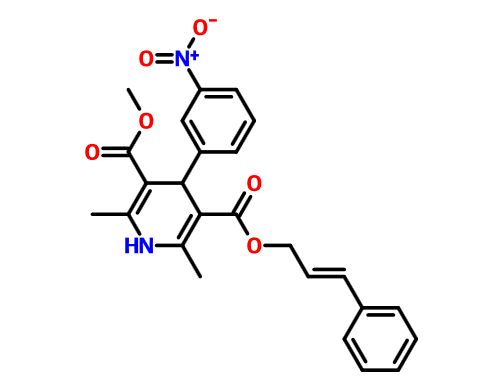
Pranidipine    

ANTHONY MELVIN CRASTO, PhD

str1

https://newdrugapprovals.files.wordpress.com/2015/12/str116.jpg


File:Pranidipine structure.svg

Pranidipine , OPC-13340, FRC 8411

Acalas®

NDA Filing in Japan

A calcium channel blocker potentially for the treatment of angina pectoris and hypertension.


CAS No. 99522-79-9

  • Molecular FormulaC25H24N2O6
  • Average mass 448.468


see dipine series………..http://organicsynthesisinternational.blogspot.in/p/dipine-series.html

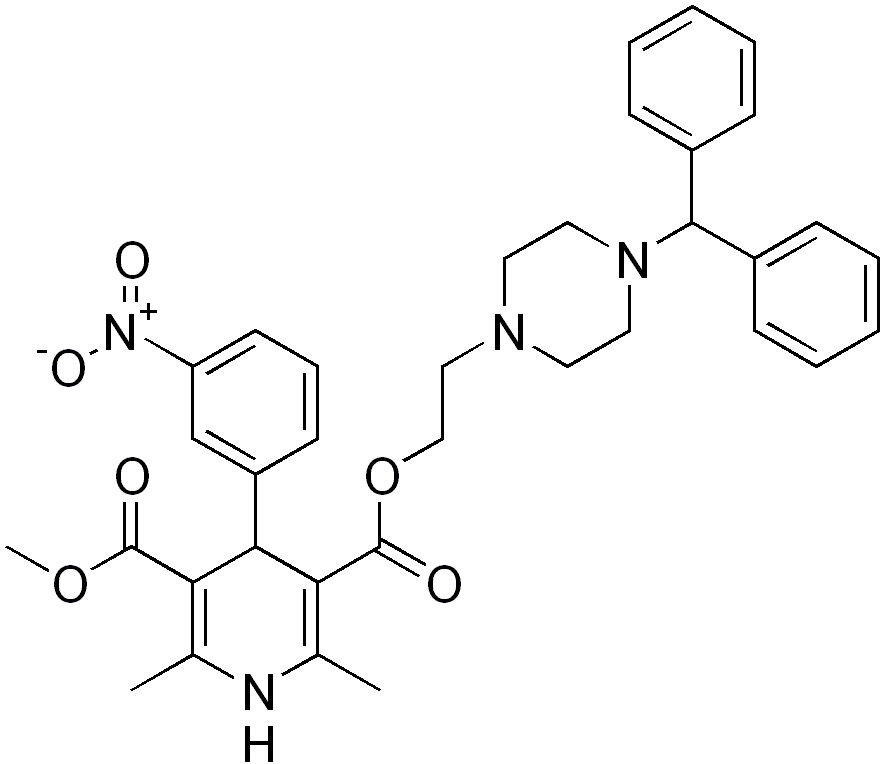
manidipine


PAPER

Der Pharmacia Sinica, 2014, 5(1):11-17

https://newdrugapprovals.files.wordpress.com/2015/12/str113.jpg

pelagiaresearchlibrary.com/der-pharmacia-sinica/vol5-iss1/DPS-2014-5-1-11-17.pdf


Names
IUPAC name

methyl (2E)-phenylprop-2-en-1-yl 2,6-dimethyl-4-(3-nitrophenyl)-1,4-dihydropyridine-3,5-dicarboxylate
Other names

2,6-dimethyl-4-(3-nitrophenyl)-1,4-dihydropyridine-3,5-dicarboxylic acid O5-methyl O3-[(E)-3-phenylprop-2-enyl] ester
Identifiers
99522-79-9 Yes
ChEMBL ChEMBL1096842 
ChemSpider 4940726 
Jmol interactive 3D Image
MeSH C048161
PubChem 6436048
UNII 9DES9QVH58 Yes


PATENT SUBMITTED GRANTED
Process for the preparation of 1,4 – dihydropyridines and novel 1,4-dihydropyridines useful as therapeutic agents [US2003230478] 2003-12-18
Advanced Formulations and Therapies for Treating Hard-to-Heal Wounds [US2014357645] 2014-08-19 2014-12-04
METHODS OF TREATING CARDIOVASCULAR AND METABOLIC DISEASES [US2014322199] 2012-08-06 2014-10-30
Protein Carrier-Linked Prodrugs [US2014323402] 2012-08-10 2014-10-30
sGC STIMULATORS [US2014323448] 2014-04-29 2014-10-30
TREATMENT OF ARTERIAL WALL BY COMBINATION OF RAAS INHIBITOR AND HMG-CoA REDUCTASE INHIBITOR [US2014323536] 2012-12-07 2014-10-30
Agonists of Guanylate Cyclase Useful For the Treatment of Gastrointestinal Disorders, Inflammation, Cancer and Other Disorders [US2014329738] 2014-03-28 2014-11-06
METHODS, COMPOSITIONS, AND KITS FOR THE TREATMENT OF CANCER [US2014335050] 2012-05-25 2014-11-13
ROR GAMMA MODULATORS [US2014343023] 2012-09-18 2014-11-20
High-Loading Water-Soluable Carrier-Linked Prodrugs [US2014296257] 2012-08-10 2014-10-02 


Synthesis, isolation and use of a common key intermediate for calcium antagonist inhibitors

Neelakandan K.a,b, Manikandan H.b , B. Prabhakarana*, Santosha N.a , Ashok Chaudharia *, Mukund Kulkarnic , Gopalakrishnan Mannathusamyb and Shyam Titirmarea
a API Research Centre, Emcure Pharmaceutical Limited, Hinjawadi, Pune, India bDepartment of Chemistry, Annamalai University, Chidhambaram, India cDepartment of Chemistry, Pune University, Pune, India _________________________________________________________________________________

Pelagia Research Library     www.pelagiaresearchlibrary.com      Der Pharmacia Sinica, 2014, 5(1):11-17


The compound (3) synthesized from Nitrobenzaldehyde, tertiary butyl acetoacetate and piperidine can be used as a common intermediate for the production of calcium channel blockers like Nicardipine hydrochloride (1) and Pranidipine hydrochloride (2) with high purity.


The last twenty years have witnessed discoveries of calcium antagonists associated with multicoated pharmacodynamics potential which include not only antihypertensive and antiarrhythmic effects of the drugs but also action against excessive calcium entry in the cell of cardiovascular system and subsequent cell damage. Among many classes of calcium channel blockers, 1,4-dihydropyrimidine based drug molecules represented by Felodipine, Clevidipine, Benidipine, Nicardipine and Pranidipine are by far the best to reduce systemic vascular resistance and arterial pressure.

The reported synthetic approaches however proceed with complicated work ups, laborious purification procedures, highly expensive chemicals and low overall yields. (Scheme-I).

Synthetic scheme of Nicardipine and Pranidipine In view of the draw backs associated with previous synthetic approaches there is a strong need for environmentfriendly high yielding process applicable to the multi-kilogram production of calcium antagonist inhibitors. Herein, we report a scalable synthesis for Nicardipine hydrochloride (1) and Pranidipine hydrochloride (2) in fairly high overall yield using key intermediate 3-nitro benzylidene acid (3).Compound (3) was synthesized in two steps using 3-nitrobenzaldehyde, tertiary butyl acetoacetate and piperidine as a base to furnish tertiary butyl ester derivative (10). This was followed by hydrolysis of (10) in TFA and DCM to furnish compound (3) which would serve as a precursor for synthesis of versatile calcium antagonist inhibitors (Scheme-II).

Reported routes for synthesis of Benidipine,1,2 Lercanadipine,3-6 Nimodipine,7-11 Barnidipine12-14 and Manidipine15-16 were explored in our laboratory which involve reaction of nitro benzaldehyde with tertiary butyl acetoacetate using piperidine as a base to get tertiary butyl ester derivative (10). This is further treated with respective reagents to get various calcium channel blockers as shown in scheme 4. Since reported procedures involve in-situ generation of intermediate (3) and its reaction with corresponding fragments, it results in the formation of by-products which ultimately decrease the yield and increase the cost of API.

A novel process of manufacturing benzylidine acid derivative (3) was developed. Use of this intermediate was demonstrated by synthesis of Nicardipine and Pranidipine. This protocol may be employed for synthesis of other calcium channel blockers. In conclusion, a highly efficient, reproducible and scalable process for the synthesis of calcium channel blockers has been developed using (3) as the key intermediate.


[1] US 63 365 (Kyowa Hakko; appl.15.4.1982; J-prior.17.4.1981). [2] US 4 448 964 (Kyowa Hakko;15.5.1984; J-prior.17.4.1981). [3] Leonardi, A. et al.: Eur. J. Med.Chem. (EJMCA5) 33,399 (1988). [4] EP 153 016 (Recordati Chem. and Pharm.; appl. 21.1.1985; GB-prior. 14.2.1984). [5] US 4 705 797 (Recordati;10.11.1987; GB-prior. 14.2.1984). [6] WO 9 635 668 (Recordati Chem. and Pharm.; appl. 9.5.1996; I-prior. 12.5.1995). [7] DOS 2 117 571 (Bayer; appl. 10.4.1971). [8] DE 2 117 573 (Bayer; prior.10.4.1971) [9] US 3 799 934 (Bayer;26.3.1974;D-prior.10.4.1971). [10] US 3 932 645 (Bayer;13.1.1976;D-prior.10.4.1971). [11] Meyer, H. et al.: Arzneim.-Forsch. (ARZNAD) 31, 407 (1981); 33, 106 (1983). [12] DE 2 904 552 (Yamanouchi Pharm.; appl. 7.2.1979; J-prior.14.2.1978). [13] US 4 220 649 (Yamanouchi;2.9.1980; J-prior.14.2.1978). [14] CN 85 107 590( Faming Zhuanli Sheqing Gonhali S.; appl. 11.10.1985; J-prior.24.1.1985). [15] EP 94 159 (Takeda; appl. 15.4.1983; J-prior. 10.5.1982). [16] US 4 892 875 (Takeda;9.1.1990; J-prior. 10.5.1982, 11.1.1983).


Read Full Post »

Empagliflozin

Larry H. Bernstein, MD, FCAP, Curator

LPBI


Empagliflozin Benefits in EMPA-REG Explored in Diabetics Initially With or Without Heart Failure

Marlene Busko

http://www.medscape.com/viewarticle/854542


ORLANDO, FL — Patients with type 2 diabetes and established CVD who received the antidiabetic sodium-glucose cotransporter 2 (SGLT2) inhibitor empagliflozin (Jardiance, Lilly/Boehringer Ingelheim), as opposed to placebo, had a reduced risk of being hospitalized for heart failure or dying from CVD during a median follow-up of 3.1 years. The finding was strongest in patients without heart failure at baseline[1]. The finding is noteworthy in part because associated heart failure has been a concern, justified or not, with some other diabetes medications.

In these high-risk patients, empagliflozin resulted in a “consistent benefit” in these outcomes, Dr Silvio E Inzucchi (Yale University School of Medicine, New Haven, CT) said, presenting these findings from a prespecified secondary analysis of the EMPA-REG OUTCOME trial at theAmerican Heart Association (AHA) 2015 Scientific Sessions.

Unlike the gasps and applause that greeted him when he presented the trial’s primary outcome results at the European Association for the Study of Diabetes (EASD) 2015 Meeting in Stockholm in mid-September, the audience reaction this time was more measured. The trial had also been published at about the time of its EASD presentation [2].

The principal findings showed that compared with patients who took placebo, those who were randomized to empagliflozin had a 38% (P<0.001) reduced risk of CV death and a 35% P=0.002) reduced risk of hospitalization for HF, at a median follow-up of 3.1 years.

In the current secondary analysis, the 90% of patients who were free of heart failure at study entry showed a steep and significant drop in HF hospitalizations during the trial. There was also a drop in HF hospitalizations with active therapy in the minority who had HF at baseline, but it failed to reach significance.

“I think metformin is likely to remain our first-line oral therapy for patients with type 2 diabetes,” Dr Donald M Lloyd-Jones (Northwestern University Feinberg School of Medicine, Chicago, IL), cochair at an AHA press briefing, told heartwire from Medscape. “There is an alphabet soup of diabetes medications,” with multiple agents that effectively lower blood glucose and reduce patients’ risk of retinopathy, nephropathy, and neuropathy.

However, “it was . . . unexpected that [empagliflozin], as reported recently [at the EASD meeting and] in the New England Journal of Medicine [has an] effect on CV death and other CV events.” This is still an early stage of research, he cautioned, and it is not known how the drug exerts its CV effects and whether there is a class effect. “But [this] could be a game changer, because we would love to have [antidiabetic] medications that not only control blood sugar but also reduce death and [other] hard events,” he said.


First CV Outcomes Trial in this Drug Class

Until now, none of the antiglycemic medications has also been shown to improve HF outcomes, Inzucchi explained. “We’ve actually been searching decades for a diabetes medicine that will not only lower blood glucose but also reduce cardiovascular complications,” he said in a press briefing. “And I would remind you that based on the 2008 FDA guidance to industry, all new diabetes medications need to be tested for cardiovascular safety before being allowed on the market,” he added.

EMPA-REG OUTCOME is the first published, large CV-outcome trial of an SGLT-2 inhibitor.

As previously described, the trial randomized 7028 adult patients who had type 2 diabetes and established CVD to receive 10 mg/day or 25 mg/day empagliflozin or placebo. The CVD included prior MI (46.6%), CABG (24.8%), stroke (23.3%), and peripheral artery disease (PAD) (20.8%).

The patients were also required to have an HbA1c level between 7% and 10%, body-mass index (BMI) <45, and, because the drug exerts its effects via the kidney, estimated glomerular filtration rate (eGFR) >30 mL/min/1.73 m2.

“Importantly, study medication was given upon a backdrop of standard care—antihyperglycemia therapy, as well as other evidence-based cardiovascular therapies such as statins, ACE inhibitors, and aspirin,” Inzucchi stressed.


Spotlight on HF Outcomes

The current analysis dove deeper into the heart-failure outcomes in the trial.

The risk of hospitalization for HF or CV death was consistently significantly lower in patients who received empagliflozin vs placebo, in subgroup analyses related to age, kidney function, and medication use (ACE inhibitors/angiotensin receptor blockers [ARBs], diuretics, beta-blockers, or mineralocorticoid-receptor antagonists).

Overall, the patients who received empagliflozin had a 34% reduced risk of being hospitalized for HF or dying from CV causes and a 39% reduced risk of being hospitalized for or dying from HF.

Risk of Hospitalization or Death, Empagliflozin vs Placebo

Outcome HR (95% CI) P
Hospitalization for HF or CV death 0.66 (0.55–0.79) <0.00001
Hospitalization for or death from HF 0.61 (0.47–0.79) <0.00001

Most patients (90%) did not have HF at baseline.

In the patients without HF at baseline, “as you might expect, [HF] hospitalizations were relatively small in number” (1.8% of patients on the study drug and 3.1% of patients on placebo), said Inzucchi. There was a statistically significant 41% reduced risk of HF hospitalization in patients without HF at baseline on the study drug vs placebo (HR 0.59, 95% CI 0.43–0.82).

In the smaller number of patients who did have HF at baseline, the rate of hospitalizations for HF was much higher (10.4% of patients on the study drug and 12.3% of patients on placebo). But in this case, the difference between patients on the study drug vs placebo was not statistically significant (HR 0.75, 95% CI 0.48–1.19).

The results were similar when the analysis was repeated for the combined outcome of hospitalization for HF or CV death.

“Not surprisingly,” adverse events were more common in sicker patients with baseline HF; genital infections, a well-known adverse event in drugs that increase glucose in the urine, were three times more common in those patients, said Inzucchi.

“I think these are very compelling data, but early days,” said Lloyd-Jones.

Inzucchi receives research grants from Genzyme and honoraria from Boehringer Ingelheim, Merck Sharp & Dome, Sanofi, Amgen, and Genzyme, and he is a consultant on advisory boards for Boehringer Ingelheim, Sanofi, and Amgen. Disclosures for the coauthors are listed in the abstract. Lloyd-Jones has no relevant financial relationships.

Read Full Post »

targeting systolic blood pressure of less than 120 mm Hg 

Larry H. Bernstein, MD, FCAP, Curator

LPBI


SPRINT Would Cut BP Target to Less Than 120 mm Hg in High-CV-Risk Patients with HTN, No Diabetes

Deborah Brauser   November 09, 2015

http://www.medscape.com/viewarticle/854149


ORLANDO, FL ( UPDATED WITH COMMENTARY ) — Lower rates of cardiovascular events and all-cause mortality are associated with targeting systolic blood pressure of less than 120 mm Hg vs the standard, and guideline-recommended, rate of less than 140 mm Hg in patients at increased CV risk, according to full findings from the highly anticipated Systolic Blood Pressure Intervention Trial (SPRINT)[1].

After favorable top-line results were released in September following the trial’s early stoppage by a data safety monitoring board (DSMB), the field has been eagerly awaiting a look at more detailed findings, which came today in presentations here at the American Heart Association (AHA) 2015 Scientific Sessions and in simultaneous publication in the New England Journal of Medicine.

SPRINT, which was funded by the National Institutes of Health (NIH) and included more than 9000 US patients who were hypertensive but not diabetic, showed that the lower target group of less than 120 mm Hg systolic blood pressure had a 25% lower relative risk of the primary composite end point of MI, ACS, stroke, acute decompensated HF, and CV death vs the group with a target of less than 140 mm Hg.

In addition, the lower-target group had 27% lower risk of all-cause mortality and 43% lower risk of CV death. However, this group also had higher adverse events such as hypotension, syncope, and acute kidney injury (AKI) or failure.

“On the whole, the provider community will have to decide if these adverse events are tolerable,” lead author Dr Jackson T Wright (Case Western Reserve University, Cleveland, OH) told heartwire from Medscape.

In an accompanying editorial[2], Drs Vlado Perkovic and Anthony Rodgers (University of Sydney, Australia) note that trials aren’t usually all good or all bad and that the serious adverse-event rates here “appear unlikely” to outweigh the overall benefits. “Current guidelines and guideline processes [will] require revision,” they write.

Questions and Controversies

As reported by heartwire last year,the Eighth Joint National Committee (JNC8) recently released guideline on adult hypertension has been controversial. It recommended treating patients 60 years of age and older to a relaxed target of 150/90 mm Hg, with a target of 140/90 mm Hg for younger individuals. For the current trial, the investigators wanted to assess “the most appropriate” systolic blood-pressure targets to reduce morbidity and mortality.
The SPRINT participants were enrolled between November 2010 and March 2013 at 102 clinical sites. All had a systolic blood pressure of 130 to 180 mm Hg, were deemed at risk of CV events, and were at least 50 years of age; 28% were older than 75 years, and 35% were women. Choice of antihypertensive medications to achieve blood-pressure control was left to physicians and patients in this open-label, target-based study.

Roughly half of the participants were randomized to a target systolic blood-pressure rate of less than 120 mm Hg (intensive therapy) and treated with roughly three antihypertensives. The other half had a target blood-pressure rate of less than 140 mm Hg (standard therapy) and received an average of two antihypertensives.

All of the patients underwent clinical and laboratory tests at baseline and at each subsequent 3-month follow-up. Self-reported CVD outcomes were also collected during structured interviews during the follow-ups.

 As noted, SPRINT was stopped early in August 2015 because of its significant reductions in the primary composite end point and because secondary end points “exceeded the monitoring boundary at two consecutive time points,” report the investigators. It was scheduled to end in 2016 after 5 years. Instead, there was a median follow-up of only 3.26 years.

The early stoppage “was a shock to us,” said Wright. “We had no idea, because we never saw the open data that the monitoring board saw. When it was stopped early by the [National Heart, Lung, and Blood Institute] NHLBI director, we had to deal with a large number of issues very quickly, including informing the patients and their providers,” he said.

“With such a large number of patients, we couldn’t keep that secret. So we decided to announce publicly limited results and why the trial was stopped early, to make sure we could control the information that was coming out.” He noted that that announcement occurred on September 11, with full presentation of the results occurring less than 8 weeks later.

Practice Changing?

At one year, the intensive group had a mean systolic blood pressure of 121.4 mm Hg vs 136.2 mm Hg in the standard-therapy group. Throughout follow-up, the mean rates were 121.5 mm Hg vs 134.6 mm Hg, respectively.

 At the study’s end, the intensive-therapy group had a significantly lower composite event rate (1.65% per year) vs the standard therapy group (2.19% per year; hazard ratio [HR] 0.75, 95% CI 0.64–0.89;P<0.001), as well as lower all-cause mortality (155 vs 210 deaths; HR 0.73, 95% CI 0.60–0.90;P=0.003) and CV-related deaths (37 vs 65; HR 0.57, 95% CI 0.38–0.85; P=0.005).

There were no significant between-group differences in “any serious adverse event” (38.3% vs 37.1% for the intensive-therapy group vs the standard-therapy group, respectively).

However, 2.4% of the intensive-therapy group members had hypotension vs 1.4% of the standard-therapy group (P=0.001), 2.3% vs 1.7% had syncope (P=0.05), 3.1% vs 2.3% had electrolyte abnormalities (P=0.02), and 4.1% vs 2.5% had AKI or kidney failure (P<0.001). Also, a composite of all treatment-related adverse events was found in 4.7% vs 2.5% of the participants (P<0.001).

 Wright noted that there were no differences between target groups for injurious falls or bradycardia. In addition, orthostatic hypotension occurred significantly less in the low-target group (16.6% vs 18.3%, respectively, P=0.01).

As for the other adverse events noted, “we’re talking about just a 1% to 2% increase for those with the lower blood-pressure target,” he said. “Also, the patients we were most concerned with, those over the age of 75, tolerated the lower target at least as well as those who were younger.”

When asked if the overall results are practice changing, Wright begged off, saying his job was just to report the data. “I feel very comfortable, once all the details of the data are out there, that the providers, the provider community, and the guideline panels can weigh the results from SPRINT, along with other evidence that’s out there, to come to a decision on the best way to manage hypertension.”

Some Cautions

Perkovic and Rodgers write in their editorial that “the eagerly awaited results” will have far-reaching implications and that a systolic goal of less than 120 mm Hg “is appropriate” for high-CV-risk patients. However, they note that a lot of effort is required to hit this target, including initial combination therapy and frequent office visits.

 “SPRINT . . . challenges us to improve blood-pressure management. Success will require a marathon effort,” they write.
On the other hand, Dr Murray Esler (Baker IDI Heart and Diabetes Institute, Melbourne, Australia) writes in another editorial[3], published today in Hypertension, that although “SPRINT promises to transform the clinical practice of antihypertensive drug prescribing,” he has his concerns with the study exclusions, noting that excluding diabetics is “a black hole” in the study and limits its applicability.

“Do we now have a new, lower therapeutic target in hypertension clinical care, or is the target ‘SPRINT-specific?’ ” he writes, asking if 120 mm Hg should be the target for patients with systolic blood pressure of 170 or even 200 mm Hg.

 “My 45 years of clinical experience in the treatment of patients with more severe grades of hypertension lead me to doubt this,” concludes Esler.

In an interview with heartwire after sitting on a discussant panel at a late-breaking clinical trial (LBCT) session, Esler called the study “historic” but added that nothing’s perfect.

“The main issue to me is: does this provide us a universal target that can be used in all patients? The entry blood pressure was modestly elevated,” he said. To what extent did that have an effect on the goal? “I would say it did have an impact, and I think the panel agreed with me.”

When asked if the live presentation answered some of the concerns mentioned in his editorial, Esler said that the diabetes exclusion “is still a black hole,” especially because so many hypertensive patients have comorbid diabetes. “And there’s no answer on what to do with them.” Still, he said he thinks the trial will and should have an impact on guidelines.

Dr Marc Pfeffer (Harvard Medical School, Boston, MA) was another discussant at the clinical-trials session as well as at an earlier press briefing. He told attendees that SPRINT “is an amazing trial and a triumph.” However, physicians “shouldn’t expect a ‘thank you’ from patients when you add another pill to reduce their blood pressure.”

Importance of Individualizing

Dr Sripal Bangalore (New York University School of Medicine, NY) told heartwire that the trial results provided “a very clear message” about the reduction in death, CV death, and heart failure. However, he noted that when trials are prematurely terminated with large effect sizes, the results might not translate if the trial were to continue and might not translate into real life.

Bangalore, who was not involved with this study, said that even if the reductions aren’t as high as 25% in clinical practice, the results do suggest significant benefit. But he was surprised that there was no significant reduction in stroke. “If there was one outcome I would have bet on, it would have been that,” he said.

“Also interesting was that half the patients could not achieve the less-than-120 target. If that happened in a large randomized trial, I would imagine that would be really difficult to achieve in real-world practice,” he said, adding that although the adverse events were somewhat worrisome, the absolute rates were pretty low.

In another paper, which was published today in the Journal of the American College of Cardiology, Dr Adam P Bress (University of Utah, Salt Lake City) and colleagues report their findings on how generalizable the SPRINT trial is, based on data from the 2007–2012 National Health and Nutrition Examination Survey[4].

They found that 16.8 million US adults (7.6%) met the trial’s eligibility criteria, as did 8.2 million (16.7%) of those with treated hypertension. For both groups, the eligibility criteria was higher for patients who were older, male, and non-Hispanic white. The editorialists note that the findings show that a large group of US adults could be potentially affected by SPRINT’s results.

“I think it all comes down to risks/benefits. And I think we need to partner with patients,” said Bangalore. “For some, it’s hard to get them to take one medication, while others are really compliant and wouldn’t mind taking three medications if it meant reaching the reduced outcomes. At the end of the day, it’s about individualizing the issues.”

SPRINT was funded by the National Institutes of Health. Wright reports grant support from NIH and nonfinancial support from Arbor Pharmaceuticals and Takeda during the conduct of the study; disclosures for the coauthors are listed in the paper.

Read Full Post »

Blood Pressure Lowering

Larry H. Bernstein, MD, FCAP, Curator

LPBI


Data analysis and publication of landmark NIH blood pressure study confirm that lower blood pressure target can reduce cardiovascular disease, deaths

http://www.nih.gov/news-events/news-releases/data-analysis-publication-landmark-nih-blood-pressure-study-confirm-lower-blood-pressure-target-can-reduce-cardiovascular-disease-deaths


NIH-supported researchers are reporting more details on a landmark study that announced preliminary findings in September showing a lower blood pressure target can save lives and reduce the risk of cardiovascular disease in a group of non-diabetic adults 50 years and older with high blood pressure. Results of the Systolic Blood Pressure Intervention Trial (SPRINT) appear in the current online issue of the New England Journal of Medicine and were discussed today at the American Heart Association 2015 Scientific Sessions in Orlando.

The study confirms that, in adults 50 years and older with high blood pressure, targeting a systolic blood pressure of less than 120 millimeters of mercury (mm Hg) reduced rates of cardiovascular events, such as heart attack and heart failure, as well as stroke, by 25 percent. Additionally, this target reduced the risk of death by 27 percent—as compared to a target systolic pressure of 140 mm Hg.

“SPRINT is part of a proud legacy of NIH-funded clinical trials that will change clinical practice and save lives for decades to come. These results reinforce the compelling public health importance of enhancing the awareness, treatment and control of hypertension in this country and around the world,” said Gary H. Gibbons, M.D., director of the National Heart, Lung, and Blood Institute (NHLBI), the primary sponsor of SPRINT.

The SPRINT study, which began in the fall of 2009, included more than 9,300 participants age 50 and older, recruited from about 100 medical centers and clinical practices throughout the United States and Puerto Rico. About 36 percent of participants were women, 58 percent were white, 30 percent were African-American, and 11 percent were Hispanic. The SPRINT study did not include patients with diabetes, prior stroke, or polycystic kidney disease, as other NIH trials were studying those particular populations. Approximately 28 percent were 75 or older and 28 percent had chronic kidney disease. The study tested a strategy of using blood pressure medications to achieve the targeted goals of less than 120 mm Hg (intensive treatment group) versus 140 mm Hg (standard treatment group). The NIH stopped the blood pressure intervention in August—a year earlier than planned—after it became apparent that this more intensive intervention was beneficial.

“When the benefits of the stronger intervention became apparent in SPRINT, we made a commitment to rapid public health communication and peer-reviewed publication of the study results,” Dr. Gibbons said. “We are pleased to present the details of the study’s potentially lifesaving findings at this time.”

In their report, investigators provided detailed data showing that both cardiovascular deaths and overall deaths were lower in the intensive treatment group.

Certain types of serious consequences were more common in the intensive group, including low blood pressure, fainting, electrolyte abnormalities, and acute kidney damage. However, other serious adverse events associated with lower blood pressure, such as slow heart rate and falls with injuries, did not increase in the intensive group. In patients with chronic kidney disease, there was no difference in the rate of serious decline in kidney function between the two blood pressure goal groups.

“The benefits of more intensive blood pressure lowering exceeded the potential for harm, regardless of gender or race/ethnicity,” said study co-author Paul Whelton, M.D., of Tulane University School of Public Health and Tropical Medicine in New Orleans, Louisiana. He is chair of the SPRINT Steering Committee.

In addition to its primary cardiovascular outcome, the study continues to examine kidney disease, cognitive function, and dementia among the SPRINT participants; however, these results are not yet available as additional information will be collected and analyzed over the next year.

“Although the study provides strong evidence that a lower blood pressure target saves lives, patients and their health care providers may want to wait to see how guideline groups incorporate this study and other scientific reports into any future hypertension guidelines. In the meantime, patients should talk to their health care providers to determine whether this lower goal is best for their individual care,” said study co-author Lawrence Fine, M.D., Chief, Clinical Applications and Prevention Branch at NHLBI.

“It’s also important to remember that healthy lifestyle changes can make a difference in controlling high blood pressure,” Dr. Fine added. He emphasized the importance of following a healthy diet, being physically active, maintaining a healthy weight, as well as learning to check your blood pressure.

In addition to primary sponsorship by the NHLBI, SPRINT is co-sponsored by the NIH’s National Institute of Diabetes and Digestive and Kidney Diseases, the National Institute of Neurological Disorders and Stroke, and the National Institute on Aging.

Part of the National Institutes of Health, the National Heart, Lung, and Blood Institute (NHLBI) plans, conducts, and supports research related to the causes, prevention, diagnosis, and treatment of heart, blood vessel, lung, and blood diseases; and sleep disorders. The Institute also administers national health education campaigns on women and heart disease, healthy weight for children, and other topics. NHLBI press releases and other materials are available online at http://www.nhlbi.nih.gov.

About the National Institutes of Health (NIH): NIH, the nation’s medical research agency, includes 27 Institutes and Centers and is a component of the U.S. Department of Health and Human Services. NIH is the primary federal agency conducting and supporting basic, clinical, and translational medical research, and is investigating the causes, treatments, and cures for both common and rare diseases. For more information about NIH and its programs, visit www.nih.gov.

NIH…Turning Discovery Into Health®

Landmark NIH study shows intensive blood pressure management may save lives

Embargoed for Release:

September 11, 2015, 10:30 AM EDT

Lower blood pressure target greatly reduces cardiovascular complications and deaths in older adults

More intensive management of high blood pressure, below a commonly recommended blood pressure target, significantly reduces rates of cardiovascular disease, and lowers risk of death in a group of adults 50 years and older with high blood pressure. This is according to the initial results of a landmark clinical trial sponsored by the National Institutes of Health called the Systolic Blood Pressure Intervention Trial (SPRINT). The intervention in this trial, which carefully adjusts the amount or type of blood pressure medication to achieve a target systolicpressure of 120 millimeters of mercury (mm Hg), reduced rates of cardiovascular events, such as heart attack and heart failure, as well as stroke, by almost a third and the risk of death by almost a quarter, as compared to the target systolic pressure of 140 mm Hg.

“This study provides potentially lifesaving information that will be useful to health care providers as they consider the best treatment options for some of their patients, particularly those over the age of 50,” said Gary H. Gibbons, M.D., director of the National Heart, Lung, and Blood Institute (NHLBI), the primary sponsor of SPRINT. “We are delighted to have achieved this important milestone in the study in advance of the expected closure date for the SPRINT trial and look forward to quickly communicating the results to help inform patient care and the future development of evidence-based clinical guidelines.”

High blood pressure, or hypertension, is a leading risk factor for heart disease, stroke, kidney failure, and other health problems. An estimated 1 in 3 people in the United States has high blood pressure.

The SPRINT study evaluates the benefits of maintaining a new target for systolic blood pressure, the top number in a blood pressure reading, among a group of patients 50 years and older at increased risk for heart disease or who have kidney disease. A systolic pressure of 120 mm Hg, maintained by this more intensive blood pressure intervention, could ultimately help save lives among adults age 50 and older who have a combination of high blood pressure and at least one additional risk factor for heart disease, the investigators say.

The SPRINT study, which began in the fall of 2009, includes more than 9,300 participants age 50 and older, recruited from about 100 medical centers and clinical practices throughout the United States and Puerto Rico. It is the largest study of its kind to date to examine how maintaining systolic blood pressure at a lower than currently recommended level will impact cardiovascular and kidney diseases. NIH stopped the blood pressure intervention earlier than originally planned in order to quickly disseminate the significant preliminary results.

The study population was diverse and included women, racial/ethnic minorities, and the elderly.  The investigators point out that the SPRINT study did not include patients with diabetes, prior stroke, or polycystic kidney disease, as other research included those populations.

When SPRINT was designed, the well-established clinical guidelines recommended a systolic blood pressure of less than 140 mm Hg for healthy adults and 130 mm Hg for adults with kidney disease or diabetes. Investigators designed SPRINT to determine the potential benefits of achieving systolic blood pressure of less than 120 mm Hg for hypertensive adults 50 years and older who are at risk for developing heart disease or kidney disease.

Between 2010 and 2013, the SPRINT investigators randomly divided the study participants into two groups that differed according to targeted levels of blood pressure control. The standard group received blood pressure medications to achieve a target of less than 140 mm Hg. They received an average of two different blood pressure medications. The intensive treatment group received medications to achieve a target of less than 120 mm Hg and received an average of three medications.

“Our results provide important evidence that treating blood pressure to a lower goal in older or high-risk patients can be beneficial and yield better health results overall,” said Lawrence Fine, M.D., chief, Clinical Applications and Prevention Branch at NHLBI. “But patients should talk to their doctor to determine whether this lower goal is best for their individual care.”

The study is also examining kidney disease, cognitive function, and dementia among the patients; however, those results are still under analysis and are not yet available as additional information will be collected over the next year.  The primary results of the trial will be published within the next few months.

In addition to primary sponsorship by the NHLBI, SPRINT is co-sponsored by the NIH’s National Institute of Diabetes and Digestive and Kidney Diseases, the National Institute of Neurological Disorders and Stroke, and the National Institute on Aging.

Supplemental Information

Read Full Post »

wearables and patient centric data

Larry H. Bernstein, MD, FCAP, Curator

LPBI

Article ID #190: wearables and patient centric data. Published on 11/1/2015

WordCloud Image Produced by Adam Tubman


The Science of the Art of Medicine Author Interviewed

; John E. Brush, MD

Interview with Robert A. Harrington, MD

http://www.medscape.com/viewarticle/852124


Robert A. Harrington, MD: Hi. This is Bob Harrington from Stanford University on Medscape Cardiology and the heart.org. Thanks for joining us today. Over the last couple of months, I have interviewed a couple of physician authors who have commented on some of the issues of the time, whether that’s related to the electronic health records, as in our discussions with Bob Wachter, or the revolution that’s taking place with wearables and patient centric data, as with my conversation with Eric Topol. These shows have been well received, and those conversations were useful to the community to have a frame of reference not just in regard to the daily practice of medicine but also in terms of how the bigger issues in society around digital health, wearables, electronic records, etc., might influence the practice of medicine.

Today we’re also going to interview a physician author but with a different approach to some of the issues within medicine. He is trying to get at how physicians and other clinical providers take what we learn from the literature, from scientific studies that have been done, and use some combination of statistics coupled with the art of caring for other human beings in a way that ends up with first-rate medical care. And this author not only wondered how we do that but also how we begin to think about teaching that to our trainees, to our students, our residents, our fellows, etc. I’m really pleased to have with me today the author of the book, The Science of the Art of Medicine, which is just coming out in its second edition. The author is Dr John Brush. John is a professor of medicine at Eastern Virginia Medical School and a practicing cardiologist in Norfolk, Virginia. John and I are friends and colleagues through his service as a recent board of trustee member for the American College of Cardiology (ACC). John, thanks for joining us here today on Medscape Cardiology.

John E. Brush, MD: Thanks very much, Bob. It’s a pleasure being here, and I look forward to our conversation.

Cognitive Psychology

Dr Harrington: You heard my opening remarks reflecting on you as a physician author. What made you write this book? What were some of the issues that compelled you to put pen to paper, so to speak, and try to formulate some view of the world in medicine as you saw it?

Dr Brush: One of the origins of this book was actually my work with the ACC related to quality of care and quality and care initiatives. I was chairman of the Quality Strategic Direction Committee for 3 years and really got thinking about quality and why people make errors. What leads to good judgment? What leads to bad judgment? And that led me to stumble upon the cognitive psychology literature. When I was in college, there was no such thing as cognitive psychology; it was mostly behavioral psychology. The field of cognitive psychology has arisen in the past 30 years. Cognitive psychologists are interested in understanding how people make decisions. Doctors make decisions every single day, and yet we don’t teach anything about cognitive psychology, and we don’t learn anything about it in medical school. It seemed like it was a relevant area to think about, and so I jumped in. I taught myself cognitive psychology. I bought book after book after book and just decided I was going read about it.
What cognitive psychologists have figured out is that we’re not purely rational; we think we are, but we make mistakes. We fall into typical traps. We have biases because we use heuristics or mental short cuts to try to make rapid decisions under conditions of uncertainty. If you think about it, that’s what doctors do every single day: make rapid decisions under conditions of uncertainty. I wanted to learn more about it myself. And then the more I read about it, I jokingly said to my wife, “You know, I could write a book on this stuff.” And then I stumbled on this ibook authoring tool, and I figured out that it’s actually easy to write an ibook—easier than I thought. And so I said, “I am going to write a book about it.” I thought it was going to take me 5 years; it took me about 3 months because I was so consumed by this.

Dr Harrington: Before you dive further, let me ask you a couple of things about cognitive psychology because it is interesting that you took this observation of people making errors and then did the deeper dive, which I applaud you for. I’m thinking of some other authors in this area that some of our listeners might know about, such as Dan Ariely from Duke and the book,Predictably Irrational. Would you put that in the context of cognitive psychology?

Dr Brush: Yes, he’s a well-known cognitive psychologist. There’s also Daniel Kahneman who wrote, Thinking Fast, Thinking Slow. Daniel Kahneman is from Princeton and a very prominent writer in cognitive psychology. A guy named Gerd Gigerenzer from Germany has written books on risk and how to evaluate risk—basically how to think about probability. His books were very influential for me. There’s Herbert Simon who was a computer scientist in Pittsburgh, and he is generally thought of as the father of cognitive psychology; he was at Carnegie Mellon. Cognitive psychology is also referred to as behavioral economics, by the way, and both Herbert Simon and Daniel Kahneman have won the Nobel Prize in Economics.

 Dr Harrington: That’s what I wanted you to get at for the audience—that it’s not just interesting, but it’s useful to read outside of medicine and then bring those ideas into how we think about medicine. You’ve hit upon something in that we don’t teach our students and resident how people actually make decisions, but, as you’ve described, that’s what a clinician does every day. You said that the ibook was an easy thing to do. Why did you pick a book and not write a commentary for a journal or give a lecture on the topic? Why did you go right into a book? That’s a pretty big leap.

Natural Bayesians Placing Bets

Dr Brush: The topic is too broad to cover in a single lecture or single commentary. I did write a series of blog posts that were posted on cardioexchange.org. Harlan Krumholz invited me to do that, and it was very helpful because it enabled me to collect my thoughts and to test out ways of explaining this. One of the challenges is explaining a subject matter that is outside medicine. You’re bringing a new area to people’s attention, and so you have to figure out how to go about explaining it. I’d done this series of blog posts; I did a series of lectures for our residents here in Norfolk. And I have to tell you that the first lectures I did on this utterly failed because they were dull, they were boring. I had to figure out how to make it interesting because if you discuss it in the setting of a patient and you study it on rounds, it’s absolutely fascinating. But if you talk about it in isolation, it’s like a statistics course in isolation where the subject matter is too dry. The way you make it interesting is by relating it to patients, so I started collecting examples, and there are simple examples in cardiology.

Cardiology is the ideal place to teach medical reasoning because we almost get immediate feedback. You can put your money down and make your bets as to whether somebody is having a myocardial infarction or whether somebody has heart failure or whether somebody has a pulmonary embolism. Generally by the next day you find out, and so you get this immediate feedback where you can train your intuition. We have so many numerical things from troponin levels, D-dimer, stress tests, and what have you. You can begin to develop estimates of probability so that you can start to calibrate your intuition. And there’s no better place in medicine than cardiology to that as an exercise.

Dr Harrington: One of the things I love about the book is that you spend time, particularly at the beginning of the book, going through the basics of statistics that help us in the practice of medicine. And one area you spend time talking about is Bayes’ theorem and the notion that while we use both frequentist and Bayesian statistics in medicine, in many ways clinicians are natural Bayesians, aren’t we?

Dr Brush: We are, but we don’t think hard enough about what that means. We wander into being Bayesians, and we pick that up in our training. It’s a good idea to step back, dig a little bit deeper, and ask exactly what that means. The cognitive psychologists tell us that we make mistakes by deviating from a normative mode of thinking in one of two ways. We either do things that are illogical, or we make bad probability estimates. I wanted to think about the logic of what we do as well as the probability.

 I talk a little bit in the book about deductive reasoning and inductive reasoning, but really what we do is something called abductive reasoning, where we reason to the most plausible hypothesis. Most of the time, we don’t really know. If somebody comes in with heart failure, we think it may be untreated hypertension or alcoholism or whatever, but we don’t really know. We reason towards the most plausible hypothesis. When we’re using Bayesian reasoning, we’re using probability estimates, and so knowing something about probability is a good idea. We think that we know about probability because we play cards, we throw dice, we play games of chance all the time, but probability can be simple and complex and complementary and cumulative probability and conditional probability. Bayesian reasoning is all about conditional probability.

We think like Bayesians, but we never do the calculations. Instead we use a heuristic called anchoring and adjusting. Anchoring and adjusting is a natural way that you use Bayesian reasoning where you come up with an anchor, which is your pretest probability, and you adjust that anchor (that pretest probability) based on new information to give you a posttest probability. We intuitively know how to use this heuristic called anchoring and adjusting, and that’s actually what we do in practice, rather than pulling out our calculator and calculating the Bayesian probabilities.

Dr Harrington: What you’re describing in part is what makes the great clinician, and the great clinician as you described has to have a grounding in statistical methods, has to understand what probability is and how one thinks about it. At the same time, the great clinician has to have a body of experience upon which to anchor that probability; and then finally, the great clinician has to be able to be observant and trust his or her intuition. Is that a reasonable way to put it?

Teaching Good Decision-Making

Dr Brush: When you look back on your colleagues or mentors who just seemed to get it, one characteristic that describes the person who just seemed to get it is that they made good bets. They had a good sense of what’s most likely, what’s least likely. They were savvy about how they made those calculations. They had good intuition about how they made those judgments.

 How do you teach that? Well, you can teach people about the processes and give them an idea of where they want to be at the end of the day. If you can break it down a little bit, it helps. You can use simple numbers. If you simplify the numbers, you can use the numbers to calibrate your intuition. There’s something in medicine that we are leaving out. We talk all the time about sensitivity and specificity, and yet when you ask physicians, “give me a quick definition of sensitivity and specificity,” they’re not able to do it. You lose track of what’s in the numerator and what’s in the denominator.

People get all balled up with those definitions that sensitivity relates to true positive and specificity to true negative. That’s a little bit more descriptive of what you’re actually talking about. But there’s something even better, and that’s likelihood ratios because a positive likelihood ratio is the probability of something divided by the probability that something is not there. It’s the evidence for something divided by the evidence against it, and so it’s a dimensionless number. You don’t even have to keep track of what’s in the numerator or the denominator because it’s a dimensionless number.

 Likelihood ratios are incredibly powerful. Say you’re trying to teach a trainee how important a positive troponin is. How important is a positive nuclear stress test? How important is a D dimer? If a D dimer test is negative, that is a very important negative piece of information; but if it’s positive, it’s not quite so strong. That’s because the positive likelihood ratio for a D dimer is about 2, and the negative likelihood ratio is more like 0.1. You can use likelihood ratios to really hone your intuition, which is very useful when you’re trying to import years of wisdom to new trainees. You can’t wait 30 years for them to finally get it; you want then to get it on Day 1.
 We’ve been talking about diagnosis so far, but for therapeutics you need to figure out how to calibrate your intuition on treatment decisions. The inverse of the absolute risk reduction is the number needed to treat, and the smaller the better. If you’ve got some sense of what a good number needed to treat is, then suddenly you can calibrate your intuition about what’s really important and what’s not so important. Beta blockers and aspirin and angiotensin-converting enzyme inhibitors are really important; maybe glycoprotein IIb/IIIa antagonists are less important. The number needed to treat gives you a way to gauge the importance of therapeutic interventions.

Dr Harrington: I love the direction you’re going, which is to take what we do and recognize that there’s a science behind it. For a lot of the therapeutics you just mentioned, there are clinical trials that inform us about what those numbers needed to treat are and what the numbers needed to harm are. But as you rightly said, the art of medicine is understanding who is likely to benefit from this particular therapy when you make that bet. We’re not yet in this era of precision health of being able to say, “Based on your characteristics (which may include genomic characteristics), you are more likely to benefit from this and less likely to benefit from that.” But you’re helping move us to that, and I love that you’re helping us think about a framework for teaching it. You clearly wrote this as a teacher to students, and whether that’s a teacher to a colleague like me or a teacher to residents, students, and fellows in some ways doesn’t matter. What’s been the reaction from the student community, “student” being broadly defined?

Dr Brush: I use it to teach internal medicine residents. I have a new internal medicine resident with me each month; we have 12 locally and 12 months of the year, so I have a new one each month. I have them read the book at night, and we talk about the book during the day, but we talk about the book in the context of taking care of patients. In a way, it’s an inverted classroom where they’re getting the lecture from me by reading the book (it would be odd for me to sit and lecture them on these things), but we talk about it in the setting of a real patient. We’ll go in and see a patient in the emergency department who’s short of breath, and maybe our pretest probability that its heart failure is 50/50, and so the pretest odds is 1. You can then multiply that by the likelihood ratios of paroxysmal nocturnal dyspnea and orthopnea and rales and S3 gallop and congestion or a chest x-ray. And you end up with a posttest probability that you can calculate in your head; when we do that during the day, it suddenly makes what they’ve read at night very real. I’ve gotten really good feedback on that. It’s one of those things where you hit your forehead and go, “Oh, now I get it.”

 You can see the light bulb turning on, and they really appreciate it. It also helps them get a handle on uncertainty. Uncertainly scares the heck out of us when we’re in training. Some of us run away from it and create this illusion of certainty, but—let’s face it—the uncertainty and the ambiguity of medicine scares the heck out of all of us. But it really scares people during training, and you don’t know whether you don’t know it or whether it’s unknown to everybody. You don’t know the level of uncertainty of things, and by addressing that straight on, you can try to get a handle on how you can reason through that uncertainty and how you can move from a place where you don’t know to a place where you have a better idea but also understand that there are some things that you’ll never know for sure but you’ve got to get as close as you can. For the residents that I work with, that takes a little bit of pressure off and helps them. It helps them grasp what the challenge is, and the challenge is learning as much as they possibly can, getting as much experience as they can so that they can put it all into action in a way that’s systematic and organized and tends to make sense.

Dr Harrington: John, my last question for you: What have you learned from this? You entered this as a student trying to understand decision-making, and it led you to an exploration of cognitive psychology. You felt that it would help make you a better teacher, and you wrote a book. What did you learn from the whole exercise of the last few years?

Dr Brush: I’ve learned so much about cognitive psychology, about probability, about logic, and that has helped me be a better decision-maker in general. Even beyond medicine, but certainly it’s made me a better clinician and a better teacher. I’ve been able to articulate what I’m thinking in a way that makes better sense to students. What I’ve learned, though, is that we’re not teaching this, and we’re also not testing on this. It’s much easier to test on content; you can turn some medical fact into a multiple choice question a whole lot easier than you can figure out whether somebody actually gets it and is able to put the knowledge into action. We don’t want to just impart knowledge; we want to impart wisdom. We want to be able to use knowledge wisely. We’ve now got this rush of information that’s coming at as from every direction over the Internet and in so many different ways. We need to turn that information into knowledge that helps us get closer to the truth, and to do that we’ve got to learn how to use the knowledge wisely. As a community of physicians, of professionals, and also a community of academicians, we need to think about how to teach this stuff. How do we test it? How do we develop competencies in this area? For me, it’s created a whole new way of looking at medical education and really what matters and what we really ought to be concentrating on.

 Dr Harrington: This has been a fascinating conversation, John, and I applaud you for taking the initiative not just to learn the background material but to write the book and share it with the rest of us. And I certainly recommend to our listener audience John Brush’s book, The Science of the Art of Medicine. You can get it through iBooks or you can get a hard copy of it. So my guest today has been Dr John Brush, a professor of medicine at Eastern Virginia Medical School and a practicing cardiologist in Norfolk, Virginia. John, thanks for joining us on Medscape Cardiology.


Read Full Post »

Praluent FDA Approved

Larry H. Bernstein, MD, FCAP, Curator

LPBI


PRALUENT® (alirocumab) is now approved for additional LDL-C lowering on top of maximally tolerated statin therapy in patients with HeFH or clinical ASCVD1
INDICATIONS AND USAGE
PRALUENT is a PCSK9 (Proprotein Convertase Subtilisin/Kexin Type 9) inhibitor antibody indicated as adjunct to diet and maximally tolerated statin therapy for the treatment of adults with heterozygous familial hypercholesterolemia or clinical atherosclerotic cardiovascular disease, who require additional lowering of LDL-C.

The effect of PRALUENT on cardiovascular morbidity and mortality has not been determined.

DOSING INFORMATION
The recommended starting dose of PRALUENT is 75 mg administered subcutaneously once every 2 weeks, since the majority of patients achieve sufficient LDL-C reduction with this dosage. If the LDL-C response is inadequate, the dosage may be increased to the maximum dosage of 150 mg administered every 2 weeks.

Measure LDL-C levels within 4 to 8 weeks of initiating or titrating PRALUENT to assess response and adjust the dose, if needed.

PRALUENT is a human monoclonal antibody that binds to PCSK91
PRALUENT efficacy was investigated in 5 double-blind, placebo-controlled trials with 3499 patients enrolled: 36% with HeFH and 54% non-FH with clinical ASCVD.
• All patients were receiving a maximally tolerated dose of statin with or without other lipid-modifying therapies
• 3 studies used an initial dose of 75 mg Q2W as part of an up-titration regimen with criteria-based up-titration to 150 mg Q2W at week 12 for patients who did not achieve their prespecified target LDL-C at week 8
• 2 studies with 150 mg Q2W dose only
Clinical ASCVD is defined in the ACC/AHA guidelines2 as acute coronary syndromes or a history of any of the following: myocardial infarction, stable or unstable angina, coronary or other arterial revascularization, transient ischemic attack or stroke, or peripheral arterial disease presumed to be of atherosclerotic origin.
All studies met their primary efficacy endpoint measured at week 241
• All trials were at least 52 weeks in duration with the primary efficacy endpoint measured at week 24 (mean percent change in LDL-C from baseline)
The first and only FDA-approved PCSK9 inhibitor with 2 doses that allows you to adjust the dose based on your patients’ LDL-C lowering needs1
MyPRALUENT™: Comprehensive support for you and your patients
• MyPRALUENT is designed to help meet your needs and your patients’ needs
• Speak with a MyPRALUENT Care Specialist at 1-844-PRALUENT (1-844-772-5836), option 1
IMPORTANT SAFETY INFORMATION
PRALUENT is contraindicated in patients with a history of a serious hypersensitivity reaction to PRALUENT. Reactions have included hypersensitivity vasculitis and hypersensitivity reactions requiring hospitalization.

Hypersensitivity reactions (e.g., pruritus, rash, urticaria), including some serious events (e.g., hypersensitivity vasculitis and hypersensitivity reactions requiring hospitalization), have been reported with PRALUENT treatment. If signs or symptoms of serious allergic reactions occur, discontinue treatment with PRALUENT, treat according to the standard of care, and monitor until signs and symptoms resolve.

The most commonly occurring adverse reactions (≥5% of patients treated with PRALUENT and occurring more frequently than with placebo) are nasopharyngitis, injection site reactions, and influenza.

Local injection site reactions including erythema/redness, itching, swelling, and pain/tenderness were reported more frequently in patients treated with PRALUENT (7.2% versus 5.1% for PRALUENT and placebo, respectively). Few patients discontinued treatment because of these reactions (0.2% versus 0.4% for PRALUENT and placebo, respectively), but patients receiving PRALUENT had a greater number of injection site reactions, had more reports of associated symptoms, and had reactions of longer average duration than patients receiving placebo.

Neurocognitive events were reported in 0.8% of patients treated with PRALUENT and 0.7% of patients treated with placebo. Confusion or memory impairment were reported more frequently by those treated with PRALUENT (0.2% for each) than in those treated with placebo (<0.1% for each).

Liver-related disorders (primarily related to abnormalities in liver enzymes) were reported in 2.5% of patients treated with PRALUENT and 1.8% of patients treated with placebo, leading to treatment discontinuation in 0.4% and 0.2% of patients, respectively. Increases in serum transaminases to greater than 3 times the upper limit of normal occurred in 1.7% of patients treated with PRALUENT and 1.4% of patients treated with placebo.

The most common adverse reactions leading to treatment discontinuation in patients treated with PRALUENT were allergic reactions (0.6% versus 0.2% for PRALUENT and placebo, respectively) and elevated liver enzymes (0.3% versus <0.1%).

PRALUENT is a human monoclonal antibody. As with all therapeutic proteins, there is a potential for immunogenicity with PRALUENT.

Please see full Prescribing Information.


Read Full Post »

In Eli Lilly’s Pipeline: DISCONTINUING Evacetrapib, a CETP inhibitor that’s meant to boost HDL

Reporter: Aviva Lev-Ari, PhD, RN


  • Pharma giant Eli Lilly’s pipeline lost a star contender on Monday when the company disclosed that it would be discontinuing trials for evacetrapib, a lead CVD drug candidate that the Indianapolis-based pharma believed would eventually garner blockbuster sales.
  • Lilly had poured millions into massive phase 3 trials for the drug and enrolled more than 12,000 people in safety and efficacy studies. But the independent committee overlooking the trials informed the company that “there was a low probability the study would achieve its primary endpoint based on results to date” and that the candidate demonstrated “insufficient efficacy.”
  • Evacetrapib is a CETP inhibitor that’s meant to boost HDL (aka “good cholesterol”) in order to guard against heart attacks and strokes. Analysts had expected the drug to achieve anywhere from $1 billion to nearly $4 billion in sales if approved.

Other related articles on HDL published on this Open Access Online Scientific Journal include the following: 

http://pharmaceuticalintelligence.com/?s=HDL

Read Full Post »

« Newer Posts - Older Posts »