Feeds:
Posts
Comments

Posts Tagged ‘3D printing’

Update on FDA Policy Regarding 3D Bioprinted Material

Curator: Stephen J. Williams, Ph.D.

Last year (2015) in late October the FDA met to finalize a year long process of drafting guidances for bioprinting human tissue and/or medical devices such as orthopedic devices.  This importance of the development of these draft guidances was highlighted in a series of articles below, namely that

  • there were no standards as a manufacturing process
  • use of human tissues and materials could have certain unforseen adverse events associated with the bioprinting process

In the last section of this post a recent presentation by the FDA is given as well as an excellent  pdf here BioprintingGwinnfinal written by a student at University of Kentucky James Gwinn on regulatory concerns of bioprinting.

Bio-Printing Could Be Banned Or Regulated In Two Years

3D Printing News January 30, 2014 No Comments 3dprinterplans

organovaliver


Cross-section of multi-cellular bioprinted human liver tissue Credit: organovo.com

Bio-printing has been touted as the pinnacle of additive manufacturing and medical science, but what if it might be shut down before it splashes onto the medical scene. Research firm, Gartner Inc believes that the rapid development of bio-printing will spark calls to ban the technology for human and non-human tissue within two years.

A report released by Gartner predicts that the time is drawing near when 3D-bioprinted human organs will be readily available, causing widespread debate. They use an example of 3D printed liver tissue by a San Diego-based company named Organovo.

“At one university, they’re actually using cells from human and non-human organs,” said Pete Basiliere, a Gartner Research Director. “In this example, there was human amniotic fluid, canine smooth muscle cells, and bovine cells all being used. Some may feel those constructs are of concern.”

Bio-printing 

Bio-printing uses extruder needles or inkjet-like printers to lay down rows of living cells. Major challenges still face the technology, such as creating vascular structures to support tissue with oxygen and nutrients. Additionally, creating the connective tissue or scaffolding-like structures to support functional tissue is still a barrier that bio-printing will have to overcome.

Organovo has worked around a number of issues and they hope to print a fully functioning liver for pharmaceutical industry by the end of this year.  “We have achieved thicknesses of greater than 500 microns, and have maintained liver tissue in a fully functional state with native phenotypic behavior for at least 40 days,” said Mike Renard, Organovo’s executive vice president of commercial operations.

clinical trails and testing of organs could take over a decade in the U.S. This is because of the strict rules the U.S. Food and Drug Administration (FDA) places on any new technology. Bio-printing research could outplace regulatory agencies ability to keep up.

“What’s going to happen, in some respects, is the research going on worldwide is outpacing regulatory agencies ability to keep up,” Basiliere said. “3D bio-printing facilities with the ability to print human organs and tissue will advance far faster than general understanding and acceptance of the ramifications of this technology.”

Other companies have been successful with bio-printing as well. Munich-based EnvisionTEC is already selling a printer called a Bioplotter that sells for $188,000 and can print 3D pieces of human tissue. China’s Hangzhou Dianzi University has developed a printer called Regenovo, which printed a small working kidney that lasted four months.

“These initiatives are well-intentioned, but raise a number of questions that remain unanswered. What happens when complex enhanced organs involving nonhuman cells are made? Who will control the ability to produce them? Who will ensure the quality of the resulting organs?” Basiliere said.

Gartner believes demand for bio-printing will explode in 2015, due to a burgeoning population and insufficient levels of healthcare in emerging markets. “The overall success rates of 3D printing use cases in emerging regions will escalate for three main reasons: the increasing ease of access and commoditization of the technology; ROI; and because it simplifies supply chain issues with getting medical devices to these regions,” Basiliere said. “Other primary drivers are a large population base with inadequate access to healthcare in regions often marred by internal conflicts, wars or terrorism.”

It’s interesting to hear Gartner’s bold predictions for bio-printing. Some of the experts we have talked to seem to think bio-printing is further off than many expect, possibly even 20 or 30 years away for fully functioning organs used in transplants on humans. However, less complicated bio-printing procedures and tissue is only a few years away.


FDA examining regulations for 3‑D printed medical devices

Renee Eaton Monday, October 27, 2014

fdalogo

The official purpose of a recent FDA-sponsored workshop was “to provide a forum for FDA, medical device manufacturers, additive manufacturing companies and academia to discuss technical challenges and solutions of 3-D printing.” The FDA wants “input to help it determine technical assessments that should be considered for additively manufactured devices to provide a transparent evaluation process for future submissions.”

Simply put, the FDA is trying to stay current with advanced manufacturing technologies that are revolutionizing patient care and, in some cases, democratizing its availability. When a next-door neighbor can print a medical device in his or her basement, it clearly has many positive and negative implications that need to be considered.

Ignoring the regulatory implications for a moment, the presentations at the workshop were fascinating.

STERIS representative Dr. Bill Brodbeck cautioned that the complex designs and materials now being created with additive manufacturing make sterilization practices challenging. For example, how will the manufacturer know if the implant is sterile or if the agent has been adequately removed? Also, some materials and designs cannot tolerate acids, heat or pressure, making sterilization more difficult.

Dr. Thomas Boland from the University of Texas at El Paso shared his team’s work on 3-D-printed tissues. Using inkjet technology, the researchers are evaluating the variables involved in successfully printing skin. Another bio-printing project being undertaken at Wake Forest by Dr. James Yoo involves constructing bladder-shaped prints using bladder cell biopsies and scaffolding.

Dr. Peter Liacouras at Walter Reed discussed his institution’s practice of using 3-D printing to create surgical guides and custom implants. In another biomedical project, work done at Children’s National Hospital by Drs. Axel Krieger and Laura Olivieri involves the physicians using printed cardiac models to “inform clinical decisions,” i.e. evaluate conditions, plan surgeries and reduce operating time.

As interesting as the presentations were, the subsequent discussions were arguably more important. In an attempt to identify and address all significant impacts of additive manufacturing on medical device production, the subject was organized into preprinting (input), printing (process) and post-printing (output) considerations. Panelists and other stakeholders shared their concerns and viewpoints on each topic in an attempt to inform and persuade FDA decision-makers.

An interesting (but expected) outcome was the relative positions of the various stakeholders. Well-established and large manufacturers proposed validation procedures: material testing, process operating guidelines, quality control, traceability programs, etc. Independent makers argued that this approach would impede, if not eliminate, their ability to provide low-cost prosthetic devices.

Comparing practices to the highly regulated food industry, one can understand and accept the need to adopt similar measures for some additively manufactured medical devices. An implant is going into someone’s body, so the manufacturer needs to evaluate and assure the quality of raw materials, processing procedures and finished product.

But, as in the food industry, this means the producer needs to know the composition of materials. Suppliers cannot hide behind proprietary formulations. If manufacturers are expected to certify that a device is safe, they need to know what ingredients are in the materials they are using.

Many in the industry are also lobbying the FDA to agree that manufacturers should be expected to certify the components and not the additive manufacturing process itself. They argue that what matters is whether the device is safe, not what process was used to make it.

Another distinction should be the product’s risk level. Devices should continue to be classified as I, II or III and that classification, not the process used, should determine its level of regulation.


Will the FDA Regulate Bioprinting?

Published by Sandra Helsel, May 21, 2014 10:20 am

(3DPrintingChannel) The FDA currently assesses 3D printed medical devices and conventionally made products under the same guidelines, despite the different manufacturing methods involved. To receive device approval, manufacturers must prove that the device is equivalent to a product already on the market for the same use, or the device must undergo the process of attaining pre-market approval. However, the approval process for 3D printed devices could become complicated because the devices are manufactured differently and can be customizable. Two teams at the agency are now trying to determine how approval process should be tweaked to account for the changes.

3D Printing and 3D Bioprinting – Will the FDA Regulate Bioprinting?

This entry was posted by Bill Decker on May 20, 2014 at 8:52 am

3dprintedskin


VIEW VIDEO

https://www.youtube.com/watch?v=5KY-JZCXKXQ#action=share


The 3d printing revolution came to medicine and is making people happy while scaring them at the same time!

3-D printing—the process of making a solid object of any shape from a digital model—has grown increasingly common in recent years, allowing doctors to craft customized devices like hearing aids, dental implants, and surgical instruments. For example, University of Michigan researchers last year used a 3-D laser printer to create an airway splint out of plastic particles. In another case, a patient had 75% of his skull replaced with a 3-D printed implant customized to fit his head. The 3d printing revolution came to medicine and is making people happy while scaring them at the same time!

Printed hearts? Doctors are getting there
FDA currently treats assesses 3-D printed medical devices and conventionally made products under the same guidelines, despite the different manufacturing methods involved. To receive device approval, manufacturers must prove that the device is equivalent to a product already on the market for the same use, or the device must undergo the process of attaining pre-market approval.

“We evaluate all devices, including any that utilize 3-D printing technology, for safety and effectiveness, and appropriate benefit and risk determination, regardless of the manufacturing technologies used,” FDA spokesperson Susan Laine said.
However, the approval process for 3-D printed devices could become complicated because the devices are manufactured differently and can be customizable. Two teams at the agency now are trying to determine how approval process should be tweaked to account for the changes:

http://product-liability.weil.com/news/the-stuff-of-innovation-3d-bioprinting-and-fdas-possible-reorganization/

Print This Post

The Stuff of Innovation – 3D Bioprinting and FDA’s Possible Reorganization

Weil Product Liability Monitor on September 10, 2013 ·

Posted in News

Contributing Author: Meghan A. McCaffrey

With 3D printers, what used to exist only in the realm of science fiction — who doesn’t remember the Star Trek food replicator that could materialize a drink or meal with the mere press of a button — is now becoming more widely available with  food on demand, prosthetic devices, tracheal splintsskull implants, and even liver tissue all having recently been printed, used, implanted or consumed.  3D printing, while exciting, also presents a unique hybrid of technology and biology, making it a potentially unique and difficult area to regulate and oversee.  With all of the recent technological advances surround 3D printer technology, the FDA recently announced in a blog post that it too was going 3D, using it to “expand our research efforts and expand our capabilities to review innovative medical products.”  In addition, the agency will be investigating how 3D printing technology impacts medical devices and manufacturing processes.  This will, in turn, raise the additional question of how such technology — one of the goals of which, at least in the medical world,  is to create unique and custom printed devices, tissue and other living organs for use in medical procedures — can be properly evaluated, regulated and monitored.
In medicine, 3D printing is known as “bioprinting,” where so-called bioprinters print cells in liquid or gel format in an attempt to engineer cartilage, bone, skin, blood vessels, and even small pieces of liver and other human tissues [see a recent New York Times article here].  Not to overstate the obvious, but this is truly cutting edge science that could have significant health and safety ramifications for end users.  And more importantly for regulatory purposes, such bioprinting does not fit within the traditional category of a “device” or a “biologic.”  As was noted in Forbes, “more of the products that FDA is tasked with regulating don’t fit into the traditional categories in which FDA has historically divided its work.  Many new medical products transcend boundaries between drugs, devices, and biologics…In such a world, the boundaries between FDA’s different centers may no longer make as much sense.”  To that end, Forbes reported that FDA Commissioner Peggy Hamburg announced Friday the formation of a “Program Alignment Group” at the FDA whose goal is to identify and develop plans “to best adapt to the ongoing rapid changes in the regulatory environment, driven by scientific innovation, globalization, the increasing complexity of regulated products, new legal authorities and additional user fee programs.”

It will be interesting to see if the FDA can retool the agency to make it a more flexible, responsive, and function-specific organization.  In the short term, the FDA has tasked two laboratories in the Office of Science and Engineering Laboratories with investigating how the new 3D technology can impact the safety and efficacy of devices and materials manufactured using the technology.  The Functional Performance and Device Use Laboratory is evaluating “the effect of design changes on the safety and performance of devices when used in different patient populations” while the Laboratory for Solid Mechanics is assessing “how different printing techniques and processes affect the strength and durability of the materials used in medical devices.”  Presumably, all of this information will help the FDA evaluate at some point in the future whether a 3D printed heart is safe and effective for use in the patient population.

In any case, this type of hybrid technology can present a risk for companies and manufacturers creating and using such devices.  It remains to be seen what sort of regulations will be put in place to determine, for example, what types of clinical trials and information will have to be provided before a 3D printer capable of printing a human heart is approved for use by the FDA.  Or even on a different scale, what regulatory hurdles (and on-going monitoring, reporting, and studies) will be required before bioprinted cartilage can be implanted in a patient’s knee.  Are food replicators and holodecks far behind?

http://www.raps.org/regulatory-focus/news/2014/05/19000/FDA-3D-Printing-Guidance-and-Meeting/

Home / Regulatory Focus / News

FDA Plans Meeting to Explore Regulation, Medical Uses of 3D Printing Technology

Posted 16 May 2014 By Alexander Gaffney, RAC

The US Food and Drug Administration (FDA) plans to soon hold a meeting to discuss the future of regulating medical products made using 3D printing techniques, it has announced.

fdaplanstomeetbioprinting

Background

3D printing is a manufacturing process which layers printed materials on top of one another, creating three-dimensional parts (as opposed to injection molding or routing materials).

The manufacturing method has recently come into vogue with hobbyists, who have been driven by several factors only likely to accelerate in the near future:

  • The cost of 3D printers has come down considerably.
  • Electronic files which automate the printing process are shareable over the Internet, allowing anyone with the sufficient raw materials to build a part.
  • The technology behind 3D printing is becoming more advanced, allowing for the manufacture of increasingly durable parts.

While the technology has some alarming components—the manufacture of untraceable weapons, for example—it’s increasingly being looked at as the future source of medical product innovation, and in particular for medical devices like prosthetics.

Promise and Problems

But while 3D printing holds promise for patients, it poses immense challenges for regulators, who must assess how to—or whether to—regulate the burgeoning sector.

In a recent FDA Voice blog posting, FDA regulators noted that 3D-printed medical devices have already been used in FDA-cleared clinical interventions, and that it expects more devices to emerge in the future.

Already, FDA’s Office of Science and Engineering laboratories are working to investigate how the technology will affect the future of device manufacturing, and CDRH’s Functional Performance and Device Use Laboratory is developing and adapting computer modeling methods to help determine how small design changes could affect the safety of a device. And at the Laboratory for Solid Mechanics, FDA said it is investigating the materials used in the printing process and how those might affect durability and strength of building materials.

And as Focus noted in August 2013, there are myriad regulatory challenges to confront as well. For example: If a 3D printer makes a medical device, will that device be considered adulterated since it was not manufactured under Quality System Regulation-compliant conditions? Would each device be required to be registered with FDA? And would FDA treat shared design files as unauthorized promotion if they failed to make proper note of the device’s benefits and risks? What happens if a device was never cleared or approved by FDA?

The difficulties for FDA are seemingly endless.

Plans for a Guidance Document

But there have been indications that FDA has been thinking about this issue extensively.

In September 2013, Focus first reported that CDRH Director Jeffery Shuren was planning to release a guidance on 3D printing in “less than two years.”

Responding to Focus, Shuren said the guidance would be primarily focused on the “manufacturing side,” and probably on how 3D printing occurs and the materials used rather than some of the loftier questions posed above.

“What you’re making, and how you’re making it, may have implications for how safe and effective that device is,” he said, explaining how various methods of building materials can lead to various weaknesses or problems.

“Those are the kinds of things we’re working through. ‘What are the considerations to take into account?'”

“We’re not looking to get in the way of 3D printing,” Shuren continued, noting the parallel between 3D printing and personalized medicine. “We’d love to see that.”

Guidance Coming ‘Soon’

In recent weeks there have been indications that the guidance could soon see a public release. Plastics News reported that CDRH’s Benita Dair, deputy director of the Division of Chemistry and Materials Science, said the 3D printing guidance would be announced “soon.”

“In terms of 3-D printing, I think we will soon put out a communication to the public about FDA’s thoughts,” Dair said, according to Plastics News. “We hope to help the market bring new devices to patients and bring them to the United States first. And we hope to play an integral part in that.”

Public Meeting

But FDA has now announced that it may be awaiting public input before it puts out that guidance document. In a 16 May 2014 Federal Register announcement, the agency said it will hold a meeting in October 2014 on the “technical considerations of 3D printing.”

“The purpose of this workshop is to provide a forum for FDA, medical device manufacturers, additive manufacturing companies, and academia to discuss technical challenges and solutions of 3-D printing. The Agency would like input regarding technical assessments that should be considered for additively manufactured devices to provide a transparent evaluation process for future submissions.”

That language—”transparent evaluation process for future submissions”—indicates that at least one level, FDA plans to treat 3D printing no differently than any other medical device, subjecting the products to the same rigorous premarket assessments that many devices now undergo.

FDA’s notice seems to focus on industrial applications for the technology—not individual ones. The agency notes that it has already “begun to receive submissions using additive manufacturing for both traditional and patient-matched devices,” and says it sees “many more on the horizon.”

Among FDA’s chief concerns, it said, are process verification and validation, which are both key parts of the medical device quality manufacturing regulations.

But the notice also indicates that existing guidance documents, such as those specific to medical device types, will still be in effect regardless of the 3D printing guidance.

Discussion Points

FDA’s proposed list of discussion topics include:

  • Preprinting considerations, including but not limited to:
    • material chemistry
    • physical properties
    • recyclability
    • part reproducibility
    • process validation
  • Printing considerations, including but not limited to:
    • printing process characterization
    • software used in the process
    • post-processing steps (hot isostatic pressing, curing)
    • additional machining
  • Post-printing considerations, including but not limited to:
    • cleaning/excess material removal
    • effect of complexity on sterilization and biocompatibility
    • final device mechanics
    • design envelope
    • verification

– See more at: http://www.raps.org/regulatory-focus/news/2014/05/19000/FDA-3D-Printing-Guidance-and-Meeting/#sthash.cDg4Utln.dpuf


FDA examining regulations for 3‑D printed medical devices


Renee Eaton Monday, October 27, 2014

Share this article

The official purpose of a recent FDA-sponsored workshop was “to provide a forum for FDA, medical device manufacturers, additive manufacturing companies and academia to discuss technical challenges and solutions of 3-D printing.” The FDA wants “input to help it determine technical assessments that should be considered for additively manufactured devices to provide a transparent evaluation process for future submissions.”

Simply put, the FDA is trying to stay current with advanced manufacturing technologies that are revolutionizing patient care and, in some cases, democratizing its availability. When a next-door neighbor can print a medical device in his or her basement, it clearly has many positive and negative implications that need to be considered.

Ignoring the regulatory implications for a moment, the presentations at the workshop were fascinating.

STERIS representative Dr. Bill Brodbeck cautioned that the complex designs and materials now being created with additive manufacturing make sterilization practices challenging. For example, how will the manufacturer know if the implant is sterile or if the agent has been adequately removed? Also, some materials and designs cannot tolerate acids, heat or pressure, making sterilization more difficult.

Dr. Thomas Boland from the University of Texas at El Paso shared his team’s work on 3-D-printed tissues. Using inkjet technology, the researchers are evaluating the variables involved in successfully printing skin. Another bio-printing project being undertaken at Wake Forest by Dr. James Yoo involves constructing bladder-shaped prints using bladder cell biopsies and scaffolding.

Dr. Peter Liacouras at Walter Reed discussed his institution’s practice of using 3-D printing to create surgical guides and custom implants. In another biomedical project, work done at Children’s National Hospital by Drs. Axel Krieger and Laura Olivieri involves the physicians using printed cardiac models to “inform clinical decisions,” i.e. evaluate conditions, plan surgeries and reduce operating time.

As interesting as the presentations were, the subsequent discussions were arguably more important. In an attempt to identify and address all significant impacts of additive manufacturing on medical device production, the subject was organized into preprinting (input), printing (process) and post-printing (output) considerations. Panelists and other stakeholders shared their concerns and viewpoints on each topic in an attempt to inform and persuade FDA decision-makers.

An interesting (but expected) outcome was the relative positions of the various stakeholders. Well-established and large manufacturers proposed validation procedures: material testing, process operating guidelines, quality control, traceability programs, etc. Independent makers argued that this approach would impede, if not eliminate, their ability to provide low-cost prosthetic devices.

Comparing practices to the highly regulated food industry, one can understand and accept the need to adopt similar measures for some additively manufactured medical devices. An implant is going into someone’s body, so the manufacturer needs to evaluate and assure the quality of raw materials, processing procedures and finished product.

But, as in the food industry, this means the producer needs to know the composition of materials. Suppliers cannot hide behind proprietary formulations. If manufacturers are expected to certify that a device is safe, they need to know what ingredients are in the materials they are using.

Many in the industry are also lobbying the FDA to agree that manufacturers should be expected to certify the components and not the additive manufacturing process itself. They argue that what matters is whether the device is safe, not what process was used to make it.

Another distinction should be the product’s risk level. Devices should continue to be classified as I, II or III and that classification, not the process used, should determine its level of regulation.

If you are interested in submitting comments to the FDA on this topic, post them by Nov. 10.

FDA Guidance Summary on 3D BioPrinting

fdaregulationguidelinesfor3dbioprinting_1 fdaregulationguidelinesfor3dbioprinting_2 fdaregulationguidelinesfor3dbioprinting_3 fdaregulationguidelinesfor3dbioprinting_4 fdaregulationguidelinesfor3dbioprinting_5 fdaregulationguidelinesfor3dbioprinting_6 fdaregulationguidelinesfor3dbioprinting_7 fdaregulationguidelinesfor3dbioprinting_8 fdaregulationguidelinesfor3dbioprinting_9 fdaregulationguidelinesfor3dbioprinting_10 fdaregulationguidelinesfor3dbioprinting_11


Read Full Post »

Curbing Cancer Cell Growth & Metastasis-on-a-Chip’ Models Cancer’s Spread, Volume 2 (Volume Two: Latest in Genomics Methodologies for Therapeutics: Gene Editing, NGS and BioInformatics, Simulations and the Genome Ontology), Part 1: Next Generation Sequencing (NGS)

Curbing Cancer Cell Growth & Metastasis-on-a-Chip’ Models Cancer’s Spread

Curator: Larry H. Bernstein, MD, FCAP


New Approach to Curbing Cancer Cell Growth

http://www.technologynetworks.com/Metabolomics/news.aspx?ID=189342

Using a new approach, scientists at The Scripps Research Institute (TSRI) and collaborating institutions have discovered a novel drug candidate that could be used to treat certain types of breast cancer, lung cancer and melanoma.

The new study focused on serine, one of the 20 amino acids (protein building blocks) found in nature. Many types of cancer require synthesis of serine to sustain rapid, constant and unregulated growth.

To find a drug candidate that interfered with this pathway, the team screened a large library of compounds from a variety of sources, searching for molecules that inhibited a specific enzyme known as 3-phosphoglycerate dehydrogenase (PHGDH), which is responsible for the first committed step in serine biosynthesis.

“In addition to discovering an inhibitor that targets cancer metabolism, we also now have a tool to help answer interesting questions about serine metabolism,” said Luke L. Lairson, assistant professor of chemistry at TSRI and principal investigator of cell biology at the California Institute for Biomedical Research (CALIBR).

Lairson was senior author of the study, published recently in the Proceedings of the National Academy of Sciences (PNAS), with Lewis Cantley of Weill Cornell Medical College and Costas Lyssiotis of the University of Michigan.

Addicted to Serine

Serine is necessary for nucleotide, protein and lipid biosynthesis in all cells. Cells use two main routes for acquiring serine: through import from the extracellular environment or through conversion of 3-phosphoglycerate (a glycolytic intermediate) by PHGDH.

“Since the late 1950s, it has been known that cancer cells use the process of aerobic glycolysis to generate metabolites needed for proliferative growth,” said Lairson.

This process can lead to an overproduction of serine. The genetic basis for this abundance had remained mysterious until recently, when it was demonstrated that some cancers acquire mutations that increased the expression of PHGDH; reducing PHGDH in these “serine-addicted” cancer cells also inhibited their growth.

The labs of Lewis C. Cantley at Weill Cornell Medical College (in work published in Nature Genetics) and David Sabatini at the Whitehead Institute (in work published in Nature) suggested PHGDH as a potential drug target for cancer types that overexpress the enzyme.

Lairson and colleagues hypothesized that a small molecule drug candidate that inhibited PHGDH could interfere with cancer metabolism and point the way to the development of an effective cancer therapeutic. Importantly, this drug candidate would be inactive against normal cells because they would be able to import enough serine to support ordinary growth.

As Easy as 1-2-800,000

Lairson, in collaboration with colleagues including Cantley, Lyssiotis, Edouard Mullarky of Weill Cornell and Harvard Medical School and Natasha Lucki of CALIBR, screened through a library of 800,000 small molecules using a high-throughput in vitro enzyme assay to detect inhibition of PHGDH. The group identified 408 candidates and further narrowed this list down based on cell-type specific anti-proliferative activity and by eliminating those inhibitors that broadly targeted other dehydrogenases.

With the successful identification of seven candidate inhibitors, the team sought to determine if these molecules could inhibit PHGDH in the complex cellular environment. To do so, the team used a mass spectrometry-based assay (test) to measure newly synthesized serine in a cell in the presence of the drug candidates.

One of the seven small molecules tested, named CBR-5884, was able to specifically inhibit serine synthesis by 30 percent, suggesting that the molecule specifically targeted PHGDH. The group went on to show that CBR-5884 was able to inhibit cell proliferation of breast cancer and melanoma cells lines that overexpress PHGDH.

As expected, CBR-5884 did not inhibit cancer cells that did not overexpress PHGDH, as they can import serine; however, when incubated in media lacking serine, the presence of CBR-5884 decreased growth in these cells.

The group anticipates much optimization work before this drug candidate can become an effective therapeutic. In pursuit of this goal, the researchers plan to take a medicinal chemistry approach to improve potency and metabolic stability.


How Cancer Stem Cells Thrive When Oxygen Is Scarce

(Image: Shutterstock)
image: Shutterstock

Working with human breast cancer cells and mice, scientists at The Johns Hopkins University say new experiments explain how certain cancer stem cells thrive in low oxygen conditions. Proliferation of such cells, which tend to resist chemotherapy and help tumors spread, are considered a major roadblock to successful cancer treatment.

The new research, suggesting that low-oxygen conditions spur growth through the same chain of biochemical events in both embryonic stem cells and breast cancer stem cells, could offer a path through that roadblock, the investigators say.

“There are still many questions left to answer but we now know that oxygen poor environments, like those often found in advanced human breast cancers serve as nurseries for the birth of cancer stem cells,” said Gregg Semenza, M.D., Ph.D., the C. Michael Armstrong Professor of Medicine and a member of the Johns Hopkins Kimmel Cancer Center. “That gives us a few more possible targets for drugs that diminish their threat in human cancer.”

A summary of the findings was published online March 21 in the Proceedings of the National Academy of Sciences.

“Aggressive cancers contain regions where the cancer cells are starved for oxygen and die off, yet patients with these tumors generally have the worst outcome. Our new findings tell us that low oxygen conditions actually encourage certain cancer stem cells to multiply through the same mechanism used by embryonic stem cells.”

All stem cells are immature cells known for their ability to multiply indefinitely and give rise to progenitor cells that mature into specific cell types that populate the body’s tissues during embryonic development. They also replenish tissues throughout the life of an organism. But stem cells found in tumors use those same attributes and twist them to maintain and enhance the survival of cancers.

Recent studies showed that low oxygen conditions increase levels of a family of proteins known as HIFs, or hypoxia-inducible factors, that turn on hundreds of genes, including one called NANOG that instructs cells to become stem cells.

Studies of embryonic stem cells revealed that NANOG protein levels can be lowered by a chemical process known as methylation, which involves putting a methyl group chemical tag on a protein’s messenger RNA (mRNA) precursor. Semenza said methylation leads to the destruction of NANOG’s mRNA so that no protein is made, which in turn causes the embryonic stem cells to abandon their stem cell state and mature into different cell types.

Zeroing in on NANOG, the scientists found that low oxygen conditions increased NANOG’s mRNA levels through the action of HIF proteins, which turned on the gene for ALKBH5, which decreased the methylation and subsequent destruction of NANOG’s mRNA. When they prevented the cells from making ALKBH5, NANOG levels and the number of cancer stem cells decreased. When the researchers manipulated the cell’s genetics to increase levels of ALKBH5 without exposing them to low oxygen, they found this also decreased methylation of NANOG mRNA and increased the numbers of breast cancer stem cells.

Finally, using live mice, the scientists injected 1,000 triple-negative breast cancer cells into their mammary fat pads, where the mouse version of breast cancer forms. Unaltered cells created tumors in all seven mice injected with such cells, but when cells missing ALKBH5 were used, they caused tumors in only 43 percent (six out of 14) of mice. “That confirmed for us that ALKBH5 helps preserve cancer stem cells and their tumor-forming abilities,” Semenza said.

How cancer stem cells thrive when oxygen is scarce    https://www.sciencedaily.com/releases/2016/03/160328100159.htm

The new research, suggesting that low-oxygen conditions spur growth through the same chain of biochemical events in both embryonic stem cells and breast cancer stem cells, could offer a path through that roadblock, the investigators say.

“There are still many questions left to answer but we now know that oxygen poor environments, like those often found in advanced human breast cancers serve as nurseries for the birth of cancer stem cells,” says Gregg Semenza, M.D., Ph.D., the C. Michael Armstrong Professor of Medicine and a member of the Johns Hopkins Kimmel Cancer Center.

Chuanzhao Zhang, Debangshu Samanta, Haiquan Lu, John W. Bullen, Huimin Zhang, Ivan Chen, Xiaoshun He, Gregg L. Semenza.
Hypoxia induces the breast cancer stem cell phenotype by HIF-dependent and ALKBH5-mediated m6A-demethylation of NANOG mRNA.
Proceedings of the National Academy of Sciences, 2016; 201602883     DOI: 10.1073/pnas.1602883113

Significance

Pluripotency factors, such as NANOG, play a critical role in the maintenance and specification of cancer stem cells, which are required for primary tumor formation and metastasis. In this study, we report that exposure of breast cancer cells to hypoxia (i.e., reduced O2 availability), which is a critical feature of the tumor microenvironment, induces N6-methyladenosine (m6A) demethylation and stabilization of NANOG mRNA, thereby promoting the breast cancer stem cell (BCSC) phenotype. We show that inhibiting the expression of AlkB homolog 5 (ALKBH5), which demethylates m6A, or the hypoxia-inducible factors (HIFs) HIF-1α and HIF-2α, which activate ALKBH5 gene transcription in hypoxic breast cancer cells, is an effective strategy to decrease NANOG expression and target BCSCs in vivo.

N6-methyladenosine (m6A) modification of mRNA plays a role in regulating embryonic stem cell pluripotency. However, the physiological signals that determine the balance between methylation and demethylation have not been described, nor have studies addressed the role of m6A in cancer stem cells. We report that exposure of breast cancer cells to hypoxia stimulated hypoxia-inducible factor (HIF)-1α- and HIF-2α–dependent expression of AlkB homolog 5 (ALKBH5), an m6A demethylase, which demethylated NANOG mRNA, which encodes a pluripotency factor, at an m6A residue in the 3′-UTR. Increased NANOG mRNA and protein expression, and the breast cancer stem cell (BCSC) phenotype, were induced by hypoxia in an HIF- and ALKBH5-dependent manner. Insertion of the NANOG 3′-UTR into a luciferase reporter gene led to regulation of luciferase activity by O2, HIFs, and ALKBH5, which was lost upon mutation of the methylated residue. ALKBH5 overexpression decreased NANOG mRNA methylation, increased NANOG levels, and increased the percentage of BCSCs, phenocopying the effect of hypoxia. Knockdown of ALKBH5 expression in MDA-MB-231 human breast cancer cells significantly reduced their capacity for tumor initiation as a result of reduced numbers of BCSCs. Thus, HIF-dependent ALKBH5 expression mediates enrichment of BCSCs in the hypoxic tumor microenvironment.

Specific Proteins Found to Jump Start Spread of Cancer Cells

http://www.genengnews.com/gen-news-highlights/specific-proteins-found-to-jump-start-spread-of-cancer-cells/81252417/

Metastatic breast cancer cells. [National Cancer Institute]
http://www.genengnews.com/Media/images/GENHighlight/thumb_Feb29_2016_NCI_MetastaticBreastCancerCells1797514764.jpg

Scientists at the University of California, San Diego School of Medicine and Moores Cancer Center, with colleagues in Spain and Germany, have discovered how elevated levels of particular proteins in cancer cells trigger hyperactivity in other proteins, fueling the growth and spread of a variety of cancers. Their study (“Prognostic Impact of Modulators of G Proteins in Circulating Tumor Cells from Patients with Metastatic Colorectal Cancer”) is published in Scientific Reports.

Specifically, the international team, led by senior author Pradipta Ghosh, M.D., associate professor at the University of California San Diego School of Medicine, found that increased levels of expression of some members of a protein family called guanine nucleotide exchange factors (GEFs) triggered unsuspected hyperactivation of G proteins and subsequent progression or metastasis of cancer.

The discovery suggests GEFs offer a new and more precise indicator of disease state and prognosis. “We found that elevated expression of each GEF is associated with a shorter, progression-free survival in patients with metastatic colorectal cancer,” said Dr. Ghosh. “The GEFs fared better as prognostic markers than two well-known markers of cancer progression, and the clustering of all GEFs together improved the predictive accuracy of each individual family member.”

In recent years, circulating tumor cells (CTCs), which are shed from primary tumors into the bloodstream and act as seeds for new tumors taking root in other parts of the body, have become a prognostic and predictive biomarker. The presence of CTCs is used to monitor the efficacy of therapies and detect early signs of metastasis.

But counting CTCs in the bloodstream has limited utility, said Dr. Ghosh. “Enumeration alone does not capture the particular characteristics of CTCs that are actually tumorigenic and most likely to cause additional malignancies.”

Numerous efforts are underway to improve the value and precision of CTC analysis. According to Dr. Ghosh the new findings are a step in that direction. First, GEFs activate trimeric G proteins, and second, G protein signaling is involved in CTCs. G proteins are ubiquitous and essential molecular switches involved in transmitting external signals from stimuli into cells’ interiors. They have been a subject of heightened scientific interest for many years.

Dr. Ghosh and colleagues found that elevated expression of nonreceptor GEFs activates Gαi proteins, fueling CTCs and ultimately impacting the disease course and survival of cancer patients.

“Our work shows the prognostic impact of elevated expression of individual and clustered GEFs on survival and the benefit of transcriptome analysis of G protein regulatory proteins in cancer biology,” said Dr. Ghosh. “The next step will be to carry this technology into the clinic where it can be applied directly to deciphering a patient’s state of cancer and how best to treat.”

Metastasis-on-a-Chip’ Models Cancer’s Spread

http://www.mdtmag.com/news/2016/03/metastasis-chip-models-cancers-spread?et_cid=5200644&et_rid=461755519

In the journal Biotechnology Bioengineering, the team reports on its “metastasis-on-a-chip” system believed to be one of the first laboratory models of cancer spreading from one 3D tissue to another.

The current version of the system models a colorectal tumor spreading from the colon to the liver, the most common site of metastasis. Skardal said future versions could include additional organs, such as the lung and bone marrow, which are also potential sites of metastasis. The team also plans to model other types of cancer, such as the deadly brain tumor glioblastoma

To create the system, researchers encapsulated human intestine and colorectal cancer cells inside a biocompatible gel-like material to make a mini-organ. A mini-liver composed of human liver cells was made in the same way. These organoids were placed in a “chip” system made up of a set of micro-channels and chambers etched into the chip’s surface to mimic a simplified version of the body’s circulatory system. The tumor cells were tagged with fluorescent molecules so their activity could be viewed under a microscope.

To test whether the system could model metastasis, the researchers first used highly aggressive cancer cells in the colon organoid. Under the microscope, they saw the tumor grow in the colon organoid until the cells broke free, entered the circulatory system and then invaded the liver tissue, where another tumor formed and grew. When a less aggressive form of colon cancer was used in the system, the tumor did not metastasize, but continued to grow in the colon.

To test the system’s potential for screening drugs, the team introduced Marimastat, a drug used to inhibit metastasis in human patients, into the system and found that it significantly prevented the migration of metastatic cells over a 10-day period. Likewise, the team also tested 5-fluorouracil, a common colorectal cancer drug, which reduced the metabolic activity of the tumor cells.

“We are currently exploring whether other established anti-cancer drugs have the same effects in the system as they do in patients,” said Skardal. “If this link can be validated and expanded, we believe the system can be used to screen drug candidates for patients as a tool in personalized medicine. If we can create the same model systems, only with tumor cells from an actual patient, then we believe we can use this platform to determine the best therapy for any individual patient.”

The scientists are currently working to refine their system. They plan to use 3D printing to create organoids more similar in function to natural organs. And they aim to make the process of metastasis more realistic. When cancer spreads in the human body, the tumor cells must break through blood vessels to enter the blood steam and reach other organs. The scientists plan to add a barrier of endothelial cells, the cells that line blood vessels, to the model.

This concept of modeling the body’s processes on a miniature level is made possible because of advances in micro-tissue engineering and micro-fluidics technologies. It is similar to advances in the electronics industry made possible by miniaturizing electronics on a chip.

Scientists Synthesize Anti-Cancer Agent

A schematic shows a trioxacarcin C molecule, whose structure was revealed for the first time through a new process developed by the Rice lab of synthetic organic chemist K.C. Nicolaou. Trioxacarcins are found in bacteria but synthetic versions are needed to study them for their potential as medications. Trioxacarcins have anti-cancer properties. Source: Nicolaou Group/Rice University
A schematic shows a trioxacarcin C molecule, whose structure was revealed for the first time through a new process developed by the Rice lab of synthetic organic chemist K.C. Nicolaou. Trioxacarcins are found in bacteria but synthetic versions are needed to study them for their potential as medications. Trioxacarcins have anti-cancer properties. Source: Nicolaou Group/Rice University  http://www.dddmag.com/sites/dddmag.com/files/ddd1603_rice-anticancer.jpg

A team led by Rice University synthetic organic chemist K.C. Nicolaou has developed a new process for the synthesis of a series of potent anti-cancer agents originally found in bacteria.

The Nicolaou lab finds ways to replicate rare, naturally occurring compounds in larger amounts so they can be studied by biologists and clinicians as potential new medications. It also seeks to fine-tune the molecular structures of these compounds through analog design and synthesis to improve their disease-fighting properties and lessen their side effects.

Such is the case with their synthesis of trioxacarcins, reported this month in the Journal of the American Chemical Society.

“Not only does this synthesis render these valuable molecules readily available for biological investigation, but it also allows the previously unknown full structural elucidation of one of them,” Nicolaou said. “The newly developed synthetic technologies will allow us to construct variations for biological evaluation as part of a program to optimize their pharmacological profiles.”

At present, there are no drugs based on trioxacarcins, which damage DNA through a novel mechanism, Nicolaou said.

Trioxacarcins were discovered in the fermentation broth of the bacterial strain Streptomyces bottropensis. They disrupt the replication of cancer cells by binding and chemically modifying their genetic material.

“These molecules are endowed with powerful anti-tumor properties,” Nicolaou said. “They are not as potent as shishijimicin, which we also synthesized recently, but they are more powerful than taxol, the widely used anti-cancer drug. Our objective is to make it more powerful through fine-tuning its structure.”

He said his lab is working with a biotechnology partner to pair these cytotoxic compounds (called payloads) to cancer cell-targeting antibodies through chemical linkers. The process produces so-called antibody-drug conjugates as drugs to treat cancer patients. “It’s one of the latest frontiers in personalized targeting chemotherapies,” said Nicolaou, who earlier this year won the prestigious Wolf Prize in Chemistry.

Fluorescent Nanoparticle Tracks Cancer Treatment’s Effectiveness in Hours

Bevin Fletcher, Associate Editor    http://www.biosciencetechnology.com/news/2016/03/fluorescent-nanoparticle-tracks-cancer-treatments-effectiveness-hours

Using reporter nanoparticles loaded with either a chemotherapy or immunotherapy, researchers could distinguish between drug-sensitive and drug-resistant tumors in a pre-clinical model of prostate cancer. (Source: Brigham and Women's Hospital)

Using reporter nanoparticles loaded with either a chemotherapy or immunotherapy, researchers could distinguish between drug-sensitive and drug-resistant tumors in a pre-clinical model of prostate cancer. (Source: Brigham and Women’s Hospital)

Bioengineers at Brigham and Women’s Hospital have developed a new technique to help determine if chemotherapy is working in as few as eight hours after treatment. The new approach, which can also be used for monitoring the effectiveness of immunotherapy, has shown success in pre-clinical models.

The technology utilizes a nanoparticle, carrying anti-cancer drugs, that glows green when cancer cells begin dying. Researchers, using  the “reporter nanoparticles” that responds to a particular enzyme known as caspase, which is activated when cells die, were able to distinguish between a tumor that is drug-sensitive or drug-resistant much faster than conventional detection methods such as PET scans, CT and MRI.  The findings were published online March 28 in the Proceedings of the National Academy of Sciences.

“Using this approach, the cells light up the moment a cancer drug starts working,” co-corresponding author Shiladitya Sengupta, Ph.D., principal investigator in BWH’s Division of Bioengineering, said in a prepared statement.  “We can determine if a cancer therapy is effective within hours of treatment.  Our long-term goal is to find a way to monitor outcomes very early so that we don’t give a chemotherapy drug to patients who are not responding to it.”

Cancer killers send signal of success

Nanoparticles deliver drug, then give real-time feedback when tumor cells die   BY   SARAH SCHWARTZ

New lab-made nanoparticles deliver cancer drugs into tumors, then report their effects in real time by lighting up in response to proteins produced by dying cells. More light (right, green) indicates a tumor is responding to chemotherapy.

Tiny biochemical bundles carry chemotherapy drugs into tumors and light up when surrounding cancer cells start dying. Future iterations of these lab-made particles could allow doctors to monitor the effects of cancer treatment in real time, researchers report the week of March 28 in theProceedings of the National Academy of Sciences.

“This is the first system that allows you to read out whether your drug is working or not,” says study coauthor Shiladitya Sengupta, a bioengineer at Brigham and Women’s Hospital in Boston.

Each roughly 100-nanometer-wide particle consists of a drug and a fluorescent dye linked to a coiled molecular chain. Before the particles enter cells, the dye is tethered to a “quencher” molecule that prevents it from lighting up. When injected into the bloodstream of a mouse with cancer, the nanoparticles accumulate in tumor cells and release the drug, which activates a protein that tears a cancer cell apart. This cell-splitting protein not only kills the tumor cell, but also severs the link between the dye and the quencher, allowing the nanoparticles to glow under infrared light.

Reporter nanoparticle that monitors its anticancer efficacy in real time

Ashish Kulkarnia,b,1,Poornima Raoa,b,Siva Natarajana,b,Aaron Goldman, et al.
http://www.pnas.org/content/early/2016/03/28/1603455113.abstract

The ability to identify responders and nonresponders very early during chemotherapy by direct visualization of the activity of the anticancer treatment and to switch, if necessary, to a regimen that is effective can have a significant effect on the outcome as well as quality of life. Current approaches to quantify response rely on imaging techniques that fail to detect very early responses. In the case of immunotherapy, the early anatomical readout is often discordant with the biological response. This study describes a self-reporting nanomedicine that not only delivers chemotherapy or immunotherapy to the tumor but also reports back on its efficacy in real time, thereby identifying responders and nonresponders early on

The ability to monitor the efficacy of an anticancer treatment in real time can have a critical effect on the outcome. Currently, clinical readouts of efficacy rely on indirect or anatomic measurements, which occur over prolonged time scales postchemotherapy or postimmunotherapy and may not be concordant with the actual effect. Here we describe the biology-inspired engineering of a simple 2-in-1 reporter nanoparticle that not only delivers a cytotoxic or an immunotherapy payload to the tumor but also reports back on the efficacy in real time. The reporter nanoparticles are engineered from a novel two-staged stimuli-responsive polymeric material with an optimal ratio of an enzyme-cleavable drug or immunotherapy (effector elements) and a drug function-activatable reporter element. The spatiotemporally constrained delivery of the effector and the reporter elements in a single nanoparticle produces maximum signal enhancement due to the availability of the reporter element in the same cell as the drug, thereby effectively capturing the temporal apoptosis process. Using chemotherapy-sensitive and chemotherapy-resistant tumors in vivo, we show that the reporter nanoparticles can provide a real-time noninvasive readout of tumor response to chemotherapy. The reporter nanoparticle can also monitor the efficacy of immune checkpoint inhibition in melanoma. The self-reporting capability, for the first time to our knowledge, captures an anticancer nanoparticle in action in vivo.


Cancer Treatment’s New Direction  
Genetic testing helps oncologists target tumors and tailor treatments
http://www.wsj.com/articles/cancer-treatments-new-direction-1459193085

Evan Johnson had battled a cold for weeks, endured occasional nosebleeds and felt so fatigued he struggled to finish his workouts at the gym. But it was the unexplained bruises and chest pain that ultimately sent the then 23-year-old senior at the University of North Dakota to the Mayo Clinic. There a genetic test revealed a particularly aggressive form of acute myeloid leukemia. That was two years ago.

The harrowing roller-coaster that followed for Mr. Johnson and his family highlights new directions oncologists are taking with genetic testing to find and attack cancer. Tumors can evolve to resist treatments, and doctors are beginning to turn such setbacks into possible advantages by identifying new targets to attack as the tumors change.

His course involved a failed stem cell transplant, a half-dozen different drug regimens, four relapses and life-threatening side effects related to his treatment.

Nine months in, his leukemia had evolved to develop a surprising new mutation. The change meant the cancer escaped one treatment, but the new anomaly provided doctors with a fresh target, one susceptible to drugs approved for other cancers. Doctors adjusted Mr. Johnson’s treatment accordingly, knocked out the disease and paved the way for a second, more successful stem cell transplant. He has now been free of leukemia for a year.

Now patients with advanced cancer who are treated at major centers can expect to have their tumors sequenced, in hopes of finding a match in a growing medicine chest of drugs that precisely target mutations that drive cancer’s growth. When they work, such matches can have a dramatic effect on tumors. But these “precision medicines” aren’t cures. They are often foiled when tumors evolve, pushing doctors to take the next step to identify new mutations in hopes of attacking them with an effective treatment.

Dr. Kasi and his Mayo colleagues—Naseema Gangat, a hematologist, and Shahrukh Hashmi, a transplant specialist—are among the authors of an account of Mr. Johnson’s case published in January in the journal Leukemia Research Reports.

Before qualifying for a transplant, a patient’s blasts need to be under 5%.

To get under 5%, he started on a standard chemotherapy regimen and almost immediately, things went south. His blast cells plummeted, but “the chemo just wiped out my immune system,”

Then as mysteriously as it began, a serious mycotic throat infection stopped. But Mr. Johnson couldn’t tolerate the chemo, and his blast cells were on the rise. A two-drug combination that included the liver cancer drug Nexavar, which targets the FLT3 mutation, knocked back the blast cells. But the stem cell transplant in May, which came from one of his brothers, failed to take, and he relapsed after 67 days, around late July.

He was put into a clinical trial of an experimental AML drug being developed by Astellas Pharma of Japan. He started to regain weight. In November 2014, doctors spotted the initial signs in blood tests that Mr. Johnson’s cancer was evolving to acquire a new mutation. By late January, he relapsed again , but there was a Philadelphia chromosome mutation,  a well-known genetic alteration associated with chronic myeloid leukemia. It also is a target of the blockbuster cancer drug Gleevec and several other medicines.

Clonal evolution of AML on novel FMS-like tyrosine kinase-3 (FLT3) inhibitor therapy with evolving actionable targets

Naseema GangatMark R. LitzowMrinal M. PatnaikShahrukh K. HashmiNaseema Gangat

Highlights
•   The article reports on a case of AML that underwent clonal evolution.
•   We report on novel acquisition of the Philadelphia t(9;22) translocation in AML.
•   Next generation sequencing maybe helpful in these refractory/relapse cases.
•   Novel FLT3-inhibitor targeted therapies are another option in patients with AML.
•   Personalizing cancer treatment based on evolving targets is a viable option.

For acute myeloid leukemia (AML), identification of activating mutations in the FMS-like tyrosine kinase-3 (FLT3) has led to the development of several FLT3-inhibitors. Here we present clinical and next generation sequencing data at the time of progression of a patient on a novel FLT3-inhibitor clinical trial (ASP2215) to show that employing therapeutic interventions with these novel targeted therapies can lead to consequences secondary to selective pressure and clonal evolution of cancer. We describe novel findings alongside data on treatment directed towards actionable aberrations acquired during the process. (Clinical Trial: NCT02014558; registered at: 〈https://clinicaltrials.gov/ct2/show/NCT02014558〉)

The development of kinase inhibitors for the treatment of leukemia has revolutionized the care of these patients. Since the introduction of imatinib for the treatment of chronic myeloid leukemia, multiple other tyrosine kinase inhibitors (TKIs) have become available[1]. Additionally, for acute myeloid leukemia (AML), identification of activating mutations in the FMS-like tyrosine kinase-3 (FLT3) has led to the development of several FLT3-inhibitors [2], [3], [4] and [5]. The article herein reports a unique case of AML that underwent clonal evolution while on a novel FLT3-inhibitor clinical trial.

Our work herein presents clinical and next generation sequencing data at the time of progression to illustrate these important concepts stemming from Darwinian evolution [6]. We describe novel findings alongside data on treatment directed towards actionable aberrations acquired during the process.

Our work focuses on a 23-year-old male who presented with 3 months history of fatigue and easy bruising, a white blood count of 22.0×10⁹/L with 51% circulating blasts, hemoglobin 7.6 g/dL, and a platelet count of 43×109/L. A bone marrow biopsy confirmed a diagnosis of AML. Initial cytogenetic studies identified trisomy 8 in all the twenty metaphases examined. Mutational analysis revealed an internal tandem duplication of the FLT3 gene (FLT3-ITD).

He received standard induction chemotherapy (7+3) with cytarabine (ARA-C; 100 mg/m2for 7 days) and daunorubicin (DNM; 60 mg/m2 for 3 days). His induction chemotherapy was complicated by severe palatine and uvular necrosis of indeterminate etiology (possible mucormycosis).

Bone marrow biopsy at day 28 demonstrated persistent disease with 10% bone marrow blasts (Fig. 1). Due to his complicated clinical course and the presence of a FLT3-ITD, salvage therapy with 5-azacitidine (5-AZA) and sorafenib (SFN) was instituted. Table 1.
The highlighted therapies were employed in this particular case at various time points as shown in Fig. 1.

http://ars.els-cdn.com/content/image/1-s2.0-S221304891530025X-gr1.jpg

References

    • [1]
    • J.E. Cortes, D.W. Kim, J. Pinilla-Ibarz, et al.
    • A phase 2 trial of ponatinib in Philadelphia chromosome-positive leukemias
    • New Engl. J. Med., 369 (19) (2013), pp. 1783–1796
    • [2]
    • F. Ravandi, M.L. Alattar, M.R. Grunwald, et al.
    • Phase 2 study of azacytidine plus sorafenib in patients with acute myeloid leukemia and FLT-3 internal tandem duplication mutation
    • Blood, 121 (23) (2013), pp. 4655–4662
    • [3]
    • N.P. Shah, M. Talpaz, M.W. Deininger, et al.
    • Ponatinib in patients with refractory acute myeloid leukaemia: findings from a phase 1 study
    • Br. J. Haematol., 162 (4) (2013), pp. 548–552
    • [4]
    • Y. Alvarado, H.M. Kantarjian, R. Luthra, et al.
    • Treatment with FLT3 inhibitor in patients with FLT3-mutated acute myeloid leukemia is associated with development of secondary FLT3-tyrosine kinase domain mutations
    • Cancer, 120 (14) (2014), pp. 2142–2149
    • [5]
    • C.C. Smith, C. Zhang, K.C. Lin, et al.
    • Characterizing and overriding the structural mechanism of the Quizartinib-Resistant FLT3 “Gatekeeper” F691L mutation with PLX3397
    • Cancer Discov. (2015)
    • [6]
    • M. Greaves, C.C. Maley
    • Clonal evolution in cancer
    • Nature, 481 (7381) (2012), pp. 306–313


Read Full Post »

Stratasys Part of New CYBER Team for 3D Printed Orthotic Devices Targeting Veterans

Reported by: Irina Robu, PhD

Due to the aging population of the baby boomer generation, it is estimated that within the next four years, by 2020 around 7.3 million people in the US will use some kind of orthotic device.  While traditional orthotic devices continue to provide more mobility to their users, the intersection between orthotic manufacturing and 3D printing  proves to be a positive imporovement when it comes to creating custom design and better fitting devices.

Currently, Stratasys has become one of the most established 3D printing companies to consider the growing need for better quality orthotic devices. Hence, a partnership with Altair Engineering and University of Michigan Orthotics and Prosthetics Center has led to formation of the CYBER team will work together to transform the design, comfort, utility and customization of Ankle Foot Orthotics (AFO).

The CYBER team hopes to accomplish several goals such as reduce delivery time of AFO from 2-4 weeks to 1 day, enhance the level of orthotic’s accurate fit by eliminating use of plaster, enhance freedom and eliminate multiple visits for fitting. The goal is to connect “the digital thread in a cloud-based cyber physical system which will connect fused deposition modeling (FDM®) additive manufacturing technology and Altair® OptiStruct® software” to produce customized AFOs.

The  CYBER team is working with Ann Arbor, Michigan’s US Veterans’ Administration (VA) to address the orthotics needs of veterans.
Source

Read Full Post »

Sound of Music and Fancy Lights with 3D Printing

Reporter: Danut Dragoi, PhD


Recent initiatives related to 3D printing run the gamut from practical to whimsical, from the rapid turnaround of optical prototypes based on CAD data to the development by university researchers of a children’s toy called a zoolophone, a xylophone with animal shapes. But even the whimsical project turns out to have practical applications, ranging from noise and vibration control to RF filtering, see link in here

Practicality was at the forefront of a joint initiative announced last November by OPTIS, a CAD software vendor, and Luxexcel, a 3D-printing service for optical products. They teamed up to provide automotive manufacturers a fast and easy way to go from design to 3D-printed prototype, see link in here.

Software from OPTIS-a CAD software vendor specializing in the simulation of light, human vision and physically correct visualization-enables automotive designers and manufacturers to simulate their lighting and optical designs, testing and verifying virtual prototypes within their CAD environment, see link in here.

But the transition to real prototypes traditionally has been time consuming and expensive, involving, for example, diamond milling and tuning or-for elaborate free form shapes-injection molding. See link in here.

Luxexcel’s Printoptical technology offers an alternative. OPTIS has integrated Luxexcel material within the OPTIS library, providing customers fast access to 3D-printed customized and fully optimized prototypes, see Figure below, within a few days. Commented Paul Cornelissen, head of marketing and online business development for Luxexcel, in a press release, “With this digital process, we change a 3,000 years old analog industry and make it future proof.” See link in here.

OPTO SHAPE SOUNDS and LIGHT

Image SOURCE: http://www.evaluationengineering.com/2016/02/19/3d-printing-initiatives-span-whimsical-to-practical/

Whimsical could describe the zoolophone, next Figure below, built by computer scientists at Columbia Engineering, Harvard, and MIT, who used it to demonstrate that sound can be controlled by 3D-printing shapes. They presented their work at SIGGRAPH Asia last November in Kobe, Japan—an event targeting the computer-graphics community, which has long been interested in the simulation of contact sounds as well as computational fabrication techniques such as those the researchers used. See link in here.

ZOOLOPHONE TOYES

Image SOURCE: http://www.evaluationengineering.com/2016/02/19/3d-printing-nitiatives-span-whimsical-to-practical/

Watch video on Computational Design of Metallophone Contact Sounds

https://youtu.be/tVoPAgvLzJc

Watch video on Luxcell lights

https://www.luxexcel.com/

The researchers developed an algorithm that optimized for 3D printing the instrument’s keys in the shape of lions, turtles, elephants, giraffes, and more, modeling the geometry to achieve the desired pitch and amplitude of each part. The zoolophone is an idiophone—an instrument that produces sound through its own vibration rather than employing strings (chordophones), columns of air (aerophones), or membranes (membranophones). Most idiophones employ rectangular bars, for which the relationship of sound and geometry is well understood.See link in here.

In contrast, determining the optimal animal shape that produces the desired amplitude and frequency proved to be computationally challenging. The team spent nearly two years developing computational methods while borrowing concepts from computer graphics, acoustic modeling, and mechanical engineering as well as 3D printing. To increase the chances of finding the optimal shape, the researchers developed a fast stochastic optimization method, which they call Latin Complement Sampling (LCS). LCS requires as input a desired shape as well as frequency and amplitude spectra, and LCS optimizes the shape through deformation and perforation to produce the wanted sounds—including overtones. Previous algorithms had been able to optimize either amplitude or frequency but not both. See link in here.

“Our zoolophone’s keys are automatically tuned to play notes on a scale with overtones and frequency of a professionally produced xylophone,” said Changxi Zheng, assistant professor of computer science at Columbia Engineering, who led the research team.2 “By automatically optimizing the shape of 2D and 3D objects through deformation and perforation, we were able to produce such professional sounds that our technique will enable even novices to design metallophones [metal idiophones] with unique sound and appearance.”See link in here.

More than a toy, the researchers say, the zoolophone represents fundamental research into understanding the complex relationships between an object’s geometry and its material properties. “Our discovery could lead to a wealth of possibilities that go well beyond musical instruments,” Zheng added. For example, the algorithm could help reduce computer-fan noise, control vibration in bridges, and advance the construction of micro-electro-mechanical resonators. Zheng already has been contacted by researchers interested in applying his approach to MEMS RF filters. See link in here.

“Acoustic design of objects today remains slow and expensive,” Zheng said. “We would like to explore computational design algorithms to improve the process for better controlling an object’s acoustic properties, whether to achieve desired sound spectra or to reduce undesired noise. This project underscores our first step toward this exciting direction in helping us design objects in a new way.”See link in here.

SOURCE

http://www.evaluationengineering.com/2016/02/19/3d-printing-initiatives-span-whimsical-to-practical/

REFERENCES

Zheng, C., et al., “Computational Design of Metallophone Contact Sounds,” ACM Transactions on Graphics, November 2015., see link in here http://dl.acm.org/citation.cfm?id=2818108 ,

“Change the Shape, Change the Sound,” Newswise, Oct. 28, 2015., see link in here http://www.newswise.com/articles/view/642217/?sc=dwhr&xy=10008807

https://youtu.be/tVoPAgvLzJc

https://www.luxexcel.com/

Read Full Post »

3D Printing Confirms Physical Model of Brain Folds

Reporter: Irina Robu, PhD

Highly folded brains are not present in most animals but only in some primates, dolphins, elephants and pigs. However, not a lot is understood of how the brain folds. Researchers at Harvard John A. Paulson School of Engineering and Applied Sciences collaborating with scientists in Finland and France have shown that while many molecular processes are important in determining cellular events,what ultimately causes the brain to fold in a simple mechanical instability associated with buckling.  Understanding how the brain folds is important because it can unlock the inner workings of the brain and unravel brain-related disorders.

The number, size, shape and position of neuronal cells during brain growth all lead to the expansion of the gray matter,relative to the underlying white matter. This puts the cortex under compression, leading to a mechanical instability that causes it to crease locally. Growth differential between the brain’s outer cortex and the soft tissue underneath explains the variations in the folding patterns, the relative size of the brain, and the relative expansion of the cortex.

A gel model of a fetal brain after being immersed in liquid solvent. The resulting compression led to the formation of folds similar in size and shape to real brains. Credit: Mahadevan Lab/Harvard SEAS Read more at: http://phys.org/news/2016-02-d-physical-brain.html#jCp

A gel model of a fetal brain after being immersed in liquid solvent. The resulting compression led to the formation of folds similar in size and shape to real brains. Credit: Mahadevan Lab/Harvard SEAS

Based on this, the team collaborated with neuroanatomists and radiologists in France and tested the theory using data from human fetuses. The team made a three-dimensional, gel model of a smooth fetal brain based on MRI images. The model’s surface was coated with a thin layer of elastomer gel, as an analog of the cortex. To mimic cortical expansion, the gel brain was immersed in a solvent that is absorbed by the outer layer causing it to swell relative to the deeper regions. Within minutes of being immersed in liquid solvent, the resulting compression led to the formation of folds similar in size and shape to real brains.
The research shows that if part of the brain does not grow properly or the geometry is disrupted,  the major folds are not in the right place causing a dysfunction in the brain.
Source

Read Full Post »

Materialise Partners with University of Michigan and Tissue Regeneration Services for Clinical Trials of 3D Printed Tracheal Splint

Reporter: Irina Robu, PhD

Dr. Scott Hollister, a biomedical engineering professor at University of Michigan and Dr. Glenn Green, otolaryngologit at C.S. Mott Children’s Hospital invented a tracheal splint using 3D printing in 2012. The 3D printed trachea of a baby with tracheobronchomalacia (TBM),keeps the airway open until it can grow into a healty state and stay open on its own.  The splint dissolves and is absorbed in the body and the process can take up to three years. Dr. Hollister and Dr. Green partnered with Materialise and Tissue Regeneration systems to commercialize the device, starting with clinical trial involving involving 30 patients at Mott Children’s Hospital sometime next year.

According to Dr. Green“This agreement is a critical step in our goal to make this treatment readily available for other children who suffer from this debilitating condition.We have continued to evolve and automate the design process for the splints, allowing us to achieve in two days what used to take us up to five days to accomplish. I feel incredibly privileged to be building products that surgeons can use to save lives.”

The bioresorbable splints will be manufactured by Plymouth, Michigan startup Tissue Regeneration Systems, which received its first commercial product clearance from the FDA in 2013 after several years of product development.

SOURCE
http://3dprint.com/109725/materialise-uom-trs-partners/

Read Full Post »

Huge advance in burn surgery

Curator: Larry H. Bernstein, MD, FCAP


26-Hour Face Transplant Made Possible with 3D Printing

By On Thu, Nov 19, 2015

One fateful night back in 2001, a former volunteer firefighter from Mississippi named Patrick Hardison bravely entered a burning home seeking to rescue anyone who might be stuck inside. When the burning house collapsed upon Hardison, he was left with critical injuries that completely disfigured his facial features, leaving him complete unrecognizable even to his own wife and children. This horrific accident forced Hardison onto the operating table over 70 times, where traditional surgical operations were only adding to the mental and physical strain he had been undergoing since the fire had left him disfigured.


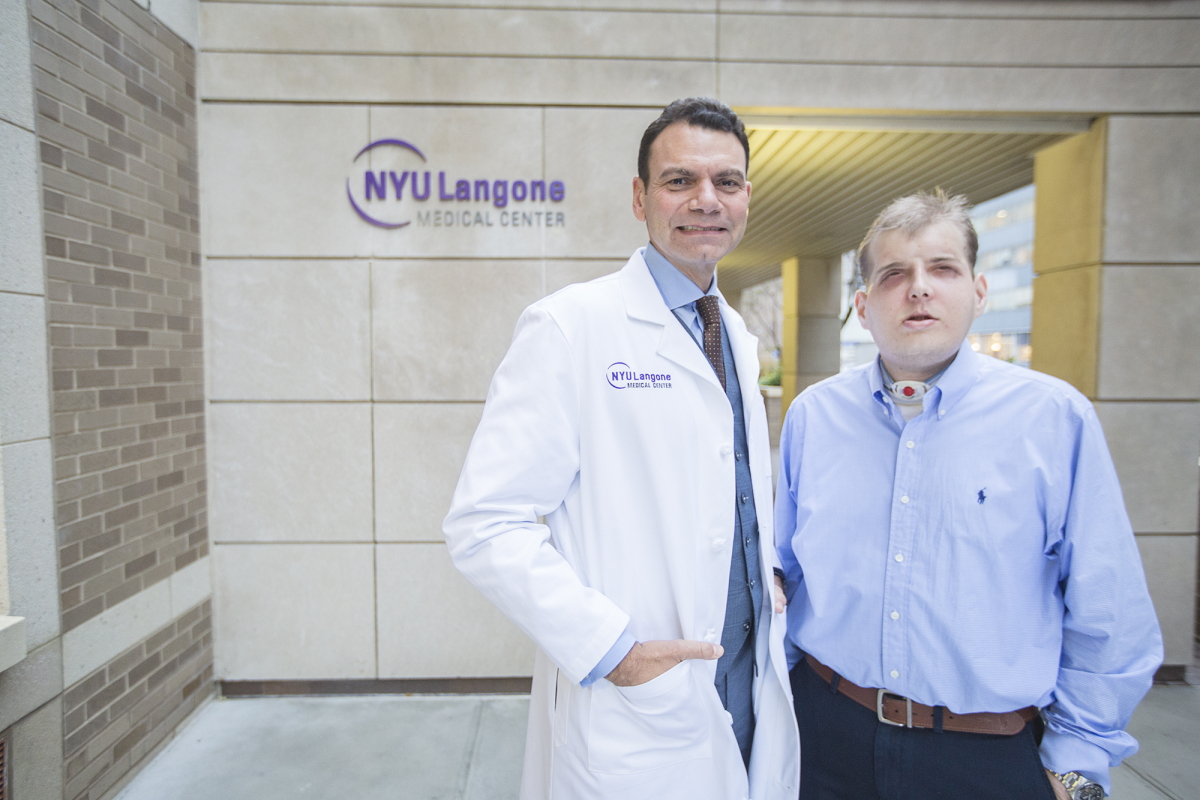
3dprint)nyu_rodriguez_patrick_smaller

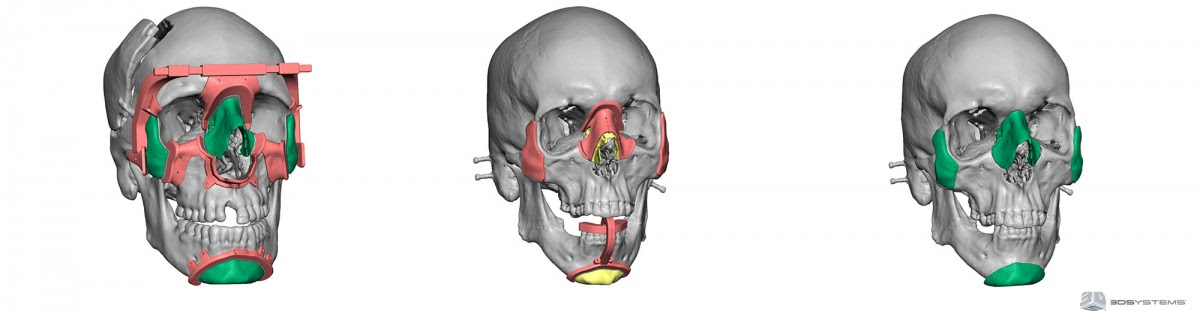
It wasn’t until Dr. Eduardo D. Rodriguez, a plastic surgeon at NYU’s Langone Medical Center, came up with a plan to give Hardison a full face transplant. The plan involved finding a ‘donor’ who matched in hair color, skin color, blood type, and who also has a similar skeletal structure to Hardinson. Once the selected donor was found, Rodriguez and his staff utilized 3D Systems’ Virtual Surgical Planning (VSP) technology, which allows for adequate surgical preparation by offering cutting guides over an actual 3D scan of the bone structure of both the patient and the donor.


VSP Technology


VSP Technology

VSP technology is able to create these surgical templates by using medical scan data, which are transformed into 3D models and, in some cases, are even 3D printed for a visual aid. 3D Systems’ Medical Modeling team actually assisted in the printing of these templates, using a biocompatible 3D printing material that is easily sterilized, and can, therefore, be safely utilized within the confines of an operating room.


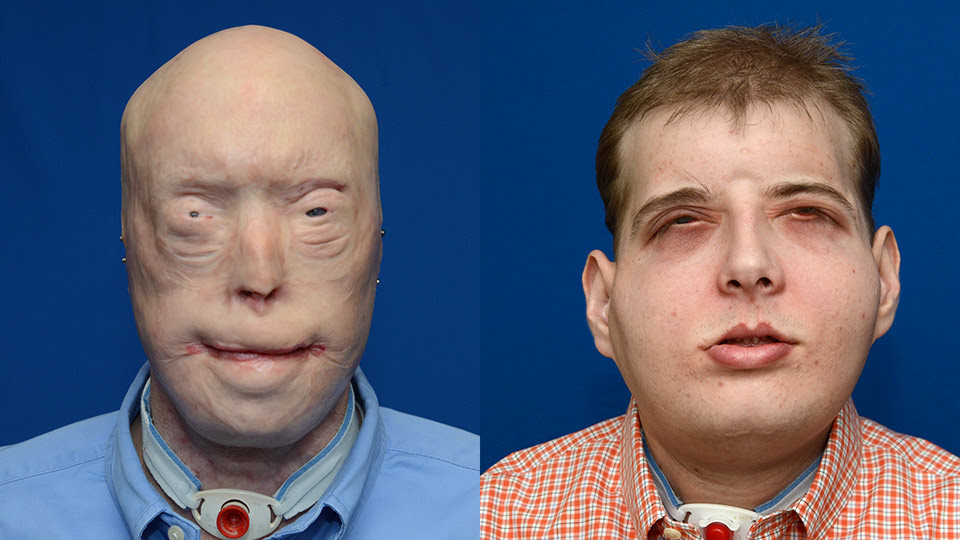
3dprint)nyu_before_after


Using the careful surgical plan the Rodriguez and his team prepared on 3D Systems’ VSP technology, Hardinson received an extremely successful surgery and suddenly had all of the features of a human face again for the first time in years. Although the intensive surgery took Rodriguez and over 100 other individuals who assisted in the operation a whopping 26 hours to complete, the surgery would have likely been impossible to even plan without the preparation help offered by 3D Systems and their Virtual Surgical Planning technology. Now, thanks to Dr. Rodriguez, 3D Systems’ Medical Modeling team, and the rest of the NYU’s Langone Medical Center staff, Patrick Hardison can finally smile at the world, once again.

Read Full Post »

Lab Grown Brains and more from Twittersphere on 3D Bio-Printing News

Curator: Stephen J. Williams, Ph.D

How Tiny Lab-Grown Human Brains Are Giving Big Insights Into Autism and more from the Twittershpere


https://twitter.com/singularityhub/status/664508353771610112

(more…)

Read Full Post »

Real Time Coverage and eProceedings of The 15th Annual EmTech MIT – MIT Media Lab: Top 10 Breakthrough Technologies & 2015 Innovators Under 35, 11/2 – 11/4/2015

Curator: Aviva Lev-Ari, PhD, RN

Article ID #194: Real Time Coverage and eProceedings of The 15th Annual EmTech MIT – MIT Media Lab: Top 10 Breakthrough Technologies & 2015 Innovators Under 35, 11/2 – 11/4/2015. Published on 11/5/2015

WordCloud Image Produced by Adam Tubman

LIVE 11/2/2015 9AM @The 15th Annual EmTech MIT – MIT Media Lab: Top 10 Breakthrough Technologies & 2015 Innovators Under 35

http://pharmaceuticalintelligence.com/2015/11/02/live-1122015-9am-the-15th-annual-emtech-mit-mit-media-lab-top-10-breakthrough-technologies-2015-innovators-under-35/

LIVE 11/2/2015 10:15AM @The 15th Annual EmTech MIT – MIT Media Lab: Top 10 Breakthrough Technologies & 2015 Innovators Under 35

Augmented Knowledge

Rethinking Urban Infrastructure

Technology Spotlight: Cities

Driving Future of Mobility

http://pharmaceuticalintelligence.com/2015/11/02/live-1122015-1015am-the-15th-annual-emtech-mit-mit-media-lab-top-10-breakthrough-technologies-2015-innovators-under-35/

LIVE 11/2/2015 1:30PM @The 15th Annual EmTech MIT – MIT Media Lab: Top 10 Breakthrough Technologies & 2015 Innovators Under 35

Data Transparency Online

http://pharmaceuticalintelligence.com/2015/11/02/live-1122015-130pm-the-15th-annual-emtech-mit-mit-media-lab-top-10-breakthrough-technologies-2015-innovators-under-35/

Young Innovators:

« RNAi, CRISPR and Gene Expression Diagnostic Revelations »

LIVE 11/2/2015 2PM @The 15th Annual EmTech MIT – MIT Media Lab: Top 10 Breakthrough Technologies & 2015 Innovators Under 35

Infinite Energy

Big Data and Corporate Responsibility

http://pharmaceuticalintelligence.com/2015/11/02/live-1122015-2pm-the-15th-annual-emtech-mit-mit-media-lab-top-10-breakthrough-technologies-2015-innovators-under-35/

LIVE 11/2/2015 4PM @The 15th Annual EmTech MIT – MIT Media Lab: Top 10 Breakthrough Technologies & 2015 Innovators Under 35

Global Entrepreneurship

Technology Spotlight: Big Data

Better Living Through Data

Lemelson-MIT Prize Honors

http://pharmaceuticalintelligence.com/2015/11/02/live-1122015-4pm-the-15th-annual-emtech-mit-mit-media-lab-top-10-breakthrough-technologies-2015-innovators-under-35/

LIVE 11/3/2015 9AM @The 15th Annual EmTech MIT – MIT Media Lab: Top 10 Breakthrough Technologies & 2015 Innovators Under 35

Robots Among Us

Privacy and Security in the Digital Age

http://pharmaceuticalintelligence.com/2015/11/03/live-1132015-9am-the-15th-annual-emtech-mit-mit-media-lab-top-10-breakthrough-technologies-2015-innovators-under-35/

LIVE 11/3/2015 11AM @The 15th Annual EmTech MIT – MIT Media Lab: Top 10 Breakthrough Technologies & 2015 Innovators Under 35

http://pharmaceuticalintelligence.com/2015/11/03/live-1132015-11am-the-15th-annual-emtech-mit-mit-media-lab-top-10-breakthrough-technologies-2015-innovators-under-35/

Drones at Work

Italy: Advanced Manufacturing

Technology Spotlight: Materials

Young Innovator:

« Targeted immunotherapy DNA Replication »

LIVE 11/3/2015 1:30PM @The 15th Annual EmTech MIT – MIT Media Lab: Top 10 Breakthrough Technologies & 2015 Innovators Under 35

Robots Among Us

Breaking the Code for Better Health

http://pharmaceuticalintelligence.com/2015/11/03/live-1132015-130pm-the-15th-annual-emtech-mit-mit-media-lab-top-10-breakthrough-technologies-2015-innovators-under-35/

LIVE 11/3/2015 2:45PM @The 15th Annual EmTech MIT – MIT Media Lab: Top 10 Breakthrough Technologies & 2015 Innovators Under 35

Start Making More Sense – Analog Devices

Investing in Big Ideas

http://pharmaceuticalintelligence.com/2015/11/03/live-1132015-245pm-the-15th-annual-emtech-mit-mit-media-lab-top-10-breakthrough-technologies-2015-innovators-under-35/

LIVE 11/2/2015 3:15PM @The 15th Annual EmTech MIT – MIT Media Lab: Top 10 Breakthrough Technologies & 2015 Innovators Under 35

Virtual Reality

http://pharmaceuticalintelligence.com/2015/11/04/live-1122015-315pm-the-15th-annual-emtech-mit-mit-media-lab-top-10-breakthrough-technologies-2015-innovators-under-35/

LIVE 11/4/2015 9AM @The 15th Annual EmTech MIT – MIT Media Lab: Top 10 Breakthrough Technologies & 2015 Innovators Under 35

Disrupting Entrepreneurship: 3D Printing

http://pharmaceuticalintelligence.com/2015/11/04/live-1142015-9am-the-15th-annual-emtech-mit-mit-media-lab-top-10-breakthrough-technologies-2015-innovators-under-35/

Read Full Post »

Progress towards 3D Bioprinting of blood supply: steps towards production of functional blood vessels presage production of other viable body part replacements

Curator and Author: Justin Pearlman MD PhD

3D printing of human tissue requires a blood supply to support tissues that are more than a few millimeters thick. In recognition of the importance of achieving bioprinting with functioning vasculature, a Chinese company has committed to building a BioPrinter and BioInk (cell precursors and support) focused on vasculogenesis suitable for human implants. Meanwhile, researchers in the United States and in Australia have succeeded in printing vascular trees, for example, a branching vascular-like structure that supported blood circulation when grafted to a rat. The vascular pathways are printed within surrounding structures as a dissolvable substance (e.g., sugar) subesquently removed. Remaining steps include establishing adequacy of tissue perfusion and sustainable viability of the vessel integrity and function as well as survival of the surrounding tissue. Adult humans maintain abilities to remodel blood vessels (vasculogenesis, arteriogenesis, angiogenesis) so it may suffice to provide printed blood conduits and precursor cells and/or stimulants as a bridge and scaffold to vasculature development plus tissue perfusion in vivo, if they can meet the milestones of adequacy of biosafety, support of blood circulation, tissue perfusion, sustainability, as well as adaptation with promotion of growth and remodelling as needed.

SOURCE

http://3dprintingindustry.com/2015/11/02/researchers-successfully-implant-artificial-blood-vessels-made-with-3d-printing/?utm_source=3D+Printing+Industry+Update&utm_medium=email&utm_campaign=eaca83c47f-RSS_EMAIL_CAMPAIGN&utm_term=0_695d5c73dc-eaca83c47f-64568677

Researchers successfully 3D print blood vessels, a ‘game changer’ for artificial organs

Mopic / Shutterstock

Above: An illustration of the inside of a blood vessel.

Image Credit: Mopic / Shutterstock

Hundreds of thousands of people die annually because the demand for organs far exceeds the donor supply. Artificial organs could save those lives — and scientists just made a huge breakthrough in the field by “bio-printing” artificial vascular networks.

Researchers from the University of Sydney, MIT, Harvard, and Stanford have successfully bio-printed blood vessels, offering 3D-printed organs access to nutrients, oxygen, and waste-disposal routes, according to a study published Monday.

“While recreating little parts of tissues in the lab is something that we have already been able to do, the possibility of printing three-dimensional tissues with functional blood capillaries in the blink of an eye is a game changer,” said Dr. Luiz Bertassoni, the study’s lead author and a University of Sydney researcher.

The vascular network of the human liver.

To 3D print vascular networks, the researchers fabricated fine, interconnected fibers with an advanced bioprinter. Then they coated those fibers with human endothelial cells — these sit between circulating blood and vessel walls in the interior of blood vessels — and subsequently applied a protein-based material. They hardened the whole structure with light, then delicately removed the fibers, leaving behind a complex network of hollow cell material. After a week, those cells organized themselves into stable capillaries.

Cells inside the bioprinted vascular networks survived, differentiated, and proliferated at better rates than cells that received no nutrient supply.

Read Full Post »

« Newer Posts - Older Posts »