Feeds:
Posts
Comments

Silicon Valley 2015 Personalized Medicine World Conference, Mountain View, CA

Reporter: Aviva Lev-Ari, PhD, RN

January 26, 2015, 8:00AM to January 28, 2015, 3:30PM PST



PMWC-2015

The official Twitter channel of PMWC International, producers of the Personalized Medicine World Conferences

 #PMWC14 #hcsm #pm101 #biotech #genome #genes #DNA 

Silicon Valley, California · http://www.PMWCintl.com 

 @PMWCintl  #PMWC15

 http://pmwcintl.com/index.php

http://2015sv.pmwcintl.com/

EVENT REGISTRATION

  Special discount of $100 off until 1/14/2015, enter promo code

“LinkedInA” when registering

https://pmwc2015.eventbrite.com

https://www.eventbrite.com/e/pmwc-2015-sv-attendees-tickets-9980920201


January 26, 2015, 8:00AM to January 28, 2015, 3:30PM PST

Computer History Museum
1401 N Shoreline Blvd
Mountain ViewCA 94043

http://2015sv.pmwcintl.com/


Ralph Snyderman, Personalized medicine 2014: has healthcare been transformed?

Biomarkers can be multi-faceted and play important roles in disease diagnosis, prognosis, and monitoring; as companion diagnostics, they are important for predicting response to therapy. Possible clinical biomarker applications seem almost infinite, yet there are still significant obstacles for broad adoption in the clinic, including technical, regulatory, and reimbursement challenges.

More at: Personalized Medicine World Conference (PMWC) 2015 Silicon Valley, co-hosted with Stanford Health Care on January 26-28, 2015  http://2015sv.pmwcintl.com/emails/4LinkedIn.html

Featuring Key Opinion Leaders, including:

  • Ralph Snyderman, MD, Chancellor Emeritus, Duke University Medical Center
  • Craig Venter, PhD, Founder & CEO, JCVI
  • Margaret Hamburg, MD, FDA Commissioner
  • Richard Klausner, CMO & Interim General Manager, Oncology, Illumina
  • George Church, PhD, Co-developer, Human Genome Project
  • Dennis Lo, MD, PhD, Director, Li Ka Shing Inst. of HS, Chinese Uni. of HK
  • Krishna Yeshwant, MD, General Partner, Google Ventures
  • Ron Davis, Ph.D., Director, Stanford Genome Technology Center
  • Anne Wojcicki, CEO and Co-Founder, 23andMe
  • Michael Pellini, MD, President & CEO, Foundation Medicine


LIST OF SPEAKERS

http://2015sv.pmwcintl.com/speakers.php

AGENDA

http://2015sv.pmwcintl.com/program.php

LIST OF EXHIBITORS

http://2015sv.pmwcintl.com/exhibition.php

VENUE

http://2015sv.pmwcintl.com/venue.php

ATTENDEES

  • >35% CEOs, Presidents and Managing Directors
  • >15% VPs and Directors
  • >10%Genomics Services
  • >30%Researchers and Clinical researchers
  • >8% MDs
  • >2% Regulators and Payers

Where Attendees Come From?

  • Academia, Research

Johns Hopkins Uni., Oxford Uni., Duke Uni., Harvard Uni., Weizmann Inst., McGill Uni., Kyoto Uni., Uni. of Florida, Leiden Uni., Uni. of Pittsburgh, Technion, Korea Uni., Michigan Uni.

  • Pharma and biotech

Gilead Sciences, Merck, Genentech, Janssen, Pfizer, Abbott, Roche, Onyx, Novartis, Metabolon, Amgen, AstraZeneca

  • Commercial

L’Oreal, Google, Bosch, Hitachi, Sony, Riken Genesis, Samsung, Amazon, HP, Intel, Agilent, Siemens

  • Genome centers

Genome Quebec, New York Genome Center, Oxford, Wellcome Trust, BGI, Israel National Center for PM, UCSC

  • Medical centers & Labs

Stanford Health Care, Harvard Medical School, Mayo Clinic, Broad Institute, PAMF, Guro Hospital, CTCA, Sutter Health

  • Payors & Regulators

FDA, Aetna, Palmetto GBA, Mubadala Healthcare, Intermountain Health, Tidewater Physicians Multispecialty Group

  • Commercial and  DTC diagnostic

CareDx, AltheaDx, 23andMe, Ancestry, Counsyl, Natera, Quest Labs, LabCorp, Genotox, Clontech, CRL

  • Life Science tools and reagents companies

Illumina, WaferGenBiosystems, DNAnexus, ThermoFisher, Applied Microarrays,Trovagene, Affymetrix, Qiagen, Complete Genomics

  • Licensing and Financial

KP Ventures, Warburg Pincus, McDermott Will & Emery, Mitsui Global Investment, GE Ventures, KPCB, Telegraph Hill Partners, Domain Associates, Google Ventures, Aberdare Ventures

Overall Themes and Scope of PMWC2015 – January 26-28, 2015

Personalized Medicine World Conference 2015 (PMWC2015) is the 7th annual gathering of key opinion leaders and all stakeholders who constitute the personalized medicine field—researchers, industry participants, clinicians, regulators, payors, and emerging companies in this space, making it “a must attend event”. Highlights range from research-related topics such as Next Gen Sequencing (NGS) and its clinical utilization and prenatal Diagnostics to regulatory and commercially focused presentations. This conference brings together all the key decision-makes in personalized medicine for three days of intensive scientific exchange, partnering activities as well as networking opportunities. PMWC2015 will highlight the following topics:

Research/Technical Perspective

  • Prenatal Diagnostics
  • Streamlining of Clinical Trials Through Personalized Medicine
  • Translational Next-Generation Sequencing (NGS) and Genomic Profiling

Regulatory and Commercial Perspectives

  • Clinical Decision Support and the Role of Personalized Medicine in Stratification
  • Coverage and Reimbursement in the Era of Personalized Medicine
  • Ethical and Legal Framework of Personalized Medicine
  • Developing a Robust Regulatory Strategy for Personalized Medicine


The Research Arm of Personalized Medicine

The strong interest in prenatal and newborn diagnostics is being addressed in an opening lecture by Dennis Lo, Li Ka Shing Institute, followed by presentations by companies that operate in this space. Another key topic area well addressed at PMWC2015 is the deployment of NGS addressed by practitioners such as Illumina, Thermo Scientific and Trovagene, that offer tools and technologies allowing the deployment of NGS into clinical practice. Content-focused companies such as Foundation Medicine frame the opportunity for cancer care through NGS. Genomic profiling in routine clinical care enabled by companion diagnostics is discussed by Amgen’s Scott Patterson, along with speakers from Abbott and Thermo. PMWC brings to light the emerging themes in the migration of NGS toward the clinic. The adoption of Personalized Medicine is being driven by the pervasiveness of NGS. It is estimated that 50% of academic oncologists currently refer their patient samples for NGS-based genomics testing—of course this is only a small fraction of the total patient population since a vast majority of cancer patients receive care in community hospitals without access to NGS and other molecular medicine tools. Frank Ong, Associate Director of Medical Affairs at Illumina, chairs a session focusing on the impact of NGS in clinical care beyond cancer as it is gaining traction in many other therapeutic areas. Indeed, NGS is bigger and far-reaching beyond merely oncology. In the cardiovascular area the discovery and development of biomarkers for more precise diagnosis and treatment is the focus of a session chaired by Gil Omenn, from the University of Michigan. The streamlining of clinical trials through the utilization of personalized medicine to stratify and target responder patient populations is addressed at PMWC, highlighting the advantage of cost-effectiveness to pharmaceutical companies and clinical value to patients and payers.


Regulatory and Reimbursement Trends in Personalized Medicine

PMWC2015 offers a forum for the US FDA Commissioner, Margaret Hamburg to comment on evolving FDA regulation on laboratory developed tests (LDTs) – key area of change in this industry and of paramount importance to personalized medicine. George Lundberg from CollabRx chairs an important session on ethics and public law in personalized medicine—an area gaining interest as personalized medicine begins to permeates all aspects of the practice of medicine.   Without reimbursement personalized medicine will not prevail. Palmetto GBA will give an update on the evolving reimbursement trends in personalized medicine. The regulatory and commercial framework of personalized medicine is absolutely critical to its deployment and acceptance industry-wide, and PMWC brings together the FDA and legal experts such as Hank Greely from Stanford to comment on the ethical and legal framework surrounding patient privacy and confidentiality, as well as moral perspectives of personalized medicine.

Announcement

LEADERS IN PHARMACEUTICAL BUSINESS INTELLIGENCE

LPBI-Logo


will cover the event for the Media

Dr. Aviva Lev-Ari will be in attendance on January 26, 2015, 8:00AM to January 28, 2015, 3:30PM

Covering the Event in REALTIME using Social Media

 @PMWCintl 

#PMWC15

#startup #biotech #pharmanews @BiotechNews

@BloombergNews

@CancerNews

#Cancer Therapy

#science  #innovation @BloombergTV

&

Open Access Online Scientific Journal
http://pharmaceuticalintelligence.com

The venture on Facebook
http://www.facebook.com/LeadersInPharmaceuticalBusinessIntelligence

on Twitter
@pharma_BI and 
@AVIVA1950

LinkedIn Group
http://www.linkedin.com/groups?gid=4346921&trk=hb_side_g

Dr. Lev-Ari, Top Contributor on Biotech Groups on LinkedIn 

 http://www.linkedin.com/in/avivalevari

We covered in November 2014

10th Annual Personalized Medicine Conference at the Harvard Medical School, November 12-13, 2014, The Joseph B. Martin Conference Center at Harvard Medical School, 77 Avenue Louis Pasteur, Boston, MA

http://pharmaceuticalintelligence.com/2014/10/09/10th-annual-personalized-medicine-conference-at-the-harvard-medical-school-november-12-13-2014-hotel-commonwealth-boston-ma/

Other BIOTECH Conferences covered in 2013 and 2014

http://pharmaceuticalintelligence.com/press-coverage/

LEADERS IN PHARMACEUTICAL BUSINESS INTELLIGENCE

and

Personalized Medicine


Pre e-Pub e-Books Flyers


Series C: e-Books on Cancer & Oncology

Volume One: Cancer Biology and Genomics for Disease Diagnosis

http://pharmaceuticalintelligence.com/biomed-e-books/series-c-e-books-on-cancer-oncology/cancer-biology-and-genomics-for-disease-diagnosis/

Volume Two: Therapies in Cancer – Surgery, Radiation, Chemo and Immunotherapies

http://pharmaceuticalintelligence.com/biomed-e-books/series-c-e-books-on-cancer-oncology/volume-2-immunotherapy-in-oncology/

Series B: Frontiers in Genomics Research

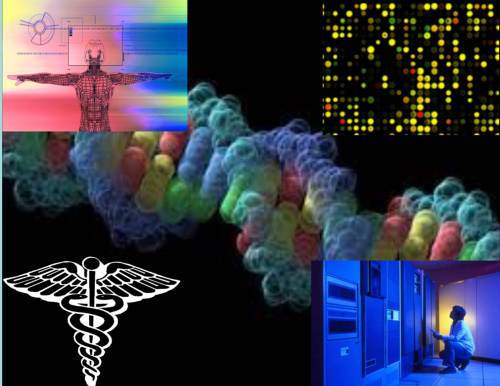
Volume One: Genomics Orientations for Individualized Medicine
 

genomicsebook31

The busiest day of the year was December 10th with 2,133 views. The most popular post that day was The History of Hematology and Related Sciences.

In 2014, there were 1,082 new posts, growing the total archive of this blog to 2,609 posts.

CLICKS FROM NIH

Clicks for all days ending 2015-01-06 (Summarized)
All Time

URL    Clicks

Top Posts for all days ending 2015-01-06 (Summarized)
All Time
Title        Views

Biocom’s 5th Annual Global Life Science Partnering Conference, February 25-26, 2015, The Lodge at Torrey Pines, La Jolla, California

Reporter: Aviva Lev-Ari, PhD, RN


The Premier Partnering Event of 2015

Biocom’s 5th Annual Global Life Science Partnering Conference is an exclusive global partnering and networking forum that brings together senior executives, bankers, venture capitalists, and business development professionals from leading pharmaceutical and biotech companies.

The conference will include panel discussions on relevant topics with senior industry leaders, individual company presentations, one-on-one meetings, and numerous networking opportunities.

Wednesday, February 25, 2015 – Thursday, February 26, 2015

8:00 a.m. – 5:00 p.m.

CLICK HERE TO REGISTER

RSVP by: Monday, February 23, 2015 12:00 p.m.

Where: The Lodge at Torrey Pines

11480 North Torrey Pines Road

La Jolla, California 92037

CLICK HERE TO REGISTER


Partnering Forum scheduling will open on Monday, January 19th! Register today and begin updating your company profile.  More details HERE!


We are in the process of accepting company applications. If your company is interested in presenting during the conference, click HERE to download the application. 


Confirmed Speakers

Karen Bernstein, Chairman & Editor-in-Chief, BioCentury

Miranda BivenPartner, Technology Transactions Intellectual Property, Wilson Sonsini Goodrich & Rosati

Richard Brudnick, SVP of Corporate Development, Biogen Idec

Dan BurgessFormer CEO,

Rempex Pharmaceuticals

Bharatt Chowrira, Chief Operating Officer,

Auspex Pharmaceuticals

Iain Dukes, SVP, Licensing & External Science, Merck

Carol Gallagher, Partner, New Enterprise Associates, Inc. (NEA)

George Golumbeski, SVP, Business Development, Celgene

Mike Grey, Former President & CEO, Lumena Pharmaceuticals Inc.; Venture Partner at Pappas Ventures

Chris Haskell, Head, US Science Hub, Global External Innovation & Alliances, Bayer Healthcare

Rich Heyman, CEO, Seragon Pharmaceuticals

Nancy HongSenior Associate, BioMed Ventures

David KabakoffExecutive Partner, Sofinnova Ventures

Adam Keeney, Global Head, External Innovation, Sanofi

Cheston Larson, Partner, Latham & Watkins LLP

Heath Lukatch, Partner, Novo Ventures

Michael Martino, President & CEO, Ambit Biosciences

Damien McDevitt Ph.D., VP Business Development & Head of R&D West Coast, GlaxoSmithKline

Carole Neuchterlein, Head, Roche Venture Fund

Naoki Okamura, Corporate Vice President, Global Head of Business Development, Astellas Pharma

Neela Patel, Director, Licensing – Search & Evaluation, AbbVie

Ed Saltzman, President & Founder, Defined Health

Corinne Savill, Head of Business Development and Licensing, Novartis

Ted Schroeder, CEO, Cadence Pharmaceuticals

Peter Schultz, Professor of Chemistry, The California Institute for Biomedical Research, The Scripps Research Institute

David Shapiro, Exec VP, Development & Chief Medical Officer, Intercept Pharmaceuticals

Bob Smith, SVP, Business Development, Worldwide Research & Development, Pfizer

Barbara Sosnowski, Vice President, External R&D Innovation, Pfizer

Jack Tupman, VP, Corporate Business Development, Eli Lilly

Jeffrey W. WarmkeSVP, External Scientific Affairs, Daiichi Sankyo Group

Bradley B. WolffManaging Director, Senior Investment Banker, Bank of America Merrill Lynch 

David WeberCEO, President & Board Member, Otonomy 

Samuel WuManaging Director, MedImmune Ventures


New Encapsulation Agents for Delivery of Nitric Oxide Antibacterial Agent and Vasodilator

Reporter: Aviva Lev-Ari, PhD, RN

Porous, rigid metal(III)-carboxylate metal-organic frameworks for the delivery of nitric oxide 

1Institut Lavoisier, UMR CNRS 8180, UniversiteÅL de Versailles Saint-Quentin-en-Yvelines, 45 Avenue des Etats-Unis, 78035 Versailles Cedex, France

2EaStChem School of Chemistry, University of St Andrews, Purdie Building, St Andrews,

Fife KY16 9ST, United Kingdom

3Laboratoire Catalyse et Spectrochimie, ENSICAEN, UniversiteÅL de Caen, CNRS; 6,

boulevard MareÅLchal Juin, F-14050 Caen, France

(Received 28 September 2014; accepted 1 December 2014; published online 30 December 2014)

a) Present address: Department of Chemistry and Physics, Florida Southern College, Lakeland, FL 33801, USA.
APL Mat. 2, 124112 (2014); http://dx.doi.org/10.1063/1.4904069

ABSTRACT

The room temperature sorption properties of the biological gas nitric oxide (NO) have been investigated on the highly porous and rigid iron or chromium carboxylate based metal-organic frameworks Material Institut Lavoisier (MIL)-100(Fe or Cr) and MIL-127(Fe). In all cases, a significant amount of NO is chemisorbed at 298 K with a loading capacity that depends both on the nature of the metal cation, the structure and the presence of additional iron(II) Lewis acidsites. In a second step, the release of NO triggered by wet nitrogen gas has been studied bychemiluminescence and indicates that only a partial release of NO occurs as well as a prolonged delivery at the biological level. Finally, an  infrared spectroscopy study confirms not only the coordination of NO over the Lewis acid sites and the stronger binding of NO on the additional iron(II) sites, providing further insights over the partial release of NO only in the presence of water at room temperature.

SOURCE

http://scitation.aip.org/content/aip/journal/aplmater/2/12/10.1063/1.4904069

Gift-Wrapped Gas Molecules

Scientists in France and Scotland identify new encapsulation agents for delivery of nitric oxide, a potent antibacterial agent and vasodilator

From the Journal:

WASHINGTON D.C., December 30, 2014 – A group of scientists led by researchers at the Université de Versailles’ Institut Lavoisier in France has worked out how to stably gift-wrap a chemical gas known as nitric oxide within metal-organic frameworks. Such an encapsulated chemical may allow doctors to administer nitric oxide in a more highly controlled way to patients, suggesting new approaches for treating dangerous infections and heart conditions with the biologically-active substance.

Not to be confused with the chemically-distinct anesthetic dentists use — its cousin nitrous oxide (NO2), also known as laughing gas — nitric oxide (NO) is one of very few gas molecules known to be involved in biological signaling pathways, the physiological gears that make the body tick at the microscopic level. It is very active biologically and can be found in bacteria, plant, animal and fungi cells.

In humans, NO is a powerful vasodilator, increasing blood flow and lowering vascular pressure. For this reason, gaseous NO is sometimes used to treat respiratory failure in premature infants. It also has strong antibacterial potency, owing to its molecular action as a biologically disruptive free radical, and cells in the human immune system naturally produce NO as a way of killing pathogenic invaders. Additionally, nitric oxide is believed to be the main vasoactive neurotransmitter regulating male erection, as aging nerves with reduced stimulation can inhibit the release of the molecule, thus causing erectile dysfunction. This, of course, can be mediated by taking nitric oxide supplements to achieve an erection.

While such activity would seem to make NO a prime candidate for drug design, the problem is delivery — because it is a gas. In recent years, the gas storage capacity and biocompatibility of metal-organic-frameworks — dissolvable compounds consisting of metal ions and rigid organic chemicals that can stably trap gas molecules — have gained significant attention as candidates for delivering gas-based drugs. The new work extends this further than ever before, showing that these metal-organic frameworks can store and slowly deliver NO over an unprecedented amount of time, which is key for the drug’s anti-thrombogenic action.

“This is an elegant and efficient method to store and deliver large amounts of NO for antibacterial purposes,” said Christian Serre. “Or it can release controlled amounts of nitric oxide at the very low biological level for a prolonged period of time, in order to use it as a way to inhibit platelet aggregation.” Serre is a CNRS research director at the Institut Lavoisier de Versailles, and also heads the institute’s ‘Porous Solids’ research group.

schematic representation of the use of porous iron carboxylate for the controled delivery of Nitric OxideLeft: The crystal structure of a porous iron carboxylate MOF (iron octahedra, oxygen, carbon and hydrogen atoms are in green, red, black and white, respectively)
Center: Binding of a NO molecule over an iron site
Right: Kinetics of delivery of NO (inset at the biological level) triggered by water
CREDIT: Serre/Institut Lavoisier

Serre’s consortium has previously reported the use of porous hybrid solids, such as metal-organic-frameworks, for the controlled delivery of nitric oxide gas. Their current paper on derivatives of iron polycarboxylates as framework candidate appears in the journal APL Materials, from AIP Publishing.

Serre and his group worked in collaboration with Russell Morris’s team at the University of St Andrews in Scotland and researchers from Université de Basse-Normandie in France. The groups analyzed the NO adsorption and release properties of several porous biodegradable and biocompatible iron carboxylate metal-organic frameworks by use of infrared spectroscopy analysis, adsorption & desorption isotherms and water-triggered release tests.

In doing so, they confirmed the large nitric oxide absorption capacity of the iron frameworks, and that the NO was strongly bonding to the acidic metal sites on the molecules. Serre’s group and coauthors also found that partially reducing the iron (III) into iron (II) enhances the affinity of the NO molecules for the framework. This strong interaction allows for a controlled release for a prolonged state of time — days, at the biological level. This time scale depends on both the metal-organic framework structure and the oxidation state of iron, which can be carefully calibrated as needed for drug treatment.

These performances, associated with the biodegradable and low toxicity character of these metal-organic frameworks, might pave the way for their use in medical therapies or cosmetics formulation, which is one of the objectives of Serre’s consortium in the near future. Current and forthcoming work includes using further spectroscopic experiments to understand the complex behavior of the iron frameworks once loaded with nitric oxide.

###

For More Information:
Jason Socrates Bardi
+1 240-535-4954
jbardi@aip.org
@jasonbardi

Article title:
Authors:
Jarrod F. Eubank, Paul S. Wheatley, Gaëlle Lebars, Alistair C. McKinlay, Hervé Leclerc, Patricia Horcajada, Marco Daturi, Alexandre Vimont, Russell E. Morris and Christian Serre
Author affiliations:
Université de Versailles’ Institut Lavoisier and University of St Andrews
About the journal:

APL Materials

APL Materials is a new open access journal featuring original research on significant topical issues within the field of functional materials science.

SOURCE

http://www.aip.org/publishing/journal-highlights/gift-wrapped-gas-molecules


Reported by American Institute of Physics on 12/30/2014

A group of scientists led by researchers at the Université de Versailles’ Institut Lavoisier in France has worked out how to stably gift-wrap a chemical gas known as nitric oxide within metal-organic frameworks. Such an encapsulated chemical may allow doctors to administer nitric oxide in a more highly controlled way to patients, suggesting new approaches for treating dangerous infections and heart conditions with the biologically-active substance.


NO-APA

SOURCE

http://phys.org/news/2014-12-scientists-encapsulation-agents-delivery-nitric.html

Not to be confused with the chemically-distinct anesthetic dentists use—its cousin nitrous oxide (NO2), also known as laughing gas—nitric oxide (NO) is one of very few gas molecules known to be involved in biological signaling pathways, the physiological gears that make the body tick at the microscopic level. It is very active biologically and can be found in bacteria, plant, animal and fungi cells.

In humans, NO is a powerful vasodilator, increasing blood flow and lowering vascular pressure. For this reason, gaseous NO is sometimes used to treat respiratory failure in premature infants. It also has strong antibacterial potency, owing to its molecular action as a biologically disruptive free radical, and cells in the human immune system naturally produce NO as a way of killing pathogenic invaders. Additionally, nitric oxide is believed to be the main vasoactive neurotransmitter regulating male erection, as aging nerves with reduced stimulation can inhibit the release of the molecule, thus causing erectile dysfunction. This, of course, can be mediated by taking nitric oxide supplements to achieve an erection.

While such activity would seem to make NO a prime candidate for drug design, the problem is delivery—because it is a gas. In recent years, the gas storage capacity and biocompatibility of —dissolvable compounds consisting of metal ions and rigid organic chemicals that can stably trap gas molecules—have gained significant attention as candidates for delivering gas-based drugs. The new work extends this further than ever before, showing that these metal-organic frameworks can store and slowly deliver NO over an unprecedented amount of time, which is key for the drug’s anti-thrombogenic action.

“This is an elegant and efficient method to store and deliver large amounts of NO for antibacterial purposes,” said Christian Serre. “Or it can release controlled amounts of nitric oxide at the very low biological level for a prolonged period of time, in order to use it as a way to inhibit platelet aggregation.” Serre is a CNRS research director at the Institut Lavoisier de Versailles, and also heads the institute’s ‘Porous Solids’ research group.

Serre’s consortium has previously reported the use of porous hybrid solids, such as metal-organic-frameworks, for the controlled delivery of nitric oxide gas. Their current paper on derivatives of iron polycarboxylates as framework candidate appears in the journal APL Materials.

Serre and his group worked in collaboration with Russell Morris’s team at the University of St Andrews in Scotland and researchers from Université de Basse-Normandie in France. The groups analyzed the NO adsorption and release properties of several porous biodegradable and biocompatible iron carboxylate metal-organic frameworks by use of infrared spectroscopy analysis, adsorption & desorption isotherms and water-triggered release tests.

In doing so, they confirmed the large nitric oxide absorption capacity of the iron frameworks, and that the NO was strongly bonding to the acidic metal sites on the molecules. Serre’s group and coauthors also found that partially reducing the iron (III) into iron (II) enhances the affinity of the NO molecules for the framework. This strong interaction allows for a controlled release for a prolonged state of time—days, at the biological level. This time scale depends on both the metal-organic framework structure and the oxidation state of iron, which can be carefully calibrated as needed for drug treatment.

These performances, associated with the biodegradable and low toxicity character of these metal-organic frameworks, might pave the way for their use in medical therapies or cosmetics formulation, which is one of the objectives of Serre’s consortium in the near future. Current and forthcoming work includes using further spectroscopic experiments to understand the complex behavior of the iron frameworks once loaded with .

 Explore further: Flexible metal-organic frameworks with range of pore sizes made by threading through molecular ligands

More information: “Porous, rigid metal(III)-carboxylate MOFs for the delivery of nitric oxide,” by Jarrod F. Eubank, Paul S. Wheatley, Gaëlle Lebars, Alistair C. McKinlay, Hervé Leclerc, Patricia Horcajada, Marco Daturi, Alexandre Vimont, Russell E. Morris and Christian Serre,APL Materials, December 30, 2014. DOI: 10.1063/1.4904069


Read more at: http://phys.org/news/2014-12-scientists-encapsulation-agents-delivery-nitric.html#jCp


Product Availability

TRY THE #1 L-ARGININE FORMULA!

NOW AVAILABLE IN CONVENIENT STICK PACKETS

INTRODUCING LRG9 – THE CORNERSTONE OF ANY NUTRITIONAL REGIMEN

NEW FORMULA & FLAVOR! Pomegranate & Acaí Berry

Packed with the amino acids L-arginine and L-citrulline, LRG9 assists in the body’s production of nitric oxide to help enhance your cardiovascular system. Our formula also includes the powerful antioxidant CoQ10, to help promote heart health. We are the only supplement of it’s kind with natural Pomegranate and Acaí Berry flavouring. Take our product “on-the-go” with our 30 individually packaged servings, perfect for travel!

NITRIC OXIDE & CARDIOVASCULAR HEALTH

Scientists were awarded a Nobel Prize in 1998 for discoveries concerning nitric oxide as a signalling molecule in the cardiovascular system. As a potent vasodilator, nitric oxide expands the arteries which, in turn, helps regulate blood pressure and enhance the blood flow to vital organs. Nitric oxide production can be stimulated through amino acids and antioxidants such as arginine and citrulline, the two main ingredients in the LRG9 formula.

SOURCE

https://l-rg9.com/?gclid=CPjh_rjJgMMCFeLm7Aod6WMALg


Other related articles on Nitric Oxide in Health and in Diseases published in this Open Access Online Scientific Journal include the following:

Perspectives on Nitric Oxide in Disease Mechanisms

http://pharmaceuticalintelligence.com/biomed-e-books/series-a-e-books-on-cardiovascular-diseases/perspectives-on-nitric-oxide-in-disease-mechanisms-v2/

Clinical Indications for Use of Inhaled Nitric Oxide (iNO) in the Adult Patient Market: Clinical Outcomes after Use, Therapy Demand and Cost of Care

http://pharmaceuticalintelligence.com/2013/06/03/clinical-indications-for-use-of-inhaled-nitric-oxide-ino-in-the-adult-patient-market-clinical-outcomes-after-use-therapy-demand-and-cost-of-care/


Inhaled Nitric Oxide in Adults: Clinical Trials and Meta Analysis Studies – Recent Findings


http://pharmaceuticalintelligence.com/2013/06/02/inhaled-nitric-oxide-in-adults-with-acute-respiratory-distress-syndrome/


The rationale and use of inhaled NO in Pulmonary Artery Hypertension and Right Sided Heart Failure

http://pharmaceuticalintelligence.com/2012/08/20/the-rationale-and-use-of-inhaled-no-in-pulmonary-artery-hypertension-and-right-sided-heart-failure/


 iknow iNO is i-kNOw – Inhaled Nitric Oxide for the HomeCare Market

http://pharmaceuticalintelligence.com/joint-ventures/funding-partnerships-in-ip-development/leaders-in-pharmaceutical-business-intelligence-and-alphaszenszor-inc/iknow-ino-is-i-know-inhaled-nitric-oxide-for-the-homecare-market/

http://pharmaceuticalintelligence.com/2013/10/16/iknow-ino-is-i-know-inhaled-nitric-oxide-for-the-homecare-market/


Flywheel iNO, Three Novel Adult Patient Inhaled Nitric Oxide Product Concepts by Justin D. Pearlman MD ME PhD FACC

http://pharmaceuticalintelligence.com/2013/06/03/flywheel-ino-three-novel-adult-patient-inhaled-nitric-oxide-product-concepts-by-justin-d-pearlman-md-me-phd-facc/


Scientists at EPFL and University of Geneva have discovered how the same genes under the same regulation can still produce different organs in the developing fetus. The discovery brings a new understanding of how genes have evolved and how they are controlled by extremely precise mechanisms.

Some genes are involved in the development of the fetus. However, studies have shown that the same genes control different body parts, e.g. digits and genitals. Furthermore, these genes are also regulated in the same way, which makes it even harder to know how the same genes give rise to two distinct types of organs. In a breakthrough study published in Science, EPFL and University of Geneva scientists have shown that a family of developmental genes called the “Hox genes” are regulated by a nearby, long DNA sequence. This sequence loops around and covers the Hox genes, allowing only certain genes to be active at a time.

One of the greatest revelations that came from mapping the human genome in 2001 was that, despite our body’s complexity, we actually don’t have many more genes than simpler animals like worms. The reason is that, in mammals, genes are used and re-used many times for different purposes. This phenomenon is particularly true for genes that regulate the development of a fetus, such as the family of Hox genes. These are a group of 39 related genes that produce the complete blueprint, or body plan, of an animal by regulating the placement of segment structures in early embryonic development; in other words, Hox genes dictate where body parts will go.

The Hox genes sit clustered together in the cell’s DNA, surrounded by long sequences of DNA that contain no genes whatsoever. However, these seemingly empty spaces of DNA actually contain small, discrete sequences that have been shown to bind and interact with the Hox gene cluster and regulate the Hox genes. The question is, since Hox genes are responsible for different tissues and organs, are they controlled in the same way?

An EPFL team of researchers led by Denis Duboule has now shown that these long DNA sequences actually enable Hox genes to be expressed in multiple tissues in the fetus. This allows the Hox genes to produce diverse organs of the developing body. The researchers call the long DNA sequences a “regulatory archipelago”, while the small, discrete sequences are “islands”. The idea is that the archipelago folds over the cluster of Hox genes and binds to them with its “islands”. Then it subtly shifts around to activate the Hox genes needed for that particular tissue or organ.

To go into more detail, when the archipelago covers the Hox genes, it forms a DNA complex. This is in turn controlled by chemical signals coming from surrounding cells. These signals act on the 3D structure of the DNA complex, causing changes in its structure. Though subtle, the changes nonetheless determine which combinations of Hox genes are going to be expressed at any given time. In this way, the same Hox genes can be used to regulate different structures in the body.

In this study, lead author Nicolas Lonfat focused on one member of the Hox gene family, Hoxd13, which controls the development of digits (fingers) and genitals in mice. He discovered two DNA “island” sequences, one interacting only with Hoxd13 in digits, while the other in exclusively in genitals. This way, he was able to connect each “island” with the part of the body it controlled.

The study has significant implications of how we understand the evolution of gene regulation. “Since animals with four limbs are late in terms of evolution, it would seem as if nature ‘hijacked’ some of these genes to make genitals and digits,” says Denis Duboule. In addition, the findings help explain how congenital diseases and deformities arise, such as hand-foot-genital syndrome, which results when a Hox gene is incorrectly regulated. As Duboule explains: “The ‘regulatory archipelago’ is a very precise mechanism that allows tremendous efficiency for the cell. The downside, however, is that is it is fragile and susceptible to errors.”

Source: actu.epfl.ch

See on Scoop.itCardiovascular Disease: PHARMACO-THERAPY

Genome-wide detection of DNA double-stranded breaks induced by engineered nucleases – Nature Biotech

Reporter: Aviva Lev-Ari, PhD, RN


Frock et al, 2014

Although great progress has been made in the characterization of the off-target effects of engineered nucleases, sensitive and unbiased genome-wide methods for the detection of off-target cleavage events and potential collateral damage are still lacking. Here we describe a linear amplification–mediated modification of a previously published high-throughput, genome-wide, translocation sequencing (HTGTS) method that robustly detects DNA double-stranded breaks (DSBs) generated by engineered nucleases across the human genome based on their translocation to other endogenous or ectopic DSBs. HTGTS with different Cas9:sgRNA or TALEN nucleases revealed off-target hotspot numbers for given nucleases that ranged from a few or none to dozens or more, and extended the number of known off-targets for certain previously characterized nucleases more than tenfold. We also identified translocations between bona fide nuclease targets on homologous chromosomes, an undesired collateral effect that has not been described previously. Finally, HTGTS confirmed that the Cas9D10A paired nickase approach suppresses off-target cleavage genome-wide.

Source: www.nature.com

See on Scoop.itCardiovascular Disease: PHARMACO-THERAPY

Larry H Bernstein, MD, Reporter

Leaders in Pharmaceutical Intelligence

Lasker~Koshland
Special Achievement Award in Medical Science

Award Description

Mary-Claire King
For bold, imaginative, and diverse contributions to medical science and human rights — she discovered the BRCA1 gene locus that causes hereditary breast cancer and deployed DNA strategies that reunite missing persons or their remains with their families.

The 2014 Lasker~Koshland Award for Special Achievement in Medical Science honors a scientist who has made bold, imaginative, and diverse contributions to medical science and human rights. Mary-Claire King(University of Washington, Seattle) discovered the BRCA1 gene locus that causes hereditary breast cancer and deployed DNA strategies that reunite missing persons or their remains with their families. Her work has touched families around the world.

As a statistics graduate student in the late 1960s, King took the late Curt Stern’s genetics course just for fun. The puzzles she encountered there—problems posed by Stern—enchanted her. She was delighted to learn that people could be paid to solve such problems, and that mathematics holds their key. She decided to study genetics and never looked back.

During her Ph.D. work with the late Allan Wilson (University of California, Berkeley), King discovered that the sequences of human and chimpanzee proteins are, on average, more than 99 percent identical; DNA sequences that do not code for proteins differ only a little more. The two primates therefore are much closer cousins than suggested by fossil studies of the time. The genetic resemblance seemed to contradict obvious distinctions: Human brains outsize those of chimps; their limbs dwarf ours; and modes of communication, food gathering, and other lifestyle features diverge dramatically. King and Wilson proposed that these contrasts arise not from disparities in DNA sequences that encode proteins, but from a small number of differences in DNA sequences that turn the protein-coding genes on and off.

Just as genetic changes drive species in new directions, they also can propel cells toward malignancy. From an evolutionary perspective, the topic of breast cancer began to intrigue King. The illness runs in families and is clearly inherited, yet many affected women have no close relatives with the disease. It is especially deadly for women whose mothers succumbed to it—and risk increases for those who have a mother or sister with breast cancer, particularly if the cancer struck bilaterally or before menopause. Unlike the situation with lung cancer, no environmental exposure distinguishes sisters who get breast cancer from those who remain disease free.

By studying a rare familial cancer, Alfred Knudsen (Lasker Clinical Medical Research Award, 1998) had shown in the early 1970’s how an inherited genetic defect could increase vulnerability to cancer. In the model he advanced, some families harbor a damaged version of a gene that normally encourages proper cellular behavior. Genetic mishaps occur during a person’s lifetime, and a second “hit” in a cell with the first physiological liability nudges the injured cell toward malignancy. A similar story might play out in families with a high incidence of breast cancer, King reasoned. She began to hunt for the theoretical pernicious gene in 1974.

2014_illustration_special
The hunt
Many geneticists doubted that susceptibility to breast cancer would map to a single gene; even if it did, finding the culprit seemed unlikely for numerous reasons. First, most cases are not familial and the disease is common—so common that inherited and non-inherited cases could occur in the same families. Furthermore, the malady might not strike all women who carry a high-risk gene, and different families might carry different high-risk genes. Prevailing views held that the ailment arises from the additive effects of multiple undefined genetic and environmental insults and from complicated interactions among them. No one had previously tacked such complexities, and an attempt to unearth a breast cancer gene seemed woefully naïve.

To test whether she could find evidence that particular genes increase the odds of getting breast cancer, King applied mathematical methods to data from more than 1500 families of women younger than 55 years old with newly diagnosed breast cancer. The analysis, published in 1988, suggested that four percent of the families carry a single gene that predisposes individuals to the illness.

The most convincing way to validate this idea was to track down the gene. Toward this end, King analyzed DNA from 329 participating relatives with 146 cases of invasive breast cancer. In many of the 23 families to which the participants belonged, the scourge struck young women, often in both breasts, and in some families, even men.

In late 1990, King (by then a professor at the University of California, Berkeley) hit her quarry. She had zeroed in on a suspicious section of chromosome 17 that carried particular genetic markers in women with breast cancer in the most severely affected families. Somewhere in that stretch of DNA lay the gene, which she named BRCA1.

This discovery spurred an international race to find the gene. Four years later, scientists at Myriad Genetics, Inc. isolated it. Alterations in either BRCA1 or a second breast-cancer susceptibility gene, BRCA2, found by Michael Stratton and colleagues (Institute of Cancer Research, UK) increase risk of ovarian as well as breast cancer. The proteins encoded by these genes help maintain cellular health by repairing marred DNA. When theBRCA1 or BRCA2 proteins fail to perform their jobs, genetic integrity is compromised, thus setting the stage for cancer.

About 12 percent of women in the general population get breast cancer at some point in their lives. In contrast, 65 percent of women who inherit an abnormal version of BRCA1 and about 45 percent of women who inherit an abnormal version of BRCA2 develop breast cancer by the time they are 70 years old. Individuals with troublesome forms of BRCA1 and BRCA2 can now be identified, monitored, counseled, and treated appropriately.

Harmful versions of other genes also predispose women to breast cancer, ovarian cancer, or both. Several years ago, King devised a scheme to screen for all of these genetic miscreants. This strategy allows genetic testing and risk determination for breast and ovarian cancer; it is already in clinical practice.

Genetic tools, human rights
King has applied her expertise to aid people who suffer from ills perpetrated by humans as well as genes. She helped find the “lost children” of Argentina—those who had been kidnapped as infants or born while their mothers were in prison during the military regime of the late 1970s and early 1980s. Some of these youngsters had been illegally adopted, many by military families. In 1983, King began identifying individuals, first with a technique that was originally designed to match potential organ transplant donors and recipients. She then developed an approach that relies on analysis of DNA from mitochondria—a cellular component that passes specifically from mother to child, and is powerful for connecting people to their female forebears. King helped prove genetic relationships and thus facilitated the reunion of more than 100 of the children with their families.

Later, the Argentinian government asked if she could help identify dead bodies of individuals thought to have been murdered. King harnessed the same method to figure out who had been buried in mass graves. She established that teeth, whose enamel coating protects DNA in the dental pulp from degradation, offer a valuable resource when attempting to trace remains in situations where long periods have elapsed since the time of death.

This and related approaches have been used to identify soldiers who went missing in action, including the remains of an American serviceman who was buried beneath the Tomb of the Unknowns in Arlington National Cemetery for 14 years, as well as victims of natural disasters and man-made tragedies such as 9/11.

Mary-Claire King has employed her intellect, dedication, and ethical sensibilities to generate knowledge that has catalyzed profound changes in health care, and she has applied her expertise to promote justice where nefarious governments have terrorized their citizens.

by Evelyn Strauss

important

informative


2014 YEAR-END STATEMENT

by Aviva Lev-Ari, PhD, RN 

Director and Founder, Leaders in Pharmaceutical Business Intelligence

Dear Board Members, Business Community Members, Clients and Team Members

I welcome all addressees to this e-mail to rejoice with us at LEADERS IN PHARMACEUTICAL BUSINESS INTELLIGENCE — AS WE CELEBRATE OUR 2014 as follows:

A.  PHARMACEUTICALINTELLIGENCE.COM —>>Our Open Access Online Scientific Journal

From: “WordPress.com” <donotreply@wordpress.com>

Date: Tue, 30 Dec 2014 01:49:03 +0000

To: <avivalev-ari@alum.berkeley.edu>

Subject: Your 2014 year in blogging [pharmaceuticalintelligence.com]

http://pharmaceuticalintelligence.com/2014/annual-report/

http://pharmaceuticalintelligence.com/2014/12/29/2014-in-review/

The Louvre Museum has 8.5 million visitors per year. This blog was viewed about 230,000 times in 2014. If it were an exhibit at the Louvre Museum, it would take about 10 days for that many people to see it.

The busiest day of the year was December 10th with 2,133 views. The most popular post that day was The History of Hematology and Related Sciences.

In 2014, there were 1,082 new posts, growing the total archive of this blog to 2,609 posts.


B.  OUR EVOLUTION and Record accomplishments


  • In 4/2012 Aviva Launched Leaders in Pharmaceutical Business Intelligence

(LPBI) as an Equity Sharing entity to become a Holding company, initially as

an Electronic Scientific Media entity — The “parmaceuticalintelligence.com” — Open Access Online Scientific Journal

http://pharmaceuticalintelligence.com/

  • In 10/2012 Aviva Launched the BioMed e-Series — 15 title e-Books in FIVE

e-Series in Medicine

BioMed e-Series

  • In 6/2013 we published our first e-Book on Nitric Oxide on Amazon.com,

Kindle edition

http://www.amazon.com/dp/B00DINFFYC 

  • In 12/2014 we have SIX READY e-Books in Medicine in QA in the Pipeline

Cardiovascular Diseases: Volumes 2, 3, 4

Genomics Volume 1

Cancer Volume 1

Metabolomics

Plan for 2015: FIVE e-Books in the Pipeline

Cancer Volume 2 – Internal Editor

Genomics Volume 2 – I am interviewing an Editor

CVD Volumes 5, 6

Physiology, Pharmaco-Therapy and Genomics – Larry H Bernstein, MD, Author and Editor, See it in Series E, Volume 3

  • In 8/2013 we were approached by ASI, Inc and by ValveCure, Inc. – to assist in Funding Finding. The interactions has led to development of new Intellectual Property. We have BDs assigned to both Start Ups.
  • In 9/2013 we were approached by the Chamber of Commerce in Shanghai to organize Scientific Delegations of Patent Holders to meet with Private Investors in China
  • Since 4/2013 — Aviva was granted TEN times a Press Passes to cover for the Scientific Media — BioTech Conferences. Her superior Networking skills with Speakers, attendees and VCs is a very important part for building LPBI Network of Business connections


C.      ALL LPBI TEAM MEMBERS are of Two types:


1.        Expert, Authors, Writers (EAWs) — All are PhDs, MDs, MD/PhDs or 

PharmDs — I INVITE them to JOIN my Team by their publications and

accomplishment in 15 years after earning a PhD, an MD, etc. Exception to this rule is Dr. Irina Robu, less than 15 years since earned her PhD.

Our TEAM

2.        Business Development Executives (BDs)— Engineers and Engineers with Technical MBAs. All BDs are Technology Execs NONE is a Finance only professional.

Respectively, we do not DEAL only with the Finance aspect of the Business — WE ARE A PROUD SCIENTIFIC  & TECHNOLOGY TEAM — We are not a Finance Team. In Deals with Clients — it is our own technological expertise and accomplishment that advance a deal, the sheer technical KNOWHOW and professional GRAVITAS of each BD which Aviva has cherry picked to join the Team, will be proven to be the key to all our deals.

http://pharmaceuticalintelligence.com/contributors-biographies/business-development-private-equity-investment/

BDs among US

Team Members in Business Development Roles — On Record 12/28/2014:

•   BDs with CV on Line: Dr. Yossi Ezer, Dr. Peter Nelboeck,

Yoel Ezra, Dr. Irina Robu, Dr. Demet Sag (EAW), Dr. Stephen J Williams (Sr.

Editor), Ron Shifron


D.      OUR 2015 NEW CLIENTS

  • QTG
  • BioTree
  • CPA GROUP in Switzerland
  • INSYS in Switzerland

We sign NDAs and CDAs

AFTER 1/15 — Aviva will start to schedule BDs and Presentations on each of the CPA Eight Companies

AFTER 2/15 — Aviva will start  to schedule BDs and Presentations on each of INSYS four Technologies


E.      NEW TALENT ACQUISITION


  • ALL LPBI Team members have looked at Aviva’s Profile on LinkedIn, some  called Aviva directly, as well
  • Aviva, has approached them from the Screen of her Profile on LinkedIn, 2-3 out of 20 daily visitors
  • Aviva has +5,600 Life Sciences FIRST level connections on LinkedIn, except to 100 Israeli she asked to connect with, ALL THE REST WITHOUT EXCEPTION HAVE REQUESTED HER TO JOIN THEIR NETWORK
  • Anyone  who join the Team is “at will” and is looking forward to build a Book of Business with us
  • We have ~20 Start Ups as clients and I expect 2015 to be a very active year

Go to

http://pharmaceuticalintelligence.com/vision/ 

  • When we engage in Funding Finding we may actually be doing STRATEGY Consulting on Technology Licensing, M&A and Exit or Partnerships
  • Focus on Funding, Deals & Partnerships 

http://pharmaceuticalintelligence.com/joint-ventures/ 

1           Corporate Clients for our Services

http://pharmaceuticalintelligence.com/joint-ventures/corporate-clients-for-our-services/ 

2           Funding Cardiovascular Medical Devices Development

http://pharmaceuticalintelligence.com/joint-ventures/funding-cardiovascular-medical-devices-development/ 

3           Funding Biologics Development

http://pharmaceuticalintelligence.com/joint-ventures/funding-biologics-development/ 

4           Funding Diagnostics

http://pharmaceuticalintelligence.com/joint-ventures/funding-diagnostics/ 

5           Funding Partnerships in IP Development

http://pharmaceuticalintelligence.com/joint-ventures/funding-partnerships-in-ip-development/ 

6           M&A and Exit

http://pharmaceuticalintelligence.com/joint-ventures/ma-and-exit/

7           Targeting Penetration in New Markets for High Technology Products

http://pharmaceuticalintelligence.com/joint-ventures/targeting-penetration-in-new-markets-for-high-technology-products/ 

8          Management of Engineering Design of Prototypes Outsourcing

http://pharmaceuticalintelligence.com/joint-ventures/management-of-engineering-design-of-prototypes-outsourcing/


F.       DOING BUSINESS WITH LPBI  


  • In Funding Finding all BDs have access to LPBI’s IT Business Intelligence Database created by Aviva
  • In some cases Aviva contact directly the Sources for Introduction of a BD or for Prospecting directly
  • We wish to raise $10 Millions for each Start Up with whom we do business with
  • Our Finder Fee Agreement is for 10%, 7% is for the BD and 3% is for Aviva, she refers BDs to her contacts and functions as Counsel-at-large on concepts and markets via accessing LPBI’s IT Business Intelligence Database created by Aviva
  • All Team members and all Clients will be notifies of ALL new business opportunities and invited to participate
  1. All Team members CV and all Clients Profile MUST be on our System – LIVE 24×7 — we operate in the Cloud of WordPress.com
  2. All Team members and all Clients — for being connected and up-to-date MUST perform the following:
  • FOLLOW by e-mail the Scientific Journal

http://pharmaceuticalintelligence.com 

  • BEFRIEND the venture on Facebook

http://www.facebook.com/LeadersInPharmaceuticalBusinessIntelligence 

  • FOLLOW the venture on Twitter

http://twitter.com/pharma_BI 

  • JOIN LPBI LinkedIn Group

http://www.linkedin.com/groups?gid=4346921&trk=hb_side_g


HAPPY NEW YEAR TO ALL


We are looking forward to a VERY prosperous 2015 — The Year of Biotech,

Pharma, BioMed


I thank all the Team memberes that led projects and contributed to all the milestones achieved in 2014.


Aviva Lev-Ari, PhD, RN

1-617-244-4024

University of California, Berkeley, PhD’83

avivalev-ari@alum.berkeley.edu

BioMed e-Books Series – Editor-in-Chief

http://pharmaceuticalintelligence.com/biomed-e-books/

Founder & Director

Leaders in Pharmaceutical Business Intelligence

http://pharmaceuticalintelligence.com