Feeds:
Posts
Comments

Archive for the ‘Cardiovascular and Vascular Systems’ Category

Third Annual BioPrinting and 3D Printing in the Life Sciences, 21-22 July 2016 at Academia, Singapore General Hospital Campus

Reporter: Aviva Lev-Ari, PhD, RN


Overview

Select Biosciences South East Asia are pleased to present Bioprinting and 3D Printing in the Life Sciences, taking place on the 21-22 July 2016 at Academia, the state-of-the-art conference facilities housed within the Singapore General Hospital Campus.

Building on the success of the 2013 and 2014 meetings The International Bioprinting Congress, we have decided to increase the scope of the event for 2016 to include the latest advances within 3D Printing for the Life Science arena.

We are honoured to again be working in partnership with our Conference Chairman, Professor Chua Chee Kai, Executive Director, Singapore Centre for 3D Printing (SC3DP), School of Mechanical and Aerospace Engineering, Nanyang Technological University, Singapore.

We welcome Professor Martin Birchall, from University College London and Assistant Professor Wai Yee Yeong, from Nanyang Technological University as our Keynote Speakers for 2016.

The meeting will include scientific presentations from the leading international experts covering the latest advances developments and techniques within these allied fields, two highly topical panel discussions which will also highlight the views of the international regulatory authorities plus a tour of the facilities at the Centre for 3D Printing, hosted by Professor Chua.

We will provide you with a balanced overview of the industry from the varied perspectives of the leading researchers, solution providers and legislative authorities.

Attending this meeting will give you an excellent opportunity for networking and help you to build long term collaborations within this rapidly developing field.

We hope you can join us.


AGENDA

https://selectbiosciences.com/conferences/index.aspx?conf=BIO3D

@NTUsg

@SelectBio

Join the Third Annual Bioprinting and 3D Printing in the Life Sciences, taking place on the 21-22 July 2016 at Academia, Singapore General Hospital Campus.

Working in partnership with our Conference Chairman, Professor Chua Chee Kai, Executive Director, Singapore Centre for 3D Printing (SC3DP), Nanyang Technological University, Singapore.

We welcome Professor Martin Birchall, from University College London, Assistant Professor Wai Yee Yeong, Programme Director, SC3DP, Nanyang Technological University and Associate Professor Roger Narayan, University of North Carolina at Chapel Hill, as our Keynote Speakers for 2016.

The meeting will include scientific presentations from the following international experts who have already confirmed their participation.

Paulo Jorge Bártolo,

Chair of Advanced Manufacturing Processes & Director of the Manchester Biomanufacturing Centre, University of Manchester

Goh Bee Tin,

Senior Consultant, Department of Oral and Maxillofacial Surgery (OMS), Research Director and Deputy Director, Research and Education , National Dental Centre Singapore

Jerry Fuh,

Professor, National University of Singapore

Michael Golway,

President & CEO, Advanced Solutions, Inc.

Nazia Mehrban,

Post-Doctoral Researcher, University College London

L.P. Tan,

Associate Professor, School of Materials Science and Engineering, Nanyang Technological University

William G Whitford,

Senior Manager, GE Healthcare

Shoufeng Yang,

Associate Professor, University of Southampton

We are still accepting abstract submissions, if you would like to be considered for an oral presentation at this meeting, Submit an abstract for review now!

Oral Presentation Submission Deadline: 31 March 2016

We will address the following subject areas;

3D-Printing Applications in the Life Sciences

4D Bioprinting

Additive Manufacturing Technologies and Substrates

Bio-Ink and Bioprintable Hydrogels

Biofabrication and 3D-Bioprinting Technologies and Tools

Blueprints (Digital Models of Organs in STL Files)

Emerging Trends in Bioprinting

Intellectual Property and Patent Landscape in the Bioprinting Field

Laser Printing

Medical and Non-Medical Applications of Bioprinted Products

New Bioprinters

Organ Printing

Scaffolds and Biomaterials for Tissue Engineering

Technology Platforms for 3D-Printing

The application of Additive Manufacturing and Medical Devices

We hope you can join us for this exciting event, for further details please do not hesitate to contact me.

Best Regards

Linda

Linda Eriksson

Conference Manager

Select Biosciences South East Asia Pte. Ltd.

16 Raffles Quay, #33-03 Hong Leong Building,

Singapore 048581

l.eriksson@selectbio.com

www.SelectBio.com

Read Full Post »

Biofabrication with Stem Cells

Curator: Larry H. Bernstein, MD, FCAP


Biofabrication  Special Issue:  Dec 2015; 7(4).    http://iopscience.iop.org/1758-5090/7/4


Three-dimensional bioprinting of embryonic stem cells directs highly uniform embryoid body formation

Liliang Ouyang1,2,6, Rui Yao1,2,6, Shuangshuang Mao1,2, Xi Chen3, Jie Na3 and Wei Sun1,2,4,5
Biofabrication, Volume 7(4)    http://iopscience.iop.org/article/10.1088/1758-5090/7/4/044101/meta

With the ability to manipulate cells temporarily and spatially into three-dimensional (3D) tissue-like construct, 3D bioprinting technology was used in many studies to facilitate the recreation of complex cell niche and/or to better understand the regulation of stem cell proliferation and differentiation by cellular microenvironment factors. Embryonic stem cells (ESCs) have the capacity to differentiate into any specialized cell type of the animal body, generally via the formation of embryoid body (EB), which mimics the early stages of embryogenesis. In this study, extrusion-based 3D bioprinting technology was utilized for biofabricating ESCs into 3D cell-laden construct. The influence of 3D printing parameters on ESC viability, proliferation, maintenance of pluripotency and the rule of EB formation was systematically studied in this work. Results demonstrated that ESCs were successfully printed with hydrogel into 3D macroporous construct. Upon process optimization, about 90% ESCs remained alive after the process of bioprinting and cell-laden construct formation. ESCs continued proliferating into spheroid EBs in the hydrogel construct, while retaining the protein expression and gene expression of pluripotent markers, like octamer binding transcription factor 4, stage specific embryonic antigen 1 and Nanog. In this novel technology, EBs were formed through cell proliferation instead of aggregation, and the quantity of EBs was tuned by the initial cell density in the 3D bioprinting process. This study introduces the 3D bioprinting of ESCs into a 3D cell-laden hydrogel construct for the first time and showed the production of uniform, pluripotent, high-throughput and size-controllable EBs, which indicated strong potential in ESC large scale expansion, stem cell regulation and fabrication of tissue-like structure and drug screening studies.

With the capability of self-renewal and differentiating into all somatic cell types, embryonic stem cells (ESCs) hold great promise as an in vitro model system for studies in early embryonic development, as well as a robust cell source for applications in diagnostics, therapeutics, and drug screening [1]. Derived from the inner cell mass of a blastocyst, ESCs requires delicate culture condition and trend to cluster together, and in particular, forms three-dimensional (3D) cellular spheroids termed embryoid body (EB) [2]. In order to better understand stem cell niche and regulation of ESC differentiation and reprogramming, in vitro recapitulation of the spatial distribution of cells, cell–cell and cell–matrix interactions, is of paramount importance [35]. Compared with 2D monolayer culture, 3D cell culture is believed to confer a higher degree of clinical and biological relevance to in vitro model [6, 7], since the spatial arrangement of cells and extra-cellular matrix could influence cell differentiation and function both in vivo [8] and in vitro[9]. Therefore, reconstruction of 3D cell microenvironment is critical to directing stem cell fate and generating cell sources for tissue engineering, regenerative medicine and drug screening studies.

By mimicking some of the spatial and temporal aspects of in vivo development, EB is a basic 3D model for ESCs culture and differentiation studies. It was reported that the size and uniformity of EBs could vastly influence stem cell fate [1012]. Various methods have been used to fabricate such cellular spheroid, basically including static suspension, hanging-drop and multiwell culture, most of which doesn’t involve biomaterials. Static suspension method inoculate suspension of ESCs onto non-adhesive plate to allow cells spontaneously aggregate into spheroid. This method is easy to operate, but showed limited control over the EBs size and shape due to the probability that ESCs encounter each other accidentally [13]. Hanging-drop is a common method to produce size-controlled homogeneous EBs, where droplets of ESCs suspension are pipetted onto the lid of a Petri dish and EBs was generate by gravity after overturning the dish [14]. However, manual pipetting is labor intensive and the reproducibility varies with operators. Multiwell culture offers high-throughput solution for EB formation through cell aggregation in uniformly shaped microwell arrays but requires expensive microwell culture plates [10, 15]. Besides, there are few customized microwell culture plates available in the market.

Recent advances in bioprinting technologies facilitated the precise deposition of ESCs in a reproducible manner. Xu et al [16] and Shu et al [17] printed ESCs suspension solution into 2D patterns as hanging-drop approach for EB formation, without the cell-biomaterial interaction. Corr and Xie [18, 19] applied laser direct-write method in bioprinting of mouse ESCs together with gelatin. ESCs maintained the pluripotency while proliferation and formed EB. EB size can be controlled by cell density and colony size. However, these studies just generated 2D cellular array without 3D cell–matrix interactions, and cell–cell interaction happens within one drop but not among different drops. To better recapitulate the characteristics of in vivo cell microenvironment, 3D customized cell/matrix construct with macro-porous structure might be a preferred choice. To our knowledge, there has been no report about bioprinting of ESCs into 3D cell-laden constructs.

The extrusion-based temperature-sensitive 3D bioprinting technology was developed in our lab and has been utilized for bioprinting of hepatocytes [20], adipose tissue-derived stem cells (ADSCs) [21], C2C12 cells [22], hela cells [23] and 293FT cells [24]. Most commonly used biomaterials for this technology are gelatin and alginate. Gelatin, a type of denatured collagen, is widely used as a coating for feeder layer-free mouse ES cell culture. Alginate, extracted from brown algae, is proving to have a wide applicability in tissue engineering and drug delivery and also used in embedding mouse ESCs for EB formation [25]. It has been proved in many studies that encapsulation of ESCs in hydrogels would direct EB formation with the maintenance of pluripotency [2628]. Hence, we hypothesized that the bioprinting of 3D ESC-laden construct would maintain the stem cell pluripotency and address the challenges associated with the current methods for EB formation.

In this study, we investigated the feasibility of applying extrusion-based temperature-sensitive 3D bioprinting technology in bioprinting of ESCs with hydrogels into 3D macro-porous structure, with the maintenance of viability, pluripotency, cell growth and to direct EB formation. Printing process parameters were optimized to obtain a high cell survival rate (90%) after printing process and construct formation. Stem cell pluripotency was examined by the expression of stem cell markers (octamer binding transcription factor 4 (Oct4), stage specific embryonic antigen 1 (SSEA1) and a homeodomain-bearing transcriptional factor (Nanog)) and the ability to form EBs. The regulation of EB formation in the 3D bioprinted construct was systematically compared with commonly used methodology, where EB formation relies on cell aggregating as well as cell proliferation. Results demonstrated that this novel technology generated pluripotent, high-throughput, highly uniform and size controllable EBs under static culture condition without complex equipment. This study established the feasibility of fabricating 3D in vitro tissue-like model using ESCs for the first time, creating engineered microenvironment for pluripotent stem cells with the ability of placing cells and materials spatially in a reproducible manner.


Results 

3.1. 3D bioprinting and cell viability optimization

In this study, many process parameters, e.g. nozzle inner diameter, nozzle insulation temperature and chamber temperature were examined to optimize cell viability after 3D construct fabrication. It was demonstrated that larger nozzle diameter resulted in higher cell viability (figure 2(A)). Specially, the cell viability under Nozzle-160 μm (81.59% ± 1.74%) was lower than those under Nozzle-260 μm (88.06% ± 1.98%), Nozzle-410 μm (89.59% ± 0.71%) and Nozzle-510 μm (90.84% ± 1.02%), with significant differences. Nozzle diameter of 260 μm, 410 μm and 510 μm showed no significant differences in terms of cell viability.

Zoom In Zoom Out Reset image size

Figure 2. The influence of bioprinting parameters on ESC viability is determined by fluorescence live/dead staining. (A) The influence of printing nozzle inner diameter on ESC viability (Insu-30 °C and Cham-10 °C). (B) The influence of nozzle insulation temperature and chamber temperature on ESC viability. Insu-25 °C means keeping the nozzle insulation temperature at 25 °C. Cham-4 °C means setting the chamber temperature at 4 °C, and so as others. (C) The fluorescent staining images show the live (green) and dead (red) cells at different days during culture period. Scale bar: 100 μm.

Insulation and chamber temperatures were altered to study their influences on cell viability (figure 2(B)). As a positive control, ESCs/hydrogel mixture without bioprinting were stained with fluorescence live/dead reagent, and showed 93.14% ± 1.31% cell viability. When insulation temperature was set at 25 °C (labeled as ‘Insu-25 °C’), cell viability increased with the chamber temperature from 55.52% ± 2.37% under 4 °C (labeled as ‘Cham-4 °C’) to 78.22% ± 2.55% under 10 °C (labeled as ‘Cham-10 °C’) with significant differences. When the insulation temperature was set at 30 °C (labeled as ‘Insu-30 °C’), nearly 90% ESCs remained alive under the chamber temperature of 7 °C and 10 °C (labeled as ‘Cham-7 °C’ and ‘Cham-10 °C’), significantly more than that under Cham-4 °C (72.40% ± 2.46%). To achieve both high ESC viability and a clear construct configuration, the process parameter combination of Nozzle-260 μm, Cham-10 °C and Insu-30 °C was chosen.

After culturing for three days, few cells were found dead, which were isolated from living EBs (figure 2(C)). On day 5 and day 7, a few dead cells were observed on the edge of EBs. About 5% ESCs were stained dead on day 7. As the static culturing continued, 9.69% ± 1.77%, 17.72% ± 2.91% and 40.64% ± 2.06% were found dead on day 8, day 9 and day 10, respectively (supplement 2). So, we chose 7 days as the culture period in the following analysis.

3.2. Construct structural stability and EB formation

A 3D cellular construct with the cross section of 8 mm × 8 mm and height of 1 mm was fabricated under the optimized process parameter. The 3D construct demonstrated macro-porous grid structure in which the hydrogel threads were evenly distributed according to the computer design (figure 3(A)). Both the width of the threads and the gap between the threads were homogeneous, that is 728.2 μm ± 24.9 μm and 424.3 μm ± 17.8 μm, respectively, suggesting 3D cellular construct formation in a highly controlled manner. ESCs were embedded uniformly in the hydrogel matrix threads, developing a specific 3D microenvironment.

Zoom In Zoom Out Reset image size

Figure 3. Images of the printed cellular model with grid structure. (A) Full view of the cellular construct. (B) Phase-contrast images demonstrating the cell morphology and distribution of different cell density at day 3, day 5 and day 7. Scale bar: 1 mm.

During the culture period, ESCs tended to grow as spheroid cellular aggregates, also known as EB. The cell density in the 3D hydrogel construct were determined by the initial cell density in the ESC/alginate/gelatin mixture and showed significant influence on the yield and density of EBs formed in the construct (figure 3(B)). It was demonstrated by semi-quantitative analysis of figure 3(B) that, the percentage of area occupied by EBs varied from 52% to 85% when initial cell density changed from 0.5 mln mL−1 to 2.0 mln mL−1 . Most of the EBs were contained in the hydrogel threads in the culturing period. However, when the initial cell density was as high as 2.0 mln ml−1, some of the EBs were observed running off from the threads into the throughout holes.

3.3. Cell proliferation

ESCs formed spheroid EBs in the 3D hydrogel construct and the diameter of the EBs enlarged with culturing time while keeping their spatial location in the hydrogel thread, indicating EB formation by ESC proliferation rather than aggregation (figure 4(A)). Compared with traditional 2D culture, ESCs showed different proliferation rate indicated by the OD value measure by CCK-8 kit (figure 4(B)). The normalized OD value of the 3D in situ group grew faster than that of 2D from day 1 to day 3, while slowing down after day 3 and being much less than that of 2D at day 7. However, 3D harvest group showed a generally faster growth rate than 2D during the one week culturing, with a significant difference. In addition, the diameter of EB was also measured to indicate ESC proliferation rate. When comparing the normalized EB volume with normalized 2D OD value, 3D samples also maintained a significantly faster growth rate than 2D, though the EB volume had huge variance (figure 4(B)).

Zoom In Zoom Out Reset image size

Figure 4. EB growing and cell proliferation. (A) Magnified images of the same location in 3D printed cellular construct at different times. (B) ESC proliferation in the 3D construct compared with 2D culture. All the date were normalized to the value of day 1. Scale bar: 200 μm.

Pluripotency markers, i.e. Oct4, SSEA1 and Nanog were analyzed to determine the pluripotency maintenance of ESCs after 7 day culture in the 3D hydrogel construct. Immunofluorescence staining and flow cytometry analysis showed that almost all of the cells within the EB were successfully stained both Oct4 and SSEA1. Because of the limitation of confocal capacity when dealing with large scale aggregates, the central part of the EB was darker than the edge (figure5(A)). Flow cytometry analysis demonstrated that 97.2% and 99.0% cells were positively stained with Oct4 and SSEA1 respectively (figure 5(B)). The qRT-PCR results demonstrated that the gene expression level of Oct4 and Nanog in our 3D samples were close to those in 2D (within the deviation of ±3%), without significant difference, confirming that cells have maintained pluripotency (figure 5(C)).

Zoom In Zoom Out Reset image size

Figure 5. ESC pluripotency at day 7 was determined by CLSM, flow cytometry and qRT-PCR. (A) Immunofluorescence images of EBs stained with Oct4, SSEA1 and DAPI. (B) Quantification of 3D dissociated cells marked with Oct4 and SSEA1 by using flow cytometry. (C) Gene expression of Oct4 and Nanog in 3D versus 2D by using qRT-PCR. Scale bar: 50 μm.

EBs were harvested from the 3D hydrogel construct at different time intervals to analyze EB morphology (figure 6(A)). Most of the EBs were separated without fusion. The center part of the EBs was darker than edge part, especially at day 5 and day 7, indicating the 3D sphere structure of EBs. Through analyzing the size of 250 random EBs for each sample, the histogram of EB diameter were obtained, showing a Gauss distribution curve (figure 6(B)). The results demonstrated that the EB size increased significantly from about 50 μm to about 110 μm when the construct was cultured from day 3 to day 7 (figure 6(C)). Cell density had little influence on EB average size. However, increased cell density would result in the reduction of the uniformity of EB size, especially at day 7; the EB diameter of 2.0 mln mL−1 group at day 7 was vastly heterogeneous, with a deviation of 42.30 μm, which was much more than those of other two groups.

Zoom In Zoom Out Reset image size

Figure 6. EB formation in different cell density: (A) optical images of released EBs at different days. (B) EB diameter and (C) EB circularity distributions at different days. Summary of the (D) diameter and (E) circularity. 250 EBs were applied for diameter and circularity measurements for each group. Scale bar: 200 μm.

Circularity was measured to assess the quality of EBs (figure 6(D)). For the 0.5 mln mL−1 group, most of the EBs were close to a standard spheroid with the circularity centered in 0.9 for the three time points. As to the other two groups, the circularity at day 3 is similar to that of 0.5 mln mL−1group, while the circularity frequency peaks had a significant decrease at day 5 and day 7. In particular, about 20% EBs had a circularity under 0.8 at day 5 and day 7 for the 2.0 mln mL−1group. In general, the circularity decreased with the increase of culture time and initial cell density in the hydrogel (figure 6(E)).

3.6. Comparison with other EB formation methods

Considering this was a novel methodology of EB formation, we systematically compared the commonly used static suspension and hanging drop methods with the 3D bioprinting method for EB formation. As demonstrated by the phase-contrast images (figure 7(A)), EBs generated by static suspension method showed more uncontrollable morphology rather than round spheroid. The distribution of EB diameter clearly demonstrated that 3D bioprinting technology generated EBs with higher uniformity compared with static suspension technology, especially for the larger EB diameter, i.e. 60 ~ 70 μm and 100 ~ 110 μm regions (figure 7(B)). In particular, the EBs with 30 ~ 50 μm diameter presented vastly irregular shape in suspension technology, which was confirmed by the circularity curve (figure 7(C)). On the other hand, EBs generated by 3D bioprinting technology showed higher circularity regardless of the diameter regions, suggesting more regular shape (figure 7(C)). More characteristic like EB forming motivation, size control method, EB diameter range, uniformity, yield, operation complexity were compared among 3D bioprinting technology, static suspension technology and hanging drop technology, as listed in table 1.

Zoom In Zoom Out Reset image size

Figure 7. Comparison of static suspension and 3D bioprinting technology for generating EBs. (A) Phase-contrast images showing the morphology of EBs generated by static suspension technology and 3D bioprinting technology. (B) The EB diameter histograms presented the distribution of EB size with a Gauss distribution fitting. (C) The circularity curves contrasted the EB qualities.

Table 1.  Comparison of three EB forming methods.
Hanging-drop Suspension 3D print
Forming mechanism Aggregation by gravity Self-aggregation Proliferation
Size control Time and cell density Time and cell density Mainly time
Diameter range 50 ~ 500 μm 50 ~ 500 μm 30 ~ 200 μm
Uniformity High Low Medium-high
Yield Low High High
Operation Time-consuming for seeding and medium refresh Complex for medium refresh Time-saving and easy for medium refresh


4. Discussion

3D cell culture environment and tissue-like models have drawn great attention because they can be tuned to promote certain levels of cell differentiation and tissue organization, which is difficult in traditional 2D culture systems for their failing to reconstitute the in vivo cellular microenvironment [30, 31]. Various 3D culture systems have been developed to study the cellular behavior affected by spatial and temporal cell–cell and cell–matrix interactions. Among these methods, 3D bioprinting, typically containing jet-, laser- and extrusion-based methods, is a promising technique to manipulate cells/matrix deposition and ultimately generate 3D complex tissues or organs. This technique have been used in printing cells derived from adult, embryonic and even tumor tissues for tissue engineering and drug screening applications. With the capacity to expand unlimitedly in vitro and differentiate into a variety of therapeutic cell types, ESCs have generated great enthusiasm and are being applied in bioprinting studies until recently. As a relatively sensitive cell type, ESCs might suffer greater problems in a printing process compared with other types of cells. Several studies had been conducted to print ESCs, maintaining their viability and pluripotency [1619]. Instead of creating 3D tissue-like constructs, these studies were more likely to generate cellular droplet array with precise control of distribution. Here we described the work of establishing a 3D ESC-laden hydrogel construct using extrusion-based bioprinting technology. The results demonstrated high proliferation rate of pluripotent ESCs in the hydrogel construct, and a versatile technology for generating highly uniform and high throughput EBs.

Cell viability after 3D bioprinting and construct formation was determined when evaluating the limitations of bioprinting ESCs. Cells would be lysed or damaged due to osmotic effects in the solution, heat increase and mechanical stress during printing. In the protocol presented in this work, about 6.86% ± 1.31% cells were dead during the cell/hydrogel solution preparation process before 3D bioprinting (figure 2(B)). We assumed this was caused by cell dissociation process, together with the osmosis and stirring operation of hydrogel materials. In an inkjet printing study, 15% Chinese Hamster Ovary cells were detected dead before printing process [32]. Thermal effects of the ejector reservoir in the inkjet printing process and laser force in laser-based printing would be the cause of cell death, in addition to the impact force when cellular droplets were jetted to a rigid substrate in a very short time. Under a different fabricating strategy, the extrusion-based bioprinter extruded the cell-laden cylinders softly on the substrate and controlled the temperature under 30 °C, without the concerns about the thermal and sharply impacting effects. However, cells would inevitably suffer from shear force when the cell-laden hydrogels were continuously extruded through a limited space in the nozzle. We hypothesized that nozzle size and hydrogel viscosity would influence shear force and hence influence cell viability. The cell viability data of different nozzle sizes, chamber and insulation temperatures supported this hypothesis (figures 3(A) and (B)). In our previous study, more than 90% Hela cells were alive after bioprinting under the parameters of Insu-25 °C/Cham-4 °C and Nozzle-260 μm [23], while the viability of ESCs was only 55.52% ± 2.37% under the same parameter combination. When increasing the insulation and chamber temperature to 30 °C and 10 °C respectively, the viability showed a significant increase to 90%. Taking into the account of cell death before bioprinting, optimized parameters led to only 5% cell death during printing, indicating a broad future applicability of this technique to various cell types ranging from tumor cells to ESCs. Additionally, few dead cells were observed during one-week culture period (figure3(C)). On the other hand, when the culture period was extended to more than 7 days, more and more ESCs suffered from apoptosis and lysis, possibly due to contact inhabitation and insufficient mass transfer to the center of EB with the increasing of EB size. Therefore, 7 days was chose as the experiment time window for this study.

Apart from cell viability, the maintenance of pluripotency is another essential criterion for ESCs regulation and application. The results of immunofluorescence staining and FACS analysis showed a high expression rate (98%) of stem cell pluripotent markers Oct4 and SSEA1 at day 7 (figure 4), indicating that cells remained undifferentiated state during the whole experimental period. Naturally, it can be inferred that the printing process also had little influence on ESC pluripotency.

In the cell-laden hydrogel culture system, both the cell type and matrix material could influence cell growth. Human mesenchymal stem cells remained alive but did not proliferate when encapsulated in alginate [33, 34]. While human ADSCs could proliferated for a short period of time in alginate hydrogel microspheres but showed significantly higher proliferation rate in gelatin/alginate microspheres [35]. As a widely used hydrogel, alginate has the disadvantages of low cell adhesiveness and poor support for cell proliferation [36]. Adding gelatin would improve the cellular adhesive condition and hence favor cell expansion. In this study, the fabricated multilayered constructs offered a 3D microenvironment surrounded by gelatin/alginate materials for ESCs to adhere, self-renew, and cellular spheroid, termed EB, was generated in situ because of cell proliferation. Once EB was formed, the spheroid structure supported expansion of subpopulations with differing proliferation, nutrition and oxygenation status compared with conventional monolayer system. It is reported that the proliferation of mouse ESCs was higher when embedded in fibrin gels versus 2D suspension culture [27]. Similarly, in this study, ESCs in 3D constructs proliferated faster than 2D culture sample when being released from hydrogel to read OD value. This operation was aimed to avoid the influence of interactions between reagent molecular and matrix materials (figure 6 and supplement 3). Additionally, the enlargement of EB diameter, which also reflected ESC proliferation, confirmed this result (figure 6).

Typically stimulated via generation of EBs, ESC differentiation depends on numerous cues throughout the EB environment, including EB size and shape, as well as their uniformities. In general, several characteristics should be concerned for EB formation system, including reproducibility, symmetry, ease of use and scalability [37]. In the traditional EB formation methodology, like suspension and hanging-drop, EBs were created via cell gathering and proliferation. In these methods, it was essential to get a balance between allowing necessary ESC aggregation for EB formation and preventing EB agglomeration for efficient cell growth and differentiation [14]. Static suspension cultures produced a large number of EBs with simple operation, but the size and shape of the resulting EBs were highly uncontrollable and irregular due to the tendency of EBs to agglomerate after initial formation, as shown in figure 7. Hanging-drop method served as a golden tool to generate uniform and reproducible EBs with fully aggregating of cells under gravity and non-agglomeration of EBs in different drops. However, it faced the intrinsic limitation of scalability. The 3D bioprinting method presented in this study addressed some of the problems, producing massively homogeneous EBs with regular shape and controllable shape. In this 3D cell-laden hydrogel system, ESCs were immobilized and restricted to aggregate with each other, and would not agglomerate until they are large enough to connect with each other. When the initial cell density was increased, the average distance between two original EBs was closer and these EBs are more likely to agglomerate with each other while proliferation, which is also one of the concerns when we choose the experiment time period. As a result, the EB uniformity of 2.0 mln mL−1 group was not that good as those of 0.5 mln mL−1 and 1.0 mln mL−1 groups, especially after culturing for one week (figure 6). Without the initial cell aggregating, the size of EBs in our model was mainly determined by the culture time. Also, it would take longer to reach the same scale of EB diameter compared with suspension method, probably due to the physical constrain of the matrix material. For example, it took 5 days and 2 days to get EBs ranging 60 ~ 70 μm for 3D printing and suspension methods, respectively (figure7). Besides, thanks to the interconnected channels design in the 3D construct which allowed mass transfer, EBs could be produced in a large scale by changing the construct volume and cell density. In the six-layer construct with 1.0 million cells per milliliter for example, EBs got a stable yield of about 3000 cm−2, while the EB yield by suspension technology was about 900 cm−2(seeding 0.5 million cells in a 35 mm dish) and no more than 10 EBs [38] could be produced in 1 cm2 area in hanging-drop method, which was also demonstrated by our experiments (supplement 4).

In summary, this study presented the high throughput production of pluripotent, uniform, regular and controllable EBs with the diameter smaller than 150 μm during one week culture. In a gelatin-based laser printing method, EBs with the diameter of about 100 μm were also generated to avoid EB agglomeration in gels [19]. EBs with different size exhibit different gene expression and differentiation fate. Park et al [39] found that 100 μm diameter EBs of mouse ESCs expressed increased ectoderm markers while 500 μm diameter EBs expressed endoderm and mesoderm markers. Furthermore, Messana et al [12] demonstrated that mouse ESCs derived from small EBs (<100 μm) had a greater chondrogenic potential than those from larger EBs. Hwang [10] reported that human endothelial cell differentiation was increased in smaller EBs (150 μm) while cardiogenesis was enhanced in larger EBs (450 μm). However, large EBs might be associated with limited mass transfer and the diffusion of biochemical through EBs is demonstrated to be linked to differentiation of ESCs [40]. While the effect of EB size on differentiation remains to be shown in our model, we hypothesize that EBs with the diameter smaller than 150 μm would mediate specific differentiation trajectory, which will be confirmed in the future work.

Demonstrating the advantages of reproducibility, high throughput, regular shape and controlled size, we believe this is a versatile technology for EB generation. But, this 3D printing system does not serve as an EB formation method solely. The ESC-laden hydrogel 3D construct can be dissolved at a proper time point to harvest massive EBs with desired size for ES cell research. Or, the ESC-laden hydrogel 3D construct can be maintained to perform 3D ESC differentiation studies to explore the regulation of EB size, matrix material and 3D structure on ESC differentiation lineages. Furthermore, this technology hold the potential to serve as a versatile tool for the generation of tissue-like structure and organ/tissue on chip based on controlled ESC differentiation.

5. Conclusion

In this study, we reported successful bioprinting of mouse ESCs with hydrogel into a 3D multilayered construct for the first time. Extrusion-based bioprinting technology was applied. Upon parameter optimization, ESCs demonstrated high viability of 90% after 3D printing and construct formation. Cells continued self-renewal in the construct and exhibited a higher proliferation rate compared with conventional 2D culture. 98% cells expressed the canonical pulripotent markers Oct4 and SSEA1 at day 7, indicating that most of the ESCs remained undifferentiated state after printing and culturing. Large quantities of uniform EBs with regular shape and adjustable size were generated through cell proliferation, while avoiding EBs agglomeration. This work indicated the feasibility of fabricating complex 3D tissue-like model based on pluripotent stem cells for applications in pharmacy, regenerative medicine, stem cell expansion and biology studies.


Bioprinting of human pluripotent stem cells and their directed differentiation into hepatocyte-like cells for the generation of mini-livers in 3D

Alan Faulkner-Jones1,2, Catherine Fyfe3, Dirk-Jan Cornelissen1,2, John Gardner3, Jason King3,4,Aidan Courtney3,4 and Wenmiao Shu1,2
http://iopscience.iop.org/article/10.1088/1758-5090/7/4/044102/meta

We report the first investigation into the bioprinting of human induced pluripotent stem cells (hiPSCs), their response to a valve-based printing process as well as their post-printing differentiation into hepatocyte-like cells (HLCs). HLCs differentiated from both hiPSCs and human embryonic stem cells (hESCs) sources were bioprinted and examined for the presence of hepatic markers to further validate the compatibility of the valve-based bioprinting process with fragile cell transfer. Examined cells were positive for nuclear factor 4 alpha and were demonstrated to secrete albumin and have morphology that was also found to be similar to that of hepatocytes. Both hESC and hiPSC lines were tested for post-printing viability and pluripotency and were found to have negligible difference in terms of viability and pluripotency between the printed and non-printed cells. hESC-derived HLCs were 3D printed using alginate hydrogel matrix and tested for viability and albumin secretion during the remaining differentiation and were found to be hepatic in nature. 3D printed with 40-layer of HLC-containing alginate structures reached peak albumin secretion at day 21 of the differentiation protocol. This work demonstrates that the valve-based printing process is gentle enough to print human pluripotent stem cells (hPSCs) (both hESCs and hiPSCs) while either maintaining their pluripotency or directing their differentiation into specific lineages. The ability to bioprint hPSCs will pave the way for producing organs or tissues on demand from patient specific cells which could be used for animal-free drug development and personalized medicine.

cc-by

Content from this work may be used under the terms of the Creative Commons Attribution 3.0 licence. Any further distribution of this work must maintain attribution to the author(s) and the title of the work, journal citation and DOI.


New drug development can take 10 to 20 years with an estimated average of about 9 to 12 years [1, 2]. In addition, only around 16% of the drugs that begin preclinical testing are approved for human use [3]. Some of this low success rate can be attributed to the different responses that animals and humans have to the drugs being tested; some drugs have to be withdrawn from market due to toxic effects on human organs such as liver and heart, despite being tested safely on animals. A possible solution to this might be the creation of human pluripotent stem cell (hPSC) -derived micro-tissues which could be used with organ-on-a-chip devices [47]. These micro-tissues are expected to produce the same or similar physiological reaction that the entire organ would but on a much smaller scale. This would result in scalable, faster and potentially more reliable drug testing platform, and hopefully an end to animal testing.

hPSCs are the ideal cells to use for this application due to their ability to self-renew indefinitely, which enables large populations of cells to be created easily in vitro, and their pluripotency which means that they can be differentiated into any required adult cell type [813]. Pluripotent stem cells can be divided into embryonic stem cells (ESCs) and induced pluripotent stem cells (iPSCs). Human ESCs (hESCs) were first isolated from early human blastocysts in 1998 [14]. Any tissue construct created from hESCs for implantation in vivo would require the patient to receive immunosuppressive drugs and ethical issues still restrict some applications due to their source. iPSCs have neither of these drawbacks as they can be created from harvested adult cells from the patient requiring treatment and as such any implanted cells derived from these iPSCs should not be rejected by the patient’s immune system but may require immunosuppressive drugs at a greatly reduced dosage. In 2006 Shinya Yamanaka discovered that iPSCs can be derived from somatic cells by retrovirally transducing them with four transcription factors—Oct3/4, Sox2, Klf4 and C-myc [15, 16]. These cells have the same self-renewal and differentiation capabilities as ESCs but with the added advantage that iPSCs can be used for autologous therapies. These unique characteristics make pluripotent stem cells ideal for use in a number of applications such as clinical tissue engineering, novel drug discovery and testing for the pharmaceutical industry [8,9, 17, 18].

In the field of biofabrication, great advances are being made towards fabricating 3D tissue and organs with very fine spatial control of cell deposition. From the very first paper that was published investigating printing of biological cells (or bioprinting), tissue engineering was identified as a major application for this new technology [19]. If more complex structures such as organs and tissues were to be printed, the bioprinter would need the ability to transfer microscopic patterns of viable cells of multiple cell types into well-defined three-dimensional arrays that closely mimic the tissue structure. There has been much progress in the development and establishment of several different bioprinting techniques for 3D live constructs [2022] including those based on laser pulses, inkjets and other more novel approaches. It is an inescapable fact that cells will be subjected to some level of stress during deposition, regardless of the printing technique being used. For example, cells printed by non-contact methods will be affected when they impact on the substrate at some incident velocity, which would result in extreme deceleration and shear stress [2326]. Shear stress is applied to cells pushed through nozzle orifices and capillary tubes [24, 2742] and the actuation is provided via pressure, heat, or high frequency vibration which can also be damaging to the cells [30, 31, 4346]. If cells are exposed to laser energy the radiation can cause genetic damage [29, 4754] and shear forces are applied during cavitation and jet formation [23, 55]. Ultrasonic actuation for cell transfer would subject the cells to stress in the form of heat and vibration [56, 57]. Therefore, it is important to validate the response of printed cells to any particular bioprinting process in terms of their viability and more importantly their biological functions.

We previously reported the results of the first experiments printing hESCs using a valve-based printing approach including their response to the printing process in the form of post-printed viability and pluripotency validation [37]. However, if hPSCs are to be used for producing human tissues on demand for drug testing, their post-printing differentiation must be reproducibly directed to the required lineages for each tissue. Unfortunately homogenous cellular differentiation of hPSCs into some germ layers has proved difficult [12, 13]. Here, we report the first investigation into the bioprinting of human iPSCs, their response to the valve-based printing process as well as their post-printing differentiation into hepatocyte-like cells (HLCs). HLCs that are in the process of differentiating are bioprinted and examined to further validate the compatibility of the valve-based bioprinting process with fragile cell transfer. Finally, 3D hydrogel structures were designed and printed out with encapsulated hESC-derived HLCs and the viability and hepatic characteristics of the cells were investigated.


A newer version of our previously reported cell printing platform [37] has been developed. Four nanolitre dispensing systems, each comprising a solenoid valve (VHS Nanolitre Dispense Valve, Lee Products Ltd) with 101.6 μm internal diameter nozzles (Minstac Nozzle, Lee Products Ltd), were attached to static pressure reservoirs for the bio-ink solution to be dispensed from via flexible tubing. The nanolitre dispensing system and bio-ink reservoirs were mounted onto the tool head of an enclosed custom built micrometer-resolution 3-axis XY–Z stage (figure 1). This newer cell printing platform improved on the previous version by reducing the overall size and weight of the machine, allowing it to be mounted inside a standard tissue culture hood during experiments requiring a sterile environment. Other enhancements included the two extra nanolitre dispensing systems, taking the total up to four, a more robust electronics and custom firmware was developed which improved the reliability and speed of the machine and two separate pressure channels were included, allowing for differential bio-ink dispensing conditions. Unless otherwise stated standard printing conditions were used: for 2D, printing was carried out using a pulse time of 8 ms at an inlet pressure of 0.6 bar using a nozzle with an internal diameter of 101.6 μm; for 3D, printing was carried out using a pulse time of 400 μs at an inlet pressure of 1.0 bar for sodium alginate solution and a pulse time of 400 μs at an inlet pressure of 0.5 bar for calcium chloride solution both using nozzles with an internal diameter of 101.6 μm.

Zoom In Zoom Out Reset image size

Figure 1. (a) Schematic drawing of the cell printer system; (b) detailed schematic of the micro-solenoid valve; (c) schematic of the combinatorial printing process for alginate hydrogel creation; (d) a 3D printed alginate tube structure approximately 13 mm tall printed with 1.5% w/v Sodium Alginate and 600 mM (6%) Calcium Chloride solutions in Millipore water (scale bar 2 mm).


……

The process of in vivo liver organogenesis occurs in the developing foregut, when newly specified hepatic cells separate from the endodermal sheet and form a dense 3D structure known as a hepatoblast (liver bud) [74, 75]. It is hypothesized that arranging the hESC–HLCs in 3D during the differentiation process may yield more mature hepatocytes than conventional 2D differentiation. The hESC differentiation protocols are more efficient and robust than hiPSC protocols therefore only hESC-derived HLCs were printed in 3D.

In order for this technique to be useful for tissue engineering applications, structures need to be tall enough to allow cells to interact in a three-dimensional environment. The concentration of alginate solution was set to 1.5% w/v to improve the mechanical strength of the hydrogel and allow it to support further layers. Circular structures with a large number of layers were designed and printed out in the wells of a multi-well plate to allow the structures to be cultured post-printing. These resulting structures were photographed for analysis and are shown in figure 7below.

These structures were printed out in a matter of minutes and are strong enough to support their own weight and the weight of further layers (as seen in figure 1(d)). The structures spread slightly, but by slightly altering the volume ratio, concentrations and surface properties this spreading can be reduced.

Approximately one hour post-printing one of the HLC-laden alginate ring structures was examined using a confocal microscope; the 3D image is shown in figure 8(a). Cell viability was calculated to be 55.5% using the Imaris confocal microscope software. Cell viability declined over the first 24 h which resulted in low cell numbers for hepatic marker testing following the 3D differentiation process, but the viability remained stable for the remainder of the differentiation process. At day 23 of the differentiation process, the cells in the remaining structures were harvested and stained for the presence of hepatic markers. As shown in figure 8(b), cells are positive for albumin which demonstrates their hepatic lineage. The normal time required for 2D differentiation of hPSC-HLCs is 17–24 d. However, based on the results of albumin secretion in the medium, we observed the 3D printed cells have taken longer to reach the maximum albumin secretion than the 2D control as shown in figure 8(c). Interestingly, when analyzing the difference between 20 and 40 layer printed tube structures, we noticed close-to proportional increase in albumin secretion to the number of layers as shown in figure 8(d). This indicates that the permeability of the alginate hydrogel allows nutrition and differentiation reagents to enter the structure and support 3D differentiation and maturation processes of the cells, regardless of the height of the printed structure.

Research is currently underway including investigations to improve the 3D viability and adjusting the differentiation protocol that may facilitate higher albumin secretion. For example, the optimization of hydrogel formation as well as enhanced cell density may improve the differentiation process for hPSCs in 3D [21, 76, 77].

4. Conclusions

To the best of our knowledge, this study is the first to demonstrate that hiPS cells can be bioprinted without adversely affecting their biological functions including viability and pluripotency. Importantly, we verified that our valve-based printing process is gentle enough to not affect the pluripotency of both hESCs and hiPSCs. A number of different hPSC lines were directed to differentiate into HLCs. Cells were printed during the differentiation process and showed no differences in hepatocyte marker expression and similar morphology when compared to a non-printed control. We previously reported the results of an investigation into the response of hESCs to the valve-based printing process. Here we build on that study, performing a deeper investigation to compare the response of hiPSCs and hESCs to the printing process using flow cytometry. The effect of nozzle geometry was investigated and the effects of nozzle length on the post-printing viability of cells were recorded; longer nozzles lower the post-printing viability of the cells. We printed hESC-derived HLCs in a 3D alginate matrix and tested for viability and hepatic markers during the remaining differentiation and they were found to be hepatic in nature. The ability to bioprint hPSCs while either maintaining their pluripotency or directing their differentiation into specific cell types will pave the way for producing organs or tissues on demand from patient specific cells which could be used for animal-free drug development and personalized medicine.


Large scale industrialized cell expansion: producing the critical raw material for biofabrication processes

Arun Kumar1 and Binil Starly1,2

http://iopscience.iop.org/article/10.1088/1758-5090/7/4/044103

Cellular biomanufacturing technologies are a critical link to the successful application of cell and scaffold based regenerative therapies, organs-on-chip devices, disease models and any products with living cells contained in them. How do we achieve production level quantities of the key ingredient—’the living cells‘ for all biofabrication processes, including bioprinting and biopatterning? We review key cell expansion based bioreactor operating principles and how 3D culture will play an important role in achieving production quantities of billions to even trillions of anchorage dependent cells. Furthermore, we highlight some of the challenges in the field of cellular biomanufacturing that must be addressed to achieve desired cellular yields while adhering to the key pillars of good manufacturing practices—safety, purity, stability, potency and identity. Biofabrication technologies are uniquely positioned to provide improved 3D culture surfaces for the industrialized production of living cells.

Biofabrication of tissue constructs by 3D bioprinting of cell-laden microcarriers

Riccardo Levato1,2, Jetze Visser3, Josep A Planell1, Elisabeth Engel1,2,4, Jos Malda3,5 andMiguel A Mateos-Timoneda2,1

http://iopscience.iop.org/article/10.1088/1758-5082/6/3/035020

Bioprinting allows the fabrication of living constructs with custom-made architectures by spatially controlled deposition of multiple bioinks. This is important for the generation of tissue, such as osteochondral tissue, which displays a zonal composition in the cartilage domain supported by the underlying subchondral bone. Challenges in fabricating functional grafts of clinically relevant size include the incorporation of cues to guide specific cell differentiation and the generation of sufficient cells, which is hard to obtain with conventional cell culture techniques. A novel strategy to address these demands is to combine bioprinting with microcarrier technology. This technology allows for the extensive expansion of cells, while they form multi-cellular aggregates, and their phenotype can be controlled. In this work, living constructs were fabricated via bioprinting of cell-laden microcarriers. Mesenchymal stromal cell (MSC)-laden polylactic acid microcarriers, obtained via static culture or spinner flask expansion, were encapsulated in gelatin methacrylamide-gellan gum bioinks, and the printability of the composite material was studied. This bioprinting approach allowed for the fabrication of constructs with high cell concentration and viability. Microcarrier encapsulation improved the compressive modulus of the hydrogel constructs, facilitated cell adhesion, and supported osteogenic differentiation and bone matrix deposition by MSCs. Bilayered osteochondral models were fabricated using microcarrier-laden bioink for the bone compartment. These findings underscore the potential of this new microcarrier-based biofabrication approach for bone and osteochondral constructs.

Microstereolithography and characterization of poly(propylene fumarate)-based drug-loaded microneedle arrays

Yanfeng Lu1, Satya Nymisha Mantha1, Douglas C Crowder2, Sofia Chinchilla2, Kush N Shah2,3,4,Yang H Yun2, Ryan B Wicker5 and Jae-Won Choi1

http://iopscience.iop.org/article/10.1088/1758-5090/7/4/045001/meta

Drug-loaded microneedle arrays for transdermal delivery of a chemotherapeutic drug were fabricated using multi-material microstereolithography (μSL). These arrays consisted of twenty-five poly(propylene fumarate) (PPF) microneedles, which were precisely orientated on the same polymeric substrate. To control the viscosity and improve the mechanical properties of the PPF, diethyl fumarate (DEF) was mixed with the polymer. Dacarbazine, which is widely used for skin cancer, was uniformly blended into the PPF/DEF solution prior to crosslinking. Each microneedle has a cylindrical base with a height of 700 μm and a conical tip with a height of 300μm. Compression test results and characterization of the elastic moduli of the PPF/DEF (50:50) and PPF/drug mixtures indicated that the failure force was much larger than the theoretical skin insertion force. The release kinetics showed that dacarbazine can be released at a controlled rate for five weeks. The results demonstrated that the PPF-based drug-loaded microneedles are a potential method to treat skin carcinomas. In addition, μSL is an attractive manufacturing technique for biomedical applications, especially for micron-scale manufacturing.

Controlling shape and position of vascular formation in engineered tissues by arbitrary assembly of endothelial cells

Hiroaki Takehara1,4, Katsuhisa Sakaguchi2, Masatoshi Kuroda3, Megumi Muraoka3, Kazuyoshi Itoga1,Teruo Okano1 and Tatsuya Shimizu1
http://iopscience.iop.org/article/10.1088/1758-5090/7/4/045006/meta


Cellular self-assembly based on cell-to-cell communication is a well-known tissue organizing process in living bodies. Hence, integrating cellular self-assembly processes into tissue engineering is a promising approach to fabricate well-organized functional tissues. In this research, we investigated the capability of endothelial cells (ECs) to control shape and position of vascular formation using arbitral-assembling techniques in three-dimensional engineered tissues. To quantify the degree of migration of ECs in endothelial network formation, image correlation analysis was conducted. Positive correlation between the original positions of arbitrarily assembled ECs and the positions of formed endothelial networks indicated the potential for controlling shape and position of vascular formations in engineered tissues. To demonstrate the feasibility of controlling vascular formations, engineered tissues with vascular networks in triangle and circle patterns were made. The technique reported here employs cellular self-assembly for tissue engineering and is expected to provide fundamental beneficial methods to supply various functional tissues for drug screening and regenerative medicine.

The influence of printing parameters on cell survival rate and printability in microextrusion-based 3D cell printing technology

Yu Zhao1,2, Yang Li1,2, Shuangshuang Mao1,2, Wei Sun1,2,3,4 and Rui Yao1,2
http://iopscience.iop.org/article/10.1088/1758-5090/7/4/045002/meta

Three-dimensional (3D) cell printing technology has provided a versatile methodology to fabricate cell-laden tissue-like constructs and in vitro tissue/pathological models for tissue engineering, drug testing and screening applications. However, it still remains a challenge to print bioinks with high viscoelasticity to achieve long-term stable structure and maintain high cell survival rate after printing at the same time. In this study, we systematically investigated the influence of 3D cell printing parameters, i.e. composition and concentration of bioink, holding temperature and holding time, on the printability and cell survival rate in microextrusion-based 3D cell printing technology. Rheological measurements were utilized to characterize the viscoelasticity of gelatin-based bioinks. Results demonstrated that the bioink viscoelasticity was increased when increasing the bioink concentration, increasing holding time and decreasing holding temperature below gelation temperature. The decline of cell survival rate after 3D cell printing process was observed when increasing the viscoelasticity of the gelatin-based bioinks. However, different process parameter combinations would result in the similar rheological characteristics and thus showed similar cell survival rate after 3D bioprinting process. On the other hand, bioink viscoelasticity should also reach a certain point to ensure good printability and shape fidelity. At last, we proposed a protocol for 3D bioprinting of temperature-sensitive gelatin-based hydrogel bioinks with both high cell survival rate and good printability. This research would be useful for biofabrication researchers to adjust the 3D bioprinting process parameters quickly and as a referable template for designing new bioinks.

A new method of fabricating a blend scaffold using an indirect three-dimensional printing technique

Jin Woo Jung1,3, Hyungseok Lee1,3, Jung Min Hong1, Jeong Hun Park1, Jung Hee Shim2, Tae Hyun Choi2and Dong-Woo Cho1
http://iopscience.iop.org/article/10.1088/1758-5090/7/4/045003/meta

Due to its simplicity and effectiveness, the physical blending of polymers is considered to be a practical strategy for developing a versatile scaffold having desirable mechanical and biochemical properties. In the present work, an indirect three-dimensional (i3D) printing technique was proposed to fabricate a 3D free-form scaffold using a blend of immiscible materials, such as polycaprolactone (PCL) and gelatin. The i3D printing technique includes 3D printing of a mold and a sacrificial molding process. PCL/chloroform and gelatin/water were physically mixed to prepare the blend solution, which was subsequently injected into the cavity of a 3D printed mold. After solvent removal and gelatin cross-linking, the mold was dissolved to obtain a PCL–gelatin (PG) scaffold, with a specific 3D structure. Scanning electron microscopy and Fourier transform infrared spectroscopy analysis indicated that PCL masses and gelatin fibers in the PG scaffold homogenously coexisted without chemical bonding. Compression tests confirmed that gelatin incorporation into the PCL enhanced its mechanical flexibility and softness, to the point of being suitable for soft-tissue engineering, as opposed to pure PCL. Human adipose-derived stem cells, cultured on a PG scaffold, exhibited enhanced in vitro chondrogenic differentiation and tissue formation, compared with those on a PCL scaffold. The i3D printing technique can be used to blend a variety of materials, facilitating 3D scaffold fabrication for specific tissue regeneration. Furthermore, this convenient and versatile technique may lead to wider application of 3D printing in tissue engineering.


Read Full Post »

Progress towards 3D Bioprinting of blood supply: steps towards production of functional blood vessels presage production of other viable body part replacements

Curator and Author: Justin Pearlman MD PhD

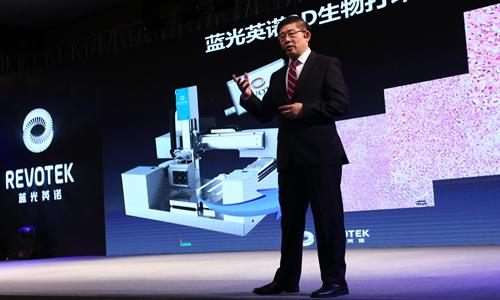
3D printing of human tissue requires a blood supply to support tissues that are more than a few millimeters thick. In recognition of the importance of achieving bioprinting with functioning vasculature, a Chinese company has committed to building a BioPrinter and BioInk (cell precursors and support) focused on vasculogenesis suitable for human implants. Meanwhile, researchers in the United States and in Australia have succeeded in printing vascular trees, for example, a branching vascular-like structure that supported blood circulation when grafted to a rat. The vascular pathways are printed within surrounding structures as a dissolvable substance (e.g., sugar) subesquently removed. Remaining steps include establishing adequacy of tissue perfusion and sustainable viability of the vessel integrity and function as well as survival of the surrounding tissue. Adult humans maintain abilities to remodel blood vessels (vasculogenesis, arteriogenesis, angiogenesis) so it may suffice to provide printed blood conduits and precursor cells and/or stimulants as a bridge and scaffold to vasculature development plus tissue perfusion in vivo, if they can meet the milestones of adequacy of biosafety, support of blood circulation, tissue perfusion, sustainability, as well as adaptation with promotion of growth and remodelling as needed.

SOURCE

http://3dprintingindustry.com/2015/11/02/researchers-successfully-implant-artificial-blood-vessels-made-with-3d-printing/?utm_source=3D+Printing+Industry+Update&utm_medium=email&utm_campaign=eaca83c47f-RSS_EMAIL_CAMPAIGN&utm_term=0_695d5c73dc-eaca83c47f-64568677

Researchers successfully 3D print blood vessels, a ‘game changer’ for artificial organs

Mopic / Shutterstock

Above: An illustration of the inside of a blood vessel.

Image Credit: Mopic / Shutterstock

Hundreds of thousands of people die annually because the demand for organs far exceeds the donor supply. Artificial organs could save those lives — and scientists just made a huge breakthrough in the field by “bio-printing” artificial vascular networks.

Researchers from the University of Sydney, MIT, Harvard, and Stanford have successfully bio-printed blood vessels, offering 3D-printed organs access to nutrients, oxygen, and waste-disposal routes, according to a study published Monday.

“While recreating little parts of tissues in the lab is something that we have already been able to do, the possibility of printing three-dimensional tissues with functional blood capillaries in the blink of an eye is a game changer,” said Dr. Luiz Bertassoni, the study’s lead author and a University of Sydney researcher.

The vascular network of the human liver.

To 3D print vascular networks, the researchers fabricated fine, interconnected fibers with an advanced bioprinter. Then they coated those fibers with human endothelial cells — these sit between circulating blood and vessel walls in the interior of blood vessels — and subsequently applied a protein-based material. They hardened the whole structure with light, then delicately removed the fibers, leaving behind a complex network of hollow cell material. After a week, those cells organized themselves into stable capillaries.

Cells inside the bioprinted vascular networks survived, differentiated, and proliferated at better rates than cells that received no nutrient supply.

Read Full Post »

Mass-producing stem cells to satisfy the demands of regenerative medicine

Reported by: Irina Robu, PhD

Instead of culturing cell on round, flat Petri dishes, Steve Oh from A*STAR Bioprocessing Technology Institute he grew them in a tiny polystyrene beads known as microcarriers floating in a nutritional brew. The standard Petri dish fits fewer than 100,000 cells, a minuscule amount when stacked against the 2 billion muscle cells  that make up the heart or 100 billion red blood cells needed to fill a bag of blood. 

The average Petri dish fits fewer than 100,000 cells, a miniscule amount when stacked against the 2 billion muscle cells that make up the heart or the 100 billion red blood cells needed to fill a bag of blood. The approach Reuveny suggested potentially could produce cells in much vaster numbers to make them more practical for therapy.
 
Dr. Oh first tried the approach on human embryonic stem cells, because they have the potential to mature into any type of cell in the body and struggled to develop a coating that would make the stem cells stick to the microcarriers and formulate the right mixture of nutrients for cell to grow. After a year, one line of human embryonic stem cells survived past the 20 week mark of stability and found out that these cells were two to four times times more densely packed than grown in petri dishes.

However after six years of refining the processes, they were able to achieve three times higher cell densities than petri dishes approach by modifying the feeding strategy.  Their success started with cardiomyocytes wich are known as the fastest cell type to differentiate. The researchers developed a strategy to grow pure batches of cariomyocytes without adding growth factors but instead use small molecules to first inhibit and then activate a key cell differentiation pathway known as Wnt signaling. Then they apply the small molecule approach to grow and differentiate cardiomyocytes from embryonic stem cells directly on microcarriers. And according to Dr. Oh their method had beat the Petri dish methods on purity, yield, cost of cells and simplicity of process.

The main  goal of the research is to grow enough cells inexpensively in order to patch up one square-centimeter of damaged heart muscle following a heart attack.

Source

http://phys.org/news/2015-06-mass-producing-stem-cells-demands-regenerative.html

Read Full Post »

Rat Hearts Healed by a Protein-rich Gel

Reporter: Irina Robu, PhD

John Hopkins researchers  created a sticky protein rich gel which appear to help stem cells stay on or in rat hearts and have the ability to restore metabolism after transplantation in addition to improving cardiac function after simulated heart attacks.  When the heart beats, it pushes cells injected into the heart wall out in the lungs before they get a chance to attach to the wall.  John Hopkins researchers applied a hydrogel to the beating rat hearts to improve cell stem uptake to the heart muscle and speed up tissue healing after the heart attack.

In an effort solve the difficulties, M. Roselle Abraham, M.D. along with  Angel Chan, M.D., Ph.D. and  Jennifer Elisseeff, Ph.D. developed a hydrogel that combines serum, a protein-filled component of blood that contains everything cells need to survive, with hyaluronic acid, a molecule already present in the heart and in the matrix that surrounds and supports cells.

By mixing these two components, the researchers created a sticky gel that functioned as a synthetic stem cell niche: It encapsulated stem cells while nurturing them and rapidly restored their metabolism.

Their tests showed that encapsulated stem embryonic and adult stem cells survived at levels near 100 percent but still proliferated and survived for days.  According to their article being published in December 2015 issue of Biomaterials, when cell-gel combination was injected into the living hearts about 73% of cells were retained in the hearts after an hour and for the seven days the cells encapsulated into the hydrogel increased in number.

In rat models of heart attack damage, Abraham’s team shows that the hydrogel with encapsulated cells improved pumping efficiency of the left ventricle over the four weeks after injection by 15 percent, compared with 8 percent from cells in solution.  Abraham’s group showed that even injections of the hydrogel by itself improved heart function and increased the number of blood vessels in the region of the heart attack.

SOURCE

http://www.mdtmag.com/news/2015/09/sticky-gel-helps-stem-cells-heal-rat-hearts?et_cid=4839332&et_rid=461755519&location=top

Read Full Post »

Outstanding Achievement in Anesthesiology

Curator: Larry H Bernstein, MD, FCAP


Thomas J. Rick, MD, for Outstanding Achievements in Anesthesiology and Pain Management

The International Association of HealthCare Professionals has carefully selected Thomas J. Rick, MD, to represent anesthesiology in their publication, The Leading Physicians of the World.  Dr. Rick’s selection is a significant representation of his enduring passion and complete dedication for the field of anesthesiology and pain management. He is considered to be among the best throughout his 19 years in practice.

A well versed and respected anesthesiologist and pain management physician practicing in Phoenix, Arizona, Dr. Rick features a track record of achievements that have marked his 19-year professional journey in his challenging specialty. In a relaxed and friendly setting with accommodating support staff, Dr. Rick receives his at Thomas J. Rick, MD PC, his well equipped private office where he deals with anesthetic and pain management services for patients undergoing surgeries. While he primarily devotes his time to his office in Phoenix, he additionally provides anesthesiology-related services to patients of the St. Joseph’s Hospital and Medical Center and Banner Good Samaritan Medical Center, also in Phoenix, Arizona.

Dr. Rick embraced a career in medicine upon completing his medical degree in 1994 at Hahnemann University Hospital. His postgraduate training led him to the University of Arizona and his continuing learning enhanced his certification in anesthesiology by the American Board of Anesthesiology. As an affirmation of his commitment to education and his desire to advance by adapting his practice to the latest discoveries and technologies in his field, Dr. Rick joined the American Society of Anesthesiology and the Arizona Society of Anesthesiology. An active man in his free time, passionate by tennis, fitness, and drums, he attributes his exceptional success to his availability, as well affordability and accessibility of service.

Stanford Medical School

Myer “Mike” Rosenthal

  • Ellis N. Cohen Award for Outstanding Achievement in Anesthesiology, Stanford University Department of Anesthesia (1980)
  • Jack R. Collins Memorial Award for Outstanding Leadership in Anesthesia Education, Dannemiller Society (1990)
  • Kaiser Award for Clinical Teaching, Stanford University School of Medicine (1991, 2004)
  • Board of Directors (President and Chairman of Board – 2001-2004), Foundation for Anesthesia Education and Research (2000 – 2009)
  • Director (President – 1997-1998), American Board of Anesthesiology (1986 – 1998)
  • Medical Director of Intensive and Intermediate Intensive Care Units, Stanford University Hospital (1975 – 1997)

Arthur Bert, MD

Senior staff anesthesiologist, Rhode Island Hospital

Arthur Bert, MD, has served as director of cardiac anesthesia (1986-2002) at Rhode Island Hospital and as director of pediatric cardiac anesthesia (1996-2005) at Hasbro Children’s Hospital. Bert continues to pursue his interests in adult and pediatric cardiovascular and thoracic anesthesia as a senior staff anesthesiologist. He is a clinical professor of surgery (anesthesiology) at the the Warren Alpert Medical School at Brown University. He also holds the position of director of experimental cardiac surgery, anesthesiology and cardiac imaging at the cardiac surgery research laboratories of Children’s Mercy Hospital, in Kansas City, MO, where he is part of a funded research team that is growing tissue-engineered heart valves. He is a consultant anesthesiologist at Women & Infants Hospital for neonatal anesthesia.

Education

Bert graduated as president of Alpha Omega Alpha Medical Honor Society from Mount Sinai School of Medicine in New York City. He served as a resident in internal medicine at Beth Israel Deaconess Medical Center in Boston and was awarded the Dr. Nathan Sidel Prize for outstanding achievement. He completed his anesthesia residency and an adult cardiac anesthesia fellowship at Beth Israel Hospital in Boston, followed by a pediatric anesthesia fellowship at Children’s Hospital Boston.

Board Certification

Diplomate of the American Board of Anesthesiology (1985) and re-certified in 2008

Testamur of the National Board of Echocardiography in Perioperative Transesophageal Echocardiography (1998)

Diplomate (2006) and re-certified in 2007

Awards

Top Physicians, Rhode Island Monthly magazine (2000, 2002, 2004, 2006 and 2008)

Guide to America’s Top Physicians, Consumers’ Research Council of America, Washington, DC (2005, 2006)

Teaching Recognition Award, Brown Medical School (2005)

Dr. Charles A. Hill Award from the RI Medical Society (2006)

Interests

Applications of transesophageal echocardiography to intraoperative patient management

Techniques of reducing blood product transfusions during surgery

Cerebral function monitoring during general anesthesia

Research: Echocardiographic evaluation of tissue-engineered valve function

ASA Award for Excellence in Research

Henrik Kehlet, M.D., Ph.D.

The annual ASA Award for Excellence in Research recognizes an individual for outstanding achievement in research that has or is likely to have an important impact on the practice of anesthesiology.

The individual’s work must represent a body of original, mature and sustained contribution to the advancement of the science of anesthesiology. The nominee need not be a physician, an anesthesiologist or a member of ASA, but must be presently engaged in research related to anesthesiology, academically accomplished with peer-reviewed publications and funded research, and nominated in response to a call for nominations. The completed application must include the nominee’s current curriculum vitae, a letter of nomination and a seconding letter from two individuals with an understanding of the research contributions of the individual.

The 2014 Award for Excellence in Research was presented to Henrik Kehlet, M.D., Ph.D., at the ANESTHESIOLOGY™ 2014 annual meeting in New Orleans on Monday, October 13, 2014. Dr. Kehlet is a Professor at Rigshospitalet, Copenhagen University, Denmark.

Dr. Kehlet is known for his research and writing in surgical pathophysiology, surgical stress response and the transition from acute to chronic pain, among other topics.

Henrik Kehlet, M.D., Ph.D. is perhaps the most well-known surgeon among physician anesthesiologists around the world due to his substantial contributions toward the understanding of surgical pathophysiology. After Dr. Kehlet completed his medical studies and surgical residency at the University of Copenhagen, Denmark, he enrolled in a Ph.D. program within the same institution, authoring a thesis pertaining to the study of the hypothalamic-pituitary-adrenocortical function in glucocorticoid-treated surgical patients. Dr. Kehlet served as the Chief of Surgery and Professor of Surgery, Copenhagen University at Hvidovre University Hospital from 1989 to 2004. He was subsequently appointed as a Professor of Perioperative Therapy and Head of the Section for Surgical Pathophysiology at the Rigshospitalet in Copenhagen. Dr. Kehlet continues to be an extremely prolific writer, having authored more than 950 scientific articles covering topics of surgical pathophysiology, acute pain physiology and pharmacotherapy, surgical stress response, regional anesthesia and analgesia, perioperative immune function, fast-track surgery and the transition from acute to chronic pain.

Dr. Kehlet’s research led to the creation of the concept of fast-track surgery, or enhanced recovery after surgery (ERAS), with the aim of painless and safe surgeries. His work related to pain relief and surgical outcomes led to the multimodal analgesia approach of combining different analgesics for better pain control and fewer side effects that is widely used today. Dr. Kehlet also is credited with the concept of pre-emptive analgesia, or administering an analgesic prior to surgical injury in order to decrease the intensity and duration of postoperative pain. In addition to his many contributions to perioperative pain management, Dr. Kehlet is responsible for establishing the first nationwide hernia database in Denmark, with the purpose of optimizing outcomes and documenting different approaches to improve care.

Read Full Post »

Rosa’s to like

Curator & Reporter: Larry H. Bernstein, MD, FCAP


Reality Check: Cancer Experts Discuss Hurdles Facing CAR-T Therapy

http://www.xconomy.com/national/2015/09/18/reality-check-cancer-experts-discuss-hurdles-facing-car-t-therapy/

BEN FIDLER

September 18th, 2015

There’s a lot of excitement these days about a type of cellular immunotherapy known as CAR-T, a method of modifying peoples’ immune cells to fight cancer. But you could also fill a book listing all the problems its makers will have to solve—how to test, manufacture, and even the define the nature of these cancer-killing cells—before the CAR-T story is a successful one.

These hurdles, not the hype, were the subject of a panel of experts from industry, academia, and the FDA at the Inaugural International Cancer Immunotherapy Conference in New York Thursday afternoon. The panelists included University of Pennsylvania professor Carl June, whose work has led to programs now in clinical testing at Novartis; Adaptimmune executive vice president Gwendolyn Binder-Scholl; and GlaxoSmithKline’s head of immuno-oncology Cedrik Britten, among others.

CAR-T stands for chimeric antigen receptor T cell, which describes an engineered version of the immune system’s attack dogs. CAR-T cells are a patient’s own T cells altered outside the body to be cancer killers, then put back in to go after tumor cells.

CAR-T therapies from Novartis, Juno Therapeutics (NASDAQ: JUNO), and Kite Pharma (NASDAQ: KITE) have produced impressive results so far for certain blood cancers, leading to long-lasting remissions in some patients.

But the field is early in its development. Researchers are trying to figure out how to make these therapies useful for more common cancers, such as lung, breast, and ovarian, and how to mitigate the overactive immune responses they can cause. Biotechs and pharma companies developing autologous therapies—which modify the cells of each individual patient—are wrestling with how to manufacture and distribute them at scale.

But a different, larger question looms, and it gets to the heart of why autologous T cell therapy is truly a new medical frontier. The cells that are delivered back into the patient are not what ends up doing the bulk of the therapeutic work.

The panelists Thursday noted how T cell therapies could throw a wrench into a typical, and crucial, clinical strategy. Early in the clinical testing of a drug, companies usually run what are known as dose escalation studies. Different doses of products are tested, low to high, to establish a trend of responses, see what safety issues pop up, and pick the optimal dose to move forward.

But because CAR-T cell populations expand once they’re put back into a patient’s body, doses are harder to define. What’s more, cranking up a dose for such a powerful therapy could be dangerous. “Are classical trial designs applicable, or do they have to be changed?” asked GSK’s Britten. “You can not have a simple dose escalation [study] with a drug that replicates.”

Adaptimmune’s Binder-Scholl called for more guidance from regulators to help figure out a more standardized scheme for dose escalation studies.

“I think the biology is going to make [that type of guidance] awfully challenging,” says Juno’s chief financial officer Steve Harr, who also wasn’t on the panel. “I would like to think over time we get into something a bit more predictable, and maybe we have some type of a standard, but we’re very early in this process.”


Medscape Cardiology Black on Cardiology

SPRINT Hypertension Trial: Preliminary Results Discussed

http://www.medscape.com/viewarticle/851134?nlid=88408_2021&src=wnl_edit_medp_card&uac=211176CK&spon=2&impID=829281&faf=1

Henry R. Black, MD; William C. Cushman, MD    Disclosures | Sept 18, 2015

Stopped Early for Benefit

Henry R. Black, MD: Hi. I’m Dr Henry Black. I’m adjunct professor of medicine at the Langone New York University School of Medicine, and I’m here today with my long-term friend and colleague, Dr Bill Cushman. Bill, thank you very much for doing this.

William C. Cushman, MD: Delighted to be here.

Dr Black: What I want to talk about is the SPRINT study,[1]which you’ve been a primary participant in. The top-line resultswere just released. Tell us a little bit about SPRINT: who was in it, what the hypothesis was, and how it compares to the ACCORD study, which you also participated in.

Dr Cushman: Sure. I’m Dr Bill Cushman. I’m from Memphis, Tennessee. And I’m chief of the preventive medicine section at the VA and professor of preventive medicine at the University of Tennessee.

I was a network principal investigator in SPRINT, which meant that I oversaw about a quarter of the sites. SPRINT was a study sponsored by the National Institutes of Health (NIH), primarily the National Heart, Lung, and Blood Institute (NHLBI). But other institutes—the National Institute of Diabetes and Digestive and Kidney Diseases, the National Institute on Aging, the National Institute of Neurological Disorders and Stroke—were also involved.

SPRINT was a study of 9361 participants who were randomized to either a lower, more intensive goal of less than 120 mm Hg systolic blood pressure (SBP) compared with a goal of less than 140 mm Hg systolic. That was considered standard when we designed the study, and all guidelines recommended at least getting below 140 mm Hg.

We recruited a participant pool of high-risk hypertensive patients with SBPs of ≥130 mm Hg. They could be on medications (the majority were), but they didn’t have to be. Participants not only had to have elevated blood pressure, but they also had to be above age 50 and they had to have some other indices of risk: known cardiovascular disease, chronic kidney disease, or being above age 75, for example, or having a Framingham risk assessment for cardiovascular disease of ≥ 15% over 10 years.

They were randomly allocated to these two groups, with the intent of being followed for about 5 years. The primary outcome in SPRINT was a combined cardiovascular outcome that included myocardial infarction (MI), acute coronary syndrome other than MI, stroke, heart failure, or cardiovascular death.

Now, there are a lot of other outcomes in SPRINT, including whether this lower blood pressure goal would prevent dementia, changes on MRI, or chronic kidney disease. Those outcomes have not been stopped or announced yet, and we’re still collecting data on that.

The cardiovascular outcomes were viewed as so positive in terms of the benefit that the Data and Safety Monitoring Board recommended to Gary Gibbons, the director of the NHLBI, that the cardiovascular part of the trial—and the intensive intervention in particular—should be stopped and that the investigators and the participants should be unblinded. And that was done.

Dr Black: Were the antihypertensive regimens prescribed, or was it whatever the docs wanted to do?

Dr Cushman: Good point. We actually recommended using the major classes that were proven to be of benefit in cardiovascular outcome trials in hypertension: either thiazide-type diuretics, ACE inhibitors, angiotensin receptor blockers, or calcium blockers. It was primarily those four classes, and they could be combined in whatever way the investigators wanted. We did put a lot of emphasis on using thiazide-type diuretics because of the ALLHAT[2] results.

But the way they could be combined was really up to the investigators. Now, if the participants had known coronary disease or some other indication for a beta-blocker, that could certainly be used. And then other drugs could be added. We had a very large formulary representative of all the major classes of drugs— not only those classes, but also beta-blockers, alpha blockers, aldosterone inhibitors (spironolactone or amiloride, for example).

We had a lot of drugs available. They were predominantly purchased for the study, by NIH. There were only two drugs that were donated by the pharmaceutical companies. The study was entirely funded by NIH.

SPRINT vs ACCORD

Dr Black: How is this different from ACCORD?[3]

Dr Cushman: In ACCORD, we had the same two SBP goals: less than 120 mm Hg compared with a SBP of less than 140 mm Hg. However, SPRINT is twice as large as ACCORD.

As you may remember, we did not show a significant benefit for the lower SBP goal for the overall cardiovascular outcome in the ACCORD trial. We did see a significant reduction in stroke of about 40%, but that was a secondary outcome. The primary outcomes in mortality were not reduced in ACCORD.

However, ACCORD was about half the size of SPRINT. And even though the ACCORD blood pressure study was done in patients with diabetes, on average, they were probably a little lower-risk than our SPRINT participants because of their somewhat younger age (average age, 62 years), the absence of real chronic kidney disease, and several other reasons.

Even though ACCORD didn’t show a statistically significant benefit, it did show a 12% reduction in the cardiovascular outcome with a confidence interval that could have included up to a 27% benefit.

In contrast, SPRINT was twice as large, with a higher-risk population with an older average age. We excluded people with diabetes because that was being looked at in ACCORD. And we excluded people who’d had a prior stroke because that was being looked at in the SPS3[4] post-stroke study in terms of blood pressure goals.

Despite that, we had a very high-risk population. And what we found was about a third of a reduction in the primary cardiovascular events. That was significant.

We also saw, quite importantly, about a 25% reduction in all-cause mortality. That was surprising. The results are quite clear that there’s dramatic benefit in terms of both cardiovascular events and total mortality.

Dr Black: You probably can’t tell us this yet, but what was the blood pressure achieved in the less-than-140 group compared with the less-than-120 group?

We also saw, quite importantly, about a 25% reduction in all-cause mortality. That was surprising. The results are quite clear that there’s dramatic benefit in terms of both cardiovascular events and total mortality.


Diabetes Drug Empagliflozin Cuts CV Deaths in Landmark EMPA-REG Trial

http://www.medscape.com/viewarticle/851114?nlid=88408_2021&src=wnl_edit_medp_card&uac=211176CK&spon=2&impID=829281&faf=1

Lisa Nainggolan

STOCKHOLM ( updated with commentary ) — Patients with type 2 diabetes and established cardiovascular disease receiving the glucose-lowering agent empagliflozin (Jardiance, Boehringer Ingelheim/Lilly), a sodium glucose cotransporter-2 (SGLT-2) inhibitor, were less likely to die than those taking placebo in the large, much-anticipated EMPA-REG OUTCOME study, hailed here as a landmark trial.

The benefit on survival was seen regardless of the cause of death — empagliflozin prevented one in three cardiovascular deaths, with a significant 38% relative risk reduction in cardiovascular mortality, as well as a significant 32% relative reduction in all-cause mortality.

CV death was one component of the primary composite outcome, which also included nonfatal myocardial infarction (MI) or nonfatal stroke. It was the CV mortality benefit, however, that primarily drove the reduction in this end point.

“Empagliflozin is reducing death, the ultimate outcome,” senior author of the study, Silvio Inzucchi, MD, of Yale Diabetes Center, New Haven, Connecticut, told Medscape Medical News. “This is a first in my lifetime — a diabetes drug trial that has shown improved outcomes in high-risk cardiovascular patients.”

This is a first in my lifetime — a diabetes drug trial that has shown improved outcomes in high-risk cardiovascular patients.

Dr Inzucchi was given multiple rounds of applause as he presented the findings of EMPA-REG OUTCOME here at the European Association for the Study of Diabetes (EASD) 2015 Meeting, The study was also published simultaneously in the New England Journal of Medicine, by a team led by Bernard Zinman MD, director, Diabetes Centre, Mount Sinai Hospital, Toronto, Ontario.


Sept 17, 2015   http://dx.doi.org:/10.1056/NEJMoa1504720

Type 2 diabetes is a major risk factor for cardiovascular disease,1,2 and the presence of both type 2 diabetes and cardiovascular disease increases the risk of death.3 Evidence that glucose lowering reduces the rates of cardiovascular events and death has not been convincingly shown,4-6although a modest cardiovascular benefit may be observed after a prolonged follow-up period.7Furthermore, there is concern that intensive glucose lowering or the use of specific glucose-lowering drugs may be associated with adverse cardiovascular outcomes.8 Therefore, it is necessary to establish the cardiovascular safety benefits of glucose-lowering agents.9


Cohen’s Brain Bits: Let the Sunshine in?

http://www.medpagetoday.com/Blogs/CohensBrainBits/53630?xid=nl_mpt_DHE_2015-09-19&eun=g337145d0r    Published: Sep 18, 2015

By Joshua Cohen MD, MPH

Vitamin D is actually not a vitamin at all — it is a group of fat-soluble steroid hormones responsible for a host of important functions in the body. As it is found in low levels in most foods other than fish and dairy, vitamin D is primarily synthesized from cholesterol in the skin upon exposure to UVB radiation.

While the discovery of vitamin D nearly a century ago stemmed from its role in calcium homeostasis and metabolism, an abundance of studies in the past decade have demonstrated the critical role vitamin D plays in neuronal development and protection. Indeed, in the past few years, researchers have uncovered an association between vitamin D deficiency and an array of important neurologic diseases.

study in this week’s JAMA Neurology investigated the relationship between vitamin D levels, as measured in the blood as 25-hydroxyvitamin D, and the rate of cognitive decline in a population of 382 multi-ethnic older adults. Both vitamin D insufficient (12-20 ng/mL) and deficient (<12 ng/mL) participants demonstrated accelerated cognitive decline in multiple functional domains, especially episodic memory and executive function, that are the domains most affected in patients with Alzheimer’s dementia.

Previous studies have emphasized the essential role of vitamin D in the brain and have raised concern about the effect of vitamin D deficiency on the brain. Vitamin D’s neuroprotective roles include stimulation of neurotrophin release, neuroimmunomodulation, and interaction with reactive nitrogen and oxygen species. Vitamin D appears to also play a role in neurodevelopment through its regulation of nerve growth factor synthesis. Imaging studies have found increases in white matter hyperintensities and enlarged ventricles in vitamin D deficient study participants.


Channel Molecular Noise to Keep Cells Healthy

http://www.genengnews.com/gen-news-highlights/channel-molecular-noise-to-keep-cells-healthy/81251746/

Molecular fluctuations or noise within and among cells can be manipulated to control the networks that govern the workings of living cells—promoting cellular health and potentially alleviating diseases such as cancer. [Daniel K. Wells]

Complex networks are noisy, whether they constitute food webs, power grids, or cells. And when networks buzz and crackle beyond normal bounds, bad things can happen: ecosystems can collapse, power grids can leave us in the dark, and cells can tumble into cancerous states.

All these networks are amenable to similar mathematical treatments says a scientific team at Northwestern University. The team, led by physicist Adilson E. Motter, Ph.D., substantiated this claim by focusing on a particularly difficult biophysical problem: the rational control of cellular behavior. To date, attempts to exert such control have been frustrated by the high dimensionality and noise that are inherent properties of large intracellular networks.

Dr. Motter and his colleagues noted that the response of biological systems to noise has been studied extensively. Yet they also realized that little had been done to exploit noise, or to at least channel it. They hoped to find a way to do so and thereby demonstrate the possibility of preserving or inducing desirable cell states.

Using a newly developed computational algorithm, Dr. Motter and colleagues showed that molecular-level noise can be manipulated to control the networks that govern the workings of living cells—promoting cellular health and potentially alleviating diseases such as cancer. They presented their results September 16 in the journal Physical Review X, in an article entitled, “Control of Stochastic and Induced Switching in Biophysical Networks.”

“Here we present a scalable, quantitative method based on the Freidlin-Wentzell action to predict and control noise-induced switching between different states in genetic networks that, conveniently, can also control transitions between stable states in the absence of noise,” wrote the authors. “We apply this methodology to models of cell differentiation and show how predicted manipulations of tunable factors can induce lineage changes, and further utilize it to identify new candidate strategies for cancer therapy in a cell death pathway model.”

Essentially, by leveraging noise, the team found that the high-dimensional gene regulatory dynamics could be controlled instead by controlling a much smaller and simpler network, termed a “network of state transitions.” In this network, cells randomly transition from one phenotypic state to another—sometimes from states representing healthy cell phenotypes to unhealthy states where the conditions are potentially cancerous. The transition paths between these states can be predicted, as cells making the same transition will typically travel along similar paths in their gene expression.

The team began by using noise to define the most-likely transition pathway between different system states, and connecting these paths into the network of state transitions. By doing so, the researchers could then focus on just one path between any two states, distilling a multidimensional system to a series of one-dimensional interconnecting paths.

Then, using their computational approach, the team identified optimal modifications of experimentally adjustable parameters, such as protein activation rates, to encourage desired transitions between different states.


Mitochondrial Protein Finding May Allow Scientists to Control Apoptosis

http://www.genengnews.com/gen-news-highlights/mitochondrial-protein-finding-may-allow-scientists-to-control-apoptosis/81251742/

http://www.genengnews.com/Media/images/GENHighlight/Sep18_2015_NIH_Mitochondria1481397318.jpg

A protein embedded in the surface of mitochondria opens the door to apoptosis, causing cells to experience severe power failures, according to new work by researchers at Temple University School of Medicine. The study, appearing in Molecular Cell, suggests that blocking the door with a small-molecule inhibitor could be key to the treatment of cardiovascular diseases such as heart attack and stroke, where extensive mitochondrial dysfunction and cell death hinder tissue recovery.

The study (“SPG7 Is an Essential and Conserved Component of the Mitochondrial Permeability Transition Pore”), led by Muniswamy Madesh, Ph.D., associate professor in the department of biochemistry, the Cardiovascular Research Center, and the Center for Translational Medicine at Temple University School of Medicine (TUSM), shows that the protein, spastic paraplegia 7 (SPG7), is the central component of the so-called permeability transition pore (PTP), a protein complex in the mitochondrial membrane that mediates necrotic cell death (death caused by cell injury).

The identification of SPG7 marks a major advance in scientists’ understanding of how the PTP affects necrosis. Although first described in 1976, the molecular parts of the pore have eluded discovery. “The only known molecular component of the PTP prior to our discovery of SPG7 was a protein called CypD, which is necessary for pore function,” Dr. Madesh explained.

To identify genes that modulate PTP opening induced by calcium overload or increased levels of reactive oxygen species (ROS), the two primary factors that cause mitochondrial dysfunction and cell death via pore opening, Dr. Madesh’s team devised an RNA interference-based screen in which the activity of each gene under investigation was knocked down, or silenced, to examine its effects on mitochondrial calcium levels.

The researchers began with a panel of 128 different genes but after initial screening narrowed the field to just 14 candidate PTP components. Subsequent experiments showed that the loss of only one of them, SPG7, prevented pore opening.

Much of what is known about the PTP comes from studies of mitochondria in disease. In pathological states, particularly those involving hypoxia, calcium, and ROS accumulate within mitochondria, causing them to swell and prompting the PTP to open. Because pore opening disrupts the flow of electrons and protons across the mitochondrial membranes, which normally sustains energy production, it results in a catastrophic drop in cellular energy levels.

In the absence of disease, precisely how the PTP helps to mediate normal cellular physiology remains unclear. According to Dr. Madesh, “Under physiological conditions, SPG7 may function through transient pore openings to release toxic metabolites that have accumulated in mitochondria.” He plans to explore this possibility with knockout animal models.


“See-Through” Brain Developed by Japanese Researchers

http://www.genengnews.com/gen-news-highlights/see-through-brain-developed-by-japanese-researchers/81251727/

Scientists at the RIKEN Brain Science Institute in Japan have developed a new method for creating transparent tissue that can be used to illuminate 3D brain anatomy at high resolutions. Published in Nature Neuroscience, the work showcases the novel technology and its practical importance in clinical science by showing how it has given new insights into Alzheimer’s disease plaques.

“The usefulness of optical clearing techniques can be measured by their ability to gather accurate 3D structural information that cannot be readily achieved through traditional 2D methods,” explains lead scientist Atsushi Miyawaki, M.D., Ph.D. “Here, we achieved this goal using a new procedure, and collected data that may resolve several current issues regarding the pathology of Alzheimer’s disease. While Superman’s x-ray vision is only the stuff of comics, our method, called ScaleS, is a real and practical way to see through brain and body tissue.”

In recent years, generating see-through tissue—a process called optical clearing—has become a goal for many researchers in life sciences because of its potential to reveal complex structural details of our bodies, organs, and cells—both healthy and diseased—when combined with advanced microscopy imaging techniques. Previous methods were limited because the transparency process itself can damage the structures under study.

The original recipe reported by the Miyawaki team in 2011, termed Scale, was an aqueous solution based on urea that suffered from this same problem. The research team spent five years improving the effectiveness of the original recipe to overcome this critical challenge, and the result is ScaleS, a new technique with many practical applications.

“The key ingredient of our new formula is sorbitol, a common sugar alcohol,” notes Dr. Miyawaki. “By combining sorbitol in the right proportion with urea, we could create transparent brains with minimal tissue damage, that can handle both florescent and immunohistochemical labeling techniques, and is even effective in older animals.”

The team has devised several variations of the Scale technique that can be used together. By combining ScaleS with AbScale—a variation for immunolabeling—and ChemScale—a variation for fluorescent chemical compounds—they generated multicolor high-resolution 3D images of amyloid beta plaques in older mice from a genetic mouse model of Alzheimer’s disease developed at the RIKEN BSI by the Takaomi Saido team.

After showing how ScaleS treatment can preserve tissue, the researchers put the technique to practical use by visualizing in 3D the mysterious “diffuse” plaques seen in the postmortem brains of Alzheimer’s disease patients that are typically undetectable using 2D imaging. Contrary to current assumptions, the diffuse plaques proved not to be isolated, but showed extensive association with microglia —mobile cells that surround and protect neurons.


GEN Roundup on Cell-Based Assays for Biological Relevancy

Cell-Based Assay Platforms are Evolving to Meet Diverse Challenges

  • Cell-based assay platforms are evolving to meet diverse challenges—mimicking disease states, preserving signaling pathways, modeling drug responses, and recreating environments conducive to tissue development.

GEN recently interviewed a number of experts on cell-based assay technology to get a sense of the state of the art and to find out where this technology might be most valuable to life sciences research.

  • GEN: What are some of the main challenges that are faced when validating cell-based assays?
  • Dr. Kelly: Considerable challenges come from using systems involving a living organism in the validation of cell-based assays. The characteristics of such systems will likely affect the criteria for validation suitability. These criteria might be specific for primary cells, immortalized cell lines, cancerous cell lines, or cells generated de novo from multipotent stem cells.
  • Chemical reagents are generally well characterized by parameters such as molecular weight, solubility, etc., which are unlikely to change between assays.
  • However, characteristics of primary cells or established cell lines, such as viability, growth phase, proliferation rate, level of metabolism, and even cell size are much more vulnerable.
  • Mr. Trinquet: Beyond developing the right cell-based assay, the main challenge remains the relevancy of the cell model for the target being investigated. Generally, a single assay must also be compatible with a broad variety of cell technologies/models, from engineered cells to more complex models, such as 2D, 3D, microtissue, primary culture, and induced pluripotent stem cell models.
  • This certainly adds some difficulty, given that protein expression levels may differ from one model to another. Also, these assays must generally translate well all along the value chain, from high-throughput screening to late stages of lead op, so that end users do not have to switch between too many assay technologies.
  • Dr. Hsu: Cell-based assays provide more biologically relevant information than biochemical assays for high-throughput screening and ADME/Tox. One challenge in developing and validating cell-based assays is to generate cells that reliably express the drug target and give reproducible results with good Z′ over time.
  • We developed and launched the industry’s first cell-based assays and profiling services for G-protein-coupled receptors. The expression of G-protein-coupled receptors has been worked out, but ion channels are challenging. Another challenge is to make sure the assays and readouts are target specific and predictive, with a good dynamic range and signal-to-noise ratio to differentiate compounds with different potencies and efficacies.
  • Dr. Khimani: Cell-based assays provide a complex and physiologically relevant medium to evaluate the effect of novel therapeutic or modulatory candidates. However, unlike traditional assay formats, cell-based assays introduce a number of challenging factors that must be considered—such as cell type, expression level, stability, and passage viability—when optimizing the assay conditions.
  • In addition, with complex cell-based assay systems, data extraction and signal-to-noise optimization can be time-consuming bottlenecks. Other challenges, particularly with high-content screening, include separate investments in instrumentation, training, data analysis, and data management, all leading to a lower throughput.
  • Dr. Fan: Cell-based assays are model systems, and the most critical challenge facing such assays is how well they reflect real biology. Cell-based assays offer great advantages over biochemical assays because they are conducted in cellular contexts. That said, most of the current cell-based assays use a homogeneous population of cells grown from immortalized cell lines, many of which express target proteins or reporters in excessive, nonphysiological amounts via transient transfection or randomly integrated stable clones. These cell models are far from the actual cellular context in normal or diseased tissue such as a tumor.
  • In addition, phenotypical consequences of an analyte of interest to the cell could reflect a combination of effects that a single cell-based assay would not be able to fully address. These factors impact the validation or correlation of the results of a cell-based assay with a phenotypical consequence, an animal model study, or a clinically relevant finding.
  • Dr. Piper: The most formidable challenge in generating and validating cell-based assays is achieving predictability and translatability. Next-generation re-targeting systems (such as the Jump-In™ platform) have made over-expression of genes, even multigene cassettes, fast, reliable, and easy compared to traditional single-cell cloning.
  • While simple overexpression of a target may be sufficient to drive a primary screen and identify hits, it often lacks a sufficiently complex pathophysiological context to robustly convert hits to lead candidates that are meaningful in clinical trials. These systems have value at early stages, but they would benefit from improvements or secondary screens that can better translate to clinical results.
  • Dr. Payne: The choice of a cell system remains a challenge. Cell lines produce reproducible results, but do not accurately model living systems. Although primary cells are more physiologically relevant, they are inherently variable, making it harder to deliver a robust cell-based assay.
  • Choosing appropriate endpoints can be time consuming: measuring one parameter is not enough to accurately determine the functionality of a drug. The ability to analyze several markers in multiplex assays provides greater information on drug efficacy and toxicity, the latter being important for failing flawed drugs earlier. Finally, once validated offline, assays still require revalidation when transferred to automated context.
  • GEN: What is more valuable to researchers with respect to cell-based assays miniaturization or ultra-high throughput?
  • Dr. Kelly: A single cell contains the complete genome of the species and thousands of expressed genes, implying that one cell could provide the same information as millions. High-throughput efforts should be aimed at our ability to multiplex, multivisualize, and microarray the enormous amount of information that one cell can provide.Mr. Trinquet: Miniaturization may be more important because the cells that are used are more complex and costly to produce massively. It comes to be particularly important when several assays need to be run in parallel using the same sample, such as cell lysate after stimulation.


Dana-Farber Researchers Use Gene Editing to Short-Circuit Sickle Cell Disease

Sep 16, 2015

a GenomeWeb staff reporter

NEW YORK (GenomeWeb) – Scientists have developed a gene editing strategy that could help treat sickle cell disease by short-circuiting the mutated hemoglobin causing the disease.

“We’ve now targeted the modifier of the modifier of a disease-causing gene,” Stuart Orkin, chairman of pediatric oncology at Dana-Farber Cancer Institute and associate chief of hematology/oncology at Boston Children’s Hospital, said in a statement. “It’s a very different approach to treating disease.”

Using CRISPR/Cas9 gene editing tools to systematically excise stretches of a promoter region of the enhancer gene BCL11A — which selects the type of hemoglobin that blood cells create — the researchers found an edit that inactivated BCL11A in human blood stem cells. The cut leads cells to increase levels of fetal hemoglobin, resulting in a milder form of sickle cell disease.

The scientists, led by Orkin and Daniel Bauer of Dana-Farber and Boston Children’s, and Feng Zhang of the Broad Institute, published their study today in Nature.

The human genome codes for both a fetal version and an adult version of hemoglobin. A mutation in the adult version of the protein causes sickle cell disease. BCL11A became a target of sickle cell disease research after Orkin’s laboratory revealed its direct role in the transition from fetal to adult hemoglobin in a 2009 study published in Nature. In 2013, a study led by Orkin and Bauer found the promoter region which controls expression of BCL11A in red blood cells.


Musical Scales

http://www.the-scientist.com//?articles.view/articleNo/43794/title/Musical-Scales/

The quest to document an ancient sea creature reveals a cyclical chorus of fish songs.

By Kerry Grens | September 1, 2015

http://www.the-scientist.com/Sept2015/notebook2.jpg


fish songs

fish songs

Several years ago, ichthyologist Eric Parmentier met a French marine biologist and filmmaker, Laurent Ballesta, who was organizing an expedition to South Africa to produce a documentary film on the coelacanth. This ancient fish—one whose fossil record dates back at least 350 million years—has an almost mythical legacy. Although it was widely assumed to have gone extinct 65 million years ago, a live specimen was found in 1938, and scientists have identified two extant species of coelacanth. Both species move in a peculiar way, waggling four lobe-like fins in an alternating pattern, as we do our arms and legs. Their anatomy is also unusual: a tiny brain, a joint at the back of the head that allows the animal to open its jaws widely, and only rudimentary vertebrae. Ballesta’s trip inspired Parmentier, who studies fish acoustics, to collaborate with the team. “I hoped to be the first guy to record [sounds of] the coelacanth.”

In the spring of 2013, divers successfully planted a hydrophone inside the cave and also shot video footage of a coelacanth. (The resulting documentary by Ballesta is available on YouTube. Although it is in French, the footage obviates the need for fluency to enjoy the film.) Day and night, for weeks, the hydrophone dutifully recorded the sounds within the cave. When Parmentier retrieved the files and went to analyze the recordings, there was one big problem: it was filled with dozens of different fish calls. “Maybe the coelacanth is in these sound files, but it’s completely masked by the other sounds,” he says.

Nonetheless, the tape captured ceaseless, never-before-heard chatter among the aquatic organisms within the cave (PNAS, 112:6092-97, 2015). To make some sense of it, Parmentier’s team undertook the laborious task of characterizing the sounds recorded over 19 nonconsecutive days (to make this feasible, the group pared down its analysis to the first nine minutes of every hour). The researchers assigned more than 2,700 sounds to 17 groups, most of which sounded to Parmentier like fish (one group was clearly dolphin, based on its high frequency, he says). These included frog-like croaks, grunts that sounded like a creaking door, a moan, and one that sounded like a whistle blown under water. “It’s fair to say, based on the characteristics of the sounds they were hearing, they are probably fish sounds,” says Erica Staaterman, a postdoc at the Smithsonian who studies fish acoustic communication.


NIH Awards Beth Israel Team $3M to Continue Study of Heart Disease Biomarker  Sep 17, 2015

a GenomeWeb staff reporter

NEW YORK (GenomeWeb) – The National Institutes of Health has awarded a Beth Israel Deaconess Medical Center (BIDMC) research team $3 million in funding to support the second phase of an effort to identify microRNAs that can be used to predict clinical outcomes of heart disease patients.

The grant, which was awarded under the NIH’s Extracellular RNA Communication program, follows a $4 million award the group received to kick off the project in 2013.

To date, the team has identified a number of miRNA biomarker candidates including miR-30d, which the researchers reported earlier this year as a predictor of beneficial cardiac remodeling in patients following a heart attack and a key player in preventing cell death.

With the latest grant, the investigators aim to validate miR-30d and other candidate miRNAs in several large patient cohorts.

microRNA-based tests

microRNA-based tests

https://www.youtube.com/watch?v=oMaiIyGfhQw


Unraveling determinants of transcription factor binding outside the core binding site

Michal Levo, Einat Zalckvar, Eilon Sharon, Ana Carolina Dantas Machado, Yael Kalma, Maya Lotam-Pompan, Adina Weinberger, Zohar Yakhini, Remo Rohs and Eran Segal. “Unraveling determinants of transcription factor binding outside the core binding site”. Genome Res. July 2015 25: 1018-1029.

http://genome.cshlp.org/content/25/7/1018.abstract

Binding of transcription factors (TFs) to regulatory sequences is a pivotal step in the control of gene expression. Despite many advances in the characterization of sequence motifs recognized by TFs, our ability to quantitatively predict TF binding to different regulatory sequences is still limited. Here, we present a novel experimental assay termed BunDLE-seq that provides quantitative measurements of TF binding to thousands of fully designed sequences of 200 bp in length within a single experiment. Applying this binding assay to two yeast TFs, we demonstrate that sequences outside the core TF binding site profoundly affect TF binding. We show that TF-specific models based on the sequence or DNA shape of the regions flanking the core binding site are highly predictive of the measured differential TF binding. We further characterize the dependence of TF binding, accounting for measurements of single and co-occurring binding events, on the number and location of binding sites and on the TF concentration. Finally, by coupling our in vitro TF binding measurements, and another application of our method probing nucleosome formation, to in vivo expression measurements carried out with the same template sequences serving as promoters, we offer insights into mechanisms that may determine the different expression outcomes observed. Our assay thus paves the way to a more comprehensive understanding of TF binding to regulatory sequences and allows the characterization of TF binding determinants within and outside of core binding sites.


Defective Mitochondria Transform Normal Cells into Tumors

http://www.genengnews.com/gen-news-highlights/defective-mitochondria-transform-normal-cells-into-tumors/81251487/

An international research team reports that defects in mitochondria, play a key role in the transition from normal cells to cancerous ones. When the scientists disrupted a key component of mitochondria, otherwise normal cells took on characteristics of cancerous tumor cells.

Their study (“Disruption of cytochrome c oxidase function induces the Warburg effect and metabolic reprogramming”) is published Oncogene and was led by members of the lab of Narayan G. Avadhani, Ph.D., the Harriet Ellison Woodward Professor of Biochemistry in the department of biomedical sciences in the school of veterinary medicine at the University of Pennsylvania. Satish Srinivasan, Ph.D., a research investigator in Dr. Avadhani’s lab, was the lead author.

In 1924, German biologist Otto Heinrich Warburg observed that cancerous cells consumed glucose at a higher rate than normal cells and had defects in their grana, the organelles that are now known as mitochondria. He postulated that the mitochondrial defects led to problems in the process by which the cell produces energy, called oxidative phosphorylation, and that these defects contributed to the cells becoming cancerous.

“The first part of the Warburg hypothesis has held up solidly in that most proliferating tumors show high dependence on glucose as an energy source and they release large amounts of lactic acid,” said Dr. Avadhani. “But the second part, about the defective mitochondrial function causing cells to be tumorigenic, has been highly contentious.”

Read Full Post »

Hybrid Imaging 3D Model of a Human Heart by Cardiac Imaging Techniques: CT and Echocardiography

Reporter: Aviva Lev-Ari, PhD, RN


Group creates 3D printed heart with CT, echo data

By Eric Barnes, AuntMinnie.com staff writer

June 29, 2015 — In what they are calling a major advance, researchers from Michigan have created a 3D model of a human heart using data from two separate cardiac imaging techniques: CT and echocardiography. They believe that such hybrid 3D models will be more accurate than those created from just one imaging modality.

The study team from Spectrum Health Helen DeVos Children’s Hospital in Grand Rapids, MI, hailed the proof-of-concept study as the first use of hybrid imaging in the creation of a 3D heart.

3D image of heart model

3D image of heart model. Image courtesy of Spectrum Health.

Hybrid 3D printing integrates the best aspects of two or more imaging modalities, potentially enhancing diagnosis and improving interventional and surgical planning, said lead author Jordan Gosnell, a cardiac sonographer at the hospital. Previous 3D printing models used only a single modality, which is less accurate than merging two or more datasets.

The study also opens the way for hybrid 3D printing techniques to be used in combination with a third modality: cardiac MR, the study team said in a statement accompanying the results.

First, the researchers used software to register images from CT and 3D transesophageal echocardiography (TEE) scans; they then selectively integrated the datasets to produce the anatomic model of the heart. The results provide more detailed and anatomically accurate 3D renderings and printed models than are available from a single modality, which may allow clinicians to improve their diagnosis and treatment of heart disease.

Each imaging modality has different strengths, and combining the modalities leads to improved results, according to the researchers:

  • CT enhances the outside anatomy of the heart.
  • MRI is superior for the interior of the heart, including the right and left ventricles and the heart’s muscular tissue.
  • 3D TEE offers the best visualization of valve anatomy.

The work was presented at the 2015 Catheter Interventions in Congenital, Structural, and Valvular Heart Disease (CSI) meeting in Frankfurt, Germany, by study co-author Dr. Joseph Vettukattil, who has performed research with 3D and 4D echocardiography. Vettukattil developed the use of multiplanar reformatting (MPR) in echocardiography to evaluate complex heart defects.

“This is a huge leap for individualized medicine in cardiology and congenital heart disease,” Vettukattil said in the statement. “The technology could be beneficial to cardiologists and surgeons. The model will promote better diagnostic capability and improved interventional and surgical planning, which will help determine whether a condition can be treated via transcatheter route or if it requires surgery.”

3D printing from MRI untangles congenital heart surgery, November 21, 2014

Dassault unveils 3D virtual heart model, May 20, 2014

Researchers launch library of 3D heart models, April 18, 2013

Giant virtual reality chamber boosts 3D echo accuracy, August 2, 2007


SOURCE

http://www.auntminnie.com/index.aspx?Sec=sup&Sub=adv&Pag=dis&ItemId=111319


Read Full Post »


Where are my veins? World-first vein viewing technology

Reporter: Aviva Lev-Ari, PhD, RN

Do you have hard-to-find veins? Don’t let that stop you from donating blood.  In a world-first study, the Australian Red Cross Blood service is conducting research into the use of leading-edge technology to visualise blood donors’ veins during blood donation.


The vein visualization devices are portable, and project an image of the veins onto the skin’s surface using non-invasive near infra-red technology. The Blood Service is aiming to find out if this procedure reduces anxiety, improves donation comfort and makes donors more likely to donate again.


The study will assess the responses of 300 first-time and 600 return donors aged between 18 and 30 attending the Chatswood and Elizabeth Street Donor Centres in Sydney. “Donor Centre staff have found the technology particularly useful in cases where the vein is not visible to the naked eye” said Dr Dan Waller, one of the senior investigators on the trial.


“We are keen to retain our young donors, and it is important to test if this technology may help us do that.”

Source: www.donateblood.com.au

See on Scoop.itCardiovascular and vascular imaging

Read Full Post »

3D Printing Brought to Bear on Cerebral Aneurysms

Reporter: Aviva Lev-Ari, PhD, RN

SOURCE
August 29, 2014

“I was packing for a business trip and suddenly felt like someone hit me with a crowbar.”

“I felt as if I had

Source: internetmedicine.com

See on Scoop.itCardiovascular and vascular imaging


A team at Arizona State University is using 3D printing to make anatomically correct core blood vessel models which allow them to create exact replicas of a cerebral aneurysm and apply these findings directly at hospitals.

Read Full Post »

« Newer Posts