Feeds:
Posts
Comments

Archive for the ‘Population Health Management’ Category

Is SARS-COV2 Hijacking the Complement and Coagulation Systems?

Reporter: Stephen J. Williams, PhD

In a recent Nature Medicine paper “Immune complement and coagulation dysfunction in adverse outcomes of SARS-CoV-2 infection” Ramlall et al. demonstrate, in a retrospective study, that a significant number of patients presenting SARS-CoV2 complications had prior incidences of macular degeneration and coagulation disorders and these previous indications are risk factors for COVID-related complications.


Abstract

Understanding the pathophysiology of SARS-CoV-2 infection is critical for therapeutic and public health strategies. Viral–host interactions can guide discovery of disease regulators, and protein structure function analysis points to several immune pathways, including complement and coagulation, as targets of coronaviruses. To determine whether conditions associated with dysregulated complement or coagulation systems impact disease, we performed a retrospective observational study and found that history of macular degeneration (a proxy for complement-activation disorders) and history of coagulation disorders (thrombocytopenia, thrombosis and hemorrhage) are risk factors for SARS-CoV-2-associated morbidity and mortality—effects that are independent of age, sex or history of smoking. Transcriptional profiling of nasopharyngeal swabs demonstrated that in addition to type-I interferon and interleukin-6-dependent inflammatory responses, infection results in robust engagement of the complement and coagulation pathways. Finally, in a candidate-driven genetic association study of severe SARS-CoV-2 disease, we identified putative complement and coagulation-associated loci including missense, eQTL and sQTL variants of critical complement and coagulation regulators. In addition to providing evidence that complement function modulates SARS-CoV-2 infection outcome, the data point to putative transcriptional genetic markers of susceptibility. The results highlight the value of using a multimodal analytical approach to reveal determinants and predictors of immunity, susceptibility and clinical outcome associated with infection.

Introduction

As part of a separate study, the authors mapped over 140 cellular proteins that are structurally mimicked by coronaviruses (CoVs) and identified complement and coagulation pathways as targets of this strategy across all CoV strains4. The complement system is a critical defense against pathogens, including viruses5 and when dysregulated (by germline variants or acquired through age-related effects or excessive tissue damage) can contribute to pathologies mediated by inflammation5,6,7.

“So, virally encoded structural mimics of complement and coagulation factors may contribute to CoV-associated immune-mediated pathology and indicate sensitivities in antiviral defenses.”


Methods and Results

  • Between 1 February 2020 and 25 April 2020, 11,116 patients presented to New York-Presbyterian/Columbia University Irving Medical Center with suspected SARS-CoV-2 infection, of which 6,398 tested positive
  • Electronic health records (EHRs) were used to define sex, age and smoking history status as well as histories of macular degeneration, coagulatory disorders (thrombocytopenia, thrombosis and hemorrhage), hypertension, type 2 diabetes (T2D), coronary artery disease (CAD) and obesity (see Methods). A Python algorithm was used to analyze all confounders.
  • identified 88 patients with history of macular degeneration, 4 with complement deficiency disorders and 1,179 with coagulatory disorders).
  • observed a 35% mortality rate among patients that were put on mechanical ventilation and that 31% of deceased patients had been on mechanical respiration.
  • patients with AMD (a proxy for complement activation disorders) and coagulation disorders (thrombocytopenia, thrombosis and hemorrhage) were at significantly increased risk of adverse clinical outcomes (including mechanical respiration and death) following SARS-CoV-2 infection
  • 650 NP swabs from control and SARS-CoV-2-infected patients who presented to Weill-Cornell Medical Center were evaluated by RNA-Seq. Gene set enrichment analysis (GSEA) of Hallmark gene sets found that SARS-CoV-2 infection (as defined by presence of SARS-CoV-2 RNA and stratified into ‘positive’, ‘low’, ‘medium’ or ‘high’ based on viral load; induces genes related to pathways with known immune modulatory functions (Fig. 2a). Moreover, among the most enriched gene sets, SARS-CoV-2 infection induces robust activation of the complement cascade (false discovery rate (FDR) P < 0.001), with increasing enrichment and significance with viral load (FDR P < 0.0001).
  • KEGG Pathway Analysis revealed KEGG_Complement_and_Coagulation_Cascades’, ‘GO_Coagulation’ and ‘Reactome_initial_triggering_of_complement’ to be significantly enriched in expression profiles of SARS-CoV-2-infected samples
  • conducted a candidate-driven study to evaluate whether genetic variation within a 60-Kb window around 102 genes with known roles in regulating complement or coagulation cascades (2,888 genetic variants fulfill this criteria of the 805,426 profiled in the UK Biobank) is associated with poor SARS-CoV-2 clinical outcome
  • identified 11 loci representing seven genes with study-wide significance. A variant of coagulation factor III (F3), variant rs72729504, was found to be associated with increased risk of adverse clinical outcome associated with SARS-CoV-2 infection. The analysis also identified that four variants previously reported to be associated with AMD (rs45574833, rs61821114, rs61821041 and rs12064775)15predispose carriers to hospitalization following SARS-CoV-2 infection

As authors state:

“Among the implications, the data warrant heightened public health awareness for the most vulnerable individuals and further investigation into an existing menu of complement and coagulation targeting therapies that were recently shown to be beneficial in a small cohort of patients with SARS-CoV-2 infection.” 26,27.


References

Ramlall, V., Thangaraj, P.M., Meydan, C. et al. Immune complement and coagulation dysfunction in adverse outcomes of SARS-CoV-2 infection. Nat Med (2020). https://doi.org/10.1038/s41591-020-1021-2


4.

Lasso, G., Honig, B. & Shapira, S. D. A sweep of earth’s virome reveals host-guided viral protein structural mimicry; with implications for human disease. Preprint at bioRxiv https://doi.org/10.1101/2020.06.18.159467 (2020).


SUMMARY

Viruses deploy an array of genetically encoded strategies to coopt host machinery and support viral replicative cycles. Molecular mimicry, manifested by structural similarity between viral and endogenous host proteins, allow viruses to harness or disrupt cellular functions including nucleic acid metabolism and modulation of immune responses. Here, we use protein structure similarity to scan for virally encoded structure mimics across thousands of catalogued viruses and hosts spanning broad ecological niches and taxonomic range, including bacteria, plants and fungi, invertebrates and vertebrates. Our survey identified over 6,000,000 instances of structural mimicry, the vast majority of which (>70%) cannot be discerned through protein sequence. The results point to molecular mimicry as a pervasive strategy employed by viruses and indicate that the protein structure space used by a given virus is dictated by the host proteome. Interrogation of proteins mimicked by human-infecting viruses points to broad diversification of cellular pathways targeted via structural mimicry, identifies biological processes that may underly autoimmune disorders, and reveals virally encoded mimics that may be leveraged to engineer synthetic metabolic circuits or may serve as targets for therapeutics. Moreover, the manner and degree to which viruses exploit molecular mimicry varies by genome size and nucleic acid type, with ssRNA viruses circumventing limitations of their small genomes by mimicking human proteins to a greater extent than their large dsDNA counterparts. Finally, we identified over 140 cellular proteins that are mimicked by CoV, providing clues about cellular processes driving the pathogenesis of the ongoing COVID-19 pandemic.


26.

Risitano, A. M. Complement as a target in COVID-19?. Nat. Rev. Immunol. 20, 343–344 (2020).


27.

Mastaglio, S. et al. The first case of COVID-19 treated with the complement C3 inhibitor AMY-101. Clin. Immunol. 215, 108450 (2020).


28.

Polubriaginof, F. C. G. et al. Challenges with quality of race and ethnicity data in observational databases. J. Am. Med. Inf. Assoc. 26, 730–736 (2019).


Read Full Post »

Inflammation BioMarker C-Reactive Protein Guides Use of Systemic Glucocorticoids in Patients with COVID-19: The Effects on Mortality or Use of Mechanical Ventilation – (CRP) ≥20 mg/dL was associated with significantly reduced risk of Mortality or Mechanical Ventilation Efficacy

Reporter: Aviva Lev-Ari, PhD, RN


In patients with high levels of inflammation — at least 20 mg/dL — steroid treatment was associated with a 77% reduction in the risk of needing mechanical ventilation or dying (odds ratio [OR], 0.23).

Importantly, treating with steroids when CRP levels were less than 10 mg/dL was associated with an almost threefold increased risk of going on mechanical ventilation or dying (OR, 2.64).

“The laboratory test could potentially be very helpful,” Keller told Medscape Medical News.

https://www.medscape.com/viewarticle/934571

Effect of Systemic Glucocorticoids on Mortality or Mechanical Ventilation in Patients With COVID-19

Article has an altmetric score of 299

Abstract

The efficacy of glucocorticoids in COVID-19 is unclear. This study was designed to determine whether systemic glucocorticoid treatment in COVID-19 patients is associated with reduced mortality or mechanical ventilation. This observational study included 1,806 hospitalized COVID-19 patients; 140 were treated with glucocorticoids within 48 hours of admission. Early use of glucocorticoids was not associated with mortality or mechanical ventilation. However, glucocorticoid treatment of patients with initial C-reactive protein (CRP) ≥20 mg/dL was associated with significantly reduced risk of mortality or mechanical ventilation (odds ratio, 0.23; 95% CI, 0.08-0.70), while glucocorticoid treatment of patients with CRP <10 mg/dL was associated with significantly increased risk of mortality or mechanical ventilation (OR, 2.64; 95% CI, 1.39-5.03). Whether glucocorticoid treatment is associated with changes in mortality or mechanical ventilation in patients with high or low CRP needs study in prospective, randomized clinical trials.

Glucocorticoids are useful as adjunctive treatment for some infections with inflammatory responses, but their efficacy in COVID-19 is unclear. Prior experience with influenza and other coronaviruses may be relevant. A recent meta-analysis of influenza pneumonia showed increased mortality and a higher rate of secondary infections in patients who were administered glucocorticoids.3 For Middle East respiratory syndrome, severe acute respiratory syndrome, and influenza, some studies have demonstrated an association between glucocorticoid use and delayed viral clearance.4-7 However, a recent retrospective series of patients with COVID-19 and ARDS demonstrated a decrease in mortality with glucocorticoid use.8 Glucocorticoids are easily obtained and familiar to providers caring for COVID-19 patients. Hence their empiric use is widespread.8,9

The primary goal of this study was to determine whether early glucocorticoid treatment is associated with reduced mortality or need for MV in COVID-19 patients.

DISCUSSION

The results of this study indicate that early treatment with glucocorticoids is not associated with mortality or need for MV in unselected patients with COVID-19. Subgroup analyses suggest that glucocorticoid-treated patients with markedly elevated CRP may benefit from glucocorticoid treatment, whereas those patients with lower CRP may be harmed. Our findings were consistent after adjustment for clinical characteristics. The public health implications of these findings are hard to overestimate. Given the global growth of the pandemic and that glucocorticoids are widely available and inexpensive, glucocorticoid therapy may save many thousands of lives. Equally important because we have been able to identify a group that may be harmed, some patients may be saved because glucocorticoids will not be given.

Our study reaffirms the finding of the as yet unpublished Randomised Evaluation of COVID-19 Therapy (RECOVERY) trial that there is a subset of patients with COVID-19 who benefit from treatment with glucocorticoids.10 Our study extends the findings of the RECOVERY trial in two important ways. First, in addition to finding some patients who may benefit, we also have identified patient groups that may experience harm from treatment with glucocorticoids. This finding suggests choosing the right patients for glucocorticoid treatment is critical to maximize the likelihood of benefit and minimize the risk of harm. Second, we have identified patient groups who are likely to benefit (or be harmed) on the basis of a widely available lab test (CRP).

Our results are also consistent with previous studies of patients with SARS-CoV and MERS-CoV, in which no associations between glucocorticoid treatment and mortality were found.7 However, the results of studies examining the effect of glucocorticoids in patients with COVID-19 are less consistent.8,11,12

Few of the previous studies examined the effects of glucocorticoids in subgroups of patients. In our study, the improved outcomes associated with glucocorticoid use in patients with elevated CRPs is intriguing and may be clinically important. Proinflammatory cytokines, especially interleukin-6, acutely increase CRP levels. Cytokine storm syndrome (CSS) is a hyperinflammatory condition that occurs in a subset of COVID-19 patients, often resulting in multiorgan dysfunction.13 CRP is markedly elevated in CSS,14 and improved outcomes with glucocorticoid therapy in this subgroup may indicate benefit in this inflammatory phenotype. Patients with lower CRP are less likely to have CSS and may experience more harm than benefit associated with glucocorticoid treatment.

Several limitations are inherent to this study. Since it was done at a single center, the results may not be generalizable. As a retrospective analysis, it is subject to confounding and bias. In addition, because patients were included only if they had reached the outcome of death/MV or hospital discharge, the sample size was truncated. We believe glucocorticoid use in hospitalized patients excluded from the study reflects increased use with time because of a growing belief in their effectiveness.

Preliminary analysis from the RECOVERY study showed a reduced rate of mortality in patients randomized to dexamethasone, compared with those who received standard of care.10 These results led to the National Institutes for Health COVID-19 Treatment Guidelines Panel recommendation for dexamethasone treatment in patients with COVID-19 who require supplemental oxygen or MV.15 Our findings suggest a role for CRP to identify patients who may benefit from glucocorticoid therapy, as well as those in whom it may be harmful. Additional studies to further elucidate the role of CRP in guiding glucocorticoid therapy and to predict clinical response are needed.

Read Full Post »

Severe COVID-19 in Patients experiencing Cytokine Storm: Positive Outcomes (faster respiratory recovery, a lower likelihood of mechanical ventilation, and fewer in-hospital deaths) of high dose methylprednisolone plus tocilizumab (Actemra, Genentech) vs Supportive Care Alone

Reporter: Aviva Lev-Ari, PhD, RN


“COVID-19-associated cytokine storm syndrome [CSS] is an important complication of severe acute respiratory syndrome coronavirus-2 infection in up to 25% of the patients,” lead author Sofia Ramiro, MD, PhD, told Medscape Medical News.

The researchers assessed outcomes of 86 individuals with COVID-19-associated CSS treated with high-dose methylprednisolone plus/minus tocilizumab, an anti-interleukin-6 receptor monoclonal antibody. They compared them with another 86 patients with COVID-19 treated with supportive care before initiation of the combination therapy protocol.

Participants with CSS had an oxygen saturation of 94% or lower at rest or tachypnea exceeding 30 breaths per minute.

They also had at least two of the following:

  • C-reactive protein > 100 mg/L;
  • serum ferritin > 900 μg/L at one occasion or
  • a twofold increase at admission within 48 hours; or
  • D-dimer levels > 1500 μg/L.

https://www.medscape.com/viewarticle/934567

Historically controlled comparison of glucocorticoids with or without tocilizumab versus supportive care only in patients with COVID-19-associated cytokine storm syndrome: results of the CHIC study

  1. Sofia Ramiro1,2,
  2. Rémy L M Mostard3,
  3. César Magro-Checa1,
  4. Christel M P van Dongen1,
  5. Tom Dormans4,
  6. Jacqueline Buijs5,
  7. Michiel Gronenschild3,
  8. Martijn D de Kruif3,
  9. Eric H J van Haren3,
  10. Tom van Kraaij3,
  11. Mathie P G Leers6,
  12. Ralph Peeters1,
  13. Dennis R Wong7,
  14. Robert B M Landewé1,8

Author affiliations


Read Full Post »

The Inequality and Health Disparity seen with the COVID-19 Pandemic Is Similar to Past Pandemics

Curator: Stephen J. Williams, PhD

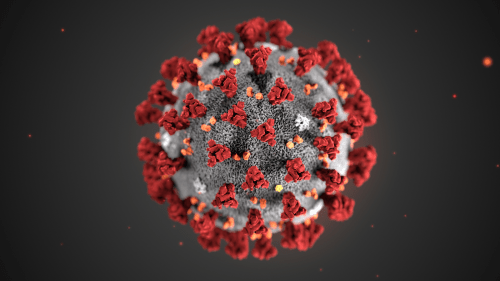
2019-nCoV-CDC-23311

It has become very evident, at least in during this pandemic within the United States, that African Americans and poorer communities have been disproportionately affected by the SARS-CoV2 outbreak . However, there are many other diseases such as diabetes, heart disease, and cancer in which these specific health disparities are evident as well :

Diversity and Health Disparity Issues Need to be Addressed for GWAS and Precision Medicine Studies

Personalized Medicine, Omics, and Health Disparities in Cancer:  Can Personalized Medicine Help Reduce the Disparity Problem?

Disease like cancer have been shown to have wide disparities based on socioeconomic status, with higher incidence rates seen in poorer and less educated sub-populations, not just here but underdeveloped countries as well (see Opinion Articles from the Lancet: COVID-19 and Cancer Care in China and Africa) and graphics below)


In an article in Science by Lizzie Wade, these disparities separated on socioeconomic status, have occurred in many other pandemics throughout history, and is not unique to the current COVID19 outbreak.  The article, entitled “An Unequal Blow”, reveal how

in past pandemics, people on the margins suffered the most.

Source: https://science.sciencemag.org/content/368/6492/700.summary

Health Disparities during the Black Death Bubonic Plague Pandemic in the 14th Century (1347-1351)

During the mid 14th century, all of Europe was affected by a plague induced by the bacterium Yersinia pestis, and killed anywhere between 30 – 60% of the European population.  According to reports by the time the Black Death had reached London by January 1349 there had already been horrendous reports coming out of Florence Italy where the deadly disease ravished the population there in the summer of 1348 (more than half of the city’s population died). And by mid 1349 the Black Death had killed more than half of Londoners.  It appeared that no one was safe from the deadly pandemic, affecting the rich, the poor, the young, the old.

However, after careful and meticulous archaeological and historical analysis in England and other sites, revealed a distinct social and economic inequalities that predominated and most likely guided the pandemics course throughout Europe.   According to Dr. Gwen Robbins Schug, a bio-archaeologist at Appalachian State University,

Bio-archaeology and other social sciences have repeatedly demonstrated that these kinds of crises play out along the preexisting fault lines of each society.  The people at greatest risk were often those already marginalized- the poor and minorities who faced discrimination in ways that damaged their health or limited their access to medical care even in pandemic times.

At the start of the Black Death, Europe had already gone under a climactic change with erratic weather.  As a result, a Great Famine struck Europe between 1315-17.  Wages fell and more people fell into poverty while the wealthiest expanded their riches, leading to an increased gap in wealth and social disparity.  In fact according to recordkeeping most of Englanders were living below the poverty line.

Author Lizzie Wade also interviewed Dr. Sharon, DeWitte, a biological anthropologist at University of South Carolina, who looks at skeletal remains of Black Death victims to get evidence on their health status, like evidence of malnutrition, osteoporosis, etc.   And it appears that most of the victims may have had preexisting health conditions indicative of poorer status.  And other evidence show that wealthy landowners had a lower mortality rate than poorer inner city dwellers.

1918 Spanish Flu

Socioeconomic and demographic studies have shown that both Native American Indians and African Americans on the lower end of the socioeconomic status were disproportionately affected by the 1918 Spanish flu pandemic.  According to census records, the poorest had a 50% higher mortality rate than wealthy areas in the city of Oslo.  In the US, minors and factory workers died at the highest rates.  In the US African Americans had already had bouts with preexisting issues like tuberculosis and may have contributed to the higher mortality.  In addition Jim Crow laws in the South, responsible for widespread discrimination, also impacted the ability of African Americans to seek proper medical care.

From the Atlantic

Source: https://www.theatlantic.com/politics/archive/2016/05/americas-health-segregation-problem/483219/

America’s Health Segregation Problem

Has the country done enough to overcome its Jim Crow health care history?

VANN R. NEWKIRK II

MAY 18, 2016

Like other forms of segregation, health-care segregation was originally a function of explicitly racist black codes and Jim Crow laws. Many hospitals, clinics, and doctor’s offices were totally segregated by race, and many more maintained separate wings or staff that could never intermingle under threat of law. The deficit of trained black medical professionals (itself caused by a number of factors including education segregation) meant that no matter where black people received health-care services, they would find their care to be subpar compared to that of whites. While there were some deaths that were directly attributable to being denied emergency service, most of the damage was done in establishing the same cumulative health disparities that plague black people today as a societal fate. The descendants of enslaved people lived much more dangerous and unhealthy lives than white counterparts, on disease-ridden and degraded environments. Within the confines of a segregated health-care system, these factors became poor health outcomes that shaped black America as if they were its genetic material.


https://twitter.com/time4equity/status/1175080469425266688?s=20


R.A.HahnaB.I.TrumanbD.R.Williamsc.Civil rights as determinants of public health and racial and ethnic health equity: Health care, education, employment, and housing in the United States.

SSM – Population Health: Volume 4, April 2018, Pages 17-24

Highlights

  • Civil rights are characterized as social determinants of health.
  • Four domains in civil rights history since 1950 are explored in—health care, education, employment, and housing.
  • Health care, education, employment show substantial benefits when civil rights are enforced.
  • Housing shows an overall failure to enforce existing civil rights and persistent discrimination.
  • Civil rights and their enforcement may be considered a powerful arena for public health theorizing, research, policy, and action.


For more articles on COVID-19 Please go to our Coronovirus Portal

https://pharmaceuticalintelligence.com/coronavirus-portal/


Read Full Post »

The Global Economic Outlook During the COVID-19 Pandemic: A Changed World

Reporter: Joel Shertok, PhD


By the World Bank — June 8, 2020

https://www.worldbank.org/en/news/feature/2020/06/08/the-global-economic-outlook-during-the-covid-19-pandemic-a-changed-world

This is THE definitive assessment of the economic effects of COVID-19, from the World Bank. Obviously, bad and likely getting worse with the coming of the Second Lockdown……

Empty highway in Dubai because on coronavirus. Sign advertising the Stay Home Stay Safe campaign.

An empty highway in Dubai during the coronavirus pandemic. Above the highway, a sign reads “Stay Safe, Stay Home.” © Mo Azizi/Shutterstock


As the health and human toll grows, the economic damage is already evident and represents the largest economic shock the world has experienced in decades.

The June 2020 Global Economic Prospects describes both the immediate and near-term outlook for the impact of the pandemic and the long-term damage it has dealt to prospects for growth. The baseline forecast envisions a 5.2 percent contraction in global GDP in 2020, using market exchange rate weights—the deepest global recession in decades, despite the extraordinary efforts of governments to counter the downturn with fiscal and monetary policy support. Over the longer horizon, the deep recessions triggered by the pandemic are expected to leave lasting scars through lower investment, an erosion of human capital through lost work and schooling, and fragmentation of global trade and supply linkages.

For emerging market and developing countries, many of which face daunting vulnerabilities, it is critical to strengthen public health systems, address the challenges posed by informality, and implement reforms that will support strong and sustainable growth once the health crisis abates.

Historic contraction of per capita income

Advanced economies are projected to shrink 7 percent. That weakness will spill over to the outlook for emerging market and developing economies, who are forecast to contract by 2.5 percent as they cope with their own domestic outbreaks of the virus. This would represent the weakest showing by this group of economies in at least sixty years.


“The crisis highlights the need for urgent action to cushion the pandemic’s health and economic consequences, protect vulnerable populations, and set the stage for a lasting recovery.”


Every region is subject to substantial growth downgrades. East Asia and the Pacific will grow by a scant 0.5%. South Asia will contract by 2.7%, Sub-Saharan Africa by 2.8%, Middle East and North Africa by 4.2%, Europe and Central Asia by 4.7%, and Latin America by 7.2%.  These downturns are expected to reverse years of progress toward development goals and tip tens of millions of people back into extreme poverty.

Emerging market and developing economies will be buffeted by economic headwinds from multiple quarters: pressure on weak health care systems, loss of trade and tourism, dwindling remittances, subdued capital flows, and tight financial conditions amid mounting debt. Exporters of energy or industrial commodities will be particularly hard hit. Demand for metals and transport-related commodities such as rubber and platinum used for vehicle parts has also tumbled. While agriculture markets are well supplied globally, trade restrictions and supply chain disruptions could yet raise food security issues in some places.

A Worker in Sub-Saharan Africa standing near a truck is seen wearing a mask

A worker wears a mask in Sub-Saharan Africa. © Lucian Coman/Shutterstock

A possibility of even worse outcomes

Even this bleak outlook is subject to great uncertainty and significant downside risks. The forecast assumes that the pandemic recedes in such a way that domestic mitigation measures can be lifted by mid-year in advanced economies and later in developing countries, that adverse global spillovers ease during the second half of 2020, and that widespread financial crises are avoided. This scenario would envision global growth reviving, albeit modestly, to 4.2% in 2021.

However, this view may be optimistic. Businesses might find it hard to service debt, heightened risk aversion could lead to climbing borrowing costs, and bankruptcies and defaults could result in financial crises in many countries. Under this downside scenario, global growth could shrink by almost 8% in 2020.

Looking at the speed with which the crisis has overtaken the global economy may provide a clue to how deep the recession will be. The sharp pace of global growth forecast downgrades points to the possibility of yet further downward revisions and the need for additional action by policymakers in coming months to support economic activity.

A particularly concerning aspect of the outlook is the humanitarian and economic toll the global recession will take on economies with extensive informal sectors that make up an estimated one-third of the GDP and about 70% of total employment in emerging market and developing economies. Policymakers must consider innovative measures to deliver income support to these workers and credit support to these businesses.

Long-term damage to potential output, productivity growth

The June 2020 Global Economic Prospects looks beyond the near-term outlook to what may be lingering repercussions of the deep global recession: setbacks to potential output⁠—the level of output an economy can achieve at full capacity and full employment⁠—and labor productivity.  Efforts to contain COVID-19 in emerging and developing economies, including low-income economies with limited health care capacity, could precipitate deeper and longer recessions⁠—exacerbating a multi-decade trend of slowing potential growth and productivity growth.

Image

Another important feature of the current landscape is the historic collapse in oil demand and oil prices. Low oil prices are likely to provide, at best, temporary initial support to growth once restrictions to economic activity are lifted. However, even after demand recovers, adverse impacts on energy exporters may outweigh any benefits to activity in energy importers. In addition, the recent oil price plunge may provide further momentum to undertake energy subsidy reforms and deepen them once the immediate health crisis subsides.

In the face of this disquieting outlook, the immediate priority for policymakers is to address the health crisis and contain the short-term economic damage. Over the longer term, authorities need to undertake comprehensive reform programs to improve the fundamental drivers of economic growth once the crisis lifts.

, including support for the private sector and getting money directly to people. During the mitigation period, countries should focus on sustaining economic activity with support for households, firms and essential services.

Global coordination and cooperation—of the measures needed to slow the spread of the pandemic, and of the economic actions needed to alleviate the economic damage, including international support—provide the greatest chance of achieving public health goals and enabling a robust global recovery.

SOURCE

https://www.worldbank.org/en/news/feature/2020/06/08/the-global-economic-outlook-during-the-covid-19-pandemic-a-changed-world

Read Full Post »

Reported by Joel Shertok, PhD,

From the New York Times, May 31, 2020

https://www.nytimes.com/2020/05/29/business/coronavirus-economic-forecast-shiller.html

By 

The Great Depression of the 1930s was an economic downturn that became a prolonged malaise. A Nobel laureate asks whether that pattern might be repeated.

Yogi Berra supposedly said, “It’s difficult to make predictions, especially about the future.” Yet, in spite of this warning, a cottage industry has arisen trying to anticipate the long term economics effects of the COVID-19 pandemic. Robert Schiller, Professor of Economics at Yale, in the NY Times, sounds a call for caution:

Longer-term analyses of the coronavirus pandemic emphasize that there is a good chance that it will fade within a year or two, especially if a vaccine or effective treatment appears.

I hope that’s true. But even if it is, I’m worried that the economy may not return to normal within that time frame.

Big events like a pandemic have the potential to leave behind a trail of disruption. They can create social discord, reduce people’s willingness to spend and take risks, destroy business momentum and shake confidence in the value of investments.

But episodes as far-reaching as this one are scarce, widely spaced in time, and so different in circumstances that statisticians cannot easily compare them systematically. The best we can do is examine some case studies.

The so-called Spanish flu, the influenza epidemic that started in 1918, which ultimately cost 675,000 American lives and millions around the world, is a reasonable place to start. While we know a great deal about that era, we don’t know enough to shed much light on current circumstances.

There was a recession in the United States from August 1918 to March 1919, according to the National Bureau of Economic Research, but not a deep one. Searching the newspapers of the time, one finds surprisingly little concern about the possible ill effects of the influenza on the economy, perhaps because the more-dominant narrative concerned the impact of World War I, which ended on November 11, 1918.

Yet a recent study by Robert Barro of Harvard University and his associates suggests that the epidemic along with the decline in production associated with the war led to a protracted decline in G.D.P. growth in affected countries from 1918 through 1920. In short, that period provides little comfort.

Perhaps more relevant to the current crisis is the Great Depression of 1929 to 1940, the biggest economic slowdown of modern history. From 1931 to 1940, the annual unemployment rate in the United States never fell below 12 percent. (In April this year, unemployment shot up to 14.7 percent.)

The conventional story is that the 1929 crash was the result of a stock market bubble in the 1920s. The Cyclically Adjusted Price Earnings Ratio, a stock valuation measure that I helped develop, reached 32.6 in 1929 (compared with 31.0 in January 2020). The Depression started in 1929 after a 23 percent crash in the Dow Jones industrial average over two days, Oct. 28 and 29. It created global social unrest around the world and the downturn only ended with World War II.

In 1929 many people expected the stock market to bounce right back and that decline was short-lived, in one sense: The market rose almost half the way back to its 1929 peak by April 1930. But it fell sharply again, and the crash set in motion a train of powerful narratives that resemble some of the popular notions that are circulating today.

Much as President Trump dismissed the seriousness of the Covid-19 pandemic in its early days, President Herbert Hoover made optimistic forecasts that proved to be wrong.

Much as people fret these days about extreme polarization between Democrats and Republicans, so too were people of that era concerned about extreme political divisiveness. After losing the 1932 election to Franklin Delano Roosevelt, for example, President Hoover, by then a lame duck, called F.D.R.’s plans a “march to Moscow.”

Much as people today have experienced long lines and empty shelves at supermarkets, in the Great Depression people fretted about long lines and empty cash registers at banks.

There are other troubling parallels: Fear of long-term unemployment and a never-ending depression was rampant back then, leading people to restrain spending, thus prolonging the downturn. This may not happen now, but it is a danger.

Much as now, in the Great Depression people were very focused on maintaining a “fair wage” in the face of economic distress. But this led to nationwide resistance to nominal wage cuts for anyone, even when retail prices were falling rapidly.

This appears to have had the unintended result of inducing employers, who could not afford to keep everyone working at their former wages, to lay off many people. The economists Harold L. Cole of the University of Pennsylvania and Lee E. Ohanian, of U.C.L.A., have shown that this may explain some of the extreme duration of Great Depression unemployment.

Another development back then may have resonance today. Faced with widespread poverty, even people with money voluntarily embraced austerity, saying they no longer needed to “keep up with the Joneses.” Their reduction in consumption helps to explain the severity and duration of the Depression. If contemporary culture shifts in a similar way, it could limit the economy’s ability to bounce back.

A series of concerns like these — some with echoes of the Great Depression, some newly forming and associated directly with worries about disease and infection — will be on millions of people’s minds long after the economy reopens. Such social narratives will affect their thinking on how to spend and invest, whether to go out to eat or attend sporting events, on whom to vote for, and whether to travel: multitudes of decisions, big and small, that determine the course of the economy.

It is too early to tell which narratives will prevail and what path the economy will take after this pandemic subsides. Limited case studies will take us only so far. But we shouldn’t be surprised if we see post-pandemic economic weakness over the next decade.

SOURCE

https://www.nytimes.com/2020/05/29/business/coronavirus-economic-forecast-shiller.html

Read Full Post »

The Complexity of Estimation of the Economic Impact of an Outbreak | Panel Discussion | BC Woods College

Reporter: Ofer Markman, PhD

Economic Impact of an Outbreak | Panel Discussion | BC Woods College

197 views

May 21, 2020

Prominent economists, all faculty of the Boston College M.S. in Applied Economics degree program in the Woods College of Advancing Studies, presented a virtual panel discussion on the impact of the coronavirus outbreak on the health care system and the global economy. For more information about the M.S. program, visit https://on.bc.edu/MSAppliedEcon

Read Full Post »

The Wide Variability in Reported COVID-19 Epidemiologic Data May Suggest That Personalized Omic Testing May Be Needed to Identify At-Risk Populations

Curator: Stephen J. Williams, PhD

I constantly check the Youtube uploads from Dr. John Campbell, who is a wonderful immunologist and gives daily reports on new findings on COVID-19 from the scientific literature.  His reporting is extremely insightful and easily understandable.  This is quite a feat as it seems the scientific field has been inundated with a plethora of papers, mostly reported clinical data from small retrospective studies, and many which are being put on preprint servers, and not peer reviewed.

It has become a challenge for many scientists, already inundated with expanding peer reviewed literature in their own fields, as well as the many requests to review papers, to keep up with all these COVID related literature.  Especially when it is up to the reader to do their own detailed peer review. So many thanks to people like Dr. Campbell who is an expert in his field for doing this.

However the other day he had posted a video which I found a bit disturbing, as a central theme of the video was that many expert committee could not find any reliable epidemiologic study concerning transmission or even incidence of the disease.  In all studies, as Dr. Campell alluded to, there is such a tremendous variability in the reported statistics, whether one is looking at percentage of people testing positive who are symptomatic, the percentage of asymptomatic which may be carriers, the transmission of the disease, and even the percentage of people who recover.

With all the studies being done it would appear that, even if a careful meta analysis were done using all available studies, and assuming their validity before peer review, that there would be a tighter consensus on some of these metrics of disease spread, incidence and prevalence.

Below is the video from Dr. Campbell and the topic is on percentage of asymptomatic carriers of the COVID-19 virus.  This was posted last week but later in this post there will be updated information and views by the WHO on this matter as well as other literature (which still shows to my point that this wide variability in reported data may be adding to the policy confusion with respect to asymptomatic versus symptomatic people and why genetic testing might be needed to further discriminate these cohorts of people.


Below is the video: 

From the Oxford Center for Evidence Based Medicine: COVID-19 Portal at https://www.cebm.net/oxford-covid-19-evidence-service/

“There is not a single reliable study to determine the number of asymptomatic infections”

And this is very troubling as this means there is no reliable testing resulting in any meaningful data.

As Dr. Campell says

” This is not good enough.  There needs to be some sort of coordinated research program it seems all ad hoc”

A few other notes from post and Oxford Center for Evidence Based Medicine:

  • Symptom based screening will miss a lot of asymptomatic and presymptomatic cases
  • Some asymptomatic cases will become symptomatic over next week (these people were technically presymptomatic but do we know the %?)
  • We need a population based antibody screening program
  • An Italian study of all 3,000 people in city of Vo’Euganeo revealed that 50-75% of those who tested positive were asymptomatic and authors concluded that asymptomatic represents “a formidable source of infection”; Dr. Campbell feels this was a reliable study
  • Another study from a Washington state nursing facility showed while 56% of positive cases were asymptomatic, 75% of these asymptomatic developed symptoms within a week. Symptom based screening missed half of cases.
  • Other studies do not follow-up on the positive cases to determine in presymptomatic
  • It also appears discrepancies between data from different agencies (like CDC, WHO) on who is shedding virus as different tests used (PCR vs antibody)


Recent Studies Conflict Concerning Asymptomatic, Presymtomatic and Viral Transmission

‘We don’t actually have that answer yet’: WHO clarifies comments on asymptomatic spread of Covid-19

From StatNews

A top World Health Organization official clarified on Tuesday that scientists have not determined yet how frequently people with asymptomatic cases of Covid-19 pass the disease on to others, a day after suggesting that such spread is “very rare.”

The clarification comes after the WHO’s original comments incited strong pushback from outside public health experts, who suggested the agency had erred, or at least miscommunicated, when it said people who didn’t show symptoms were unlikely to spread the virus.

Maria Van Kerkhove, the WHO’s technical lead on the Covid-19 pandemic, made it very clear Tuesday that the actual rates of asymptomatic transmission aren’t yet known.

Some of the confusion boiled down to the details of what an asymptomatic infection actually is, and the different ways the term is used. While some cases of Covid-19 are fully asymptomatic, sometimes the word is also used to describe people who haven’t started showing symptoms yet, when they are presymptomatic. Research has shown that people become infectious before they start feeling sick, during that presymptomatic period.

At one of the WHO’s thrice-weekly press briefings Monday, Van Kerkhove noted that when health officials review cases that are initially reported to be asymptomatic, “we find out that many have really mild disease.” There are some infected people who are “truly asymptomatic,” she said, but countries that are doing detailed contact tracing are “not finding secondary transmission onward” from those cases. “It’s very rare,” she said.

Source: https://www.statnews.com/2020/06/09/who-comments-asymptomatic-spread-covid-19/


Therefore the problems have been in coordinating the testing results, which types of tests conducted, and the symptomology results.  As Dr. Campbell previously stated it appears more ‘ad hoc’ than coordinated research program.  In addition, defining the presymptomatic and measuring this group have been challenging.

However, an alternative explanation to the wide variability in the data may be we need to redefine the cohorts of patients we are evaluating and the retrospective data we are collecting.  It is feasible that sub groups, potentially defined by genetic background may be identified and data re-evaluated based on personalized omic data, in essence creating new cohorts based on biomarker data.

From a Perspective in The Lancet about a worldwide proteomic effort (COVID-19 MS Coalition) to discover biomarkers related to COVID19 infection risk, by identifying COVID-related antigens.

The COVID-19 MS Coalition is a collective mass spectrometry effort that will provide molecular level information on SARS-CoV-2 in the human host and reveal pathophysiological and structural information to treat and minimise COVID-19 infection. Collaboration with colleagues at pace involves sharing of optimised methods for sample collection and data generation, processing and formatting for maximal information gain. Open datasets will enable ready access to this valuable information by the computational community to help understand antigen response mechanisms, inform vaccine development, and enable antiviral drug design. As countries across the world increase widespread testing to confirm SARS-CoV-2 exposure and assess immunity, mass spectrometry has a significant role in fighting the disease. Through collaborative actions, and the collective efforts of the COVID-19 MS Coalition, a molecular level quantitative understanding of SARS-CoV-2 and its effect will benefit all.


In an ACS Perspective below, Morteza Mahmoudi suggests a few possible nanobased technologies (i.e., protein corona sensor array and magnetic levitation) that could discriminate COVID-19-infected people at high risk of death while still in the early stages of infection.

Emerging Biomolecular Testing to Assess the Risk of Mortality from COVID-19 Infection

Morteza Mahmoudi*

Publication Date:May 7, 2020


Please see other articles on COVID-19 on our Coronavirus Portal at

An Epidemiological Approach Stephen J. Williams, PhD and Aviva Lev-Ari, PhD, RN Lead Curators – e–mail Contacts: sjwilliamspa@comcast.net and avivalev-ari@alum.berkeley.edu

https://pharmaceuticalintelligence.com/coronavirus-portal/an-epidemiological-approach-stephen-j-williams-phd-and-aviva-lev-ari-phd-rn-lead-curators-e-mail-contacts-sjwilliamspacomcast-net-and-avivalev-arialum-berkeley-edu/

and

https://pharmaceuticalintelligence.com/coronavirus-portal/

Read Full Post »

COVID-19’s seasonal cycle to be estimated at Lawrence Berkeley National Laboratory (Berkeley Lab) by Artificial Intelligence and Machine Learning Algorithms: Will A Fall and Winter resurgence be Likely??

Reporter: Aviva Lev-Ari, PhD, RN

Using machine learning to estimate COVID-19’s seasonal cycle

Woman walks down empty city street wearing a mask

Credit: Ivan Marc/Shutterstock

Berkeley Lab researchers have launched a project to determine if the novel coronavirus might be seasonal, waning in summer months and resurging in fall and winter.

One of the many unanswered scientific questions about COVID-19 is whether it is seasonal like the flu — waning in warm summer months then resurging in the fall and winter.

Now scientists at Lawrence Berkeley National Laboratory (Berkeley Lab) are launching a project to apply machine-learning methods to a plethora of health and environmental datasets, combined with high-resolution climate models and seasonal forecasts, to tease out the answer.

“Environmental variables, such as temperature, humidity, and UV [ultraviolet radiation] exposure, can have an effect on the virus directly, in terms of its viability. They can also affect the transmission of the virus and the formation of aerosols,” said Berkeley Lab scientist Eoin Brodie, the project lead. “We will use state-of-the-art machine-learning methods to separate the contributions of social factors from the environmental factors to attempt to identify those environmental variables to which disease dynamics are most sensitive.

The research team will take advantage of an abundance of health data available at the county level — such as the severity, distribution and duration of the COVID-19 outbreak, as well as what public health interventions were implemented when — along with demographics, climate and weather factors, and, thanks to smartphone data, population mobility dynamics. The initial goal of the research is to predict — for each county in the United States — how environmental factors influence the transmission of the SARS-CoV-2 virus, which causes COVID-19.

Multidisciplinary team for a complex problem

Untangling environmental factors from social and health factors is a knotty problem with a large number of variables, all interacting in different ways. On top of that, climate and weather affect not only the virus but also human physiology and behavior. For example, people may spend more or less time indoors, depending on the weather; and their immune systems may also change with the seasons.

It’s a complex data problem similar to others tackled by Berkeley Lab’s researchers studying systems like watersheds and agriculture; the challenge involves integrating data across scales to make predictions at the local level. “Downscaling of climate information is something that we routinely do to understand how climate impacts ecosystem processes,” Brodie said. “It involves the same types of variables — temperature, humidity, solar radiation.”

Brodie, deputy director of Berkeley Lab’s Climate and Ecosystem Sciences Division, is leading a cross-disciplinary team of Lab scientists with expertise in climate modeling, data analytics, machine learning, and geospatial analytics. Ben Brown, a computational biologist in Berkeley Lab’s Biosciences Area, is leading the machine-learning analysis. One of their main aims is to understand how climate and weather interact with societal factors.

“We don’t necessarily expect climate to be a massive or dominant effect in and of itself. It’s not going to trump which city shut down when,” Brown said. “But there may be some really important interactions [between the variables]. Looking at New York and California for example, even accounting for the differences between the timing of state-instituted interventions, the death rate in New York may be four times higher than in California — though additional testing on random samples of the population is needed to know for sure. Understanding the environmental interactions may help explain why these patterns appear to be emerging. This is a quintessential problem for machine learning and AI [artificial intelligence].”

The computing work will be conducted at the National Energy Research Scientific Computing Center (NERSC), a DOE Office of Science user facility located at Berkeley Lab.

Signs of climatic influences

map of the worldwide incidence rate of COVID-19
The worldwide incidence rate of COVID-19.
Credit: Center for Systems Science and Engineering at Johns Hopkins University

Already, geographical differences in how the disease behaves have been reported, the researchers point out. Temperature, humidity, and the UV Index have all been statistically associated with rates of COVID-19 transmission — although contact rates are still the dominant influence on the spread of disease. In the southern hemisphere, for example, where it’s currently fall, disease spread has been slower than in the northern hemisphere. “There’s potentially other factors associated with that,” Brodie said. “The question is, when the southern hemisphere moves into winter, will there be an increase in transmission rate, or will fall and winter 2020 lead to a resurgence across the U.S. in the absence of interventions?”

India is another place where COVID-19 does not yet appear to be as virulent. “There are cities where it behaves as if it’s the most infectious disease in recorded history. Then there are cities where it behaves more like influenza,” Brown said. “It is really critical to understand why we see those massive differences.”

Brown notes other experiments suggesting the SARS-CoV-2 virus could be seasonal. In particular, the National Biodefense Analysis and Countermeasures Center (NBACC) assessed the longevity of the virus on various surfaces. “Under sunlight and humidity, they found that the virus loses viability in under 60 minutes,” Brown said. “But in darkness and low temperatures it’s stable for eight days. There’s some really serious differences that need investigating.”

The Berkeley Lab team believes that enough data may now be available to determine what environmental factors may influence the virulence of the virus. “Now we should have enough data from around the world to really make an assessment,” Brown said.

The team hopes to have the first phase of their analysis available by late summer or early fall. The next phase will be to make projections under different scenarios, which could aid in public health decisions.

“We would use models to project forward, with different weather scenarios, different health intervention scenarios — such as continued social distancing or whether there are vaccines or some level of herd immunity — in different parts of the country. For example, we hope to be able to say, if you have kids going back to school under this type of environment, the climate and weather in this zone will influence the potential transmission by this amount,” Brodie explained. “That will be a longer-term task for us to accomplish.”

This research is supported by Berkeley Lab’s Laboratory Directed Research and Development (LDRD) program. Other team members include Dan Feldman, Zhao Hao, Chaincy Kuo, Haruko Wainwright, and Nicola Falco. Berkeley Lab mobilized quickly to provide LDRD funding for several research projects to address the COVID-19 pandemic, including one on text mining scientific literature and another on indoor transmission of the virus.

Read Full Post »

Is Remdesivir the miracle cure or a short term cure for COVID-19?

Reporter: Irina Robu, PhD


Updated on 5/23/2020


New England Journal of Medicine

SOURCE

https://www.nejm.org/doi/full/10.1056/NEJMoa2007764

Disclosures

The trial was sponsored and primarily funded by the National Institute of Allergy and Infectious Diseases, the NIH, and funded in part by the NIAID and the National Cancer Institute, NIH. The trial has also been funded in part by the governments of Japan, Mexico, Denmark, and Singapore. The trial site in South Korea received funding from the Seoul National University Hospital. Support for the London International Coordinating Centre was also provided by the United Kingdom Medical Research Council.

Beigel disclosed no conflicts of interest.

Other co-authors disclosed support from NIH/NIAID/DMID, University of Minnesota, Medical Research Council U.K., Novo Nordisk Foundation, Simonsen Foundation, GSK, Pfizer, Boehringer Ingelheim, Gliead, MSD, Lundbeck Foundation, Merck, Sanofi-Pasteur,Cepheid, Ellume, Genentech, Janssen, ViiV Healthcare, Integrum Scientific LLC, UCL, Bristol University, Gilead Sciences Europe, ECDC, EU Social funds and National resources.

One co-author is an employee of the U.S. government.

Abstract

BACKGROUND

Although several therapeutic agents have been evaluated for the treatment of coronavirus disease 2019 (Covid-19), none have yet been shown to be efficacious.

METHODS

We conducted a double-blind, randomized, placebo-controlled trial of intravenous remdesivir in adults hospitalized with Covid-19 with evidence of lower respiratory tract involvement. Patients were randomly assigned to receive either remdesivir (200 mg loading dose on day 1, followed by 100 mg daily for up to 9 additional days) or placebo for up to 10 days. The primary outcome was the time to recovery, defined by either discharge from the hospital or hospitalization for infection-control purposes only.

RESULTS

A total of 1063 patients underwent randomization. The data and safety monitoring board recommended early unblinding of the results on the basis of findings from an analysis that showed shortened time to recovery in the remdesivir group. Preliminary results from the 1059 patients (538 assigned to remdesivir and 521 to placebo) with data available after randomization indicated that those who received remdesivir had a median recovery time of 11 days (95% confidence interval [CI], 9 to 12), as compared with 15 days (95% CI, 13 to 19) in those who received placebo (rate ratio for recovery, 1.32; 95% CI, 1.12 to 1.55; P<0.001). The Kaplan-Meier estimates of mortality by 14 days were 7.1% with remdesivir and 11.9% with placebo (hazard ratio for death, 0.70; 95% CI, 0.47 to 1.04). Serious adverse events were reported for 114 of the 541 patients in the remdesivir group who underwent randomization (21.1%) and 141 of the 522 patients in the placebo group who underwent randomization (27.0%).

CONCLUSIONS

Remdesivir was superior to placebo in shortening the time to recovery in adults hospitalized with Covid-19 and evidence of lower respiratory tract infection. (Funded by the National Institute of Allergy and Infectious Diseases and others; ACCT-1 ClinicalTrials.gov number, NCT04280705. opens in new tab.)

References (14)

  1. Helmy YAFawzy MElaswad ASobieh AKenney SPShehata AA. The COVID-19 pandemic: a comprehensive review of taxonomy, genetics, epidemiology, diagnosis, treatment, and control. J Clin Med 2020;9(4):E1225E1225.

    Google Scholar. opens in new tab

  2. Cao BWang YWen D, et al. A trial of lopinavir–ritonavir in adults hospitalized with severe Covid-19. N Engl J Med 2020;382:17871799.

    Google Scholar. opens in new tab

  3. Borba MGSVal FFASampaio VS, et al. Effect of high vs low doses of chloroquine diphosphate as adjunctive therapy for patients hospitalized with severe acute respiratory syndrome coronavirus 2 (SARS-CoV-2) infection: a randomized clinical trial. JAMA Netw Open 2020;3(4):e208857e208857.

    Google Scholar. opens in new tab

  4. Sheahan TPSims ACLeist SR, et al. Comparative therapeutic efficacy of remdesivir and combination lopinavir, ritonavir, and interferon beta against MERS-CoV. Nat Commun 2020;11:222222.

    Google Scholar. opens in new tab

  5. Agostini MLAndres ELSims AC, et al. Coronavirus susceptibility to the antiviral remdesivir (GS-5734) is mediated by the viral polymerase and the proofreading exoribonuclease. mBio 2018;9(2):e00221-18e00221-18.

    Google Scholar. opens in new tab

  6. Brown AJWon JJGraham RL, et al. Broad spectrum antiviral remdesivir inhibits human endemic and zoonotic deltacoronaviruses with a highly divergent RNA dependent RNA polymerase. Antiviral Res 2019;169:104541104541.

    Google Scholar. opens in new tab

  7. Sheahan TPSims ACGraham RL, et al. Broad-spectrum antiviral GS-5734 inhibits both epidemic and zoonotic coronaviruses. Sci Transl Med 2017;9:eaal3653eaal3653.

    Google Scholar. opens in new tab

  8. Wang MCao RZhang L, et al. Remdesivir and chloroquine effectively inhibit the recently emerged novel coronavirus (2019-nCoV) in vitro. Cell Res 2020;30:269271.

    Google Scholar. opens in new tab

  9. de Wit ERasmussen ALFalzarano D, et al. Middle East respiratory syndrome coronavirus (MERS-CoV) causes transient lower respiratory tract infection in rhesus macaques. Proc Natl Acad Sci U S A 2013;110:1659816603.

    Google Scholar. opens in new tab

  10. de Wit EFeldmann FCronin J, et al. Prophylactic and therapeutic remdesivir (GS-5734) treatment in the rhesus macaque model of MERS-CoV infection. Proc Natl Acad Sci U S A 2020;117:67716776.

    Google Scholar. opens in new tab

  11. Royal College of Physicians. National Early Warning Score (NEWS) 2. 2017(https://www.rcplondon.ac.uk/projects/outputs/national-early-warning-score-news-2. opens in new tab).

    Google Scholar. opens in new tab

  12. King JCBeigel JHIson MG, et al. Clinical development of therapeutic agents for hospitalized patients with influenza: challenges and innovations. Open Forum Infect Dis 2019;6:ofz137ofz137.

    Google Scholar. opens in new tab

  13. Wang YZhang DDu G, et al. Remdesivir in adults with severe COVID-19: a randomised, double-blind, placebo-controlled, multicentre trial. Lancet 2020;395:15691578.

    Google Scholar. opens in new tab

  14. The CONSORT Group. 3b. Changes to trial design (http://www.consort-statement.org/consort-2010. opens in new tab).

    Google Scholar

Remdesivir Data from NIAID Trial Published

— “Not a panacea” or a “cure-all,” expert cautions

Peer-reviewed findings were published late Friday from one of the key trials of remdesivir, perhaps the most promising antiviral agent for COVID-19, confirming and extending topline results announced a month ago via press release.

Hospitalized patients with COVID-19 who received remdesivir had a median recovery time of 11 days versus 15 days with placebo (rate ratio for recovery 1.32, 95% CI 1.12-1.55, P<0.001), reported John Beigel, MD, of the National Institute of Allergy and Infectious Diseases (NIAID), and colleagues.

Mortality estimates by 14 days were lower for the remdesivir group compared to placebo, but non-significant (HR for death 0.70, 95% CI 0.47-1.04), the authors wrote in the New England Journal of Medicine.

Interestingly, when researchers examined outcomes on an 8-point ordinal scale, they found patients with a baseline ordinal score of 5 had a rate ratio for recovery of 1.47 (95% CI 1.17-1.84), while patients with a baseline score of 7 had a rate ratio for recovery of 0.95 (95% CI 0.64-1.42).

Some of these data were released by the NIAID on April 29, but without further details such as 95% confidence intervals. On May 1, the FDA agreed to let remdesivir be used clinically under an emergency use authorization. Since then, however, clinicians and other researchers have clamored for a fuller report, to help guide their clinical practice. For example, questions were raised as to whether particular subgroups got more benefit from the drug than others.

David Aronoff, MD, of Vanderbilt University Medical Center in Nashville, who was not involved in the research, noted the drug seemed more effective when given to patients who weren’t as severely ill, earlier in the course of disease. He added this wasn’t surprising, given remdesivir’s mechanism of action as an antiviral, which works by blocking the virus from replicating.

“The drug doesn’t affect the host, it only affects the virus. What seems to cause major problems late in the course of disease is the inflammatory response to the initial damage the virus causes,” he told MedPage Today.

Aronoff likened the virus to an arsonist setting fires, and antivirals like remdesivir as the police trying to catch the arsonist before they set more fires.

“But once the building is on fire, it doesn’t matter where the arsonist is,” he noted.

This is why combining a drug to address the viral response with a drug to address the host response may be critical to treating the virus. Aronoff cited the NIAID’s ACTT-2 trial in progress, which will examine combination therapy with remdesivir and anti-inflammatory drug, baricitinib, versus remdesivir alone.

SOURCE

https://www.medpagetoday.com/infectiousdisease/covid19/86670?xid=NL_breakingnewsalert_2020-05-23&eun=g99985d0r&utm_source=Sailthru&utm_medium=email&utm_campaign=RemdesivirAlert_052320&utm_term=NL_Daily_Breaking_News_Active


Is Remdesivir the miracle cure or a short term cure for COVID-19?

Reporter: Irina Robu, PhD


In 1947, amid the “Golden Age” of antibiotic research that yielded many of the medicines used against bacteria such as chloramphenicol, a molecule that could combat a wide array of bacteria from different families. It was among the first FDA-approved broad-spectrum antibiotics used against typhus/meningitis. Now, chloramphenicol’s side effects make it a last-resort drug but it remains invaluable against a host of bacterial infections.
Viruses are more slippery targets than bacteria and they are a hundred times smaller and consist only of bare-bones cellular machinery. There are simply fewer targets at which to aim antivirals, especially for drugs that would shoot for the rare viral components that remain common across diverse types of viruses. Scientists call this virus-pinpointing model the “one drug, one bug” approach. An antiviral’s mechanism can’t be too generic, either.

Even with that, there is no common mechanism to target all viruses but instead researchers hope to expand the existing list of broad-spectrum antivirals and find more medicines that work on all viruses of a certain family. This reality makes the search for treatments for SARS-CoV-2 all the more challenging. Presently, no broad-spectrum antiviral is accepted for the treatment of all coronaviruses of which a new strain has driven the current pandemic.

With no specific antiviral drug for treatment of patients with severe COVID-19, scientists are rushing to find a solution. Yet, remdesivir’s journey from hypothesis to treatment is unparalleled. The drug was originally investigated by Gilead as a treatment for another lethal viral disease, Ebola. Remdesivir, a nucleoside analogue prodrug has inhibitory effects on pathogenic animal and human coronaviruses, including severe acute respiratory syndrome coronavirus 2 (SARS-CoV-2) in vitro, and inhibits Middle East respiratory syndrome coronavirus, SARS-CoV-1, and SARS-CoV-2 replication in animal models.

However, Gilead was unwilling to give up on its investment in the drug and remained hopeful that the drug might be useful in treating COVID-19. In collaboration with Chinese researchers, the National Institute of Allergy and Infectious Diseases (NIAID) and the pharmaceutical company behind the drug, Gilead, all launched studies of remdesivir’s efficacy in treating COVID-19. Based on those encouraging results in May 1, the FDA issued an emergency-use authorization that permits doctors to treat severely ill COVID-19 patients with remdesivir. Japanese health officials issued a similar clearance days later.

On top of the biological challenge of finding new broad-spectrum antiviral drugs lies an economic one, partly because there is little financial incentive to develop broad-spectrum drugs against emerging diseases. And with all the government backed research, there is no guarantee that pharma companies have enough incentive to continue working on research. Yet, broad-spectrum antivirals are not miracle drugs, but they can be a helpful addition to a toolbox that is currently sparse.

Remdesivir’s potential first drew public attention in October 2015 during an Ebola outbreak in West Africa that claimed more than 11,000 lives. Remdesivir subdues a virus by interfering with replication. First, the body changes remdesivir into an imposter. It becomes what’s called a nucleoside analog, a genetic doppelganger that resembles adenosine. When the virus replicates, it weaves this analog into the new strand of genetic material. Nevertheless, the analog’s molecular makeup differs from real adenosine just enough to grind the copying process to a halt.

As COVID-19 swept the globe, scientists led an international trial of remdesivir as a treatment option. EIDD-2801, another treatment option has demonstrated broad-spectrum antiviral potential, as well as an ability to defend cells from SARS-CoV-2. Yet, the best treatment for COVID-19 can be remdesivir, EIDD-2801 or any single antiviral at all. Even with that, broad spectrum antivirals can be invaluable in the short-term.
The early success of remdesivir suggests that broad-spectrum antivirals will get their moment in the scientific limelight. After a pandemic pass, though, the rush interest about a multipurpose treatment diminishes.

SOURCE

https://www.smithsonianmag.com/science-nature/remdesivir-works-against-many-viruses-why-arent-there-more-drugs-it-180974859/?utm_source=smithsoniandaily

https://www.gilead.com/news-and-press/press-room/press-releases/2020/4/gilead-announces-results-from-phase-3-trial-of-investigational-antiviral-remdesivir-in-patients-with-severe-covid-19


Read Full Post »

« Newer Posts - Older Posts »