Feeds:
Posts
Comments

See on Scoop.itCardiovascular and vascular imaging

Our Voice: We need to understand why health care costs vary so much
The Desert Sun
For instance, for those being treated for transient ischemia — a brain condition — Eisenhower bills Medicare $53,578 but gets back just $4,652.

See on news.google.com

See on Scoop.itCardiovascular and vascular imaging

Abstract : AIM: To study the effects of high dose glucose insulin potassium (GIK) and low dose glucose insulin potassium cocktail on cardiac myocyte apoptosis and cardiac functional recovery following myocardial ischemia/reperfusion (MI/R).

See on www.stmpapers.com

See on Scoop.itCardiovascular and vascular imaging

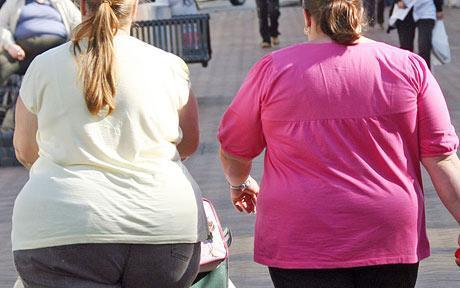
Extreme obesity linked to in-hospital mortality in PCI-treated patients Healio A retrospective analysis of in-hospital outcomes has found that extreme obesity was associated with higher in-hospital mortality in patients presenting with STEMI who…

See on news.google.com

See on Scoop.itCardiovascular and vascular imaging

A study has found that the transulnar approach for coronary procedures is associated with significantly higher crossover rates compared with the transradial approach.

See on www.cxvascular.com

See on Scoop.itCardiovascular and vascular imaging

Overweight and obesity don’t appear to accelerate aortic valve stenosis but are linked to worse outcomes with the disease, a SEAS substudy showed.

See on www.medpagetoday.com

See on Scoop.itCardiovascular and vascular imaging

Cardiac surgeons in Germany, Austria and Poland have successfully completed implants and patient enrolment in the VITAL-2 clinical trial for the Vitality Heart Valve System (ValveXchange), according to a company release.

See on www.cxvascular.com

See on Scoop.itCardiovascular and vascular imaging

Researchers from the University of Michigan have found a new genetic target which they believe could be used instead of — or along with — statins to help lower a person’s cholesterol.

See on www.redorbit.com

The Bank Where Doctors Can Stash Your Genome

Reporter: Aviva Lev-Ari, PhD, RN

See on Scoop.itCardiovascular and vascular imaging

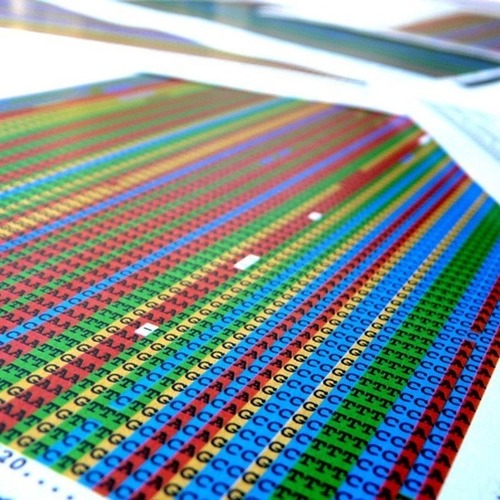
A new company offers a “gene vault” for doctors who want to add genomics to patient care.


Genomic sequencing might be more common in medicine if doctors had a simple way to send for the test and keep track of the data.


That’s the hope of Coriell Life Sciences in Camden, N.J., a startup that grew out of a partnership between the Coriell Institute for Medical Research and IBM. The company wants to facilitate the process of ordering, storing and interpreting whole-genome-sequence data for doctors. The company launched in January and is now working with different health-care providers to set up its service.


“The intent is that the doctor would order a test like any other diagnostic test they order today,” says Scott Megill, president of Coriell Life Sciences. The company would facilitate sequencing the patient’s DNA (through existing sequencing companies such as Illumina or Ion Torrent), store it in its so-called gene vault, and act as the middleman between doctors and companies that offer interpretation services. Finally, “we will return the genetic result in the human readable form back to the electronic medical record so the doctor can read it and interpret it for the patient,” says Megill.


“You need a robust software infrastructure for storing, analyzing, and presenting information,” says Jon Hirsch, who founded Syapse, a California-based company developing software to analyze biological data sets for diagnosing patients. “Until that gets built, you can generate all the data you want, but it’s not going to have any impact outside the few major centers of genomics medicine,” he says.


The company will use a board of scientific advisors to guide them to the best interpretation programs available. “No one company is in position to interpret the entire genome for its meaning,” says Michael Christman, CEO of the Coriell Institute for Medical Research. “But by having one’s sequence in the gene vault, then the physician will be able to order interpretative engines, analogous to apps for the iPhone,” he says. Doctors could order an app to analyze a patient’s genome for DNA variants linked to poor drug response at one point, and later on, order another for variants linked to heart disease.


The cloud-based workflow could help doctors in different locations take advantage of expert interpretations anywhere, says Christman. “This would allow a doctor who’s at a community clinic in Tulsa, Okla., order an interpretation of breast cancer sequences derived at Sloan Kettering,” he says.

See on mashable.com

Larry H. Bernstein, MD, Reviewer and Curator
Leaders in Pharmaceutical Intelligence
http://pharmaceuticalintelligence.com/2013/06/20/Naked Mole Rats Cancer-Free/lhbern

Screen Shot 2021-07-19 at 6.24.30 PM

Word Cloud By Danielle Smolyar

This discussion is a novel piece of investigations now and earlier  published in the Proceedings of the National Academy of Sciences, and another in Nature pertaining to aging, longevity, and cancer.  The blind mole rat has an unexpected lifespan compared to other rodents.  There are also findings of a related naked mole rat that comes into the picture.  They are related, but not exactly the same. In both cases, the moles are cold-blooded, live underground with a queen and workers and they don’t develop cancer. The naked mold rates don’t develop cancer because of the presence of an imbalance in the intercellular matrix caused by abundant naturally produced, sticky complex carbohydrate also found in human joints that repels the cells at their interstices.

This is fascinating because it is also an important aspect of joint mobility.  In the situation of chondomalacia before erosion of the articular cartilage, the movement and shearing stresses initially induced production of more chondrocytes and with that, a thickened cartilage that becomes taxed until it loses matrix fluid, followed by loss of matrix and loss of collagen by shearing stress.  This type of motion and shear stress plays no part in the life of the naked mole rat, which has a rough skin.  The property of the cellular matrix seems to be characterized by both the production of the intercellular goo…called hyalurenan (like hyaluronic acid) and sparse hyaluronidase to remove and remodel the cell architecture.  How this is related to extreme aging and no loss of cellular growth control, having sparce ubiqitination that is involve in cell death and repair is unclear.

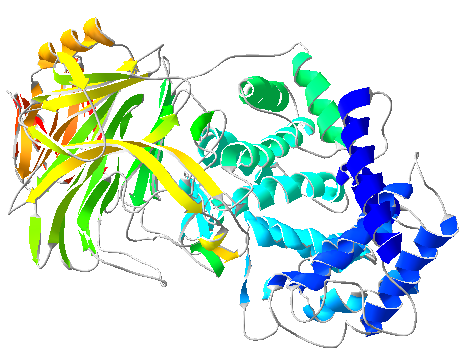
The hyaluronidases (EC 3.2.1.35) are a family of enzymes that degrade hyaluronic acid.  In humans, there are six associated genes, including HYAL1, HYAL2, HYAL3, and PH-20/SPAM1. By catalyzing the hydrolysis of hyaluronan, a constituent of the extracellular matrix (ECM), hyaluronidase lowers the viscosity of hyaluronan.  http://upload.wikimedia.org/wikipedia/commons/2/2f/Hyaluronidase-1OJN.png

The blind mole rat is closely related, but it differs in that it has a mechanism by which the cells have limited proliferation and don’t proliferate to the point of getting out of control.  This is because after several generations of cellular proliferation they produce a protein,  IFN-β.  This protein induces massive apoptosis, limiting the size of the sell population. There are findings in these investigations that might be relevant to understanding cancer resistance, and perhaps it could provide clues to treatment approaches.  If that is too much to ask for, it gives us great insight into how cells organize.

Cancer resistance in the blind mole rat is mediated by concerted necrotic cell death mechanism

Gorbunovaa V, Hinea C, Tiana X, Ablaevaa J, Gudkovb AV, Nevoc E, and Seluanova A.
Contributed by Eviatar Nevo, October 3, 2012 (sent for review August 28, 2012)

Abstract

Blind mole rats Spalax (BMR) are small subterranean rodents common in the Middle East. BMR is distinguished by its adaptations to life underground, remarkable longevity (with a maximum documented lifespan of 21 y), and resistance to cancer. Spontaneous tumors have never been observed in spalacids. To understand the mechanisms responsible for this resistance, we examined the growth of BMR fibroblasts in vitro of the species Spalax judaei and Spalax golani. BMR cells proliferated actively for 7–20 population doublings, after which the cells began secreting IFN-β, and the cultures underwent massive necrotic cell death within 3 d. The necrotic cell death phenomenon was independent of culture conditions or telomere shortening. Interestingly, this cell behavior was distinct from that observed in another long-lived and cancer-resistant African mole rat, Heterocephalus glaber, the naked mole rat in which cells display hypersensitivity to contact inhibition. Sequestration of p53 and Rb proteins using SV40 large T antigen completely rescued necrotic cell death. Our results suggest that cancer resistance of BMR is conferred by massive necrotic response to overproliferation mediated by p53 and Rb pathways, and triggered by the release of IFN-β. Thus, we have identified a unique mechanism that contributes to cancer resistance of this subterranean mammal extremely adapted to life underground.

Source:

1To whom correspondence may be addressed. E-mail:  vera.gorbunova@rochester.edu, nevo@research.haifa.ac.il, or andrei.seluanov@rochester.edu.

2Present address: Department of Genetics and Complex Diseases, Harvard School of Public Health, Boston, MA 02115.

http://www.pnas.org/content/early/2012/10/31/1217211109

naked mole rat

Image: Greg Goebel/Flickr


Long-Lived Rat May Hold Clues to Combating Aging

BY BRANDON KEIM02.17.09

The extraordinarily durable proteins in the world’s longest-lived rodent may contain a vital piece of the puzzle of aging.

  • Like short-lived mice, the cells of naked mole rats are suffused with free-floating, cell-damaging oxygen free radicals. 
  • Unlike the mice — and every other species that appears compromised by oxidative deterioration, including humans — they’ve found a way to live with it.

“When we compare the lab mouse with the naked mole rat, we find a striking difference in their systems,” said study co-author Asish Chaudhuri, a University of Texas Health Science Center biochemist. “Their proteins are still working. Even when damaged, the functions are maintained.”

The findings, published Monday in the Proceedings of the National Academy of Sciences, represent a new wrinkle in the oxidative-stress theory of aging. According to the theory, mitochondria — cellular machines that produce our bodies’ energy — pump out highly reactive oxygen molecules during respiration. Called free radicals, these molecules bind easily with other molecules, including DNA. Over time, DNA breaks down, compromising cellular function. Eventually whole tissues and organs no longer function.  Multiple studies have found evidence of mitochondrial malfunction in a range of diseases that become more common with age, from heart disease to neurodegeneration to cancer. Drugs designed to rejuvenate mitochondria have shown promise in treating diabetes, and are celebrated as possible therapies for other conditions.

DNA repair rate is an important determinant of...

DNA repair rate is an important determinant of cell pathology (Photo credit: Wikipedia)

Chaudhuri’s team’s findings don’t contradict the role of mitochondria, but expand the theory to include cellular proteins other than DNA. They also explain a condundrum: some long-lived species display plenty of oxidative damage. “We’ve studied a dozen species, half short-lived and the others long-lived. One long-lived species would have lots of oxidative damage, and another would have little. The one thing that seemed to be consistent was protein stability,” said University of Texas Health Sciences Center gerontologist Steven Austad, who was not involved in the current study. “Until recently I’ve focused on DNA damage and repair, but this strikes me as even more fundamental. For DNA repair to work, you need all the repair proteins to work properly.”  Mole rats caught the researchers’ attention because they can live for 30 years, or ten times longer than lab mice, even though the two are similarly sized.

They found that mole rats do have efficient mitochondria that release fewer free radicals than expected. But their mitochondria aren’t perfect. Free radicals still gather and cause damage. Two-year-old mole rats show just as much oxidative stress two-year-old mice — and then live for another quarter-century.  The key appears to be their proteins, which continue to function despite damage. Study co-author Rochelle Buffenstein, a University of Texas Health Sciences Center physiologist, likened the phenomena to rusting cars: in other species, the axles rust, but in naked mole rats, it’s just the doors.  With heat and urea — both of which typically cause complex protein spools to unfold — the researchers tried to break down the proteins, but to no avail.  “You can basically hit them with a sledgehammer, and the proteins don’t unfold,” said Buffenstein. “Something makes them inherently more stable. There might be small molecules that tack on to proteins and help them retain structure in the face of cellular stress.”

Mole rats also appear to delay protein repair until the last possible moment, thus saving energy and resources. When proteins finally do break down, mole rats do an especially efficient job of cleaning them up. Only a tiny bit of ubiquitin — the chemical tag used to label damaged proteins for disposal — is required.  Finally, specialized protein-disposal structures, called proteosomes (tied to ubiqitination), don’t appear to break down with age in mole rats.

English: Damaraland mole-rat (Fukomys damarensis)

English: Damaraland mole-rat (Fukomys damarensis) (Photo credit: Wikipedia)

The researchers will next try to determine what maintains the mole rat’s proteins and proteosome. If, as Buffenstein suspects, it turns out to be an as-yet-unidentified protein protectant, scientists could apply the findings to people. “If we can identify those proteins, we can use them to study aging and age-related diseases. These animals don’t have any symptoms of neurodegeneration, even in old age,” said Chaudhuri. “Then we can design peptides that act like the protein, and take it as a drug.”

Citation:

Protein stability and resistance to oxidative stress are determinants of longevity in the longest-living rodent, the naked mole-rat.

By Viviana I. Perez, Rochelle Buffenstein, Venkata Masamsetti, Shanique Leonard, Adam B. Salmon, James Meleb, Blazej Andziak, Ting Yang, Yael Edrey, Bertrand Friguet, Walter Ward, Arlan Richardson and Asish Chaudhuri. Proceedings of the National Academy of Sciences, Vol. 106 No. 7, Feb. 16, 2009.

Why Blind Mole Rats Don’t Get Cancer

By Ian Steadman, Wired UK

Blind mole rats don’t get cancer. in 2011 it was found they have a gene that stops cancerous cells from forming. The same team thought that two other cancer-proof mole rat species might have similar genes, but instead it turns out that they do develop cancerous cells. It’s just that those cells are programmed to destroy themselves if they become dangerous.
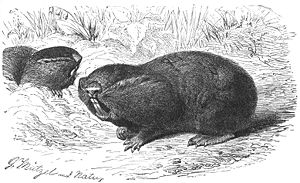
The blind mole rat (Spalax typhlus) has tiny e...

The blind mole rat (Spalax typhlus) has tiny eyes completely covered by a layer of skin. (Photo credit: Wikipedia)

Mole rats, which live in underground burrows throughout Southern and Eastern Africa, and the Middle East, are fascinating creatures. The naked mole rat, in particular, is the only cold-blooded mammal known to man, doesn’t experience pain, and is also arguably the only mammal (along with the Damaraland mole rat) to demonstrate eusociality — that is, they live in large hierarchical communities with a queen and workers, like ants or bees.

The two species examined by the University of Rochester’s Vera Gorbunova and her team were the Judean Mountains blind mole rat (Spalax judaei) and the Golan Heights blind mole rat (Spalax golani), which live within small regions of Israel. The team took cells from the rodents and put them in a culture that would force them to multiply beyond what would happen within the animals’ bodies. For the first seven to 20 multiplications, things looked fine, but beyond 20 multiplications the cells started rapidly dying off.  Examining the cells as they died revealed that they had started to produce a protein, IFN-β, that caused them to undergo “massive necrotic cell death within three days”. In effect, once the cells had detected that they had multiplied beyond a certain point, they killed themselves. The cells of naked mole rats have a self-preservation mechanism tied to a hypersensitivity to overcrowding, which stops them from multiplying too much.  On the one hand (blind mole rat) you have self-destruction at a point at which there is crowding due to IFN-β.  On the other hand, you find an aversion to overcrowding (naked mole rat).

In the Proceedings of the National Academy of Sciences, Gorbunova hypothesizes that the blind mole rats’ unique habitat — almost entirely underground — might mean that they “could perhaps afford to evolve a long lifespan, which includes developing efficient anti-cancer defences”. Blind mole rats have extremely long lifespans by rodent standards, often living beyond 20 years at a time.

The reasons why this is, though, are still all hypothetical, as the precise mechanism that triggers the production of the IFN-β is still unknown. The hope is that this research could eventually lead to new therapies for cancer in humans.

Super Sugar Keeps Naked Mole Rats Cancer-Free

BY ELIZABETH PENNISI, SCIENCENOW 06.20.13

Although they are quite ugly and confined to a life underground, naked mole rats have at least one attribute that other animals, even humans, might aspire to: They don’t get cancer. Now, researchers have discovered that the secret to this rodent’s good health is a complex sugar that helps keeps cells from clumping together and forming tumors.  It exists in the spaces between cells called the extracellular matrix, “the work underlines the very important regulatory role of [the] extracellular matrix in cancer,” says Bryan Toole, a cancer biologist at the Medical University of South Carolina in Charleston who was not involved with the study. Molecular and cell biologist Vera Gorbunova of the University of Rochester in New York wanted to take a different tack and focus on animals that seem protected from tumors. So she tracked down the lifespans of 20 different rodents, looking for the ones that live a long time. Beavers and gray squirrels last a couple of decades, but naked mole rats outlive those larger animals by 10 years.  Furthermore, naked mole rats have a unique social structure, with one queen that produces all the young for an underground colony full of helpers. Thanks to these studies, scientists know for sure that this species doesn’t get cancer. Given that naked mole rats live long and are resistant to cancer, “we fell in love with them right away,” Gorbunova says.

At first, she and her colleagues did not know where to look for the source of animals’ cancer resistance. But when they grew naked mole rat cells in a lab dish, they noticed that cells wouldn’t get too close together. Furthermore, the dish contents got very gooey, and when they eliminated the goo, the cells would clump together. The researchers tracked the stickiness to a complex sugar called hyaluronan, which cells make and release into the extracellular matrix.  Hyaluronan exists in all animals, helping lubricate joints and serving as an essential component in skin and cartilage. However, naked mole rat hyaluronan is unusual in that each molecule is about 5 times the size of hyaluronan molecules from mice, rats, and humans. In addition, the researchers discovered that the enzyme that breaks down this sugar (hyaluronidase) is not very active in naked mole rats, allowing the compound to accumulate to higher concentrations than it does in other animals. The researchers think that this sugar evolved to make naked mole rat skin more elastic and able to cope with the tight squeeze of the narrow underground tunnels.

But does it prevent cancer? Gorbunova and her colleagues tried to stimulate naked mole rat cells to form tumors by exposing them to viral proteins that in mice lead to tumor growth. These proteins inactivate genes that suppress cancer, yet still naked mole rat cells did not show uncontrolled growth. However, when the researchers interfered with the production of hyaluronan or revved up the activity of the enzyme that breaks the sugar down, thereby reducing its concentrations, tumors did form in live animals, they report online today in Nature.

The work is “very thought-provoking [and] adds an interesting wrinkle to the role of the extracellular matrix in cancer,” says Roy Zent, a cell biologist at Vanderbilt University Medical Center in Nashville. Toole agrees. “It pushes our thoughts forward [about hyaluronan] in a very dramatic way,” he notes. “It establishes hyaluronan as an important player in cancer.”  “If we could alter our [hyaluronan] or stabilize it somehow, we may be able to suppress cancers,” suggests Carlo Maley, an evolutionary cancer biologist at the University of California, San Francisco, who was not involved with the work. The next step, he adds, is to “put the naked mole rat [hyaluronan] gene into mice and test if they are cancer resistant.”

English: Naked mole rats. Cropped version of F...

English: Naked mole rats. Cropped version of File:Naked Mole Rats.jpg. (Photo credit: Wikipedia)

Naked Mole rat baby

Naked Mole rat baby (Photo credit: Wikipedia)

English: Spalax leucodon, syn. Nannospalax leu...

English: Spalax leucodon, syn. Nannospalax leucodon Magyar: Földikutya (Photo credit: Wikipedia)

Phrenic Nerve Stimulation in Patients with Cheyne-Stokes Respiration and Congestive Heart Failure

Writer: Larry H Bernstein, MD, FCAP

and

Curator: Aviva Lev-Ari, PhD, RN

Transvenous Phrenic Nerve Stimulation in Patients With Cheyne-Stokes Respiration and Congestive Heart Failure:A Safety and Proof-of-Concept Study

Xi-Long Zhang, MD; Ning Ding; Hong Wang; Ralph Augostini; Bing Yang; Di Xu; Weizhu Ju; Xiaofeng Hou; Xinli Li; Buqing Ni, PhD; Kejiang Cao; Isaac George; Jie Wang, MD, PhD; Shi-Jiang Zhang
Chest. 2012; 142(4):927-934. doi:10.1378/chest.11-1899
Text Size: A A A

Background:  Cheyne-Stokes respiration (CSR), which often occurs in patients with congestive heart failure (CHF), may be a predictor for poor outcome. Phrenic nerve stimulation (PNS) may interrupt CSR in patients with CHF. We report the clinical use of transvenous PNS in patients with CHF and CSR.

Methods:  Nineteen patients with CHF and CSR were enrolled. A single stimulation lead was placed at the junction between the superior vena cava and brachiocephalic vein or in the left-side pericardiophrenic vein. PNS stimulation was performed using Eupnea System device (RespiCardia Inc). Respiratory properties were assessed before and during PNS. PNS was assessed at a maximum of 10 mA.

Results:  Successful stimulation capture was achieved in 16 patients. Failure to capture occurred in three patients because of dislocation of leads. No adverse events were seen under maximum normal stimulation parameters for an overnight study. When PNS was applied following a series of central sleep apneic events, a trend toward stabilization of breathing and heart rate as well as improvement in oxygen saturation was seen. Compared with pre-PNS, during PNS there was a significant decrease in apnea-hypopnea index (33.8 ± 9.3 vs 8.1 ± 2.3, P = .00), an increase in mean and minimal oxygen saturation as measured by pulse oximetry (89.7% ± 1.6% vs 94.3% ± 0.9% and 80.3% ± 3.7% vs 88.5% ± 3.3%, respectively, all P = .00) and end-tidal CO2 (38.0 ± 4.3 mm Hg vs 40.3 ± 3.1 mm Hg, P = .02), but no significant difference in sleep efficiency (74.6% ± 4.1% vs 73.7% ± 5.4%, P = .36).

Conclusions:  The preliminary results showed that in a small group of patients with CHF and CSR, 1 night of unilateral transvenous PNS improved indices of CSR and was not associated with adverse events.

Trial registry:  ClinicalTrials.gov; No.: NCT00909259; URL: www.clinicaltrials.gov

http://journal.publications.chestnet.org/article.aspx?articleid=1215995

Transvenous phrenic nerve stimulation in patients with Cheyne-Stokes respiration and congestive heart failure: a safety and proof-of-concept study

Zhang Xi-Long; Ding N, Wang H, Augostini R, Yang B.
CHEST 2012; 142(4):927–934
Trial registry: ClinicalTrials.gov; No.: NCT00909259; URL: http://www.clinicaltrials.gov
http://dx.doi.org/10.1378/chest.11-1899

Introduction

Cheyne-Stokes respiration (CSR), a condition characterized by a cyclic pattern of waxing and waning ventilation interposed by central apneas or hypopneas, may affect up to 40% of patients with congestive heart failure (CHF).  Whether CSR is related to significantly increased morbidity and mortality 2 or has no impact on long-term survival in patients with CHF is controversial. Nevertheless, several investigators have reported that CSR might be an independent prognostic index of poor outcome in patients with CHF, so that Cheyne-Stokes respiration (CSR), which often occurs in patients with congestive heart failure (CHF), may be a predictor for poor outcome. CSR in patients with CHF is believed to be associated with a hypersensitivity to arterial CO 2 during sleep. The key pathophysiologic mechanism leading to all forms of periodic breathing is the oscillation of blood CO 2 level below and above the apneic threshold.  Clinically, these pathophysiologic changes may translate to sleep fragmentation, excessive daytime sleepiness, reduced exercise capacity, and, possibly, ventricular arrhythmias.
Current treatment options for CSR include medications, positive airway pressure devices such as adapt servo-ventilation, or oxygen therapy. Although all these therapies have shown benefi t in some patients, none has shown a consistent benefi t of suffi cient clinical magnitude to reduce mortality and morbidity. In the current study, we explored the initial feasibility, safety, and possible effects of unilateral, transvenous, synchronized PNS on CSR in 19 patients with CHF . This novel treatment resulted in a marked reduction of minute ventilation and possible improvement of CSR. The authors here suggest that phrenic nerve stimulation (PNS) may interrupt CSR in patients with CHF.

Study Population

 Nineteen patients with CHF and CSR were enrolled.  All study patients (N 5 19) had received a diagnosis of CSR and chronic CHF and were hospitalized in The First Affiliated Hospital of Nanjing Medical University (Nanjing, China). Of them, 12 with rheumatic cardiac valve disease were waiting forcardiac surgery, and seven (fi ve with dilated cardiomyopathy and two with hypertensive heart disease) were enrolled from the cardiology ward because of severe heart failure.
The inclusion criteria were aimed at identifying patients with symptoms or a diagnosed condition indicative of CSR who would tolerate the testing procedure. The patients continued on their standard medical regimen during participation, and in the case of an adverse event, medical treatment was at the discretion of the investigator. The inclusion criteria were as follows: (1) both patient and direct family member willingness to sign a Patient Ethics Committee-approved informed consent, (2) age > 18 years, (3) index CSR of > 15 times/h, (4) history of CHF with a left ventricle ejection fraction < 45%, and (5) ability to tolerate the study procedure and remain clinically stable for the duration of the study. Exclusion criteria were as follows: (1) baseline oxygen saturation <  90% on a stable FiO2 ; (2) evidence of phrenic nerve palsy; (3) temperature > 38.0°C; (4) inability to place stimulation lead (eg, coagulopathy, distorted anatomy, etc); (5) current enrollment in another clinical study that may confound the results of the present study; (6) no informed consent; (7) pregnancy or of childbearing potential without a negative pregnancy test within 10 days of the study procedure; (8) pacemaker, implantable cardioverter defibrillator, or cardiac resynchronization device; (9) severe COPD; (10) a history of myocardial infarction within 6 months prior to the study; and (11) unstable angina.

Study Design

 This short-term, prospective, open-label, nonrandomized feasibility study consisted of a treatment-only cohort in which each patient served as his or her own control. After patients were screened and enrolled in the study, PNS leads were placed through an interventional procedure for observation of 1 night only. During the 1-night study, we examined whether PNS caused pain, arousal during sleep, arrhythmia, changes in BP, and changes in either normal breathing or sleep apnea. We also examined the impact of PNS on central, obstructive, and mixed sleep apnea. Alterations in sleep apnea and hypopnea events were compared before and during PNS. “Before stimulation” was defined as the number of sleep apnea and hypopnea events occurring during a segment of 10 min just before delivery of PNS and served as the control for the effects of PNS. The total number of the 10-min segments before PNS, the total number of sleep apnea and hypopnea events occurred during the sum of the 10-min time were calculated,  then averaged (total number of sleep apnea and hypopnea events/total hours of the 10-min segments from all patients) and presented as the apnea-hypopnea index (AHI) for statistical analysis. AHI during PNS were also calculated and compared with AHI prior to PNS.

Sleep Study and Monitored Parameters

 All participants underwent a nocturnal, in-laboratory polysomnography (Embla S4500 PSG Amplifi er; Natus Medical Inc) and were monitored for at least 7 h overnight. The standard polysomnography recorded the EEG, bilateral electrooculograms, submental  electromyogram, ECG, chest and abdominal movement using respiratory effort bands, body position, nasal airflow using a pressure sensor, and oxygen saturation as measured by pulse oximetry (Sp o 2 ).
EEG, sleep staging, and arousals were monitored and scored using 30 epochs according to the method of Rechtschaffen and Kales. Classification of apnea and hypopnea was described by standard methodologies. CSR was identified as a special kind of CSA behaving as a cyclic pattern of periods of hyperventilation with waxing and waning tidal volumes alternating with periods of central hypopnea/apnea .

Lead Placement and PNS

A single stimulation lead was placed at the junction between the superior vena cava and brachiocephalic vein or in the left-side pericardiophrenic vein. PNS stimulation was performed using Eupnea System device (RespiCardia Inc). Respiratory properties were assessed before and during PNS. PNS was assessed at a maximum of 10 mA.

Results

Successful stimulation capture was achieved in 16 patients. Failure to capture occurred in three patients because of dislocation of leads. No adverse events were seen under maximum normal stimulation parameters for an overnight study.  No new arrhythmias, muscle contractions, arterial BP variations, pain, or unpleasant sensations were observed once PNS was delivered during sleep for these patients. It was confirmed that the catheter could be secured adequately to obtain consistent predictable stimulation thresholds without arousal from sleep. During occurrence of CSR, intermittent PNS signals were first confirmed to be successfully captured in 16 patients. When PNS was applied following a series of central sleep apneic events, a trend toward stabilization of breathing and heart rate.  An improvement in oxygen saturation and elevation of end-tidal CO2 was observed as longer continuous stimulation was performed. The period of stable breathing lasted as long as 10 to 20 min in some patients after stimulation.  They found that when electric connection to the nerve was consistent, stimulation resulted in a reduced hyperventilation followed by the reduction or elimination of CSR.
Compared with pre-PNS, during PNS there was a significant decrease in apnea-hypopnea index (33.8 ± 9.3 vs 8.1 ± 2.3, P = .00), an increase in mean and minimal oxygen saturation as measured by pulse oximetry (89.7% ± 1.6% vs 94.3% ± 0.9% and 80.3% ± 3.7% vs 88.5% ± 3.3%, respectively, all P = .00) and end-tidal CO2 (38.0 ± 4.3 mm Hg vs 40.3 ± 3.1 mm Hg, P = .02), but no significant difference in sleep efficiency (74.6% ± 4.1% vs 73.7% ± 5.4%, P = .36).

Discussion

CSR is characterized by cyclical oscillations of respiration and apnea. The incidence of CSR ranges from 10% to 20% in patients with stable CHF and up to 40% to 50% of all patients with New York Heart Association functional class III?IV CHF.  Nocturnal breathing alterations in patients with CHF are believed to be due to hypersensitivity to CO 2 during sleep. Breathing is controlled by a negative feedback system in which an increase in Pa co 2 stimulates breathing, whereas a decrease in Pa co 2 inhibits breathing. Normally, Pa co 2 is maintained within a narrow range. Patients with CHF and CSA have a more brisk ventilatory response to CO 2 than those without CSA.
The preliminary results showed that in a small group of patients with CHF and CSR, 1 night of unilateral transvenous PNS improved indices of CSR and was not associated with adverse events.
The study was performed using temporary catheters or leads in the right-side brachiocephalic vein, SVC, or left-side pericardiophrenic vein to transvenously stimulate the hemidiaphragm through either the leftside or the right-side phrenic nerve. To consistently stimulate the phrenic nerve using acceptable and safe current levels ( < 10 mA), the stimulation electrode needs to be within 2 to 5 mm from the phrenic nerve.  This type of stimulation caused significantly improved respiratory parameters in patients with CHF and further support that oscillation of CO 2 level in the blood below and above the apneic threshold is a central mechanism leading to the CSR pattern of breathing. Stabilization of CO 2 levels through PNS produced a regular breathing pattern, improvement in oxygen saturation, and fewer apneic events.
Dr.  Isaac George: contributed to data evaluation and drafting of the manuscript.

Related articles

Other related articles published on this Open Access Online Scientific Journal include the following:

Implantable Synchronized Cardiac Assist Device Designed for Heart Remodeling: Abiomed’s Symphony

Aviva Lev-Ari, PhD, RN, 7/11/2012

http://pharmaceuticalintelligence.com/2012/07/11/implantable-synchronized-cardiac-assist-device-designed-for-heart-remodeling-abiomeds-symphony/

Biomaterials Technology: Models of Tissue Engineering for Reperfusion and Implantable Devices for Revascularization

Larry H Bernstein, MD, FCAP and Aviva Lev-Ari, PhD, RN

http://pharmaceuticalintelligence.com/5_04_2013/bernstein_lev-ari/Bioengineering_of_Vascular_and_Tissue_Models

Foreseen changes in Guideline of Treatment of Cardiogenic Shock with Intra-aortic Balloon counterPulsation (IABP)

Evidence for Overturning the Guidelines in Cardiogenic Shock

Clinical Indications for Use of Inhaled Nitric Oxide (iNO) in the Adult Patient Market: Clinical Outcomes after Use, Therapy Demand and Cost of Care

Aviva Lev-Ari, PhD, RN, 6/3/2013

Aviral Vatsa PhD MBBS, 1/4/2013

Clinical Trials Results for Endothelin System: Pathophysiological role in Chronic Heart Failure, Acute Coronary Syndromes and MI – Marker of Disease Severity or Genetic Determination?

Aviva Lev-Ari, PhD, RN, 10/19/2013

http://pharmaceuticalintelligence.com/2012/10/19/clinical-trials-results-for-endothelin-system-pathophysiological-role-in-chronic-heart-failure-acute-coronary-syndromes-and-mi-marker-of-disease-severity-or-genetic-determination/

Diagnosis of Cardiovascular Disease, Treatment and Prevention: Current & Predicted Cost of Care and the Promise of Individualized Medicine Using Clinical Decision Support Systems

Justin Pearlman MD ME PhD MA FACC, Larry H Bernstein, MD, FCAP and Aviva Lev-Ari, PhD, RN

http://pharmaceuticalintelligence.com/2013/05/15/diagnosis-of-cardiovascular-disease-treatment-and-prevention-current-predicted-cost-of-care-and-the-promise-of-individualized-medicine-using-clinical-decision-support-systems-2/

Visualisation of Cheyne-Stokes respiration

Visualisation of Cheyne-Stokes respiration (Photo credit: Wikipedia)

Cheyne-Stokes respiration

Cheyne-Stokes respiration (Photo credit: Wikipedia)

Cheyne-Stokes respiration

Cheyne-Stokes respiration (Photo credit: Wikipedia)