See on Scoop.it – Cardiovascular Disease: PHARMACO-THERAPY
Current Hypertension Reports
See on www.mdlinx.com
See on Scoop.it – Cardiovascular Disease: PHARMACO-THERAPY
Current Hypertension Reports
See on www.mdlinx.com
Posted in Uncategorized | Leave a Comment »
See on Scoop.it – Cardiovascular Disease: PHARMACO-THERAPY
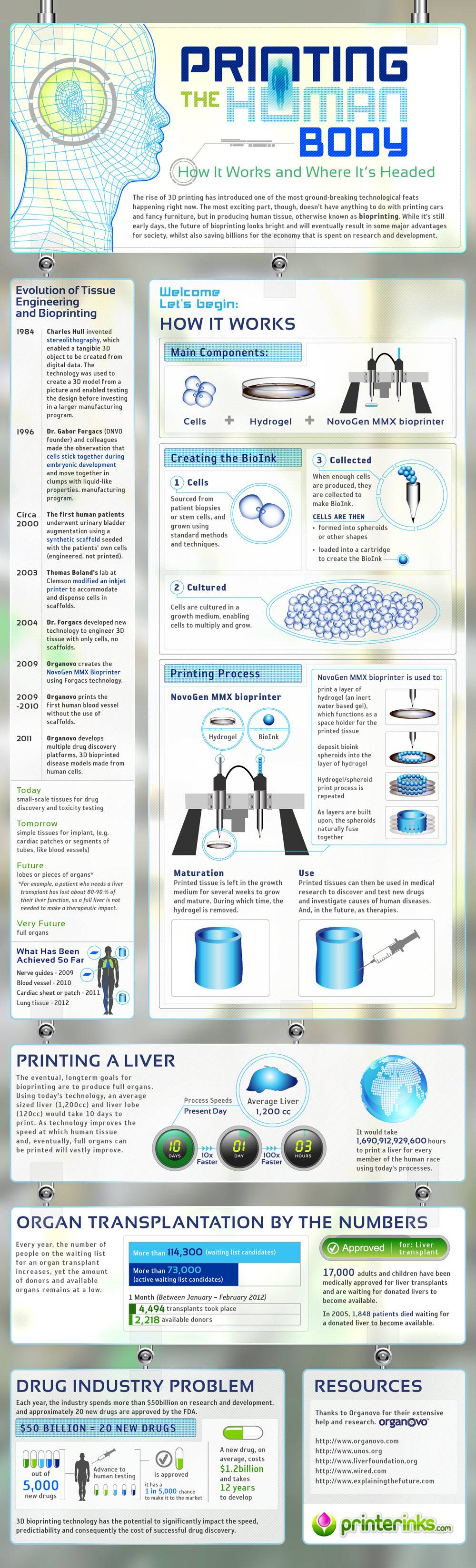
This life science innovation could bring the future of healthcare to us in the time it took to land on the moon: a 3-D printed “bioficial” heart.
See on medcitynews.com
Posted in Uncategorized | Leave a Comment »
See on Scoop.it – Cardiovascular Disease: PHARMACO-THERAPY
British Journal of Radiology
See on www.mdlinx.com
Posted in Uncategorized | Leave a Comment »
Reporter: Aviva Lev-Ari, PhD, RN
See on Scoop.it – Cardiovascular Disease: PHARMACO-THERAPY
Reporter: Aviva Lev-Ari, PhD, RN
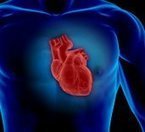
The rise of 3D printing has introduced one of the most ground-breaking technological feats happening right now. The most exciting part, though, doesn’t have anything to do with printing electronics or fancy furniture, but in producing human tissues, otherwise known as bioprinting. While it is still in its infancy, the future of bioprinting looks very bright and will eventually result in some major advances for society, whilst also saving billions for the economy this is spent on research and development.
See on www.kurzweilai.net
Posted in 3D Printing for Medical Application | Leave a Comment »
Reporter: Aviva Lev-Ari, PhD, RN
See on Scoop.it – Cardiovascular Disease: PHARMACO-THERAPY
Cyclophosphamide is one of several clinically important cancer drugs whose therapeutic efficacy is due in part to their ability to stimulate antitumor immune responses. Studying mouse models, we demonstrate that cyclophosphamide alters the composition of microbiota in the small intestine and induces the translocation of selected species of Gram-positive bacteria into secondary lymphoid organs. There, these bacteria stimulate the generation of a specific subset of “pathogenic” T helper 17 (pTH17) cells and memory TH1 immune responses. Tumor-bearing mice that were germ-free or that had been treated with antibiotics to kill Gram-positive bacteria showed a reduction in pTH17 responses, and their tumors were resistant to cyclophosphamide. Adoptive transfer of pTH17 cells partially restored the antitumor efficacy of cyclophosphamide. These results suggest that the gut microbiota help shape the anticancer immune response.
Posted in Metabolic Immuno-Oncology | Leave a Comment »
See on Scoop.it – Cardiovascular and vascular imaging
2 Minute Medicine Age, cardiac comorbidities linked to increased risk of trastuzumab-related CHF 2 Minute Medicine It should be noted that this was a retrospective study and in addition the authors were unable to evaluate the impact CHF had on…
See on www.2minutemedicine.com
Posted in Uncategorized | Leave a Comment »
See on Scoop.it – Cardiotoxicity
The Mental Health Summit is working with other groups to remove obstacles preventing persons with serious mental illnesses from obtaining the medications they need to treat their illnesses. Last year the Illinois legislature …
Posted in Uncategorized | Leave a Comment »
See on Scoop.it – Cardiovascular Disease: PHARMACO-THERAPY
Outlook Better When Warfarin Restarted After Major Bleed
MedPage Today
New Prion Disease Includes GI Symptoms. 11/15/2013. |. 1. CME 50 taken. New Obesity Drugs Do Work. 11/16/2013. |. 3. CME 49 taken.
See on www.medpagetoday.com
Posted in Uncategorized | Leave a Comment »
See on Scoop.it – Cardiovascular and vascular imaging
Human neural stem cells could meet the clinical problem of critical limb ischemia
Science Codex
New research has shown human neural stem cells could improve blood flow in critical limb ischemia through the growth of new vessels.
See on www.sciencecodex.com
Posted in Uncategorized | Leave a Comment »
See on Scoop.it – Cardiovascular and vascular imaging
Mental Stress Takes a Bigger Toll on Younger Women’s Hearts Healthline Women under the age of 50 who have suffered a recent heart attack are more likely to experience myocardial ischemia—which causes a decrease in blood flow to the heart—in the…
See on www.healthline.com
Posted in Uncategorized | Leave a Comment »




 2012pharmaceutical
 sjwilliamspa